Institution
Institute of Art, Design and Technology (IADT)
Medium
Film
Graduation Year
Class of 2025
Share
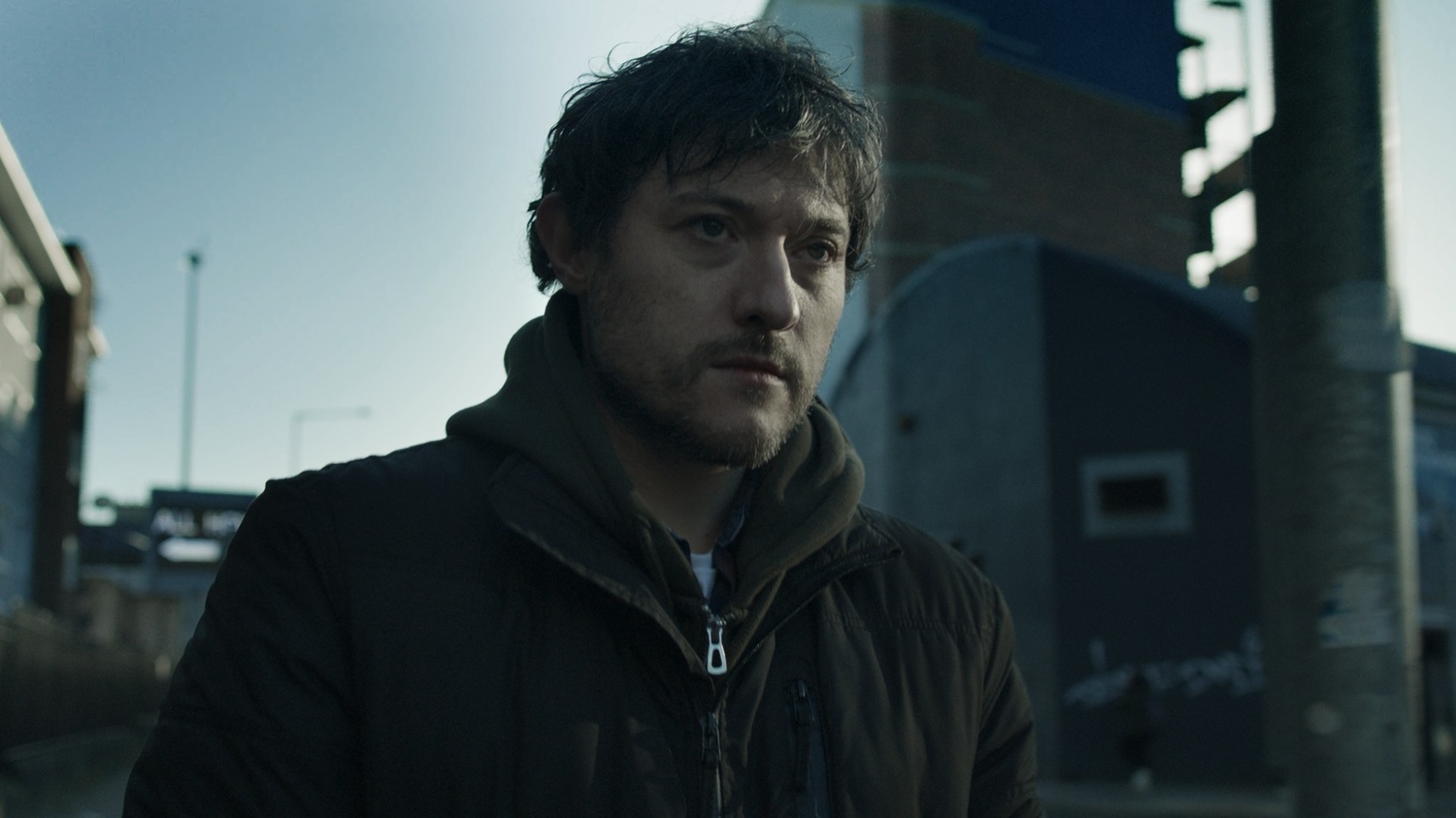
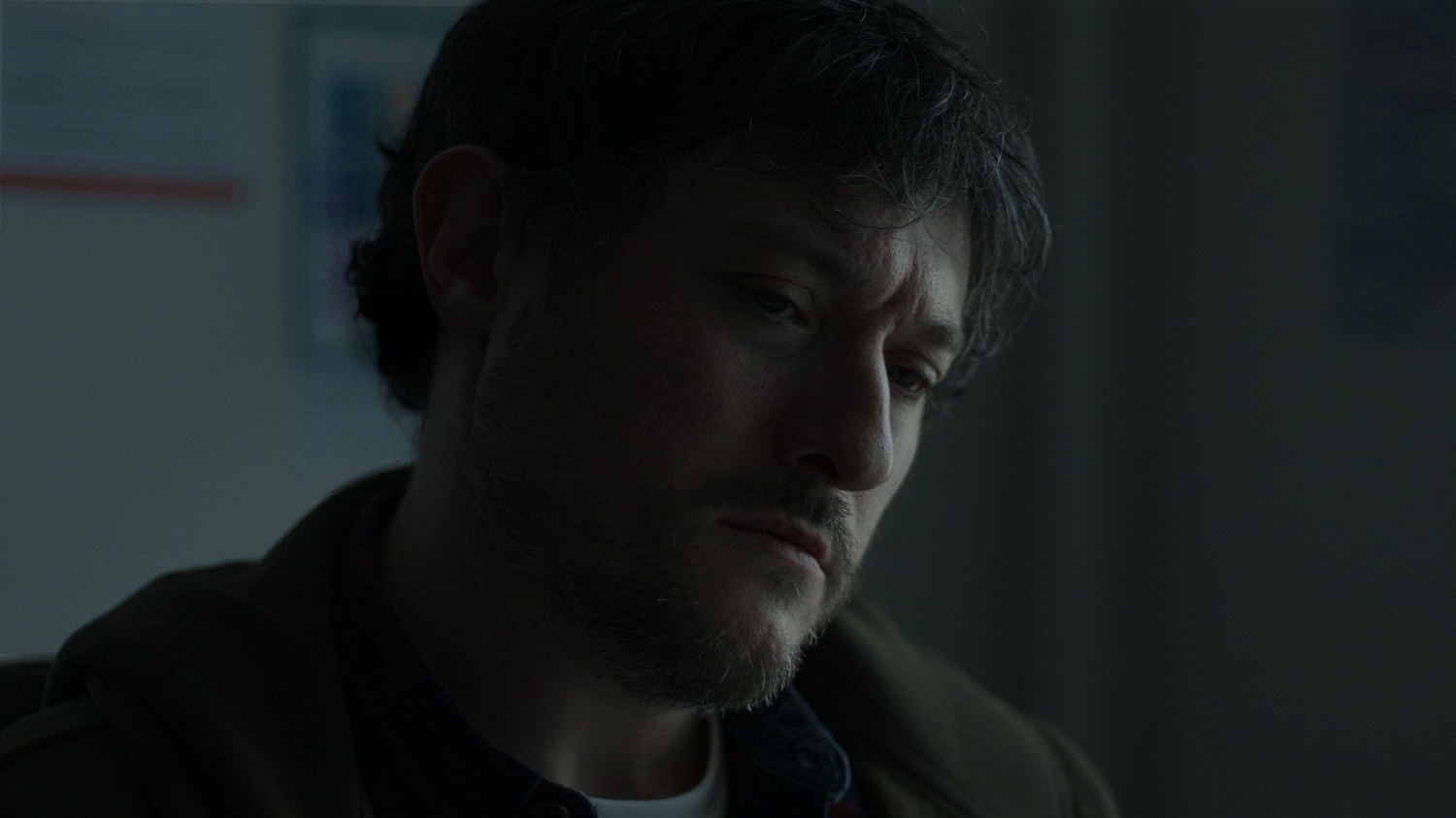
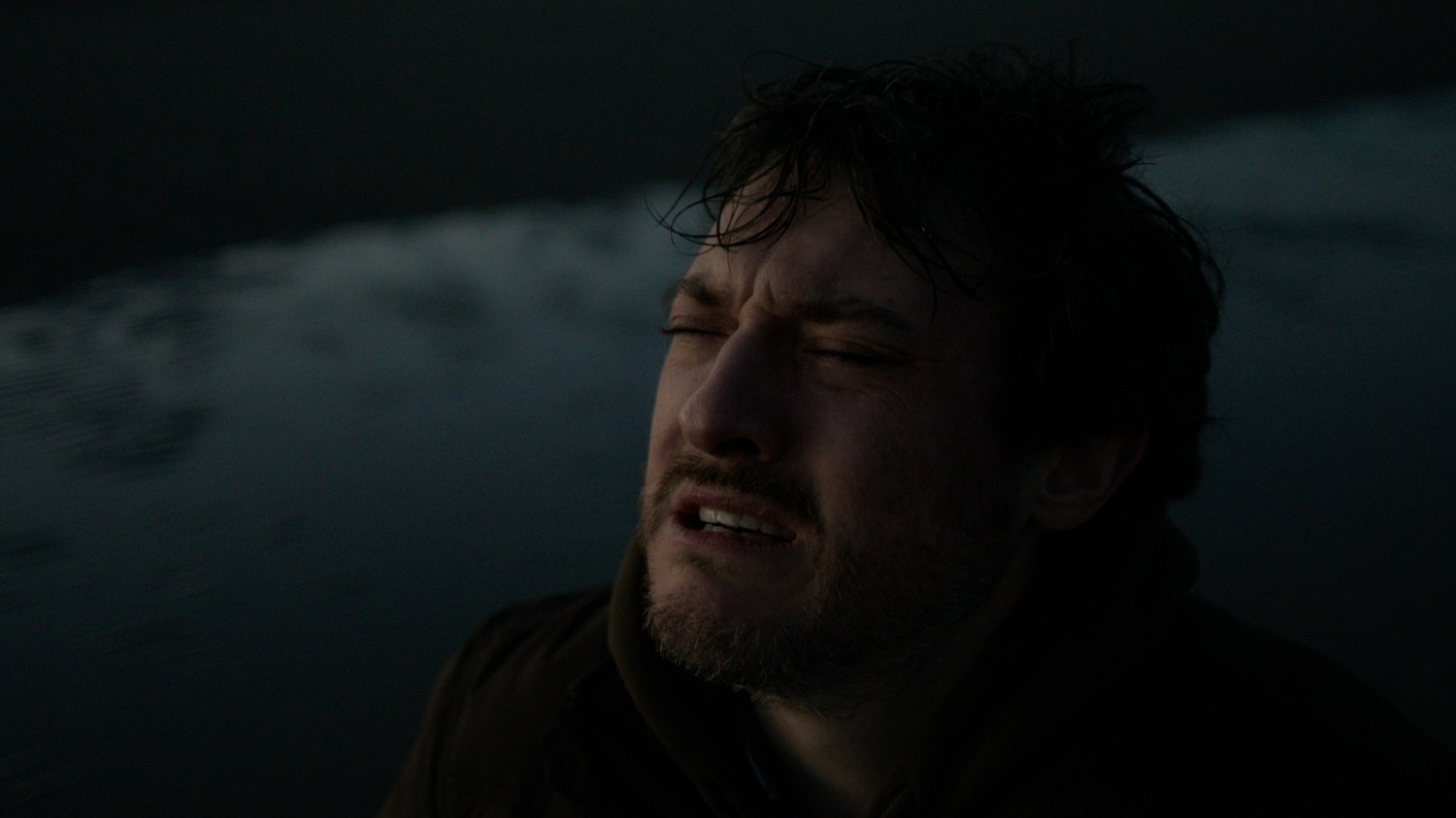
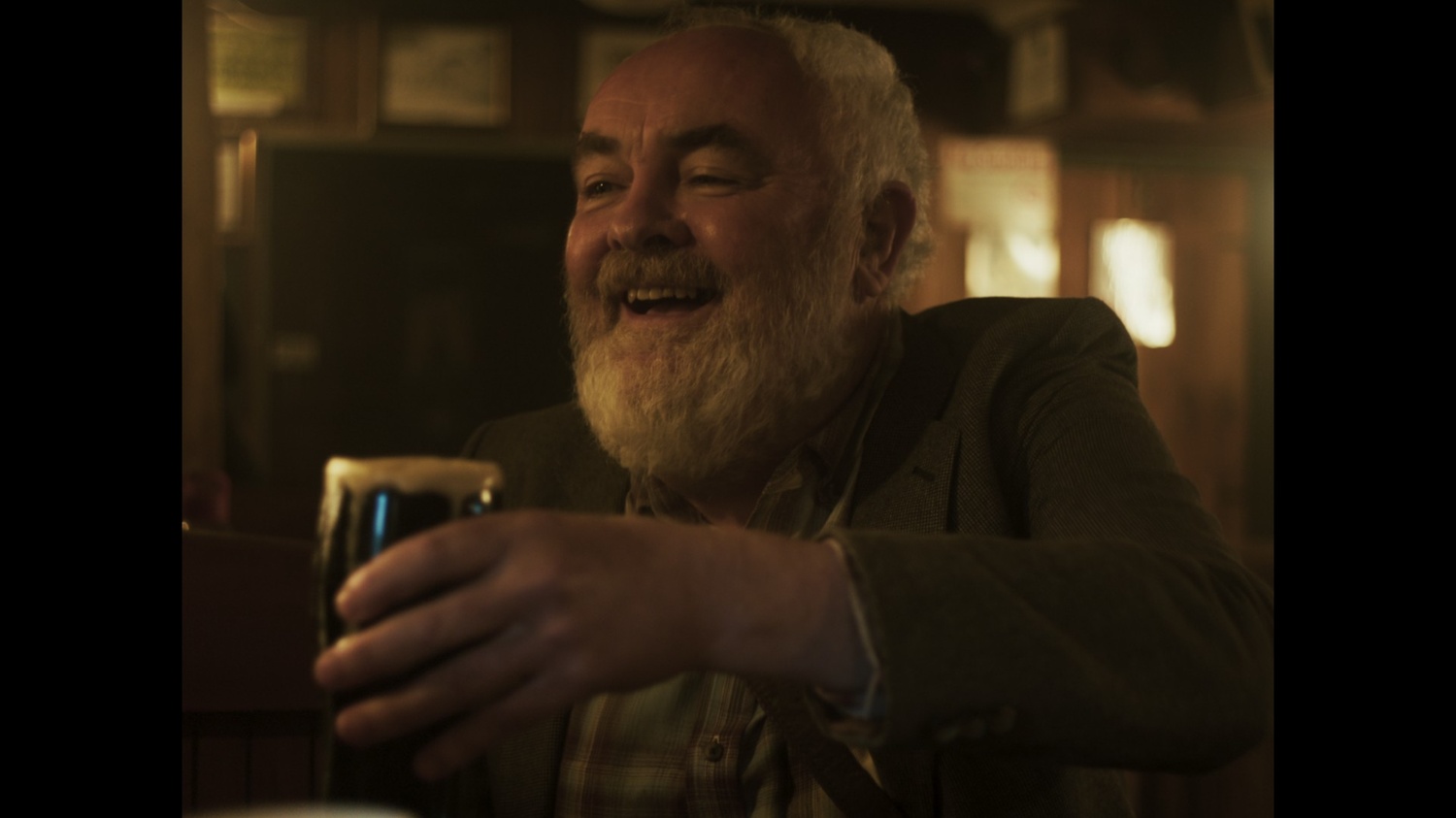
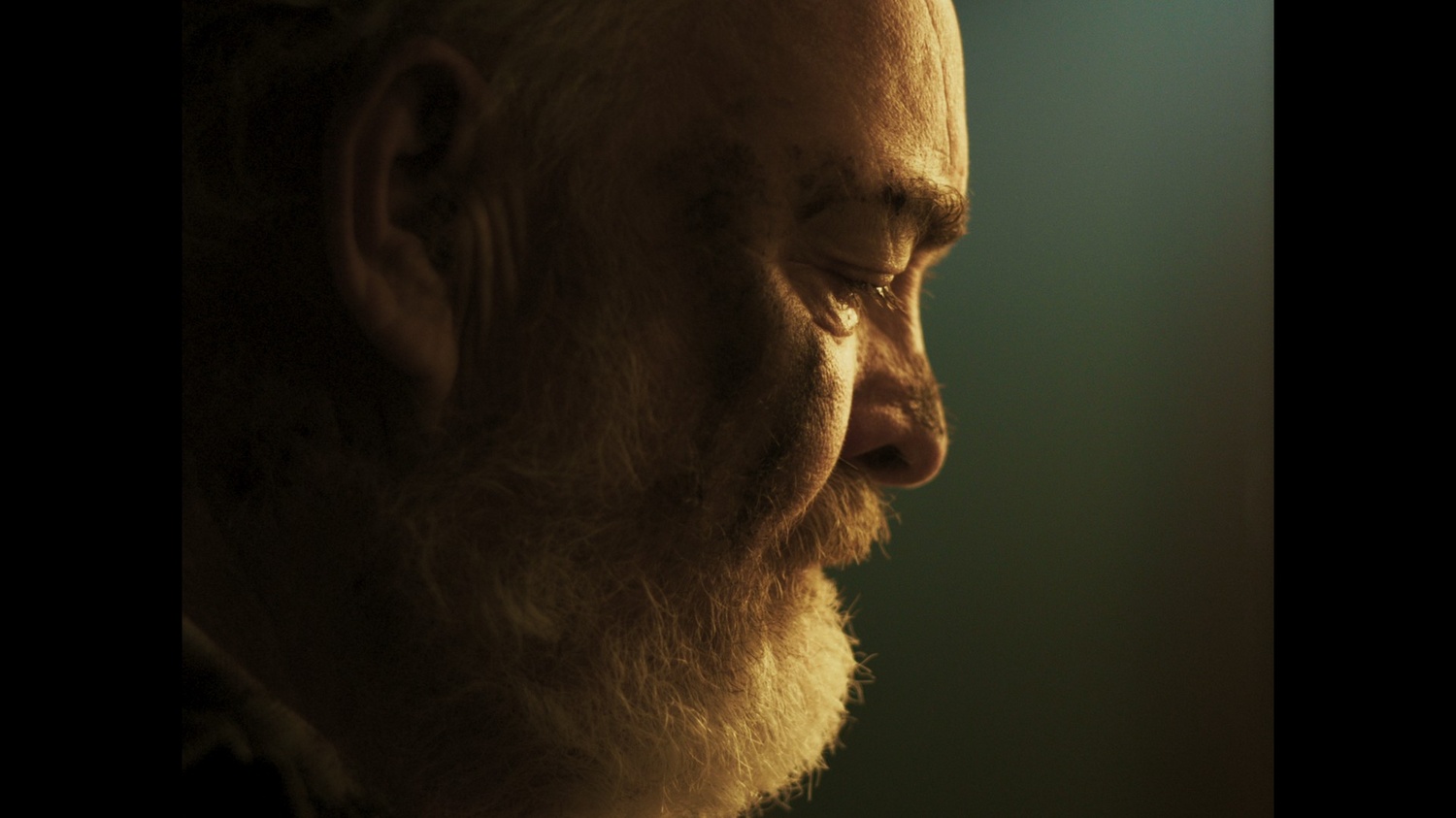
I’m a cinematographer from rural County Derry who has always had a deep love for cinema from a young age. That passion has only grown stronger as the years have passed. I studied Moving Image Arts at A Level, where I achieved an A*, developing my love for the filmmaking process. From there I applied to the National Film School at IADT, where I recently graduated with a double major in Cinematography. Growing up in the countryside, I developed a deep appreciation for quiet moments and natural light, something that continues to influence my work behind the camera. My passion for cinematography has always been unwavering. I’m fascinated by the emotional power of images and how light, composition, and movement can shape a story just as much as words can. Two of my biggest cinematographic inspirations are Seamus McGarvey, a fellow northerner, whose work has always shown a beautiful sensitivity to character and setting, and Emmanuel Lubezki, whose bold, immersive style pushes what visual storytelling can be. My approach to cinematography is rooted in subtlety, observation, and emotional truth. I strive for lighting that feels wholly organic, light that blends so seamlessly into the world of the film that it becomes invisible. For me, cinematography is never about displaying technique. It is about creating a visual atmosphere that supports the emotional and narrative core of the story. I am particularly inspired by Emmanuel Lubezki’s use of natural light and fluid, immersive camera movement. His ability to dissolve the barrier between viewer and character has had a profound influence on my work. Like Lubezki, I aim for the camera to feel invisible, moving gently through space, never imposing itself but always deeply present. I also hold closely to the belief expressed by Freddie Francis, who once said, “There’s good cinematography, bad cinematography, and cinematography that’s right for the movie.” That final category is where I hope my work belongs, where every visual decision arises naturally from the needs of the story and the emotional lives of its characters. This philosophy was central to the making of my short film 'At What Cost', a quiet exploration of mental health. The film was deeply influenced by Hu Bo’s 'An Elephant Sitting Still' (2018), Alan Clarke’s 'Made in Britain' (1982) and 'Elephant' (1989), and the recent work of Matt Lewis in 'Adolescence' (2025). I employed long takes as a deliberate tool to build immersion, allowing the audience to live inside the experience of the main character, Elliot, portrayed with great sensitivity by Diarmuid Noyes. These extended sequences gave space for time to unfold naturally, inviting the viewer to observe the rhythms, silences, and emotional undercurrents of life in a way that calls no attention to the filmmaking itself. In contrast, my work on 'Hobnobs' offered the opportunity to explore a more stylised visual approach. I opted for a 4:3 aspect ratio, which brought a focused, intimate feel to the frame and enhanced the emotional isolation of the characters. I lit the film primarily with warmer tungsten sources and made extensive use of practical lights within the frame to motivate our key light, ensuring the lighting felt motivated yet expressive. I consistently use shadow to add depth and dimension to the image, helping to draw the subject away from the background and into the emotional focus of the scene. This layering of light and space helped to create a tactile visual language that still served the story, while allowing a slightly more composed and deliberate aesthetic to emerge. For me, this is the kind of cinematography that matters most. It is quiet, invisible, emotionally grounded, and deeply connected to the reality of the story being told.