Arthur Armstrong was the new kid on the block to the ‘Belfast Boys’ group of painters Gerard Dillon, George Campbell, Daniel O’Neill and Colin Middleton. In this, the centenary of Armstrong’s birth, Dickon Hall considers his life and work as ‘one of the most significant and innovative Northern Irish painters of the mid-20th century’. This year is also the centenary of the Friends of the National Collections of Ireland, a society set up to support national and public collections by purchasing, gifting or bequeathing art to them. Hilary Pyle tells its story and that of the driving force behind its formation, Sarah Purser. Alongside this, Logan Sisley details the important role Sarah Purser played in the formation of the Hugh Lane Gallery, where an exhibition of the artist’s work is being mounted. The winners of the RDS Visual Art Awards are on show at the Irish Museum of Modern Art, where Sarah Kelleher discovers that identity politics are a core concern in their work; playwright Seán O’Casey is the inspiration for painter Mick O’Dea’s latest exhibition, he tells John P O’Sullivan; and Kieran Cashell admires Pamela Dunne’s revealing sequence of self-portraits. Aidan Dunne interviews Ursula Burke ahead of her Irish touring exhibition; Isabella Evangelisti regards the ceramic sculptures of Lynsay-Erin Mercer, an award winner in last year’s Royal Ulster Academy Annual Exhibition; and Seamus O’Brien looks at watercolours by members of the Irish Society of Botanical Artists. Stanhope Alexander Forbes was a leading figure of the Newlyn School in Cornwall during the 1880s. Philip McEvansoneya unearths the lesser-known background to the artist’s time in Ireland; and Roger Stalley takes us to friaries of the West of Ireland to admire their impressive architectural legacy – ‘though much remains to be discovered about the masons who created them and the way the designs were conceived’.
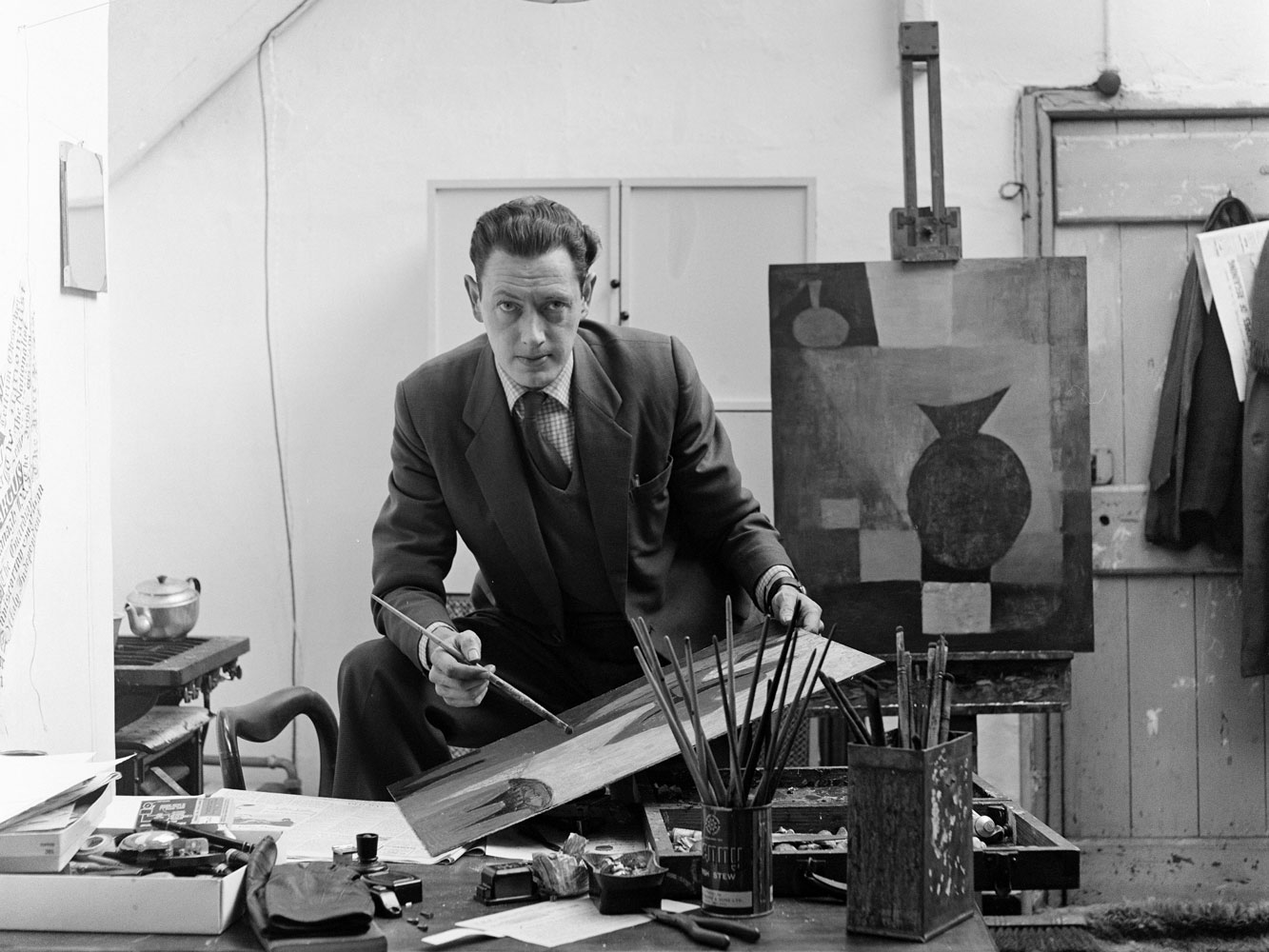
Dickon Hall considers the work of Northern Irish artist Arthur Armstrong on the centenary of his birth
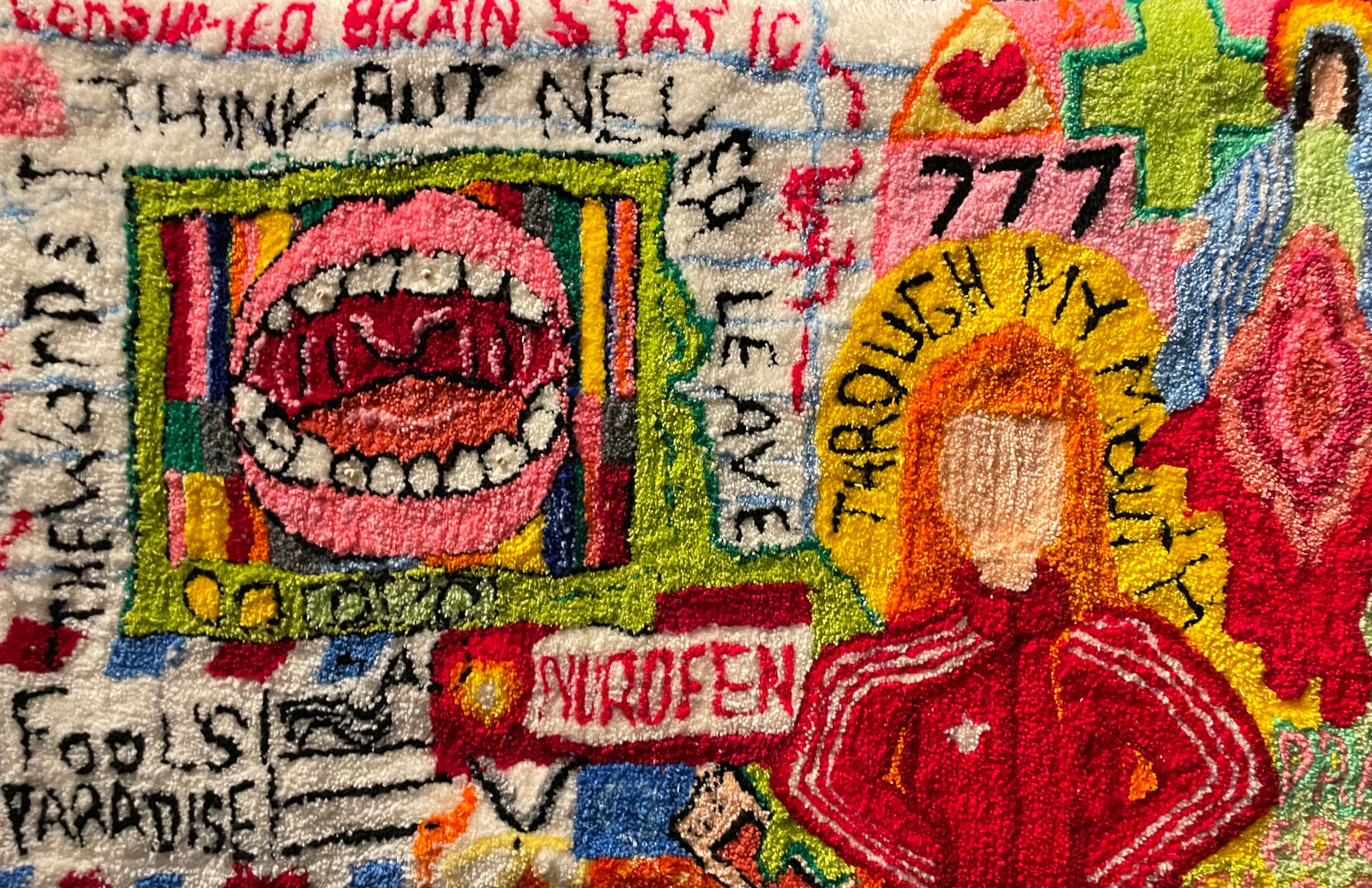
What is urgent for artists working in Ireland? Sarah Kelleher explores the RDS Visual Art Awards at the Irish Museum of Modern Art
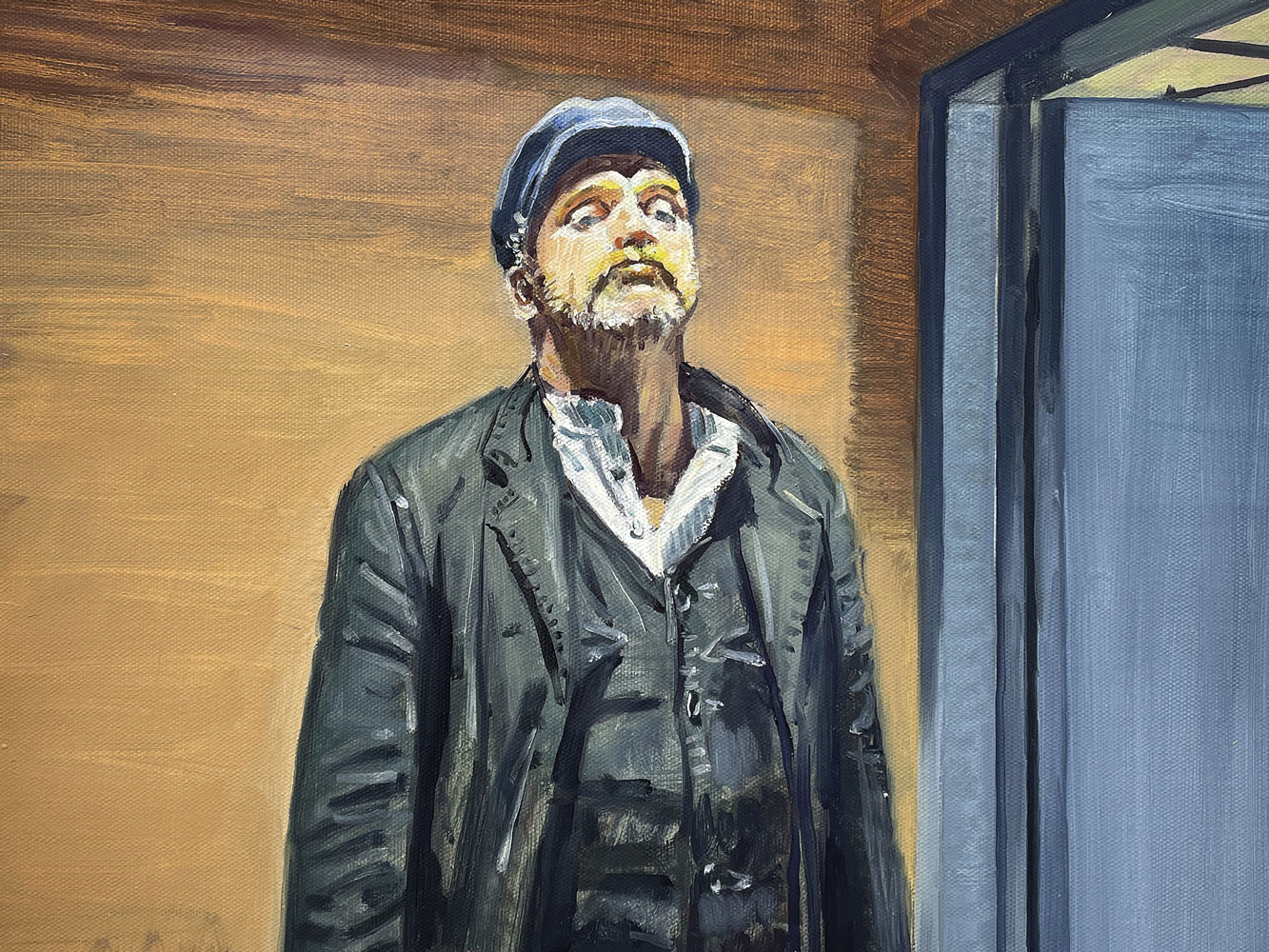
John P O’Sullivan surveys Mick O’Dea’s paintings of characters from the playwright Seán O’Casey’s plays
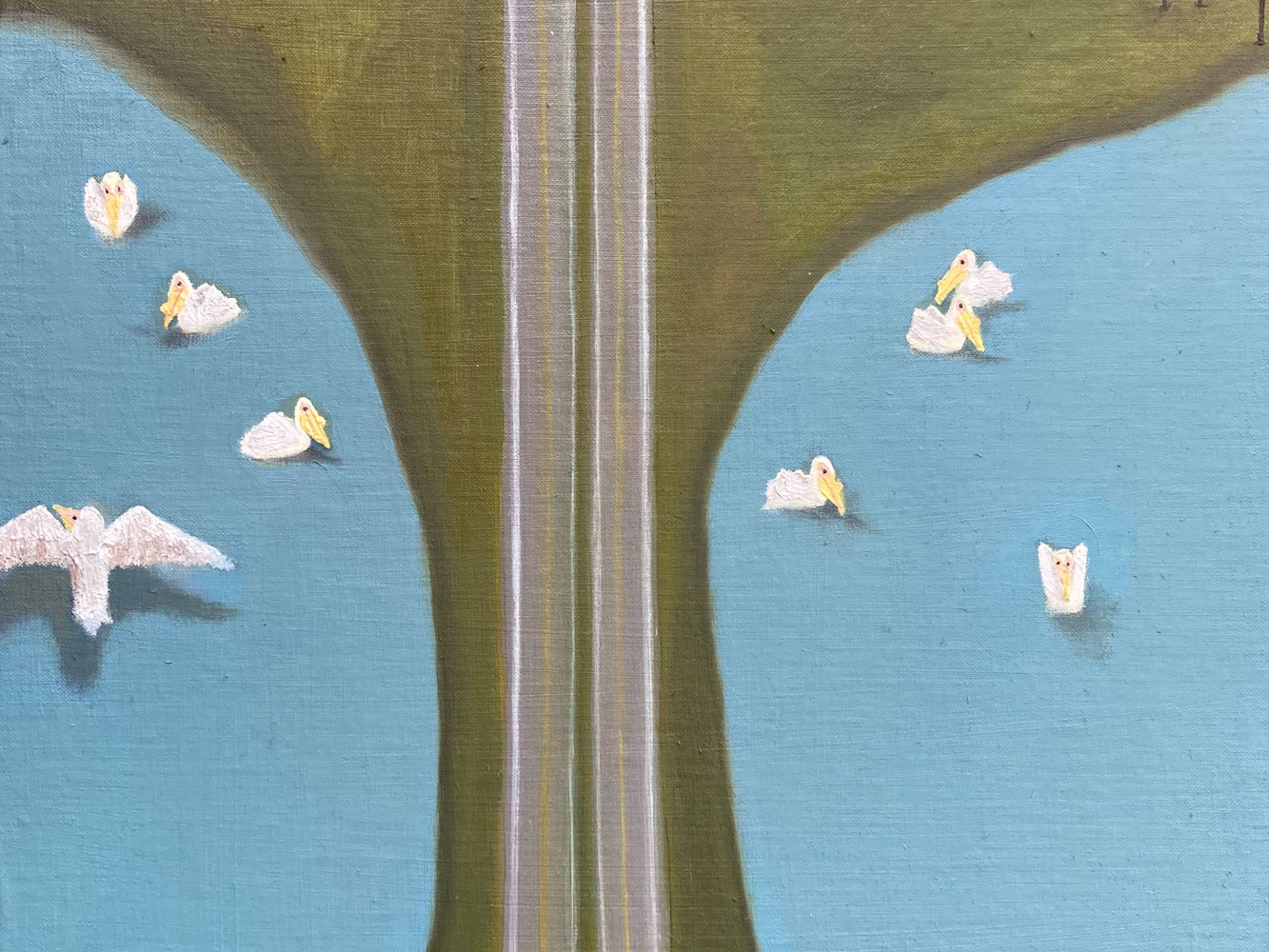
There is a confidence about Mollie Douthit’s practice, which is slow and considered, writes Margarita Cappock
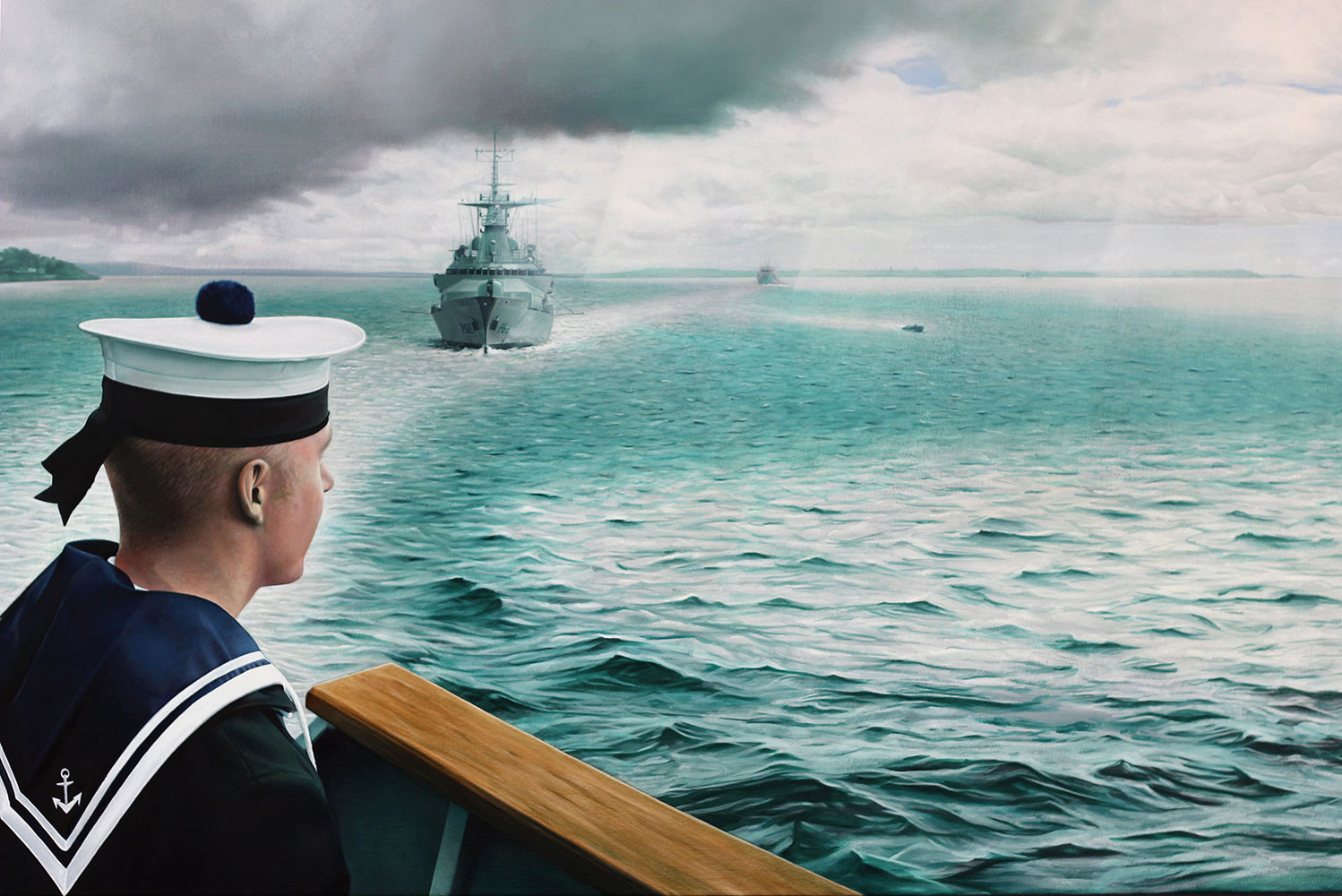
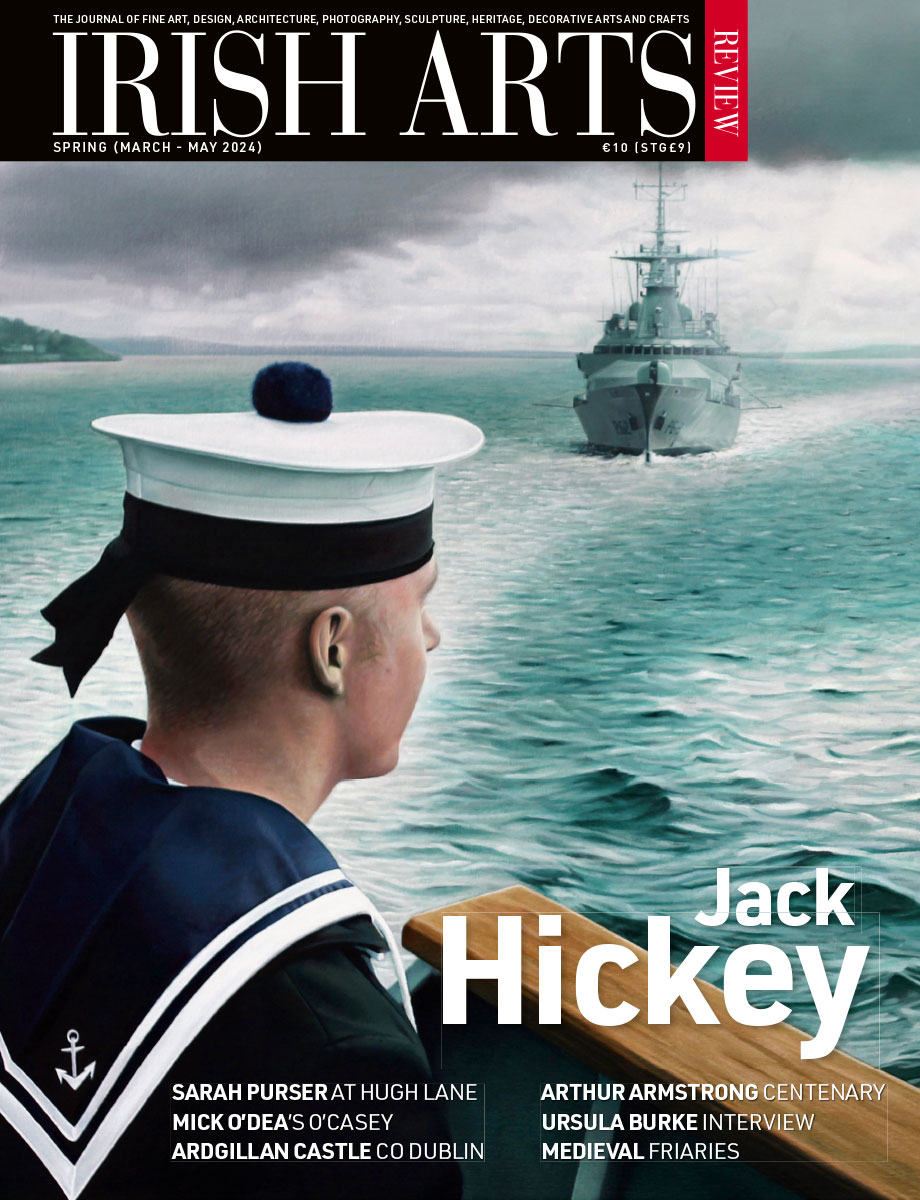
Artist Jack Hickey tells Cristín Leach that his influences range from Caravaggio to Nan Goldin
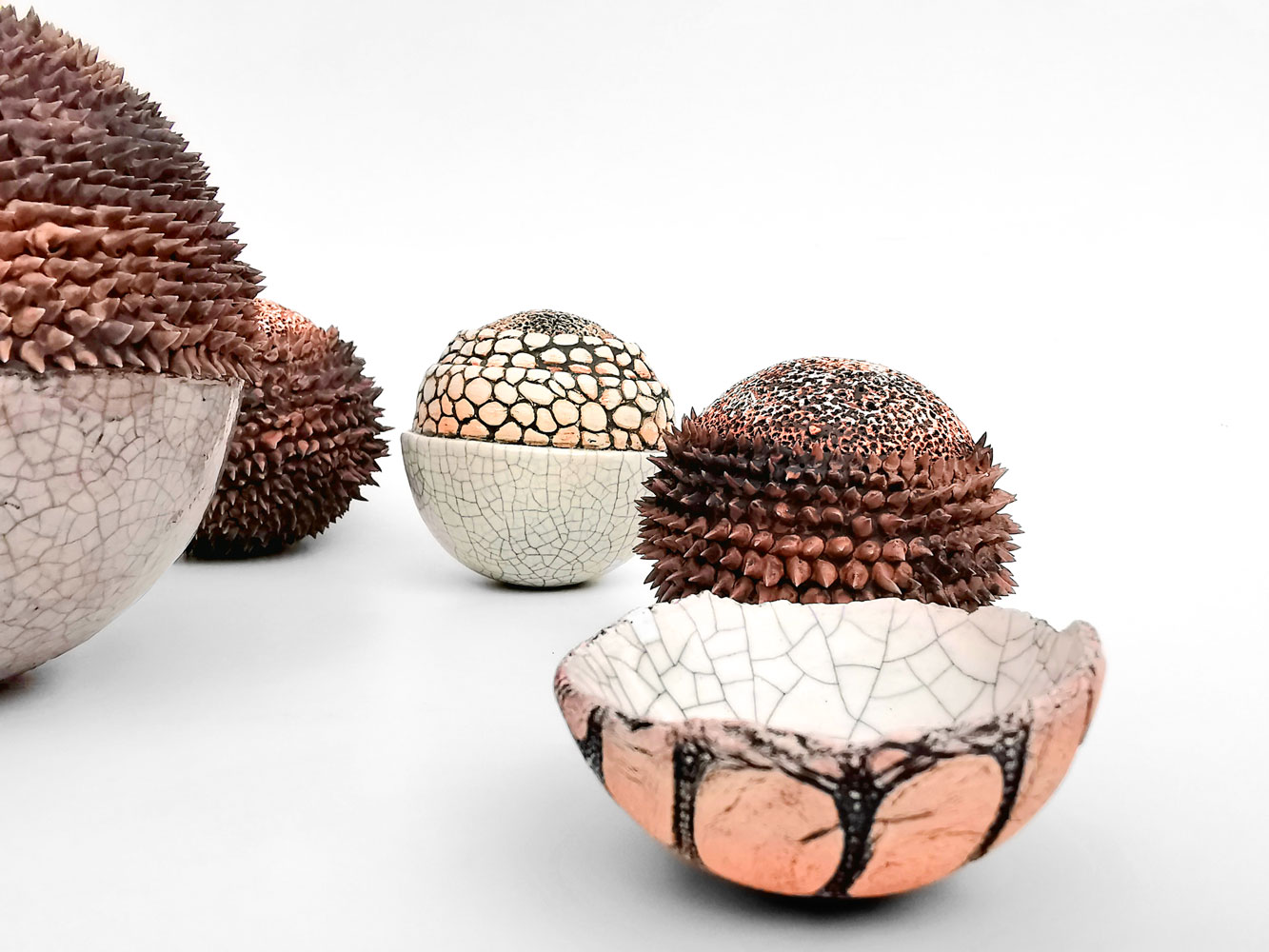
Lynsay-Erin Mercer’s careful and meticulous process mirrors the consideration and depth of her conceptualisation, writes Isabella Evangelisti
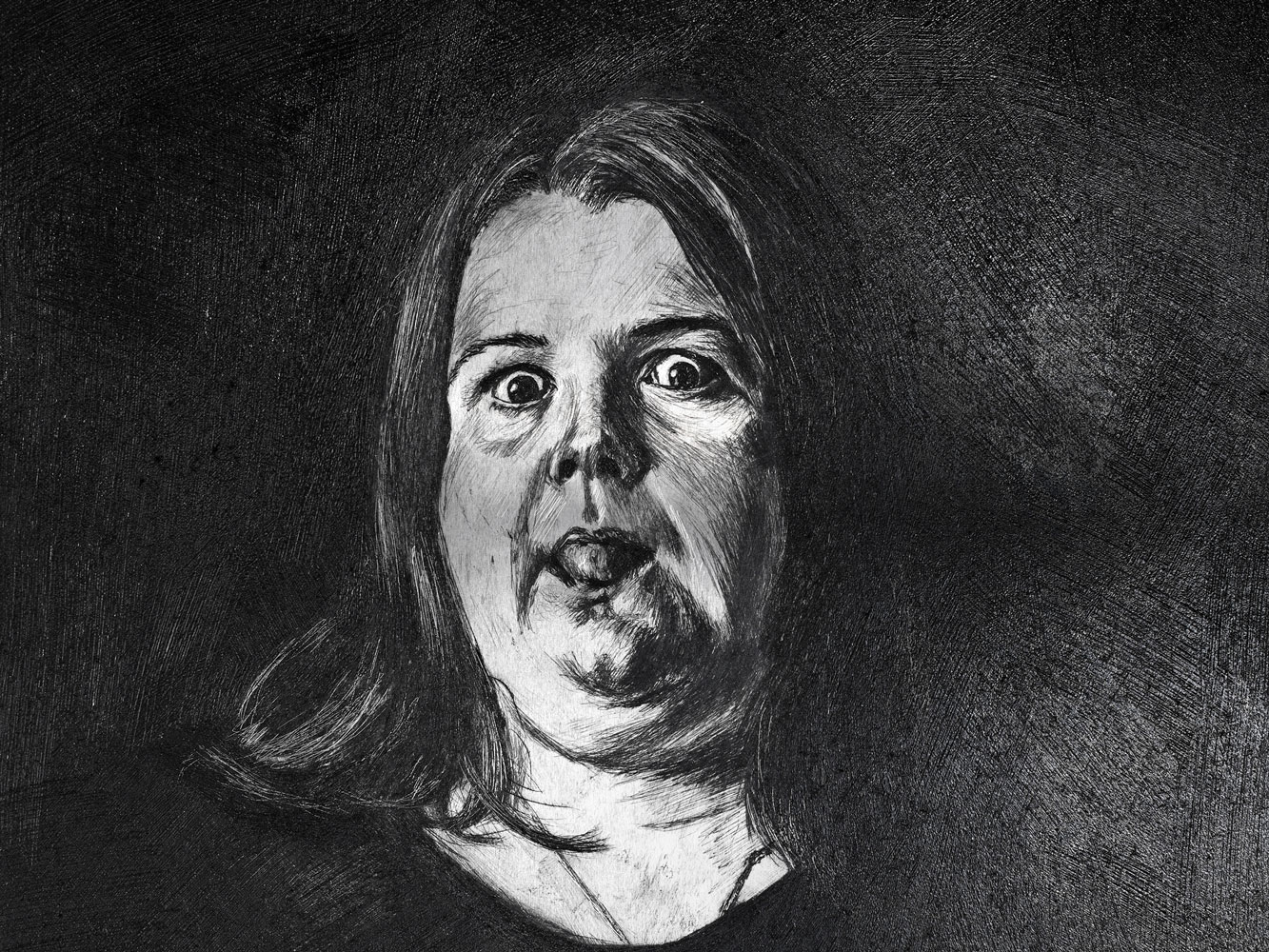
Pamela Dunne’s brooding chiaroscuro landscapes and self-portraits epitomise the sombre tonalities of the drypoint process, writes Kieran Cashell
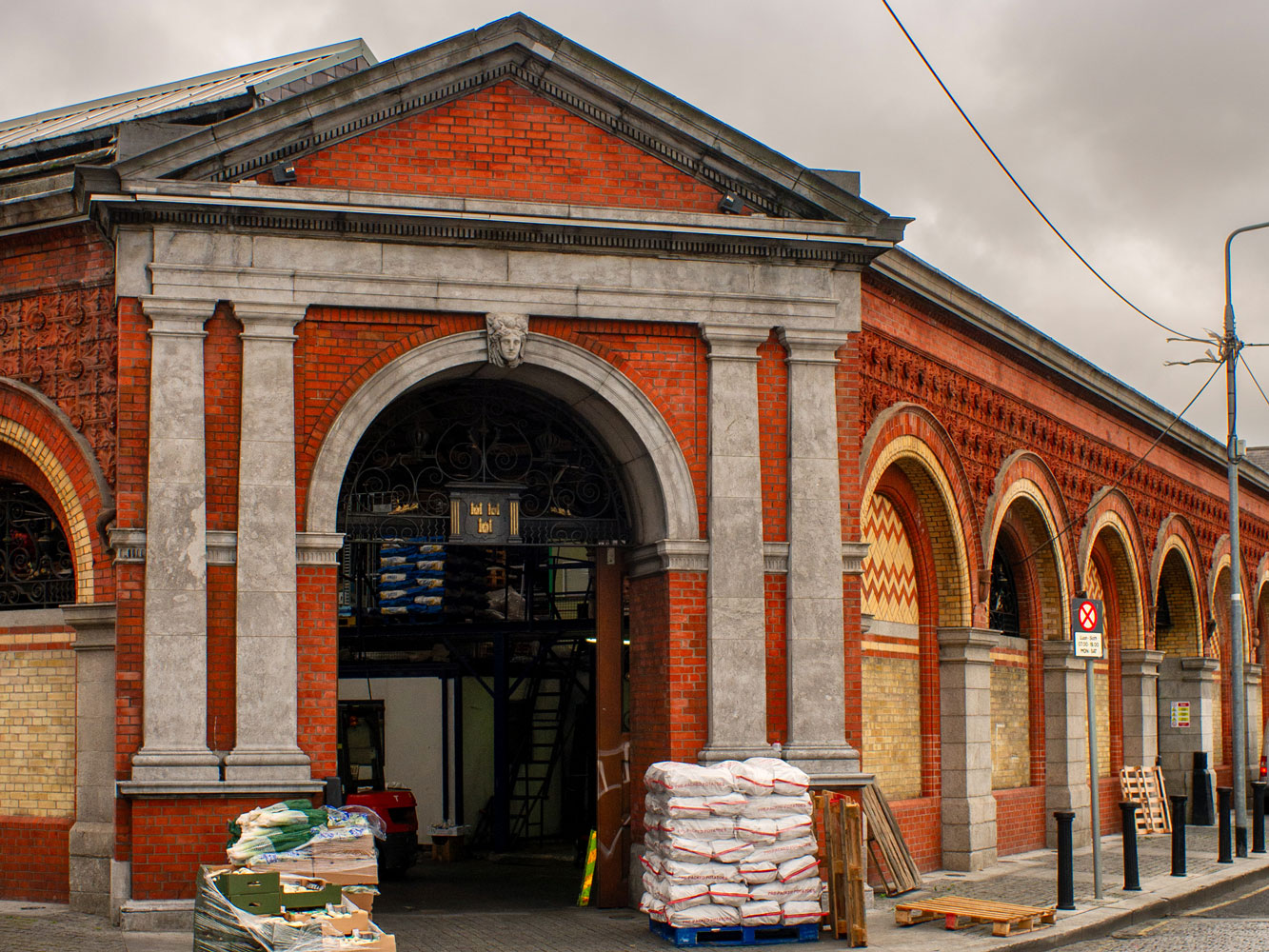
Betty Conlon’s photographs of Dublin’s historic market reveal living histories, writes Stephanie McBride
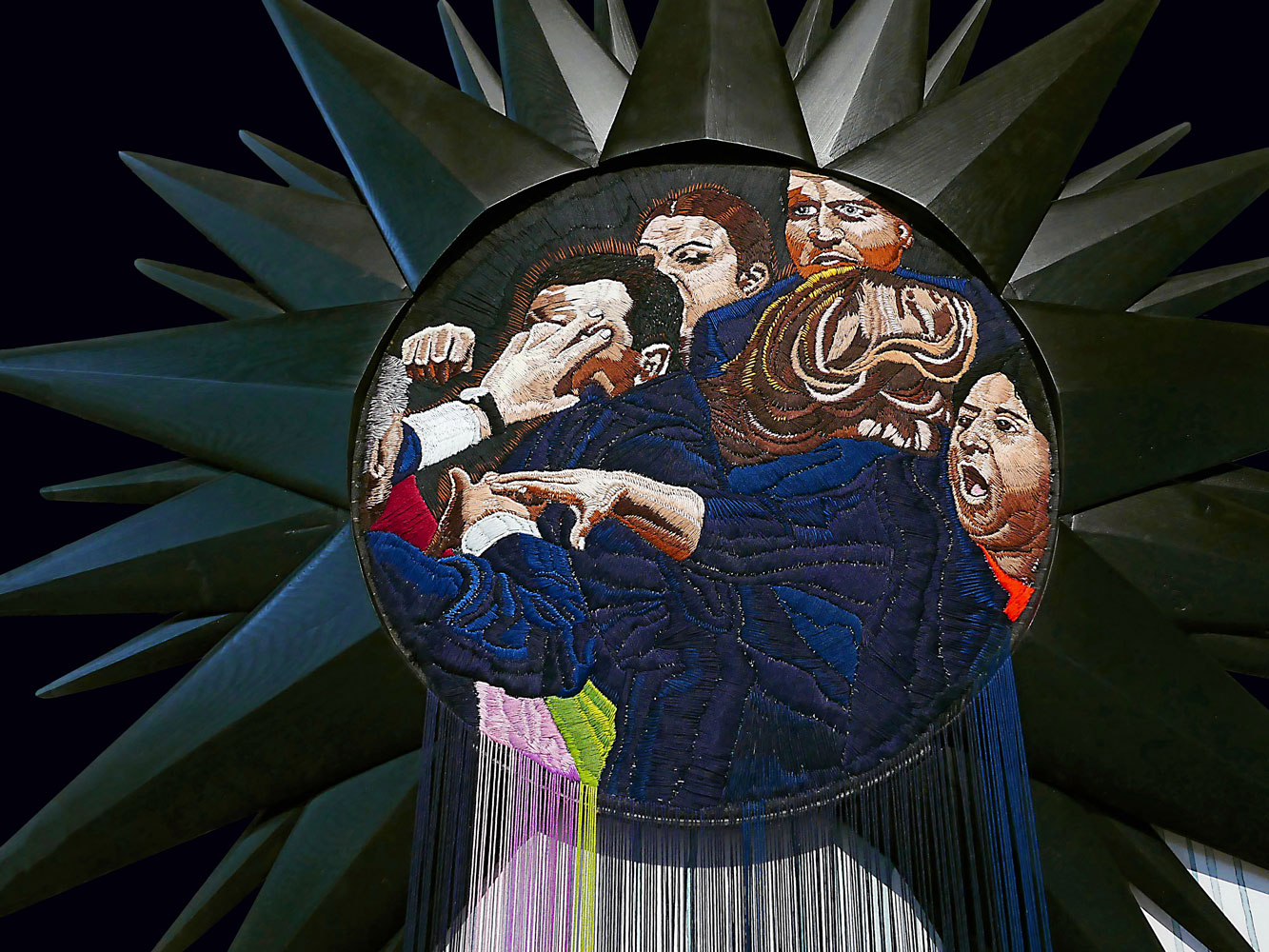
Aidan Dunne discovers how artist Ursula Burke uses the Classical tradition to reveal problematic and troubled realities
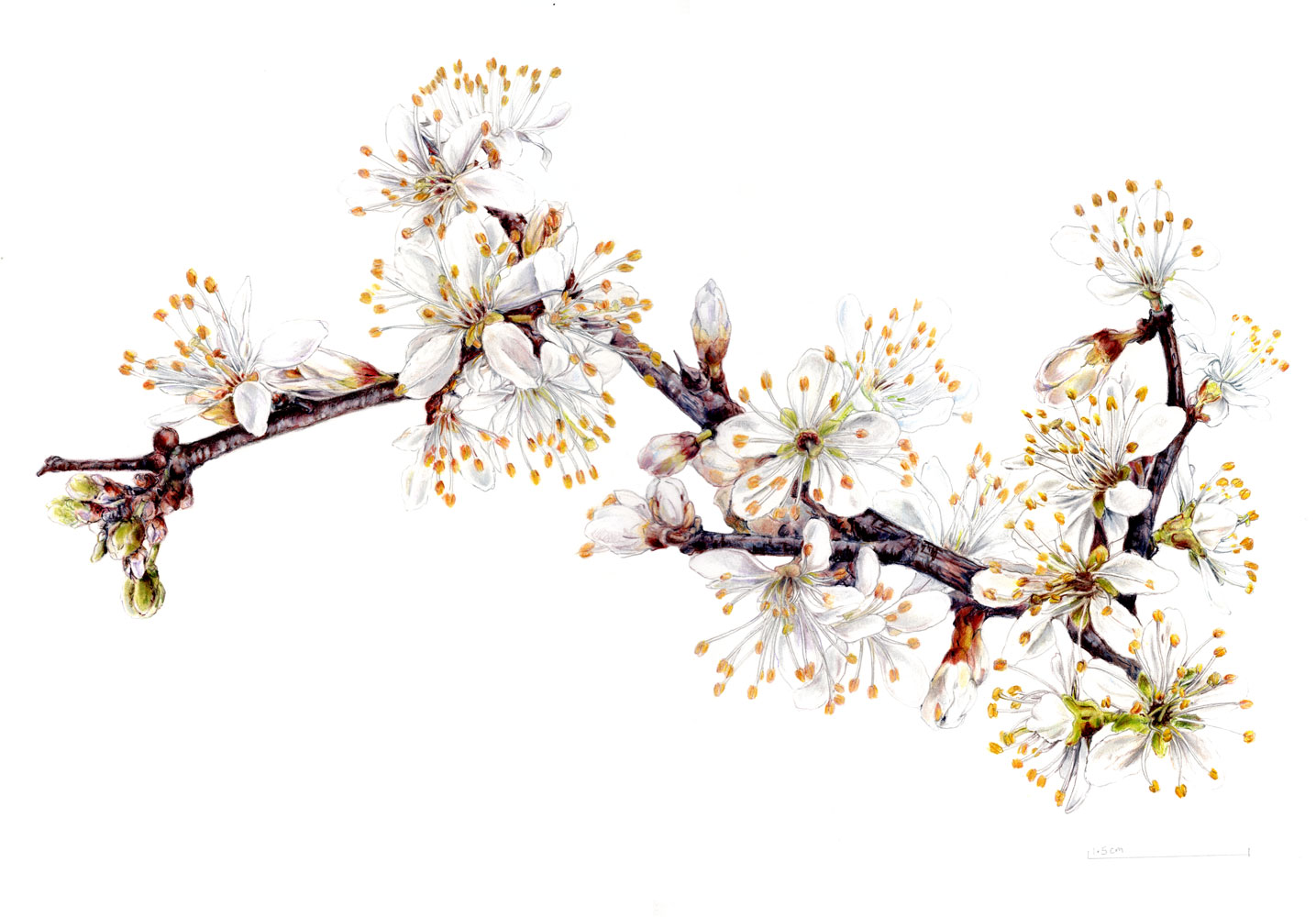
Seamus O’Brien outlines the spring flowers of Irish native trees, detailing their locations in Ireland
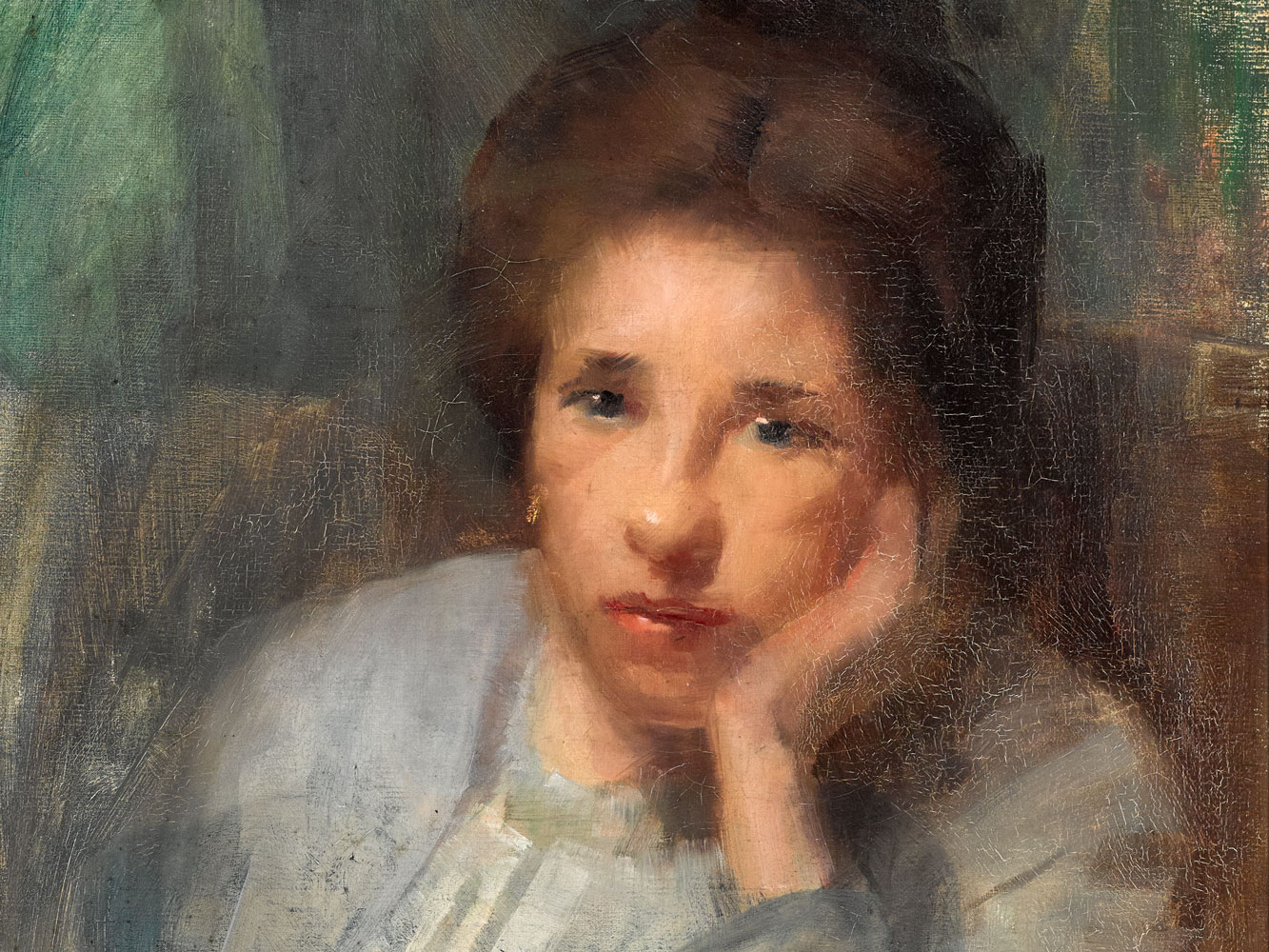
Logan Sisley salutes an indomitable and towering figure in Irish art, Sarah Purser
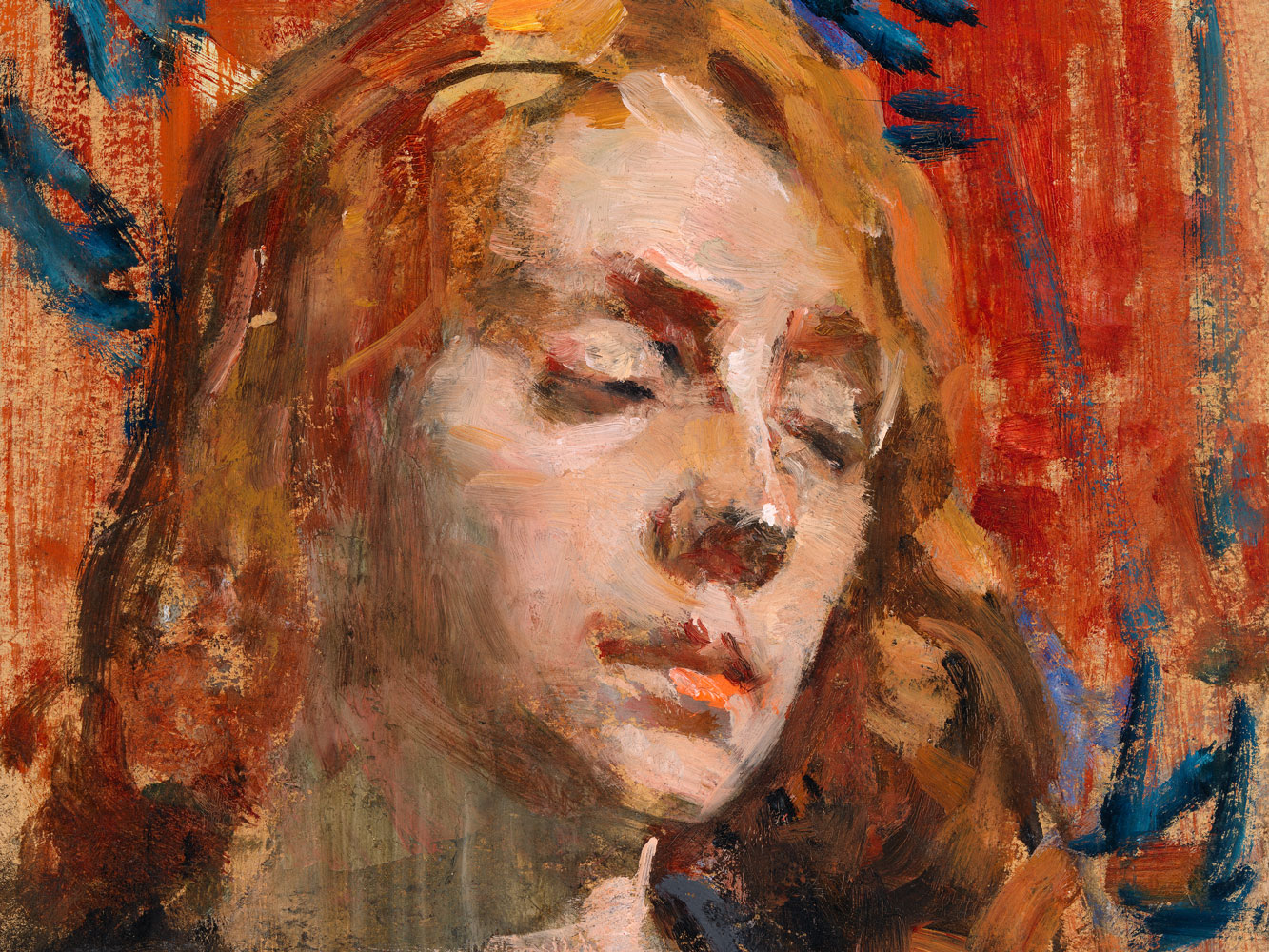
Hilary Pyle explores the formation of the Friends of the National Collections of Ireland and the role played by its founding member, Sarah Purser
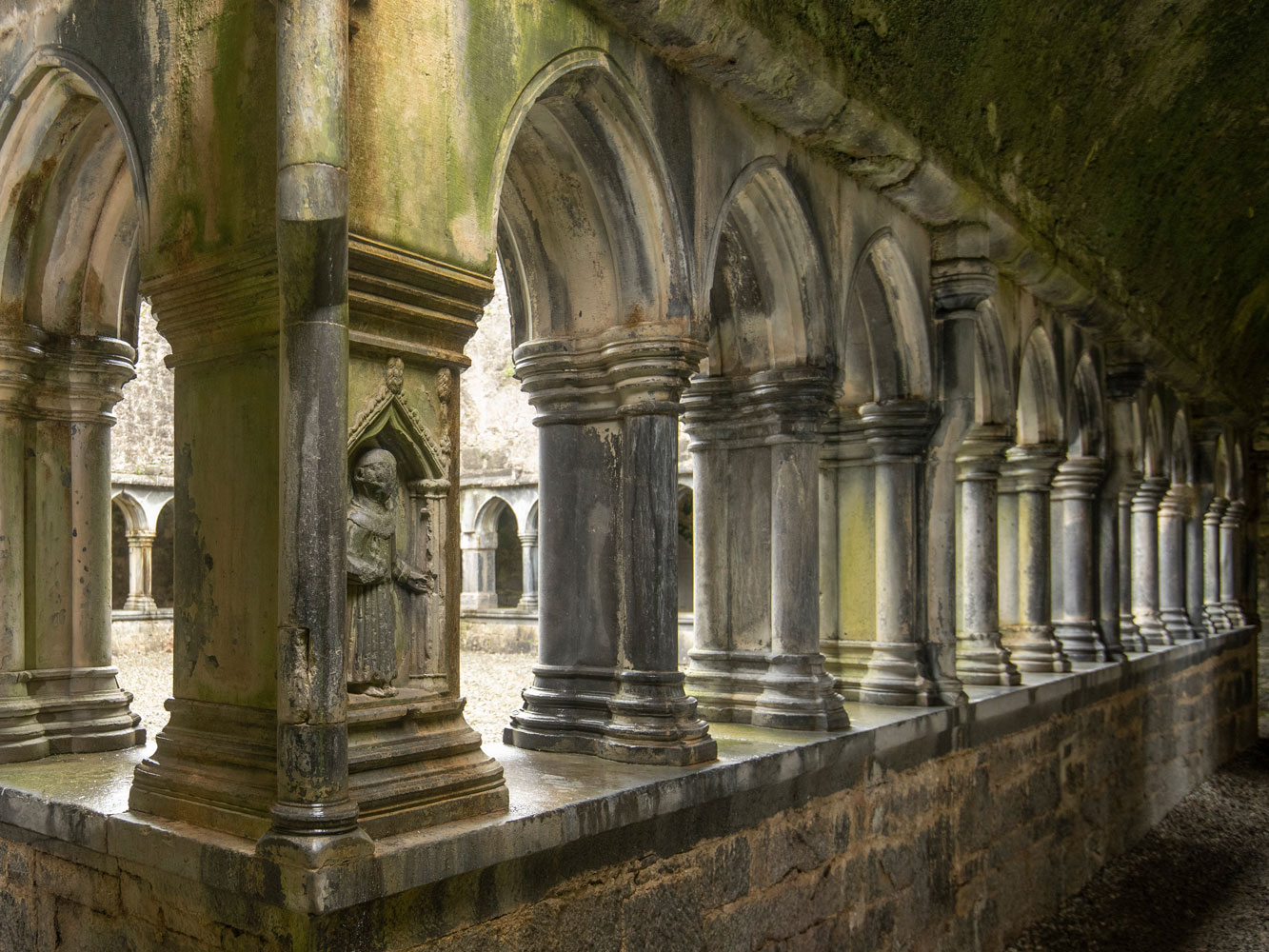
Roger Stalley elucidates architectural gems from the Middle Ages, the friaries of the West of Ireland, where many cloisters and carvings remain intact
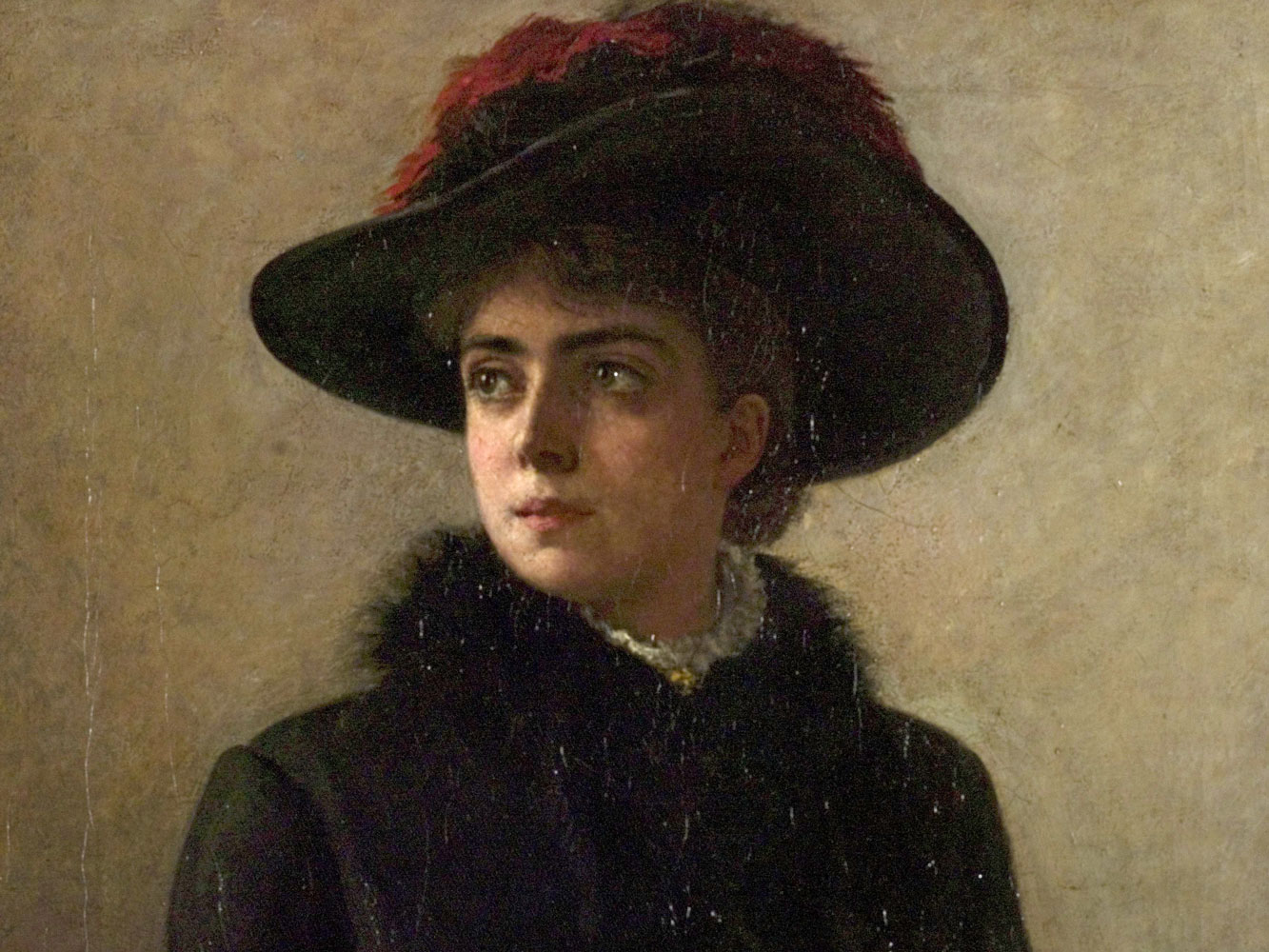
Philip McEvansoneya traces Dublin-born Stanhope Alexander Forbes’ early years in Ireland
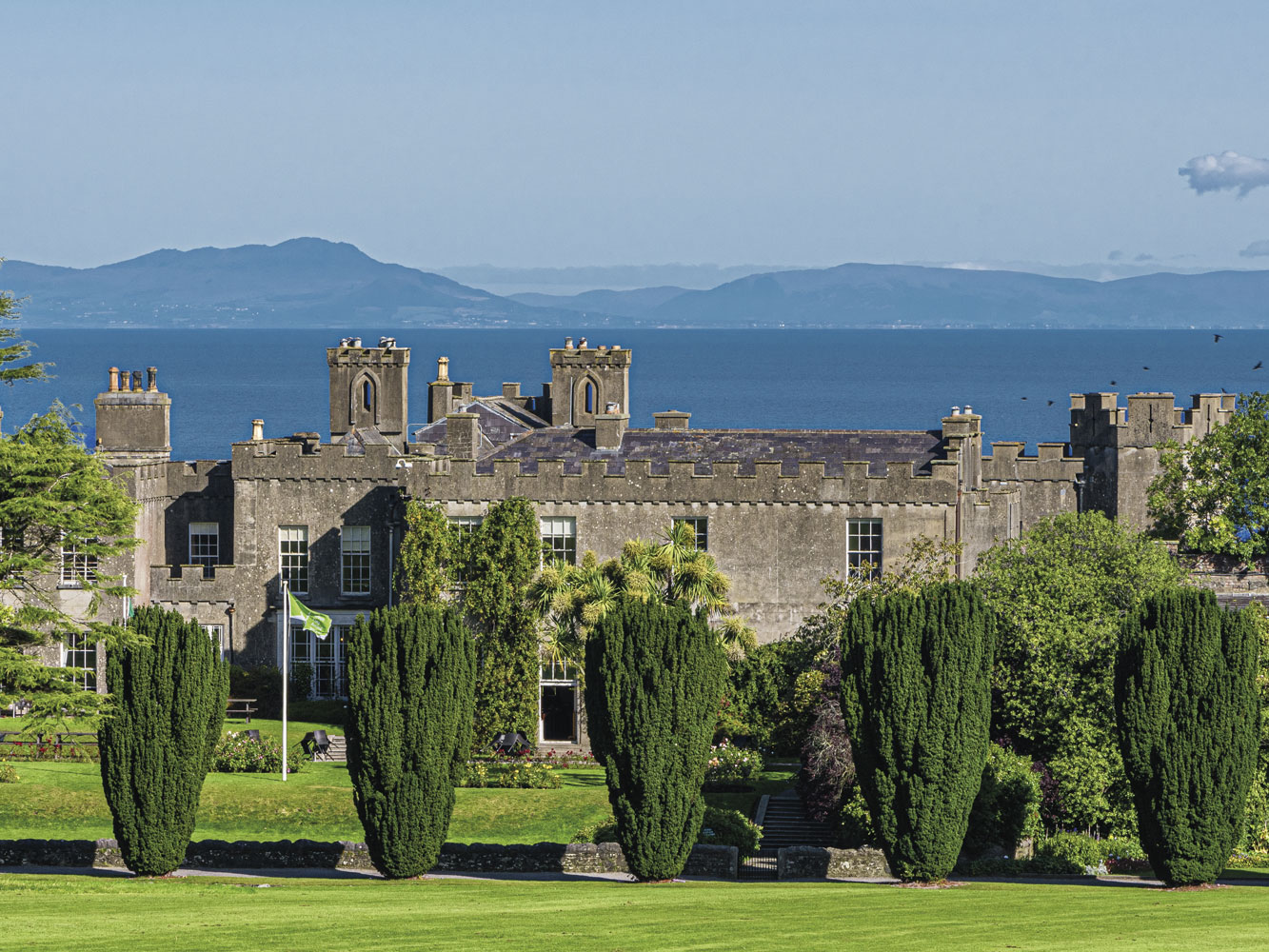
Terence Reeves-Smyth visits Ardgillan Castle in County Dublin, noted for its magnificent coastal views and fine gardens
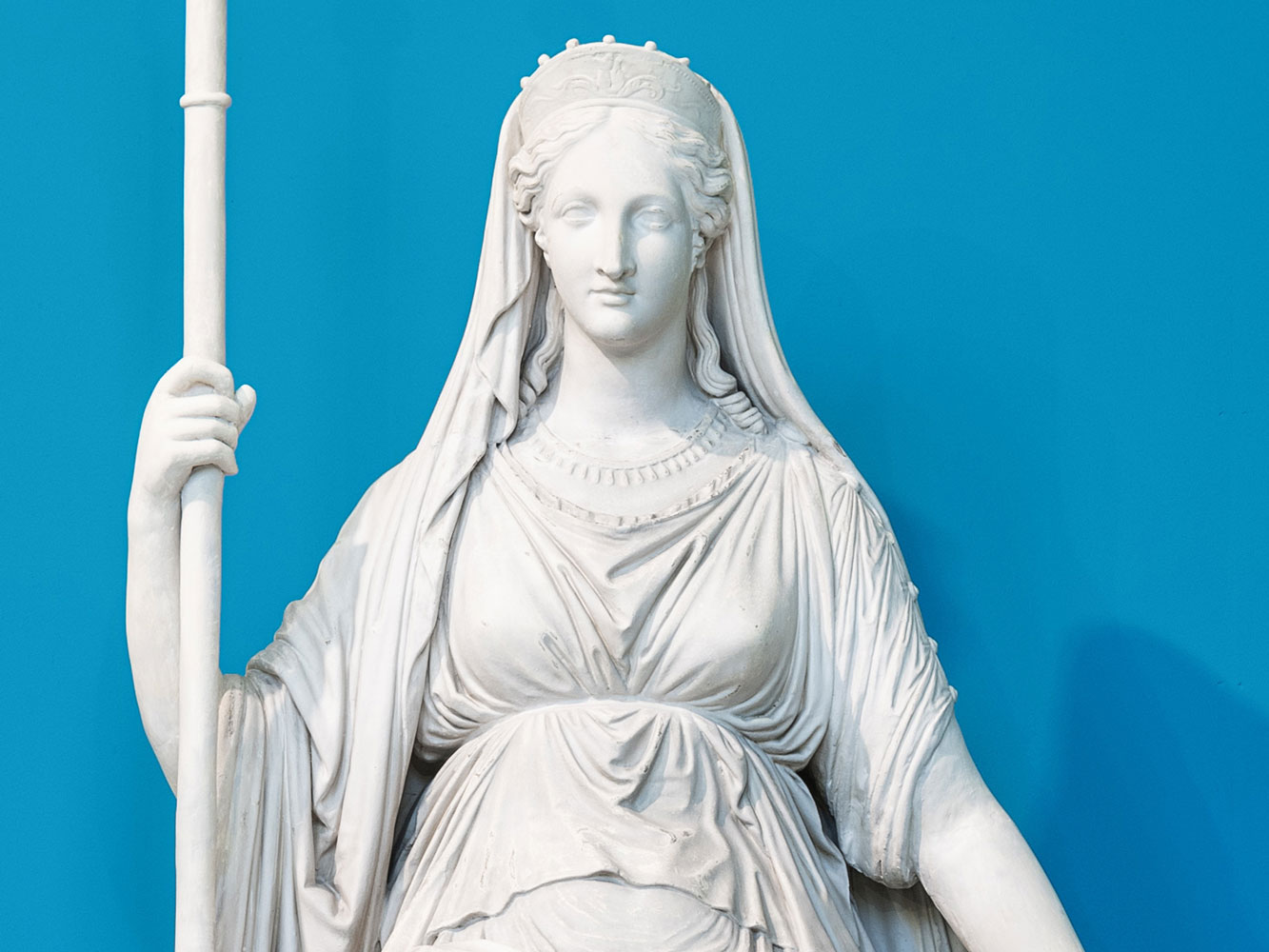
Michael Waldron selects The Goddess Concordia (c. 1816) by Antonio Canova from the collection of the Crawford Art Gallery
Christian Dupont cites inspirations for Ross Wilson’s portraiture, sculpture and murals
The innovative work of Galway artist Laura Buckley (1977–2022) is being celebrated in an exhibition at the Galway Arts Centre. Born in Tuam, Buckley studied Fine Art – Painting at the National College of Art and Design in Dublin. An MA followed at Chelsea College of Art and Design in London, where she began to experiment with video and kaleidoscopes, marrying the two forms to, as she asserted, ‘paint with light’. Buckley combined footage and audio with studio-produced sound and visuals to create kinetic kaleidoscopic installations.
This year marks the bicentenary of the establishment of the Ordnance Survey of Ireland. In 1824, Colonel Thomas Colby (1784– 1852) and Lieutenant Thomas Larcom (1801–1879) travelled the countryside from north to south, deciding on the most appropriate mountains for the mapping stations. This was the beginning of the process that would result in the first systematic map of any country at the scale of six inches to one mile.
Visitors to the Musée d’Orsay in Paris can admire a new acquisition, Garçon breton de profil (Breton boy in profile), a painting by Irish artist Roderic O’Conor (1860–1940), displayed alongside works by Émile Bernard and Paul Gauguin. Measuring some 30cm by 44cm, and dating from 1893, the painting did not come cheap. At €200,000, the painting represents a substantial outlay on the part of the French state cultural sector. Its acquisition was aided by the association Société des Amis des Musées d’Orsay et de l’Orangerie. Last exhibited in public in the mid-1950s, Garçon breton de profil remained in a private collection until 2020
After the Anglo-Irish Treaty was signed in December 1921, the urgent desire for the fledgling Irish state to – literally – stamp its credentials was achieved by overprinting George V stamps with ‘Rialtas Sealadaċ na hÉireann 1922’ (‘Provisional Government of Ireland 1922’). The first actual postage stamp issued by the Irish Free State, in December 1922, was the twopenny green, designed by James Ingram, showing a map of Ireland without a border.