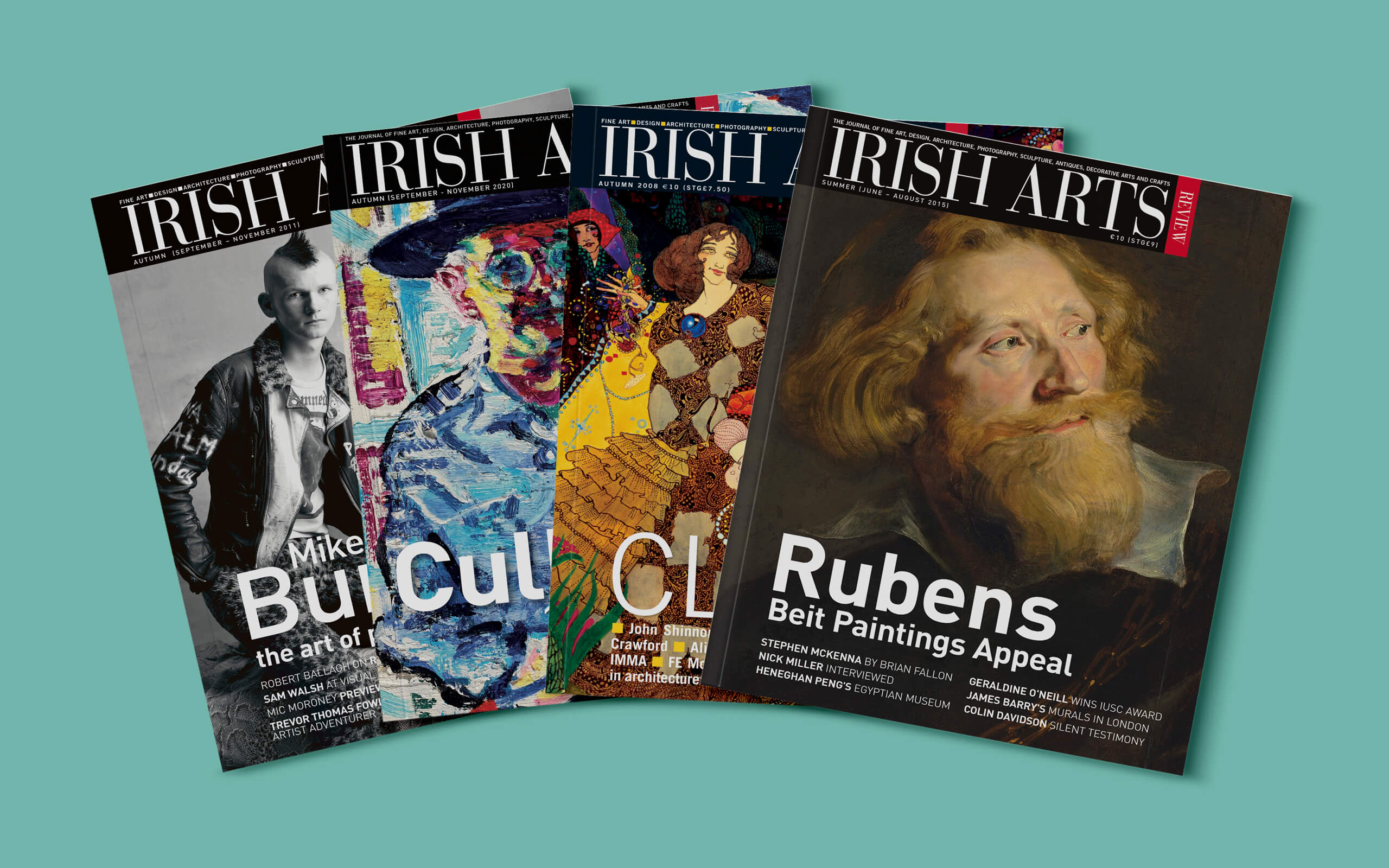
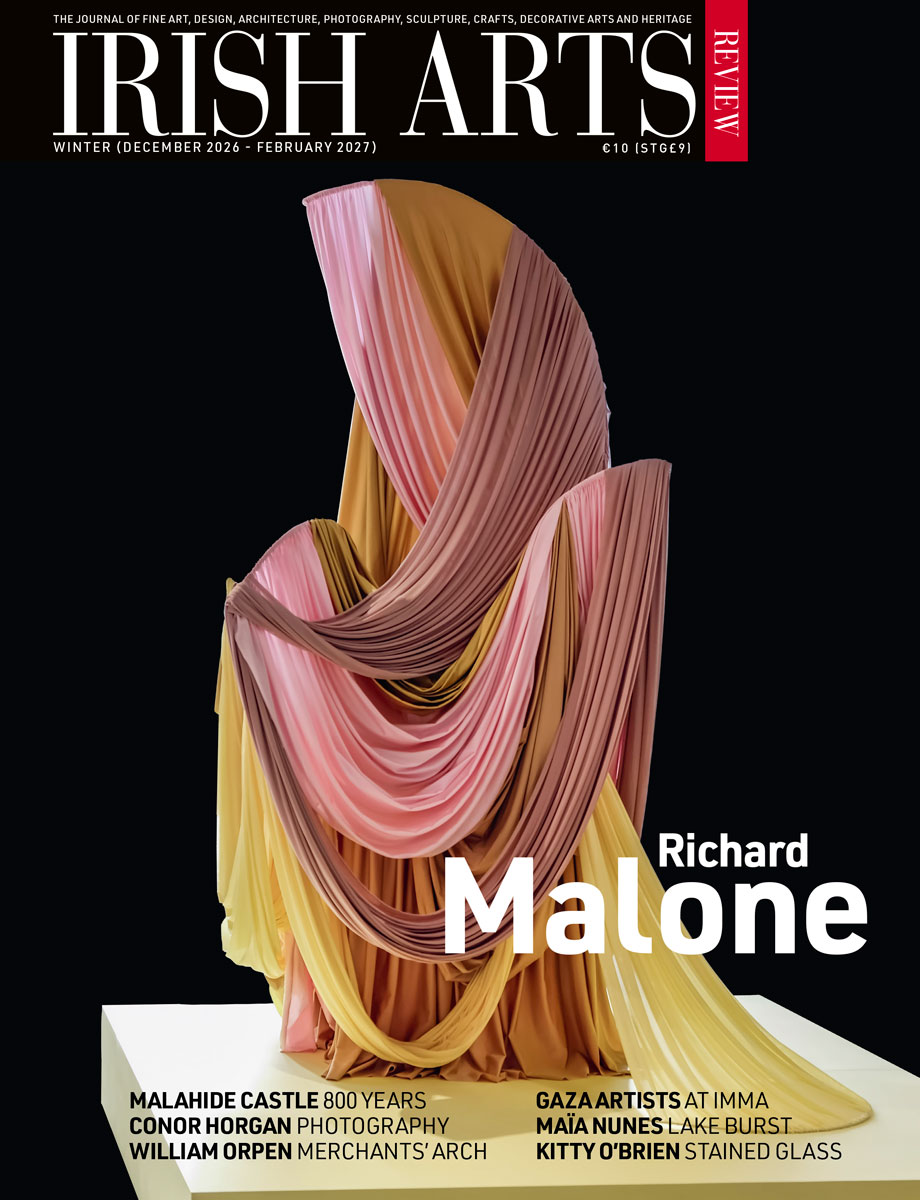
A sculpture by the artist Richard Malone graces the front cover of the winter edition. The fluid forms of Malone’s sculptures belie their recycled origins – some materials are even reclaimed from the sea. Malone asks: what is art and who has the authority to label it so? SEÁN KISSANE assesses their oeuvre. The common thread running through the work of Niamh O’Malley and Peter Pearson is architectural salvage – modern and historic – of objects that otherwise might be sent to the scrapheap. CRISTÍN LEACH considers their respective exhibitions and how each has reused and reimagined these artifacts. AIDAN DUNNE visits two exhibitions at the Royal Hibernian Academy: Una Sealy’s ten-year survey show of paintings and Maïa Nunes’ multimedia presentations; while MARIANNE O’KANE BOAL travels to Sligo to view Cathy Wilkes’ exhibition at The Model. PAULA MURPHY profiles sculptor Andrew O’Connor, who was awarded the first prize for sculpture at the Paris Salon in 1910; and ANN WILSON tells the story behind Crossing the Bar – a five-light window in St Multose Church in Kinsale, created by stained-glass artist Kitty O’Brien. PETER MURRAY looks at an exhibition of work by a Palestinian collective, Eltiqa, which is on view at the Irish Museum of Modern Art; JOHN P O’SULLIVAN regards the work of sculptor Jim Flavin, who also brought innovative foundry techniques to Ireland; while Michael Waldron pays tribute to the ‘tender and intimate’ paintings of Cork-born artist Noirín Ní Chuill. Elsewhere in the issue, MATTHEW MAW champions the work of the late Belfast artist Patric Coogan; PETER PEARSON traces multiple historical layers in the rooms of Malahide Castle; and STEPHANIE McBRIDE surveys Conor Horgan’s recent portraits of Irish writers, currently showing at the European Parliament in Brussels. Usual features include the Diary of Events by KATHRYN MILLIGAN and Design Portfolio by FRANCES McDONALD. There are book reviews by Yvonne Scott, Joseph McBrinn, Lionel Pilkington and Conor Lucey. And finally, as a young man, the painter William Orpen made several studies of a courtyard in Cany, Normandy, which feature an archway leading into the yard and a lit scene beyond it. For the next thirty years, Orpen placed an archway, a mise-en-scène, in many of his works. KENNETH McCONKEY traces these paintings, made by a man who ‘to the end of his days, was that rare thing – a scholarly painter’. Enjoy!
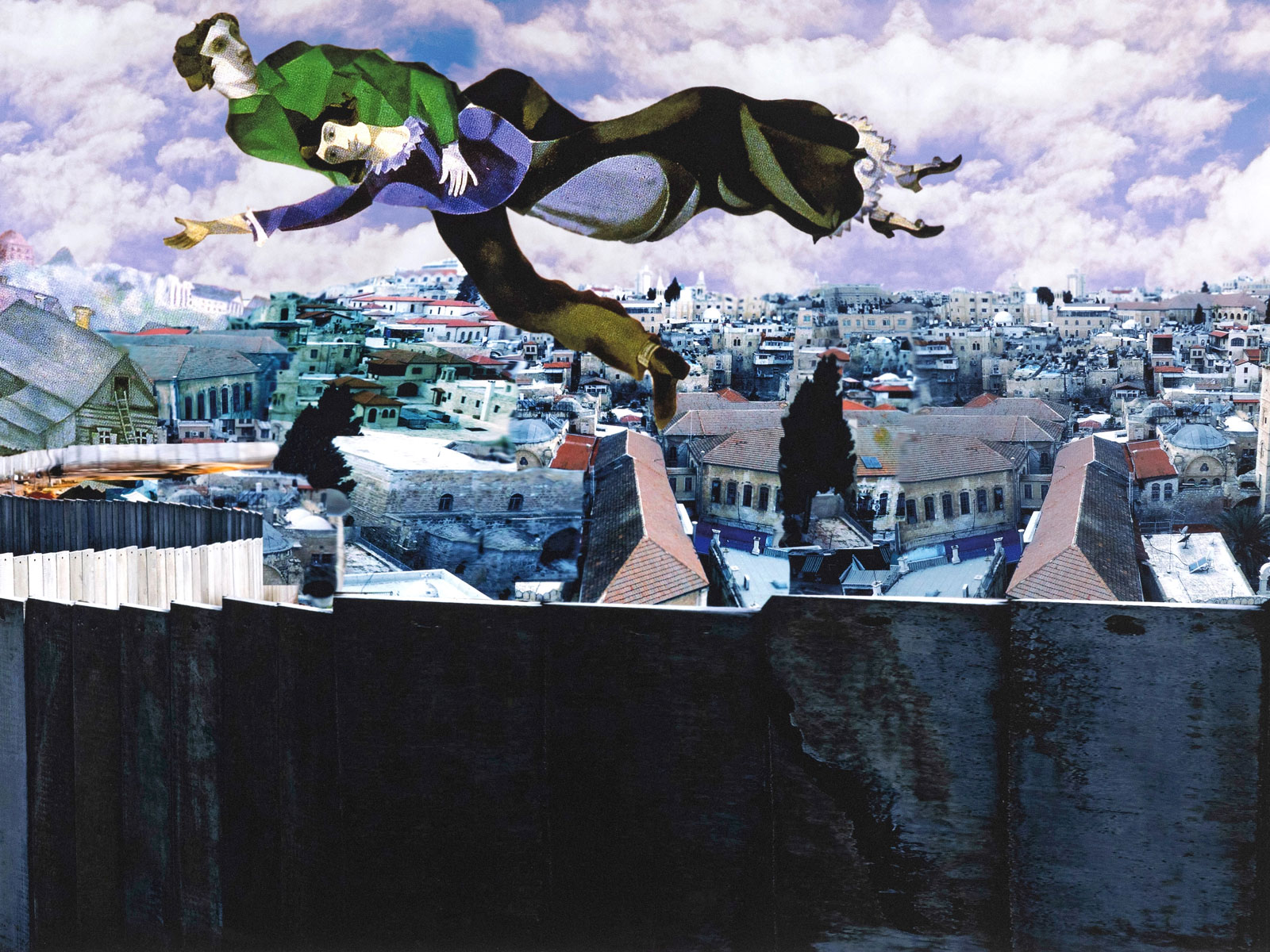
Peter Murray views work by Eltiqa, a collective of Palestinian artists attempting to achieve a cultural autonomy free from ‘toxic philanthropy’
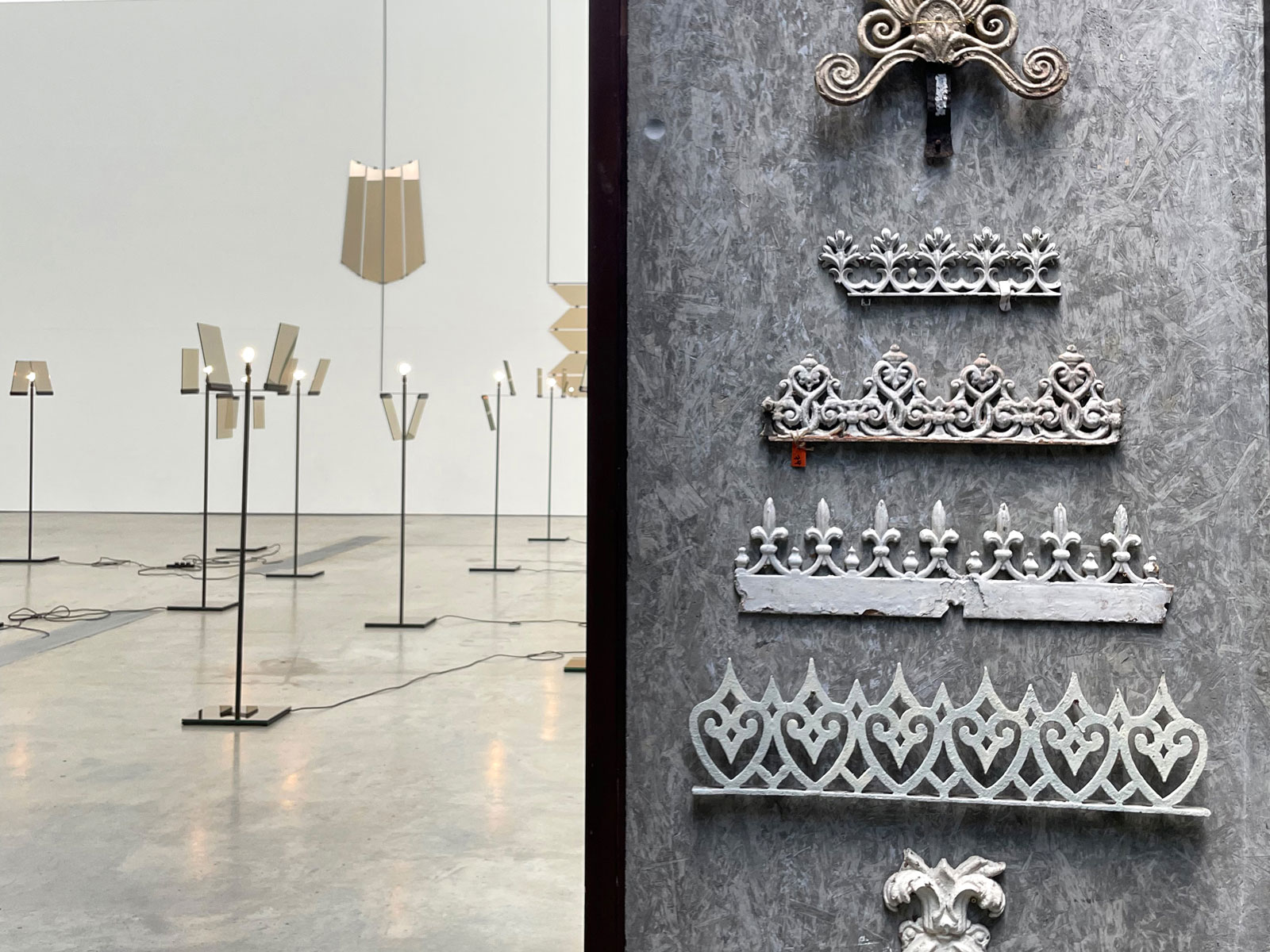
Cristín Leach examines two contrasting exhibitions in VISUAL Carlow that have similar yet diverse themes
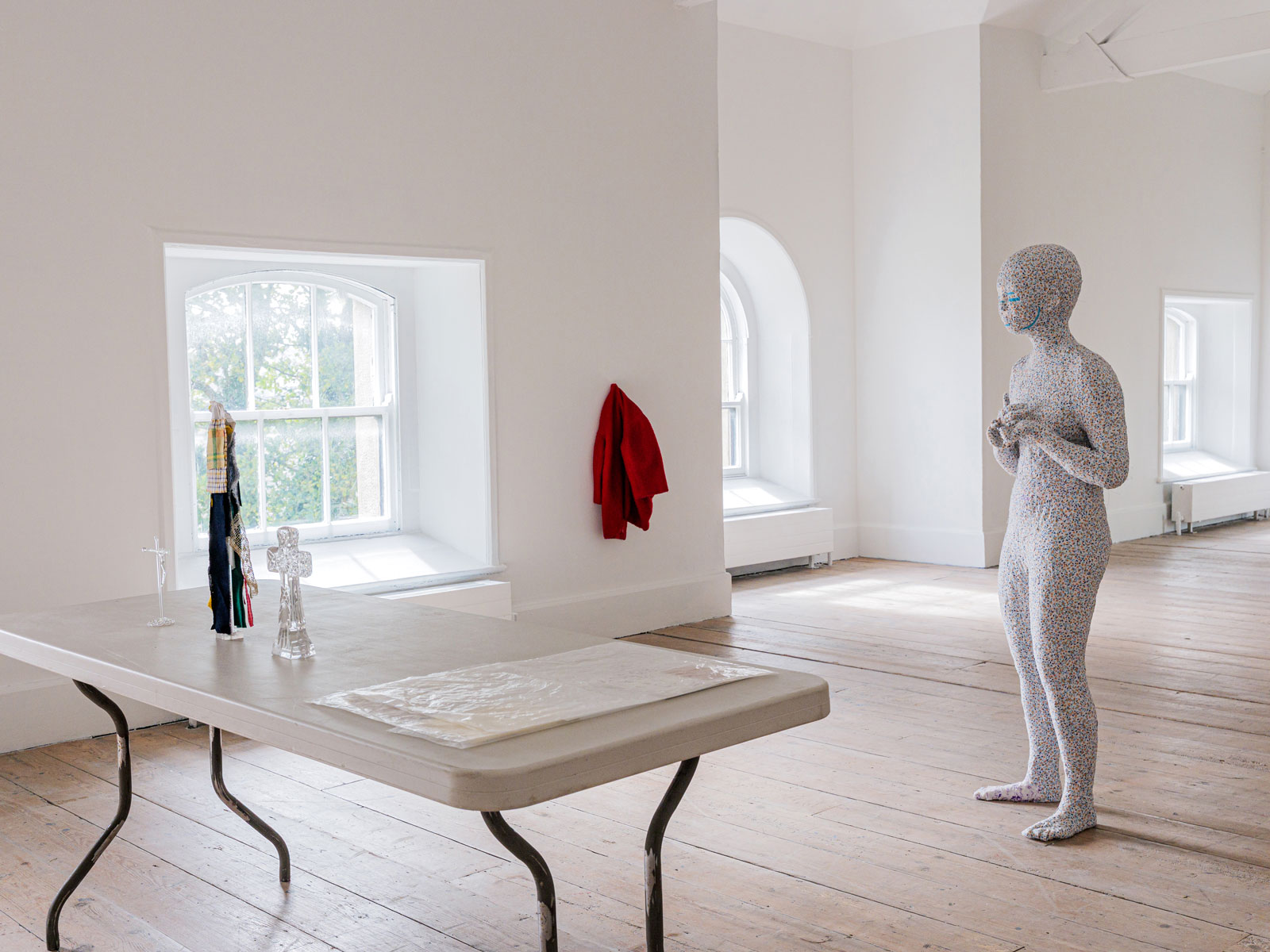
Marianne O’Kane Boal visits Cathy Wilkes’ exhibition in Sligo and finds that the artist’s Belfast childhood at the height of the Troubles informs her practice
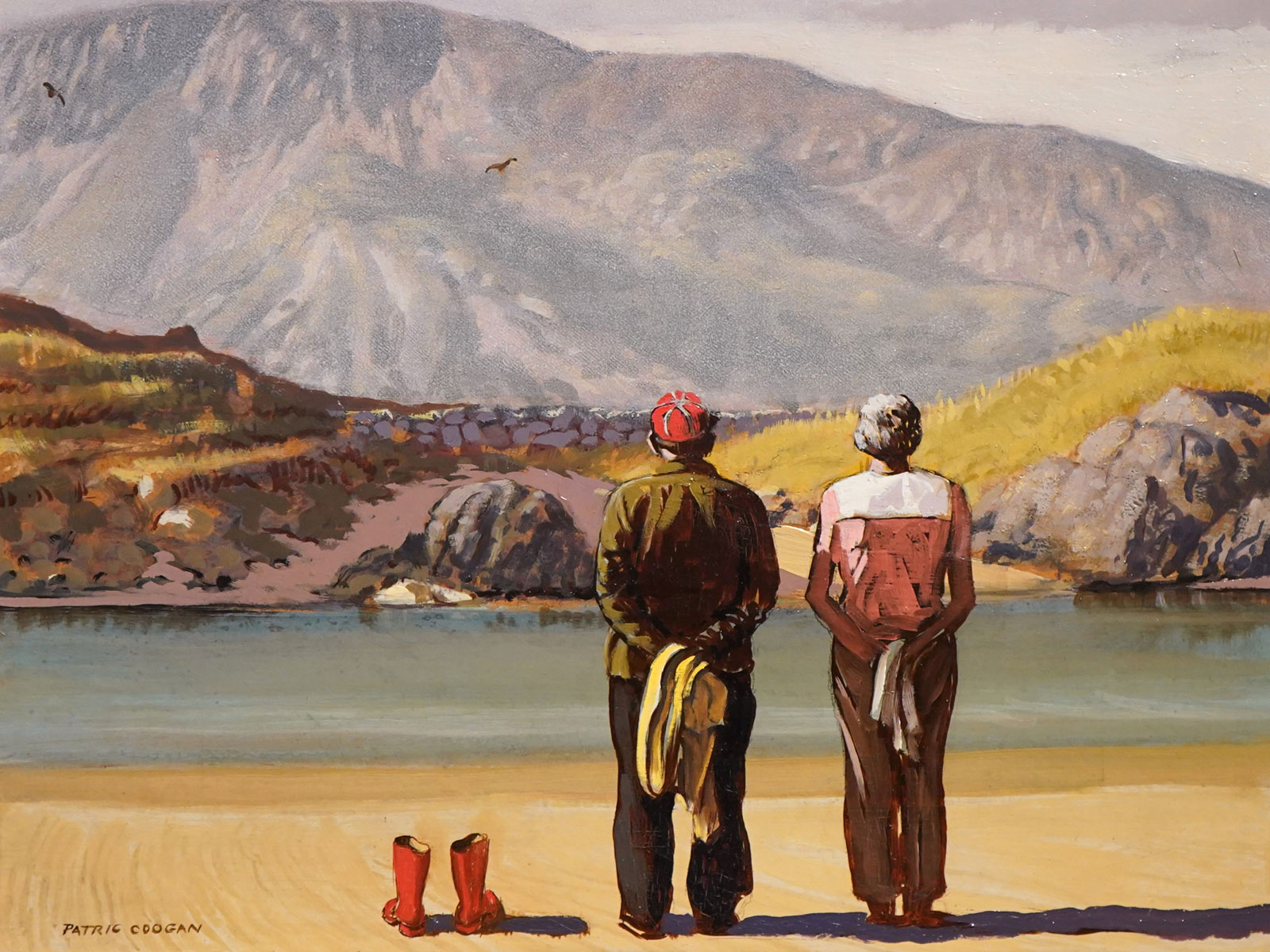
Patric Coogan made paintings of his native city to reveal a world that was unbalanced and imperfect, writes Matthew Maw
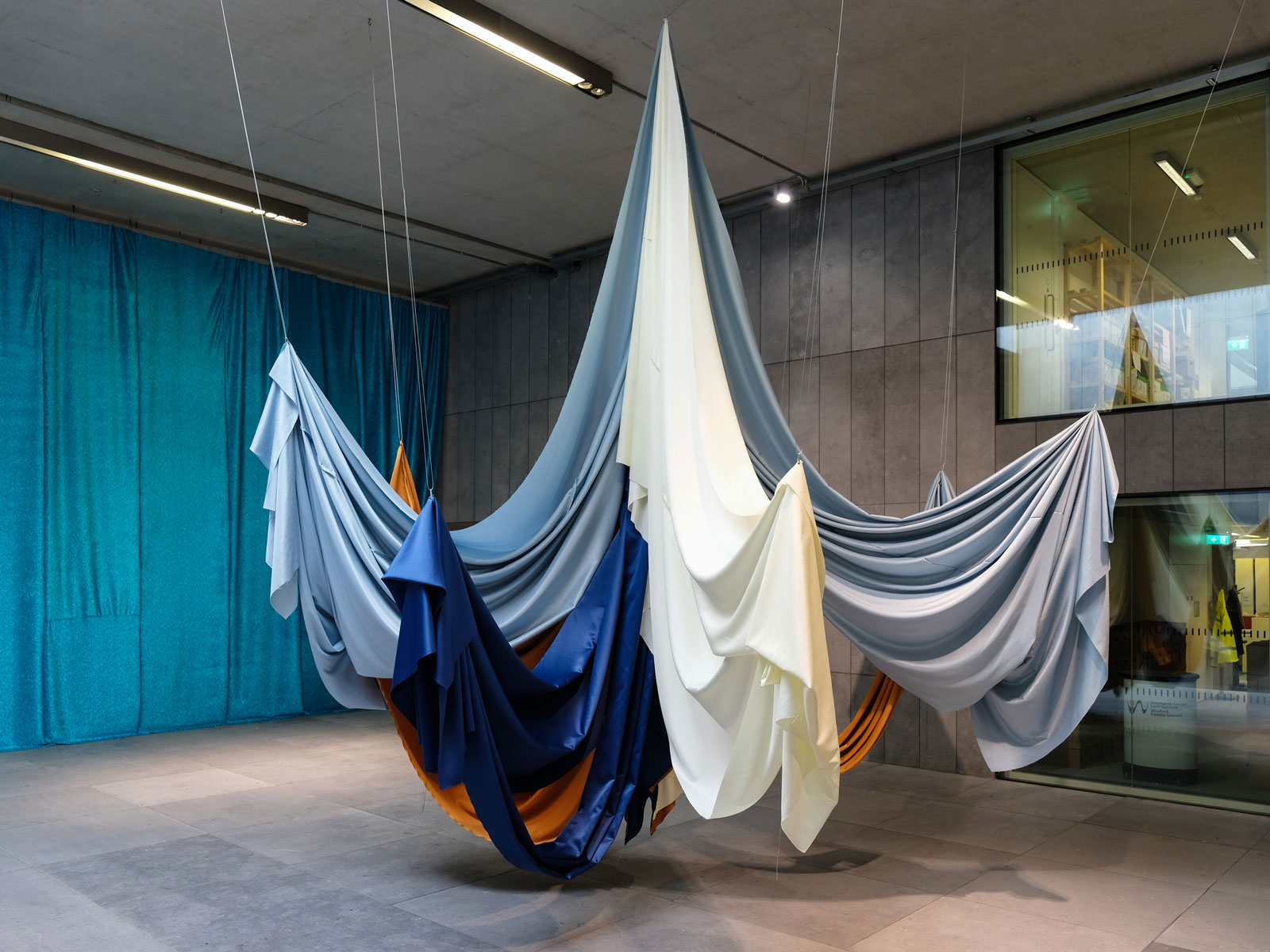
Seán Kissane finds in Richard Malone’s work a challenge to the idea that cultural authority belongs primarily to museums
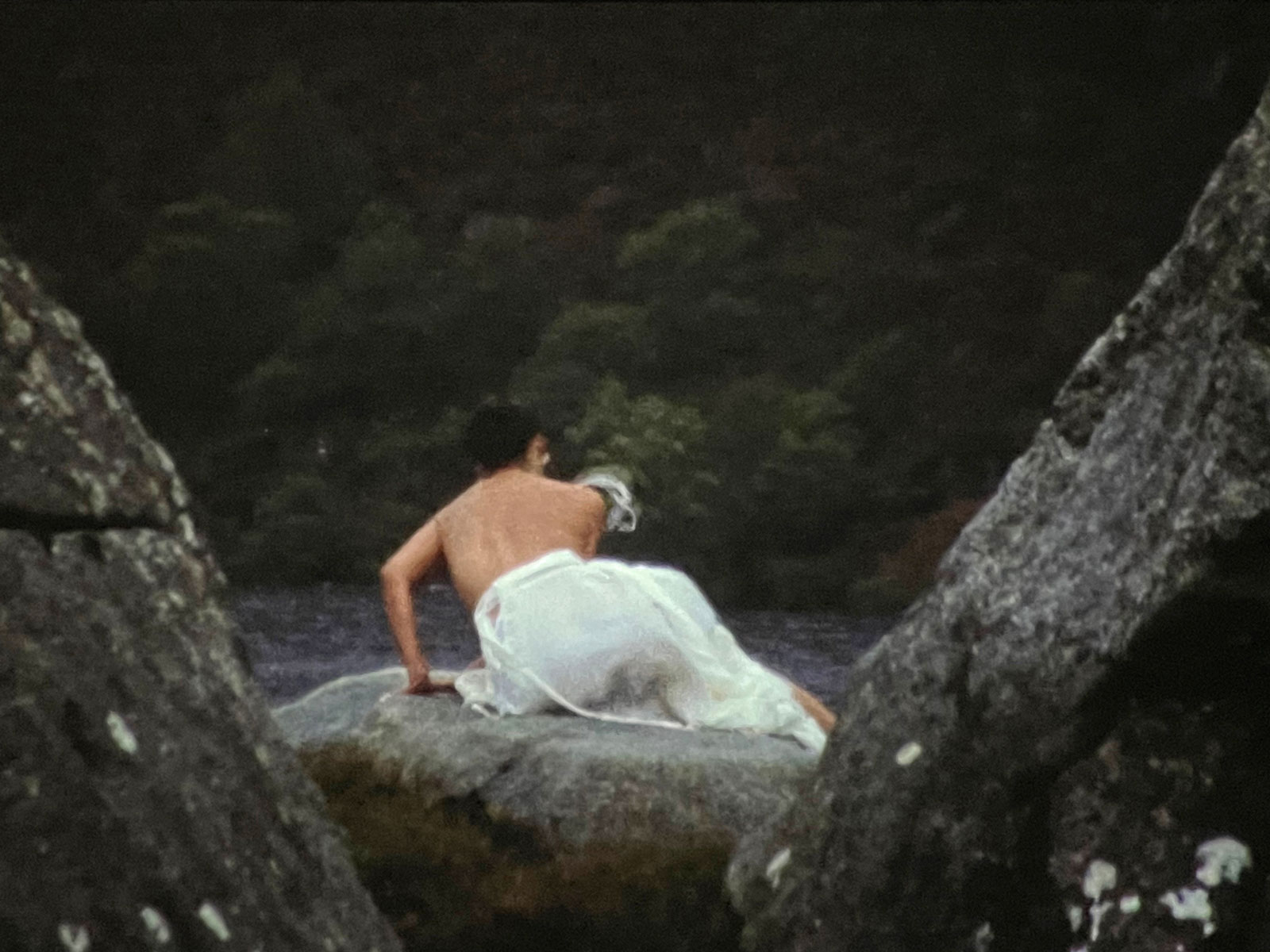
Aidan Dunne considers the interdisciplinary work in Maïa Nunes’ recent exhibition
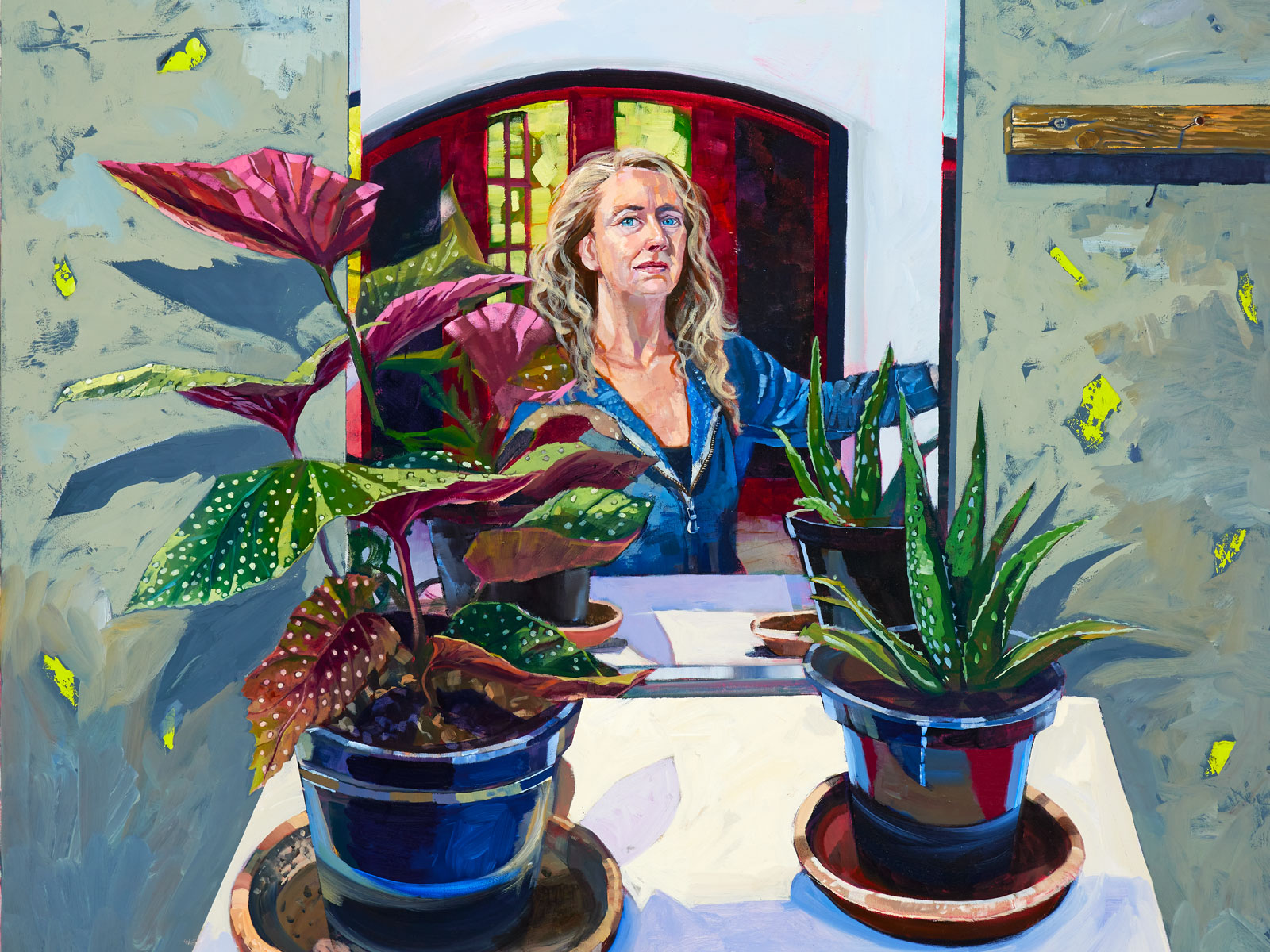
Una Sealy’s painting method is predominantly linear, with strong tonal contrasts, generating an overall feeling of jagged visual rhythms, writes Aidan Dunne
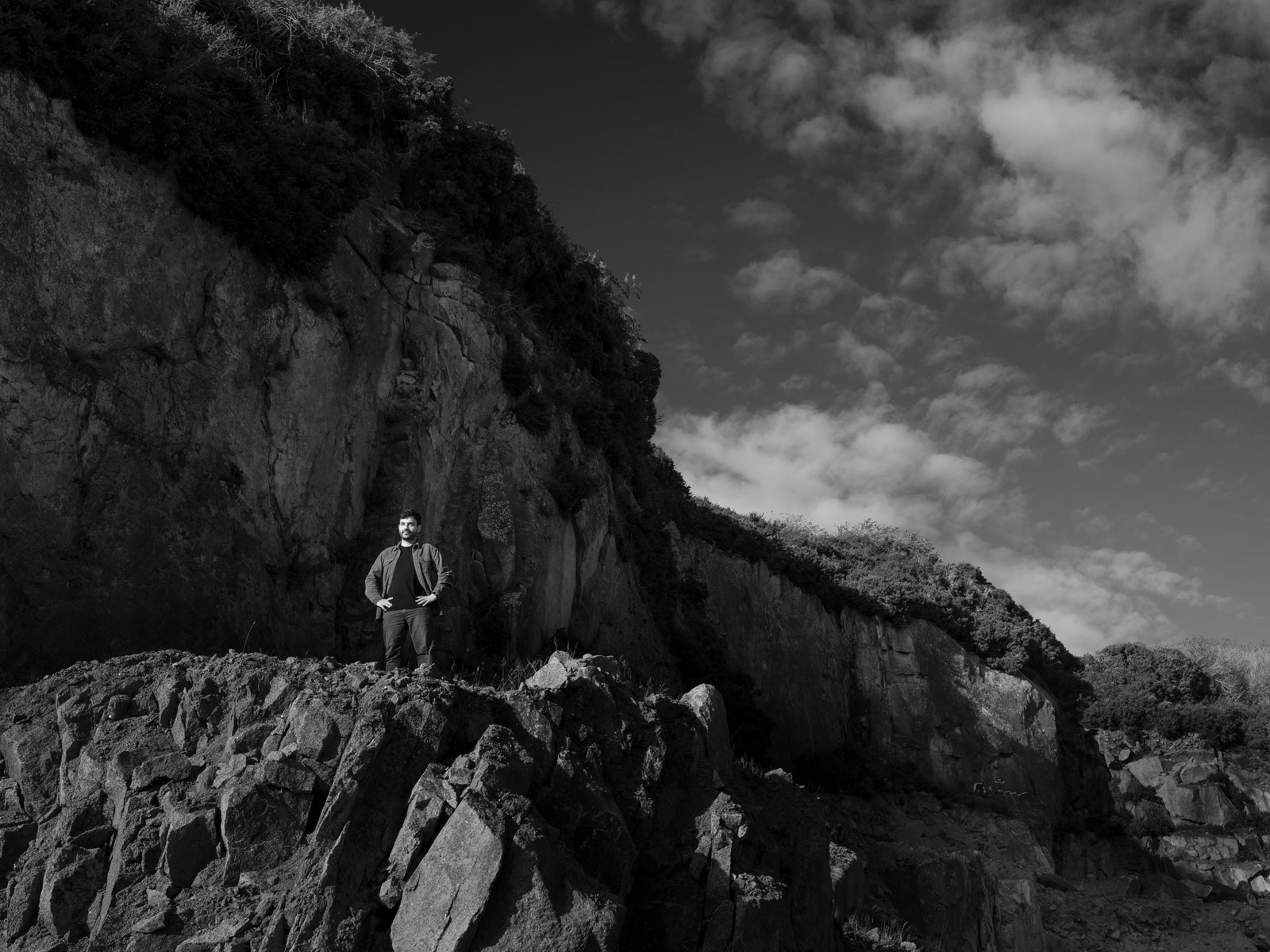
Conor Horgan’s portraits of Irish writers show a unique commitment to his subjects, writes Stephanie McBride
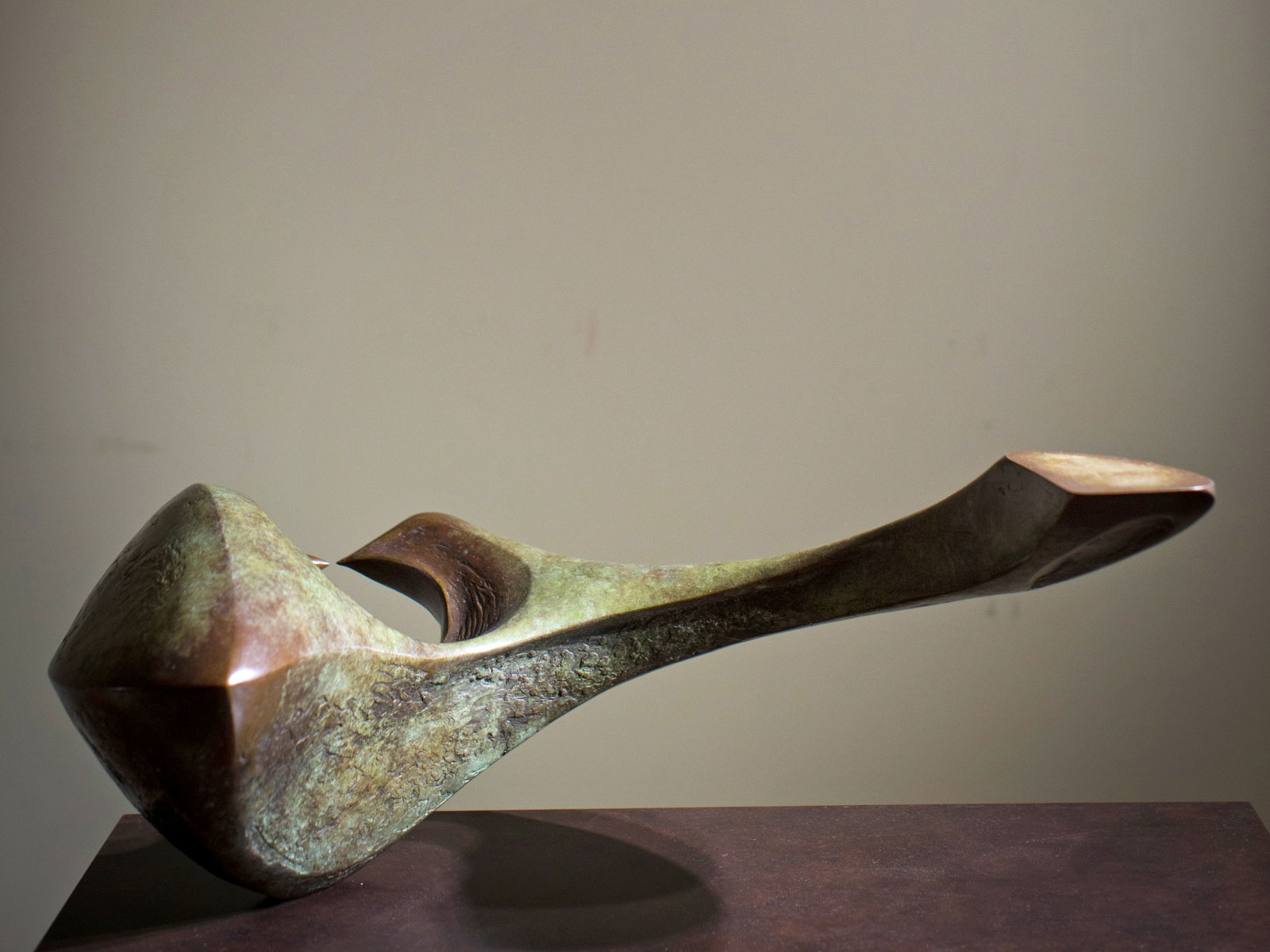
John P O’Sullivan revisits the career of sculptor Jim Flavin, finding a single-minded dedication to improving Irish sculpture
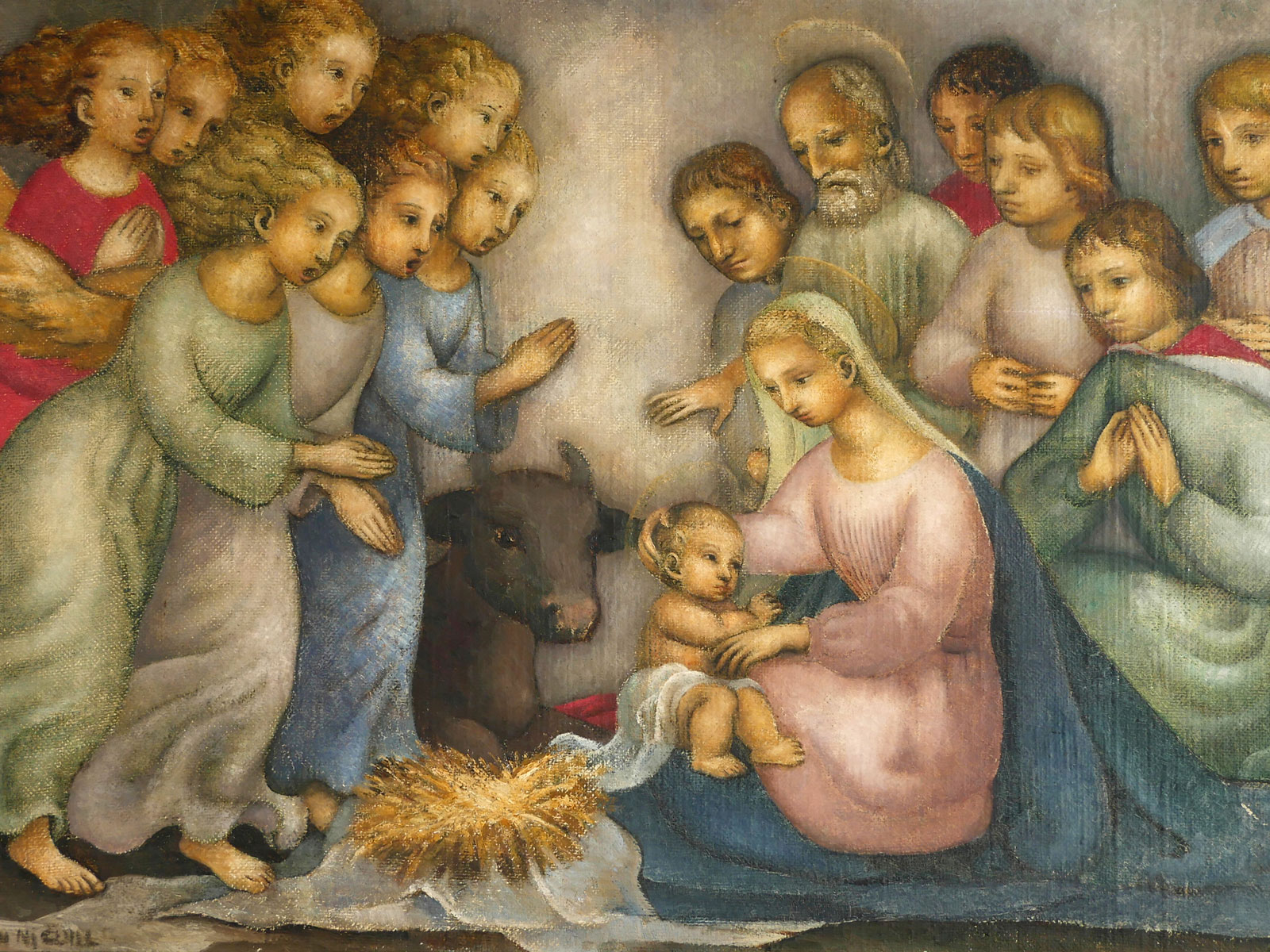
Michael Waldron looks at the life and works of prizewinning artist Nóirín Ní Chuill
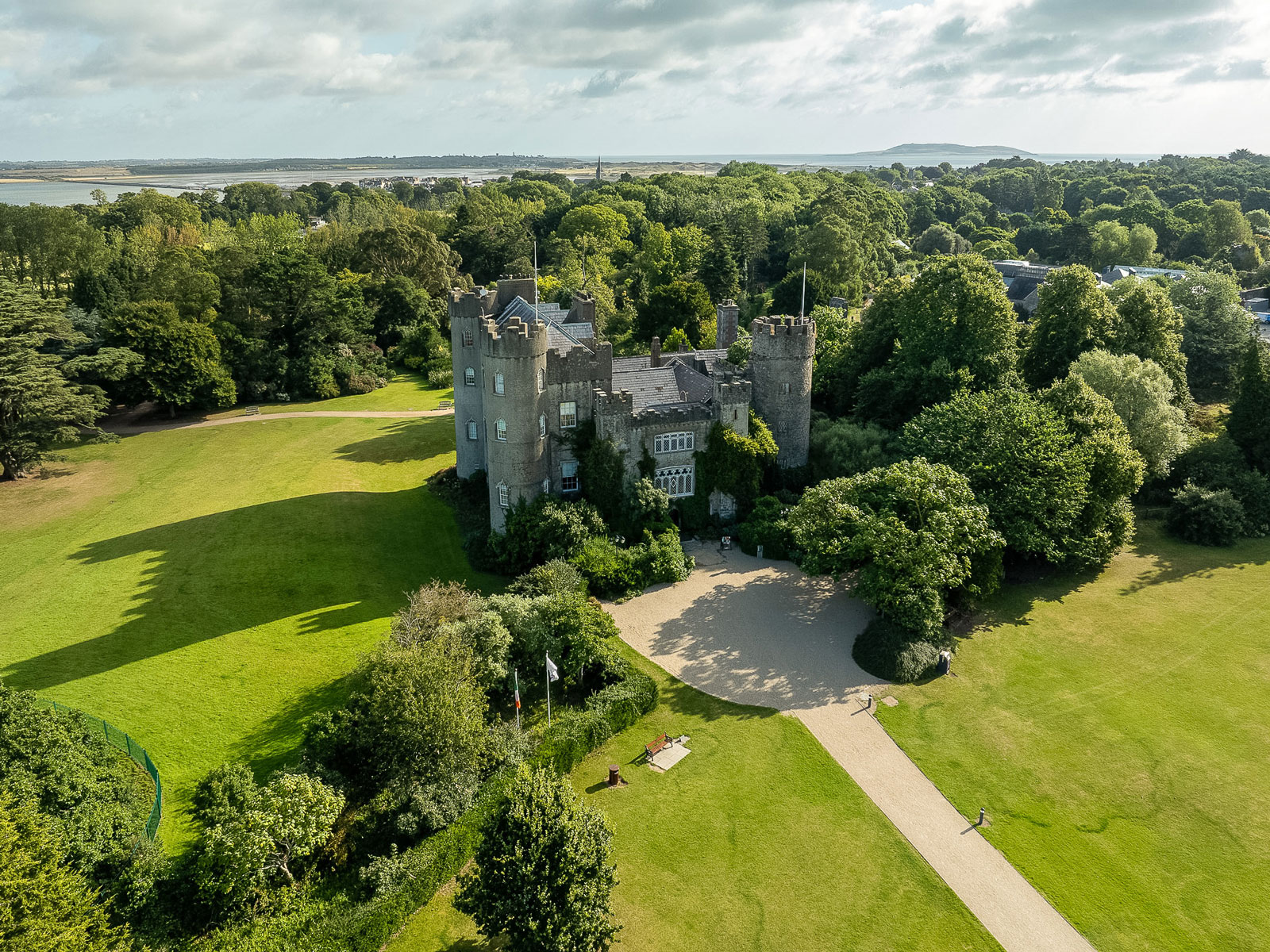
Peter Pearson narrates the long history of Malahide Castle and Demesne, which celebrates half a century of public access this year
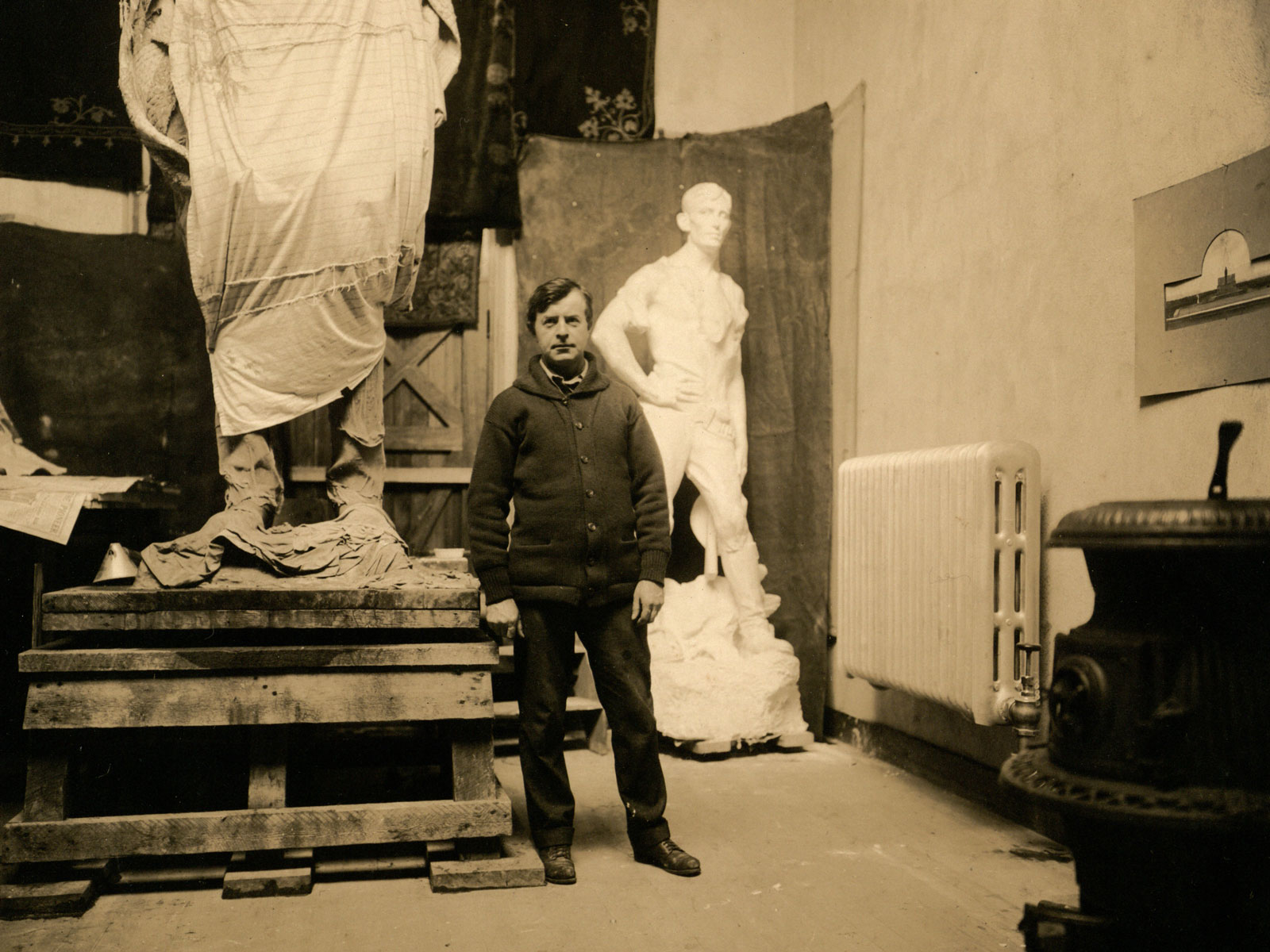
Irish-American sculptor Andrew O’Connor’s public artworks were often too audacious for the people who commissioned them, finds Paula Murphy
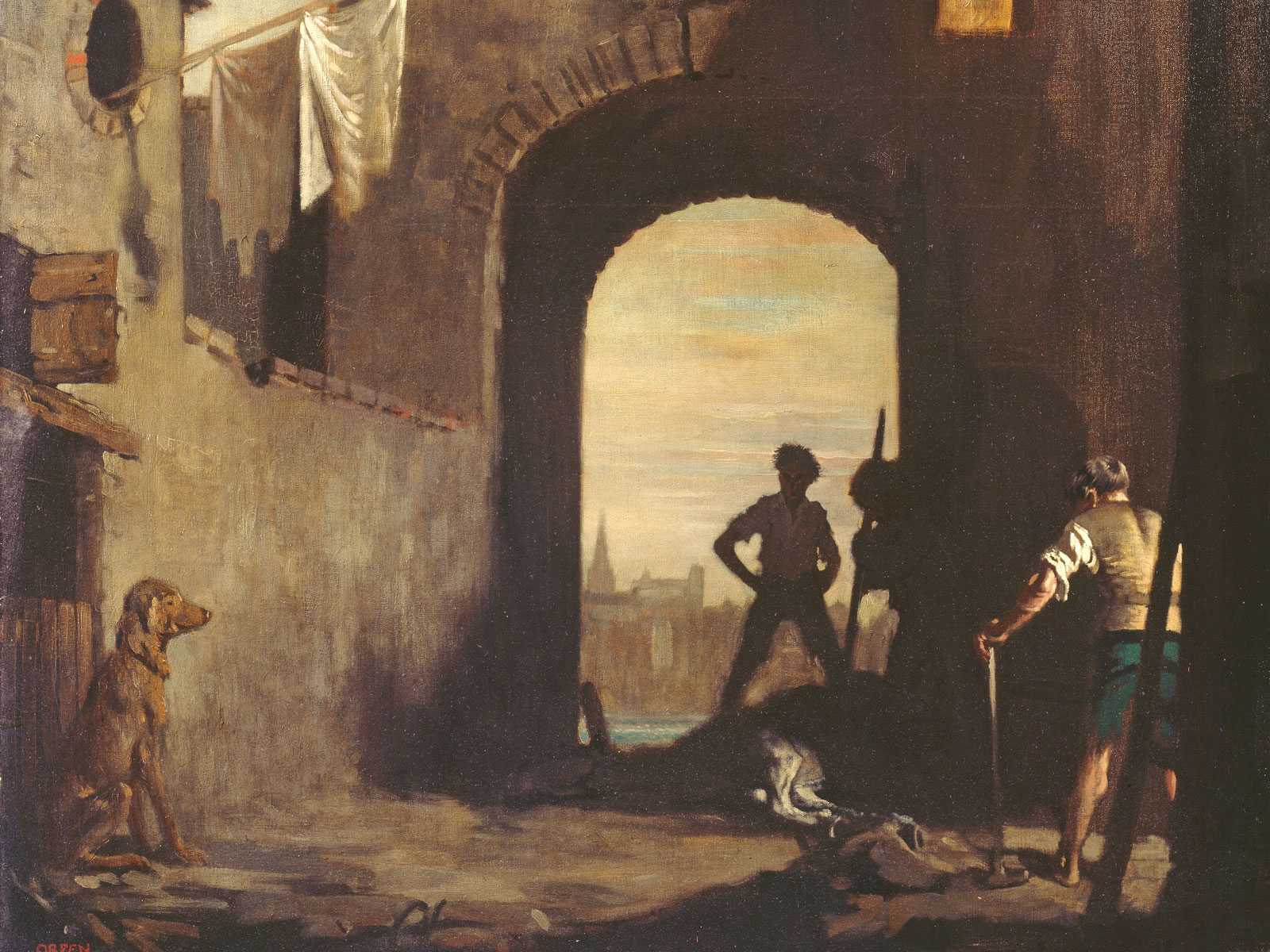
Kenneth McConkey explores the use of archways in mise-en-scène works by artist William Orpen
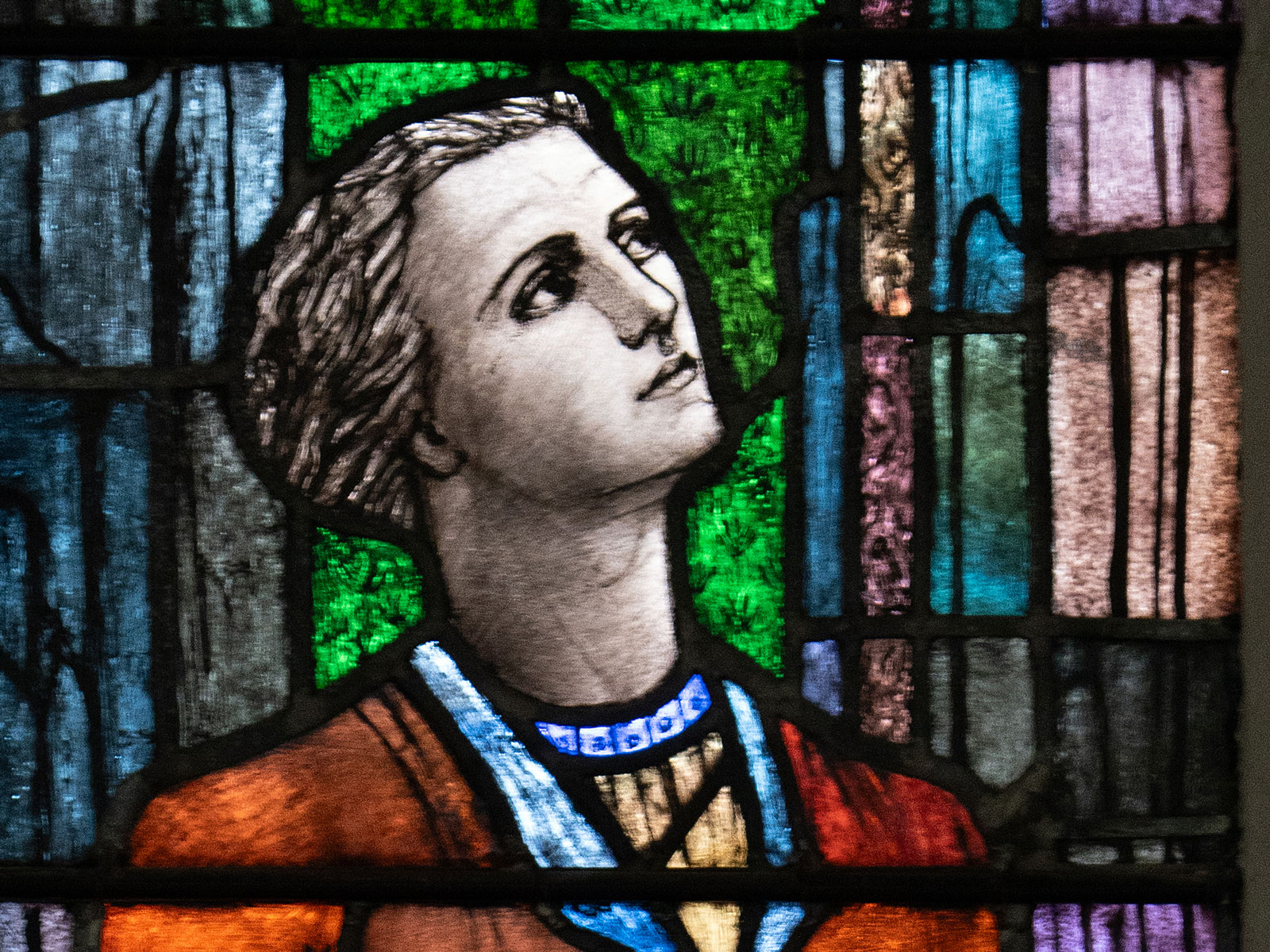
Ann Wilson examines Kitty O’Brien’s Crossing the Bar, a composition in stained glass that functions as a metaphor for hope
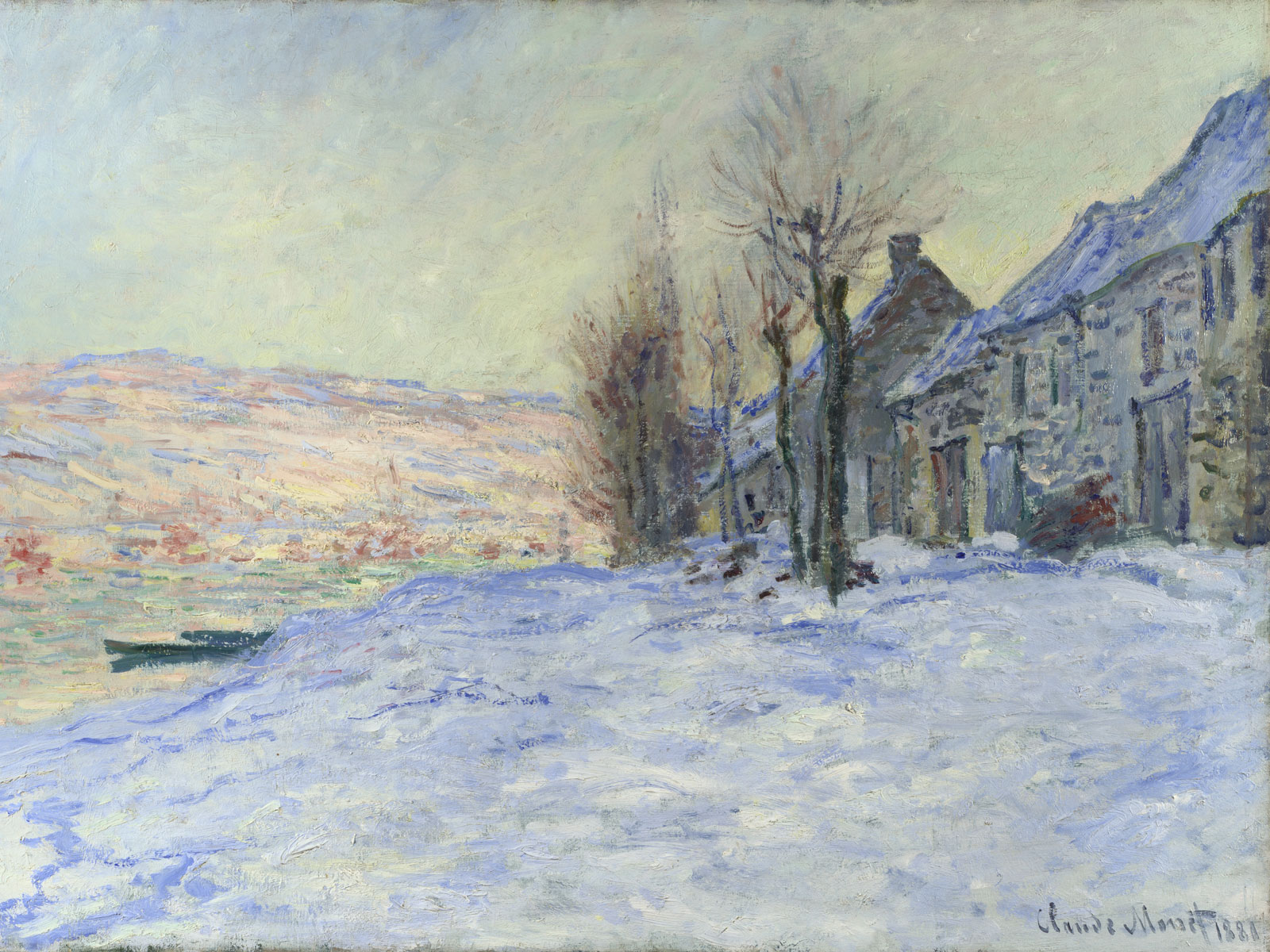
Barbara Dawson selects Lavacourt under Snow by Claude Monet (1840–1926)