Irish-American sculptor Andrew O’Connor’s public artworks were often too audacious for the people who commissioned them, finds Paula Murphy
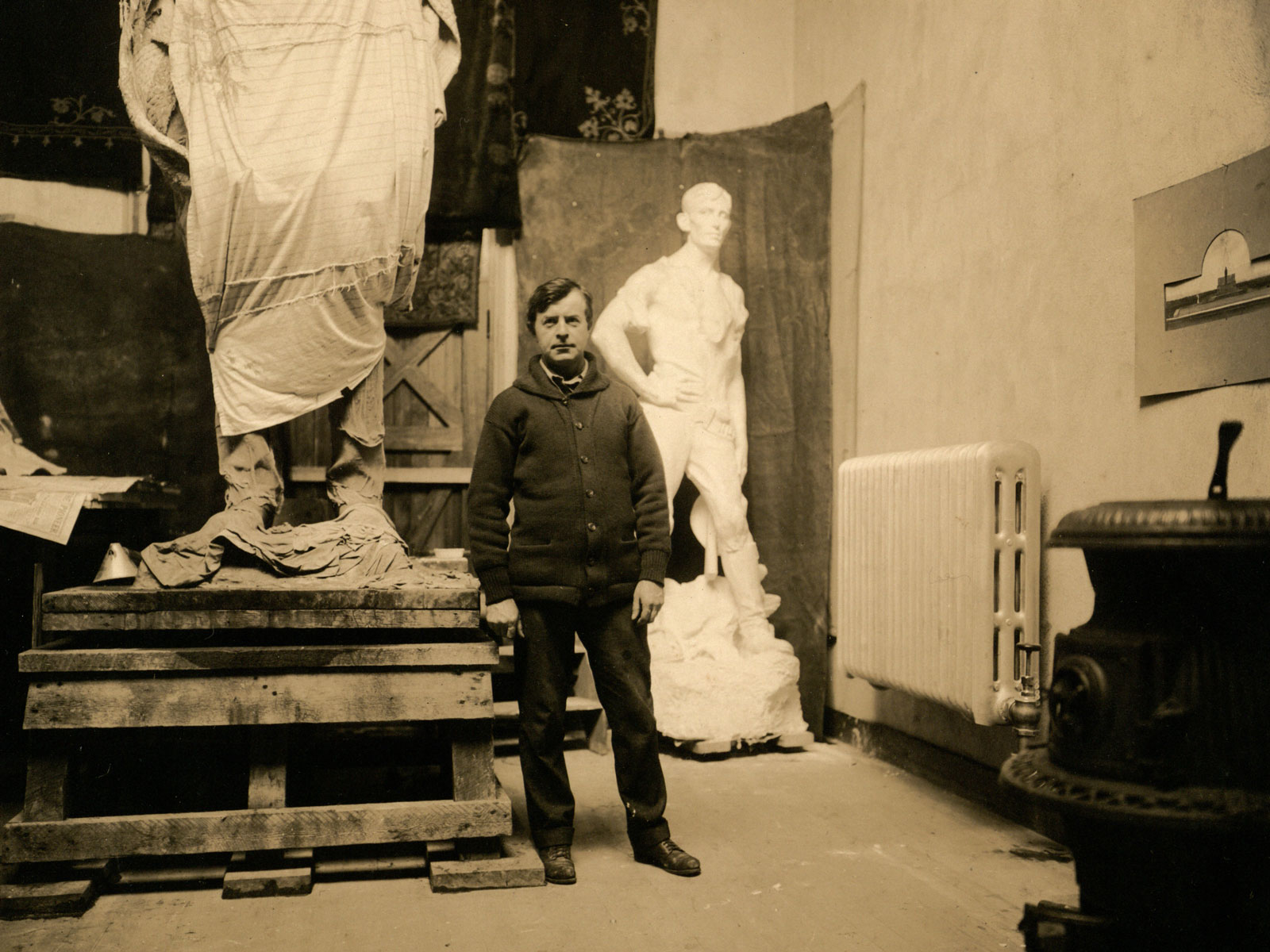
Sculptor Andrew O’Connor was in the news earlier this year when his portrait of Daniel O’Connell was unveiled at Leinster House. The statue was originally commissioned for the National Bank on College Green in the 1930s. When that bank closed, it moved to the Bank of Ireland, but was not on public display. Admired in O’Connor’s studio in Paris by fellow sculptor Séamus Murphy, the portrait was thought by others to be an ‘atrocity… a caricature of Daniel O’Connell’ by a ‘foreign artist’. There is no doubt that the portrait is far from being a likeness of O’Connell. Instead, the troubled finish in the work suggests the man’s energy. It wasn’t always the case that O’Connor chose to ignore likeness in his portraits. US President Abraham Lincoln is certainly identifiable in O’Connor’s several portraits of him, one of which is a public statue in front of the State Capitol in Springfield, Illinois. Lincoln’s portrait likeness by O’Connor – including busts in the Metropolitan Museum in New York (Fig 7) and the Royal Exchange in London – was captured from close study of life casts of his face and from photographs.
To read this article in full, subscribe or buy this edition of the Irish Arts Review
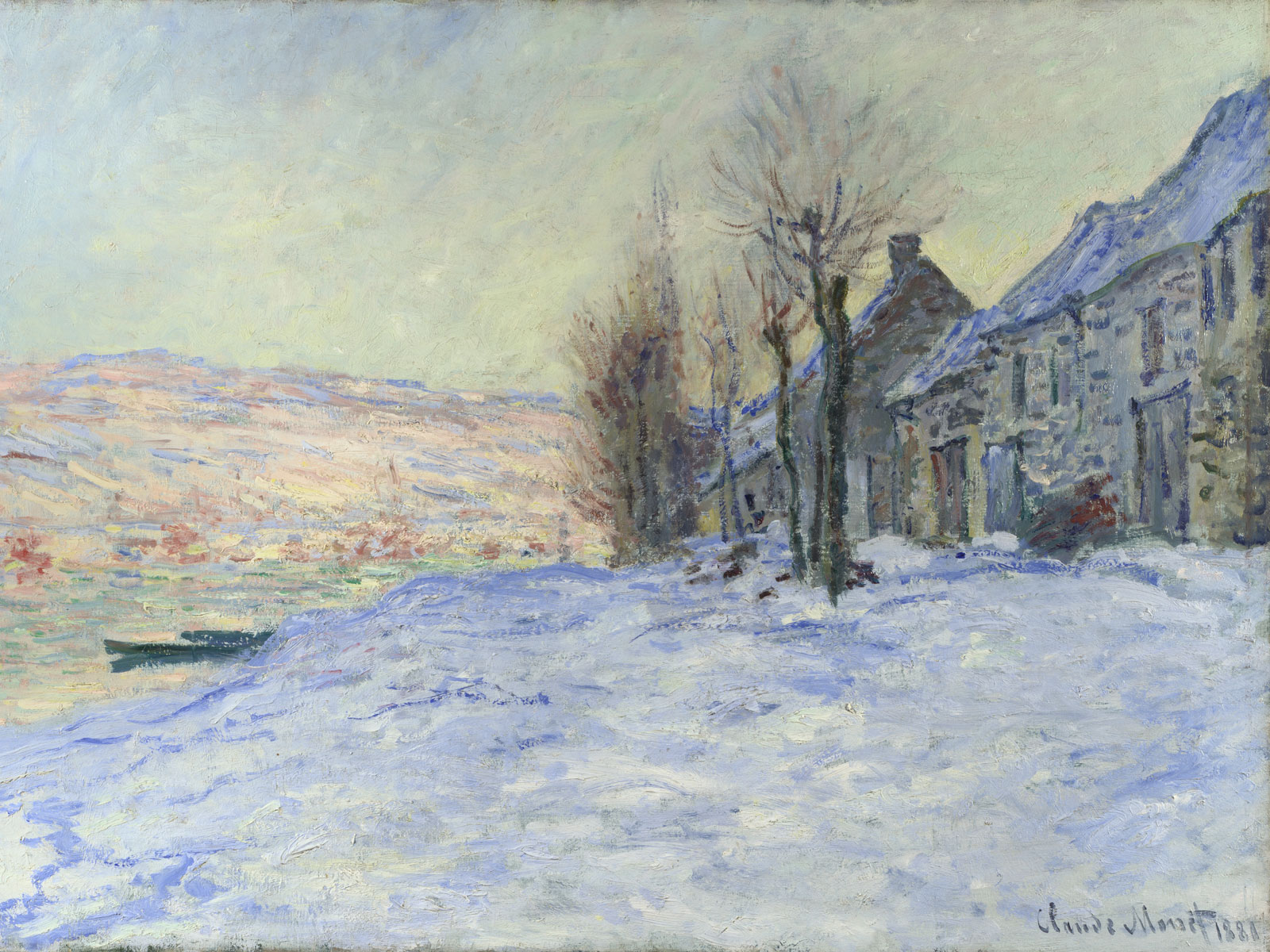
Barbara Dawson selects Lavacourt under Snow by Claude Monet (1840–1926)
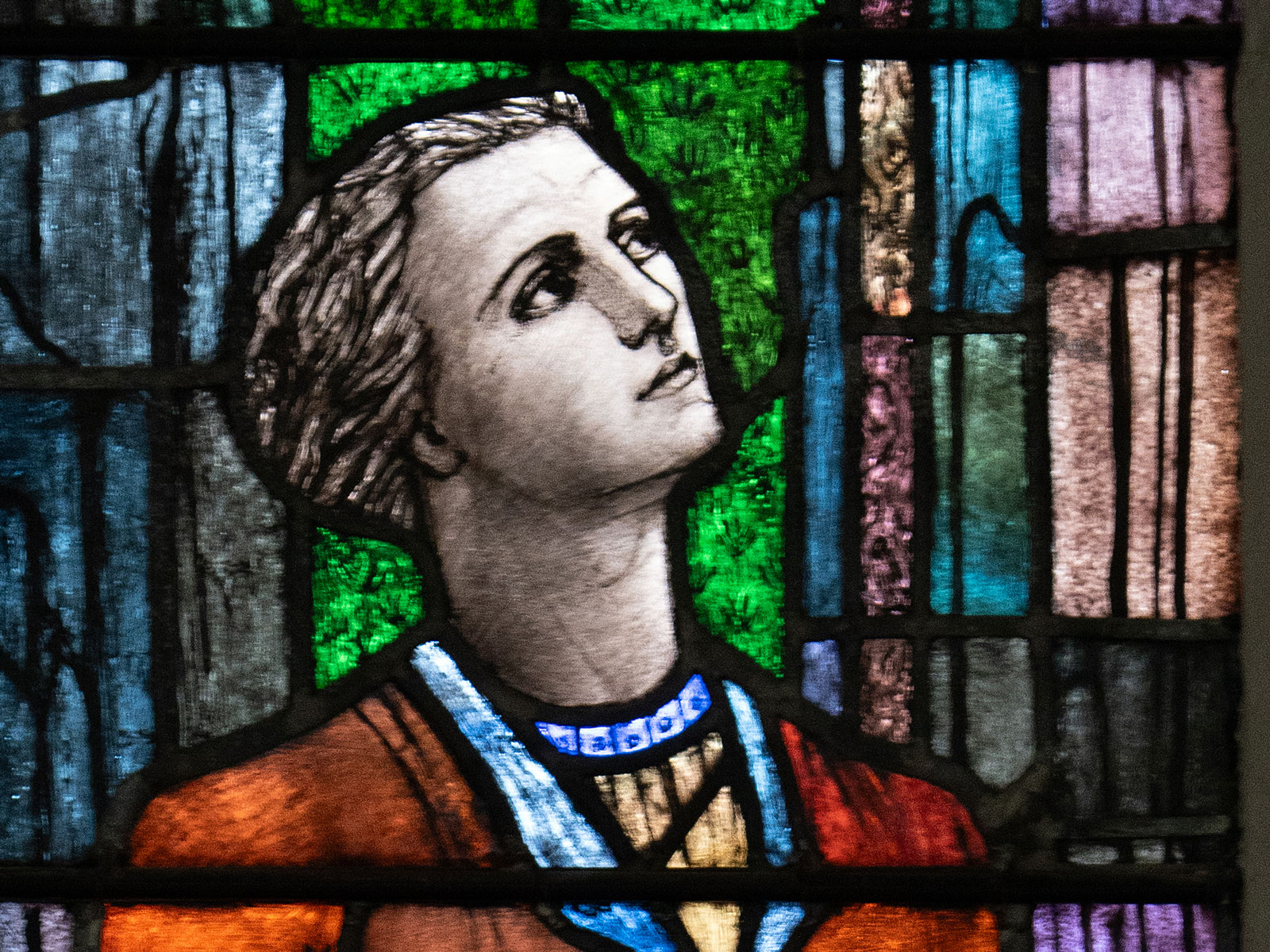
Ann Wilson examines Kitty O’Brien’s Crossing the Bar, a composition in stained glass that functions as a metaphor for hope
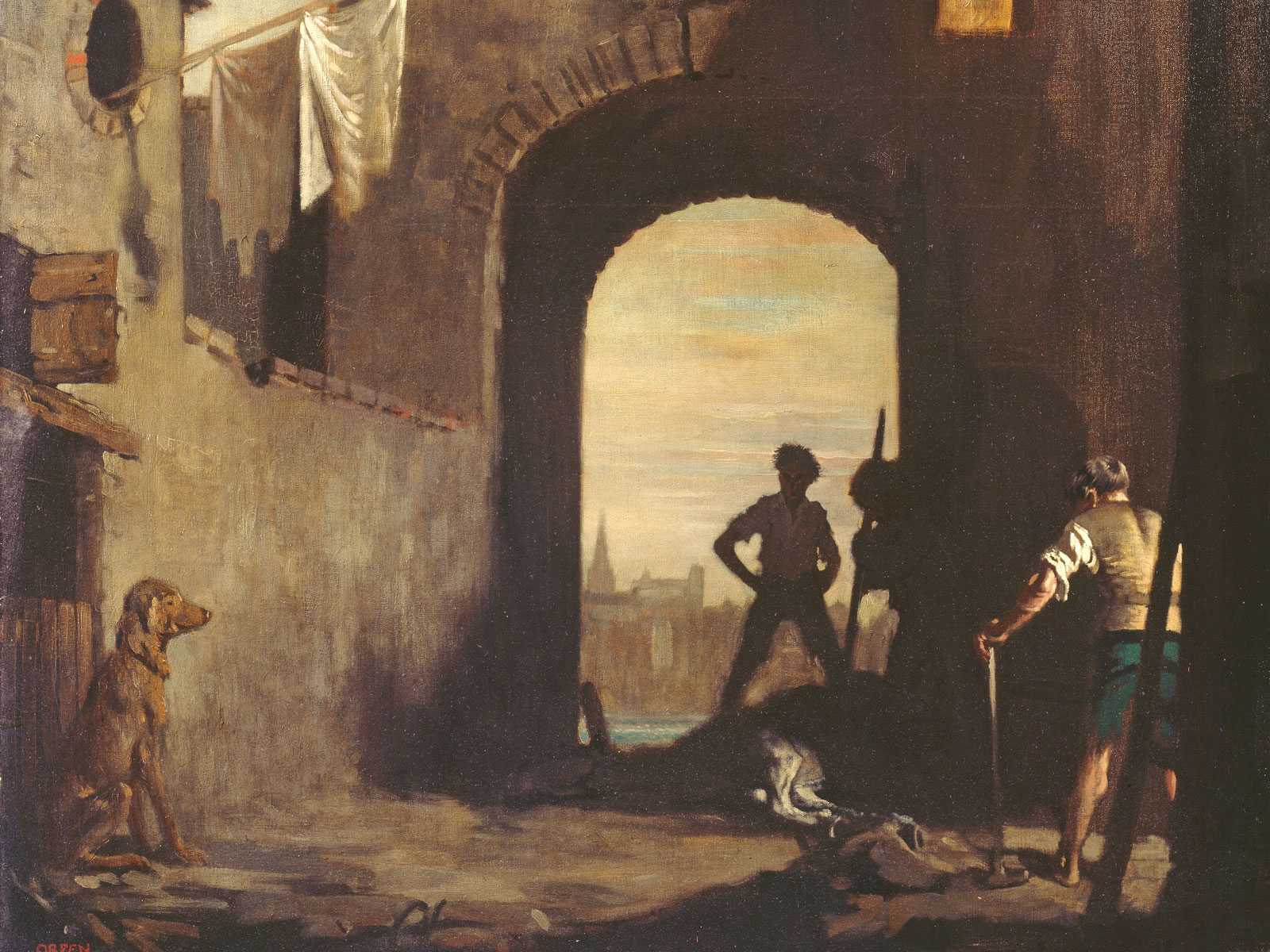
Kenneth McConkey explores the use of archways in mise-en-scène works by artist William Orpen