
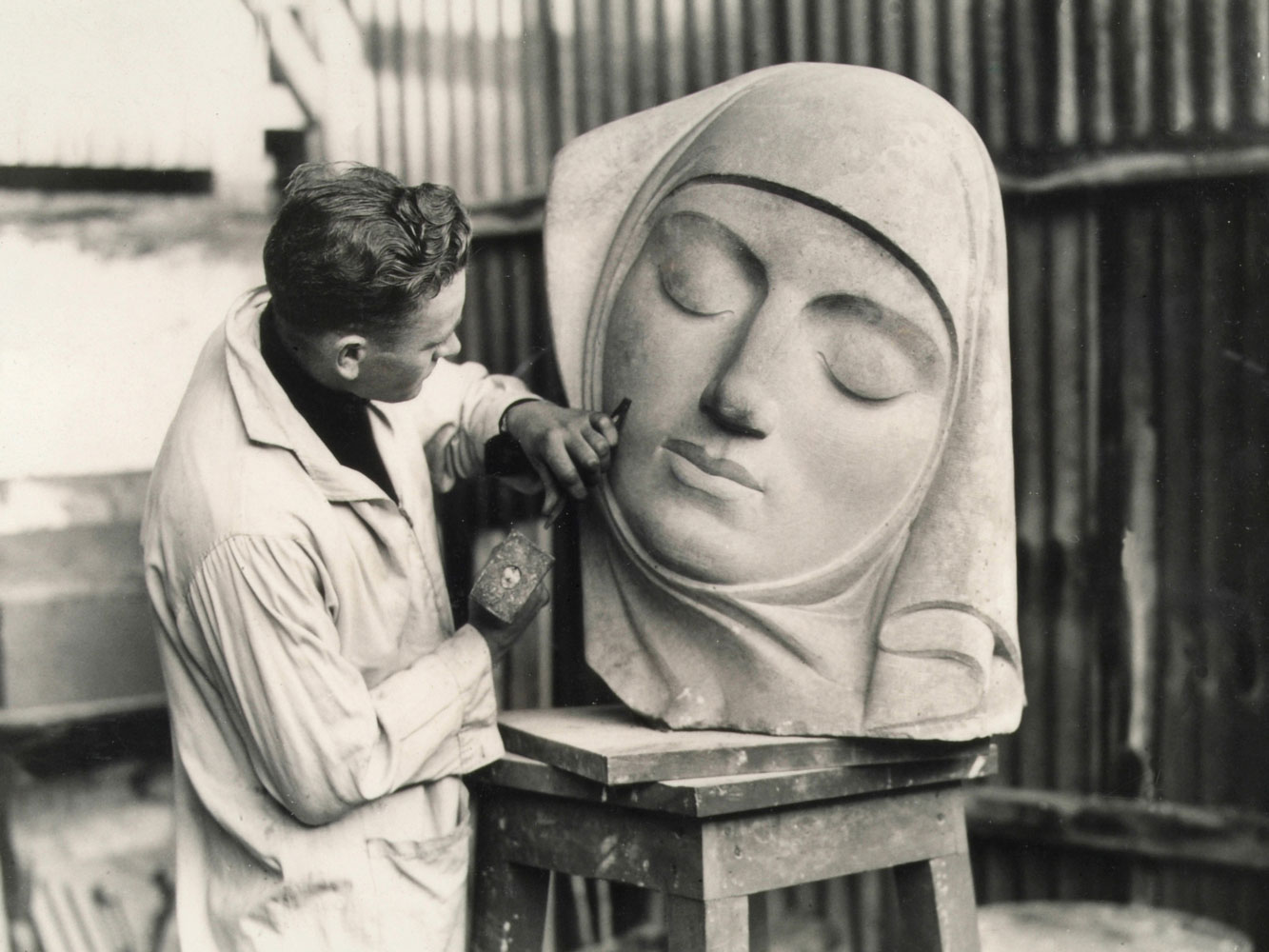
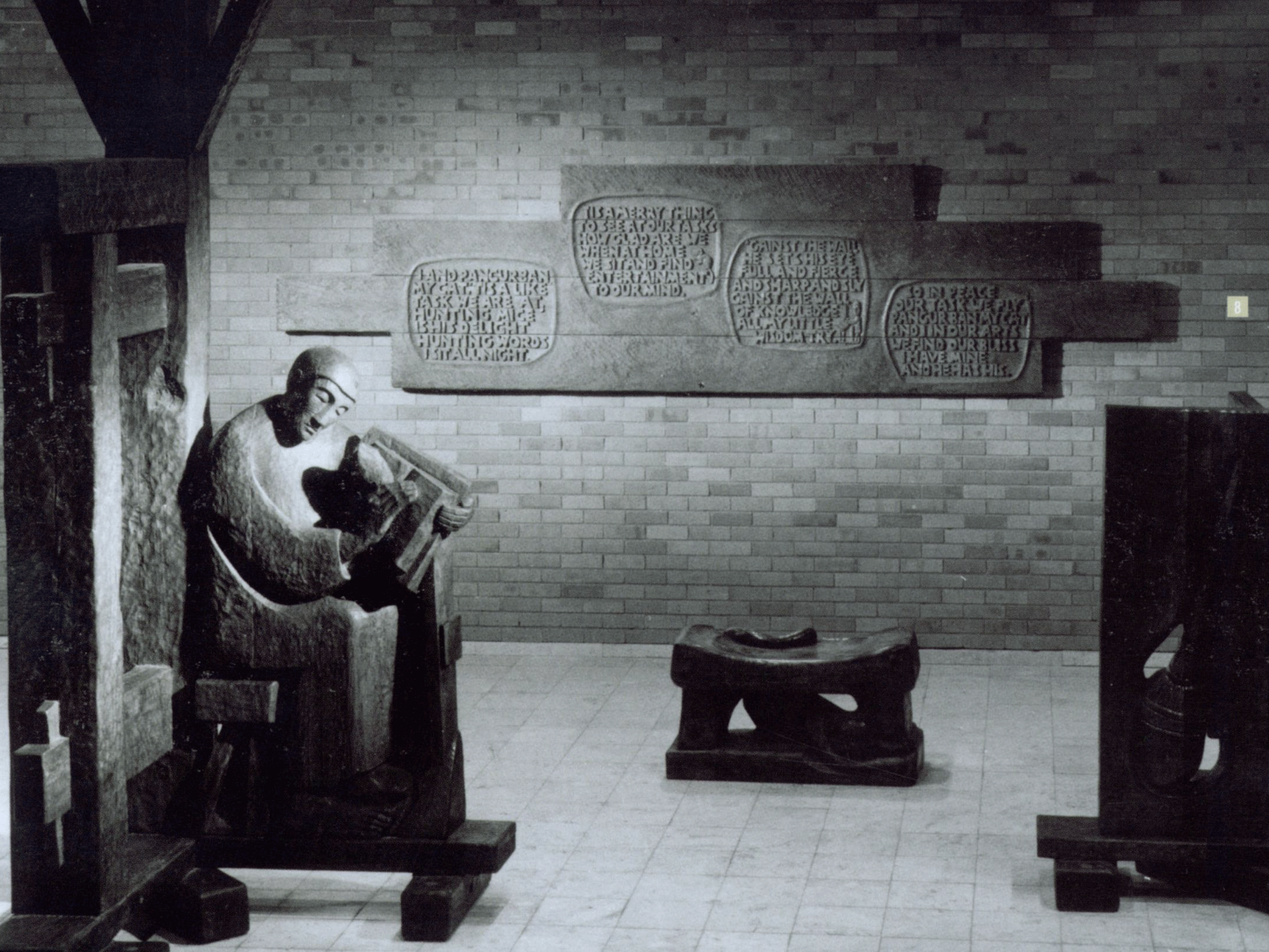
Daniel Breen selects a sculpture by Seamus Murphy in the collection of Cork Public Museum
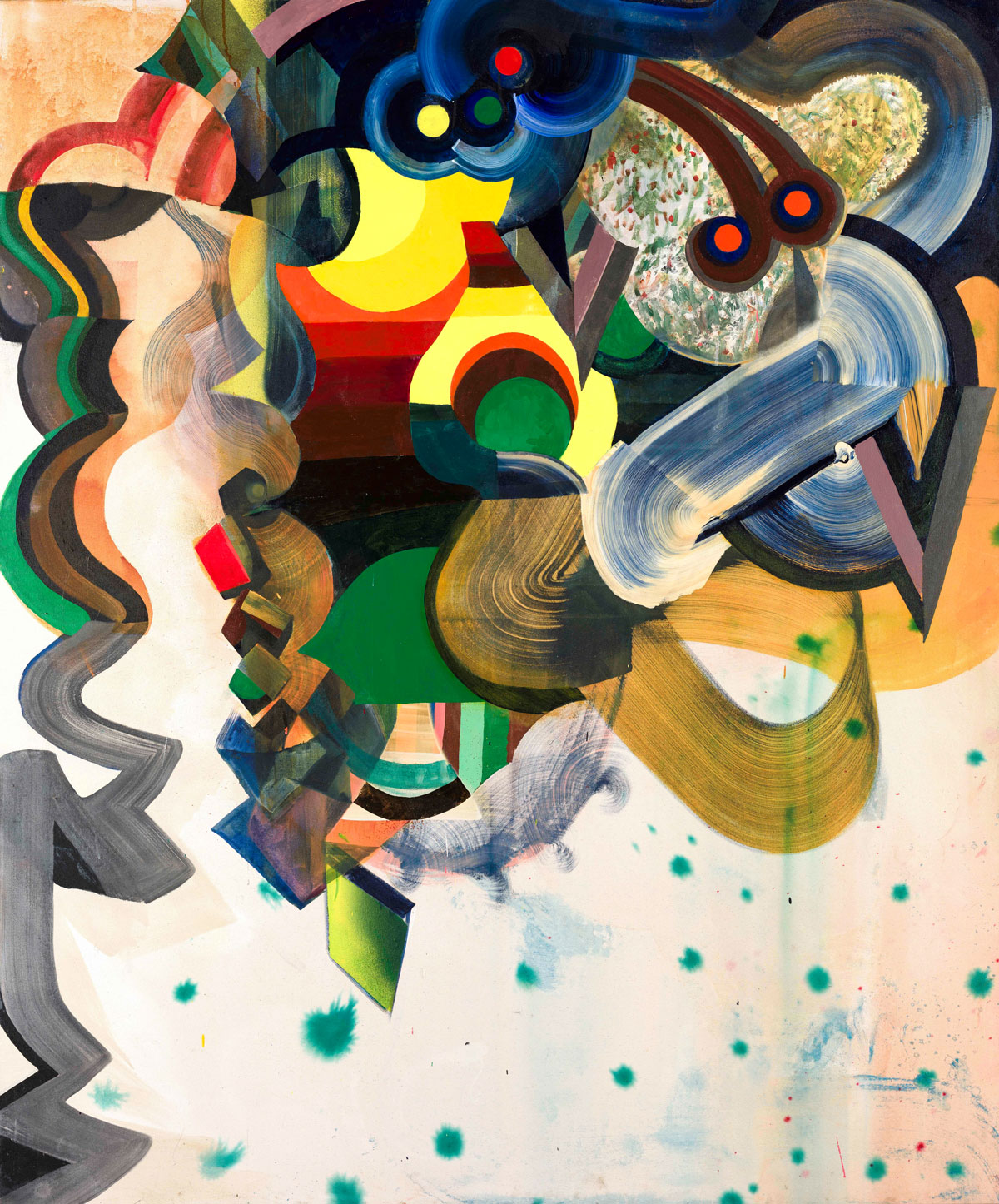
Marianne O’Kane Boal looks at the work of Tinka Bechert, which operates in the liminal space of form, abstraction and play
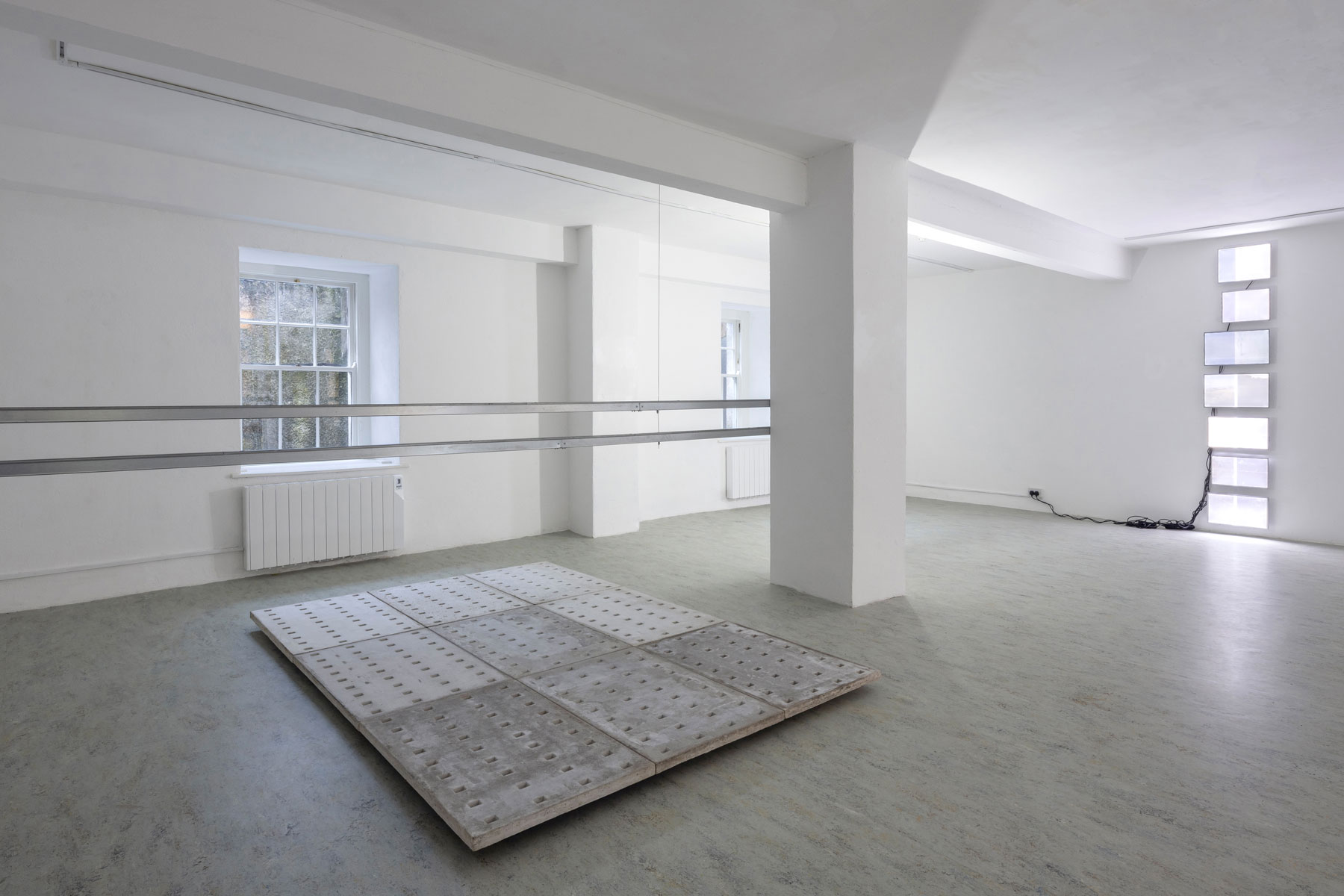
John Rainey appraises the varied sculptural practice of artist Blaine O’Donnell
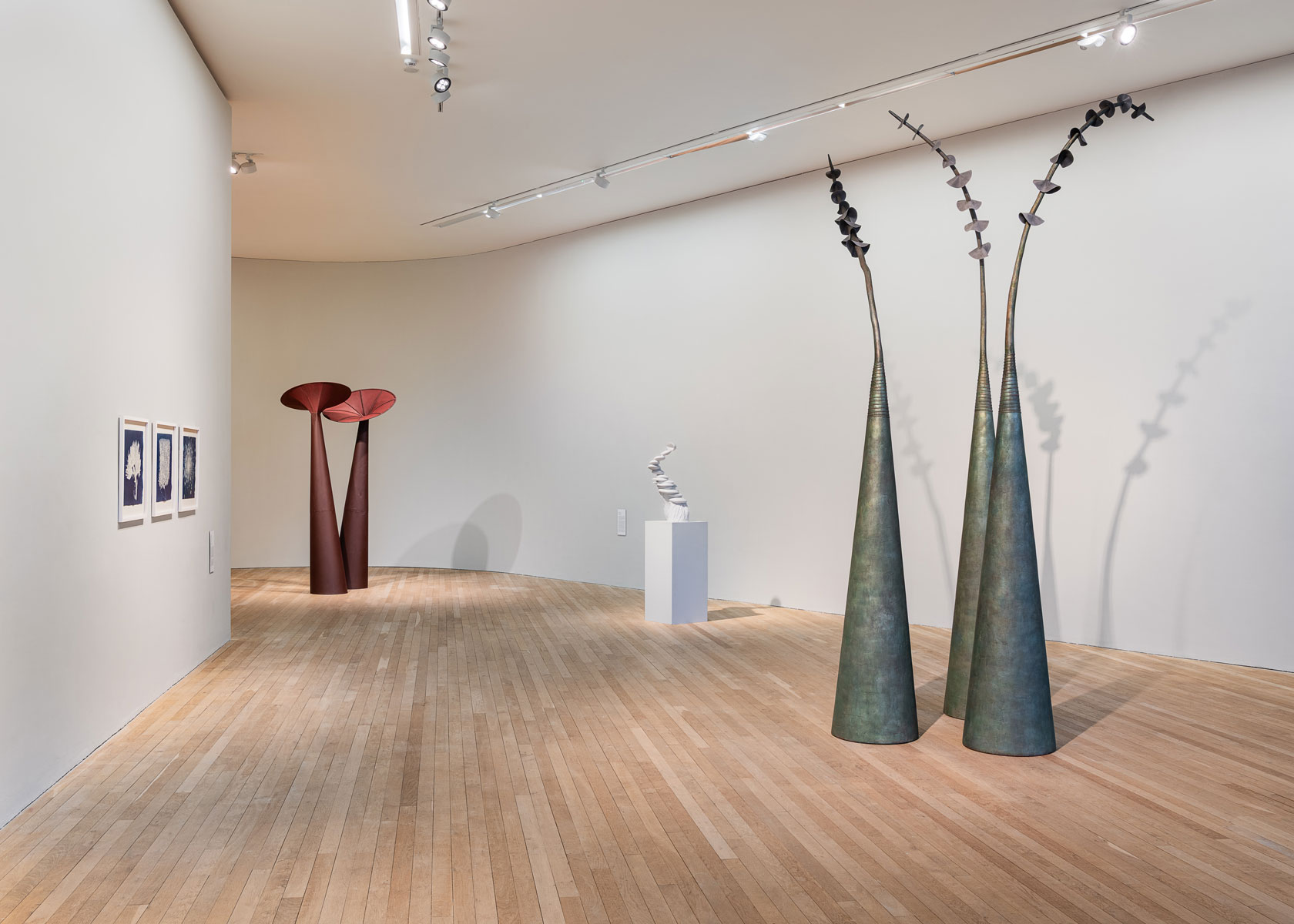
Cristín Leach visits Eilis O’Connell’s exhibition, which presents nature and geometry, capture and flow, environmental and human-made forms
Paula Murphy considers the work of acclaimed Irish-American sculptor Thomas Crawford
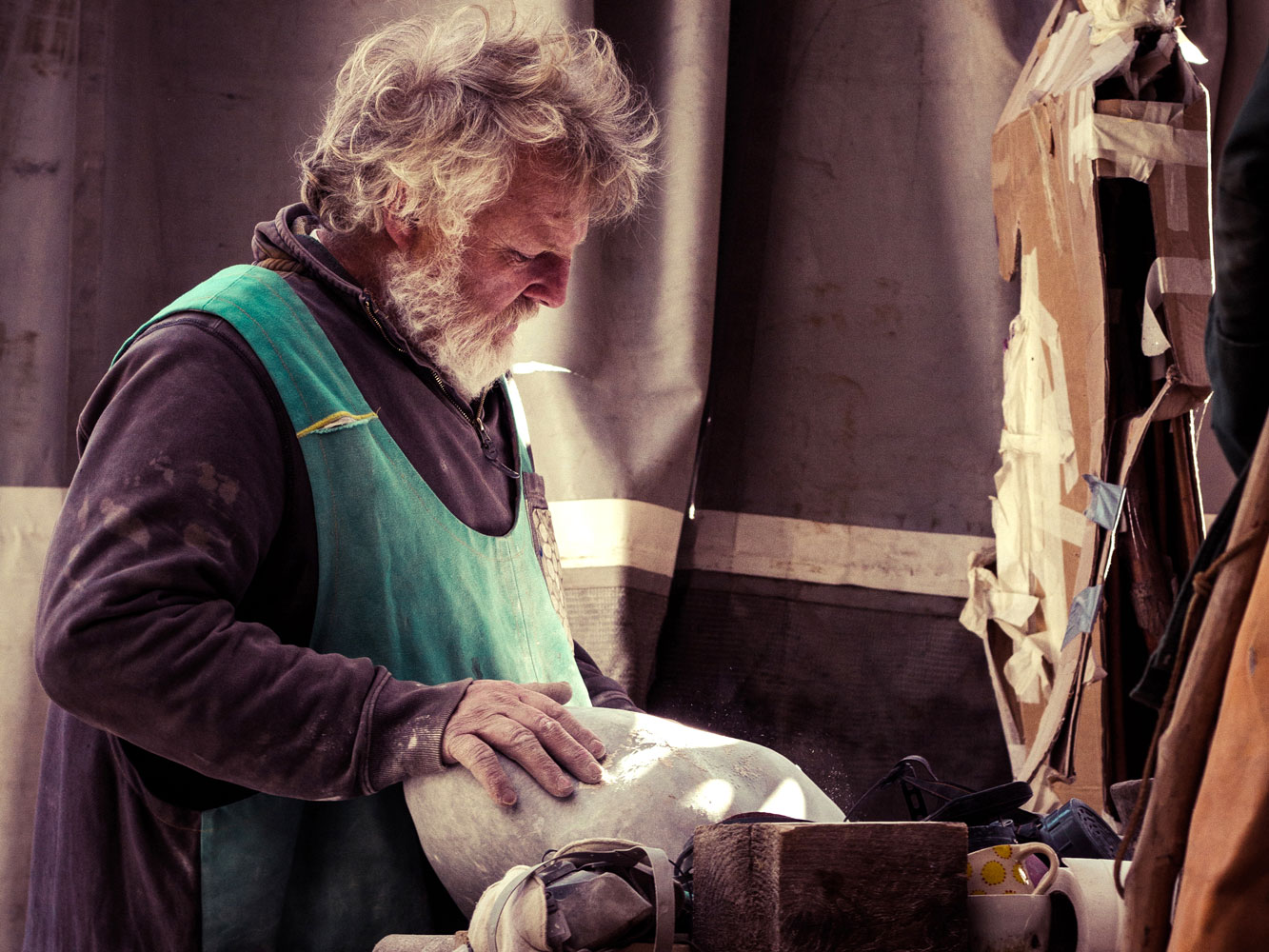
Philip Quinn tells Eamonn Maxwell his sculptures are maps of the memories and landscapes of his childhood
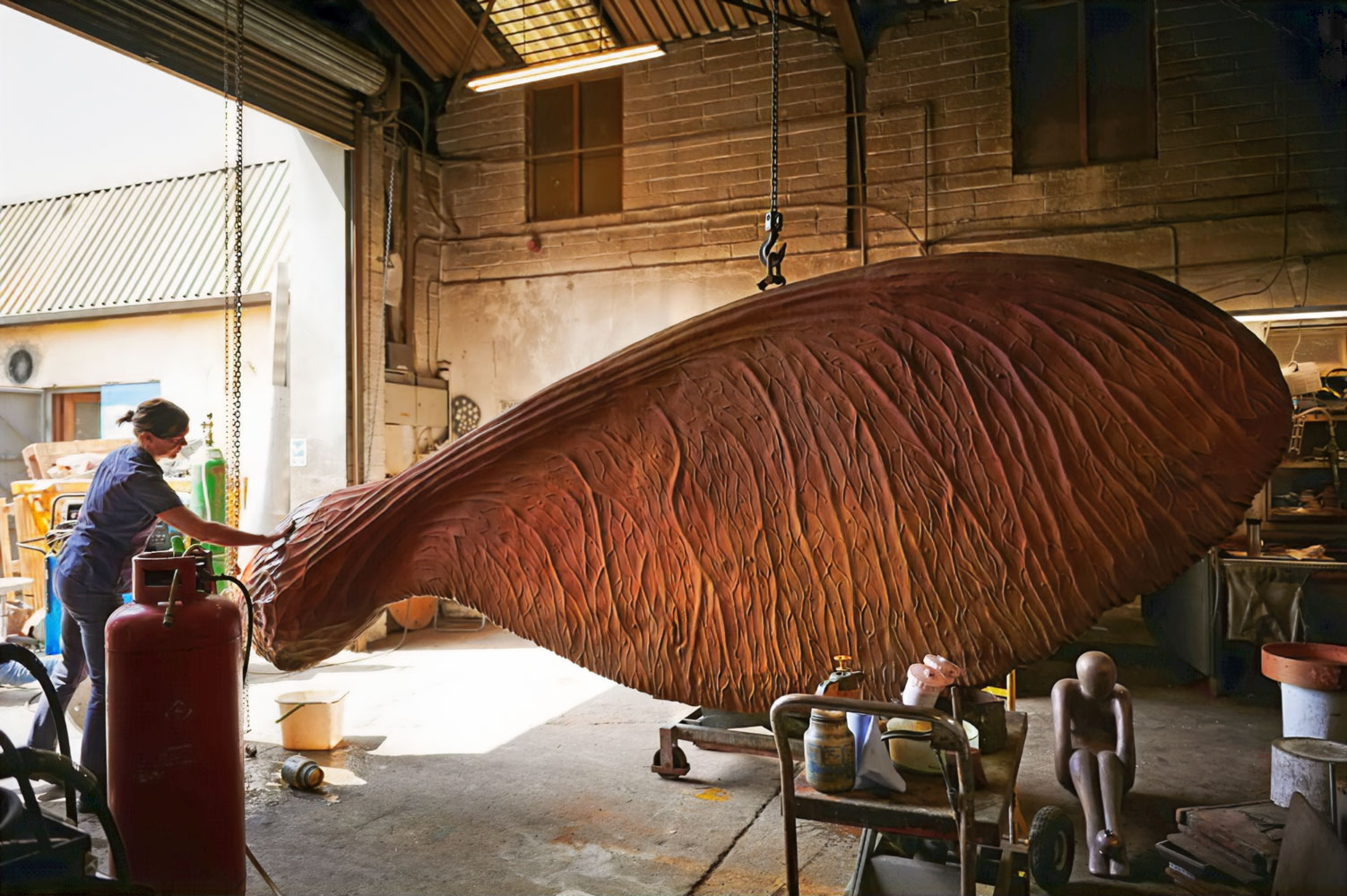
From the outset, Rachel Joynt’s work has been characterised by a sense of the infinite and the immediate, writes Peter Murray
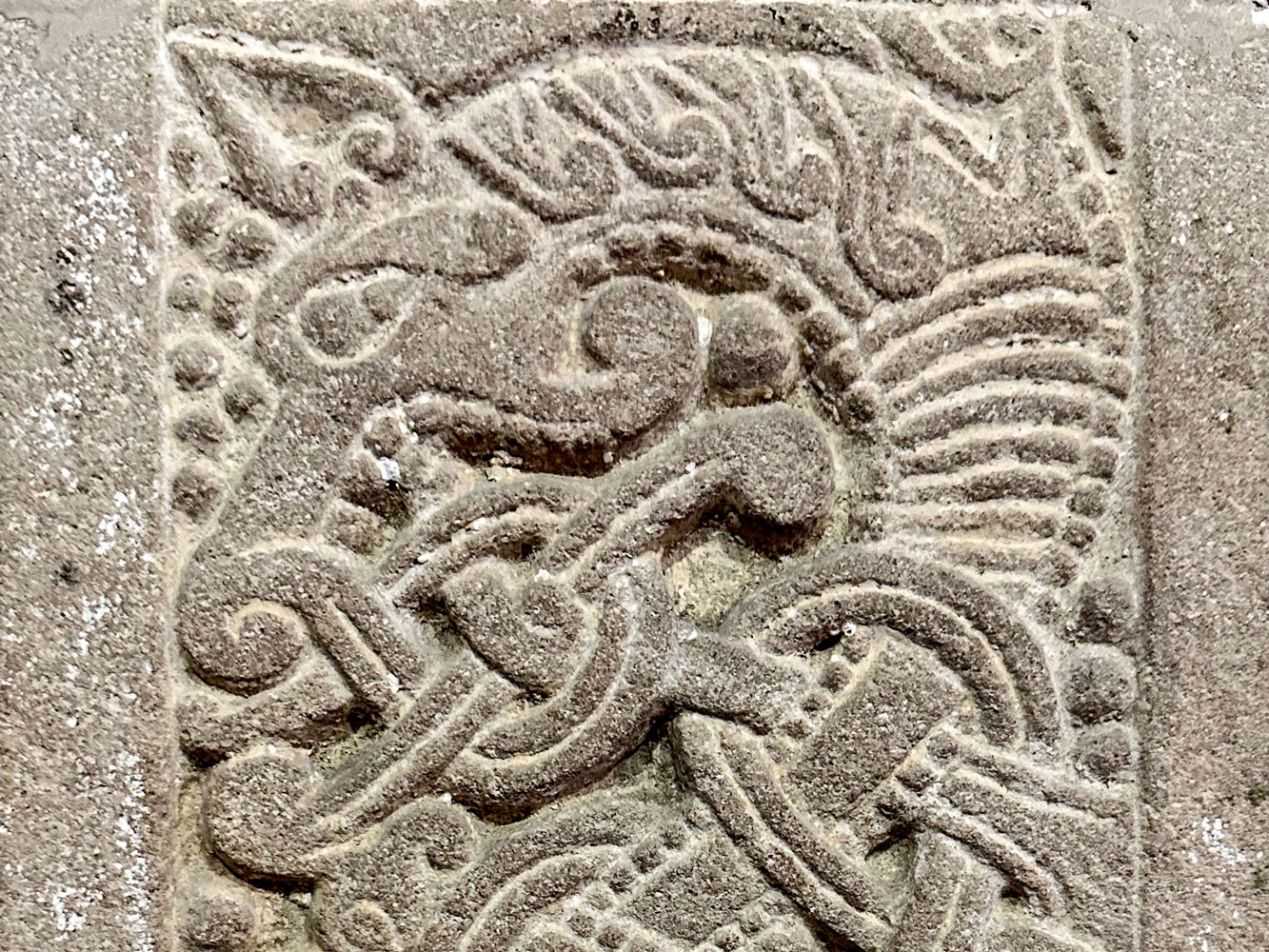
St Mary’s Cathedral in Tuam, Co Galway is a veritable shrine of Romanesque art, writes Roger Stalley
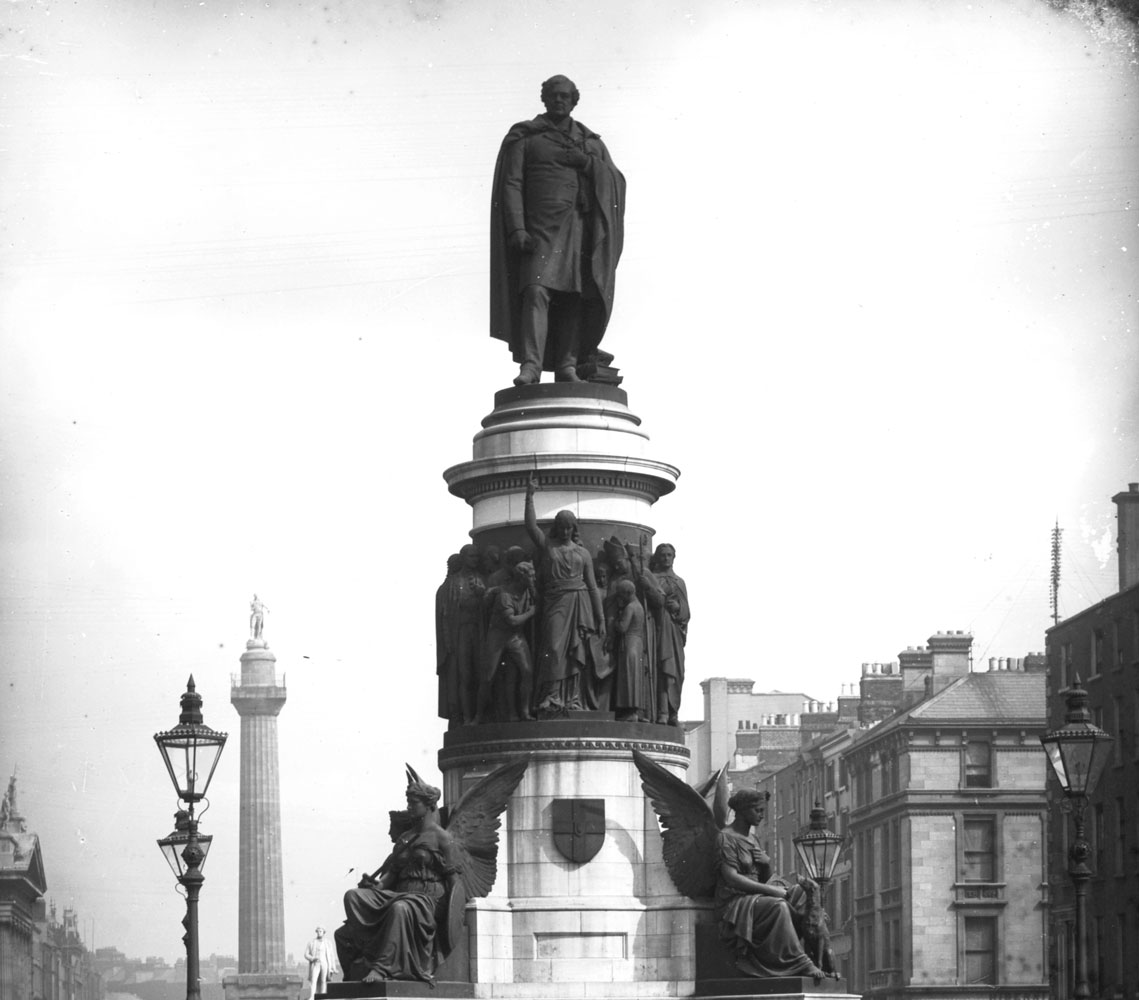
Paula Murphy celebrates the work of one of Ireland’s most esteemed sculptors, John Henry Foley
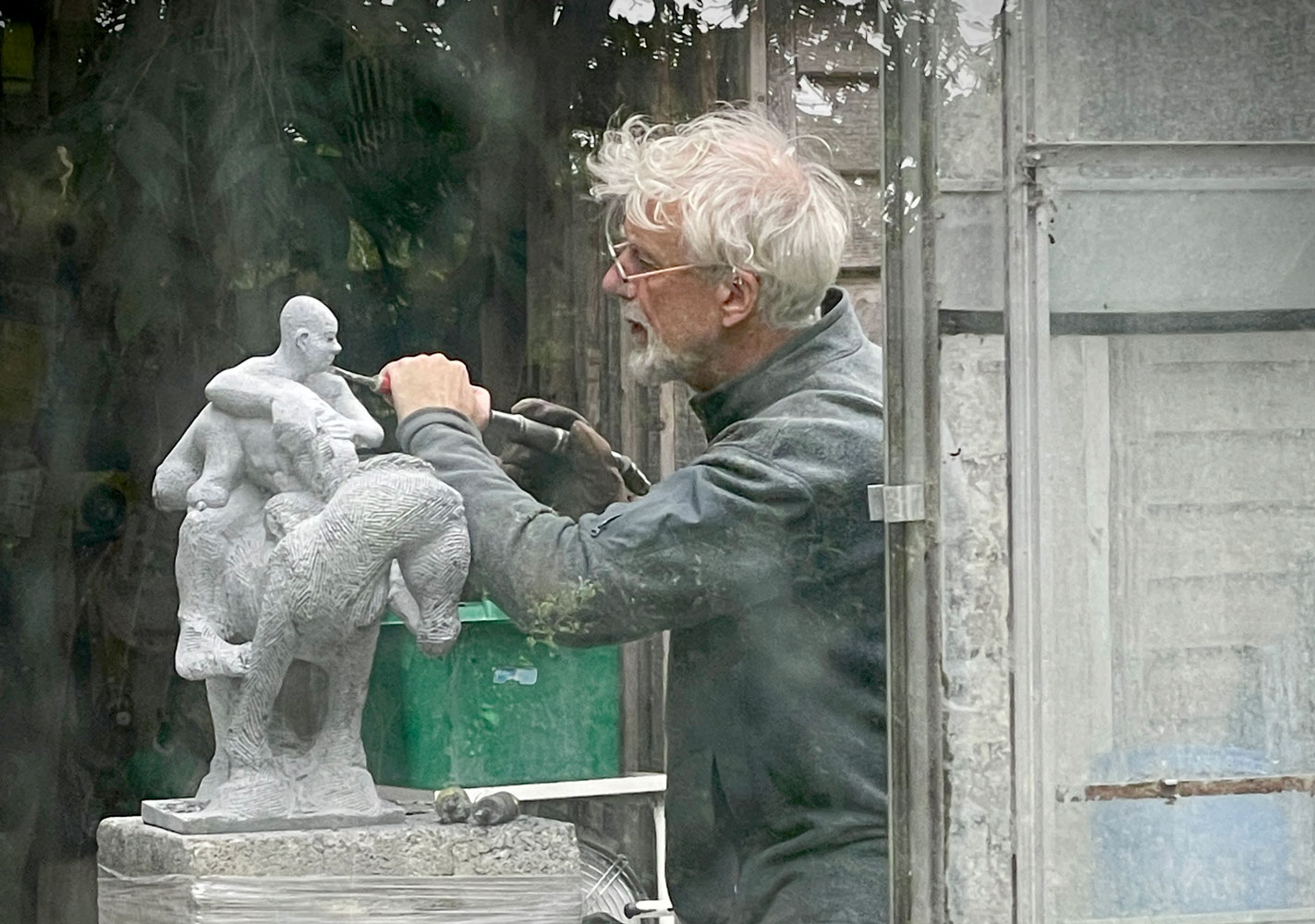
Peter Murray journeys to sculptor Michael Quane’s studio in Cork, which provides an insight into his inspirations and method of working
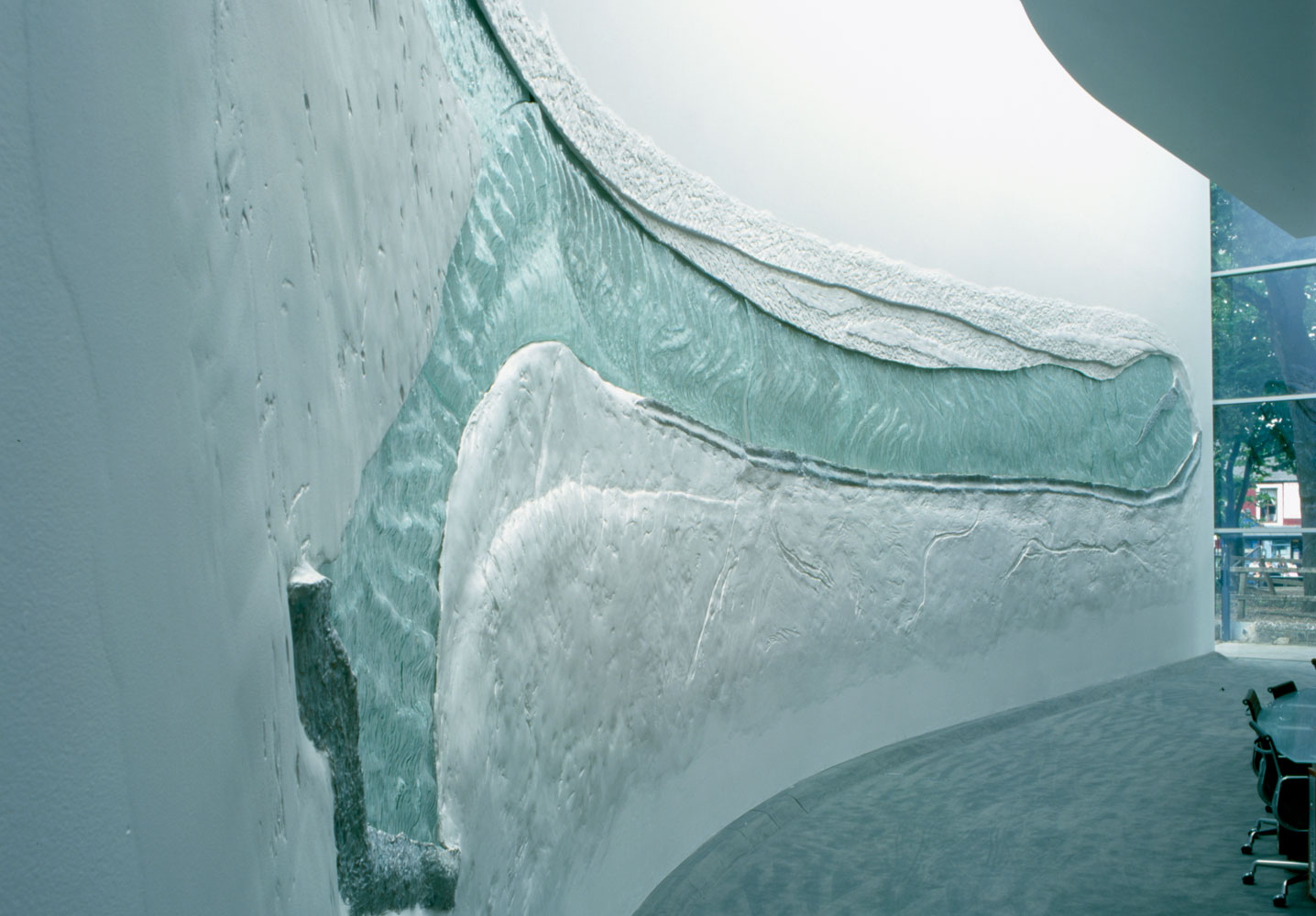
Vivienne Roche’s approach is formally beautiful and seemingly straightforward in its address, but opens onto profound and unsettling ideas about time, loss and persistence, writes Sarah Kelleher
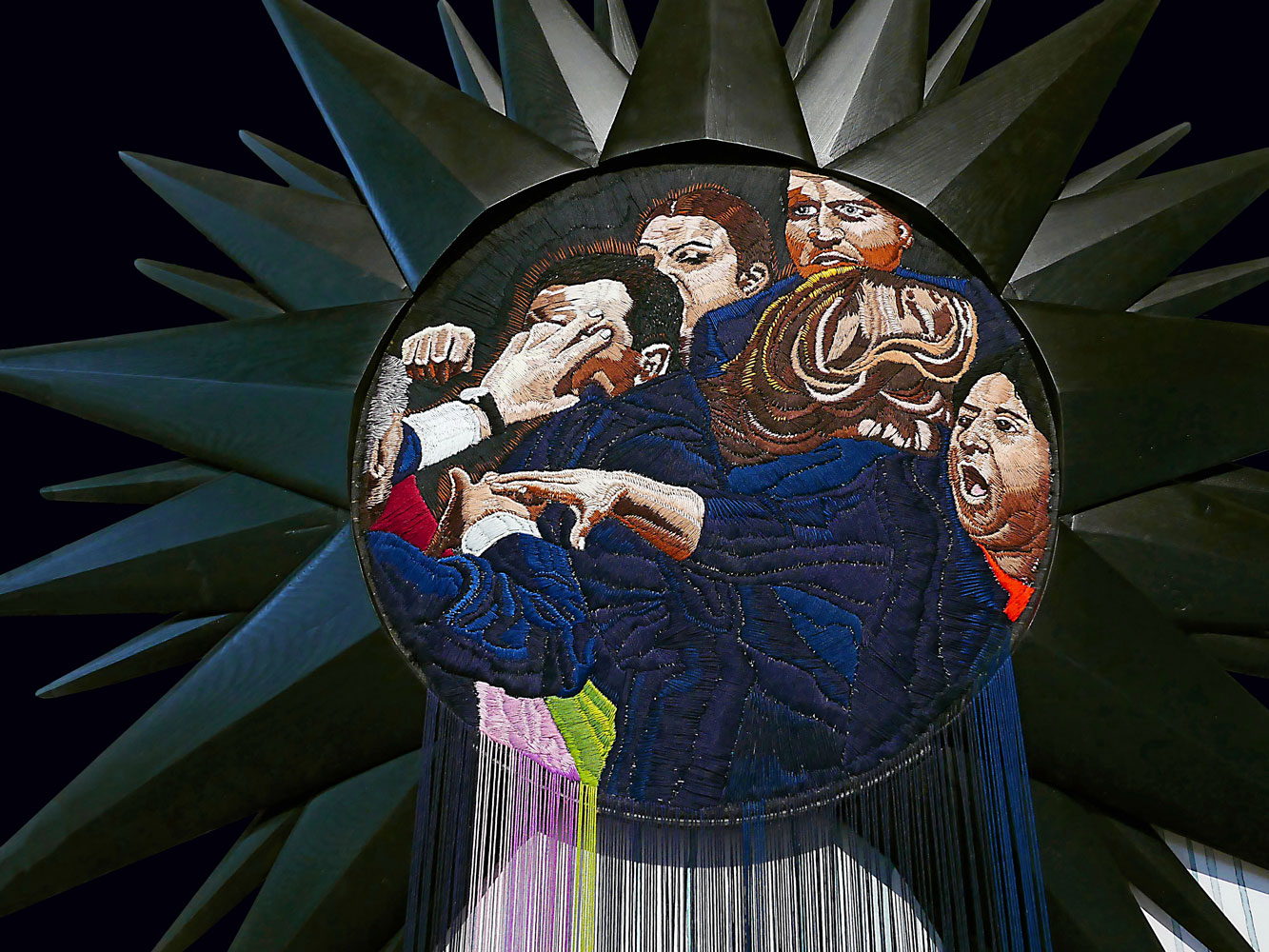
Aidan Dunne discovers how artist Ursula Burke uses the Classical tradition to reveal problematic and troubled realities
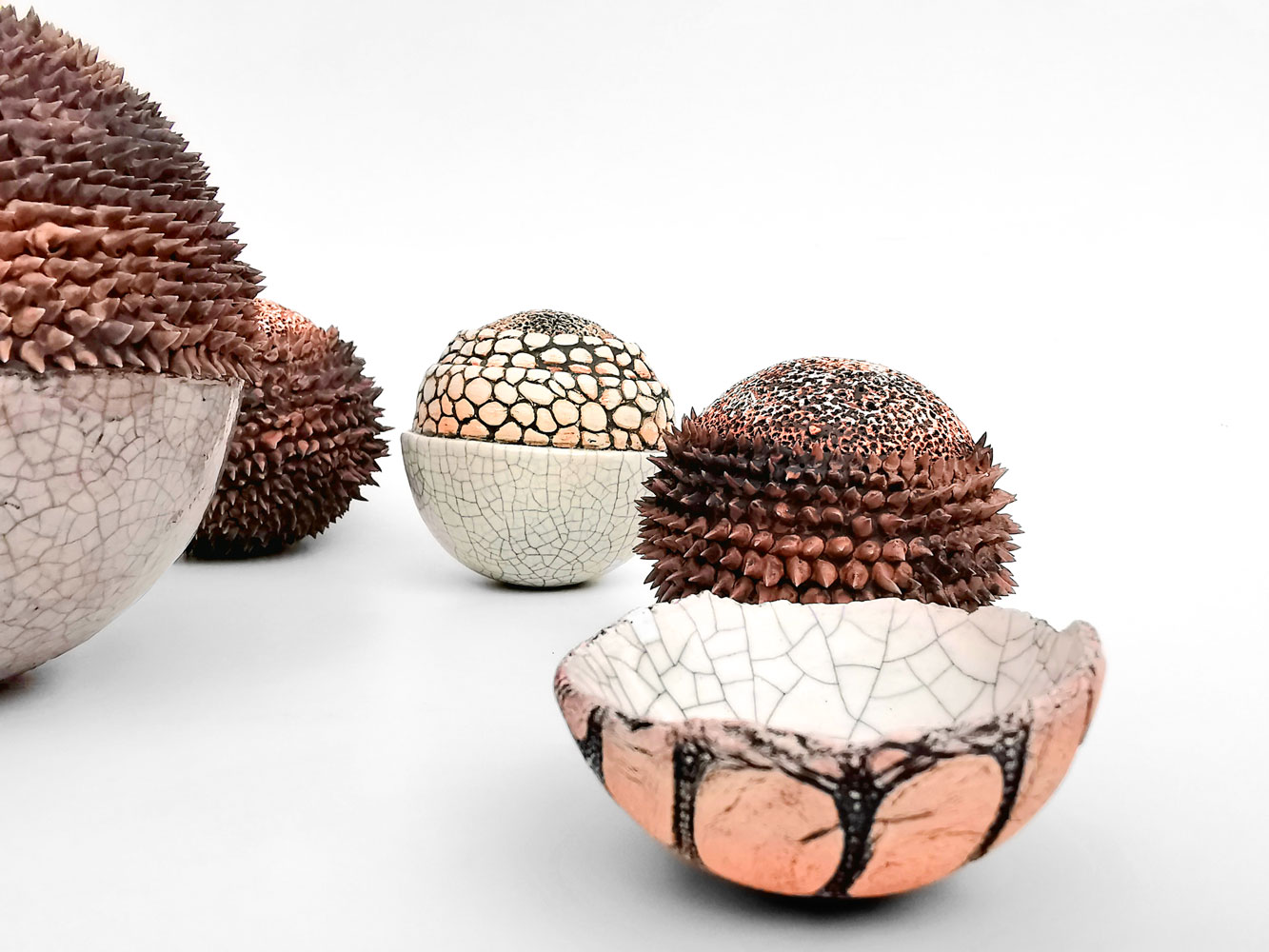
Lynsay-Erin Mercer’s careful and meticulous process mirrors the consideration and depth of her conceptualisation, writes Isabella Evangelisti
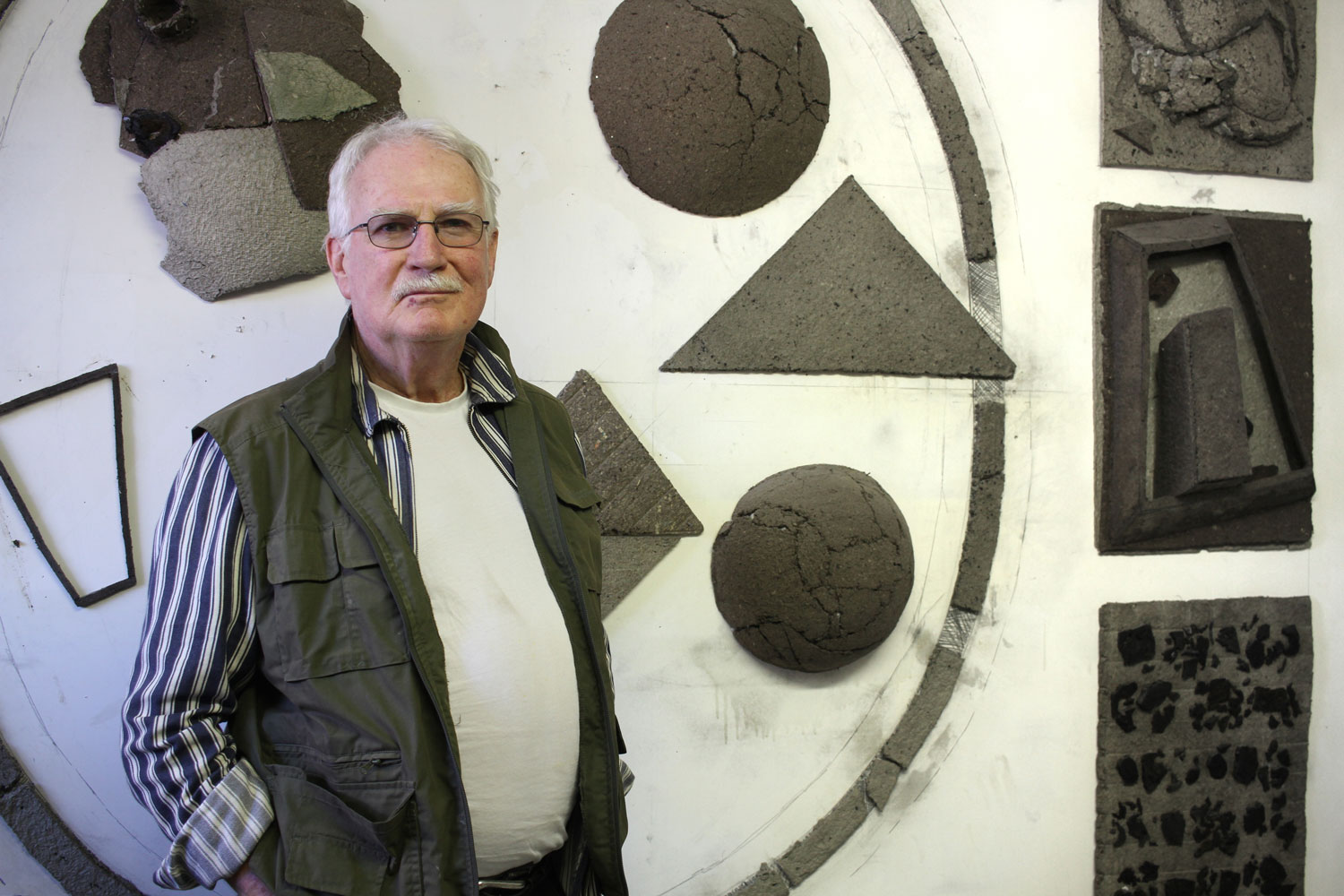
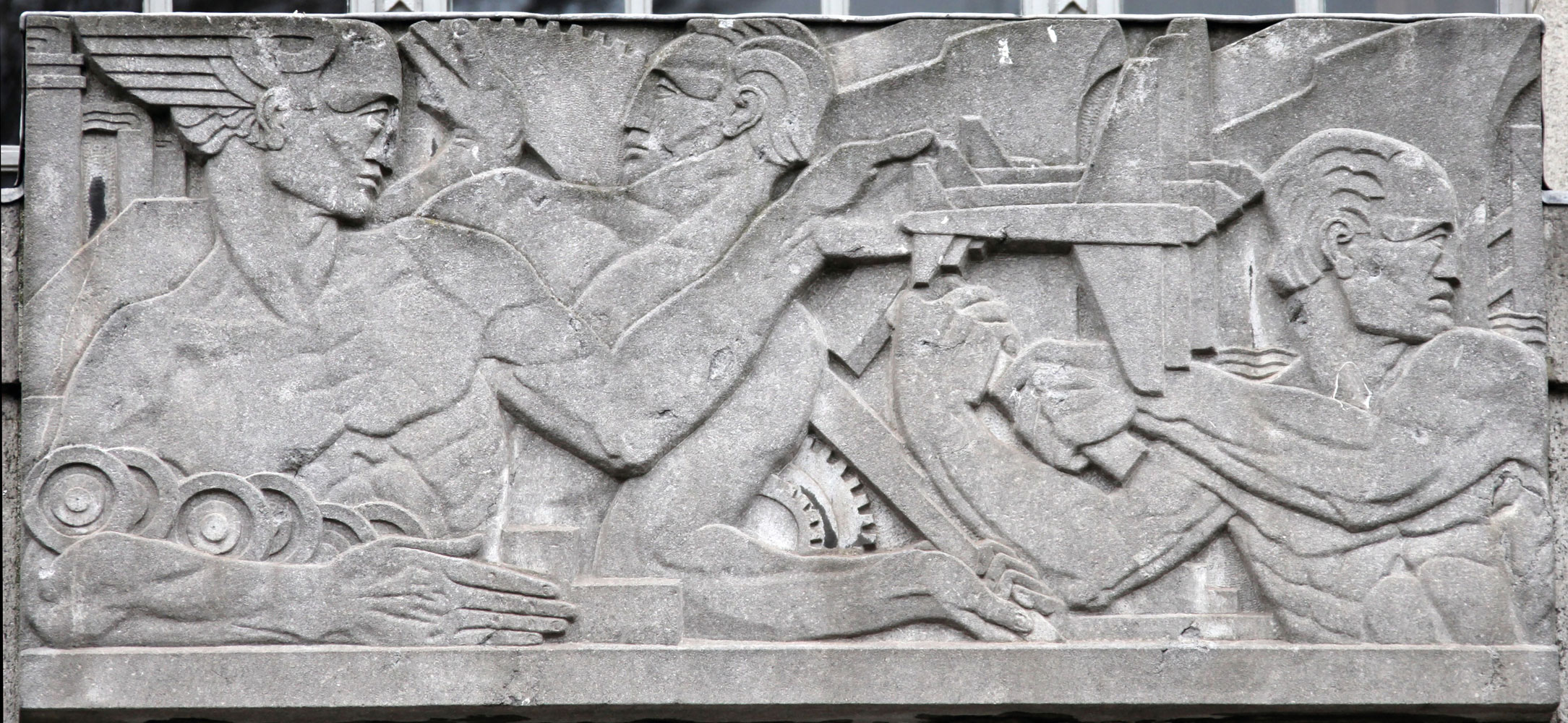
Gabriel Hayes was invariably identified in the press as a woman, wife, mother and grandmother before being acknowledged as an artist, which distracted from serious critical reception of her work, writes Paula Murphy
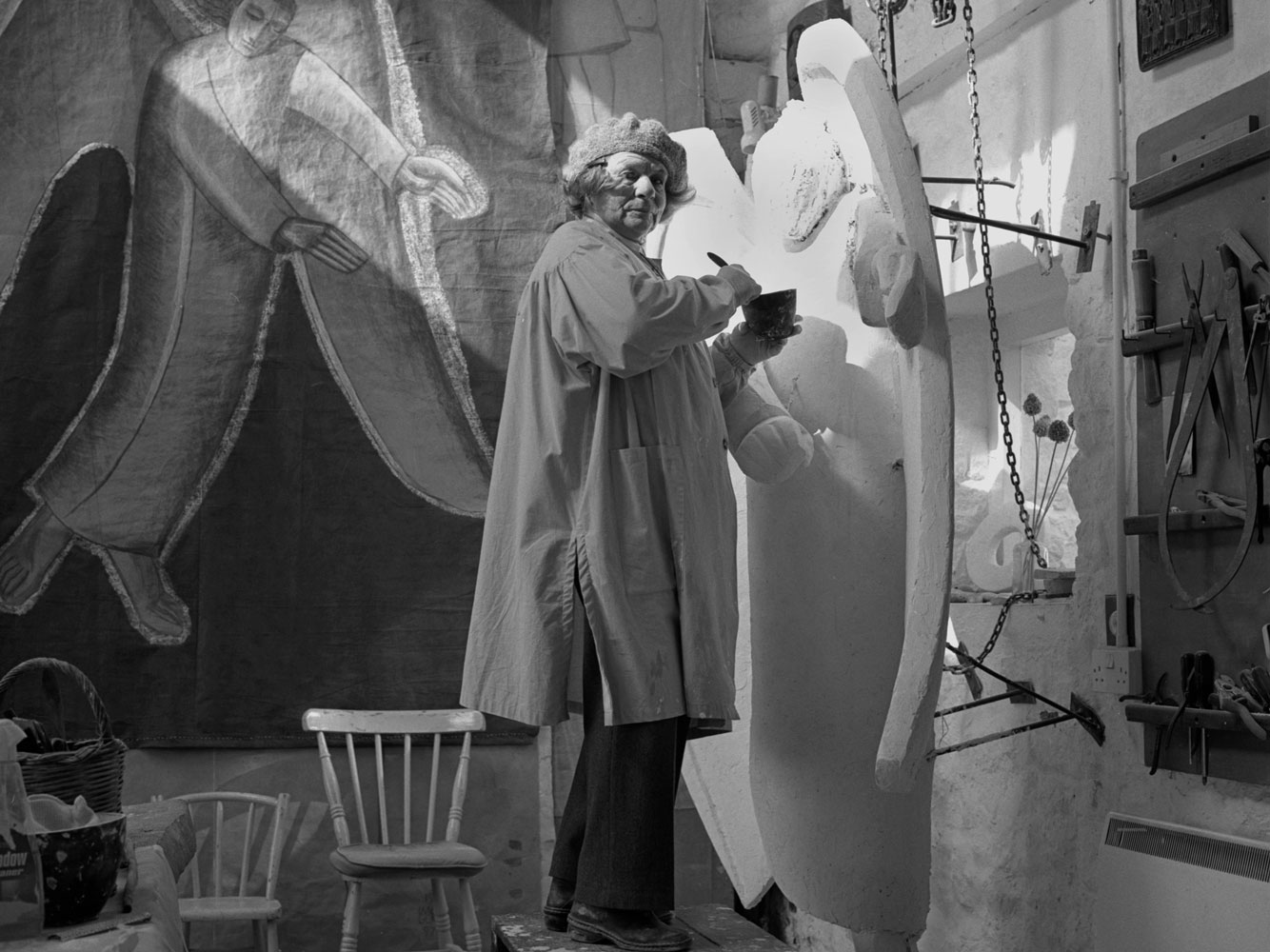
Paula Murphy celebrates the work of Imogen Stuart over the course of her six-decade career
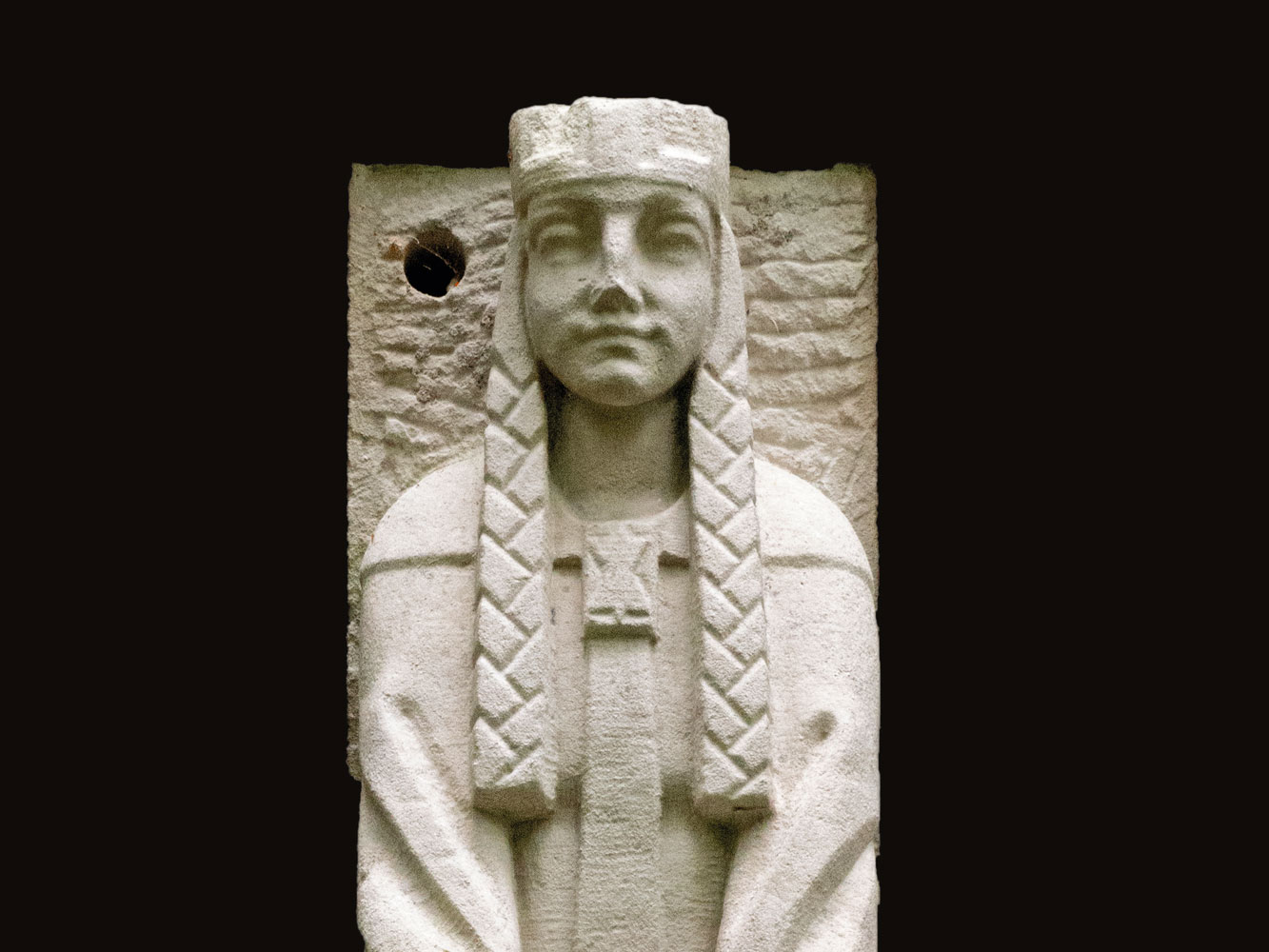
Laurence Campbell was an enigmatic figure, markedl y different from his peers, writes Paula Murphy
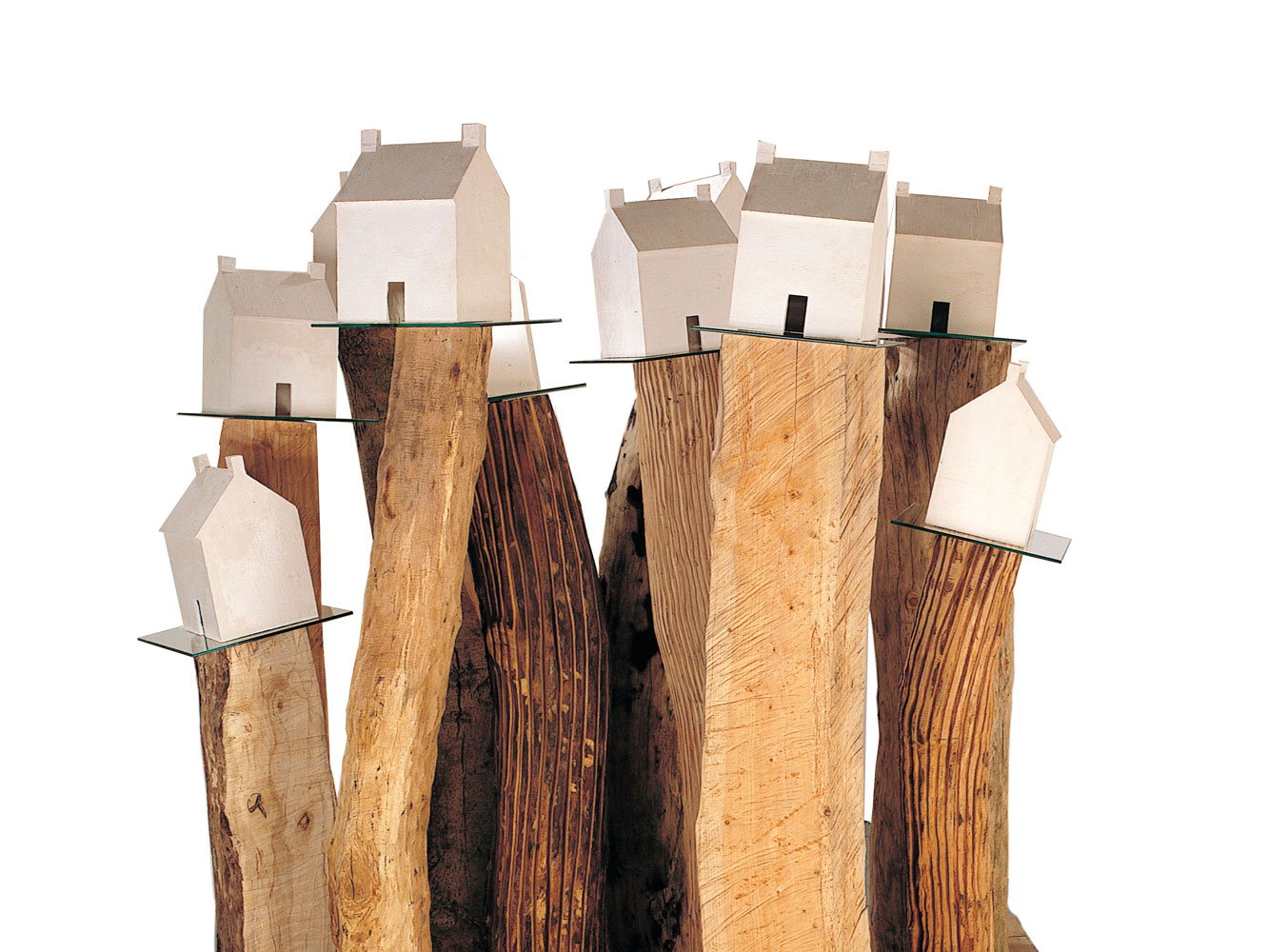
‘I just can’t cut myself off from the real world, what’s happening around me – there is that underlying anxiety,’ sculptor Tom Fitzgerald tells Mike Fitzpatrick
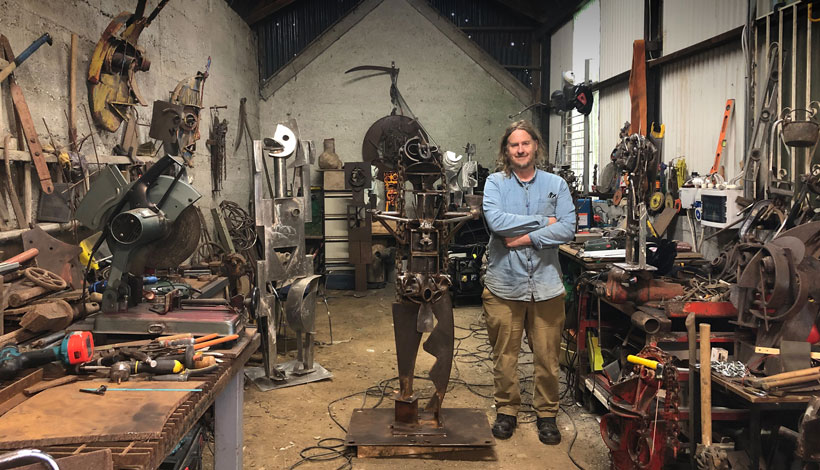
Joe Butler’s career shows a total dedication to his pursuit of open, direct metal sculpture, writes John Behan
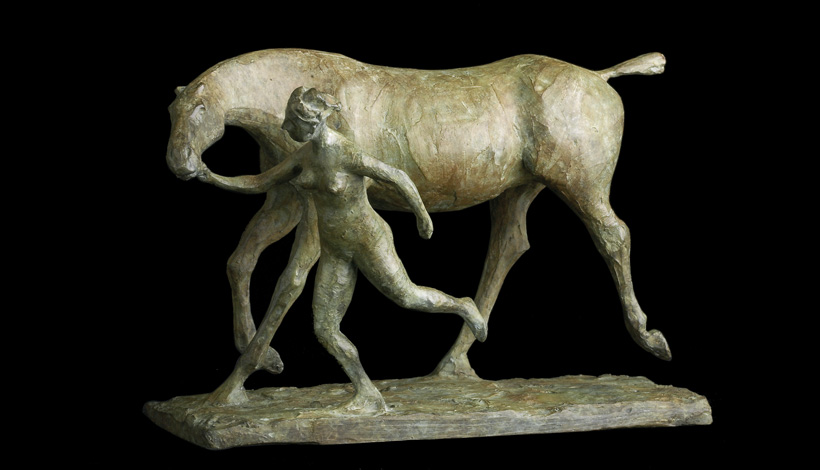
Olivia Musgrave’s interest in the Classics greatly informs her sculptures, writes Peter Murray
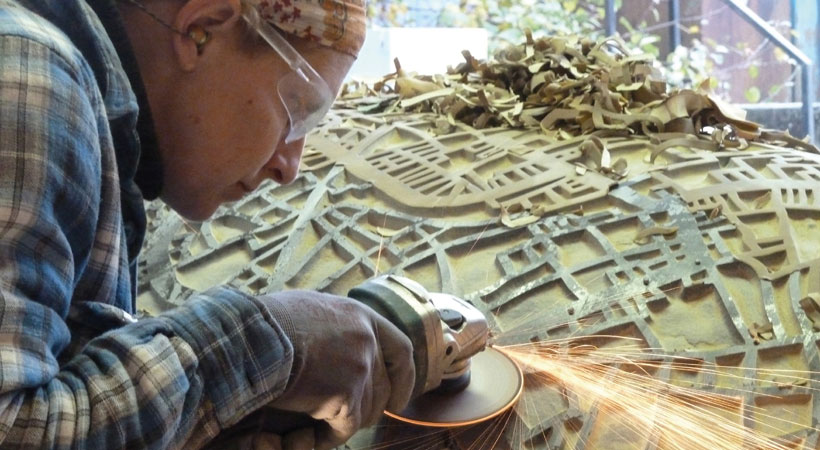
The map patterns in her work, although abstract in appearance, are accurate and can still be read, Michelle Byrne tells Carissa Farrell
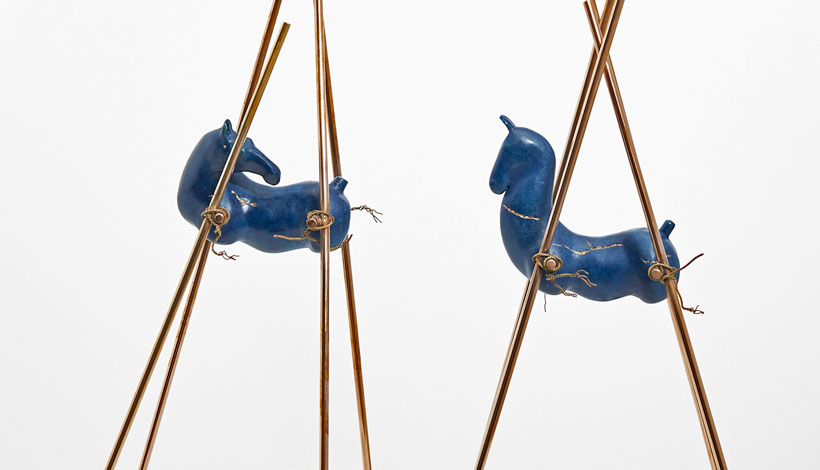
Anna Campbell has maintained a remarkable consistency in terms of both technical skill and artistic vision, writes Riann Coulter
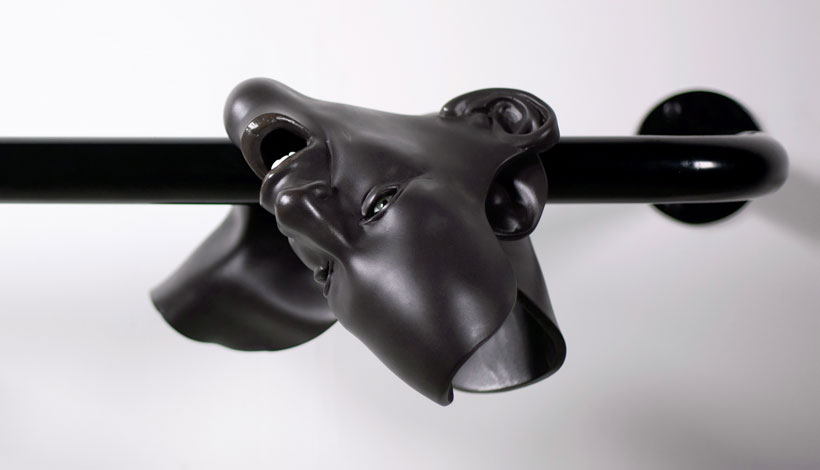
John Rainey tells Michael Waldron that he designs environments for his work to exist in, thereby reversing the dynamic so that we exist within their world for a period of time
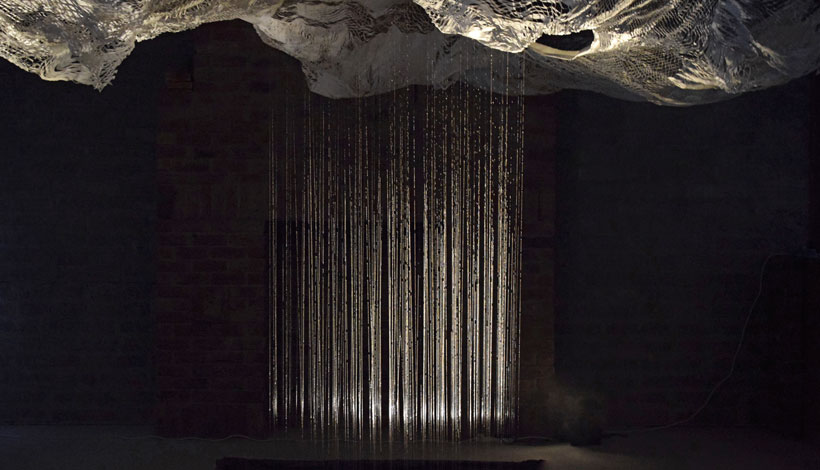
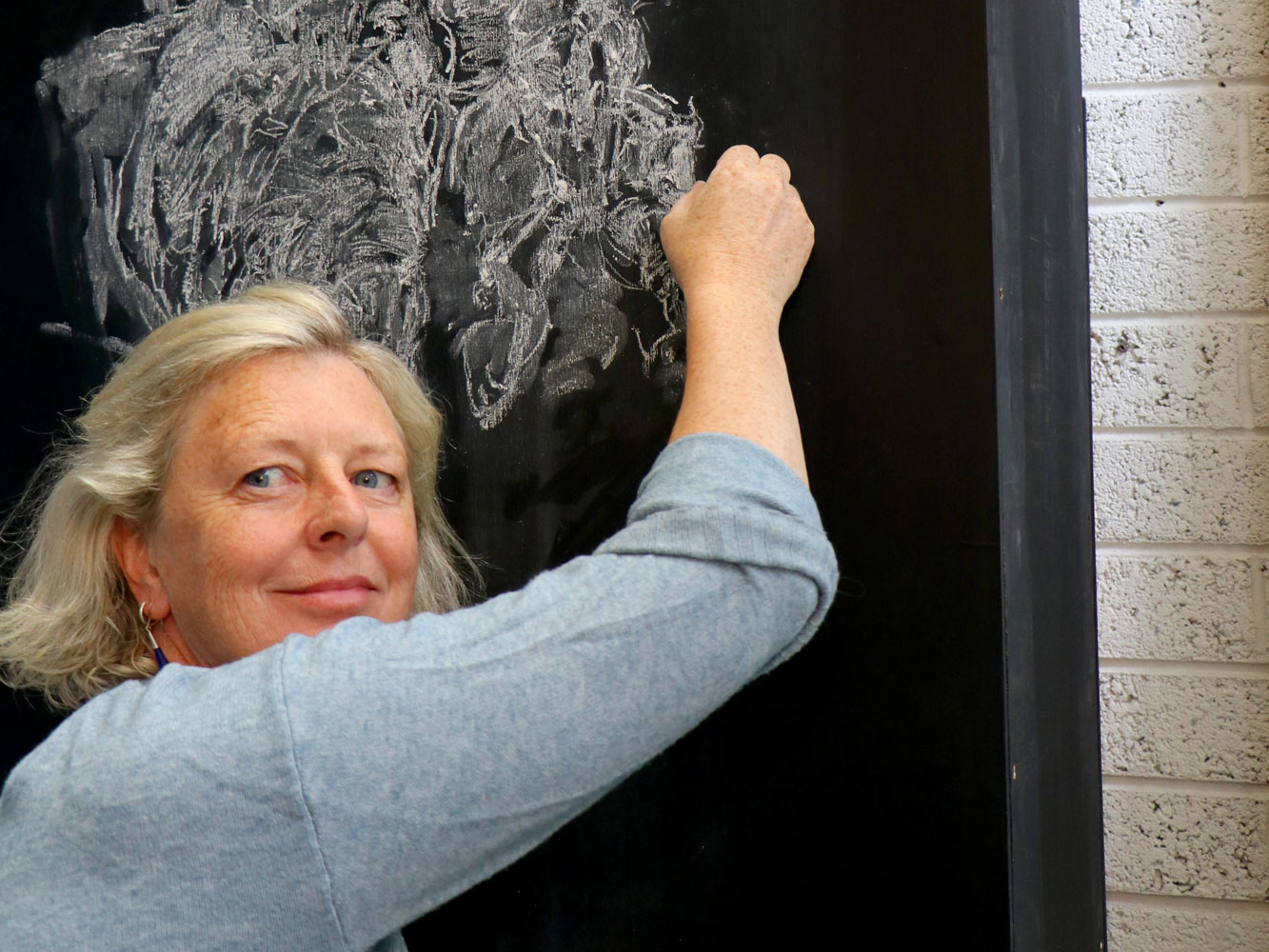
Marcel Vidal finds that a thread of instability runs through Freida Breen’s sculptural practice
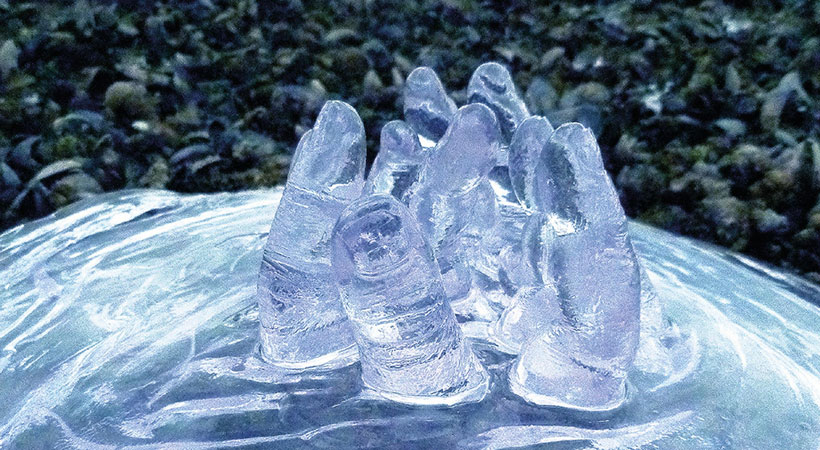
The sea’s characteristics, particularly its unpredictability and perpetual rhythm, continuously inspire, Alva Gallagher tells Carissa Farrell
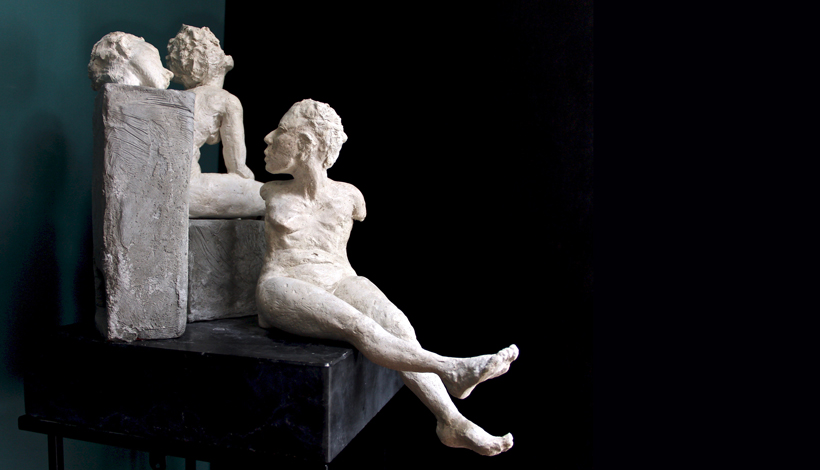
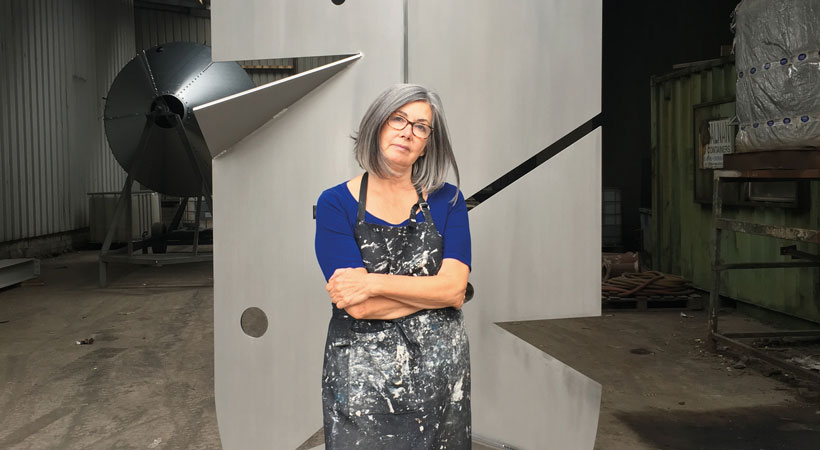
Sculptor Eilis O’Connell uses digital technology to show her work in an experimental and groundbreaking way, writes Jennifer Gof
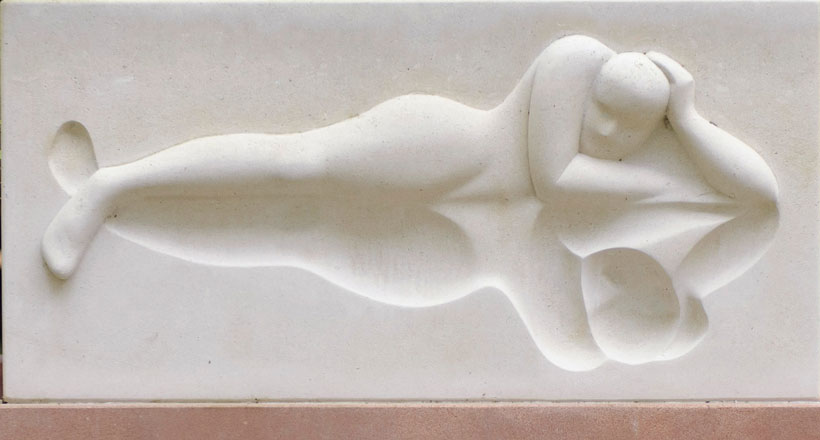
‘I knew from the age of three what I wanted to do,‚’ sculptor Carolyn Mulholland tells Brian McAvera
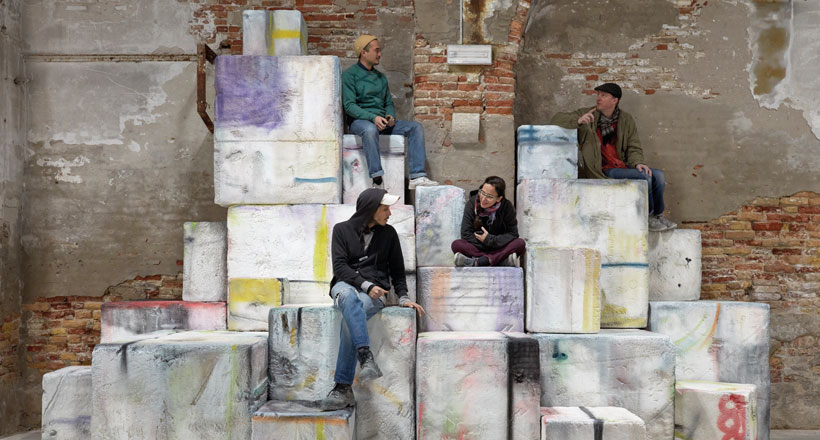
Patrick J Murphy discusses the development of John Behan’s distinguished career as he marks his 70th birthday and prepares for two exhibitions later this year
Alison Fitzgerald previews a selection of imaginative designs, created to acknowledge a personal debt to the makers’ source of inspiration, ahead of the National Craft Gallery’s summer exhibition
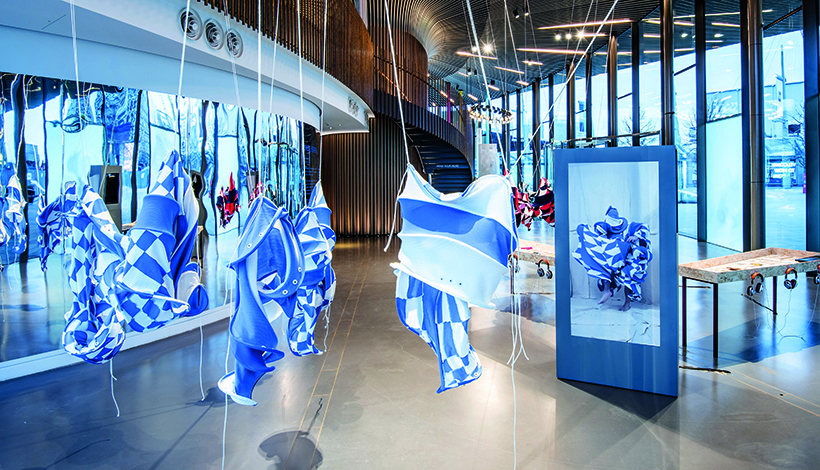
Rachel Thomas interviews Richard Malone, an artist who works across the media of sculpture, fashion and performance, pushing the boundaries of traditional sculpture.
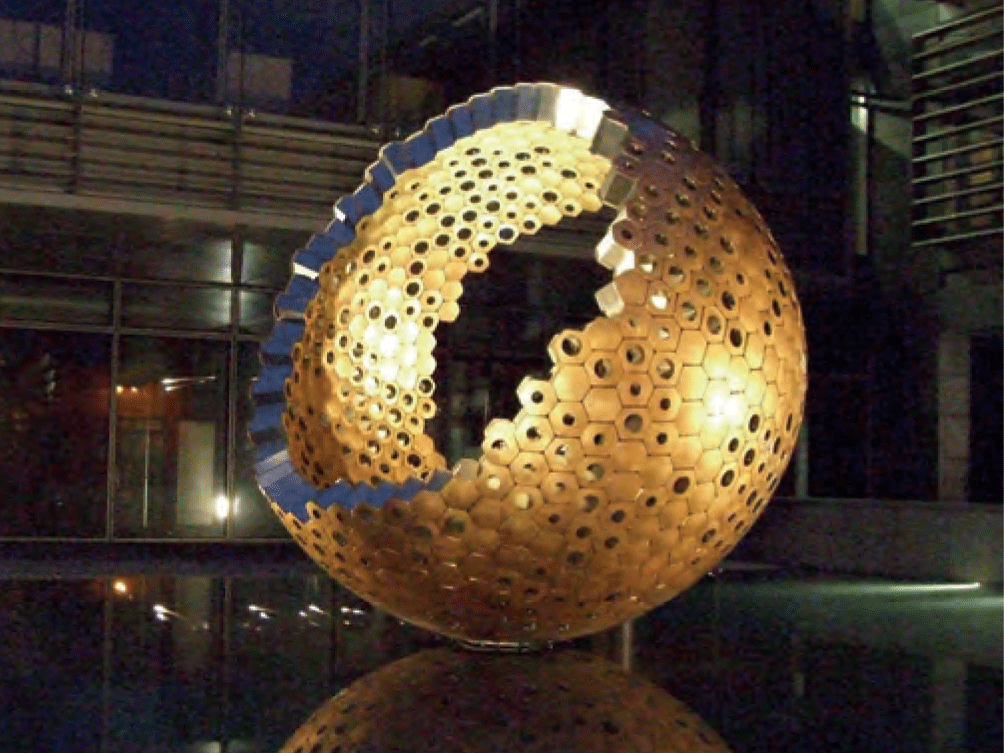
Carissa Farrell explores the civic values inherent in Rachel Joynt’s soon-to-be-unveiled 1916 commemorative commission, Dearcán na nDaoine, for the grounds of Áras an Uachtaráin
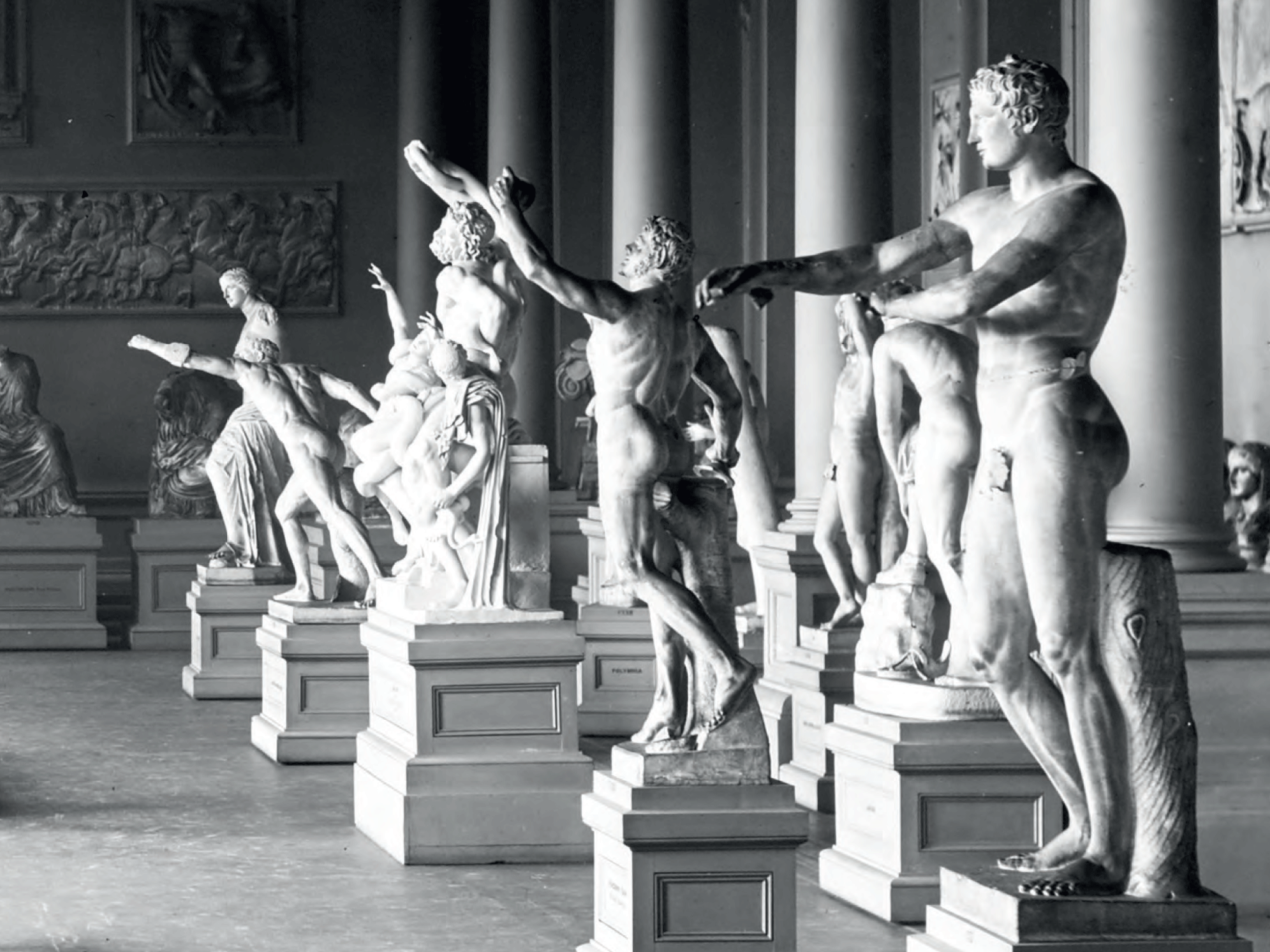
While the display of sculpture at the re-opened National Gallery is impressive, what is on view is but a fraction of the collection, writes paula Murphy

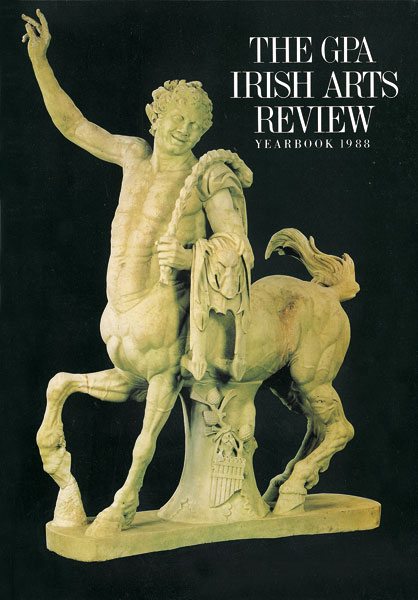
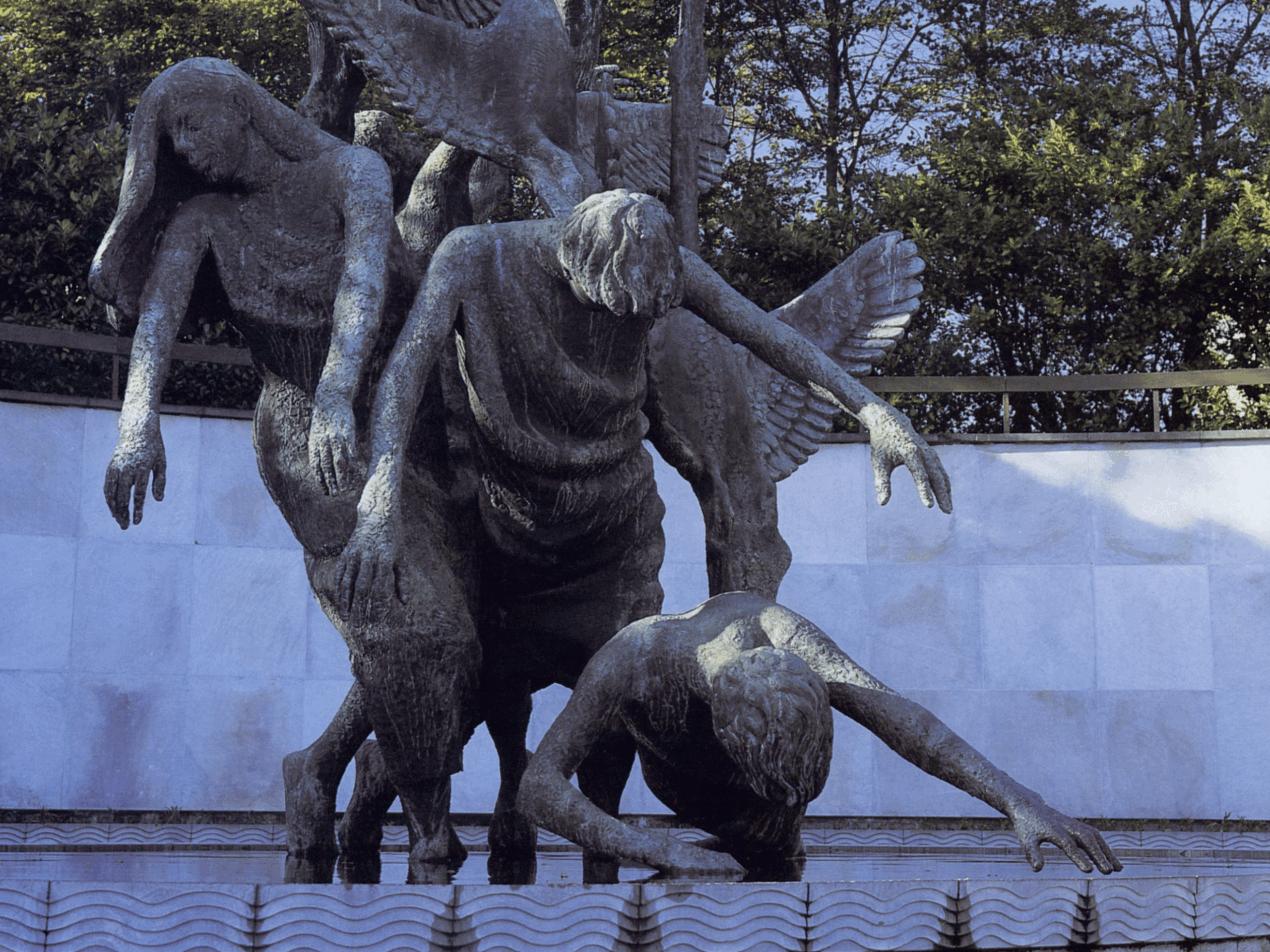
Curator of the State art collection, Jacquie Moore, highlights the first OPW exhibition of sculpture at Dublin Castle and discusses the historical background to the State collection
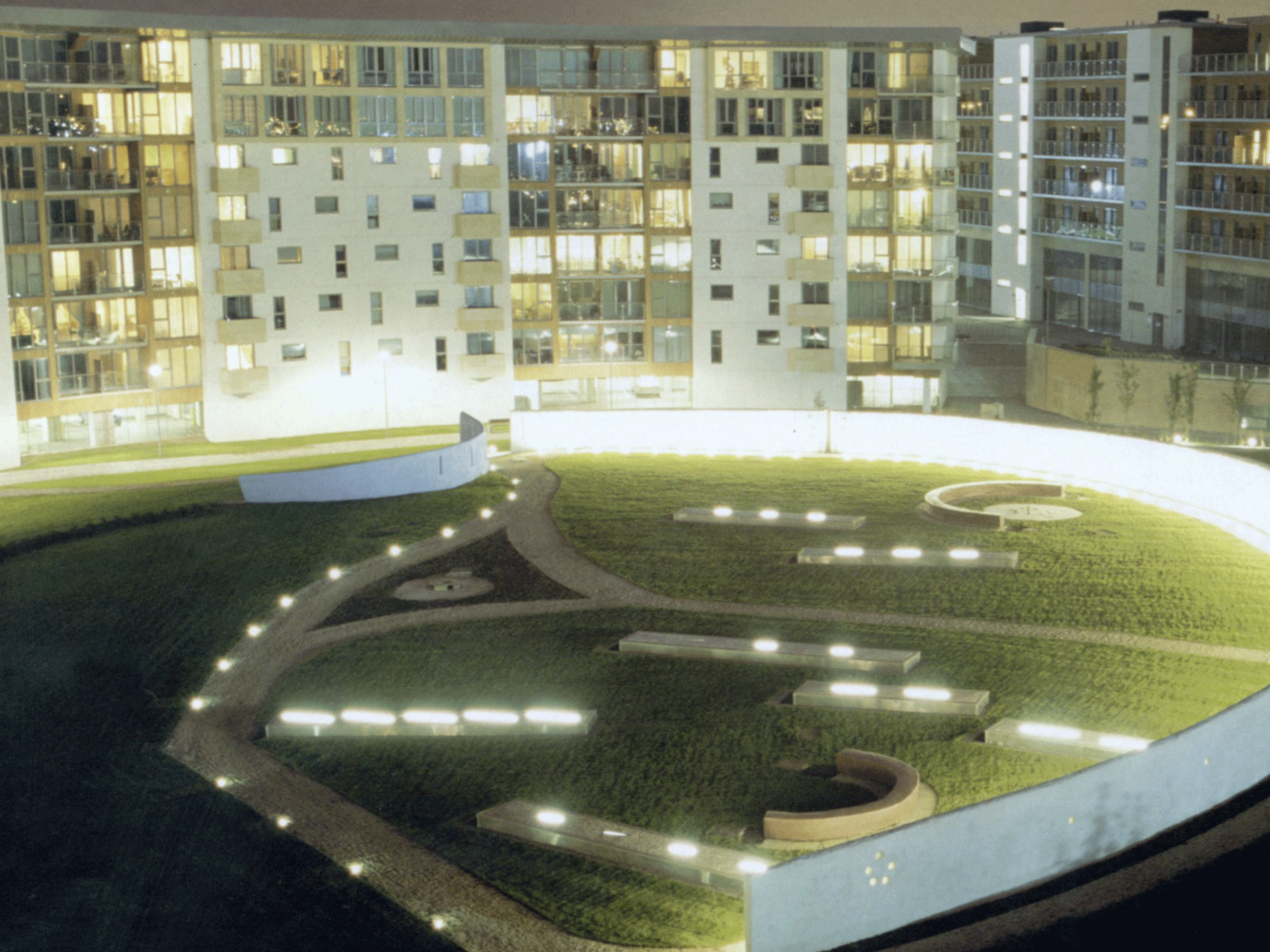
Initially conceived as a humanising element in a business environment, Whitelight Garden by Vivienne Roche has proven to be her most ambitious project to date, writes Yvonne Scott
John Turpin assesses a selection of sculpture by Jerome Connor, best known in Ireland for his poignantly evocative Lusitania Peace Memorial in Cobh
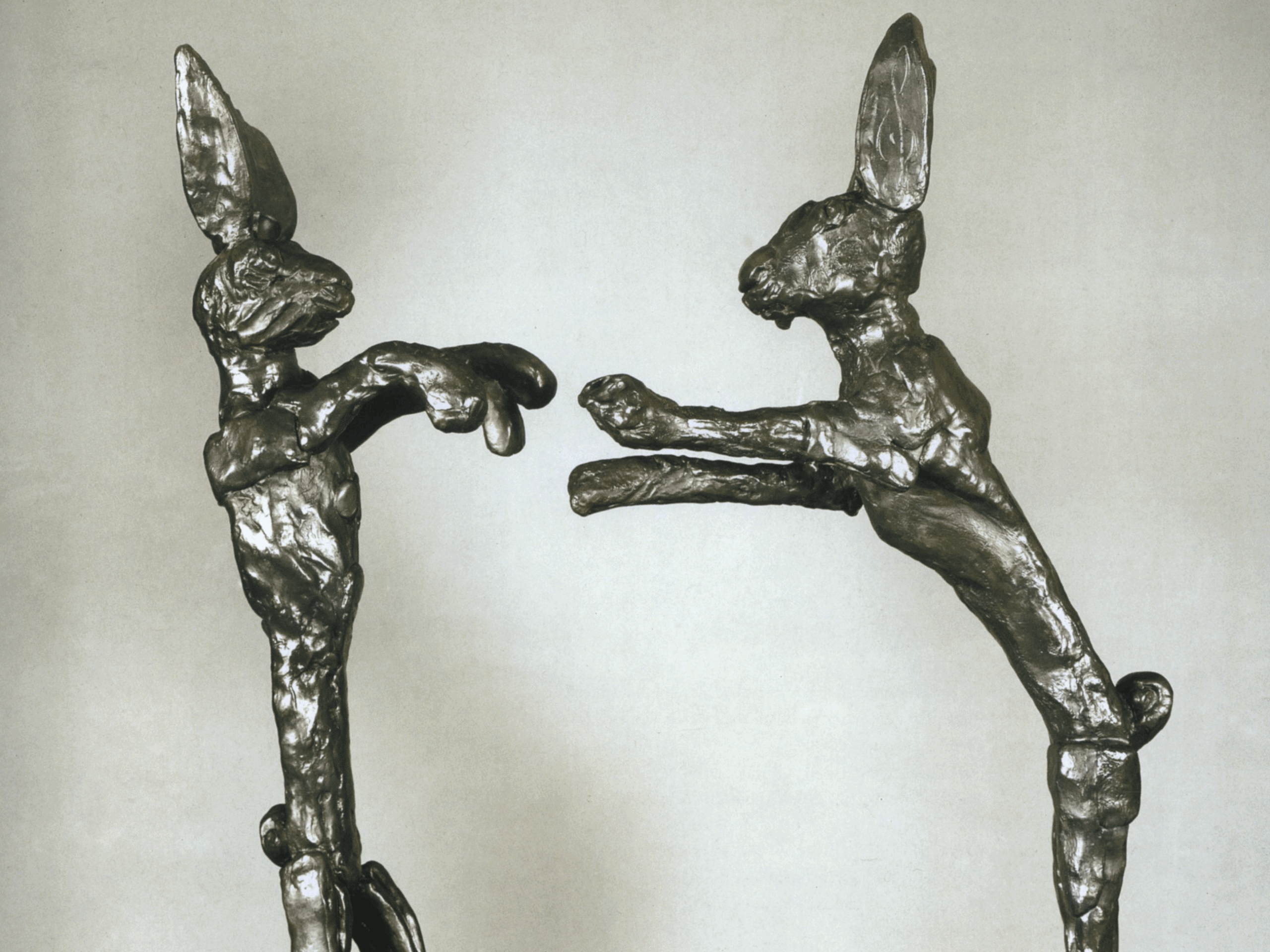
Ahead of the forthcoming retrospective hosted jointly by IMMA and Dublin City Gallery The Hugh Lane, Enrique Juncosa offers insights into the emphatic shift in Barry Flanagan’s practice since the 1980s
Imogen Stuart’s stone sculpture in honour of St Columbanus, is an unexpected, yet apt symbol of European solidarity, writes Brian Fallon
Sligo-born artist Eileen MacDonagh discusses with PETER MURRAY the positive influence of the sculpture symposium movement on the development of her art
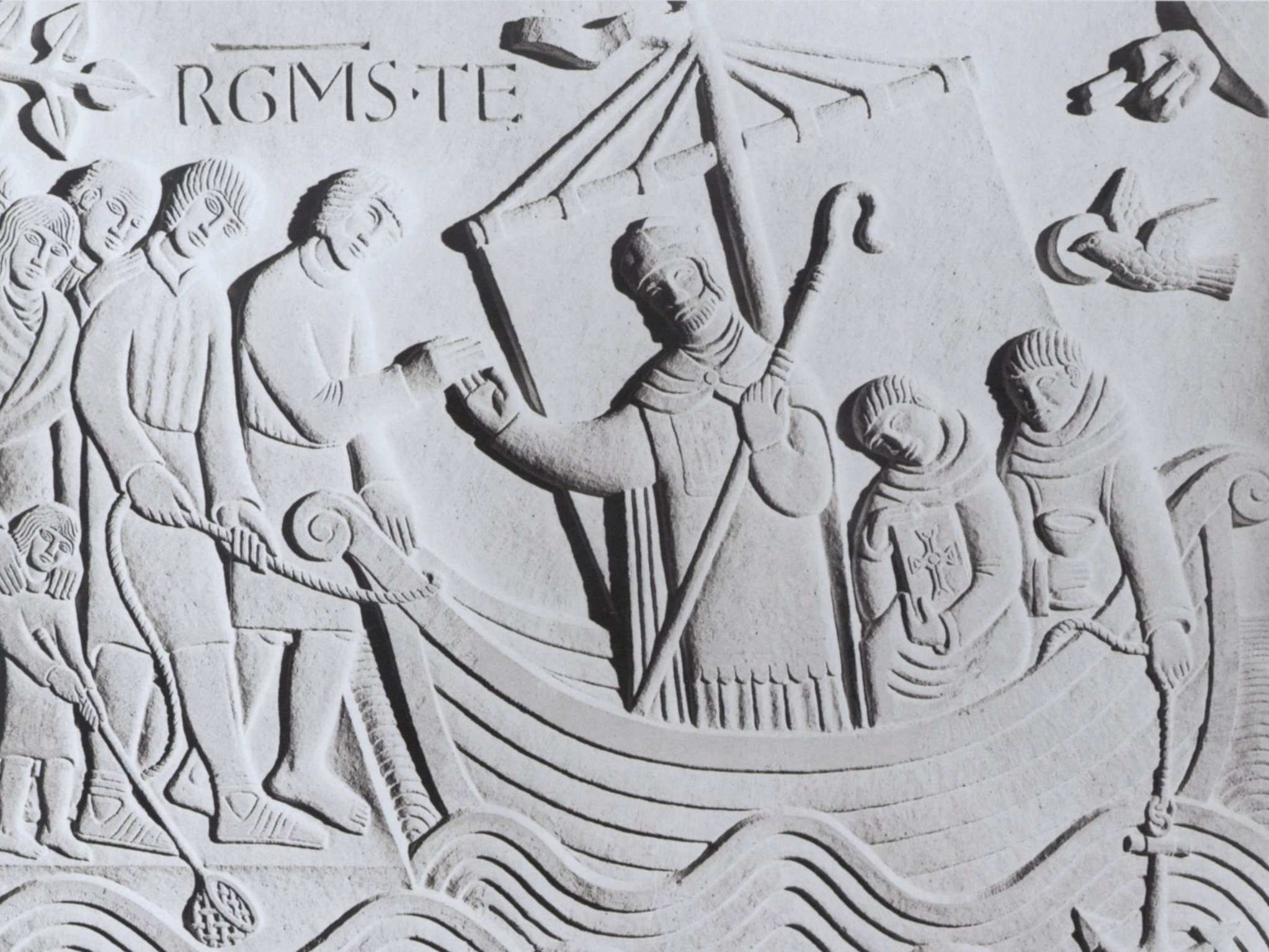
Ken Thompson, a traditional letter-cutter and sculptor working in Cork, has to a considerable extent inherited the mantle of Seamus Murphy and Eric Gill. Although mainly a stone carver, Thompson also works in wood and, occasionally, bronze. He specialises in figurative sculpture, memorial plaques, gravestones and other inscriptions, but is equally at home with wood engraving
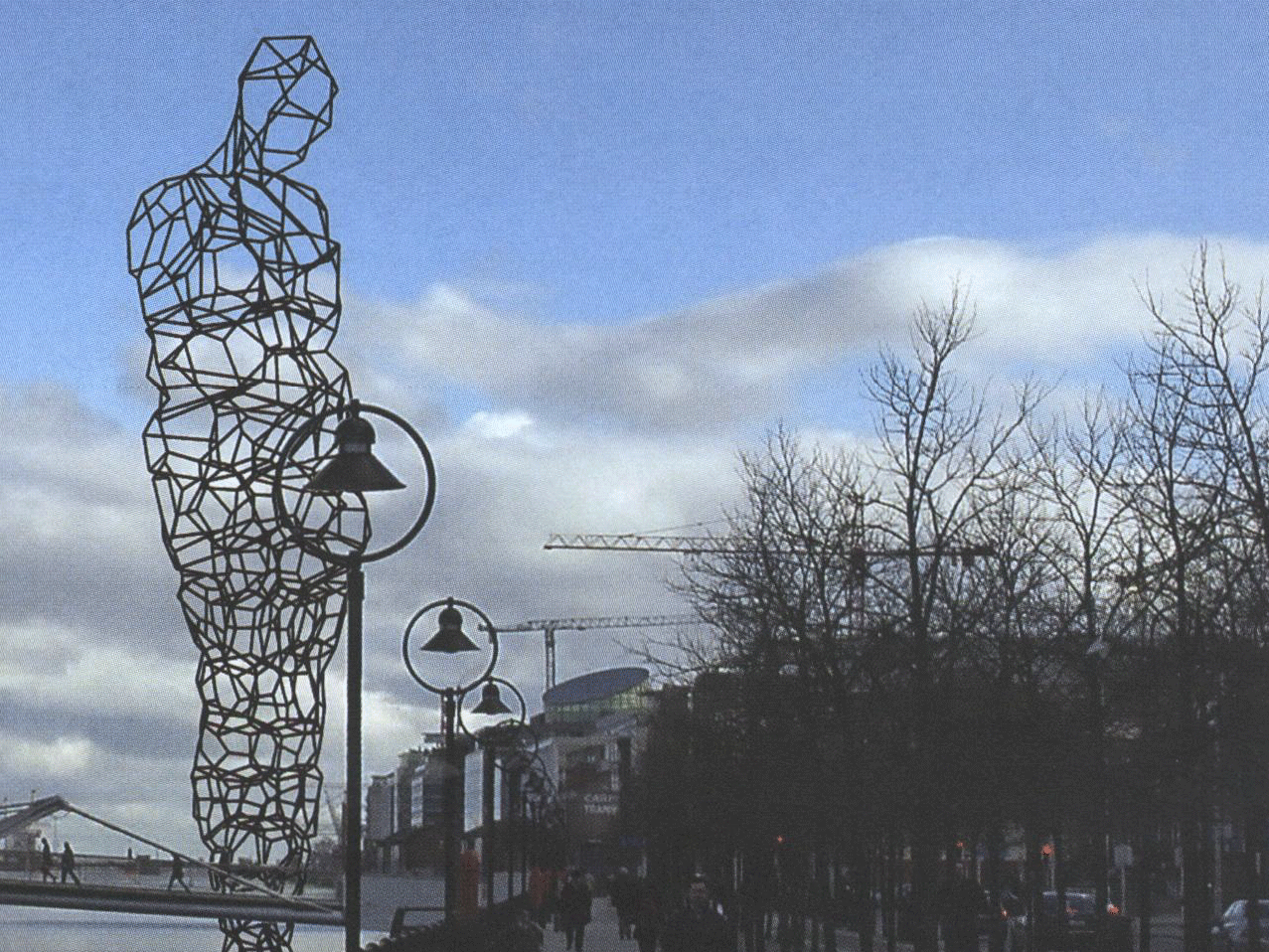
As Derry-Londonderry celebrates its year as UK City of Culture, Declan McGonagle recalls 1987, when extreme reaction to Sculpture for Derry Walls demonstrated Antony Gormley and his curator that meaning is created by context.
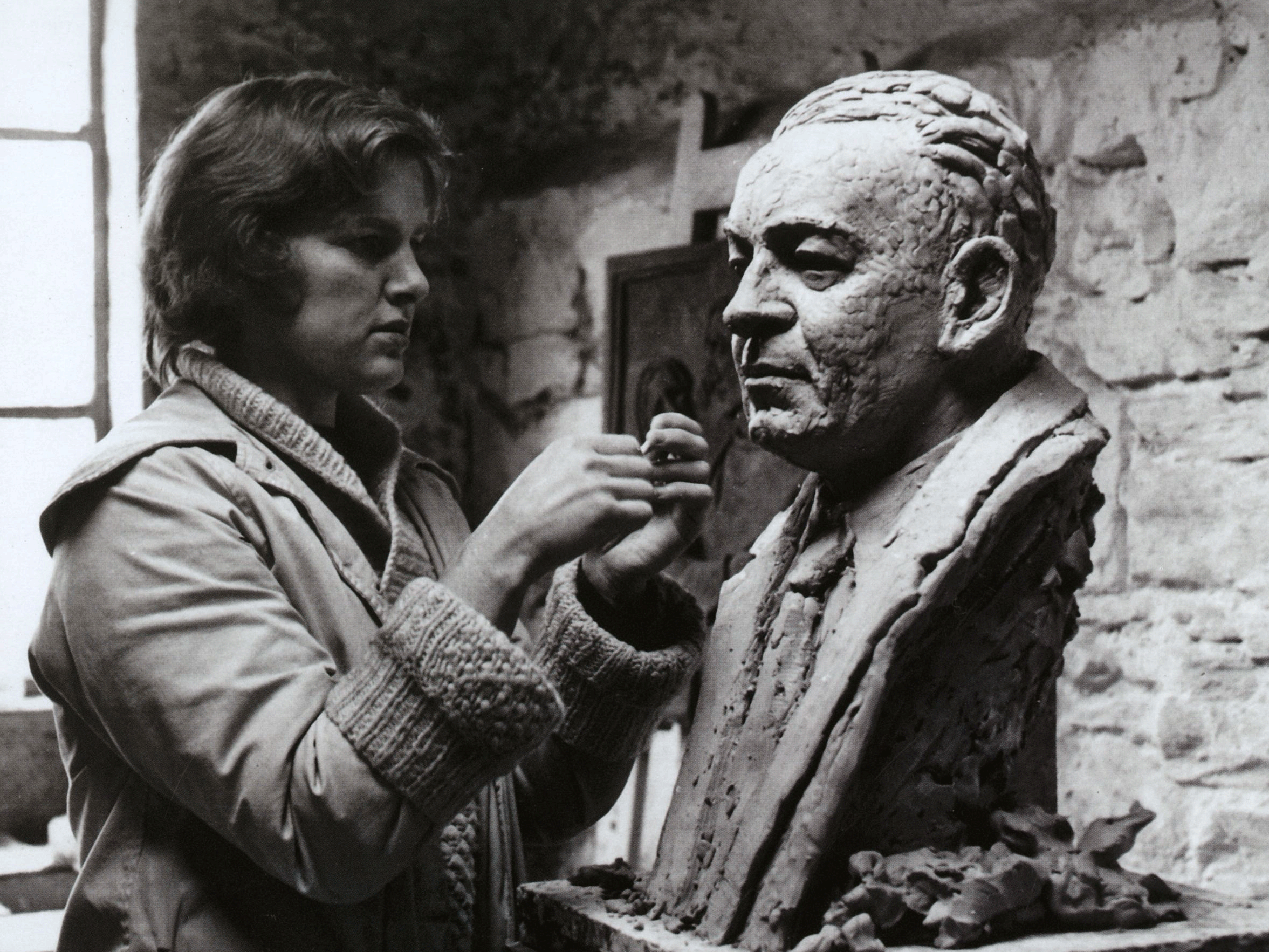
Combining a career as an artist and mother in 1960s Ireland raised eyebrows in Irish society, but, as Carole Pollard recounts, Nell Murphy Pollen did much to change perceptions.
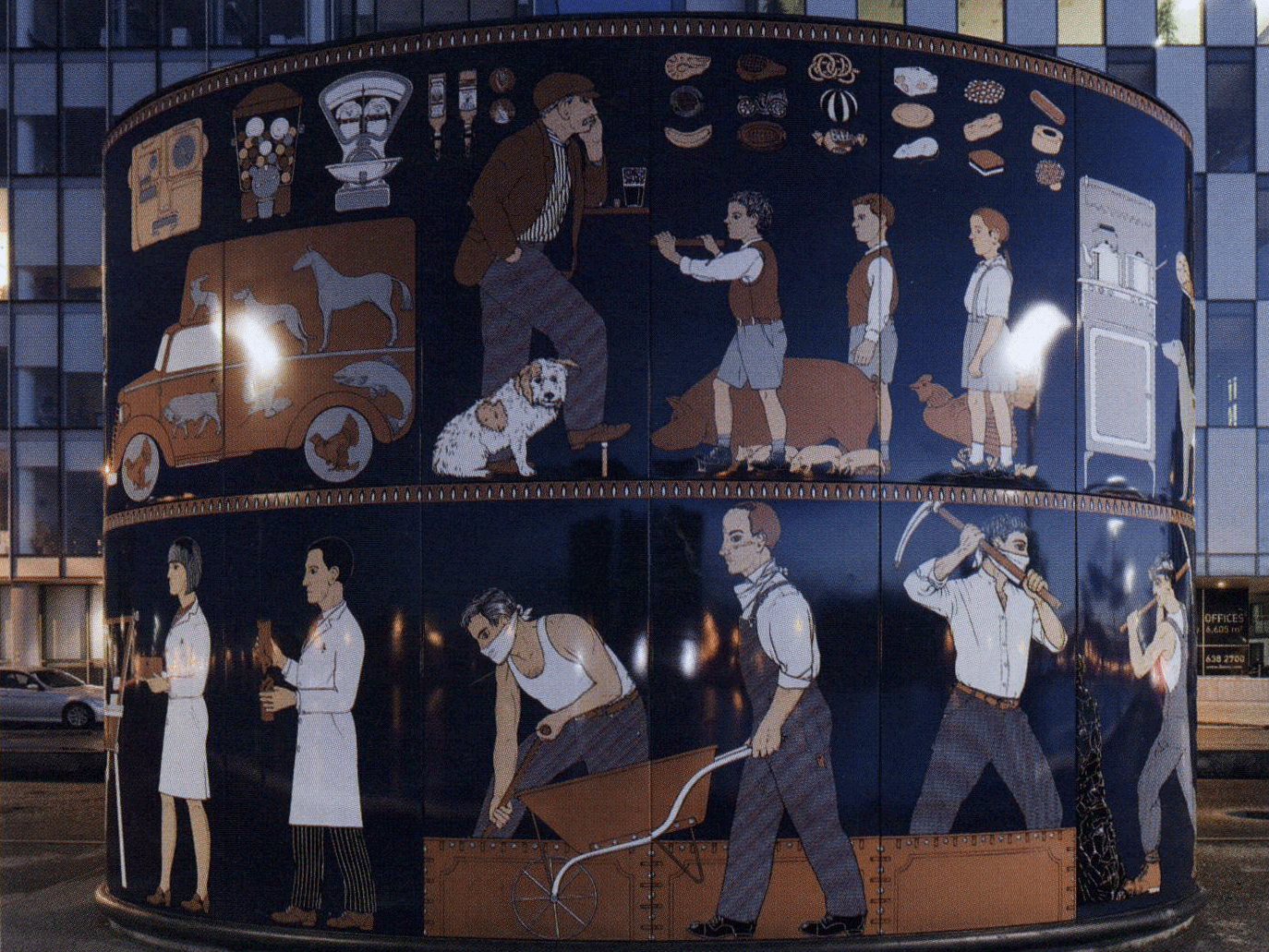
A striking new installation by John Kindness on Dublin’s Sir John Rogerson’s Quay, borrows from the ancients to recall the history of gas in Ireland, writes Nicola Gordon Bowe
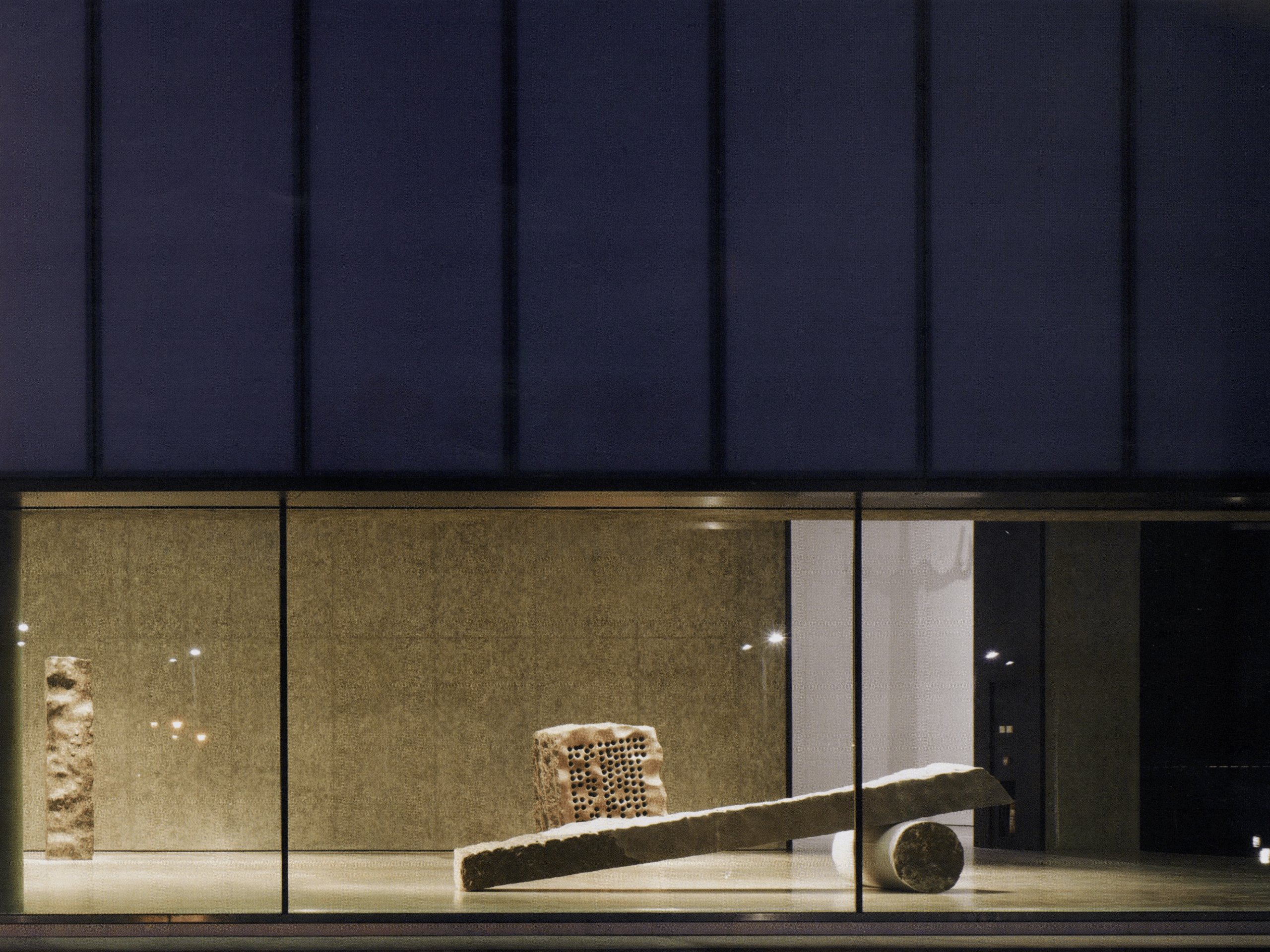
Eileen MacDonagh’s recent exhibition at VISUAL is a testimony to the artist’s love of stone, writes Carissa Farrell
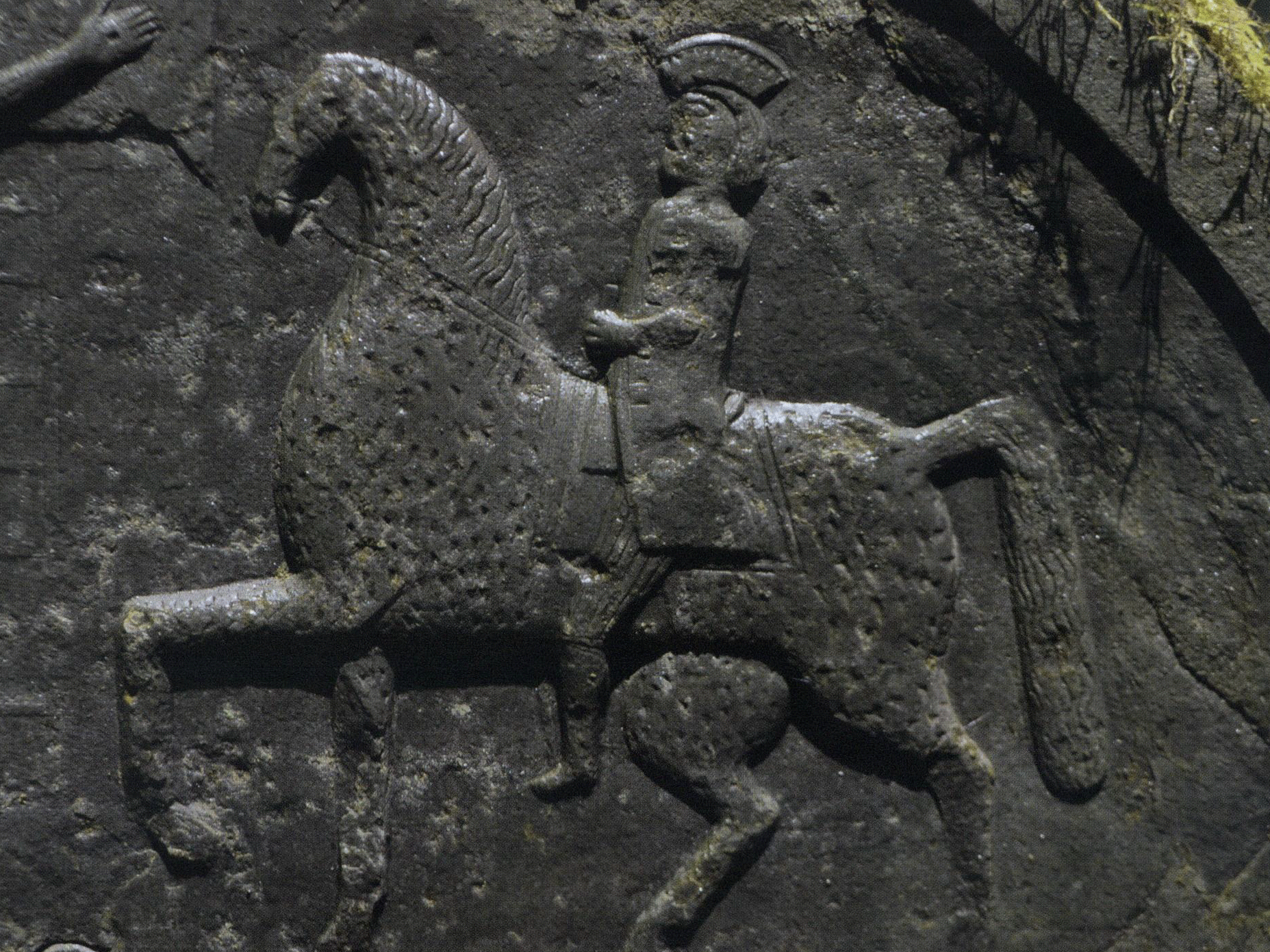
Chris Corlett lauds the work of stone carver Denis Cullen, who attracted commissions from a divided society in 18th-century Ireland
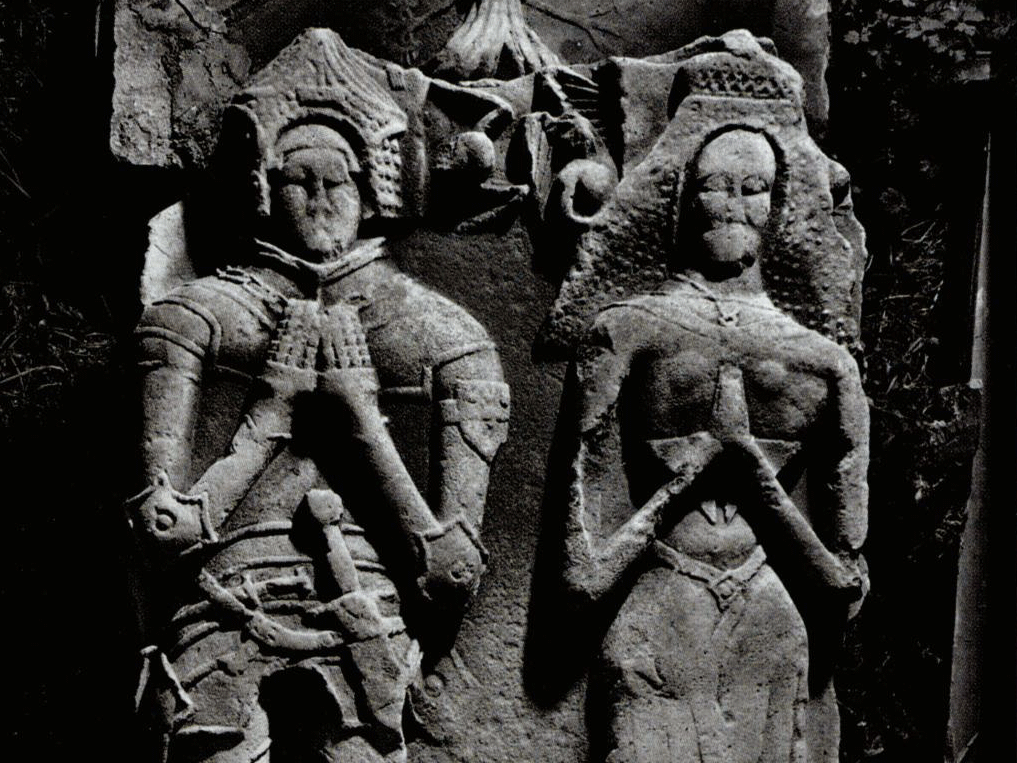
The wealthy strata of Norman society brought with them to Ireland their elaborate tomb sculpture, a new genre for Irish stonemasons, writes Peter Harbison
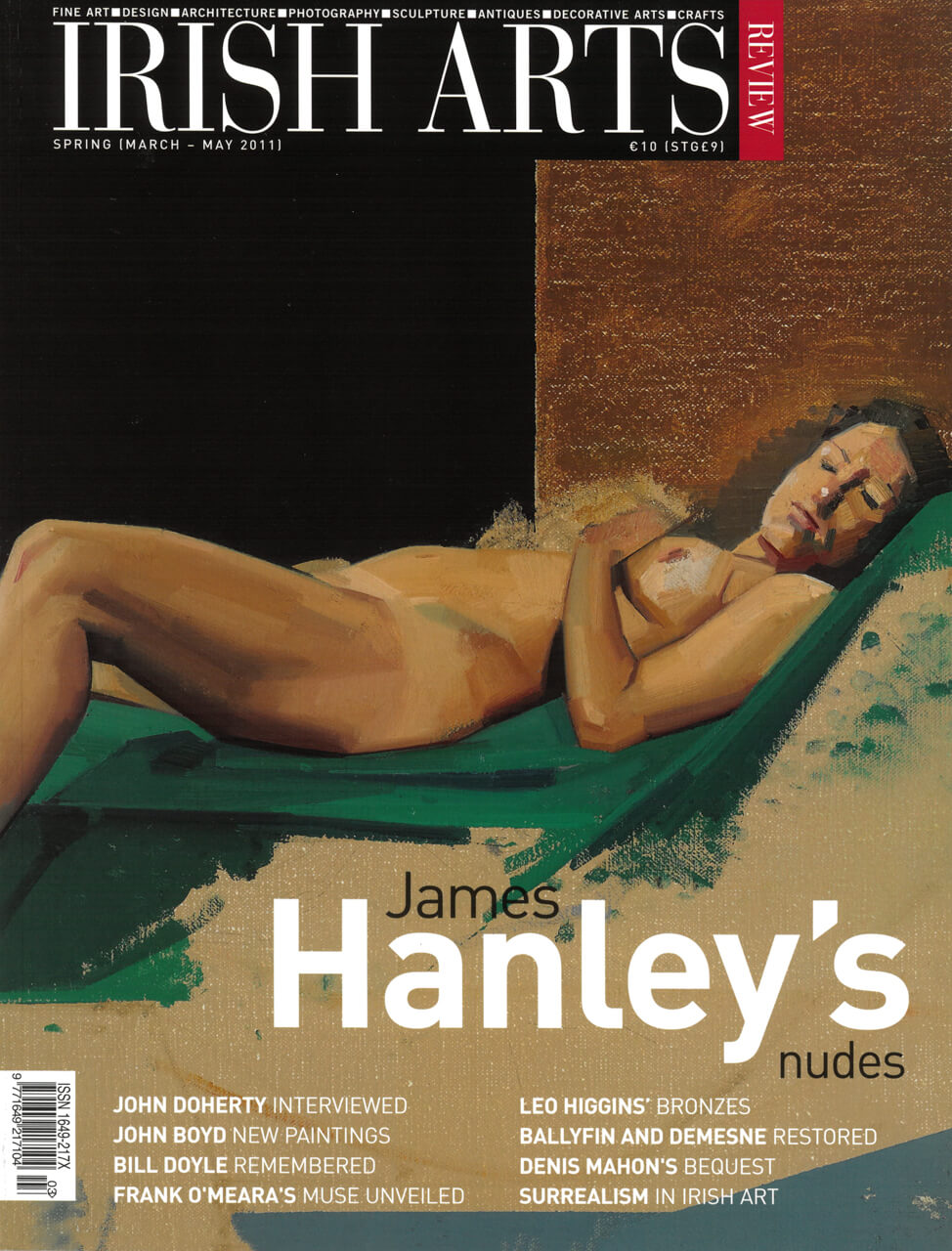
Leo Higgins’ name is synonymous with technical expertise; yet his approach never results in the sterility of such a capacity can engender, argues Gerry Walker

Rod Mengham visits Michael Warren’s exhibition at Visual in Carlow where his investigation into the timeless nature of wood is seen to monumental effect in the Caryatids.
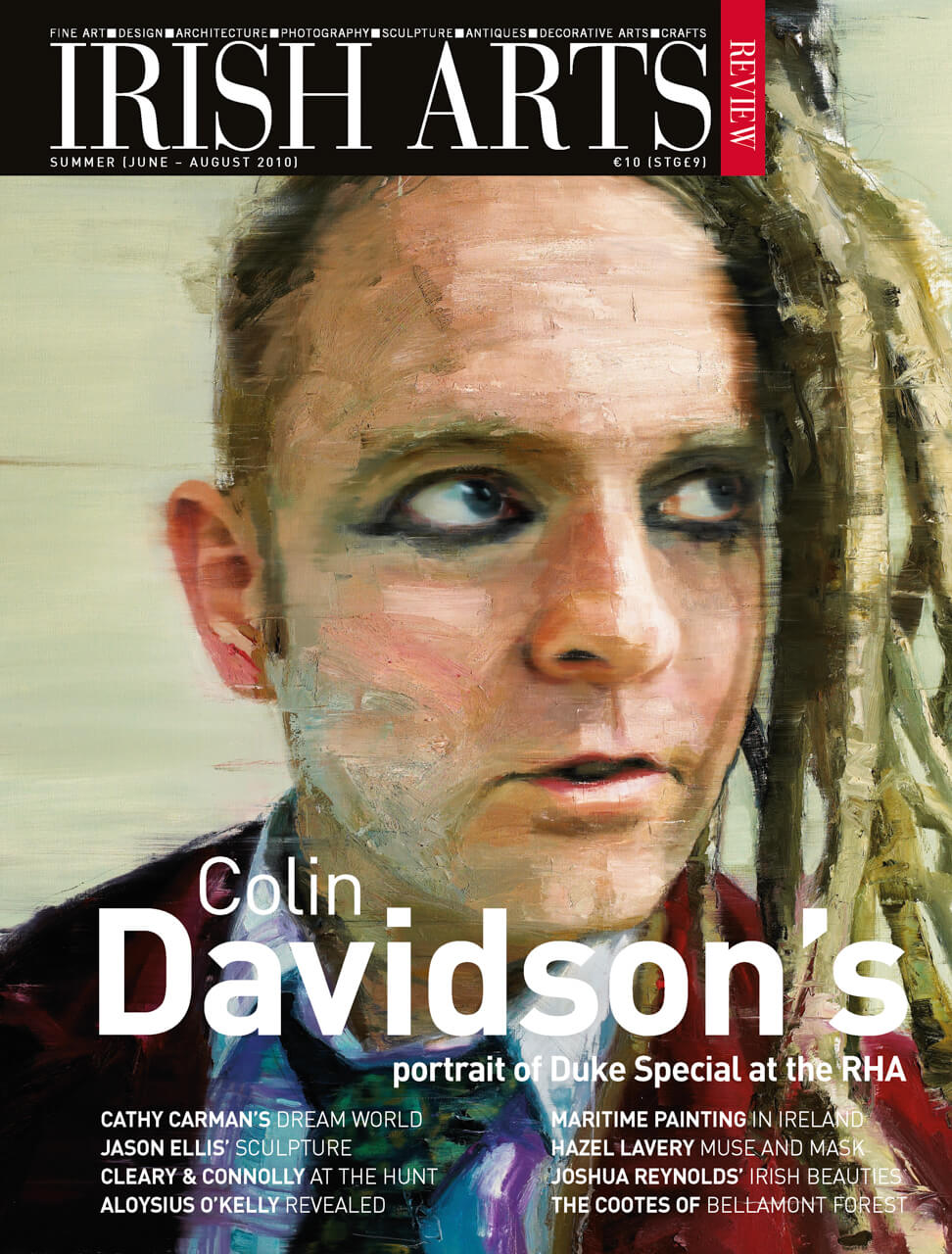
Black Pool, White Water, by Jason Ellis recently unveiled at the Garda Memorial Garden in Dublin Castle is an ideal example of the timeless quality of abstract sculpture, writes Riann Coulter.
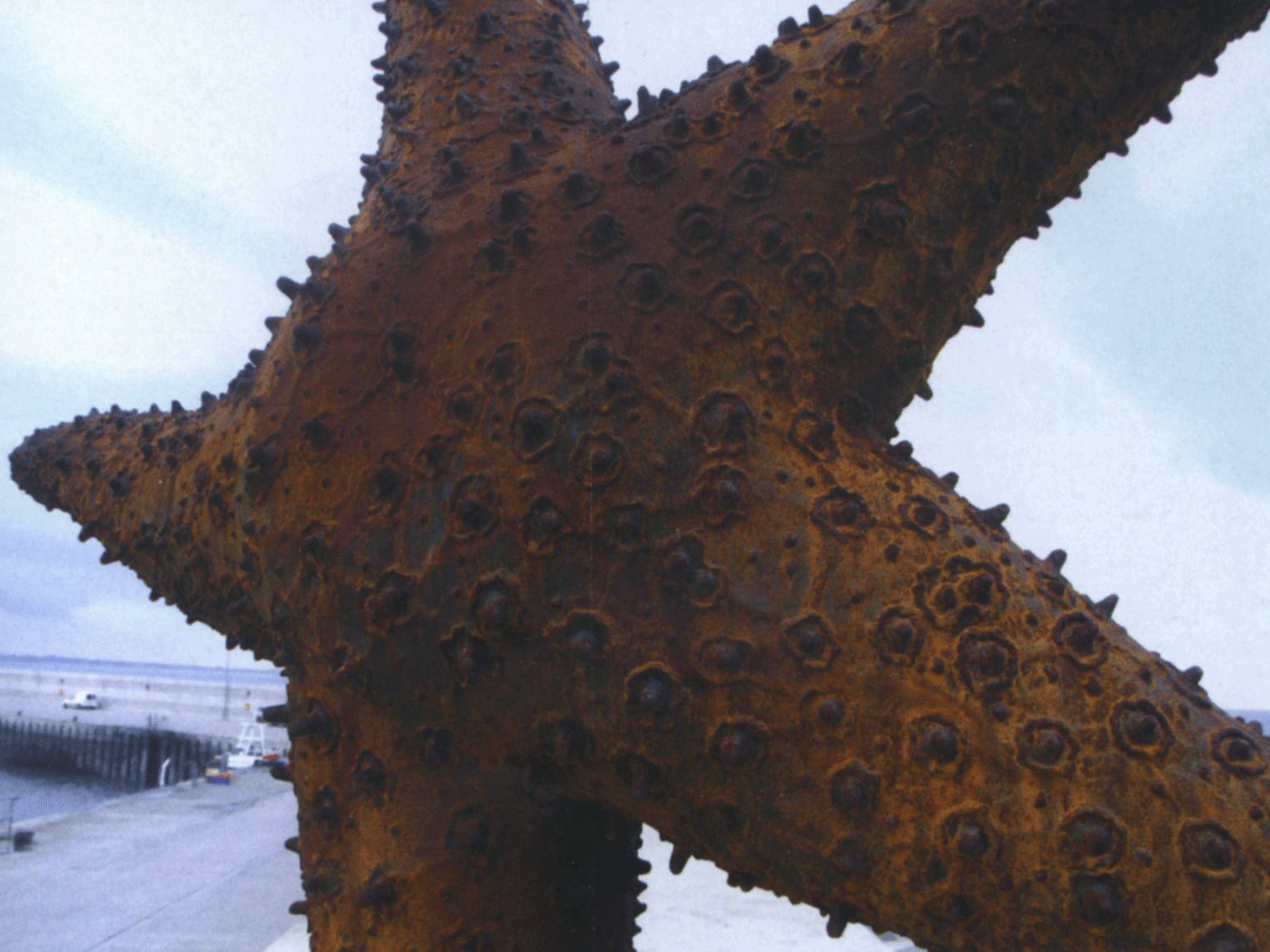
While Rachel Joynt’s successful public sculptures are eminently legible, their enduring appeal stems from their detail and scale, writes Lisa Godson
In terms of public commissions, Rachel Joynt is one of the most successful sculptors of her generation. The Kerry-born sculptor lives and works far from the city, far from the sea, in the foothills of the Blackstairs Mountains in Co Carlow (Fig 2). She says that it is here, in this ‘arcadian landscape’ that she finds the stillness and spaciousness to develop her projects. These are orientated in two key directions – horizontal along the ground plane, and vertical against the sky.
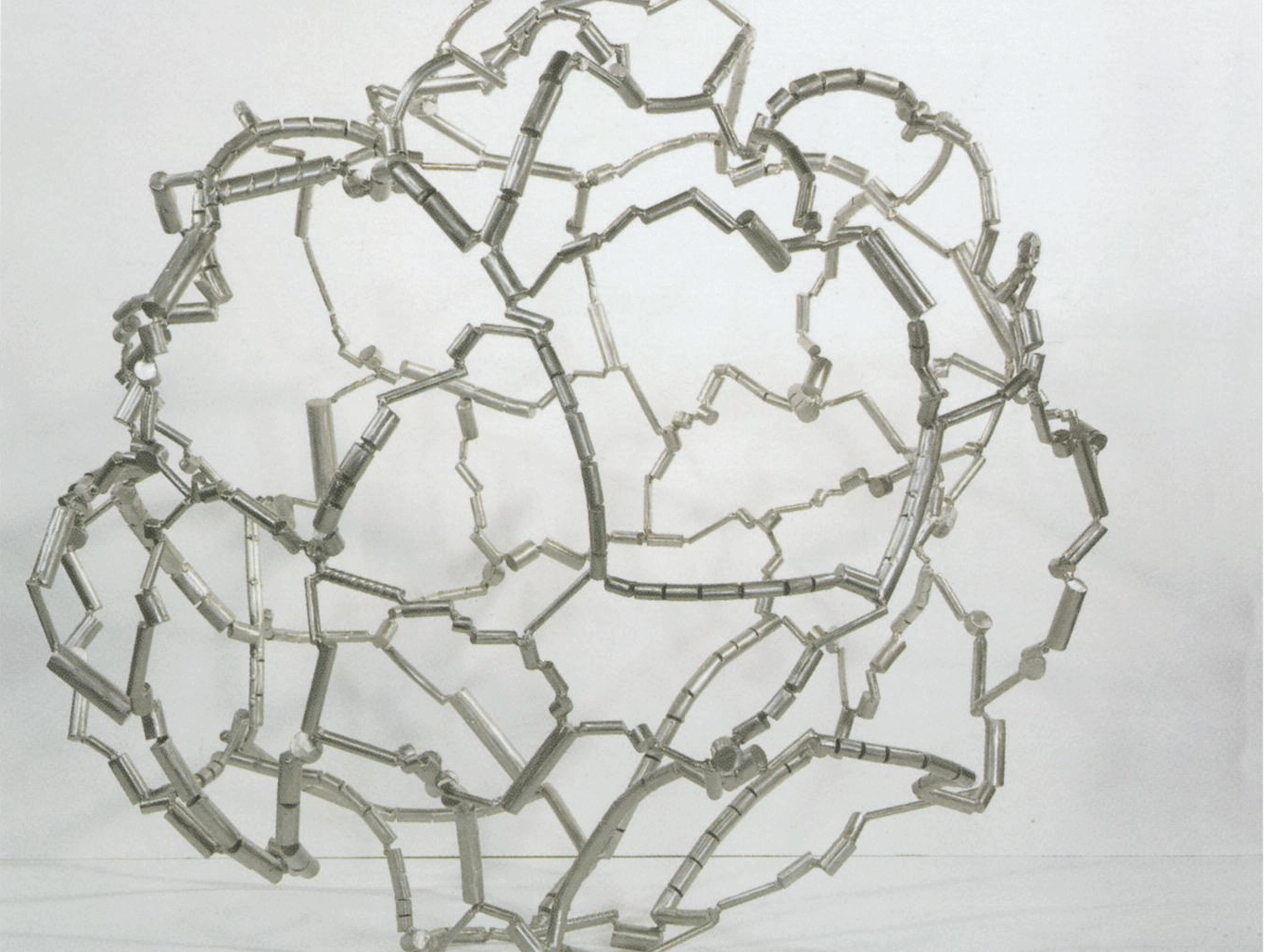
Nancy Ireson met sculptor John Gibbons at his exhibition at the National Portrait Gallery, London, part of the ‘Interventions’ series which focuses on artists with an innovative approach to portraiture
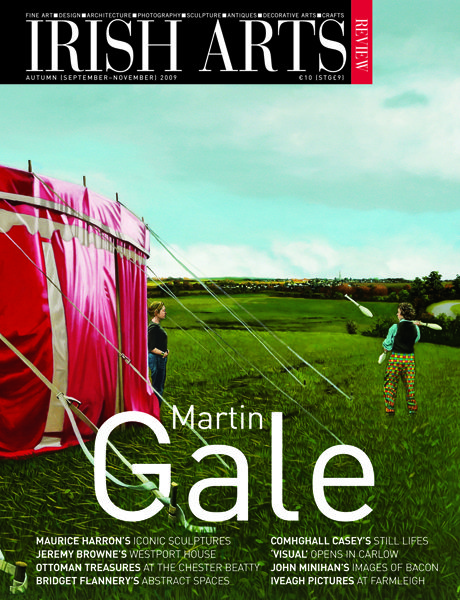
Ahead of his first gallery show in two decades, Maurice Harron talks to John Cunningham about the war of cultural imperialism within the art world
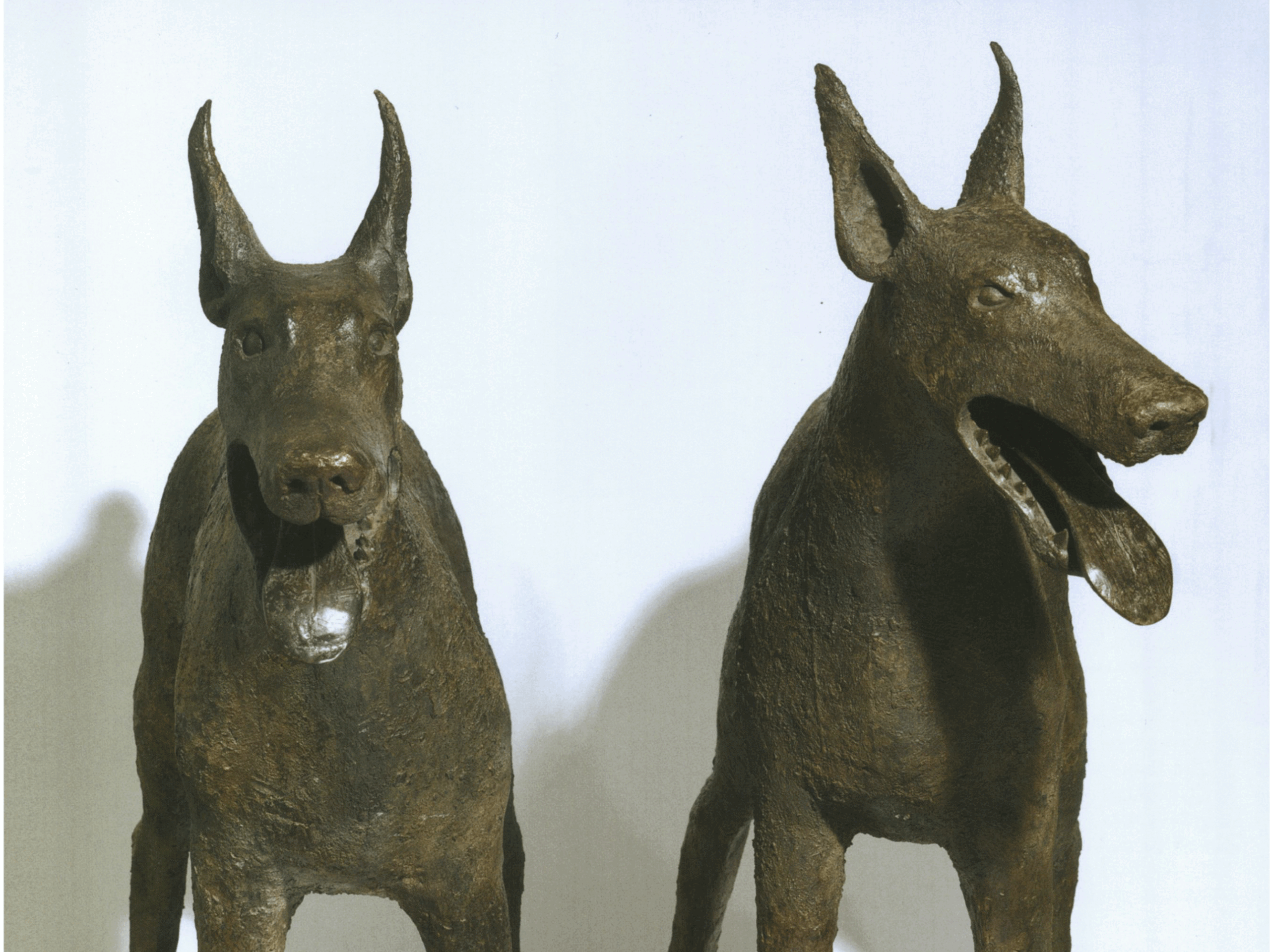
The consistent reference to Celtic mythology gives Anthony Scott’s work coherence and a unity of purpose, writes Alannah Hopkin
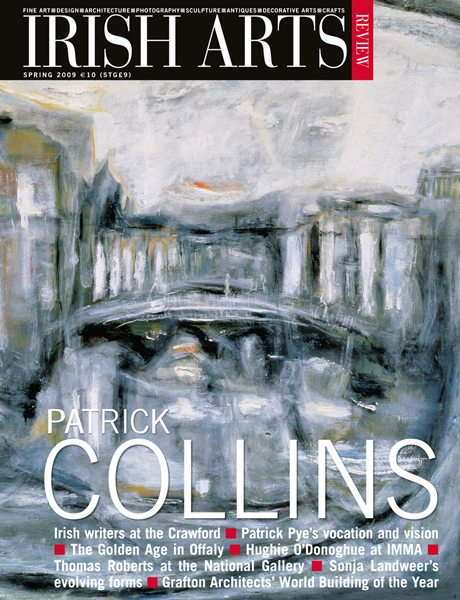
Ann Mulrooney charts the revolutions in form and finish that characterise Sonja Landweer’s evolving practice.
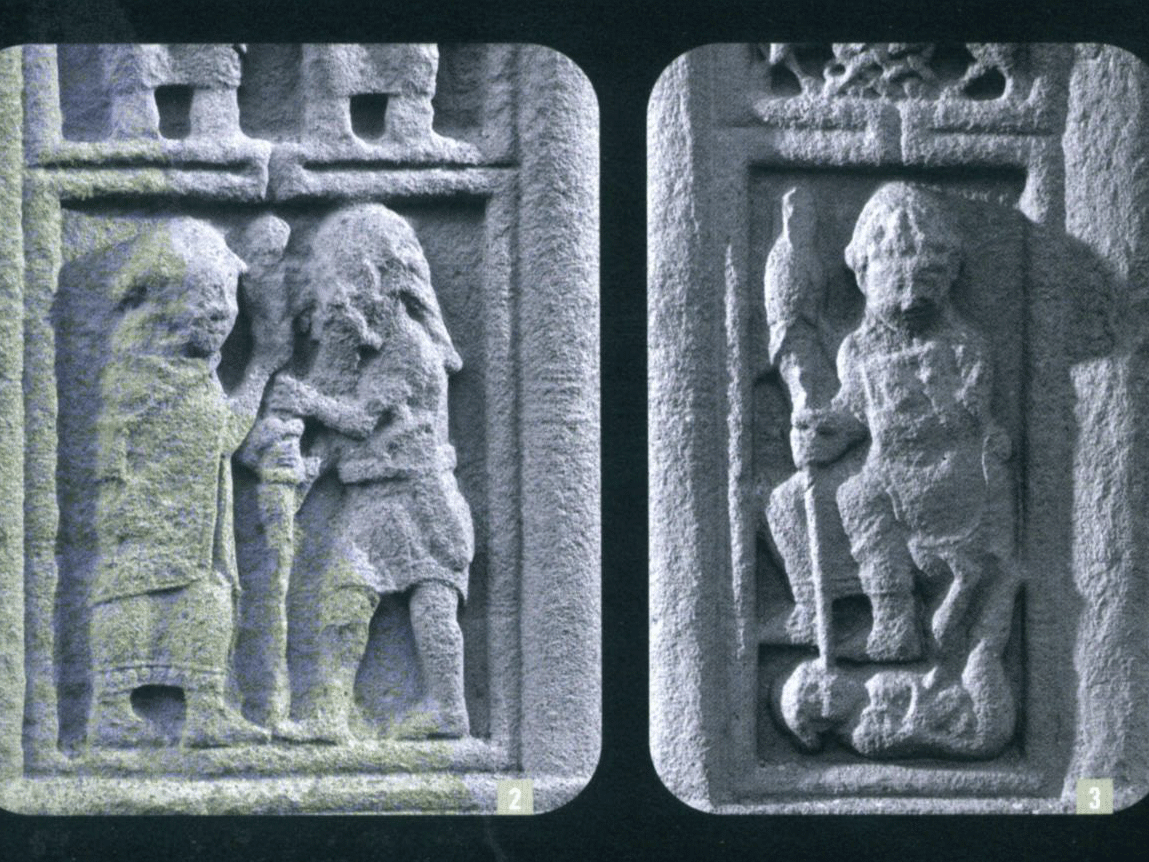
Peter Harbison examines biblical scenes and arcane visions from the imagination of the medieval stonemason, captured by photographer James Fraher

Brian King possesses an acute sense of space, observes Gerry Walker on the recent unveiling of his memorial in Merrion Square Park, Dublin
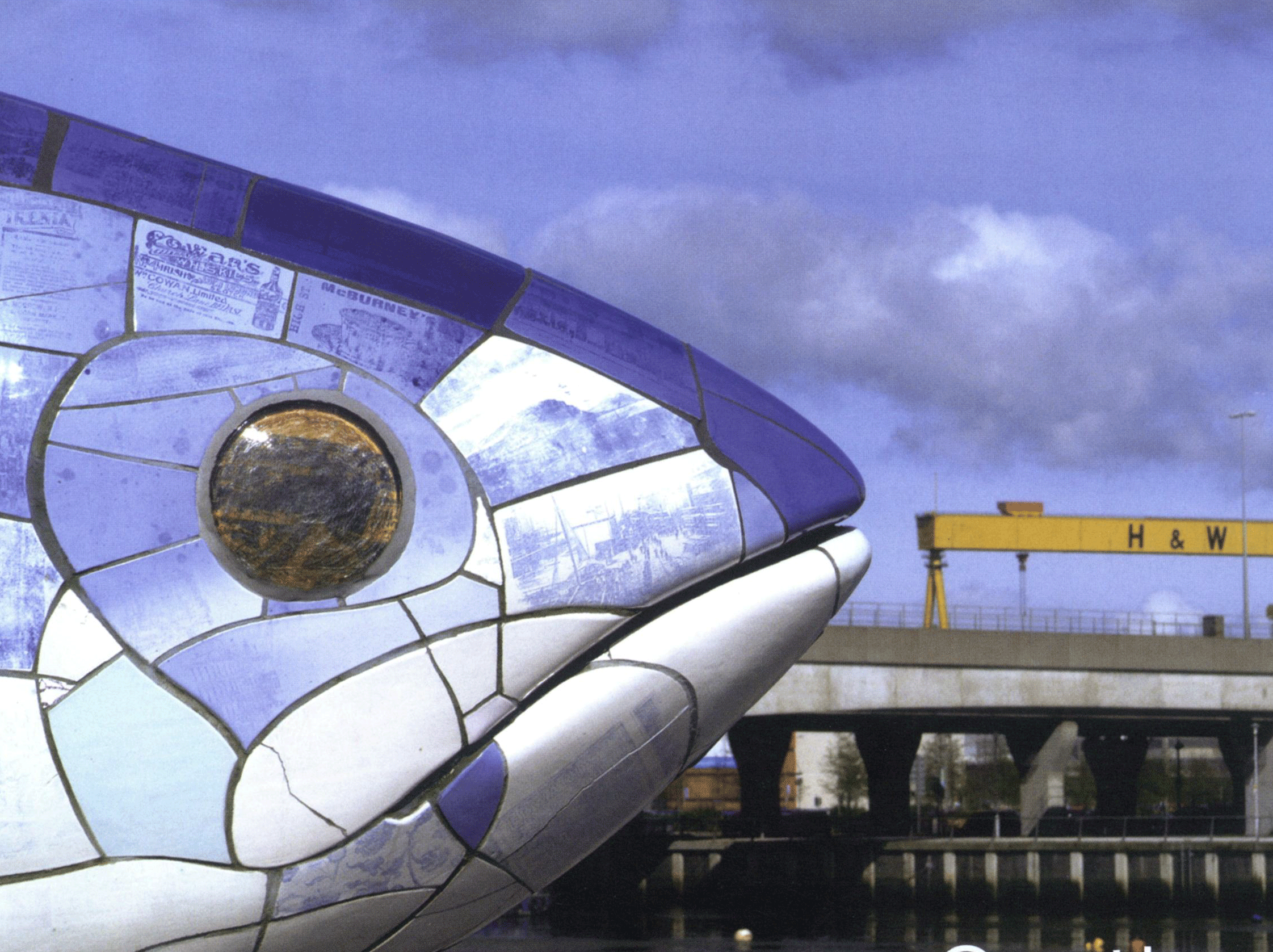
Marianne O’Kane Boal surveys the public sculpture enlivening the Laganside in Belfast, with work that is both thematically resonant and aspirational in tone
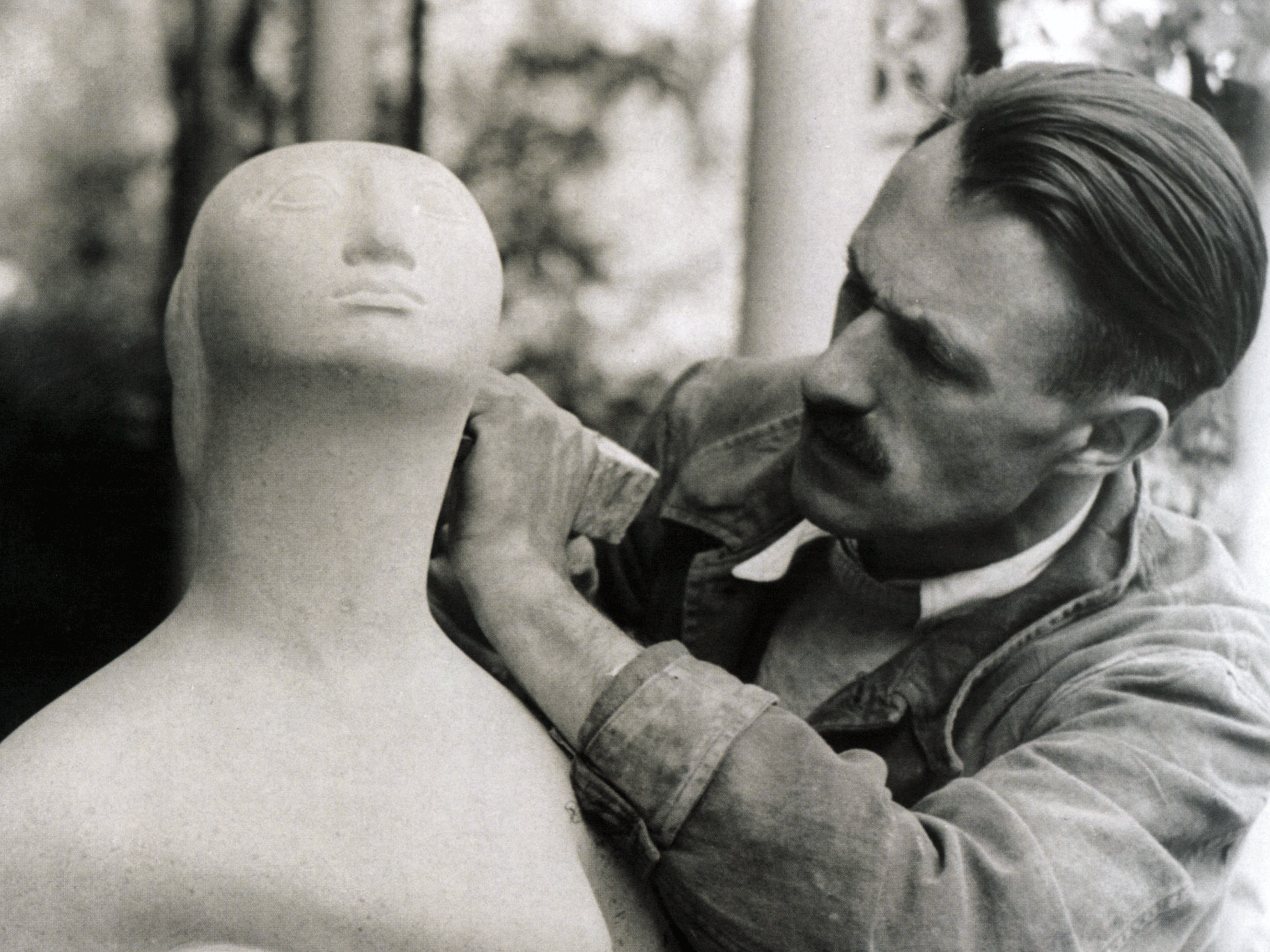
Denise Ferran heralds the opening of a gallery and reconstruction of F E McWilliam’s London Master studio in his hometown of Banbridge, Co Down
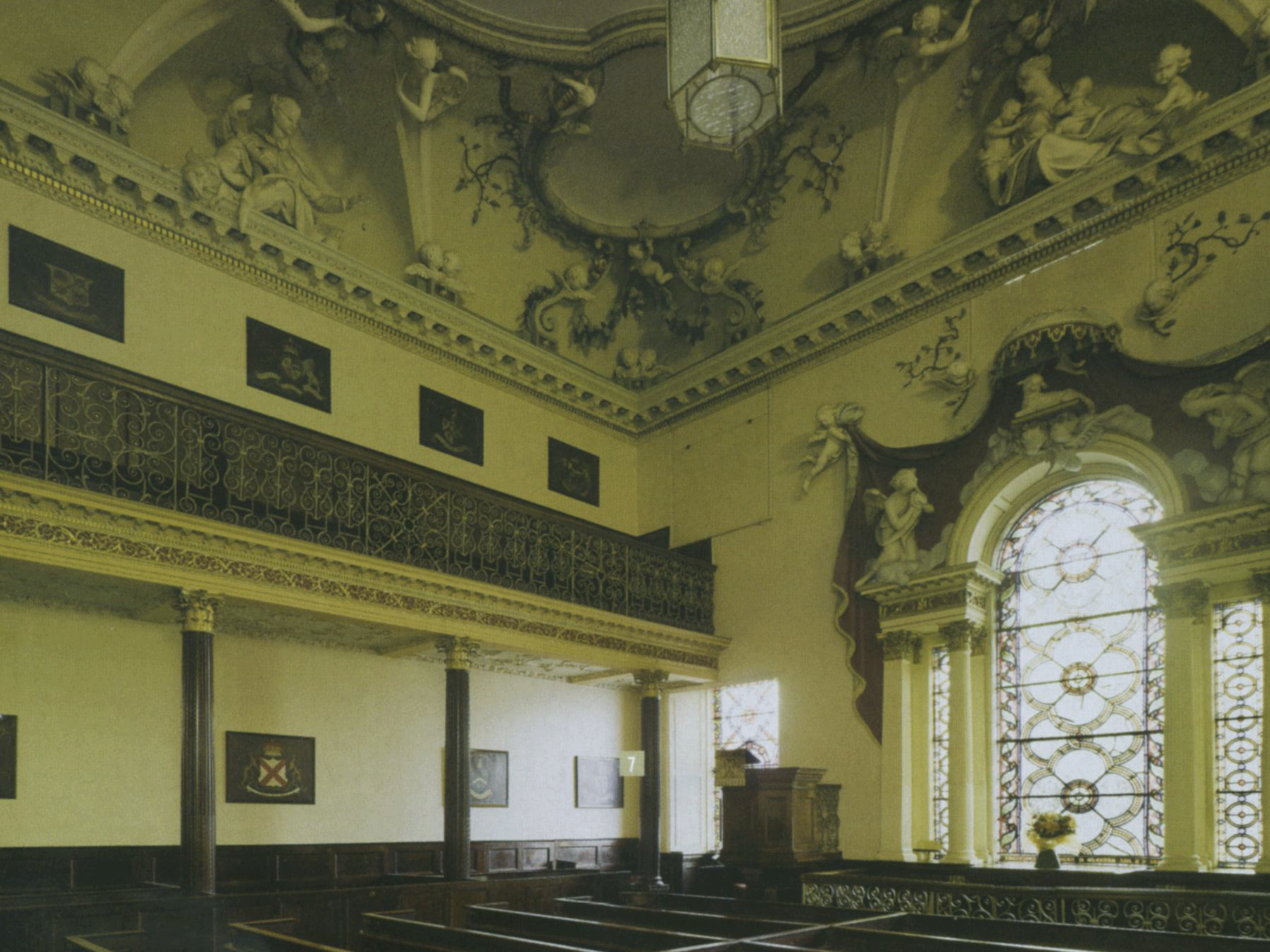
Joe McDonnell discusses the significance of a newly discovered Rococo sculpture in Eastern Belgium by Bartholomew Cramillion
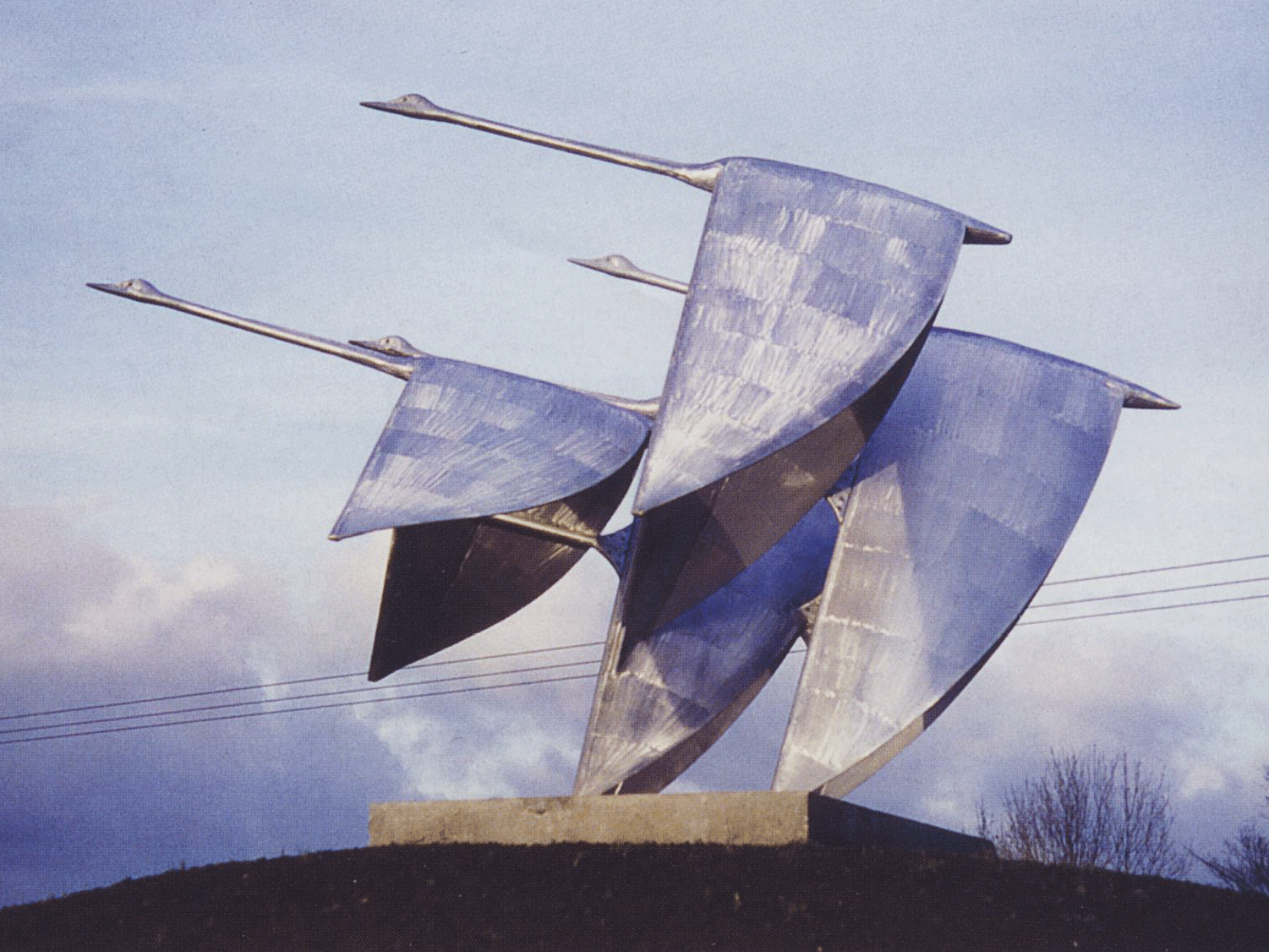
Brian Lynch examines the work of Eamonn O’Doherty, whose style captures the spirit of his era
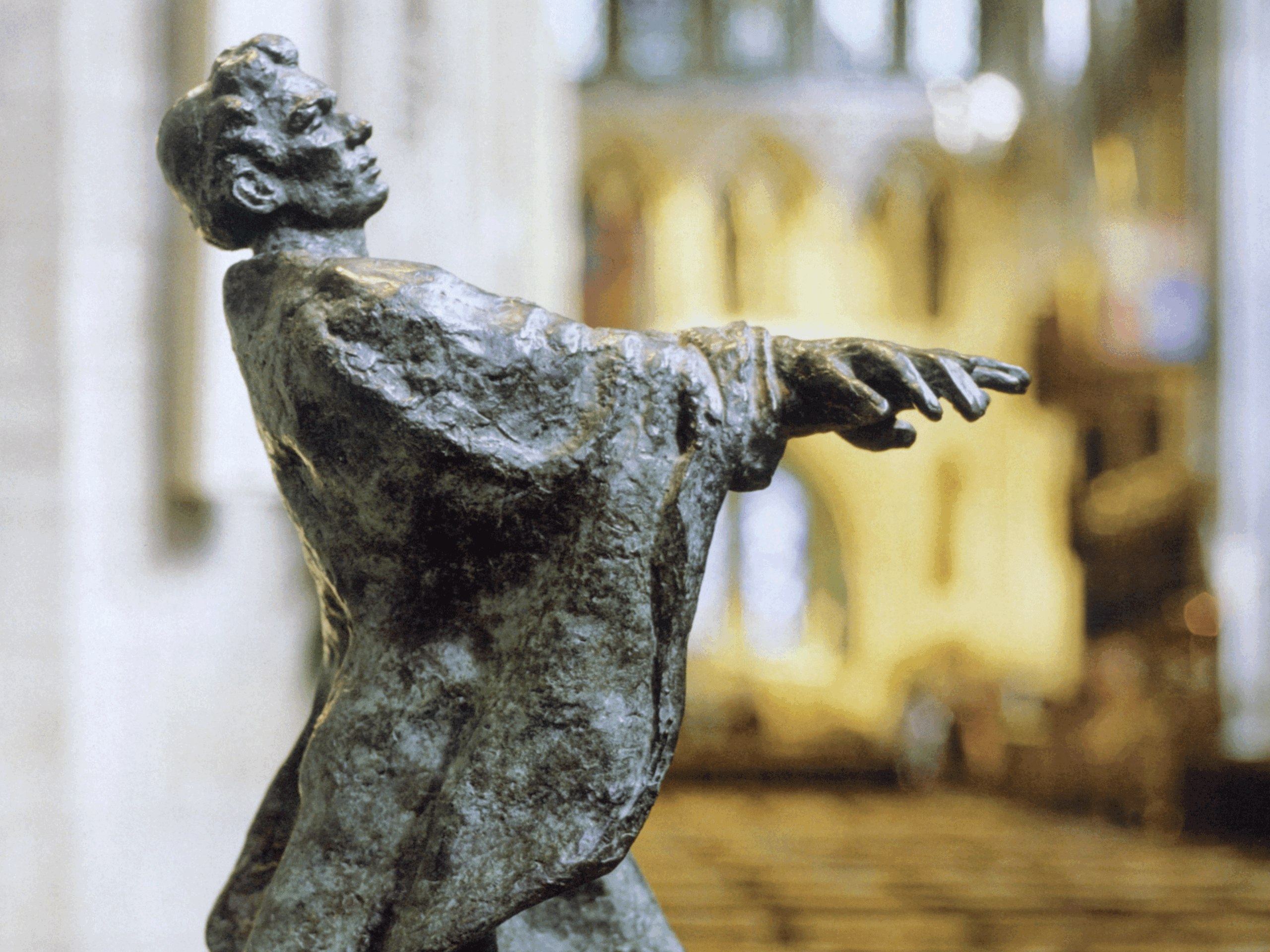
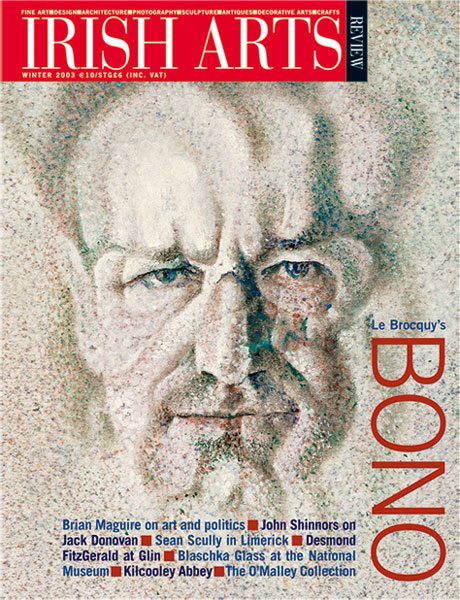
Brian Fallon examines the career of Melanie le Brocquy, whose practice, while intimate in scale, eloquently captures the subtle dynamics of gesture and pose
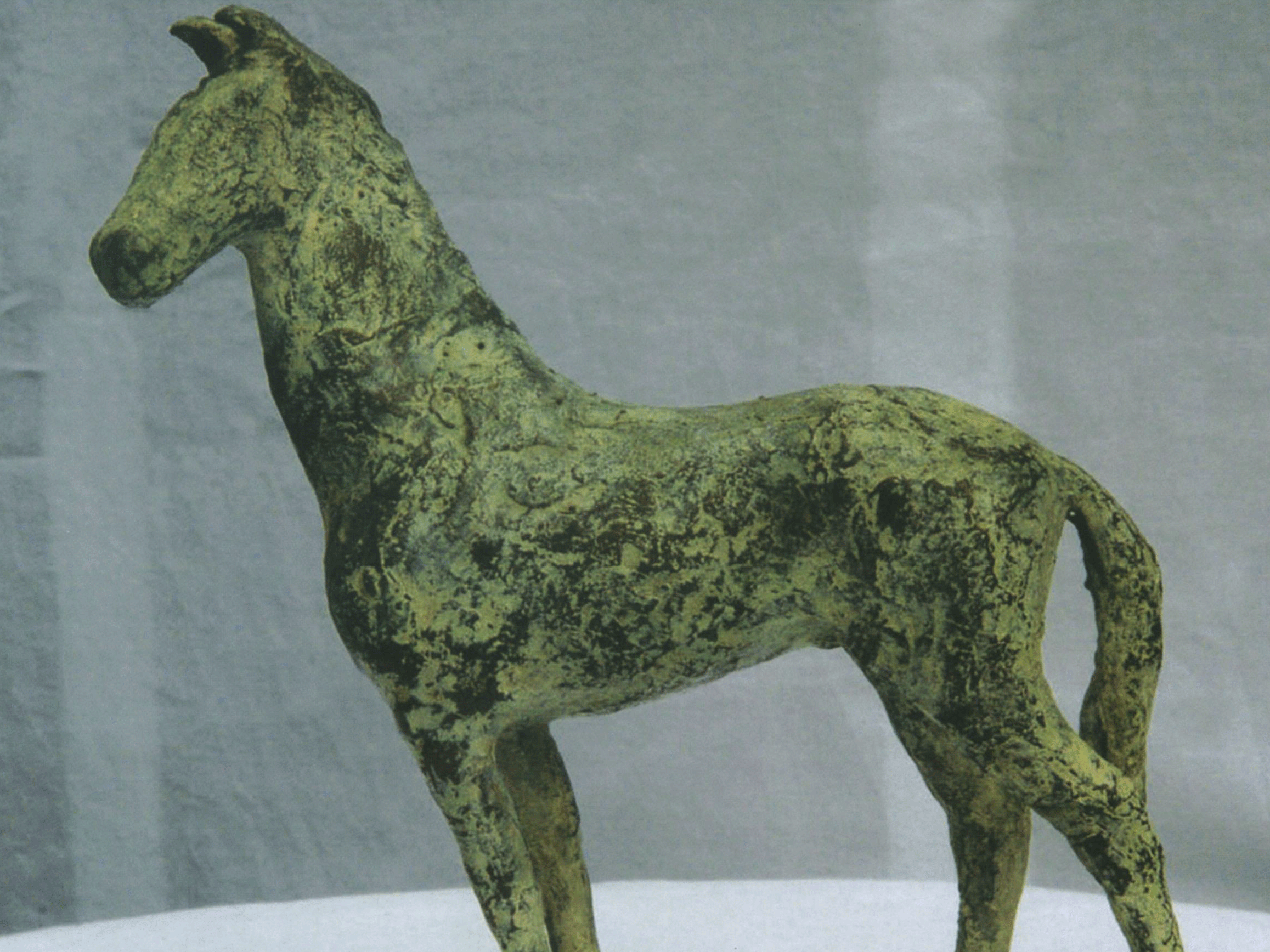
Desmond Egan considers the career of sculptor James McKenna, the subject of a major retrospective at IMMA this winter
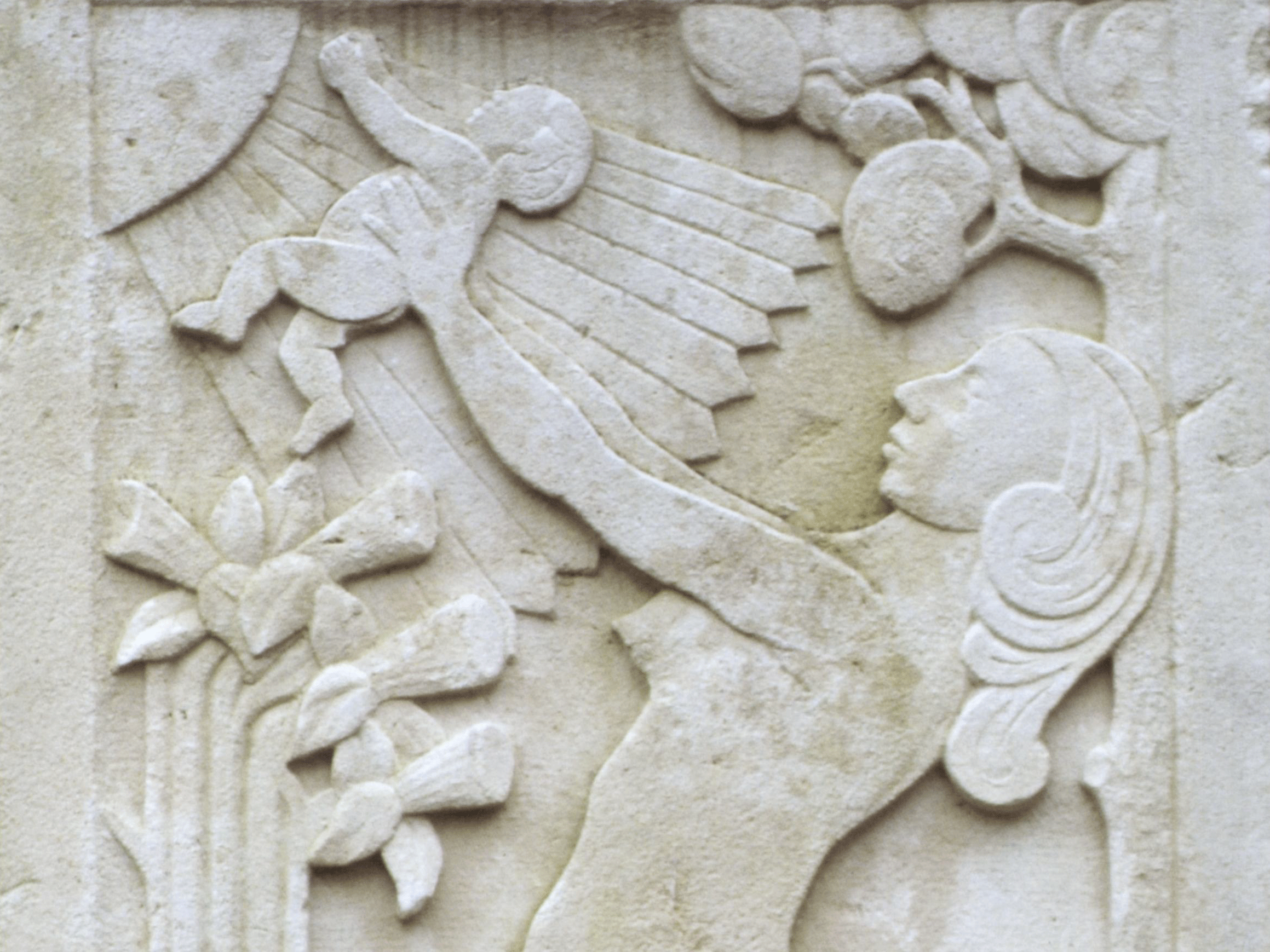
Seamus Murphy —Peter Murray considers the achievements of Cork-born sculptor Seamus Murphy on the centenary of his birth
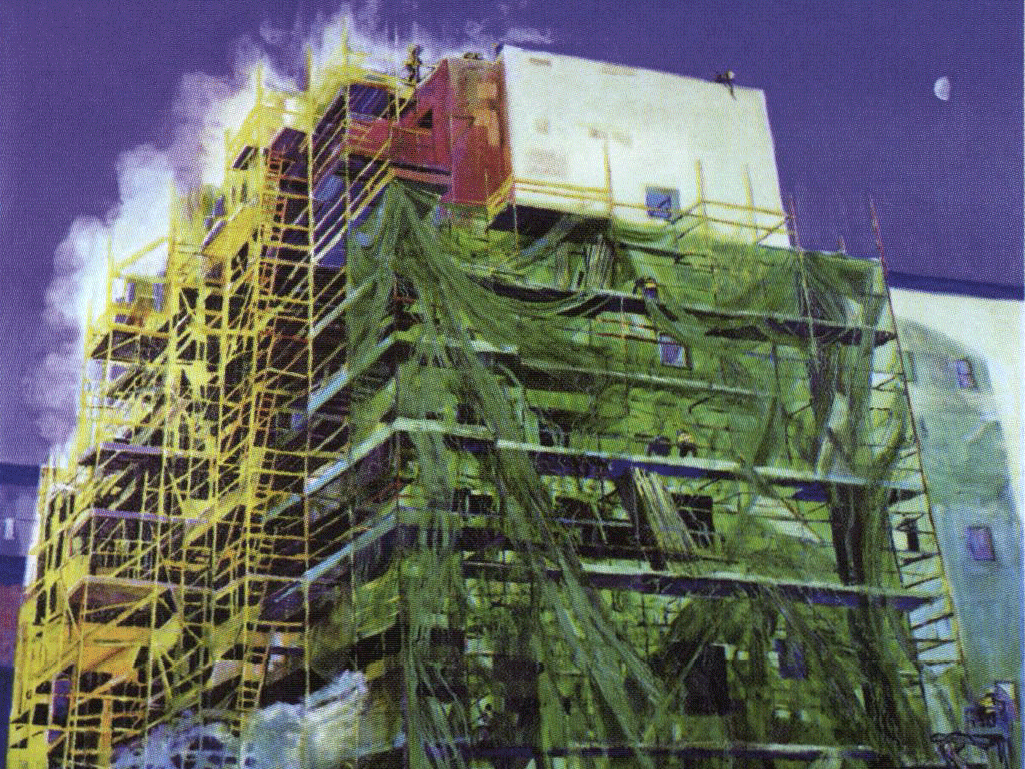
Marianne O’Kane Boal previews Simon McWilliams’ exhibition at the Naughton Gallery, Belfast where architectonic forms rendered in intense colour project a Kafkaesque scenario
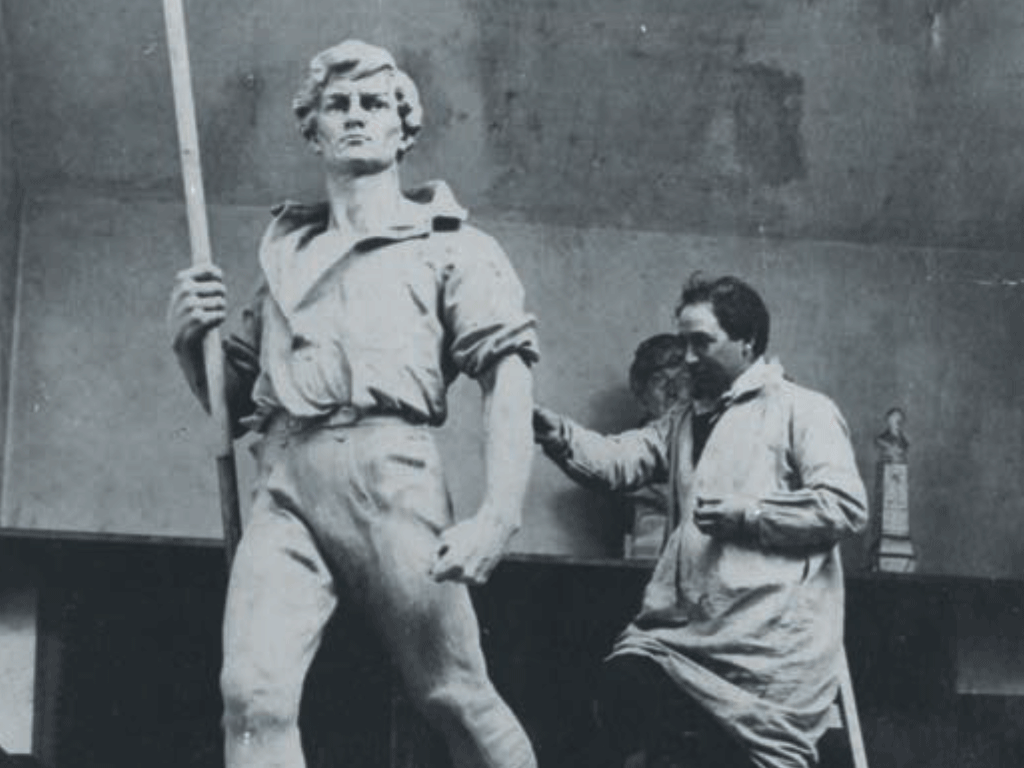
Paula Murphy examines the political character of Oliver Sheppard’s work as exemplified by Cuchulainn and his all’antica portrayal of Padraig Pearse
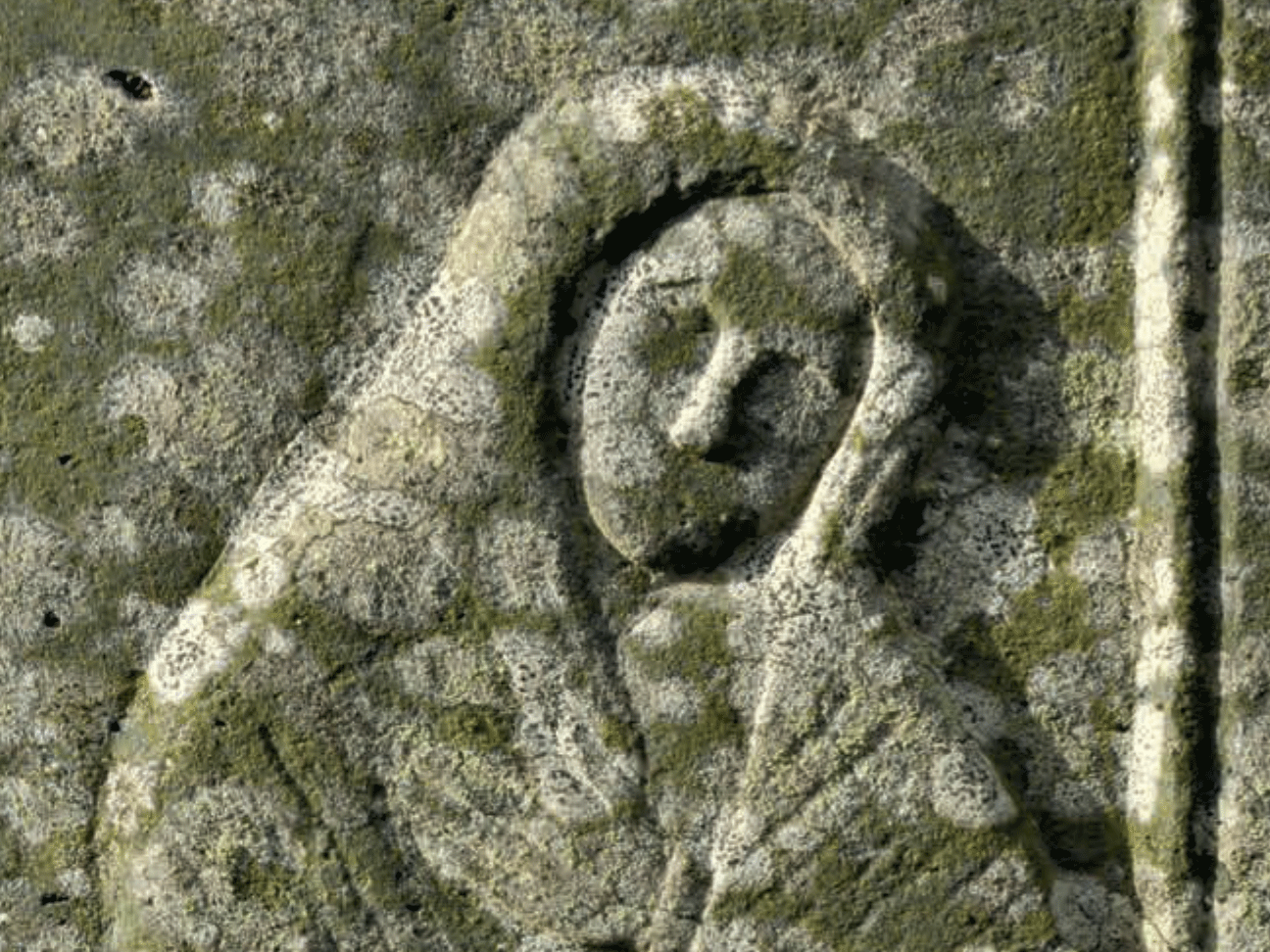
Christiaan Corlett tracks the handiwork of stone cutter James Butler beyond the previously understood confines of north Wexford
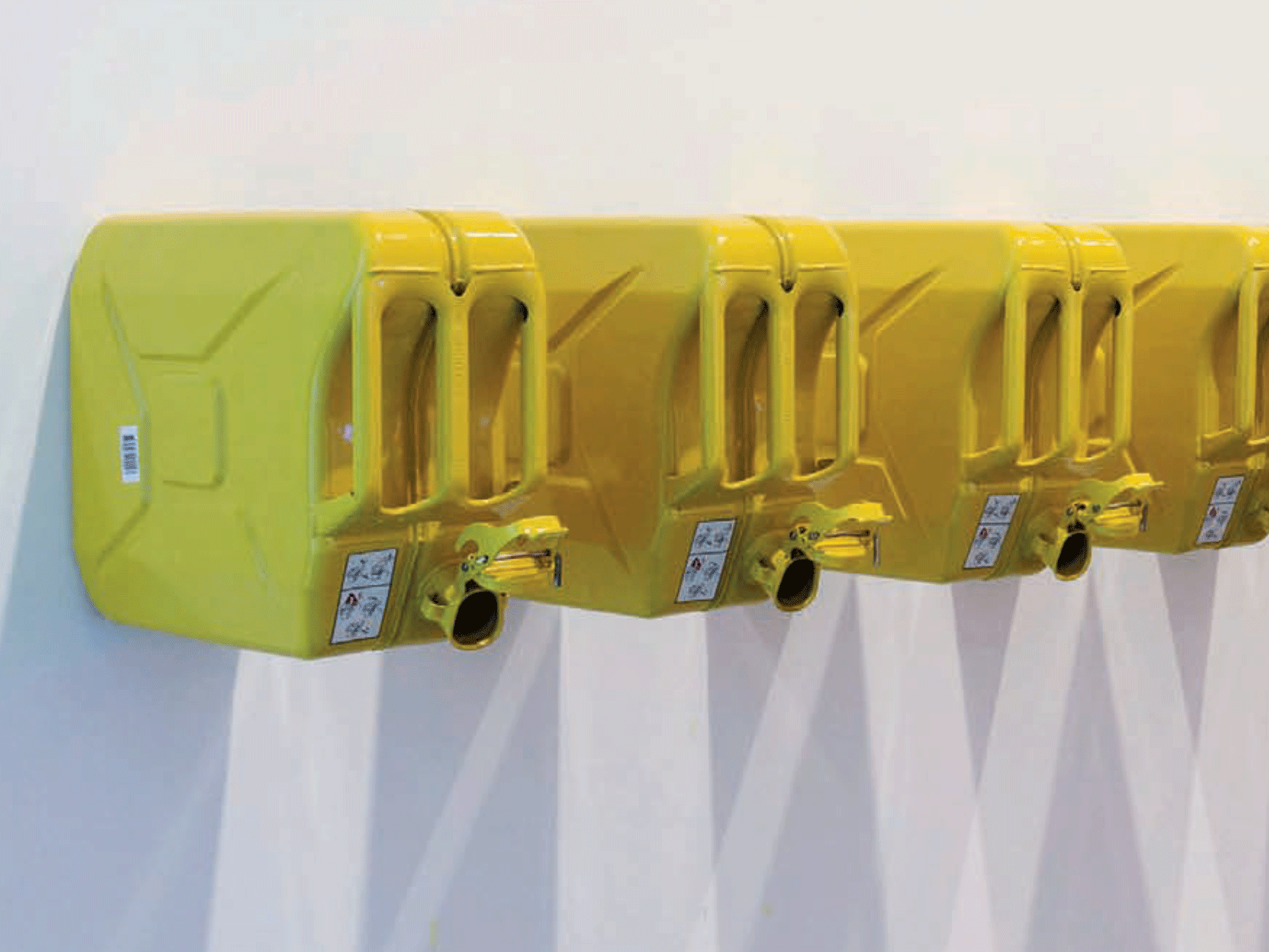
Colin Darke tells Brian McAvera how seeing a burning cigarette paper sparked an idea for an expressive means of communication
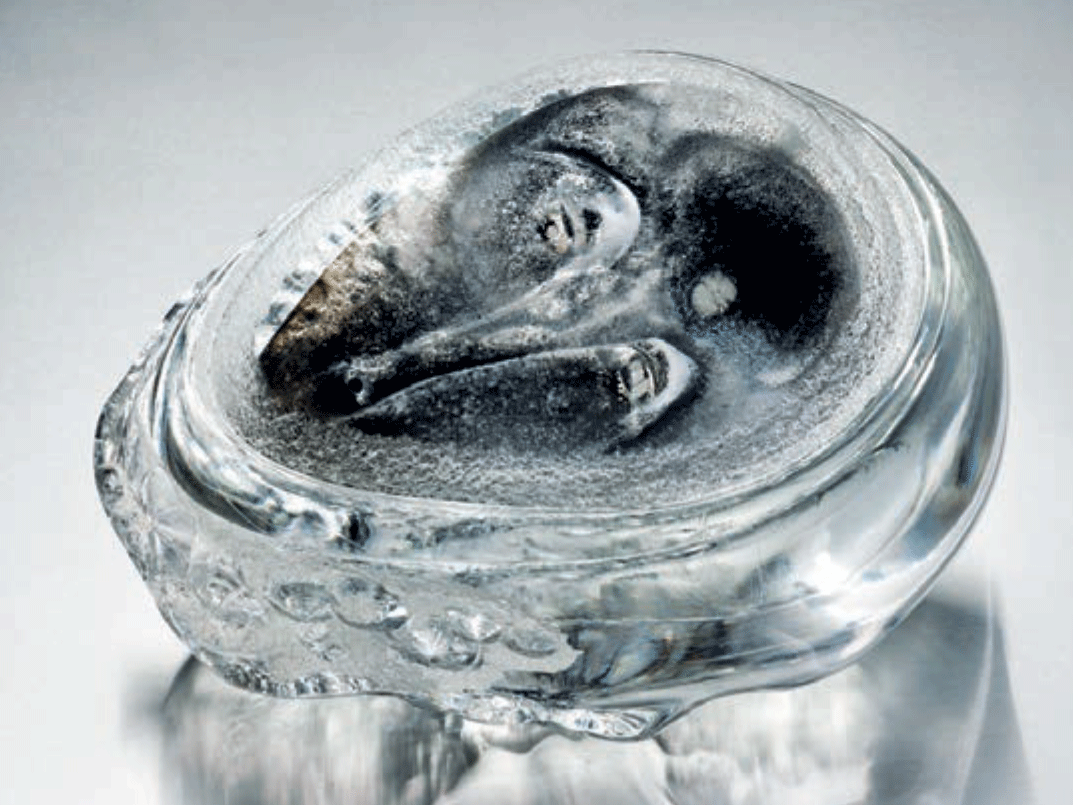
Sculpture and glass are part of Killian Schürmann’s DNA. Paula Murphy visits his studio as he finalizes his most ambitious project to date, for University College Dublin
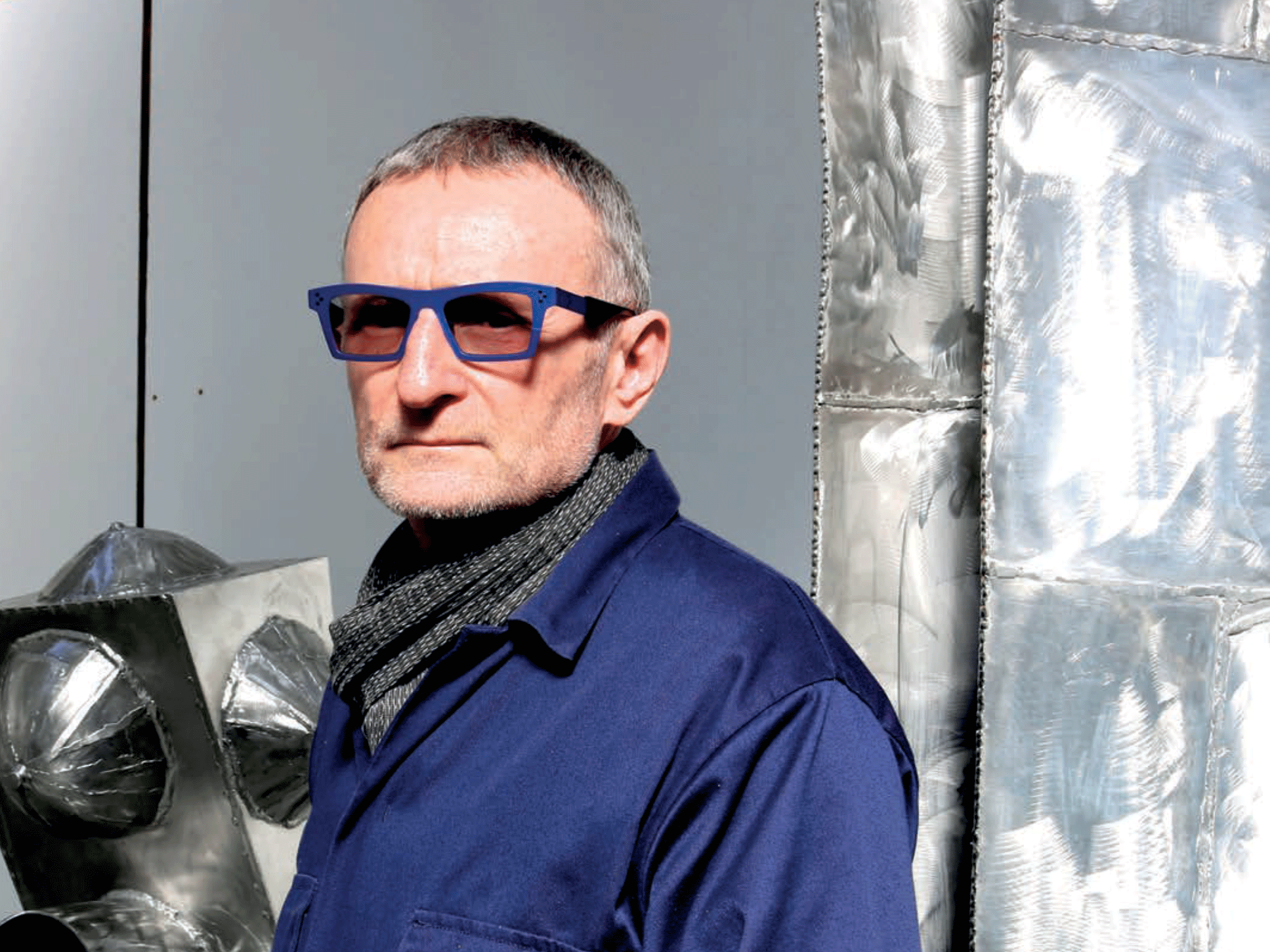
Beyond their arresting materiality new works from John Gibbons convey his interest in spiritual and religious history, writes Luke Naessens
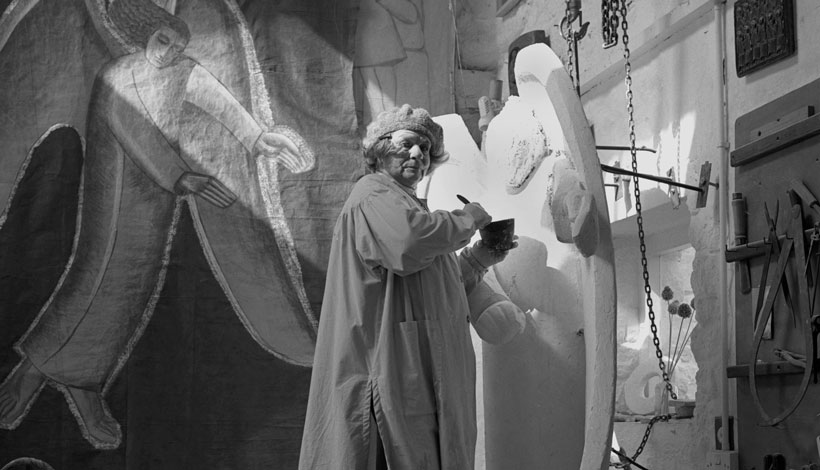
Paula Murphy celebrates the work of Imogen Stuart over the course of her six-decade career
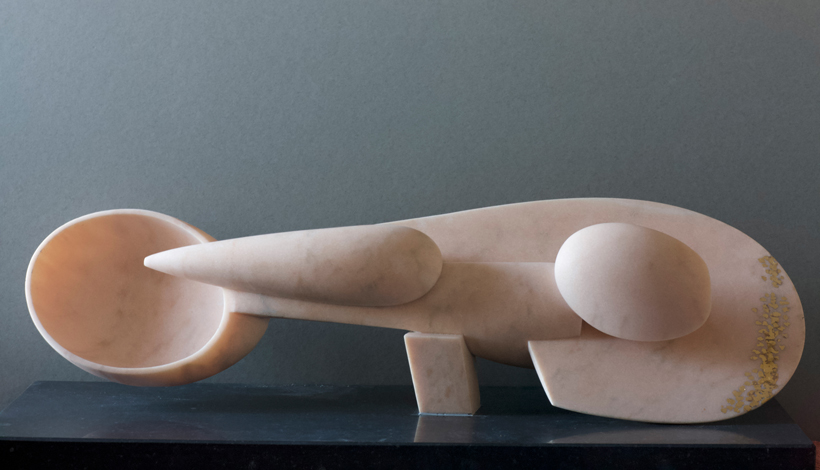
Julian Campbell finds that sculptor Peter McTigue’s traditional methods belie a resolutely Modernist vision
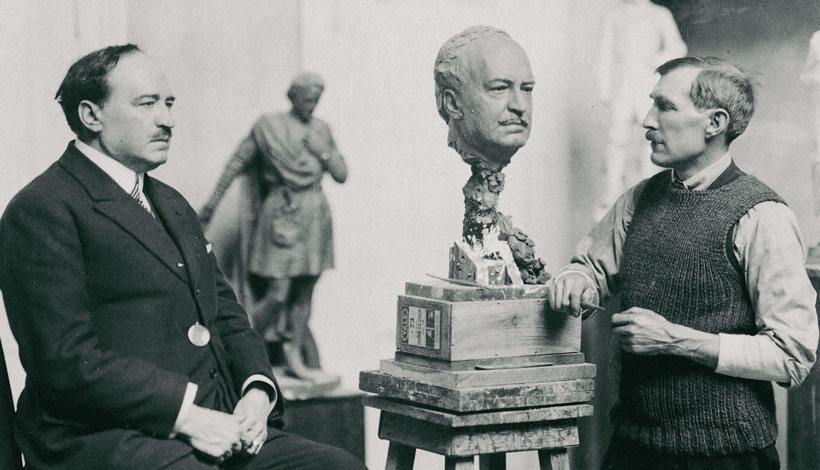
Paula Murphy considers the work of Irish American Edmond T Quinn, one of the leading sculptors of his generation
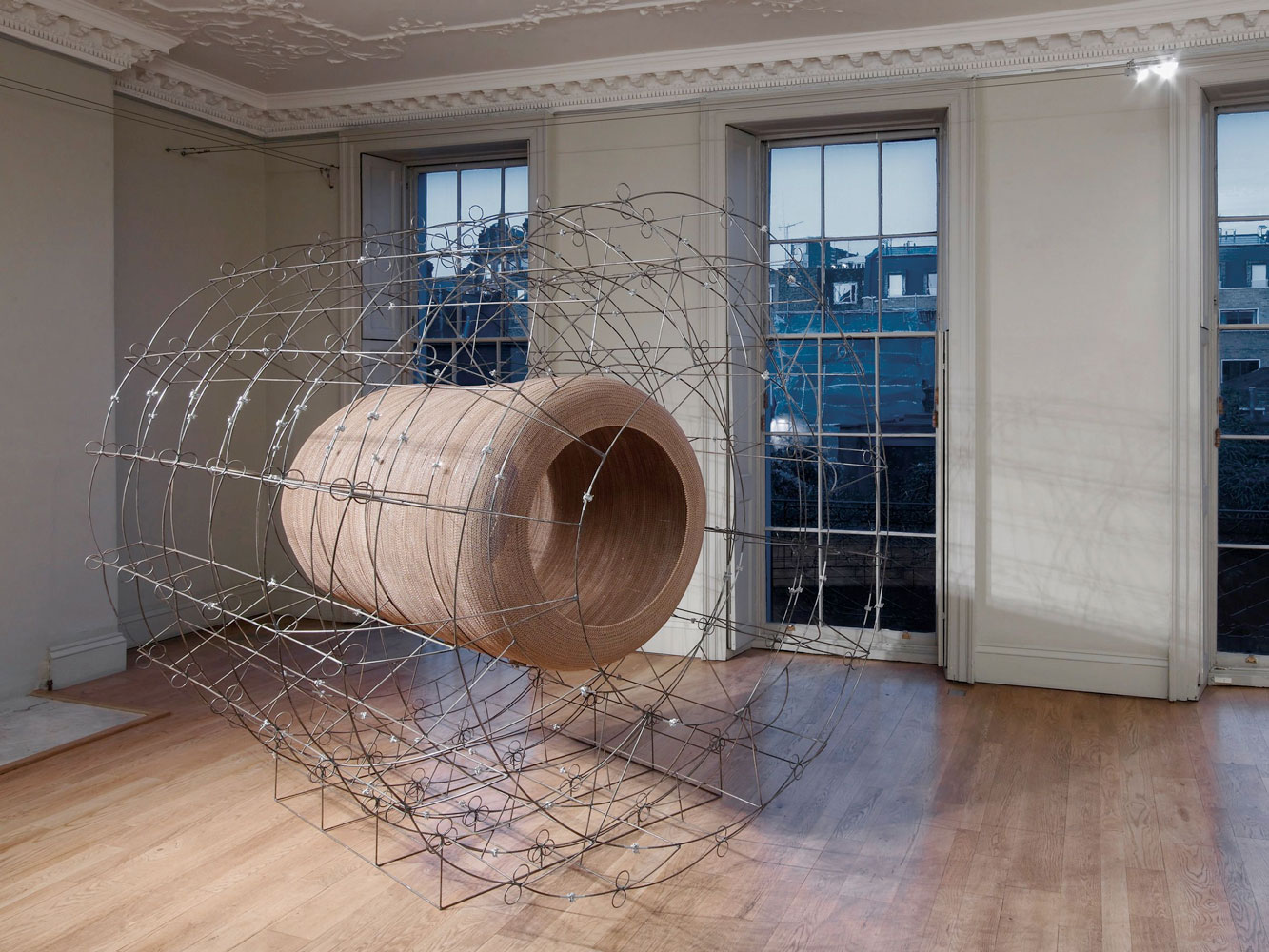
Maud Cotter’s sculptures loom large without being monumental, writes Sarah Kelleher ahead of the artist’s exhibition at Limerick City Gallery of Art this autumn
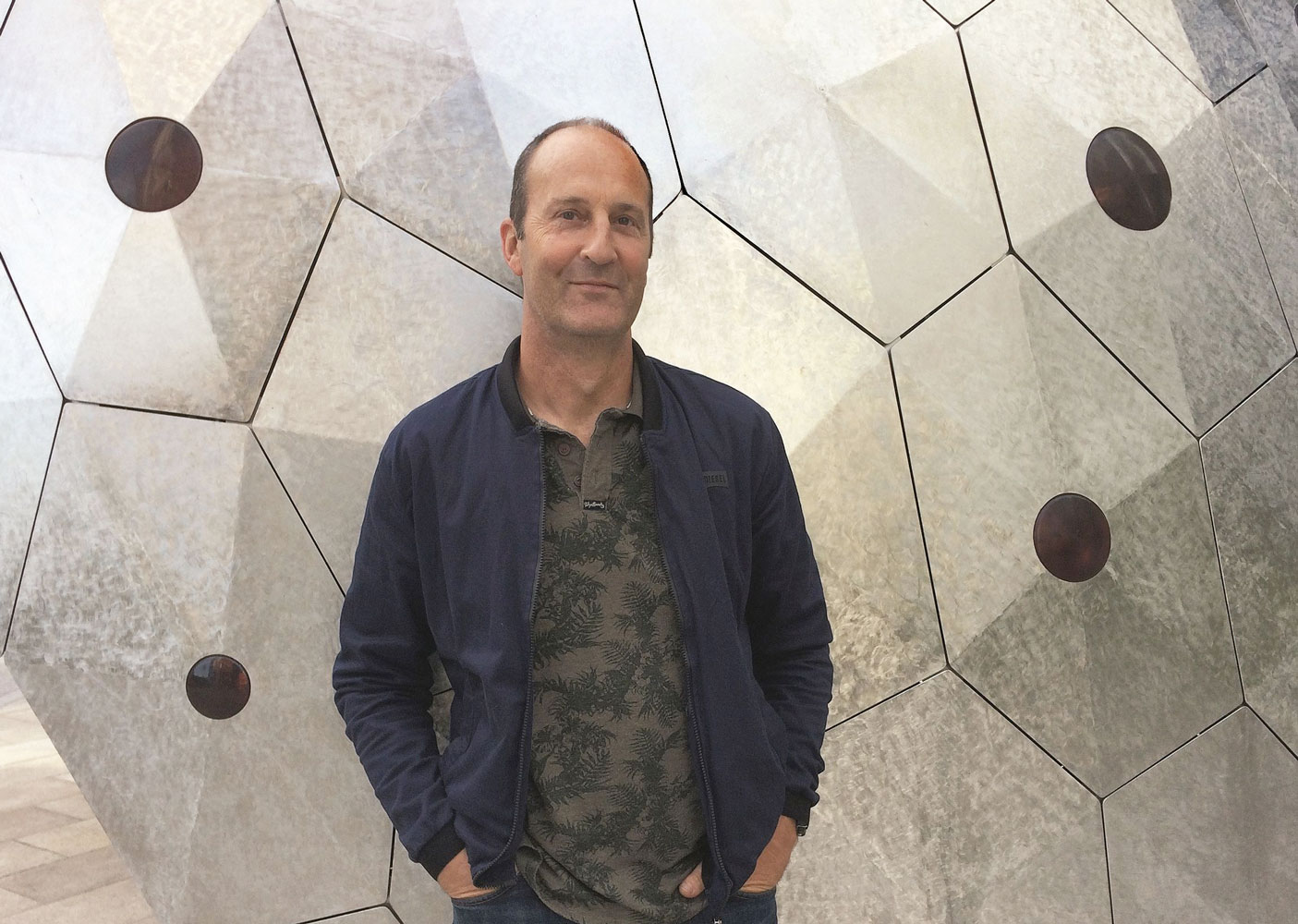
Carissa Farrell discovers an inexhaustible fascination at the heart of Remco de Fouw’s practice with gravity, physics and the cosmos
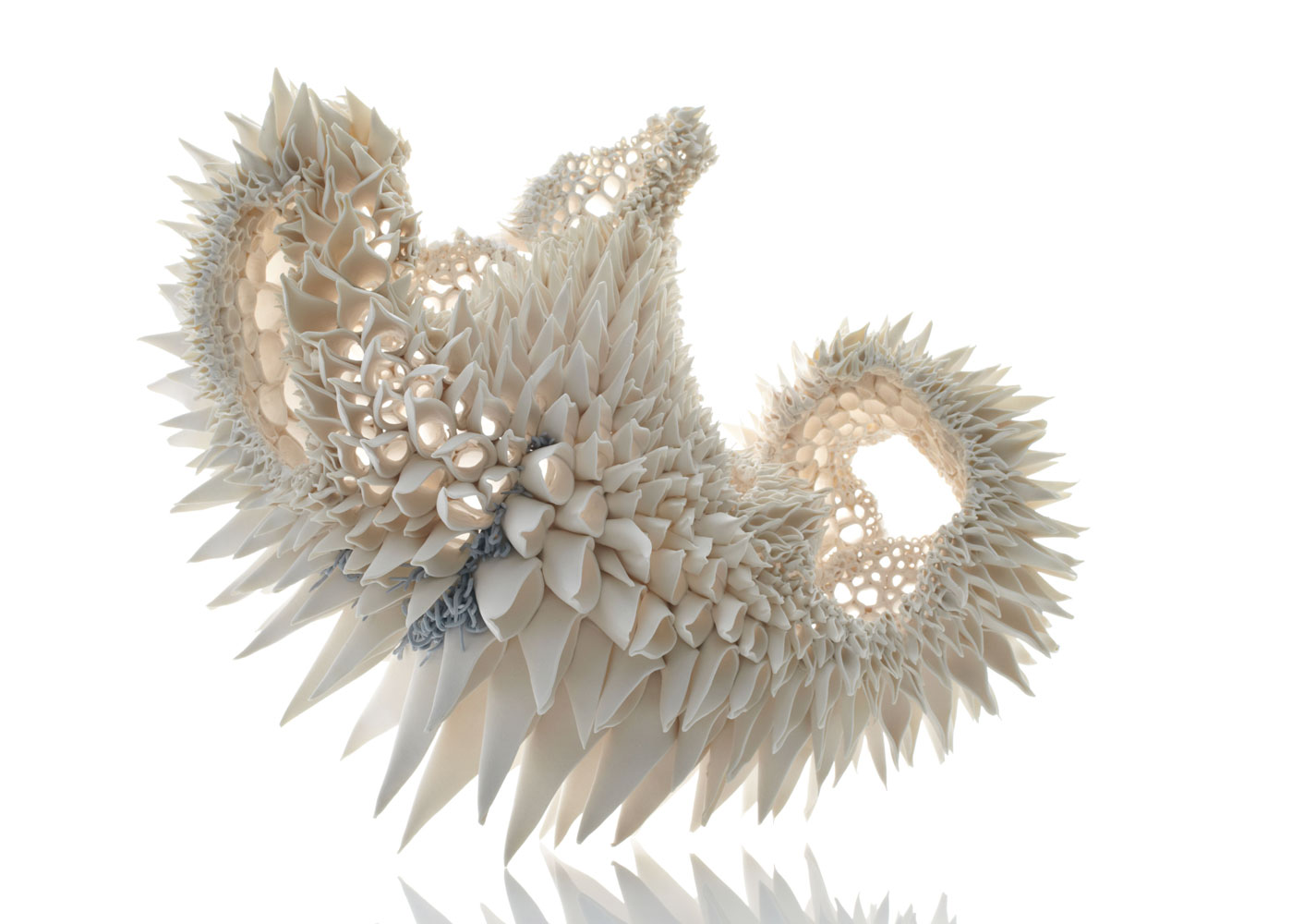
Research into theoretical principles across the fields of art, science and aesthetics imbue Nuala O’Donovan’s work, writes Mark Ewart
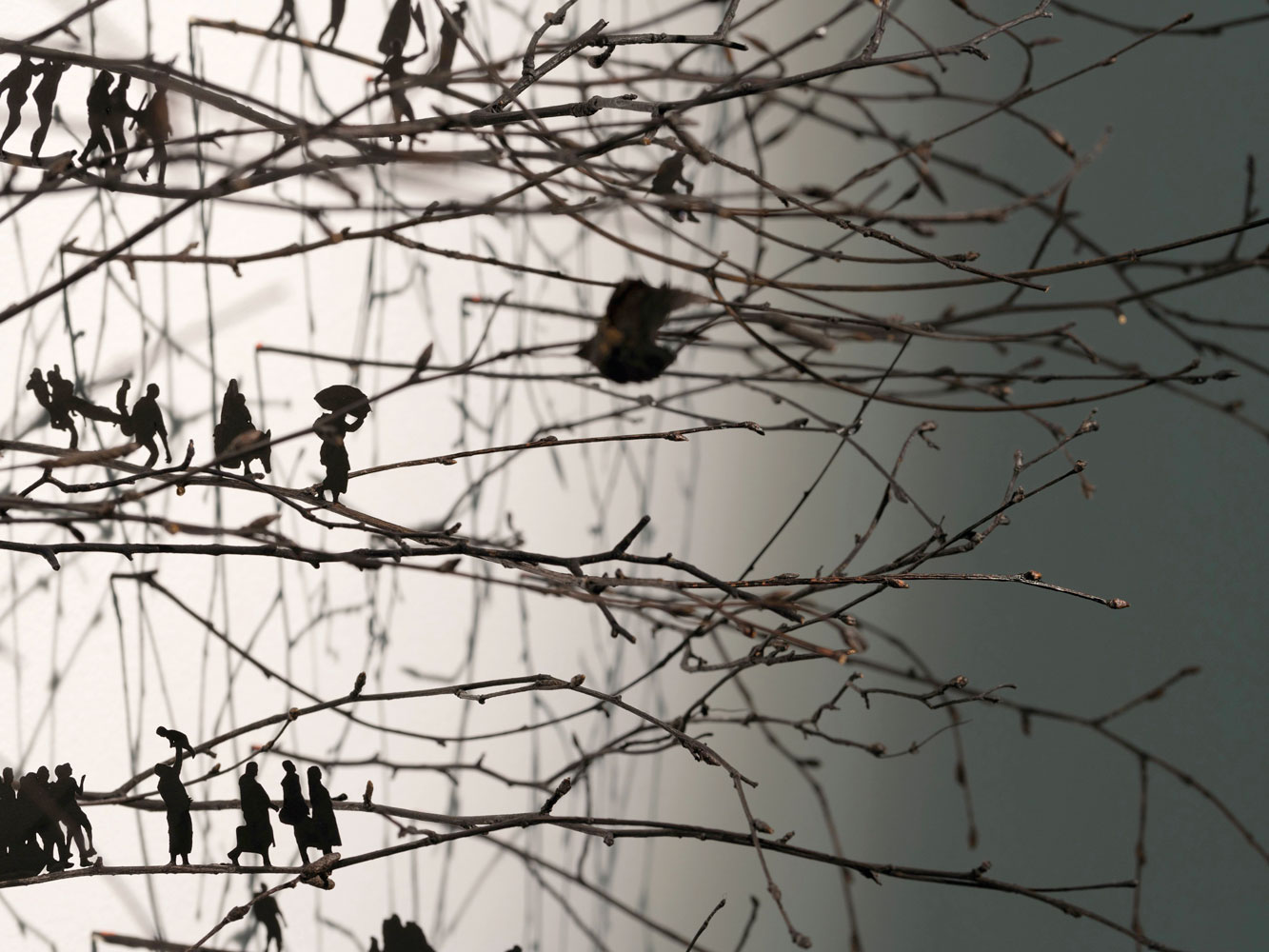
Anita Groener’s strength lies in a total focus on her theme and her art, an art that draws in and challenges the viewer, writes Judith Hill
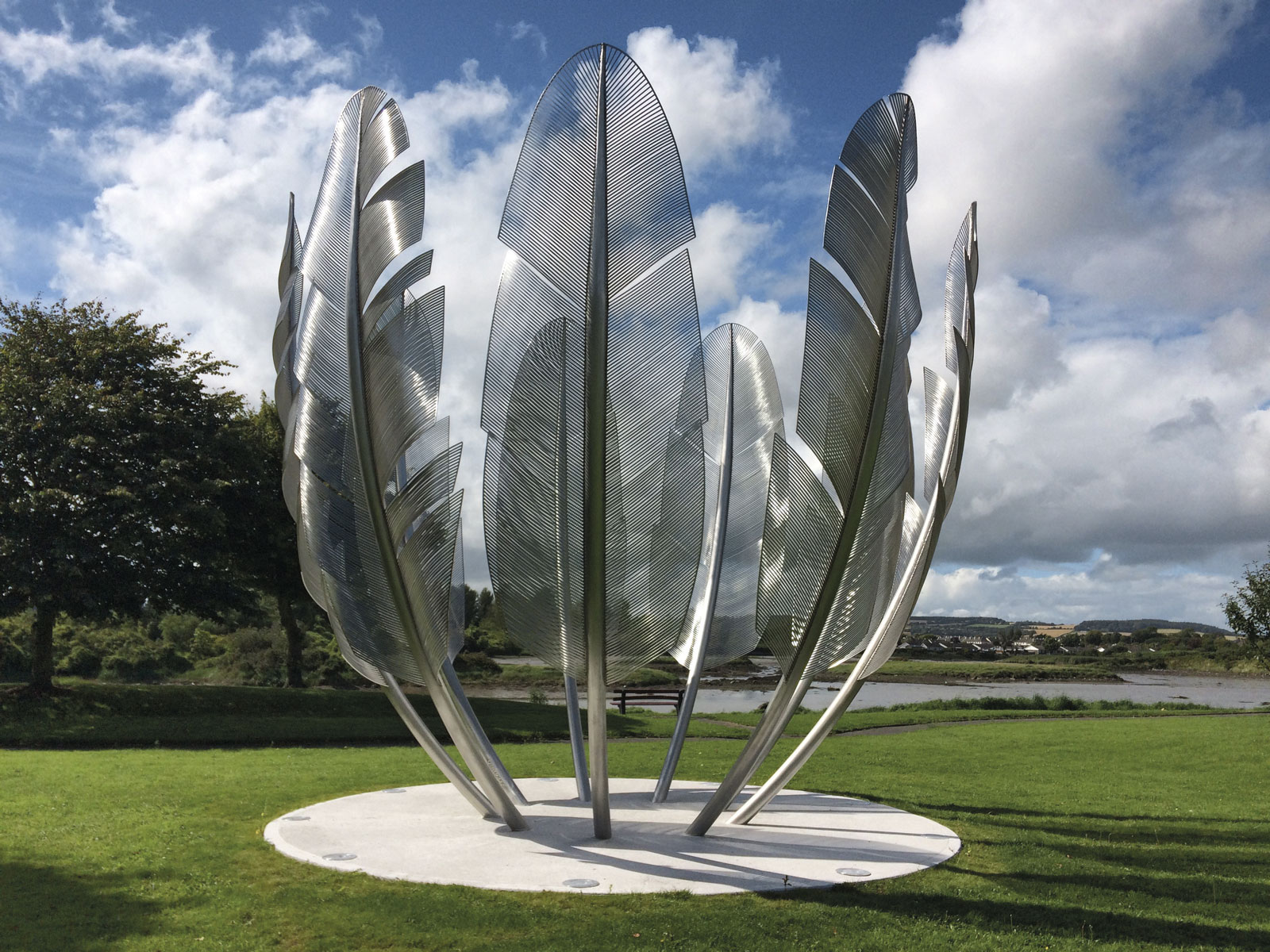
Angela Griffith reflects on the multifaceted practice of Alex Pentek, whose work ranges from the solidity of public art to the floating paper sculpture currently on view at the RhA
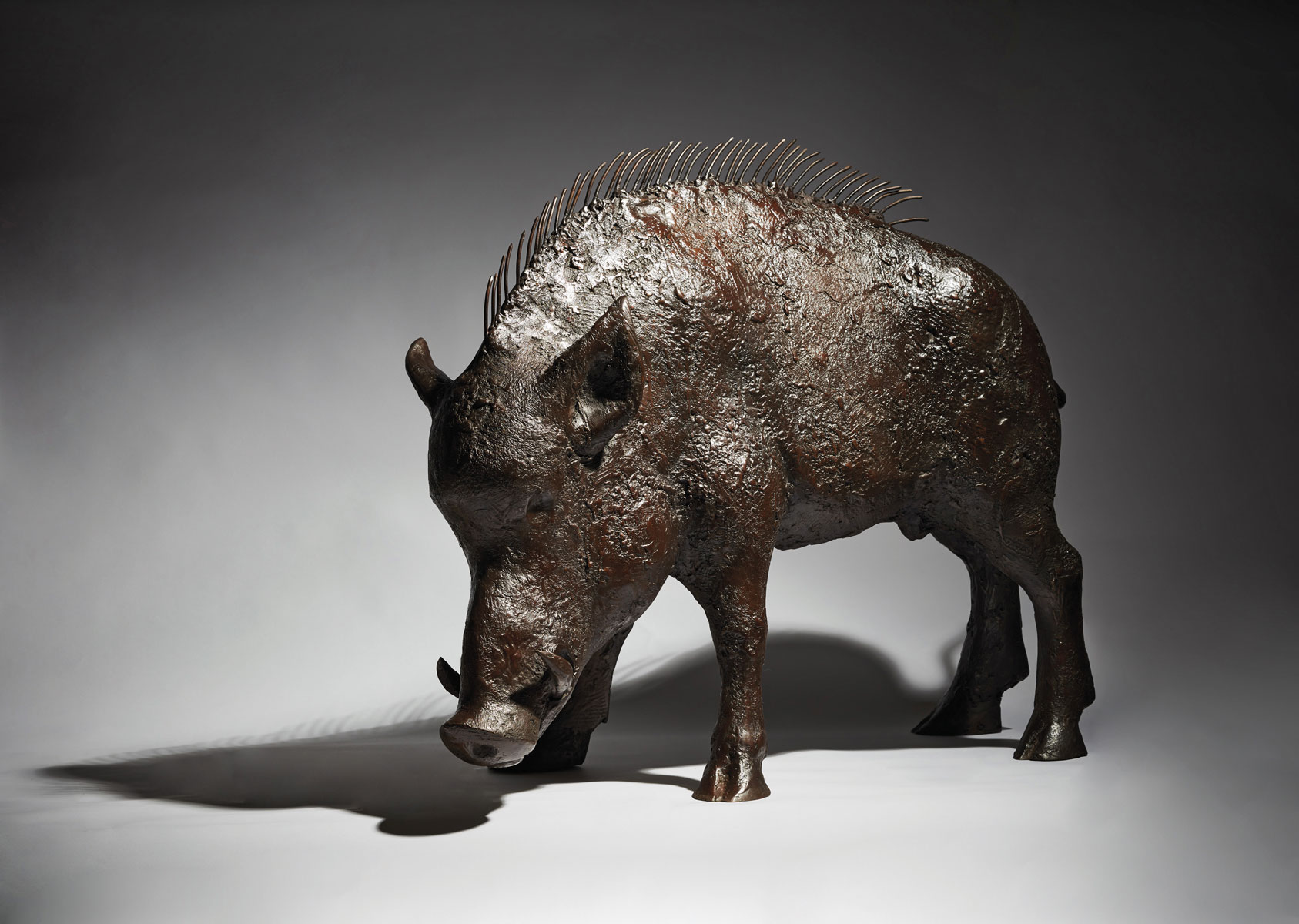
‘I want to make sculpture that transends its scale, and that has a soul’: Anthony Scott tells Brian McAvera about his purpose in creating sculpture

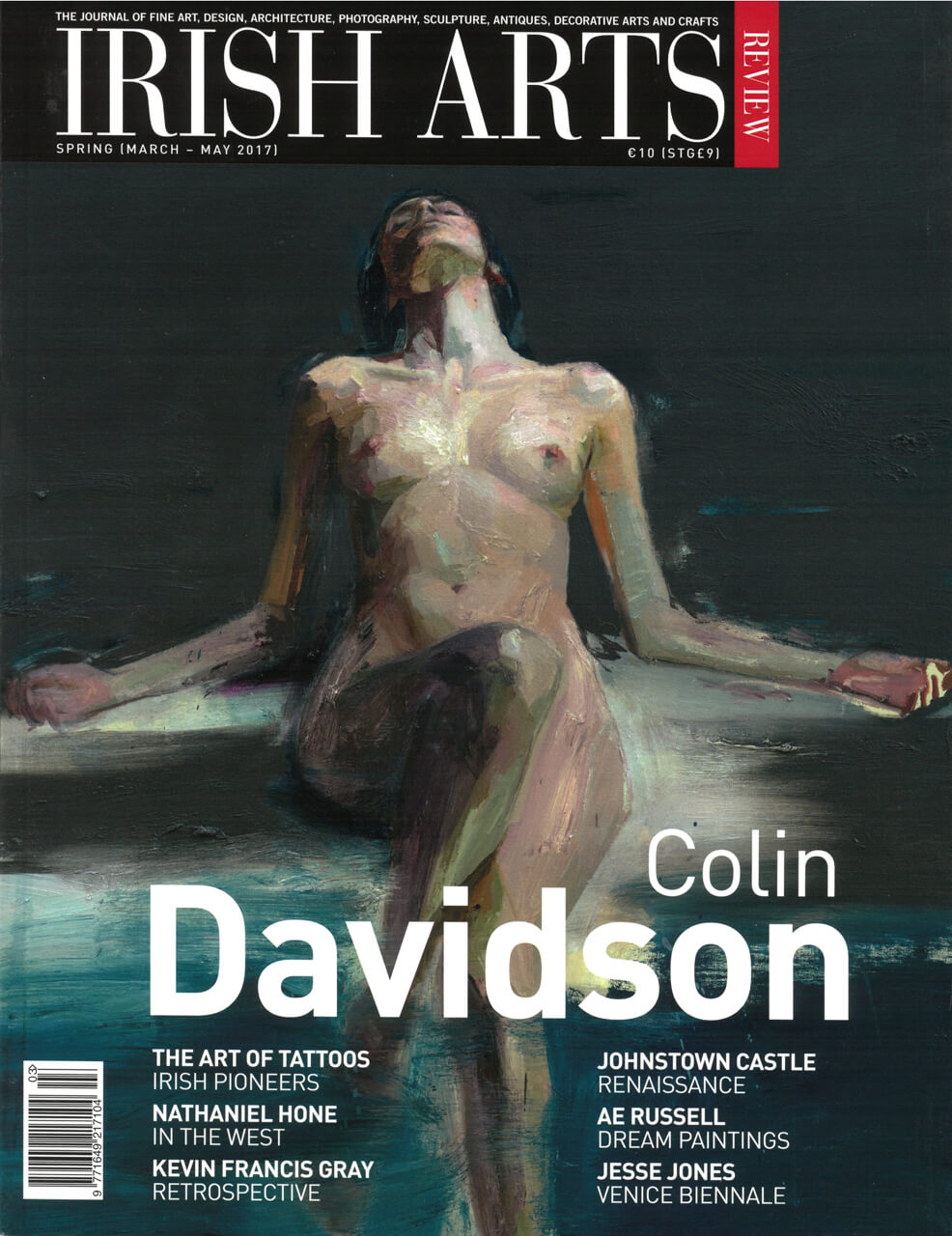
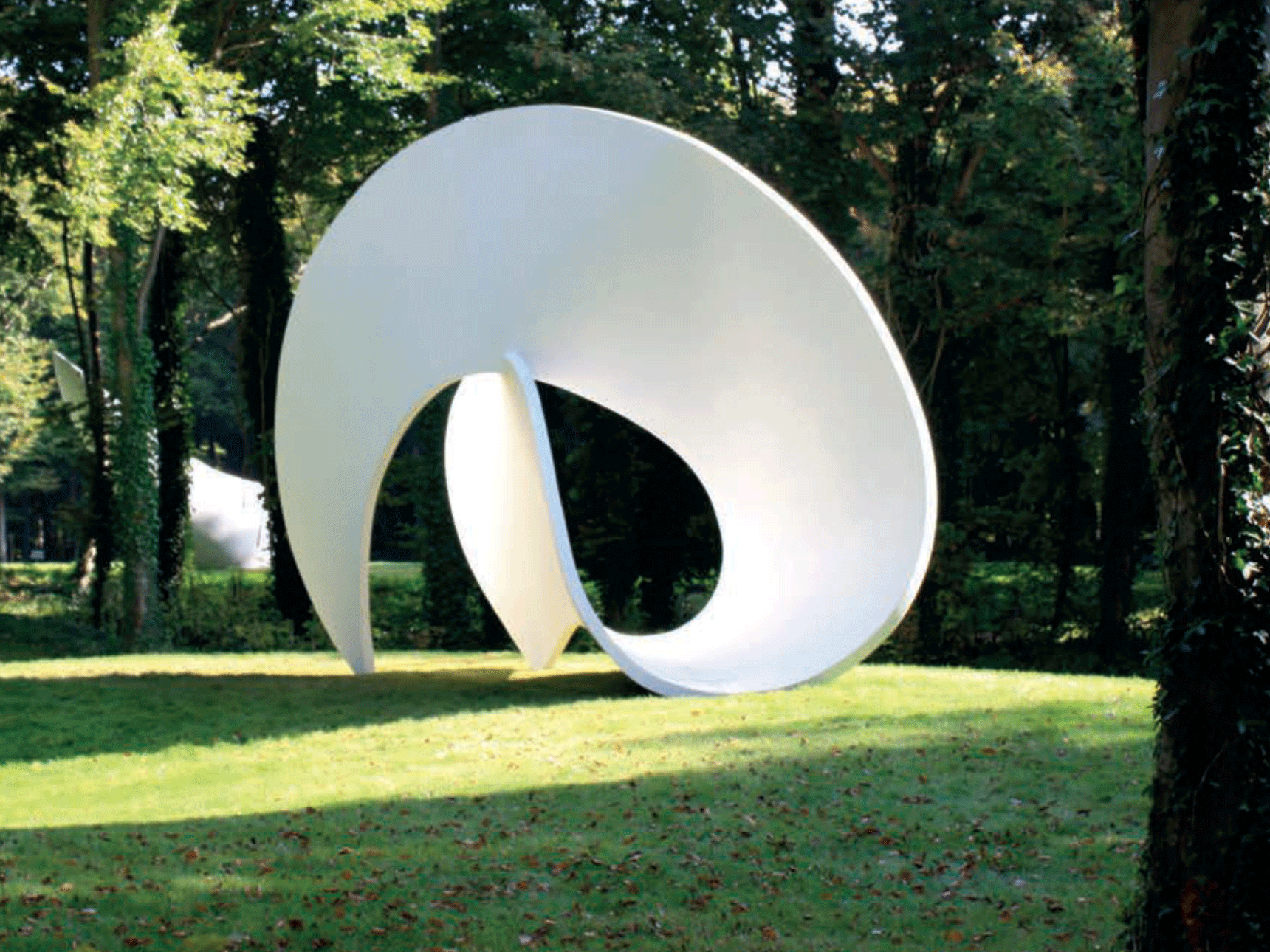
Eilís O’Connell is widely admired for expanding the language of sculpture; here she tells Brian McAvera ‘Gravity is my dearest enemy’ ahead of her participation in ‘Ark’ this summer at Chester Cathedral
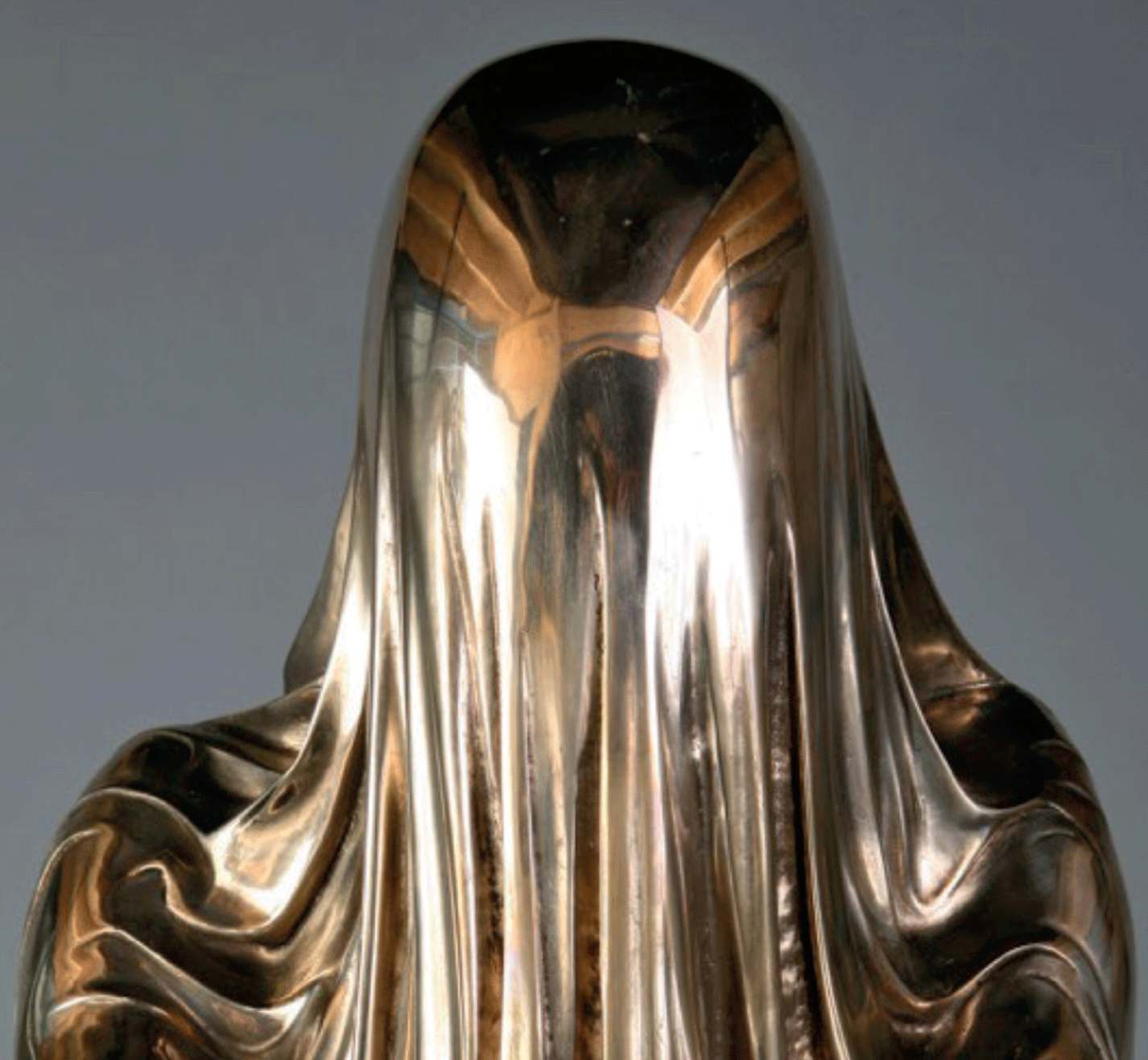
Kevin Francis Gray’s debt to classical sculpture is both obvious and complicated, writes Riann Coulter in anticipation of the Armagh-born artist’s first exhibition on this island.
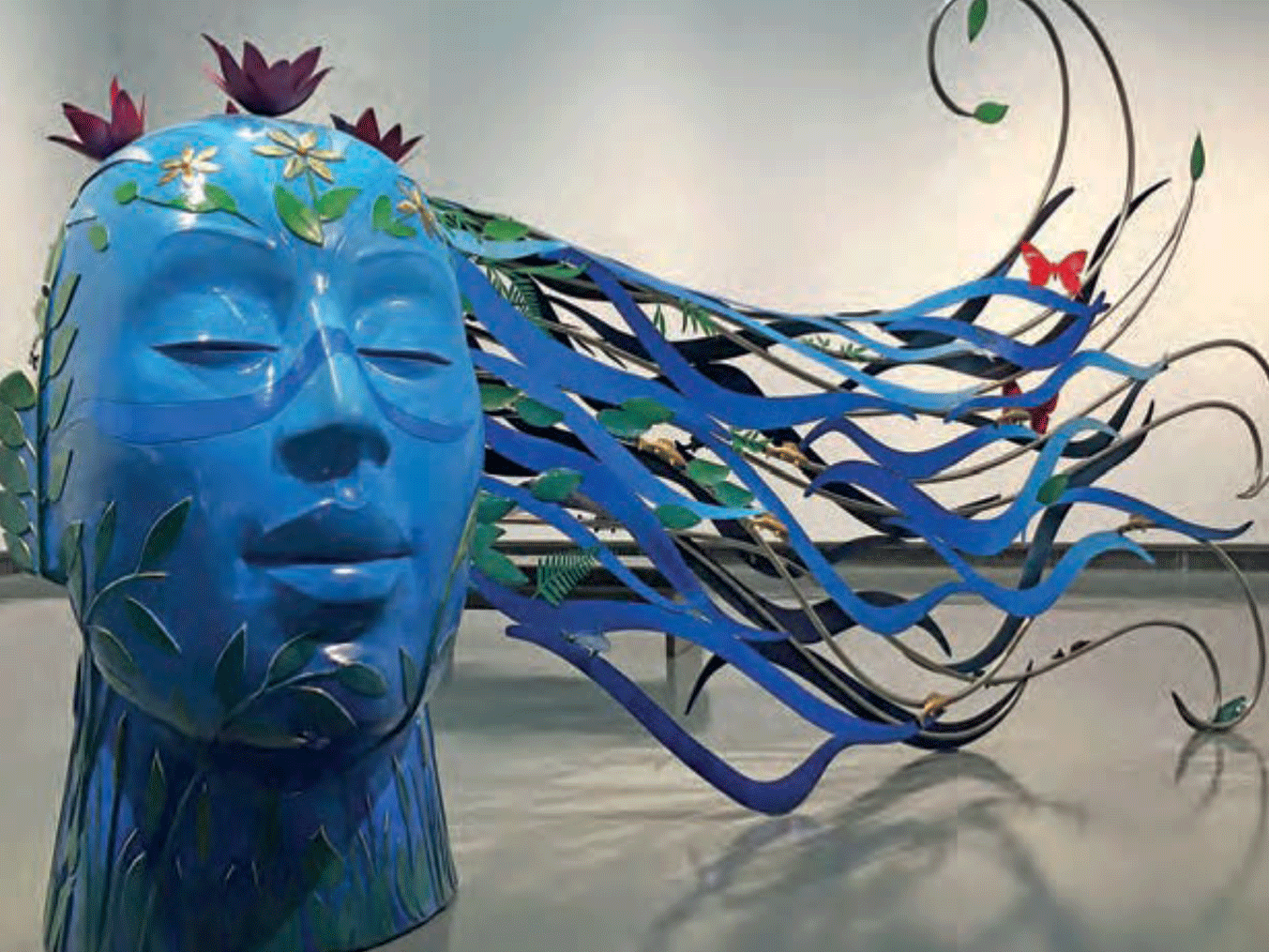
Linda Brunker’s female avatars affirm nature and spirit. Mark Ewart talks to the Irish sculptor as she departs California for France
Carissa Farrell visits the studio of sculptor Catherine Greene where the magic of transforming abstract idea into plastic form takes place.
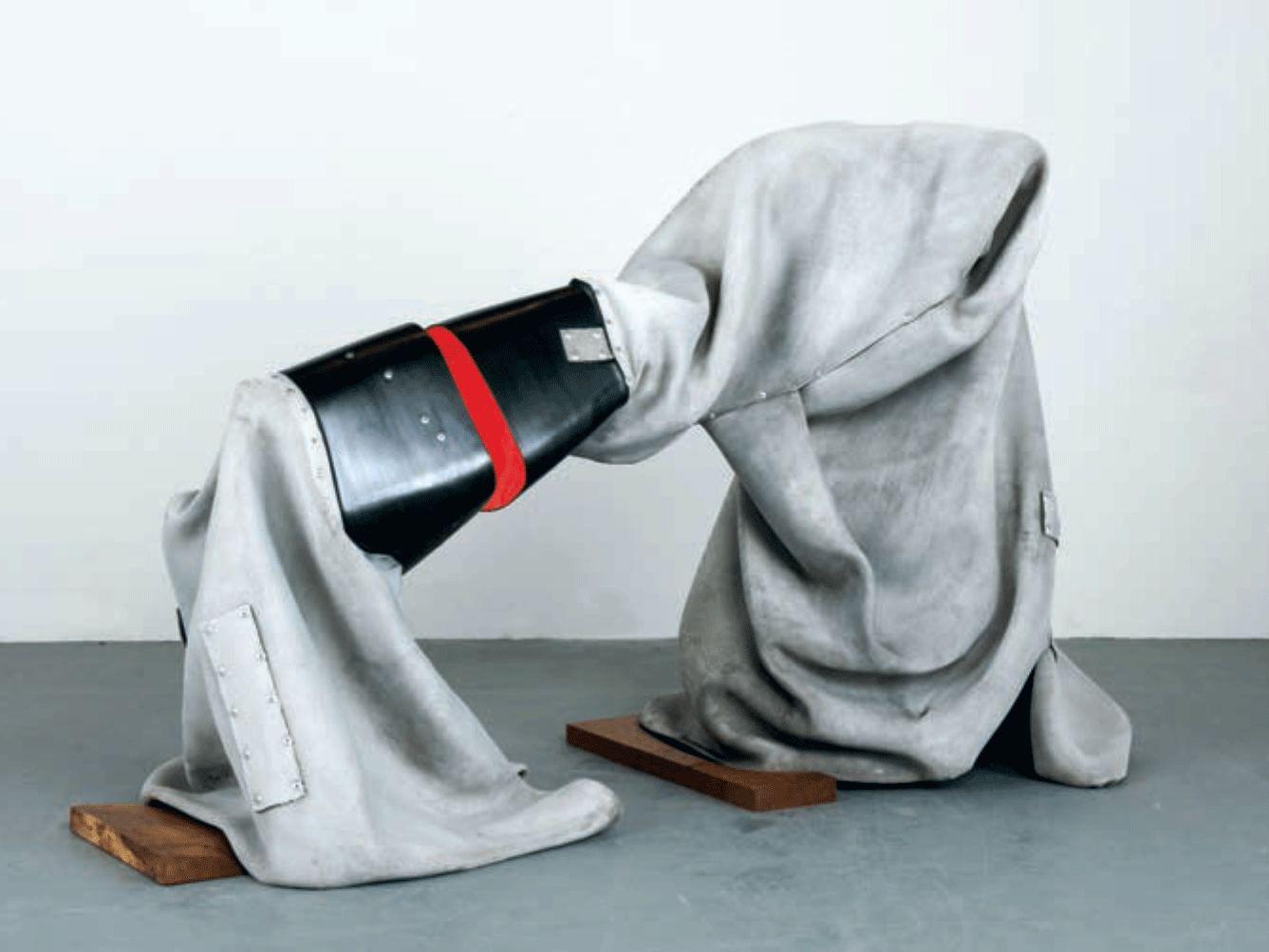
Weird, slightly nauseating yet also beautiful; Francis Halsall looks forward to Siobhán Hapaska’s autumn exhibition at the Kerlin Gallery, Dublin.
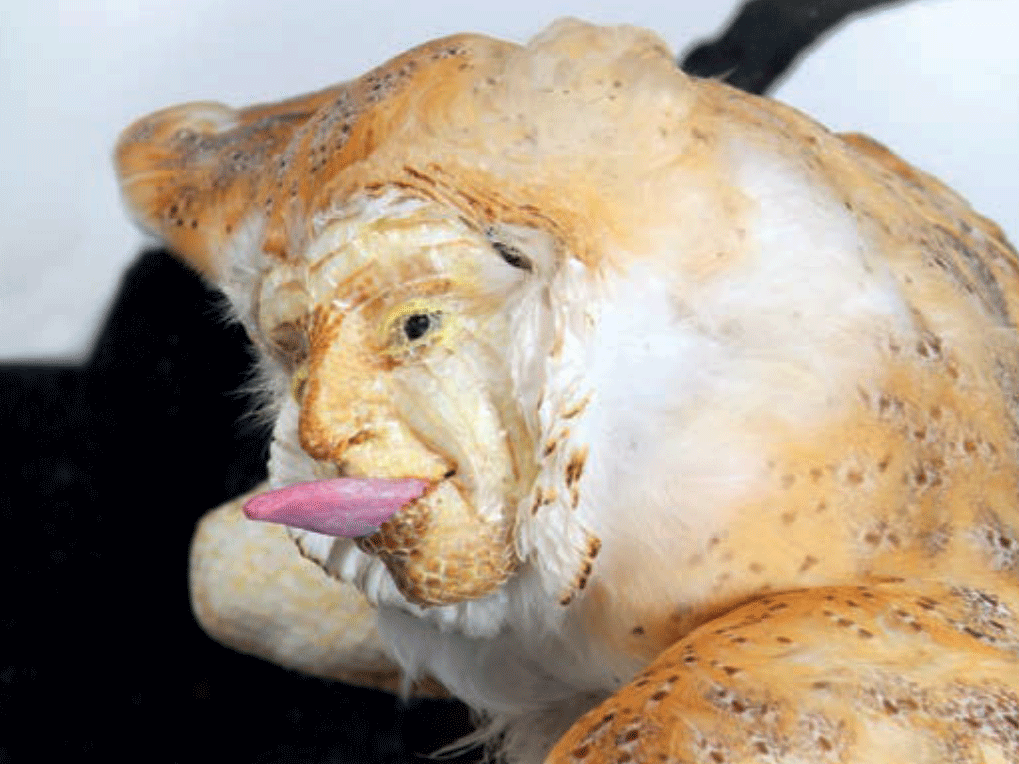
Mark Ewart visits the studio of Allihies-based artist Rachel Parry who transforms natural matter into mesmerizing art.
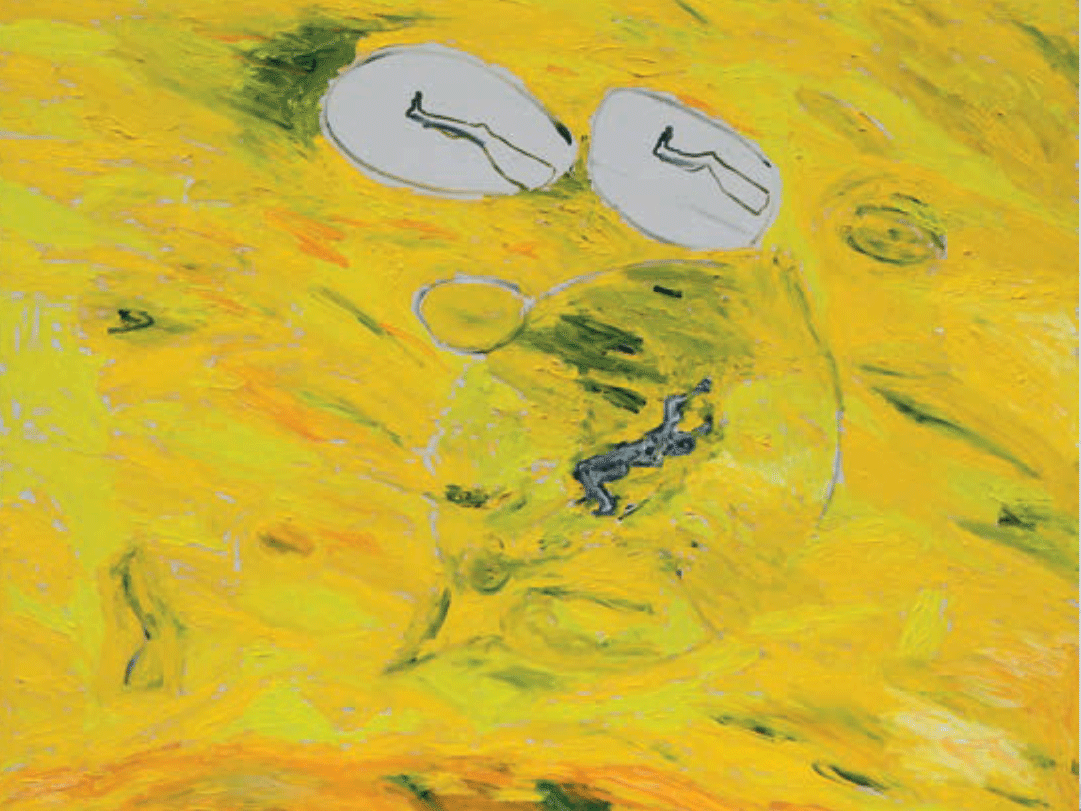
George Warren’s approach to art is influenced and inspired by his interest in analytical psychology, writes Robert Armstrong.
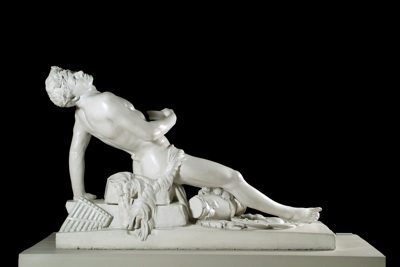
Michael Waldron tracks the shaping of John Hogan’s national art as championed by Young Irelander Thomas Davis
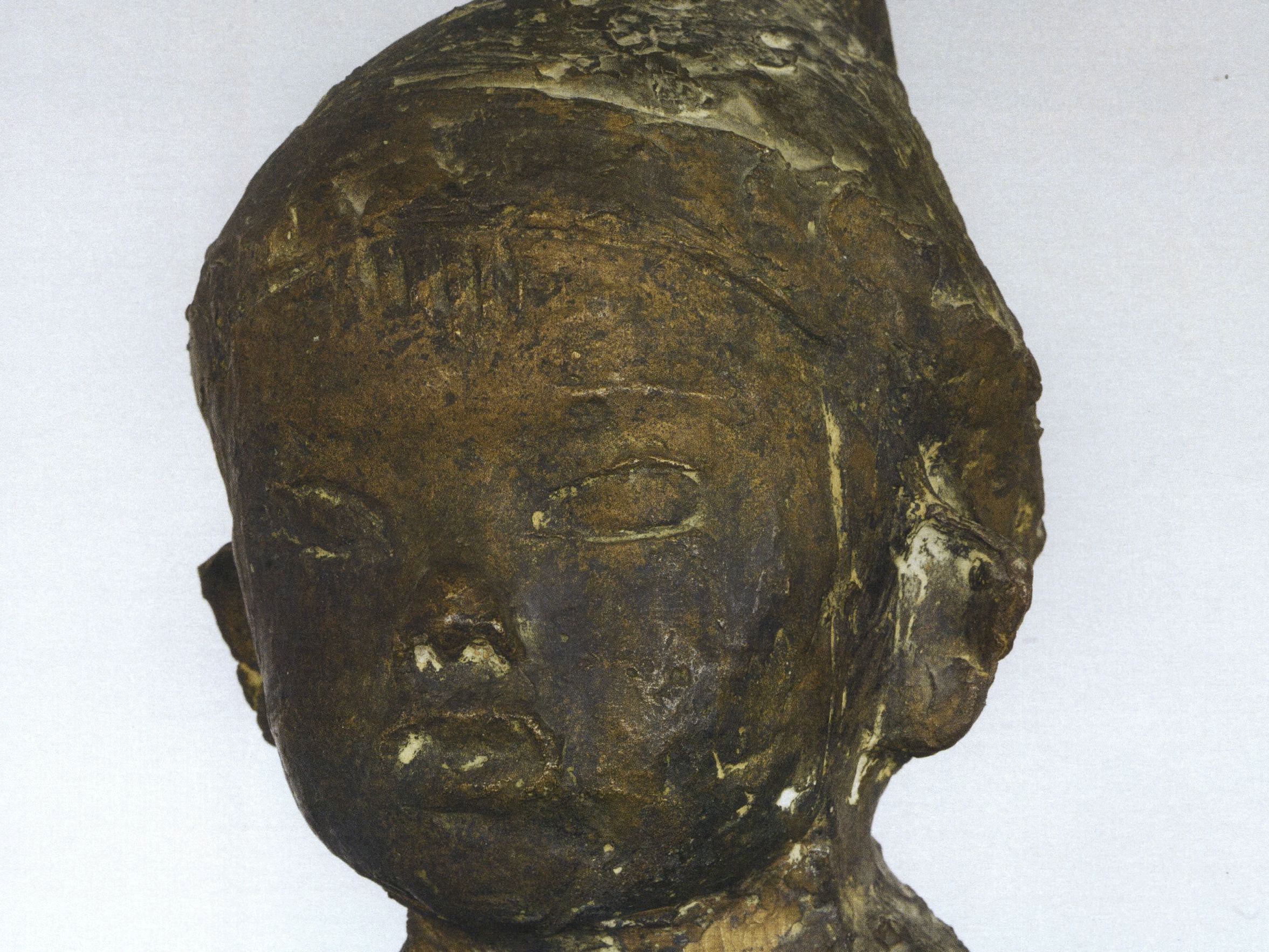
Seán Kissane reflects on the career of Gerda Frömel whose handling of form echoes Brancusi’s statement ‘Beauty is absolute equity.’
Janet Mullarney’s sculptures perform as metaphors, not portraits, writes Cliodhna Shaffrey
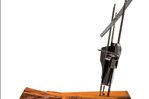
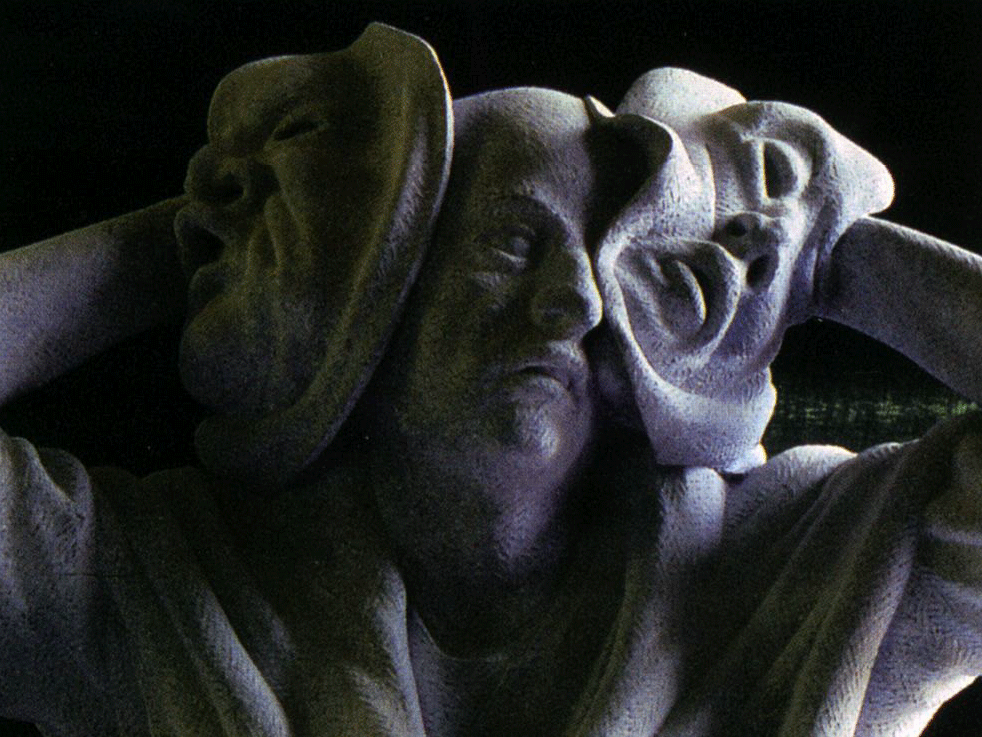
Michael Quane’s sculpture celebrates the ordinary citizen rather than leading political figures, writes Peter Murray in his appraisal of the Cork-born artist

Patrick T Murphy traces the career path of sculptor Eilís O’Connell who was chosen as the winner of a limited competition to design a new sculpture for TCD
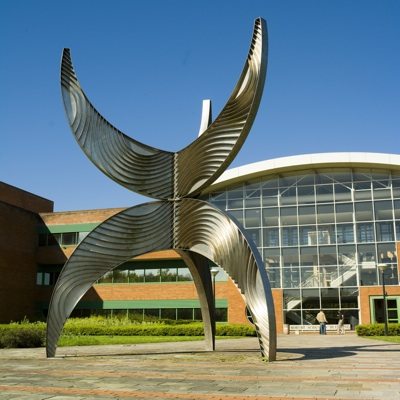
Many principles came into force to guide the shaping of UL’s outdoor sculpture collection, not least the overarching vision of Ed Walsh. Judith Hill gives an insight into its conception
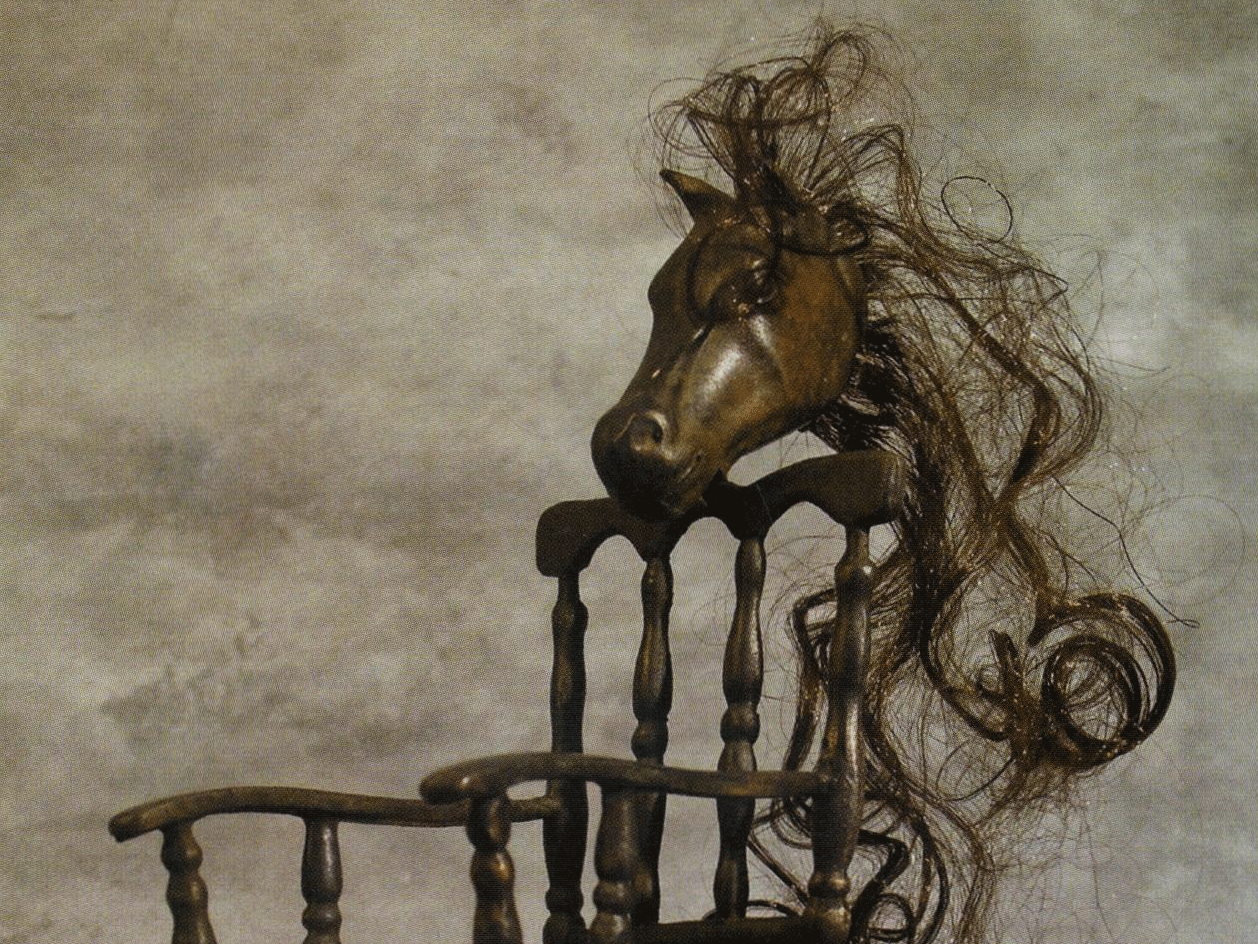
Imogen Stuart is gladdened to see a new generation, represented here by Helen O’Connell embracing the traditions and craft of their art
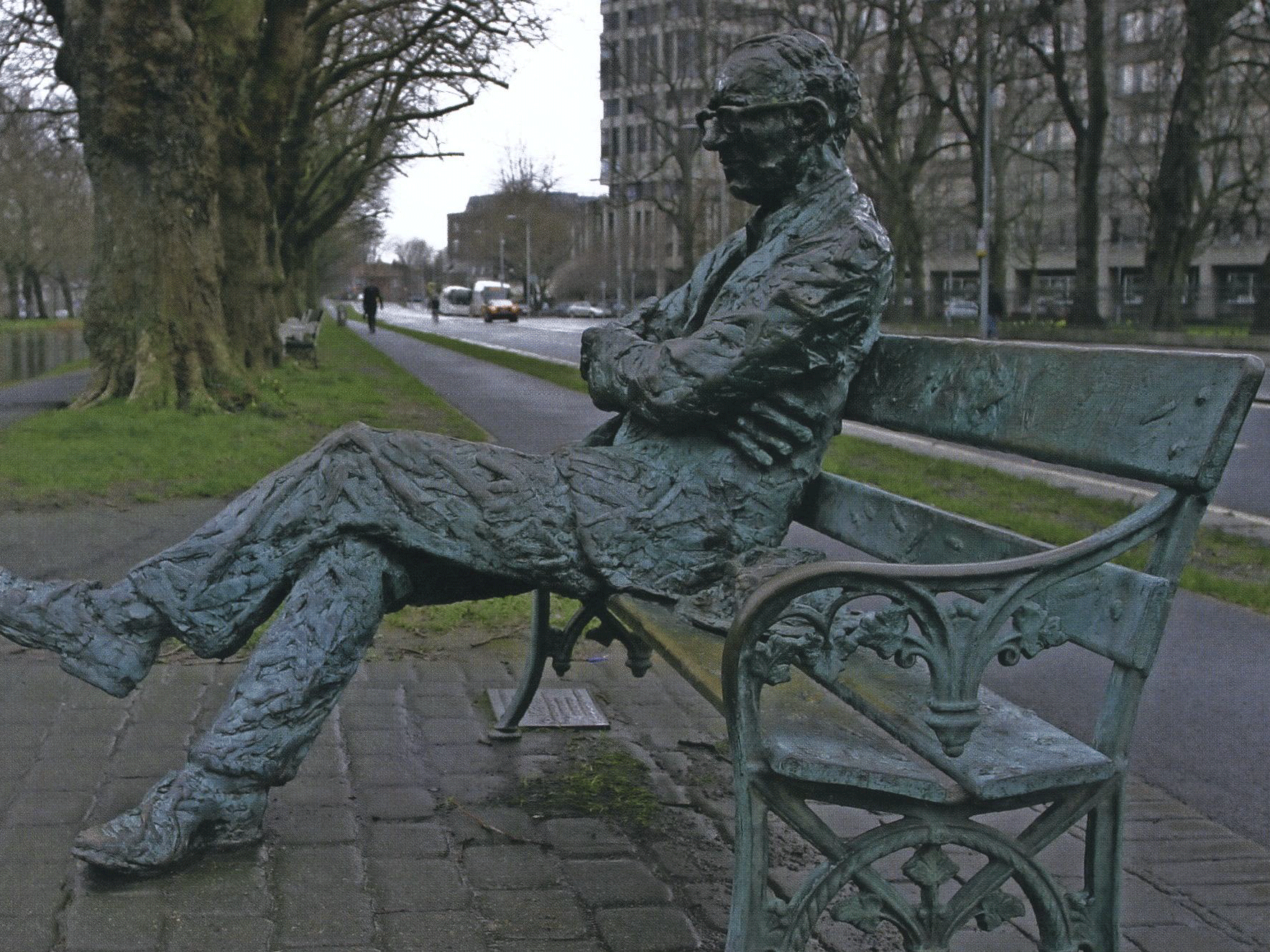
Society’s values are more happily reflected in their monuments to writers than to statesmen, suggests Gerry Walker
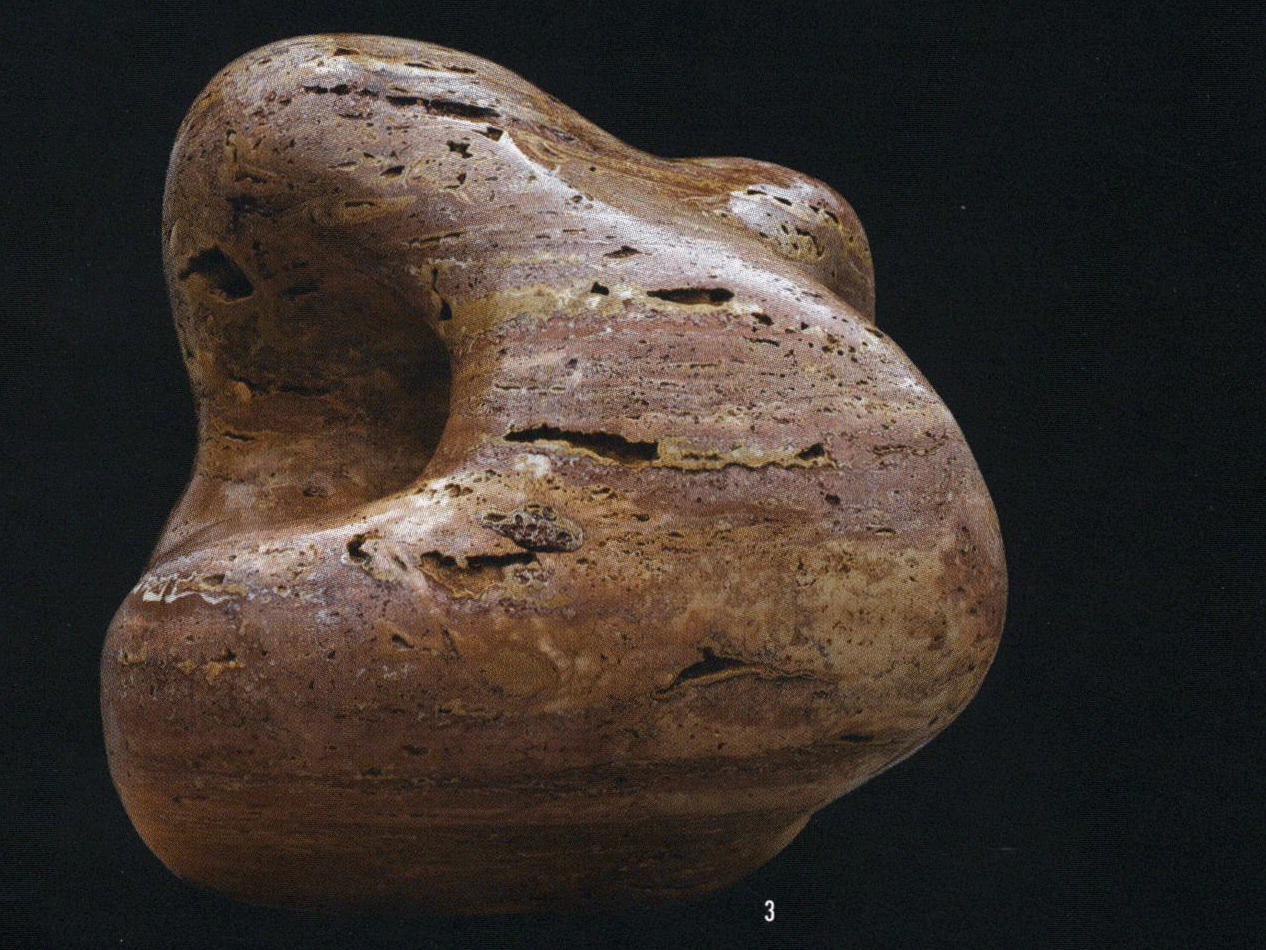
Reflecting on a career marked by invention and experiment, distinguished sculptor Bob Sloan tells Brian McAvera, ‘I find working in the studio as difficult as ever. Nothing comes easy’
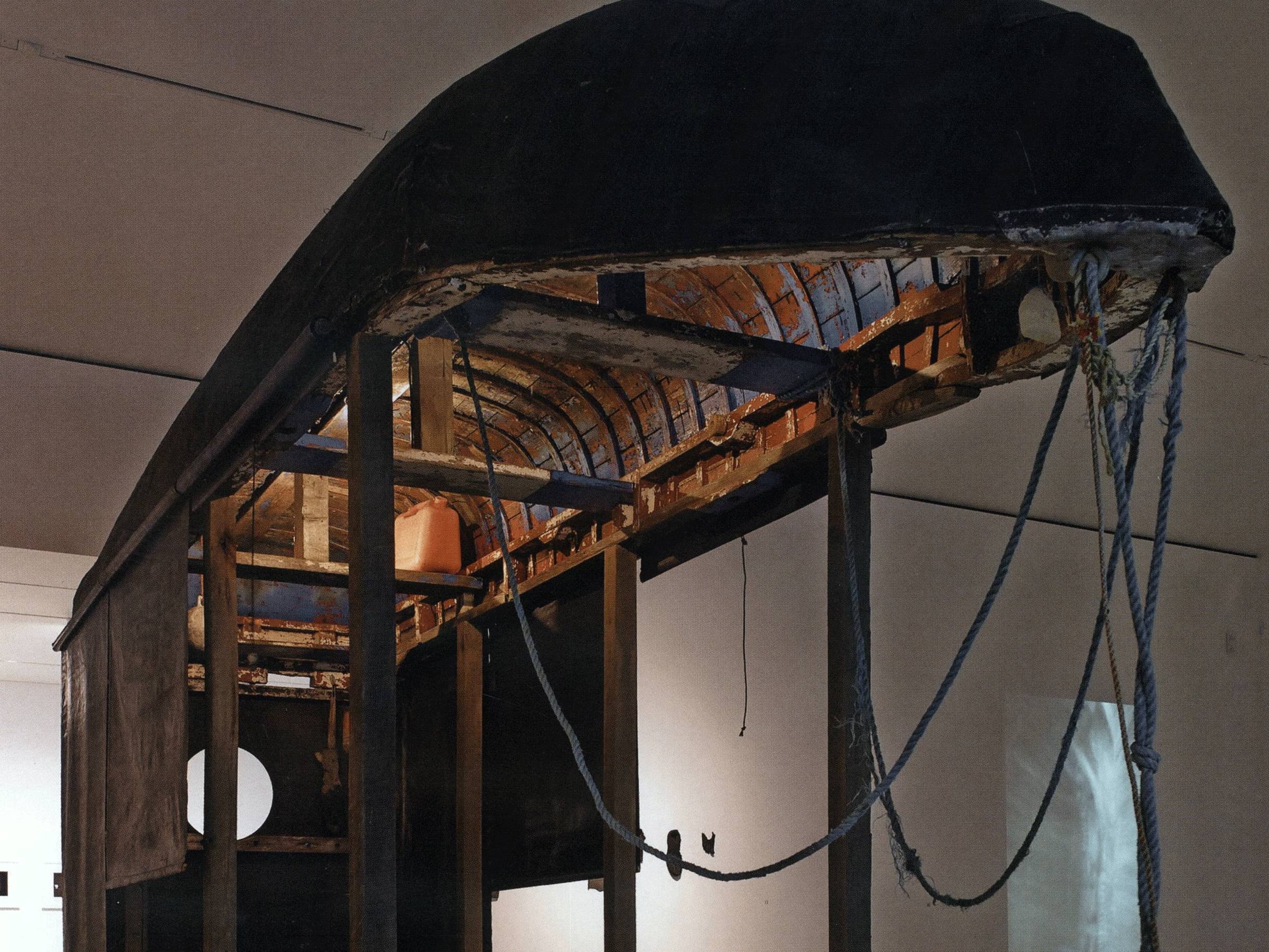
This month Dorothy Cross delves into our national collections to create a show for IMMA,here she tells Brian McAvera ‘Sometimes I need extreme new experiences to find new directions,’ while the show continues into March 2015
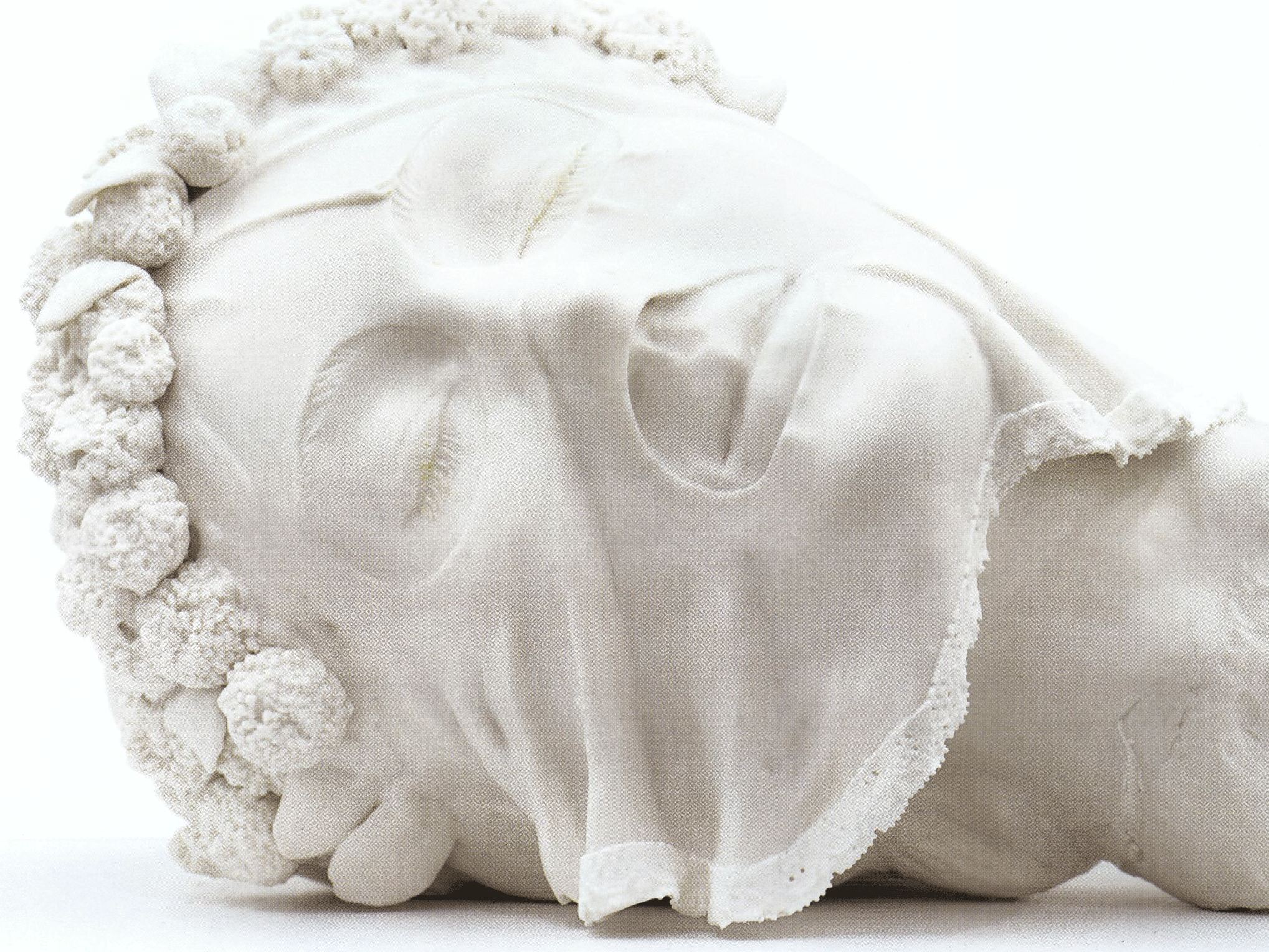
Ursula Burke, Emma Donaldson and Deirdre McKenna explore the mutable topic of time at the F E McWilliam Gallery, Banbridge. Claire Dalton looks at their responses
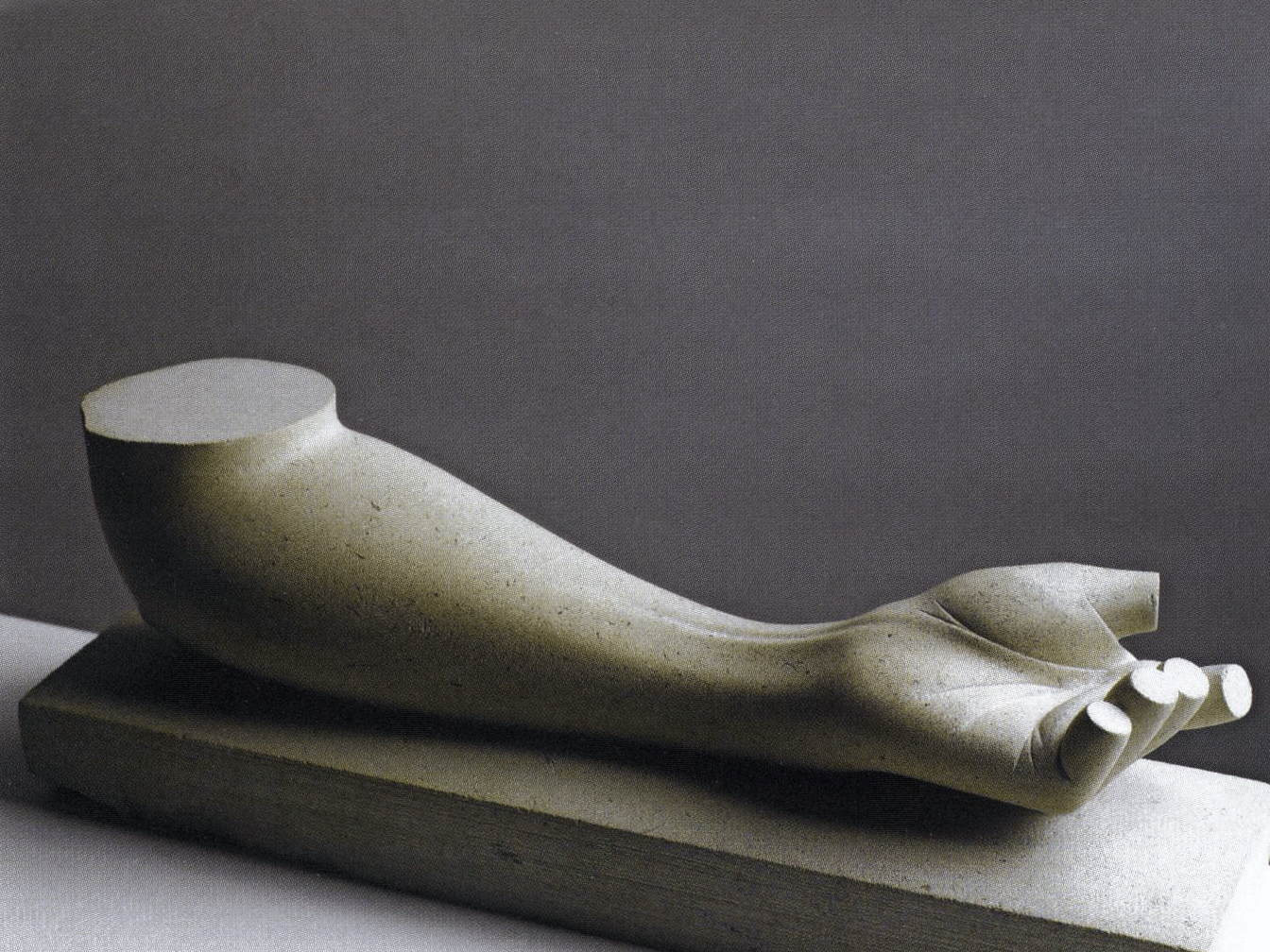
The study of fragments is second nature to Jason Ellis, writes Paula Murphy of the sculptor’s collection from last year.
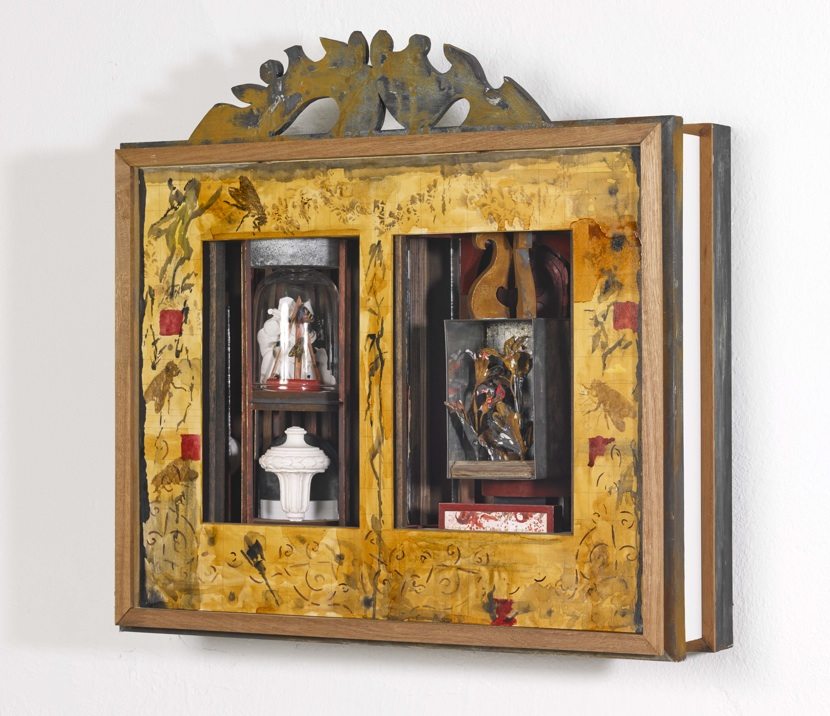
Carissa Farrell is transfixed by the shard-like glass birds and decayed flowers that combine to fascinating effect in Graham Gingles’s signature boxes at the Hamilton Gallery, Sligo
.
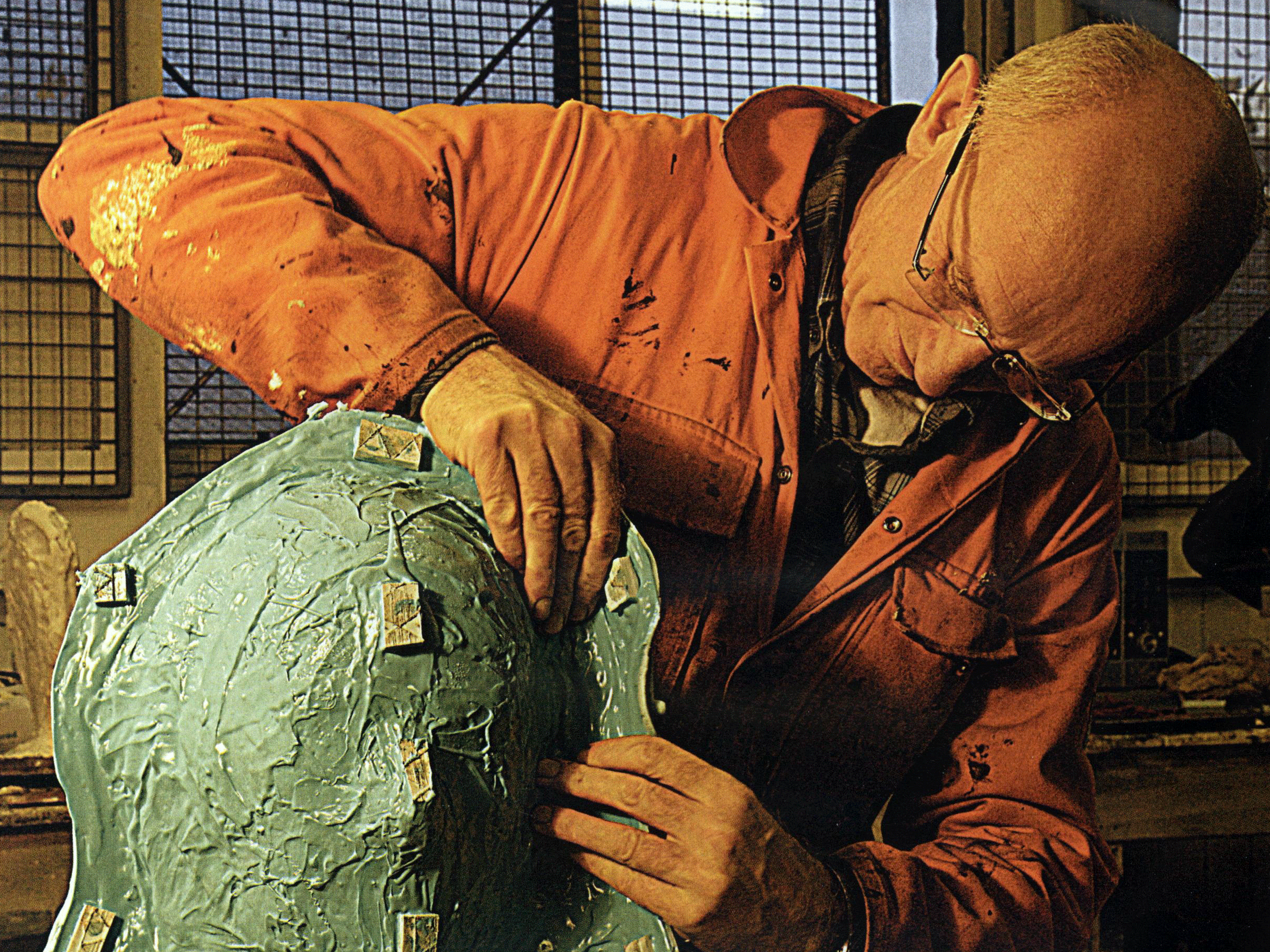
Former marine biologist John Coll turned to sculpture in order to enhance his understanding of nature, writes Gerry Walker
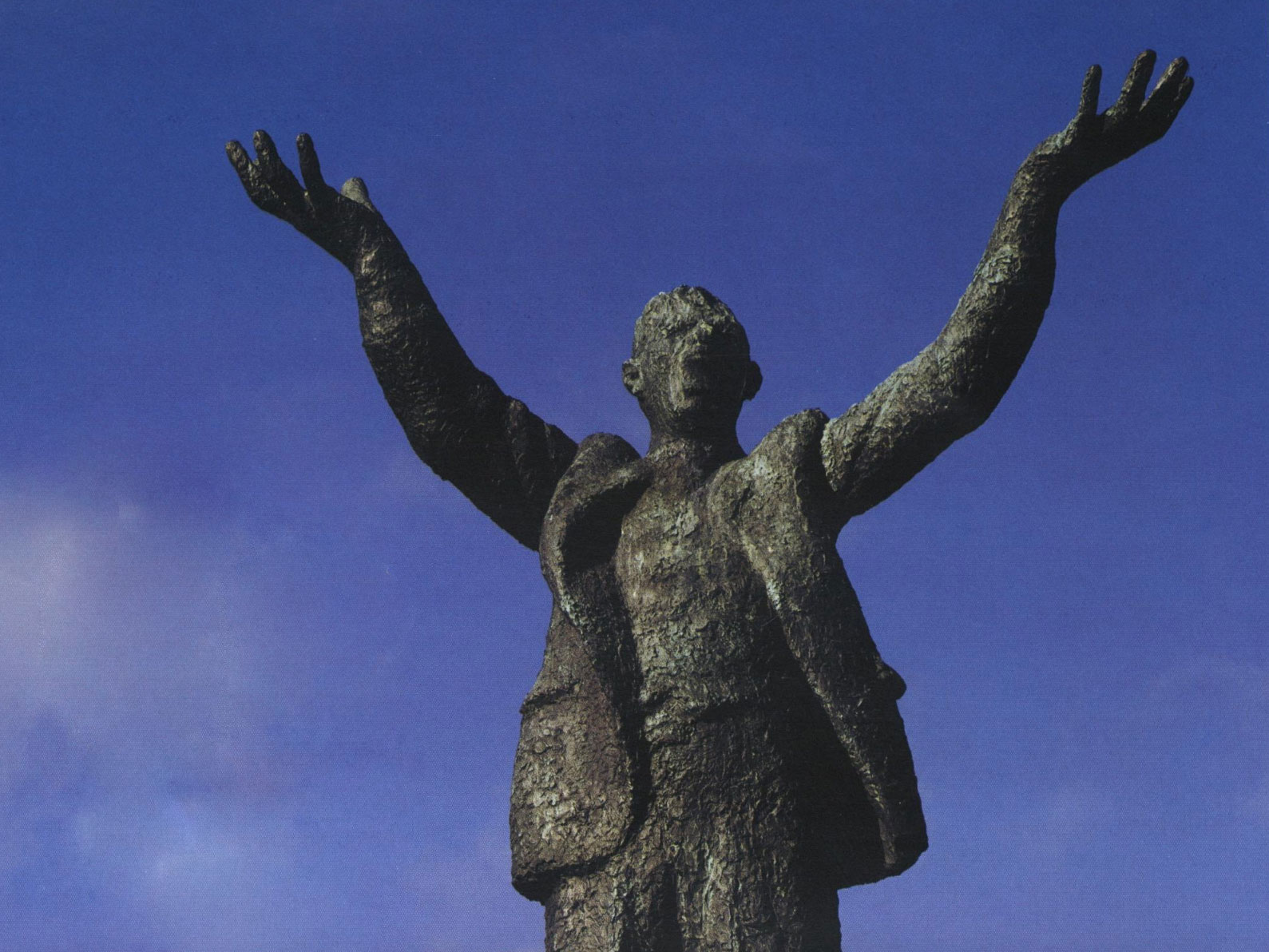
Paula Murphy examines the background to Oisín Kelly’s immortalization of Big Jim Larkin commissioned by the workers of Ireland
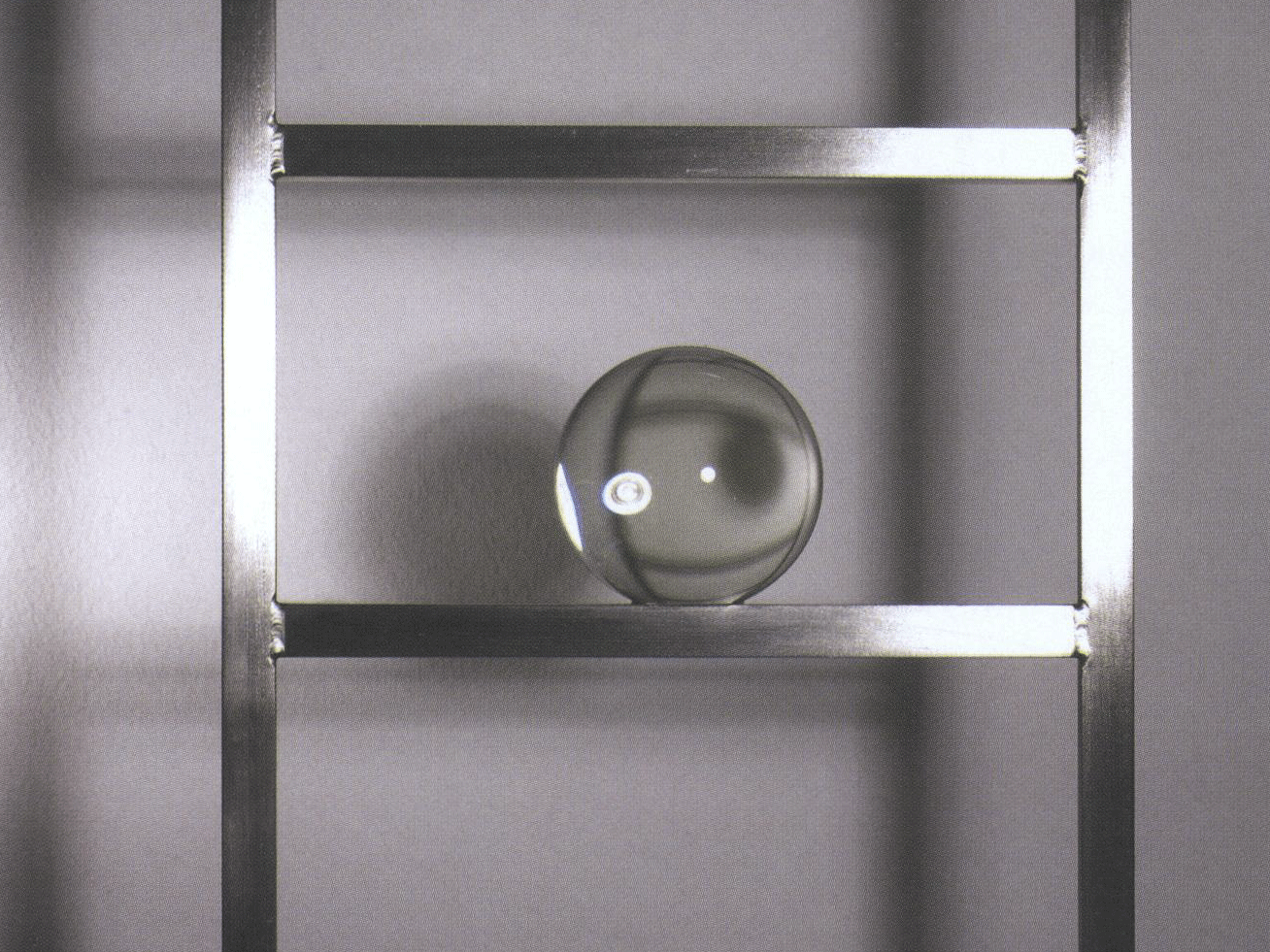
Vivienne Roche belongs to a generation who transformed what sculpture could be. ‘I don’t consider myself an object-maker. I work with place and change’, she tells Brian McAvera while her exhibition continues at the Royal Hibernian Academy
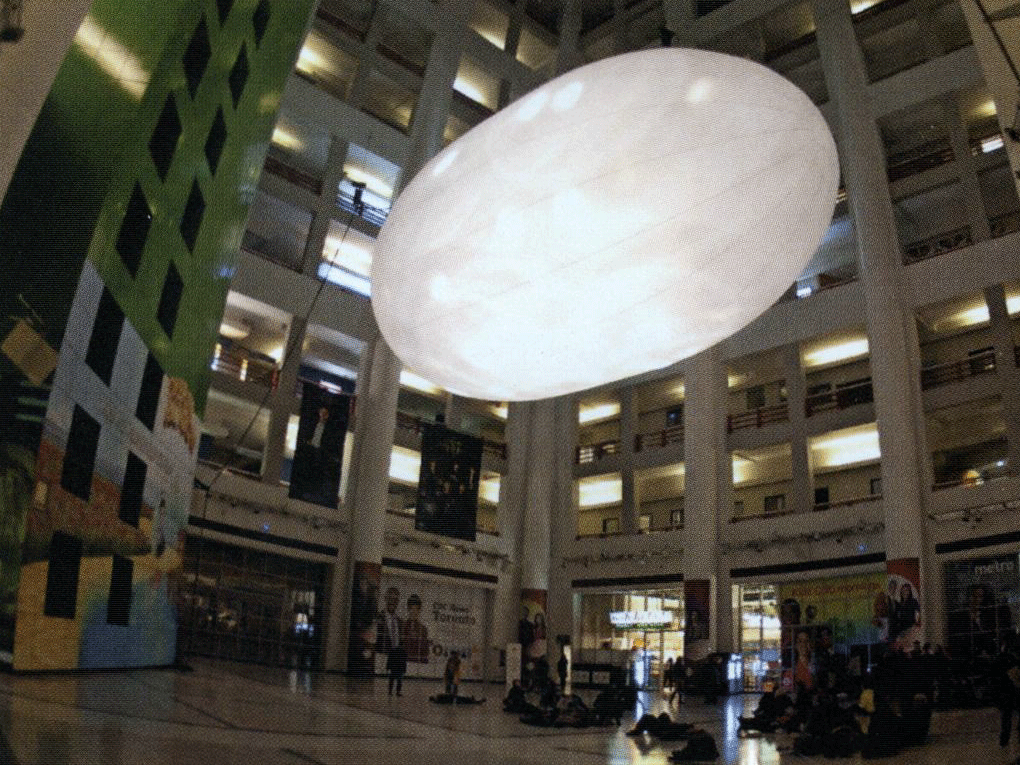
Carissa Farrell reports on sculptor and multi-media artist Andrew Kearney’s new installation ‘Tell Me Something’ for Limerick City of Culture, which continues Kearney’s focus on the policing of the private individual
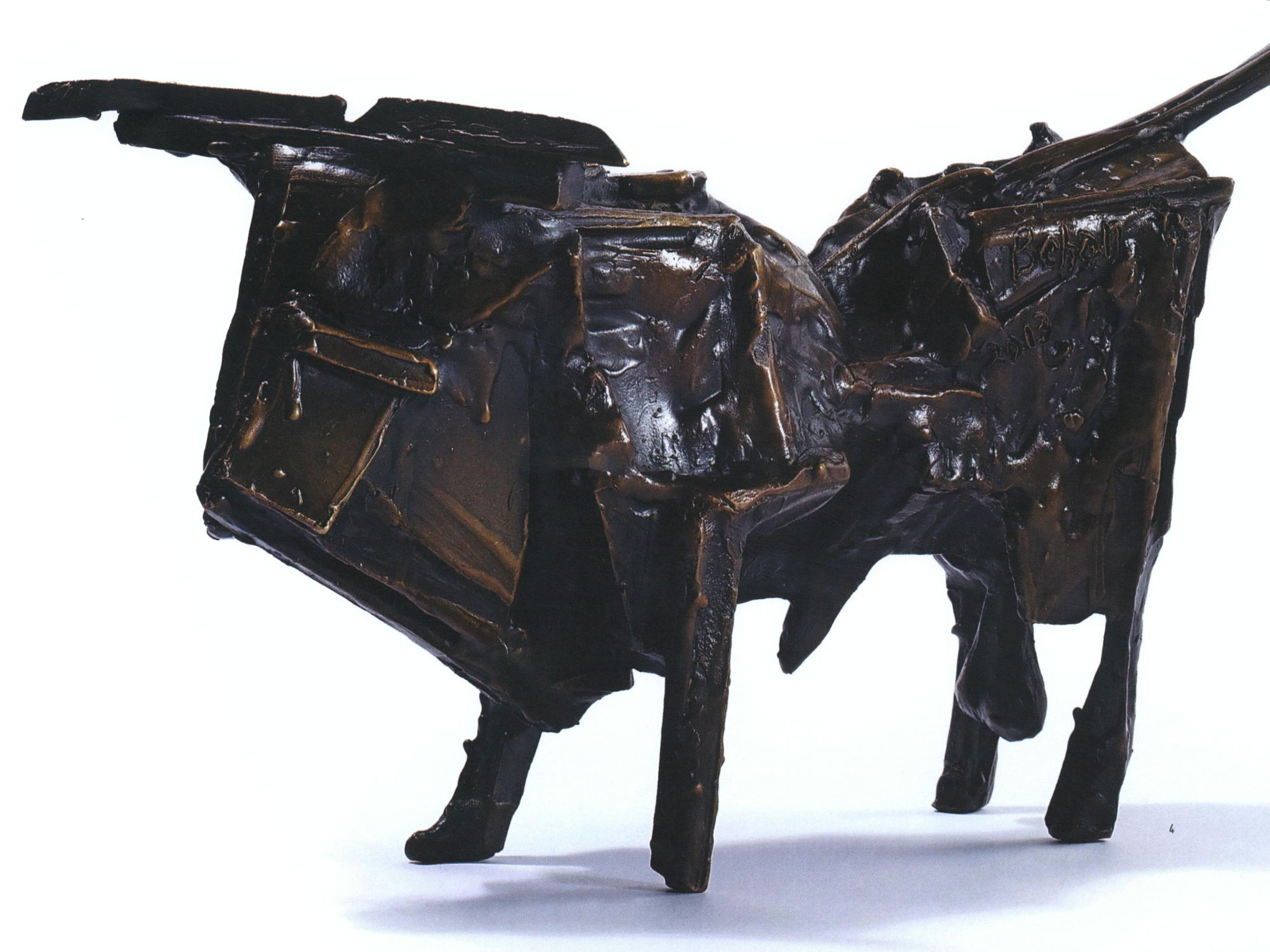
Technical developments enable artistic development’: John Behan reflects on the circumstances which spurred his move to sculpture, in conversation here with Brian McAvera
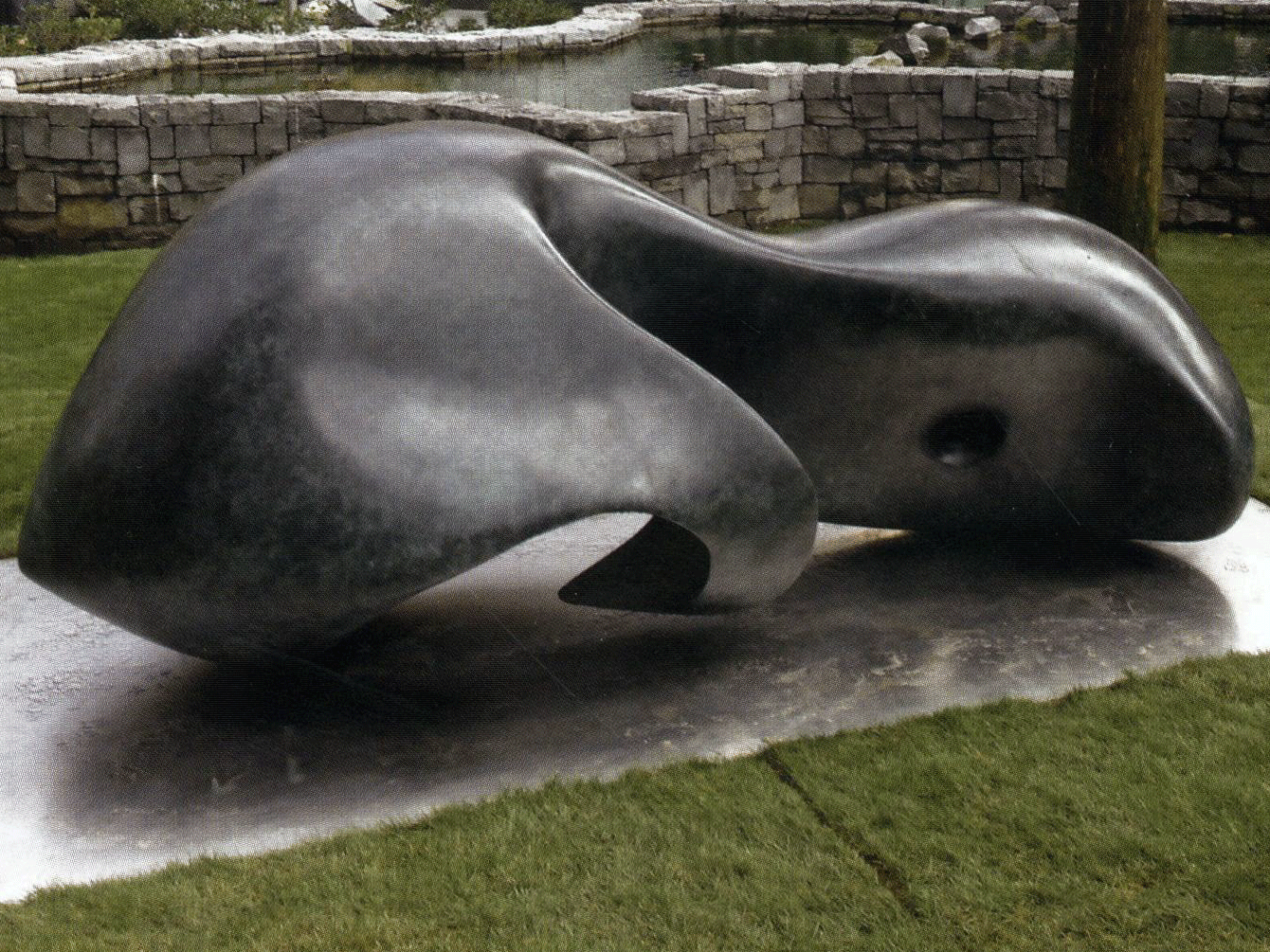
What is it about the work of the Irish sculptor Eilís O’Connell that has led to her having created, in this most difficult and masculine medium, over thirty permanent site-specific installations in Britain and Europe, including the sensual, orchid-like Unfurl (Fig 1), a bronze commissioned by Kensington Borough Council and the residents of Kensington Gate, to celebrate the Millennium?
O’Connell subtly combines a number of different elements that give her work both a sense of physical vitality and poetic metaphor. It is monumental yet intimate, atavistic yet contemporary. From discarded agricultural tools to birds’ nests and whale bones she appropriates the quotidian and the natural to create dynamic forms in stone, steel, resin, plaster and bronze. Like her poetic compatriot, Seamus Heaney, O’Connell looks to the archaeology and topography of her Irish homeland for inspiration but the ideas she finds there are filtered through a considered relationship to architecture and geometry. The work is never soft: emotion is always tempered by intellect and painstaking technique to combine something of the muscularity of Richard Serra with the female sensibility of Barbara Hepworth. Science and mathematics meet the natural world within her organic and biomorphic forms. Inside and outside coalesce. In the layered and slippery space of contemporary culture she has created objects that generate a unifying narrative and suggest a philosophy of interdependence rather than of confrontation, an openness and desire for contact and inclusivity, rather than a brittle postmodern autonomy, which unapologetically recalls the timeless resonances of Brancusi.