
Colin Darke tells Brian McAvera how seeing a burning cigarette paper sparked an idea for an expressive means of communication
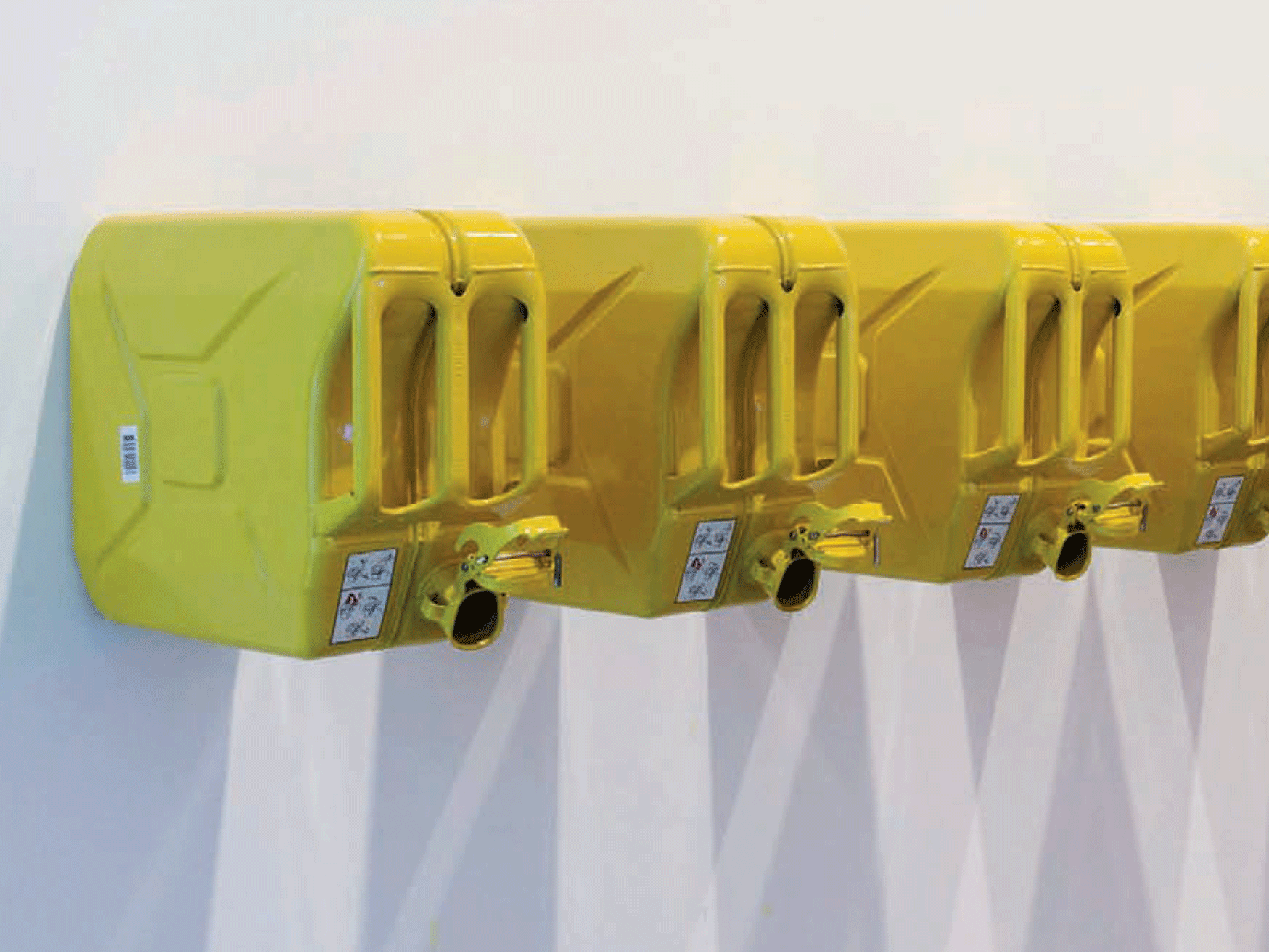
Brian McAvera: Why did you decide to move to the North of Irelandand why to Derry? Can you describe the politics of the period (1987 /8) and your relationship to the politics in your art?
Colin Darke: Through the mid 1980s, my work had become overtly political: I was interested in nuclear weaponry, and in popular culture and its ideological impact. I was reading Superhero and War comics, right-wing survivalist magazines, women’s magazines, and making work using the imagery from them. I used lead to relate to nuclear weaponry, lead being a radioactive shield but also poisonous, so both protective and dangerous. I equated it with popular culture, which appeared benign but was ideologically dangerous. I began using sheets of lead to make relief sculptures from, say, a kid’s comic image. Then I’d paint the relief and burn it with a blowrorch to suggest the fallout from a nuclear attack.
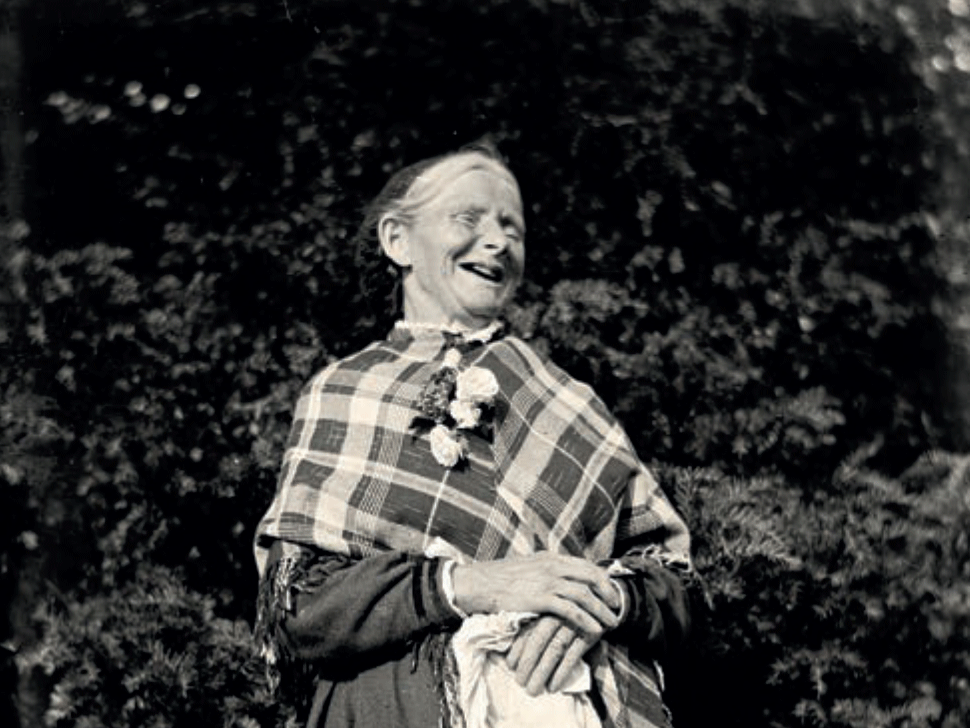
In recording the traditional attire of female estate workers, Augusta Caroline Dillon of Clonbrock House, Co Galway, seemed presciently aware that her images would become historical document, writes Christiaan Corlett.
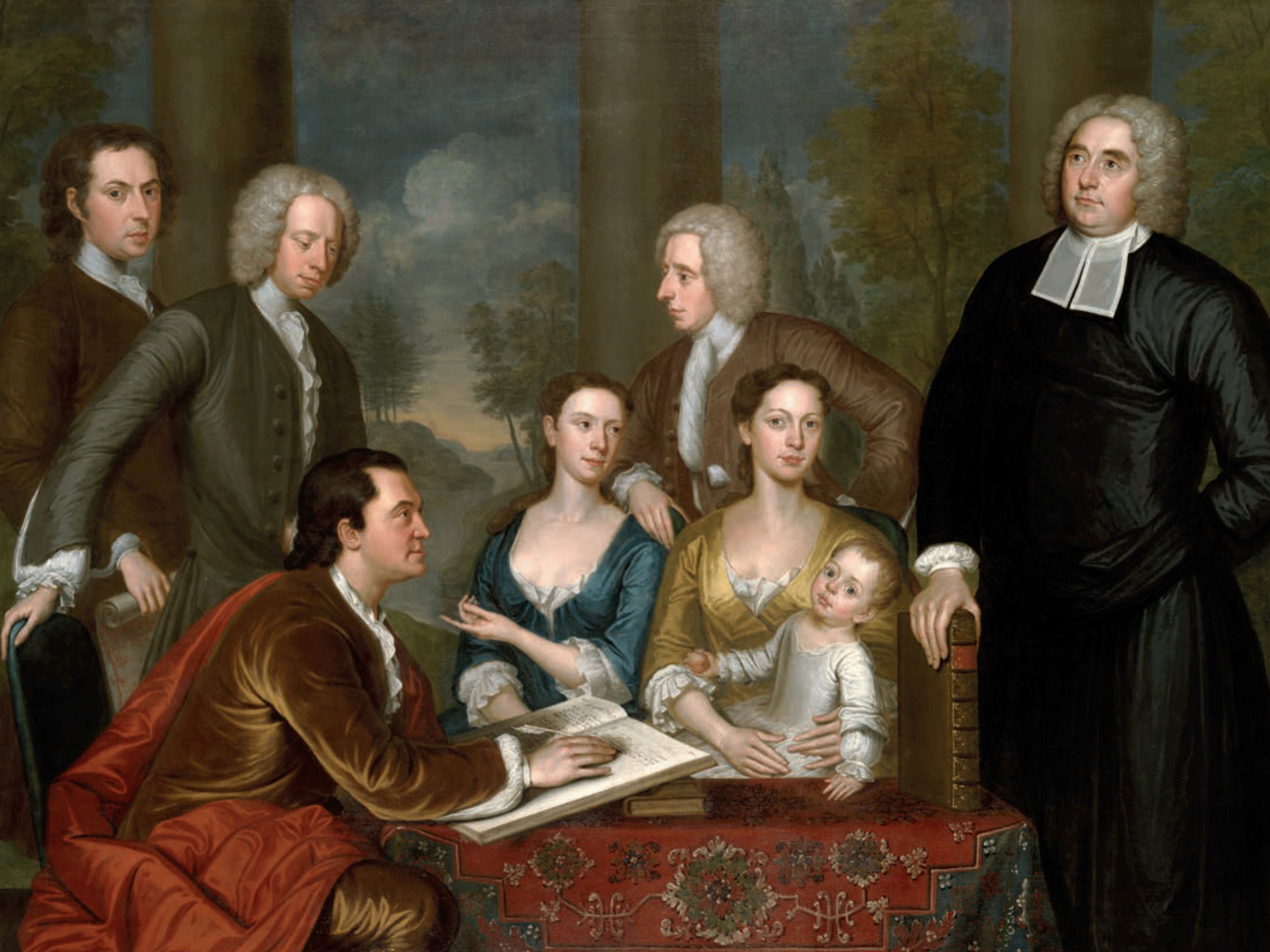
George Berkeley is famous for his contribution to philosophical thought, but less well known for his observations on art, some of which Peter Murray examines here.
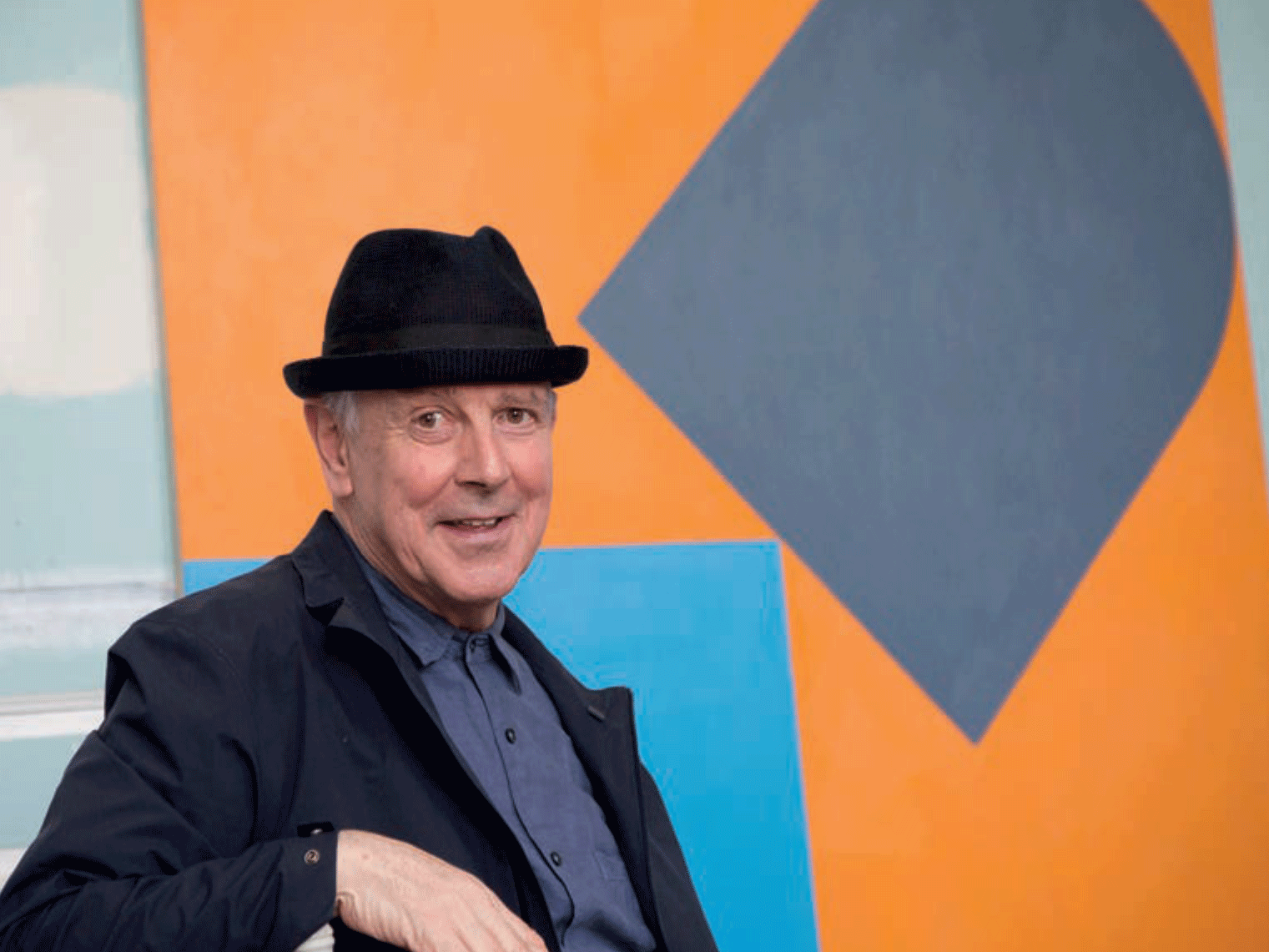
Richard Gorman is marking his 70th year with an exhibition at Castletown, Co Kildare where his colourful abstracts animate the walls of its classical interior, writes Jennifer Goff.