
Patric Coogan made paintings of his native city to reveal a world that was unbalanced and imperfect, writes Matthew Maw
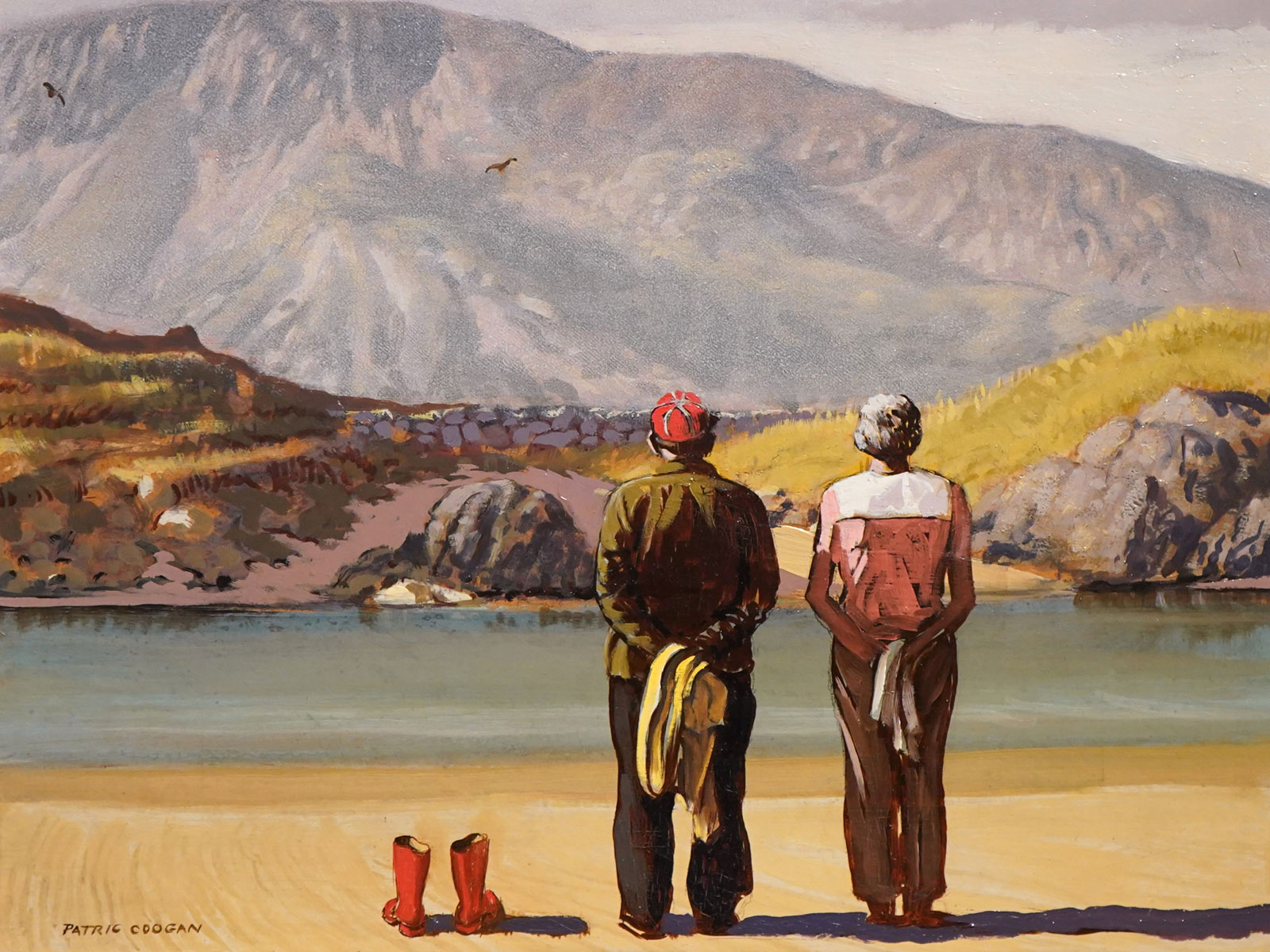
Artist Patric Coogan’s life, paintings, personality and philosophy do not allow for simple explanations. In everything he did, he confounded and bewildered, and the art he left behind reads as a series of riddles and questions. Humour, too (especially a strand of dark Northern Irish humour), frequently weaves its way into his paintings.
Coogan was born to a working-class family on the Falls Road in Belfast in 1935. His father was a grainer and he and his six siblings lived in a two-up, two-down. From his teenage years, he displayed a strong interest in and insight into painting. Self-taught, he painted the world around him and turned the geometry of Victorian Belfast into what he called ‘abstracts’. By the age of eighteen, he was winning competitions with his paintings of Belfast’s industrial cityscape.
To read this article in full, subscribe or buy this edition of the Irish Arts Review
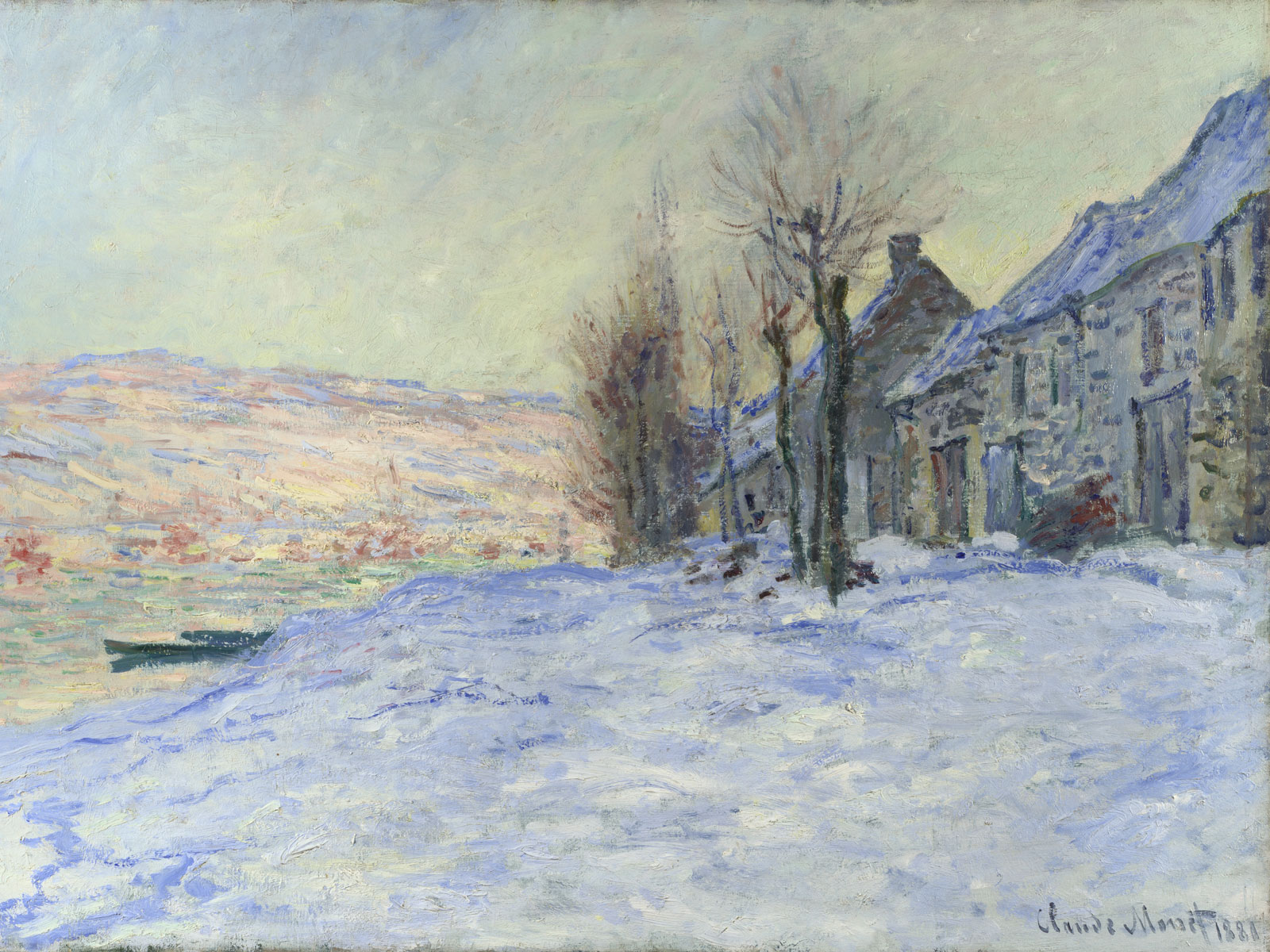
Barbara Dawson selects Lavacourt under Snow by Claude Monet (1840–1926)
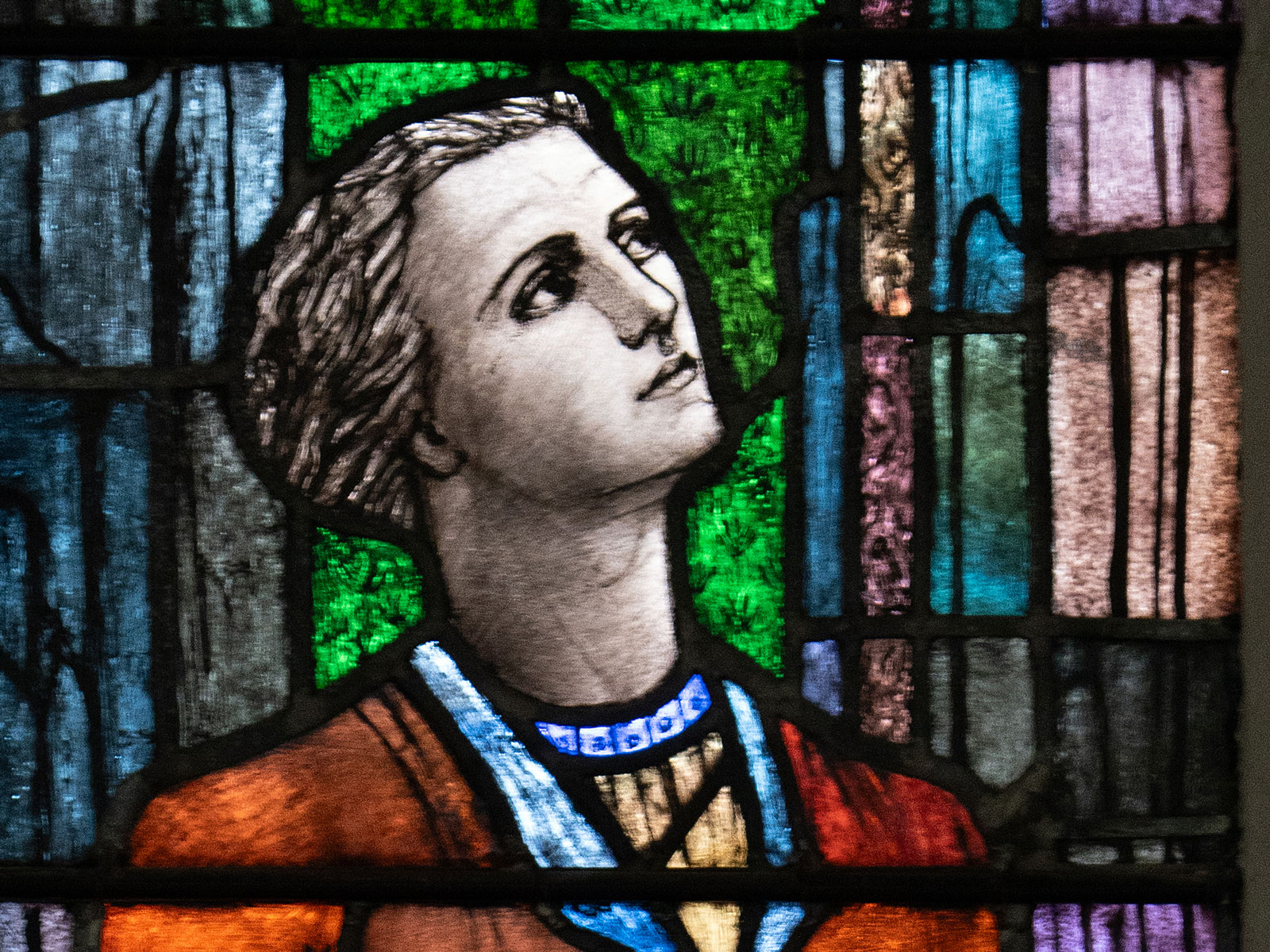
Ann Wilson examines Kitty O’Brien’s Crossing the Bar, a composition in stained glass that functions as a metaphor for hope
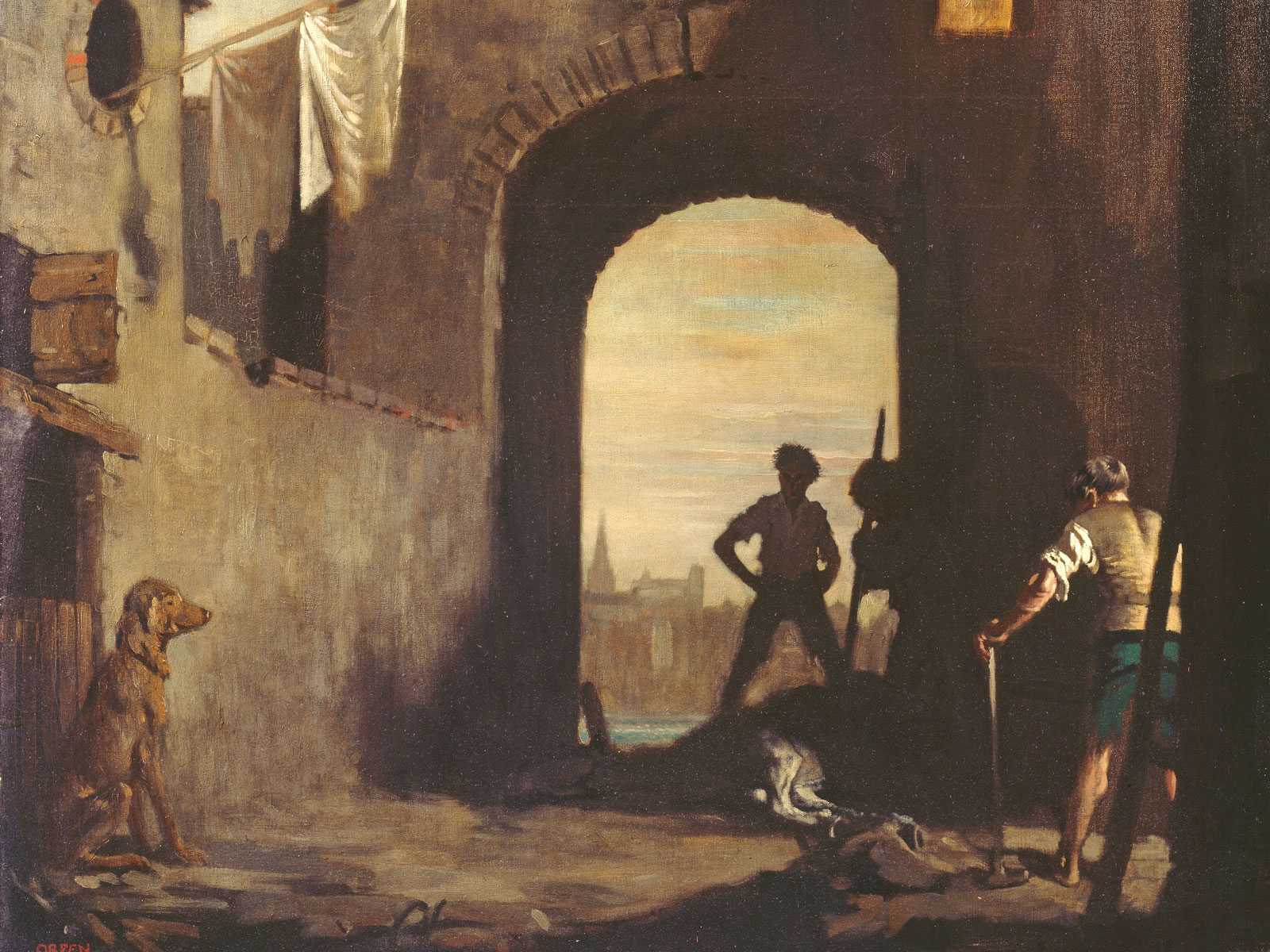
Kenneth McConkey explores the use of archways in mise-en-scène works by artist William Orpen