The Irish art market is a microcosm of the international market and it followed the general trends of that market in 2025.
A tiny, previously unknown red chalk drawing by Michelangelo sold at Christie’s on 5 February 2026 for $27.2 million. It was, apparently (there are a number of ‘possibles’ in the provenance details), a study for the foot of the Libyan Sibyl on the ceiling of the Sistine Chapel. This was a record price for a Michelangelo artwork in any medium. Many may regard this transaction as evidence that there is plenty of money at the top end of the international art market, especially now with Chinese and Saudi Arabian buyers involved, and with the $6.2 million banana and duct tape debacle of late 2024 still in the public consciousness. However, most evidence in 2025 points in the opposite direction.
Speaking on his company’s 2025 results, the CEO of Sotheby’s, Charles Stewart, stated that ‘This is not a shrinking market. It is a transforming market.’ Two key trends have emerged over the past two years. Turnover – the amount of money spent on art – has decreased sharply, while the number of transactions has increased. More people are buying art, but they’re not spending as much as in the past. The total number of transactions under $5,000 has set a new record each year for the past five years. In analysing the market, Artprice concluded that there is a new generation of art buyers who are ‘motivated more by pleasure than investment’. A concomitant feature of this new democratisation of the art market is the increase of the number of wholly online sales across all geographical markets. This trend was pioneered in Ireland by Morgan O’Driscoll’s Skibbereen operation, and the other auction houses followed suit. There is evidence that the Irish market has followed the general trend towards more art selling at lower prices. A significant indicator of this move away from the high end in Ireland was the closure of Bonhams’ Dublin office in 2025, following the earlier closure of Sotheby’s, its near neighbour on Molesworth Street. Two of our indigenous Irish auction houses also noted a dearth of consignments at the upper end of the market. Ian Whyte found that in 2025 ‘there was not enough good quality art to meet the demand’. At Adam’s, a spokesperson noted that ‘Clients were initially hesitant to consign high-value items to our Irish sales this year and we have also felt the effects of tariffs and the new Brexit regulations.’
In these parlous times, it seems that art is not seen as a secure investment vehicle – more a consumer indulgence. Buyers go to gold and silver for a safe investment. Adam’s commented that 2025 was a record year for its jewellery department.
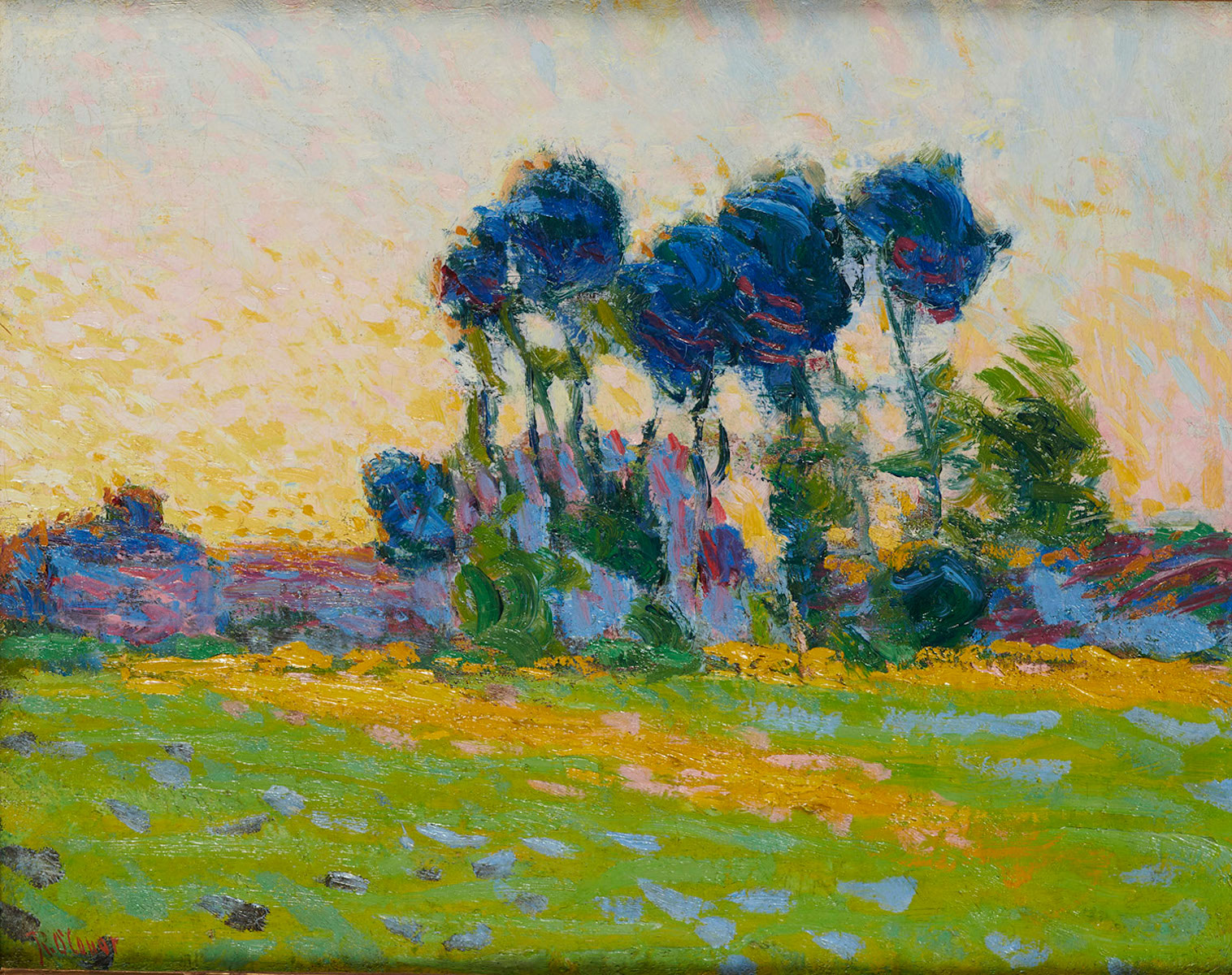
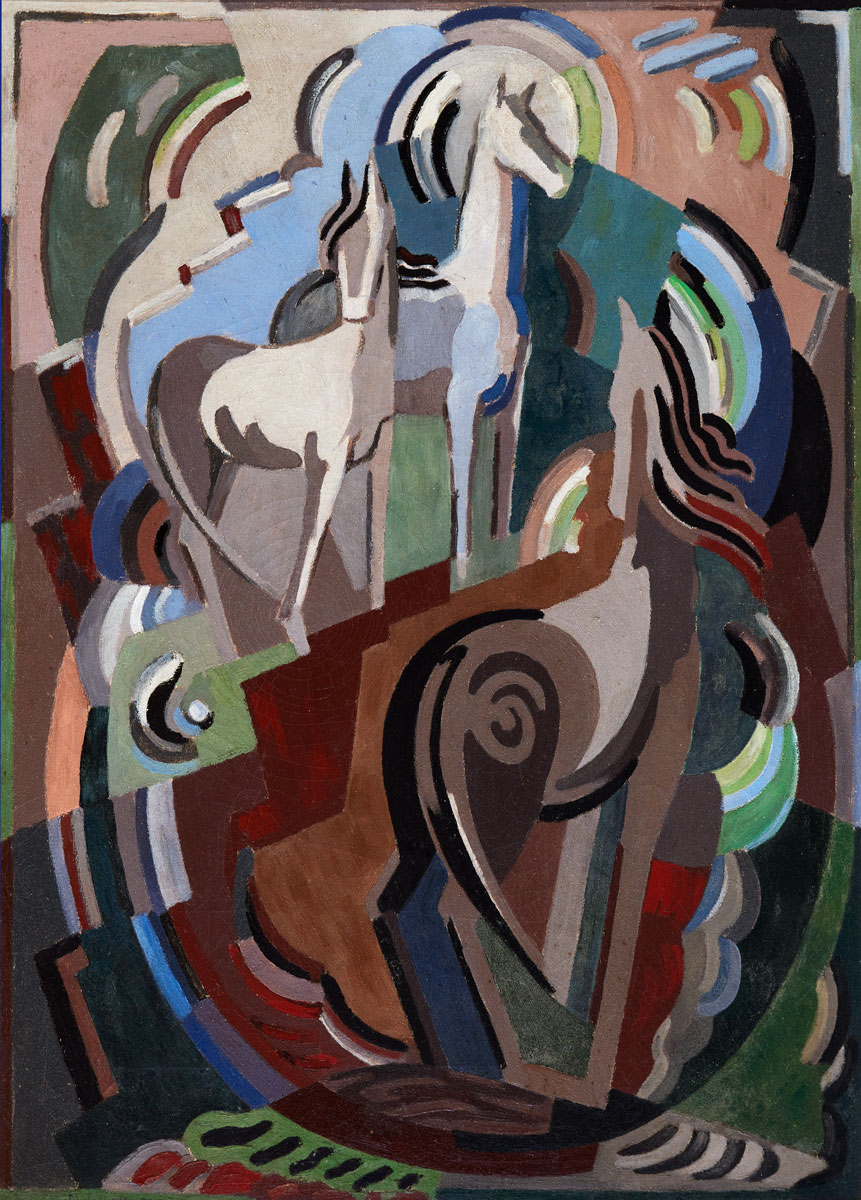
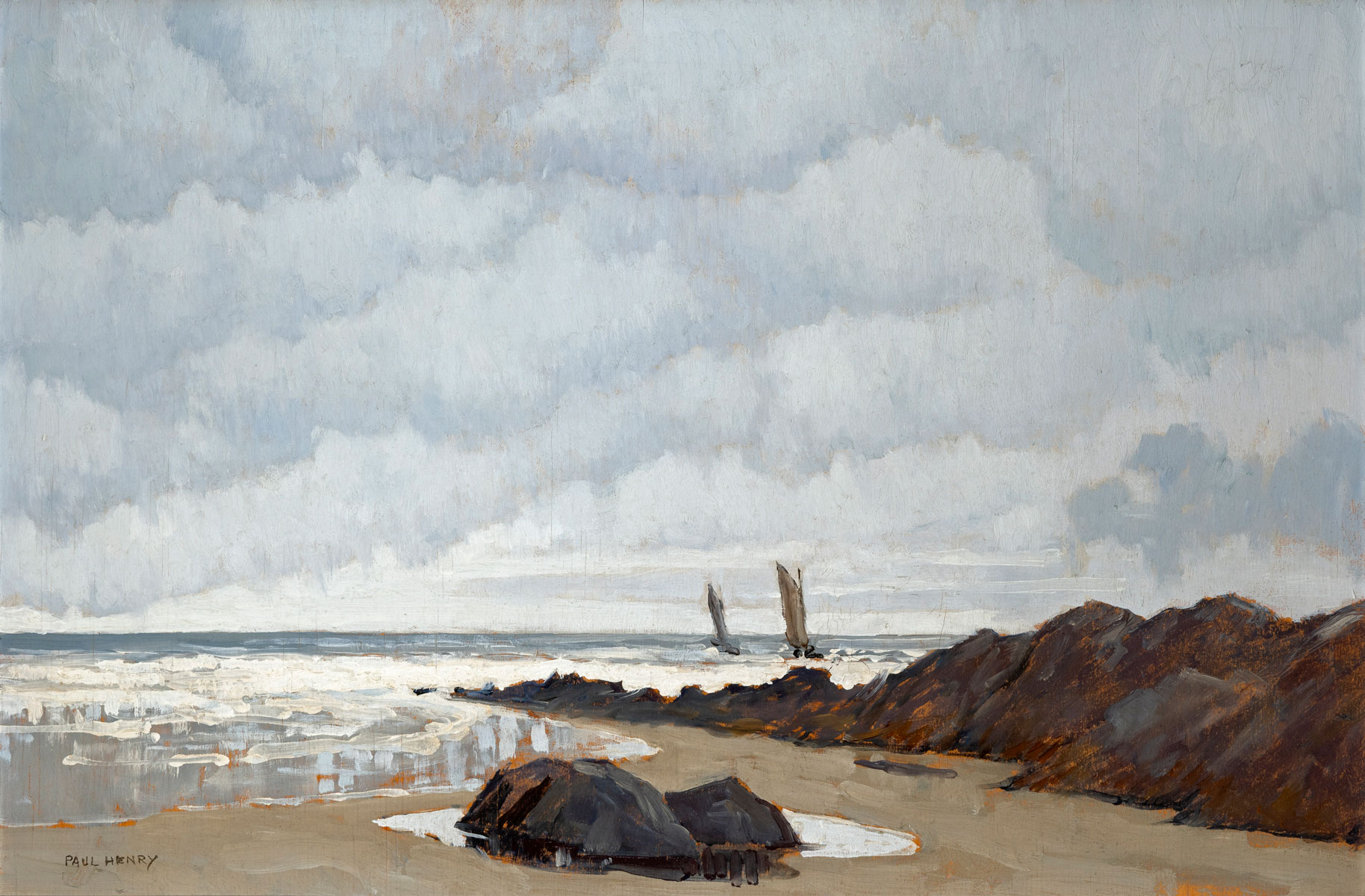
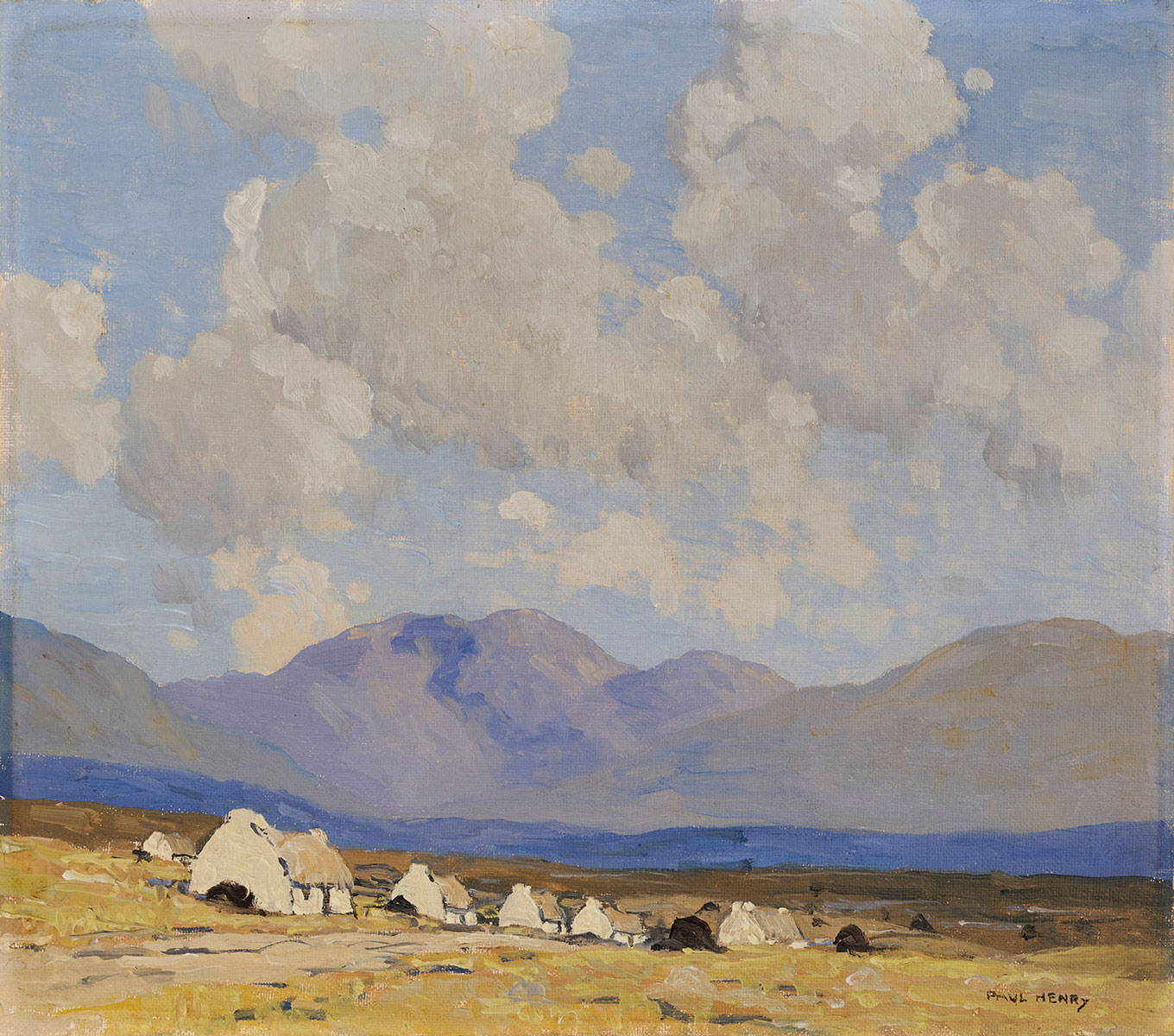
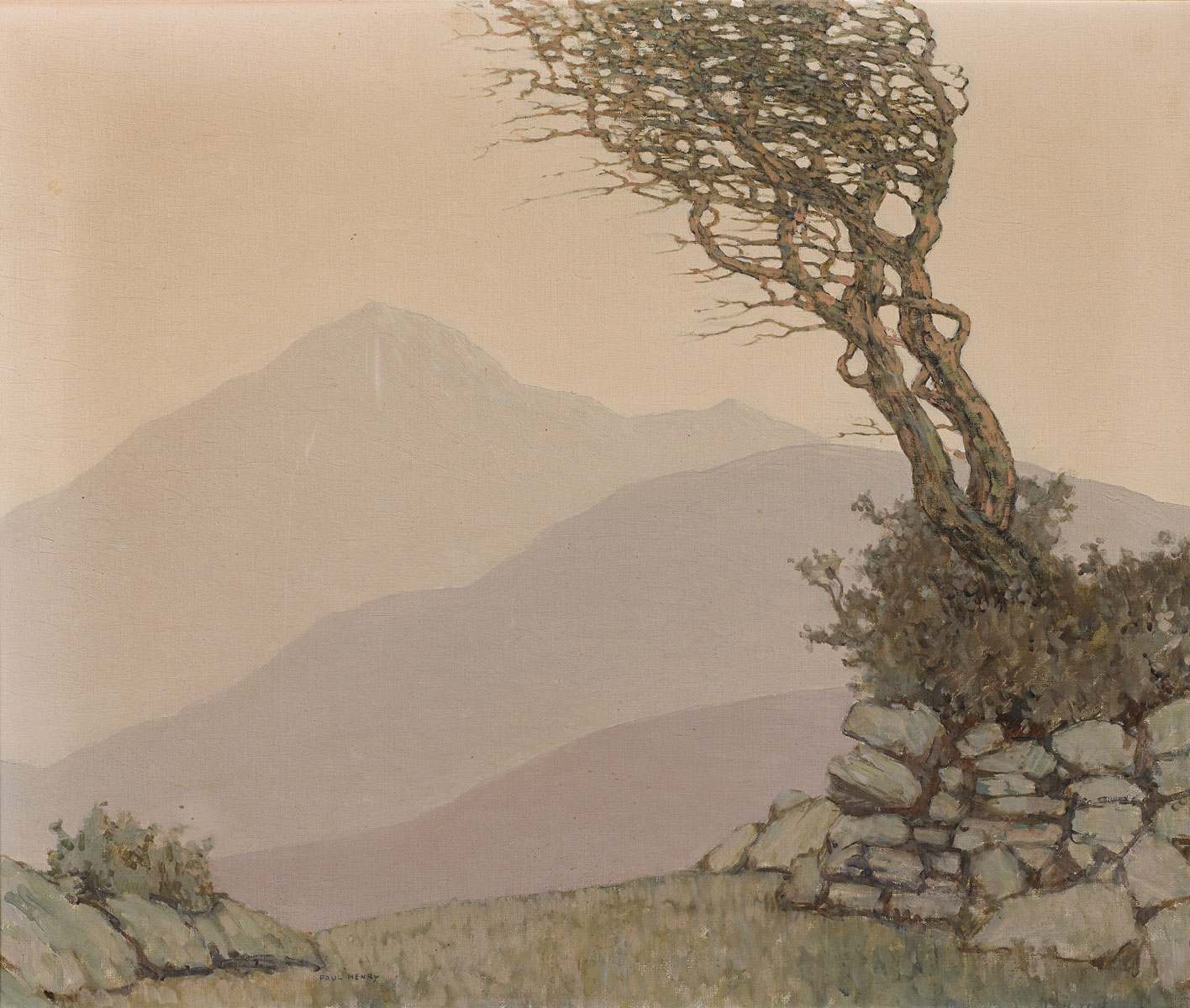
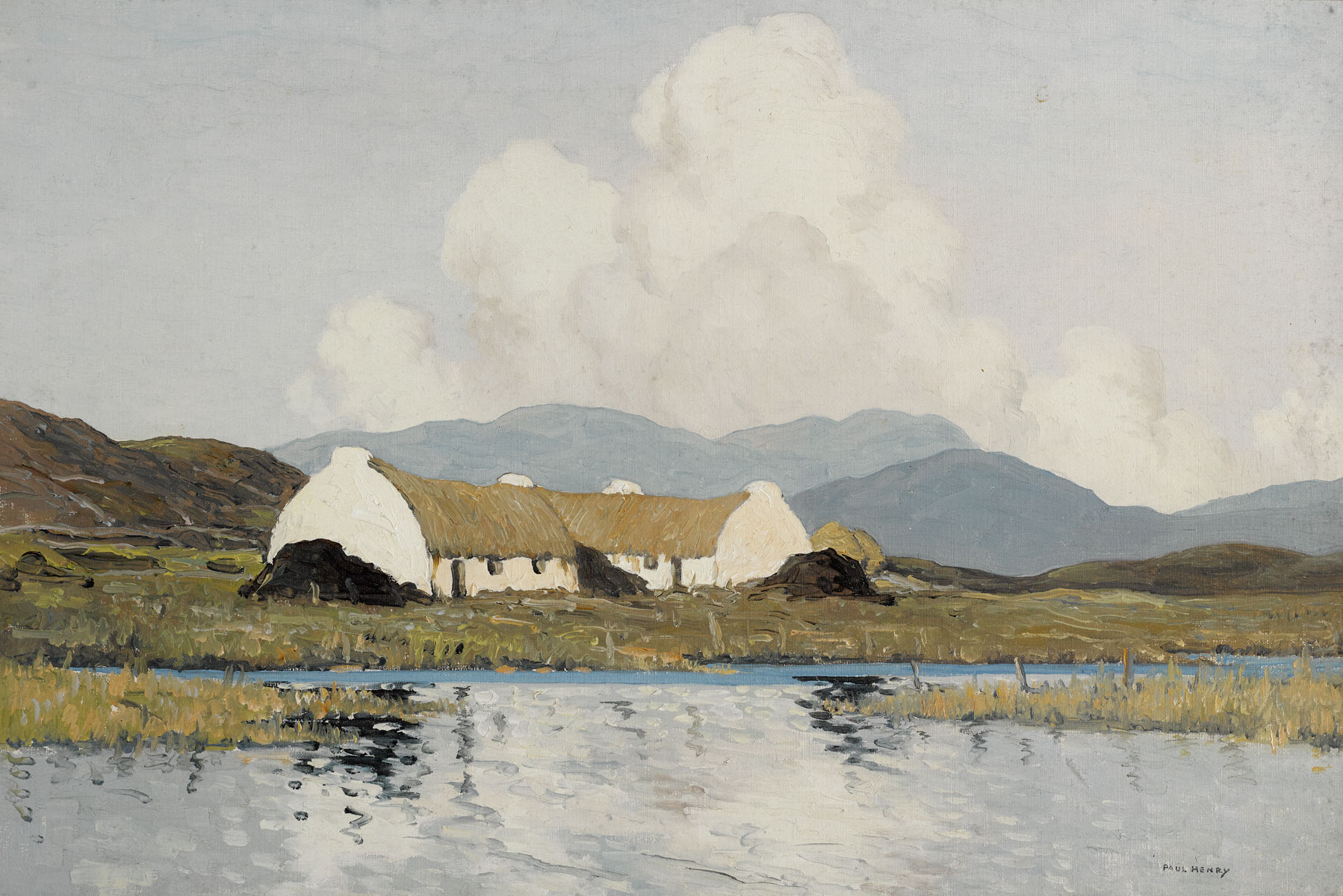
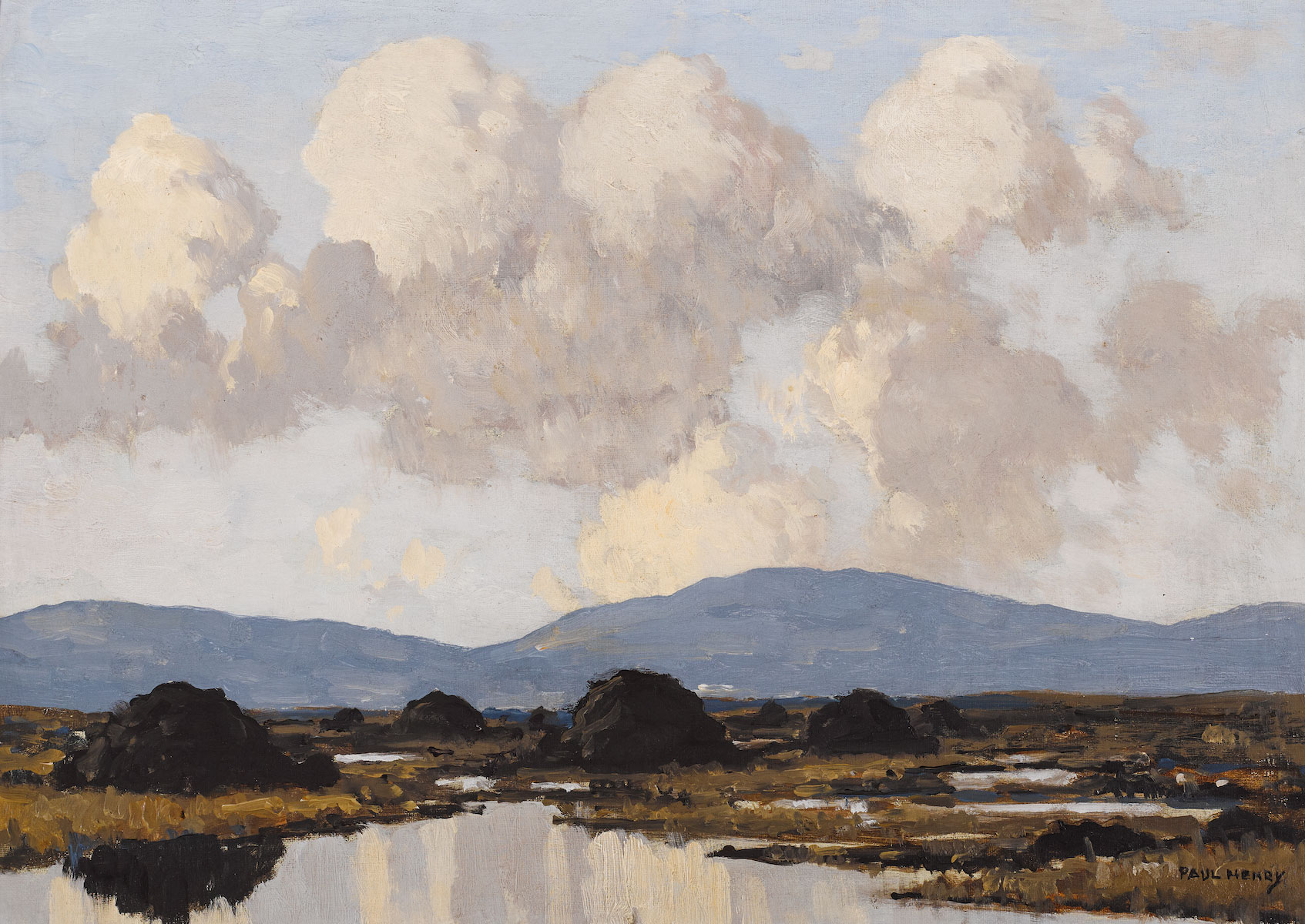
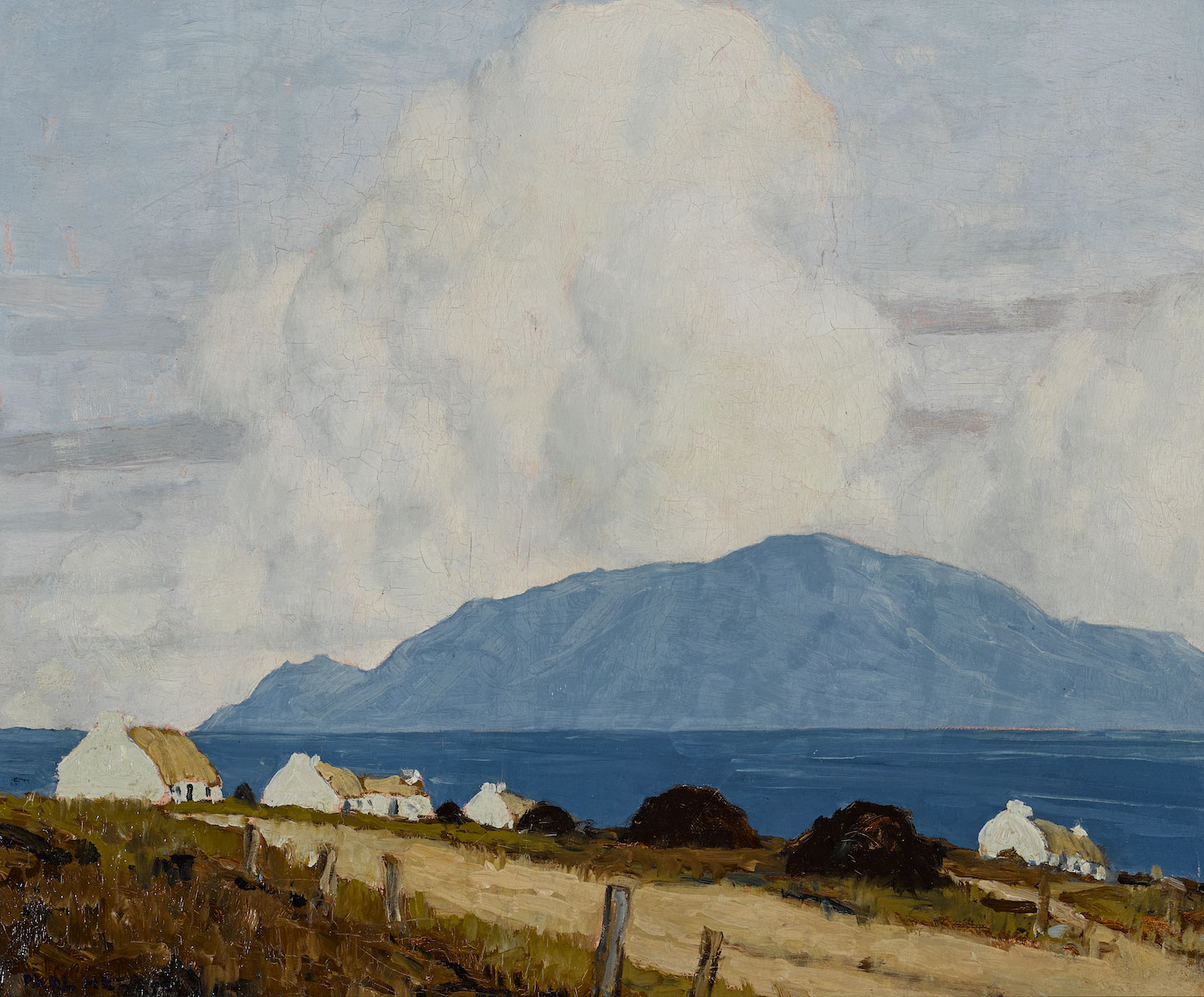
Looking at the Irish market, Paul Henry’s work is probably the closest thing to a reliable investment. His paintings are consistent in terms of quality and they have that universal accessibility that is not always the case with modern art. Henry’s prices, however, have been trending downward in recent years and 2025 was no exception. His record price at auction was £500,000 for Mountains and Lakes, Connemara at the beginning of the post-Covid splurge of 2021 at Christie’s in London. He hasn’t come within £200,000 of that price since. While he had six of the top ten sales at Irish auction houses in 2025, his best price was €270,000 for Lakes and Mountains in Connemara at Whyte’s. (Similar title, different painting to his record sale.) The best price recorded at an Irish auction house in 2025 was €340,000 for Roderic O’Conor’s Paysage aux Arbres at De Veres in November. Only two other paintings topped the €200,000 mark, both at Whyte’s – another Paul Henry (The Great Sugar Loaf, County Wicklow) and Mainie Jellett’s Achill Horses. Prices were higher at the UK auction houses that conduct Irish art auctions. The best overall price there was achieved by Barry Flanagan for his bronze Six Foot Leaping Hare on Steel Pyramid, which sold for £550,000 at Christie’s in March. Flanagan also topped the £200,000 mark with Les Deux, which sold for £220,000. Once again, William Scott proved to be popular at UK auctions, with three appearances in the top ten. His best price was £340,000 for Blue and White at Christie’s and £290,000 for Bowl and Frying Basket, again at Christie’s.
Jack B Yeats’ sales were particularly disappointing in 2025. His world record price of £1.65 million was achieved for The Wild Ones at Sotheby’s in London back in 1999. And his record at an Irish-based auction house was €1.4 million at Whyte’s in 2021 (again during the post-Covid splurge). In 2025 his best price was £75,000 for The Lark Sings High at Bonhams. His next best was Roaring Water, Low Tide, Co Cork, which sold for €60,000 at De Veres’ November sale. A feature across several of the auction houses was the many paintings by Yeats that were withdrawn for not reaching their reserves. A spokesman for a prominent Dublin auction house suggested that this was due to ‘overvaluing’ by some of his competitors. However, while all this waning was going on, there was the occasional waxing. The €210,000 achieved for Mainie Jellett’s Achill Horses at Whyte’s was almost twice her earlier best, set in 2019, and one of the very few world records set in 2025. A smaller, more rigorously abstract painting by Jellett, Composition, sold at De Veres for €10,000. Another notable record to report was the sale at Adam’s in September of a Harry Clarke watercolour, The Lady of the Decoration, for €110,000, his best price for a watercolour at an Irish auction house.
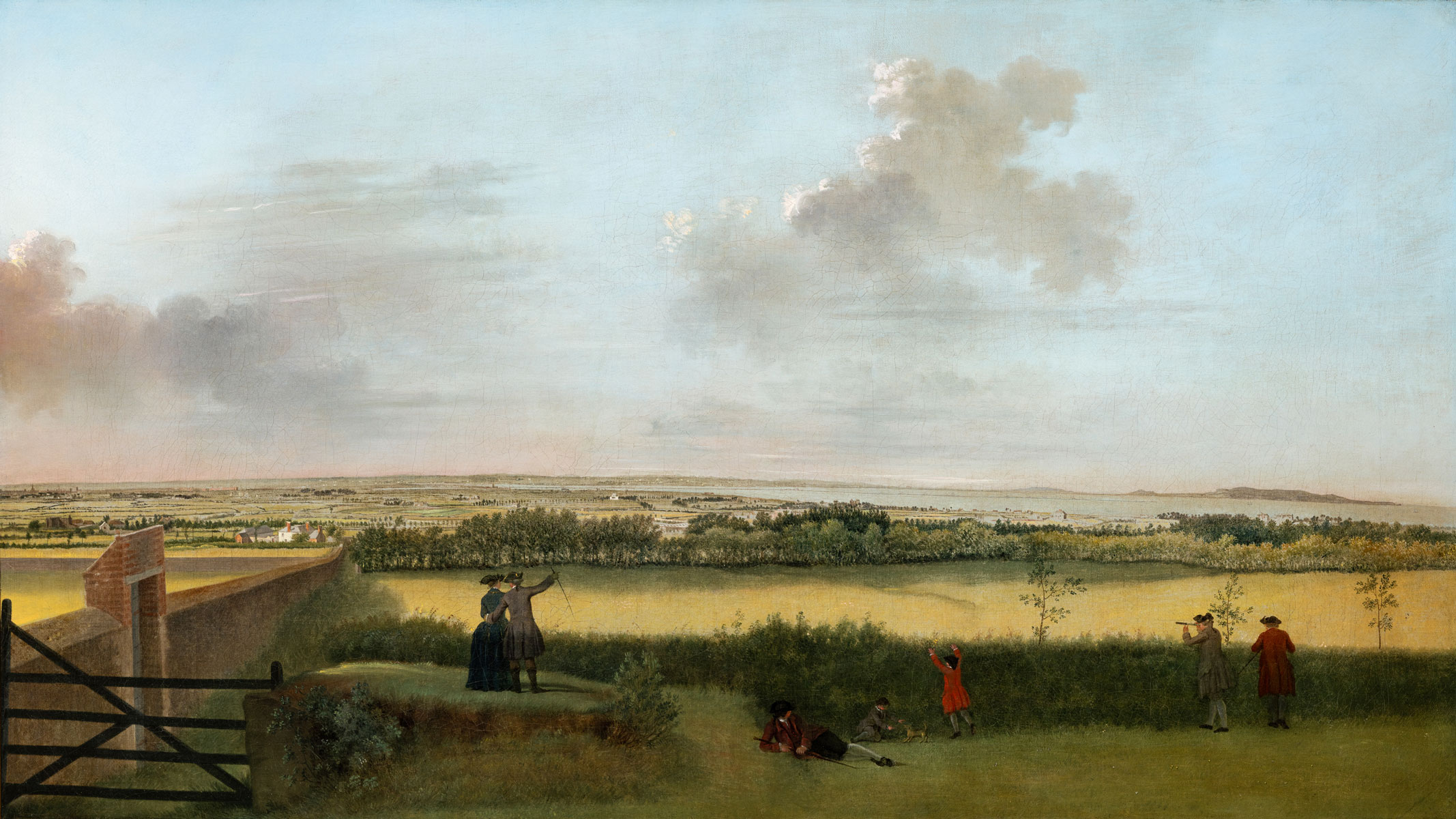
An unusual appearance in the top ten results at Adam’s was Gabriele Ricciardelli. He was an 18th-century Italian painter who specialised in landscape and seascapes. He spent six years in Ireland and found many patrons amongst the ruling classes. These included Ralph Howard, the 2nd Viscount Wicklow, for whom, evidence suggests, this painting was commissioned. The painting A View of Dublin Bay from Mount Merrion was on offer at Adam’s Irish Old Masters sale with a guide of €80,000 to €120,000. However, it was withdrawn before auction, having ‘been acquired prior to auction by a National Cultural Institution’. The institution paid €140,000.
Amongst contemporary Irish artists, Donald Teskey’s best price was €32,000, for Coastal Flow at Morgan O’Driscoll in October. His spume-laden western seascapes of waves crashing over jagged coastlines invariably attract attention. John Shinnors’ Kite over Clare Island, with that dramatic cadmium red, sold for €36,000 at De Veres in April. Elsewhere, Hughie O’Donoghue’s The Sea! The Sea! yielded €42,000 at Adam’s in May. Genieve Figgis, who mostly sells abroad, especially in the USA (following Richard Prince’s endorsement), had a disappointing year, with Family Day Out, which sold for $55,000 (€53,000) at Christie’s in New York, being her highest-priced sale. Further afield, Sean Scully was Ireland’s most successful artist in 2025. Those who visited his recent exhibition in the Kerlin Gallery will vouch for the fact that the great man’s talents are undiminished at 80 years of age. His Landline Dark Blue sold at Phillip’s in New York for $1.2 million.
Artprice continues to be topped by Jean-Michel Basquiat. His Crowns (Peso Neto) sold at Sotheby’s New York in November 2025 for $41.5 million – some way short of his world record of $98 million.
Meanwhile, the online market for affordable art continues to be a treasure trove for those chasing hidden gems. These sales usually feature work between €100 and €1,000 and have proved very popular with buyers and frequently surprisingly rewarding for sellers. One such gem uncovered was The Puritan Maid, Priscilla (1913) by Kathleen Maidment, which sold for €5,400, having guided between €150 and €200 at Whyte’s in March.
John P O’Sullivan
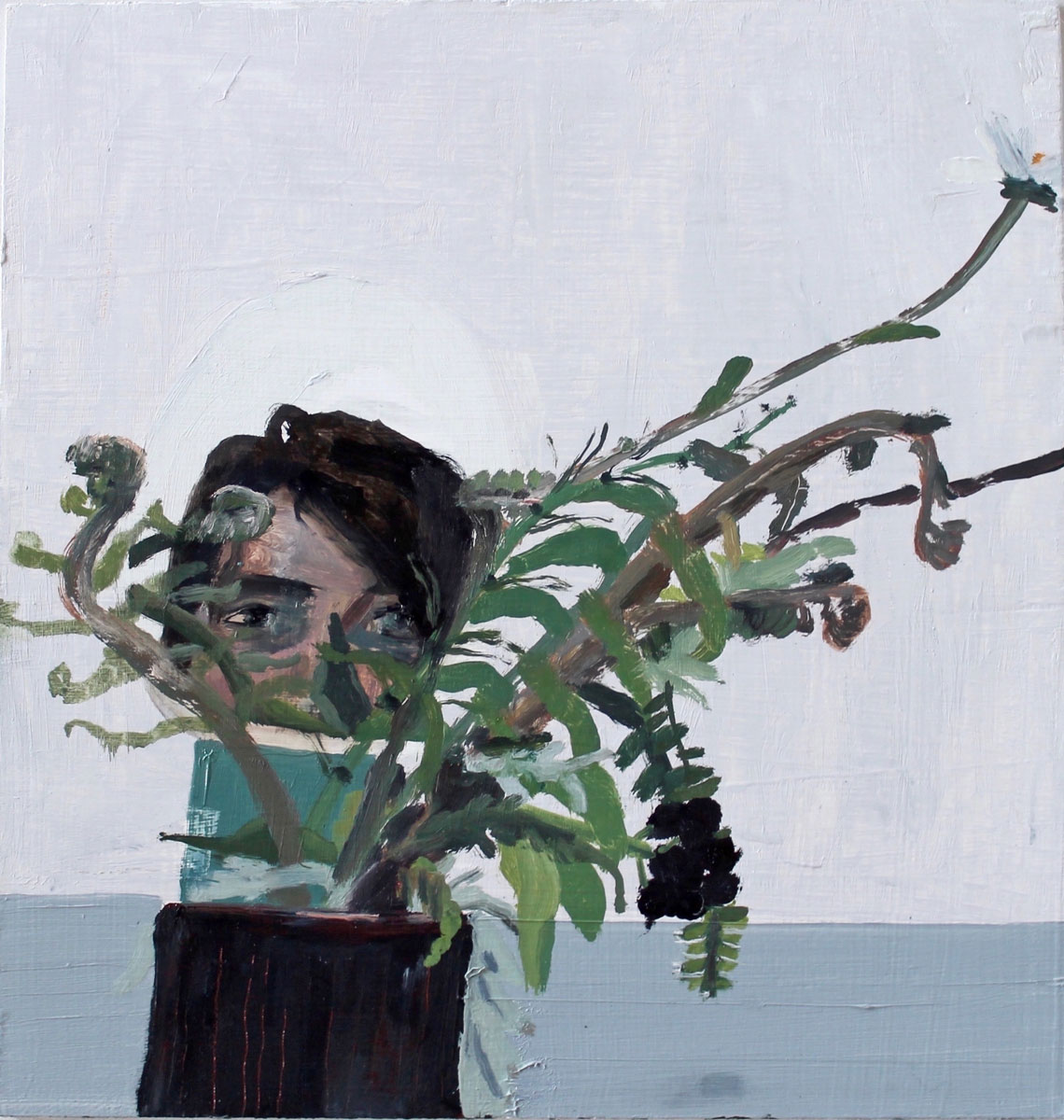
Úna Forde selects a painting by Aubrey Levinthal in the collection of the Ballinglen Arts Foundation in County Mayo
John Hutchinson considers the work of artist William Blake who was drawn to transcendence but spoke out for social freedom
Hilary Pyle remembers Maria Taylor, a painter interested in people, in their occupations and ways of life