If a perennial proclamation can be made about contemporary Irish art, it is that fashions change, some big names rise and new names come and go. An artist’s long-term legacy may lie with future art historians, but part of the role of the Royal Hibernian Academy’s Annual Exhibition has always been as a pitstop on the path to such longevity in the collective cultural mind.
This year marks two hundred years since the inaugural annual show, held in 1826, three years after the formation of the RHA, on Lower Abbey Street, in the premises later destroyed by fire in the 1916 Rising. The exhibition has always varied in standard and in public response, from comparison to ‘a basket of fine strawberries’ (Dublin Evening Mail, 1876) to the Irish Times’ wittily alliterative labelling of it in 1951 as a selection of ‘pedestrian pictures of people and places and things’.
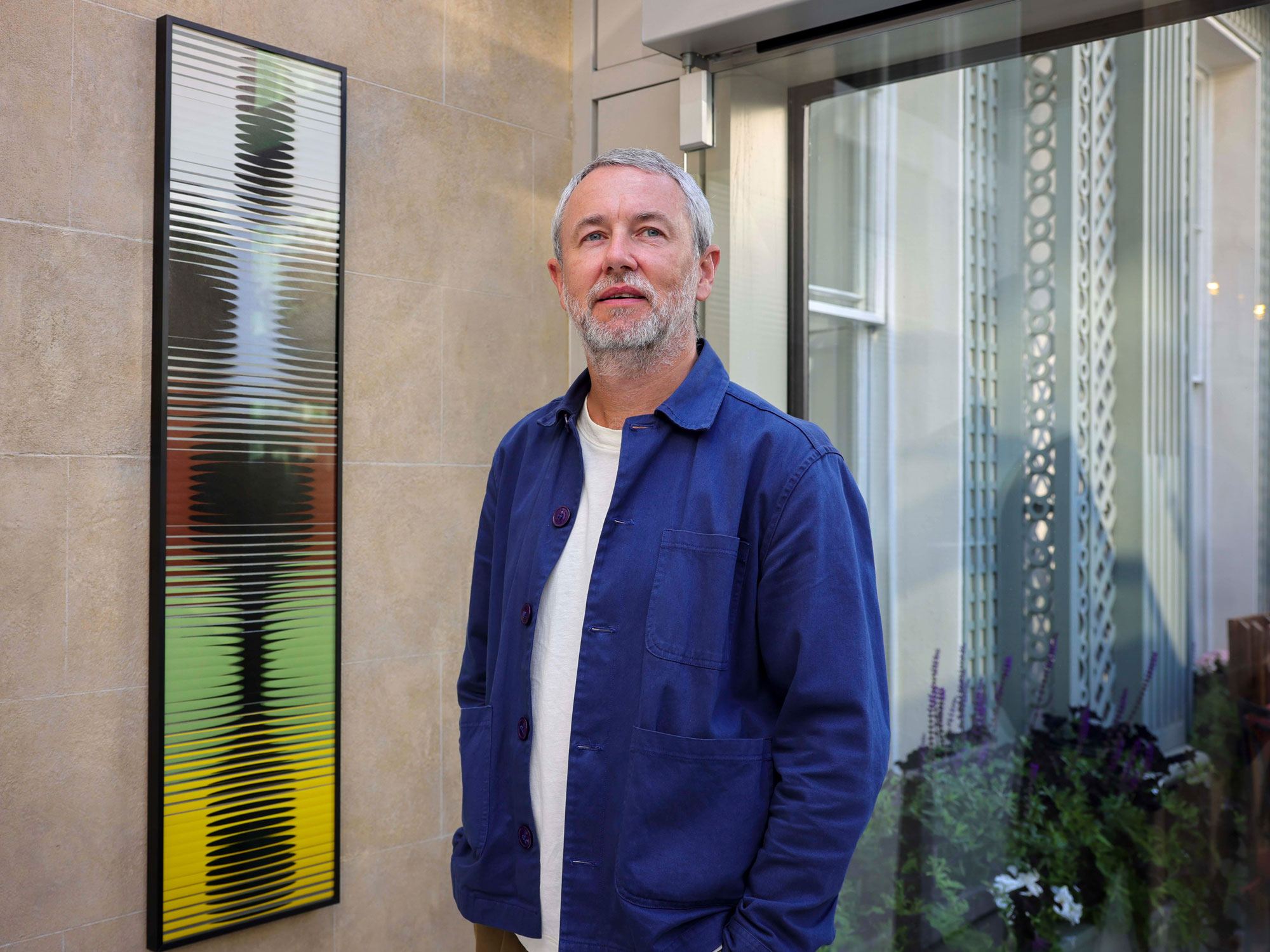
This year’s was a perfectly pleasing affair. A total of 435 works made it through the open-submission which garnered almost 5,000 entries. As always, successful submissions sat alongside those of established members’ works. Amanda Coogan, Colin Davidson, Sadhbh Mowlds, Ciara O’Connor, Aodán Feeney, Daniel Greenhalgh, Margo Wargola, Ben McCabe and Nina McGowan with Federico Buzzoni offered memorable reminders that one of art’s jobs remains to capture and explore the human body in new and notable ways.
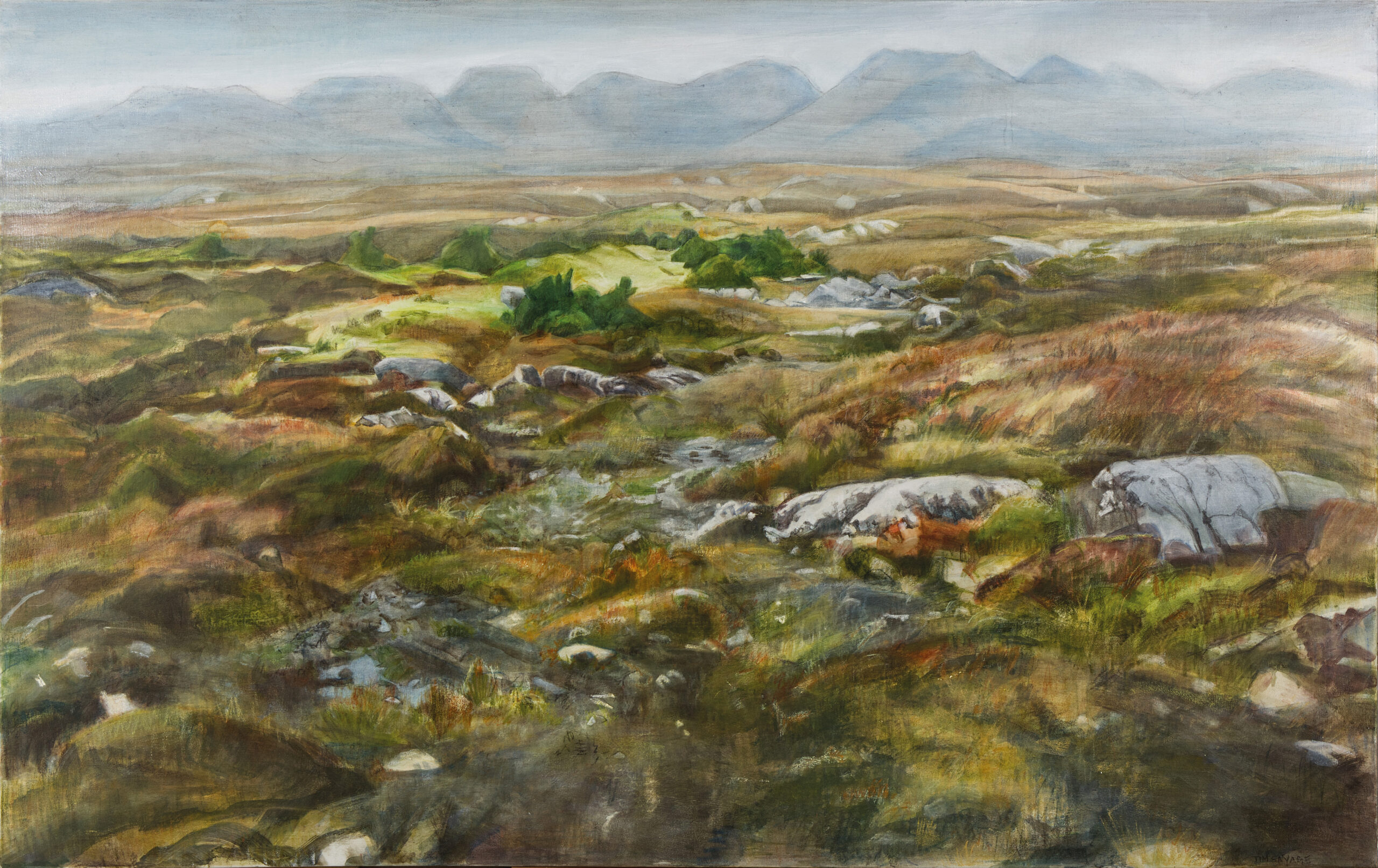
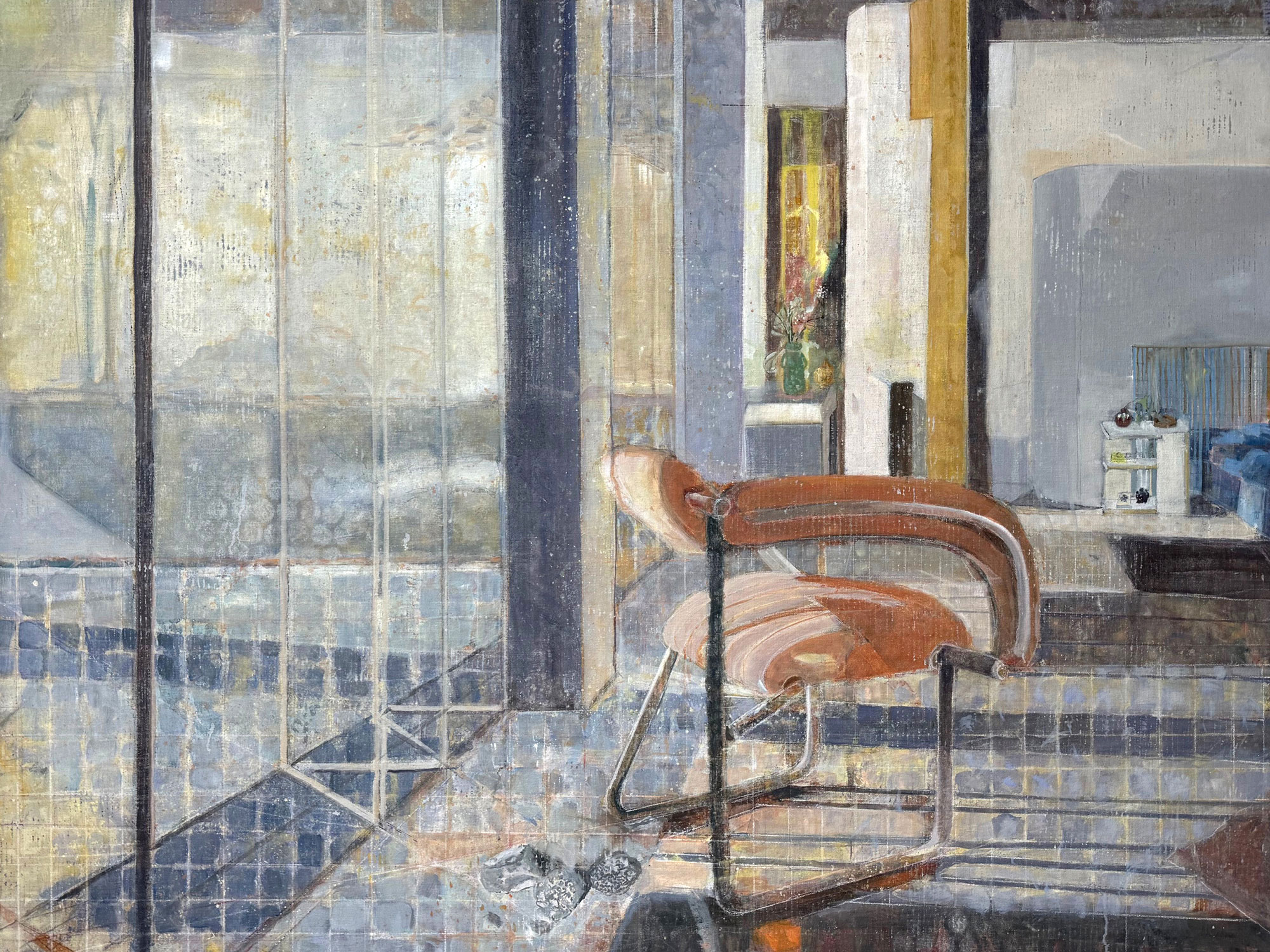
Paul McKinley, Eoin Mac Lochlainn, Vera Klute, Colin Martin, Cecilia Danell, Donald Teskey, Shane Keisuke Berkery and Colin Murphy made some fresh-feeling arguments for pure painterly skill, while Pat Harris, Eithne Jordan, Cathy Dorman, Laura McMorrow, Bennie Reilly, Carol O’Connor, Frances Ryan, Helen Blake and James English were among those who made a quieter but no less urgent case.
Strong small sculptures by Eileen MacDonagh, Eilis O’Connell, Gareth Fisher, Jason Ellis and Nathan Wheeler provided tangible evidence that the RHA Annual remains one of the best ways for collectors to emerge with an outstanding piece of Irish art in the hand, whatever art history decides.
Cristín Leach