James Howley visits one of the largest primary schools in the country, centrally located alongside the Grand Canal on the southside of Dublin
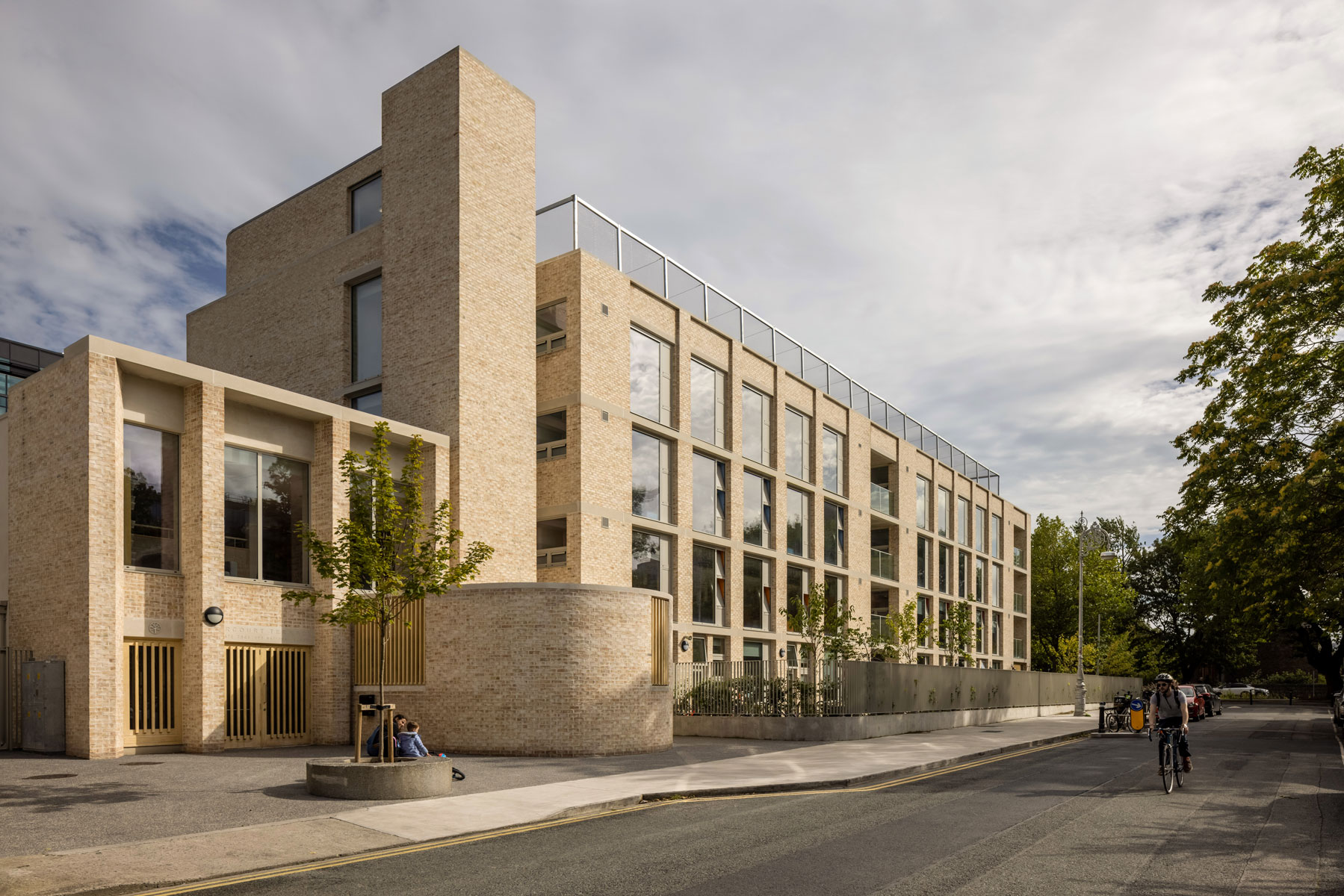
From the proselytising agendas of the early Charter Schools to the strictly segregated faith schools that evolved following Catholic Emancipation, the history of the national school in Ireland is intriguing. While the Blue Coat School in Blackhall Place is one of the finest schools to have been built in Europe during the 18th century, the vast majority were tiny one- and two-room structures, many of which are still dotted around our countryside. Wealthy landowners often enhanced the villages close to their estates with picturesque, Tudor-style schools, while the short-lived experiment of the Model Schools also produced buildings of high architectural merit. As the population increased and schools became larger, the Arts and Crafts-inspired schools designed by Basil Boyd Barrett (1908–1969) become ubiquitous, if a little dull in their appearance.
To read this article in full, subscribe or buy this edition of the Irish Arts Review
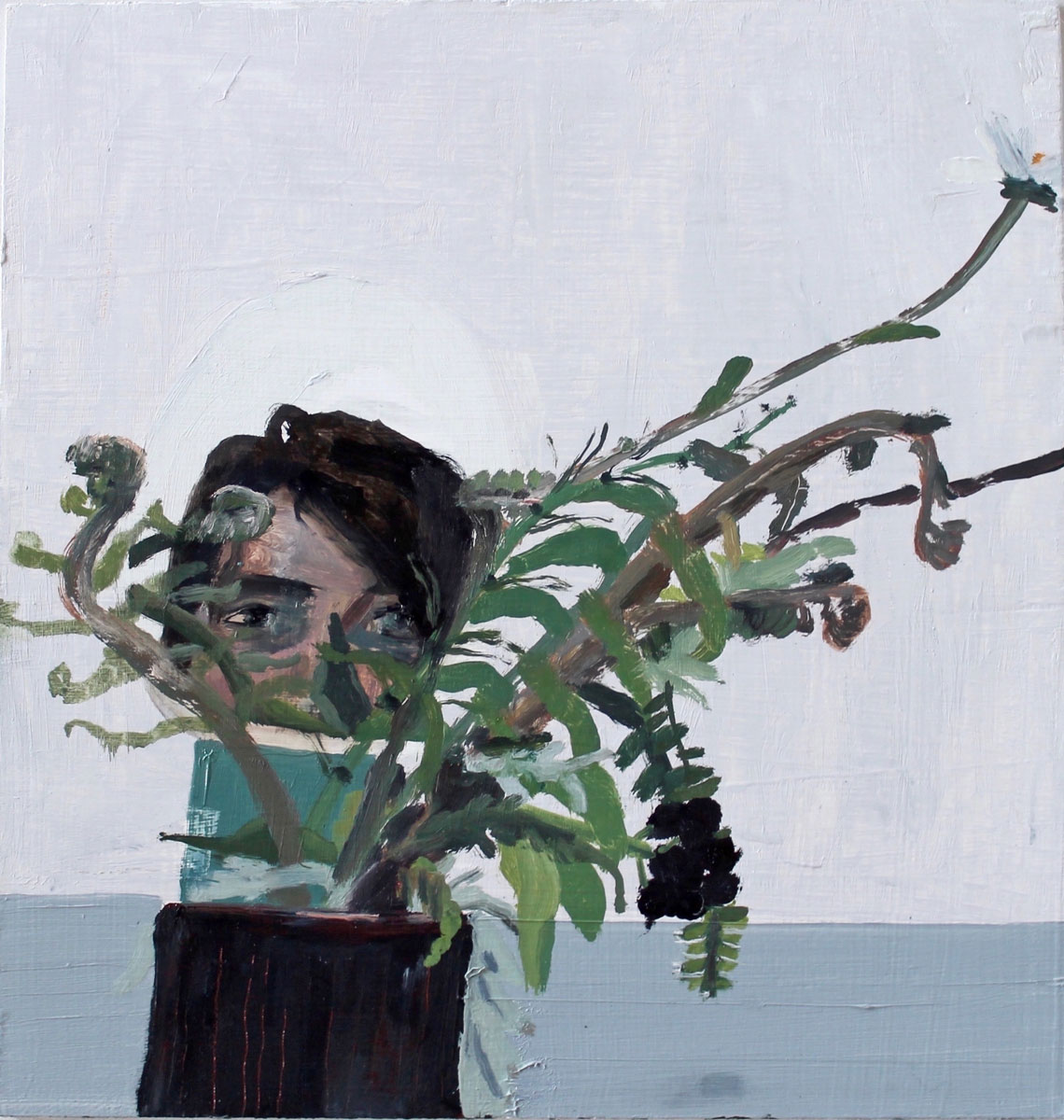
Úna Forde selects a painting by Aubrey Levinthal in the collection of the Ballinglen Arts Foundation in County Mayo
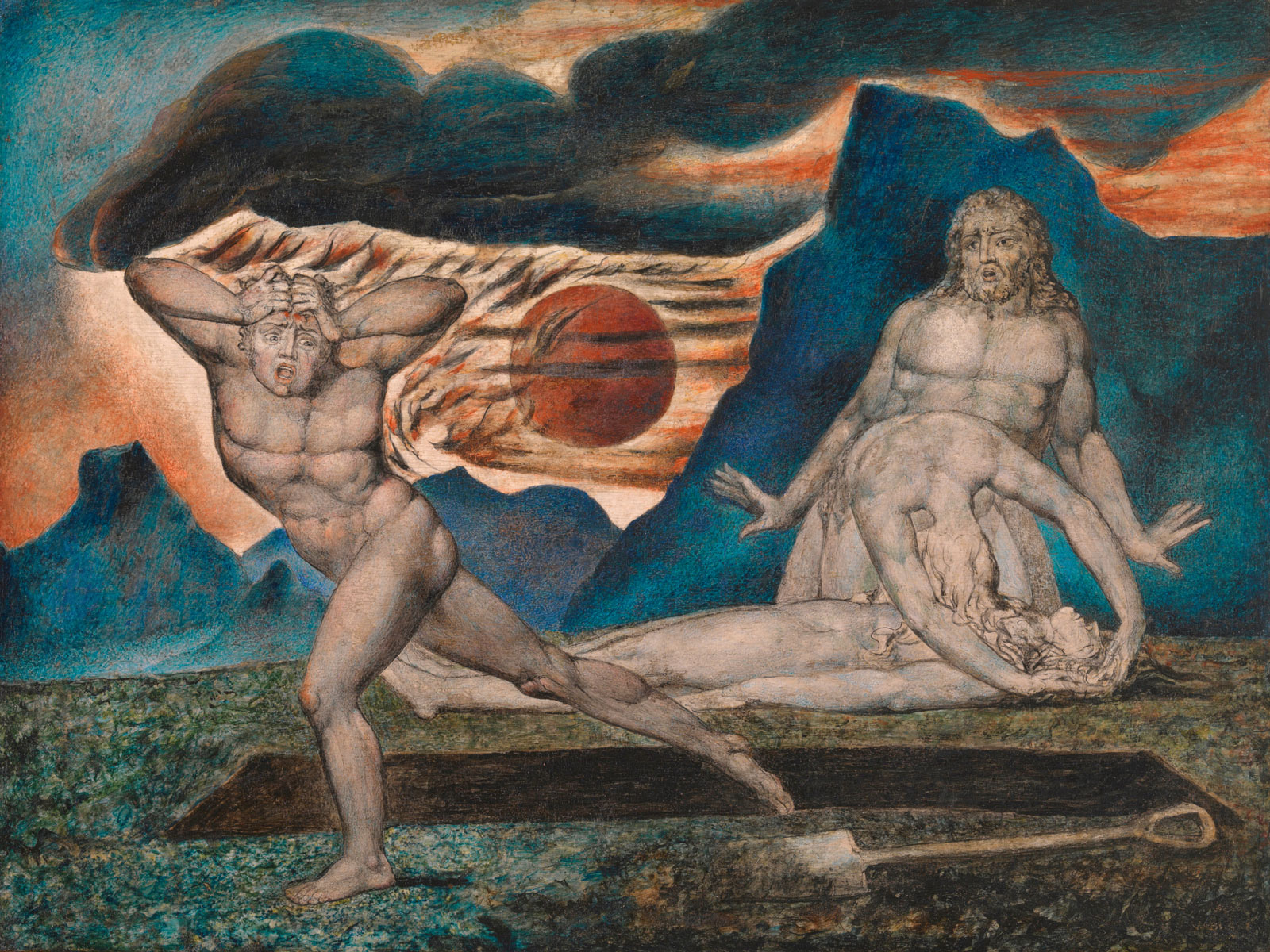
John Hutchinson considers the work of artist William Blake who was drawn to transcendence but spoke out for social freedom
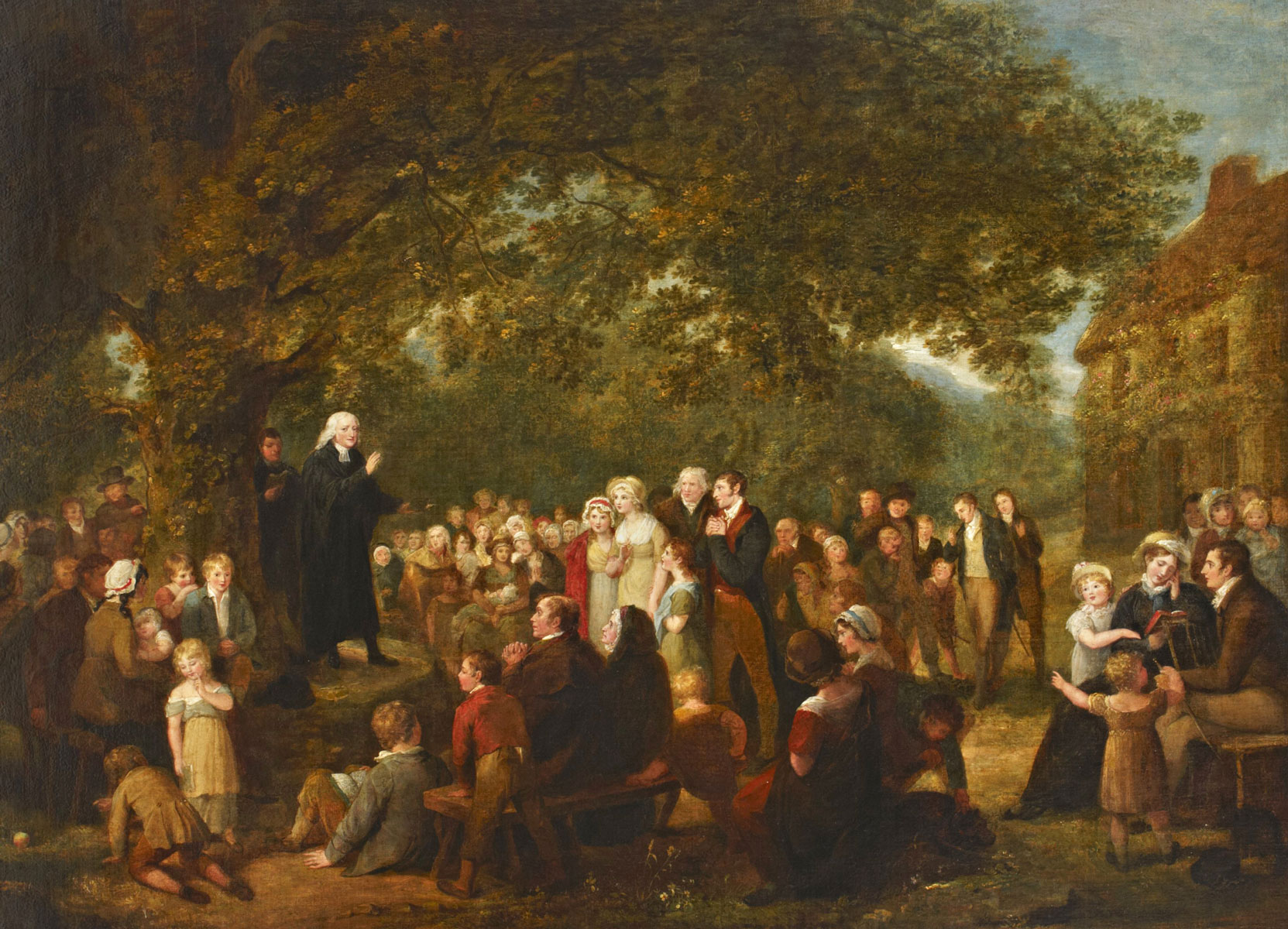
Hilary Pyle remembers Maria Taylor, a painter interested in people, in their occupations and ways of life