Philip McEvansoneya considers how the Trench Collection of Tibetan art in the National Museum of Ireland was acquired by the collector, and the museum, and asks if it’s time this ethnographic display was made more accessible to the public
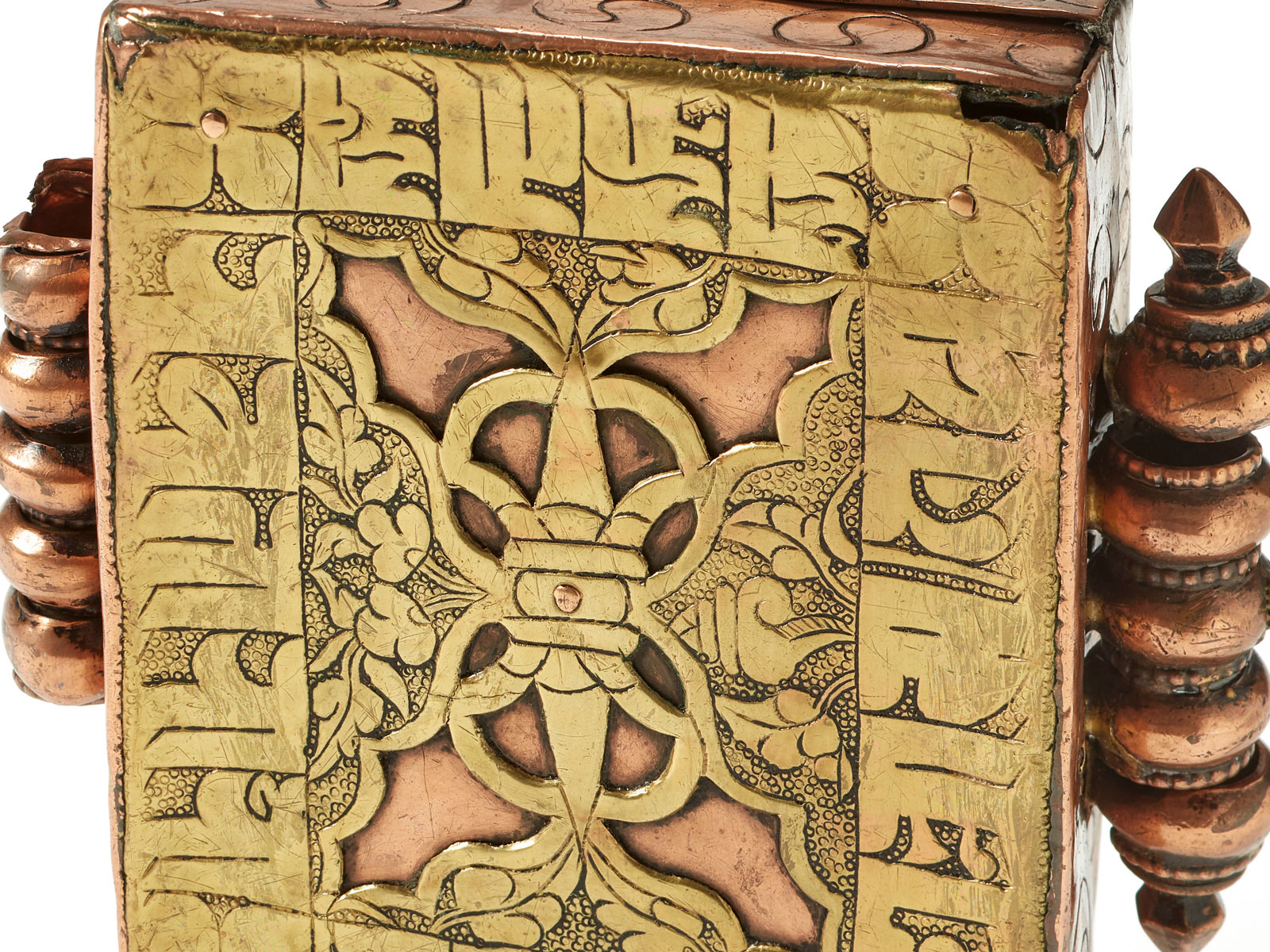
‘I am completely buried here in a small corner of Persia… It is not a choice spot now. I am in truth alone and the heat is over 100 in my tent,’ George Chenevix Trench (1859–1937) wrote to GT Plunkett, director of the National Museum of Ireland (NMI), in mid-1900. Trench’s purpose in writing was not to lament his location, but to offer the loan of his collection of ‘Lhassa ware’ – that is, Tibetan metalwork. If accepted, the collection would be sent from London, where it was in the hands of JT Shout, a silversmith and jeweller of Kensington, who would pay for delivery to Dublin. Should the NMI subsequently change its mind and wish to ‘turn them out’, then his sister, Lady Coote of Ballyfin, would take charge of the collection. The loan was agreed and later resulted in the NMI buying the cream of Trench’s Tibetan material. But was the process of acquisition clear and above board?
To read this article in full, subscribe or buy this edition of the Irish Arts Review
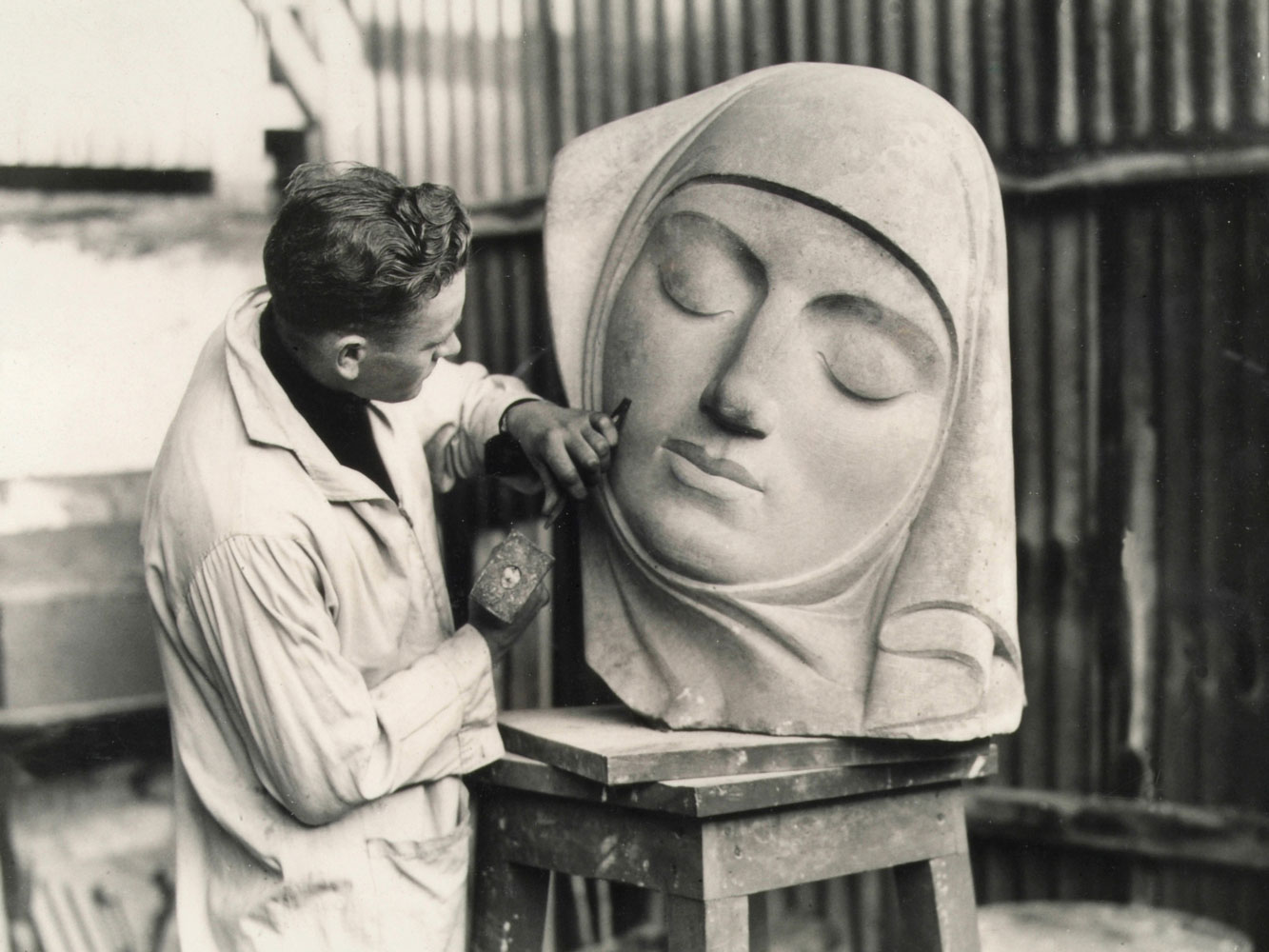
Daniel Breen selects a sculpture by Seamus Murphy in the collection of Cork Public Museum
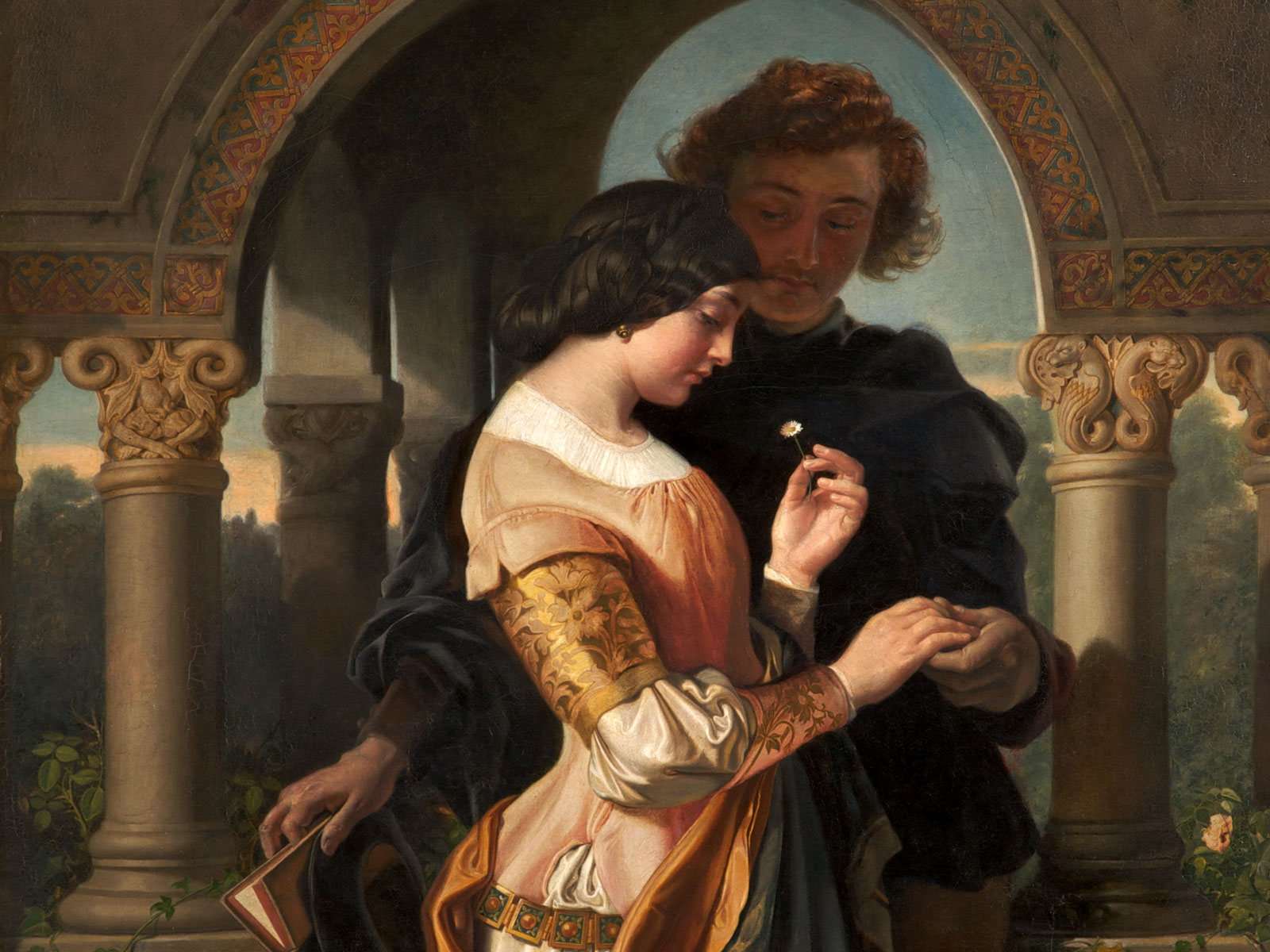
Daniel Maclise’s portraits of women, with their Romantic mood and understated symbolism, are among the best of his work, writes Julian Campbell
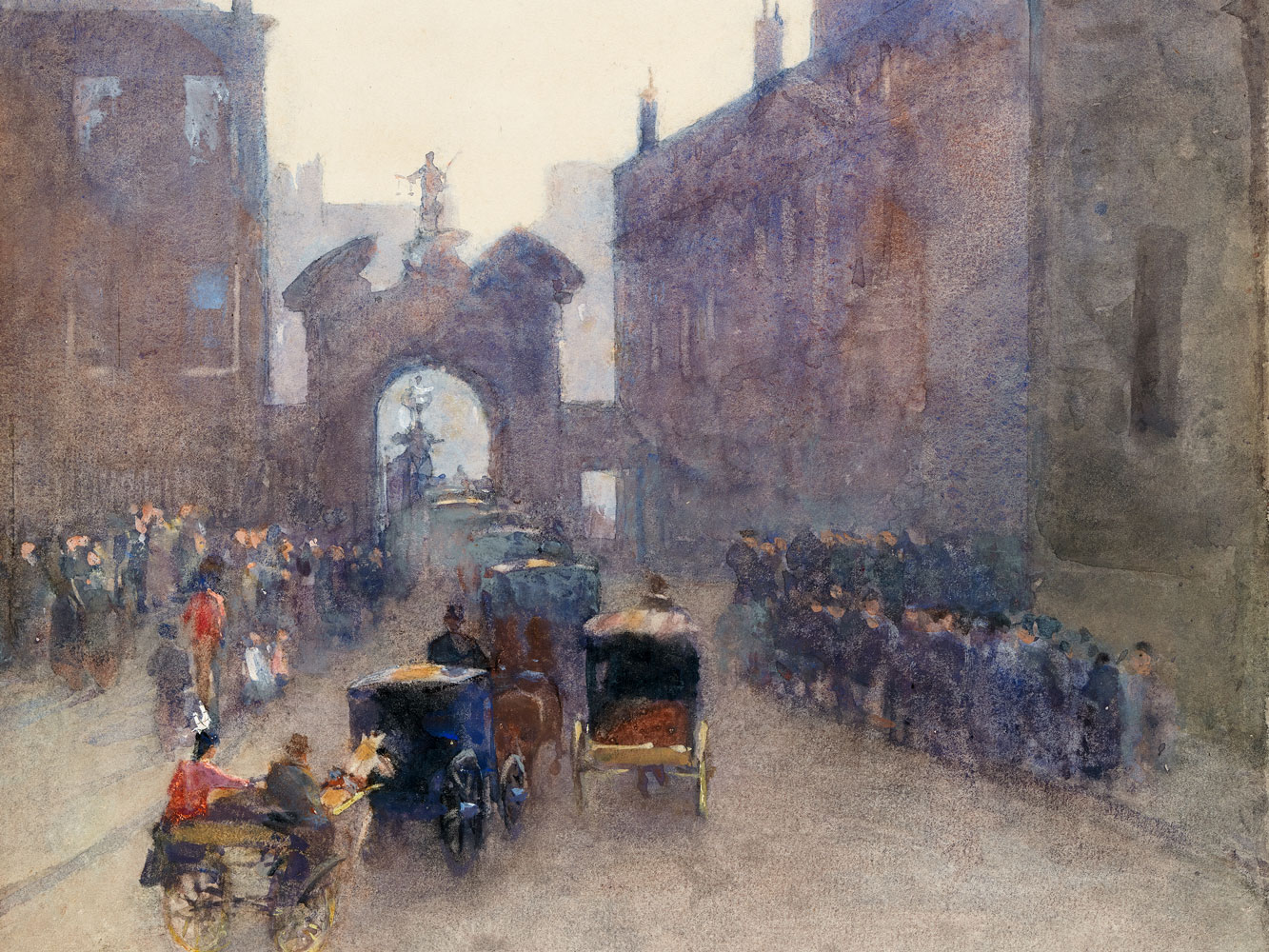
Tom Duffy looks at the work of Rose Barton, who transformed the ordinary by incorporating ‘the picturesque’ into her Dublin and London streetscapes