Institution
ATU Sligo
Medium
Installation
Graduation Year
Class of 2026
Share
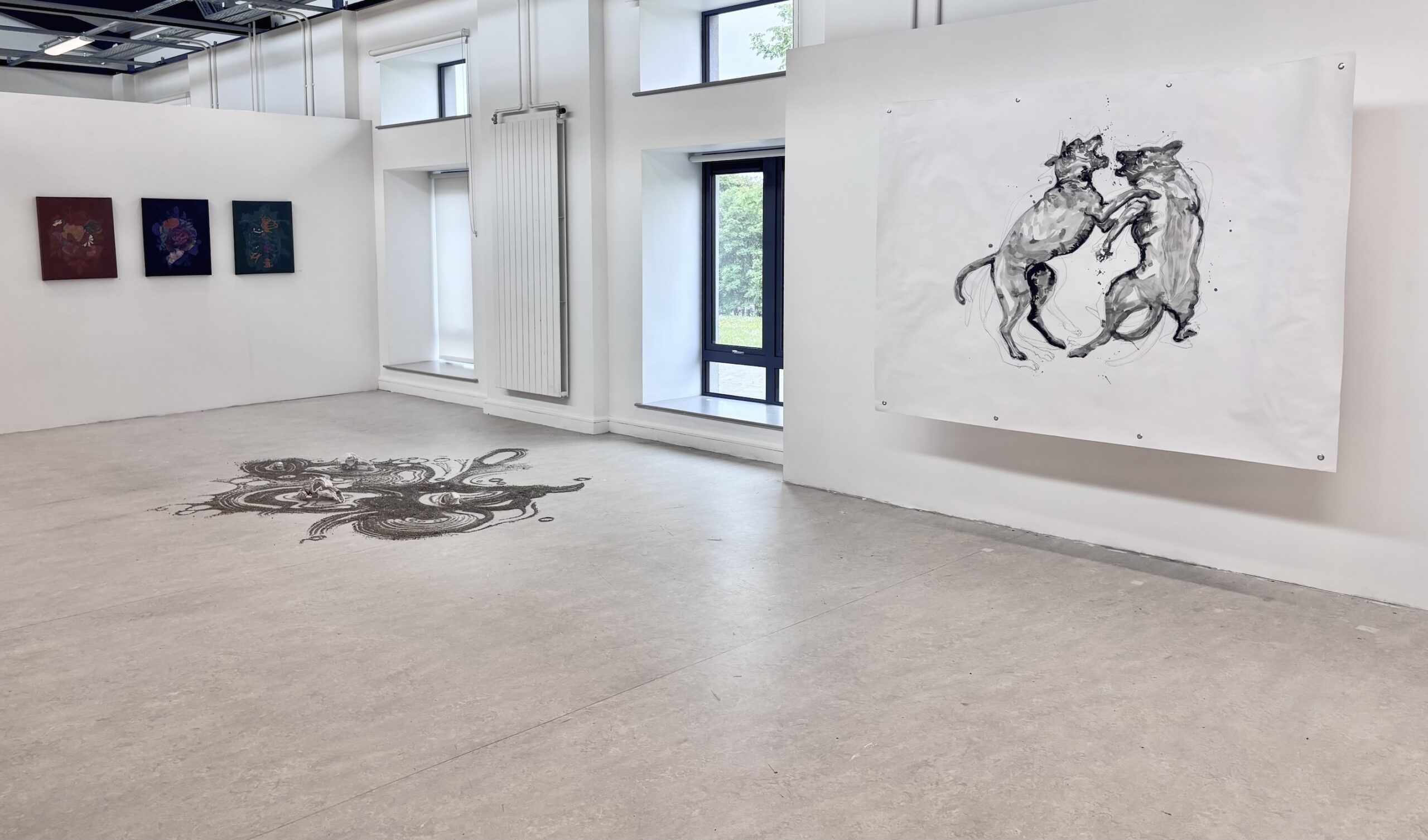
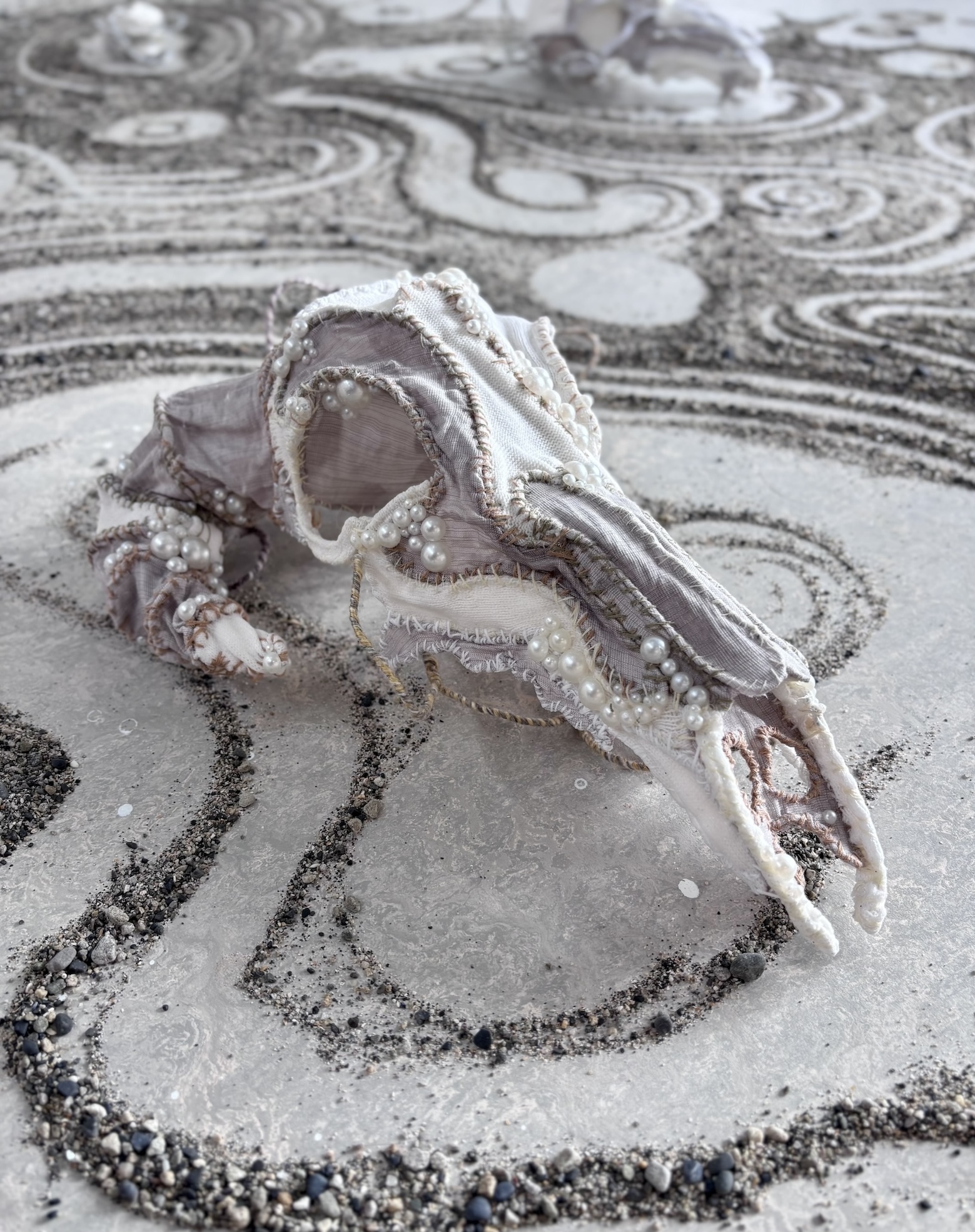
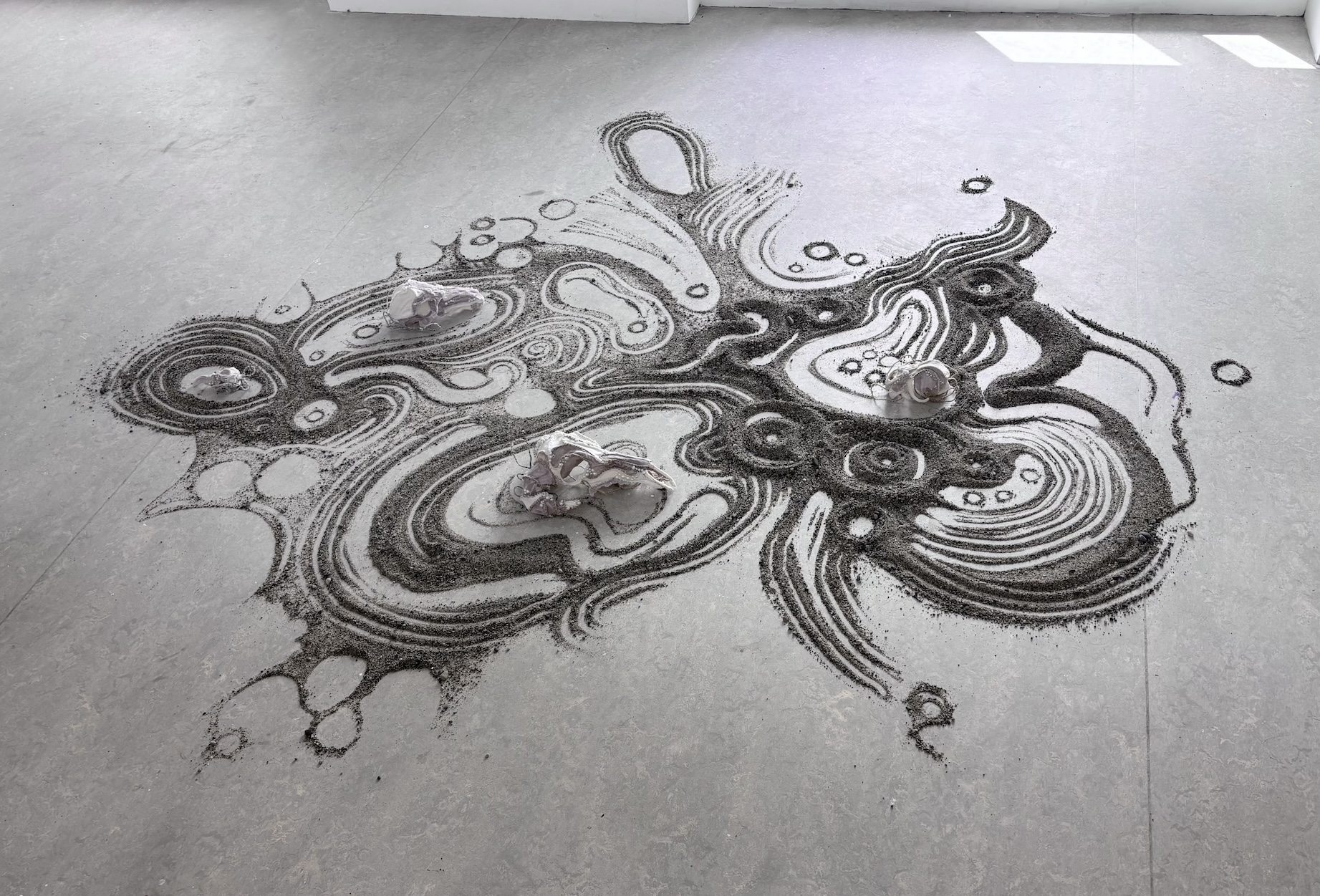
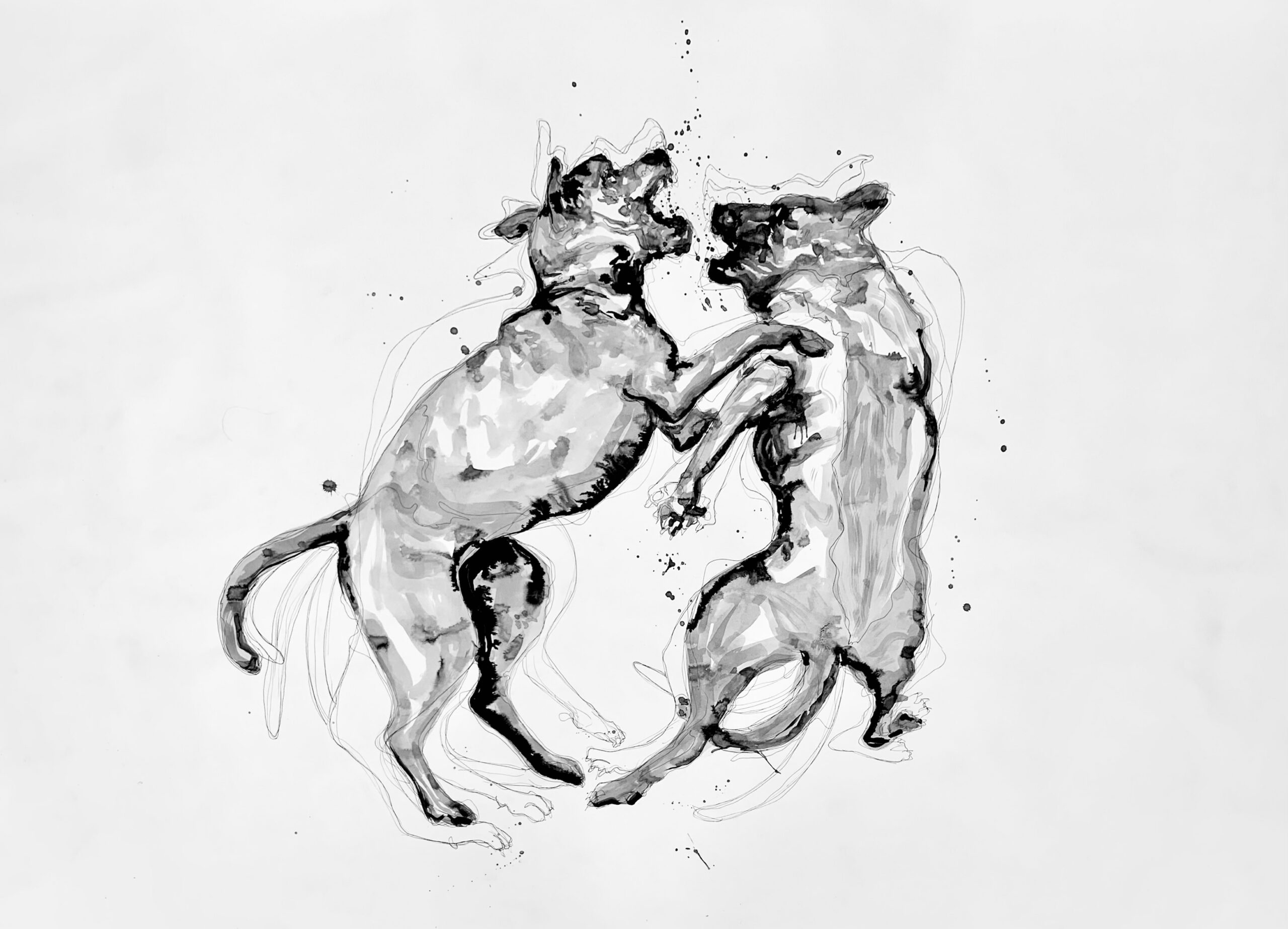
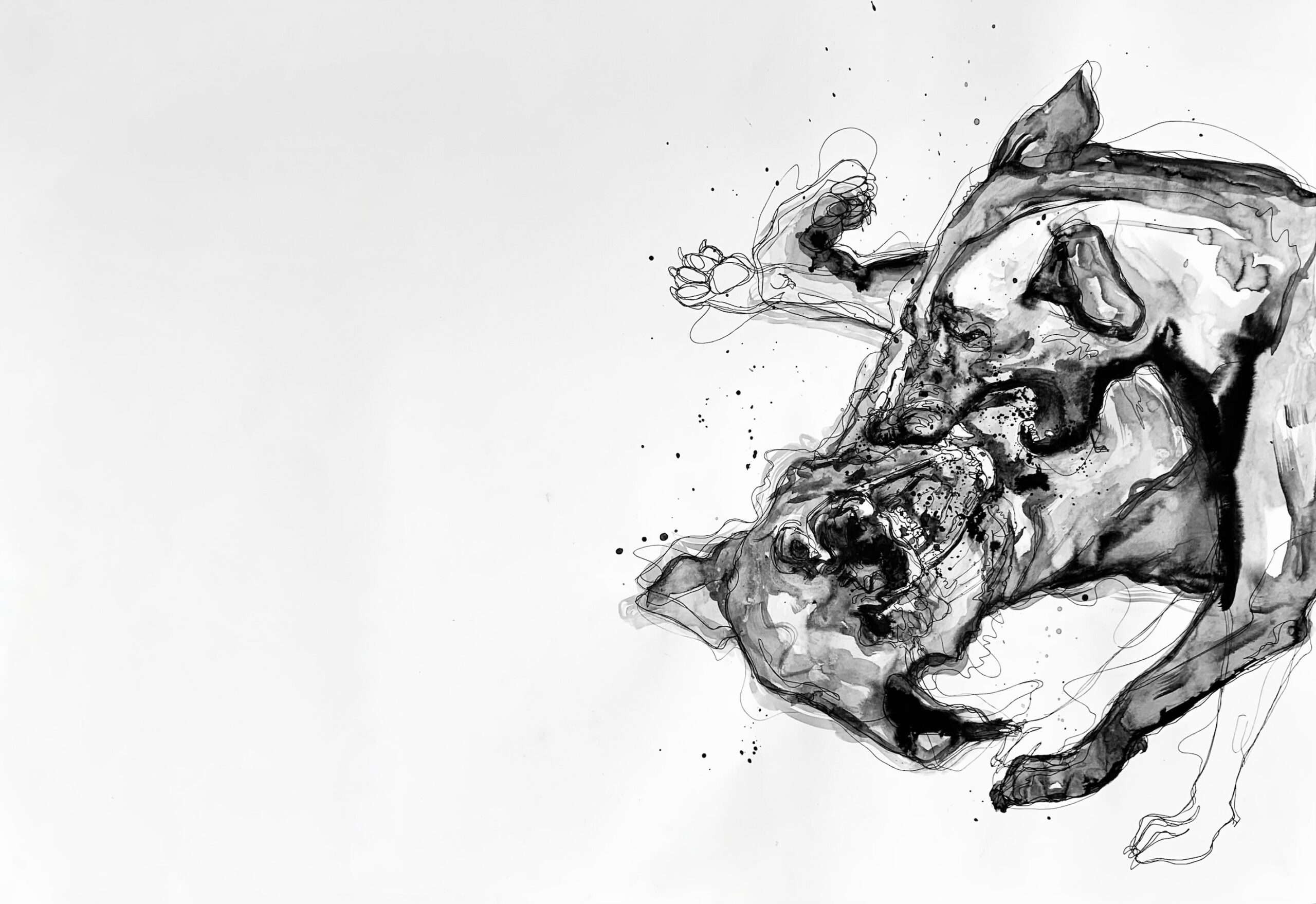
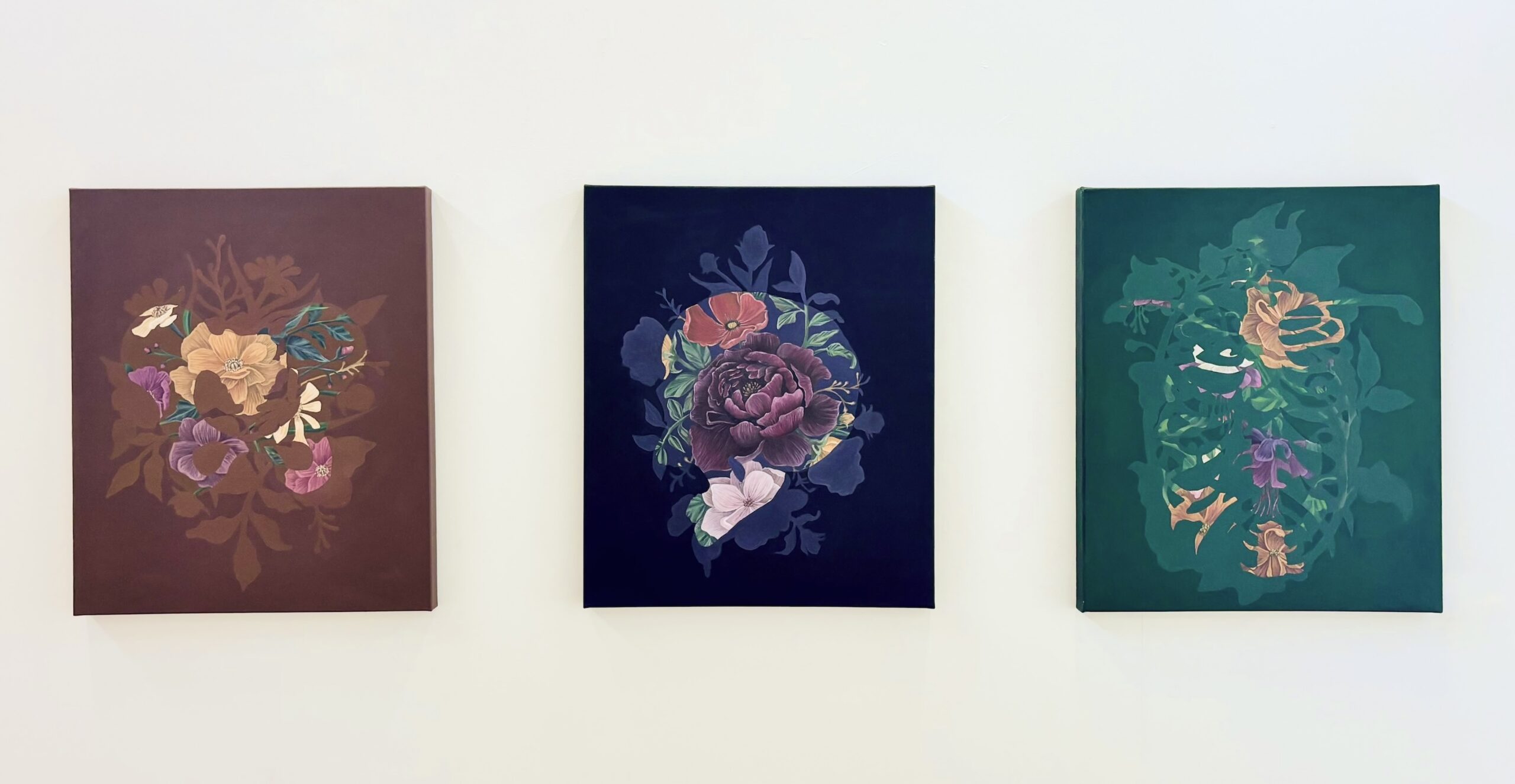
I am interested in experiences of death, grief, and the cycle of life. In how our mortality gives meaning and value to our existence. The work is attempting to hold a position between emotion and symbolism. I am attracted to the interplay of presence and absence, and in exploring how memories, experiences, and loss continue to shape us long after they have passed. The drawings, paintings and installation are inspired by memento mori and folk art traditions, exploring timeless themes through a contemporary lens. In the paintings, Victorian-gothic florals are intricate, fulsome, and are partially visible beneath overlaid symbols of the skull, the rib-cage, and the pelvis. Victorian society was deeply preoccupied with death, establishing strict mourning rituals and embracing the ideal of “The beautiful death”; the notion of dying at home, surrounded by loved ones. This concept inspired the paintings, arranged in a floral pattern reminiscent of Victorian wallpaper. Flowers carry strong memento mori associations, symbolizing the fleeting nature of beauty, life, and the inevitability of decay. They are balancing the attractiveness of the decorative with the starkness of bone. So the ornate and the unsettling are in close dialogue. Suggesting that beauty and death are not opposites but collaborators on our continuum. The drawings emerge from looser more expressive mark-making, and are in contrast to the formality of the paintings. The images of the fighting dogs, come from my interests in cave paintings, for example by the bison at Lascaux, as these paintings so succinctly capture the essence of the animal form in movement. These inspire the layered forms present in my drawing work. The dogs are caught mid-lurch, the complexity of their motion collapsed into urgent lines. The ambition is to capture not just the appearance of a subject but also its aliveness, its energy, its refusal to stay still. Fighting dogs sit on a threshold, of the domesticated and the wild. In many folk and religious traditions, dogs are psychopomps, guides between the living and the dead. The fighting dog then becomes something more charged: a creature that already inhabits the border between worlds, now locked in a struggle that may end in death. In the installation elements I use sand and bone materials altered and associated by the passage of time, such as the skull, a traditional symbol of death, juxtaposed with pearls, which have historically represented purity, divinity, and perfection. The contrasting symbols illustrate the balance and beauty found within the life cycle, suggesting that life and death are inseparable and that one gives meaning to the other. As my practice has developed, I have increasingly focused on the raw and uncomfortable emotions that accompany grief; grief becoming a form of knowledge. Artists such as Goya have influenced me through their use of dark and unsettling imagery to reveal inner struggles and emotional complexity. Ultimately, my work seeks to find beauty within impermanence, encouraging reflection on the interconnectedness of life and death and the ways in which grief can deepen our understanding of both.