Institution
TU Dublin
Medium
Film
Graduation Year
Class of 2026
Share
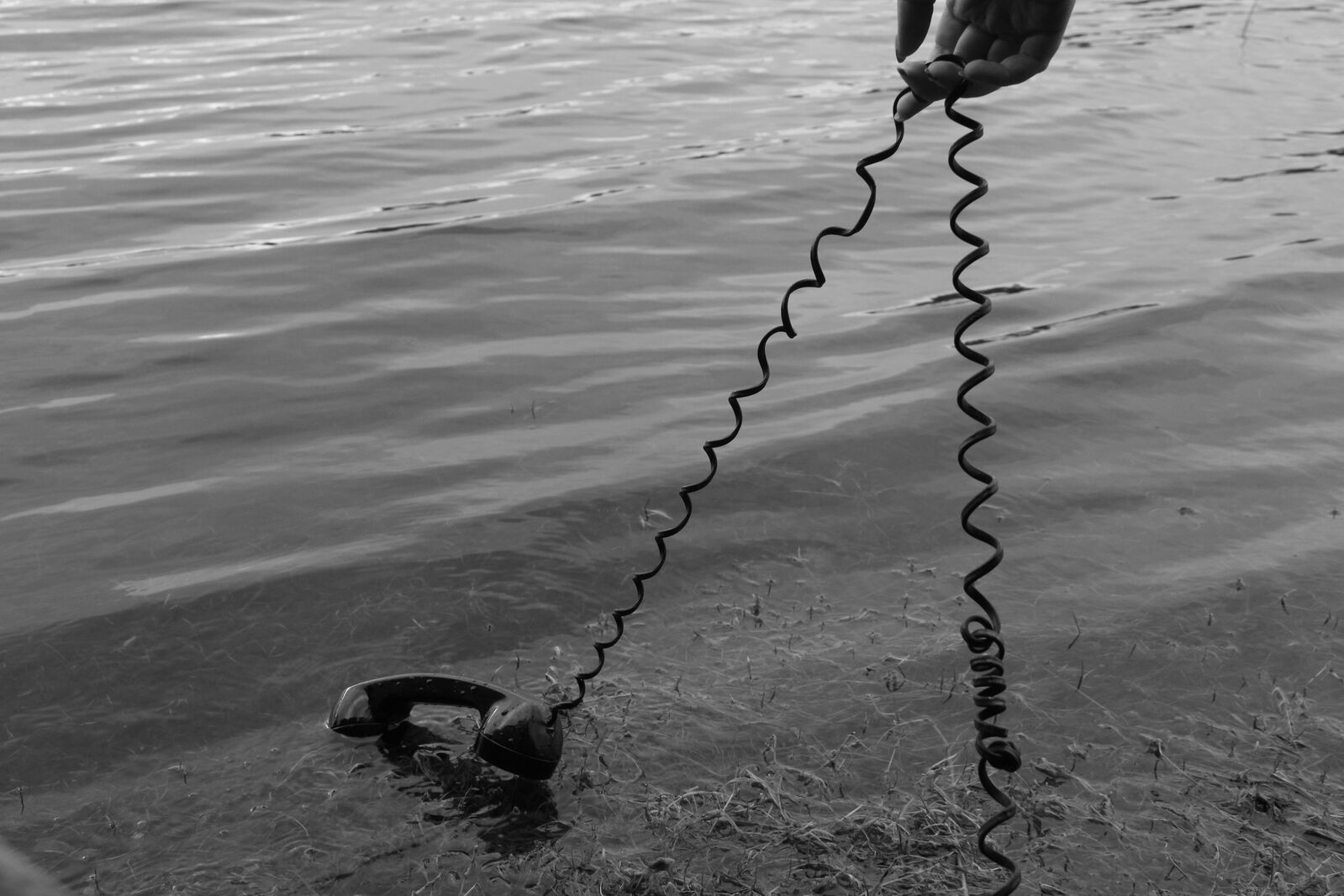
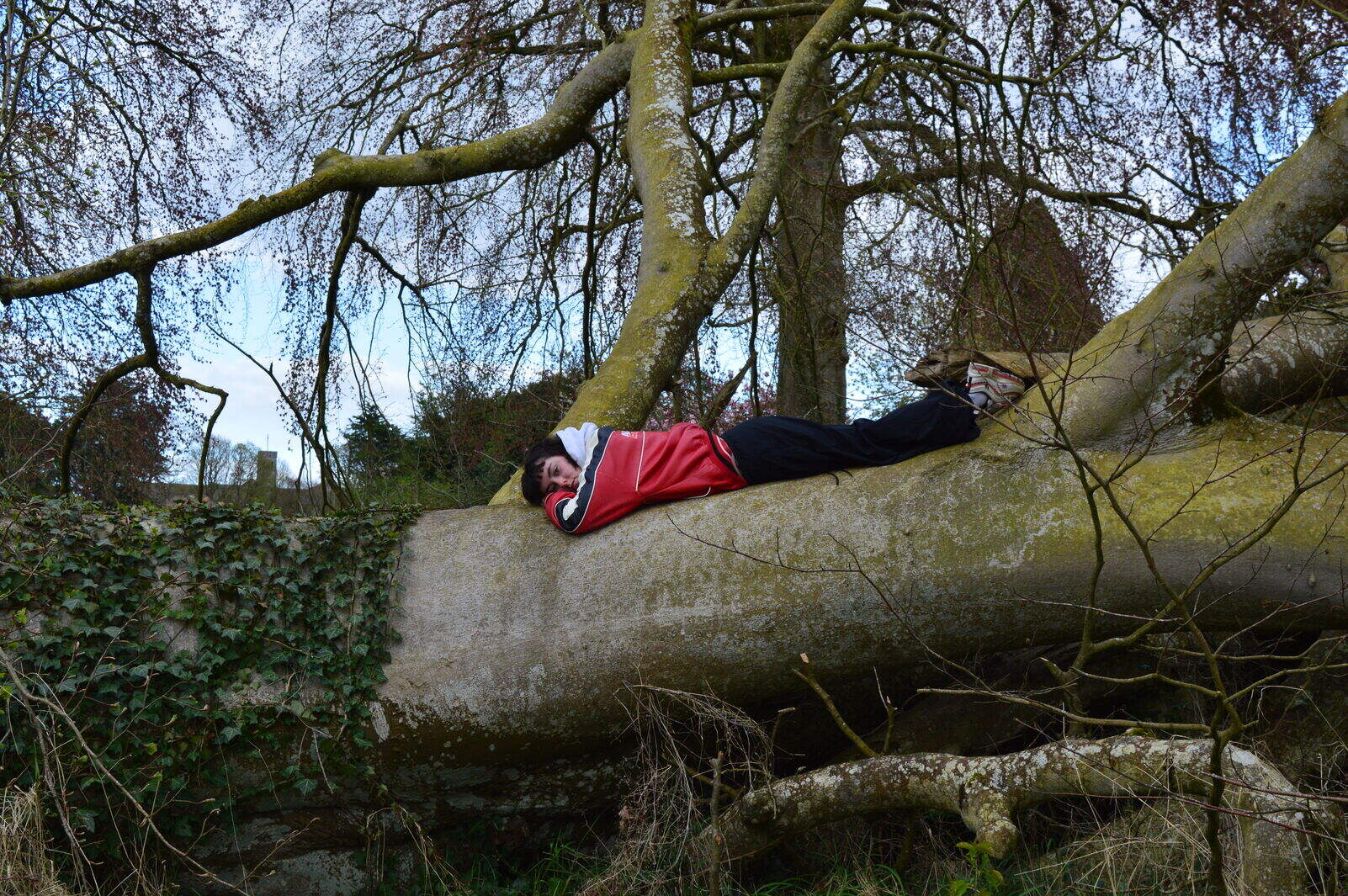
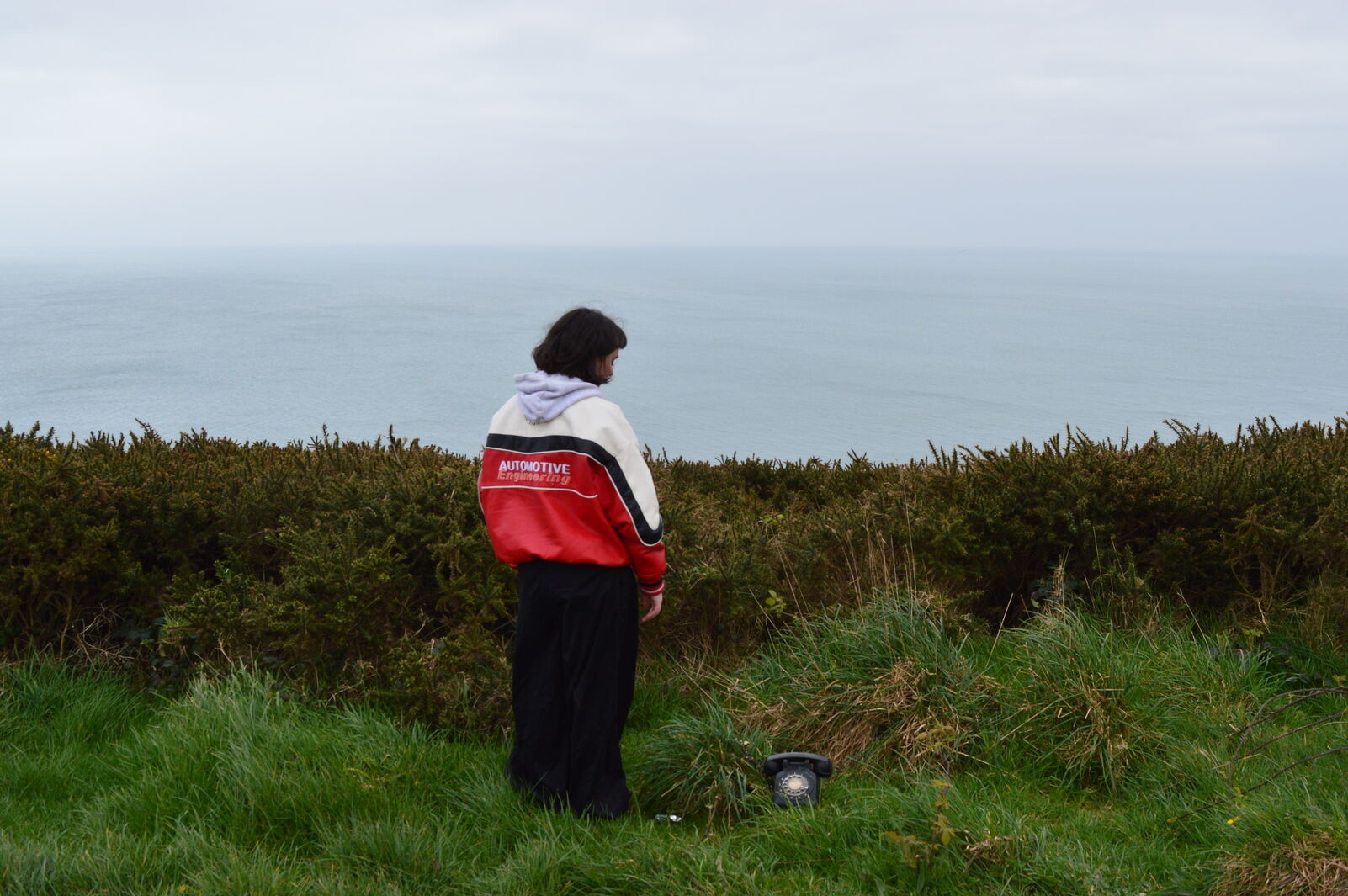
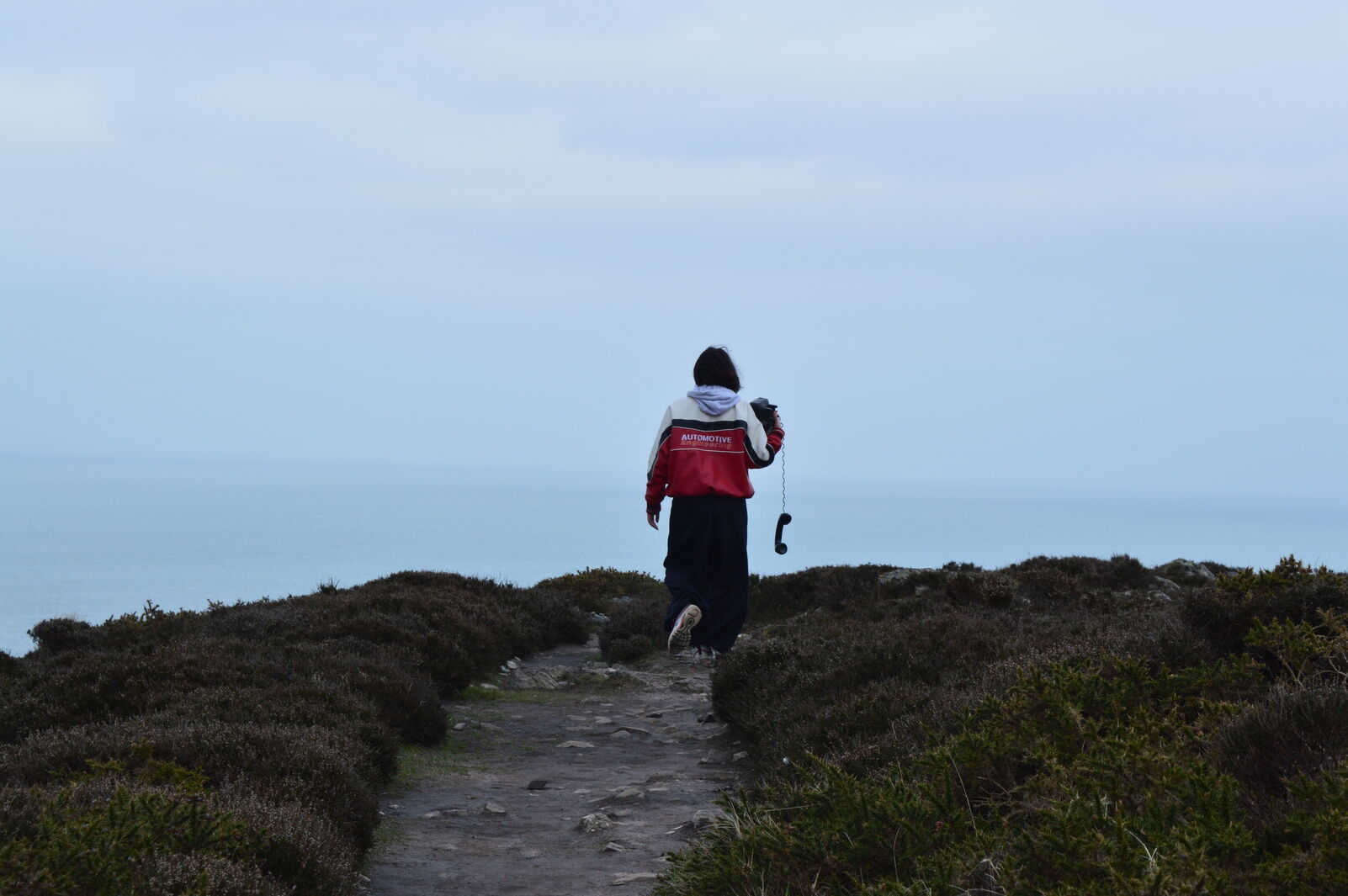
I am a Dublin-based artist working primarily in video and performance. Currently, my work has been focusing on personal experiences and contemporary communication, specifically the paradox of technological connection. Absurdity and humour play an important role in my practice, allowing me to communicate the frustration and emotional contradictions embedded within contemporary life. My current body of work is a dual-screen performance video titled 90 Days in 10 Minutes. The project emerged from a period of suspended uncertainty after somebody very close to me was given a fixed amount of time before a major life change. During that period, there was this strange awareness of time passing, where every day felt heightened and emotionally unstable. These ninety days are reflected through my own perspective, and the work loosely conveys the five stages of grief in a non-linear way: denial, anger, bargaining, depression, and acceptance. The film installation consists of a two-channel video projection using two synchronised BrightSign media players, alongside an assemblage of wooden logs. Three of the logs function as seating, while others display objects extracted directly from the video: a mug, a jacket, and a 1960s dial phone. At the centre of the work is a dial phone which acts as a symbolic device. Throughout the film, I drag and interact with it across landscapes such as cliffs, forests, lakes, and rivers. The phone is visibly outdated and functionless, representing carrying something in search of connection while already knowing that connection is no longer possible. Conceptually, the project centres around disenfranchised grief, disconnection, and disbelief. I was interested in how grief exists outside of bereavement/bereavement without a body and how certain forms of loss are not publicly recognised or socially validated. The structure of the work functions like a continuous closing credits scene. Closing credits scenes are typically 5-10 minutes. One screen is constantly playing a rolling end credits, drawing from film language and ideas of endings and reflection. I was interested in the emotional atmosphere of end-credit scenes, that suspended feeling where something is over but emotionally still unresolved. The other screen shows the stages of grief in fragmented and overlapping ways rather than as a fixed sequence. My primary research methods are highly process-driven. I built an archive of still images, recordings, and video footage from which the work gradually emerged. Writing and redrafting narration became central to the process, alongside editing and sound design in DaVinci Resolve. The narration was intentionally fragmented and partially obscured, allowing emotional weight to remain while resisting direct explanation.