
Growing up in Derry, Locky Morris lived under the kind of hyper-surveillance that has gradually become the norm worldwide.
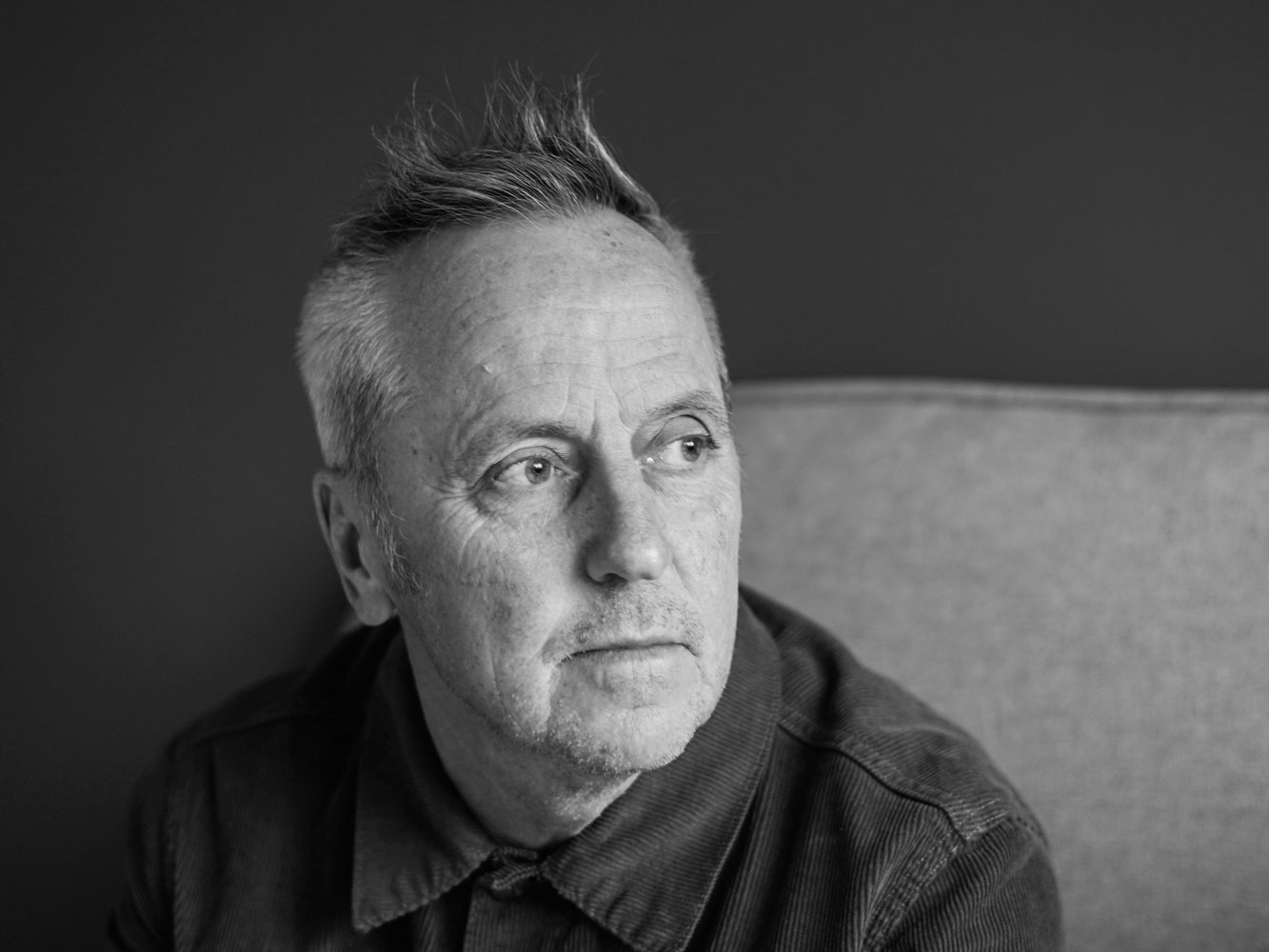
Growing up in Derry, Locky Morris lived under the kind of hyper-surveillance that has gradually become the norm worldwide. One of his earliest and best-known works, Town, Country and People (1985–86), is a vivid sculptural installation in which cones of revealing light radiate from circling helicopters, exposing the doings of the hapless populace on the ground. Blue-Peterish mockups of the ubiquitous armoured police Land Rovers were also a staple of his work at the time.
The question of the artist and the community has been at the heart of Morris’ work from the beginning. Not, one feels, entirely on the basis of personal inclination, but rather as something thrust upon him through birth and belonging, growing up in the storm of the Troubles. Immersed in a community with a core of uncertainty, by virtue of history, geography and demographics, he became fascinated by all those deterministic factors and, with a combination of wit and insight, has consistently tried to orientate himself in relation to the given circumstances and unfolding events, without taking anything for granted. Notably, he has been wary even of such terms as ‘art’ and ‘community’.
Morris has always played the hand he was dealt and been active on several levels, fascinated by the material culture around him as much as by the physical fabric, the psychology and the enveloping historical context of his environment. He has configured found objects, photographs and audio-video sources in sculptural installations. Latterly, his photographs have relished what might be termed everyday Surrealism – which is, it turns out, more real than Realism.
Morris is one of several individuals elected to Aosdána this year under the banner of visual arts and architecture. The other new members in this field are multimedia artist Orla Barry; filmmaker Alan Gilsenan, whose activities extend into theatre direction and writing; and architect Shih-Fu Peng, following in the footsteps of his partner, Roisín Heneghan, who was elected last year.
Aidan Dunne
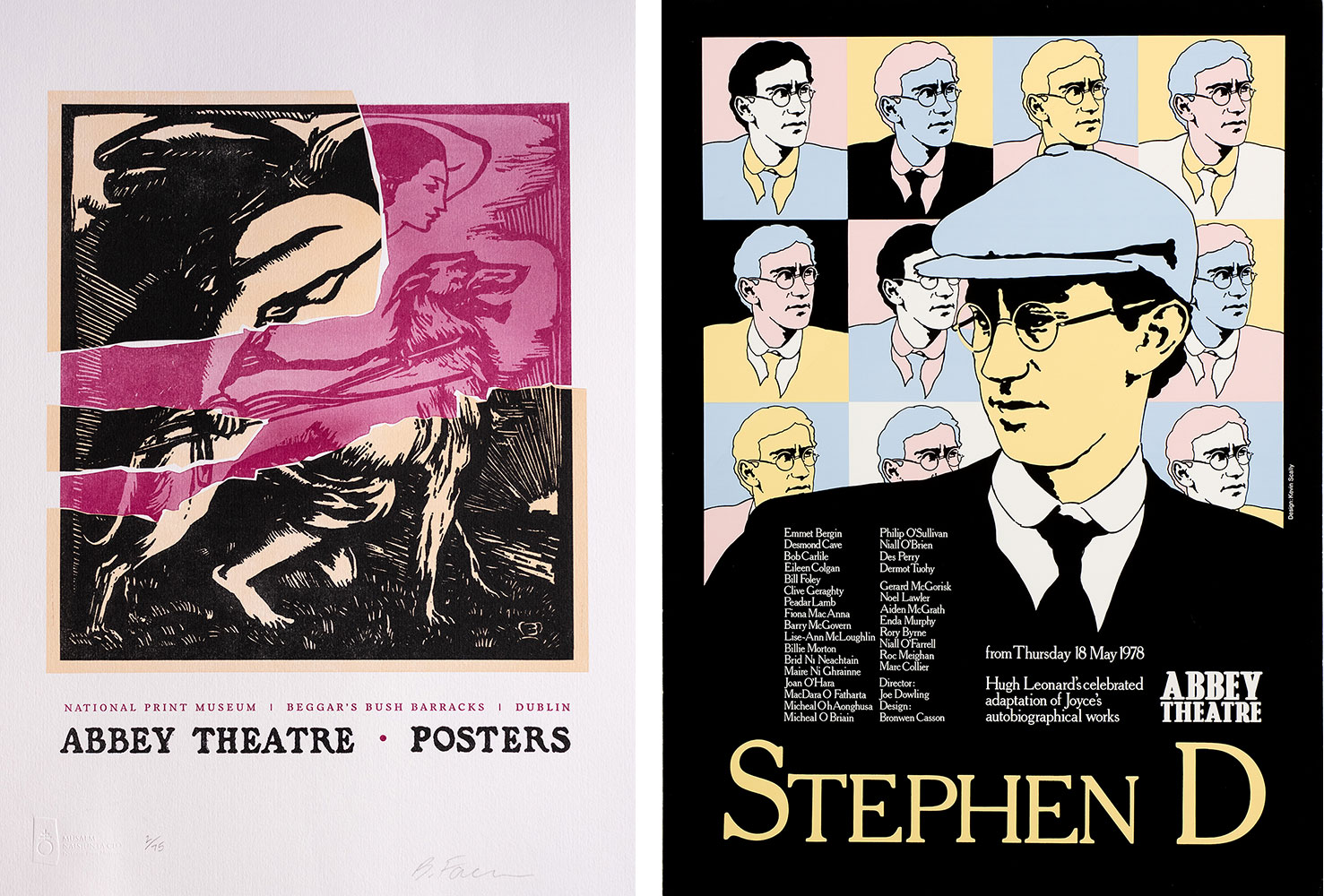
‘Poster Boys’ at the National Print Museum in Dublin’s Beggars Bush is an exhibition of fifty-six original Abbey Theatre posters from the 1970s and 1980s.
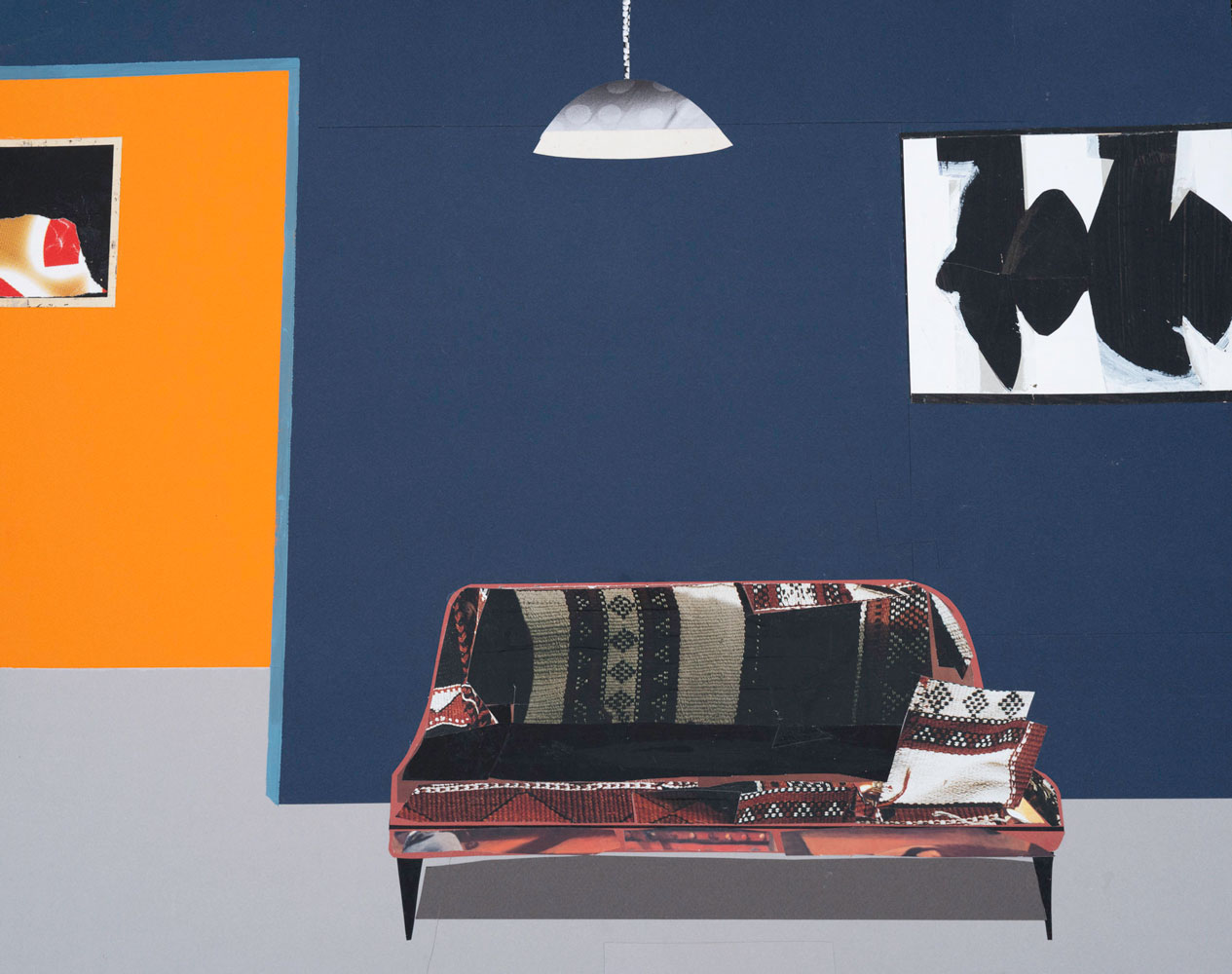
There were 2,700 submissions to this year’s Royal Ulster Academy (RUA) exhibition, from which 353 were selected.
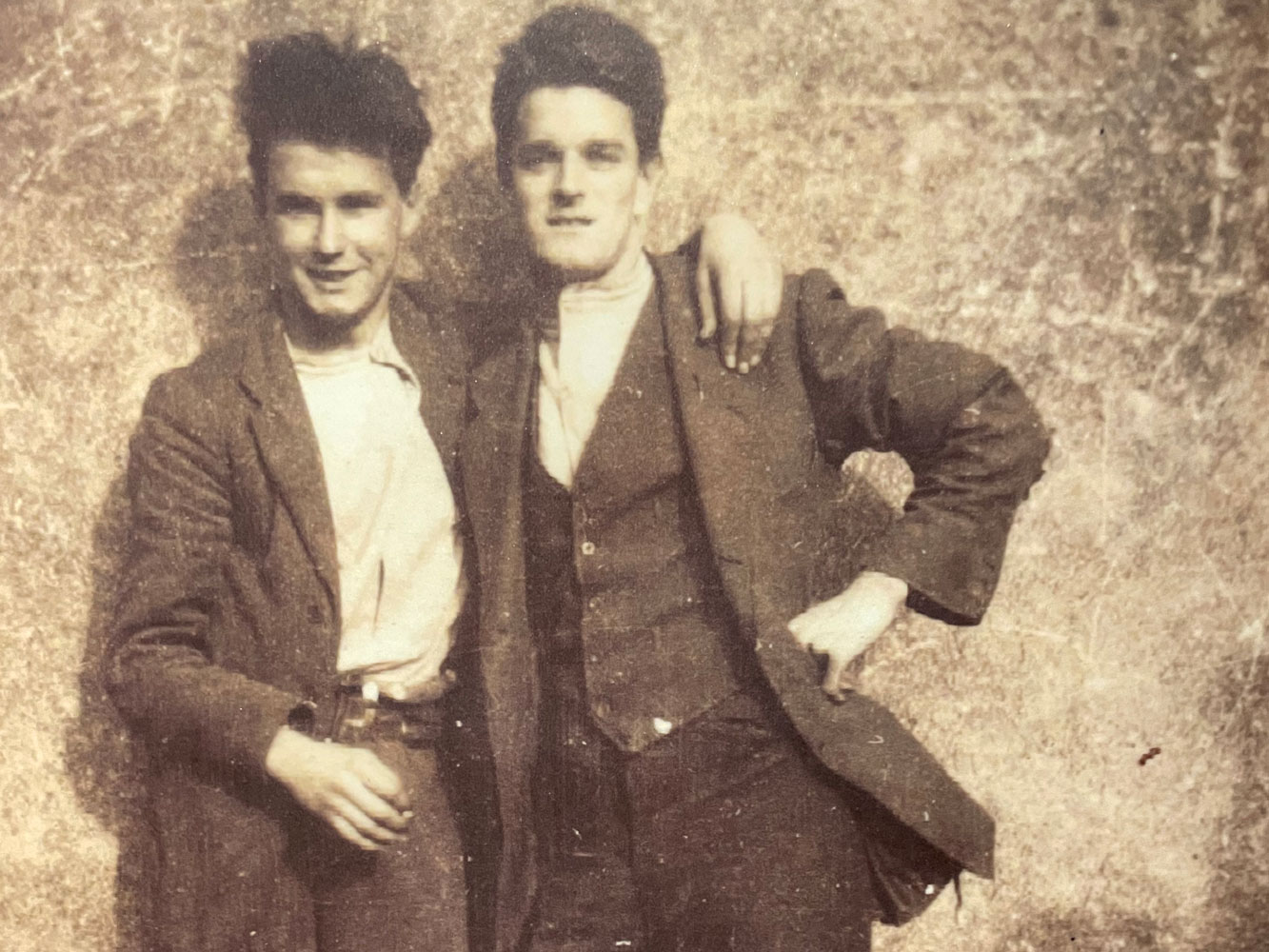
An intriguing exhibition at Kilmainham Gaol’s museum in Dublin features photographs secretly taken by the prisoners detained during Ireland’s War of Independence.