
Patrick Pye’s innovation as a modernist lies in his revitalization of religious art, writes Stephen McKenna in his assessment of Brian McAvera’s new book on the artist
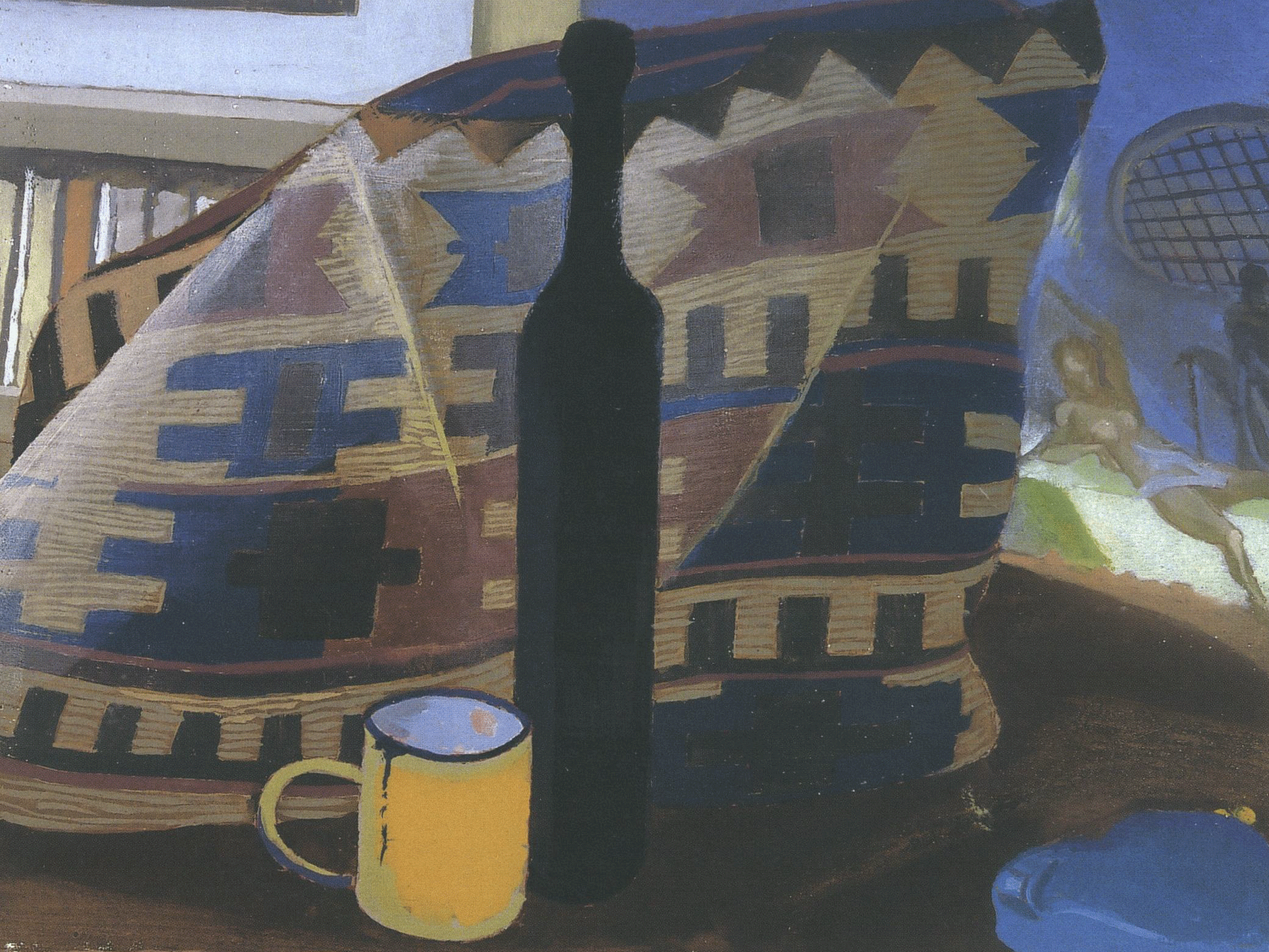
To describe Patrick Pye as a painter of religious subjects is rather like calling George Stubbs ‘the horse painter’. In both cases it would be true, but misleading. While the paintings of Stubbs still attract the attention of the English county set who otherwise show little interest in art, and the anatomical drawings are of use to veterinarians today, the paintings are increasingly recognized as being among the most significant works of the 18th century. In the case of Patrick Pye, many of his paintings and stained-glass windows were certainly commissioned by the Catholic Church and no doubt move the faithful to reverential thoughts, but their status as independent works of art is indisputable.

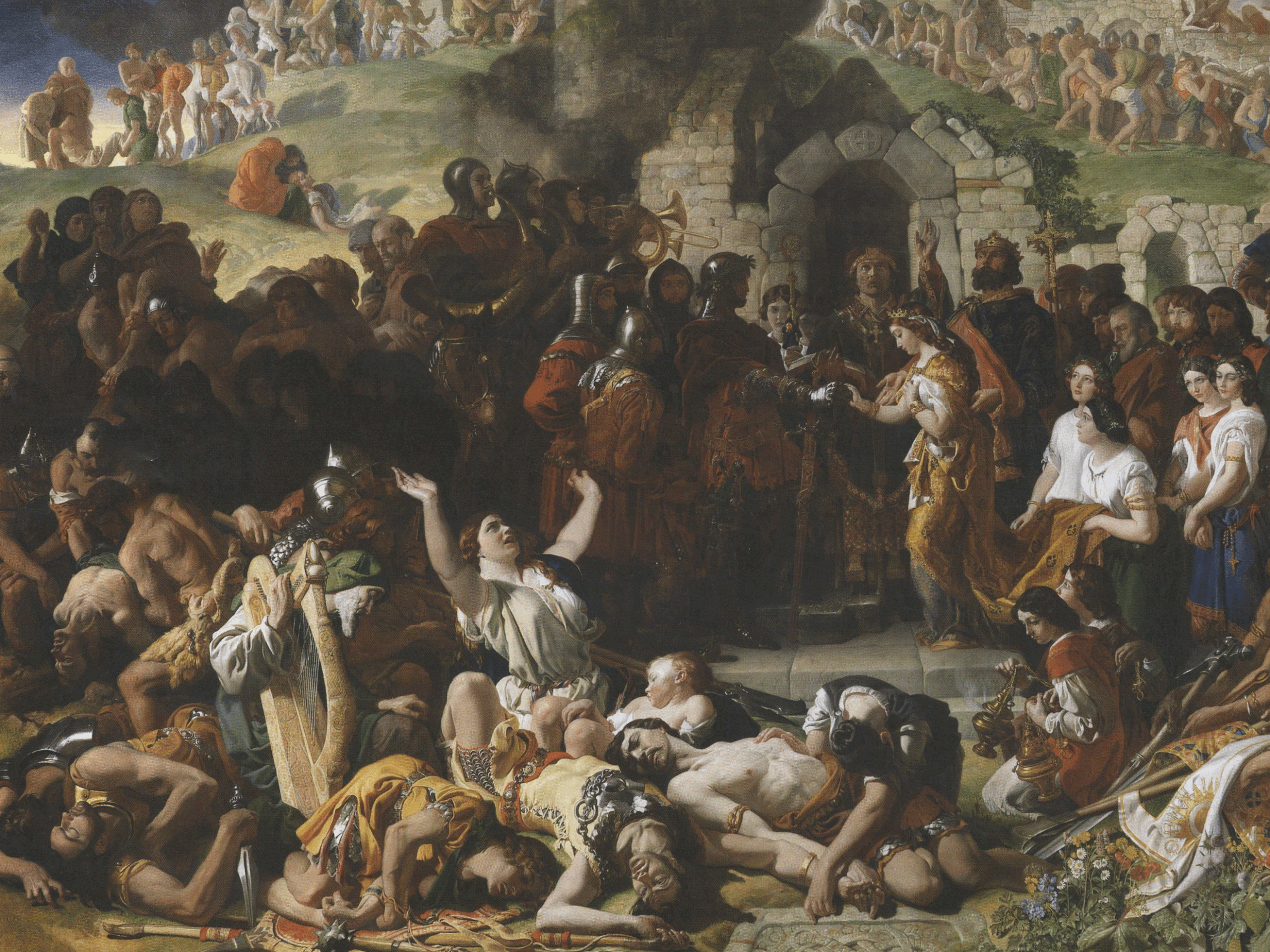
Was Daniel Maclise a proto-Nationalist painter? Peter Murray thinks not, in his assessment of the National Gallery’s recently restored masterpiece.
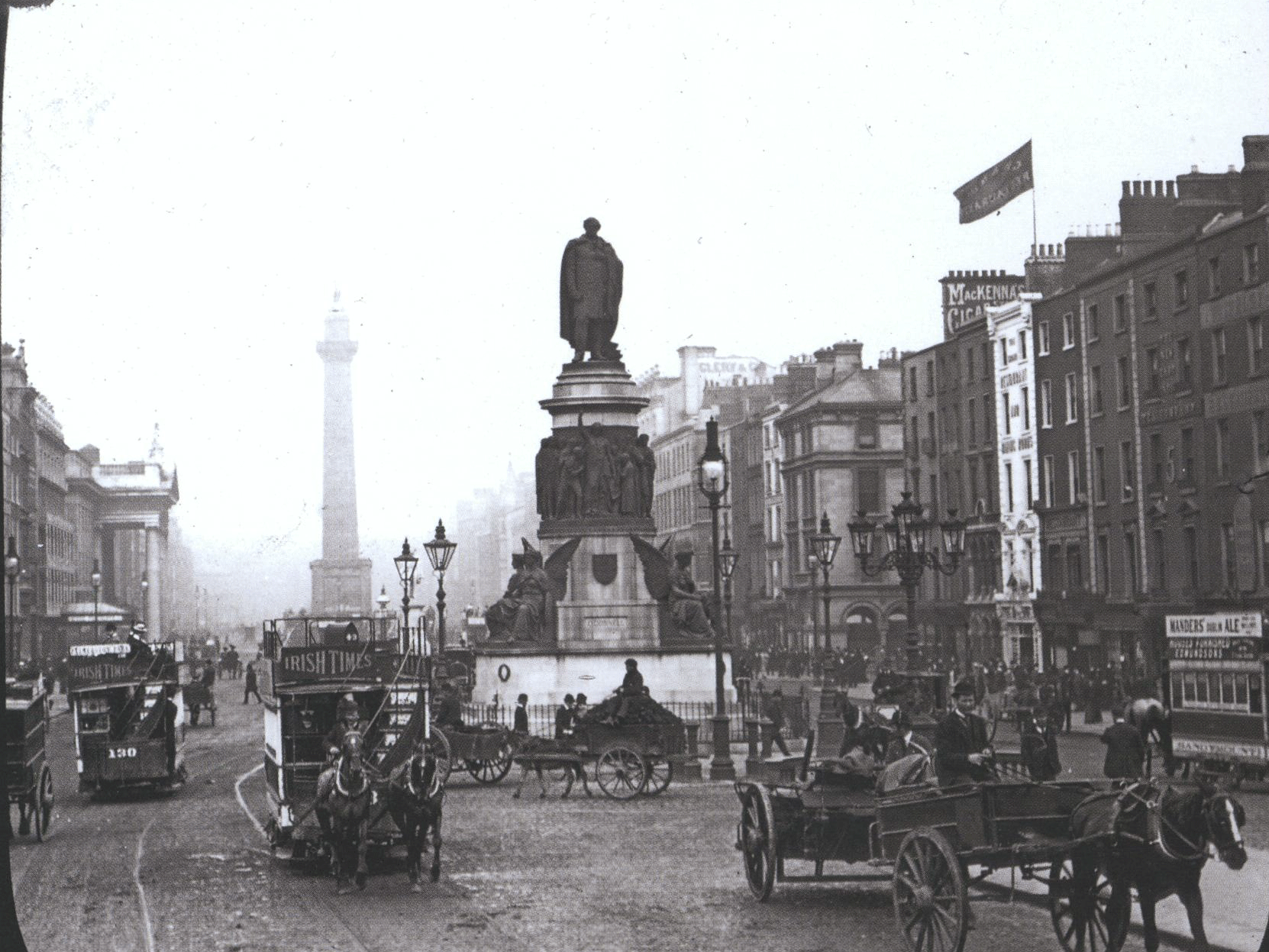
Christiaan Corlett looks at a valuable, but little-known portfolio of photographs taken by Victorian doctor Ephraim MacDowel Cosgrave, now in the collection of the Royal Society of Antiquaries of Ireland
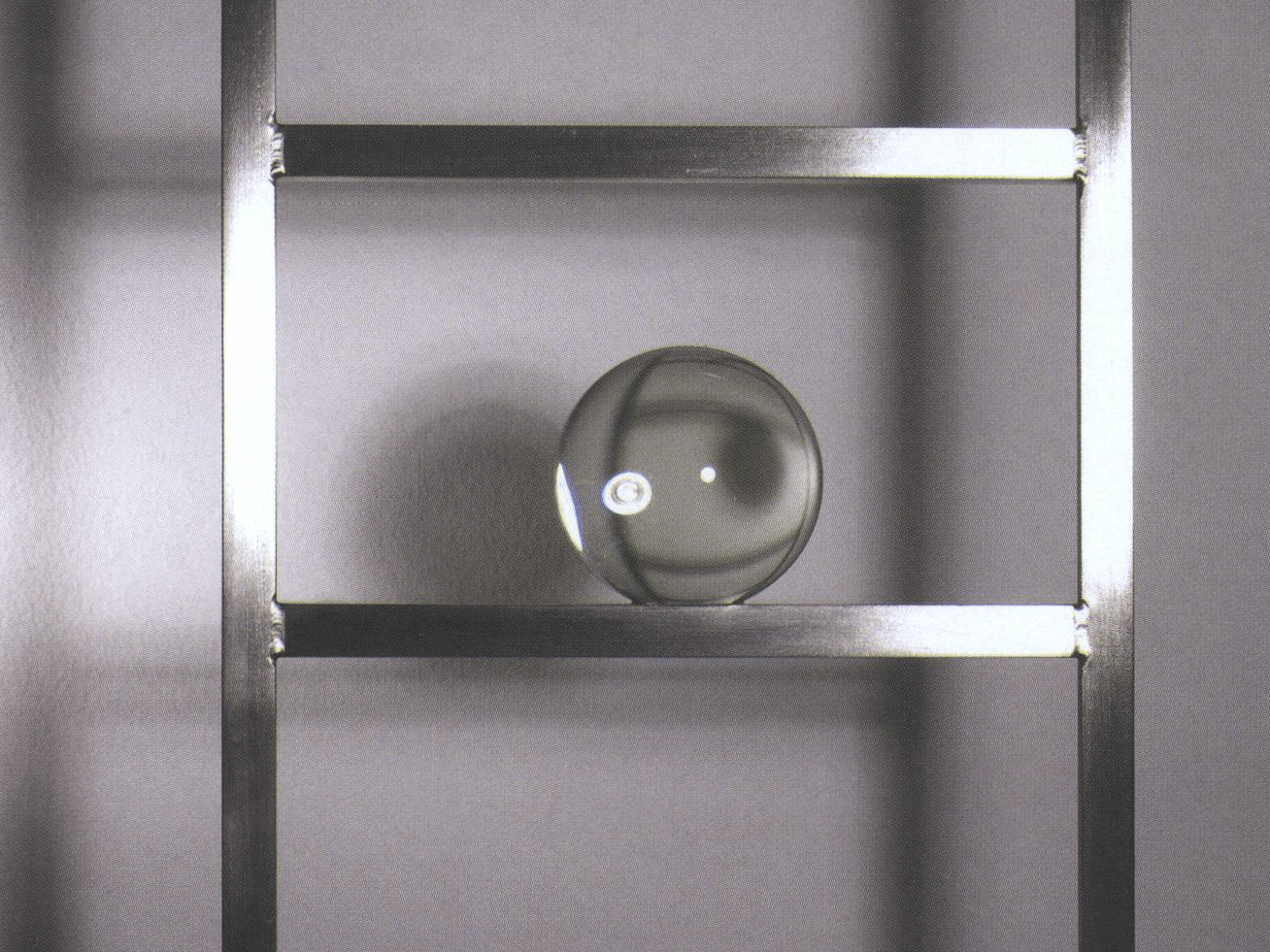
Vivienne Roche belongs to a generation who transformed what sculpture could be. ‘I don’t consider myself an object-maker. I work with place and change’, she tells Brian McAvera while her exhibition continues at the Royal Hibernian Academy