
Peater Pearson visits Waterford’s Medieval Museum which completes the trilogy of cultural venues celebrating the historic city’s material culture
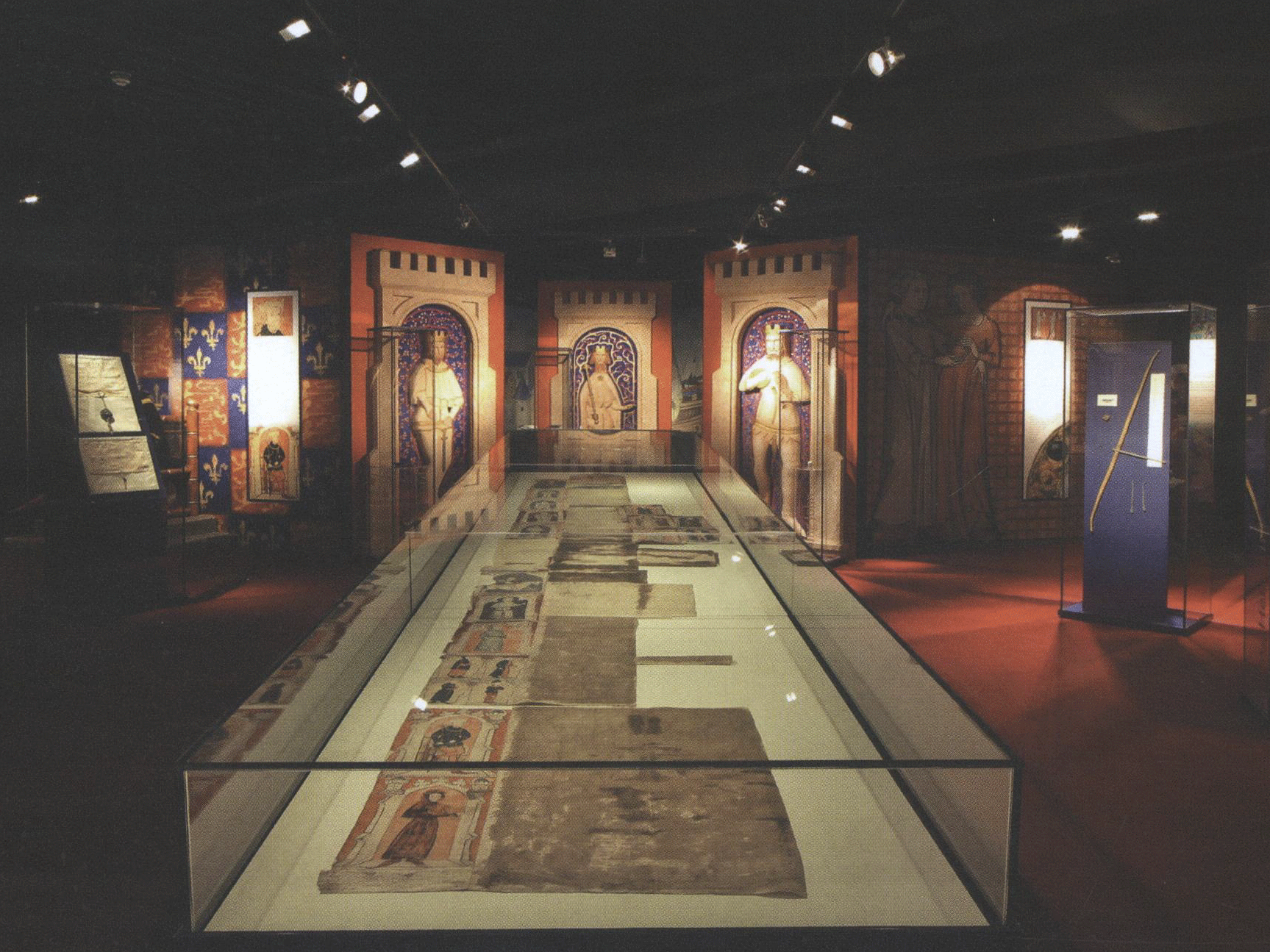
Waterford’s long and dignified history continues to be celebrated by the recent opening of a new museum in the city – conceived and built within the last two years, despite the economic recession. The decision to expand and develop the city’s rich cultural past, at this time, is a vote of confidence in the future. The new building in the heart of this port city incorporates a previously buried and inaccessible, vaulted medieval structure and an ancient wine cellar. These early structures have been carefully conserved and lit, and are a real pleasure to visit. The museum is located at the east end of Waterford’s beautiful Christ Church Cathedral. Standing close by is the Bishop’s Palace, a large cutstone mansion built in 1743 to the designs of Richard Castle, and now fully restored from its previous office use and opened to the public last year. The Bishop’s Palace houses an outstanding collection of fine art, including paintings, furniture, artefacts and important memorabilia relating to the city’s history, from the 18th century onwards.

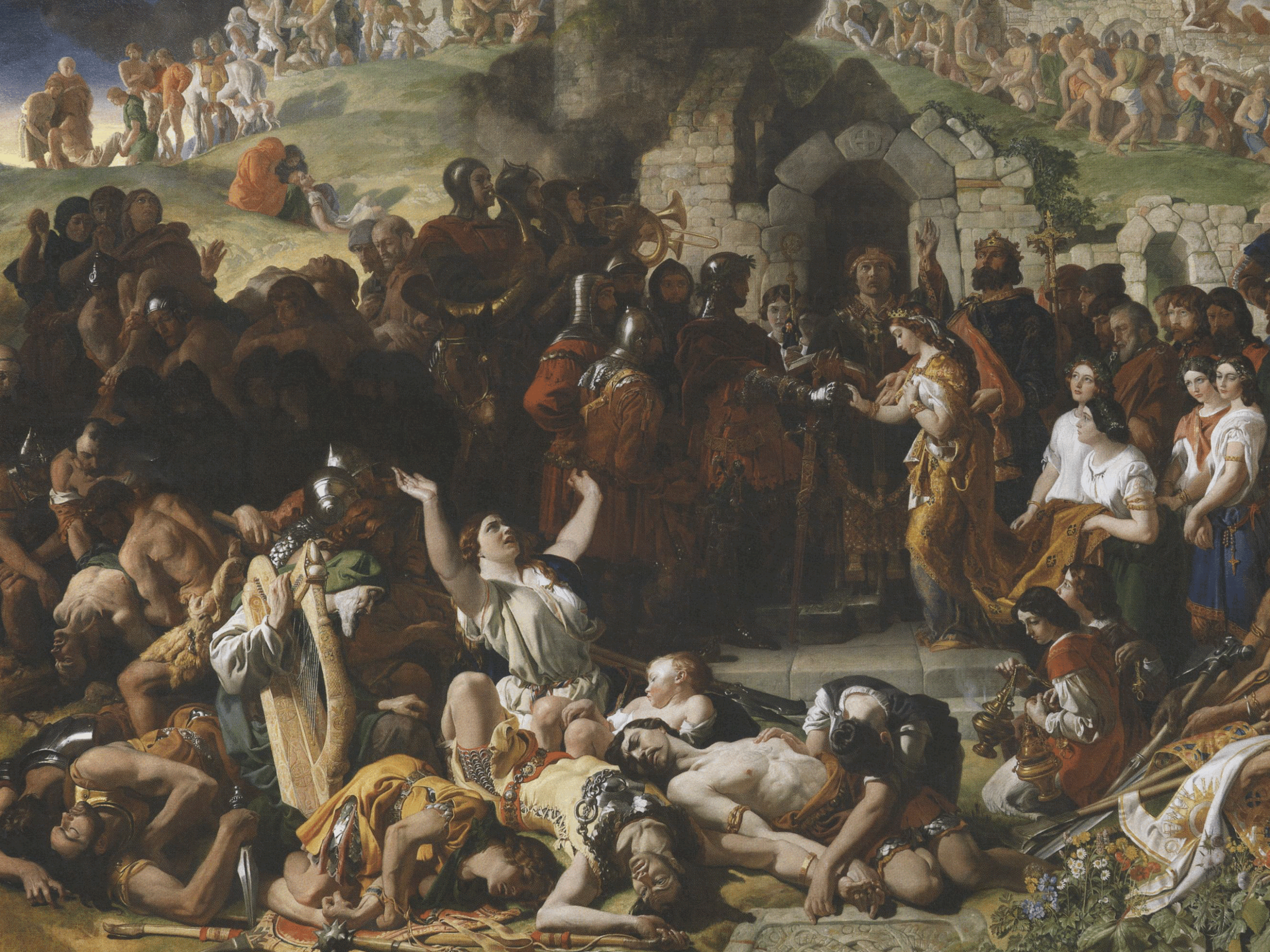
Was Daniel Maclise a proto-Nationalist painter? Peter Murray thinks not, in his assessment of the National Gallery’s recently restored masterpiece.
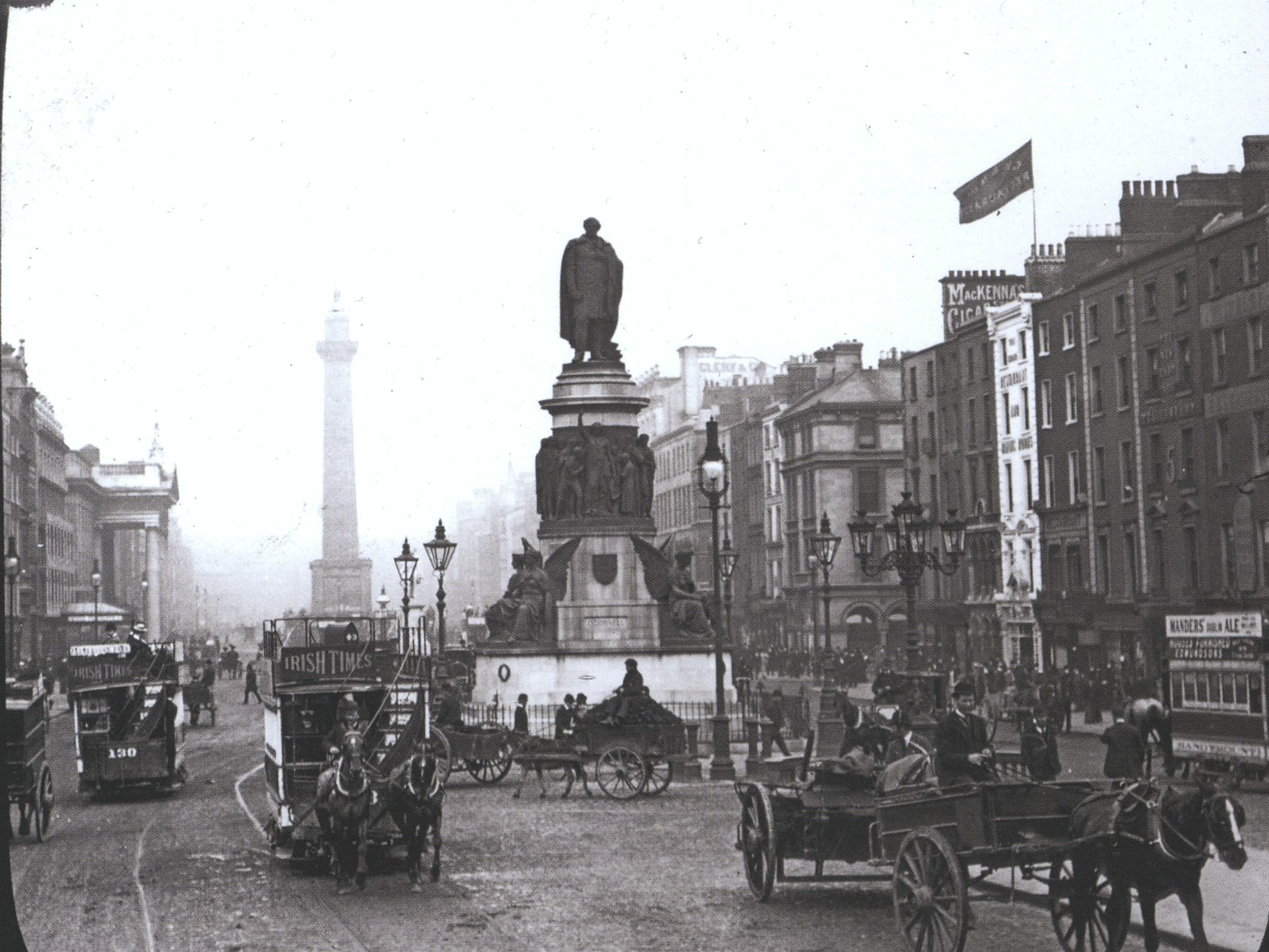
Christiaan Corlett looks at a valuable, but little-known portfolio of photographs taken by Victorian doctor Ephraim MacDowel Cosgrave, now in the collection of the Royal Society of Antiquaries of Ireland
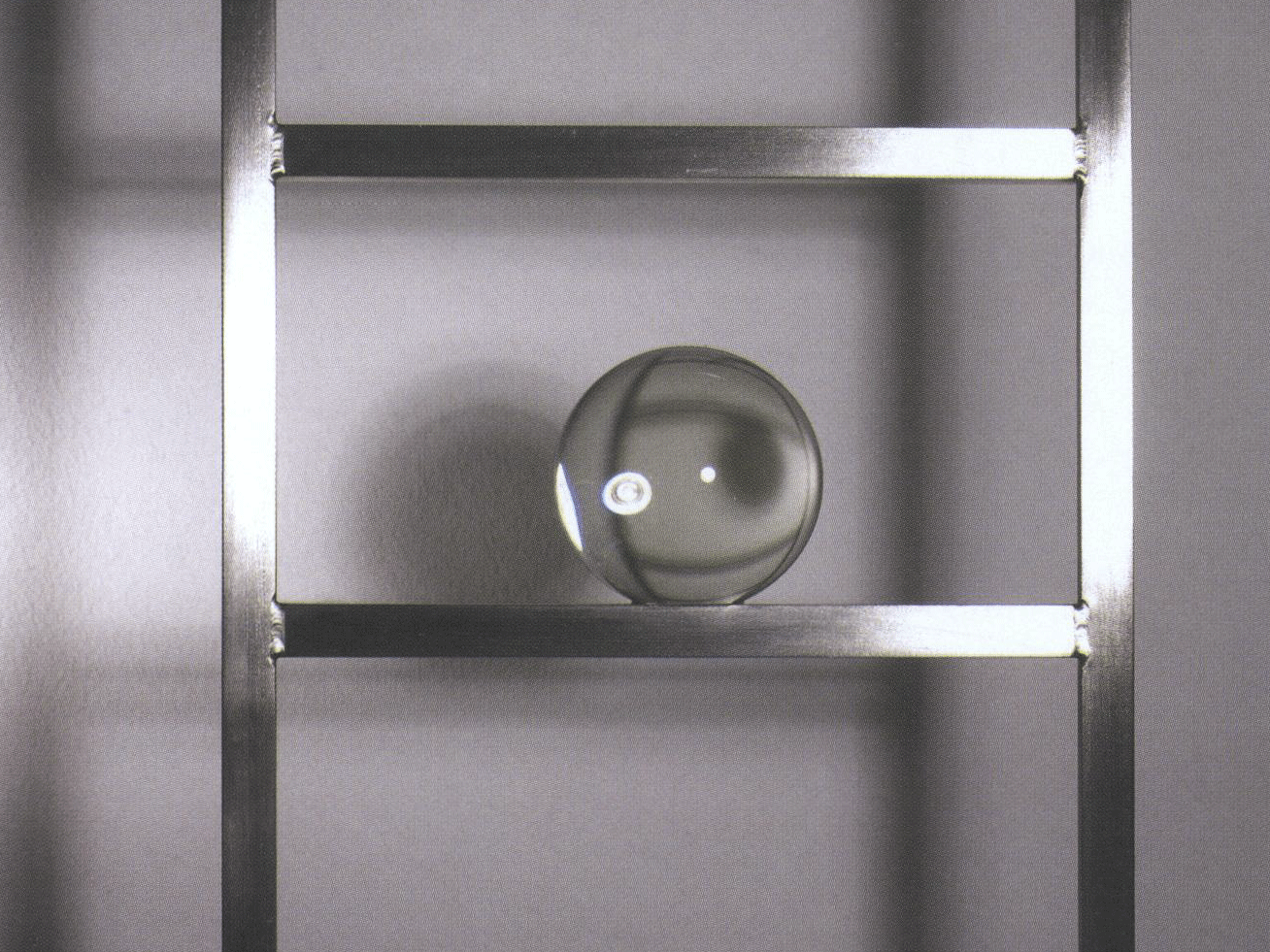
Vivienne Roche belongs to a generation who transformed what sculpture could be. ‘I don’t consider myself an object-maker. I work with place and change’, she tells Brian McAvera while her exhibition continues at the Royal Hibernian Academy