On the bicentenary of his birth, Amélie Dochy appraises Erskine Nicol’s paintings of mid-19th-century Ireland
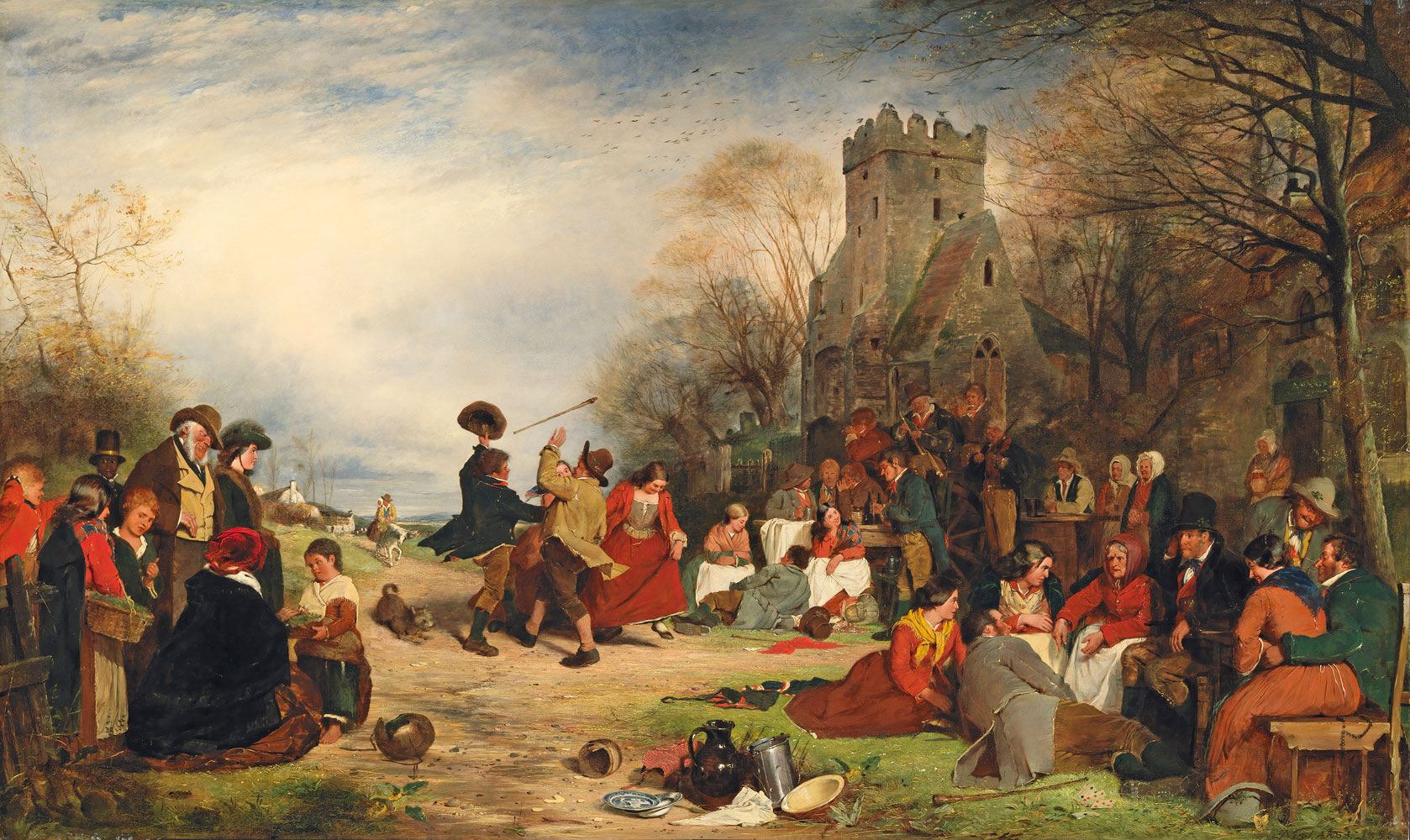
Scottish genre painter Erskine Nicol produced more than 600 pictures of Irish life. If his work is tainted by some anti-Irish caricatures designed for the British market, it is also of historical and artistic significance, focusing on many interesting aspects of rural life in Victorian Ireland.
Born in Leith, near Edinburgh, on 8 July 1825, Erskine Nicol was the first child of Margaret Alexander and James Nicol, a cooper, who had him baptised in the Protestant faith. When he was only thirteen, he was admitted to the Trustees’ Academy of Edinburgh, despite the minimum age for entry being fourteen years, and the disapproval of his father. In a lower-middle-class family with six children, the necessity for the eldest son to earn a living was deeply felt. Nicol’s humble origins might explain his interest in ordinary people as well as his choice to specialise in genre painting.
To read this article in full, subscribe or buy this edition of the Irish Arts Review
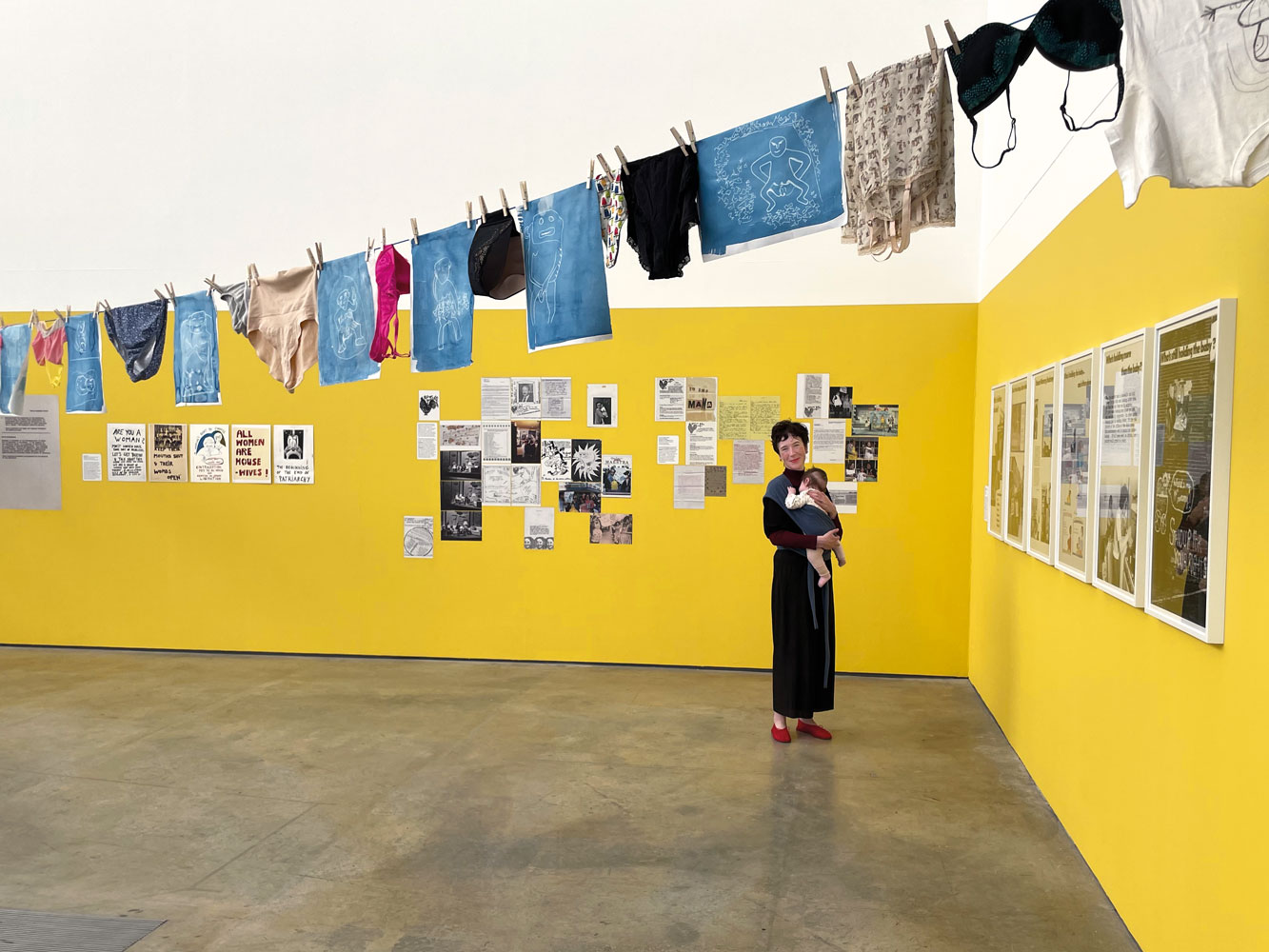
Margarita Cappock visits an exhibition that explores artists’ lived experience of becoming – or not becoming – a mother, in all its intricacy
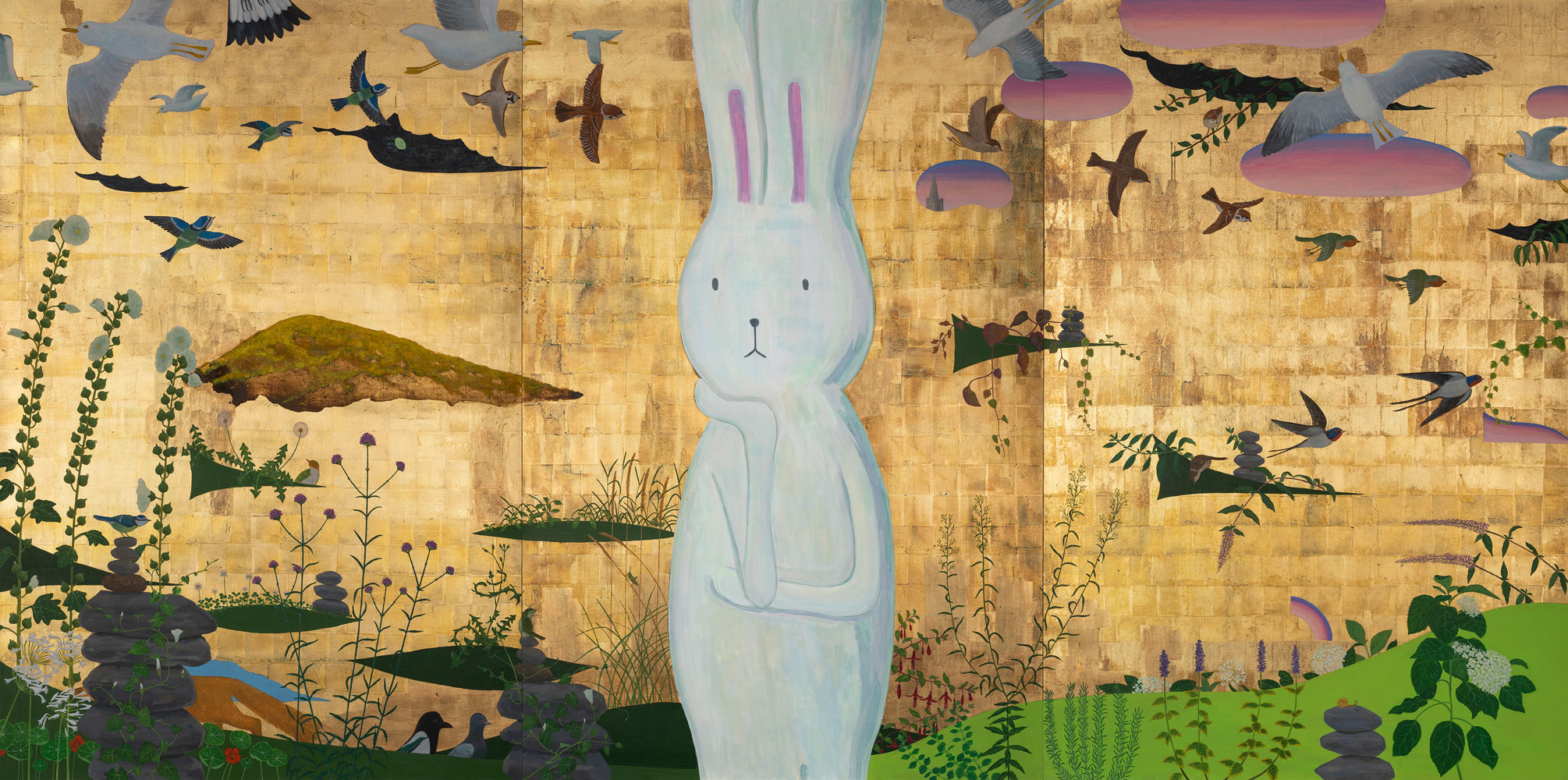
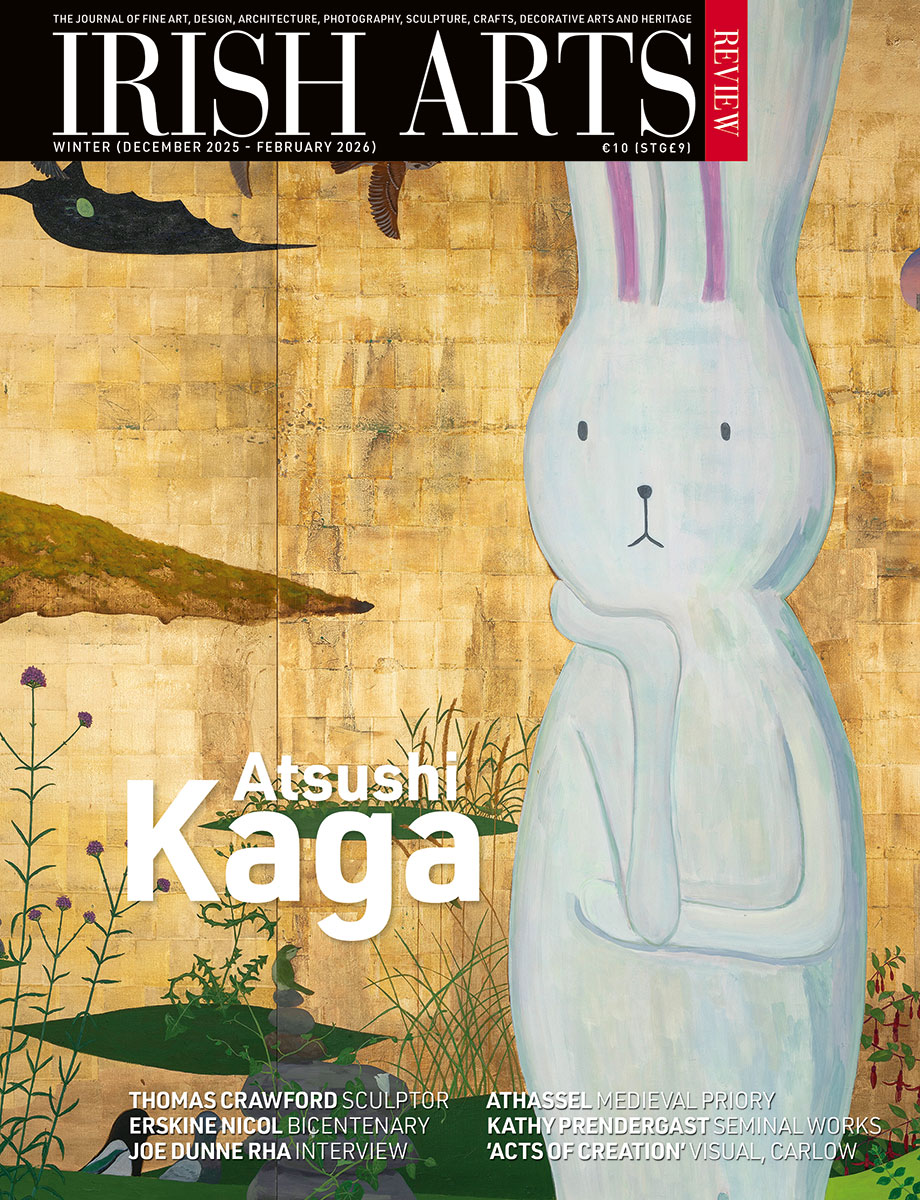
Francis Halsall finds in Atsushi Kaga’s paintings an aesthetic influenced by Japanese culture, European art and everyday life
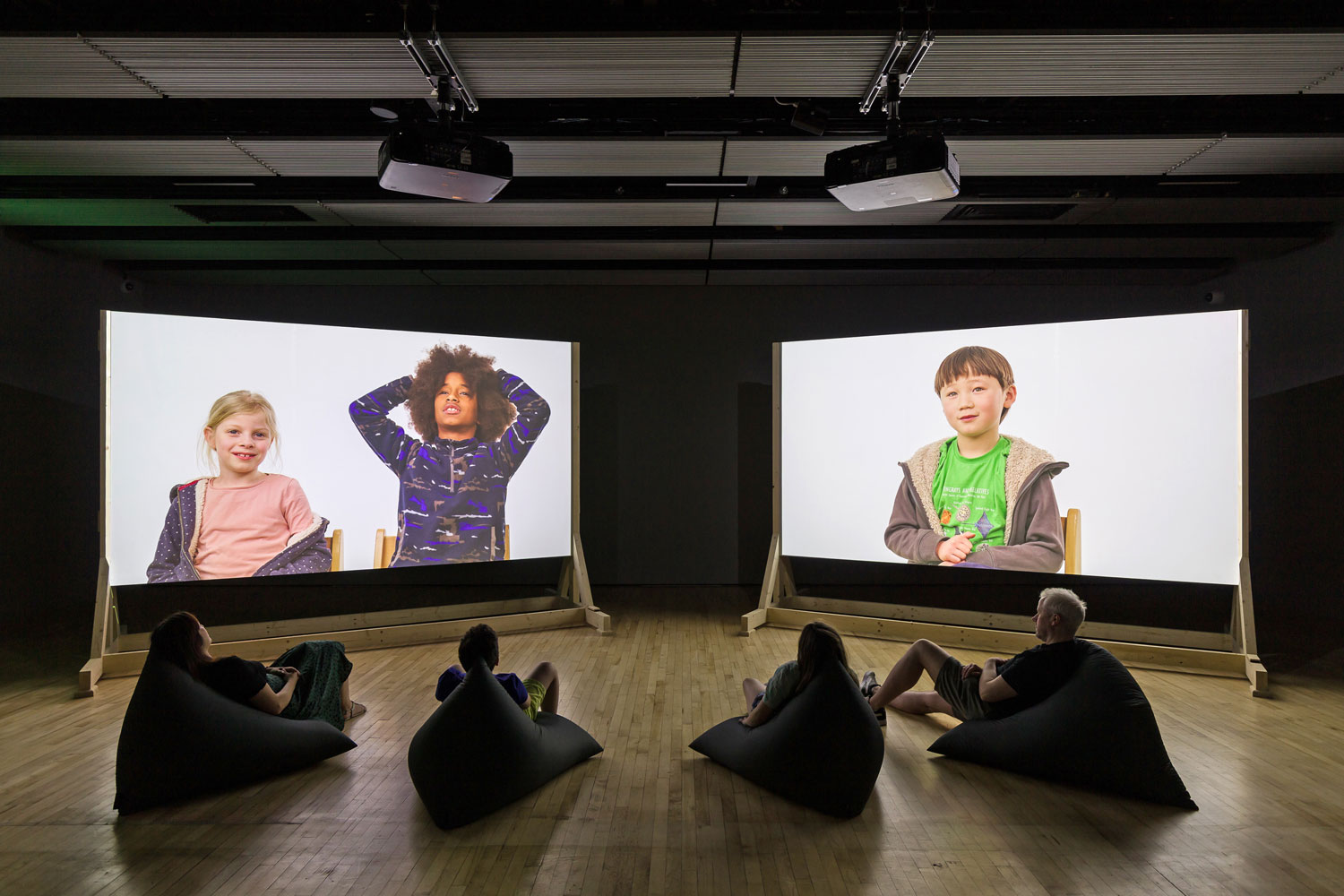
Emer McGarry offers insights into works included in the thematic exhibition ‘Inheritance’