
Yvonne Scott celebrates some seminal works in the practice of artist Kathy Prendergast
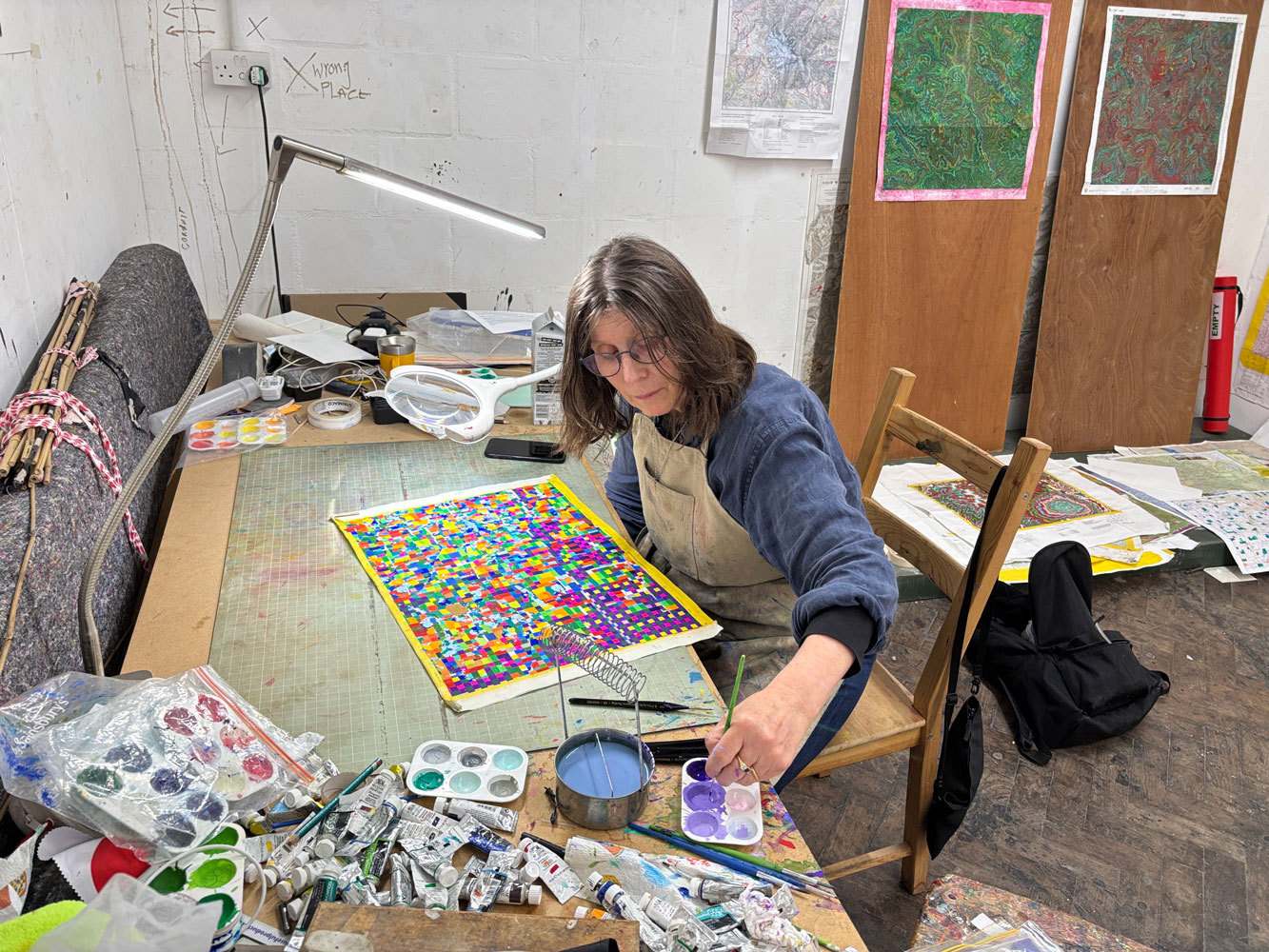
The iconic Waiting (1980) and the recent ‘Stasis Field’ exhibition effectively bookend Kathy Prendergast’s creative process to date, revealing her principal interest in human circumstances and emotions explored through unexpected materials. These media have been selected less for their practicality and durability and more for their contribution to the meaning of the artworks. Her materials have included dressmaking patterns, human hair, stones and rocks, yarn, glass vitrines, desiccated flowers and familiar everyday objects. The most common materials relate to cartography: she has used maps and the technology of their production both as medium and as subject, aware of the myriad connotations of wayfinding and entitlement as well as the enduring aesthetic appeal of the map. Running through her process is the connection between two-dimensional diagrams (as in scientific treatises and atlases) and the three-dimensional reality (such as the body or the landscape) it seeks to signify.
To read this article in full, subscribe or buy this edition of the Irish Arts Review
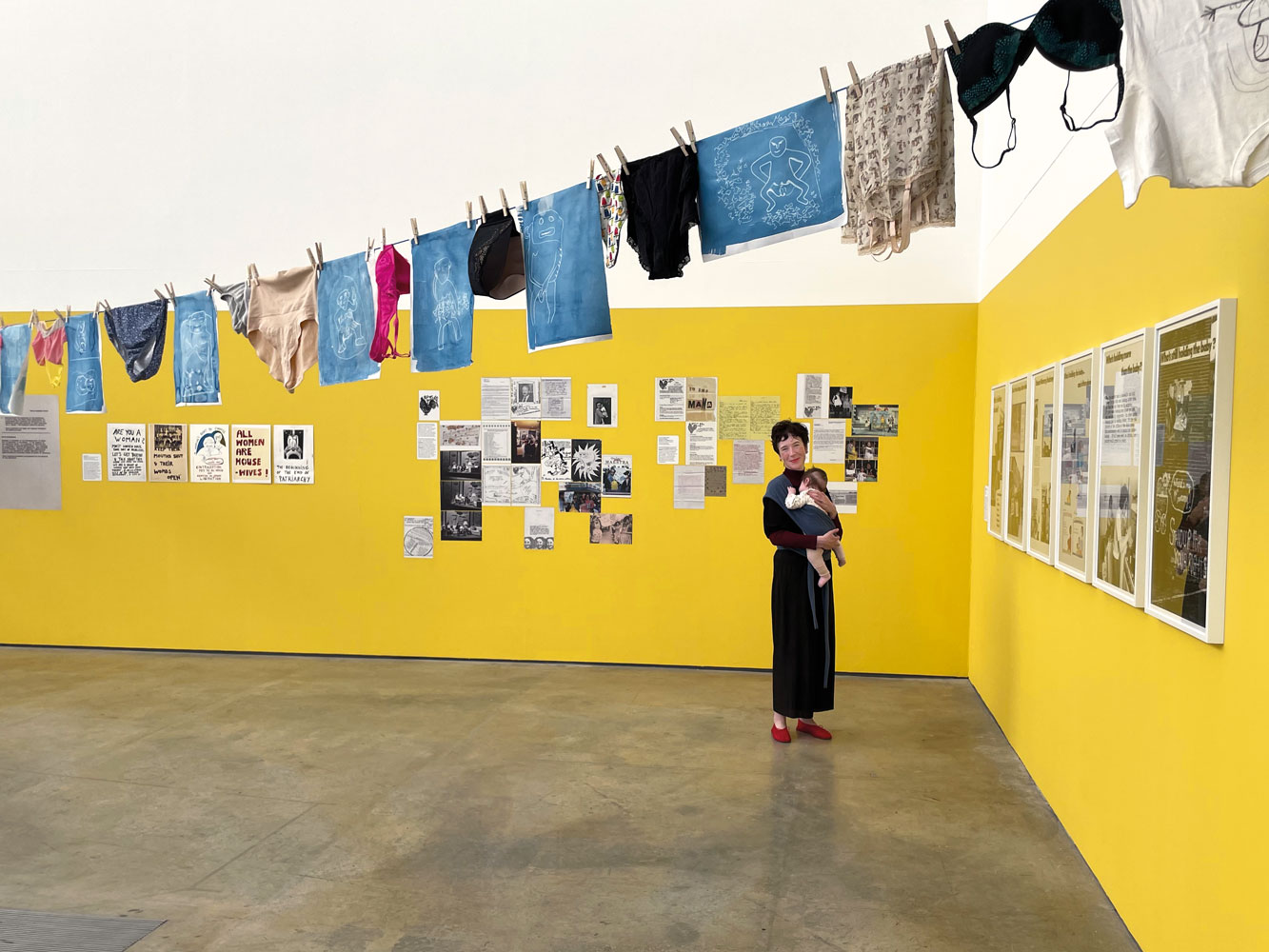
Margarita Cappock visits an exhibition that explores artists’ lived experience of becoming – or not becoming – a mother, in all its intricacy
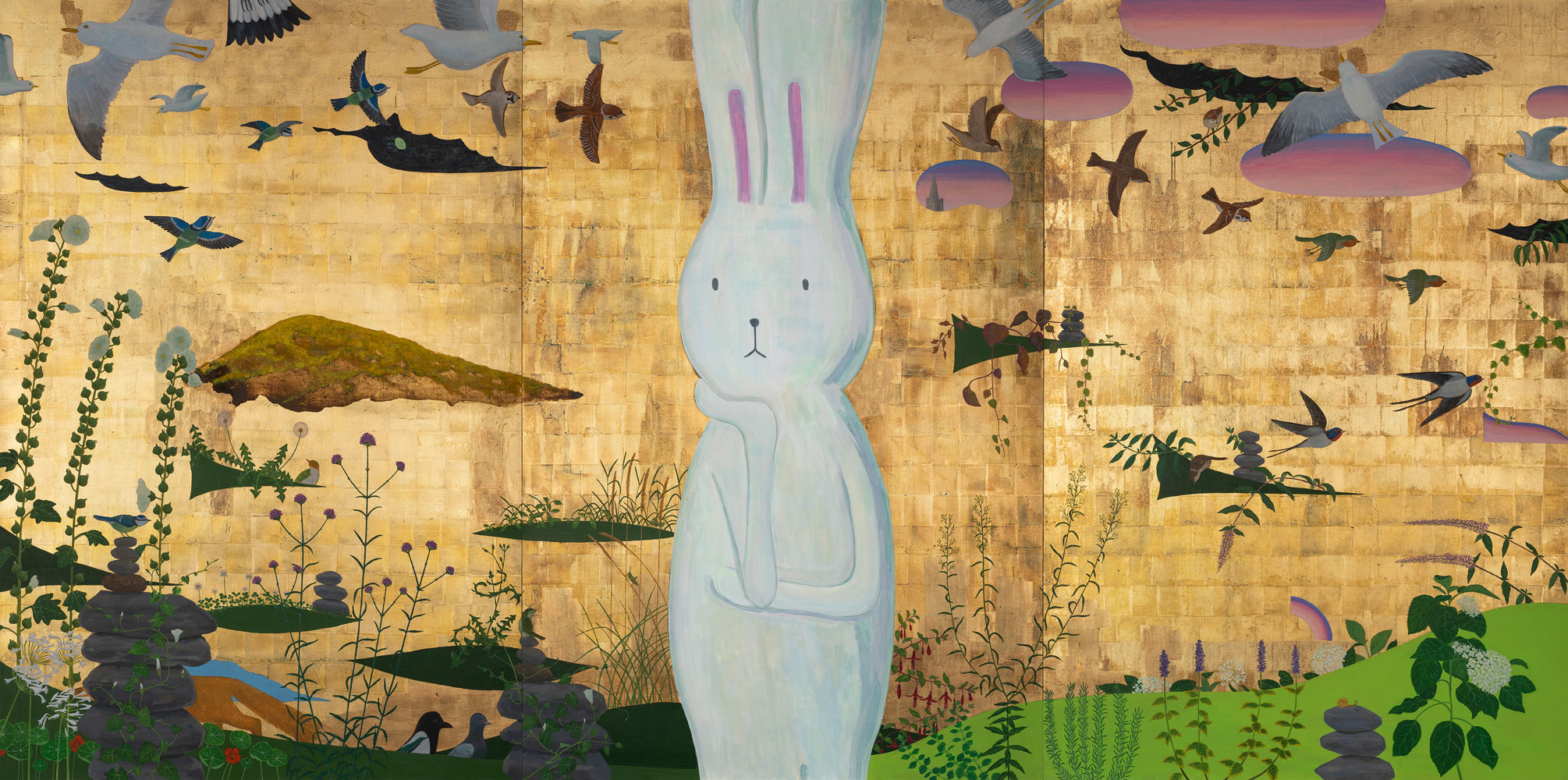
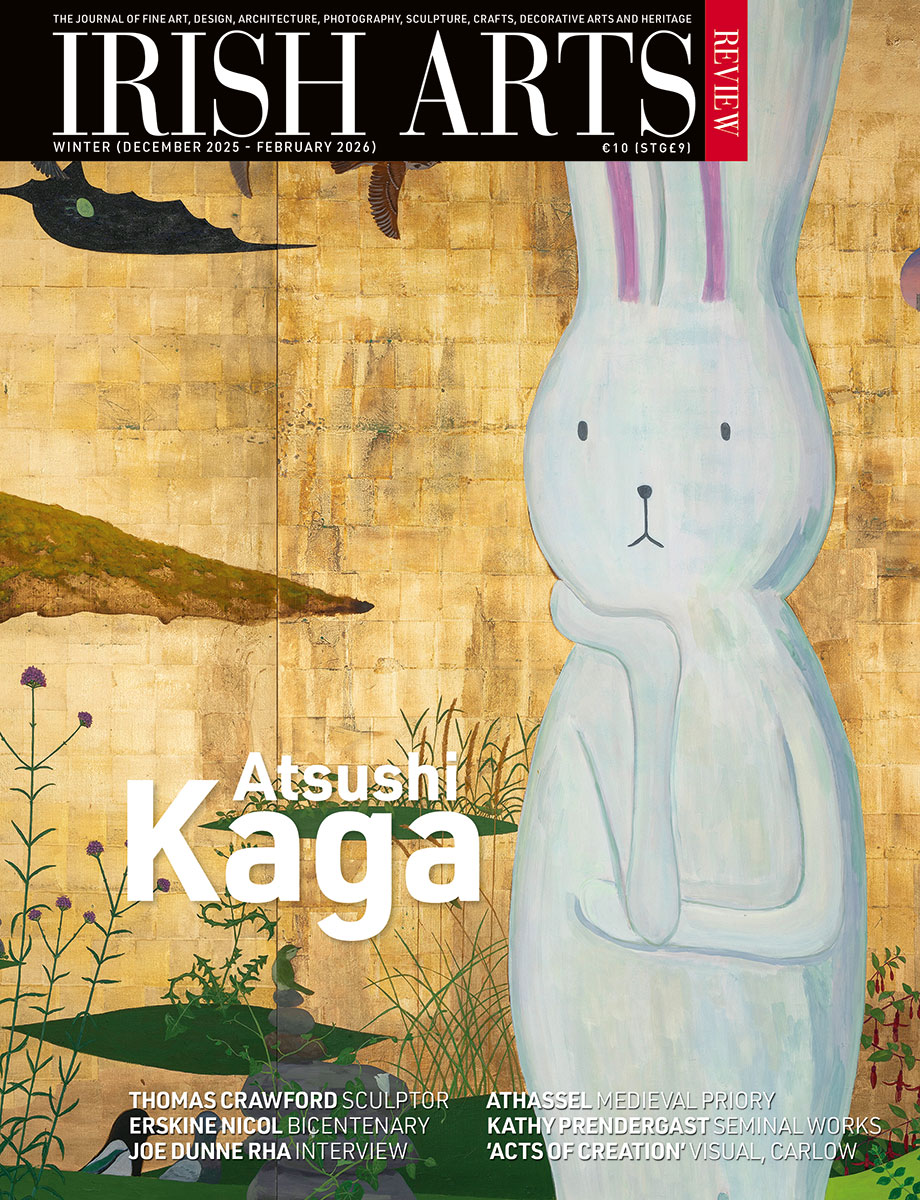
Francis Halsall finds in Atsushi Kaga’s paintings an aesthetic influenced by Japanese culture, European art and everyday life
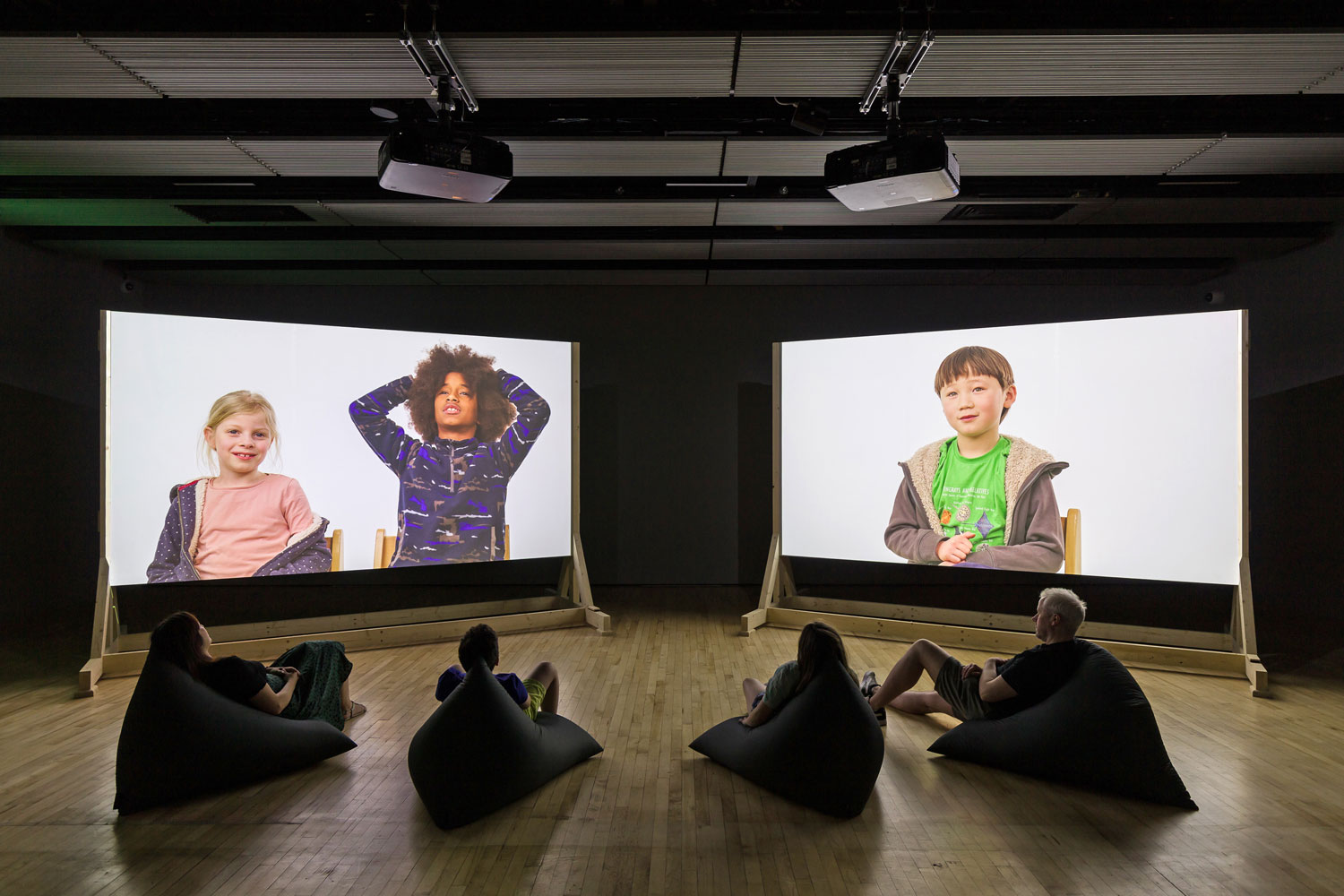
Emer McGarry offers insights into works included in the thematic exhibition ‘Inheritance’