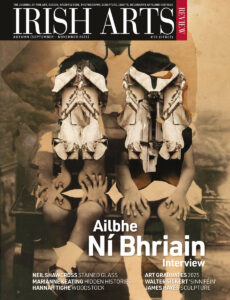
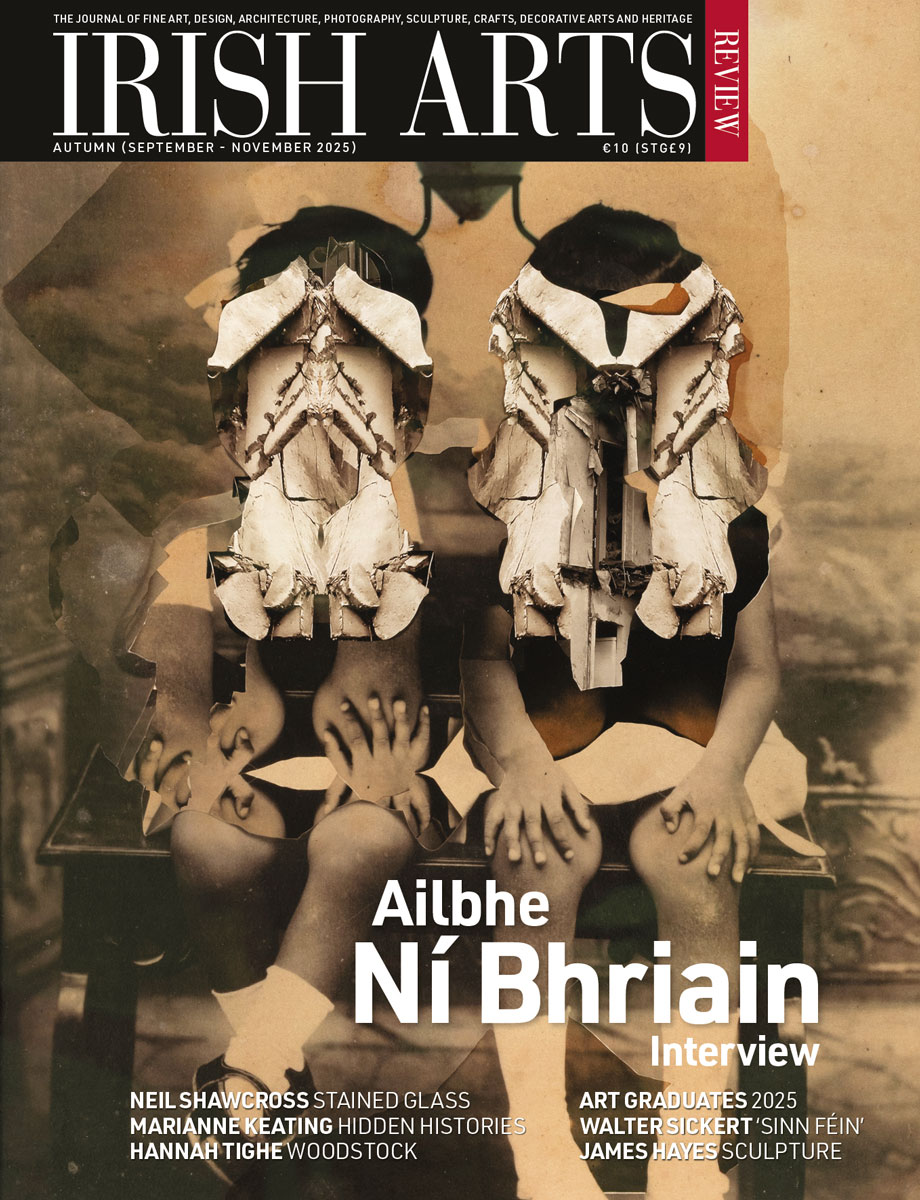
Niamh NicGhabhann Coleman finds a shared concern with pushing against rigid and harmful boundaries and barriers around identity amongst this year’s graduates

The Oxford English Dictionary has seven definitions for the word ‘identity’, ranging from ‘who or what a person or thing is, a distinct impression of a single person or thing presented to or perceived by others’ to ‘the condition of being identified in feeling, interest, etc.; identification with’. The writer Jhumpa Lahiri described how she ‘used to look for an identity that could be sharp, accessible, mine. But now the idea of a precise identity seems a trap, and I prefer an overabundant one’. How we might wish for overabundant rather than circumscribed identities in 2025, when the borders and boundaries of identity are being ever-more-closely policed. Identity as ‘presented to or perceived by others’, identity as community, identity as a trap, identity as a space of possibility overspilling its bounds – these are some of the resonant ideas explored in the different art and design graduate shows across the island this year.
Elia de Leon’s Thin Bloodlines explored the family and family memory as a space of identity through family photograph albums. Photographs were enlarged and stitched over, highlighting the tensions, breaks and divisions being memorialised. Méabh Keogh also unpicked and stitched materials from her own lived experiences – the footballs that were such a big part of her upbringing. As part of a commitment to sustainable design, she worked with the football leather to create playful, sculptural menswear shapes. These baroque reworkings also allow for a gentle reimaging of ideas of sporting masculinity, so much a part of the ideals of national identity.
To read this article in full, subscribe or buy this edition of the Irish Arts Review
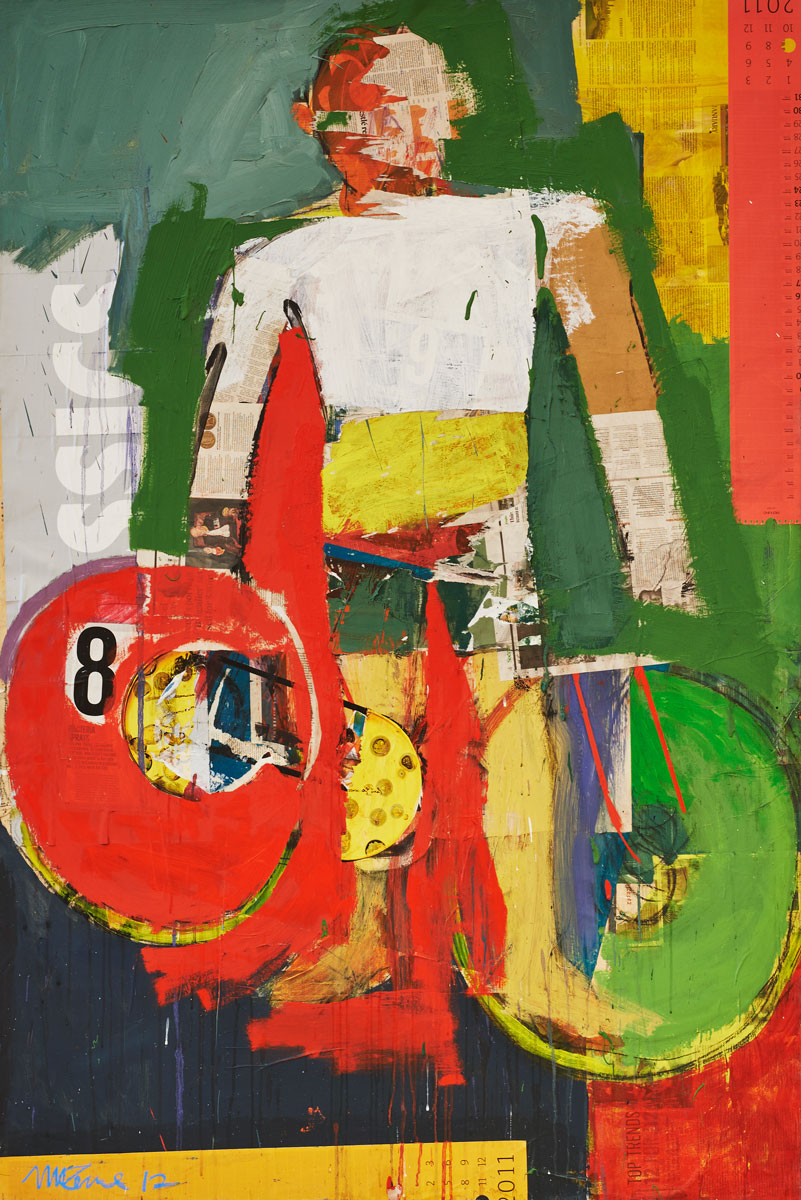
From 1960, when a chance meeting with Cecil King led to his work being included in a show at the Ritchie Hendriks Gallery, Dublin, Michael Kane was a formidable, indomitable presence in Irish cultural life.
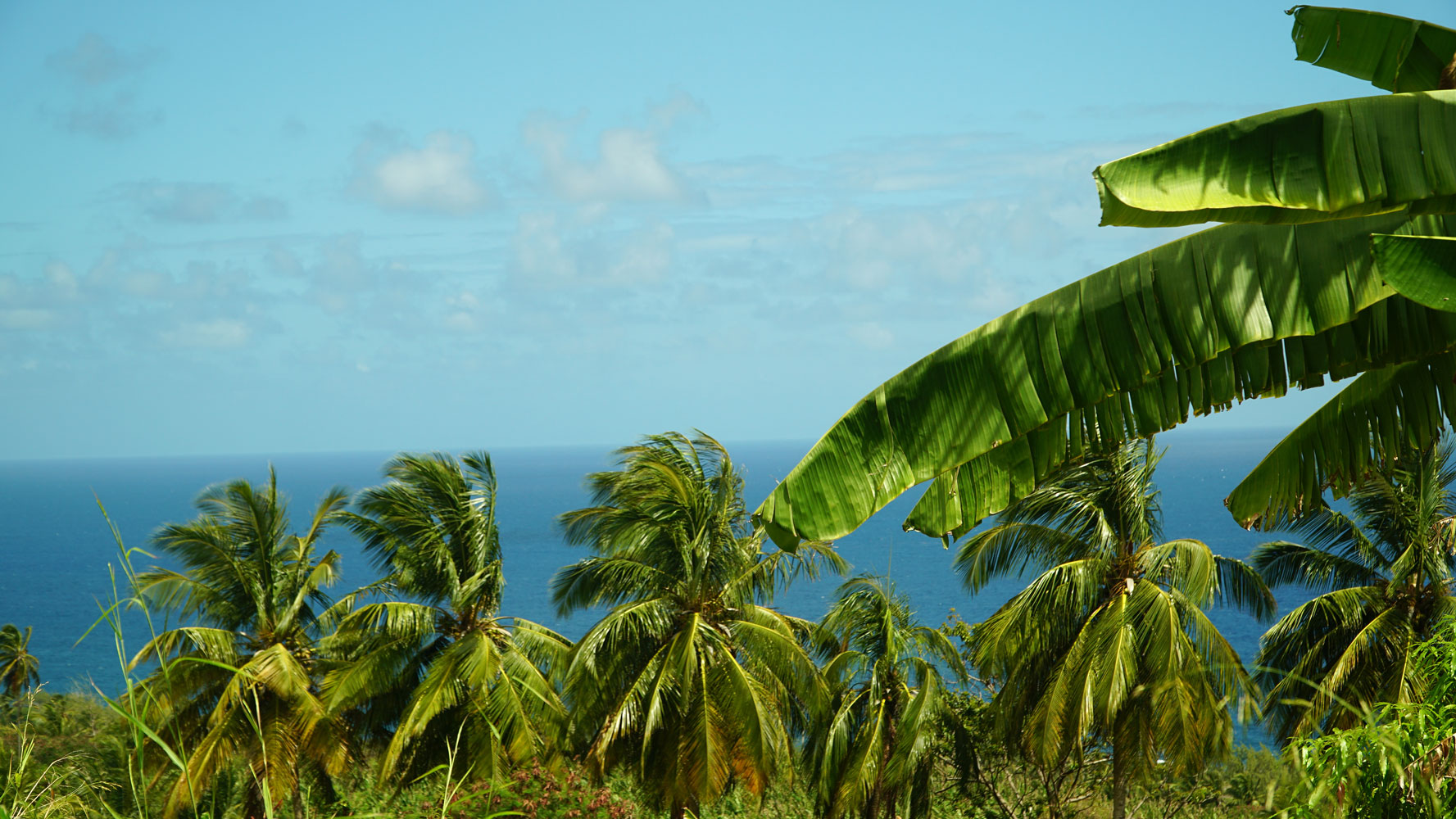
Emer McGarry considers the work of Marianne Keating, which brings to light overlooked stories of Irish migration, labour and resistance
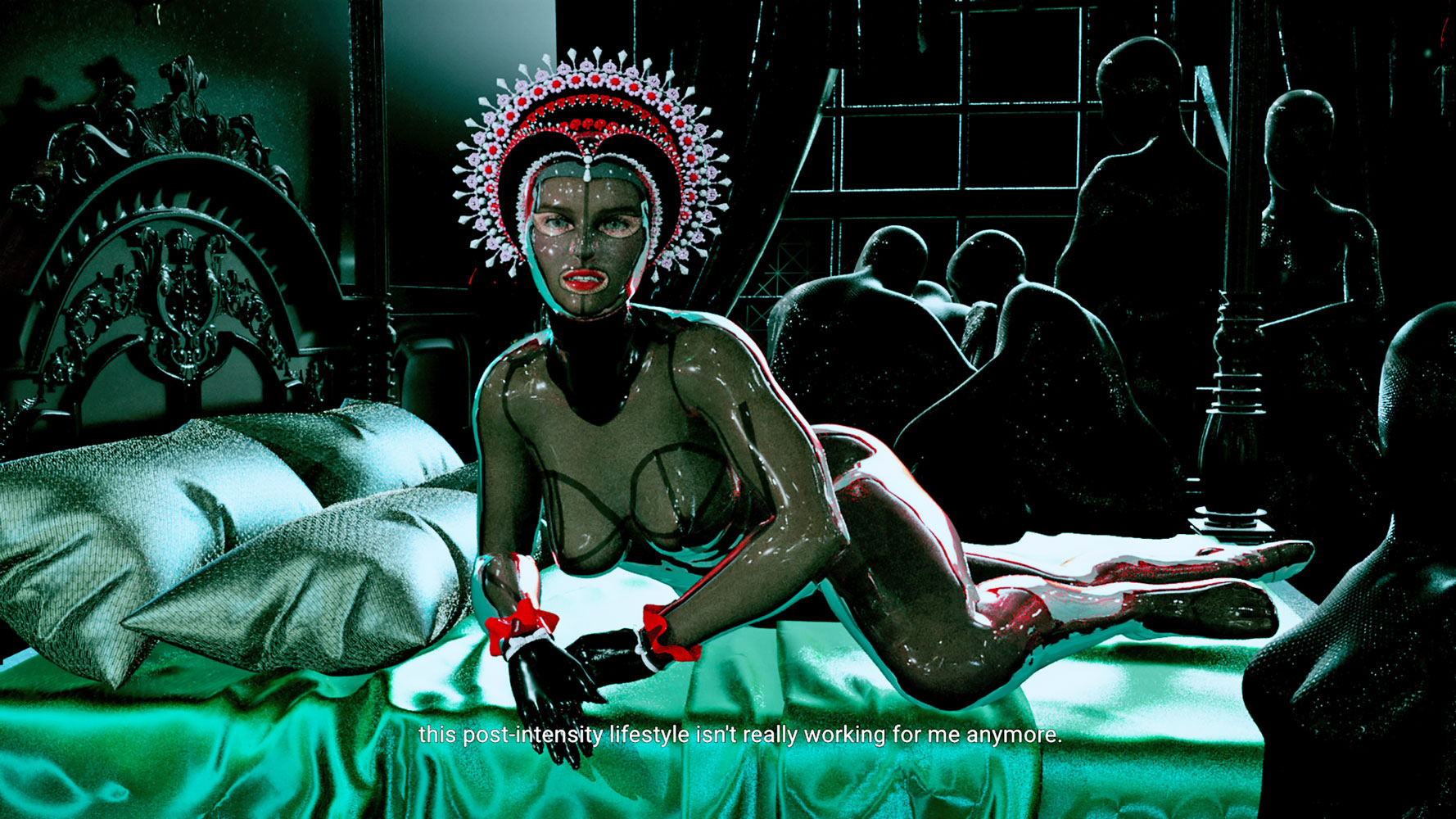
The exhibition treats the archive as a tool for building new futures, writes Seán Kissane