Peter Murray looks at the work of artist Charles Collins and finds that his paintings are comparable to those of
his European peers
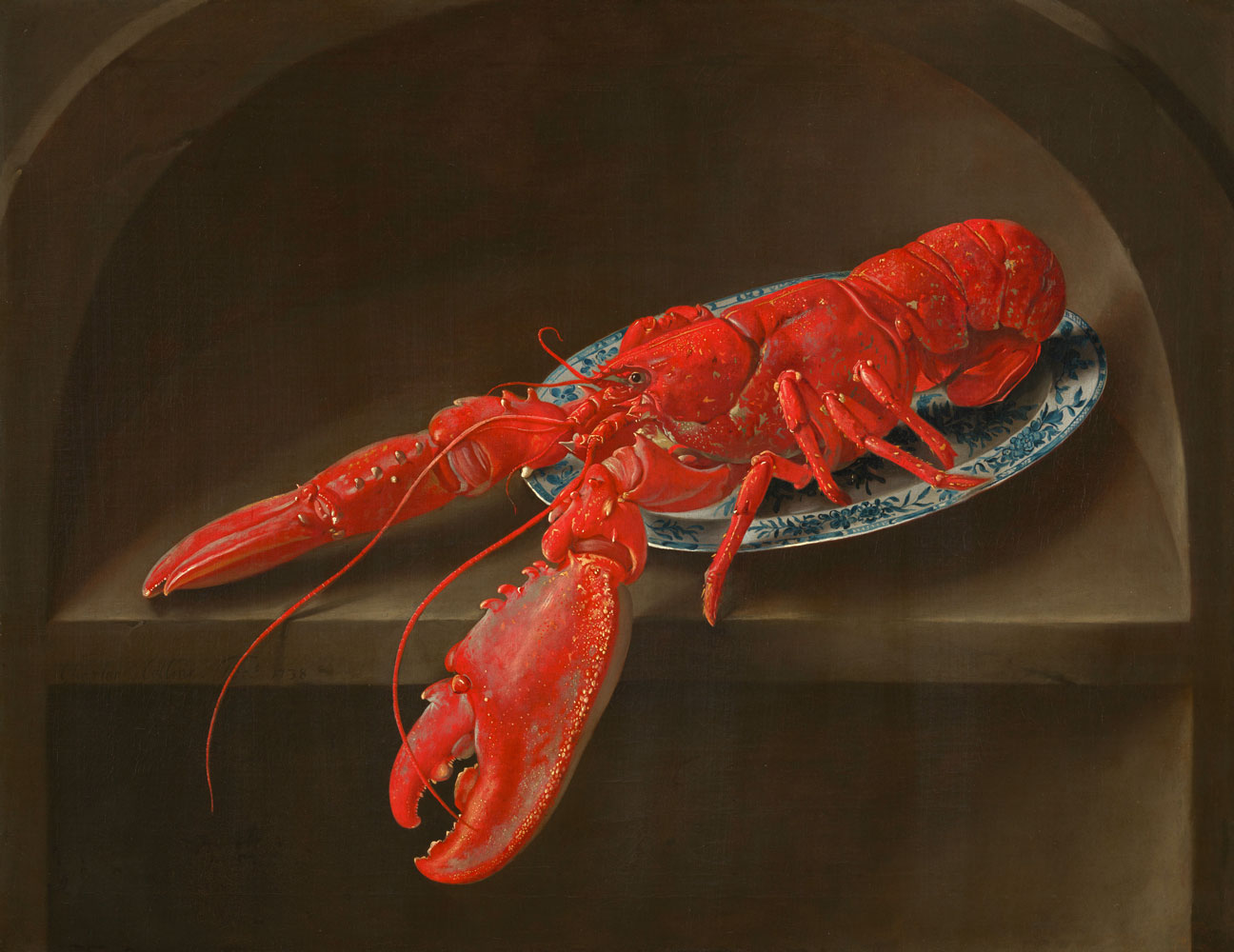
Although highly regarded for his still-life paintings, and one of the few Irish artists of the 18th century to focus on this specialised genre, Charles Collins warranted only a short entry in Horace Walpole’s Anecdotes of Painting in England: ‘Charles Collins. Painted all sorts of fowl and game. He drew a piece with a hare and birds and his own portrait in a hat. He died in 1744.’ Walpole does not mention Collins’ birthplace or date of birth, both of which have been a matter of conjecture. The standard biographical sketch recounts that Collins was born in Dublin, where he trained as a painter of animal still lifes, before moving to London. He obviously received professional training and, in contrast to the many amateurs who exhibited genre scenes at the Society of Arts in Dublin, he was an accomplished artist, whose work can be compared to that of Dutch Golden Age and Flemish painters such as Frans Snyders (1579–1657), Paul de Vos (1592–1678), Jan Weenix (1642–1719) and Willem van Aelst (1627–1683).
To read this article in full, subscribe or buy this edition of the Irish Arts Review
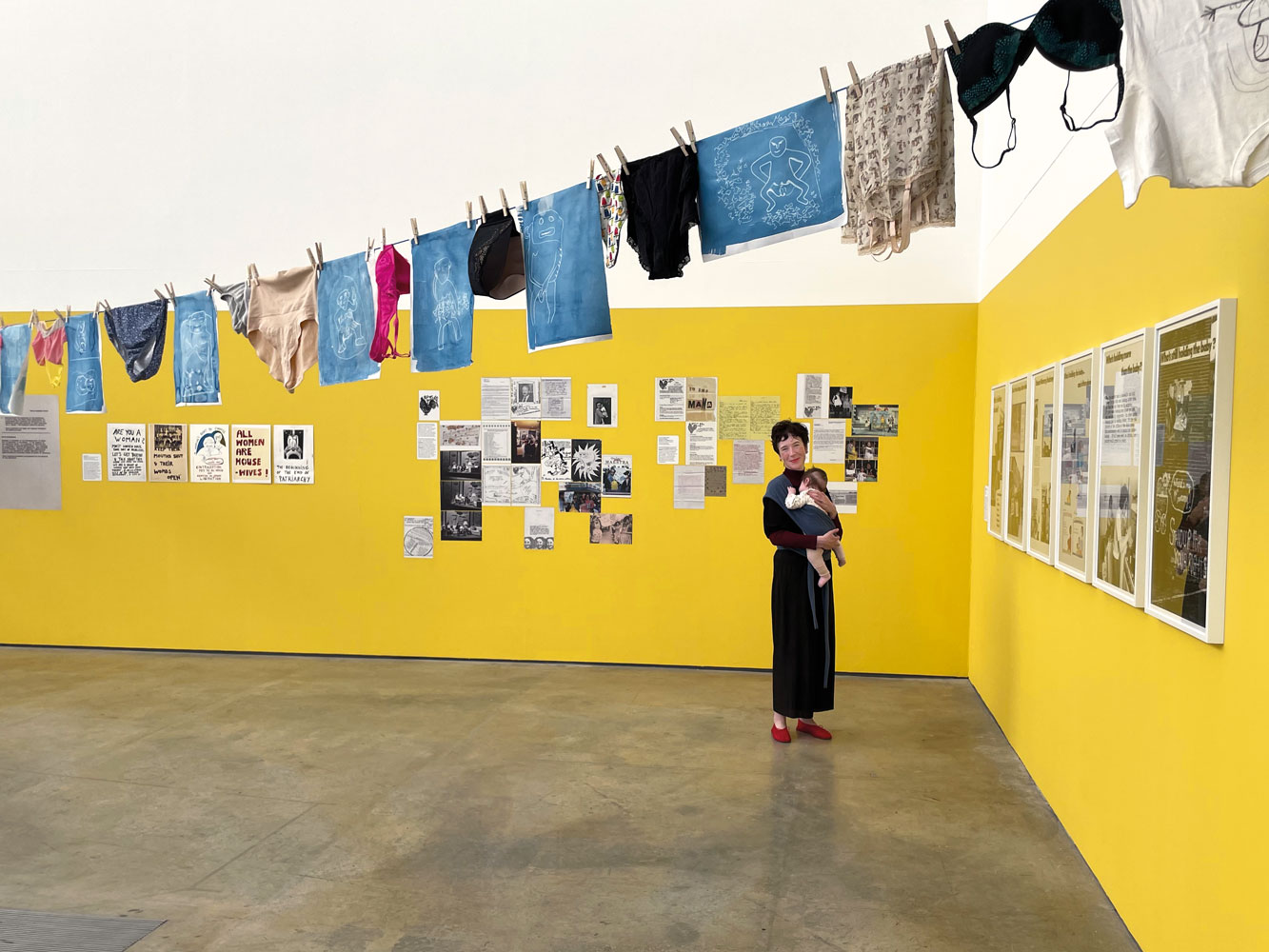
Margarita Cappock visits an exhibition that explores artists’ lived experience of becoming – or not becoming – a mother, in all its intricacy
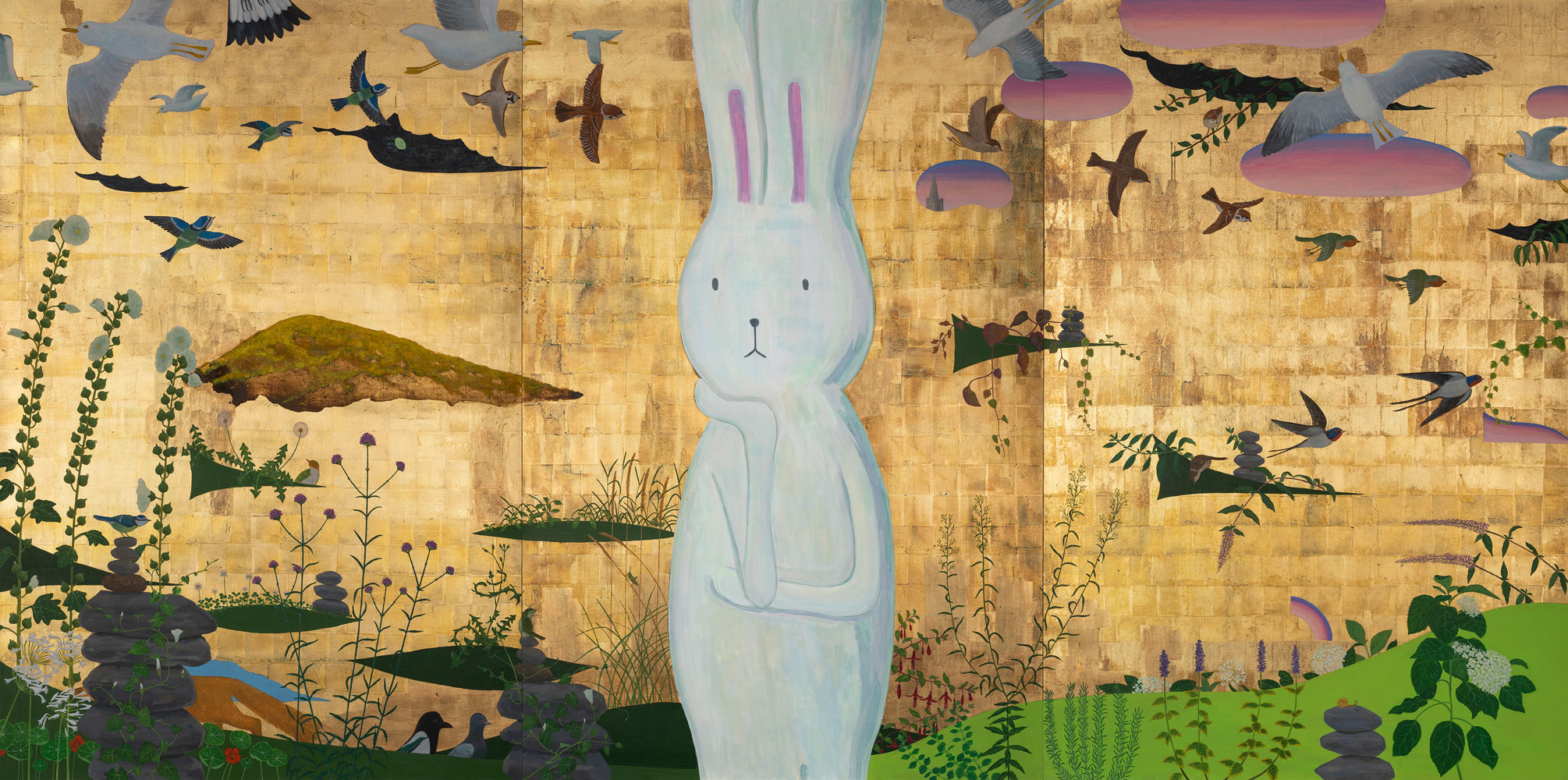
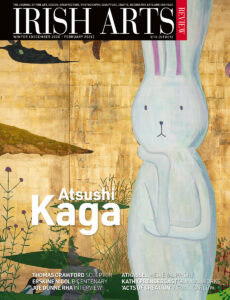
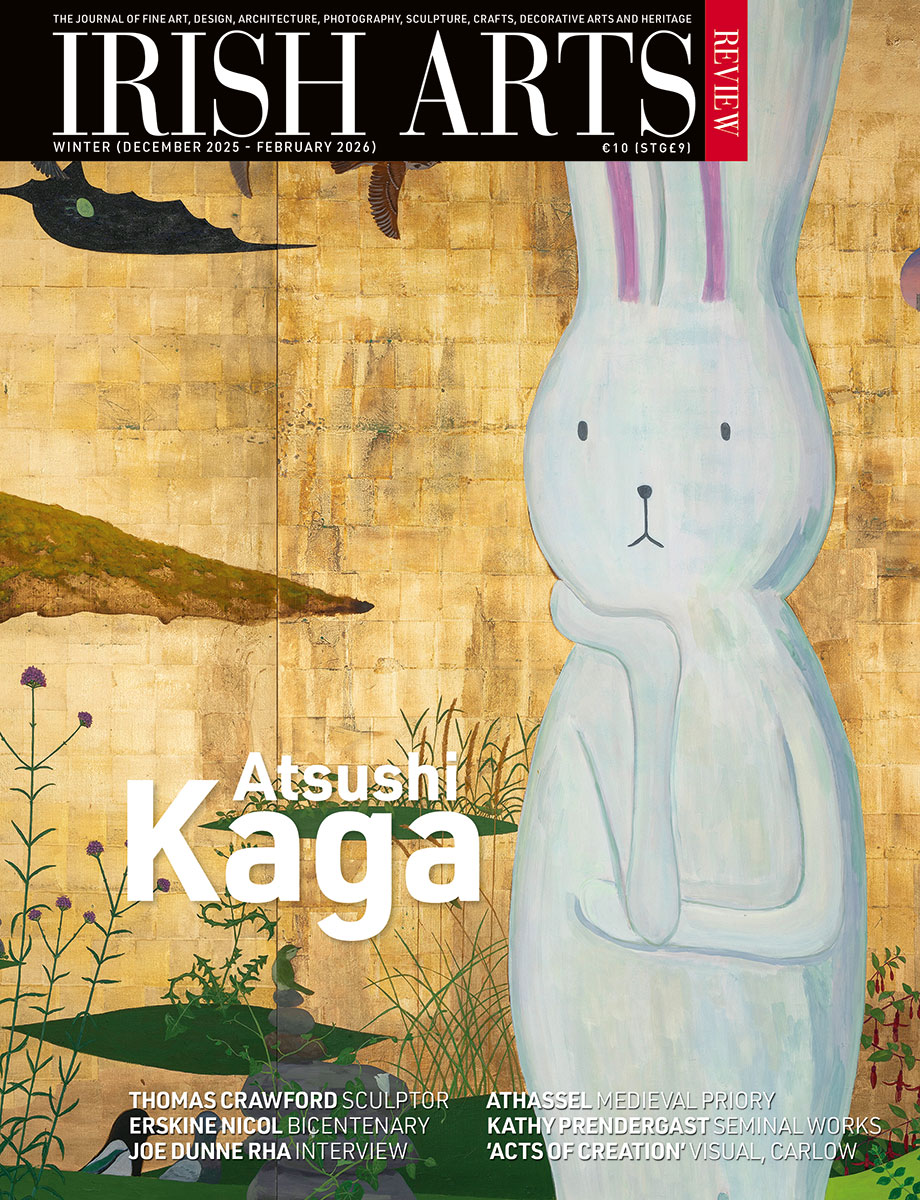
Francis Halsall finds in Atsushi Kaga’s paintings an aesthetic influenced by Japanese culture, European art and everyday life

Emer McGarry offers insights into works included in the thematic exhibition ‘Inheritance’