
Robert O’Byrne documents the events leading up to the destruction and consequent resurrection of Cappoquin House in Co Waterford
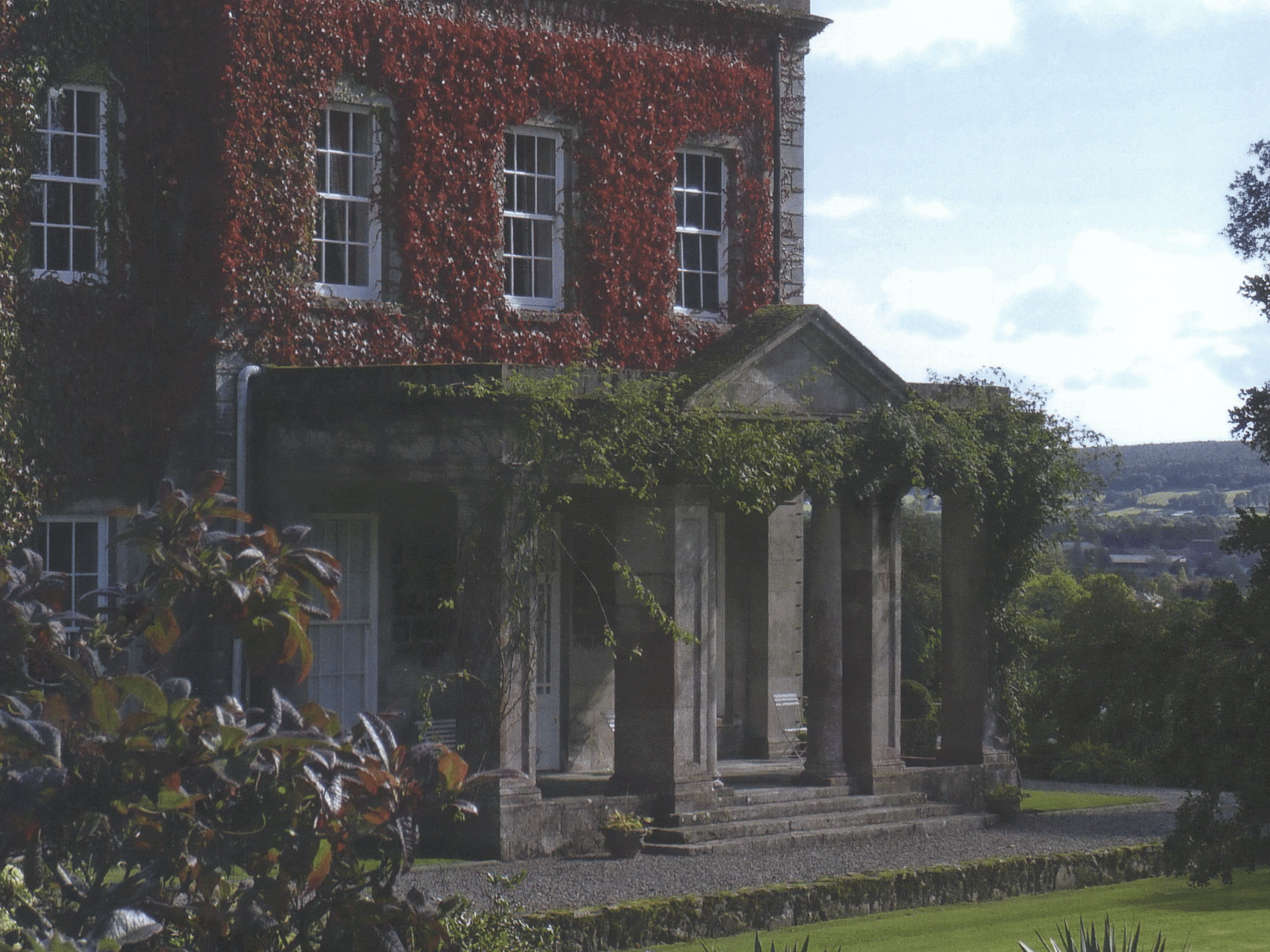
On 20 February 1923 Sir John Keane wrote in his diary, ‘Crossed to Dublin … on arrival learnt that Cap Ho. had been burnt, main house completely destroyed, but servants’ wing and stables escaped … This marks a stage in one’s Irish life. It is sad to lose one’s home where one’s people have been for over 150 years and especially such a fine well decorated house.’ ‘Cap. Ho.’ was Cappoquin House, otherwise known as Belmont and the residence of successive Keanes since being built in 1779. Originally called O’Cahan, the family occupied ands in Ulster until displaced during the plantation settlements of the early 17th century. In the aftermath of the Williamite Wars, George O’Cahan changed his name to Keane, converted to Anglicanism and entered government service as a lawyer. His son John Keane acquired a 999-year lease on the Cappoquin estate from Richard Boyle, 4th Earl of Cork and Burlington in ‘I 738, John Keane’s grandson, also called John (1757-1829) and created a baronet in 1801, was responsible for building Cappoquin House on the site of an old Fitzgerald castle.

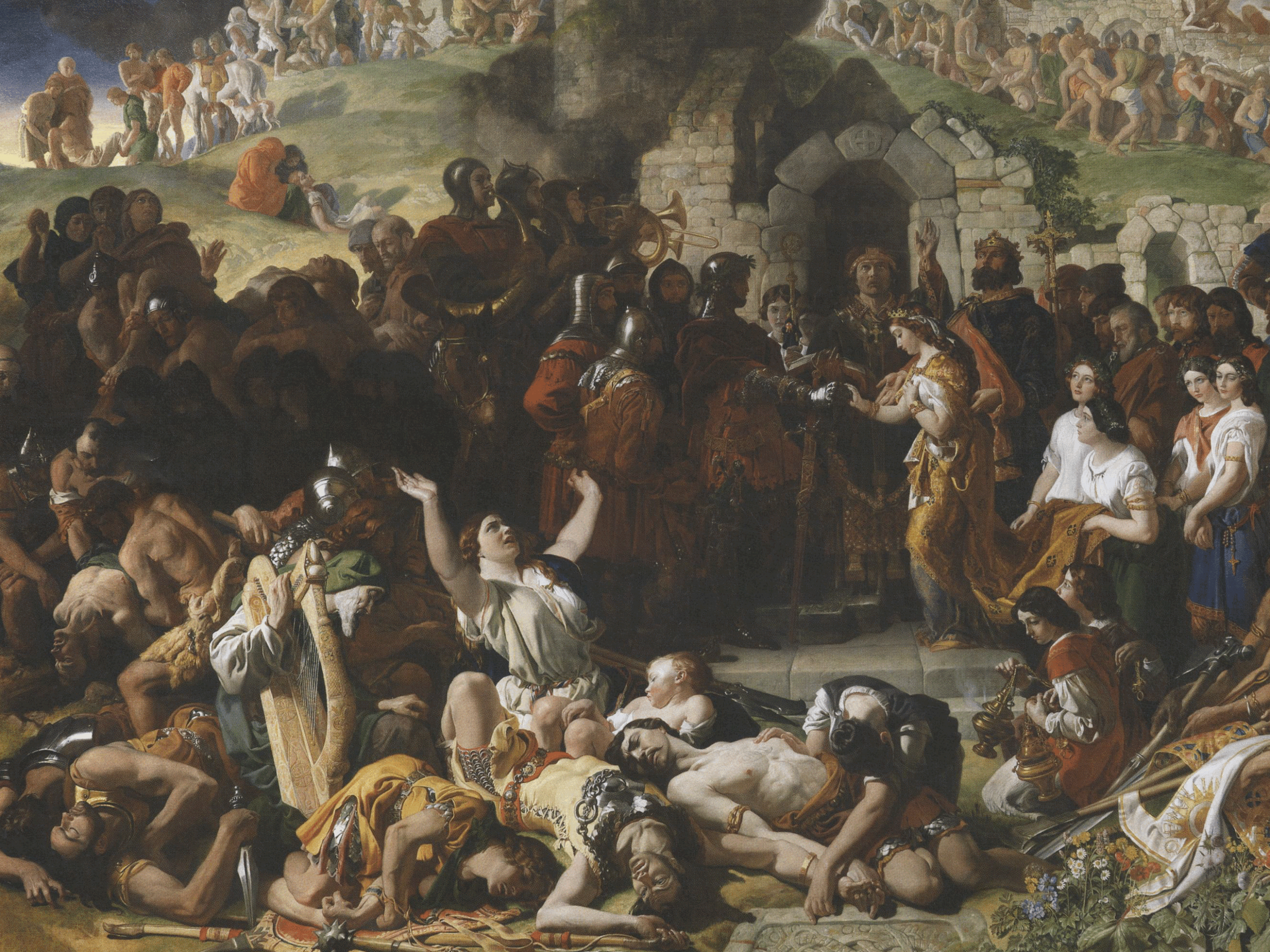
Was Daniel Maclise a proto-Nationalist painter? Peter Murray thinks not, in his assessment of the National Gallery’s recently restored masterpiece.
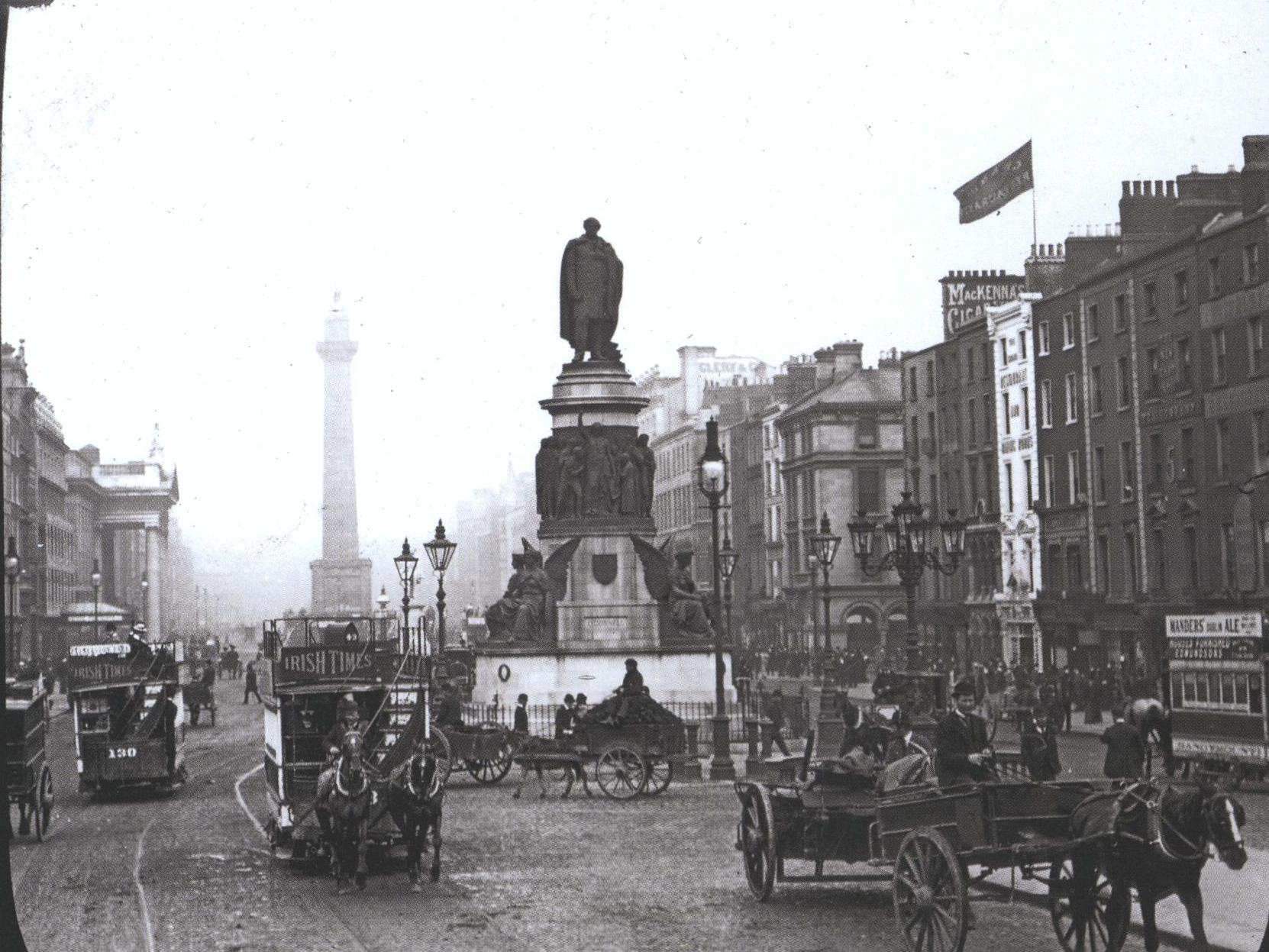
Christiaan Corlett looks at a valuable, but little-known portfolio of photographs taken by Victorian doctor Ephraim MacDowel Cosgrave, now in the collection of the Royal Society of Antiquaries of Ireland
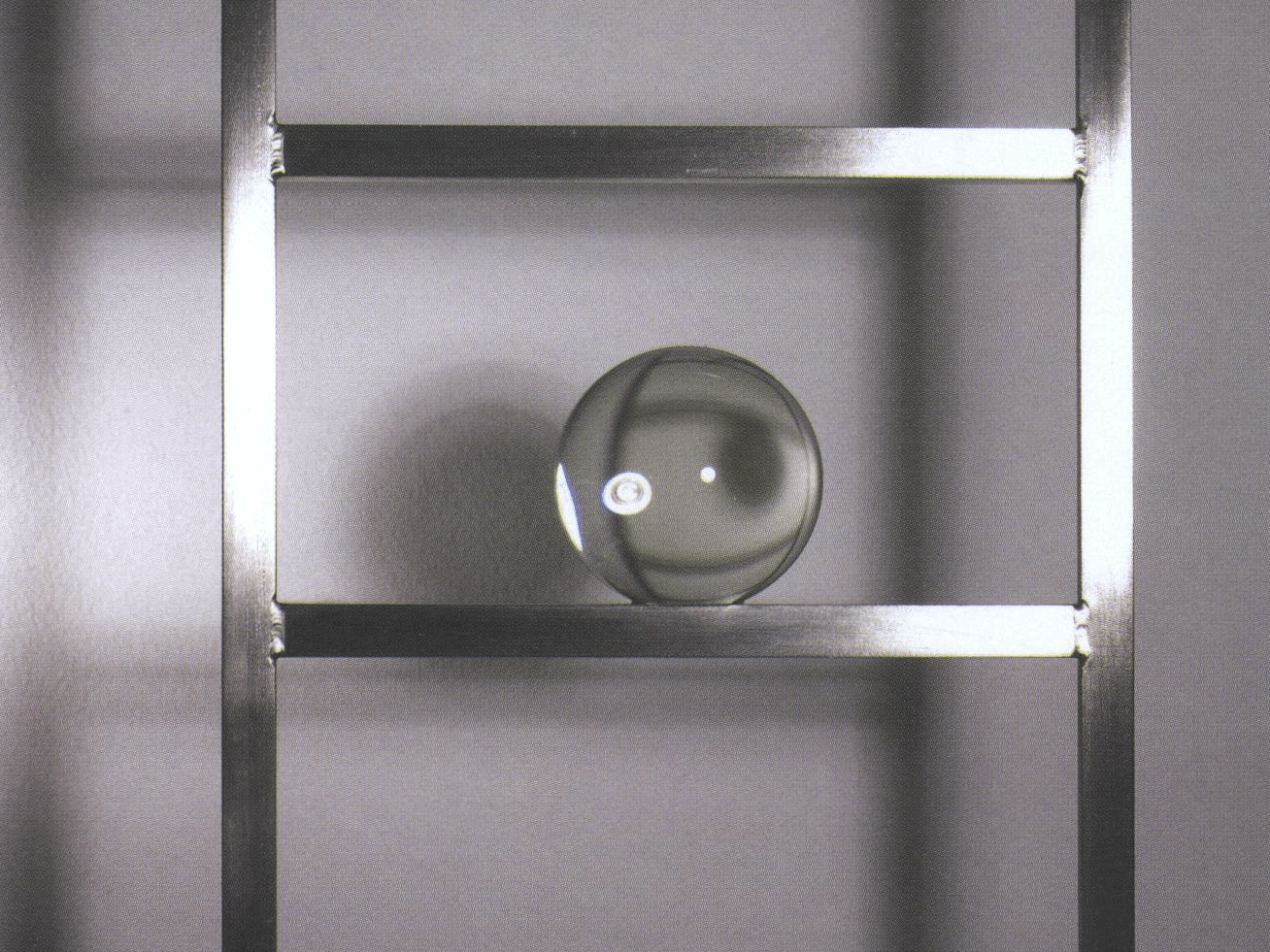
Vivienne Roche belongs to a generation who transformed what sculpture could be. ‘I don’t consider myself an object-maker. I work with place and change’, she tells Brian McAvera while her exhibition continues at the Royal Hibernian Academy