
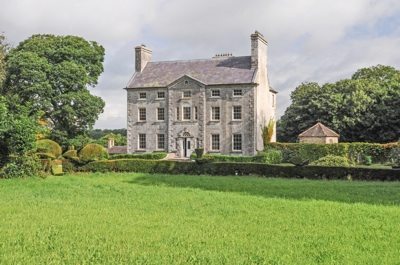
Maurice Craig might have Milltown Park i mind when he coined this phrase, but curiosuly he never recorded it. Peter Somervile-Large is charmed by a return visit to its secluded setting in County Offaly.

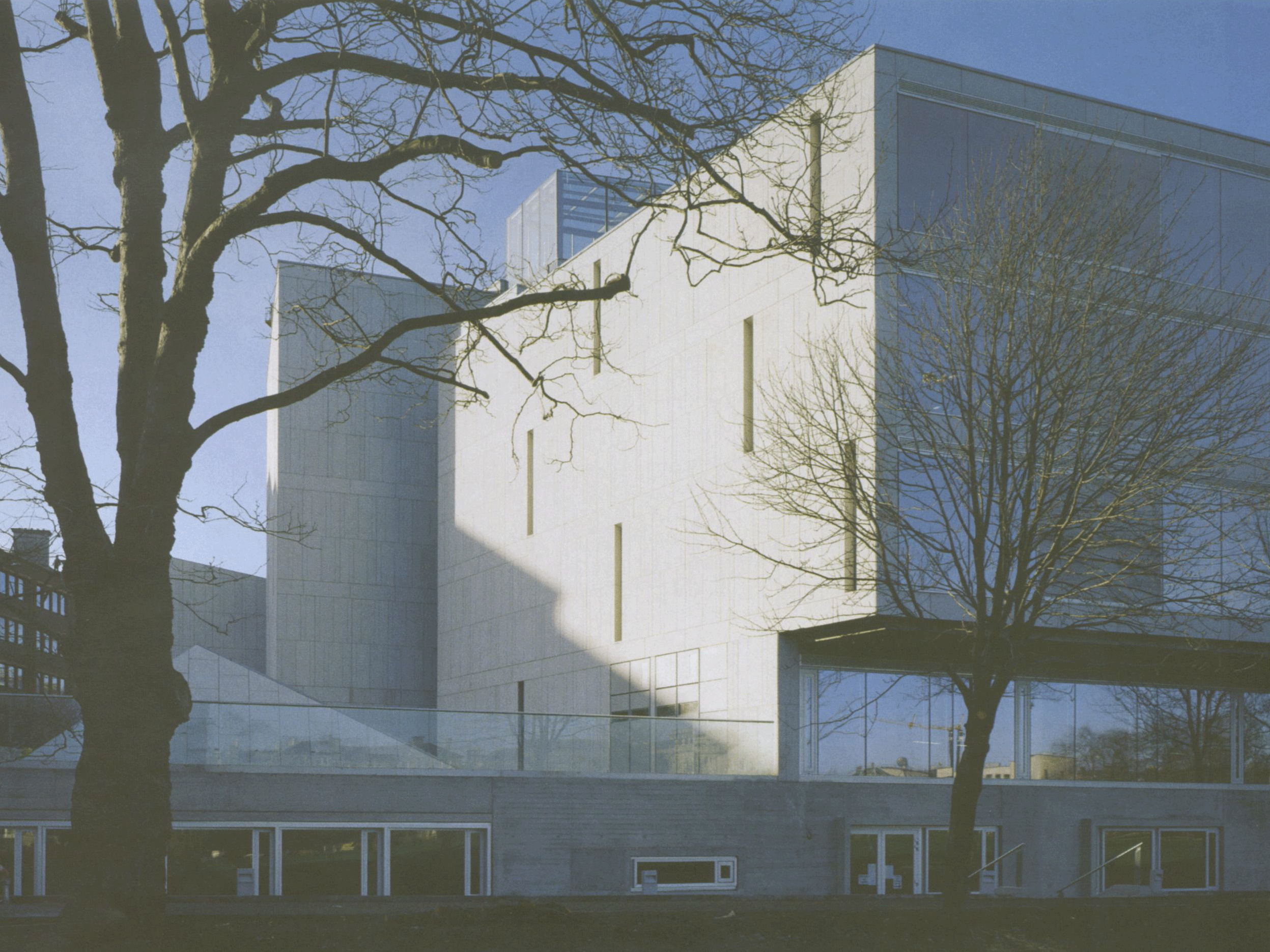
Almost three hundred years after the construction of TCD’s first great library, the new Ussher Library is ready to open. Raymund Ryan finds that Trinity College ‘has balanced the maintenance of its inheritance and progressive architectural patronage with aplomb’
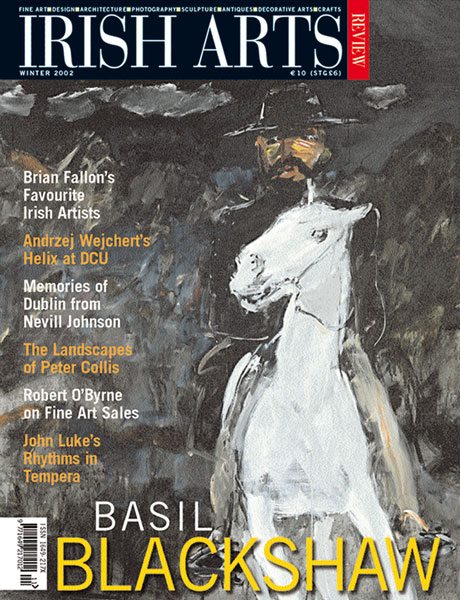

Shane O’ Toole finds that the tragic atmosphere that had dogged the buildings of St Joseph’s Reformatory has been exorcised

Marie-Louise O’Donnell, Artistic Programmer of the Space at the Helix gives a personal perspective on the new building
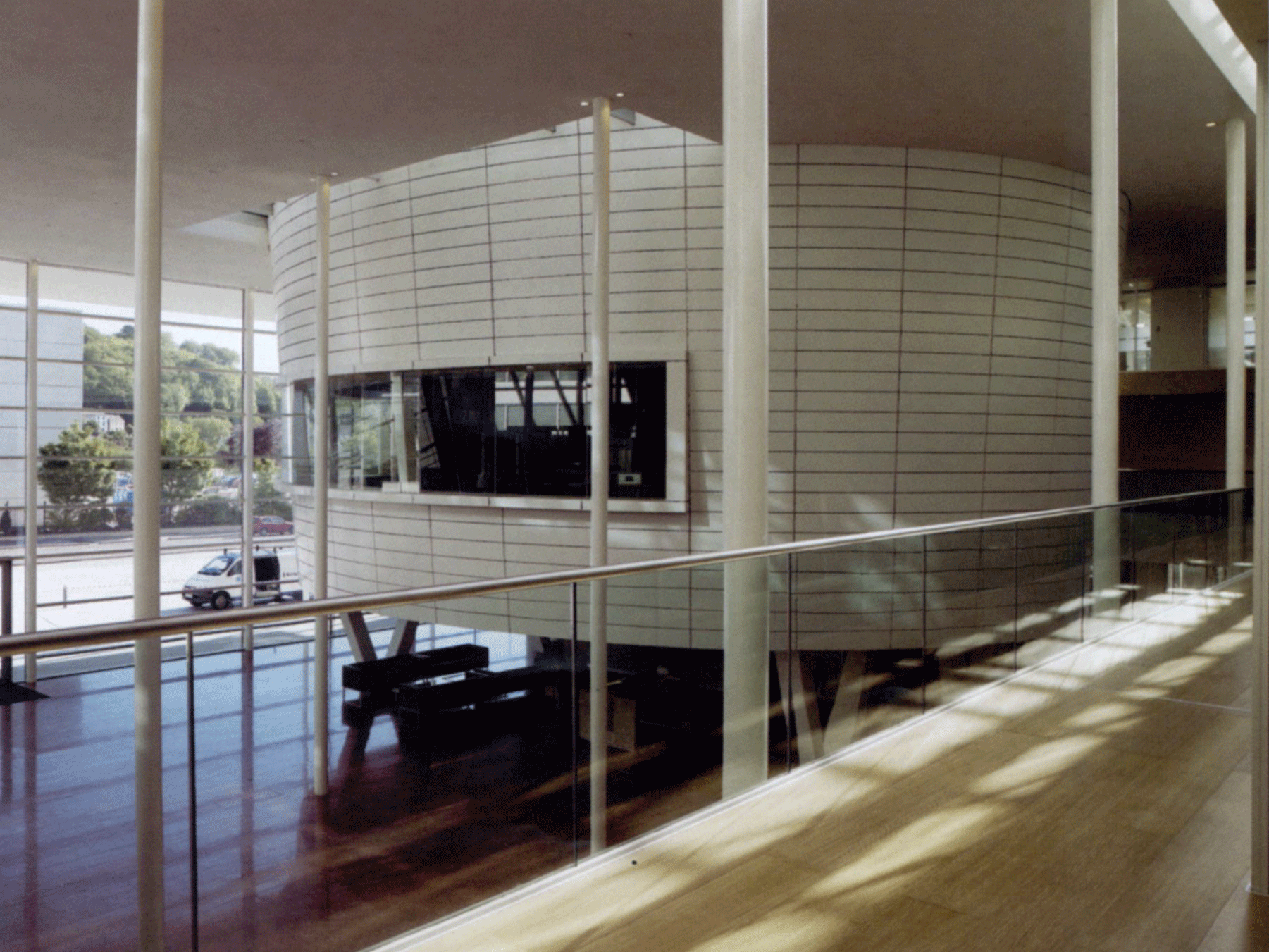
In this assessment of recent architectural developments in Cork, Louise Cotter investigates the transformation of a familiar icon and the creation of some new ones

Michael Dempsey previews Hughie O’Donoghue’s interpretation of the liturgy at the Bon Secours Chapel, Galway and discovers an oasis for contemplation

Judith Hill meets Renaissance man Maurice Craig, a writer whose name is synonymous with architectural history, yet whose interests and studies have ranged from bookbinding to steamships with equal authority
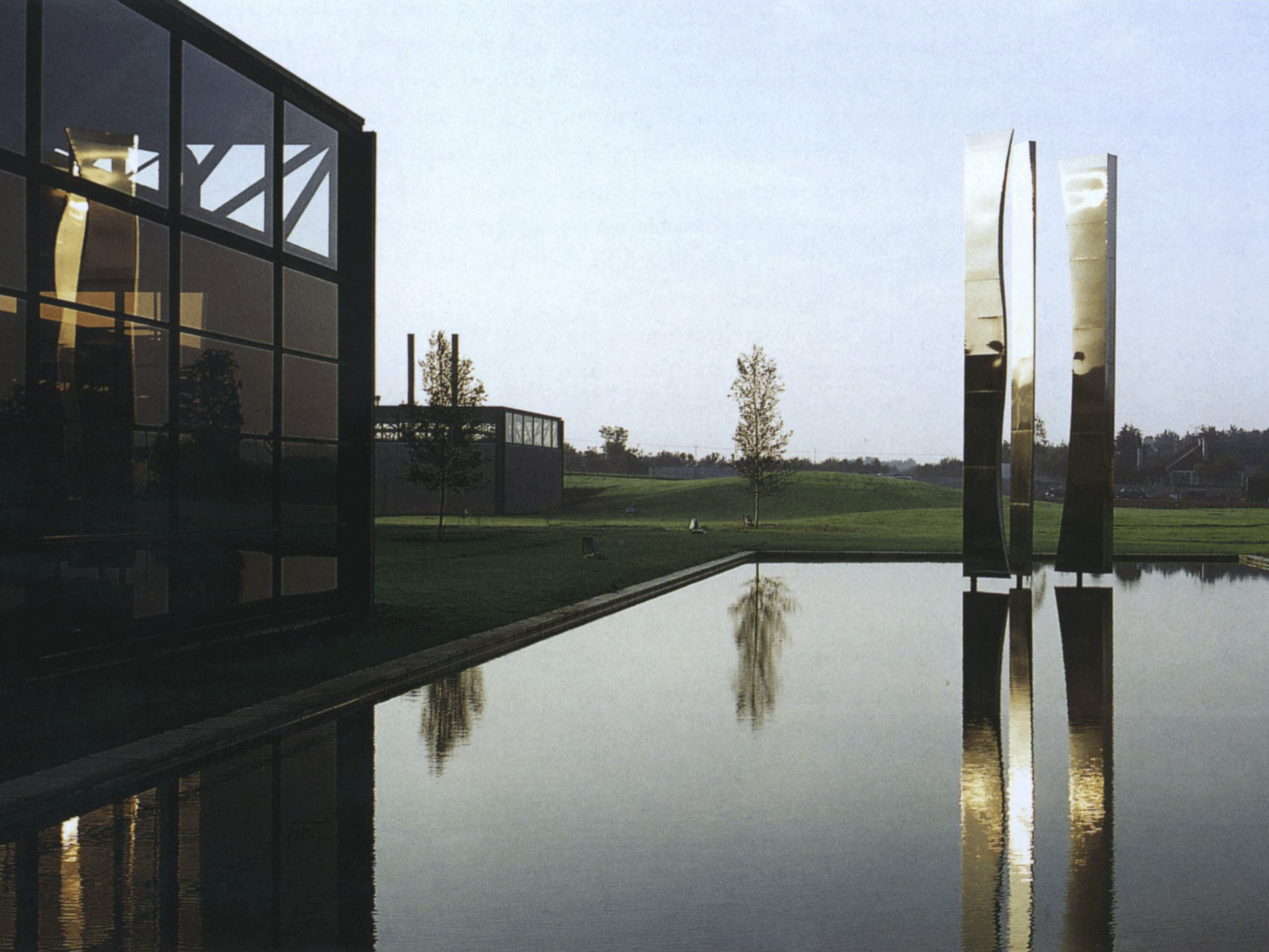
Sean O’Reilly tracks the rise of Ireland’s leading architectural practice, over four decades, identifying the individual talents within that trio in shaping their success
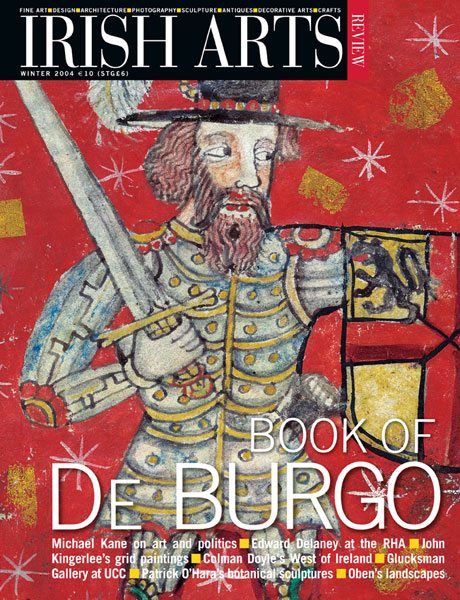
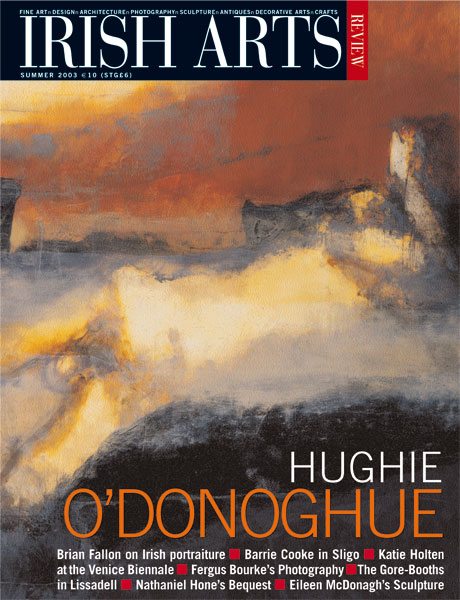
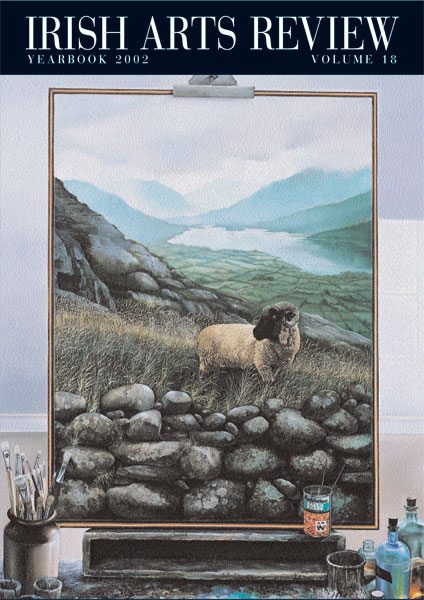
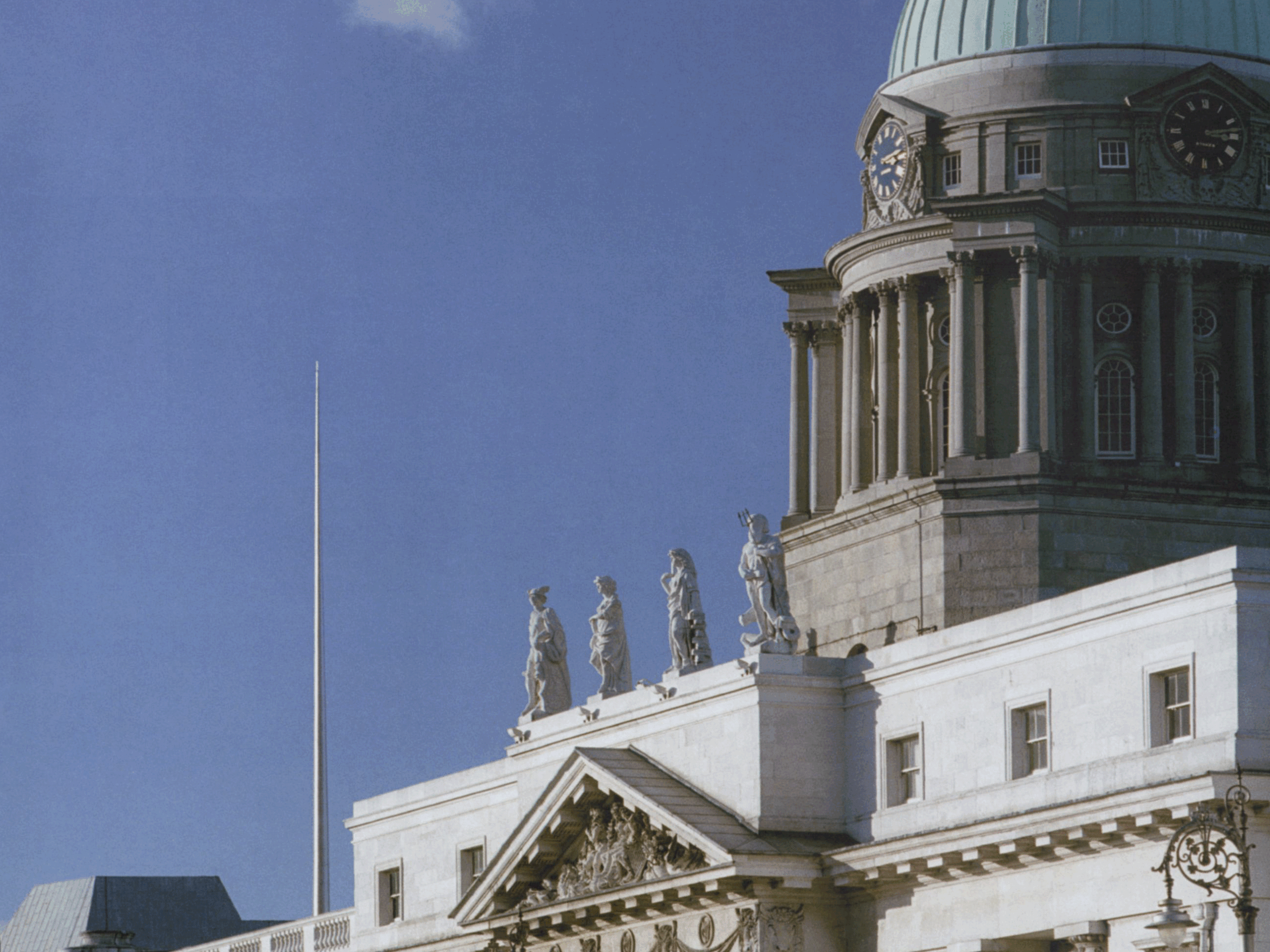
Dublin’s new Spire of Light can mean everything or nothing—which is perhaps its principal attraction in this age of uncertainty. It is certainly unusual in having, by design, no practical function or commemorative purpose but Raymund Ryan hopes that it will, perhaps, act as metaphor for energy
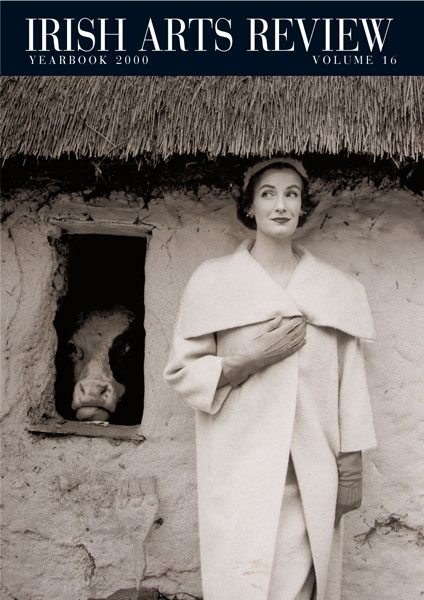

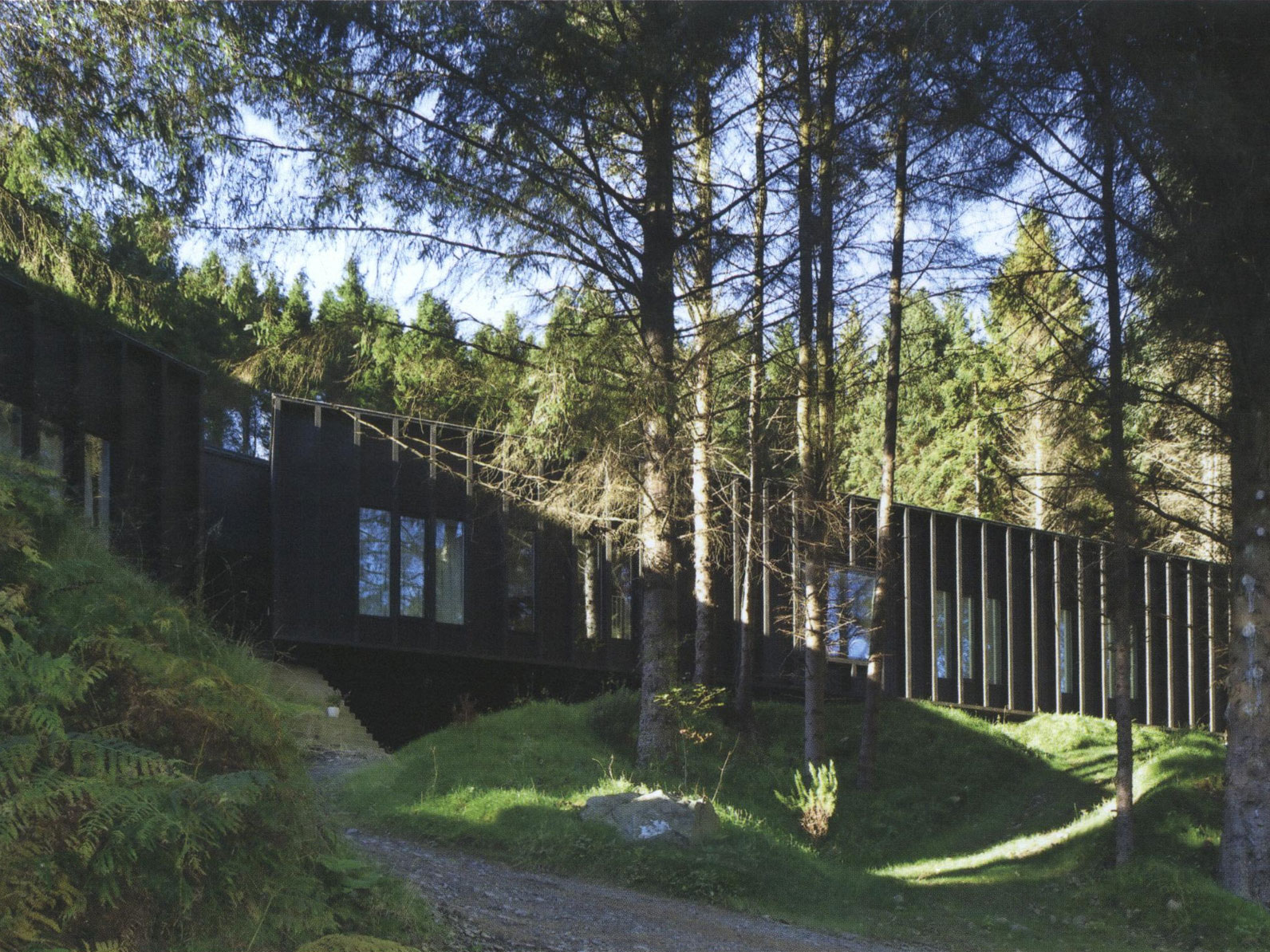
A bridge to live in? Louise Cotter visits the project in County Dublin that attracted awards from the RIAI and the AAI Downes Medal for architects Clanc
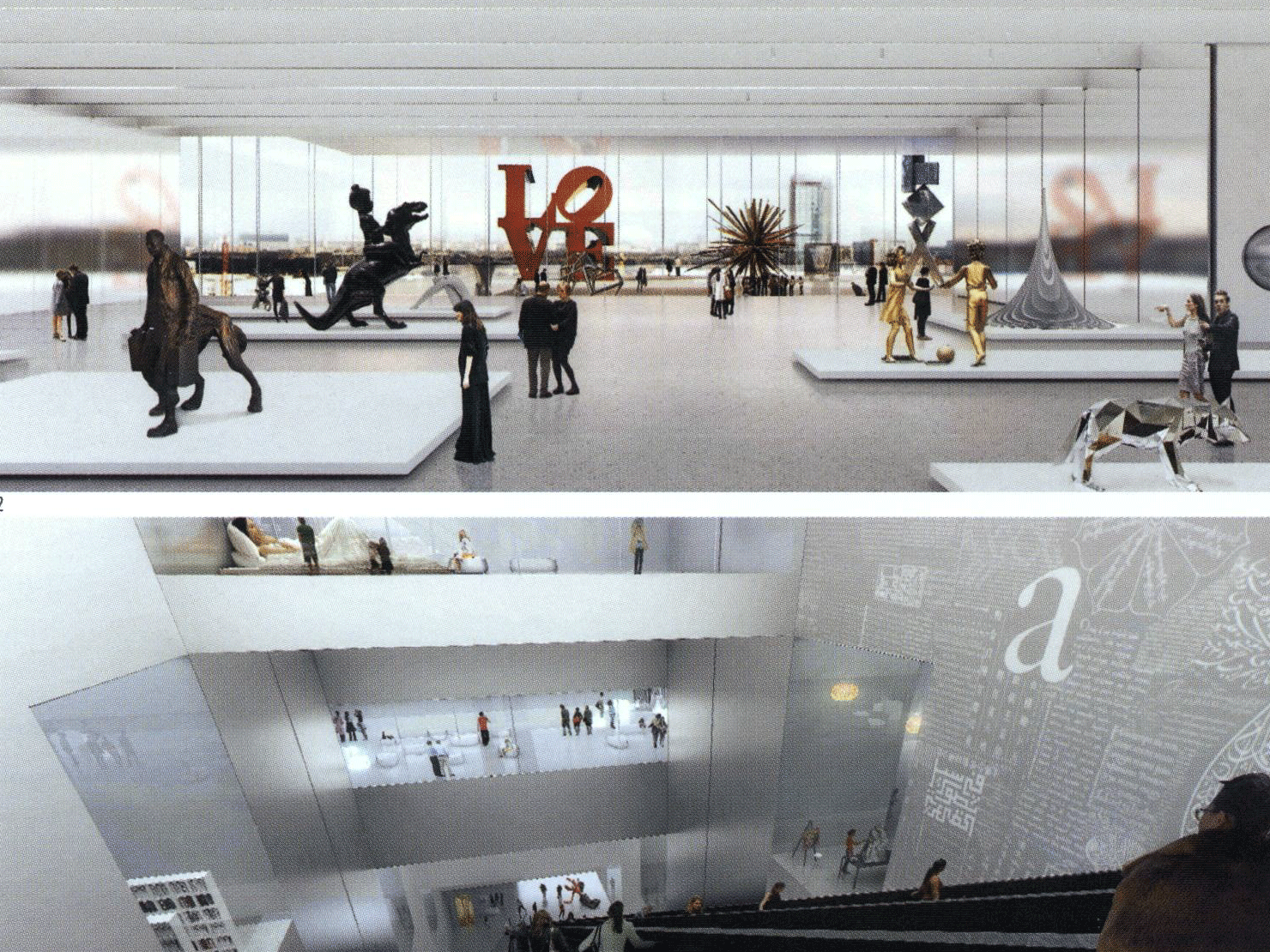
Diana Vreeland’s axiom is apt for architects Heneghan Peng whose global competition success expands unabated. John Mclaughlin looks at their recent win in Moscow
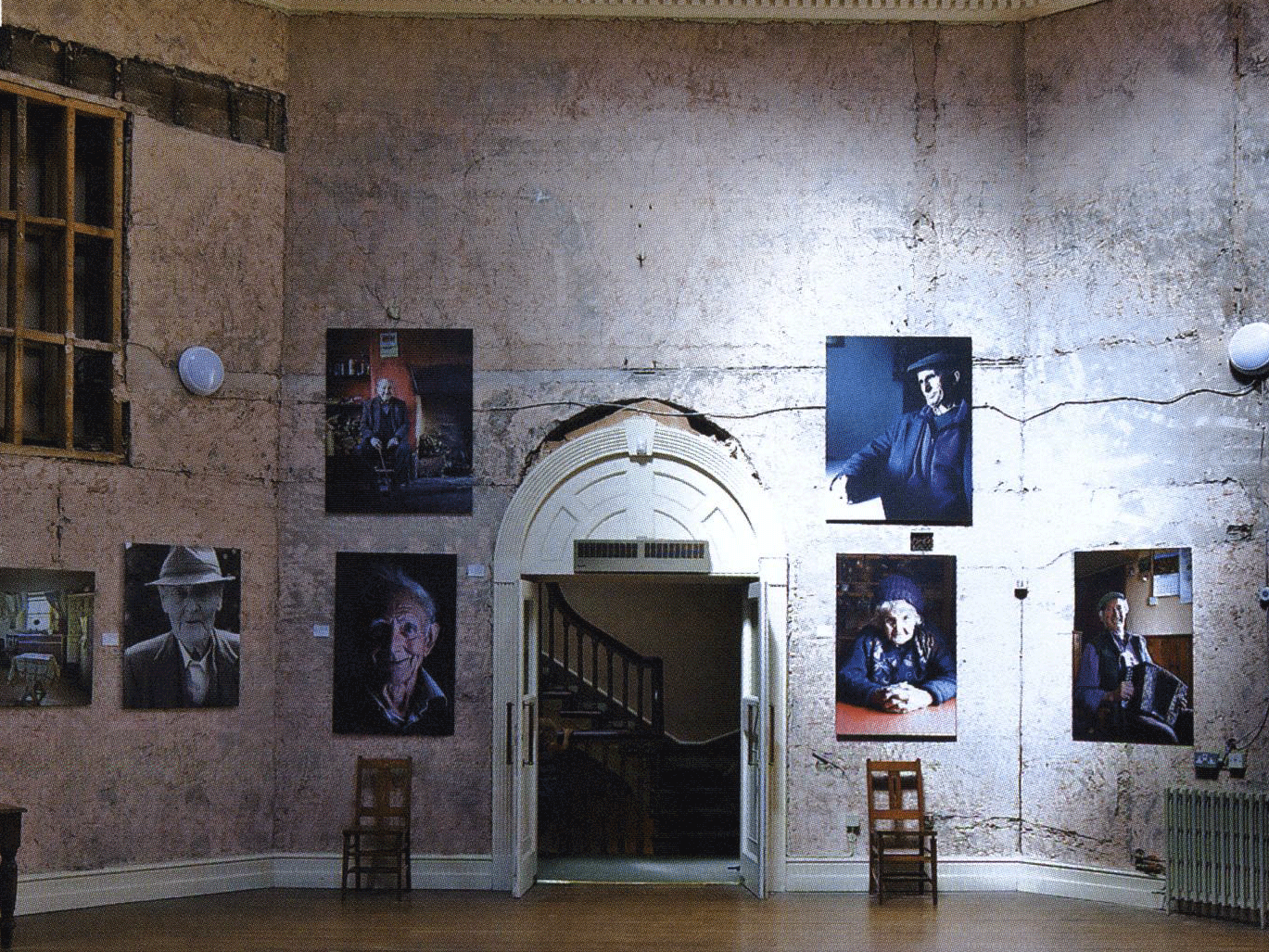
Peter Pearson outlines the history of the former City Assembly House on Dublin’s South William Street, now the flagship of the Irish Georgian Society
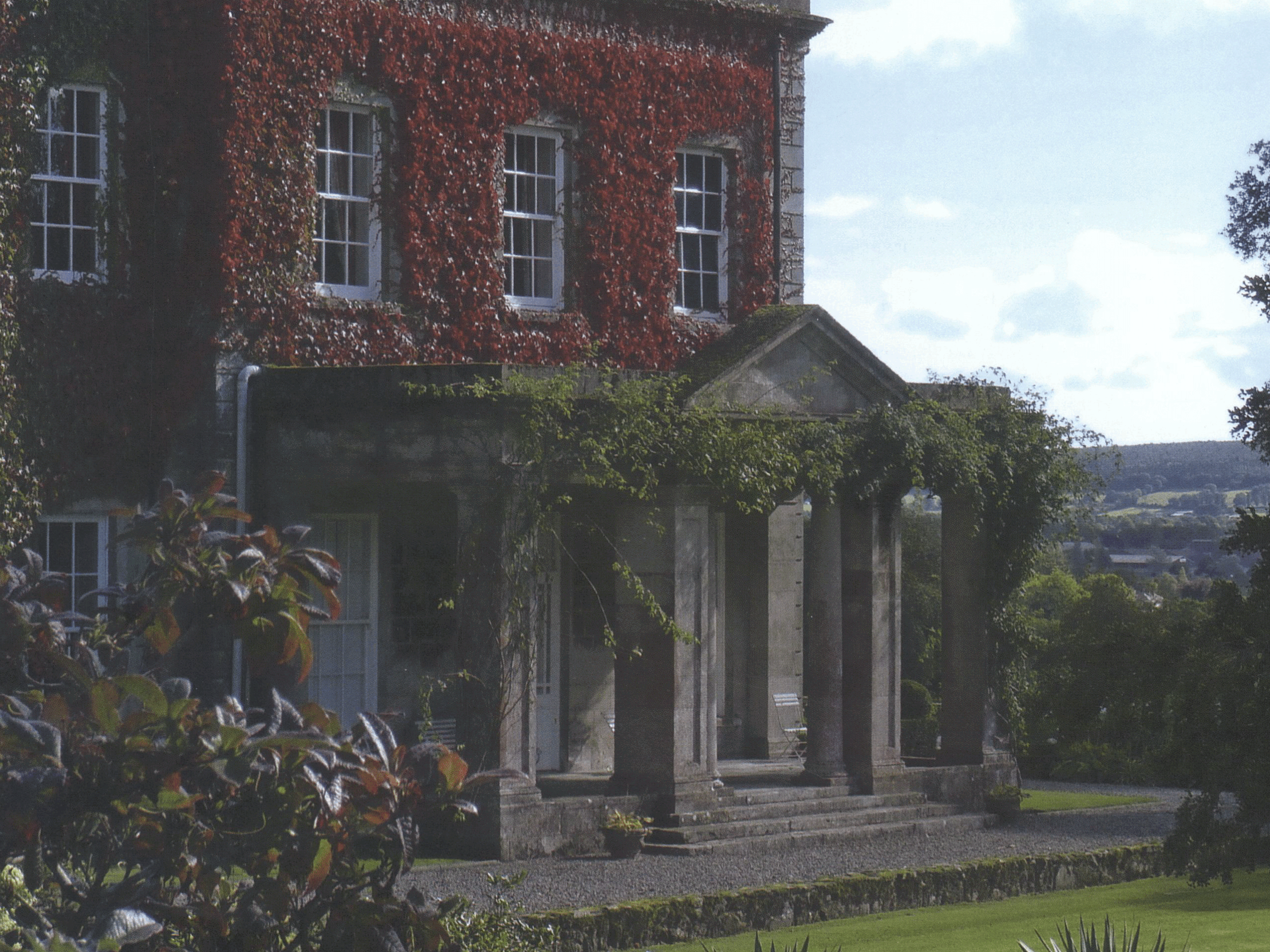
Robert O’Byrne documents the events leading up to the destruction and consequent resurrection of Cappoquin House in Co Waterford
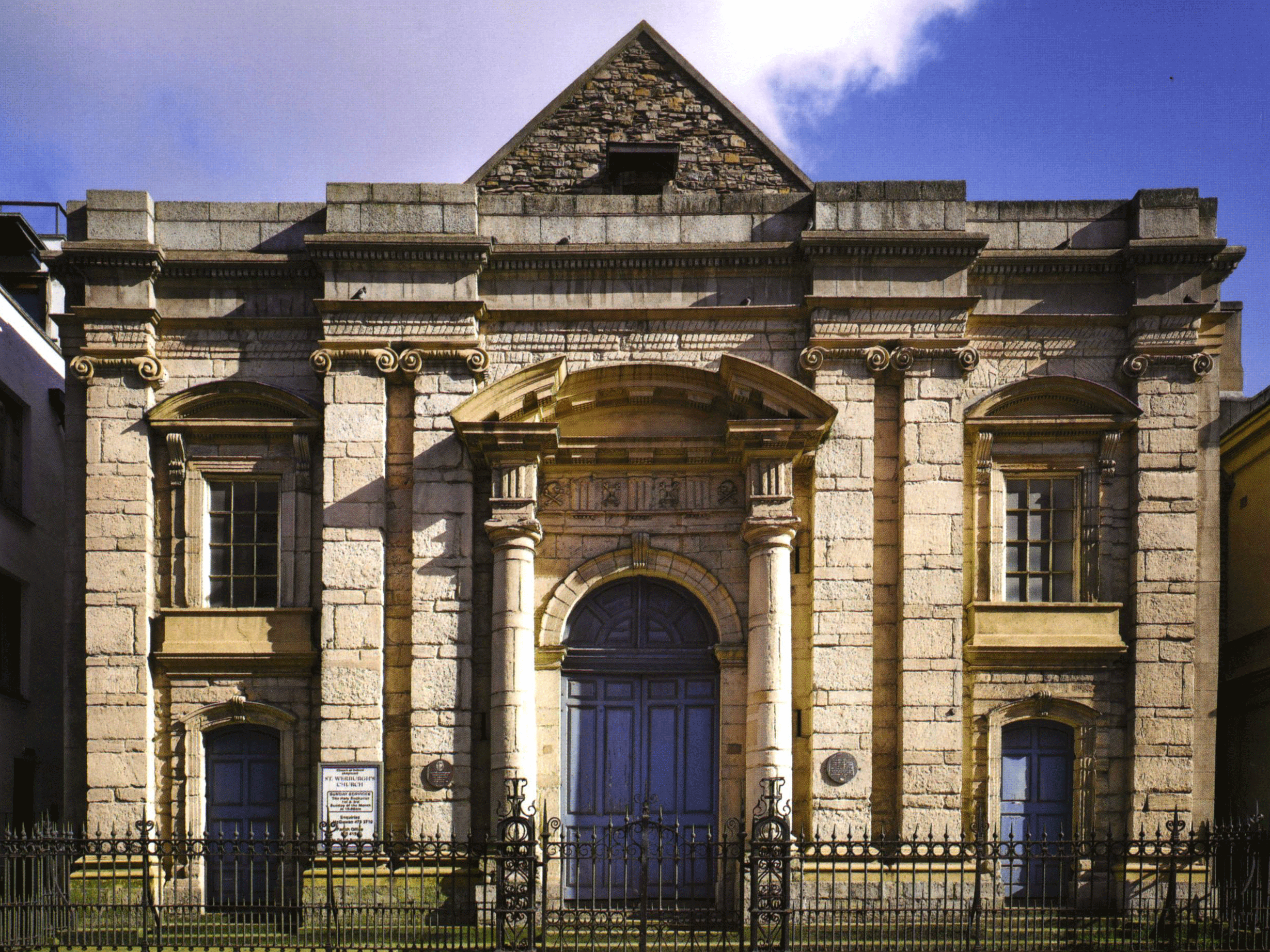
Michael O’Neill recalls the architectural and social history of this former Viceroy’s church, revered by many as the final resting place of Lord Edward FitzGerald.
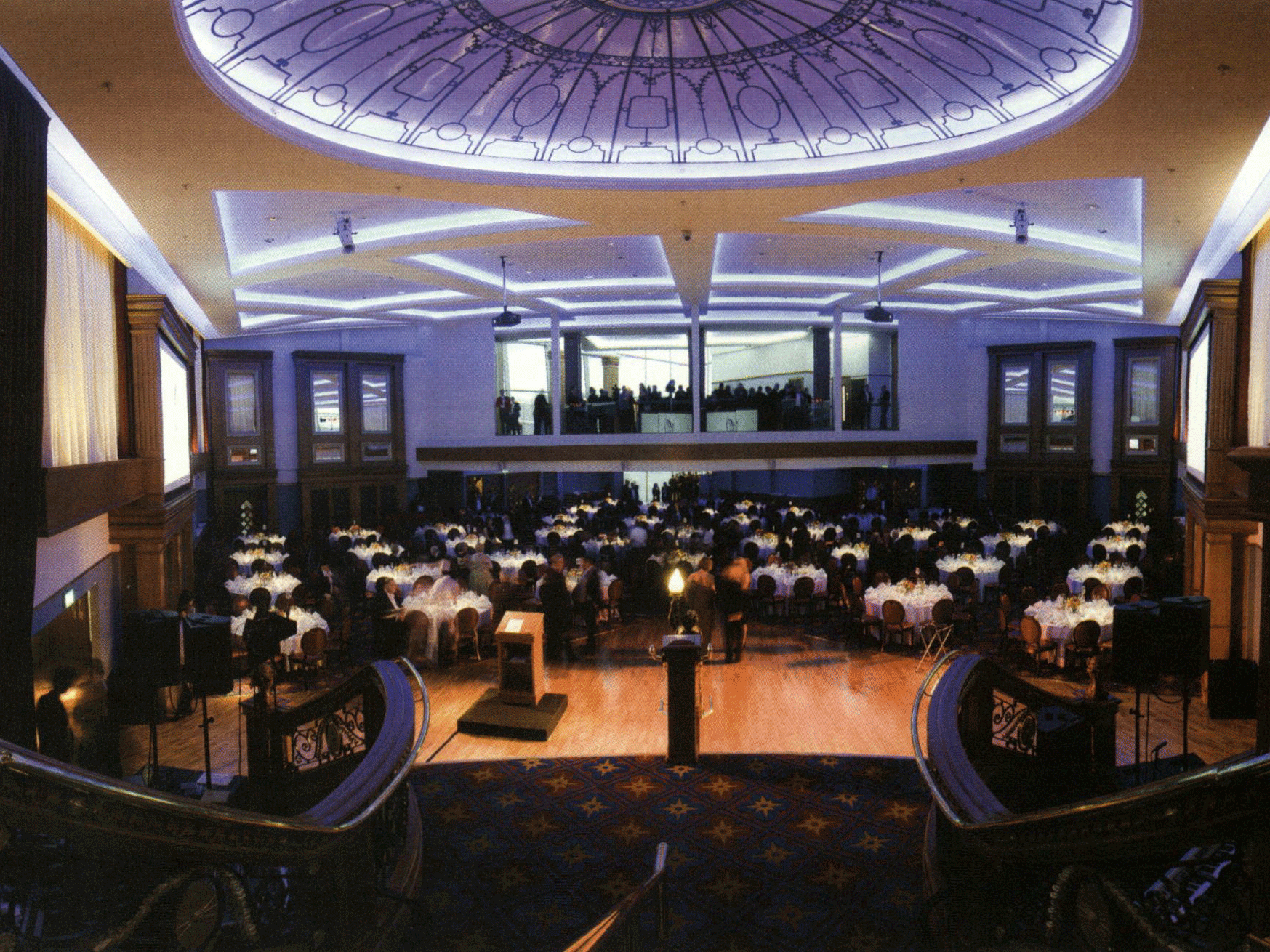
Belfast’s new leviathan echoes the form of the ships once visible from the drawing offices where they were designed, writes Marianne O’Kane-Boal
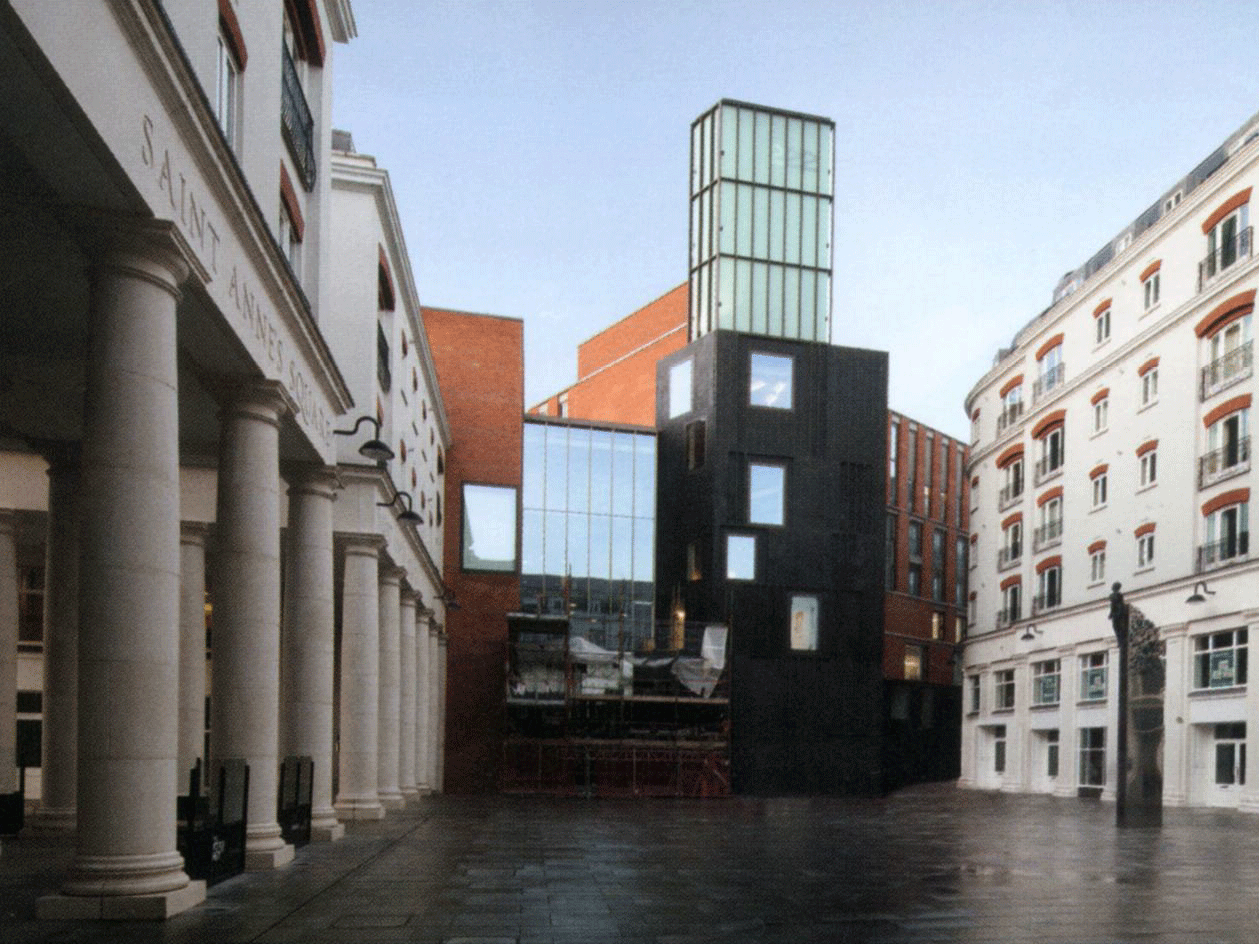
Making a virtue of necessity, Belfast’s Metropolitan Arts Centre has triumphed over its tight location in Cathedral Quarter, writes Paul Harron.
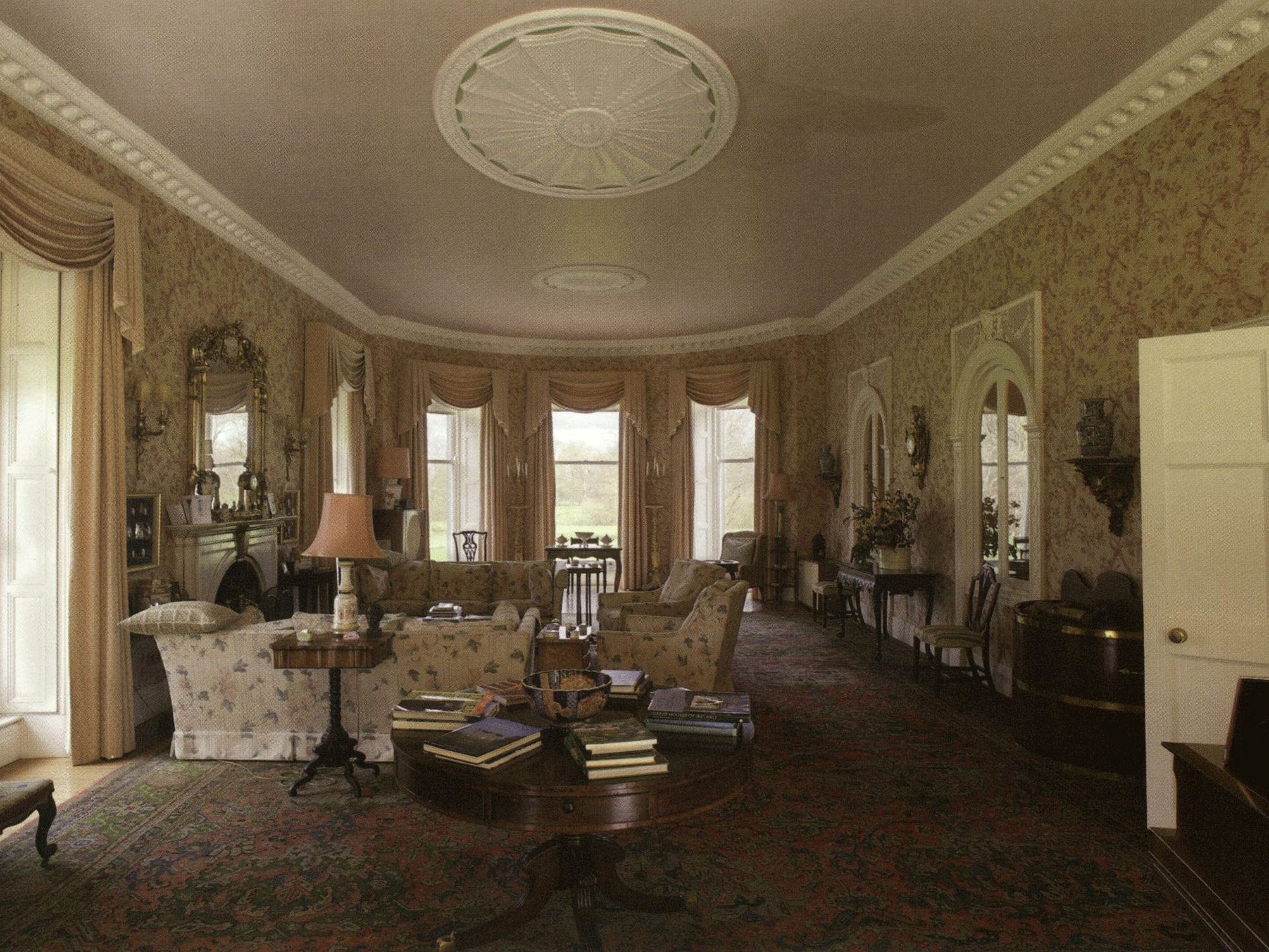
Terence Reeves-Smyth explores the quiet charm of Benvarden, an early 19th-century house in north County Antrim
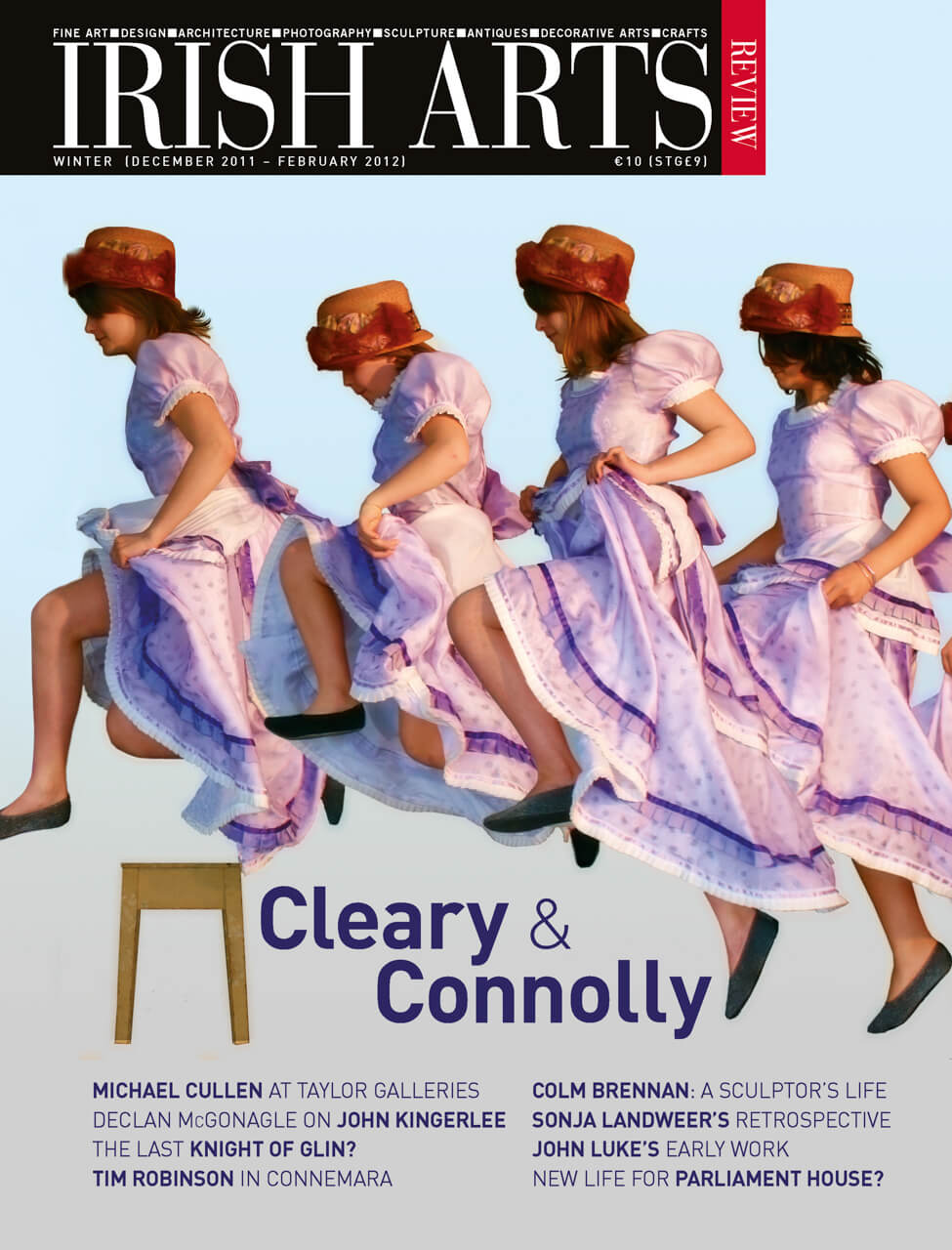
David Griffin explores the architectural history of the Parliament House and its transformation from place of legislature to commerce, while John Mulcahy considers the recent proposal to convert the landmark building into a cultural space
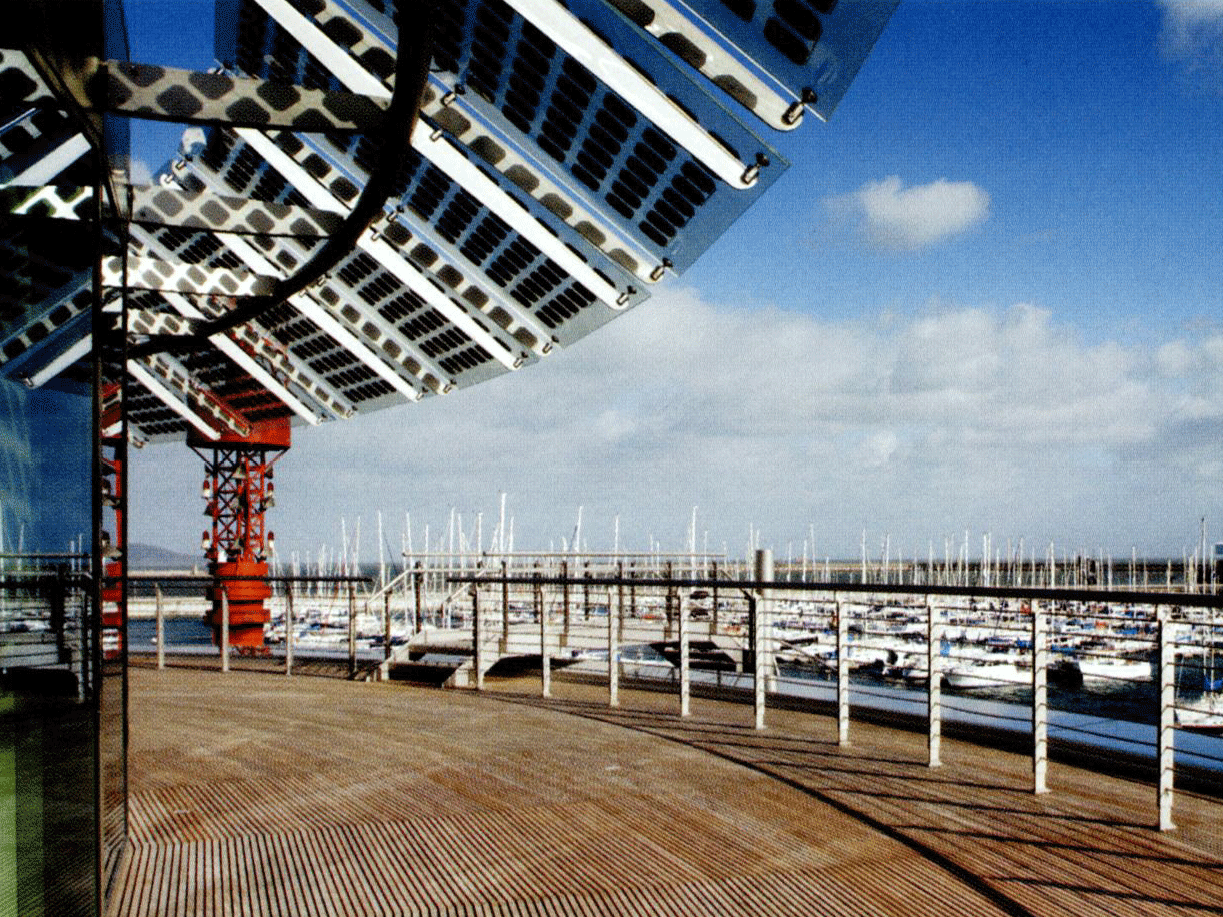
Kevin Donovan sees the Commissioners of Irish Lights Headquarters in Dún Laoghaire as an instrument of communication and vigilance
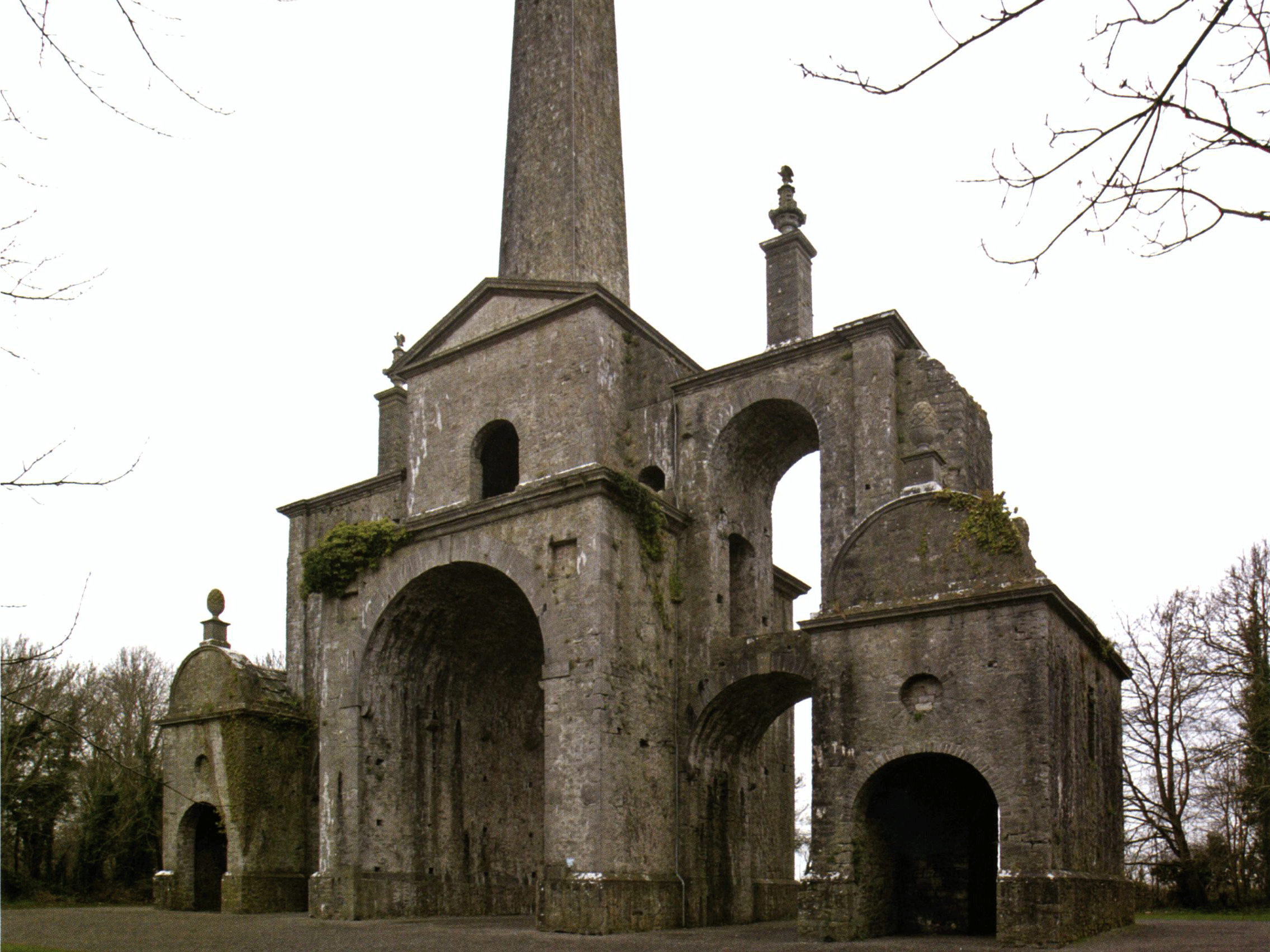
James Howley examines the description and typology of follies, as restoration on three remarkable examples in Dublin reaches completion
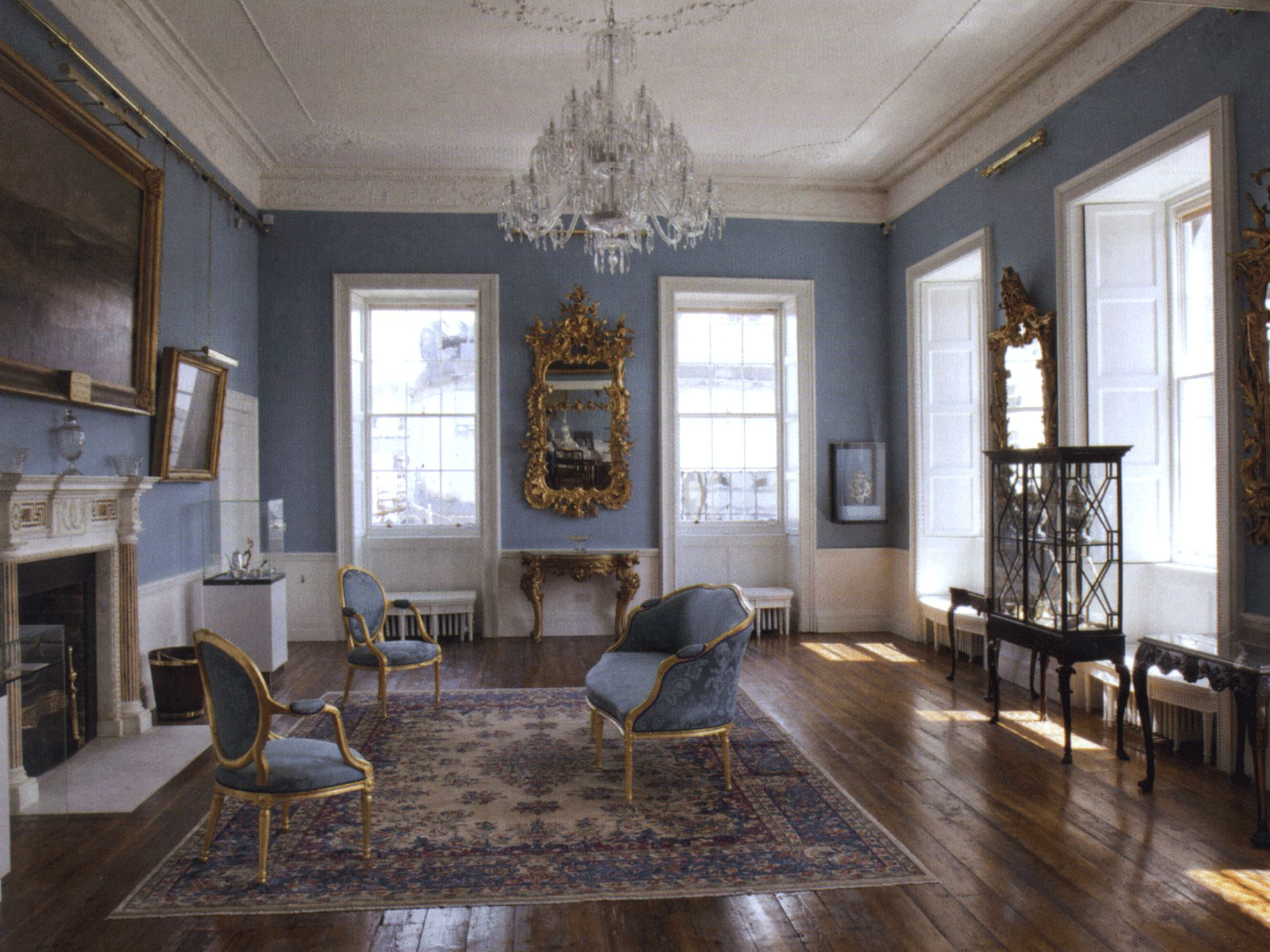
William Laffan discusses the architectural ambitions of Waterford’s Bishop Este and his successor Richard Chevenix whose imposing 18th-century residence is now restored to its original splendour.
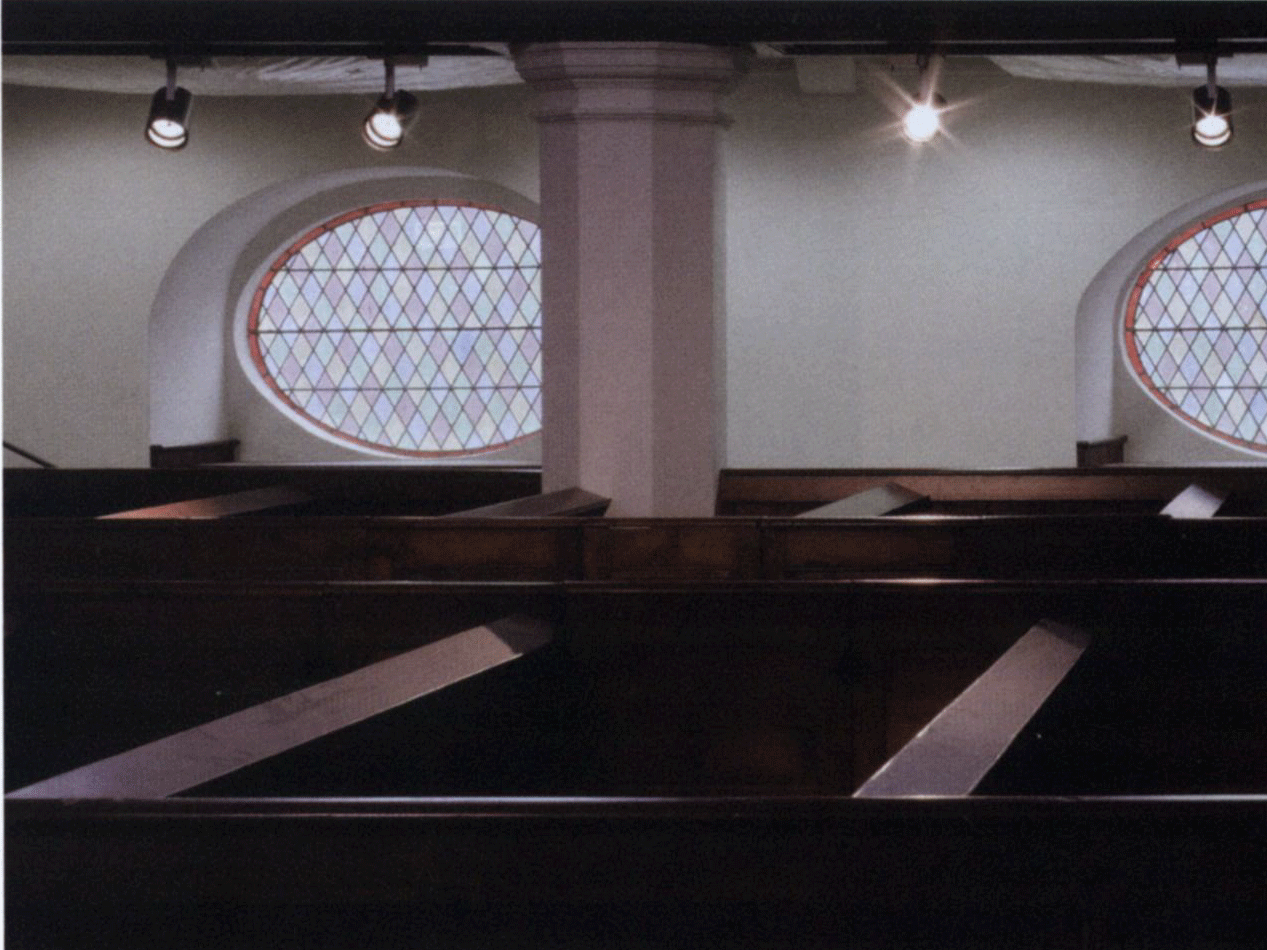
Peter Murray traces the evolution of Christchurch in Cork, from an historic parish church to its latest incarnation as a venue for the arts.
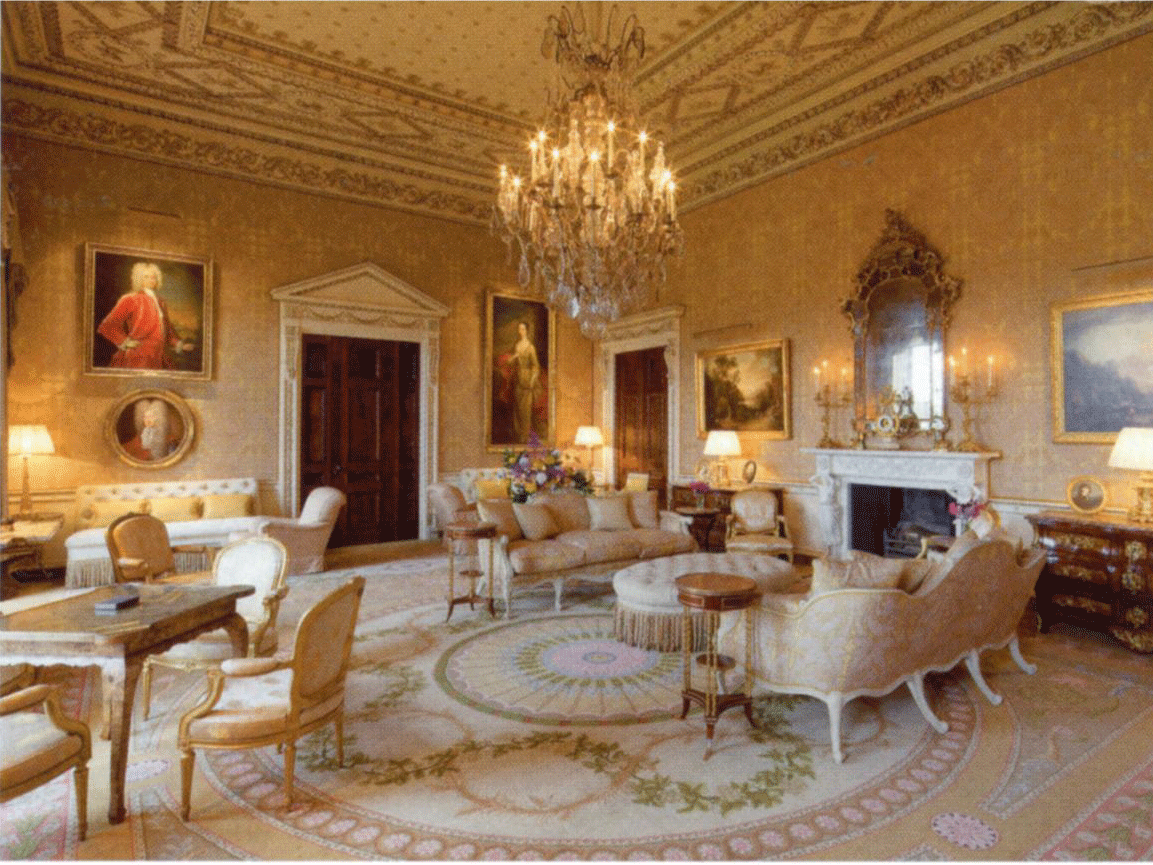
The restoration of Ballyfin represents a unique achievement, where sensitivity to character and place triumph, writes Kevin Mulligan.
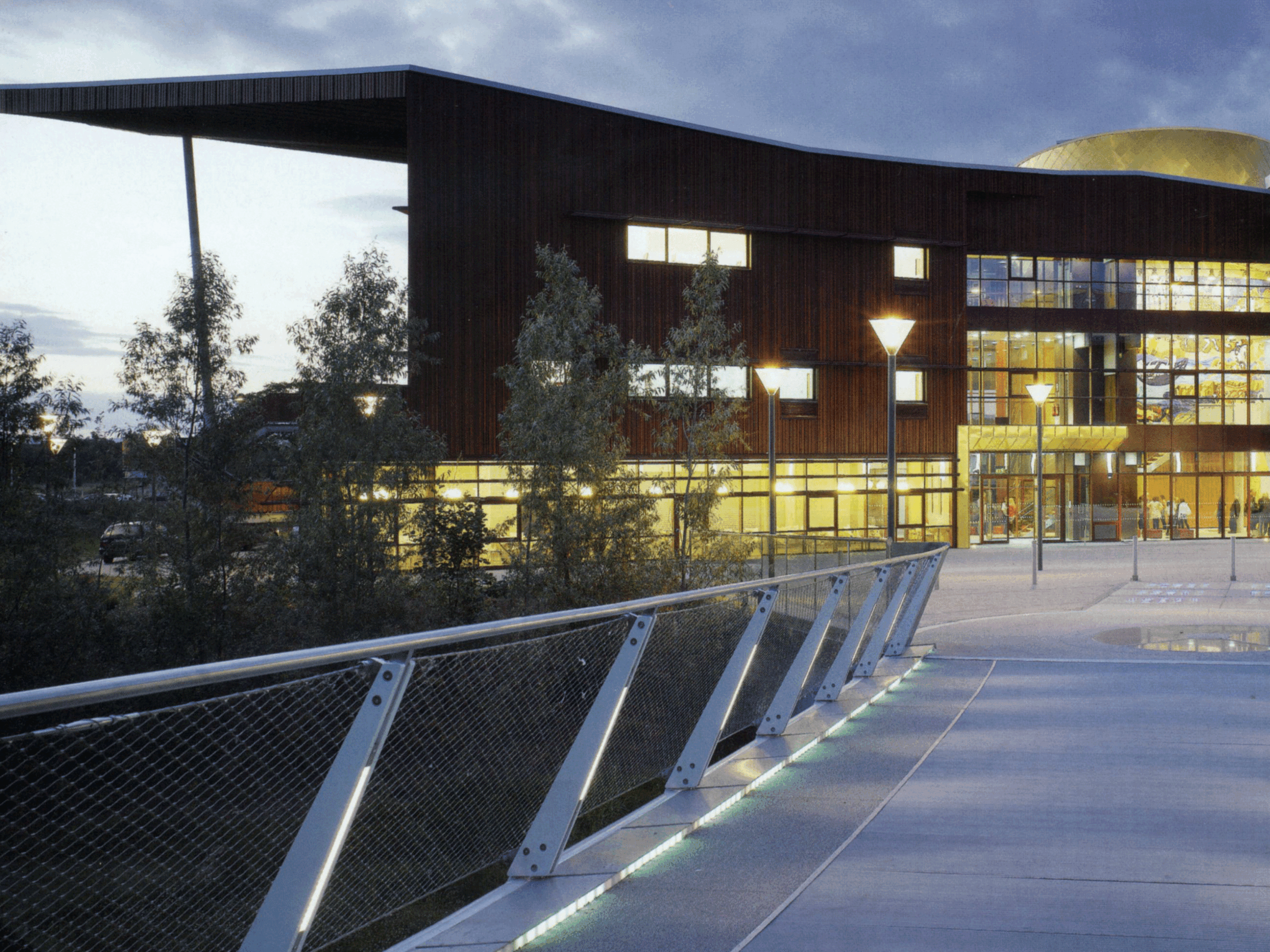
Judith Hill examines how the disparate spheres of academia and performance are united in Limerick’s dynamic Irish World Academy of Music and Dance.
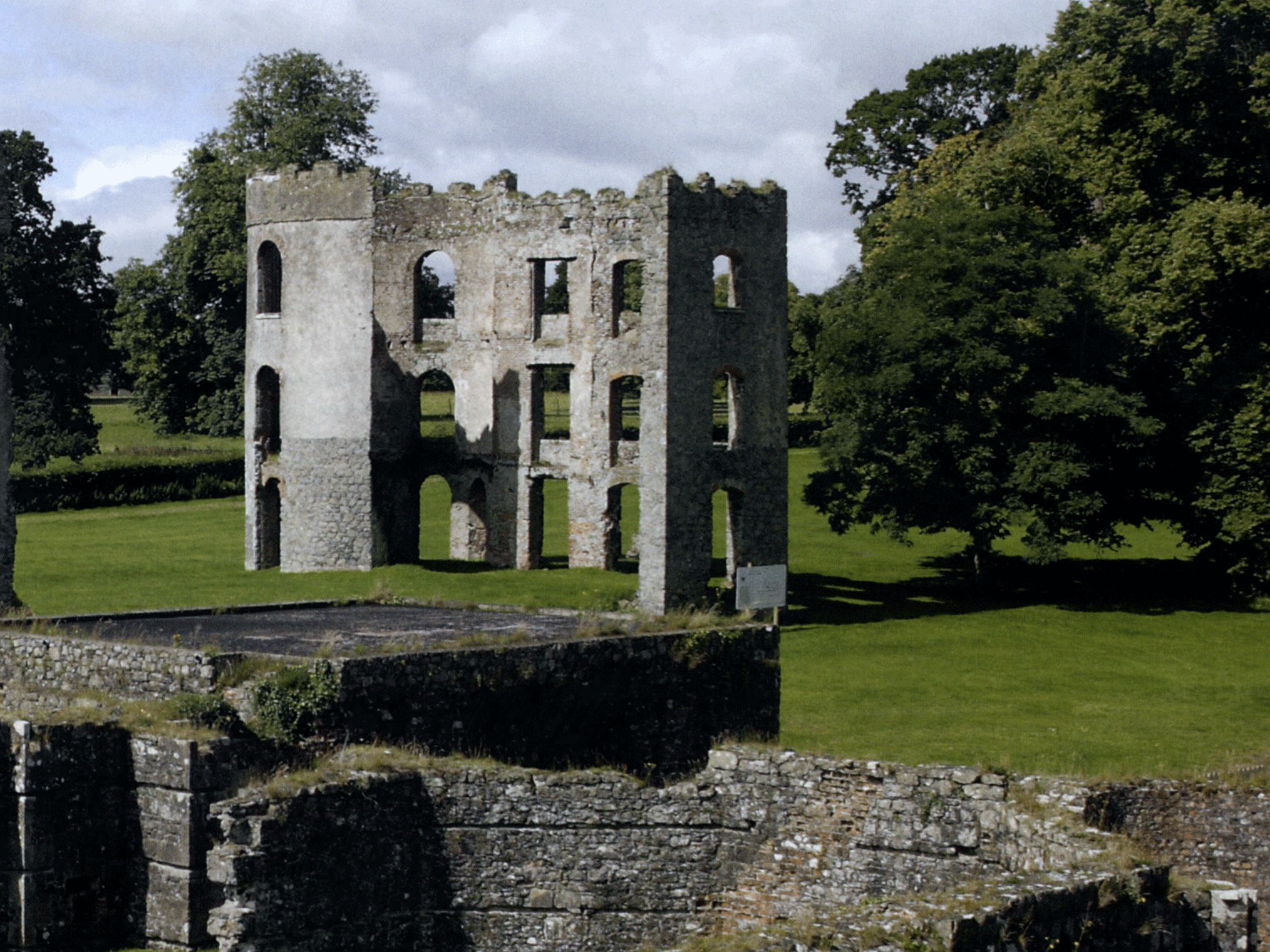
Following the recent restoration of the conservatory at Shane’s Castle, Terence Reeves-Smyth explores the history of this romantic and historic place in Co Antrim
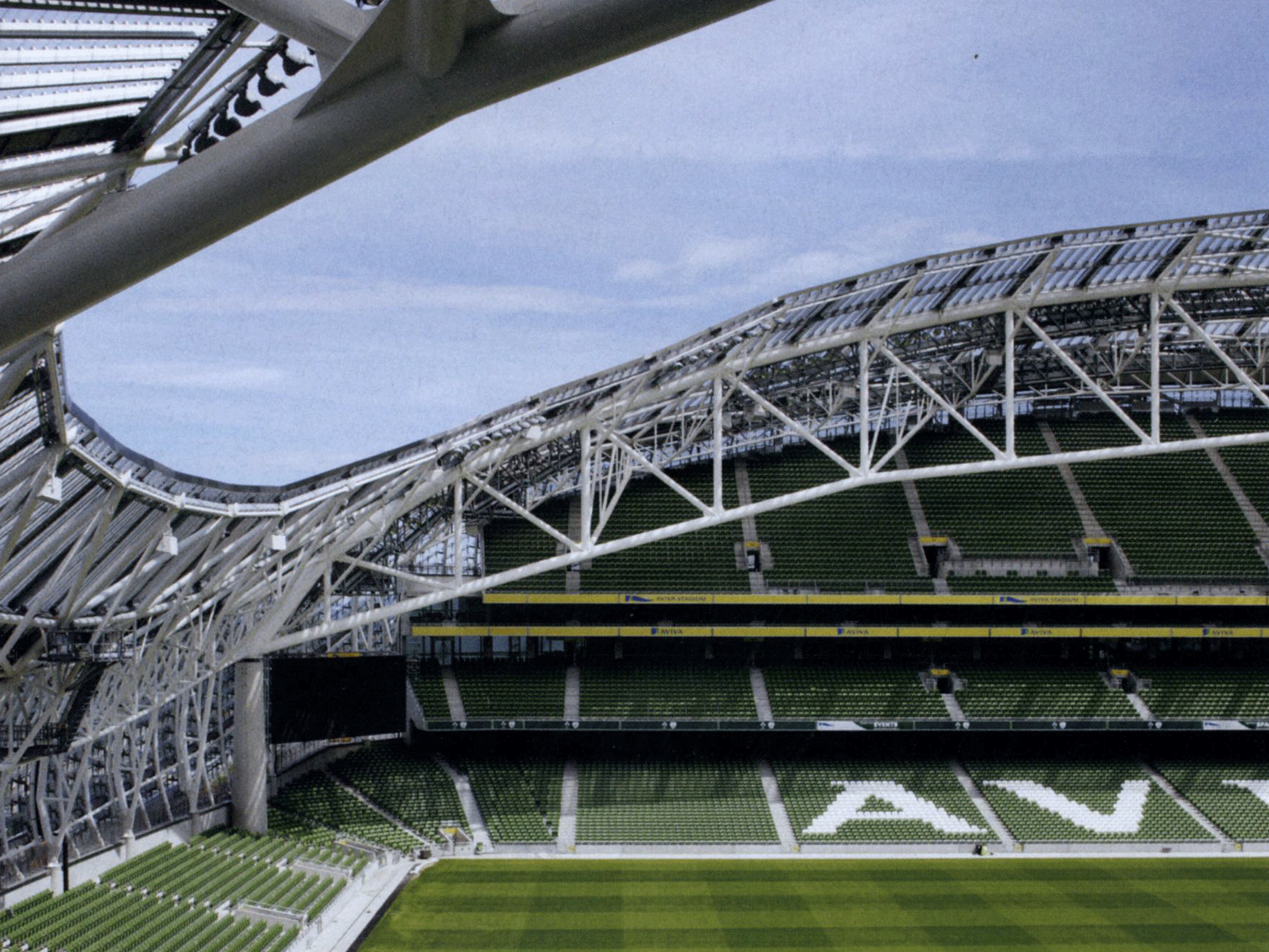
A spectator sport Louise Cotter considers historic precedent and inspiration in her appraisal of Dublin’s new Aviva stadium
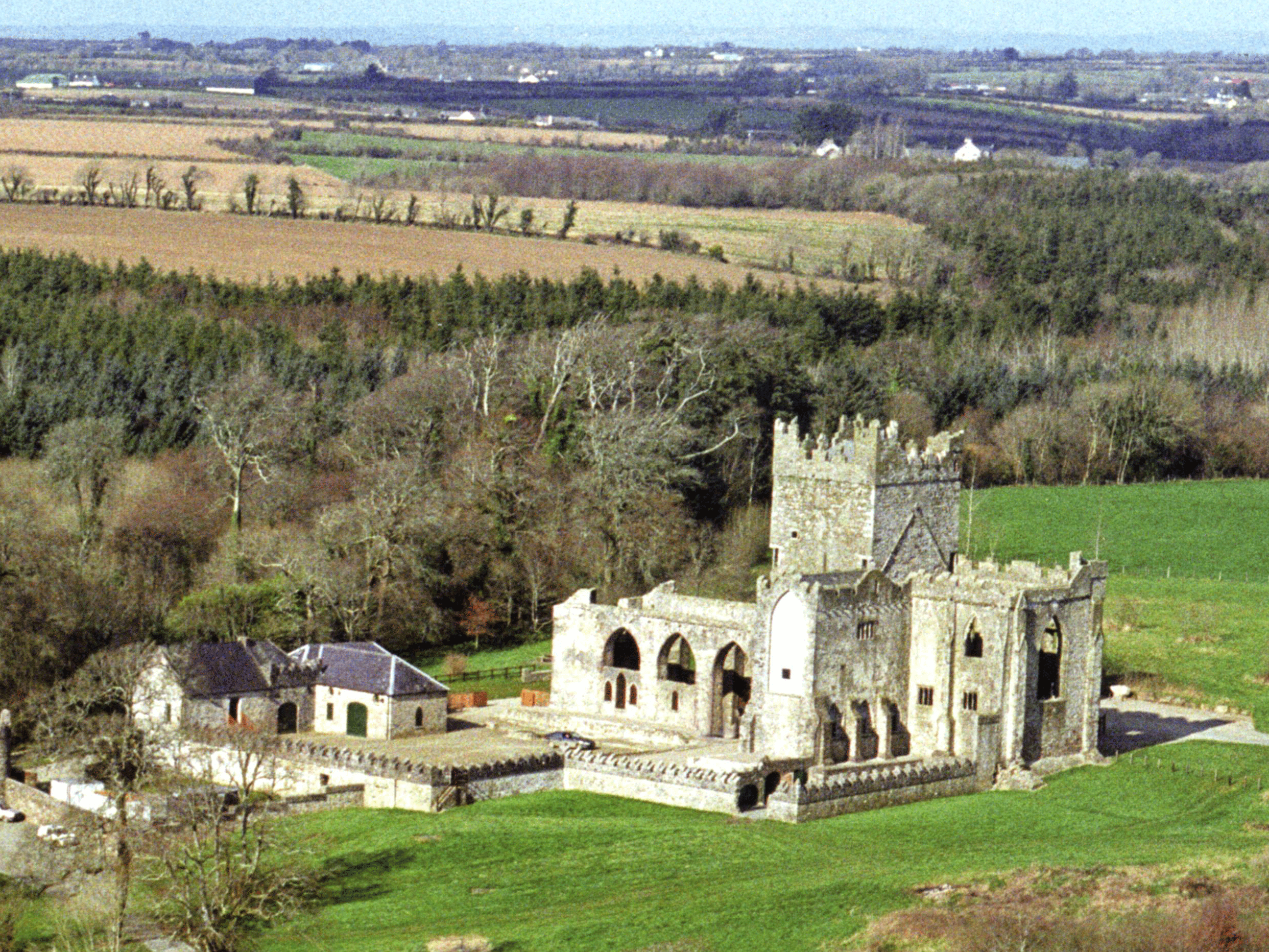
Tintern Abbey at Bannow Bay in Wexford is today a place of beauty and tranquillity, secured if not fully restored by the OPW: a lasting monument to the earliest days of the Norman invasion from which its foundation sprung, as John Mulcahy reports
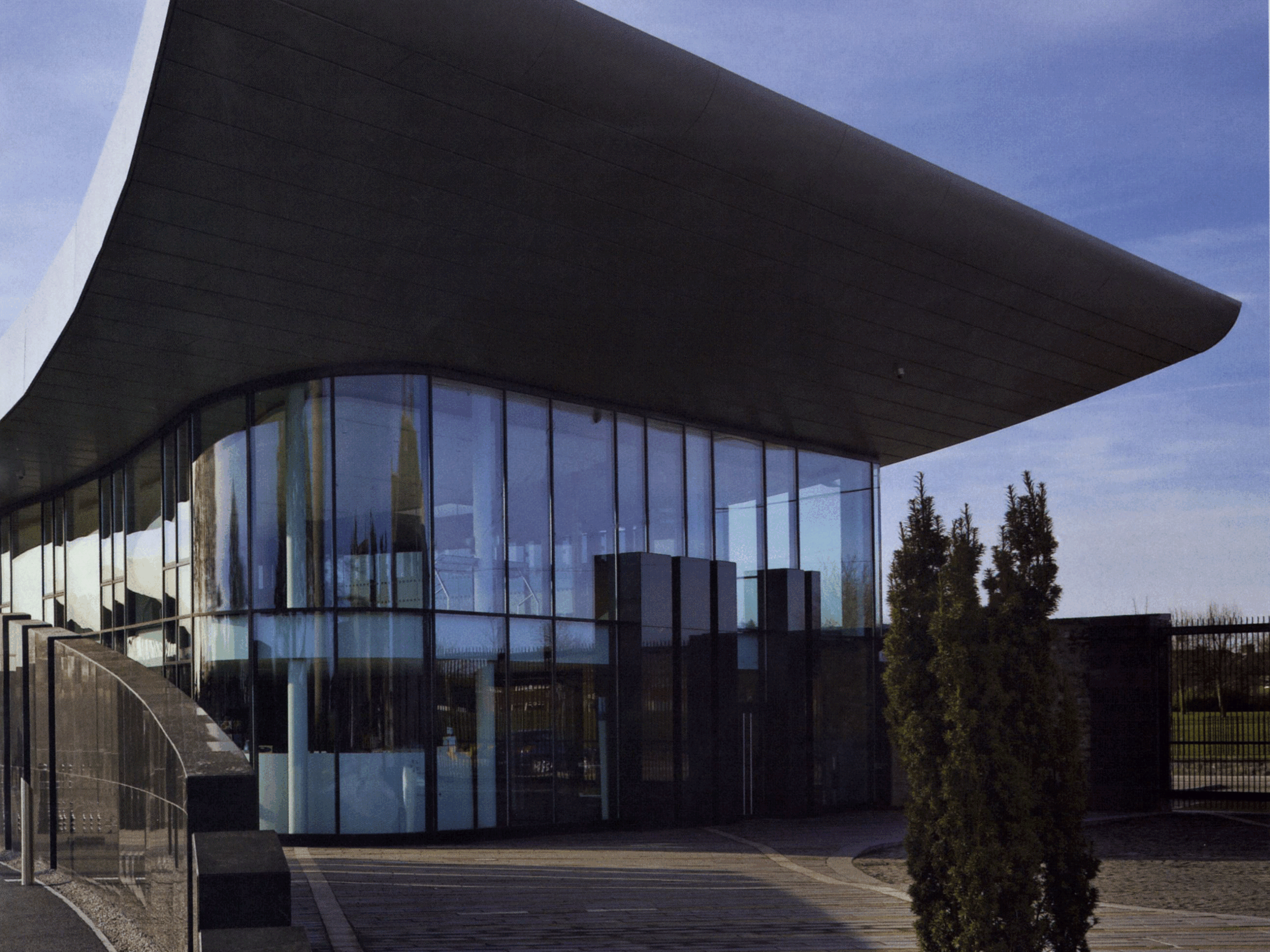
Richard Hurley views the newly opened Glasnevin National Heritage Visitors Centre which operates as a gateway to Dublin’s historic cemetery.
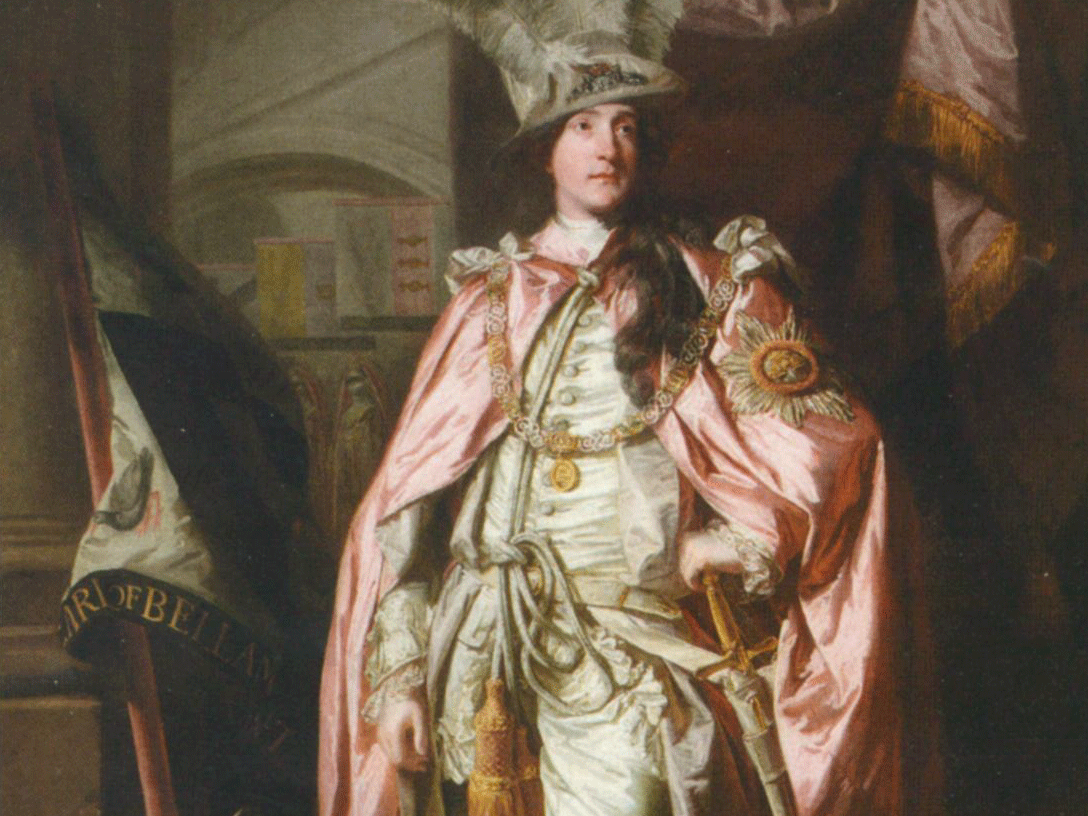
Kevin Mulligan analyses the beauty of Bellamont Forest designed by Ireland’s foremost Palladian, Edward Lovett Pearce.
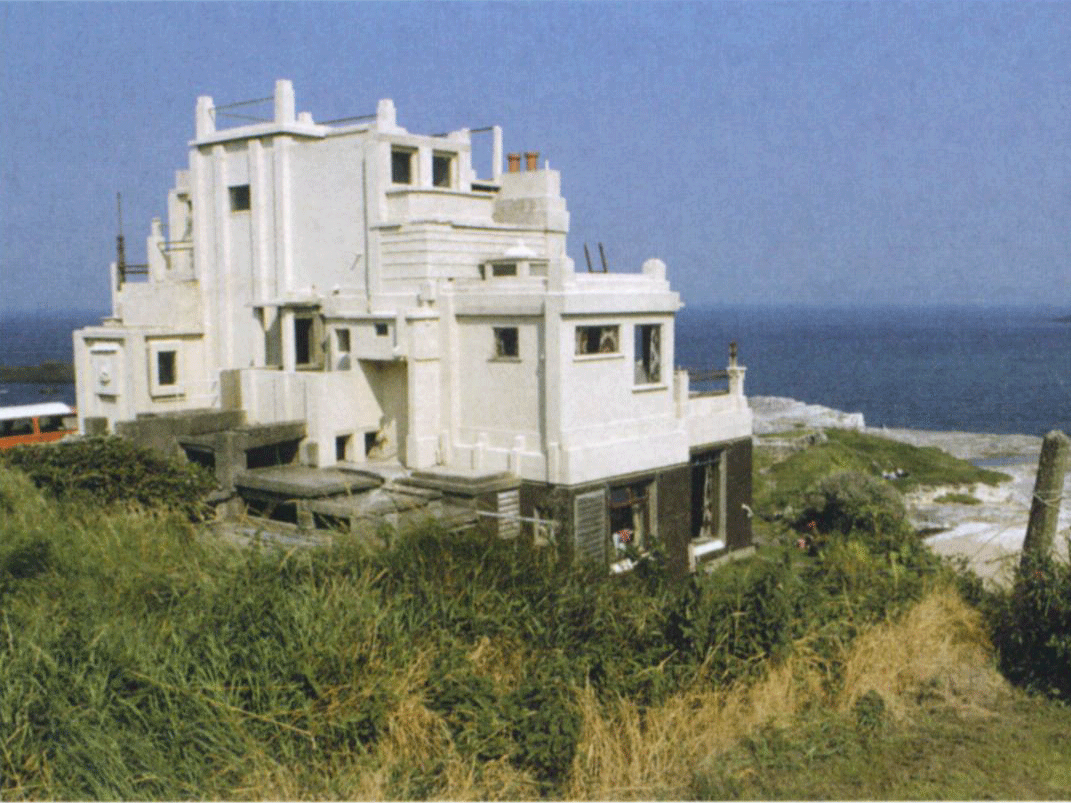
Paul Larmour describes the creative Odyssey embarked upon by Newton Penprase in the building of Bendhu House, located on the dramatic coastline of Co Antrim.
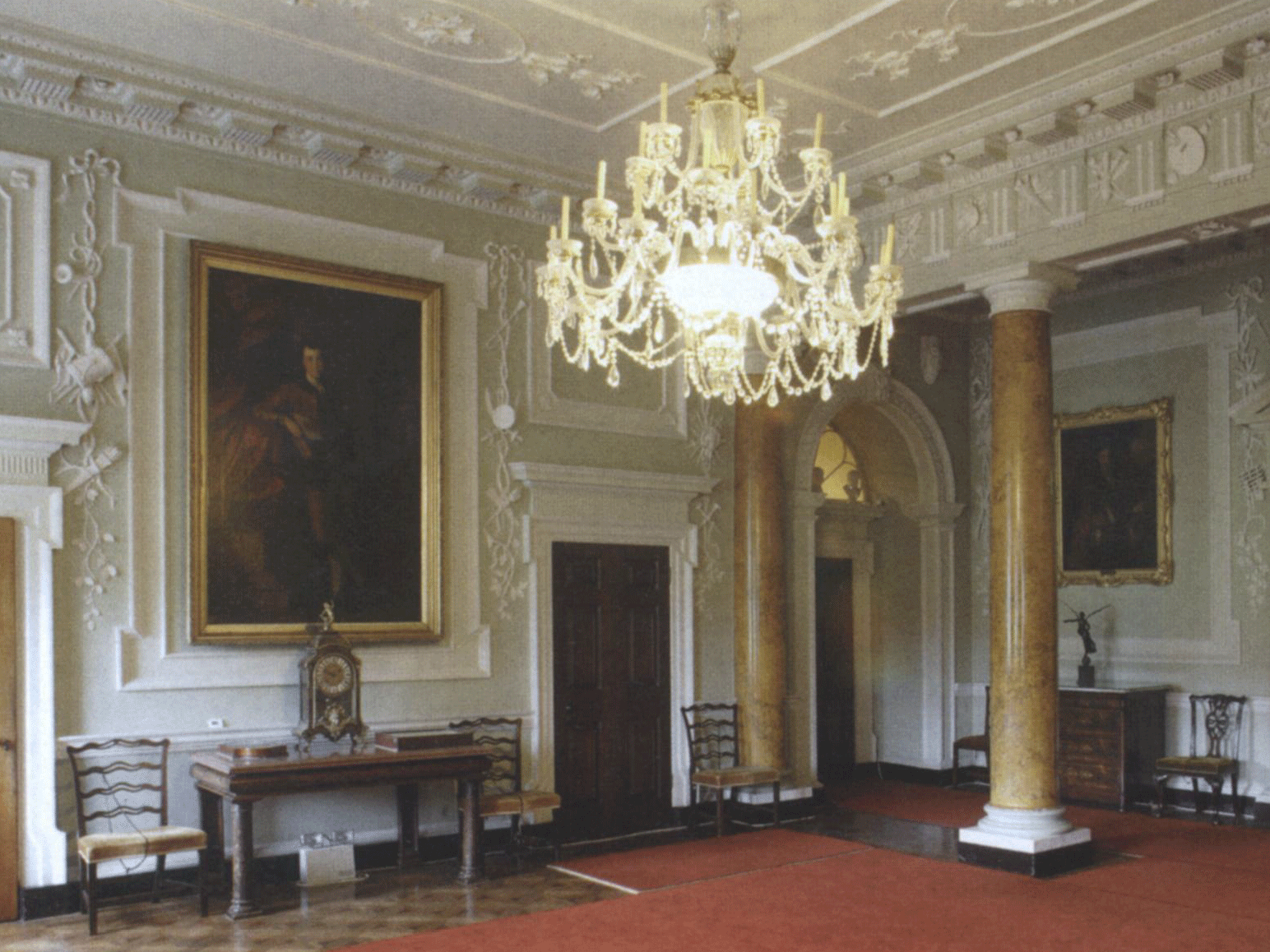
Terence Reeves-Smyth revisits Castle Ward, Co Down, famous for its contrasting Rococo-Gothick and Palladian styles
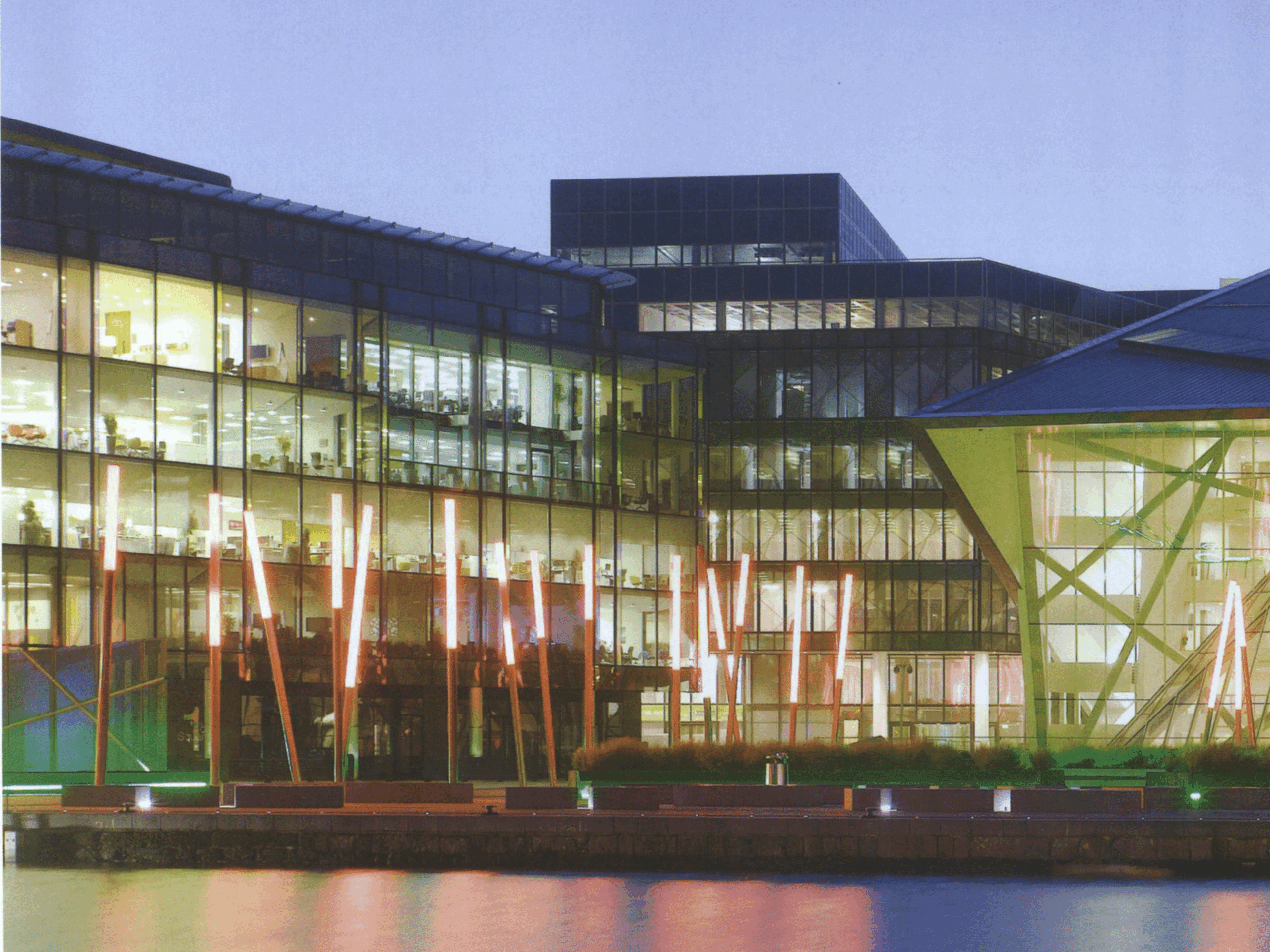
Raymund Ryan visits the spectacular Grand Canal Theatre in Dublin’s Docklands designed by Daniel Libeskind and Dublin’s McCauley Daye O’Connell.
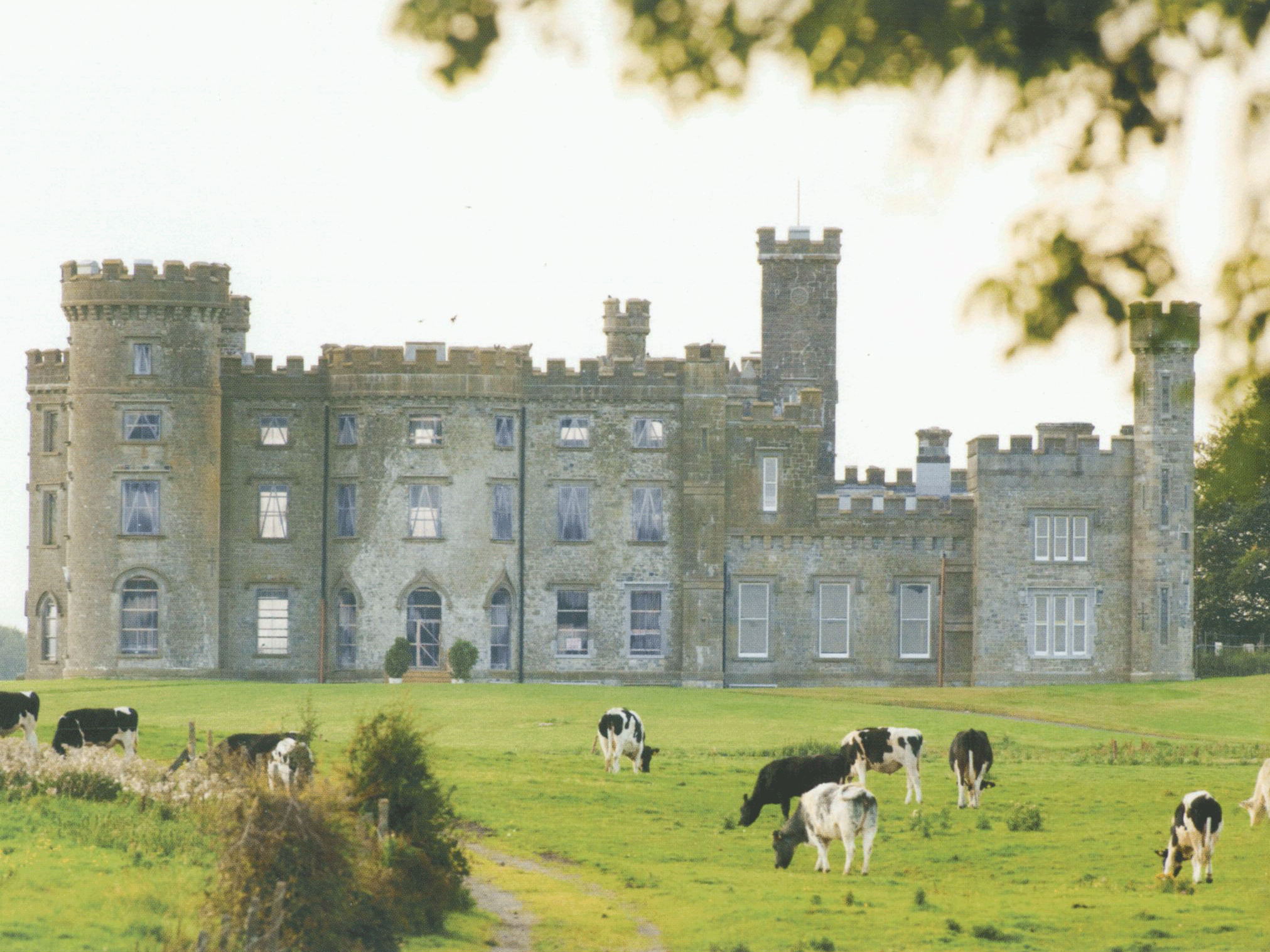
Judith Hill traces the shape of Killua Castle, Co. Westmeath, from past lives to its present strengthened condition
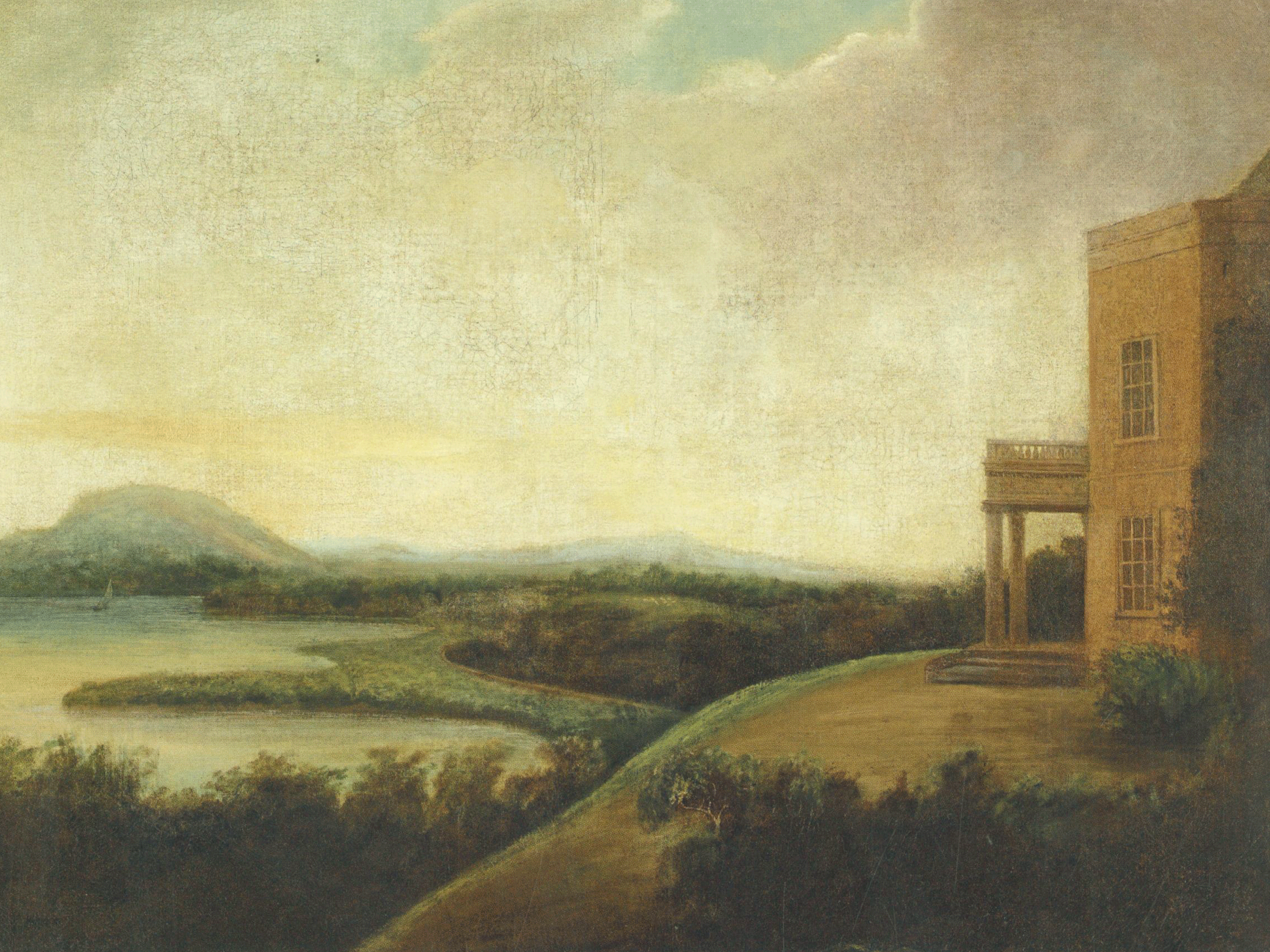
Terence Reeves-Smyth celebrates a Grecian-revival masterpiece on the shores of Strangford Lough, Co Down
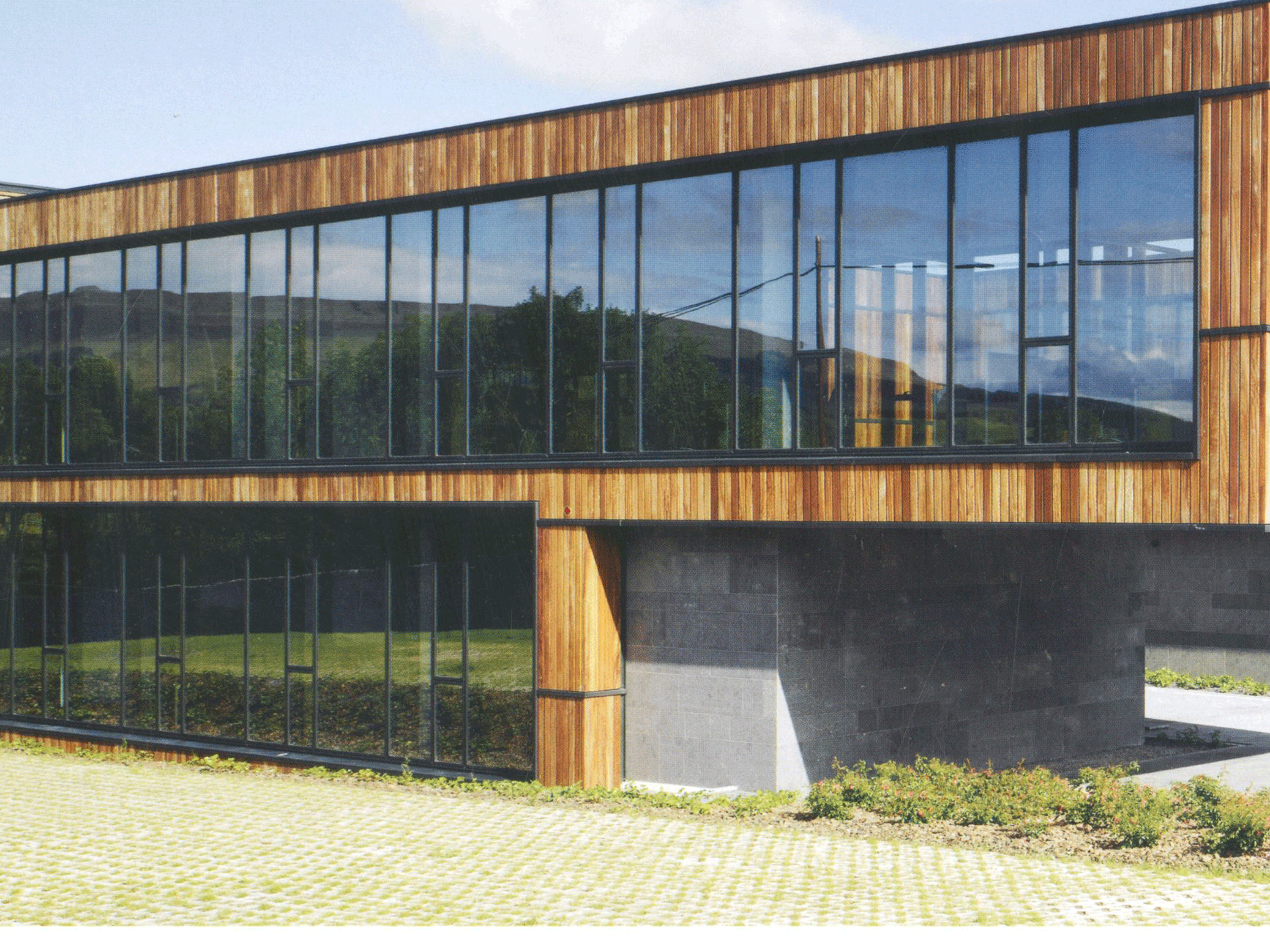
Orla Murphy visits Co Leitrim where the new regional offices for the Department of Agriculture, Fisheries and Food, designed by the Office of Public Works, successfully connects staff with the community they serve
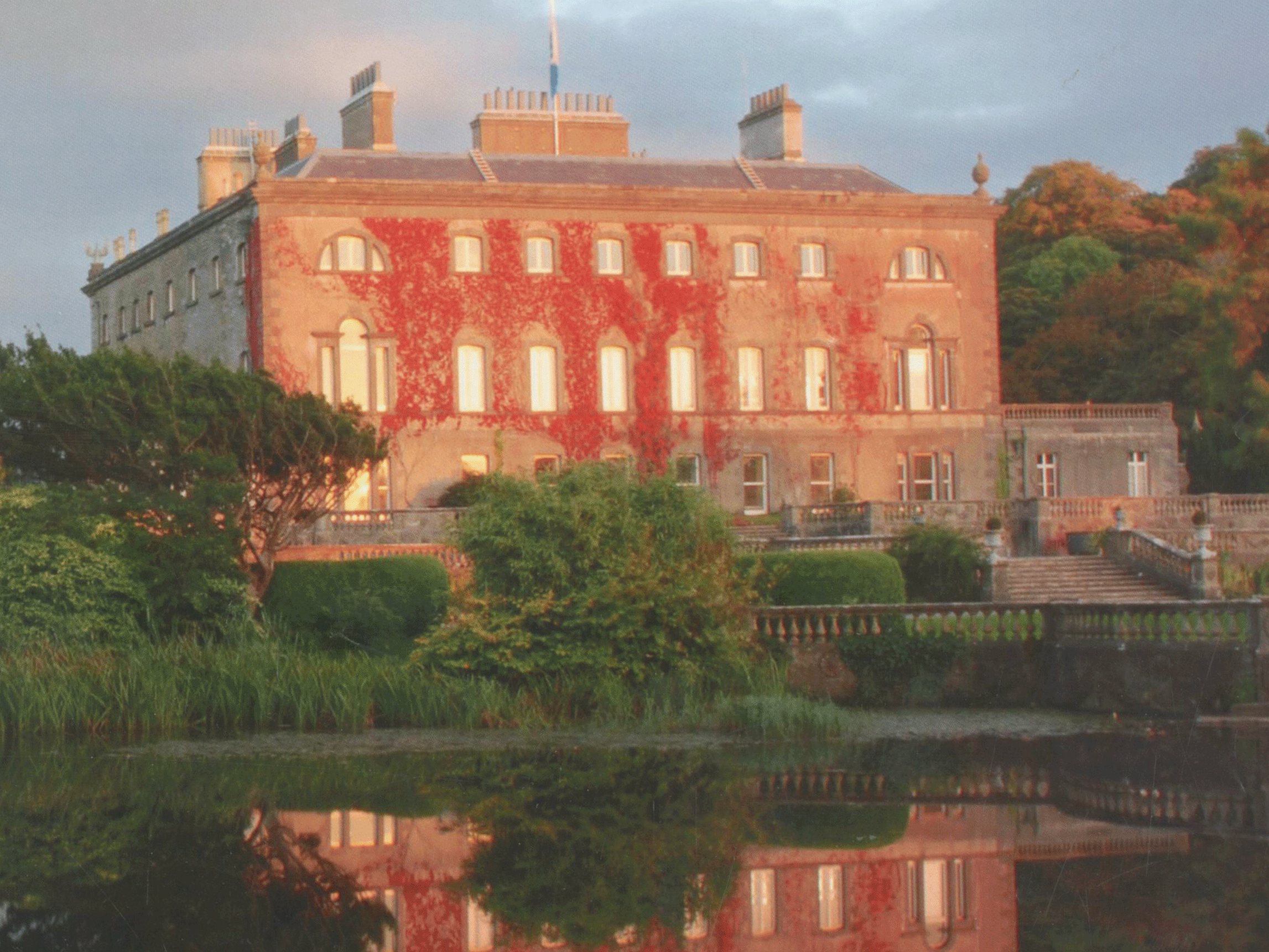
Kevin V Mulligan assesses the architectural vision of Richard Castle together with the contributions of his successors at Westport House
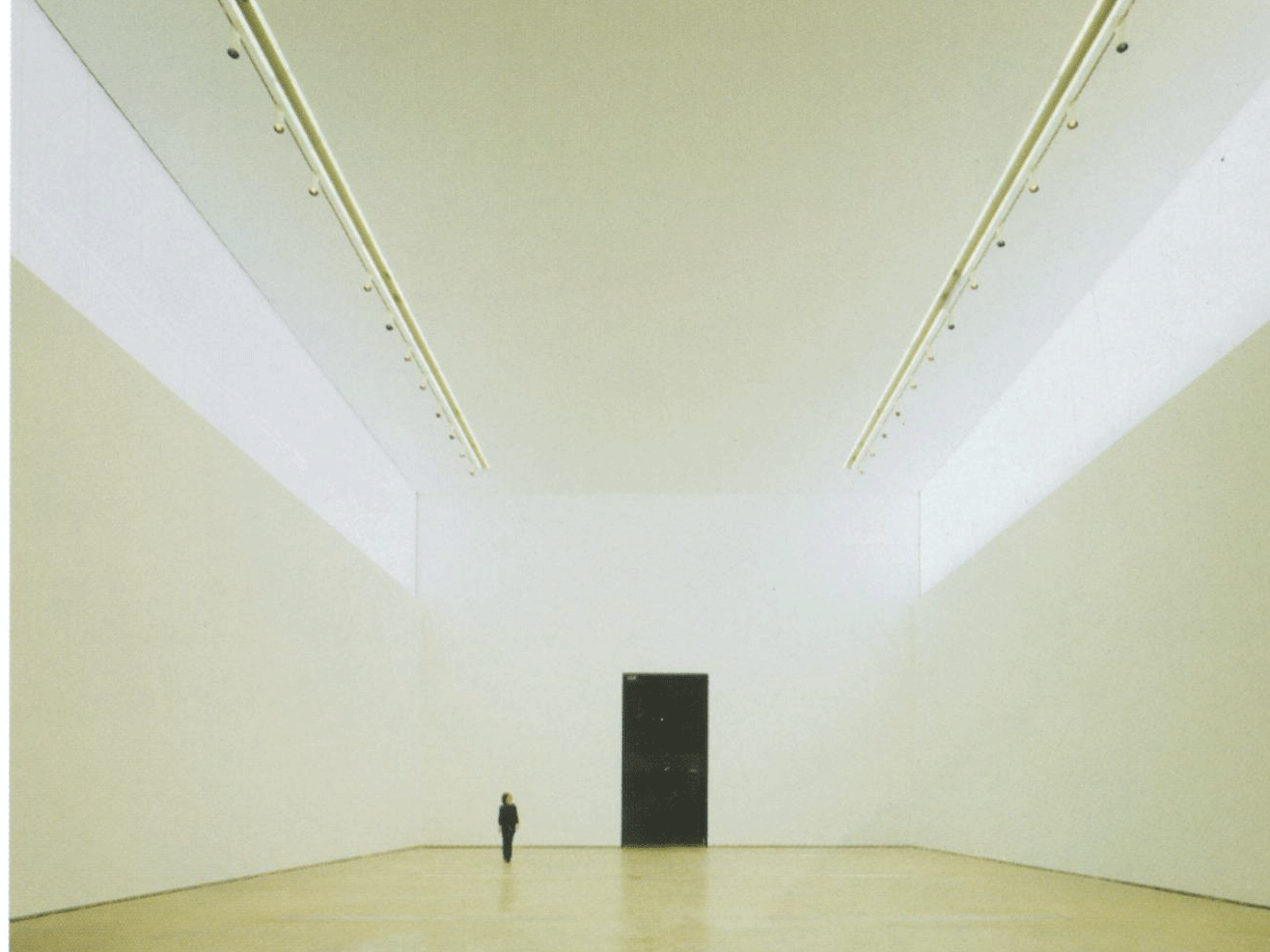
Jason M O’Shaughnessy assesses VISUAL in Carlow, an ambitious project showcasing Ireland’s largest gallery
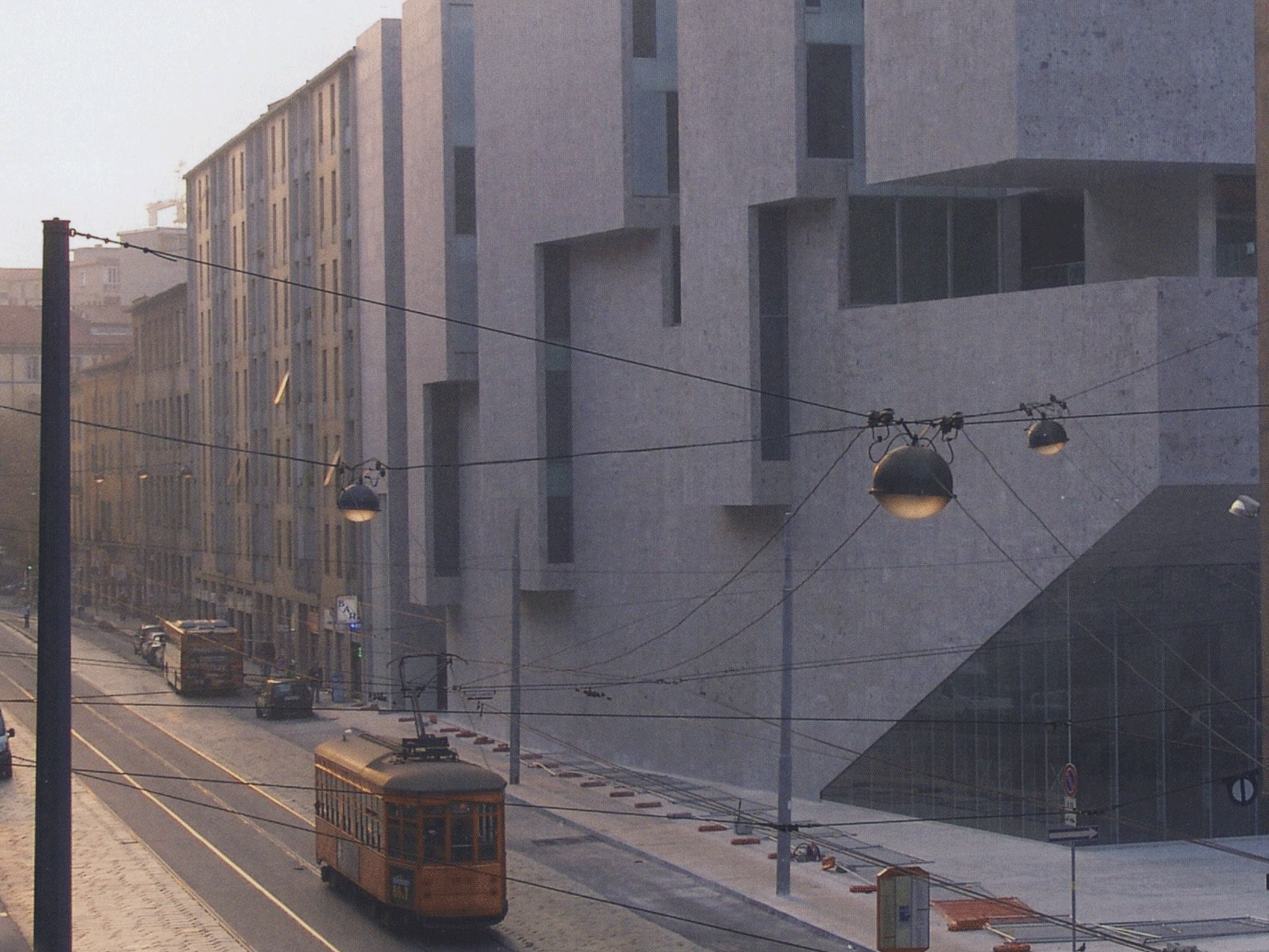
Grafton Architects won two awards at the recent World Architecture Festival, Barcelona; in the learning category and World Building of the Year for Luigi Bocconi University, Milan, described by Stefano Casciani as a landmark for the city.
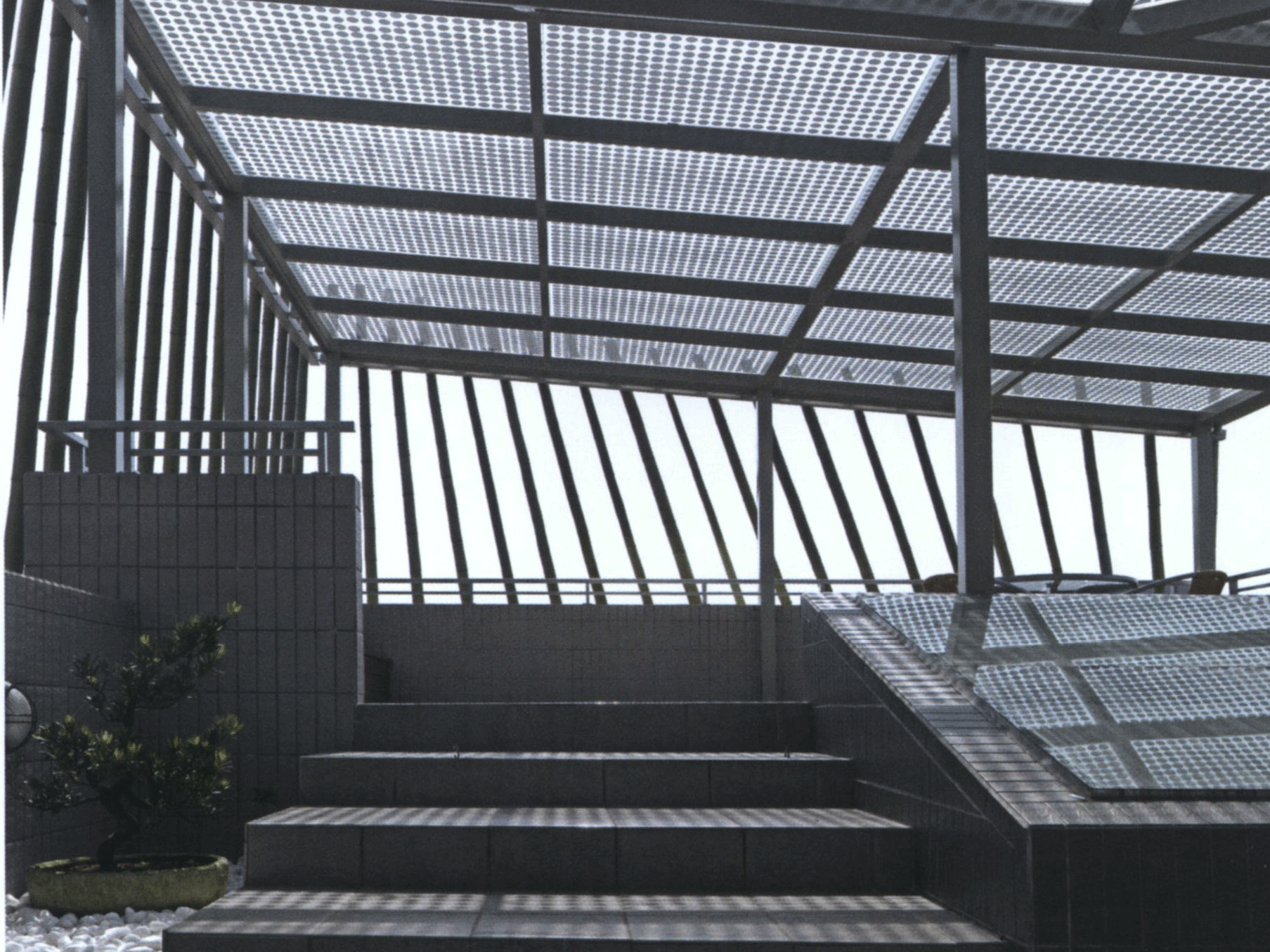
Kevin Donovan assesses two recent buildings by Stephen Roe, winner of the Arts Council Kevin Kieran Award for architecture

The architectural language of Wexford’s new Opera House is confident and unmistakably contemporary, while the quirky constraints of the site continue to charm and surprise, writes James Howley
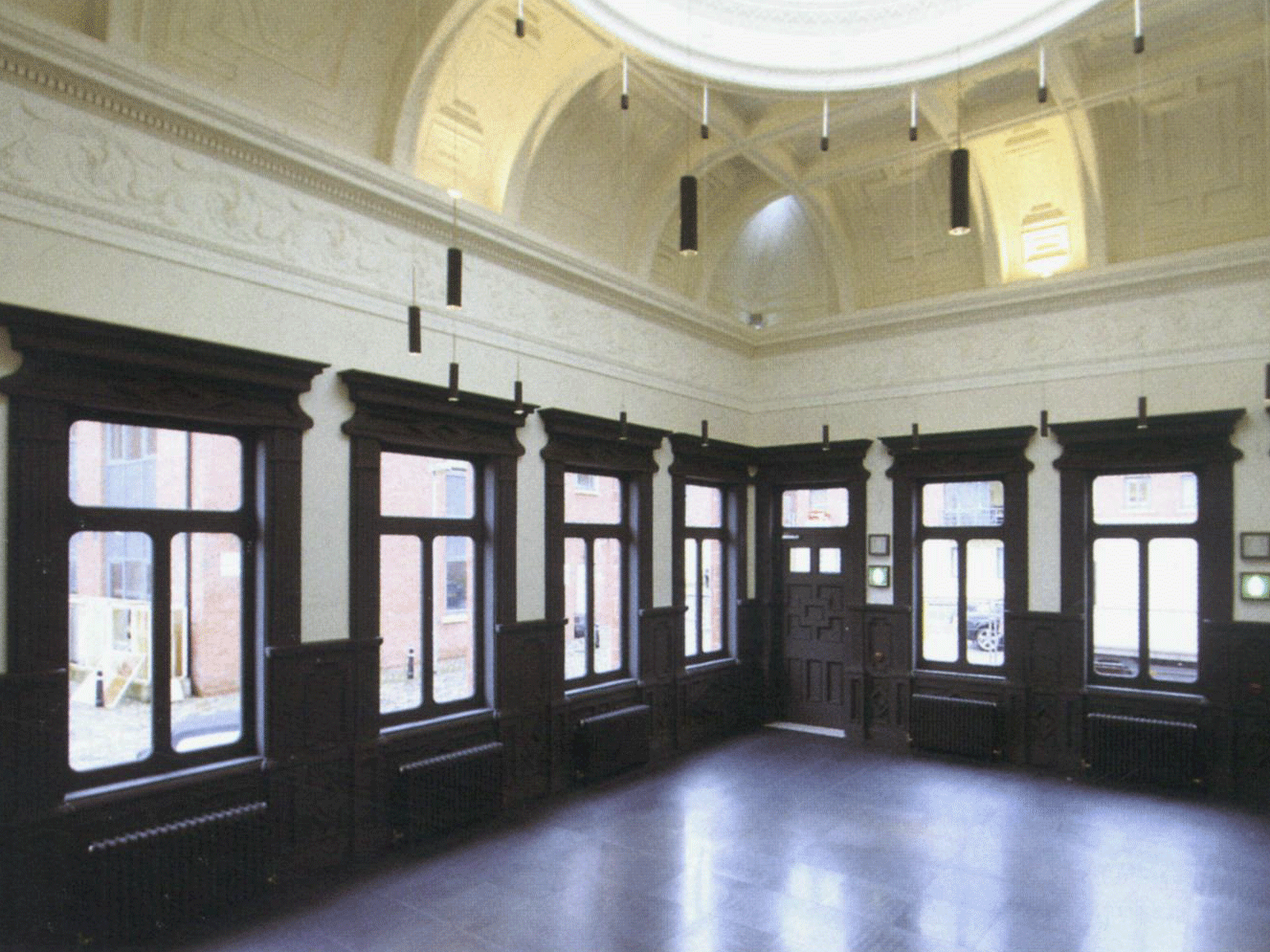
The Meter House in Belfast is an exemplar of what is possible when built heritage is treated as a primary asset for regeneration, writes Paul Harron
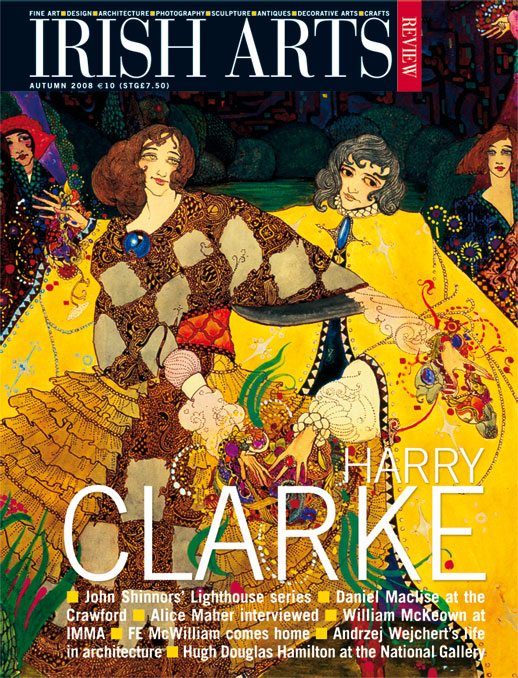
Andrzej and Danuta Wejchert’s architectural ideas arise more from the nature of the project than any doctrinaire theory, writes Cathal O’Neill
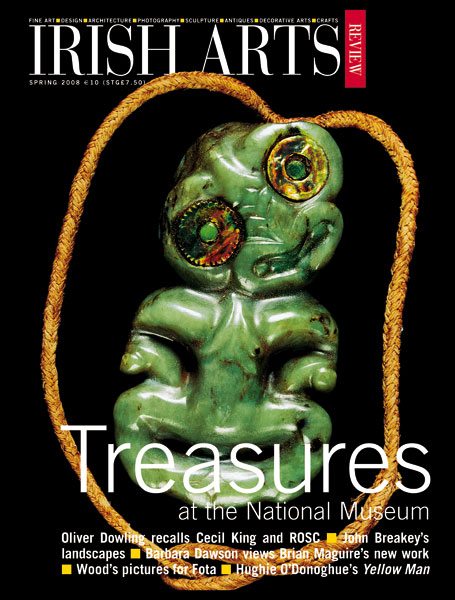
Adapting the military magazine on Rocky Island off Cork Harbour as a crematorium was an inspired development proposal, argues Louise Cotter
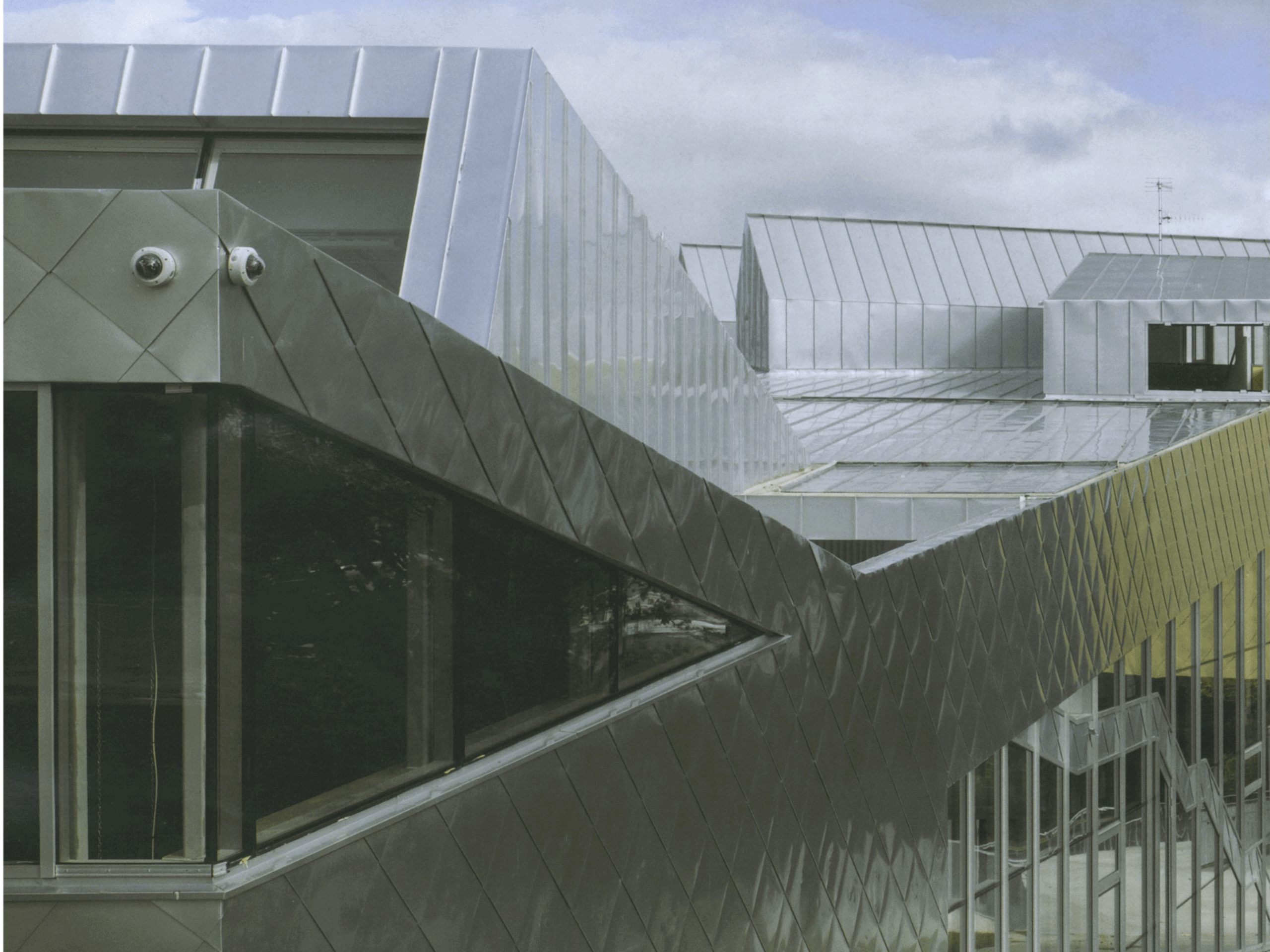
Letterkenny’s new Regional Cultural Centre is undoubtedly a world-class design, but will it provide a context for the county’s aspiring fine art students asks Mariane O’Kane Boal

One happy but largely unsung result of Ireland’s prosperity has been the creation of quite spectacular new art centres in provincial towns, Louise Cotter has visited three of them in Thurles, Navan and Drogheda

Building Design Partnership’s Health Sciences Building serves the University of Limerick by introducing a new aesthetic and establishing an experimental tone, writes Judith Hill
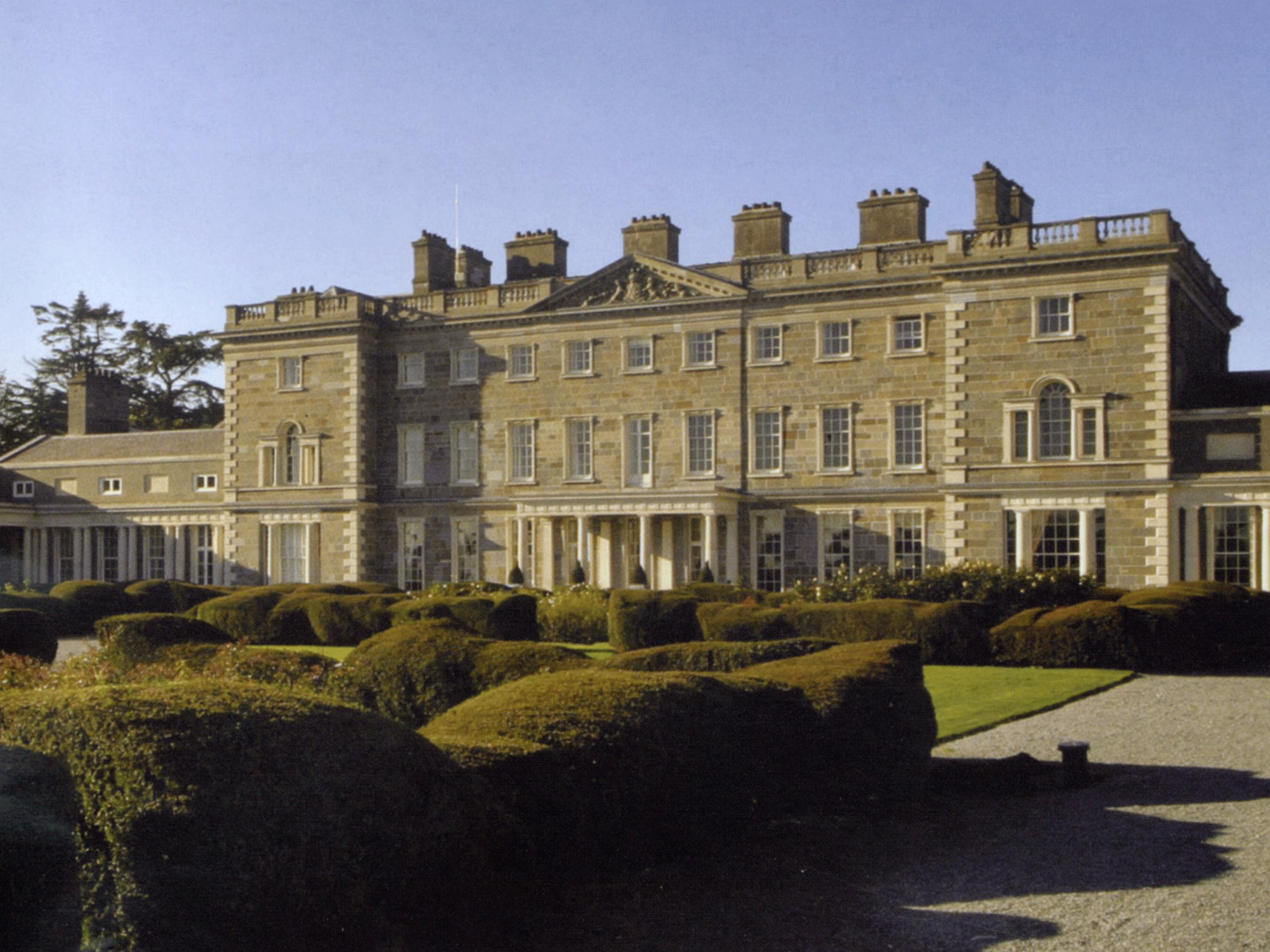
James Howley considers the merits of adapting the Irish Palladian mansion into a luxury hotel
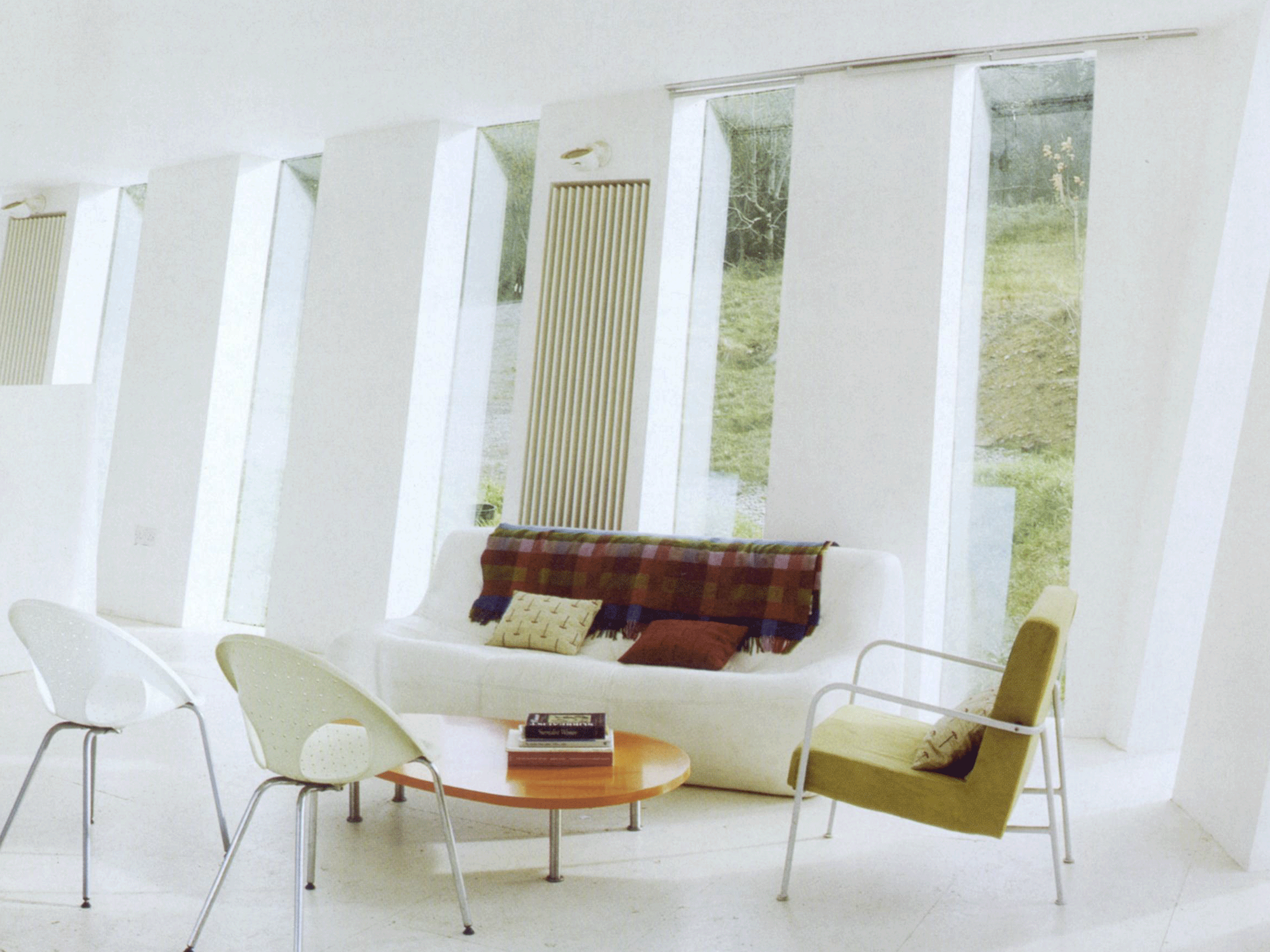
Emmett Scanlon discusses award-winning architect Dominic Stevens’ innovative approach to contemporary vernacular design
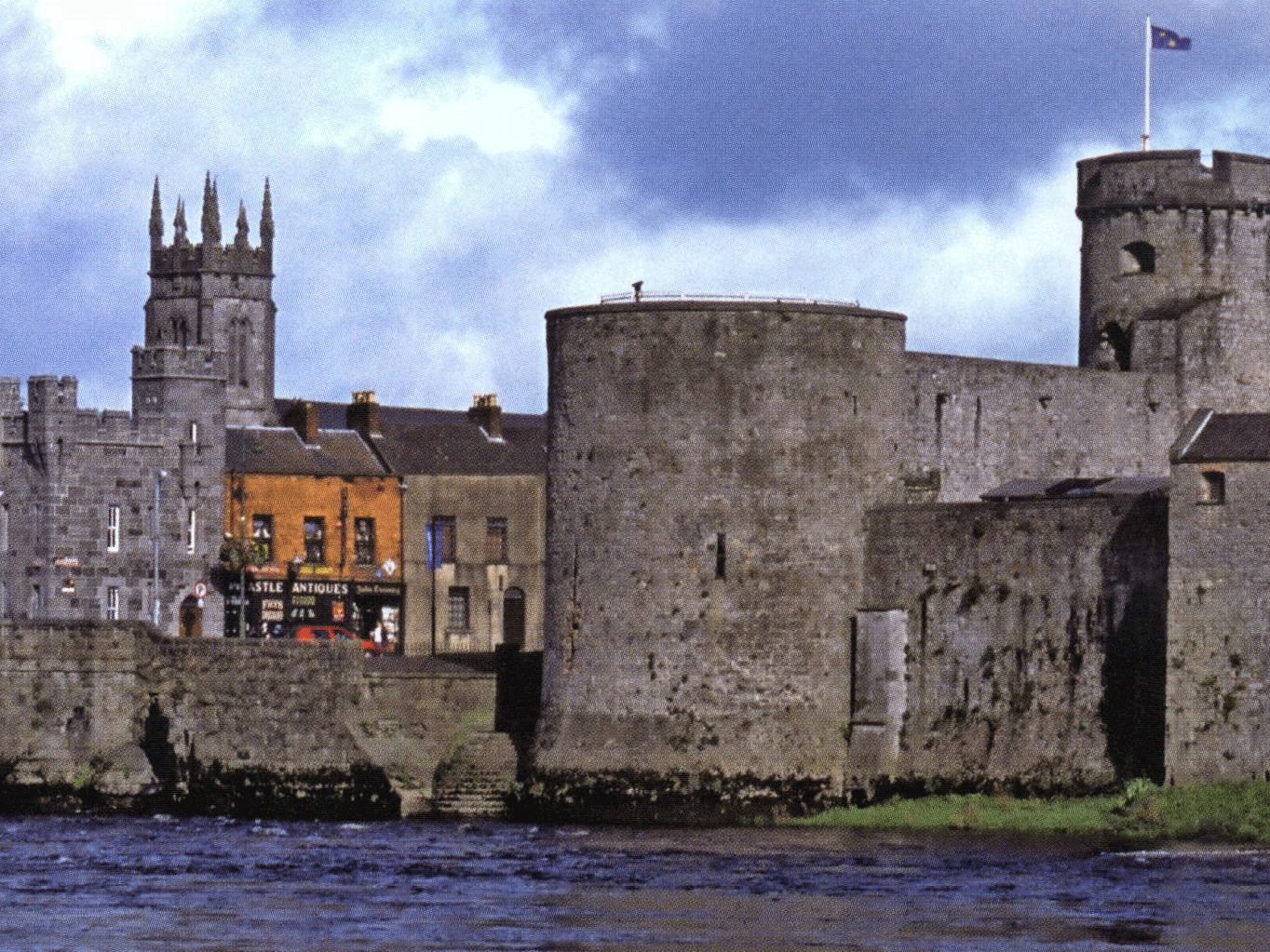
Is 2014 the moment when a tide of enthusiasm, funding, and vision will lead to a transformation of Limerick city, asks Judith Hill
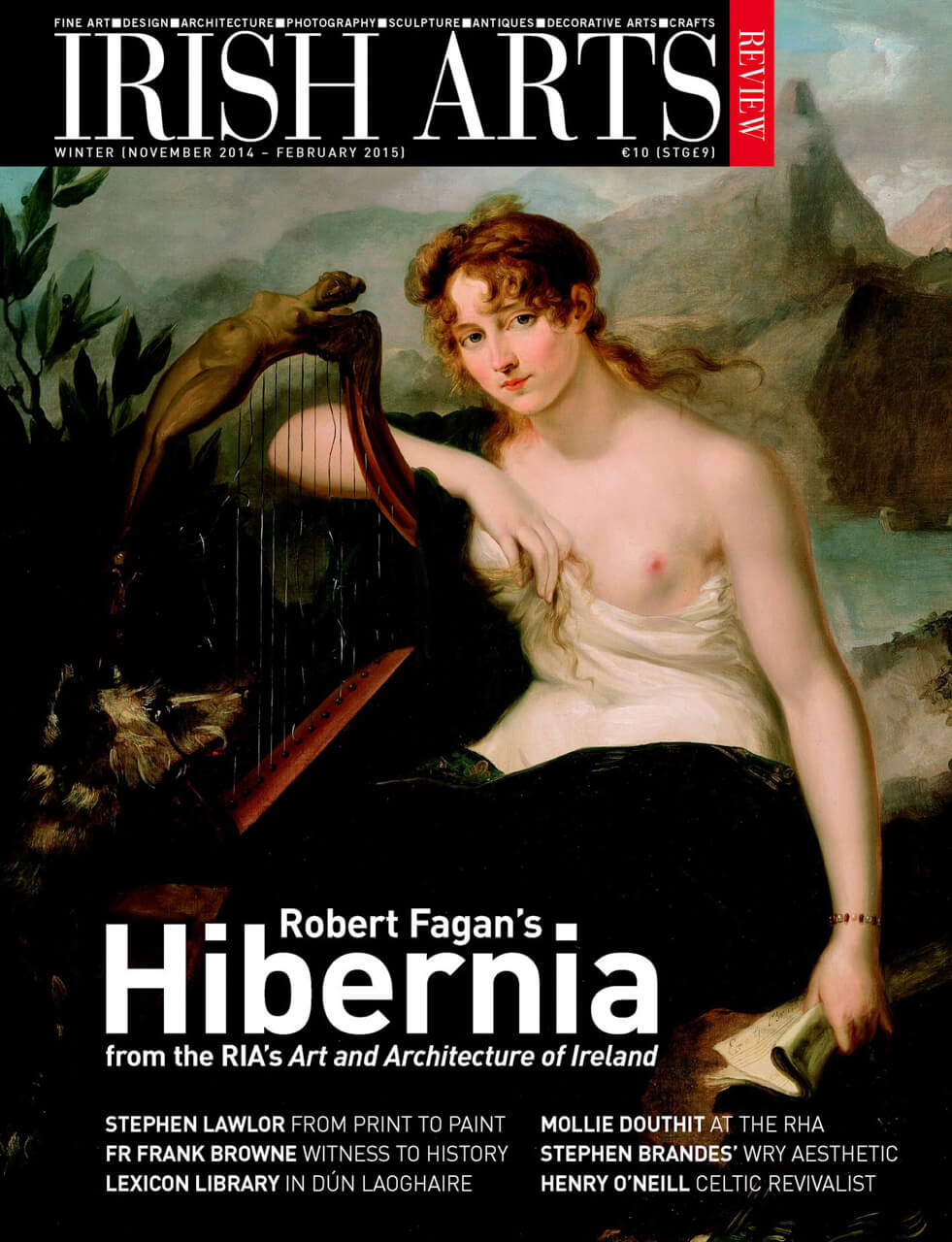
![Book Review: Irish Architecture, The RIAI Annual Review Vol 5 [2014/2015]](https://www.irishartsreview.com/wp-content/uploads/2023/05/IAR_Vol32No1_Spring2015-1.jpg)
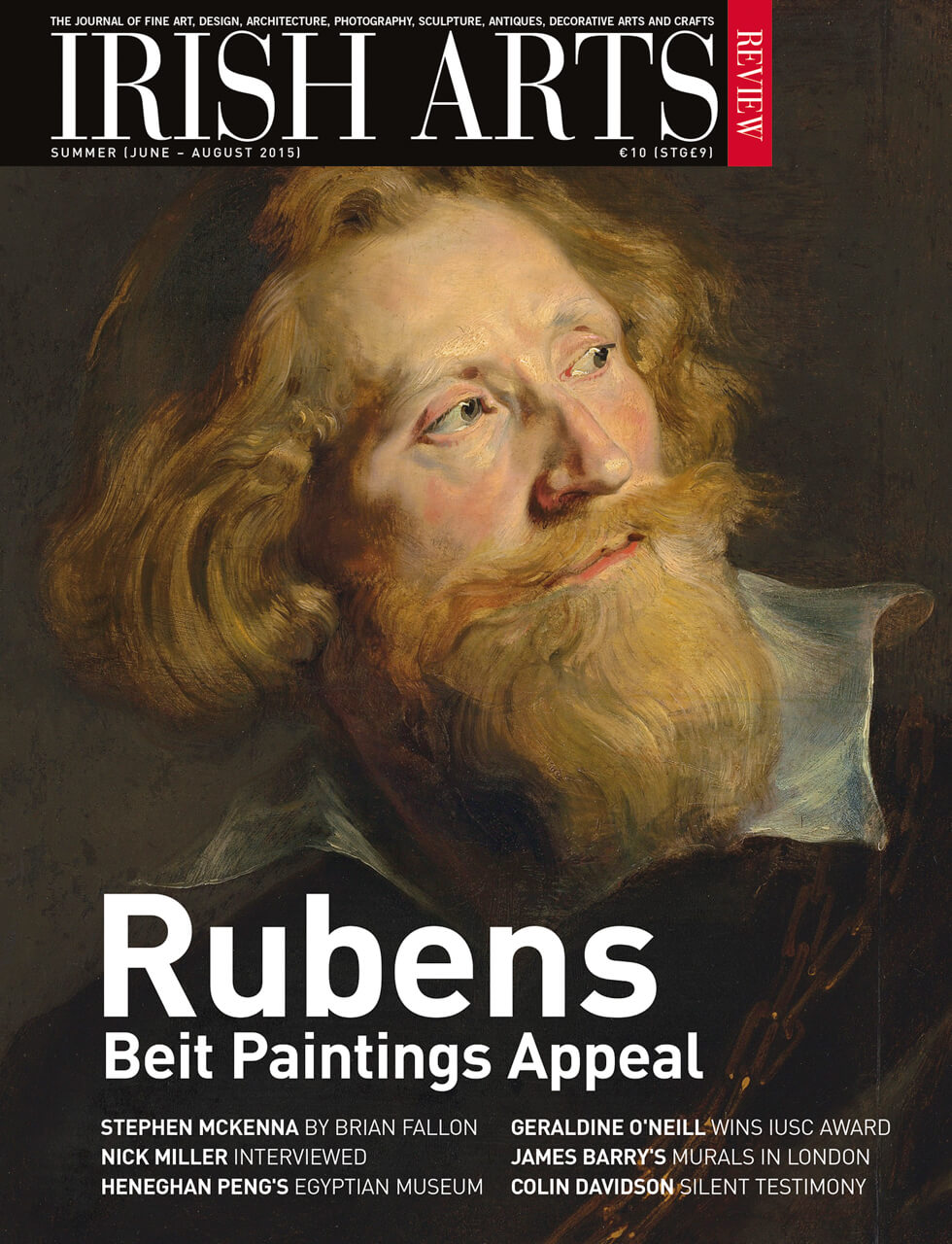
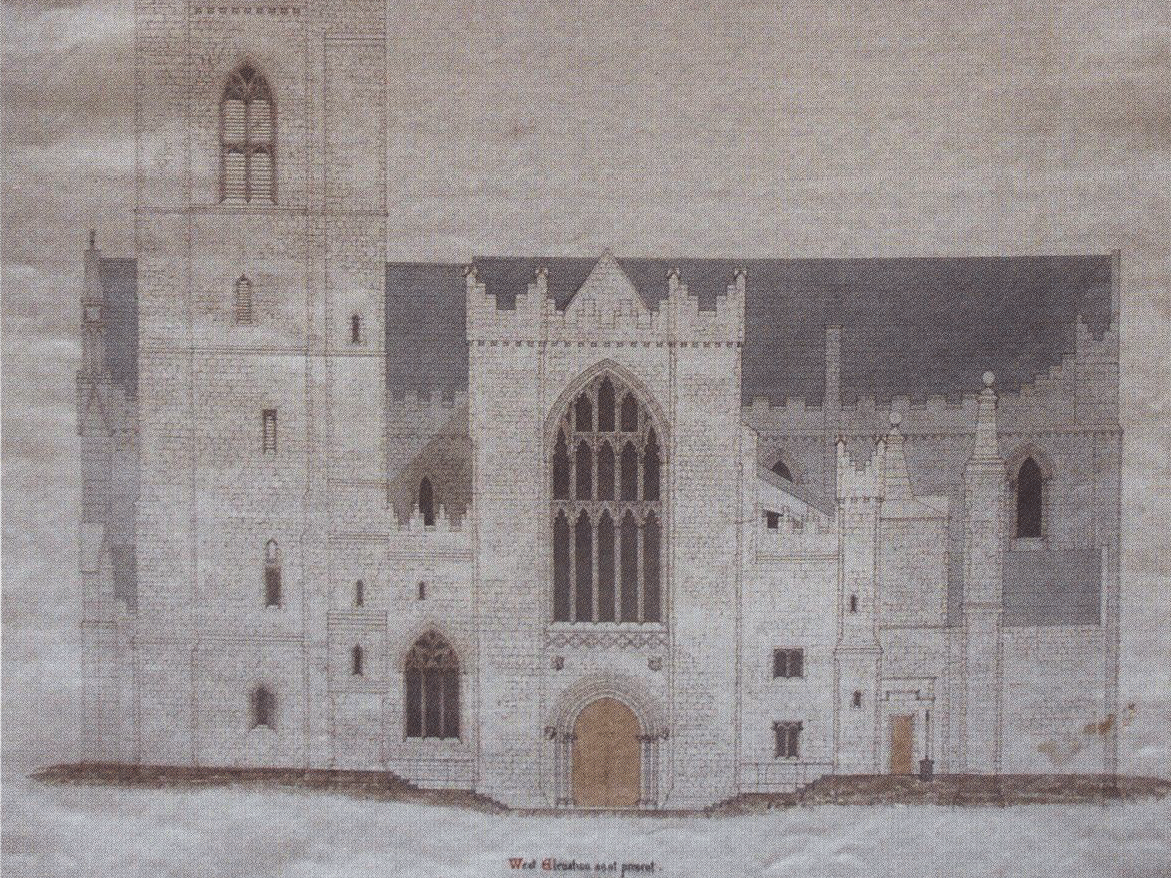
On the 150th anniversary of its completion, Michael O’Neill traces key chapters in the Pakenham-Guinness Restoration of St Patrick’s Cathedral 1845-1865
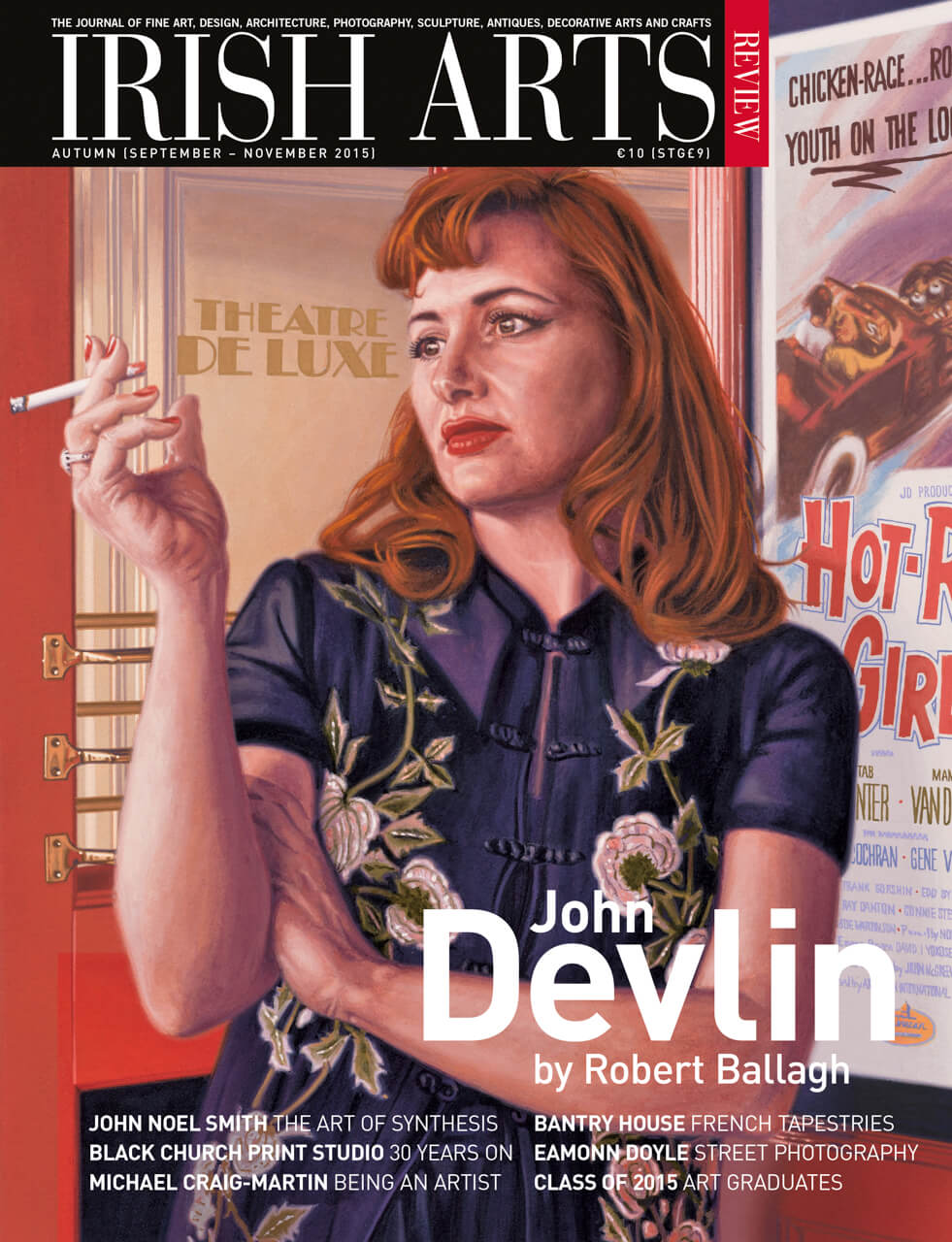
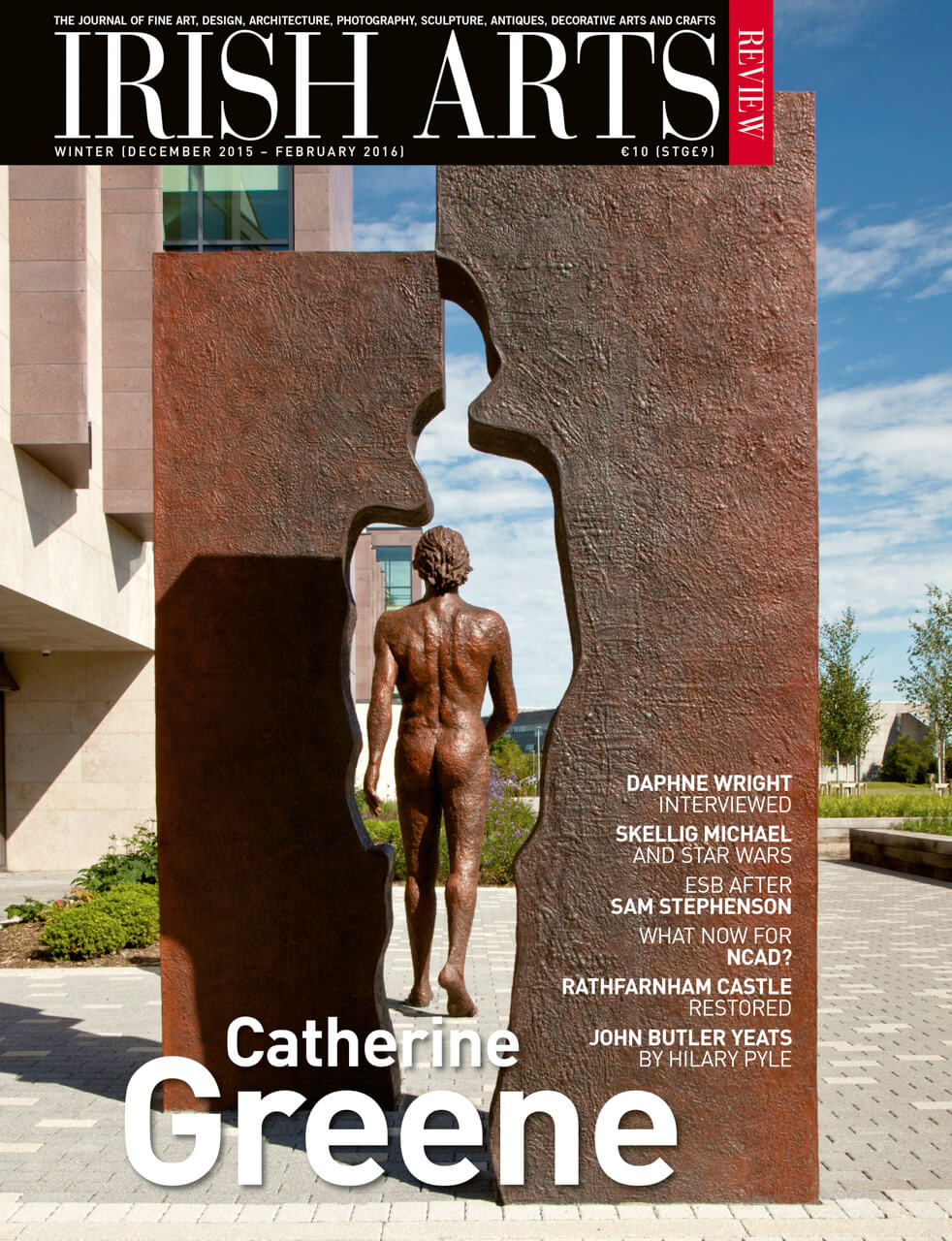
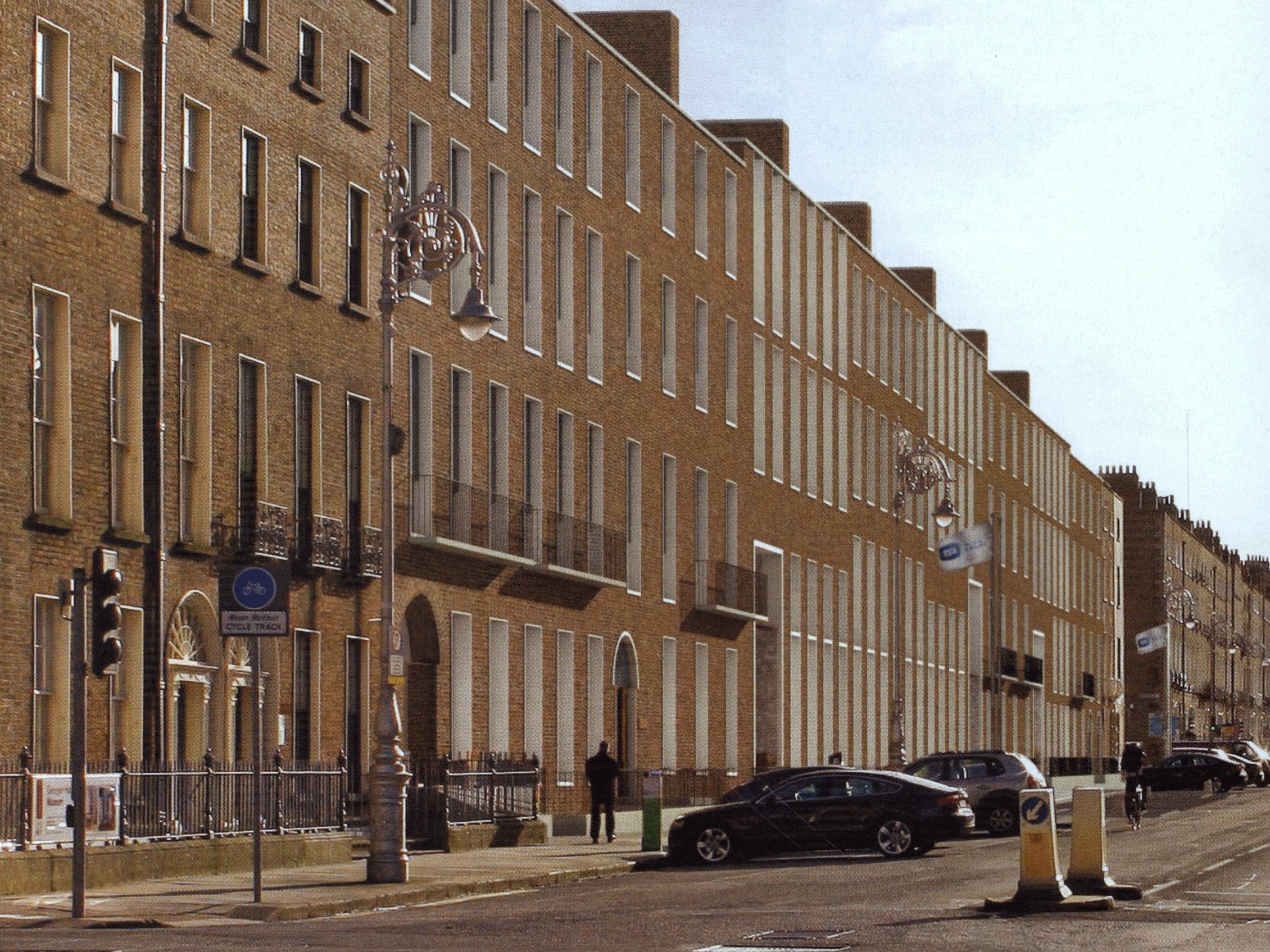
Love it or loath it, the current ESB headquarters will soon be a thing of the past: Shane O’ Tooles considers the history of its contested ground
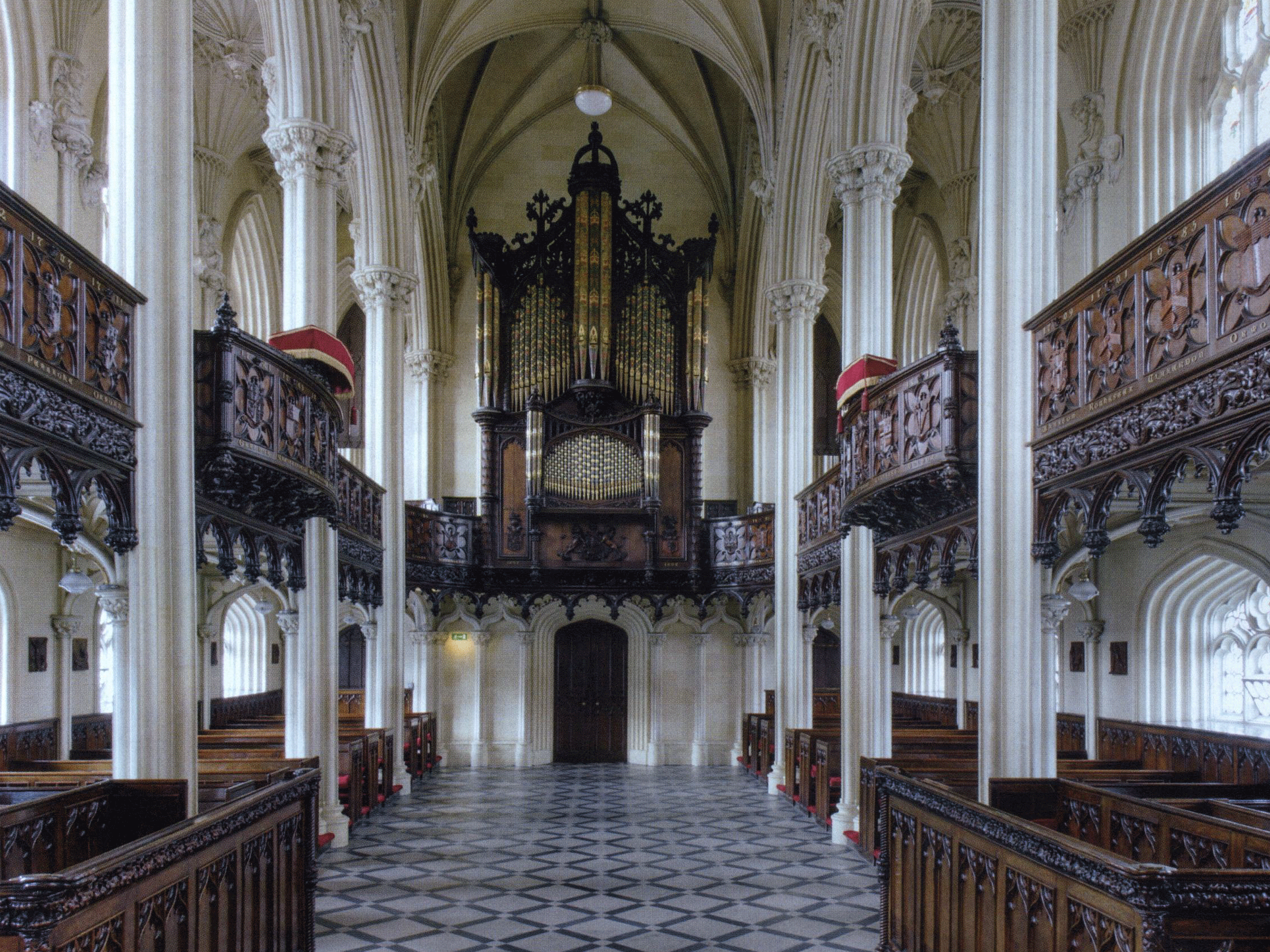
First opened for service on Christmas day 1814, the 200-year-old Chapel Royal is taking its place in 21st-century Dublin, writes Judith Hill
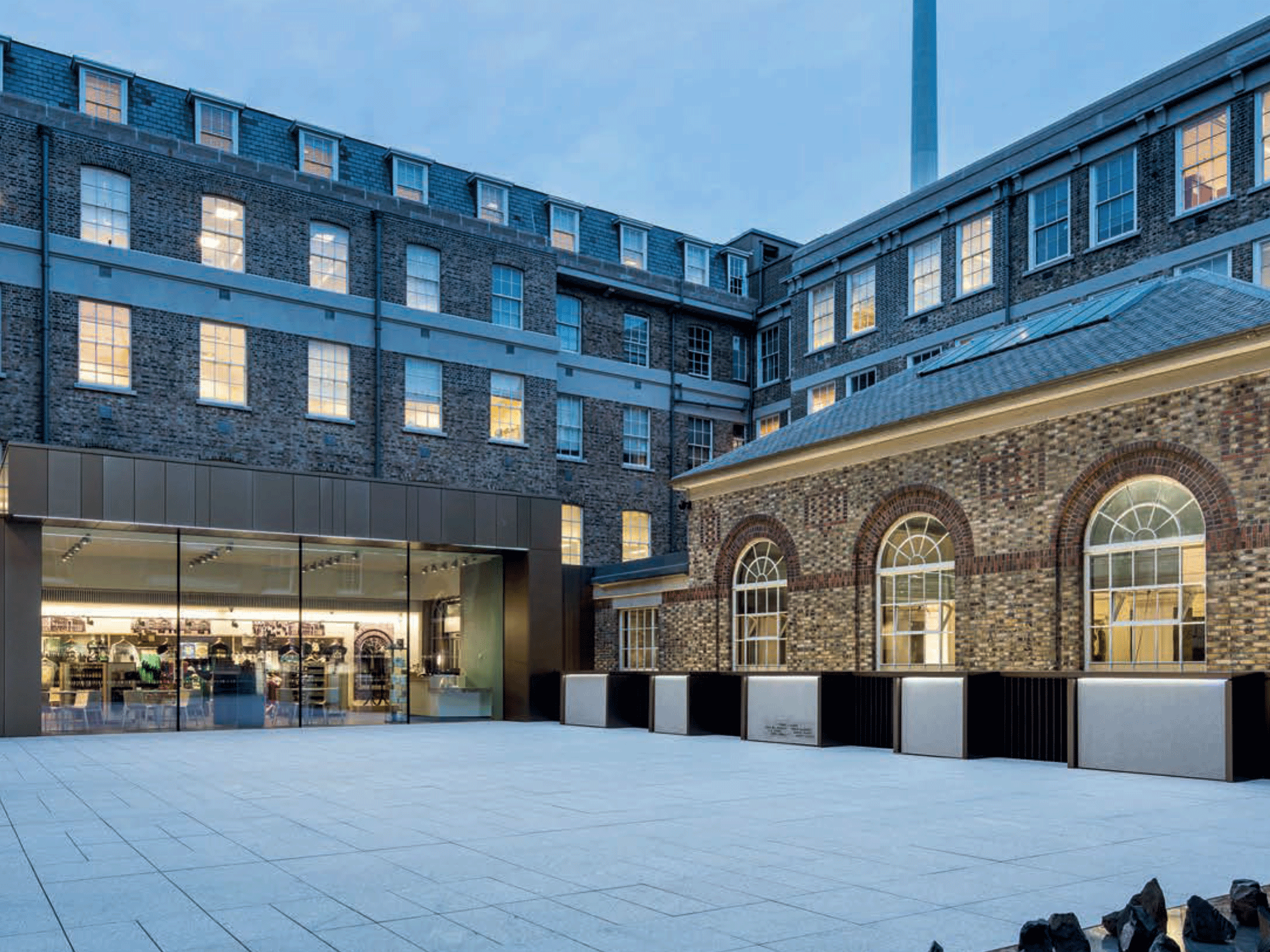
Few sites in Ireland are as resonant as Dublin’s GPO, where the new Witness History Centre enriches our understanding of this symbol of nationhood, writes James Howley
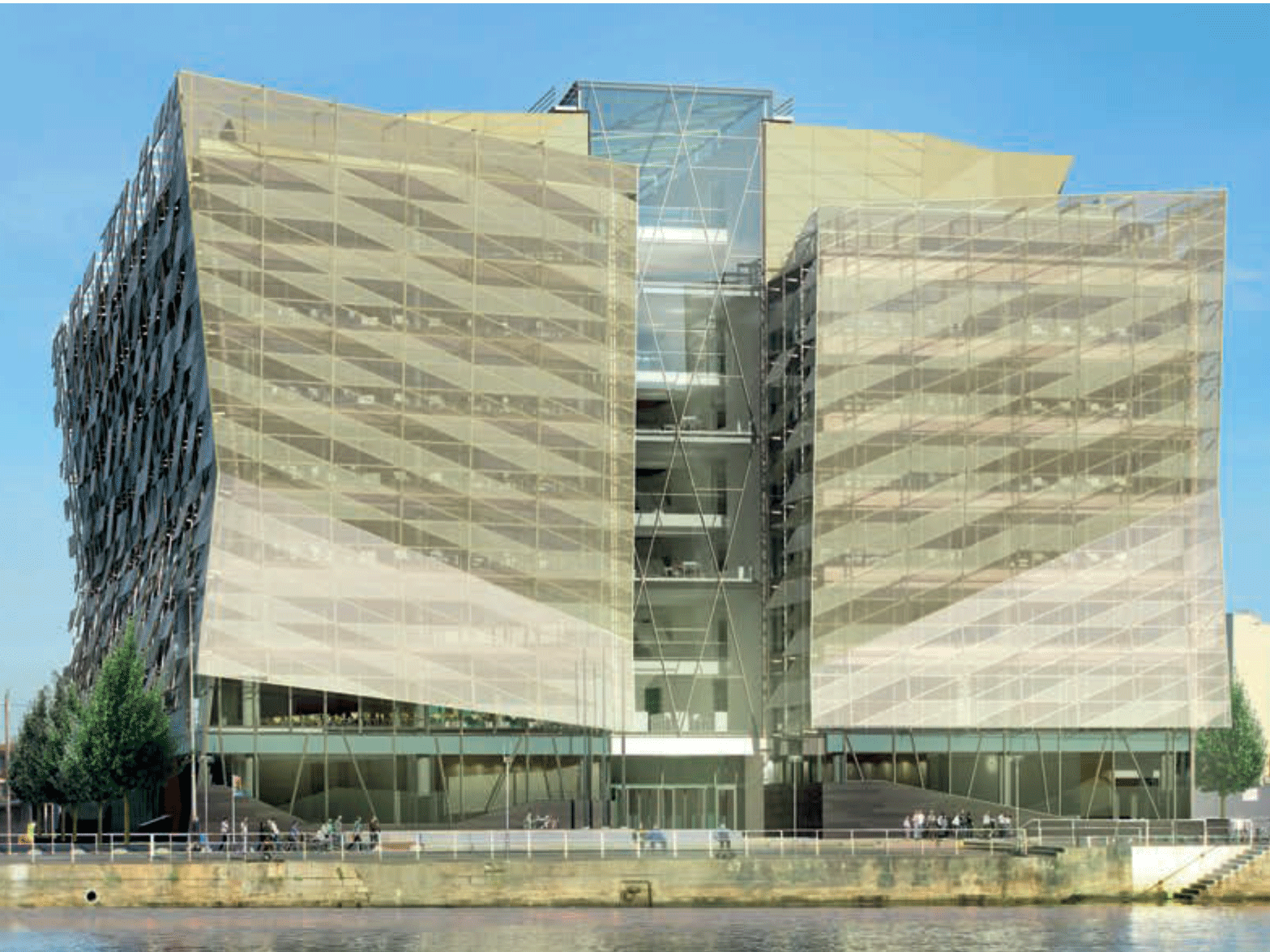
Despite banks rationalising their business through closure or reuse of branches, architectural patronage has recently been boosted by the Central Bank’s imminent move from Dame Street to North Wall Quay, writes Frank McDonald
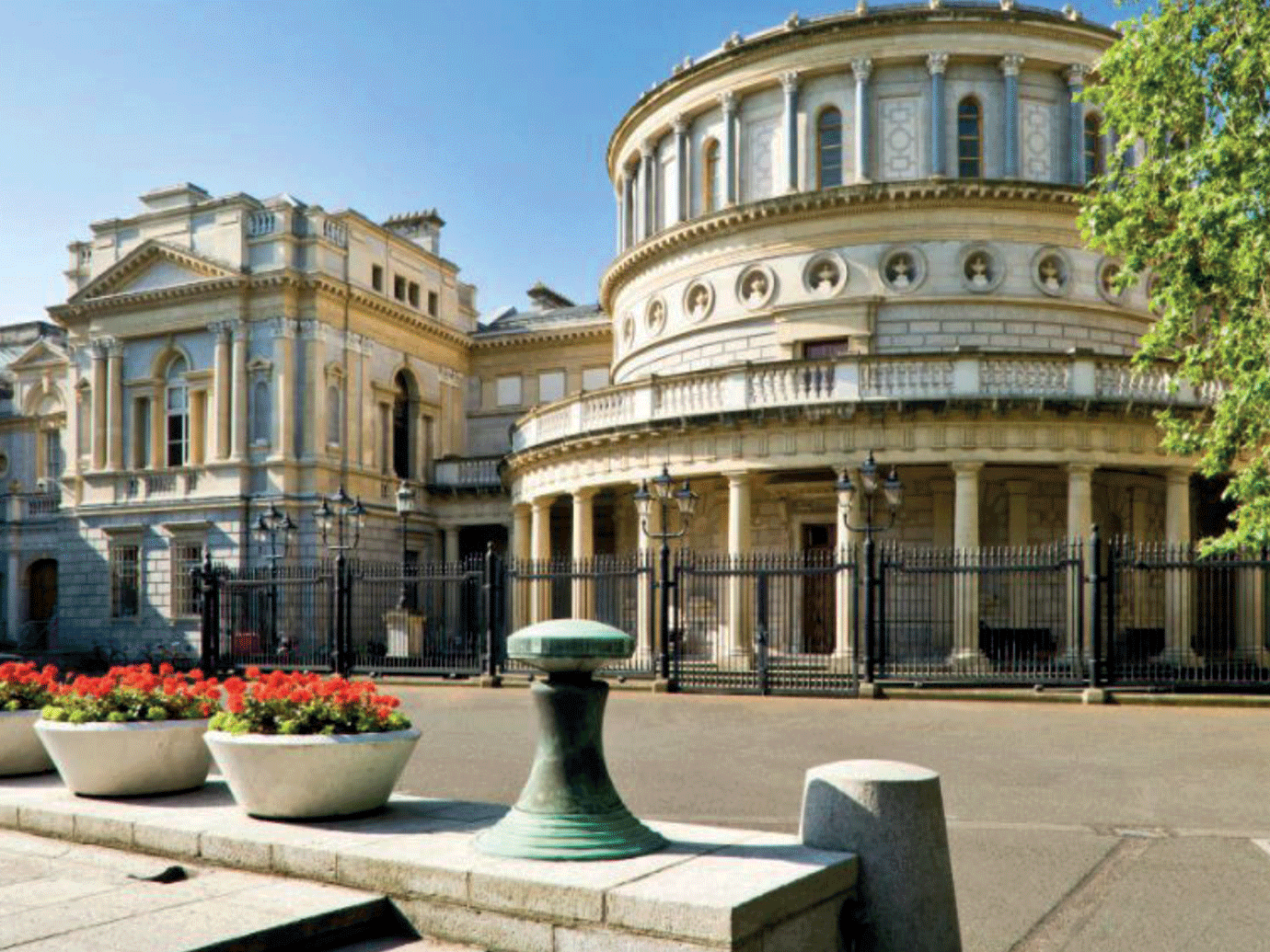
Kevin V Mulligan reminds us of the cultural aspirations associated with the architectural competition for the National Museum of Ireland in the 1880’s
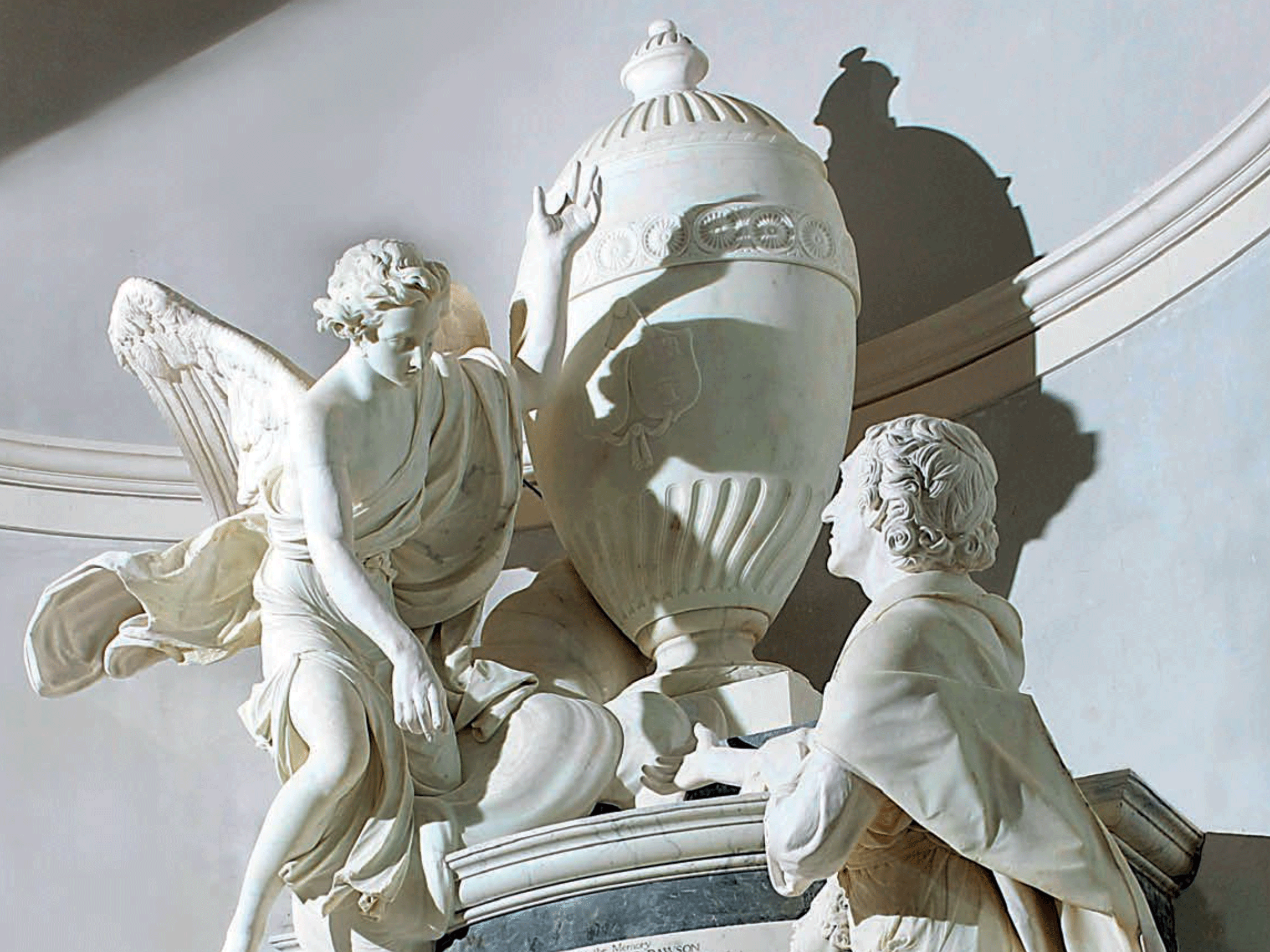
In terms of conception and achievement, historic demesnes as designed landscapes constitute the most inventive, monumental, and certainly the most complex of all artistic creations. The break up of estates through the concerted campaigns of the Land Commission, the commercially driven monocultural policies of the state forestry and latterly the incompatible demands of industrialized agriculture and stealthy spread of sterile golfing resorts means that these fragile and beautiful landscapes have come to represent the rarest and most endangered art forms. The 20th-century decline of the Dartrey demesne on the Monaghan – Cavan border might stand as one of the most egregious examples of the impacts of dispassionate and poorly conceived polices that conspired, wittingly or otherwise, to erase these creations, either in a heartbeat or with a slow and painful demise. It seems unlikely therefore that the same landscape should in recent years have become the focus of two major building restoration projects by a voluntary local community group working with state bodies, which has not only achieved the physical redemption of two exceptional works of classical architecture, but has also brought about greater awareness of the historical and cultural significance of Dartrey as a designed landscape of exceptional quality, and one worth preserving in spite of its degradation.
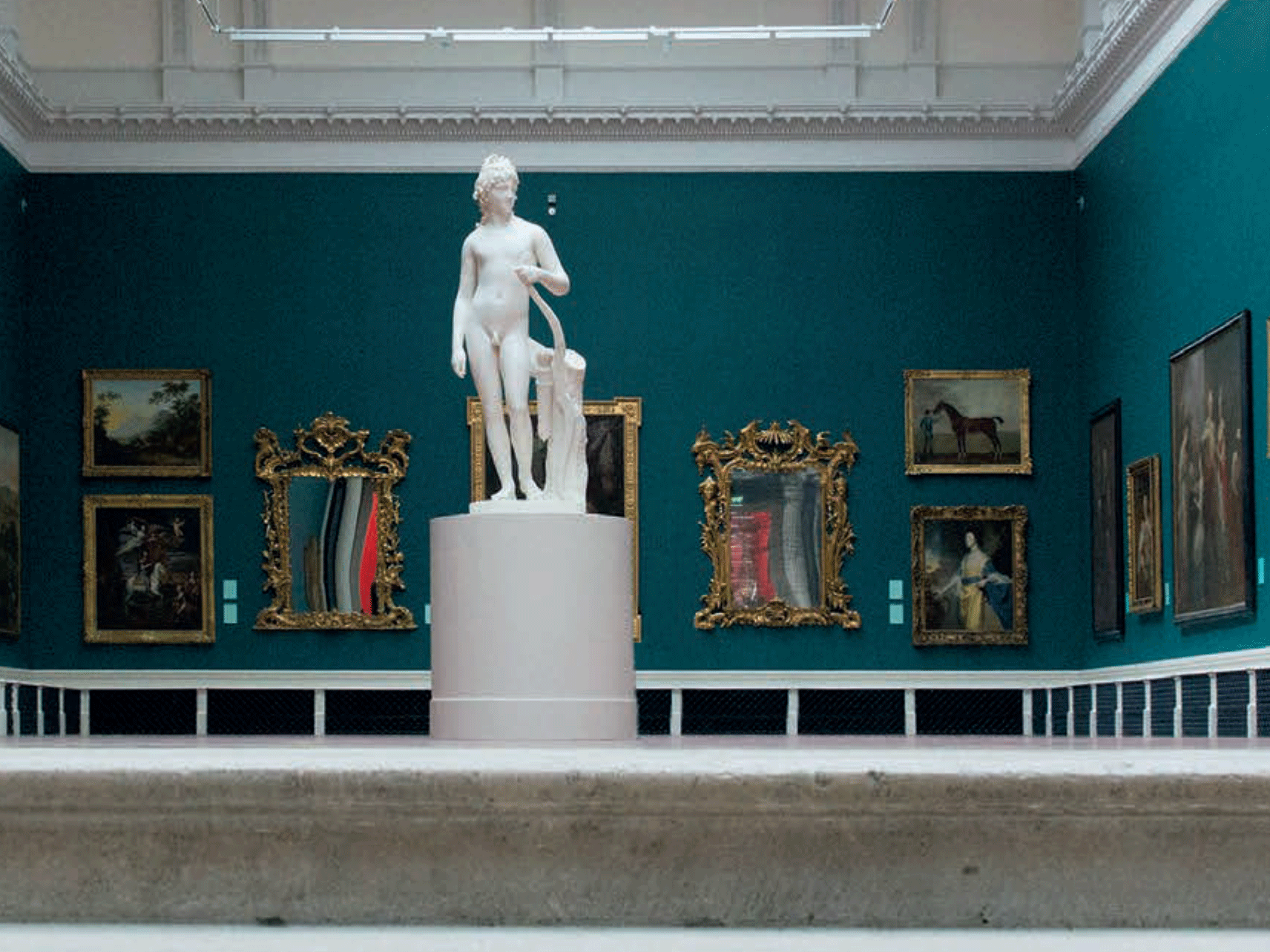
James Howley pays a visit to the National Gallery as it prepares to reopen following a major refurbishment programme
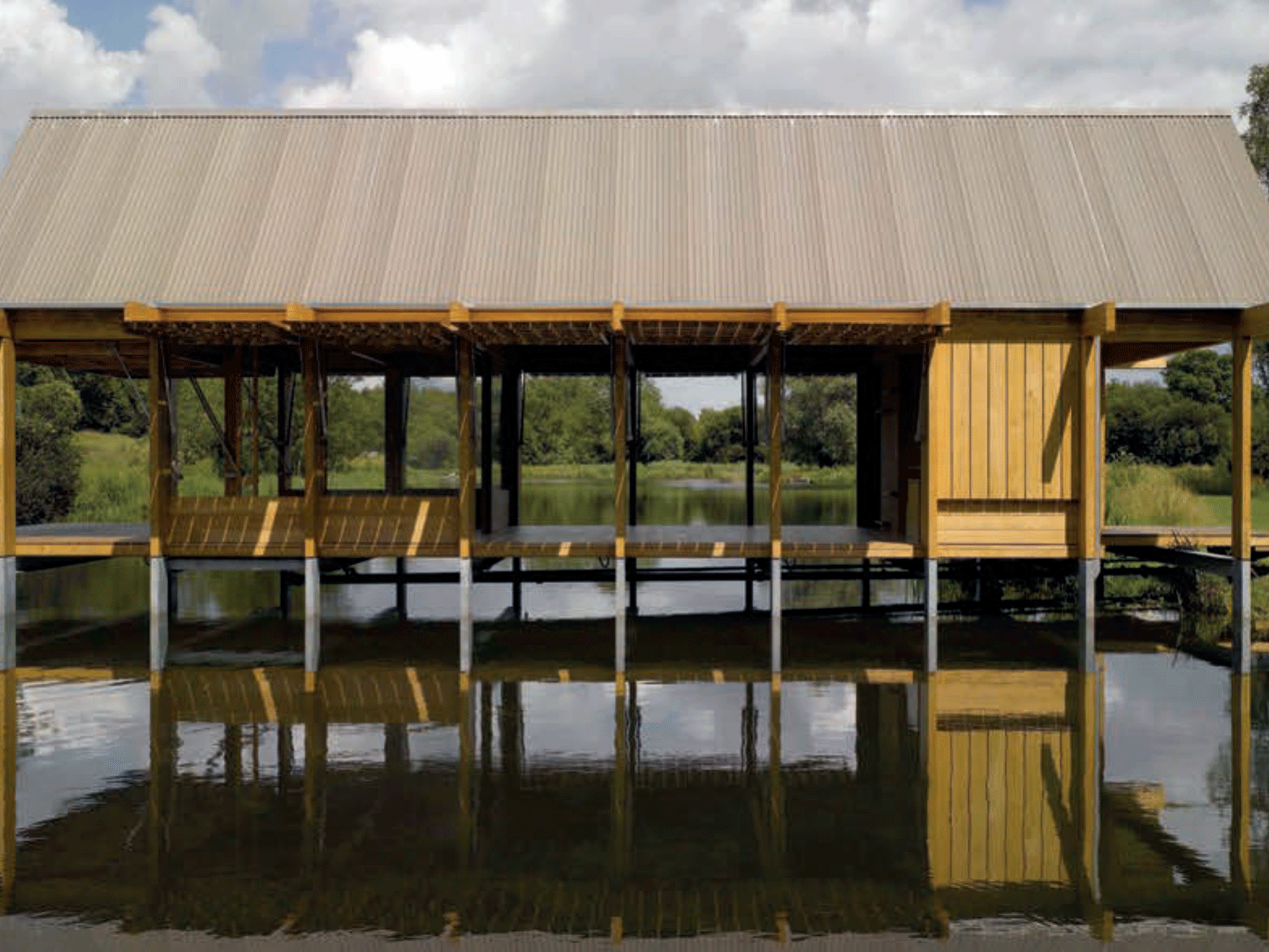
Raymund Ryan assesses the career of Níall McLaughlin, the Irish architect whose research engages with the values of humanism.
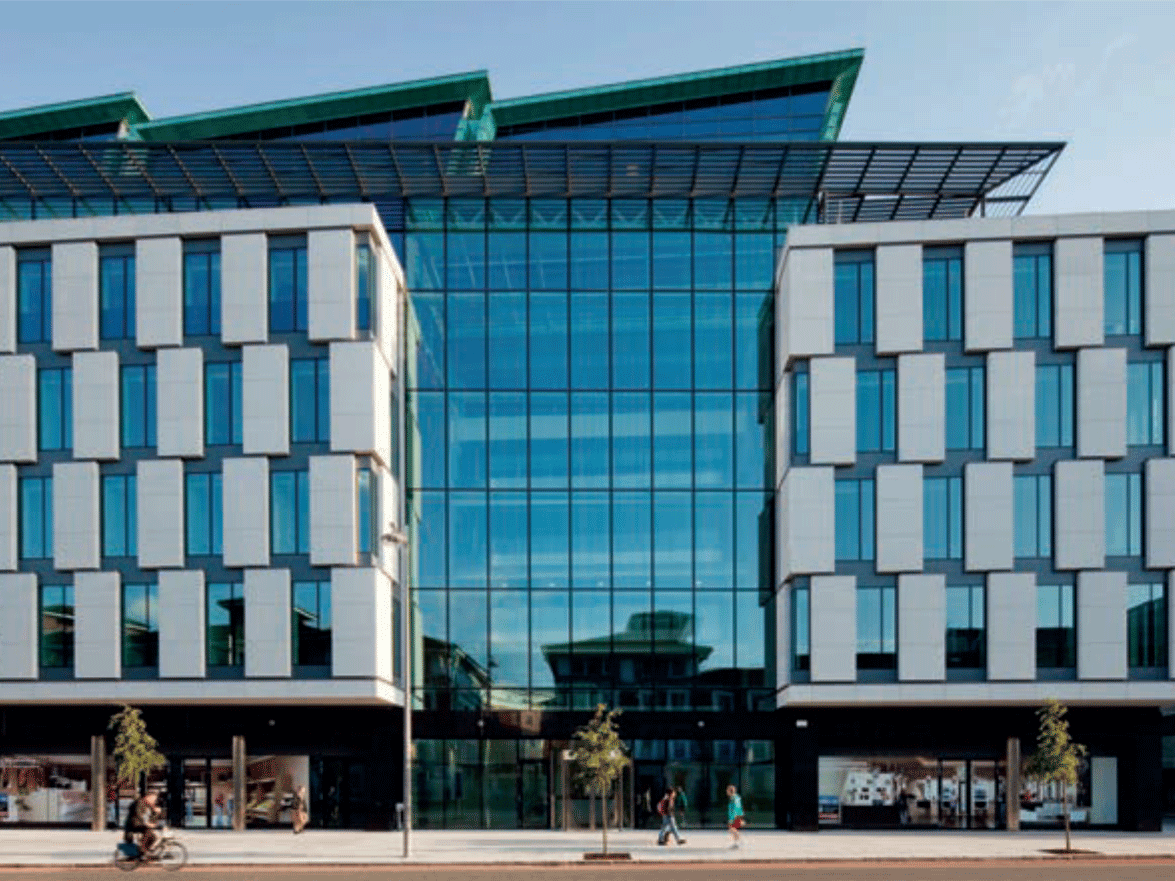
Can the pragmatic 21st-century East range at Trinity College Dublin match the 18th-century splendour of the West Front? James Howley appraises recent developments on the campus
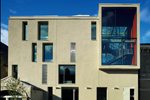
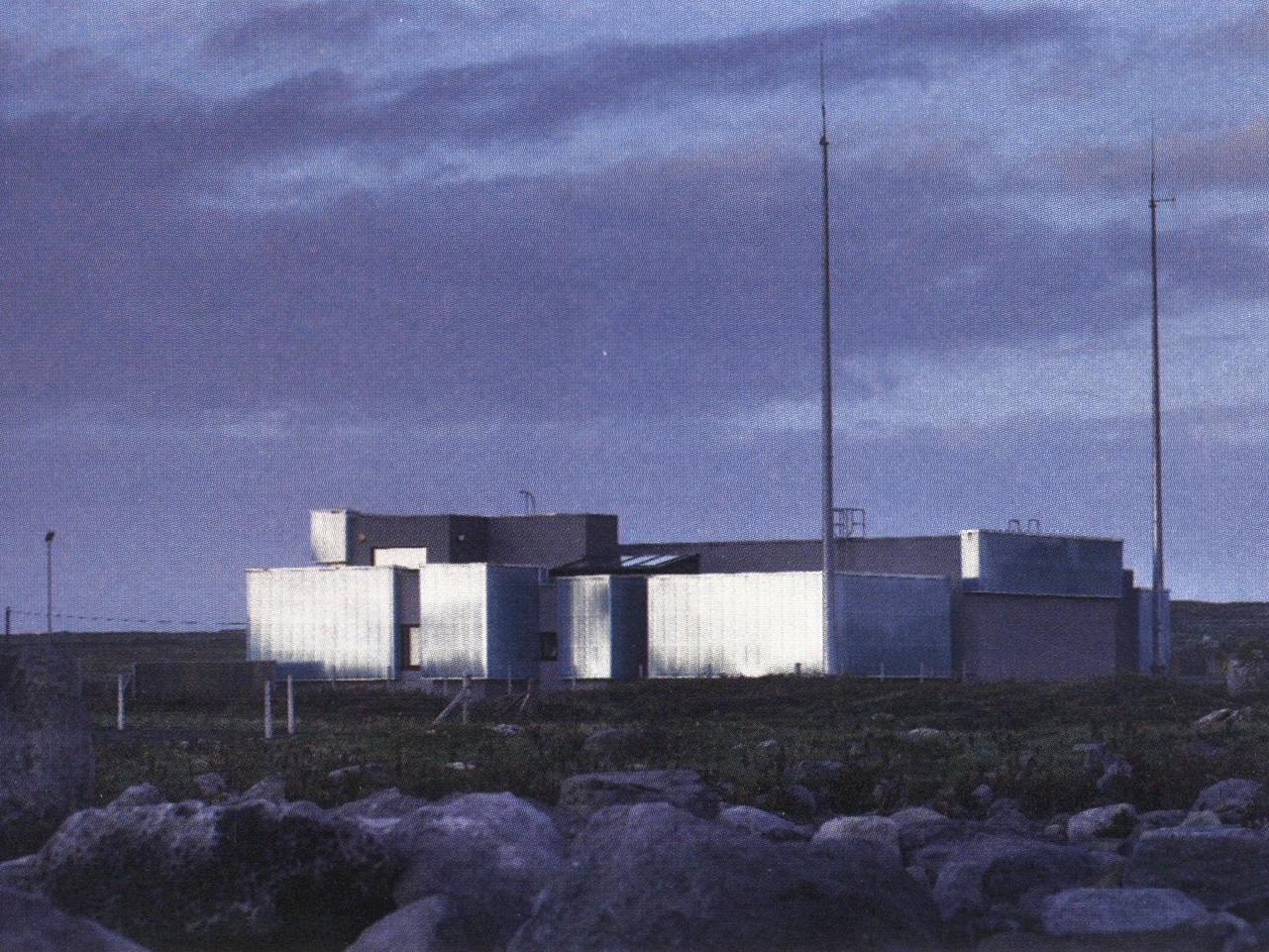
In his design for the new Coast Guard Station in Doolin, County Clare, Dominic Stevens has discovered his architecture of the Burren; an architecture of abstract rocks, describing the material nature of place, writes Steve Larkin
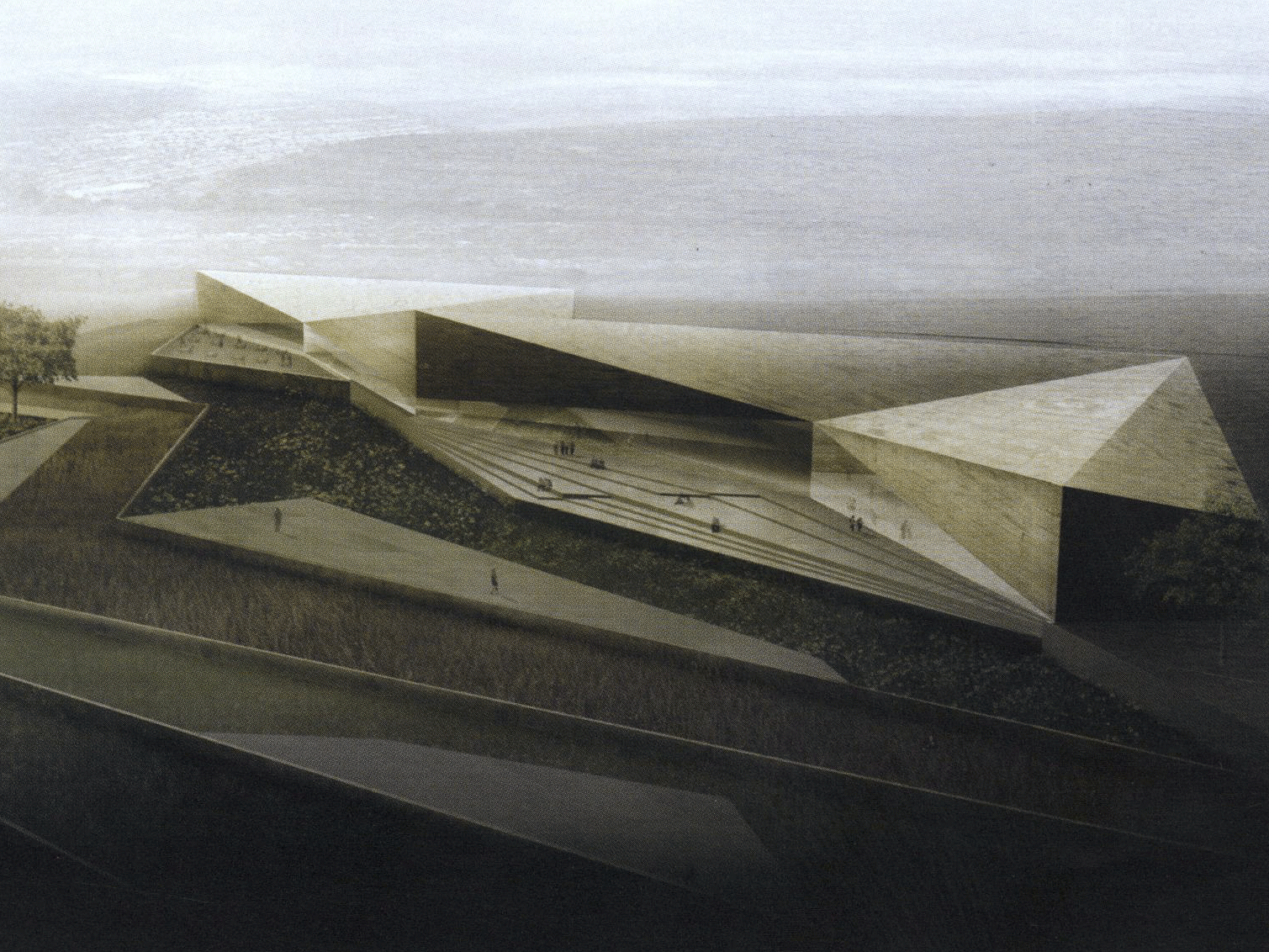
Overcoming the slow down at home, Irish architects Heneghan Peng, Grafton Architects, O’Donnell+Tuomey amongst others have looked to international competitions, but overseas projects are not without risk, writes John McLaughlin
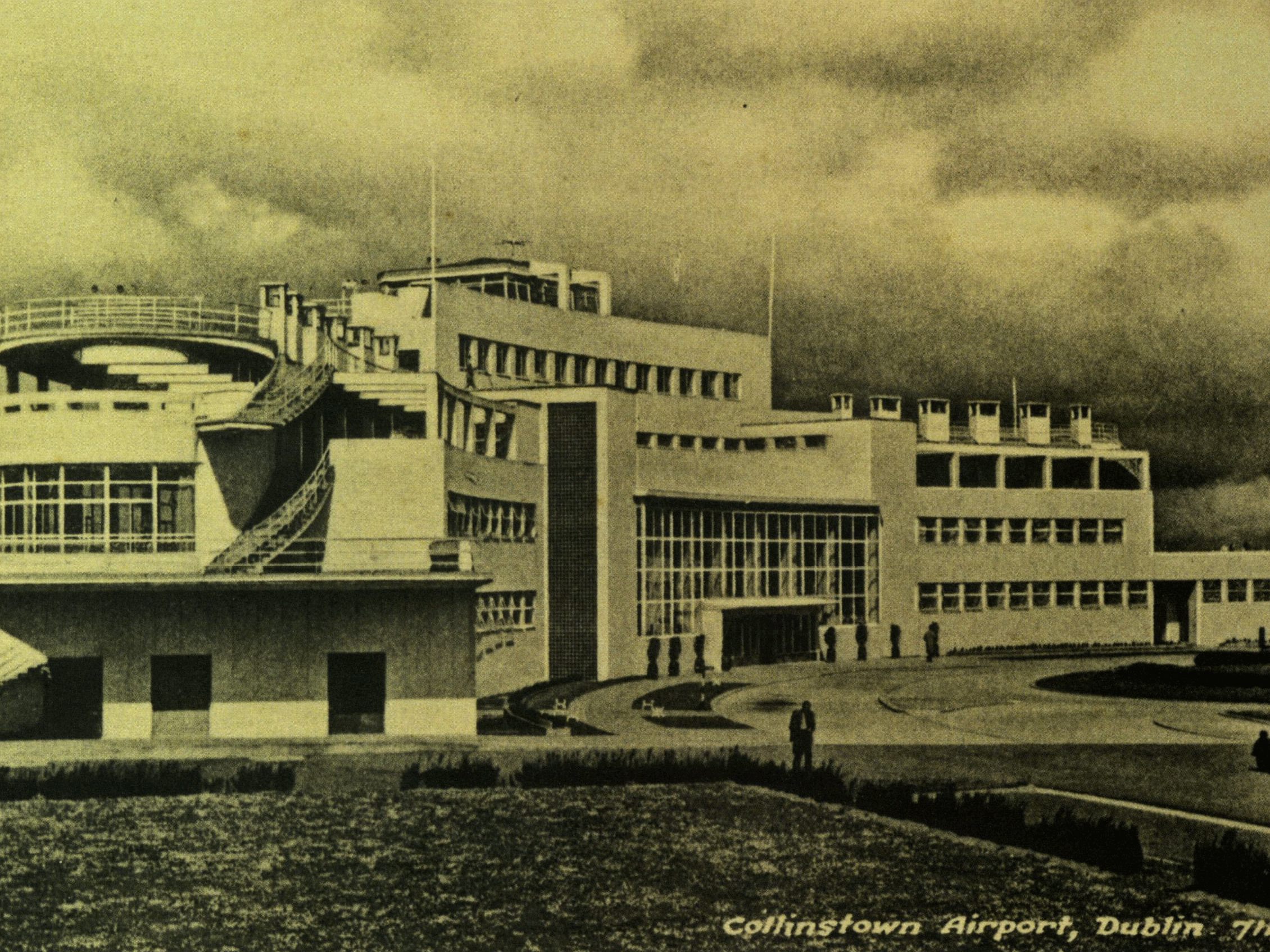
Frederick O’Dwyer follows the evidence to unearth the design sources for Dublin Airport’s original terminal at Collinstown
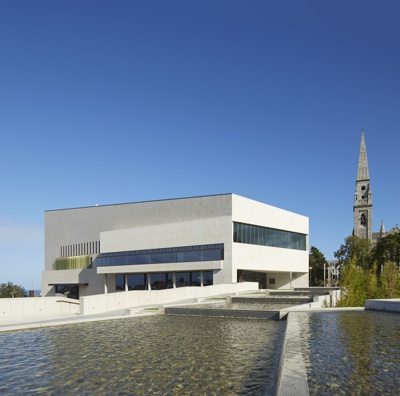
The new Lexicon is a worthy member of Dublin’s distinguished group of public libraires, writes James Howley in his appraisal of the controversial new building.
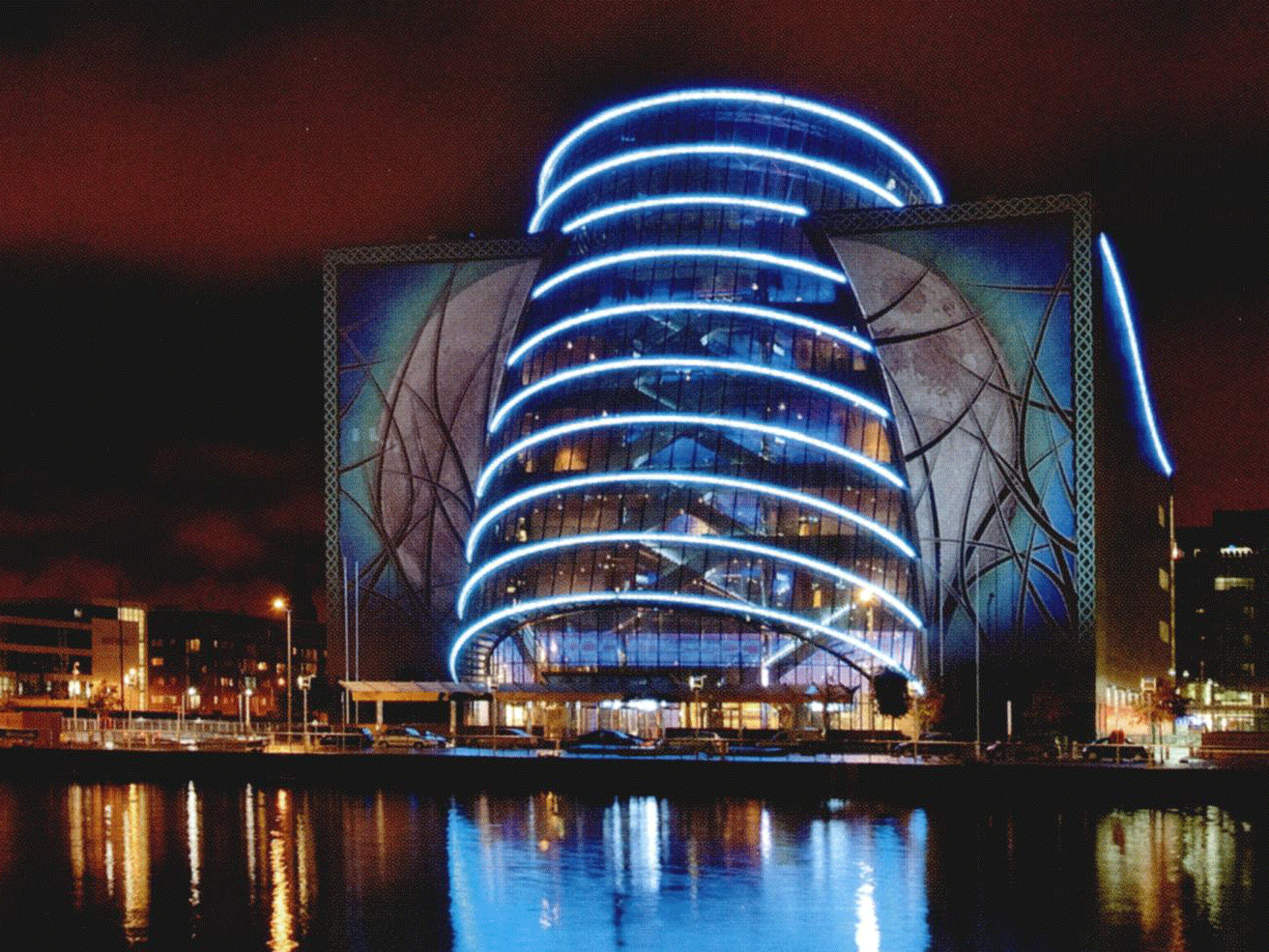
Ireland’s most highly regarded architectural émigré is the subject of a new publication and a USA-based exhibition; Ellen Rowley looks at his legacy
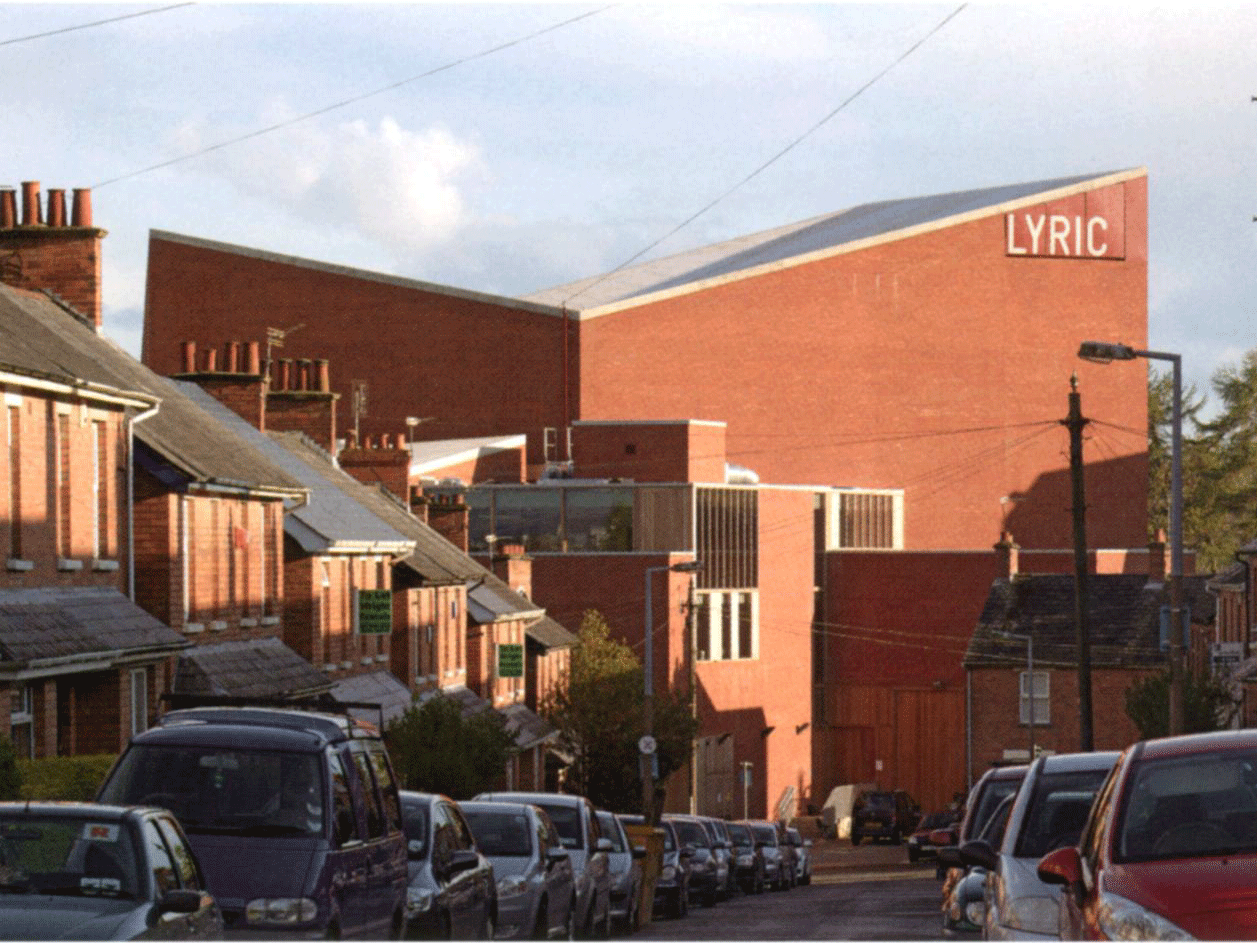
Paul Larmour visits the new theatre, which he describes as a boon for the dramatic arts and the most exciting building in Belfast
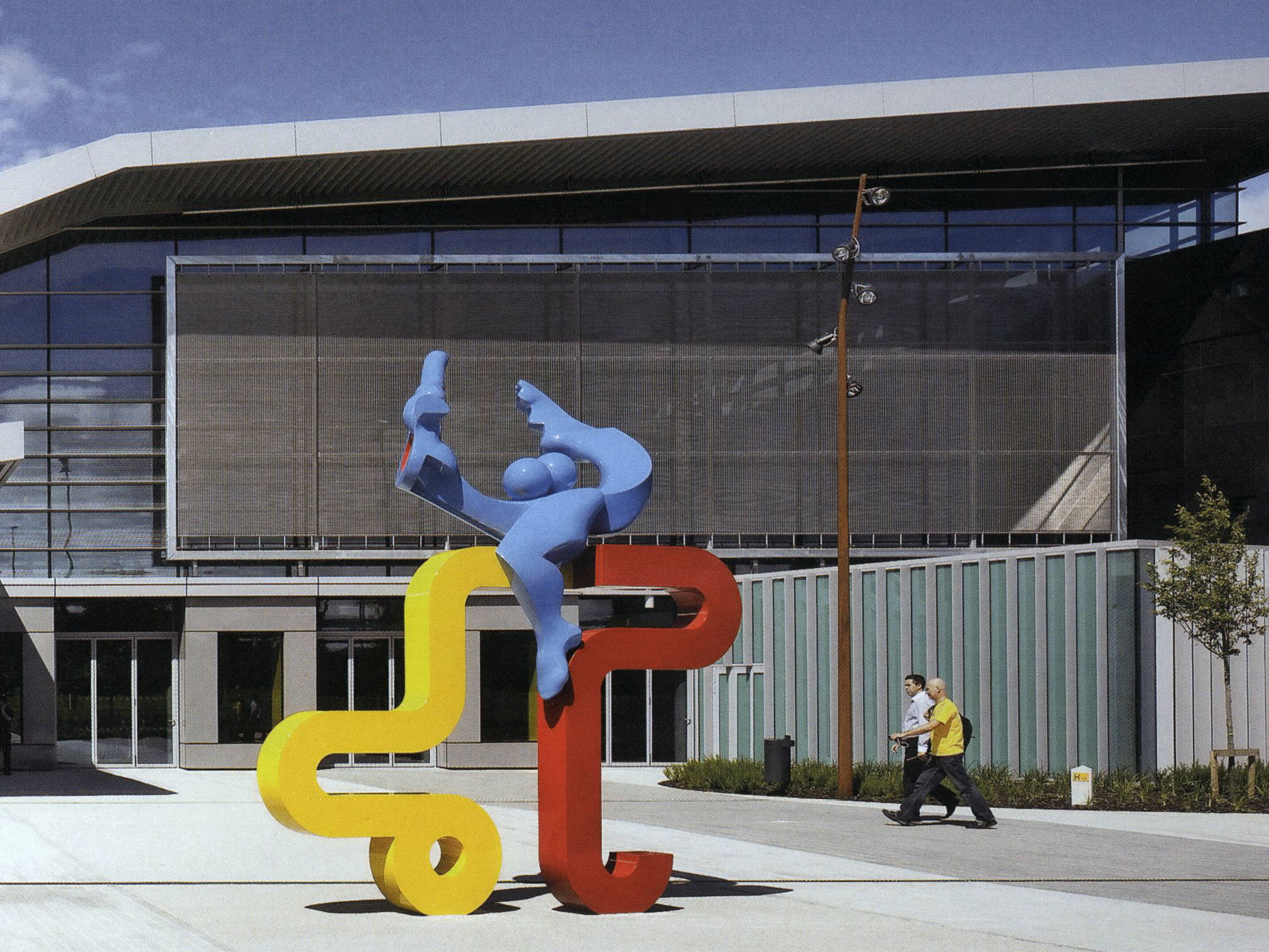
In his assessment of Fitzgerald Kavanagh and Partners’ award-winning Student Centre at UCD Seán ó Laoire charts the evolution of Ireland’s largest campus since its foundation
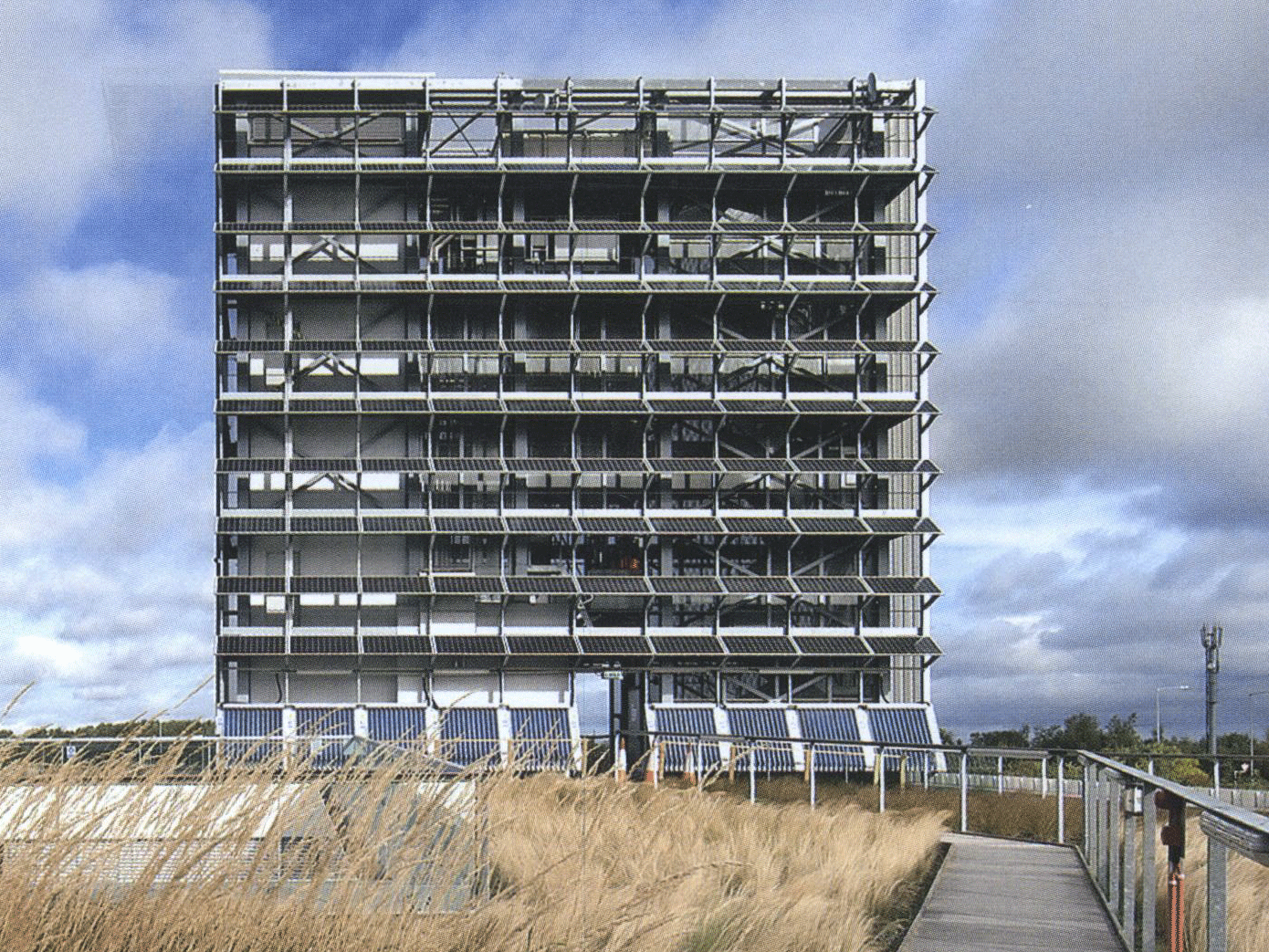
As a building commissioned by a State entity charged with the stewardship of a precarious energy resource, Bord Gáis Network Services Centre warrants some reflection on its relevance as a benchmark and path-finder, writes Seán O’Laoire
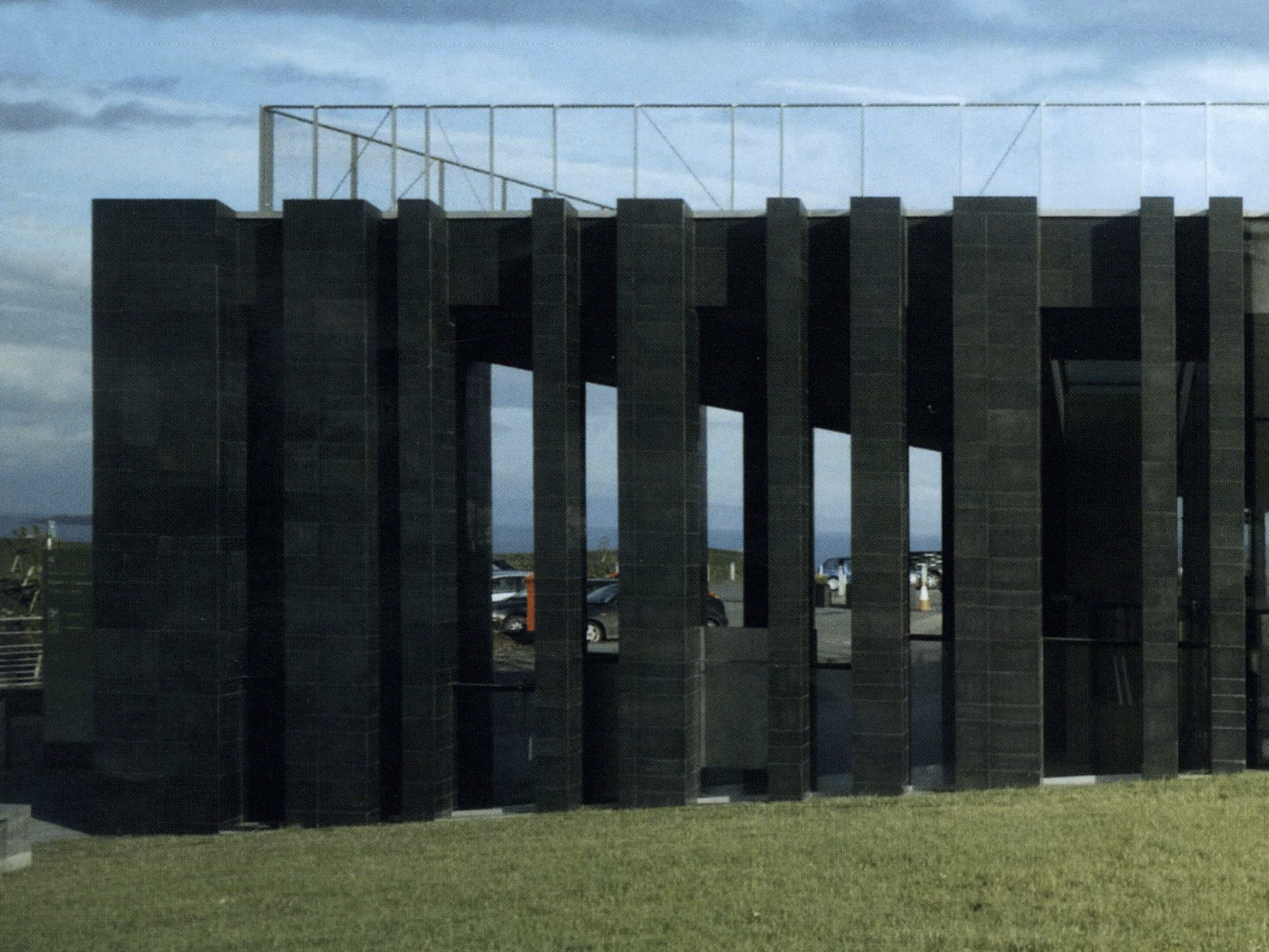
John McLaughlin assesses heneghan peng’s dramatically sited but elegantly unobtrusive visitor centre for the Giant’s Causeway in Antrim
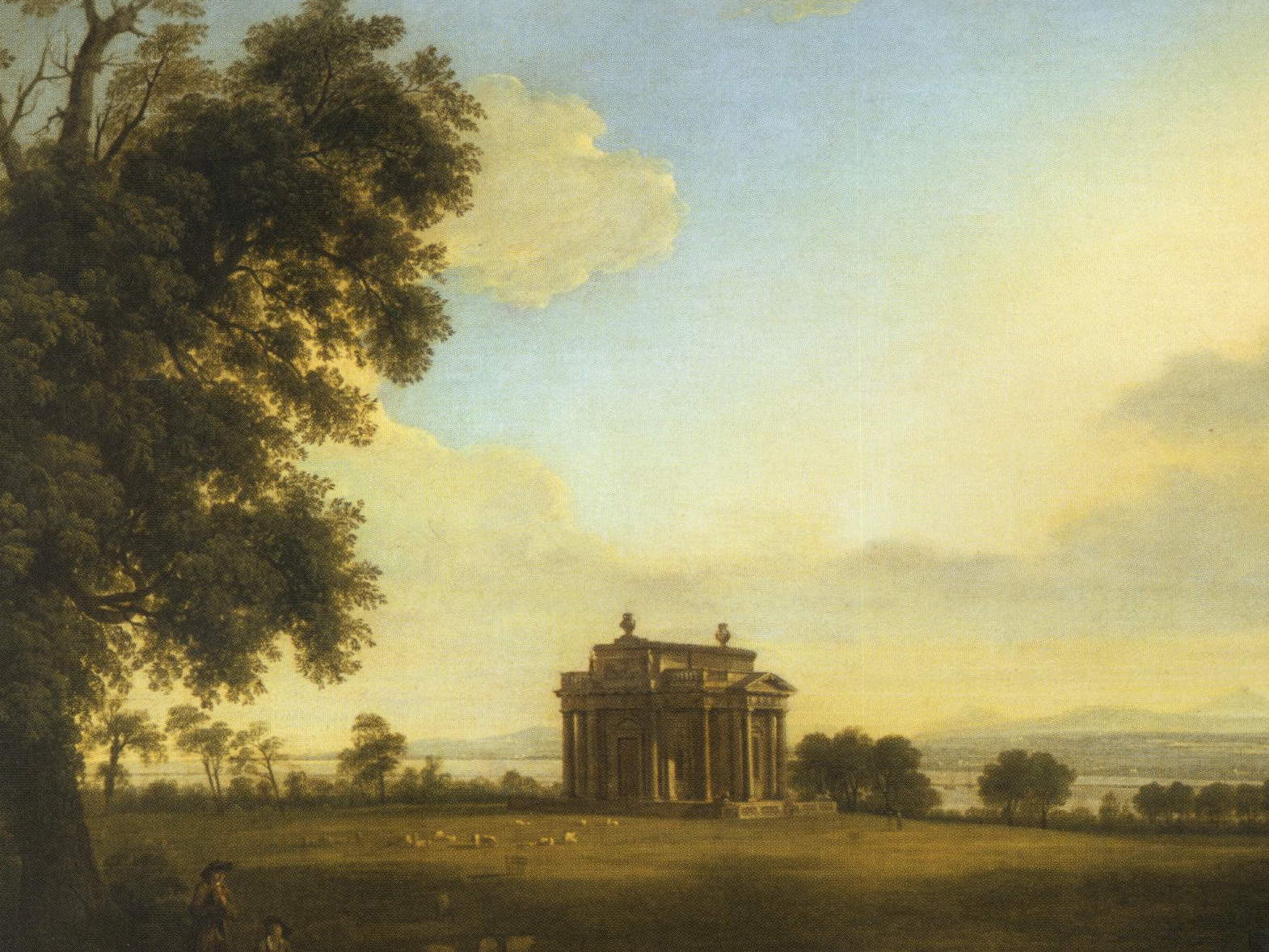
This summer the Casino in Marino hosts an exhibition that captures the original splendour of the lost demesne, writes Rose Anne White