
Maurice Craig might have Milltown Park i mind when he coined this phrase, but curiosuly he never recorded it. Peter Somervile-Large is charmed by a return visit to its secluded setting in County Offaly.
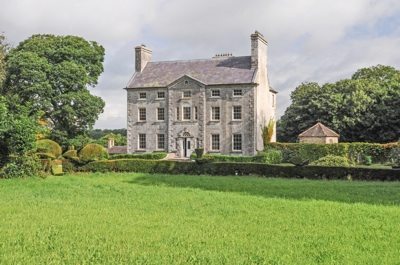
Milltown Park House beside Shinrone in the heart of County Offaly, the property of the White-Spunner family, is an example of Palladio’s simple but august style interpreted by an unknown architect. The symmetry and understatement of the design reflects perfectly what Maurice Craig has described as the middle ground between a farmhouse and a mansion. The rusticated building appears like a giant doll’s house, giving grace and formality to a walled estate with a deer park, enhanced by ancient trees. Sturdy and unpretentious, the motto written over another country house could well apply here:
‘Too Great for Scorn
Too Small for Envy’
The Spunners came here in the mid-16th century with the original settlement of Queen’s County. Their first house was built beside the River Brosna where its ruins can be seen beyond a long avenue of lime trees. This was destroyed, either burned at the siege of Shinrone in 1641, or in the winter of 1690 when the English army garrisoned the area as they hemmed in Sarsfield across the Shannon. The raparee, Galloping Hogan, who guided Sarsfield out of Limerick, was captured here in Hogan’s Wood and hanged at Birr. (Another version of his story affirms that he escaped.)
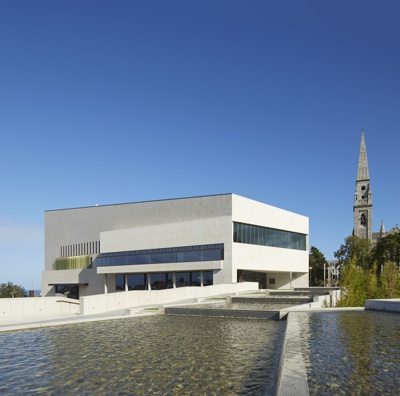
The new Lexicon is a worthy member of Dublin’s distinguished group of public libraires, writes James Howley in his appraisal of the controversial new building.
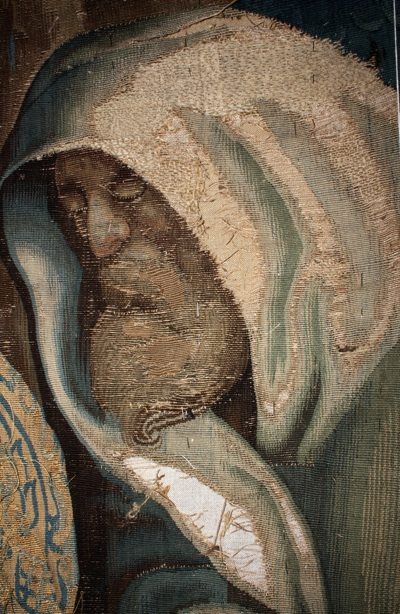
Woven from original designs by Peter Paul Rubens, the Decius Mus tapestries have been reinstalled in Kilkenny Castle following major conservation in Madrid, writes Jane Fenlon
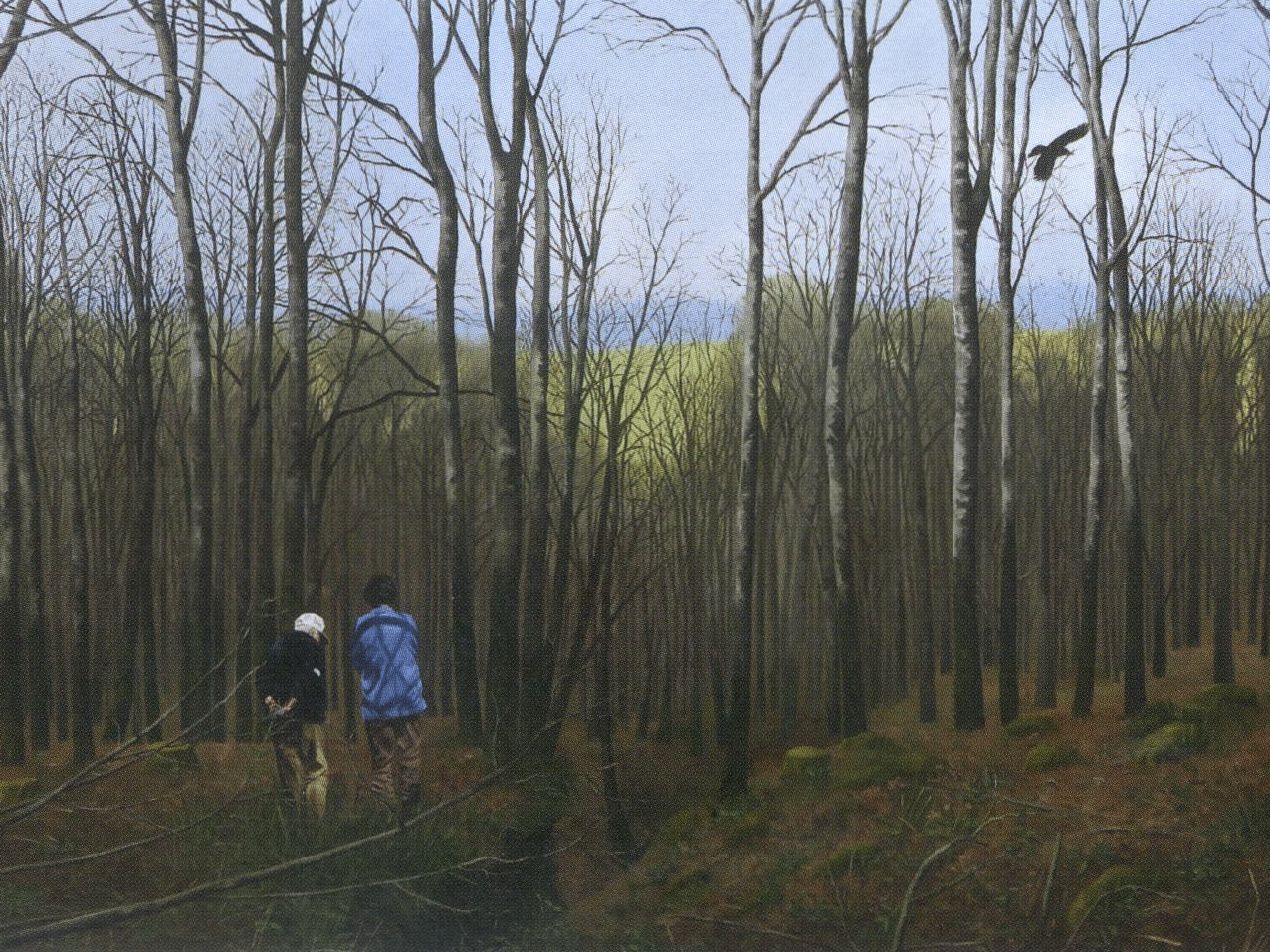
It is the implication of something beyond a simple landscape that makes Martin Gale’s art so compelling, writes Alison FitzGerald as his exhibition continues at Taylor Galleries, Dublin