Irish Arts Review, 2003
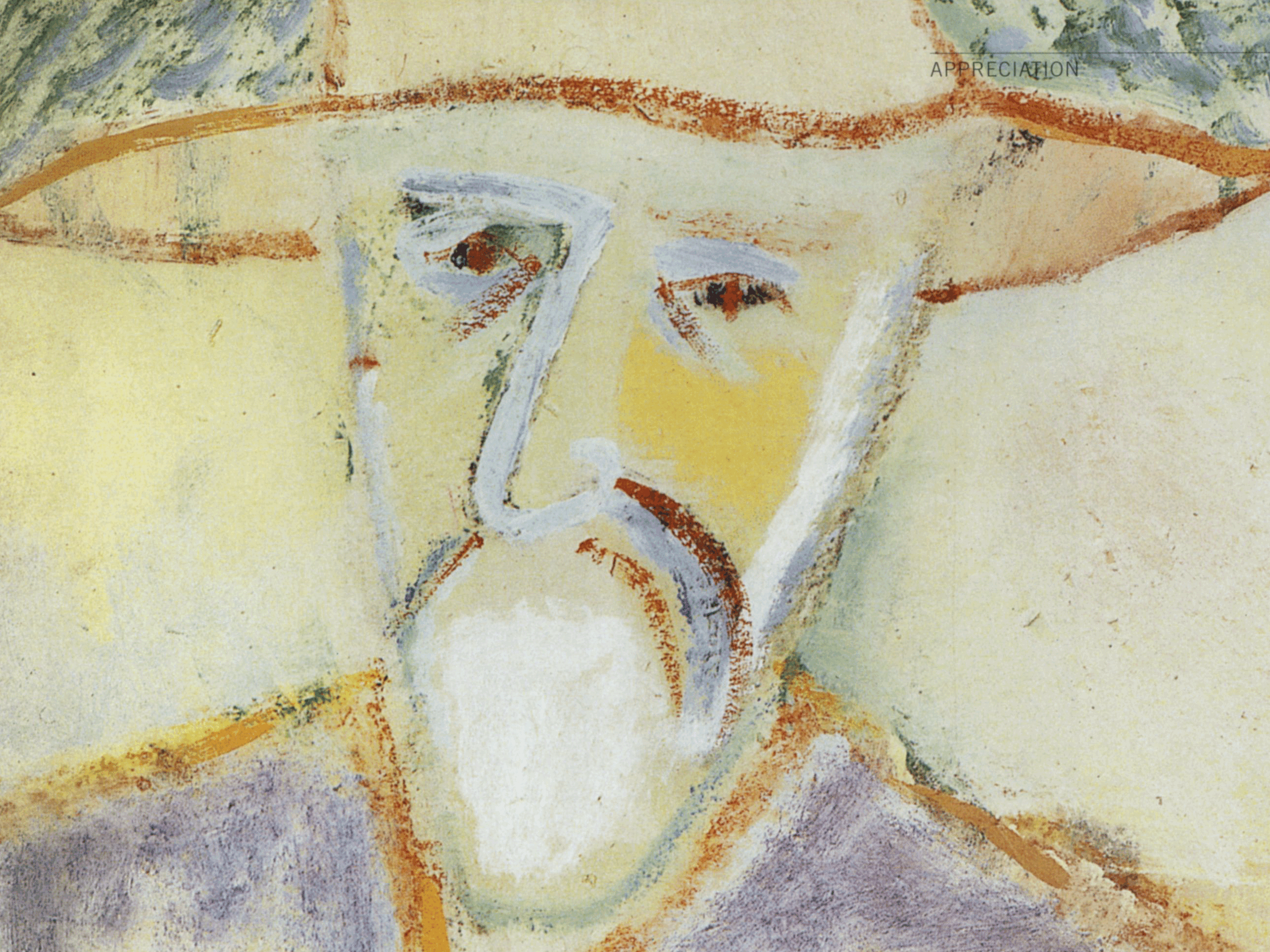
Tony O’Malley 1913–2003 is remembered by Brian Lynch
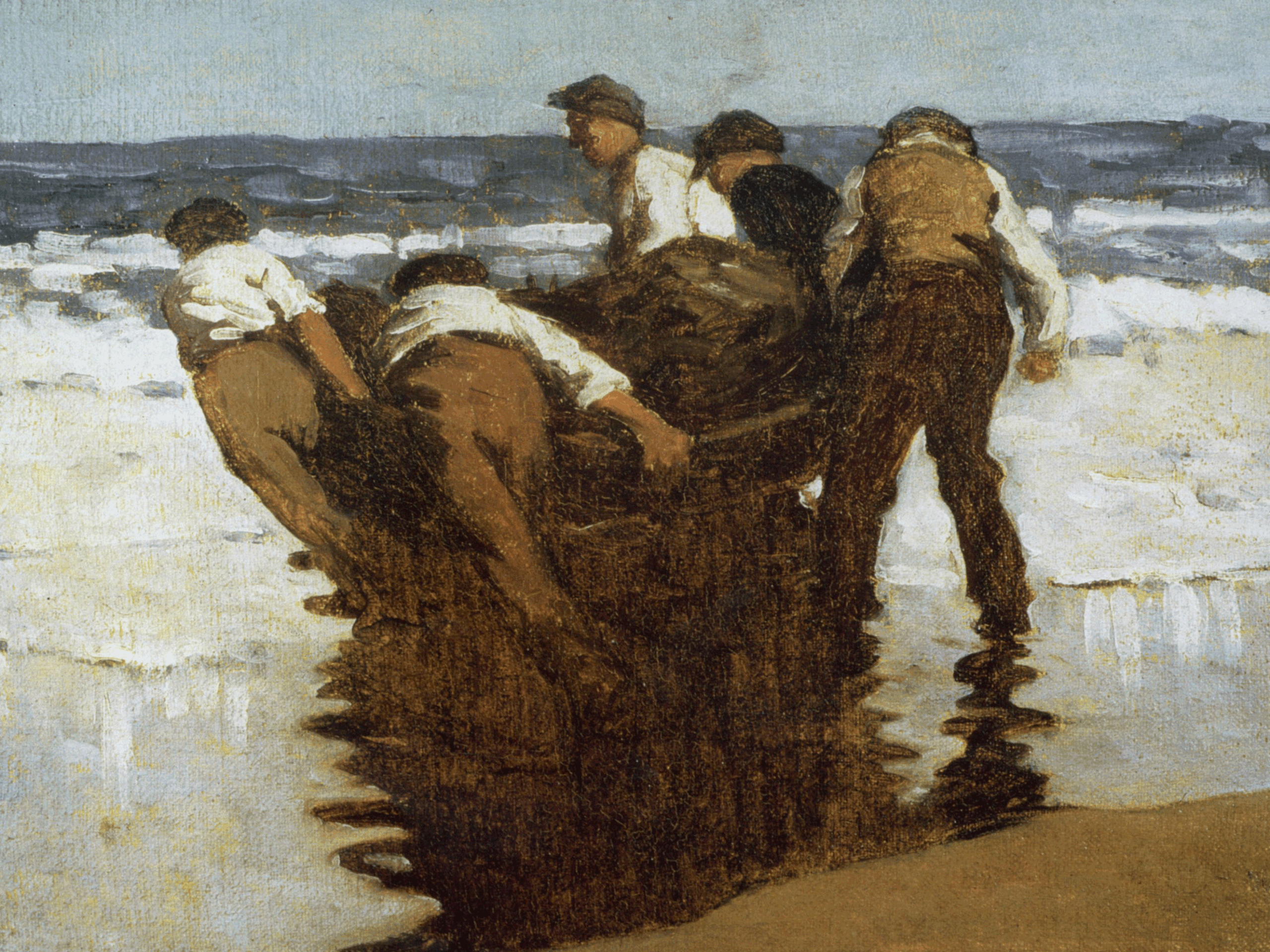
The most ambitious exhibition of Paul Henry’s work to be seen in Dublin is currently on view at the National Gallery’s Millennium Wing; in this essay, guest curator, S B Kennedy shows how the artist imbued his interpretation of the Irish landscape with a timeless yet emphatic cultural identity
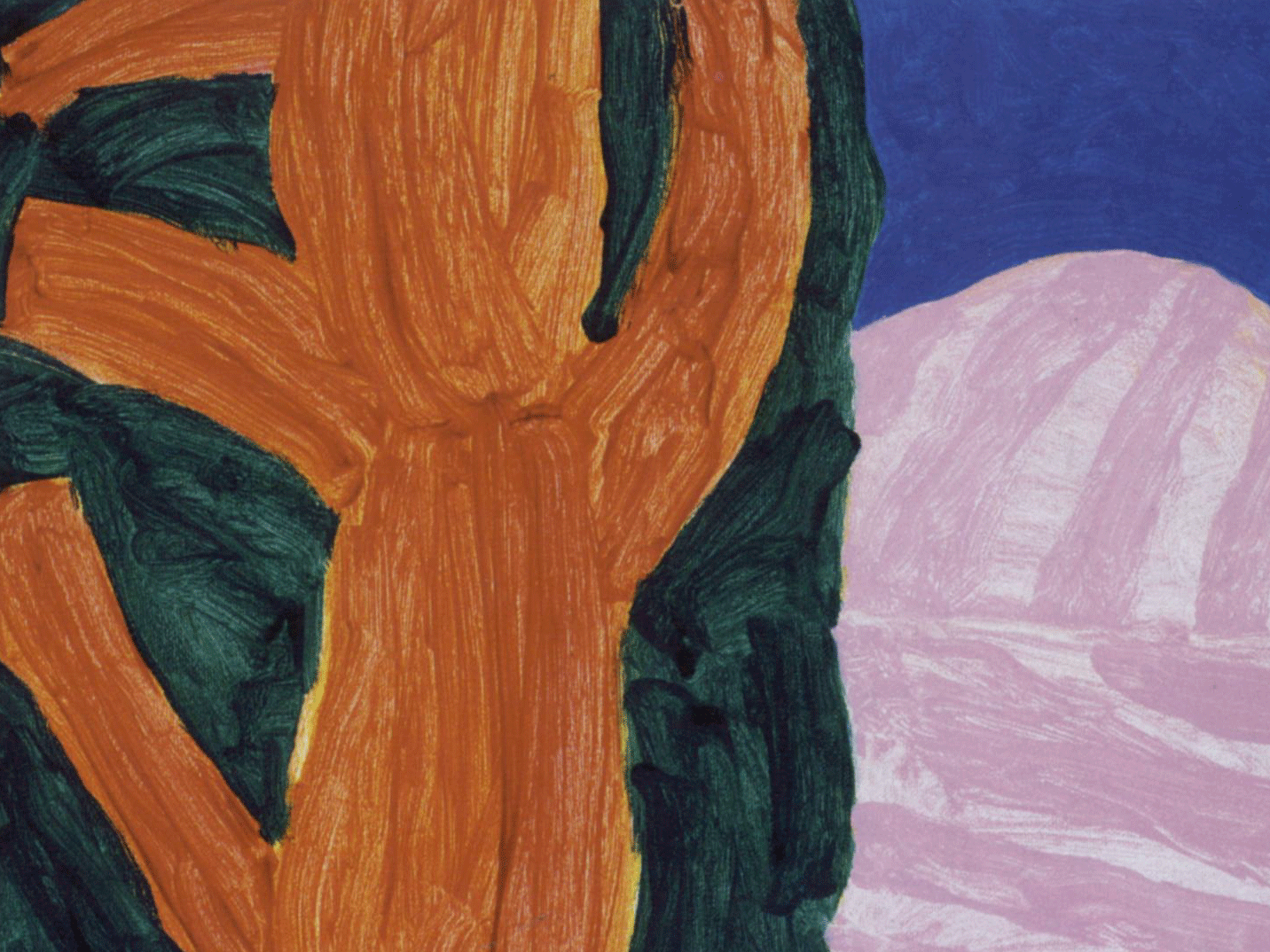
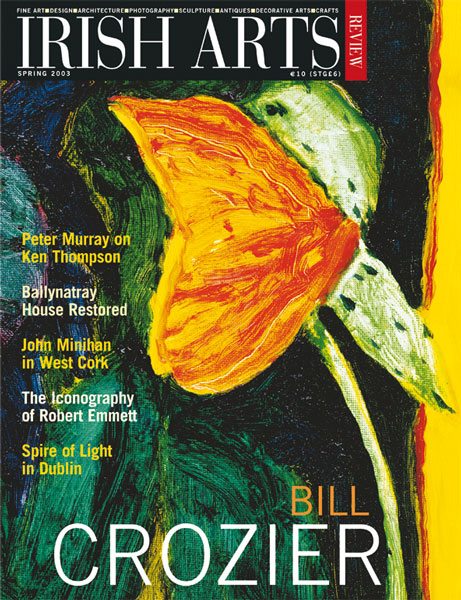
I have a need to be myself and to be myself alone. I have little enthusiasm for generalities of identity, Irish or otherwise. Bill Crozier tells Brian McAvera
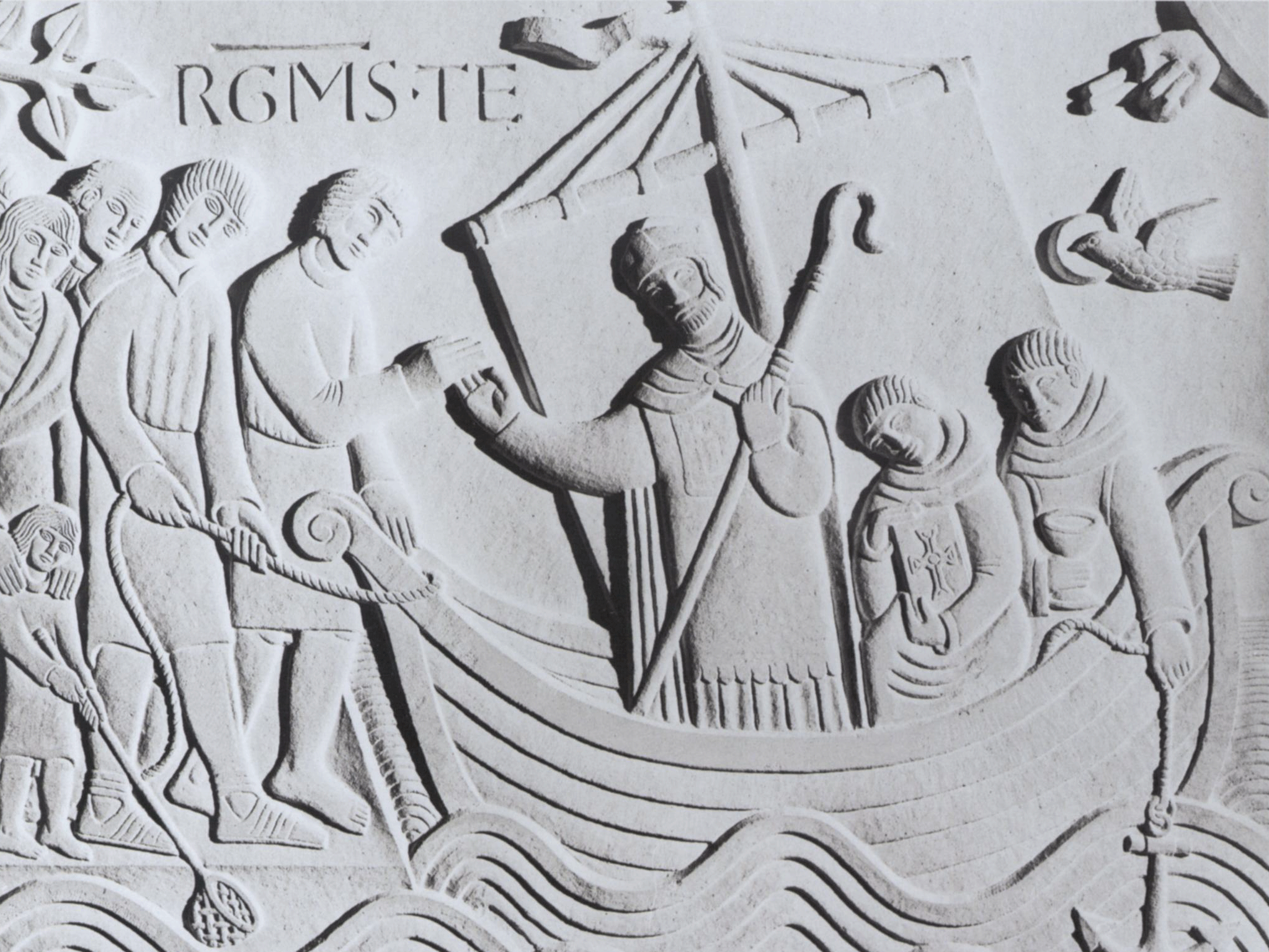
Ken Thompson, a traditional letter-cutter and sculptor working in Cork, has to a considerable extent inherited the mantle of Seamus Murphy and Eric Gill. Although mainly a stone carver, Thompson also works in wood and, occasionally, bronze. He specialises in figurative sculpture, memorial plaques, gravestones and other inscriptions, but is equally at home with wood engraving
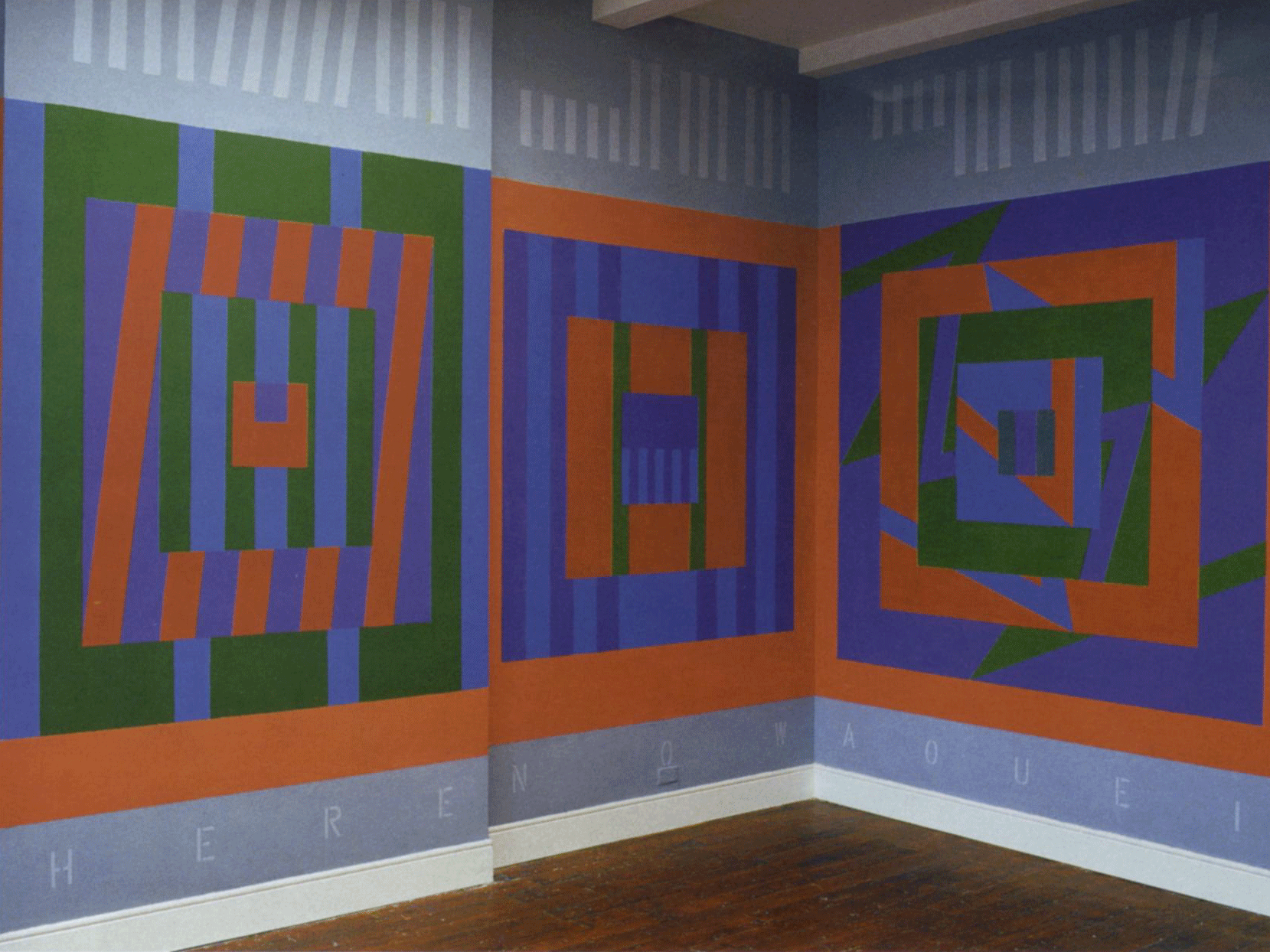
The Hugh Lane Municipal Gallery of Modern Art is preparing a major exhibition in the spring of 2004 of the art of Brian O’Doherty/Patrick Ireland. Brenda Moore-McCann portrays aspects of one of the pioneering figures in conceptual art since the mid-1960s in both Dublin and New York
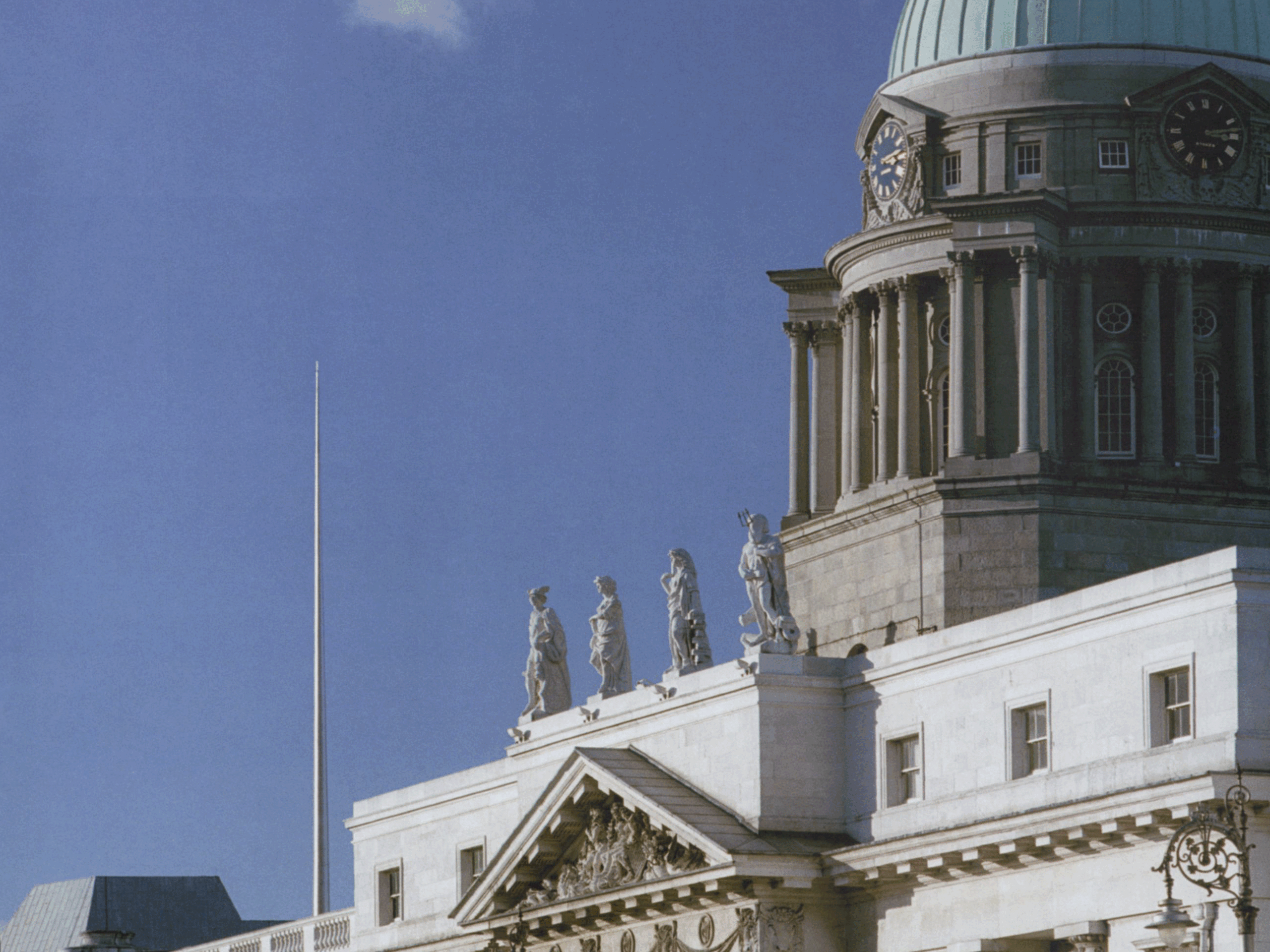
Dublin’s new Spire of Light can mean everything or nothing—which is perhaps its principal attraction in this age of uncertainty. It is certainly unusual in having, by design, no practical function or commemorative purpose but Raymund Ryan hopes that it will, perhaps, act as metaphor for energy
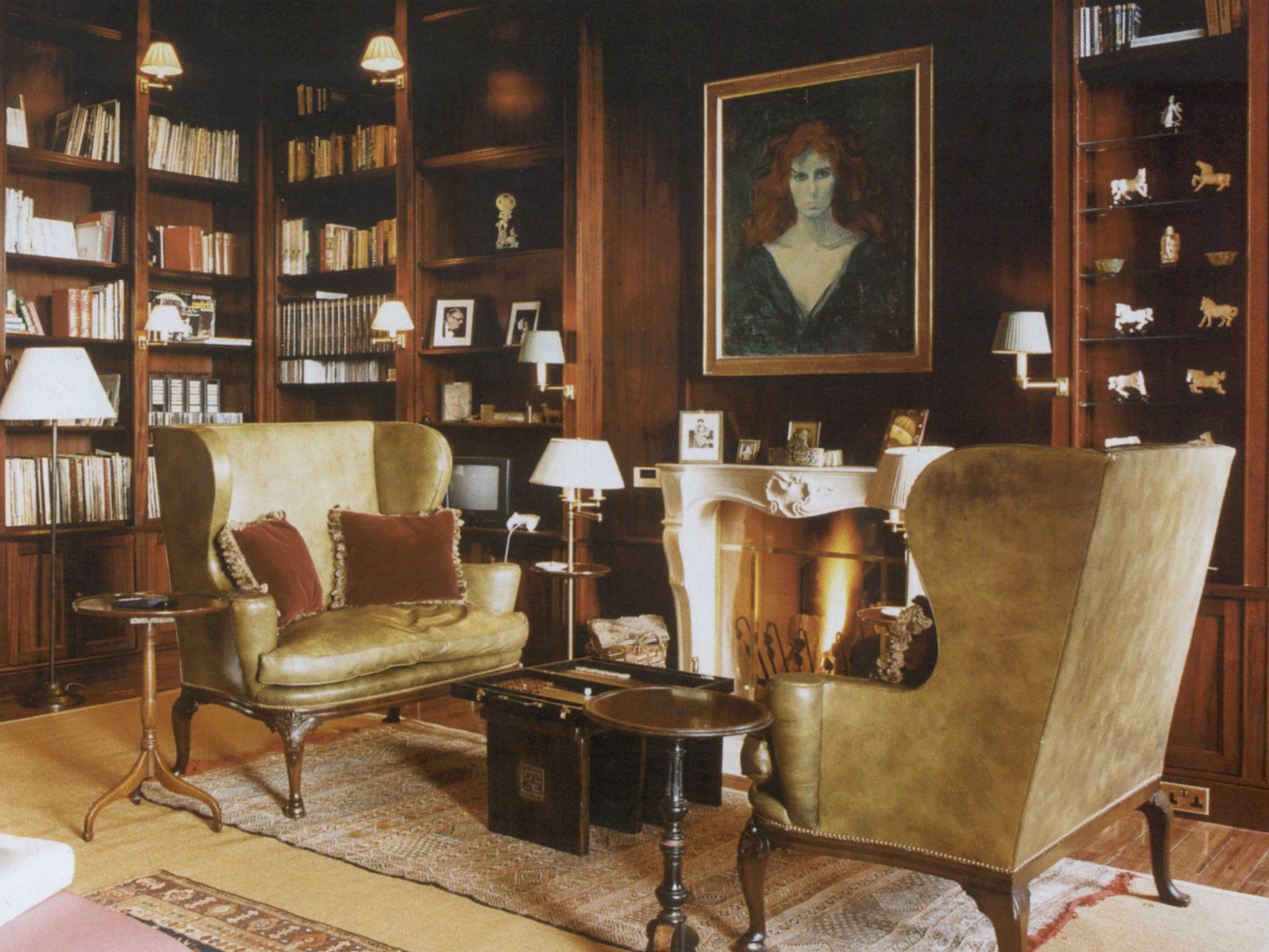
Ballynatray Demesne overlooking the Blackwater estuary above Youghal is a unique combination of natural and designed landscape. Its new owners, Serge and Henriette Boissevain, have renovated the landscape, planted new woods and completely restored the house which dates from 1795. Here Patrick Bowe outlines the history of the estate and of the Smyth family which created it while Deirdre Conroy gives the architectural detail of the big house
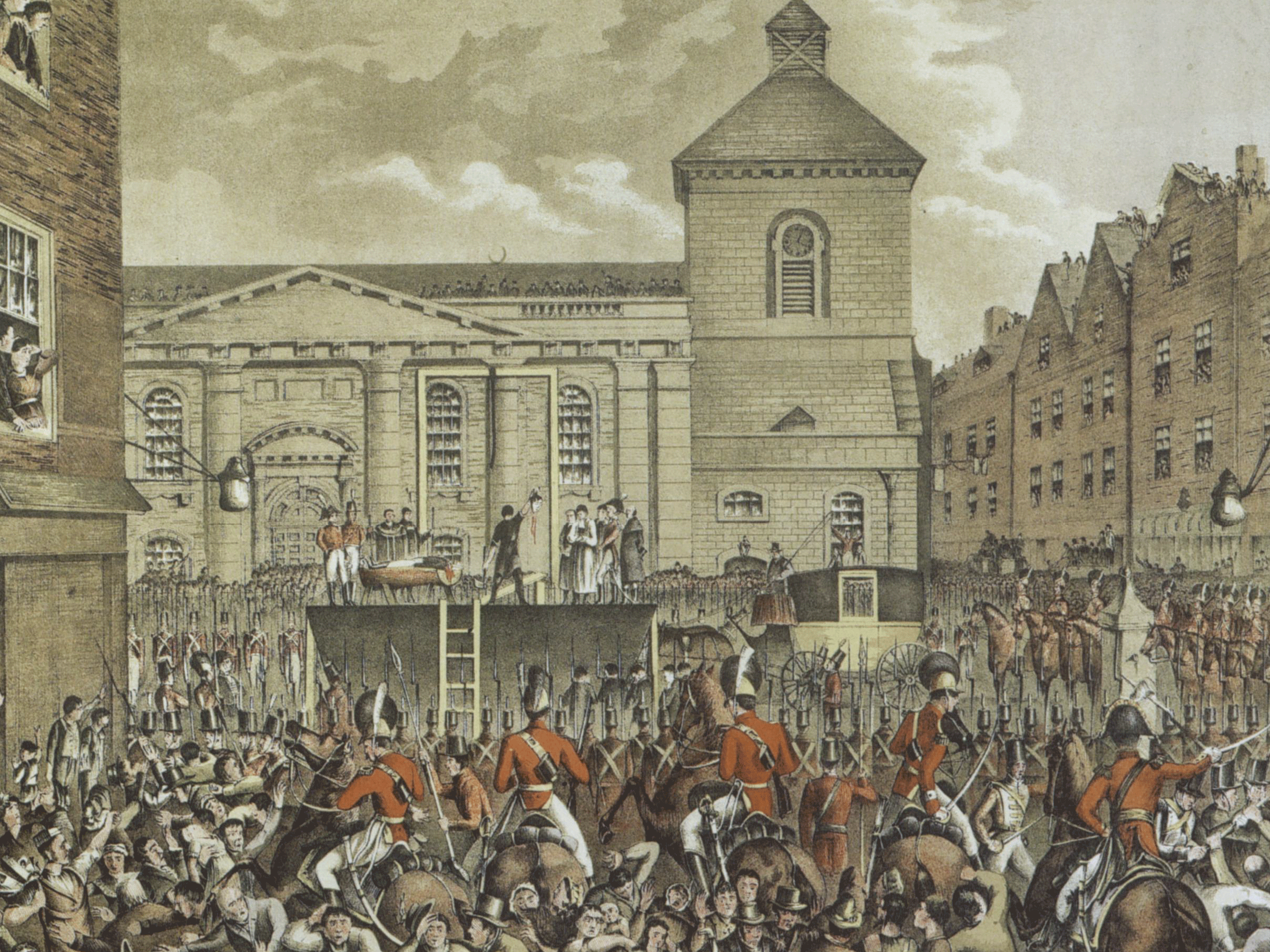
The 23 July 2003 marks the bicentenary of Robert Emmet’s aborted Rising and execution. Immortalised by Thomas Moore’s lyrics, he was a leading icon in popular culture during most of the 19th century, as as Ruán O’Donnell reports
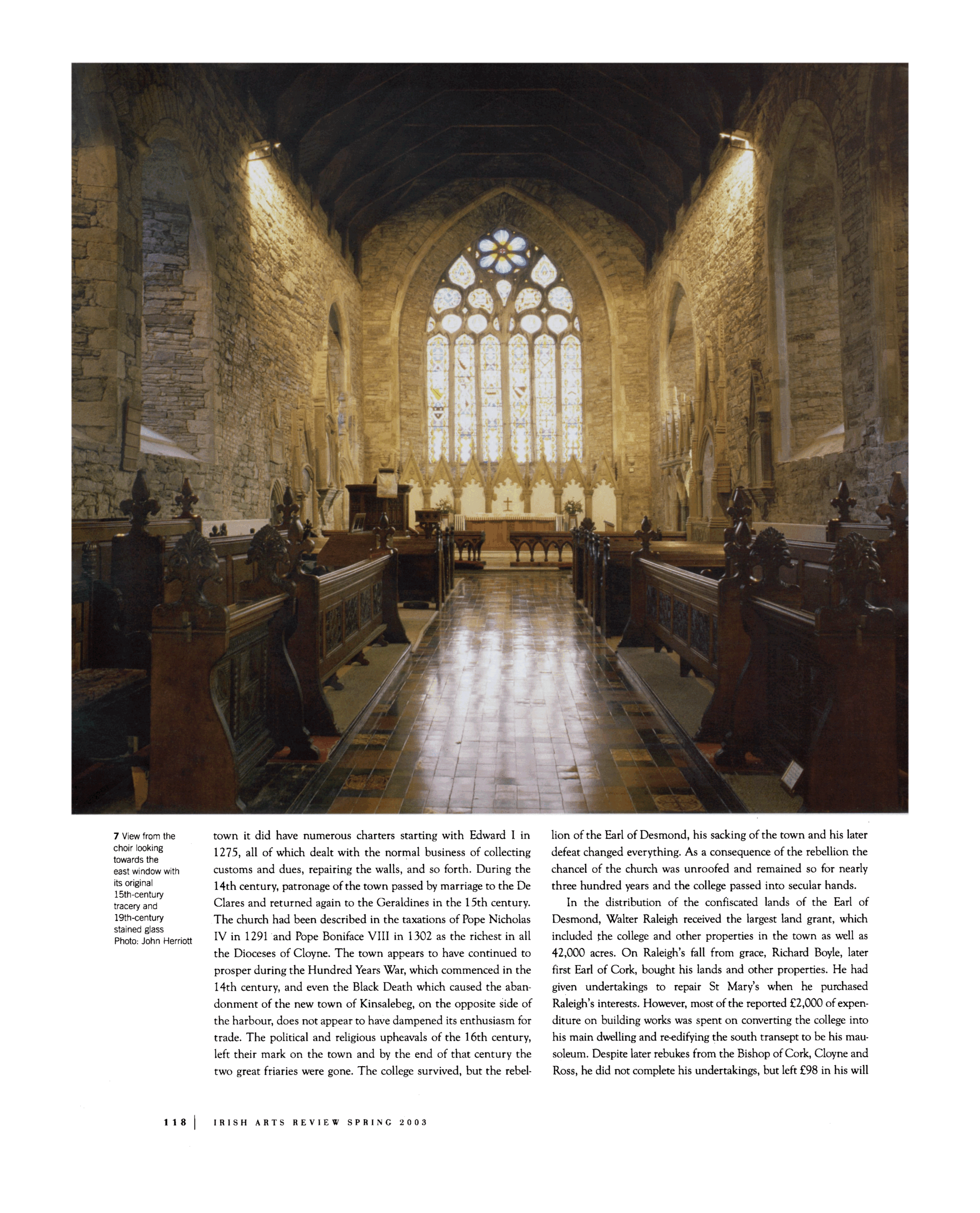
One of the most beautiful and historic places of worship in this country, St Mary’s Collegiate Church in Youghal, is about to be taken into public ownership by the local Town Council. Although it was founded in the early 13th century by the FitzGeralds, later earls of Desmond, Sir Walter Raleigh worshipped there after the Reformation, as did Oliver Cromwell who wintered in Youghal in 1649/50. But the man whose name is indelibly associated with St Mary’s is Richard Boyle, first Earl of Cork, for the simple reason that his huge funerary monument still dominates the south transept of the church. David Kelly outlines the history of this remarkable building, the preservation of which has now been secured
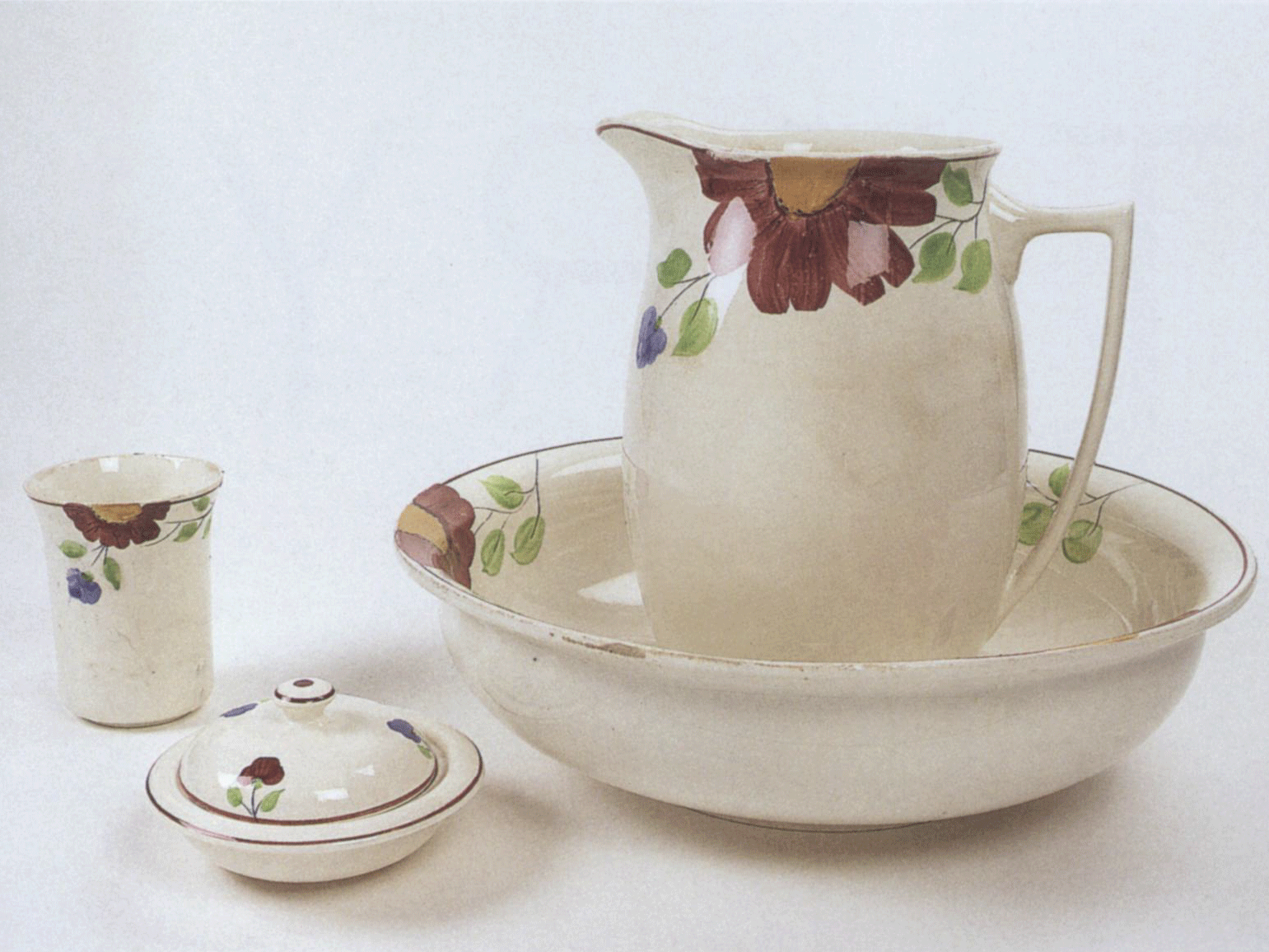
During the early years of Independence the Irish government embarked upon a programme to foster new industries. Audrey Whitty discusses both the utilitarian and creative aspects of one of those fledgling concerns, Arklow Pottery