
James Howley examines the description and typology of follies, as restoration on three remarkable examples in Dublin reaches completion
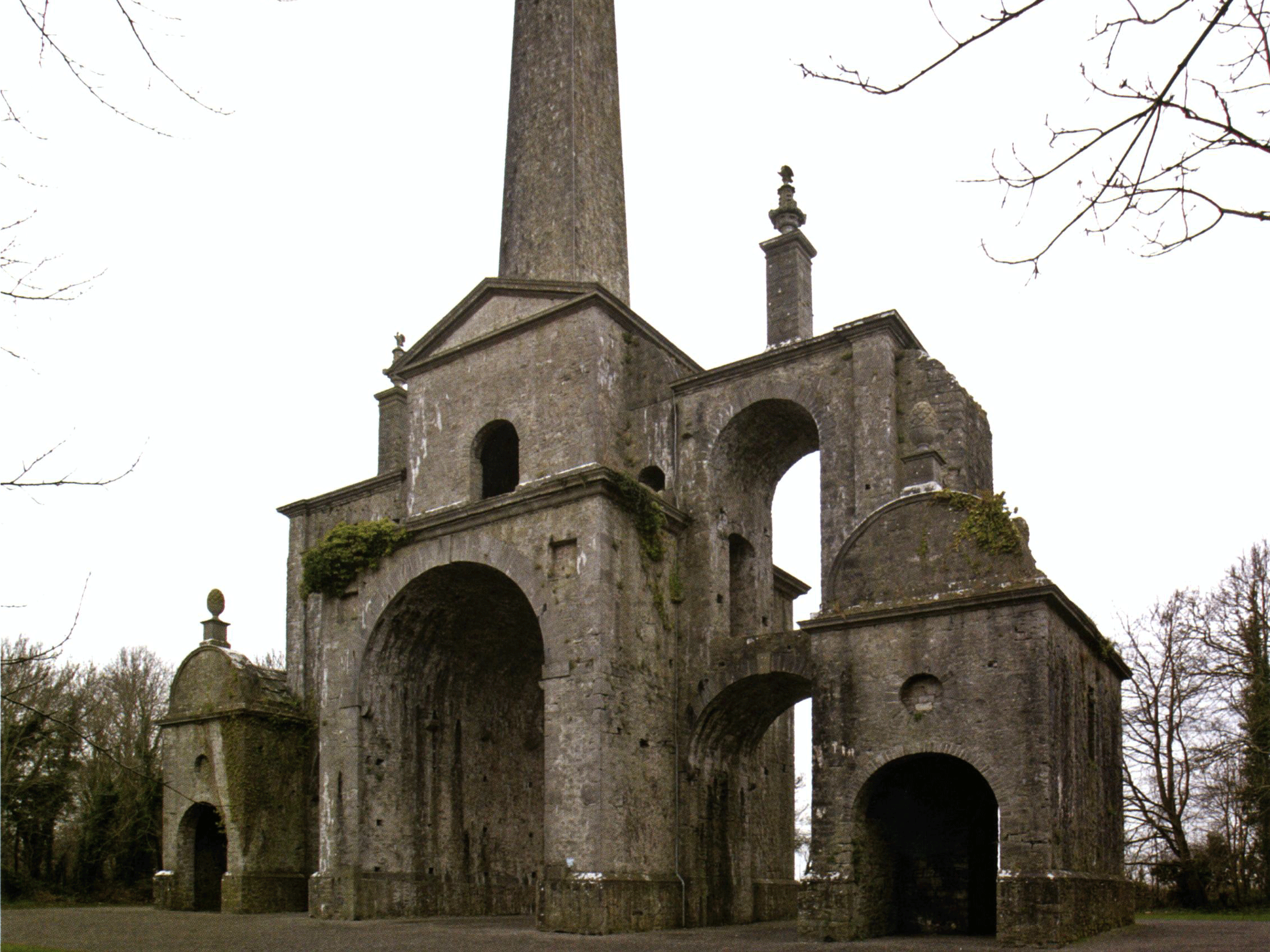

It is now almost forty years since Edward Malins and the Knight of Glin produced the first serious study of the designed landscape in Ireland under the romantic and apposite title of Lost Demesnes. This pioneering work stimulated a growing body of research and scholarship that has re-focused attention on this important Irish art form. Central to the designed landscapes of Ireland, which compare favourably with the very best gardens throughout history, is the ornamental garden building. This appears in many forms from obelisks and columns, to grottoes and shell houses, belvederes and temples, sham ruin and eye-catchers, together with a host of utilitarian structures dressed up to seduce and trick the eye. ‘Folly’ is the rather generalized term often applied to such structures, despite many being entirely functional and far from foolish. Some of the earliest follies that were constructed during the first half of the 18th century compare very favourably with the most impressive of the many hundreds that survive in Ireland.

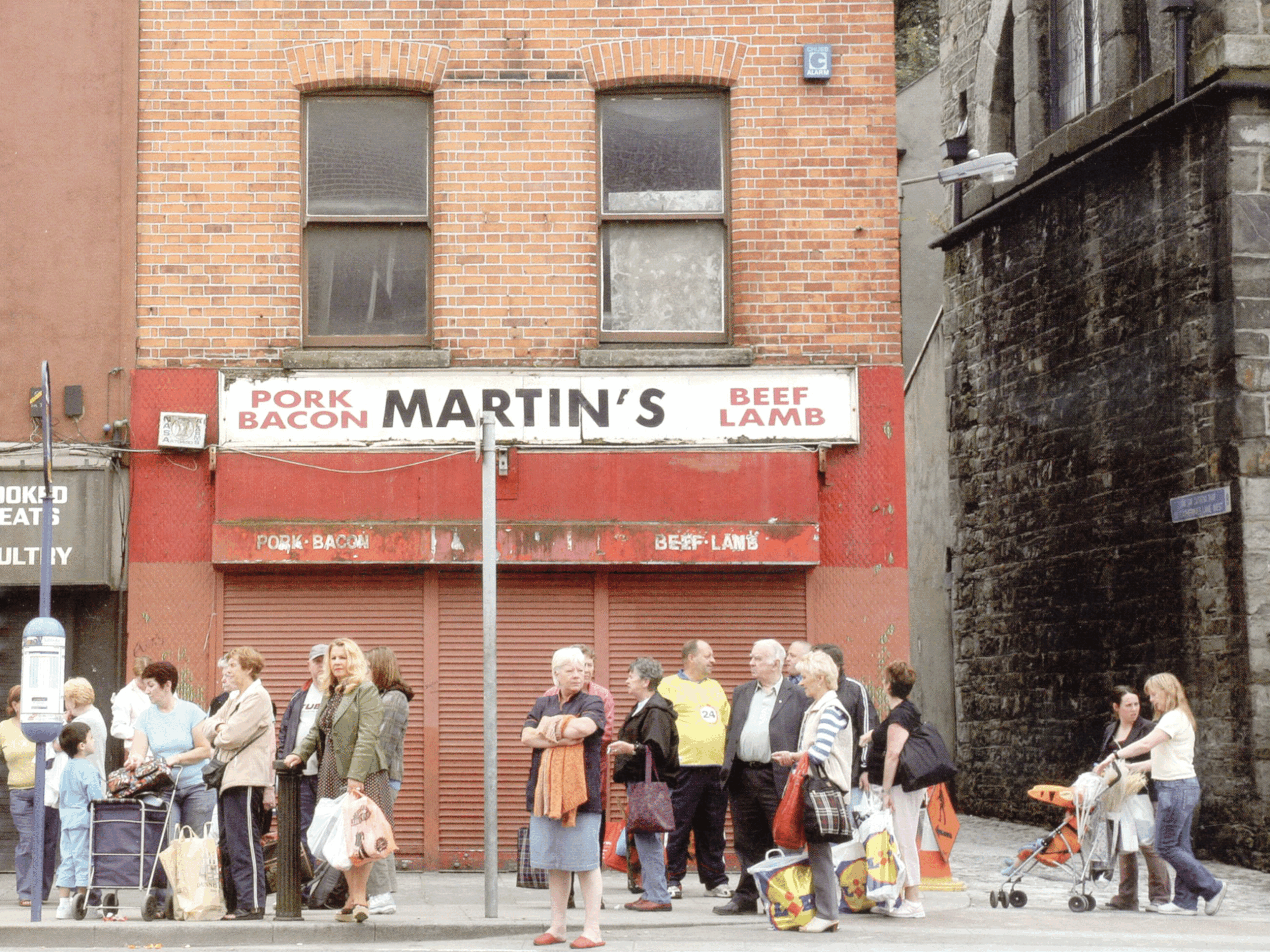
Ahead of Dragana Jurisic’s solo show at the RHA in September we republish Stephanie McBride’s examination of the photographer’s 2011 show at the Droichead Arts Centre, studies of urban survival taken during the Celtic Tiger years, revealing Ireland’s struggling society.
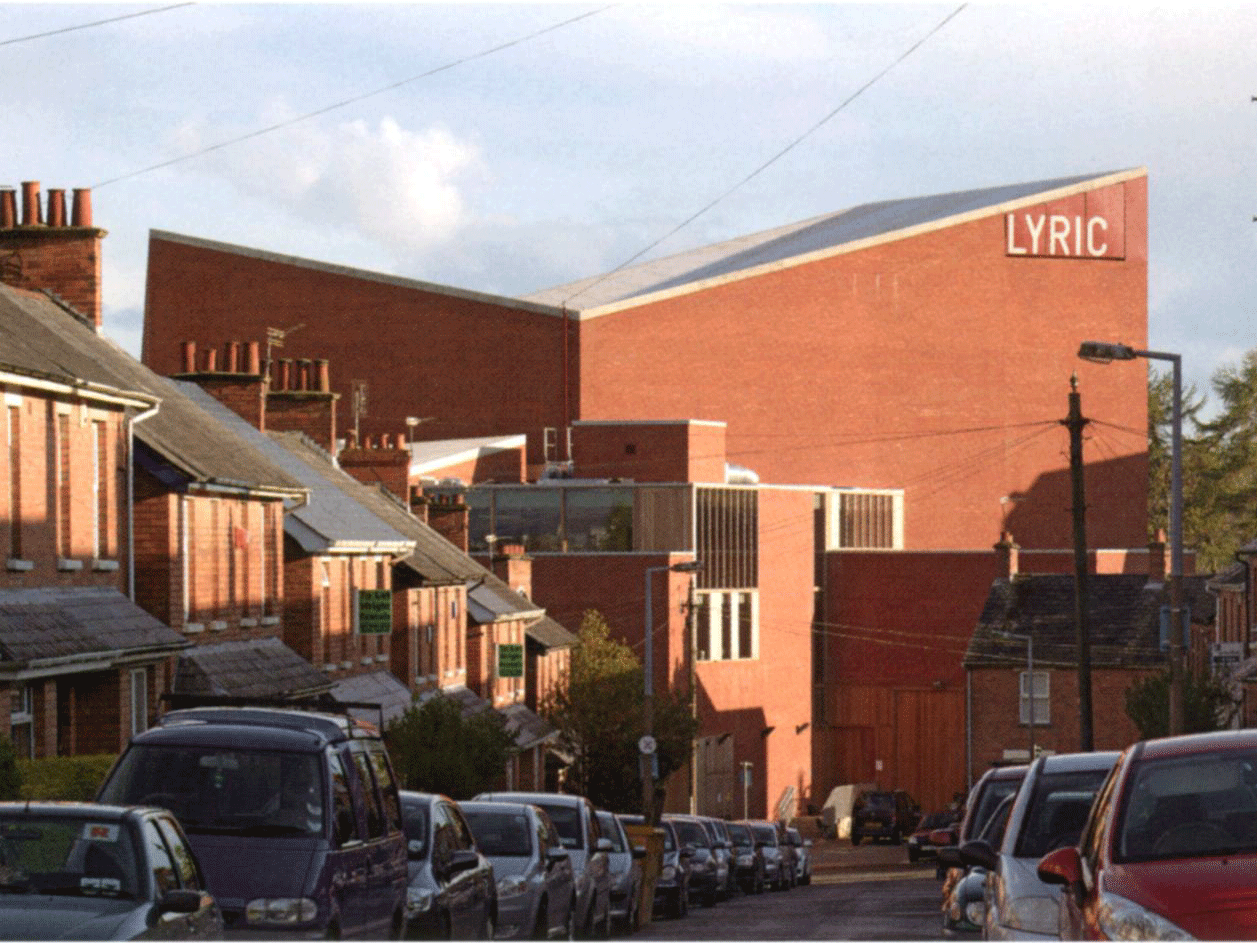
Paul Larmour visits the new theatre, which he describes as a boon for the dramatic arts and the most exciting building in Belfast