
‘Poster Boys’ at the National Print Museum in Dublin’s Beggars Bush is an exhibition of fifty-six original Abbey Theatre posters from the 1970s and 1980s.
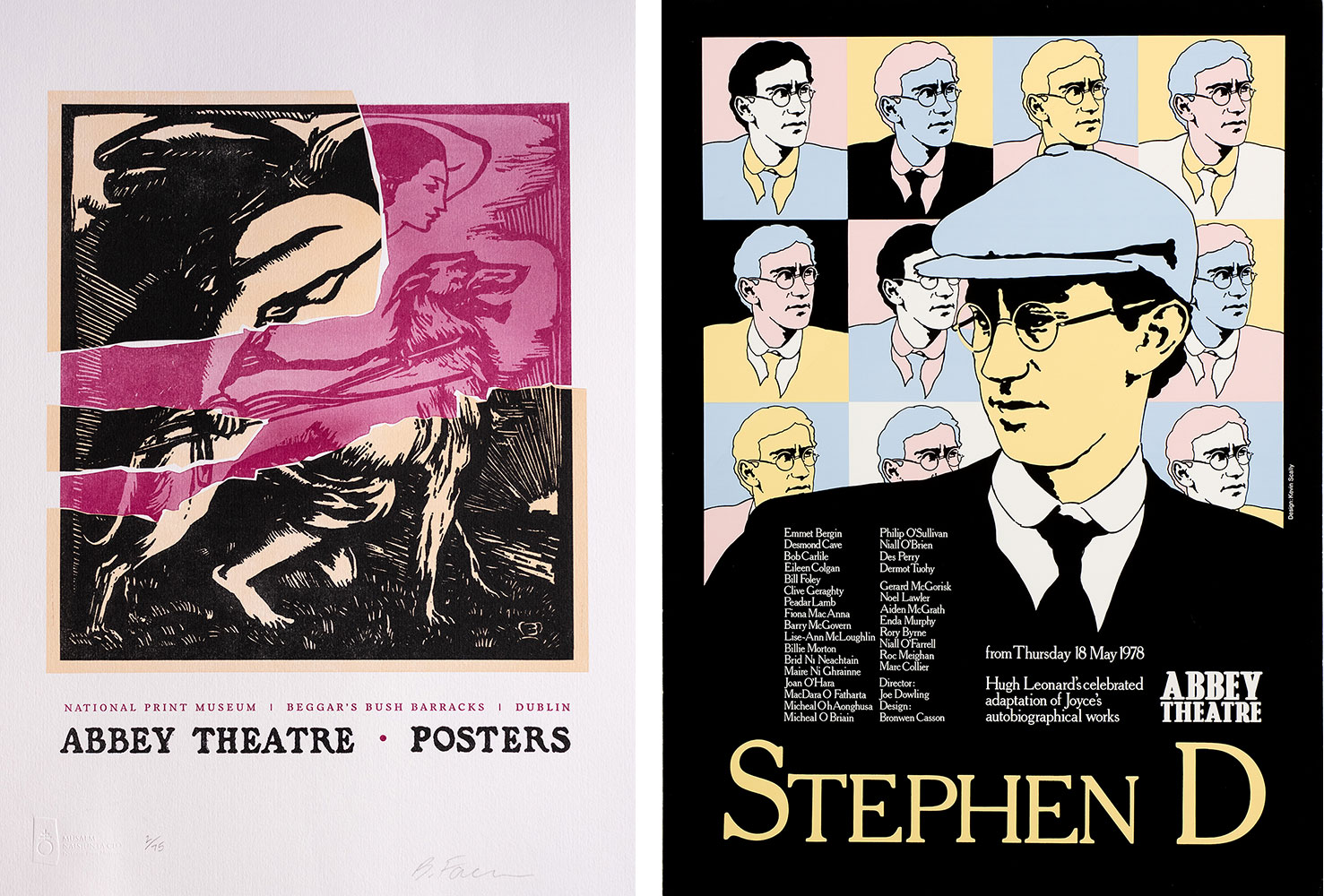
‘Poster Boys’ at the National Print Museum in Dublin’s Beggars Bush is an exhibition of fifty-six original Abbey Theatre posters from the 1970s and 1980s. Curated by design and cultural historian Linda King, it focuses on the theatre’s two main poster designers, Kevin Scally and Brendan Foreman, and their working methods.
Printing processes and technologies were rapidly evolving in this era, shortly before the arrival of desktop publishing. Graphic design, too, was just emerging as a profession. The designers’ working conditions were less than ideal: Foreman’s office was a repurposed toilet in the Peacock Theatre basement; Scally’s was his kitchen table.
Their notes offer rich insights into their collaborations with directors and stage designers to create a visual interpretation of each play. Scally describes how his design for Teresa Deevy’s Katie Roche (1975) reflects the Art Deco façades common in rural cinemas and dancehalls in the 1930s; a sunburst gives an ironic undertow to the play’s story, achieved by meticulously cutting Letratone tints of different spot colours. They also reveal occasional mishaps: Foreman’s design for John B Keane’s Sive (1985) included a misspelling of an actor’s name, so three hundred posters had to be retouched with a black marker.
The poster designs had to compete for attention in cafés and pubs and were a vibrant part of the cityscape. Their styles incorporated both local popular culture and international influences, from Toulouse-Lautrec to Milton Glaser. A reference to Andy Warhol’s screenprints in Scally’s poster for Hugh Leonard’s Stephen D (1978) is also a rare example of a poster of the time featuring an actor, in contrast to their common use in today’s theatre publicity. Foreman has designed a new poster for this exhibition, a response to the Abbey Theatre’s formal branding – Elinor Mary Monsell’s familiar Abbey logo – which he has dramatised using a ‘stylised, torn-paper effect, suggesting the ephemeral life of a poster’.
Though theatre productions and posters are transient, ‘Poster Boys’ offers refreshing memories of the Abbey’s heritage and valuable insights into the history of graphic design and print culture in Ireland. The exhibition runs until February.
Stephanie McBride
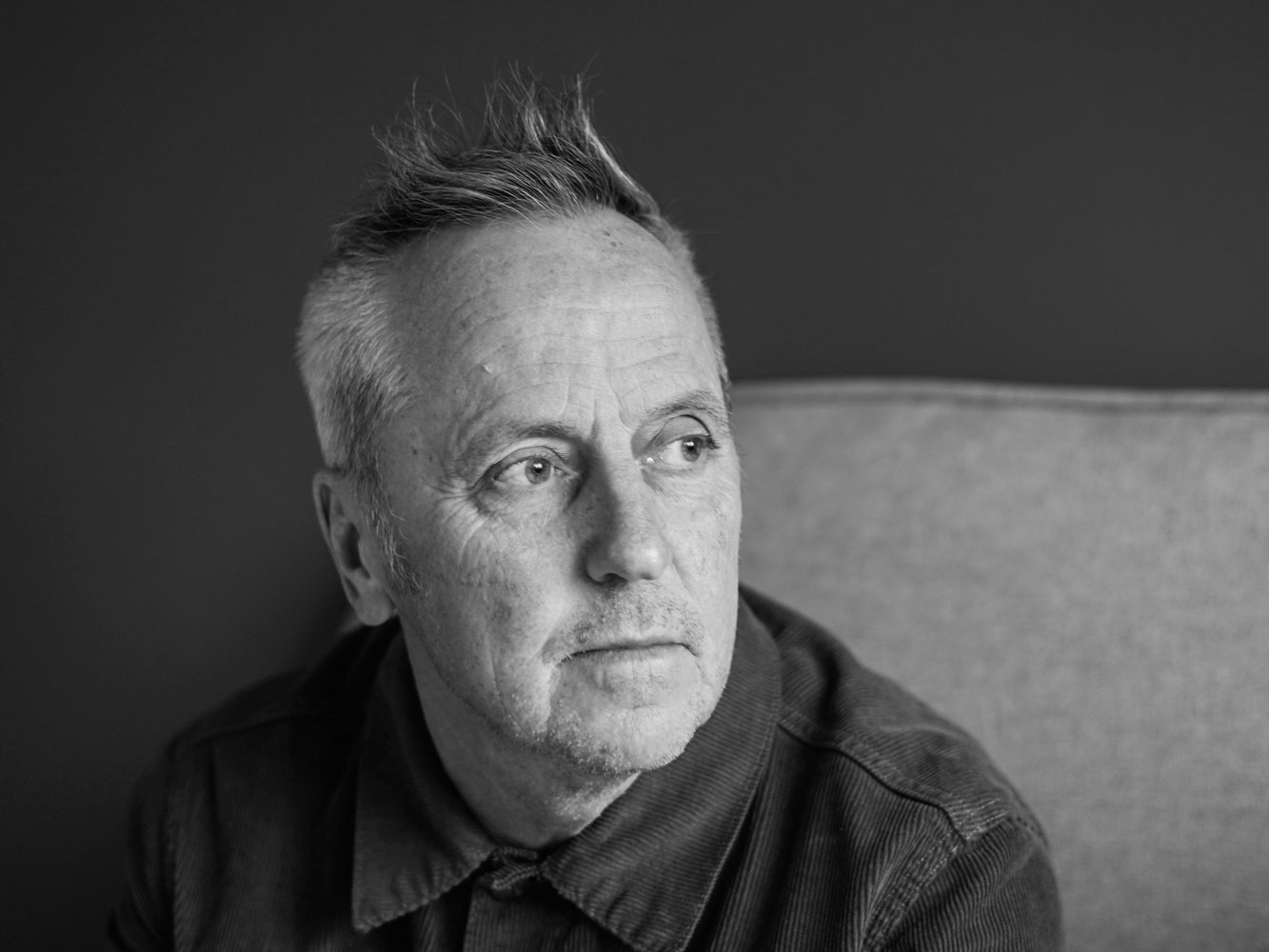
Growing up in Derry, Locky Morris lived under the kind of hyper-surveillance that has gradually become the norm worldwide.
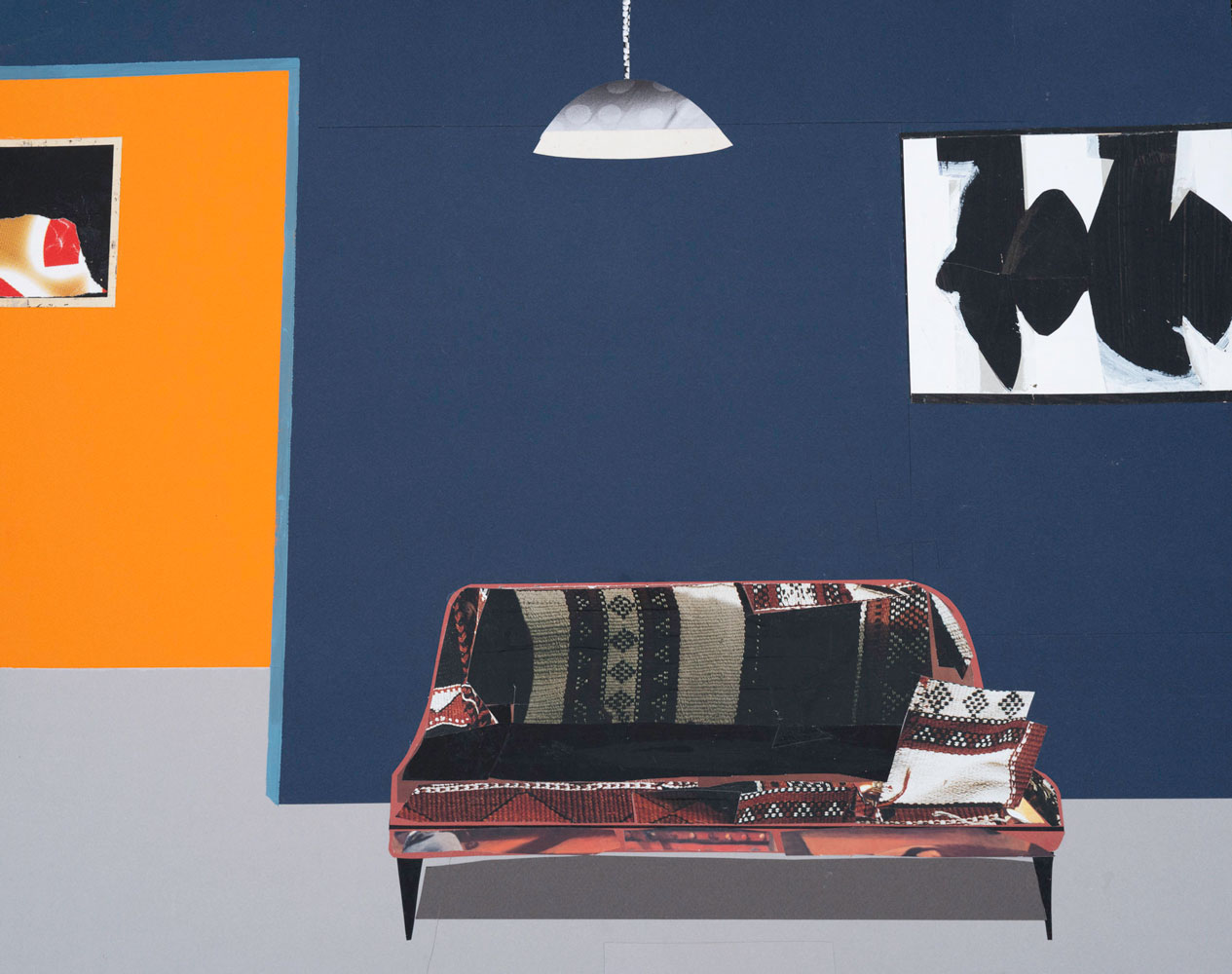
There were 2,700 submissions to this year’s Royal Ulster Academy (RUA) exhibition, from which 353 were selected.
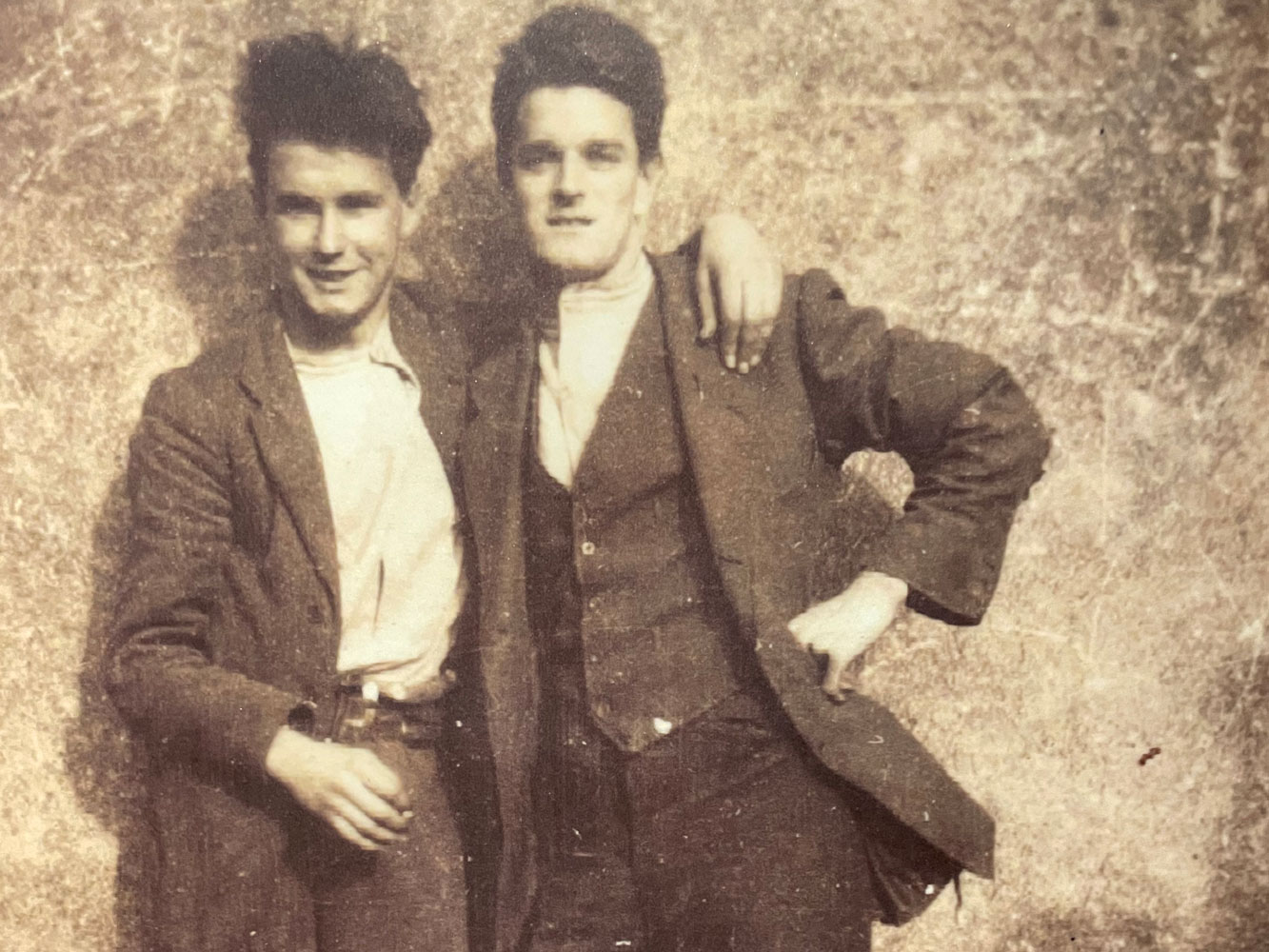
An intriguing exhibition at Kilmainham Gaol’s museum in Dublin features photographs secretly taken by the prisoners detained during Ireland’s War of Independence.