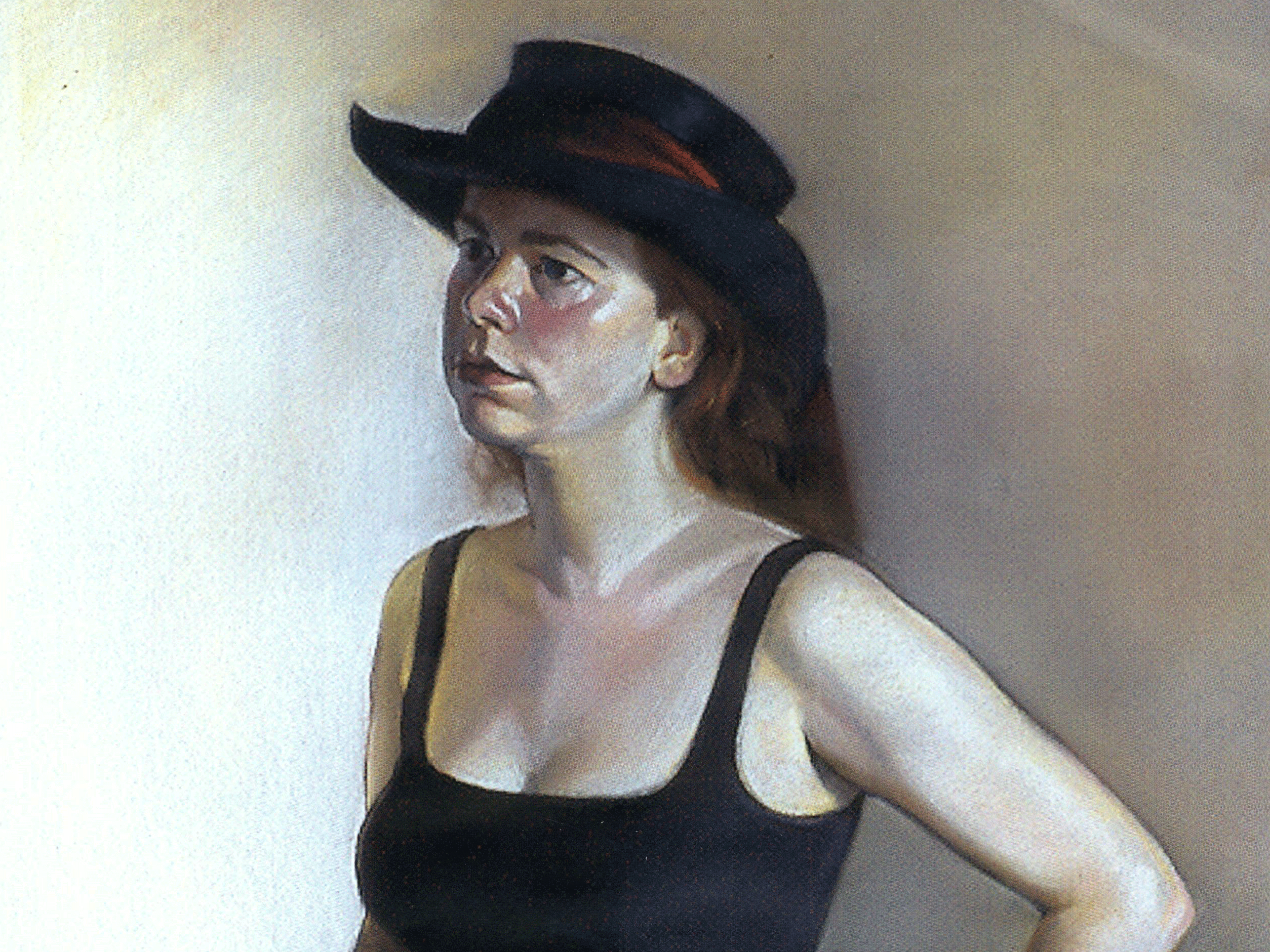
Oisín Roche’s Standing Portrait is a reflection on the nuances of identity, writes Gerry Walker of this year’s recipient of the Ireland-US Council/Irish Arts Review Portraiture Award
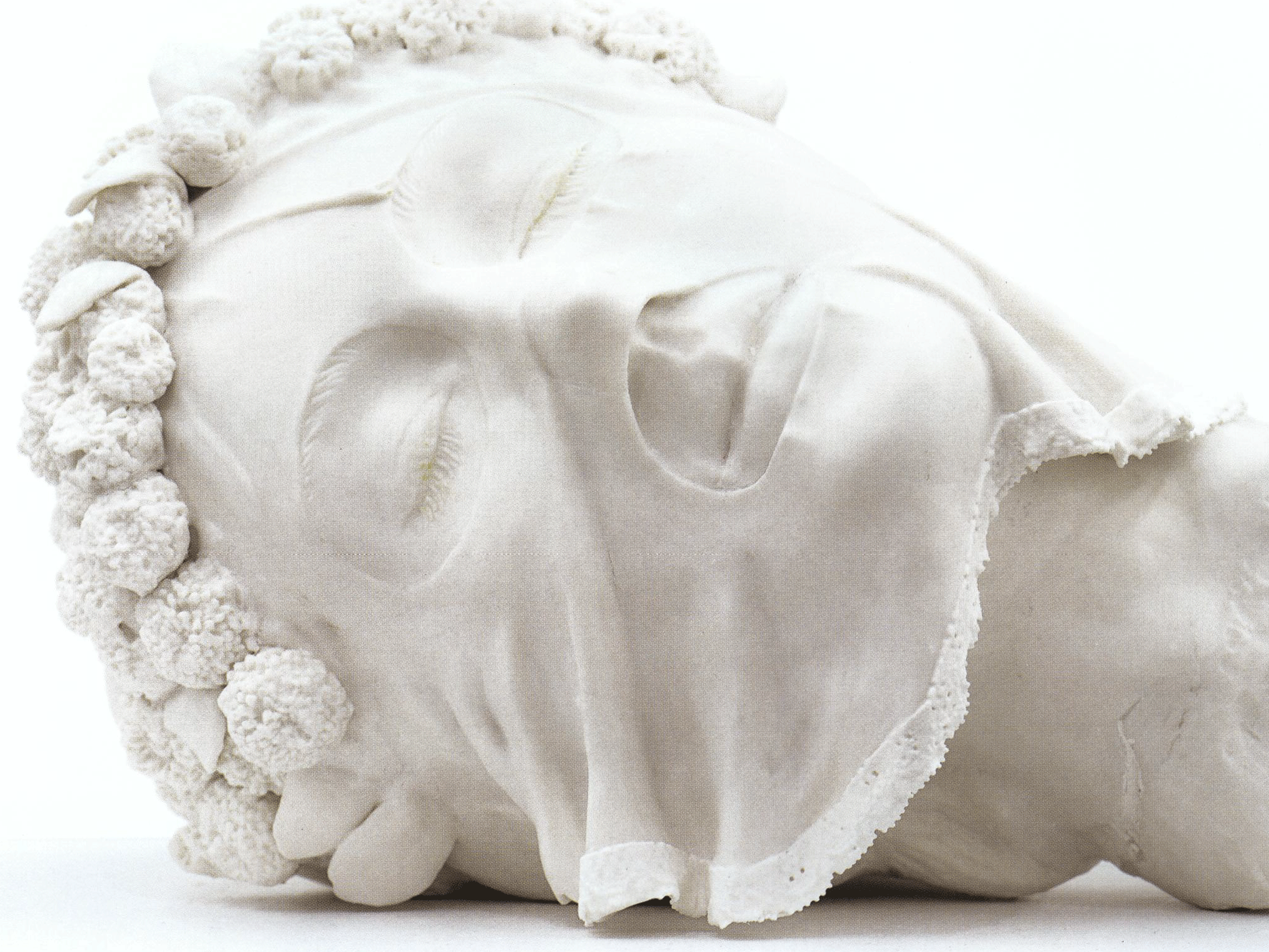
Ursula Burke, Emma Donaldson and Deirdre McKenna explore the mutable topic of time at the F E McWilliam Gallery, Banbridge. Claire Dalton looks at their responses
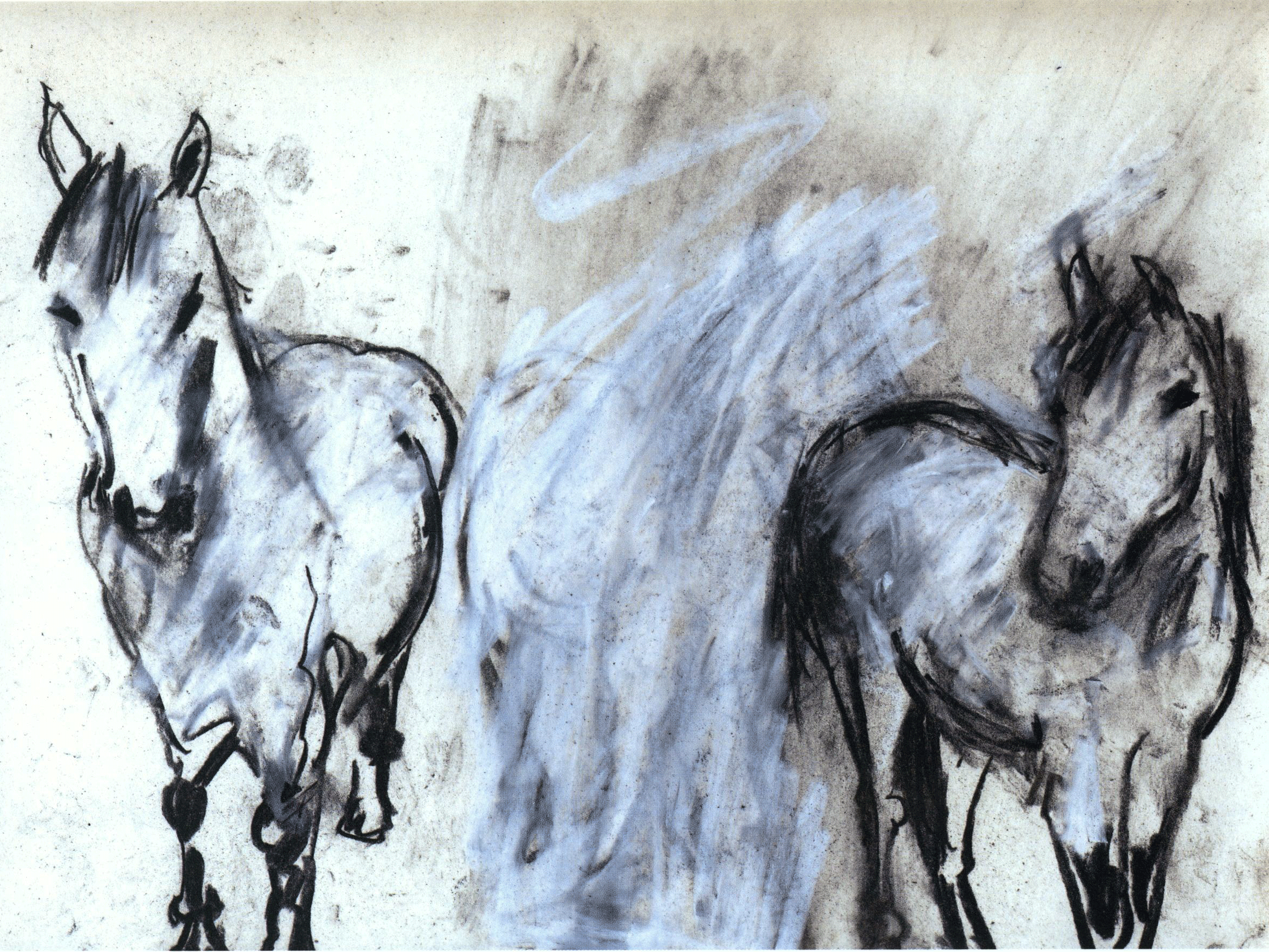
Ursula Burke, Emma Donaldson and Deirdre McKenna explore the mutable topic of time at the F E McWilliam Gallery, Banbridge. Claire Dalton looks at their responses
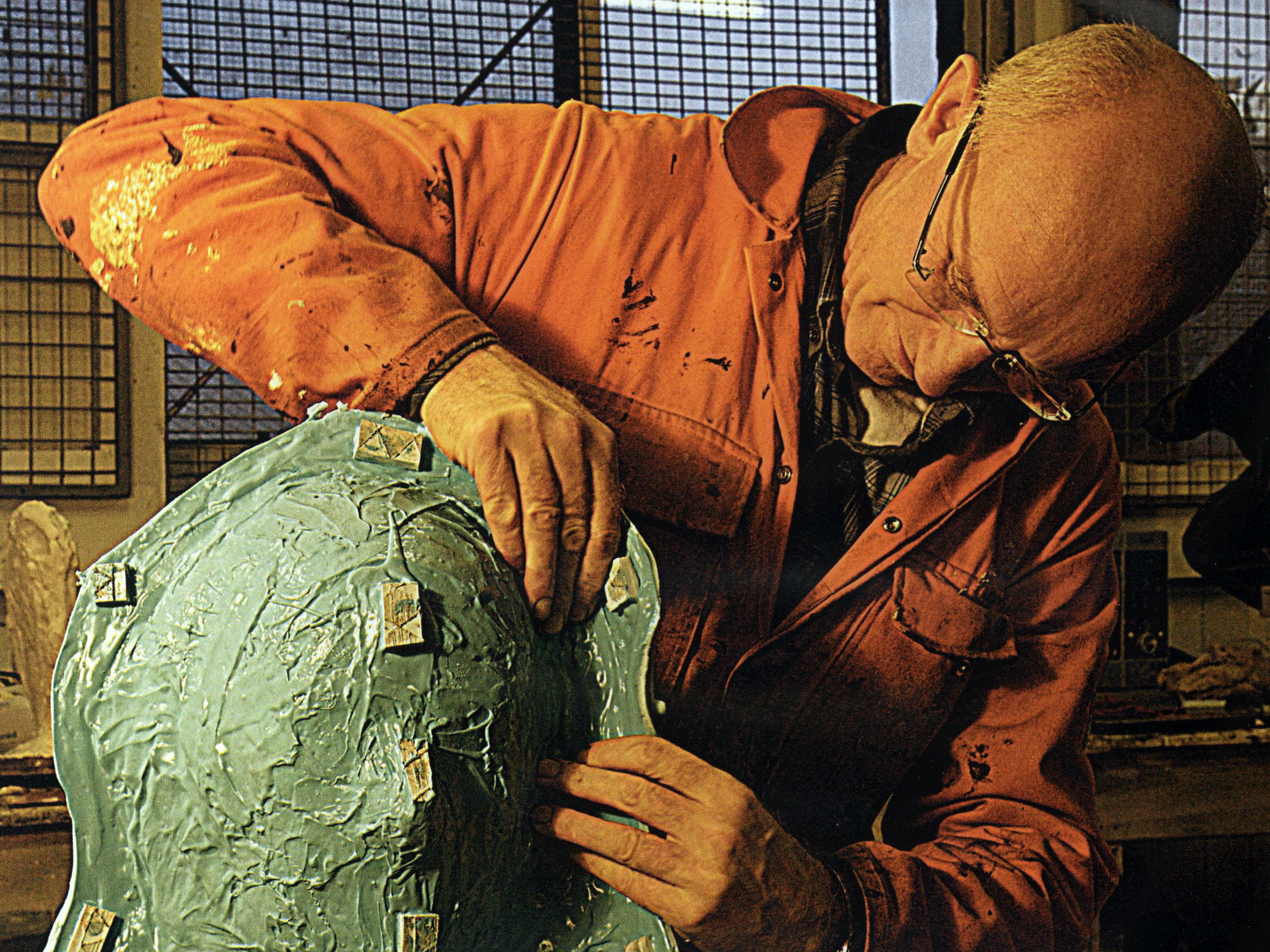
Former marine biologist John Coll turned to sculpture in order to enhance his understanding of nature, writes Gerry Walker
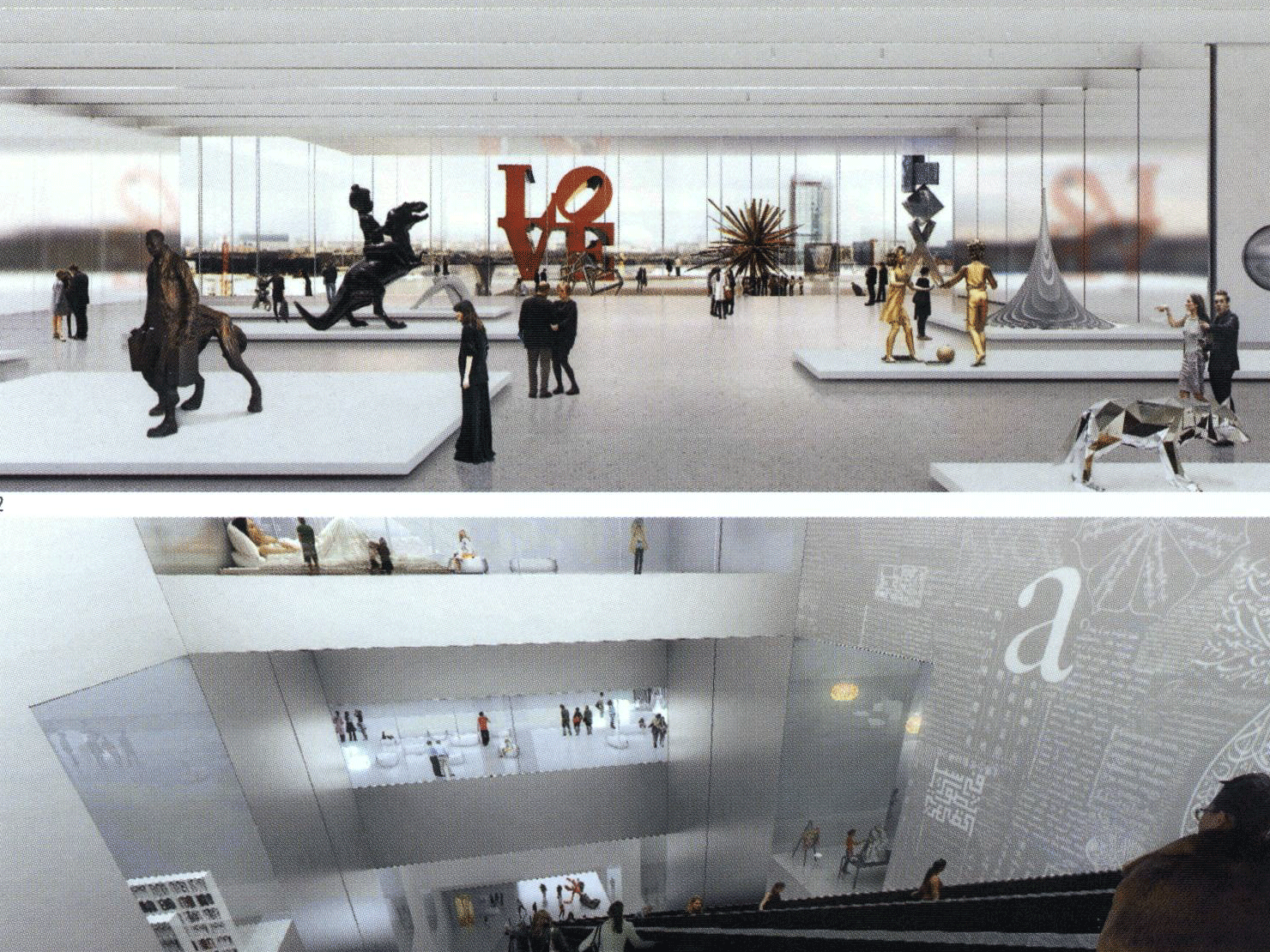
Diana Vreeland’s axiom is apt for architects Heneghan Peng whose global competition success expands unabated. John Mclaughlin looks at their recent win in Moscow
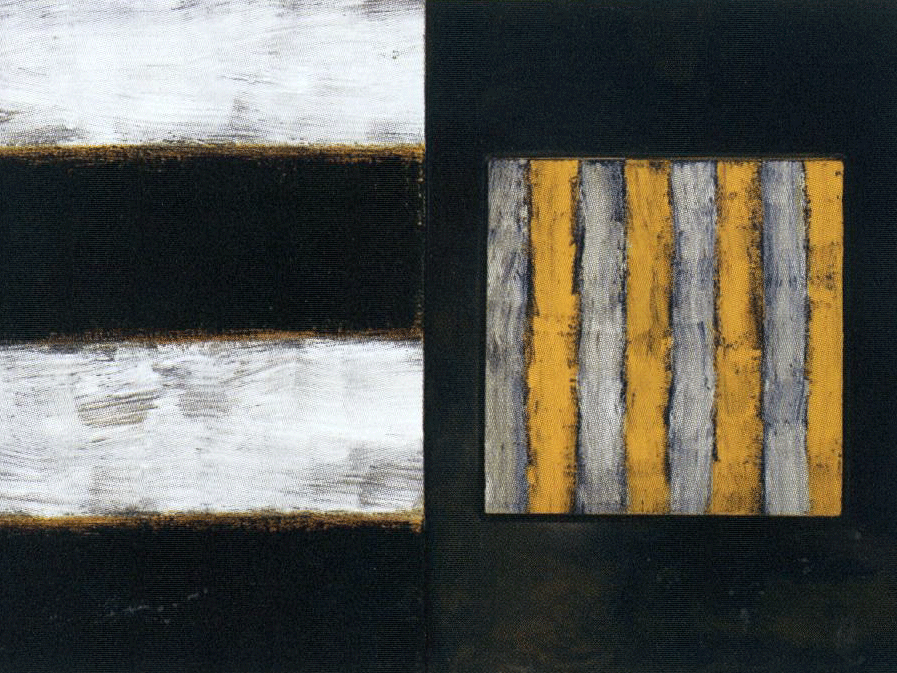
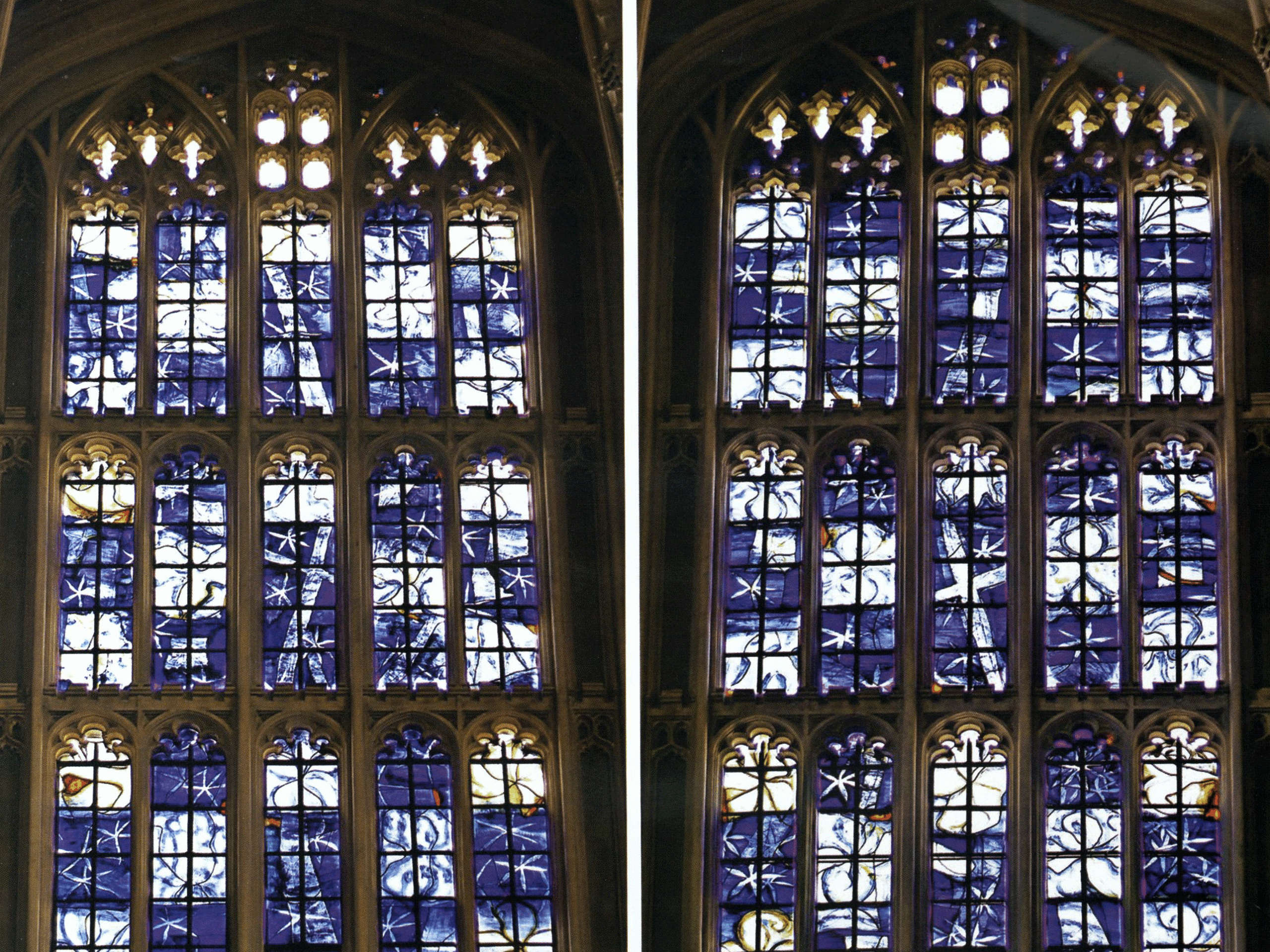
Hughie O’Donoghue’s commission for the Lady Chapel at Westminster Abbey by Peter Murray
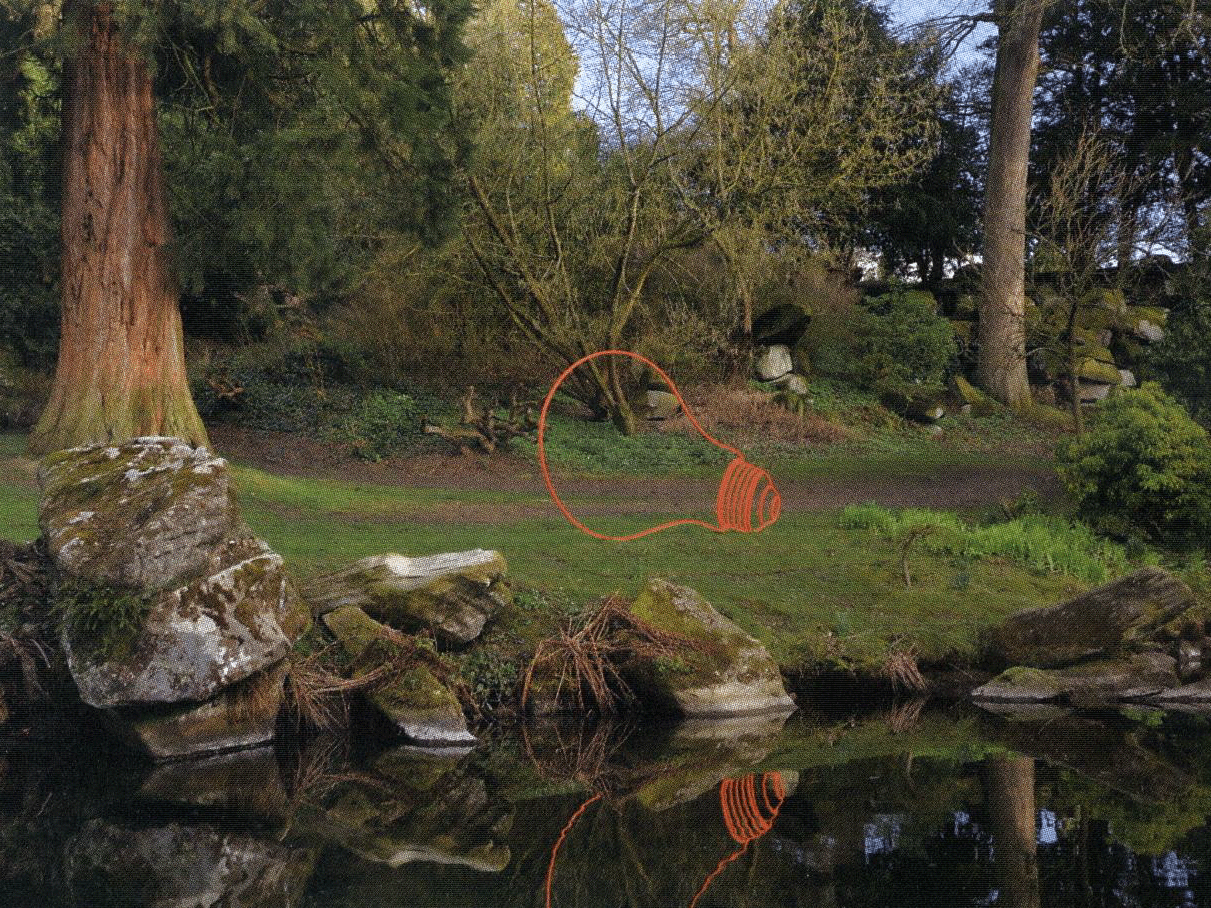
Michael Craig-Martin’s giant ‘Drawings’ at Chatsworth House, Derbyshire by Peter Murray
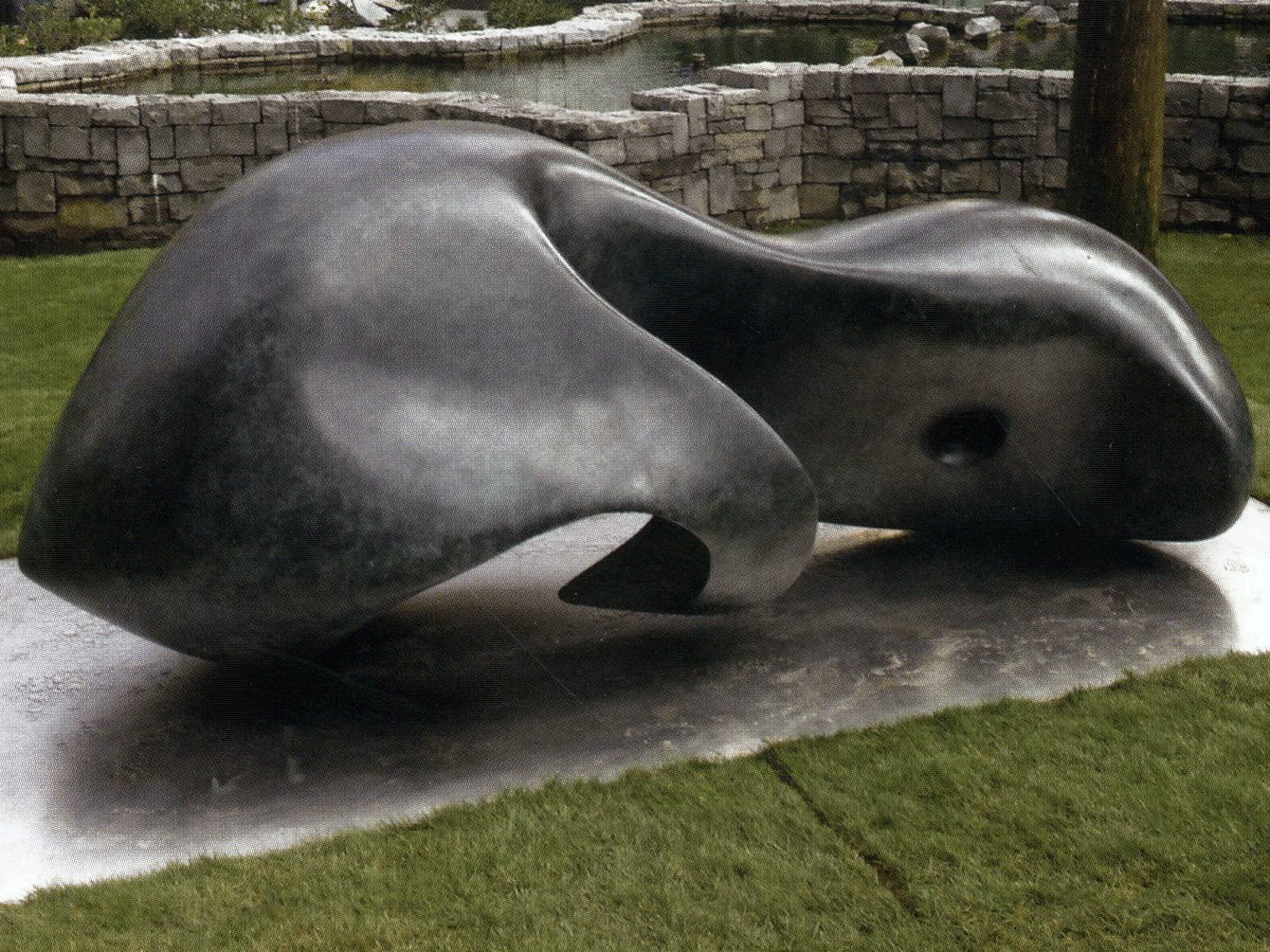
What is it about the work of the Irish sculptor Eilís O’Connell that has led to her having created, in this most difficult and masculine medium, over thirty permanent site-specific installations in Britain and Europe, including the sensual, orchid-like Unfurl (Fig 1), a bronze commissioned by Kensington Borough Council and the residents of Kensington Gate, to celebrate the Millennium?
O’Connell subtly combines a number of different elements that give her work both a sense of physical vitality and poetic metaphor. It is monumental yet intimate, atavistic yet contemporary. From discarded agricultural tools to birds’ nests and whale bones she appropriates the quotidian and the natural to create dynamic forms in stone, steel, resin, plaster and bronze. Like her poetic compatriot, Seamus Heaney, O’Connell looks to the archaeology and topography of her Irish homeland for inspiration but the ideas she finds there are filtered through a considered relationship to architecture and geometry. The work is never soft: emotion is always tempered by intellect and painstaking technique to combine something of the muscularity of Richard Serra with the female sensibility of Barbara Hepworth. Science and mathematics meet the natural world within her organic and biomorphic forms. Inside and outside coalesce. In the layered and slippery space of contemporary culture she has created objects that generate a unifying narrative and suggest a philosophy of interdependence rather than of confrontation, an openness and desire for contact and inclusivity, rather than a brittle postmodern autonomy, which unapologetically recalls the timeless resonances of Brancusi.
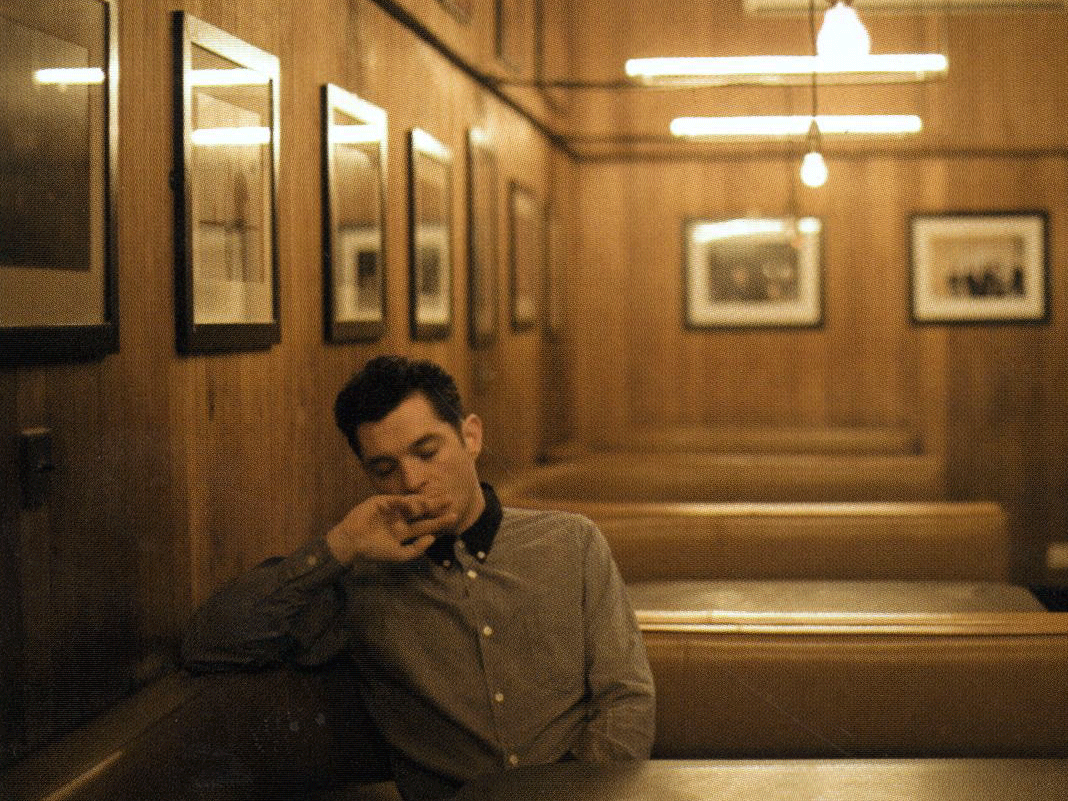
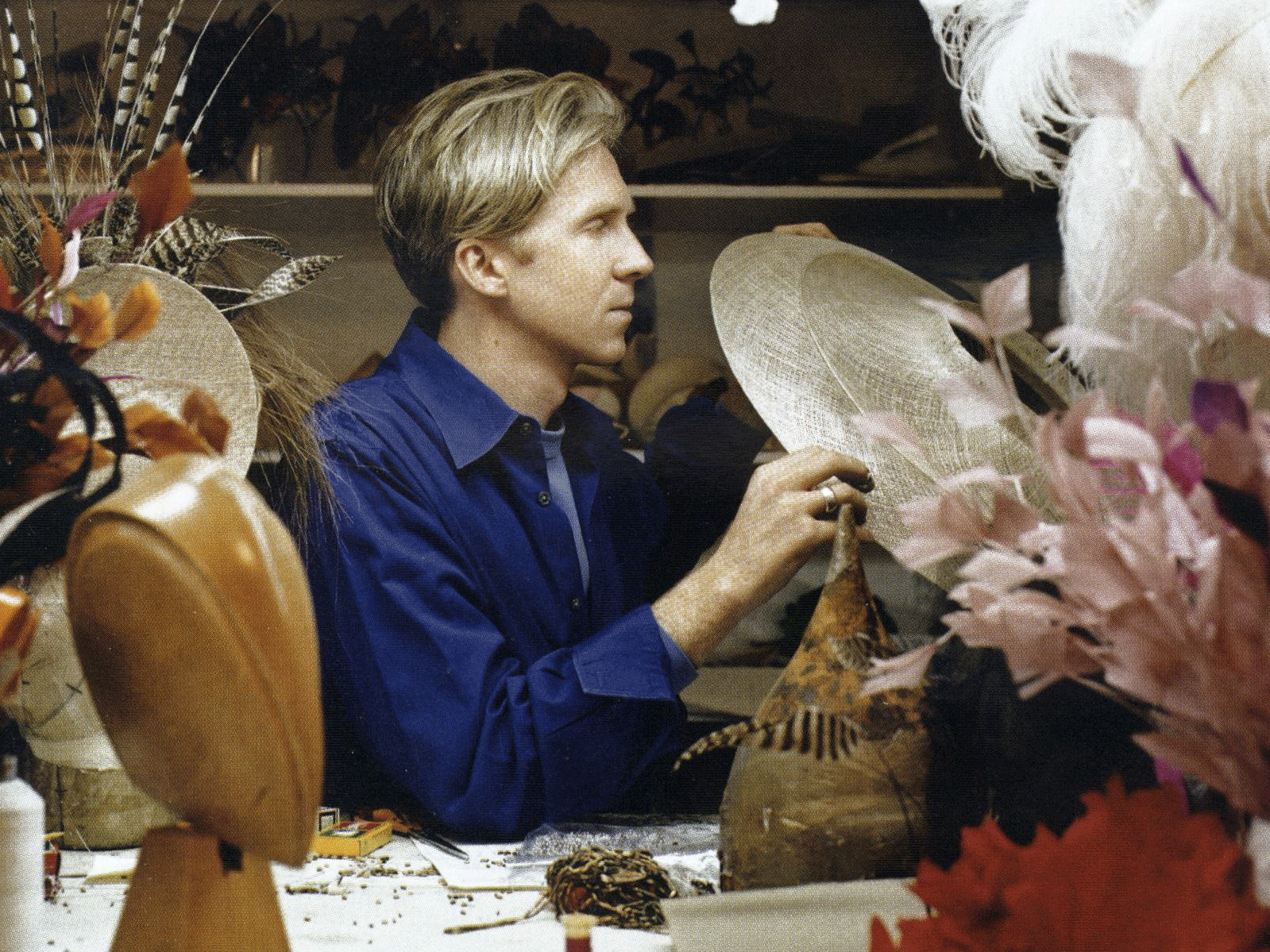
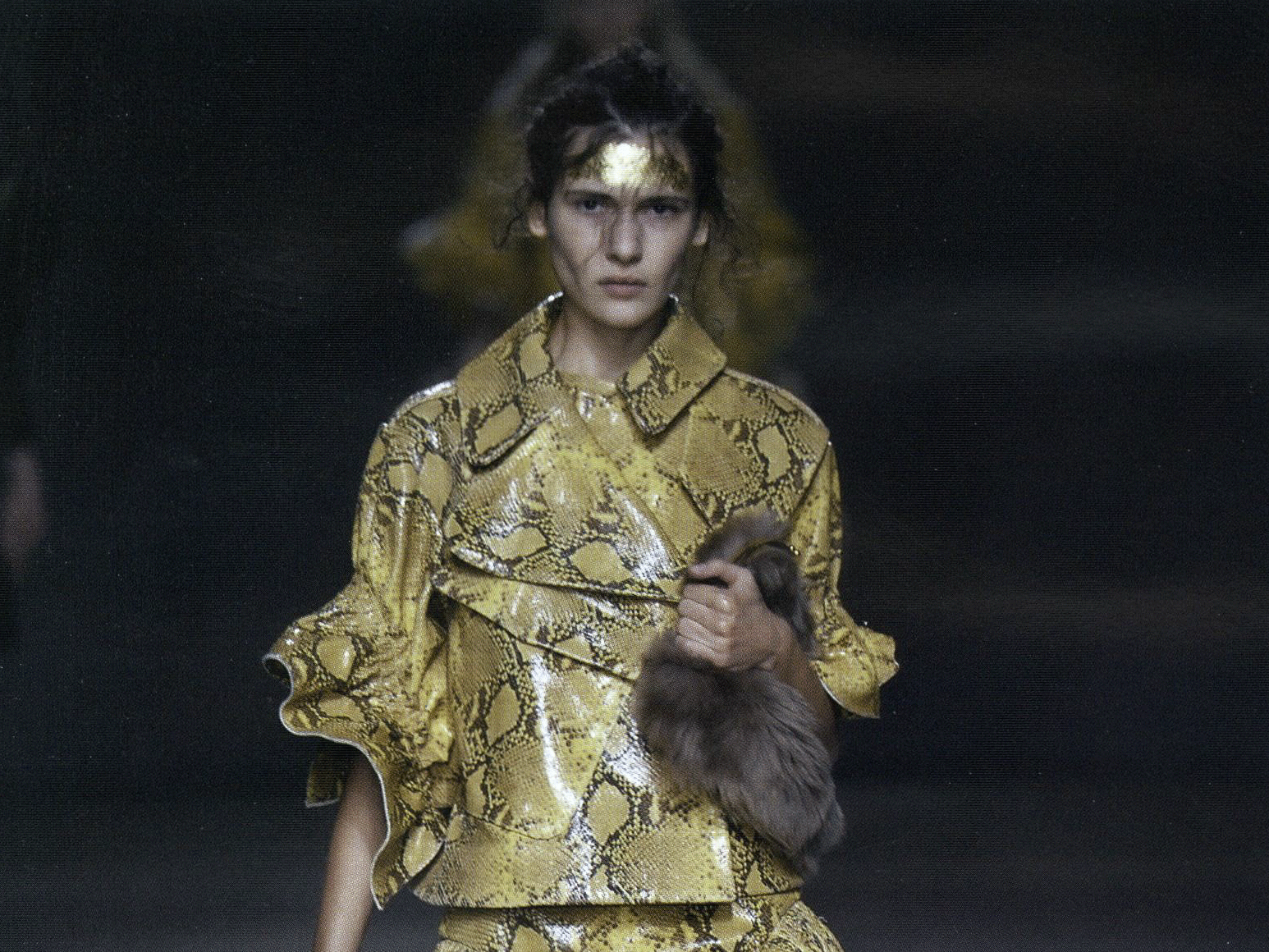
Fashion designer Simone Rocha’s rise to fame by Deirdre McQuillan
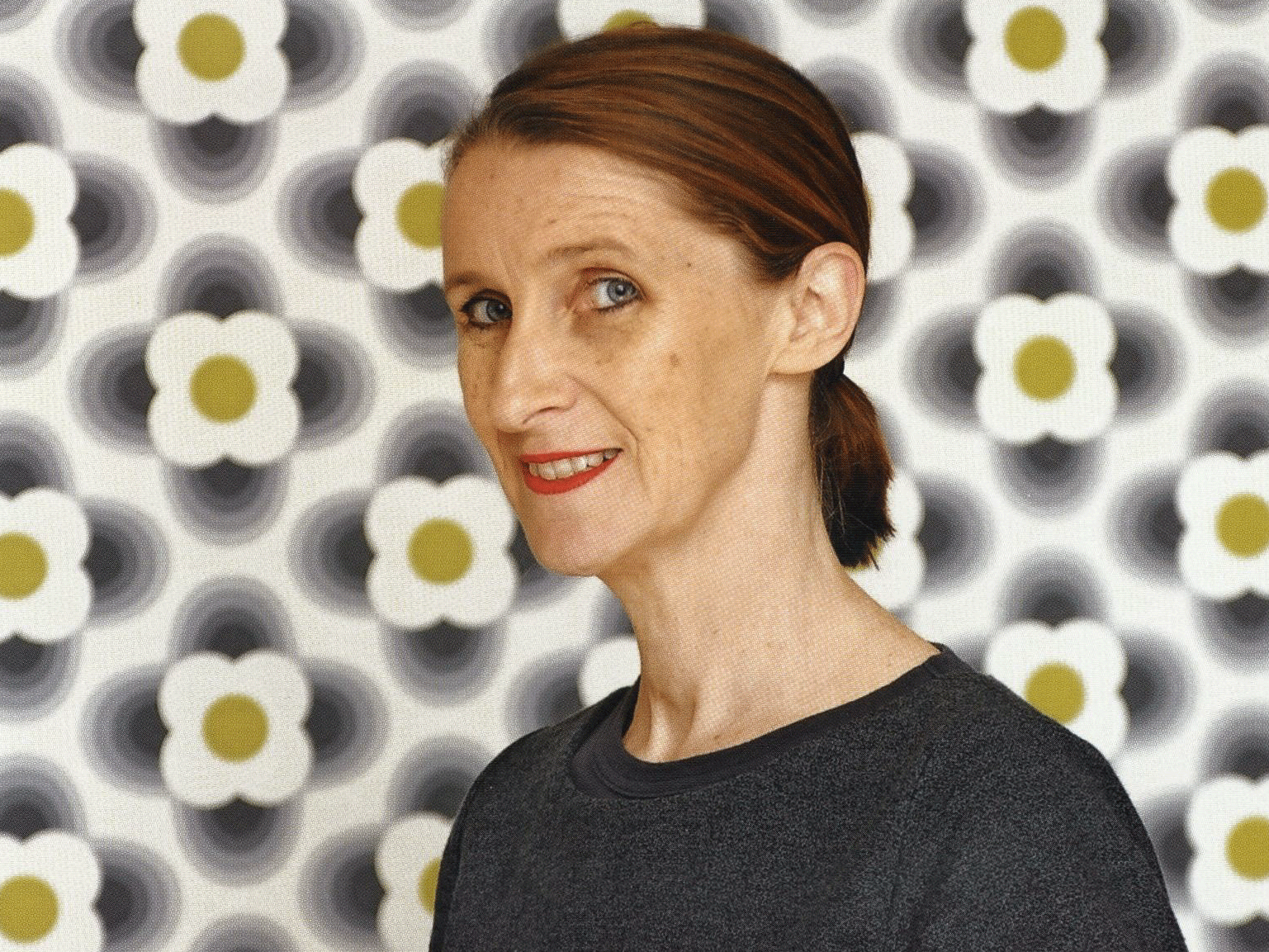

The avant-garde furniture of Joseph Walsh by Susan Rogers and Alannah Hopkin
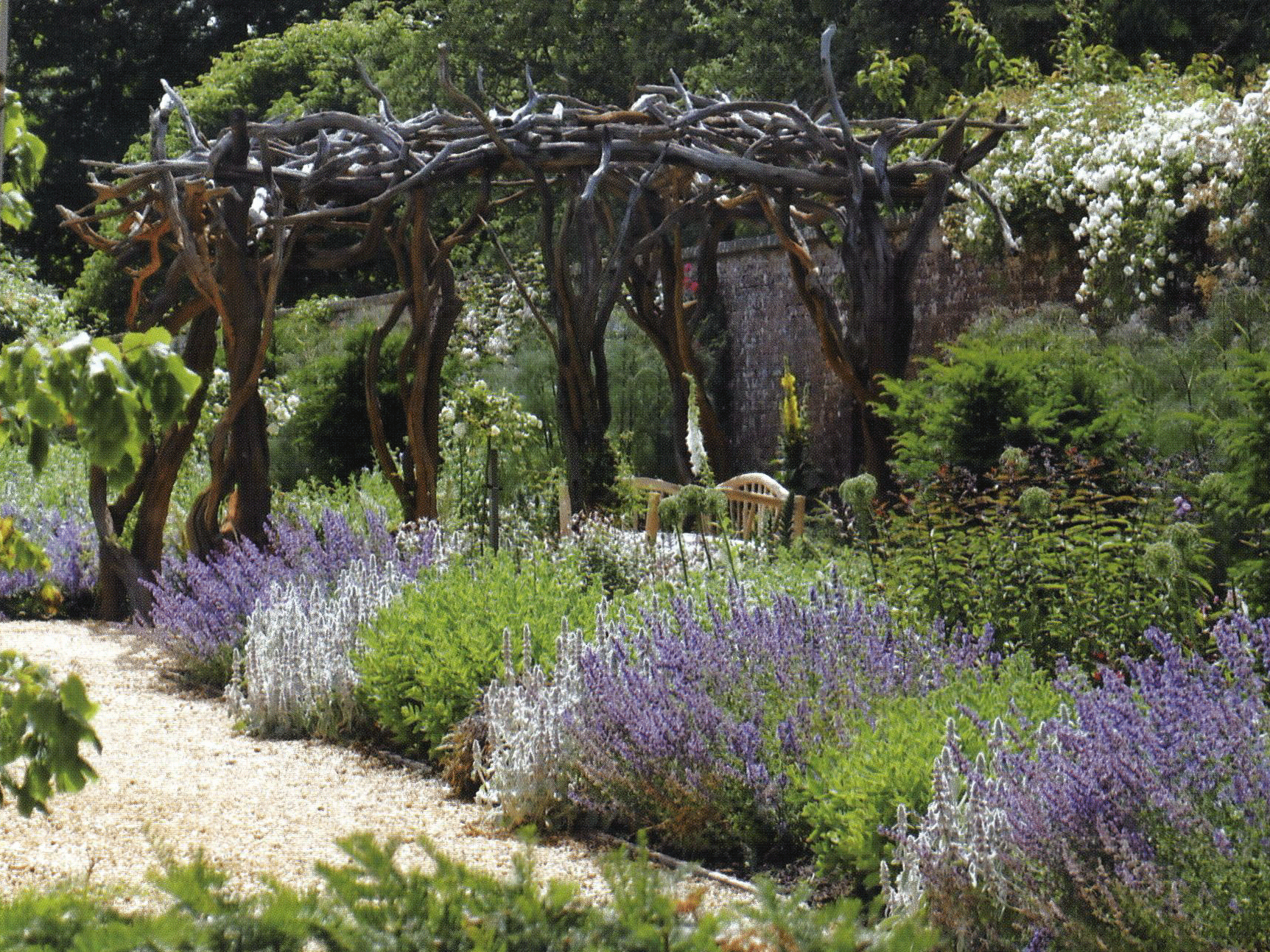
THE ROMANTIC GARDEN
DESIGNS OF CATHERINE
FITZGERALD BY PETER MURRAY
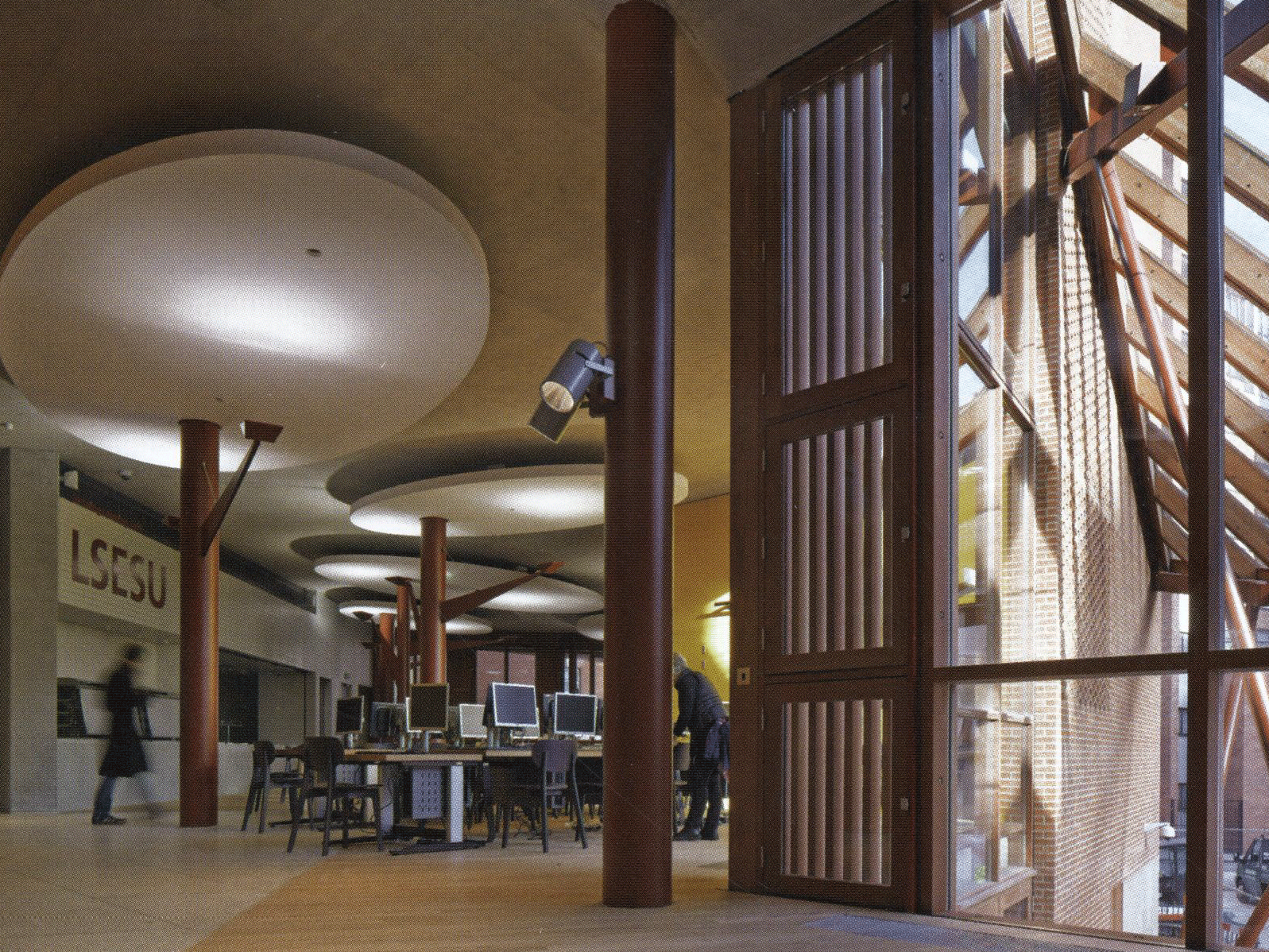
O’Donnell + Tuomey Architects’ Saw Swee Hock Student Centre in London by Kester Rattenbury
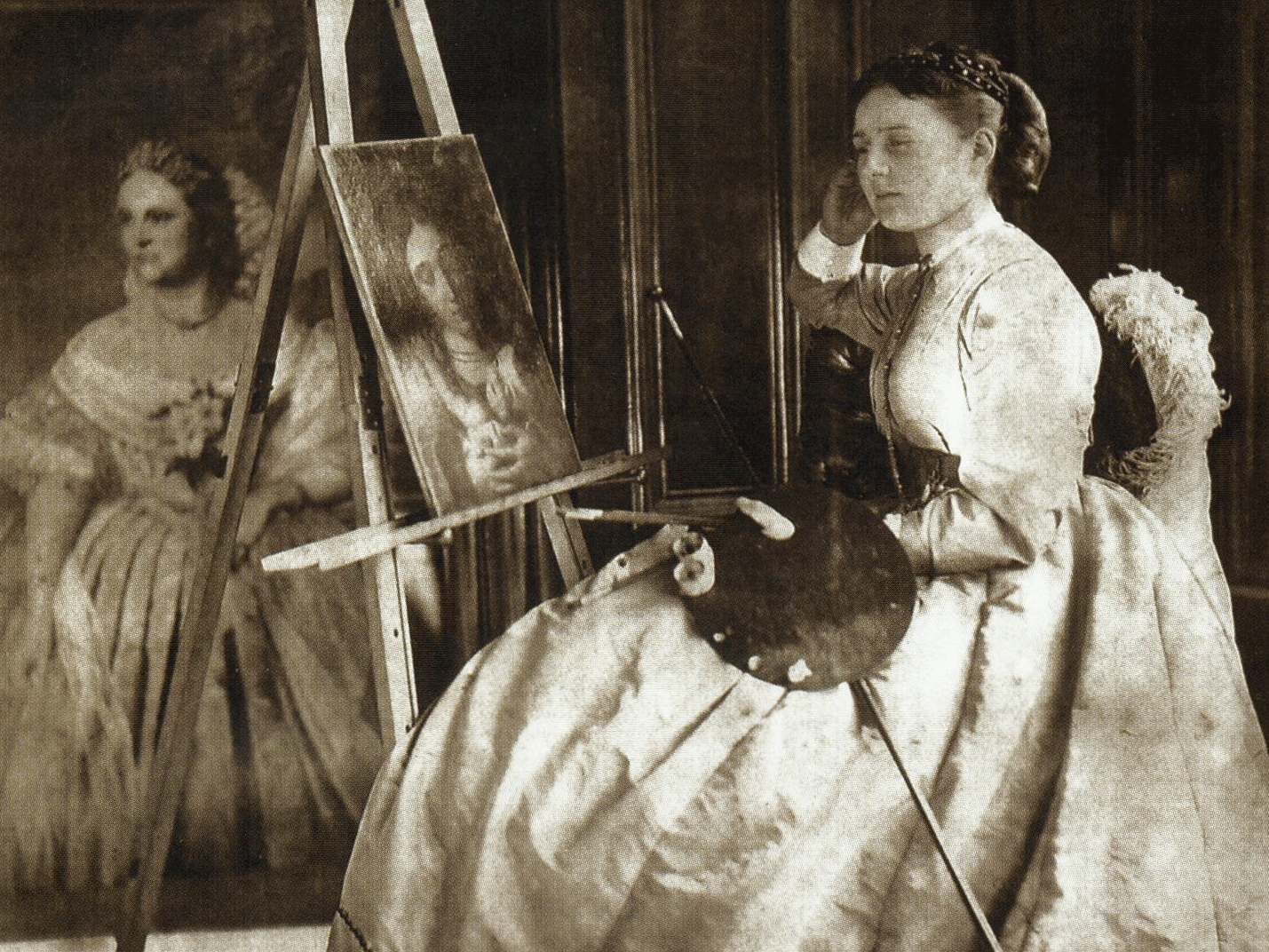
David H Davison appraised the award-winning technoqie of pioneering photographer William Despard Hemphill ahead od a dual exhibition this summer
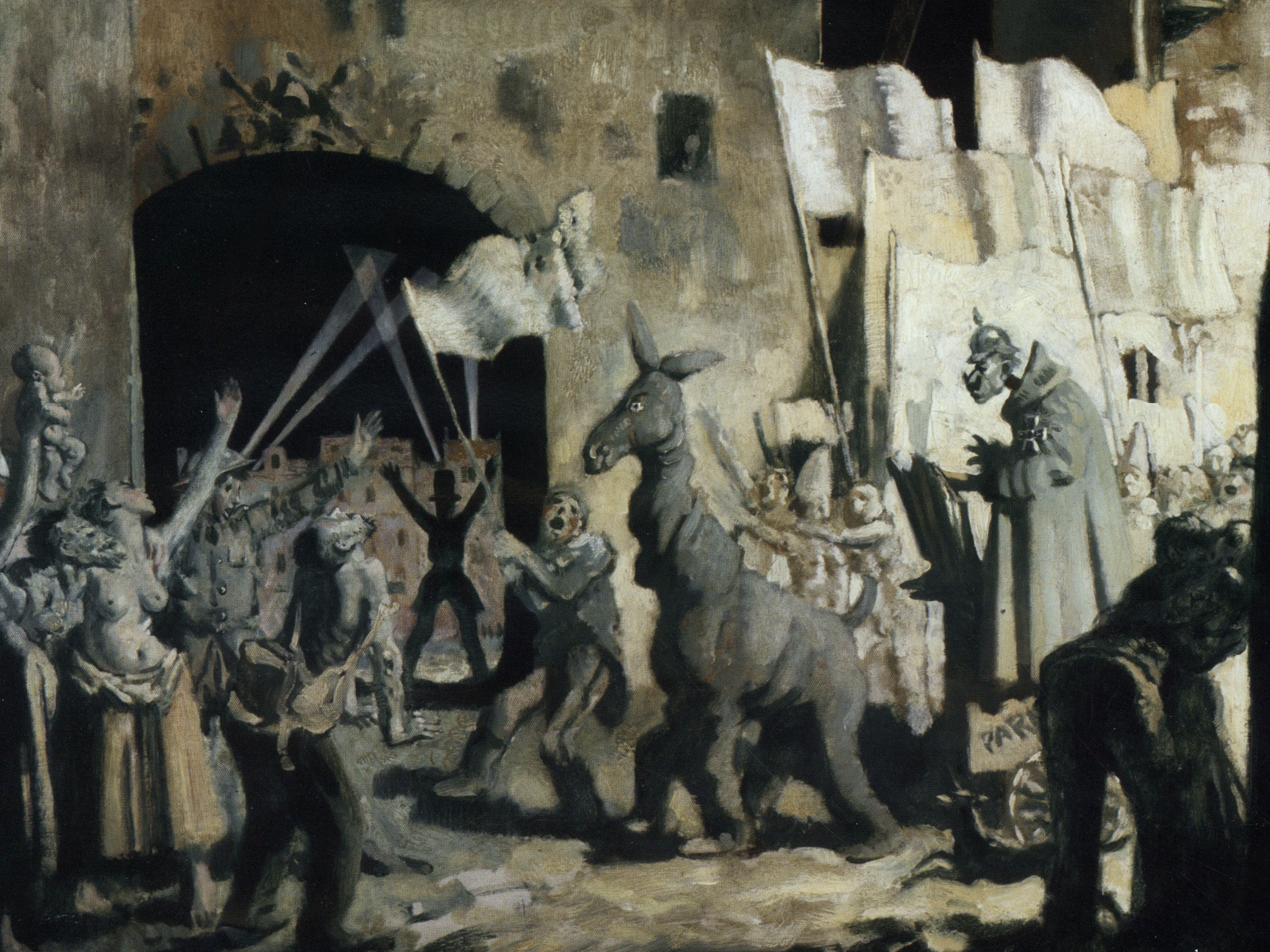
Was William Orpen a man out of step with modernism? Kenneth McConkey tackles this view in commemoration of the centenary of the Great War.
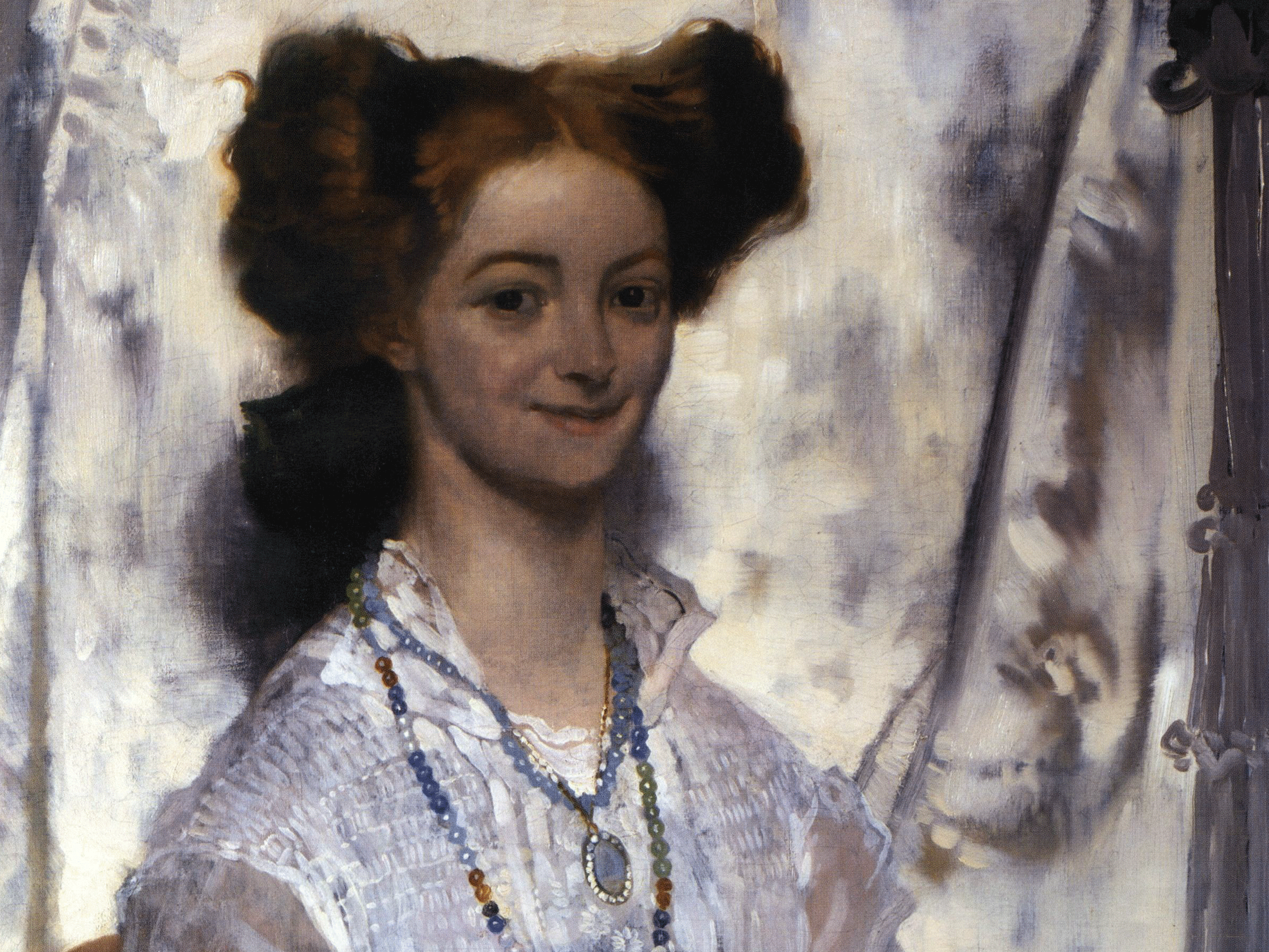
Misfortune compelled Grace Gifford to assume a political role, yet her true passion for the theatre emerges in her witty drawings, writes Hilary Pyle
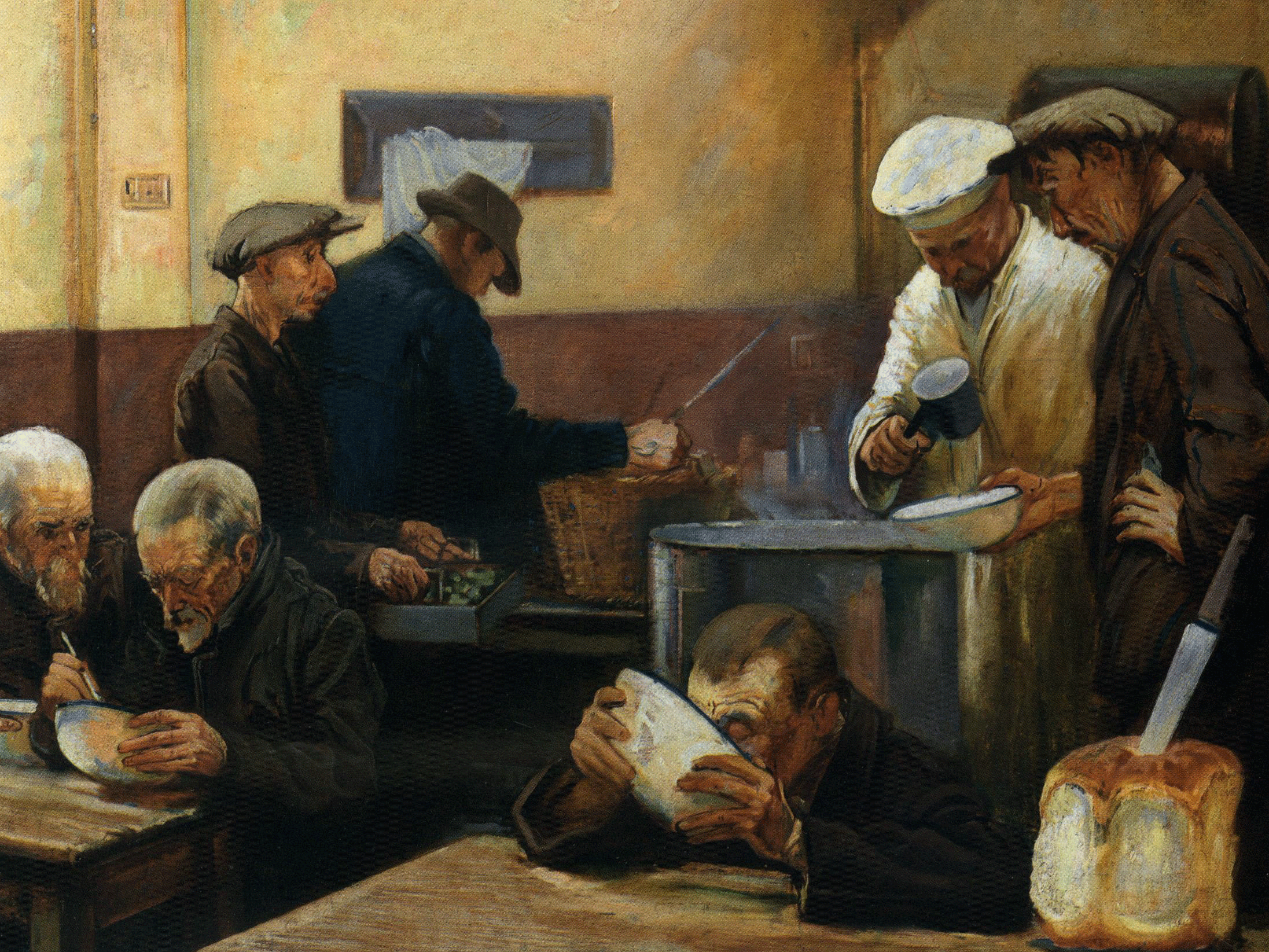
Brendan Rooney evaluates George Collie’s genre scene, a gritty exception to the mainstay of the artist’s practice
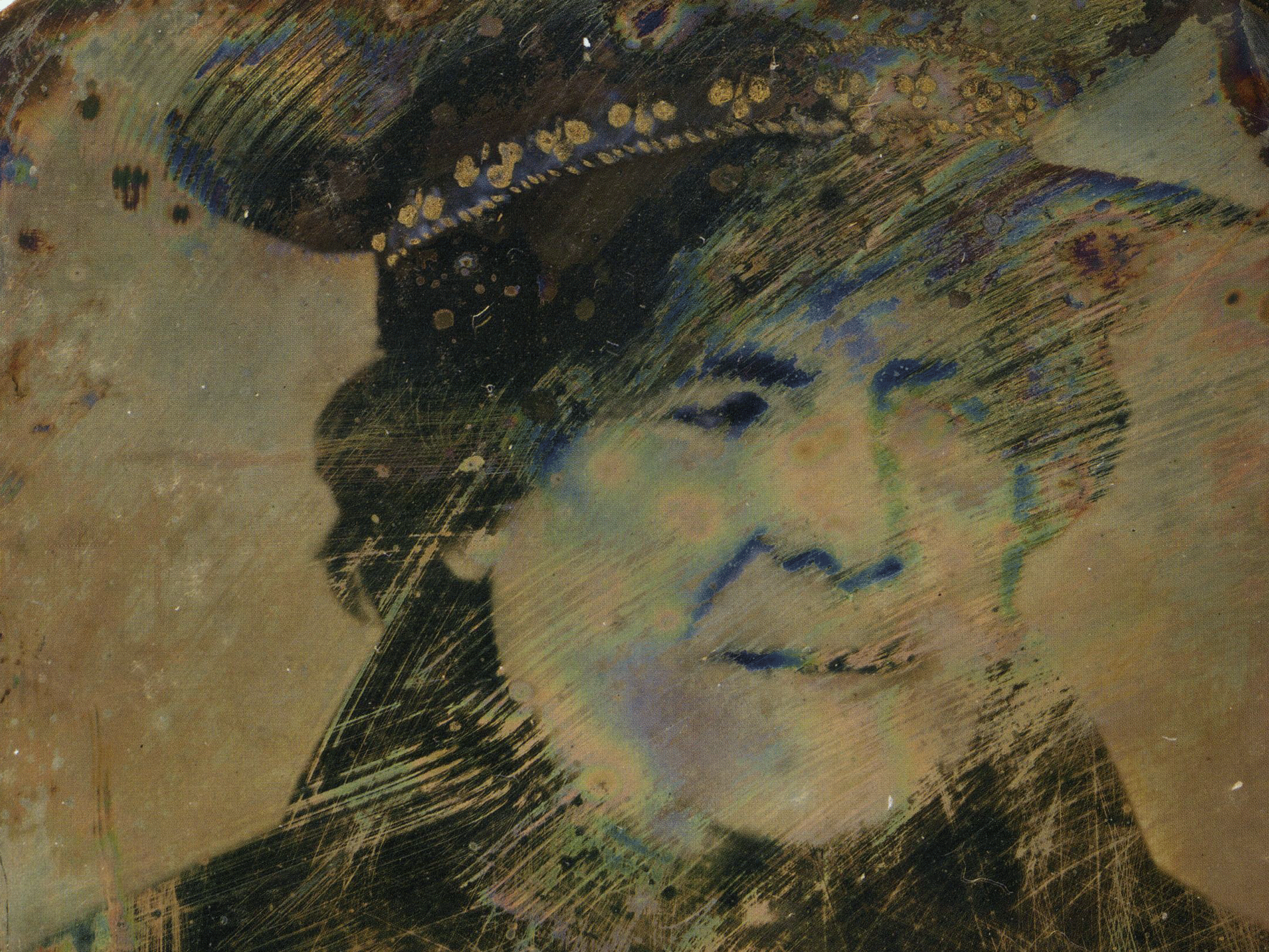
Anne Hodge and Peter Harbison examine the visual evidence of Daniel O’Connell’s unusual conditions of imprisonment in the Richmond Bridewell, Dublin
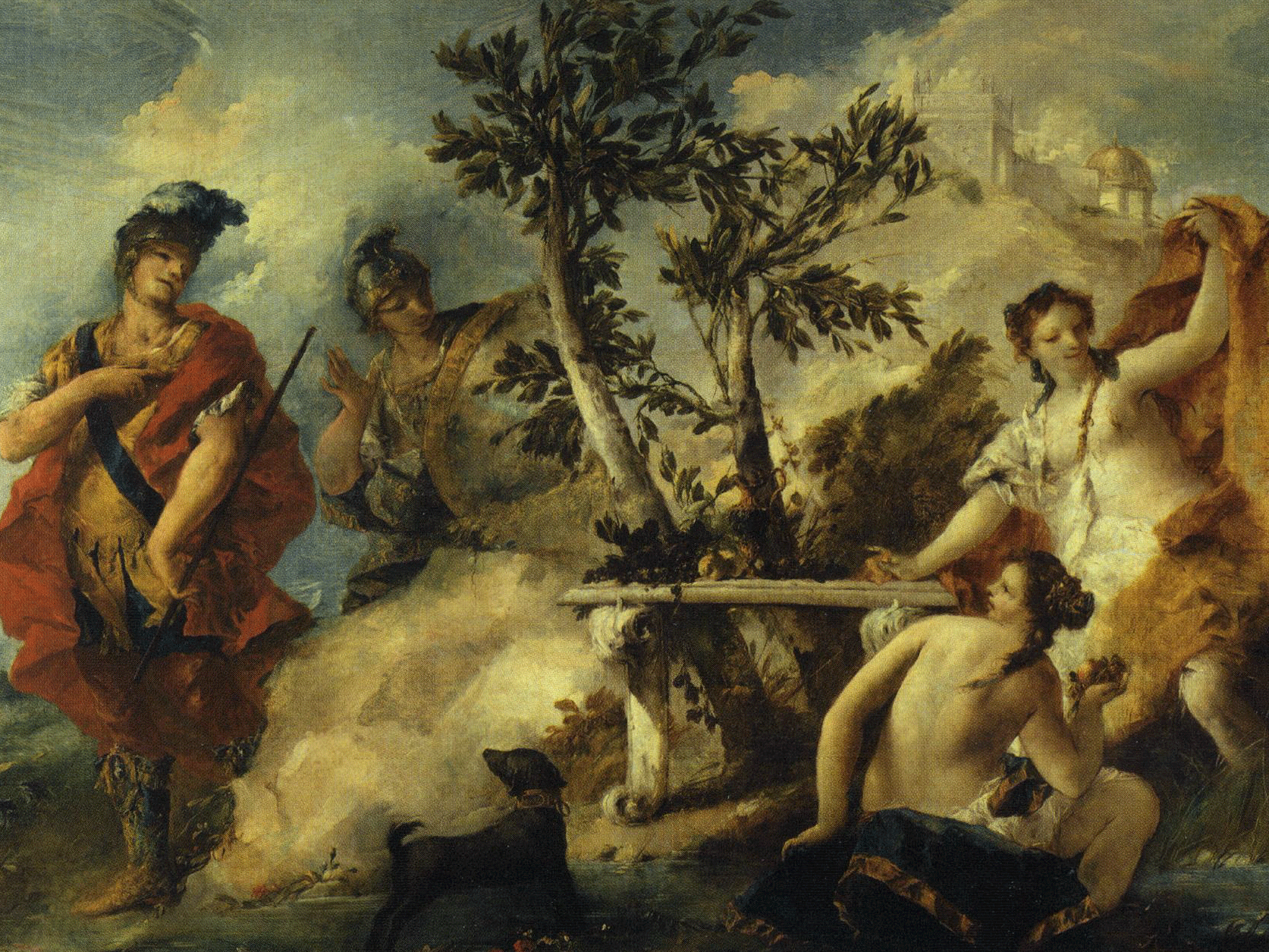
Peter Murray examines the shifts in fortune surrounding the magnificent suite of paintings by the Guardi brothers brought to Ireland by the Earl of Bantry
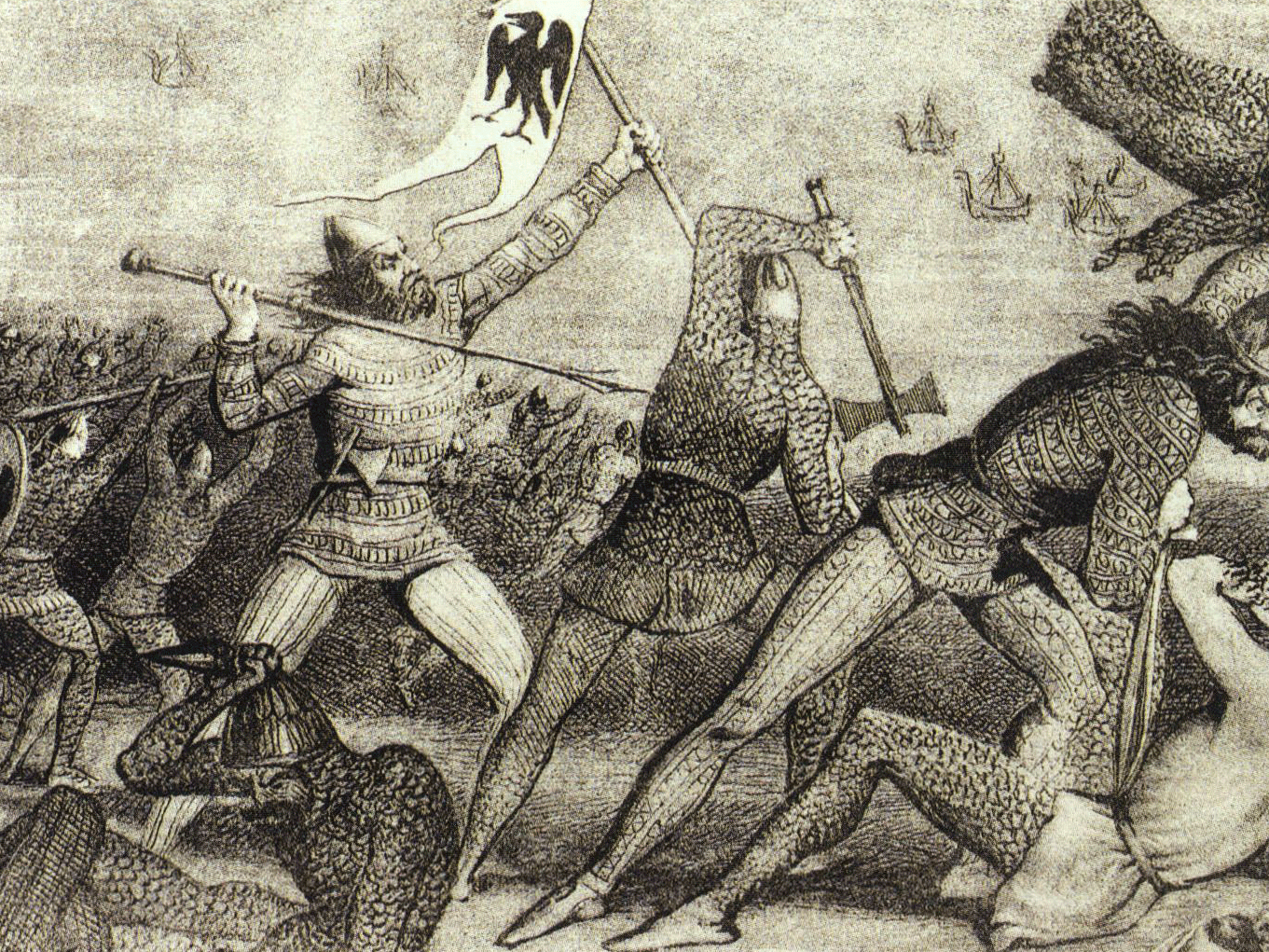
Archaeologists Andy Halpin and Claire Anderson bury time-worn notions ·
surrounding the Battle of Clontarf
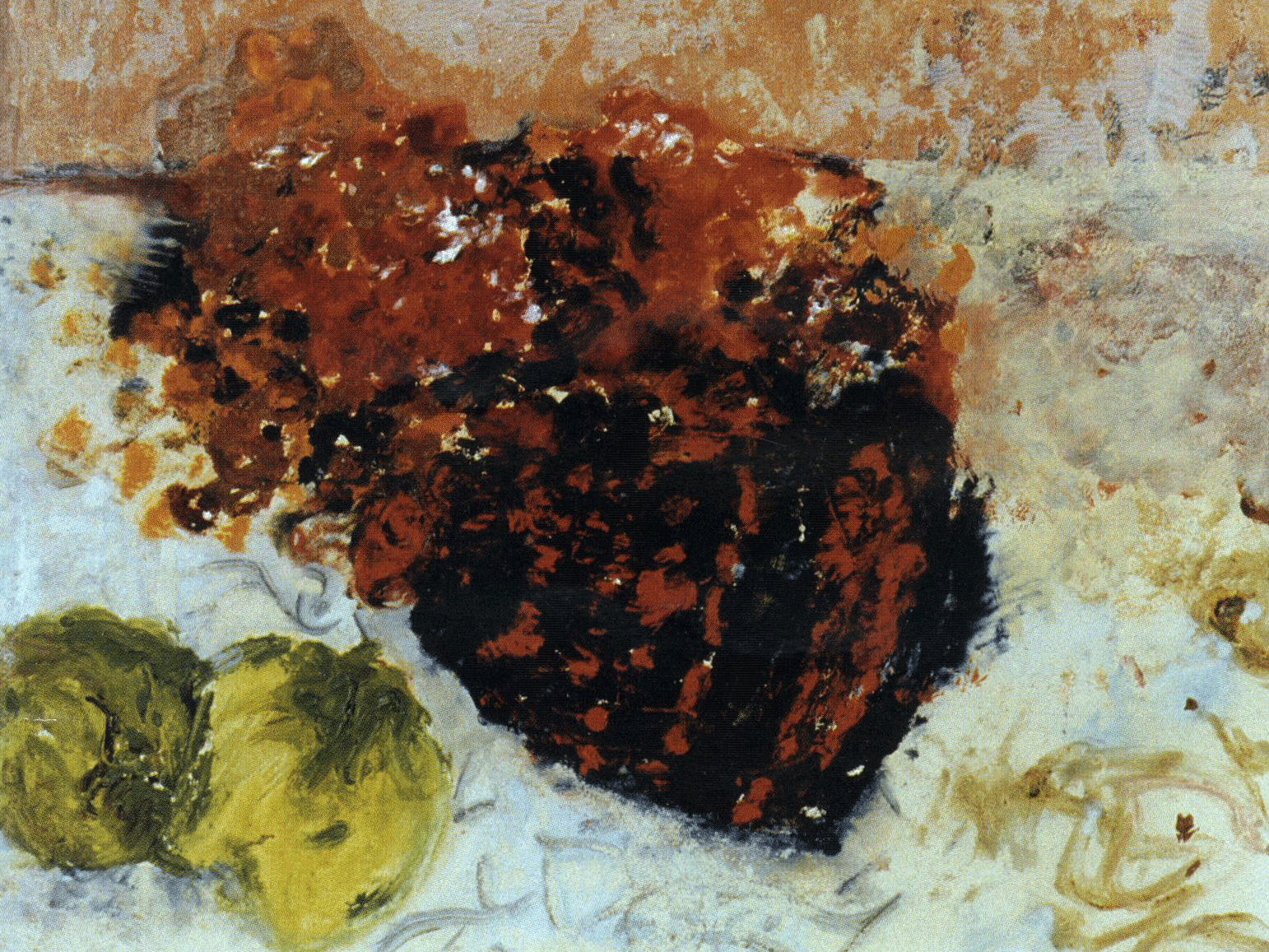
Hugh Maguire selects Tim’s Hat by Camille Souter from the Hunt Museum’s current exhibition