
Mic Moroney looks at a new study from L Perry Curtis that examines images of dispossession dating from the Great Famine and the Land Wars
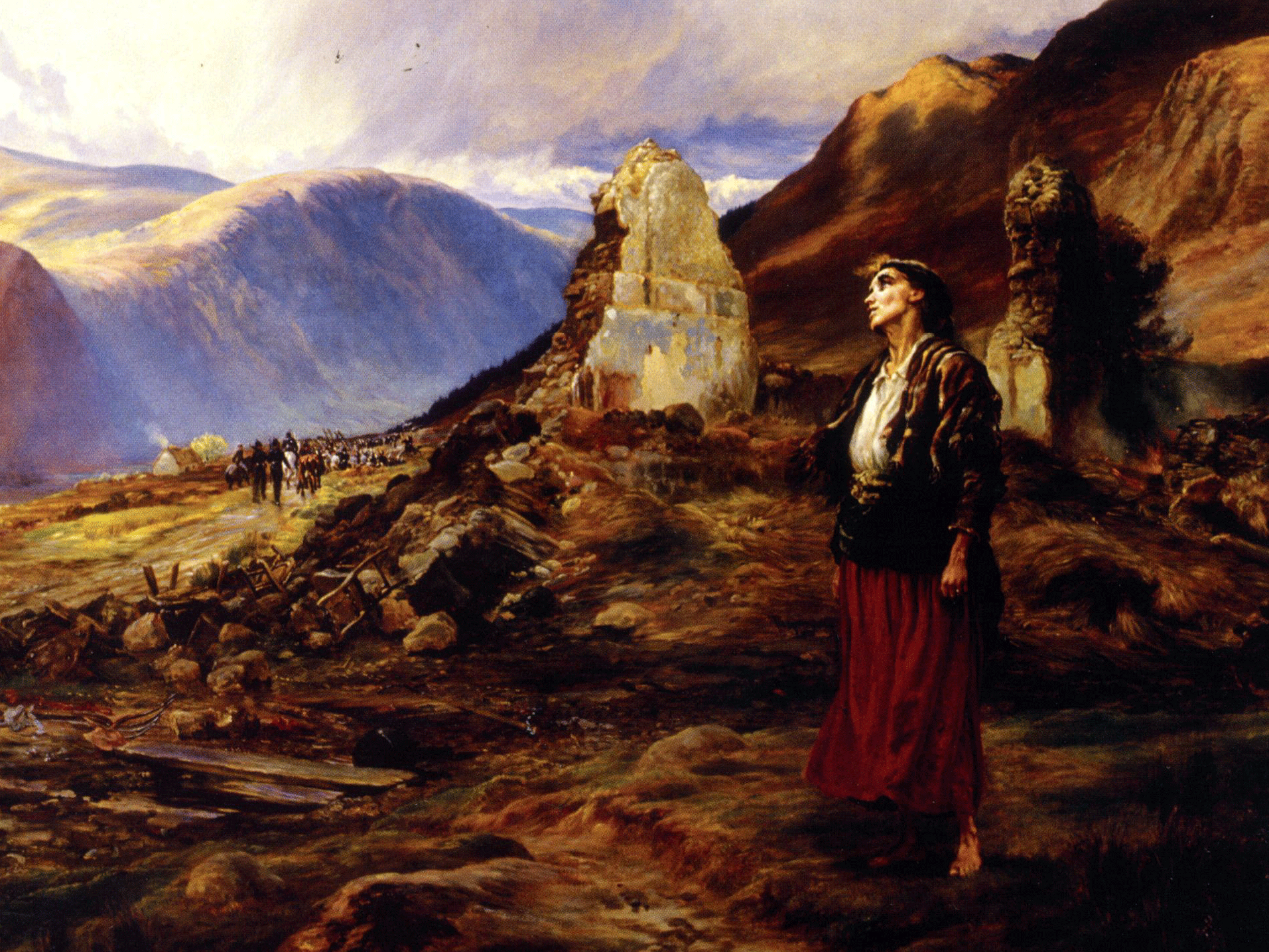
American historian Perry Curtis has often enlivened Irish history; and his latest opus, The Depiction of Eviction in Ireland 1845–1910 is a bracing narrative woven from press reports, literature, letters, memoirs, ballads and chilling folklore. He also examines key Irish paintings and satirical drawings, which have long been his signature tune.
Now nearing eighty, Curtis attended Yale and Oxford where he first waded into Anglo-Irish history. Puzzling why British policy had so catastrophically failed in Ireland, and niggled by an 1885 remark by the Irish Chief Secretary about the ‘hopeless’ prejudice against Ireland amongst Westminster Conservatives, he mined Victorian rhetoric and uncorked a plethora of ethnic slurs from Disraeli, Salisbury, Ruskin, Carlyle, Arnold, Scott and Lytton.
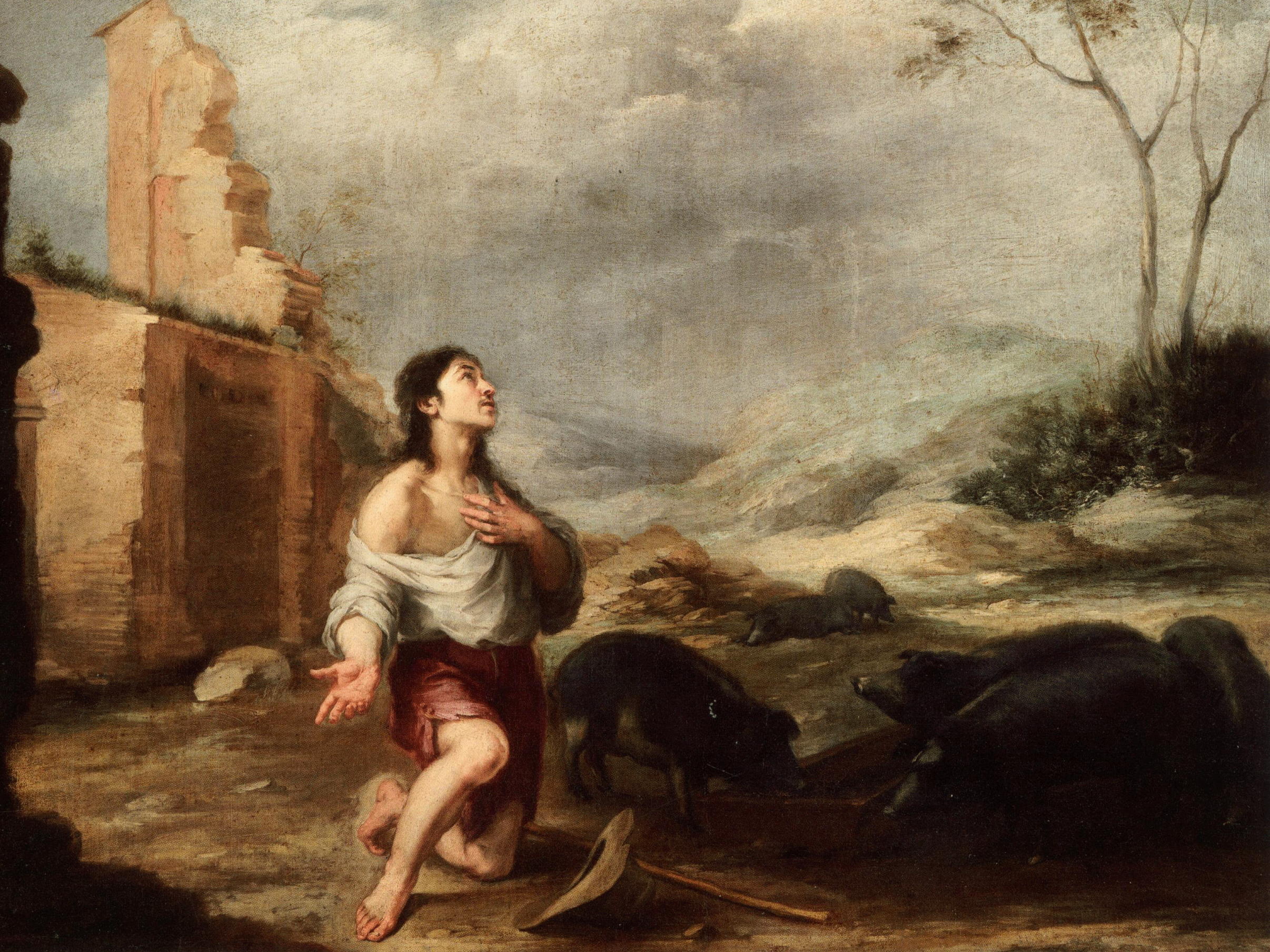
Muirne Lydon reveals the original brilliance of Murillo’s Prodigal Son as degraded varnish and old restorations are painstakingly removed from the 17th-century series at the National Gallery of Ireland
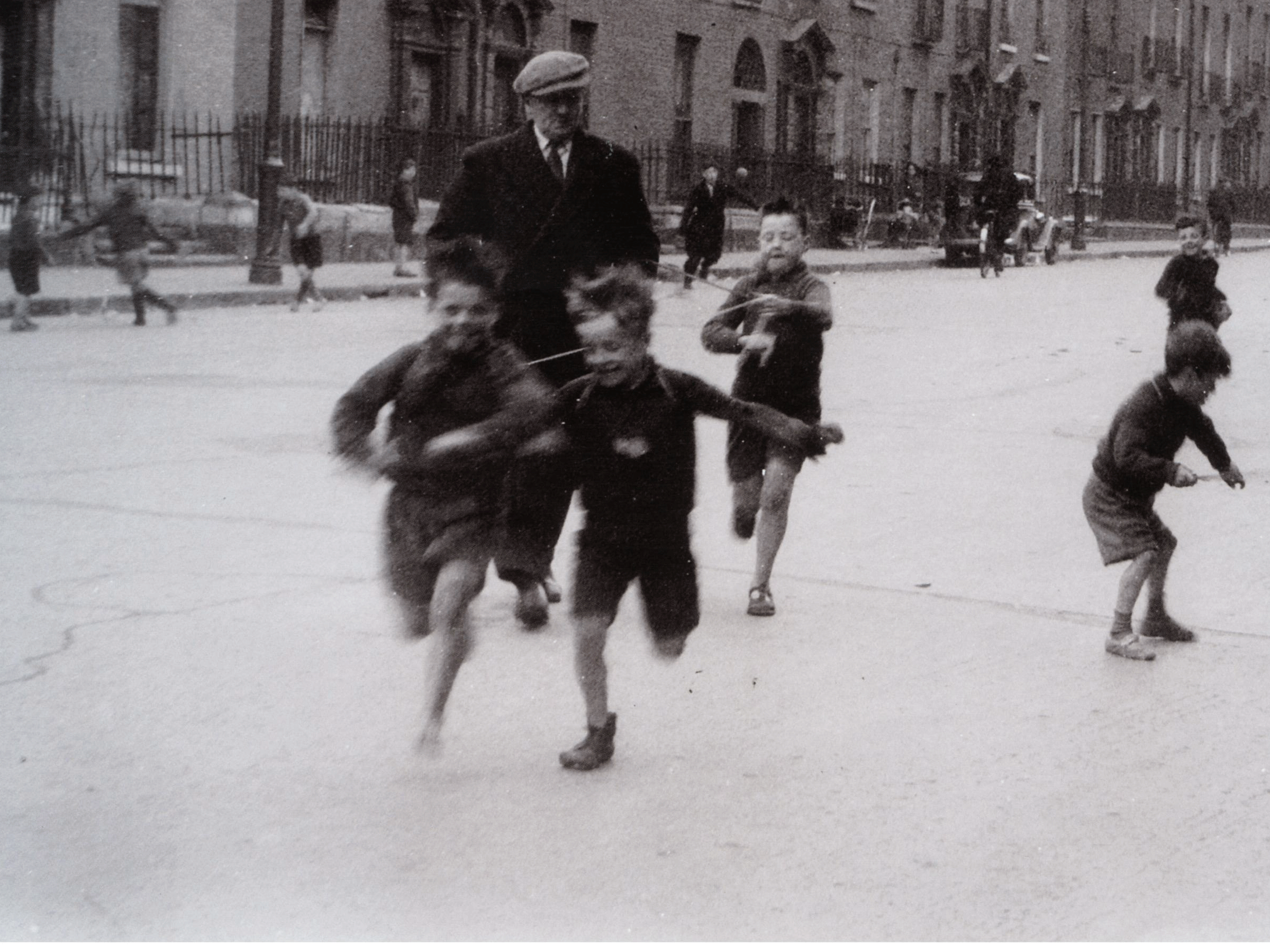
Using a selection of germane quotations Rolf Loeber recalls his mentor, the late Maurice Craig; their literary exchange taking the form of a tete-a-tete.
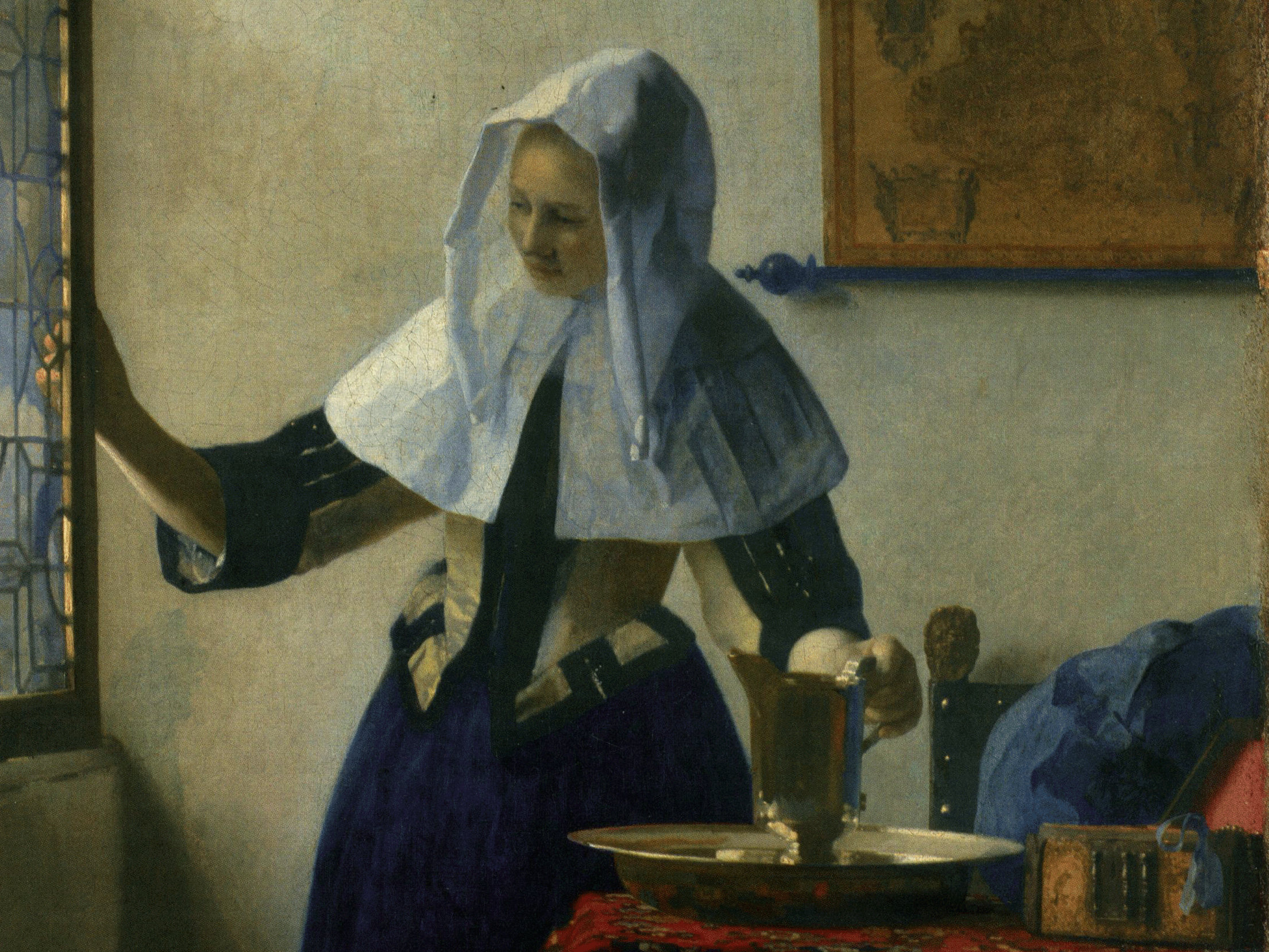
Cosmopolitan yet connected to local issues, Mervyn Wingfield, 7th Viscount Powerscourt played a prominent role in promoting Ireland’s cultural institutions at a pivotal time in their early history, writes Philip McEvansoneya