
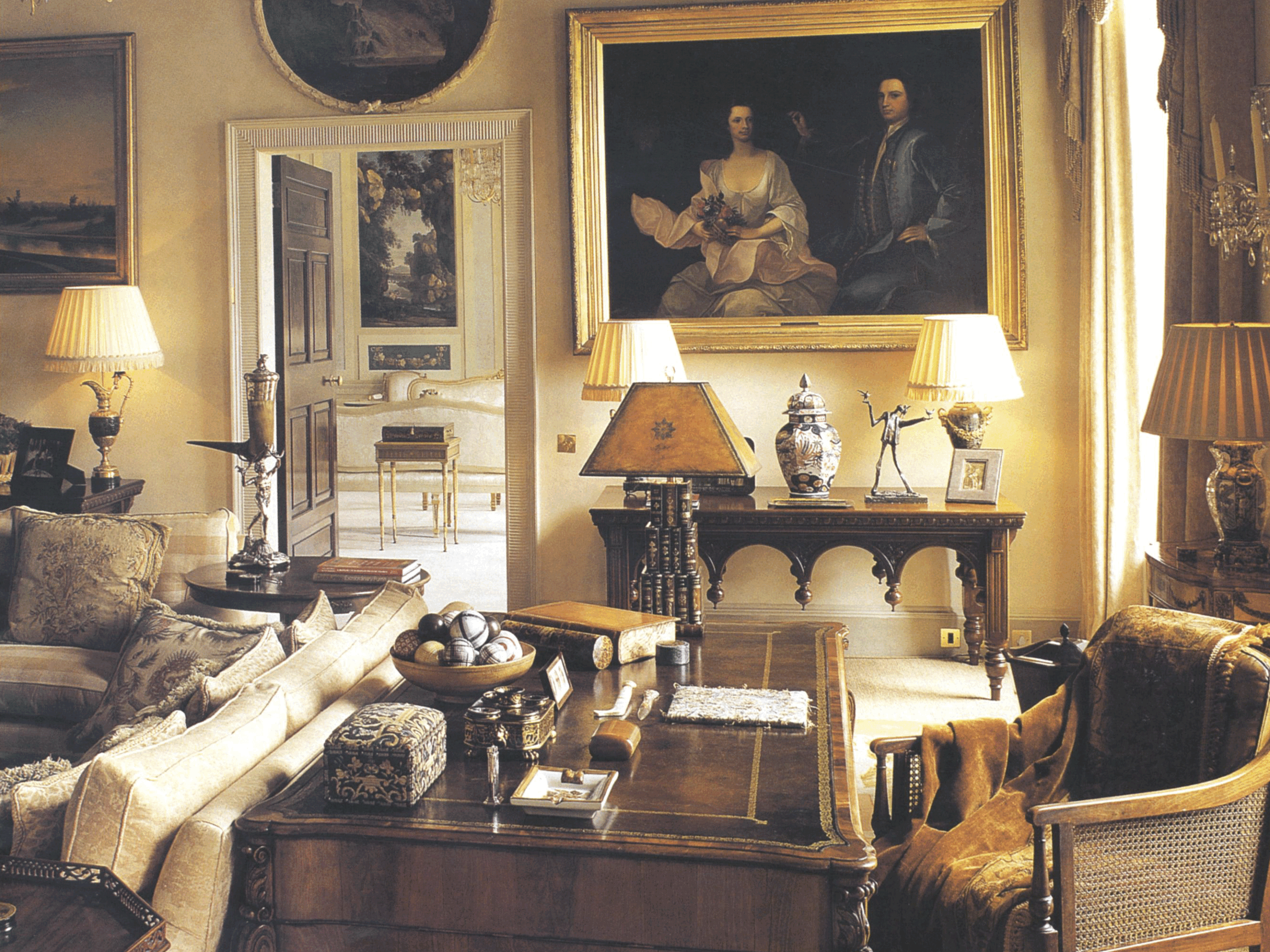
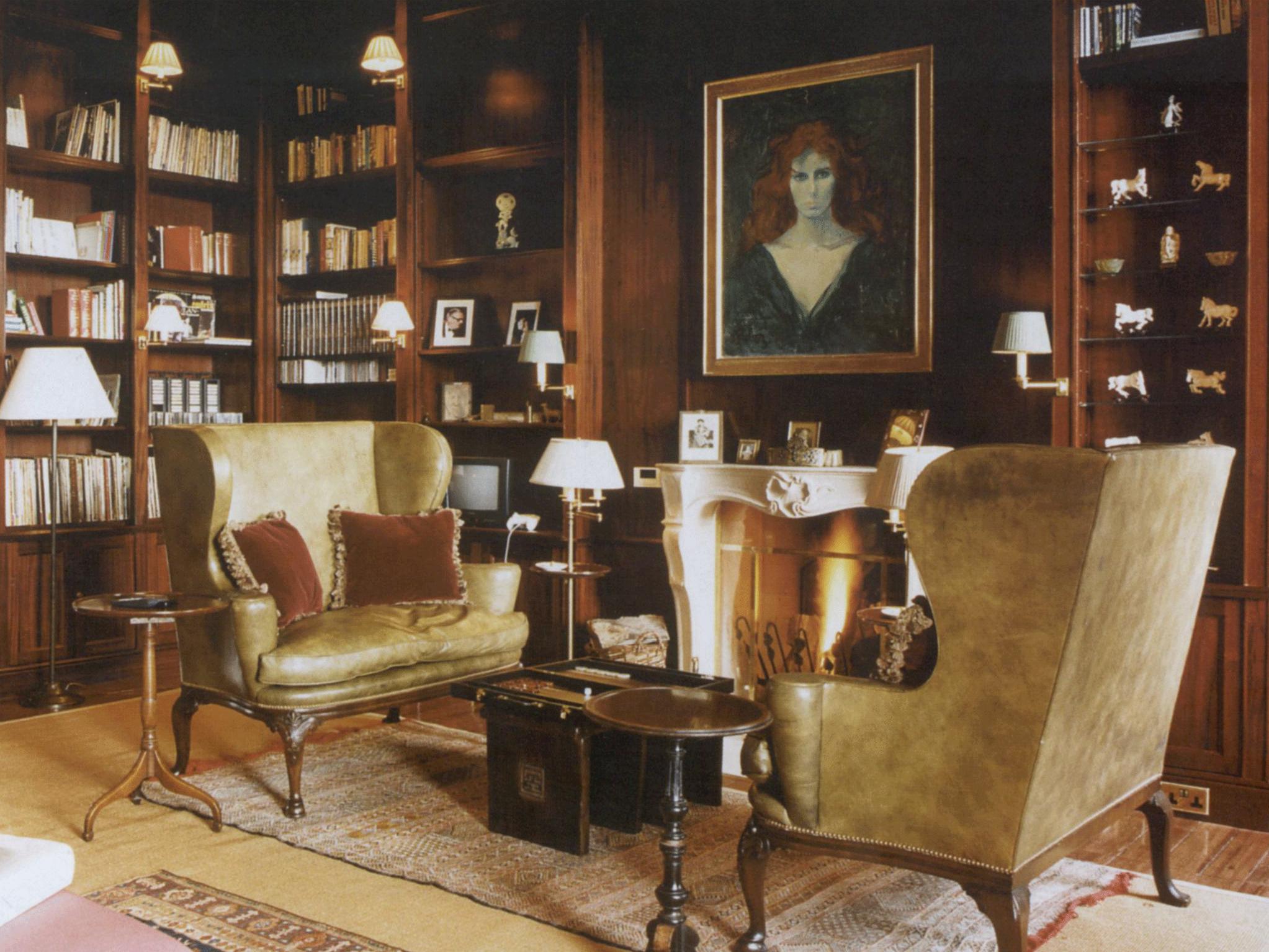
In 1801, Valentine Lawless, the 2nd Lord Cloncurry, was released from the Tower of London and started furnishing his new mansion in Kildare. Two hundred and one years later, as Peter Pearson recounts, Lyons House has been awarded the Europa Nostra Heritage Award in recognition of its glorious recreation by Dr Tony Ryan

Olive Sharkey returns to Belvedere, home of the ‘Wicked Earl’ to appraise its recent restoration
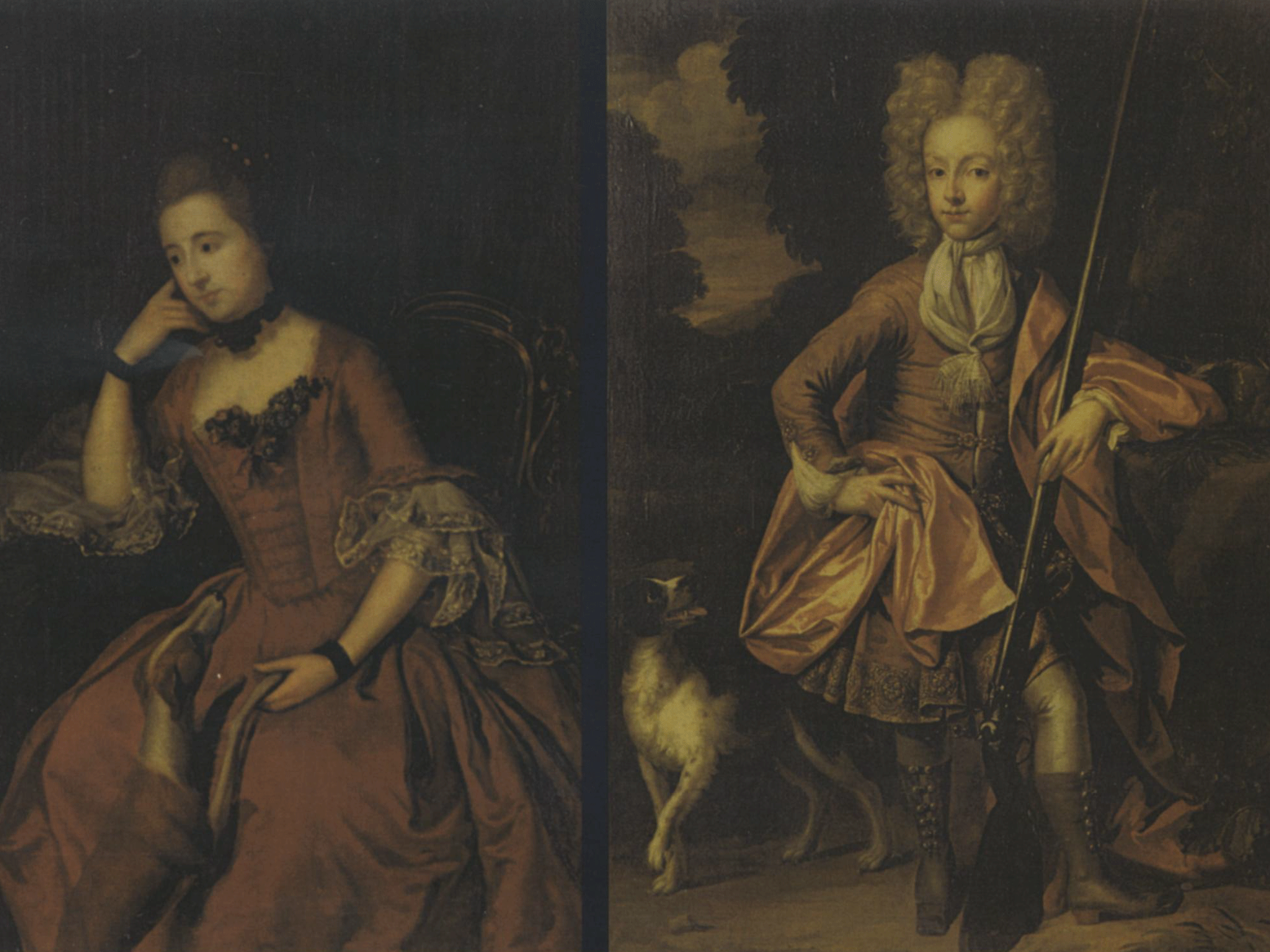
John Kirwan recounts the fascinating history of the creators of a recently reclaimed Arcadia
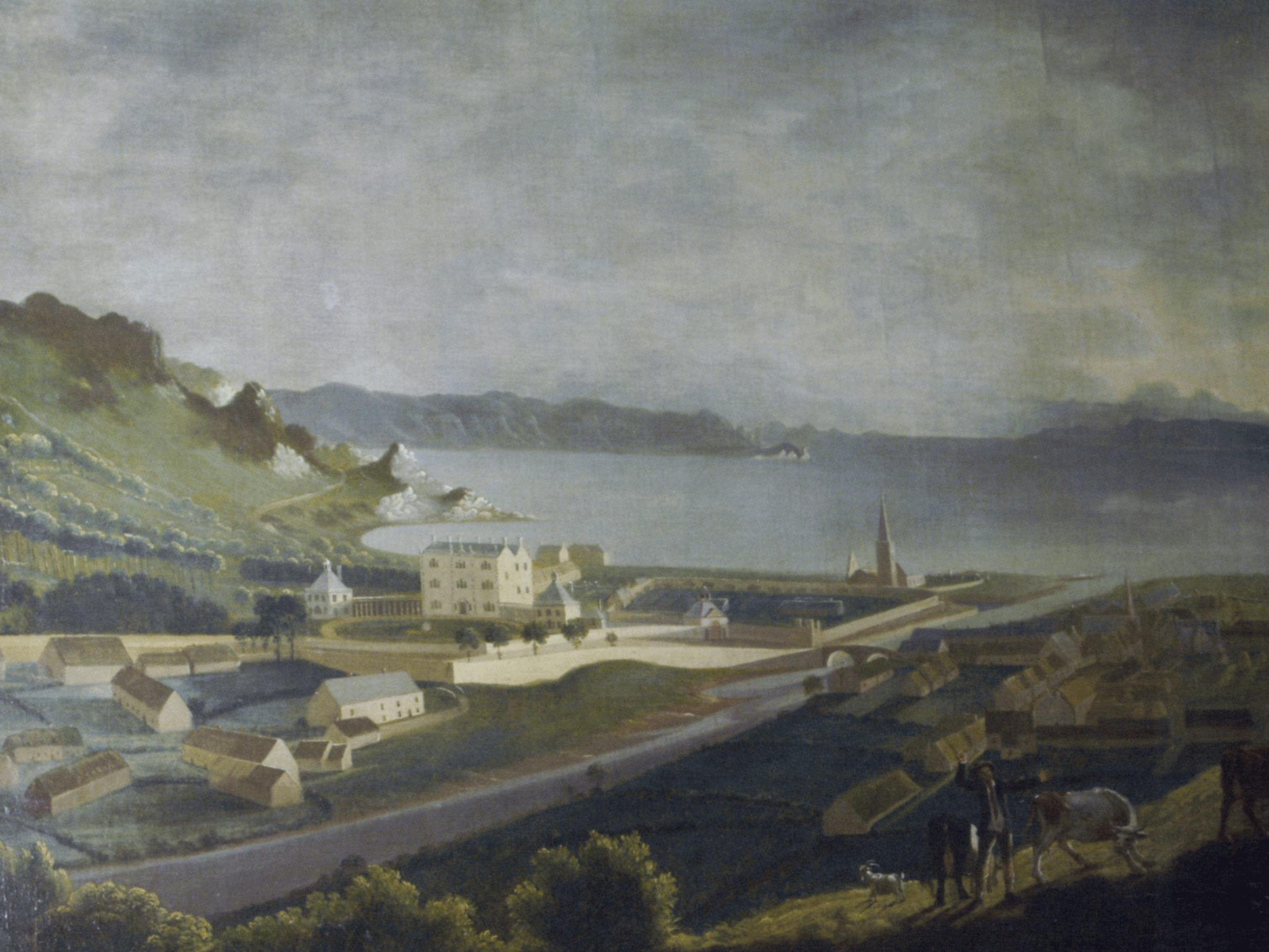
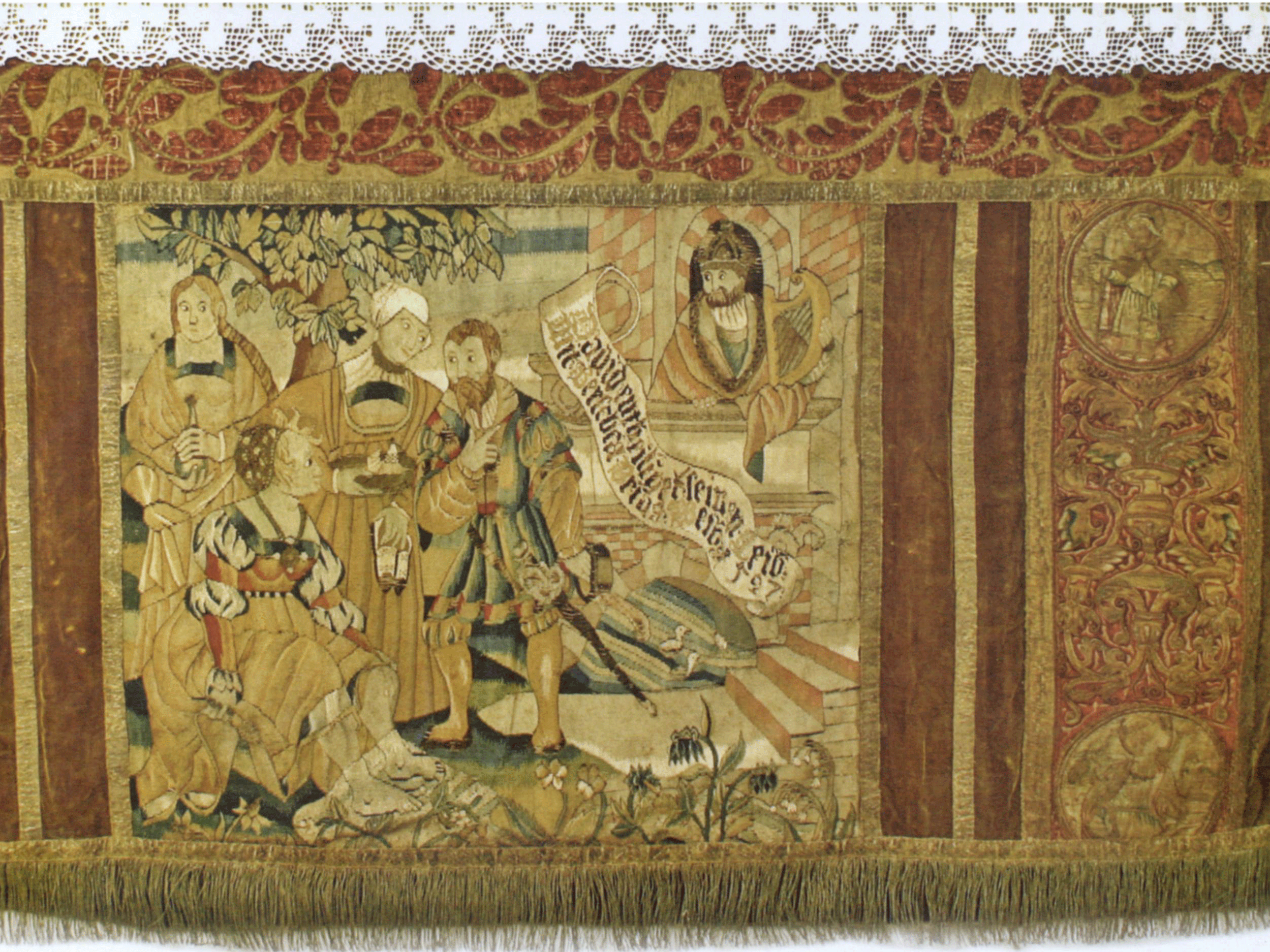
Terence Reeves-Smith explores the complex history of Glenarm Castle, County Antrim, one of Ireland’s most romantic great houses
Peter Harbison outlines the history of Lord Gort’s family connections in Ireland and his extraordinary generosity in gifting Bunratty Castle in County Clare to the Irish people

Desmond Fitzgerald revisits a fine 18th-century mansion known to him in his youth and elaborates on its remarkable preservation of original detail and content
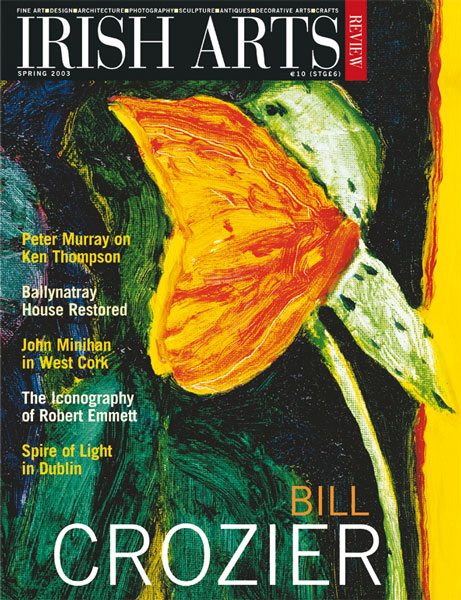
Ballynatray Demesne overlooking the Blackwater estuary above Youghal is a unique combination of natural and designed landscape. Its new owners, Serge and Henriette Boissevain, have renovated the landscape, planted new woods and completely restored the house which dates from 1795. Here Patrick Bowe outlines the history of the estate and of the Smyth family which created it while Deirdre Conroy gives the architectural detail of the big house
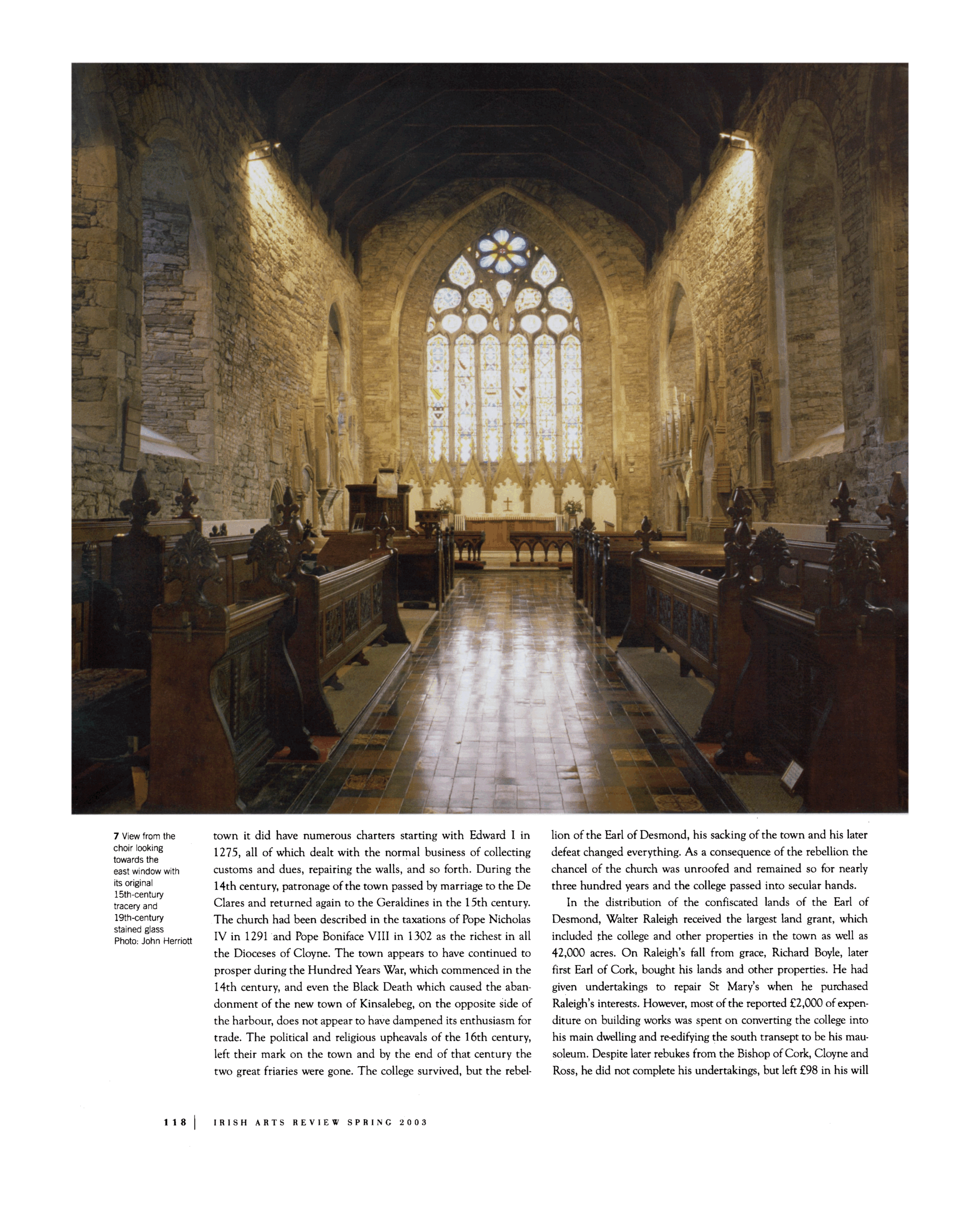
One of the most beautiful and historic places of worship in this country, St Mary’s Collegiate Church in Youghal, is about to be taken into public ownership by the local Town Council. Although it was founded in the early 13th century by the FitzGeralds, later earls of Desmond, Sir Walter Raleigh worshipped there after the Reformation, as did Oliver Cromwell who wintered in Youghal in 1649/50. But the man whose name is indelibly associated with St Mary’s is Richard Boyle, first Earl of Cork, for the simple reason that his huge funerary monument still dominates the south transept of the church. David Kelly outlines the history of this remarkable building, the preservation of which has now been secured
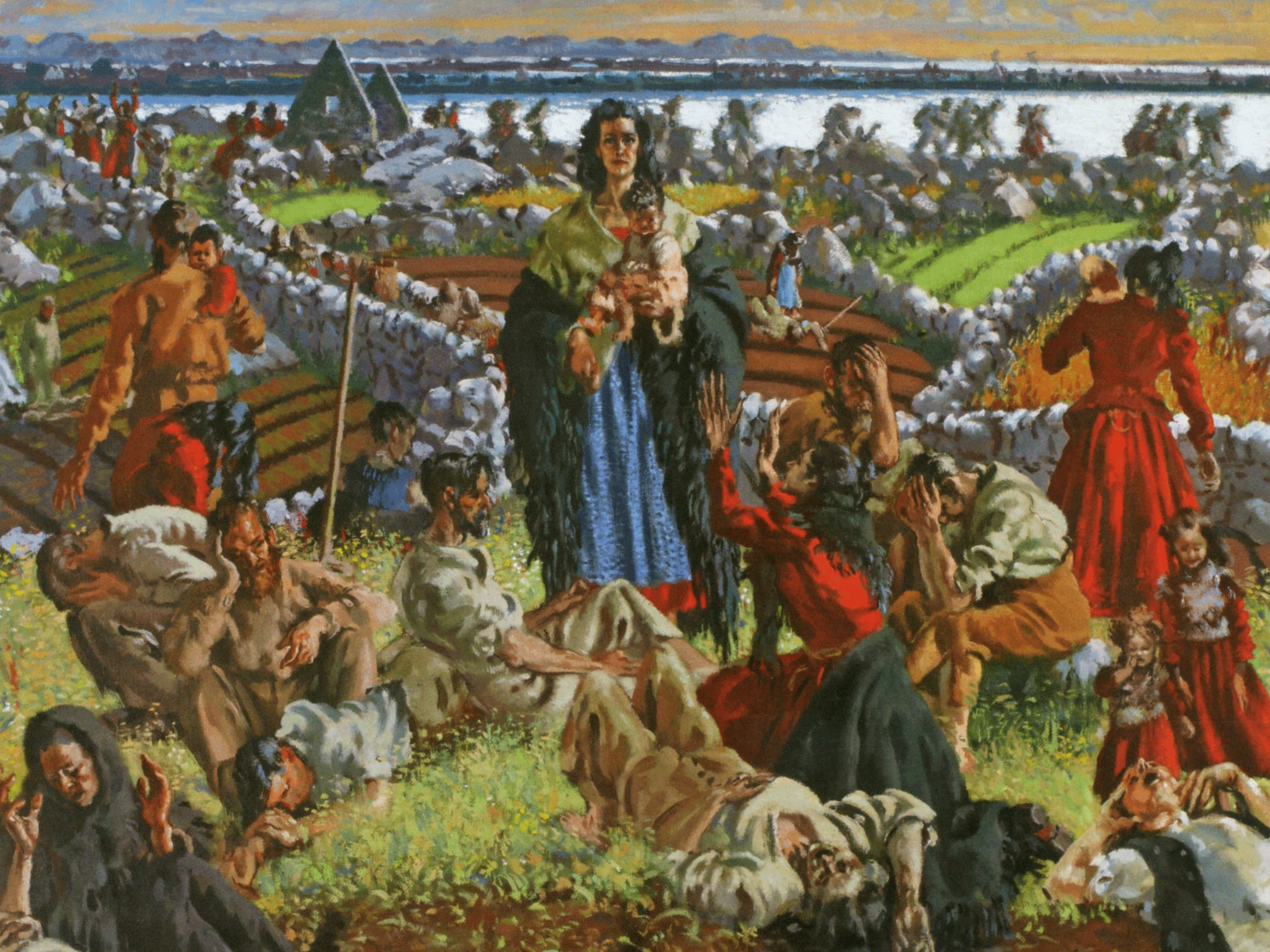
A new study on the Great Irish Famine finds that the predominant ideological doctrine guiding British policy in Ireland was one of divine Providentialism, writes Mic Moroney.
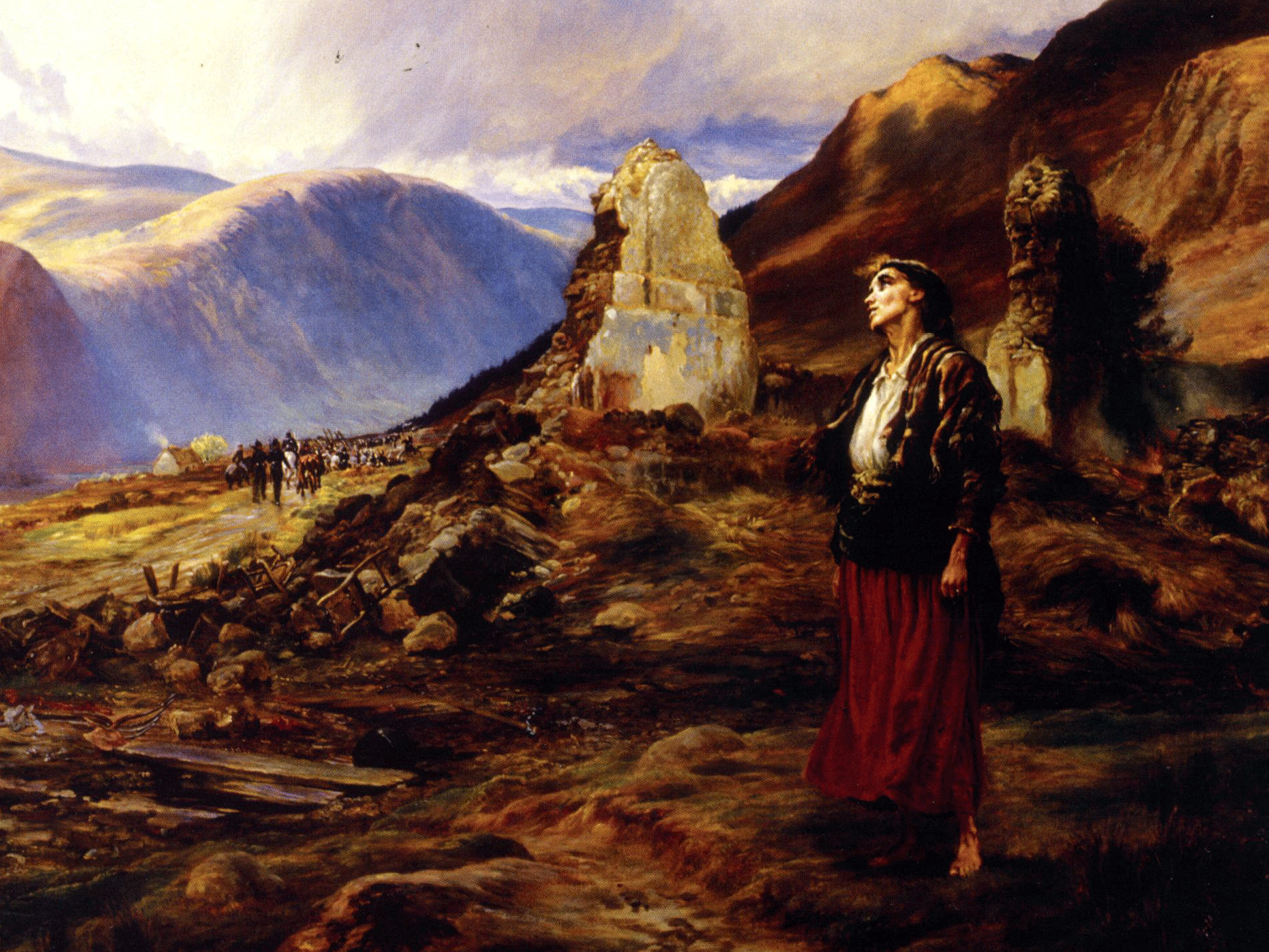
Mic Moroney looks at a new study from L Perry Curtis that examines images of dispossession dating from the Great Famine and the Land Wars
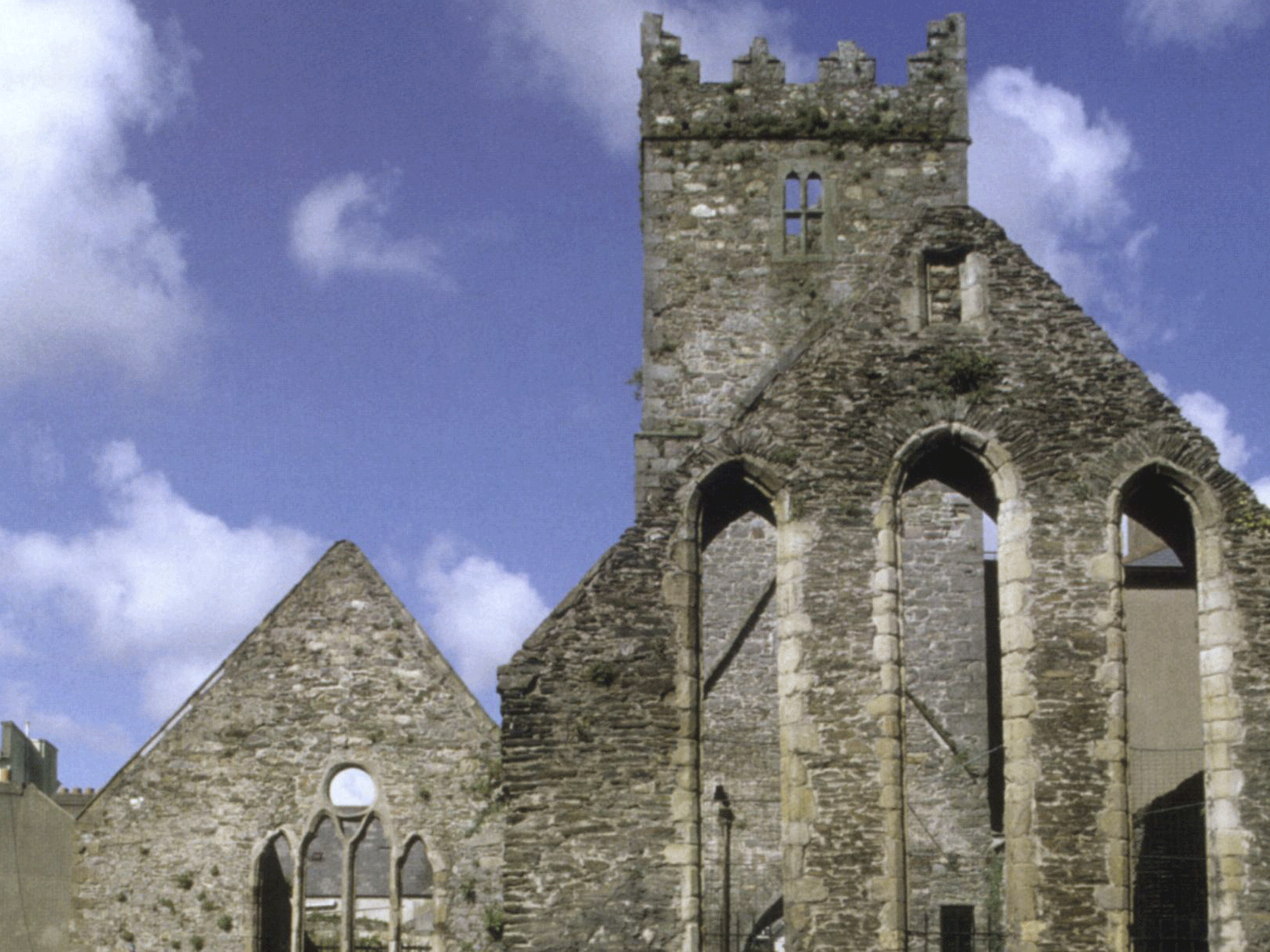
John Bradley charts Waterford city’s development into one of the most prosperous towns of medieval Ireland.
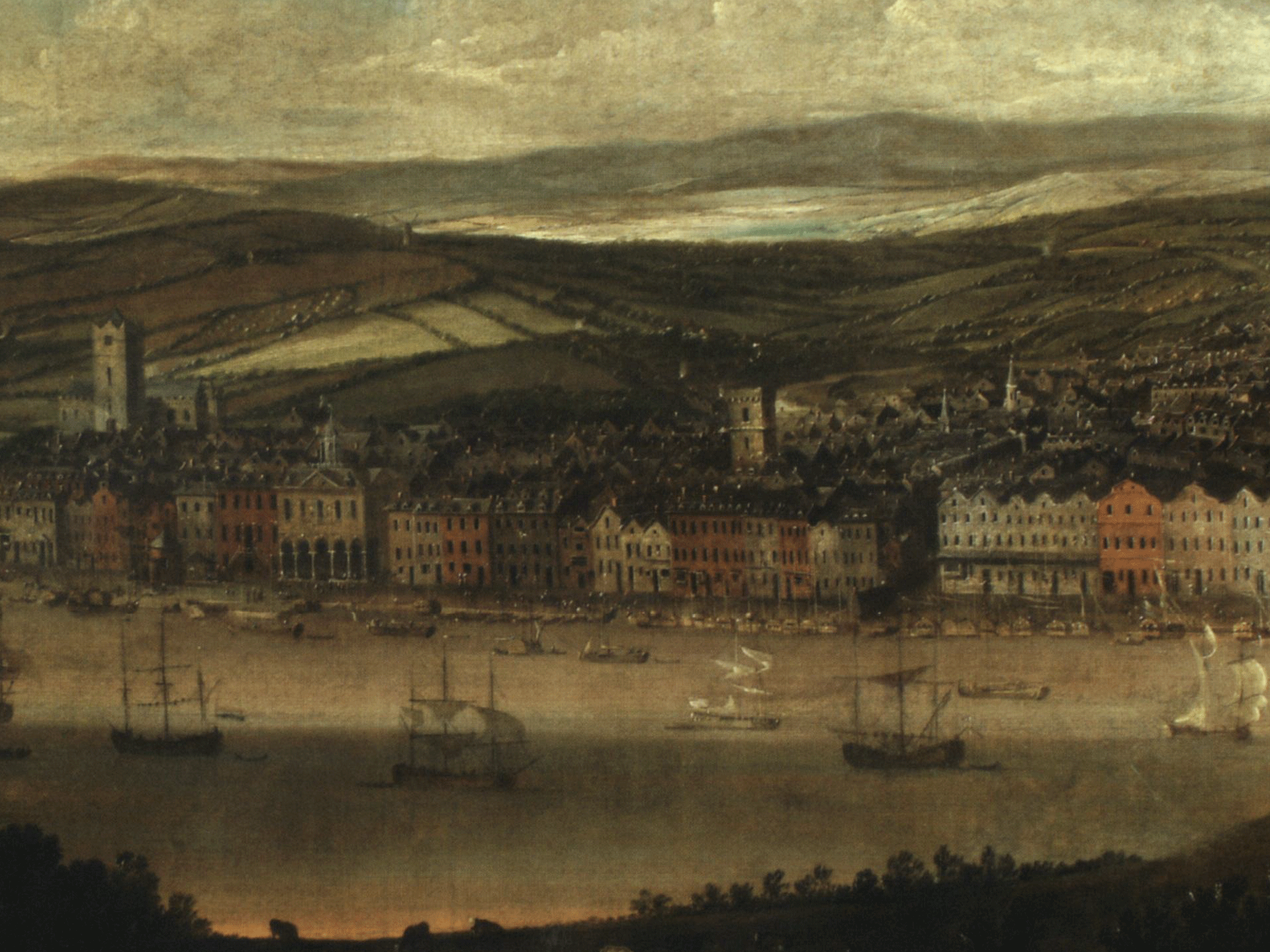
Despite the tyranny of the Penal Laws, Waterford was unique among Irish cities in the toleration that existed between the two main religious groups, writes Julian Walton.
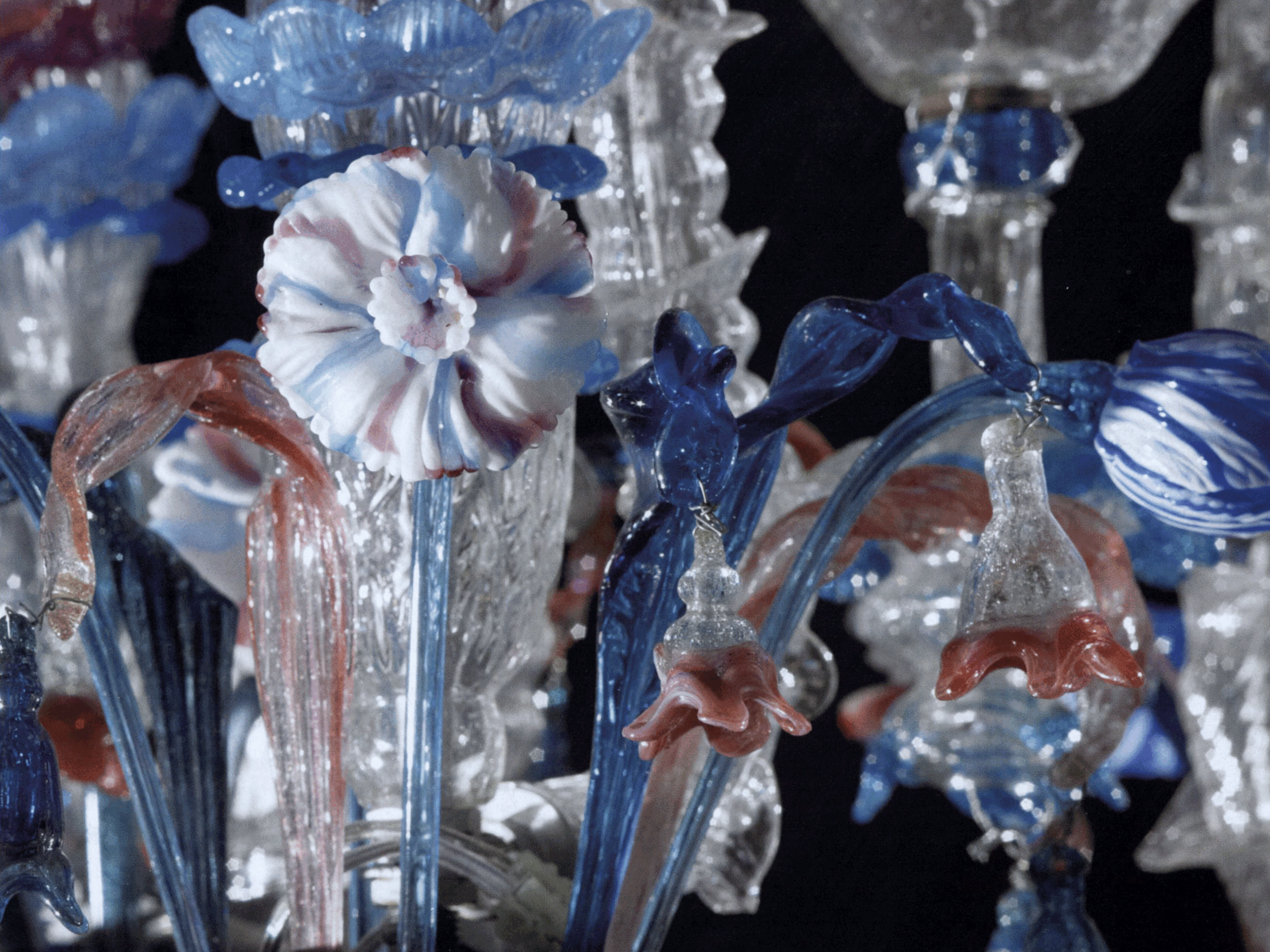
Ruth Thorpe looks at the influences that shaped Lady Louisa Conolly’s redesign of the Long Gallery at Castletown and her acquisition of its famous 18th-century Venetian chandeliers.
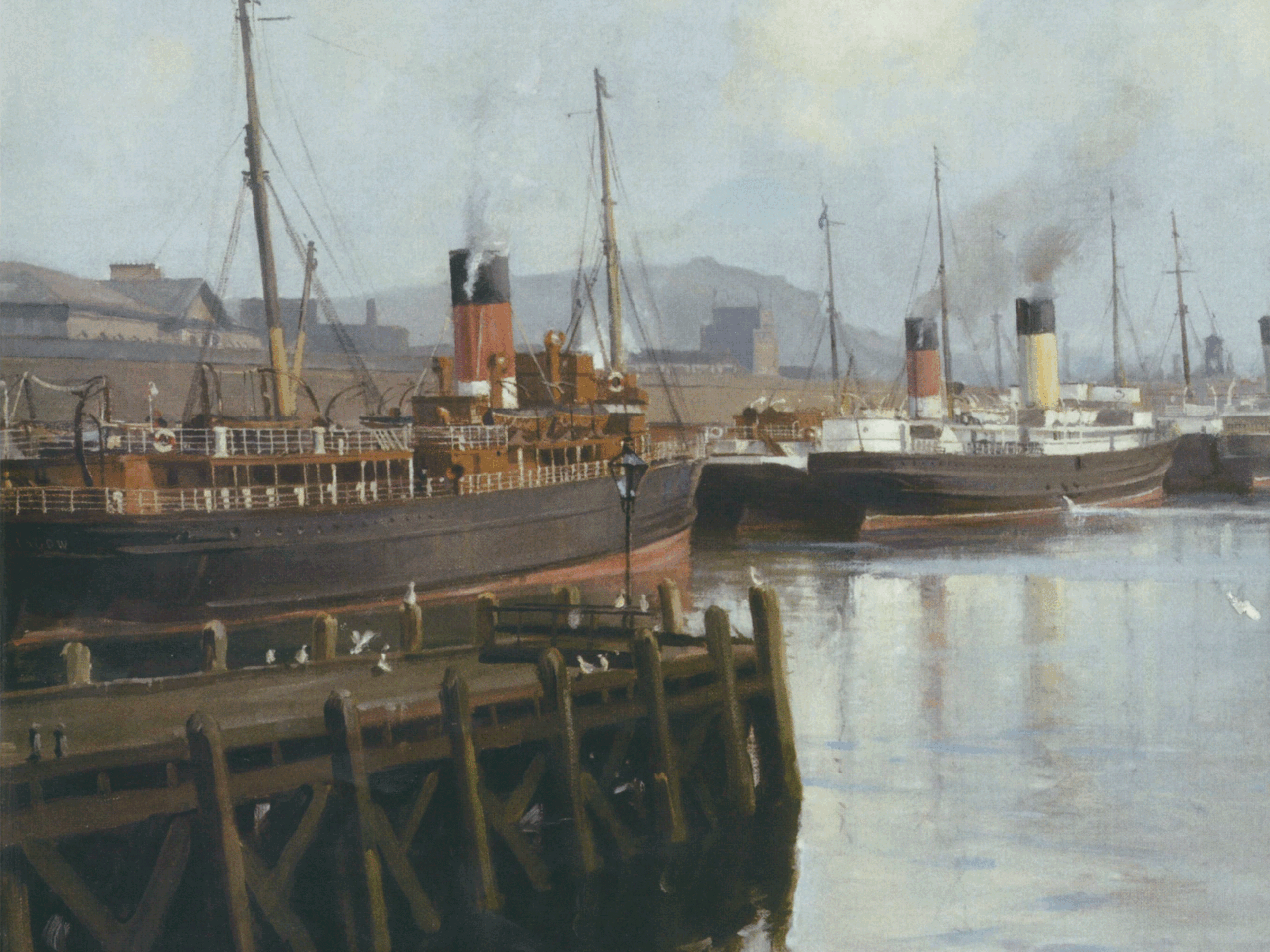
Contemporary maritime art can be read as a metaphor for the human condition; though some artists share a connection with the 19th-century’s celebration of the adventures of the sea, writes Peter Murray.
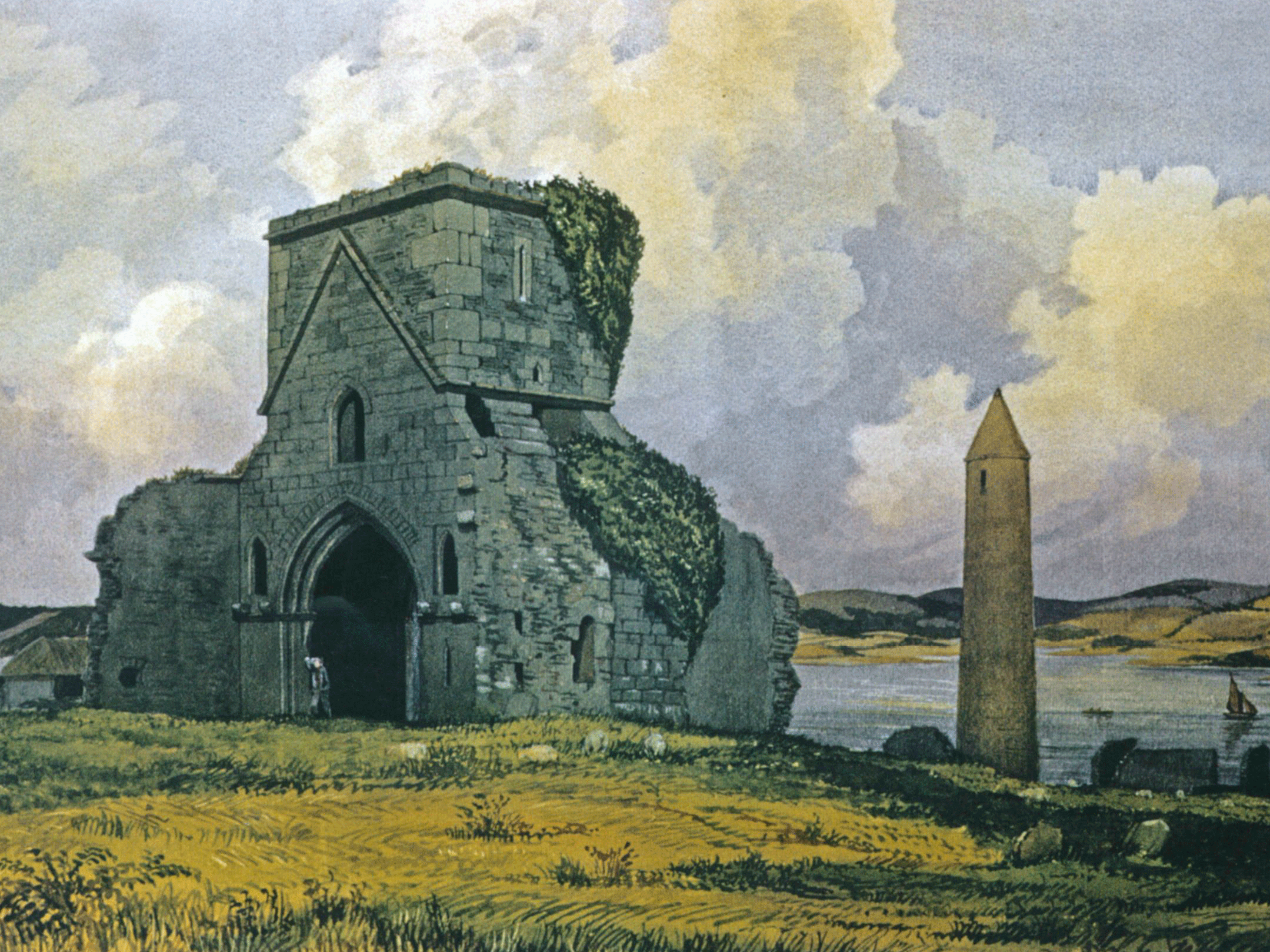
Conleth Manning investigates a valuable 19th-century record of Irish round towers now believed to be in the USA.
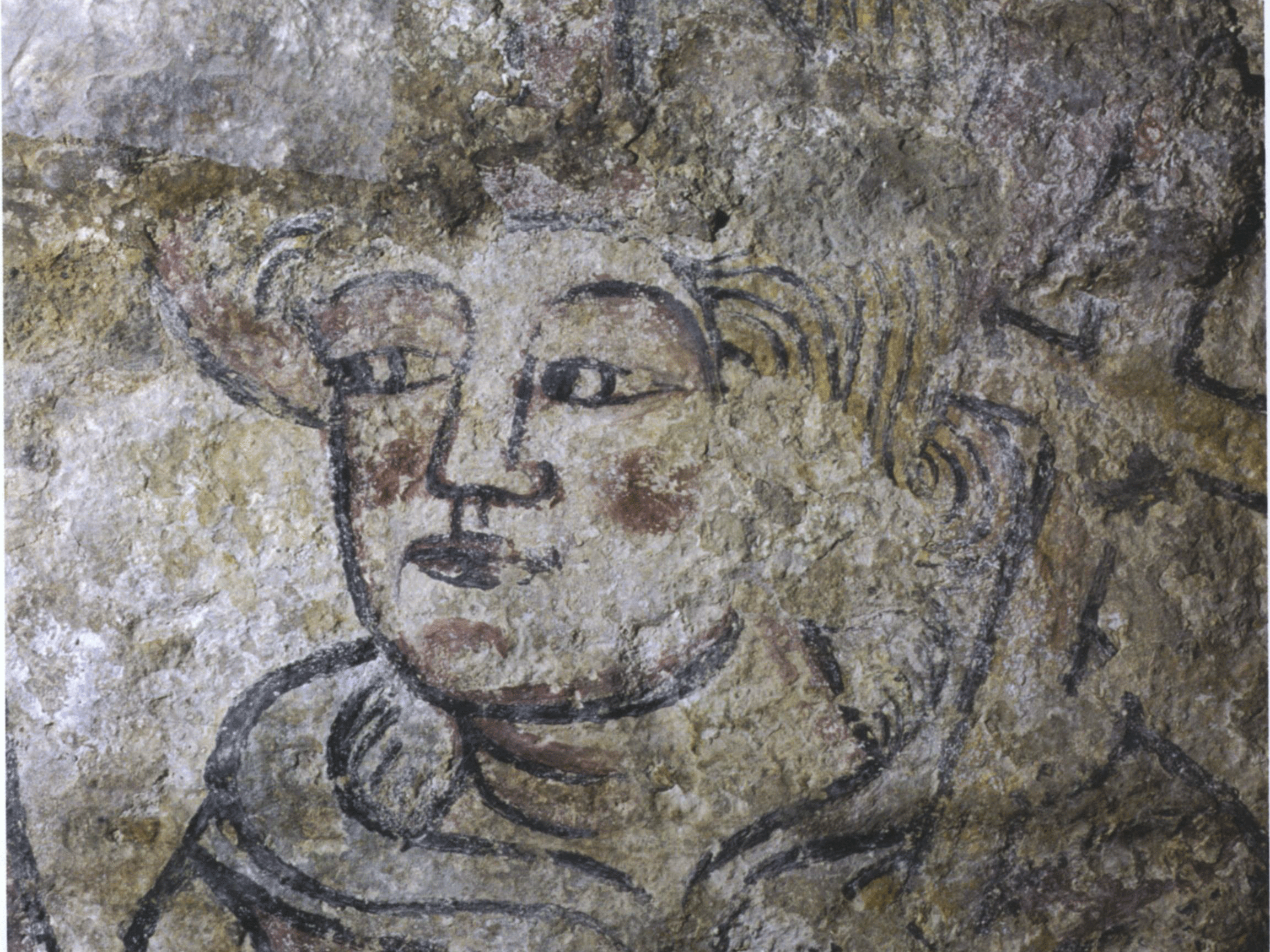
Karena Morton uncovers the evidence of a more colourful medieval past, through existing fragments discovered within Ireland’s tower houses and religious sites
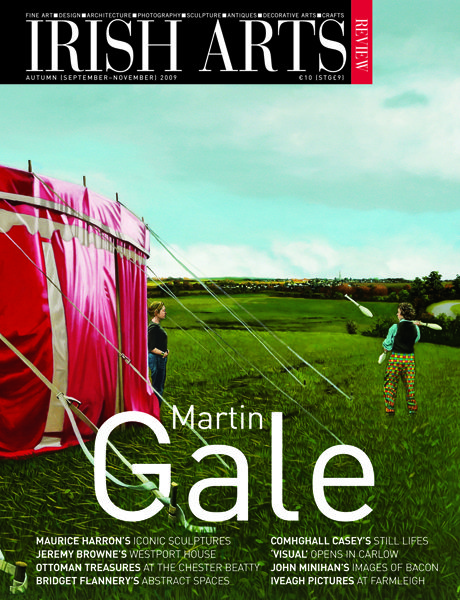
John Mulcahy reviews the vicissitudes of fate and fortune through the generations of the Browne family at Westport House, County Mayo
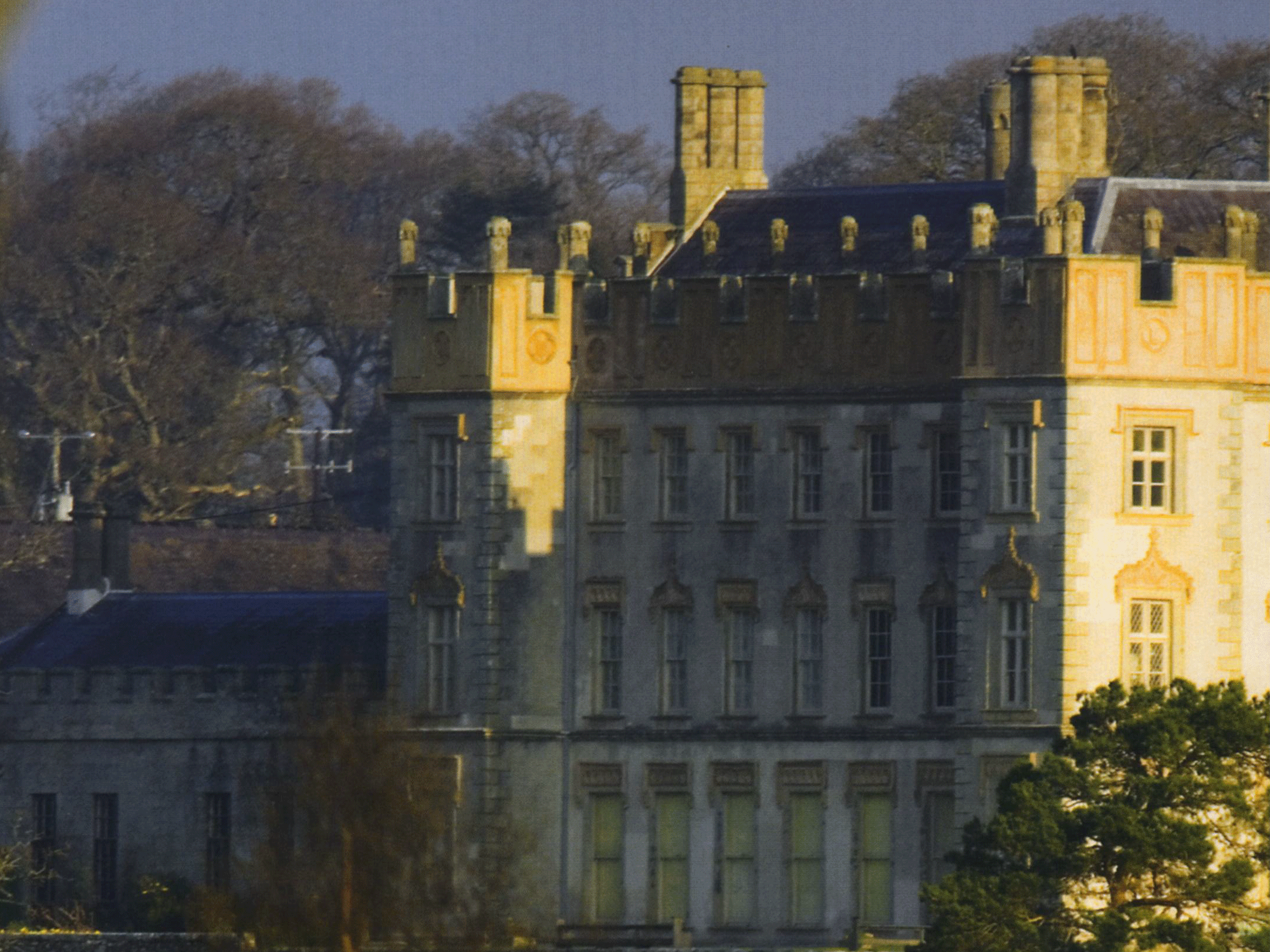
In the 1800s The MacMurrough Kavanaghs of Borris embarked on a lavish building programme that transformed their 18th century mansion into a Tudor revival showpiece. Peter Pearson views the more recent restoration of Borris House, Co Carlow
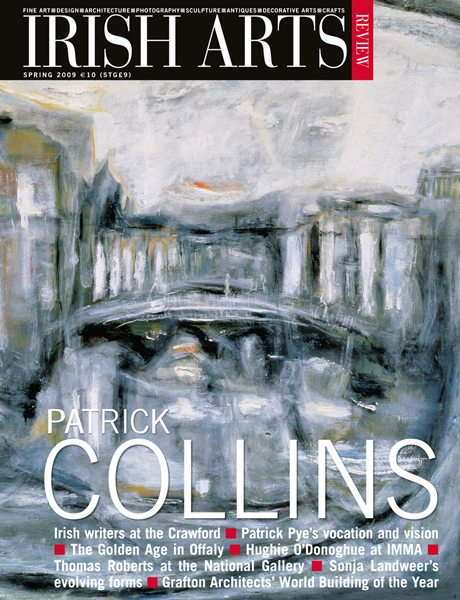
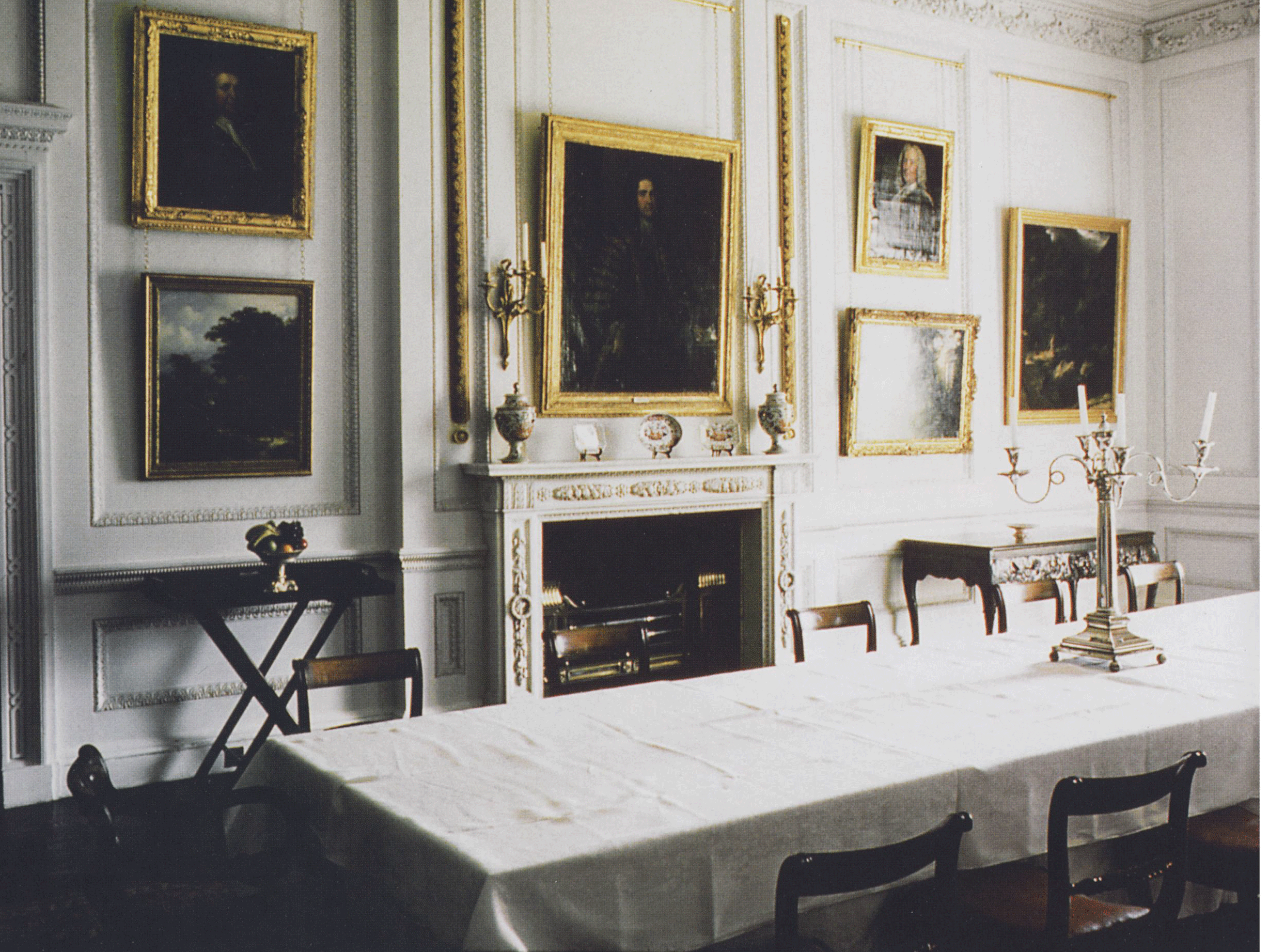
William Laffan applauds the return of seven notable paintings from the Wood Collection to Fota House, Carrigtwohill, Cork
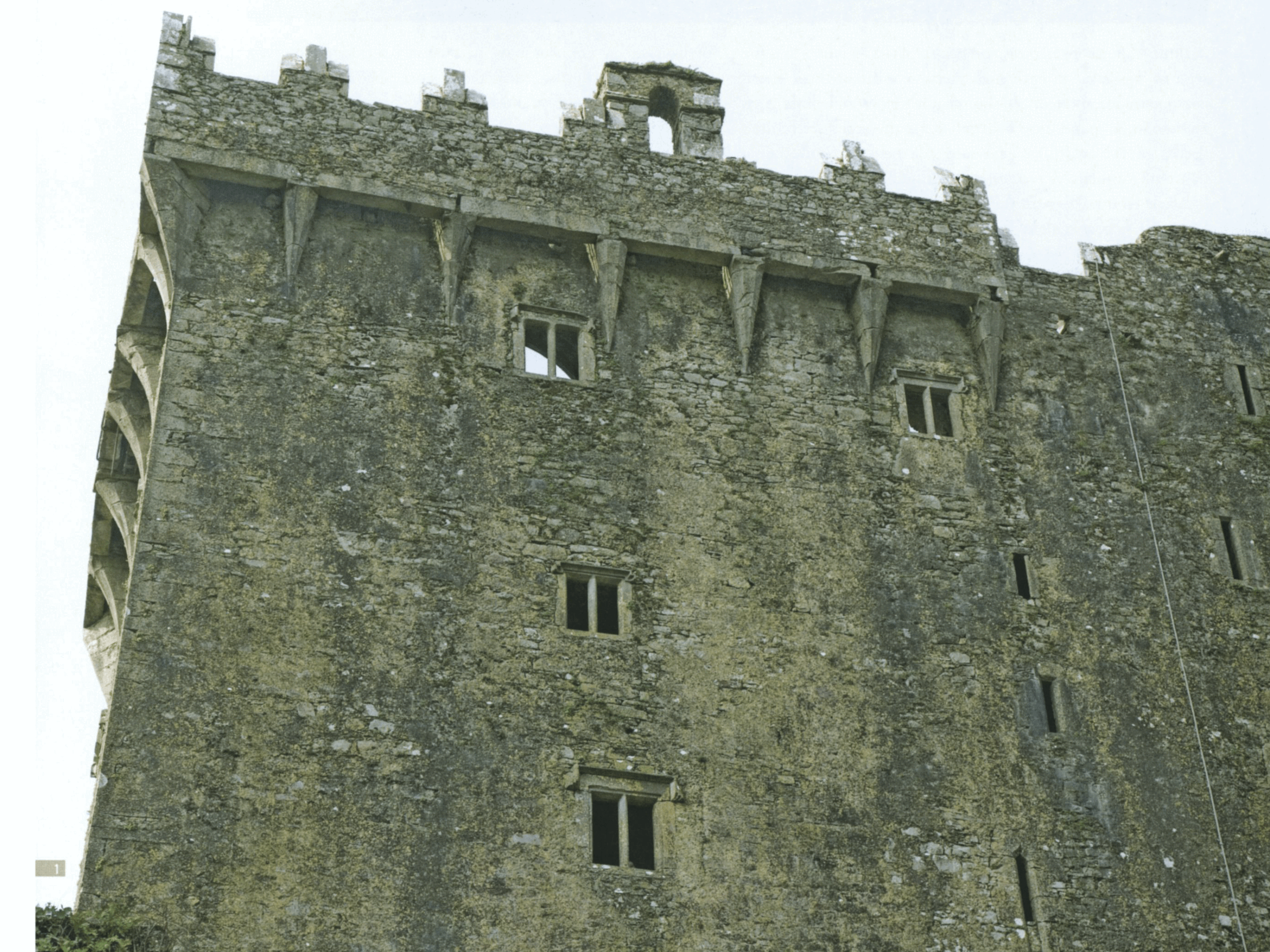
Kate Hamlyn discusses some key members of the MacCarthy Muskerry Clan, the Gaelic owners of Blarney Castle, whose fortunes rose and fell in line with their allegiance to the English throne
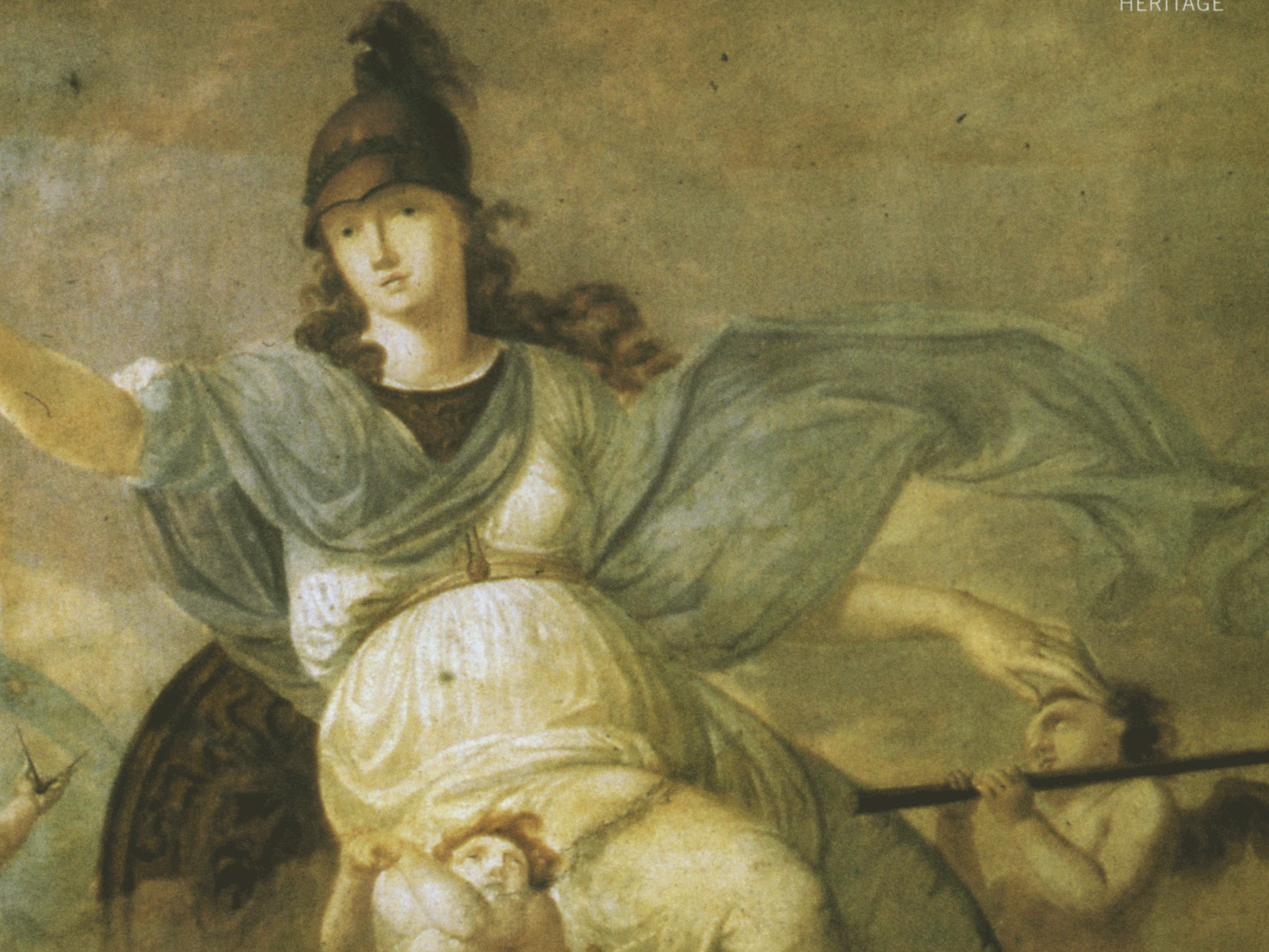
Vernon Mount in County Cork is a neoclassical gem, remarkable for its distinguished design, yet today its future is in jeopardy, writes Desmond Fitzgerald and Donough Cahill
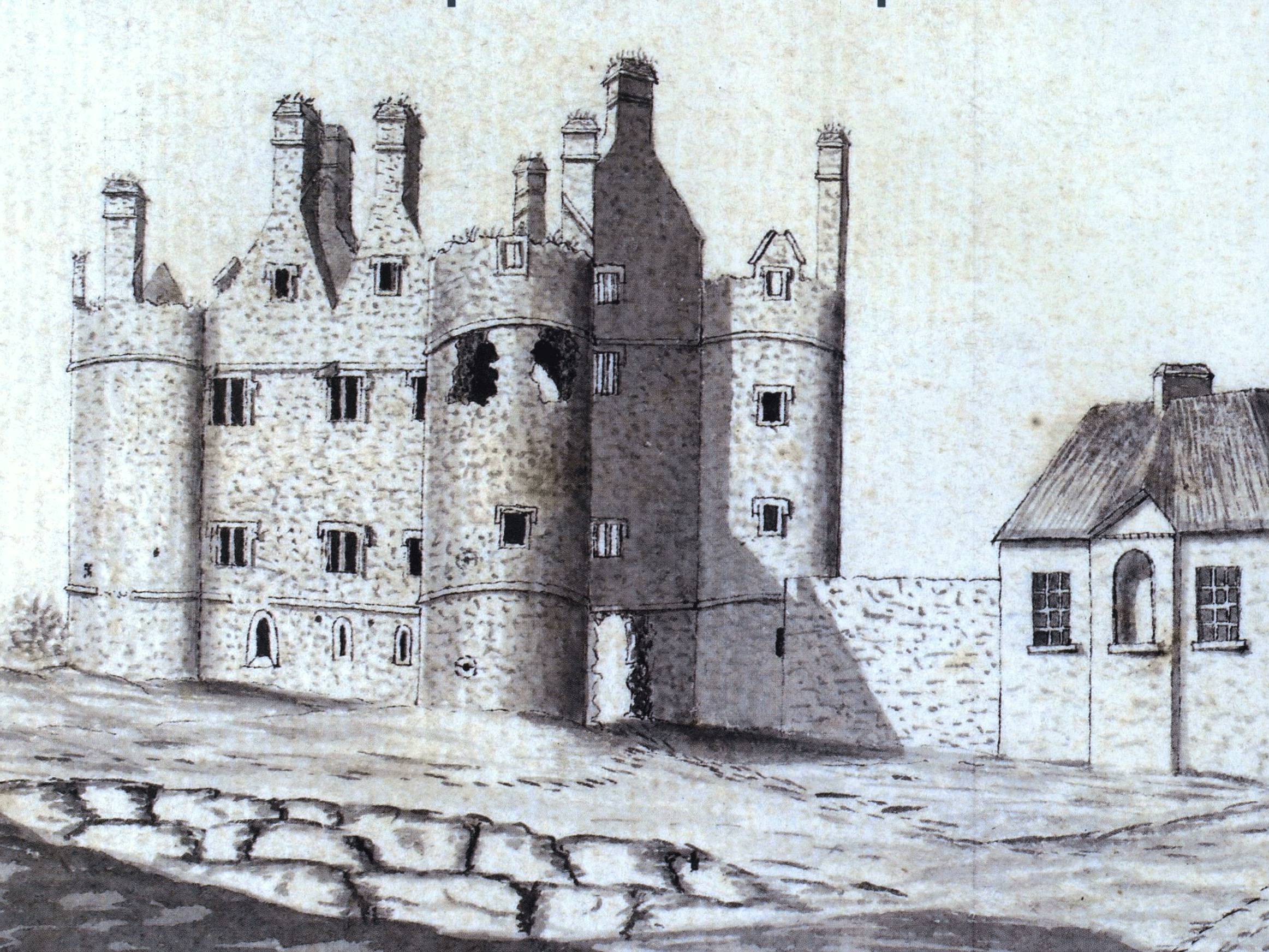
Cornelia McCarthy traces the cultural milieu of the inhabitants of Killenure Castle, County Tipperary, home to the Cooper family for almost three centuries

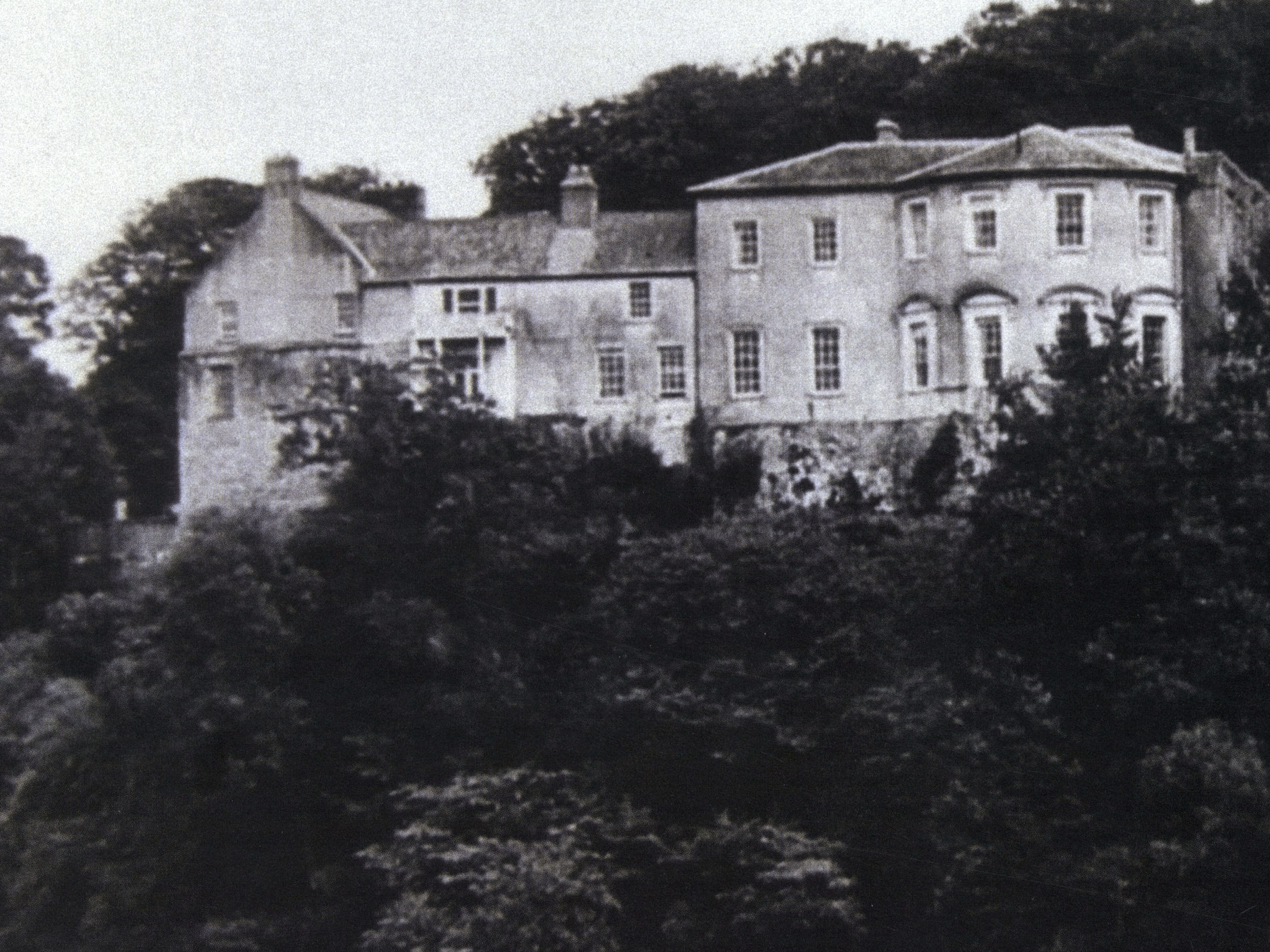
Described by Thomas Carlyle as 4a huge grey pile,’ Dromana today resembles its modest 17th-century form; Robert O’Byrne recounts the history of this house and the prominence of its formidable female line
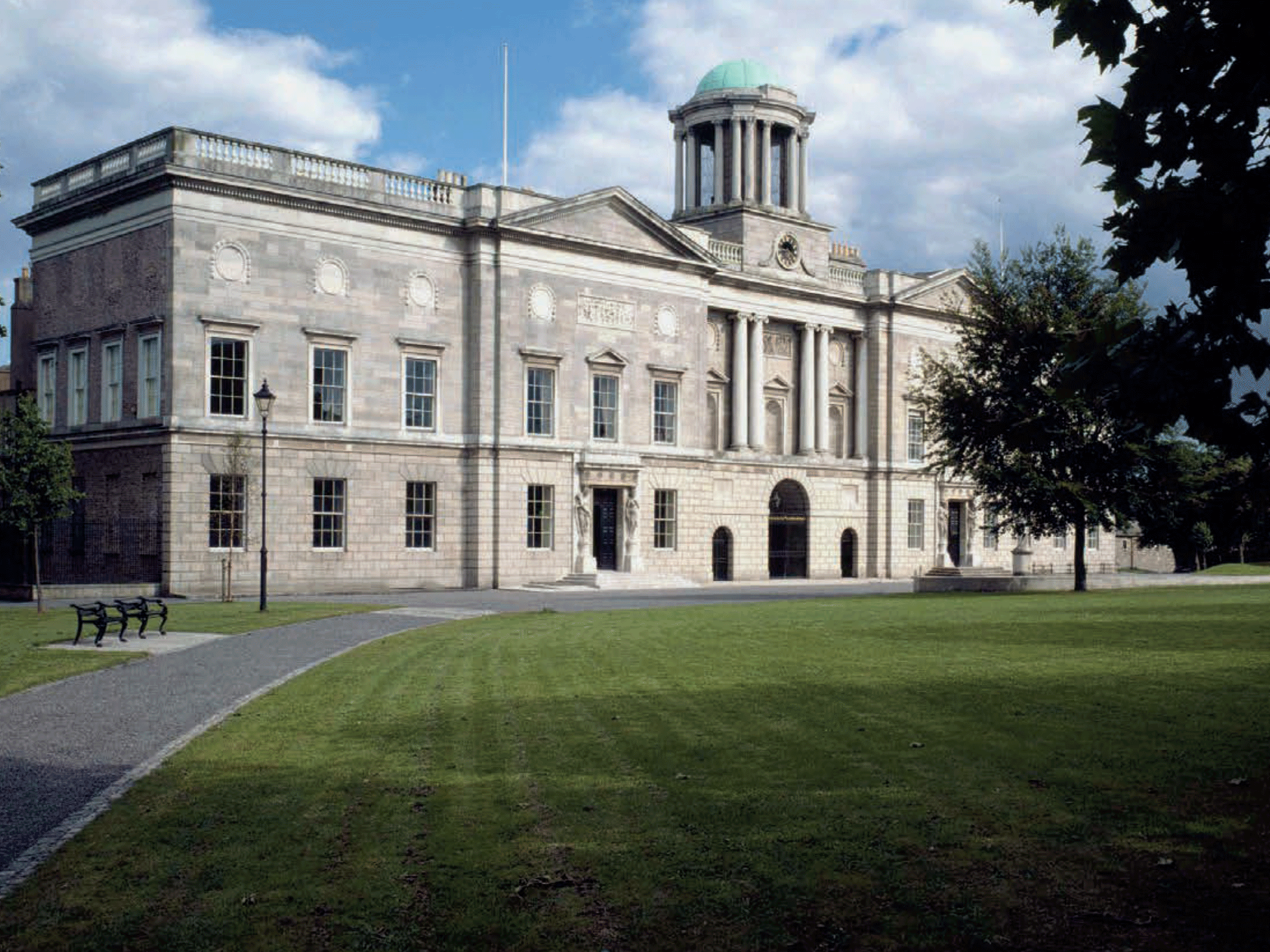
Patricia McCarthy charts the history of the Honorable Society of King’s Inn: its members were granted the Dominican Friary of St Savipur’s by Henry VIII in 1539, and later James II held his last parliament there, before the barrister moved to their Gandon-designed headquarters on Constitution Hill, Dublin
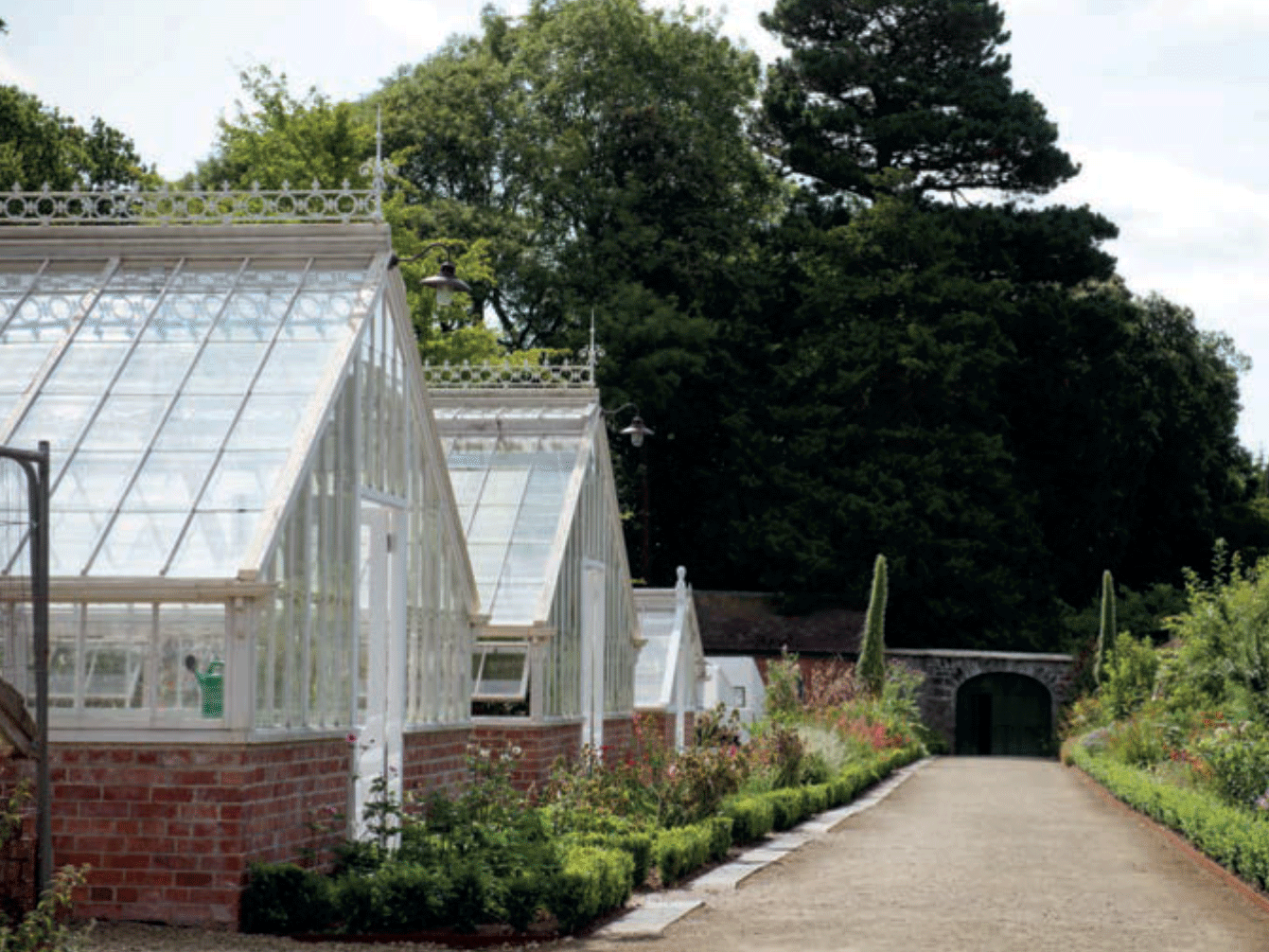
Engaging with communities and unlocking the unique story of the properties within its care lies at the heart of the Irish Heritage Trust’s ten-year history, writes Sandra Andrea O’Connell
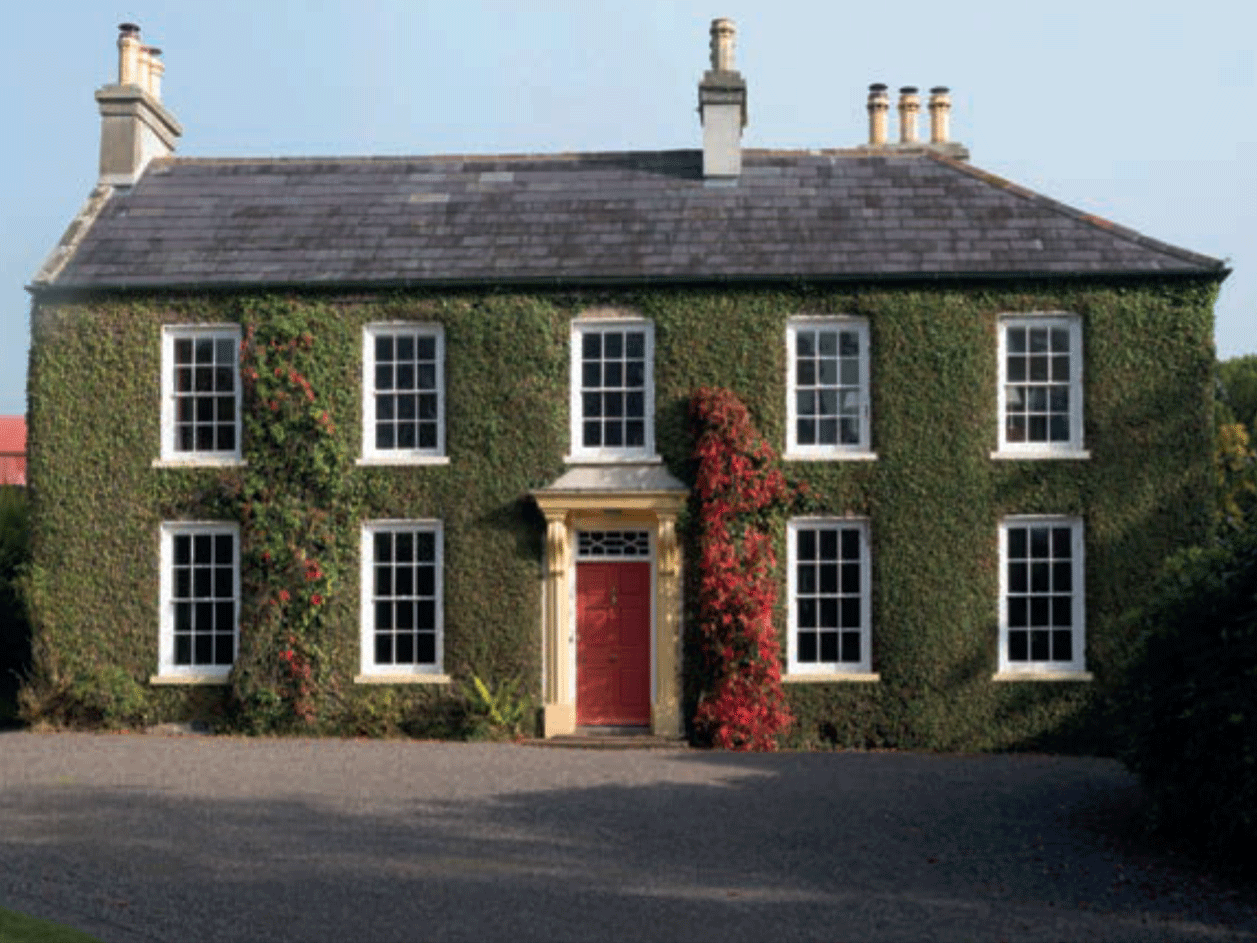
Managing a portfolio of historic properties presents numerous challenges; Sandra Andrea O’Connell discovers how Irish Landmark Trust has fared as it marks its quarter century!
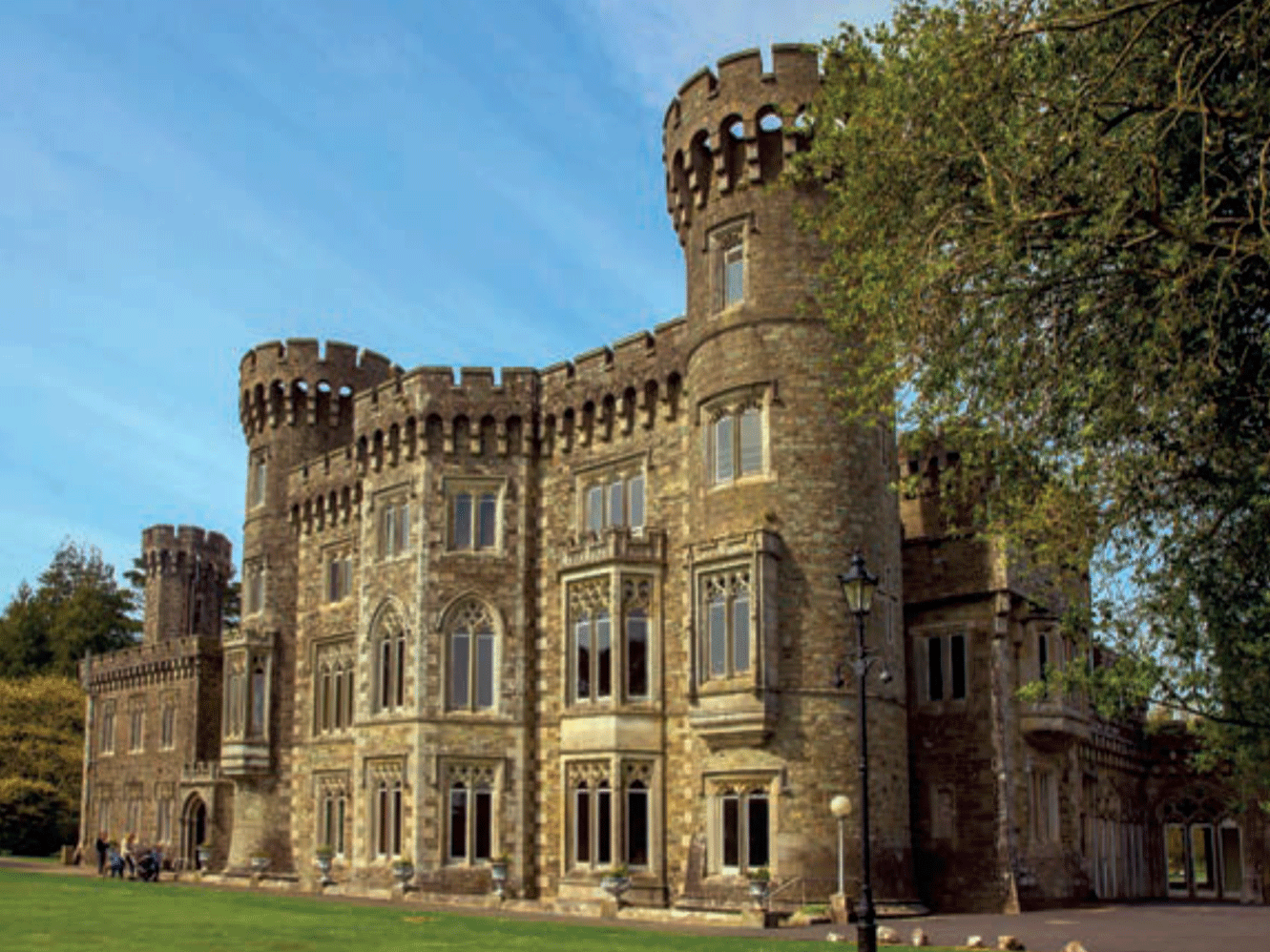
Peter Pearson welcomes a new chapter in the management of Johnstown Castle, County Wexford
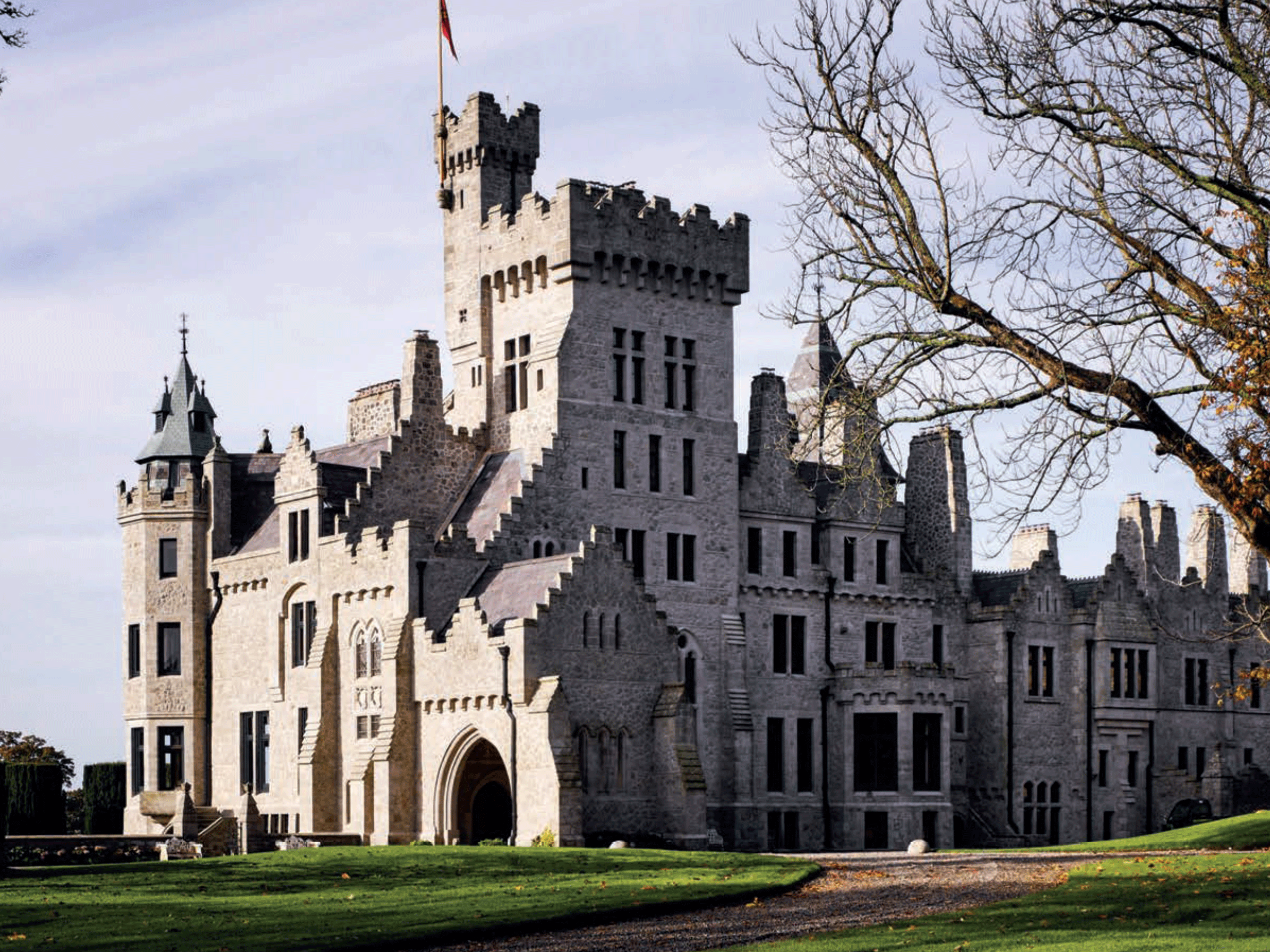
James Horan recounts how a chance encounter led to the unravelling of some architectural mysteries in the restoration of Humewood Castle, County Wicklow
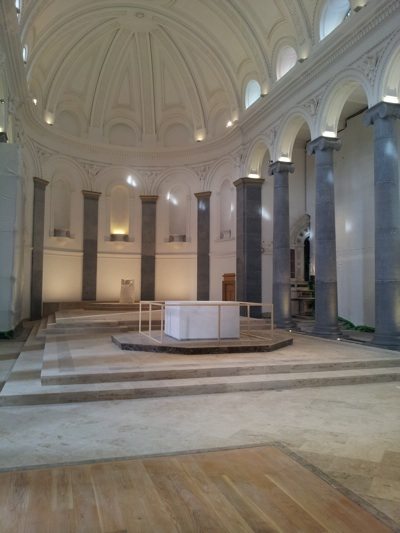
As the restoration of St. Mel’s Cathedral by Fitzgerald Kavanagh + Partners has been announced as the Winner of the Public Choice Award at the 2015 RIAI Irish Architecture Awards, we re-publish here our article on St. Mel’s by Andrew Halpin and Nicola Gordon Bowe
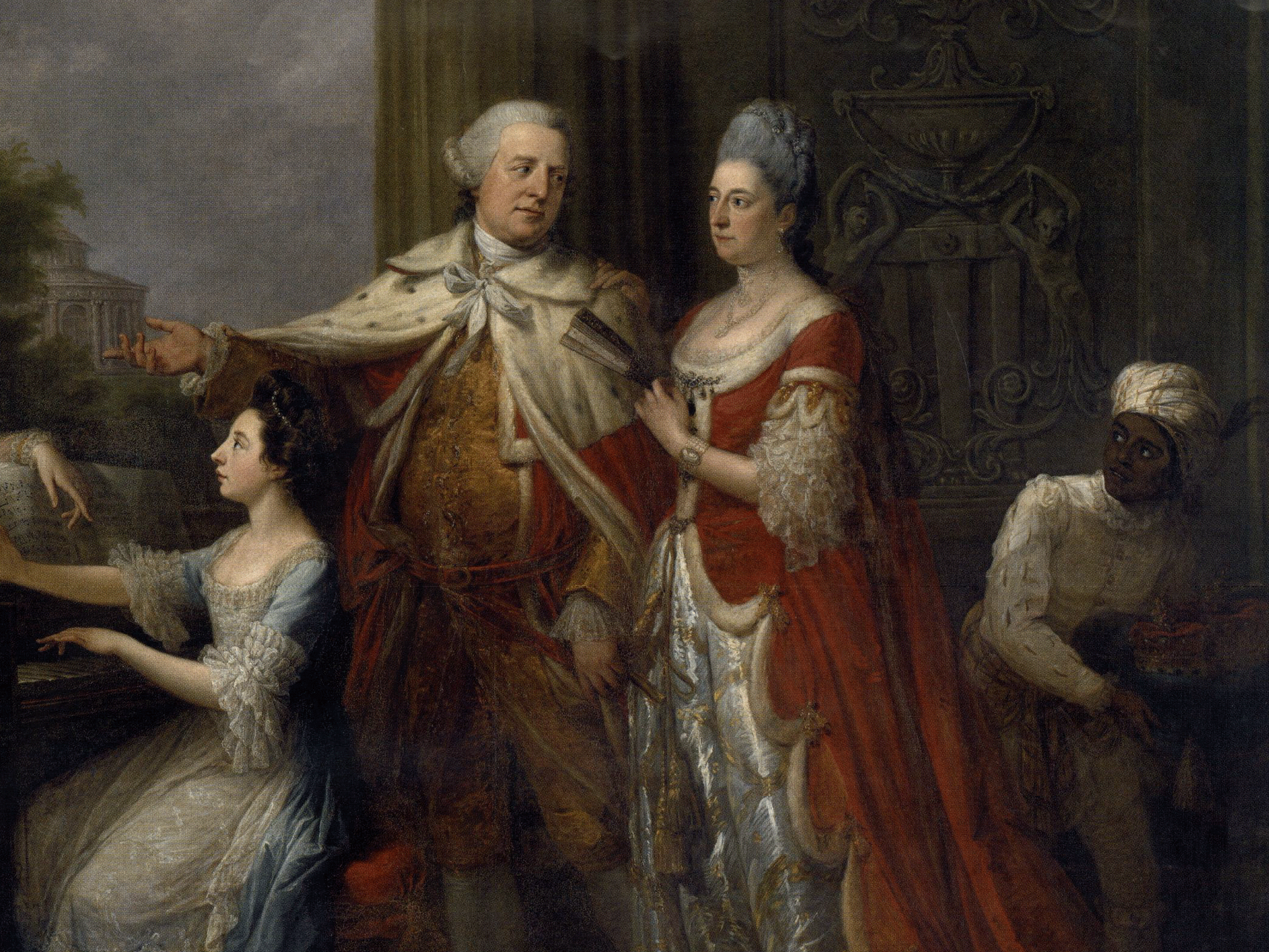
Recent excavations at Rathfarnham Castle have brought the former inhabitants into focus, prompting Simon Loftus to recall some vivid episodes from the family’s history.