
Hilary Pyle remembers Lily Williams, the independent young woman whose introduction to the romantic spirit of Irish nationalism was sparked by her friendship with Arthur Griffith
The reappearance of the arresting Portrait of a Girl by Lily Williams (Fig 4) in Whyte’s recent sale¹ is a reminder of the skill of this elusive artist, whose work is rarely seen nowadays. The solemn little girl stares out of a well-sized pastel, her complexion glowing, her golden hair gathered into ringlets held back by gleaming satin ribbon which echoes the colour of her defensive eyes. A similar blue shimmers through the floating white gauze of her shoulder-wide collar. The portrait has presence, and the delicate touch of a confident hand.
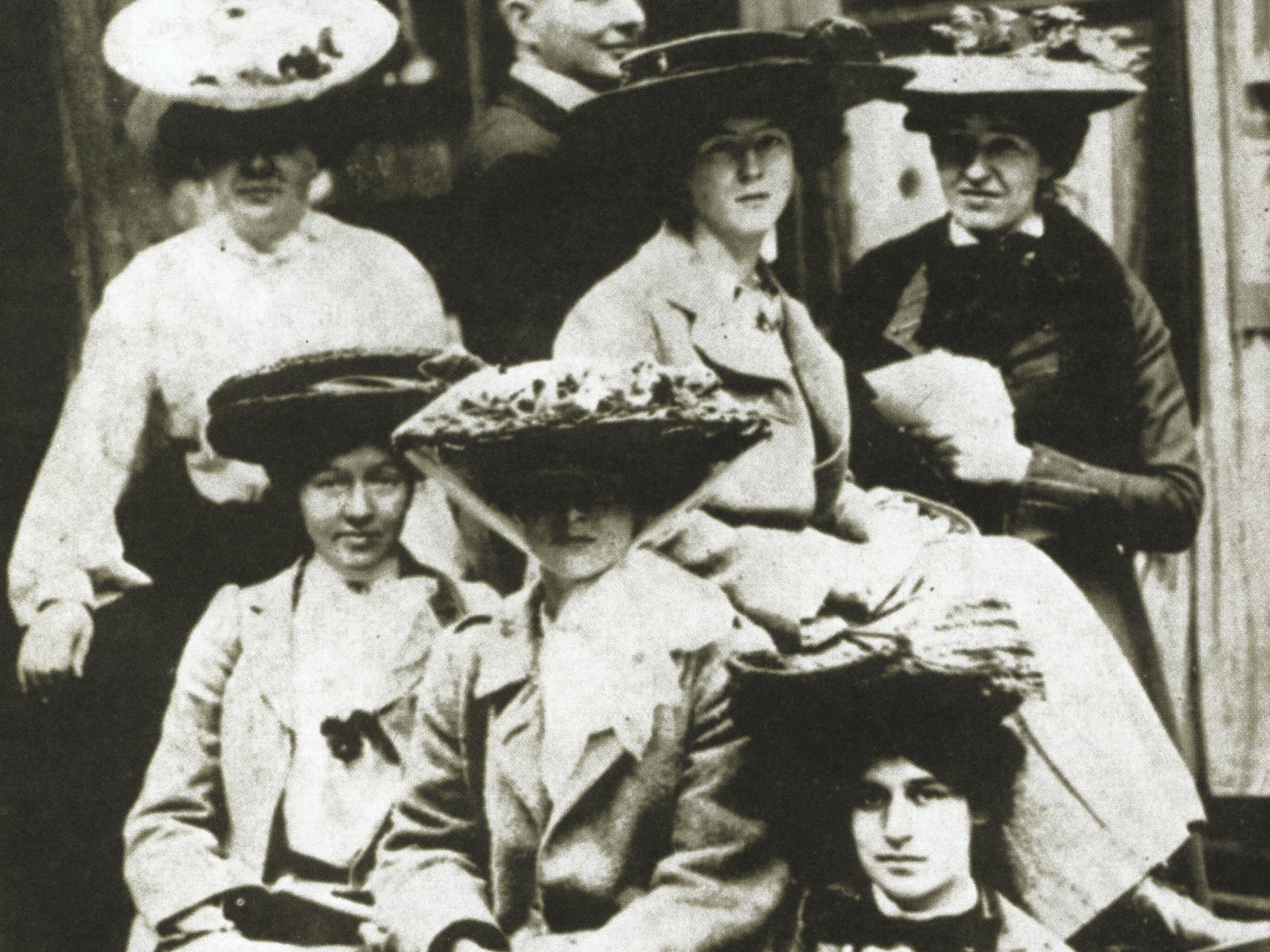
A faded photograph of the forgotten artist survives in her archive; and, early in her career, photographed among a group of women who participated in the famous ‘Young Irish Artists’ exhibition in Dublin in 1903, Lily Williams retreats behind her younger, more extrovert contemporary, Beatrice Elvery, later Glenavy (Fig 1).² The reverse side of her character is epitomized years later in a self-caricature (Fig 2), showing her at her easel, working in exotic robe and neck-lace, hair flowing, sent ‘with the artist’s comps’ to theatre critic, Joseph Holloway, on Christmas Eve, 1917.³
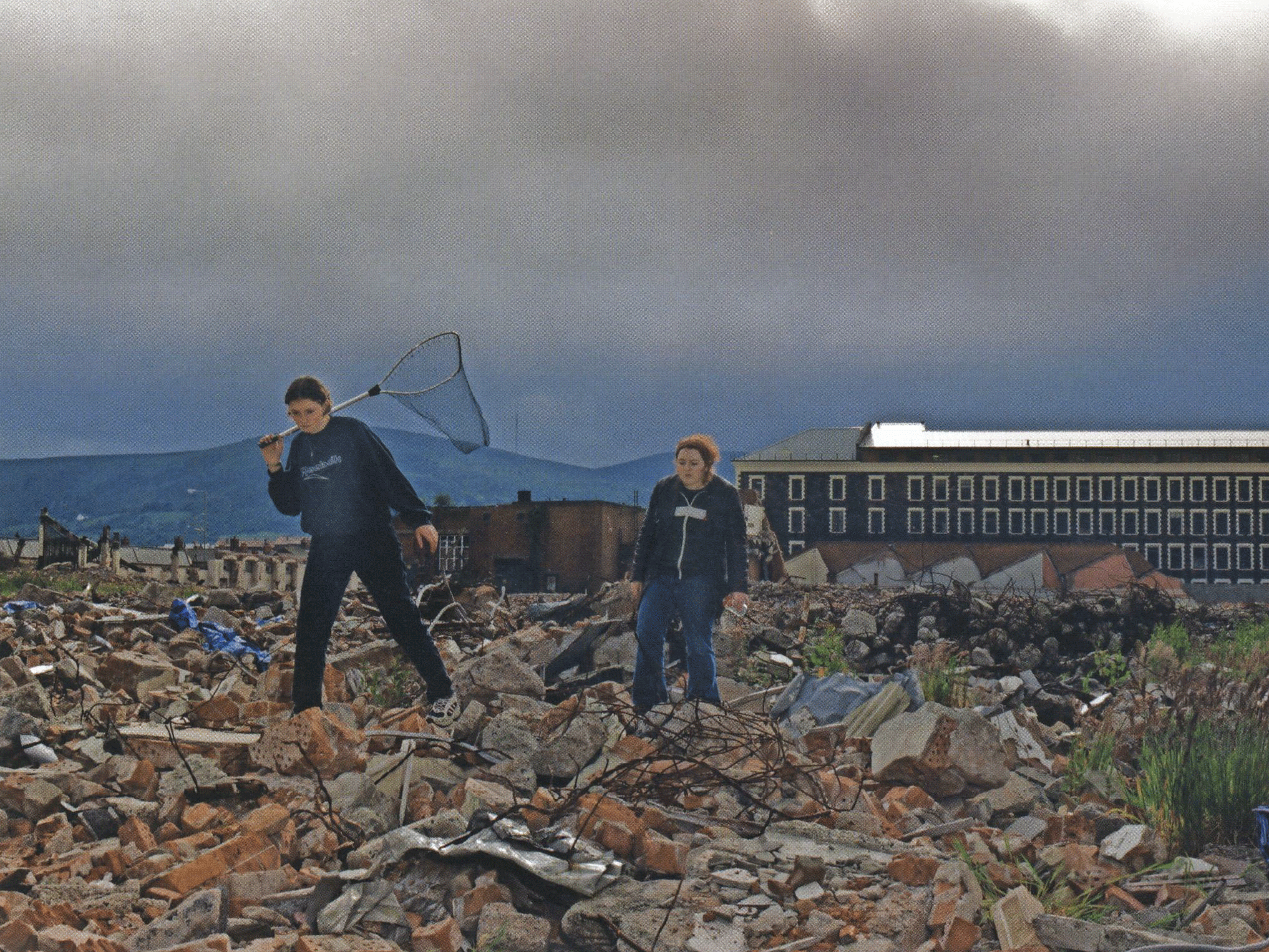
Northern Ireland: 30 Years of Photography at Belfast Exposed and the MAC this summer highlights the medium as a highly-charged, critical artform that constantly questions its own role in the construction of memories, writes Stephanie McBride
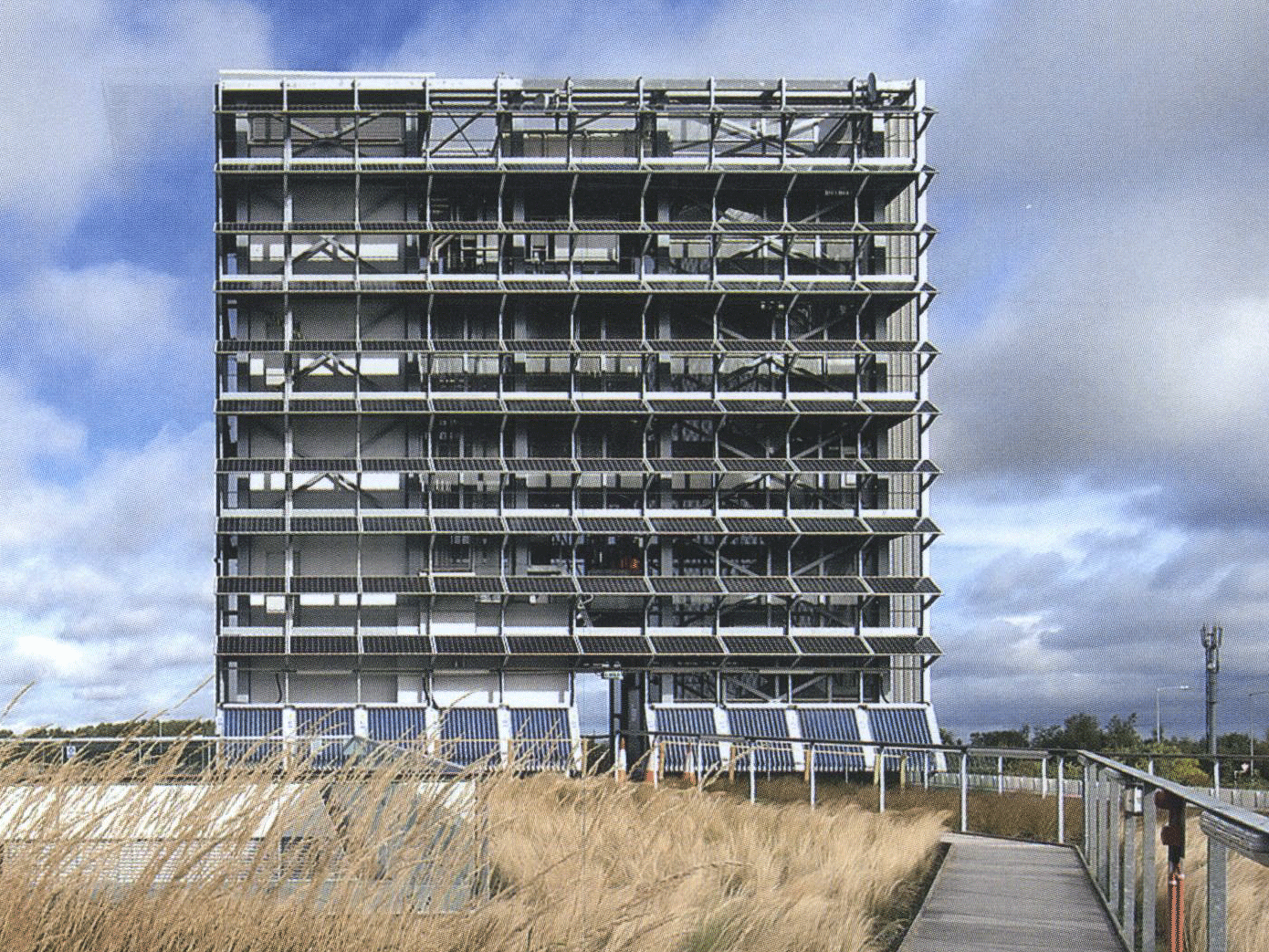
As a building commissioned by a State entity charged with the stewardship of a precarious energy resource, Bord Gáis Network Services Centre warrants some reflection on its relevance as a benchmark and path-finder, writes Seán O’Laoire