
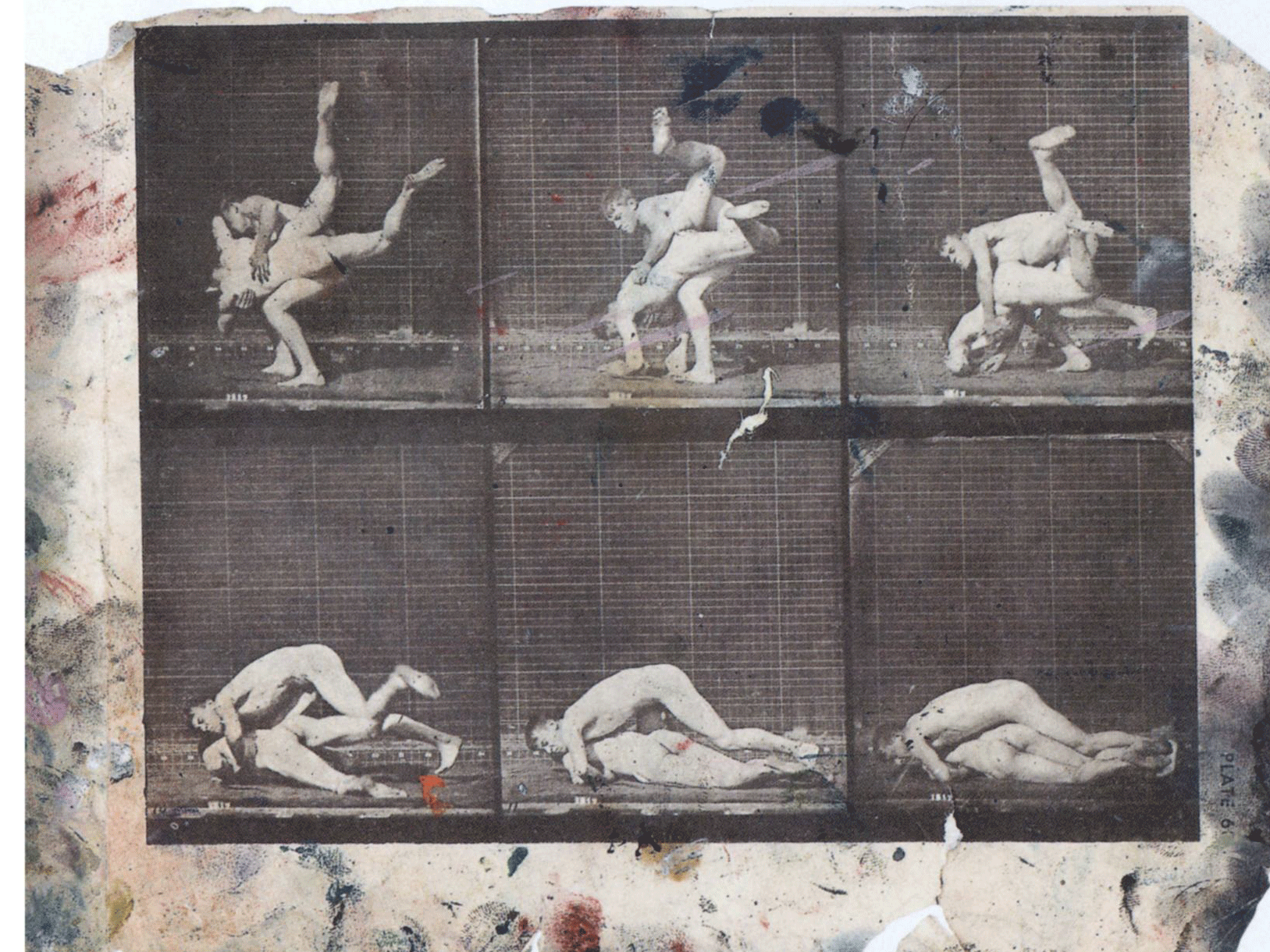
Philip McEvansoneya finds that Margarita Cappock’s book Francis Bacon’s Studio (Merrell) succeeds admirably in its scholarly interpretation of the contents of Bacon’s studio while the vagaries of the creative process remain elusive
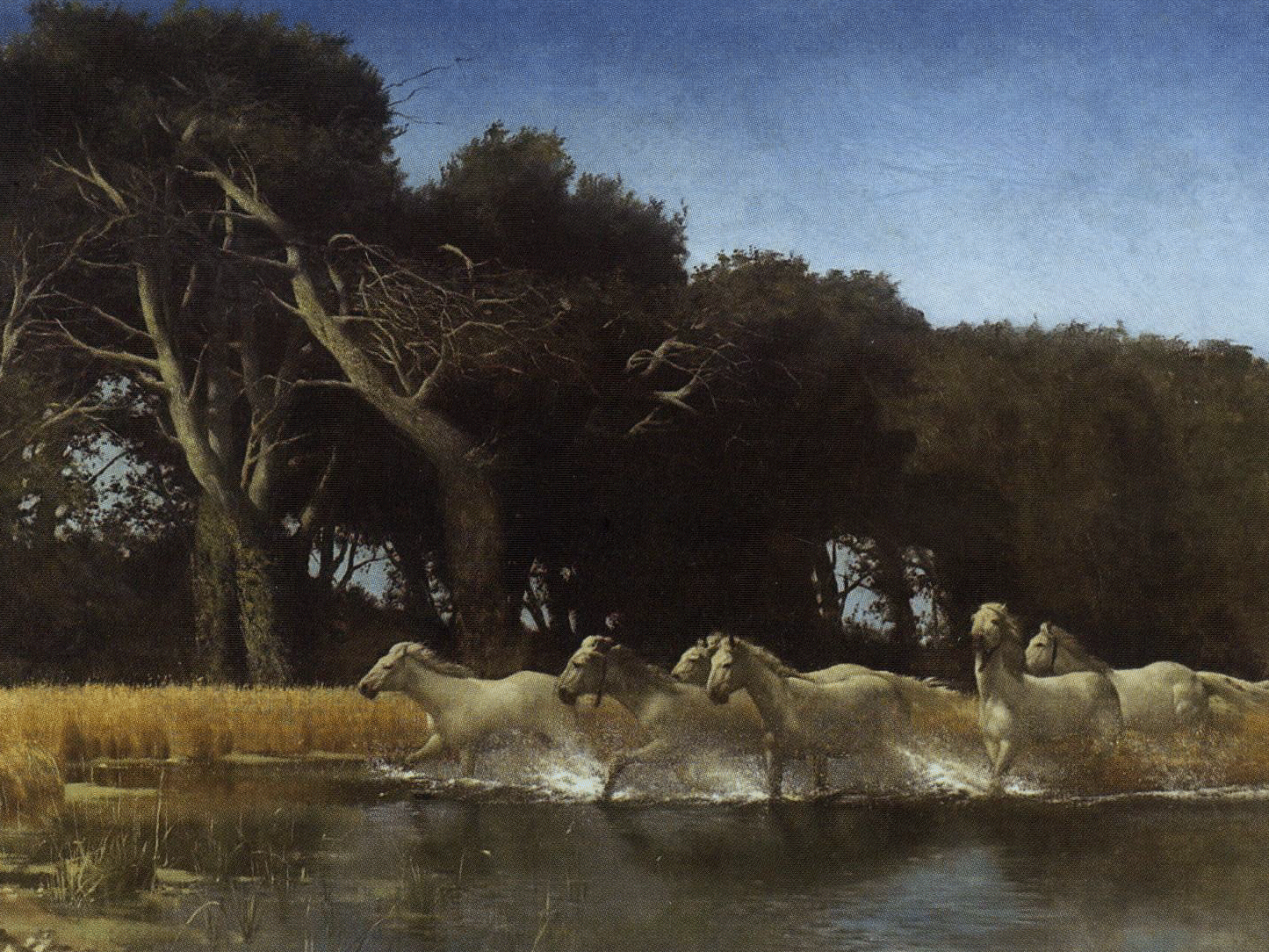
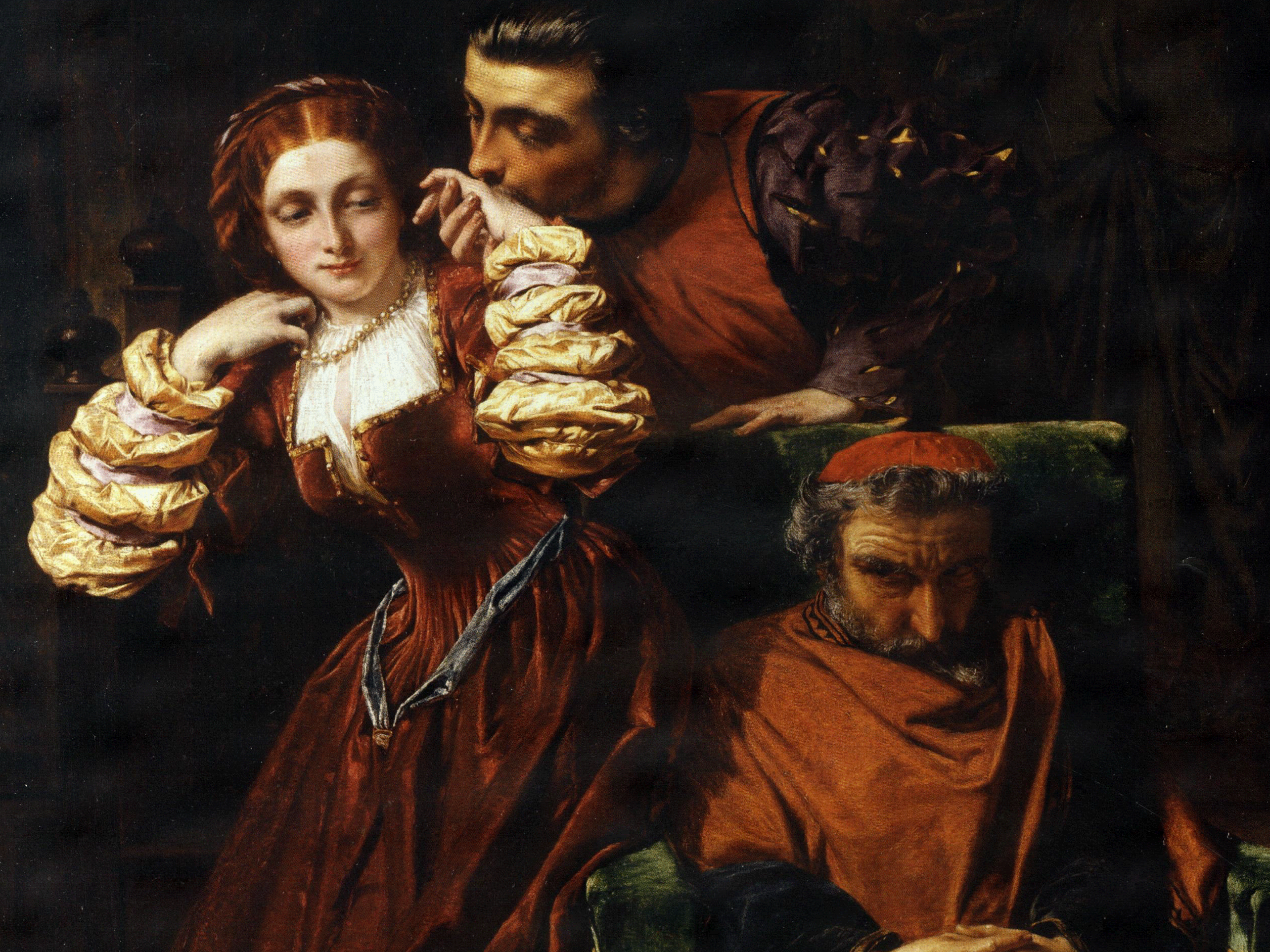
Visionary or Magic Realist? Brian Fallon evaluates the art of Patrick Hennessy
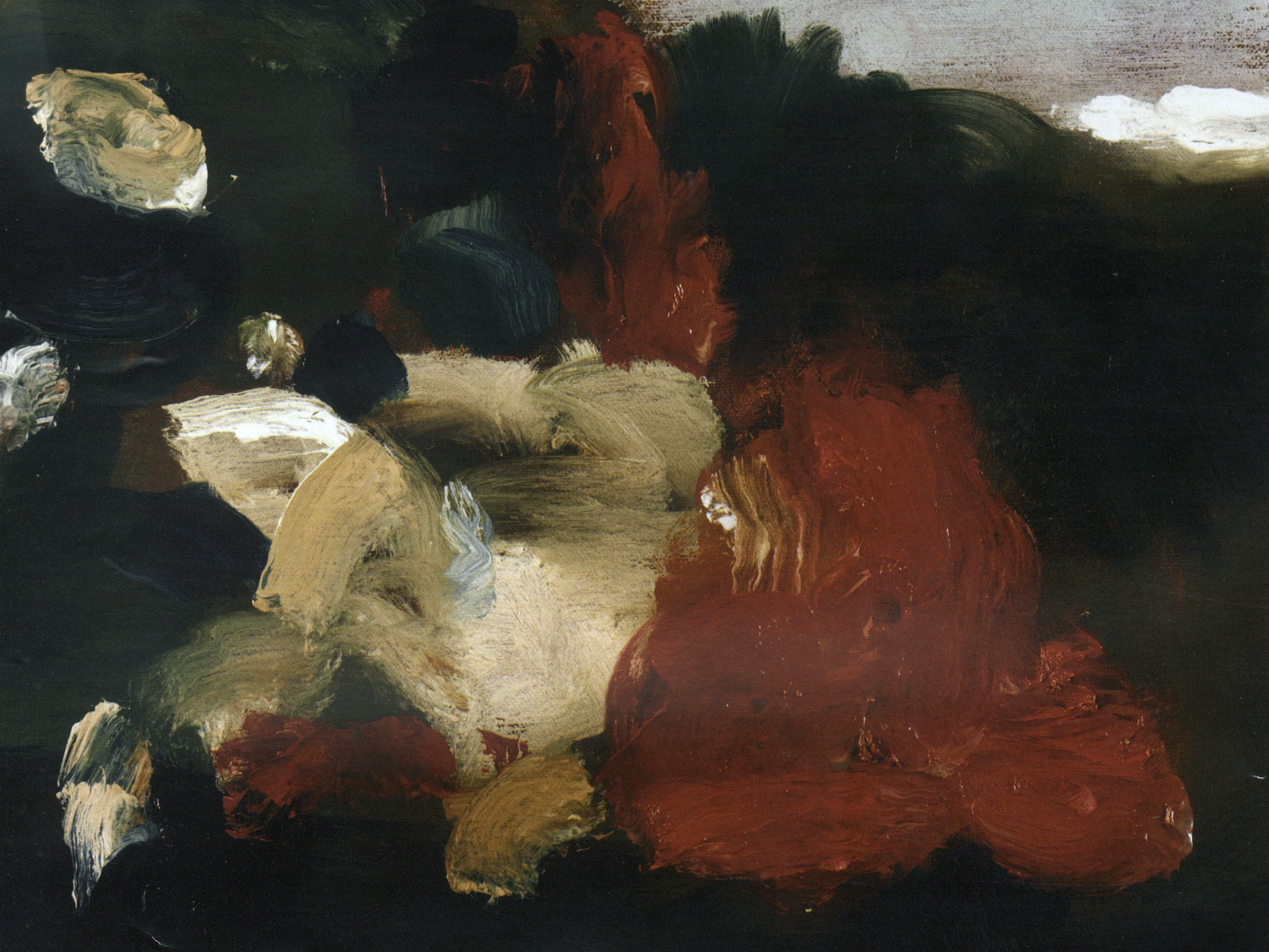
Painter and master printmaker Stephen Lawlor talks to Brian McAvera about the nuance of approach required for each medium, ahead of his solo show at Oliver Sears Gallery this winter
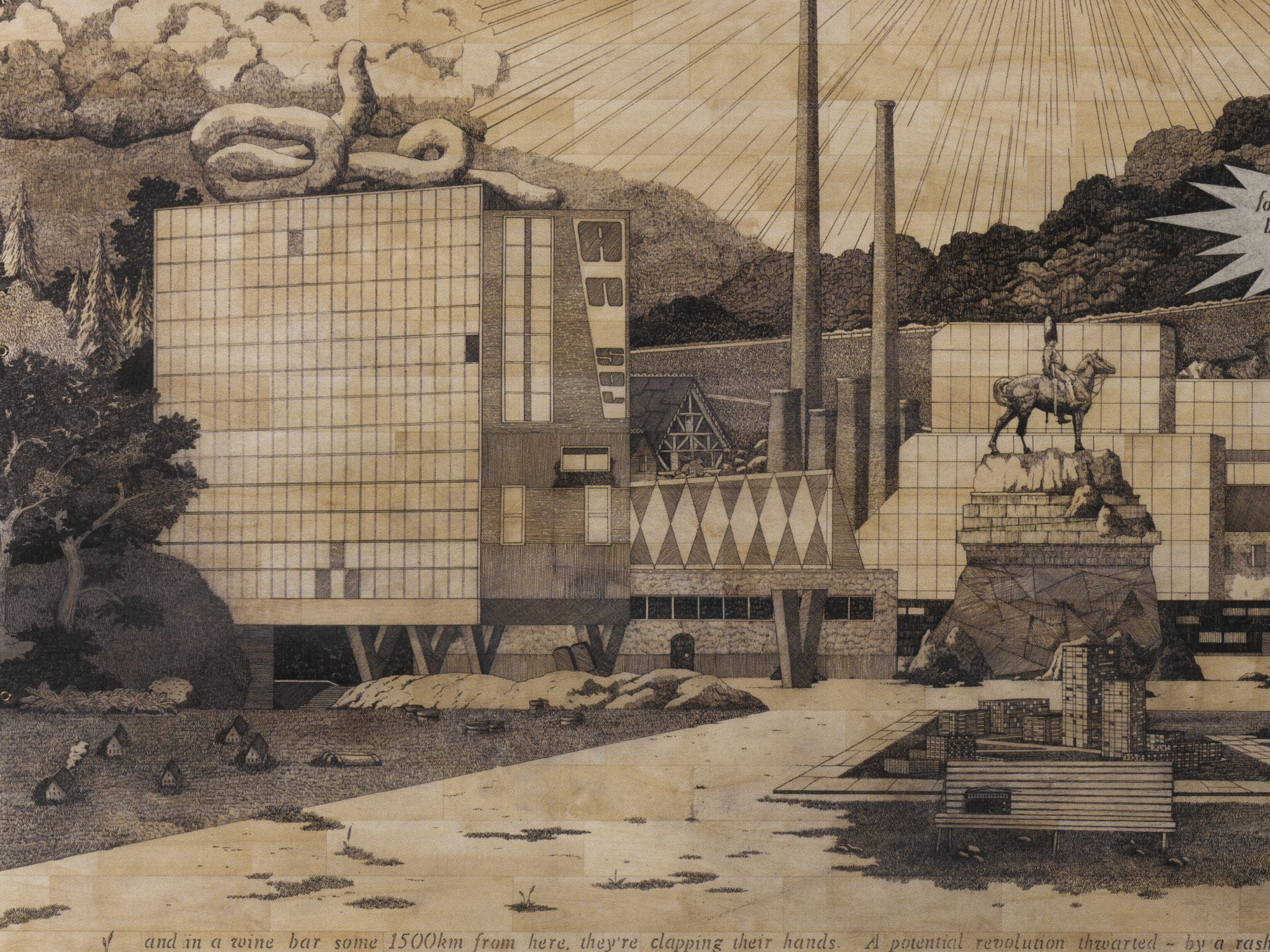
Mic Moroney navigates Stephen Brandes’ satirical visual diary featuring in ‘Phoenix Rising’ at Dublin City Gallery The Hugh Lane
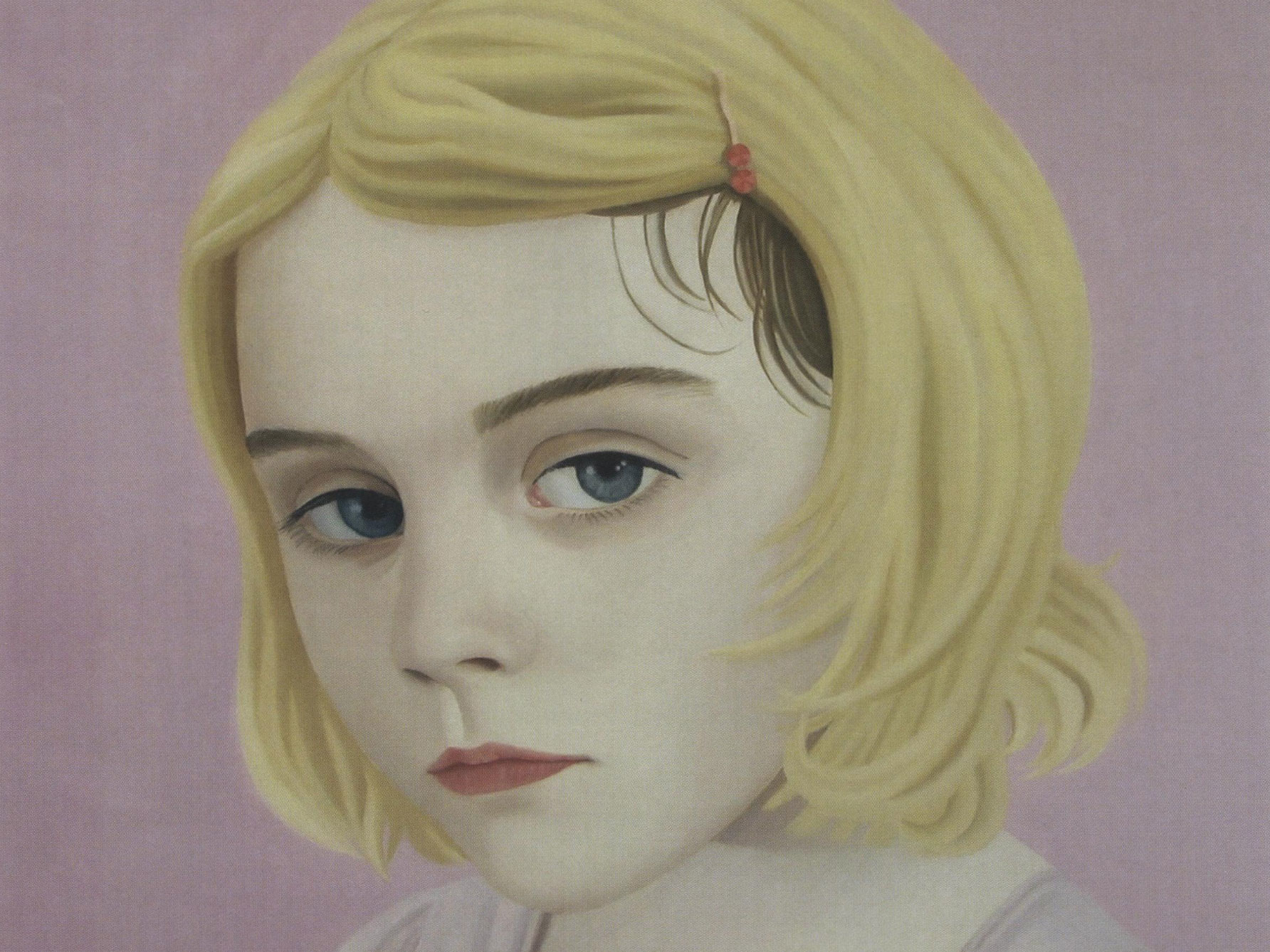
James Hanley is drawn into Cristina Bunello’s feminine environment where the gazed upon gazes back, at the Cross Gallery, Dublin
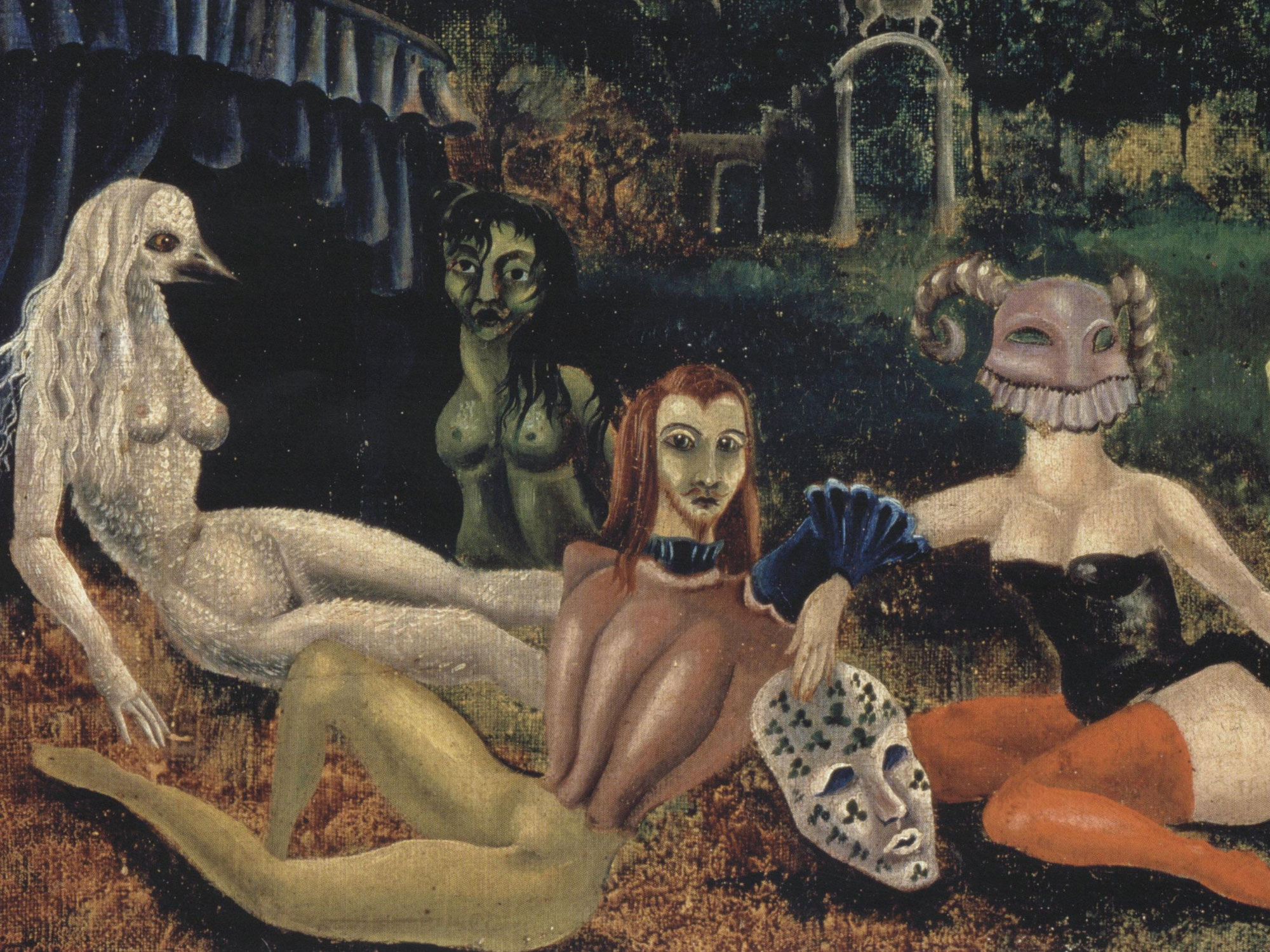
To what extent did Irish culture impact on Leonora Carrington’s writing and fantastic imagery? Sean Kissane explores the connections as the retrospective at IMMA continues
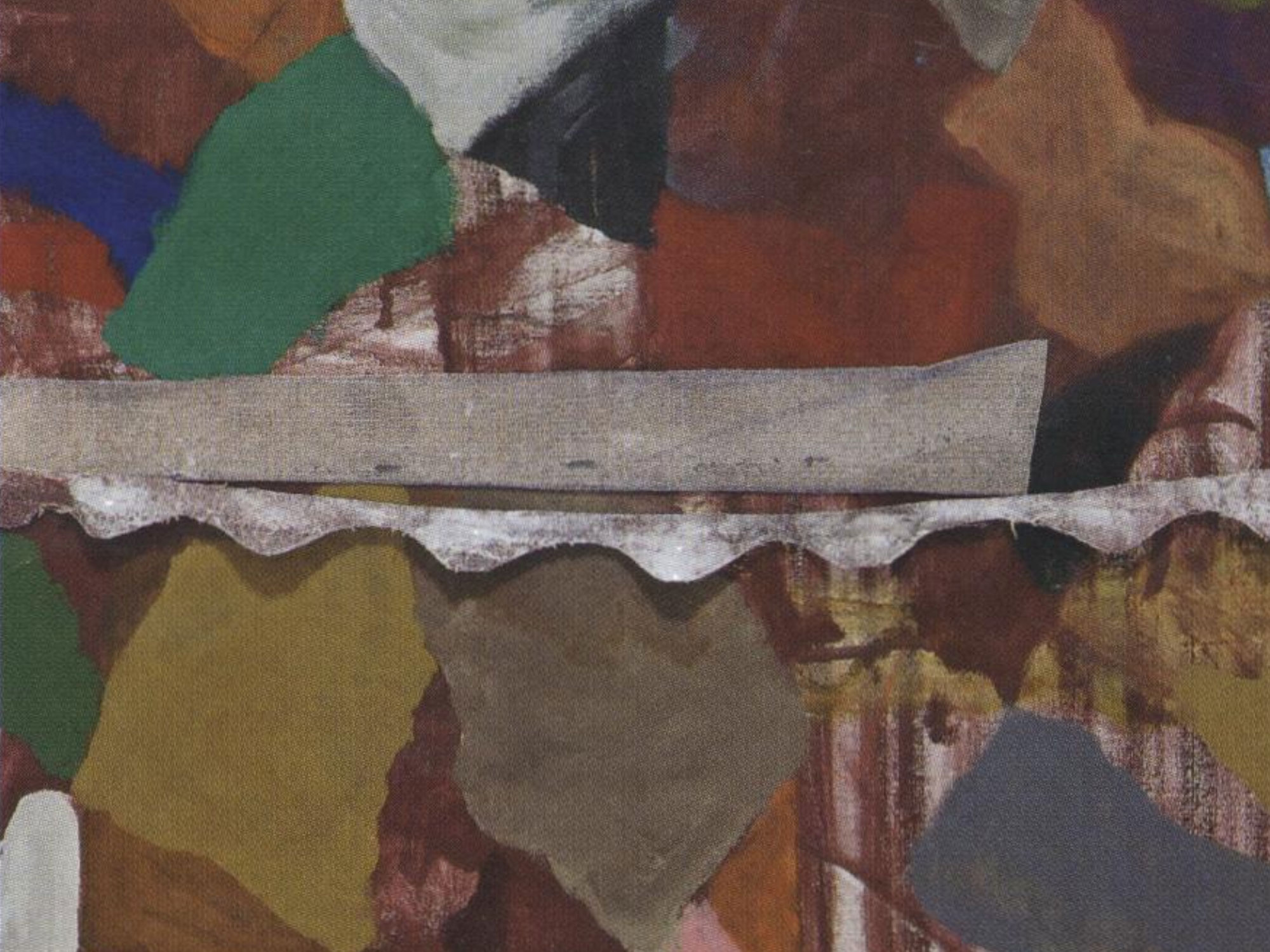
Following a somewhat nomadic upbringing, Cork-born artist Patrick Michael Fitzgerald has put down roots in the Basque Country, as Mark Joyce discovers.
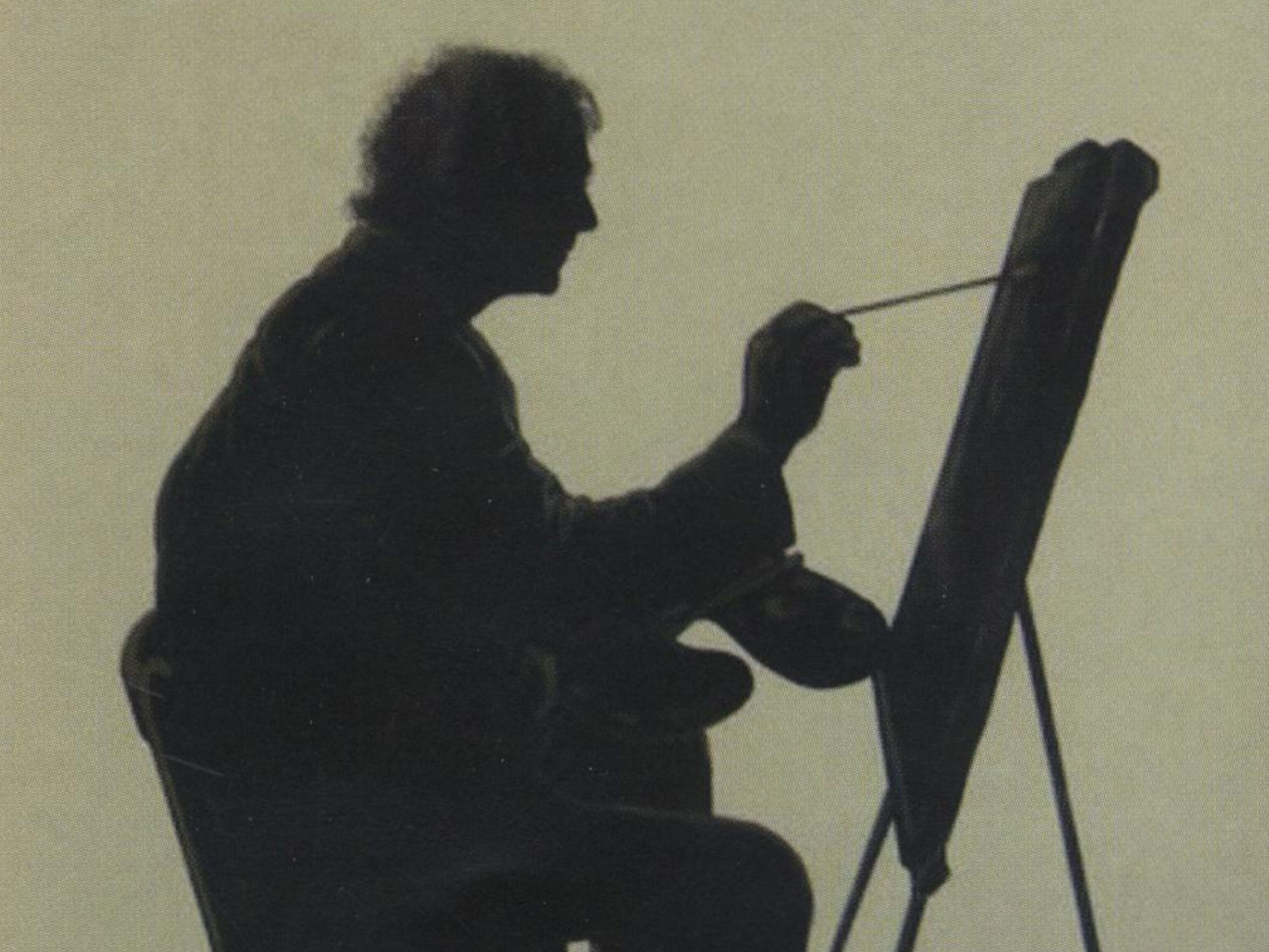
Phyllis Arnold continues the miniaturist’s art of capturing informal portraits of loved ones, writes Paul Caffrey
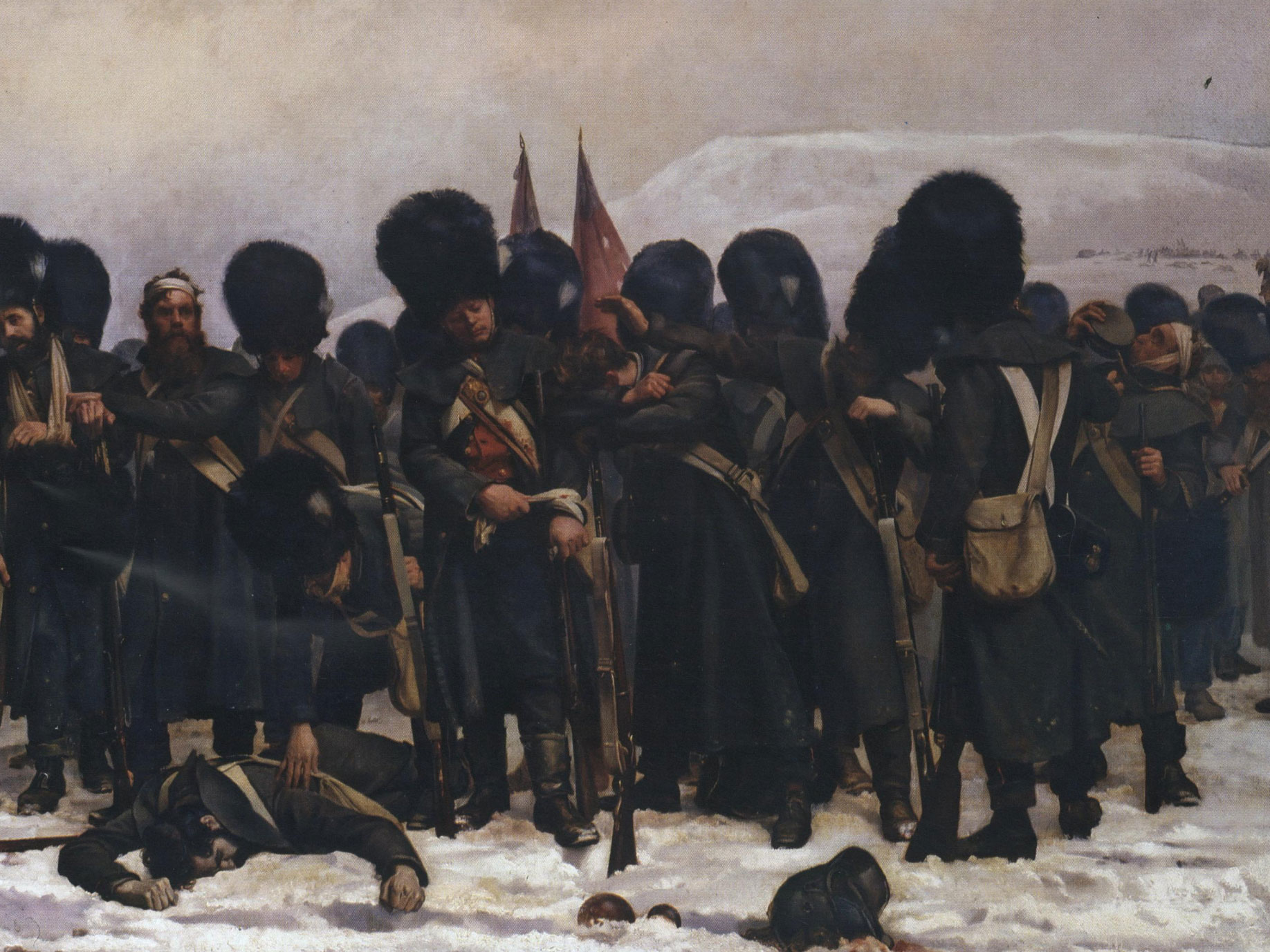
Peter Murray recalls the remarkable, unconventional career of Elizabeth, Lady Butler whose intense feeling for humanity is documented in her paintings
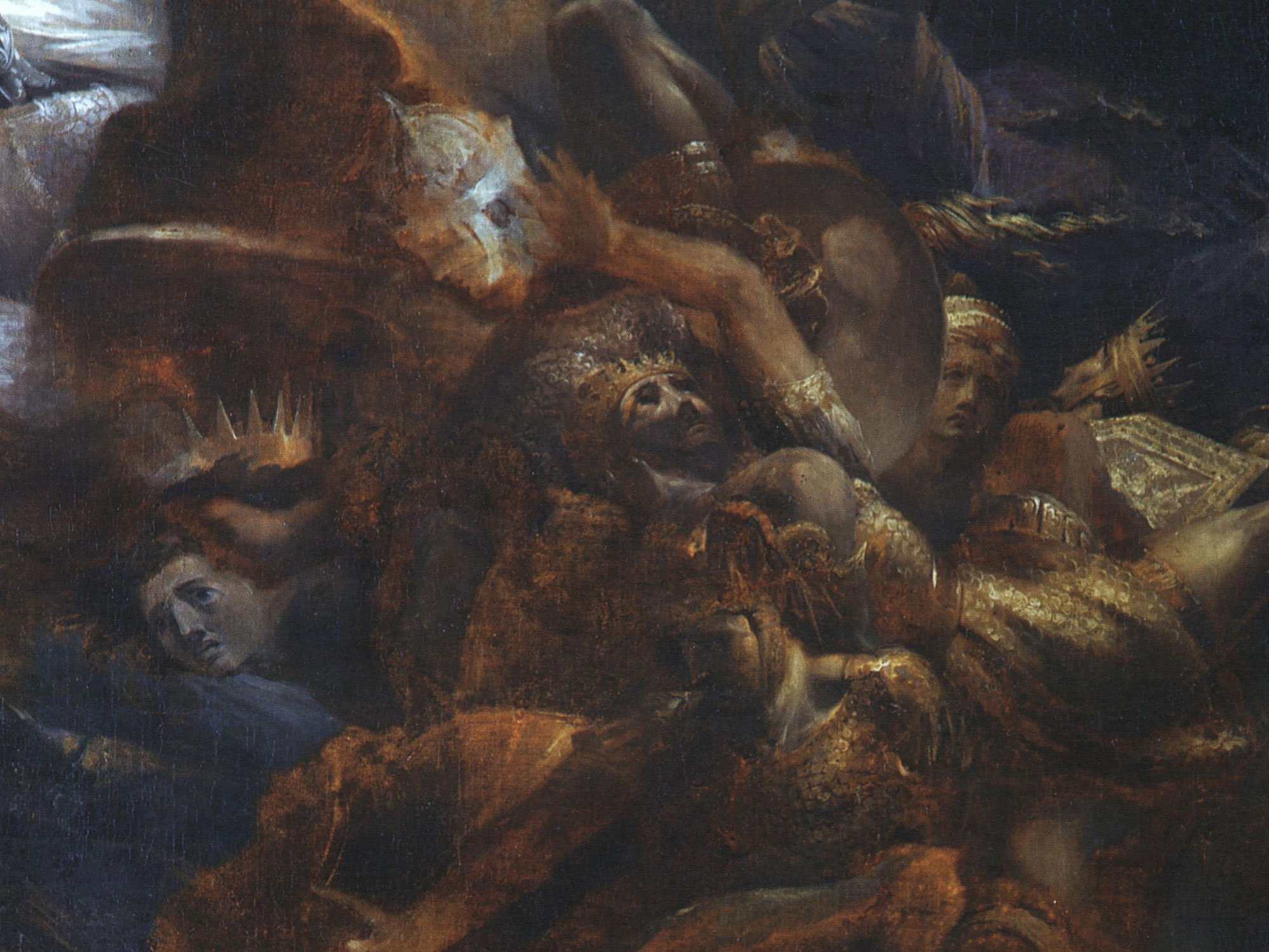
Michael Waldron and Shane Lordan pay tribute to Cork’s prodigy, Samuel Forde, whose precocious talent earned him a comparison with Raphael
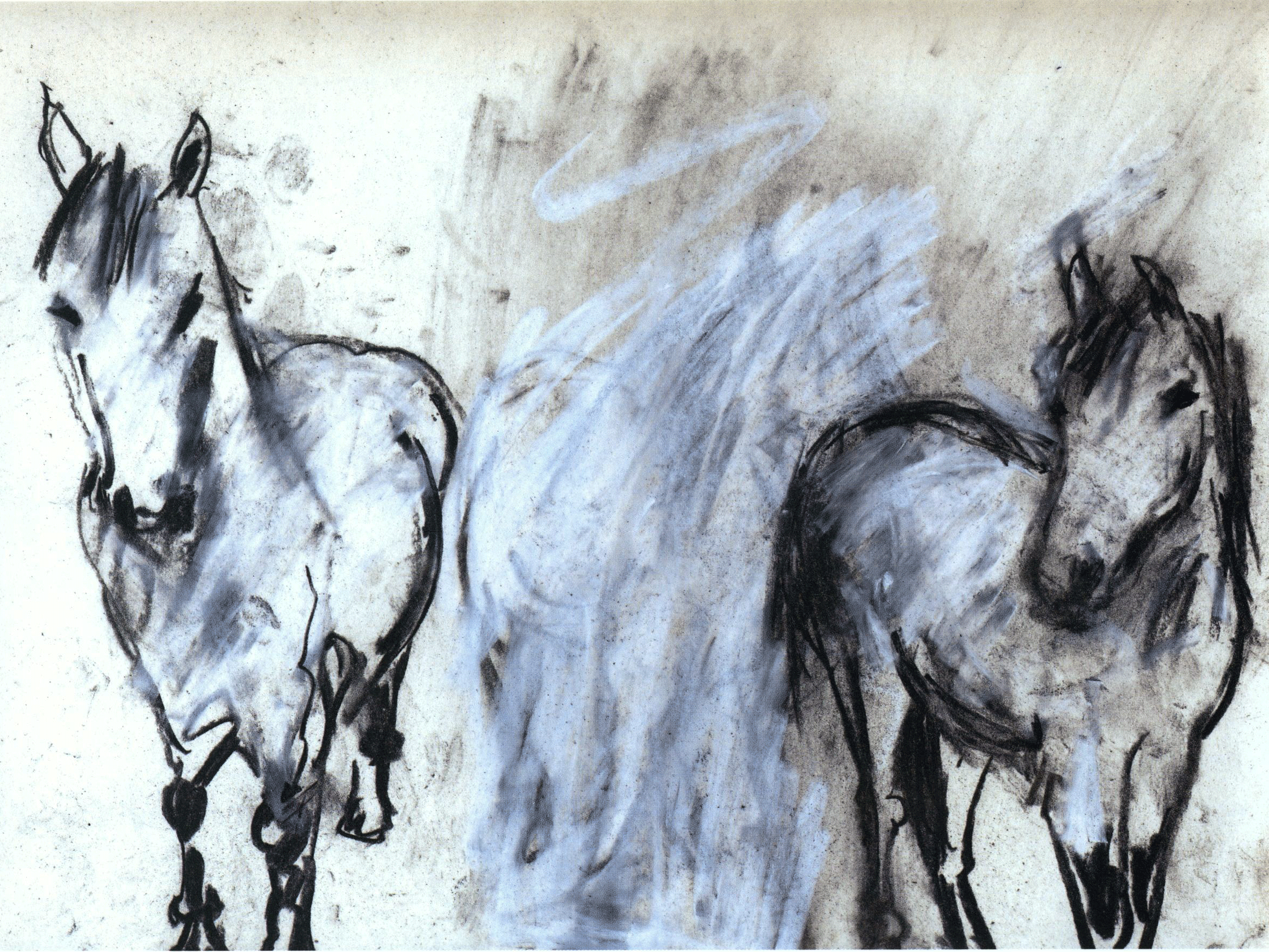
Ursula Burke, Emma Donaldson and Deirdre McKenna explore the mutable topic of time at the F E McWilliam Gallery, Banbridge. Claire Dalton looks at their responses
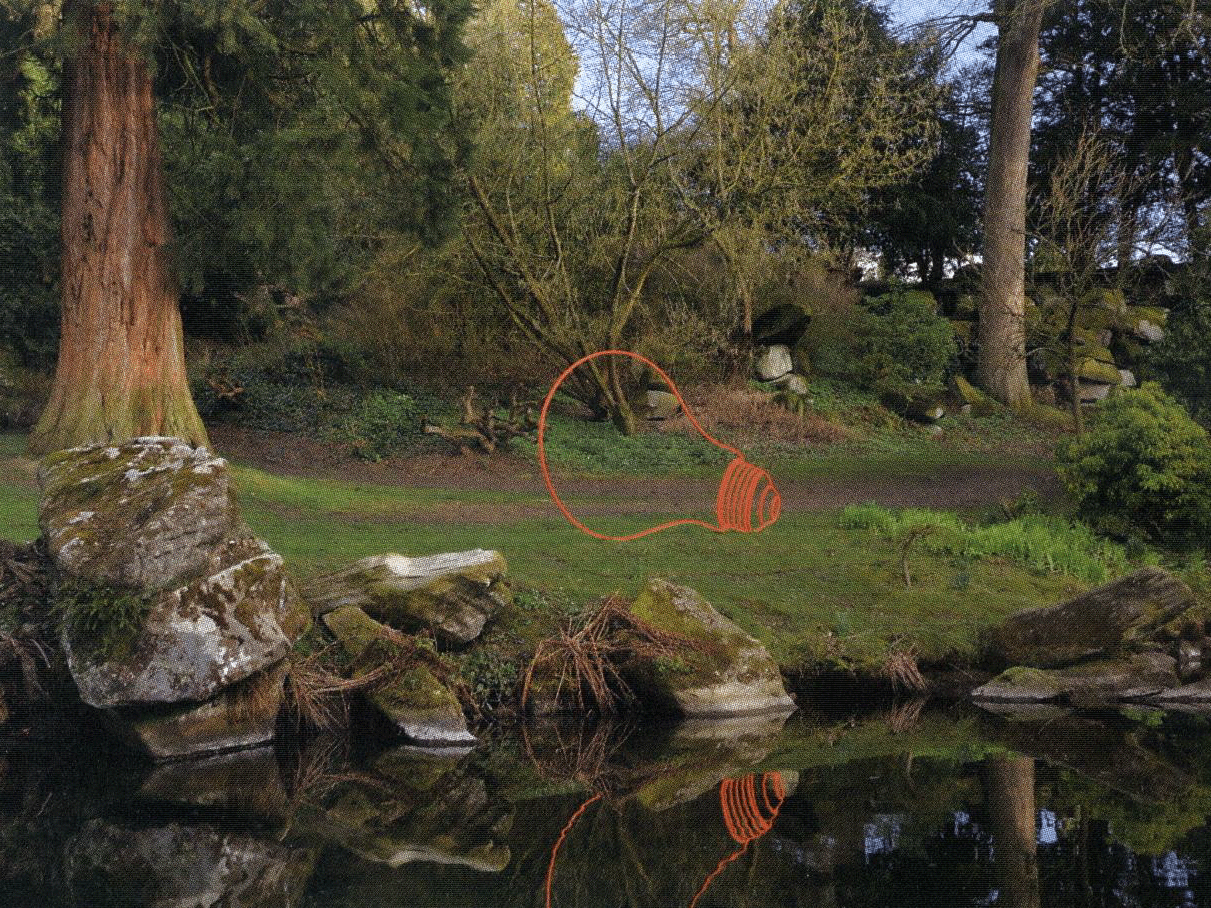
Michael Craig-Martin’s giant ‘Drawings’ at Chatsworth House, Derbyshire by Peter Murray
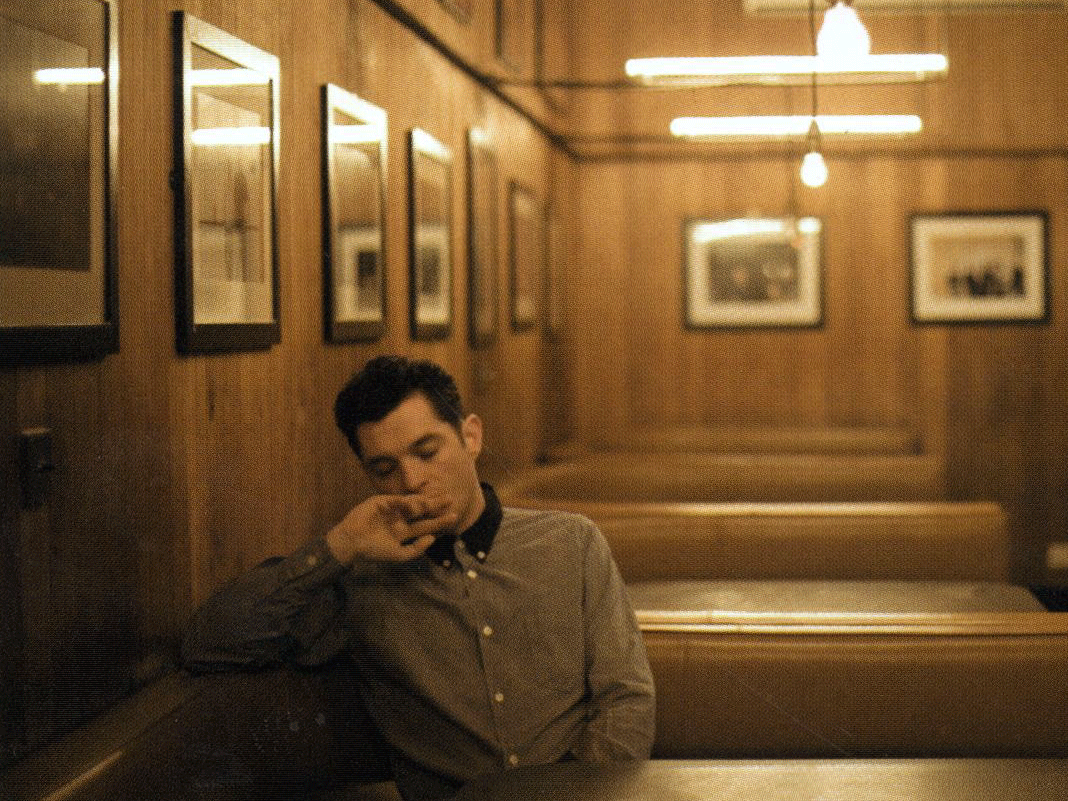
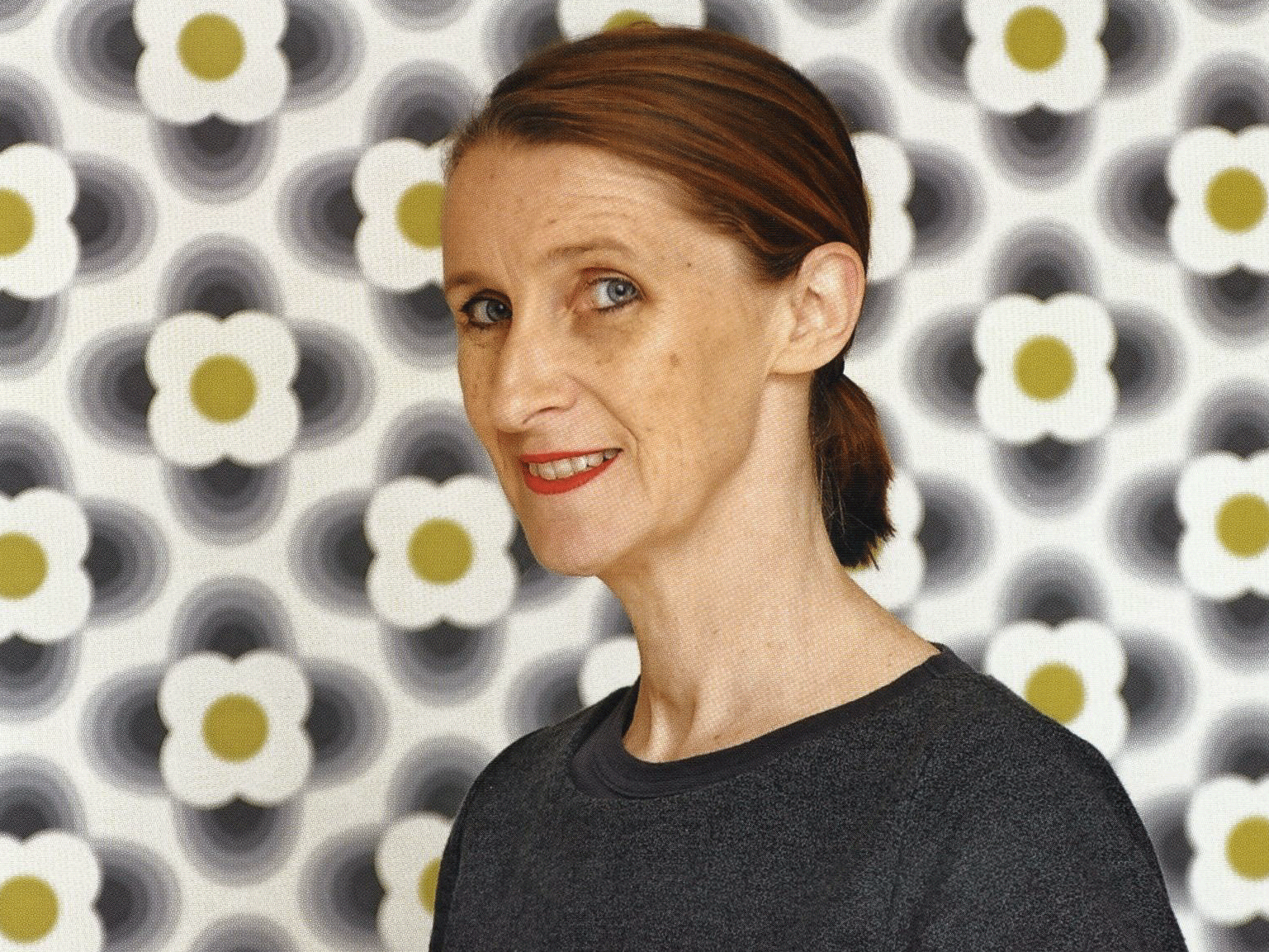
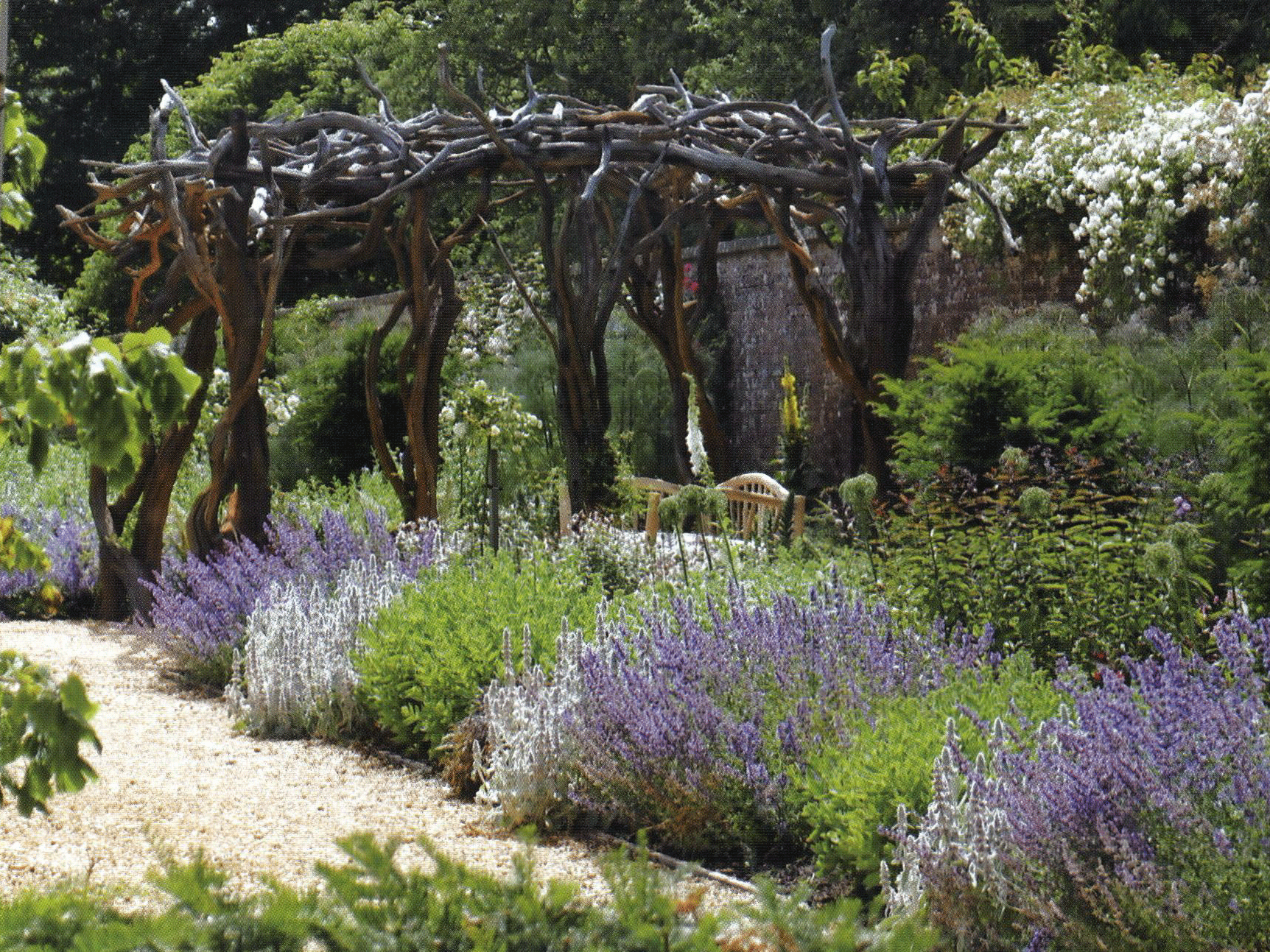
THE ROMANTIC GARDEN
DESIGNS OF CATHERINE
FITZGERALD BY PETER MURRAY
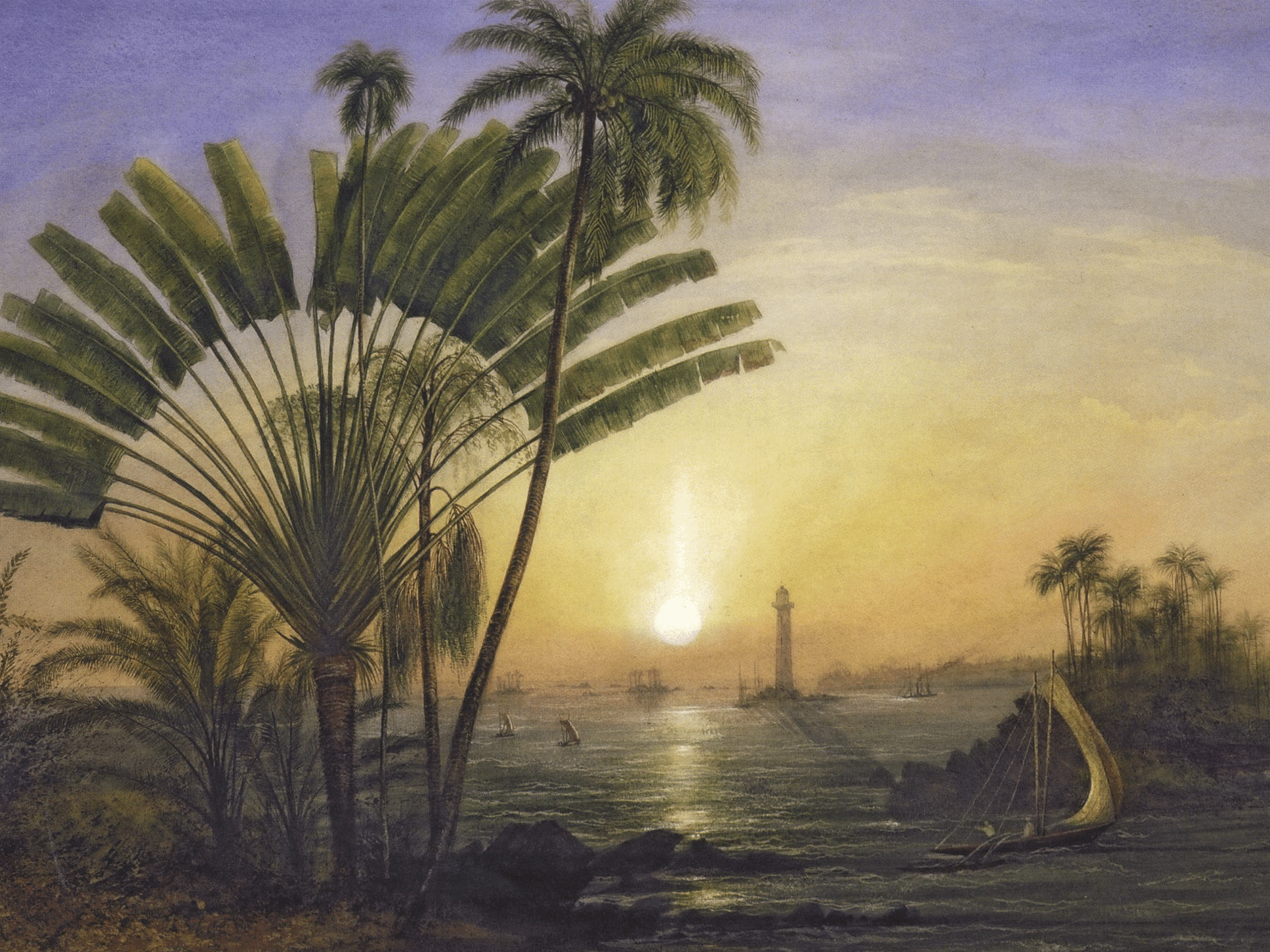
In our series on Irish artists abroad, John Mulcahy recalls Andrew Nicholl’s adventures as teacher of landscape painting in Colombo, Sri Lanka.
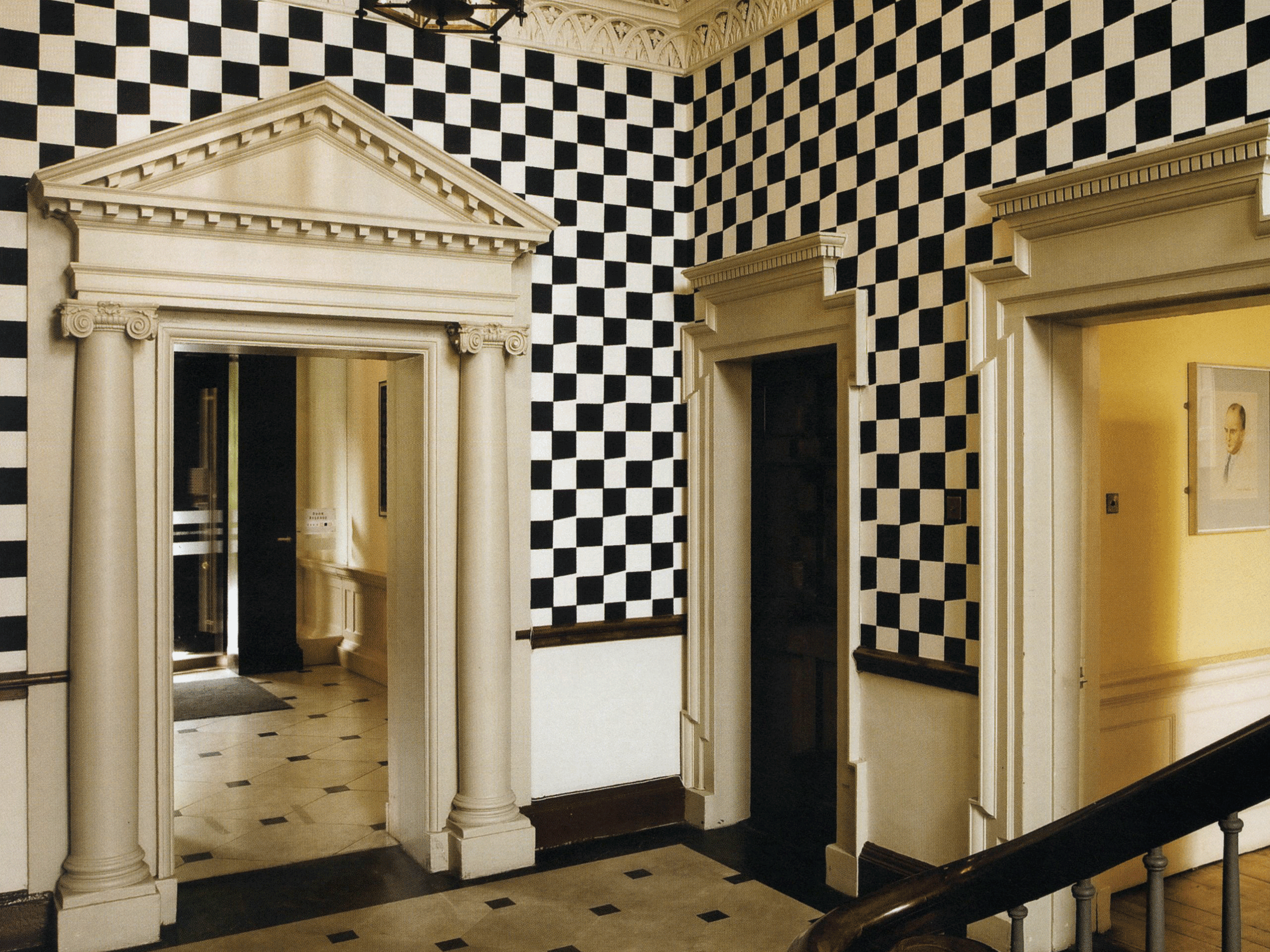
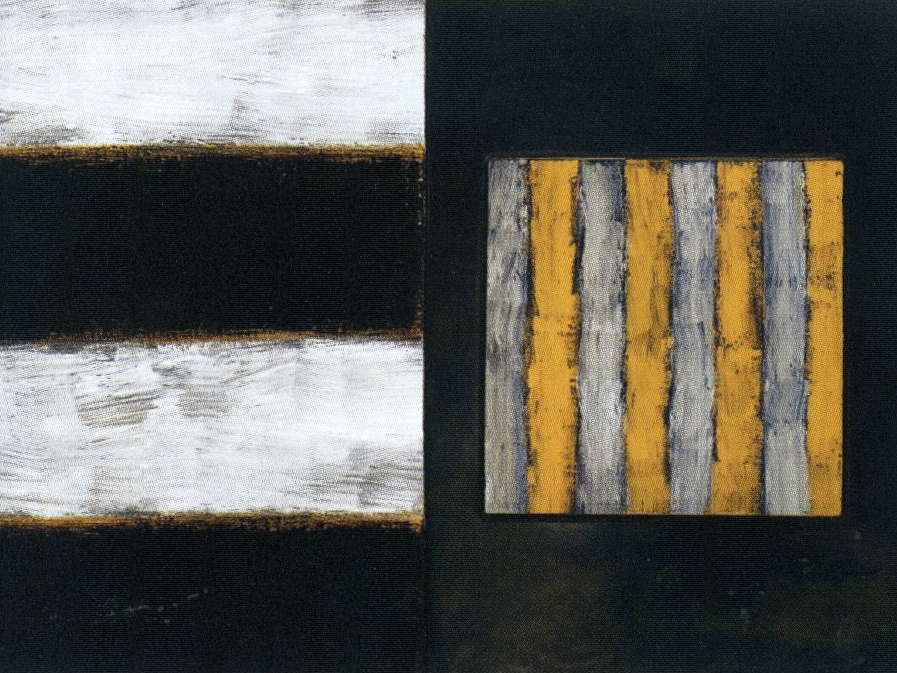
Sean Shanahan’s painting is a sensory experience rather than an illusionistic window onto the world, writes Elisabetta Longari of the Dublin-born artist who is based in Northern Italy.

New information on the woman in John Lavery’s portrait enables Margarita Cappock to reveal La Dame aux Perles
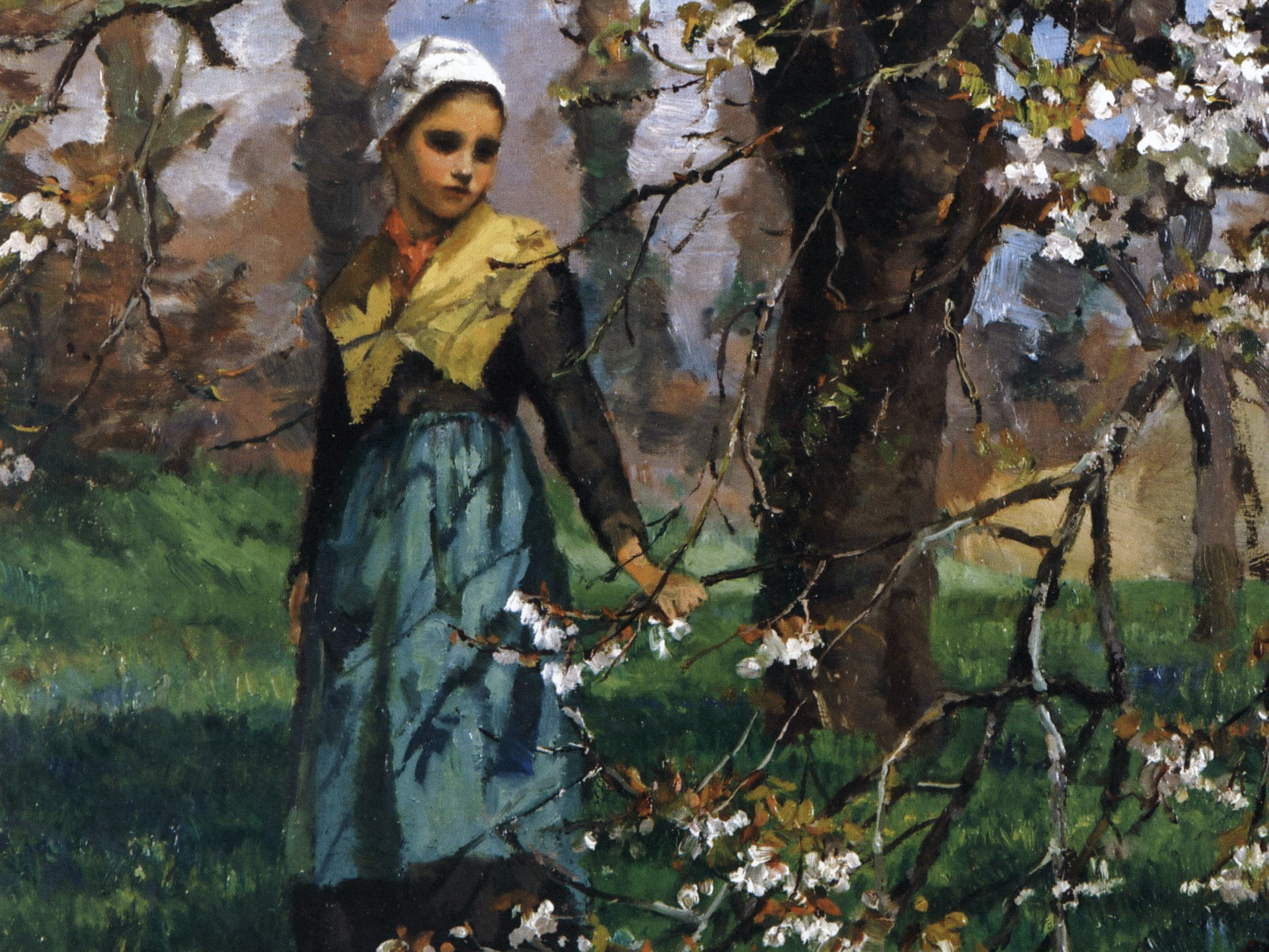
Julian Campbell remembers Maria Dorothea Webb who practised her art among the vanguard in Brittany and Cornwall

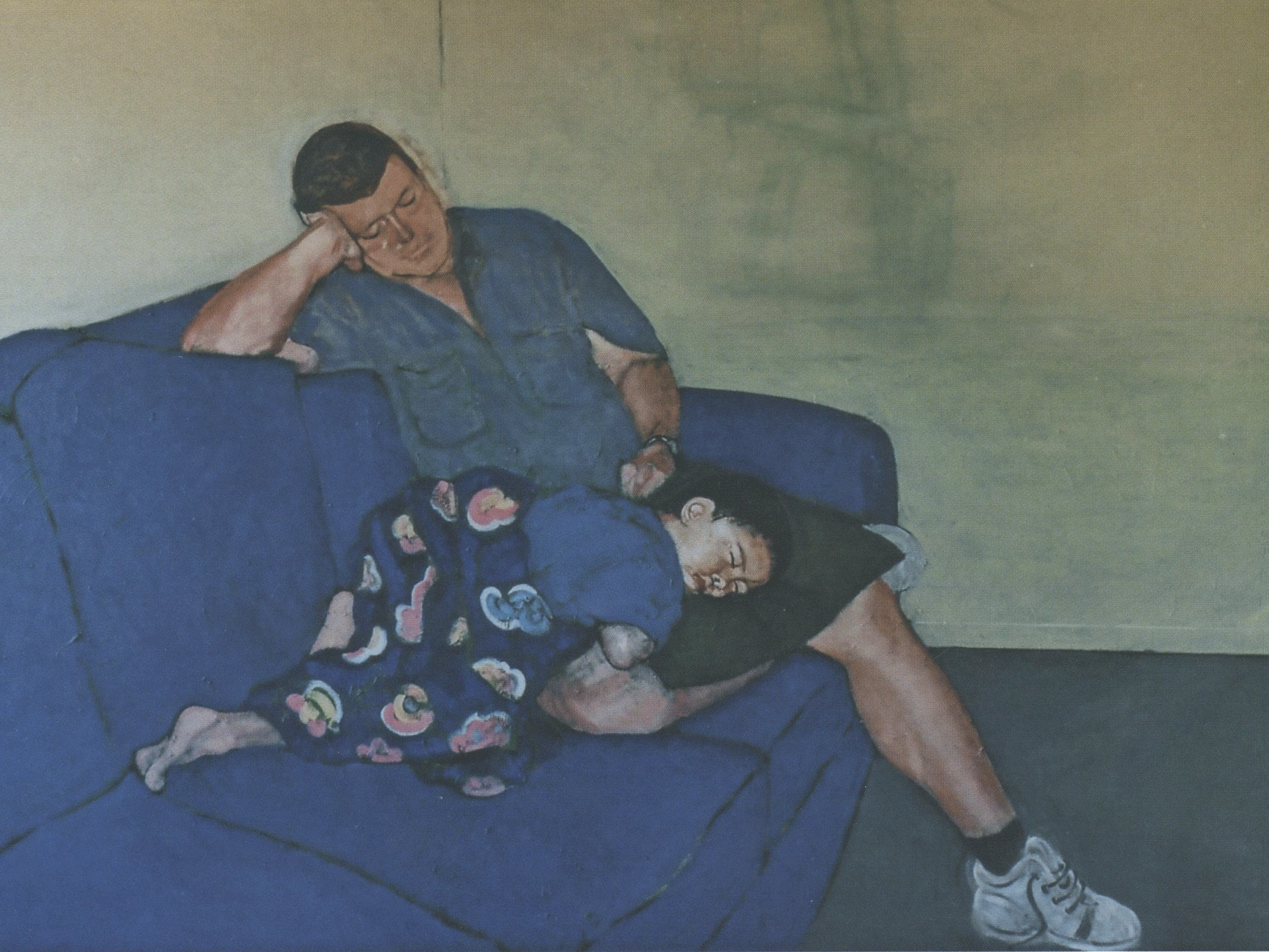
Michael Cullen recounts how Berlin’s non-stop pace and intense cultural milieu drew Lorean O’Byrne to the cosmopolitan city in the 1980s
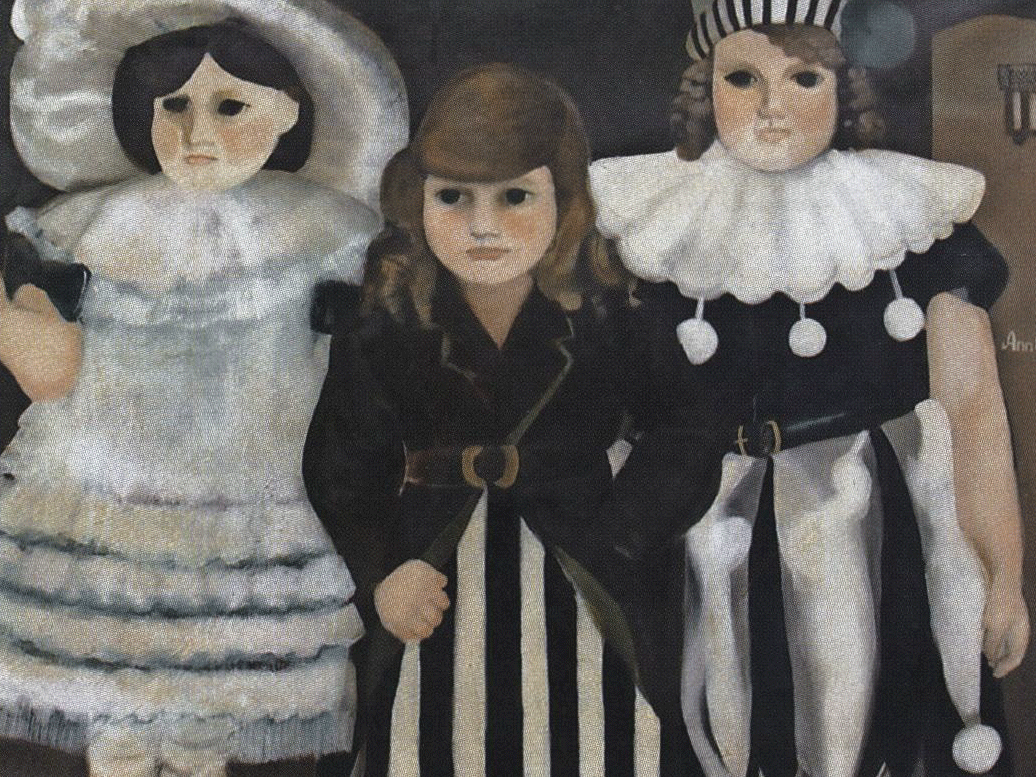
Over a career spanning five decades, Ann Griffin Bernstorff has built up a treasury of magical yet historically informed images, writes Nicola Gordan Bowe
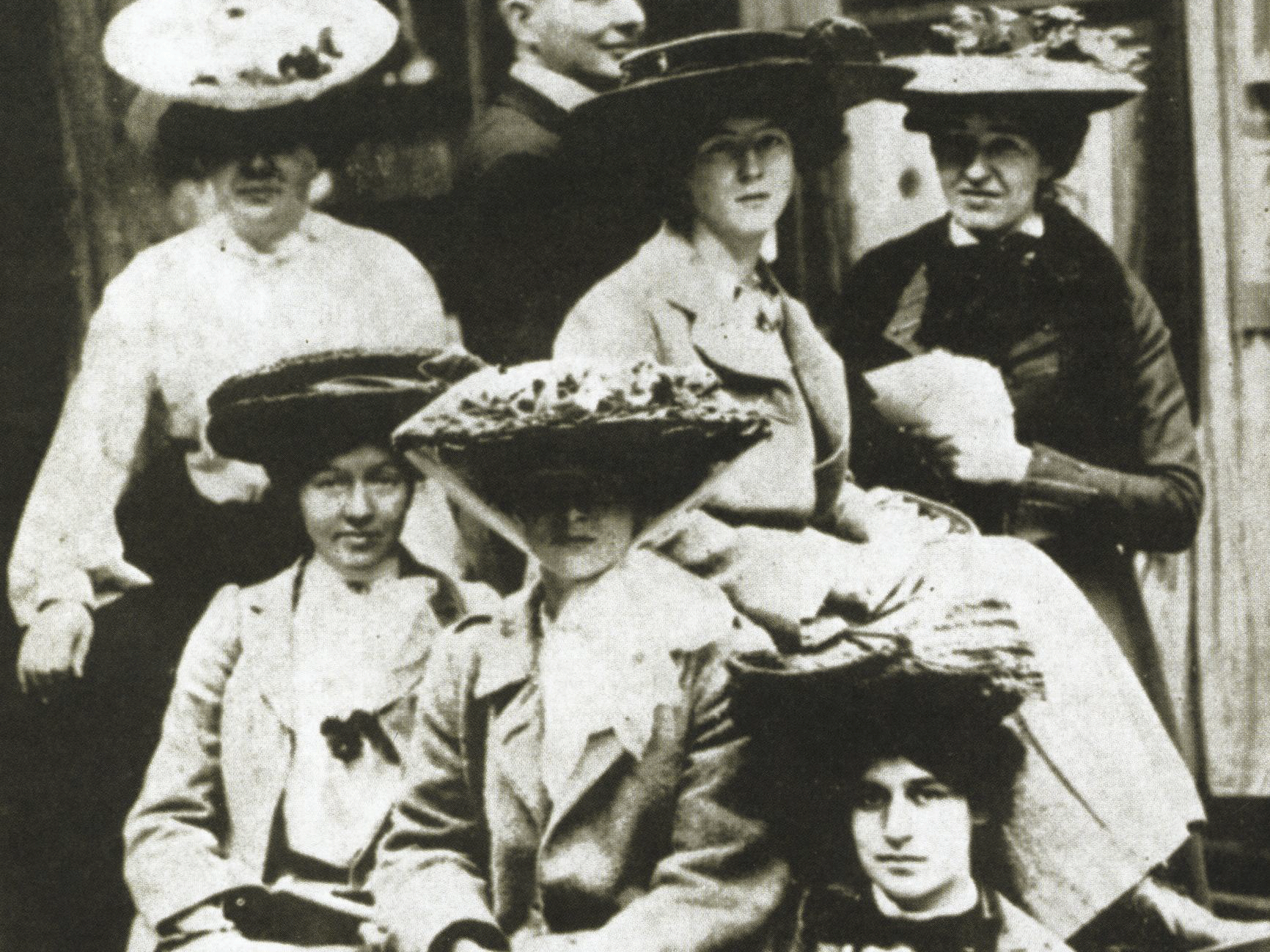
Hilary Pyle remembers Lily Williams, the independent young woman whose introduction to the romantic spirit of Irish nationalism was sparked by her friendship with Arthur Griffith
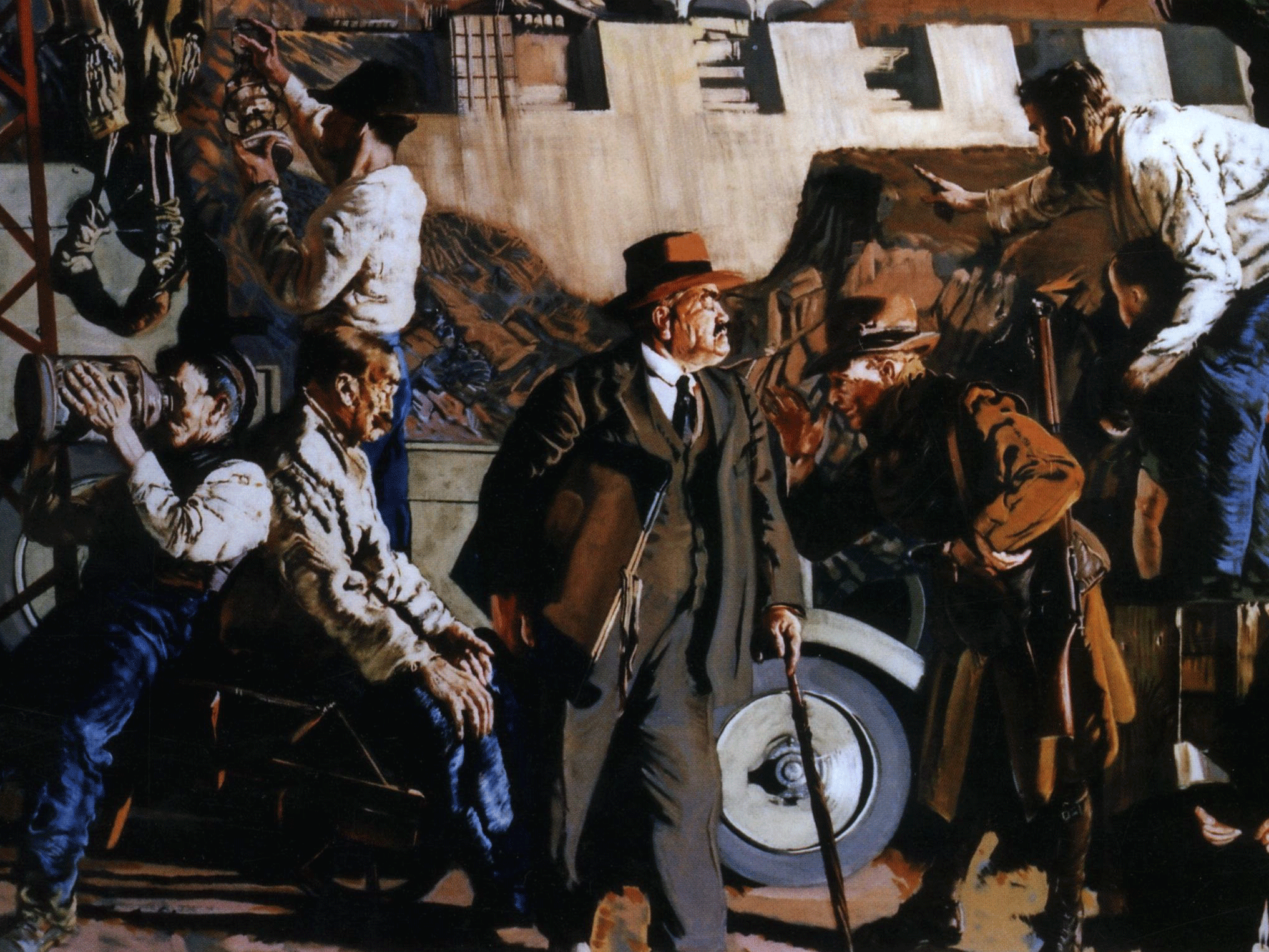
Brian Fallon examines the career of Seán Keating whose series documenting the installation of electricity in Ireland is on view at the RHA until mid December.
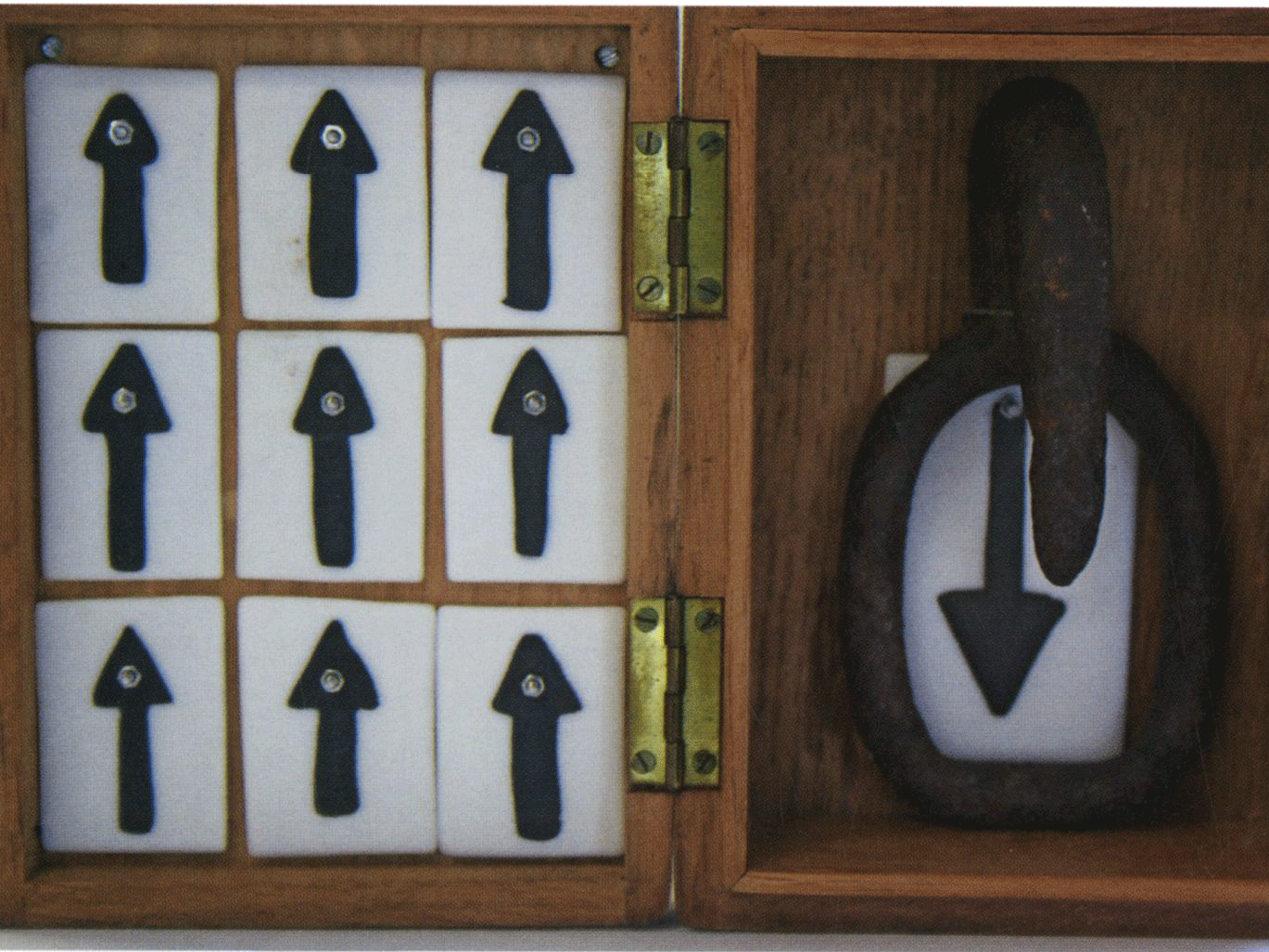
“I have always been interested in how very ordinary things can lead us to an understanding of the extraordinary”, Marie Foley tells Brian McAvera as assemblages for her small sculptural works go on exhibit as part of the Arts Council’s “Into the Light” exhibition at the Model, Sligo this winter.
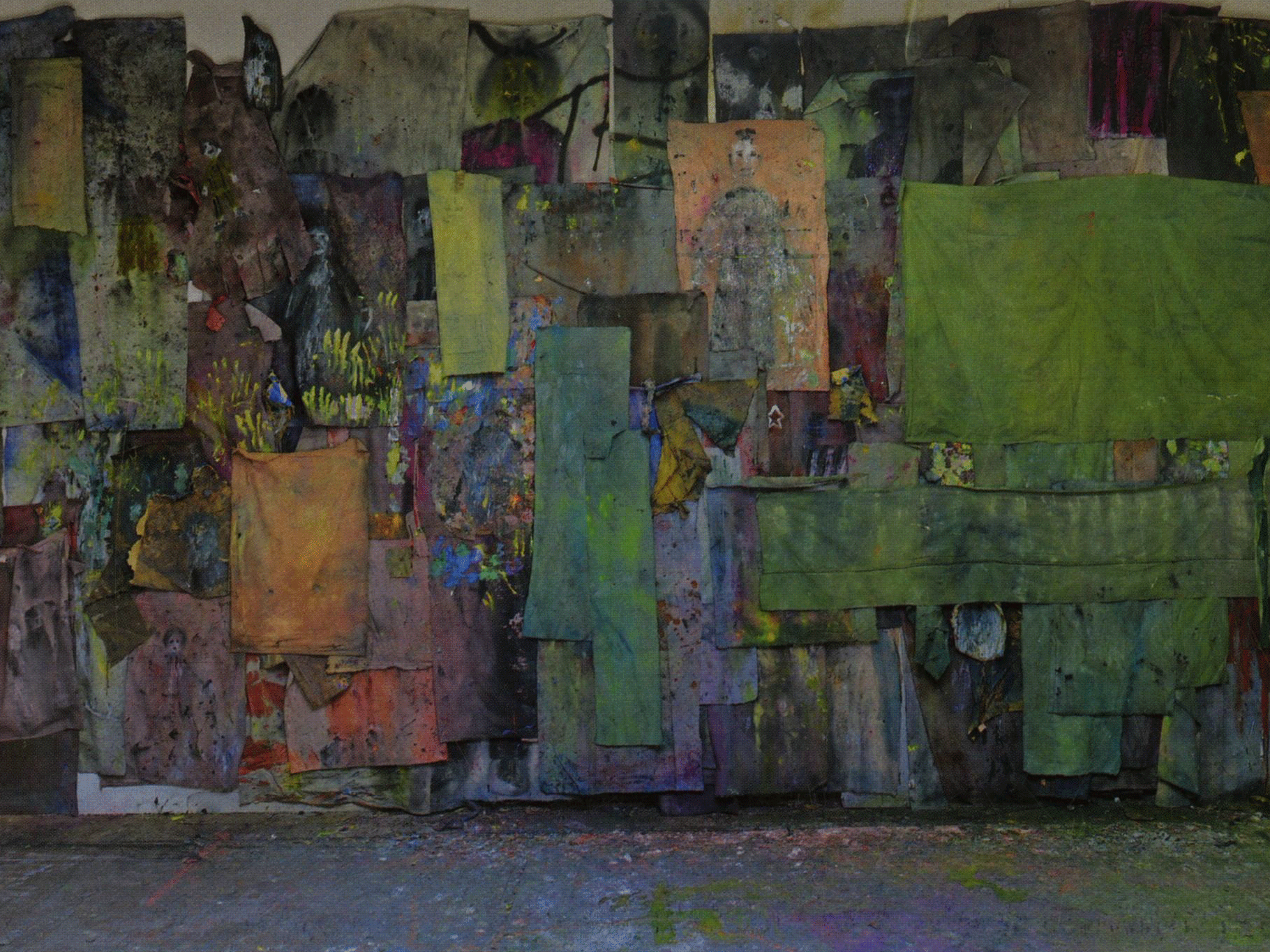
Rodney Dickson, who is based in New York, has over the last intensely active decade enjoyed a global reach through his exhibitions; Brian McAvera meets the Ulster-born artist
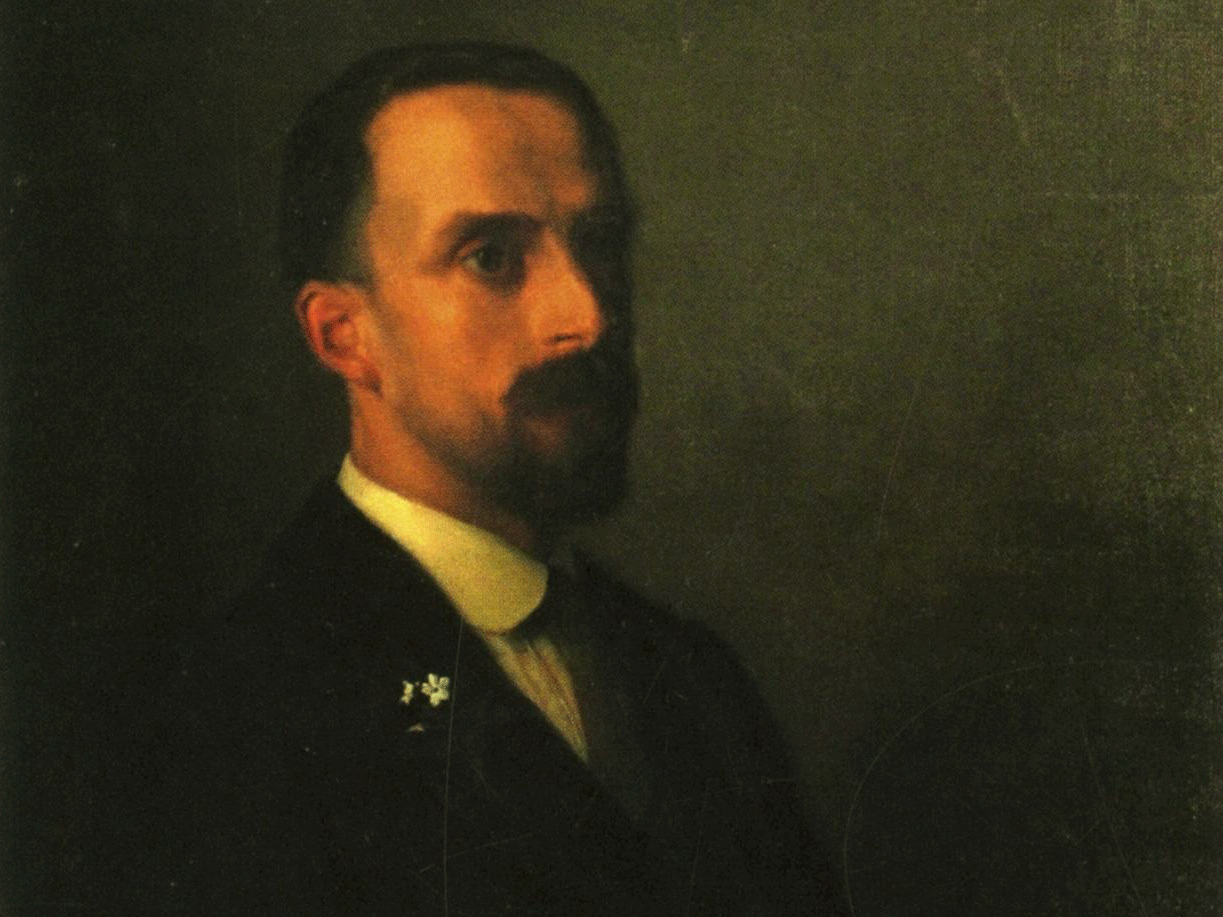
Margarita Cappock recalls the indomitable Sarah Cecilia Harrison, whose artistic and political achievements became overshadowed by her relationship with Hugh Lane.
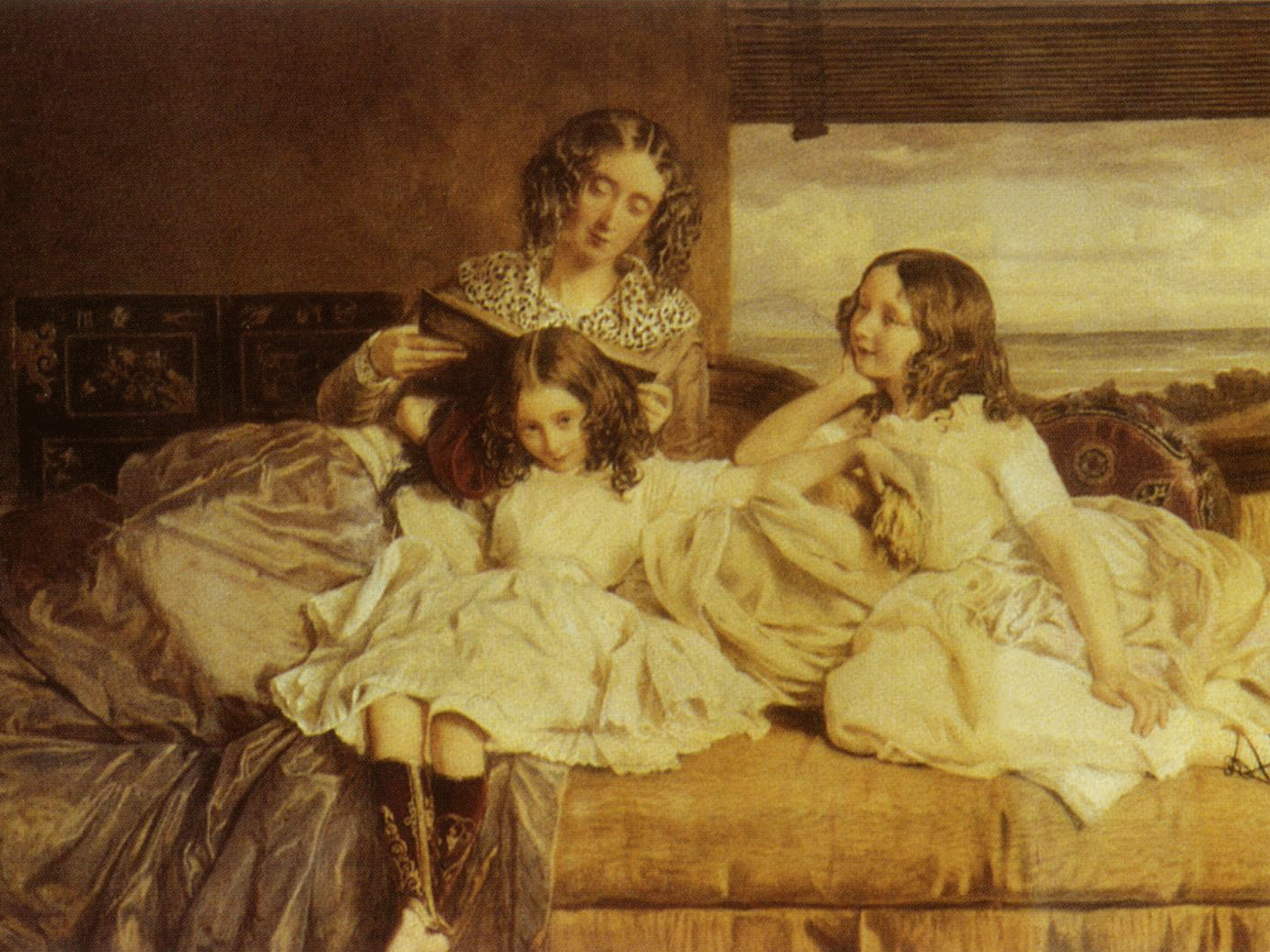
Peter Murray recalls the glittering career of Frederic William Burton, author of Ireland’s favourite painting
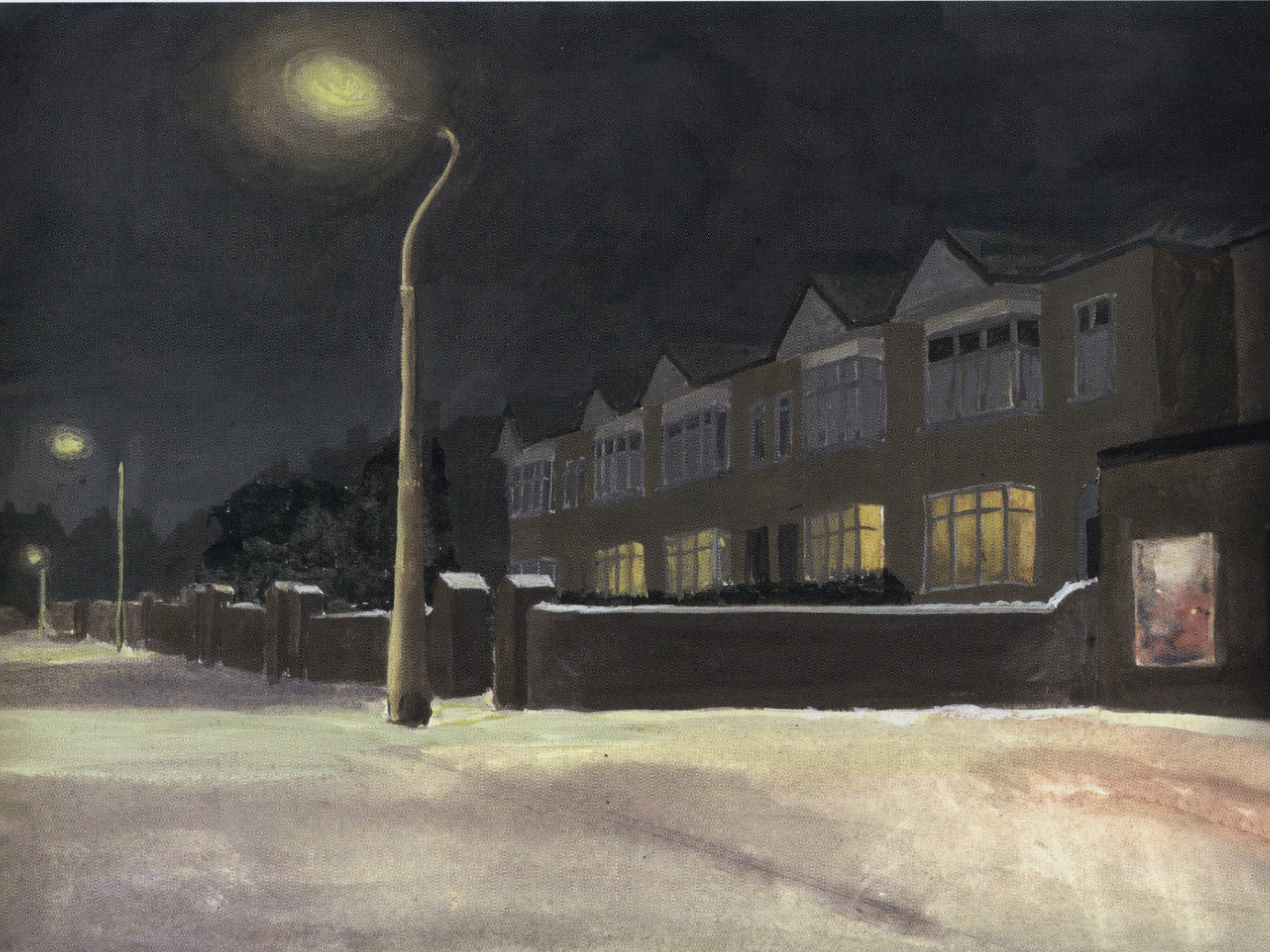
In a new series of work for the RHA this winter Eithne Jordan has turned her attention toward home, writes Kevin Barry.
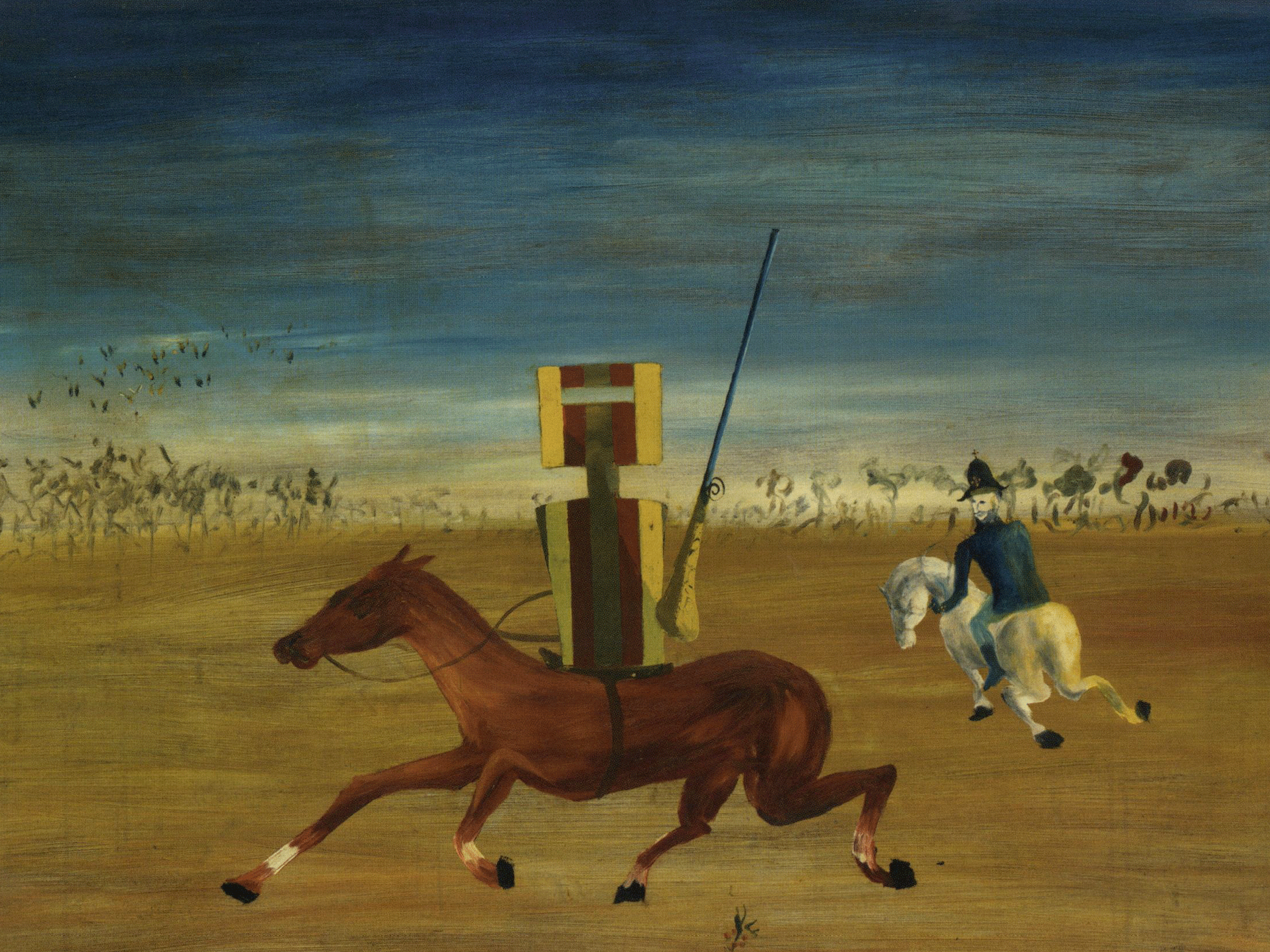
Brian P Kennedy reveals how Sidney Nolan created his signature work. Rarely seen outside of Australia, the series is on view at IMMA in November
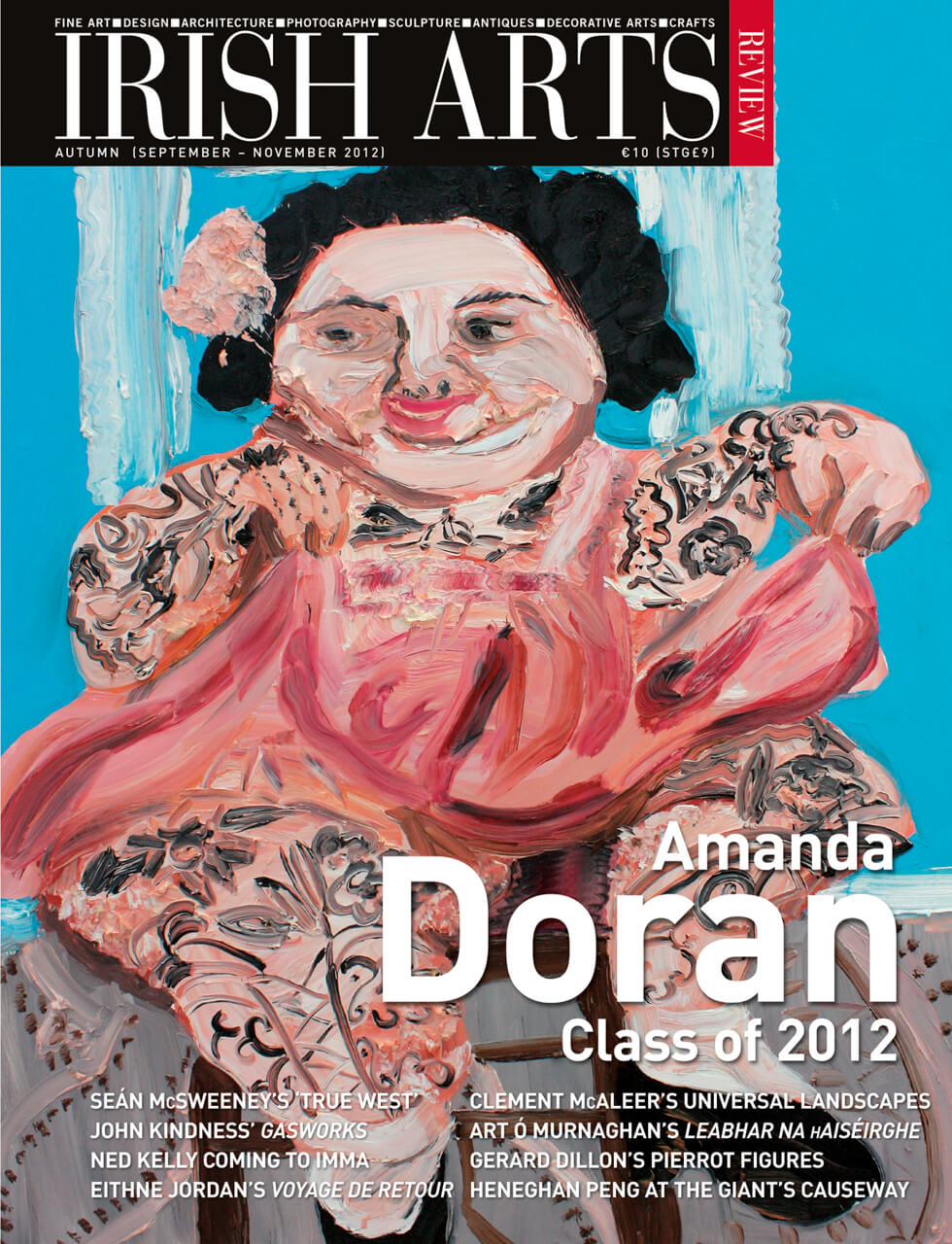
Karen Reihill considers the significance of the Pierrot figure in the last phase of Gerard Dillon’s career
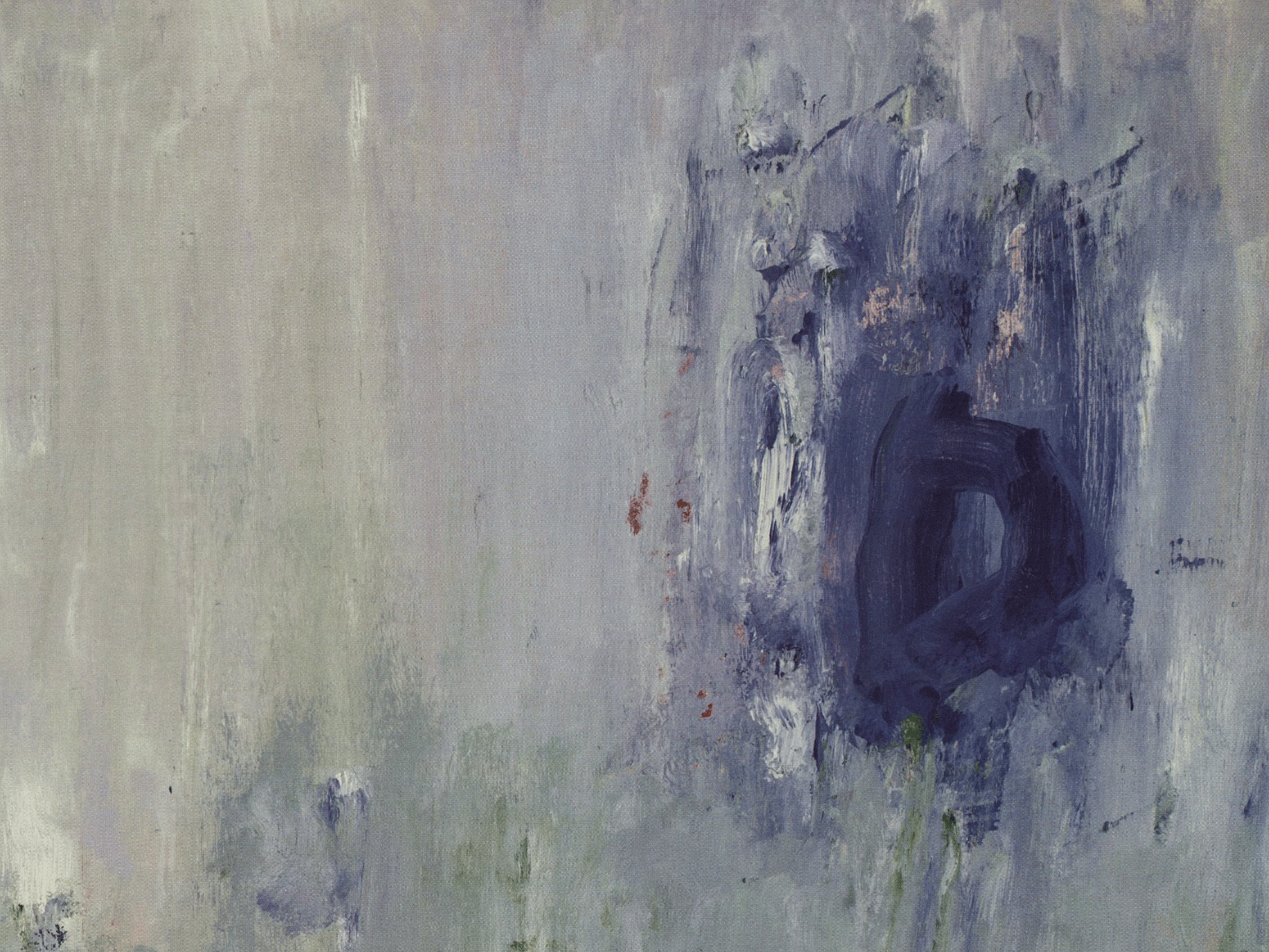
In continuing our series on Irish artists abroad, Geert Lernout examines the career of Dubliner Pat Harris, who like Walter Osborne and Roderic O’Conor travelled to Antwerp’s Royal Academy to study, unlike them he stayed on to become its Professor of Painting.
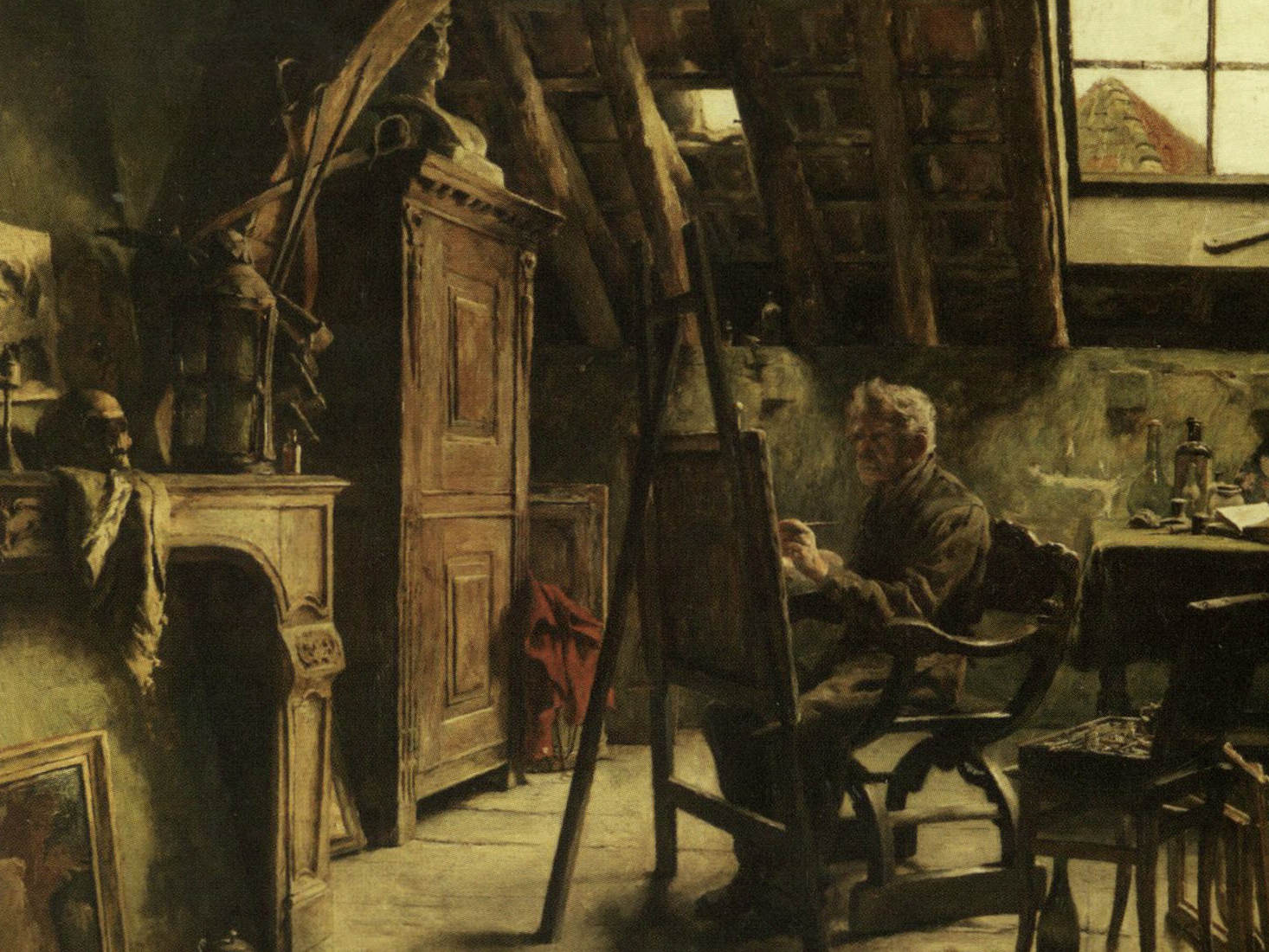
Julian Campbell recalls the career of a little-remembered artist in the year of his centenary who was once part of the progressive Antwerp School in the 1880s
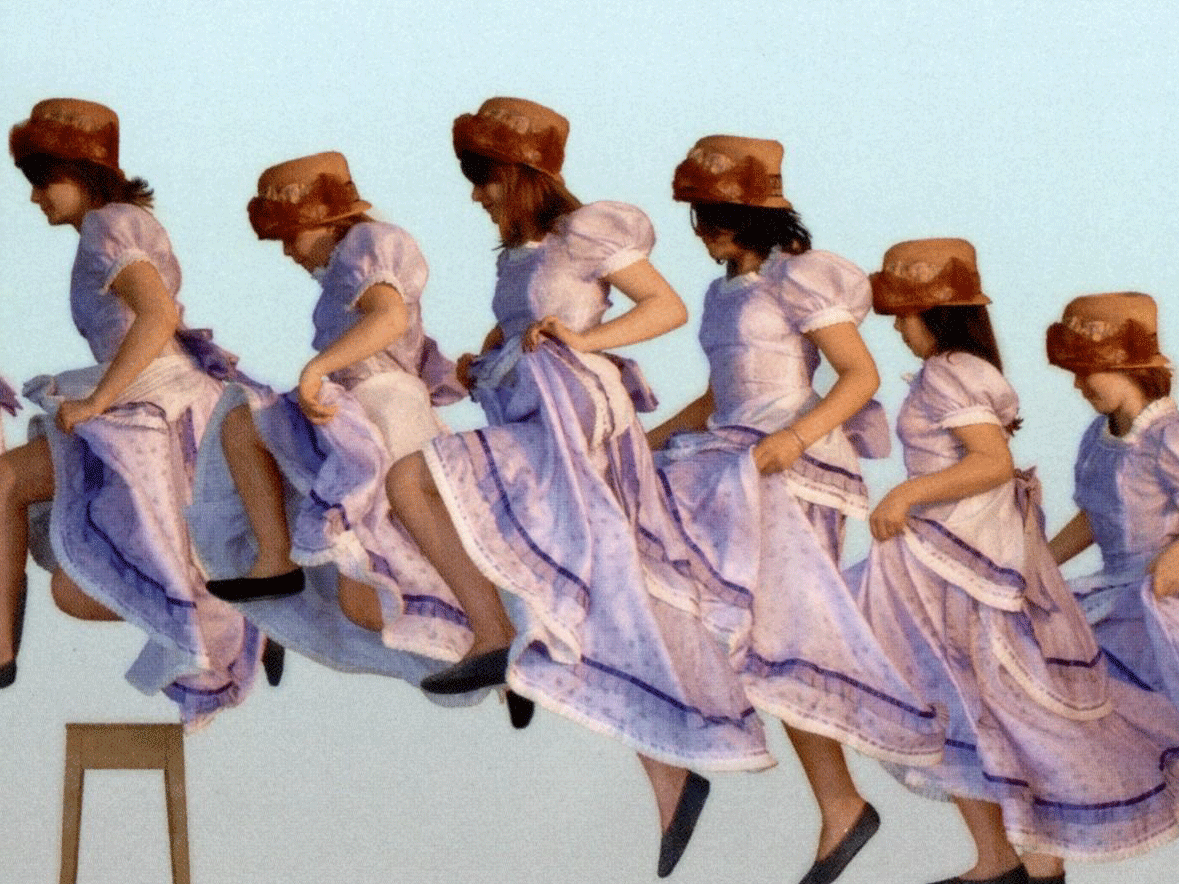
Helen O’Donoghue investigates the collaborative practice of Anne Cleary and Denis Connolly who, from their base in Paris since 1990, have extended the participatory nature of their practice to a worldwide network
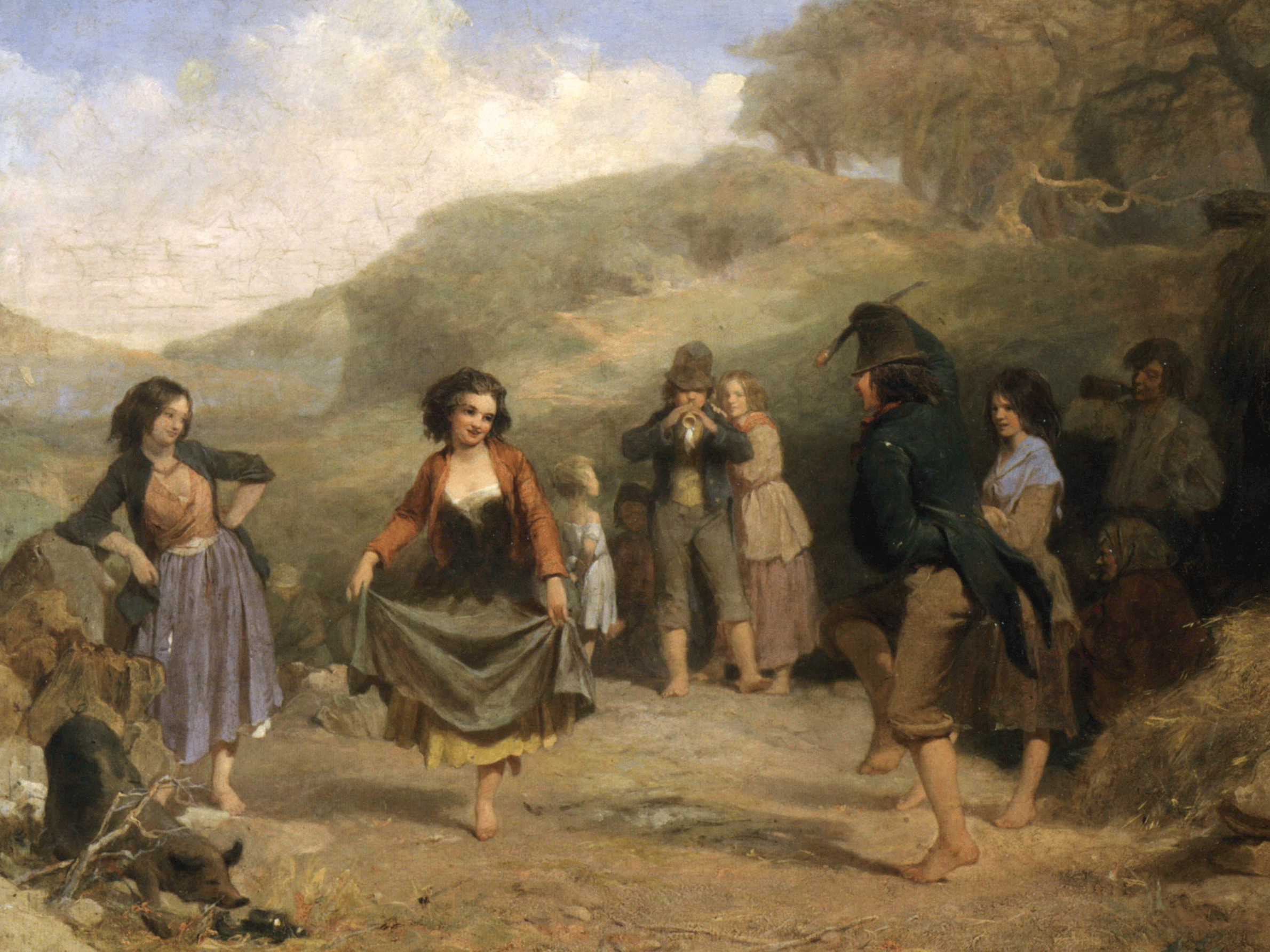
Brendan Rooney recounts the adventures of 19th-century Irish artist Trevor Thomas Fowler, whose move to America brought him celebrity and commercial succes
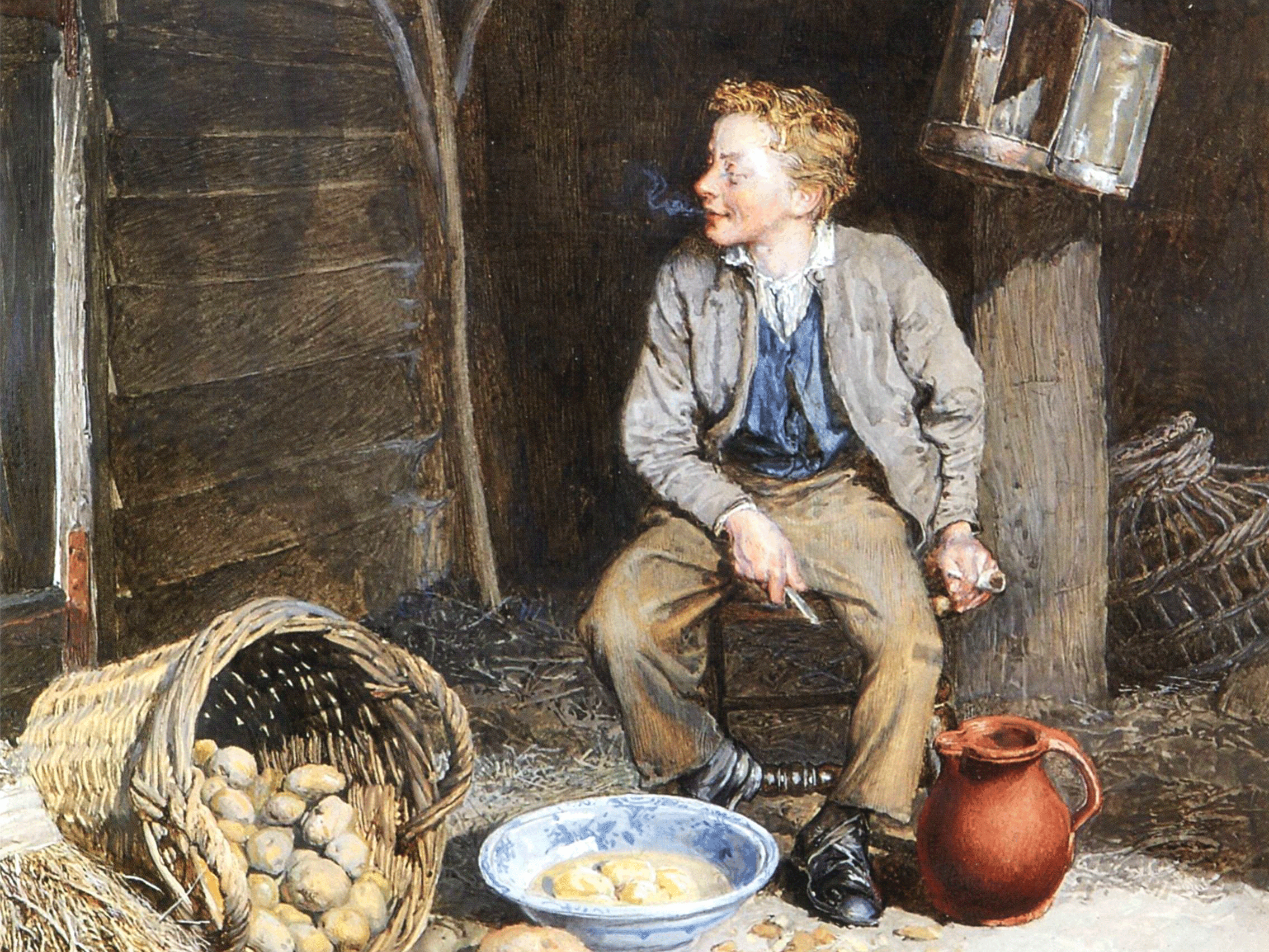
Julian Campbell marshals the evidence for the existence of two artists called Mahony, both of whom won the admiration of van Gogh
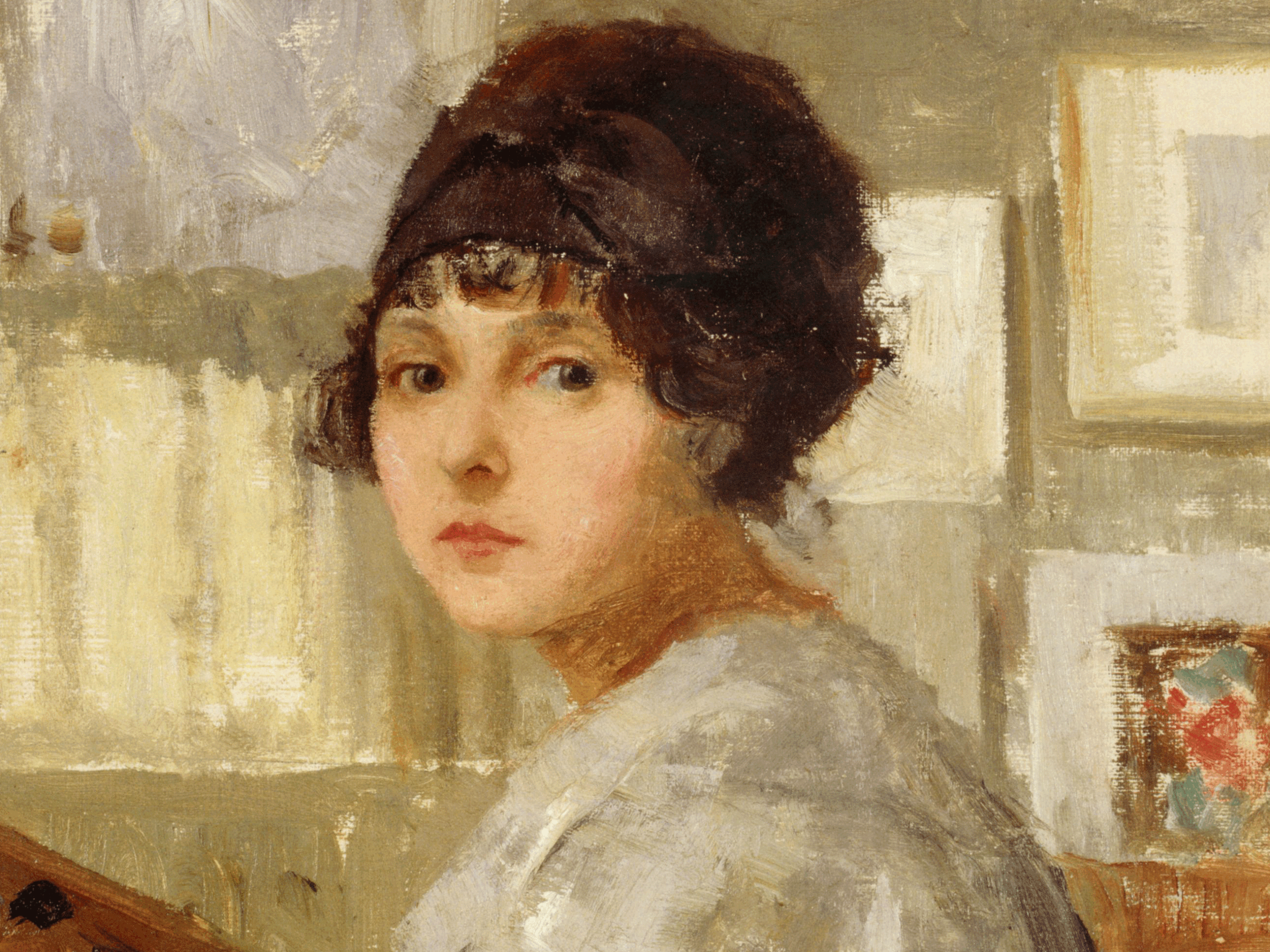
Two new titles tackling the careers of Irish women artists, albeit with separate aims, are reviewed by Nicola Gordon Bowe
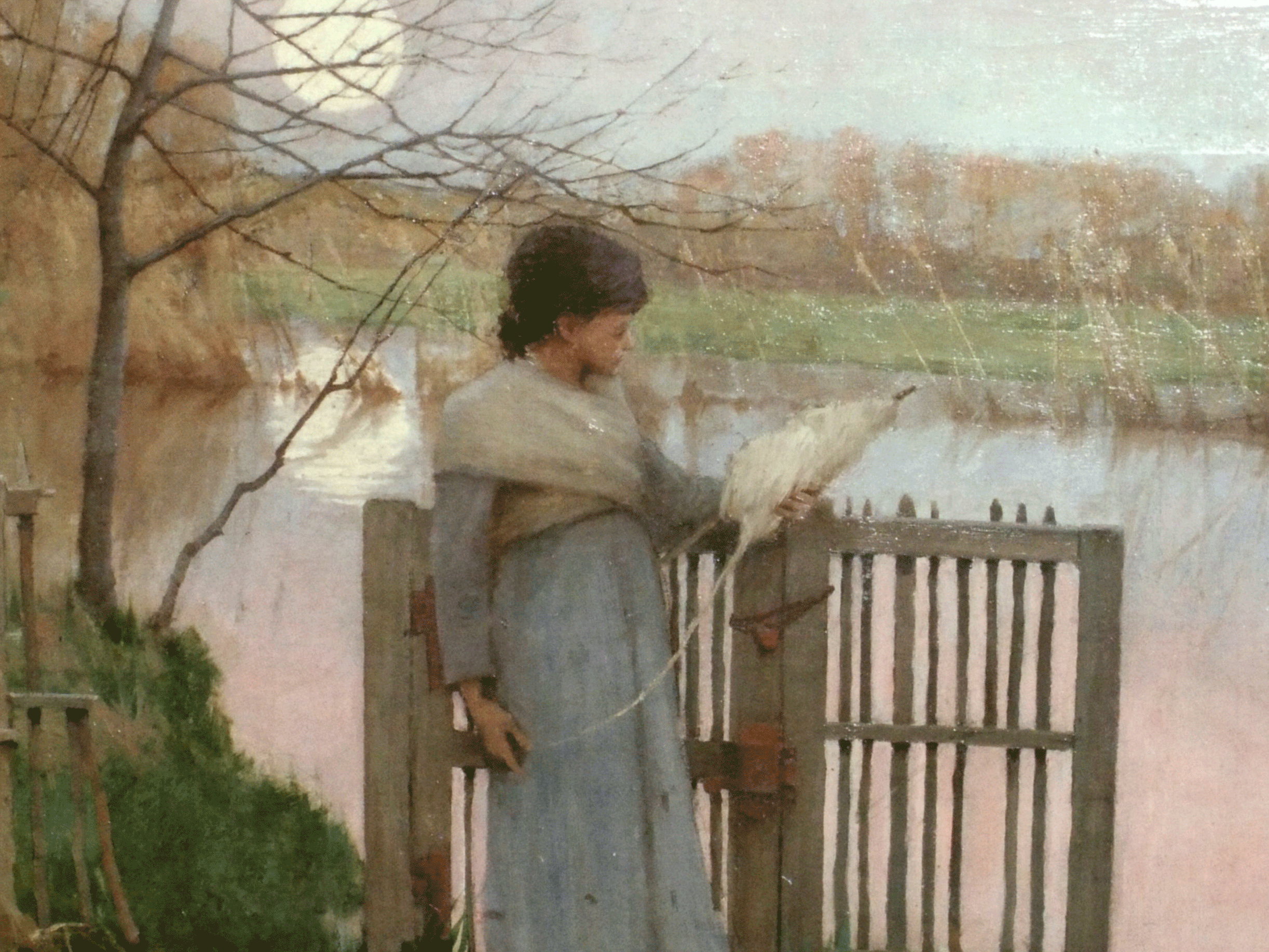
Mary Stratton Ryan unveils the identity of the Carlow-born artist’s constant model
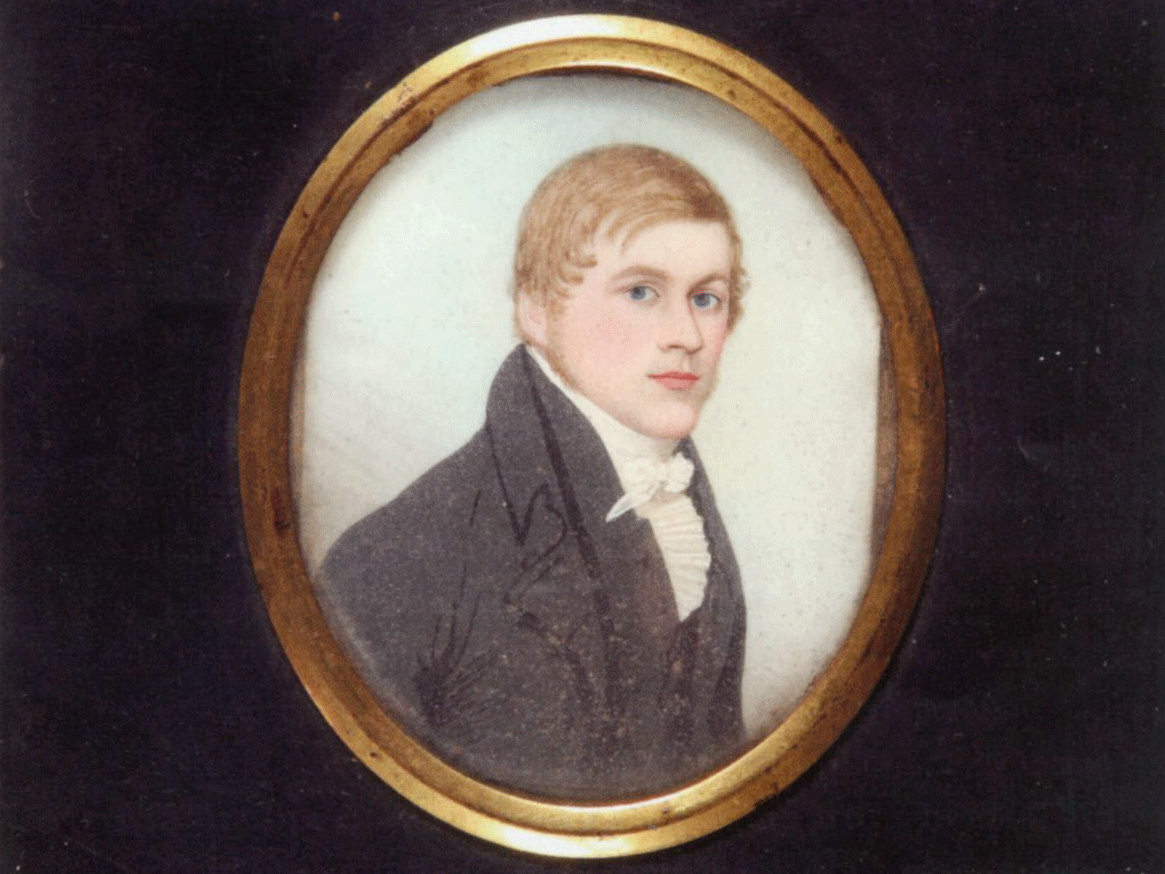
Peter Murray examines the oeuvre of Frederick Buck, whose portrait practice flourished during the Regency period
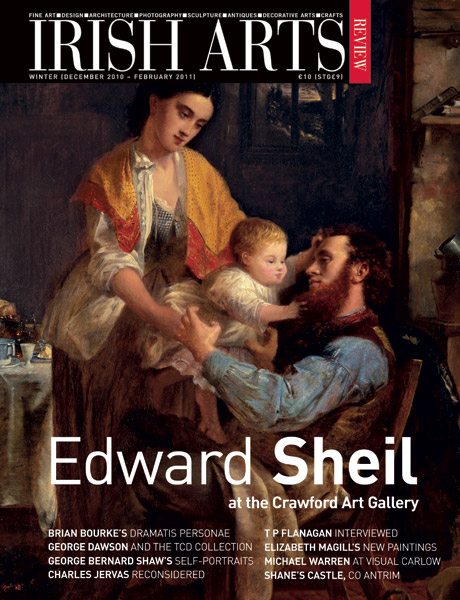
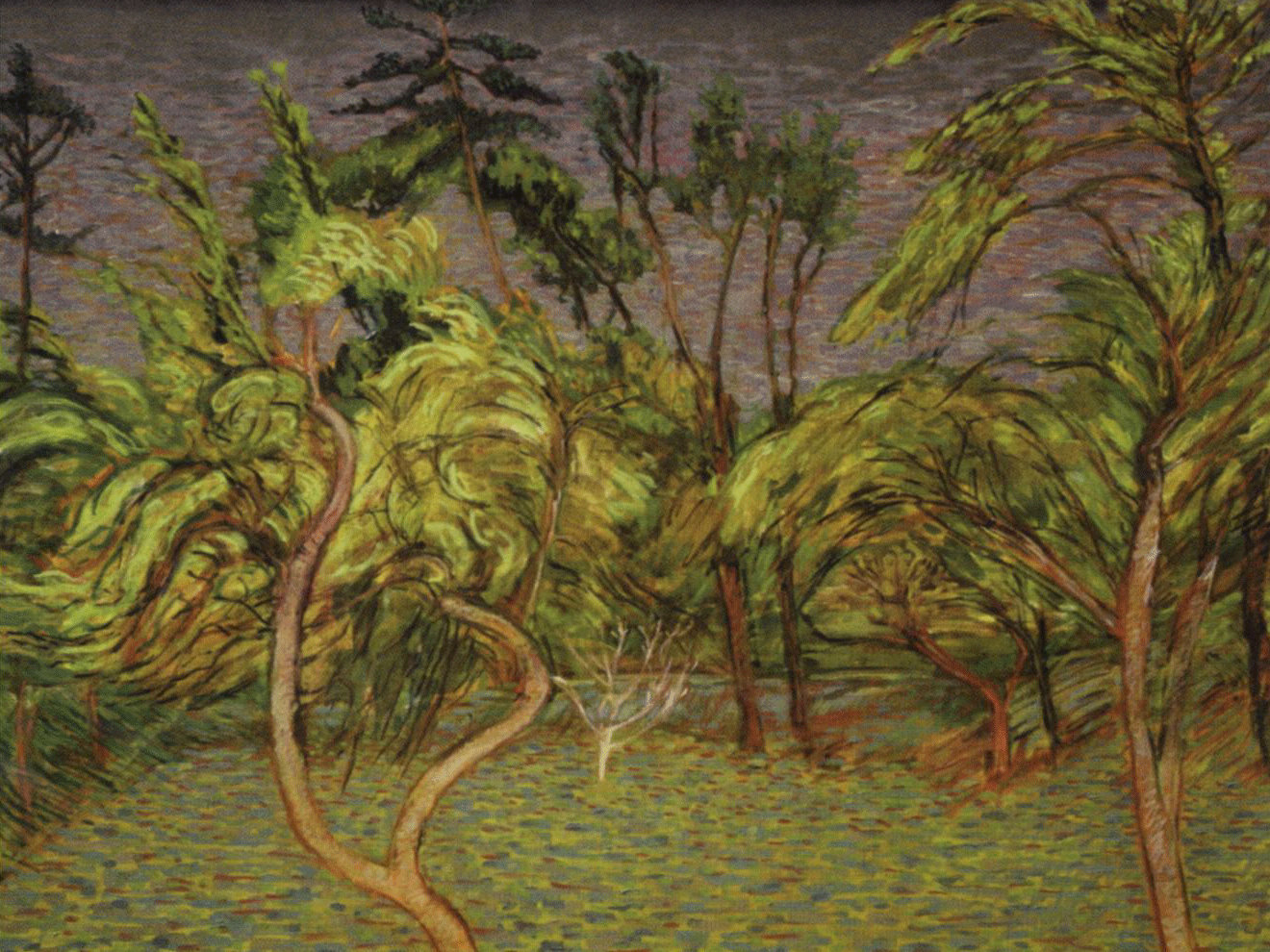
In reviewing a new monograph on Brian Bourke, Ídear O’Connor considers the drama and energy that animates his work.
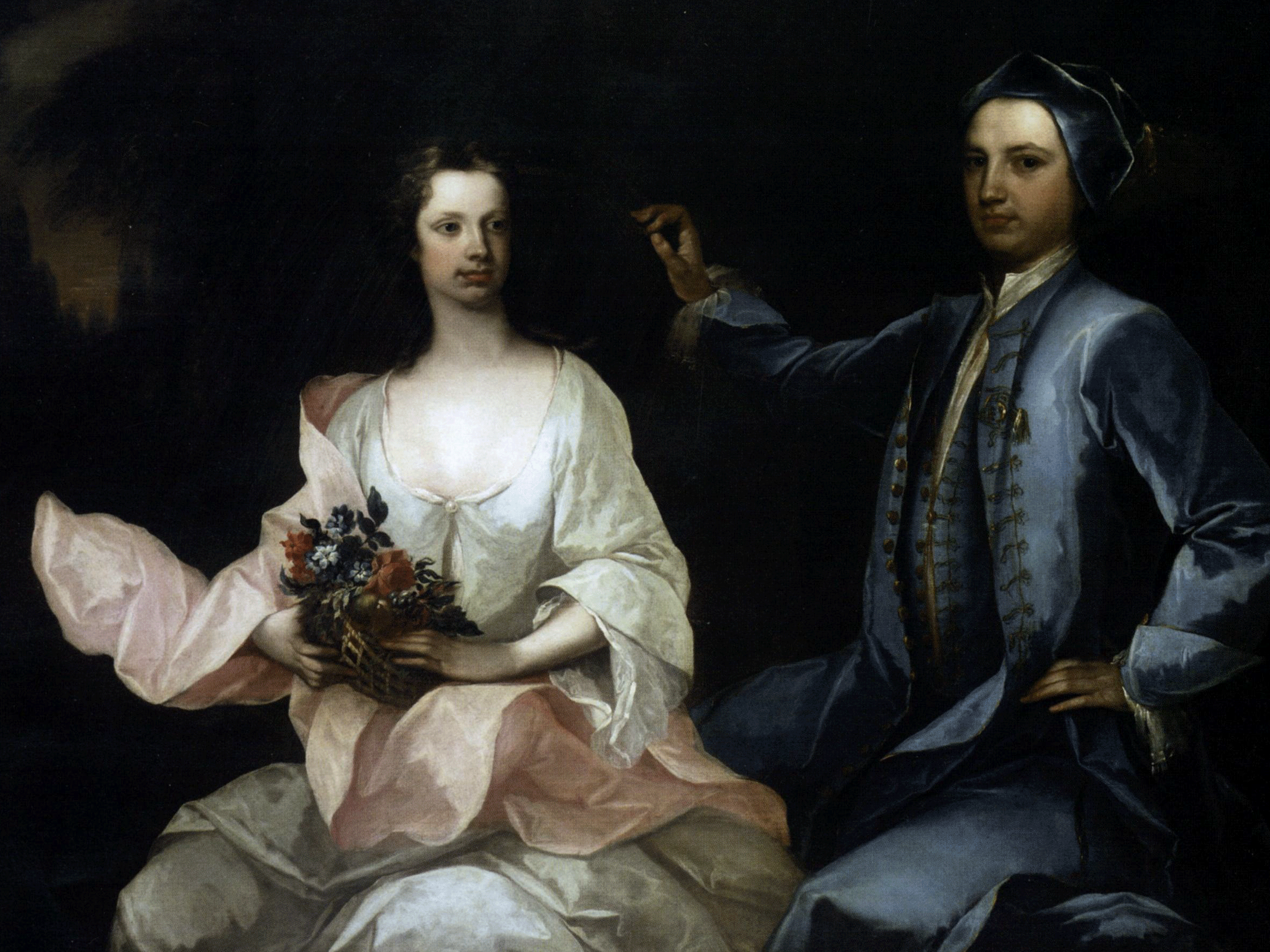
Charles Jervas was feted among the highest echelons of society during his lifetime, but in the centuries following his death he has accrued some very bad press; Caroline Pegum redresses the balance.
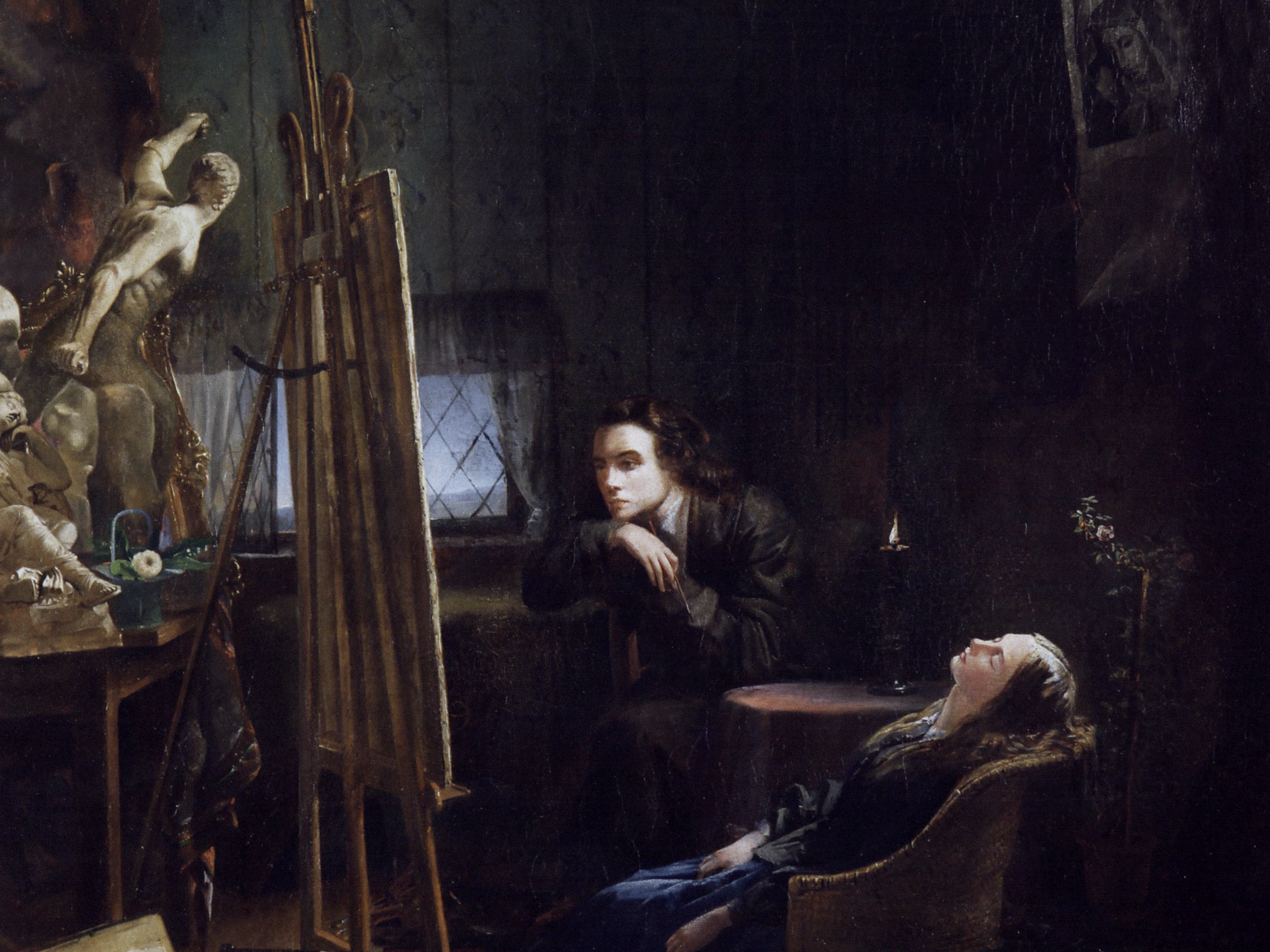
Following the recent conservation of a key Romantic work from the Crawford Art Gallery’s collection, Peter Murray assesses the short-lived career of tragic artist Edward Sheil
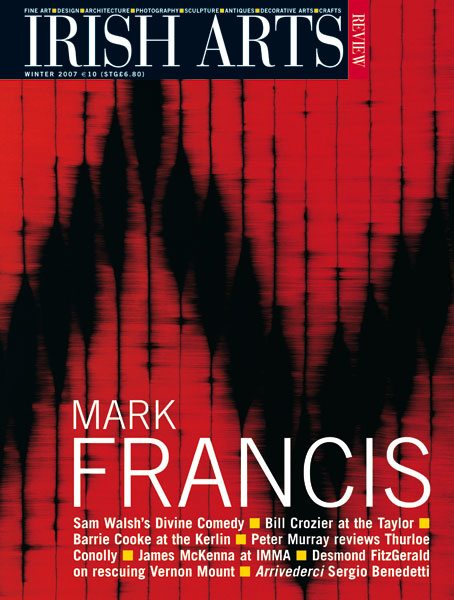
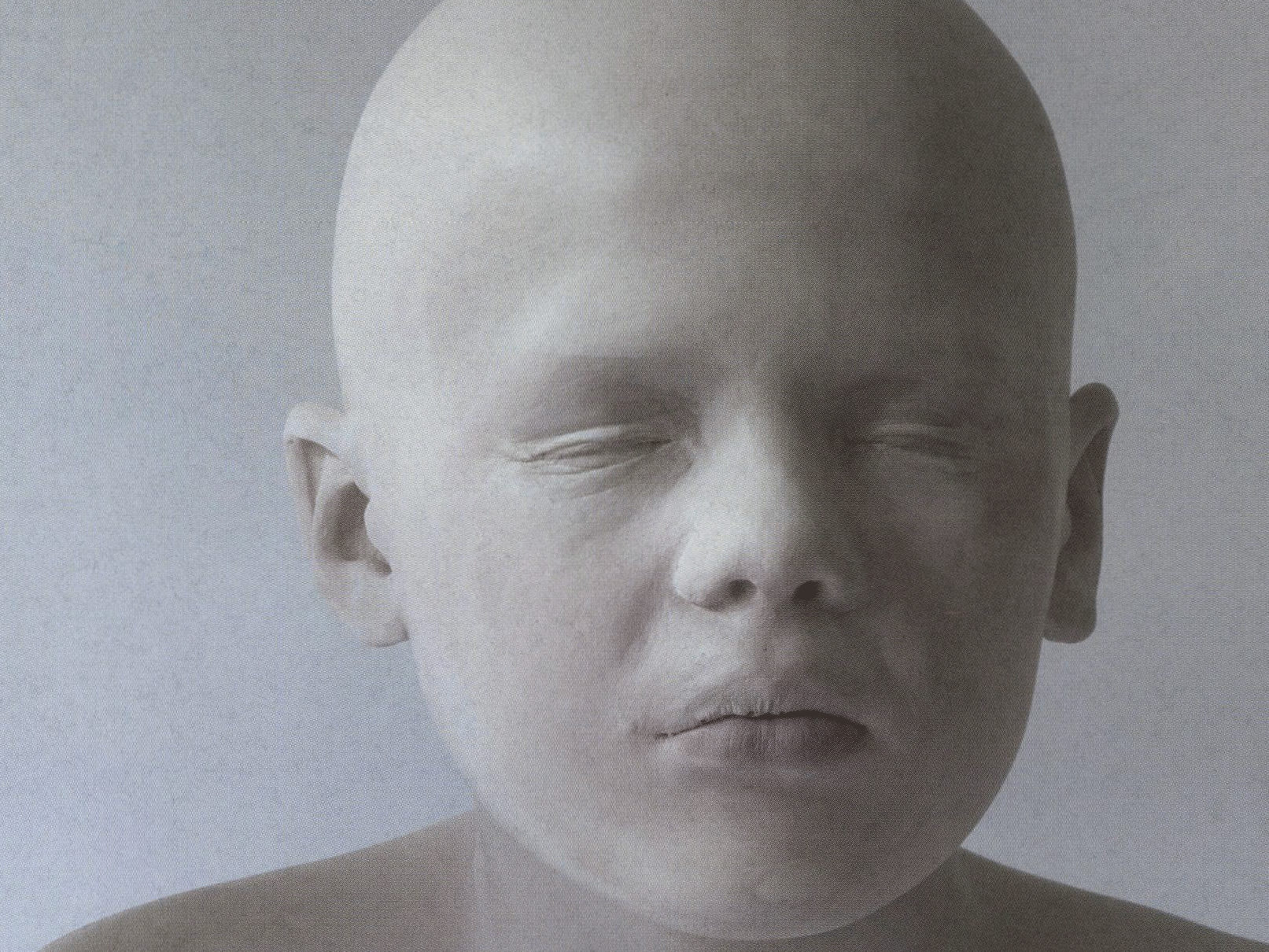
Daphne Wright is known for her unsettling sculptural installations that tap into the fragility of the human condition: in conversation with Bnan McAvera she recalls the source of her inspiration
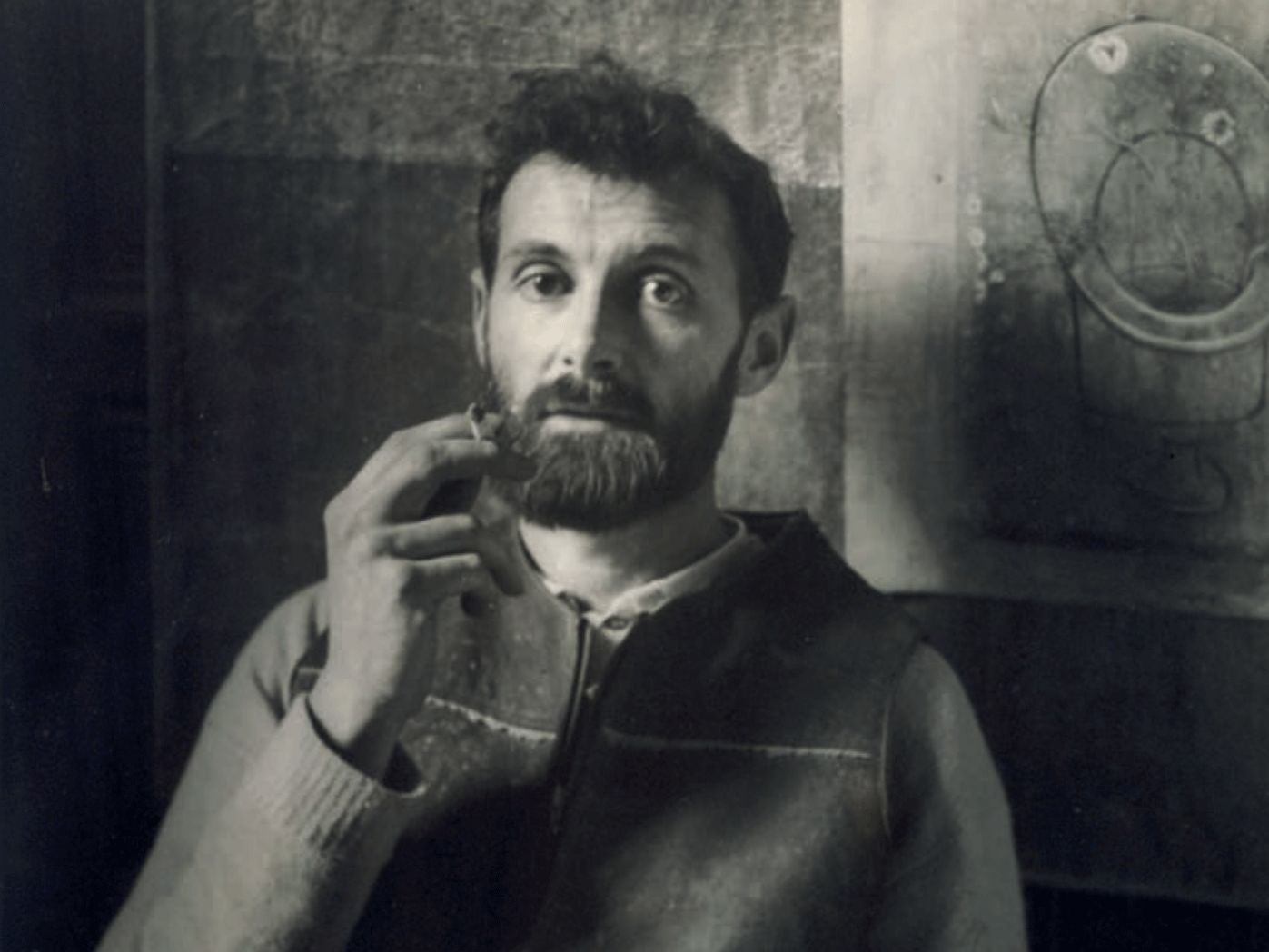
At the height of his career, American artist Morris Graves moved to Ireland, where he found a ‘kind of magic ‘; Peter Murray recalls the sojourn
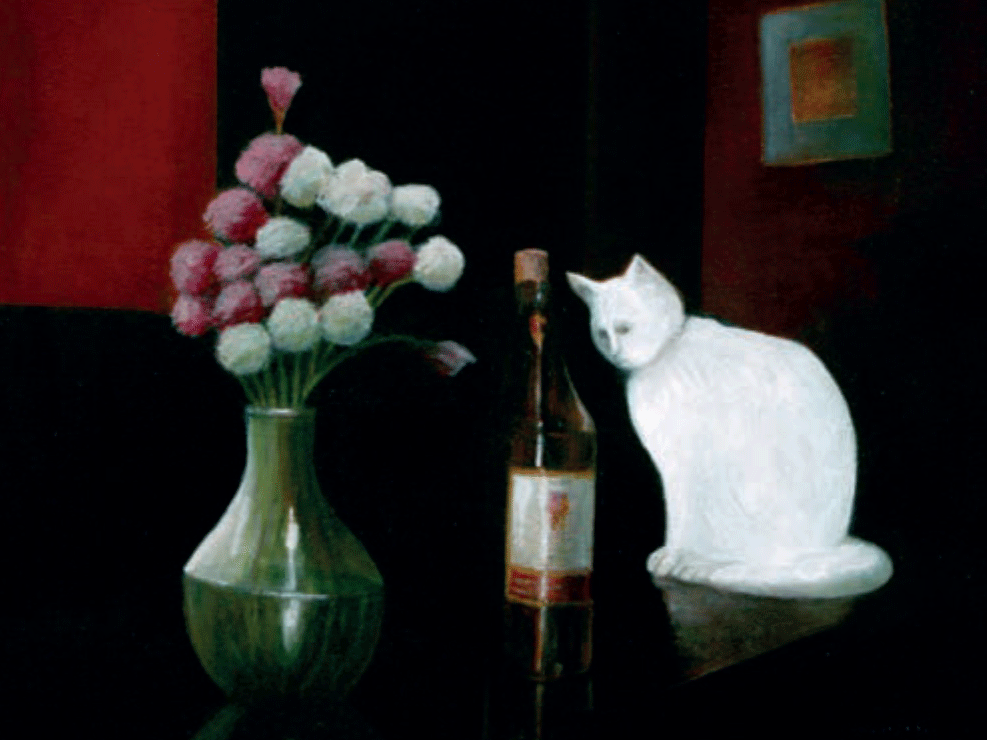
John Kelly’s enrollment in school in the 1950’s marked the beginning of a fully realized career in the arts; Gerry Walker remembers the noted artist and printmaker
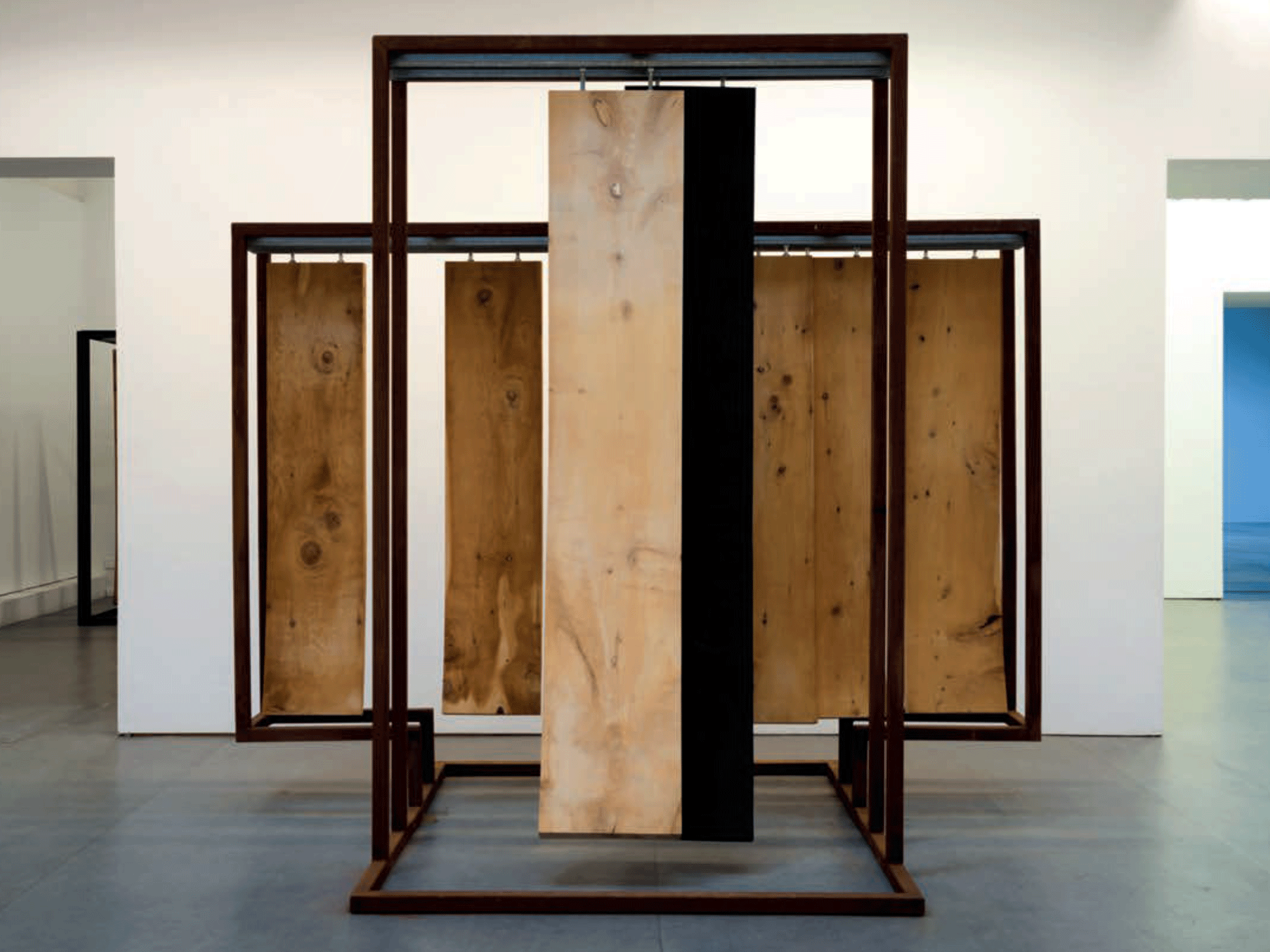
Michael Warren has been consistent in his desire to marry the contemplative and the concrete: here he tells Brian McAvera, ‘to make is, for me, to make matter, matter’
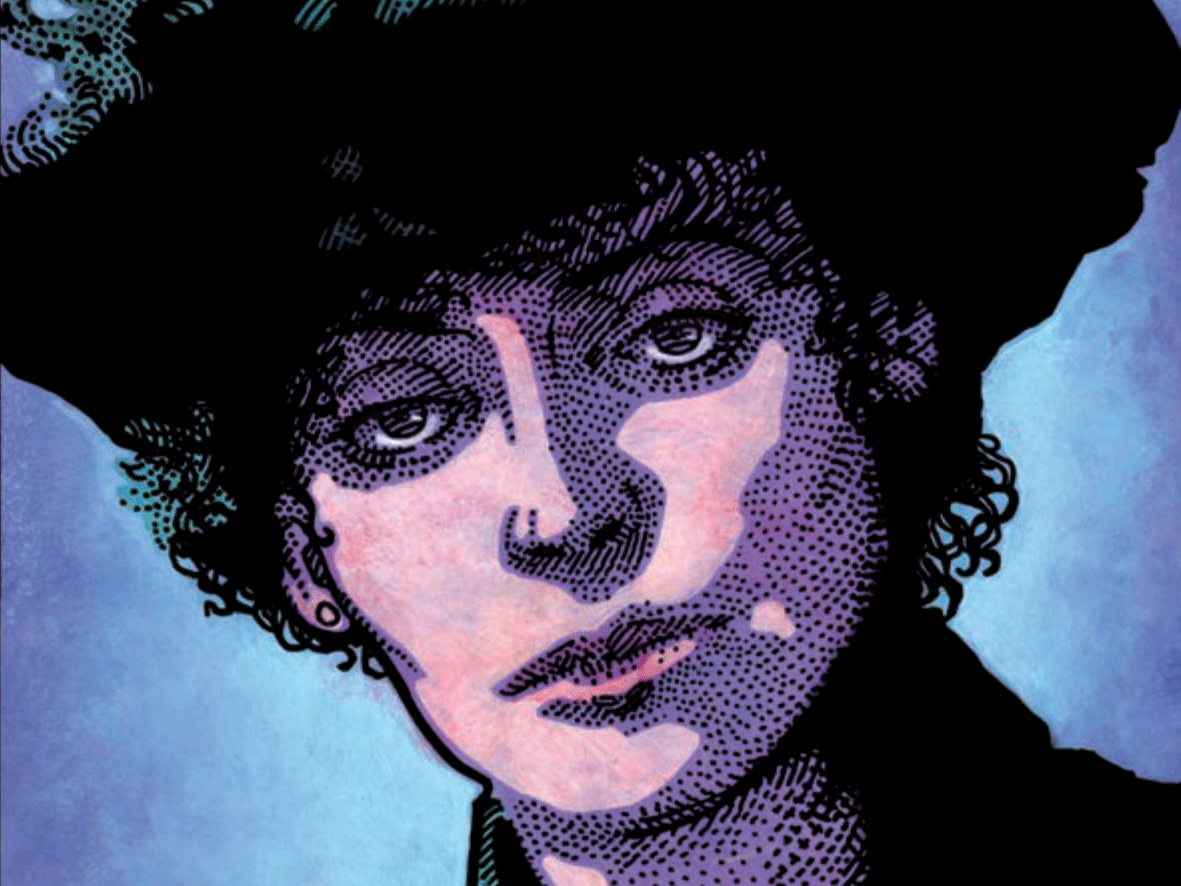
Robert Ballagh discovers a family lineage in Jim Fitzpatrick’s fusion of art and politics
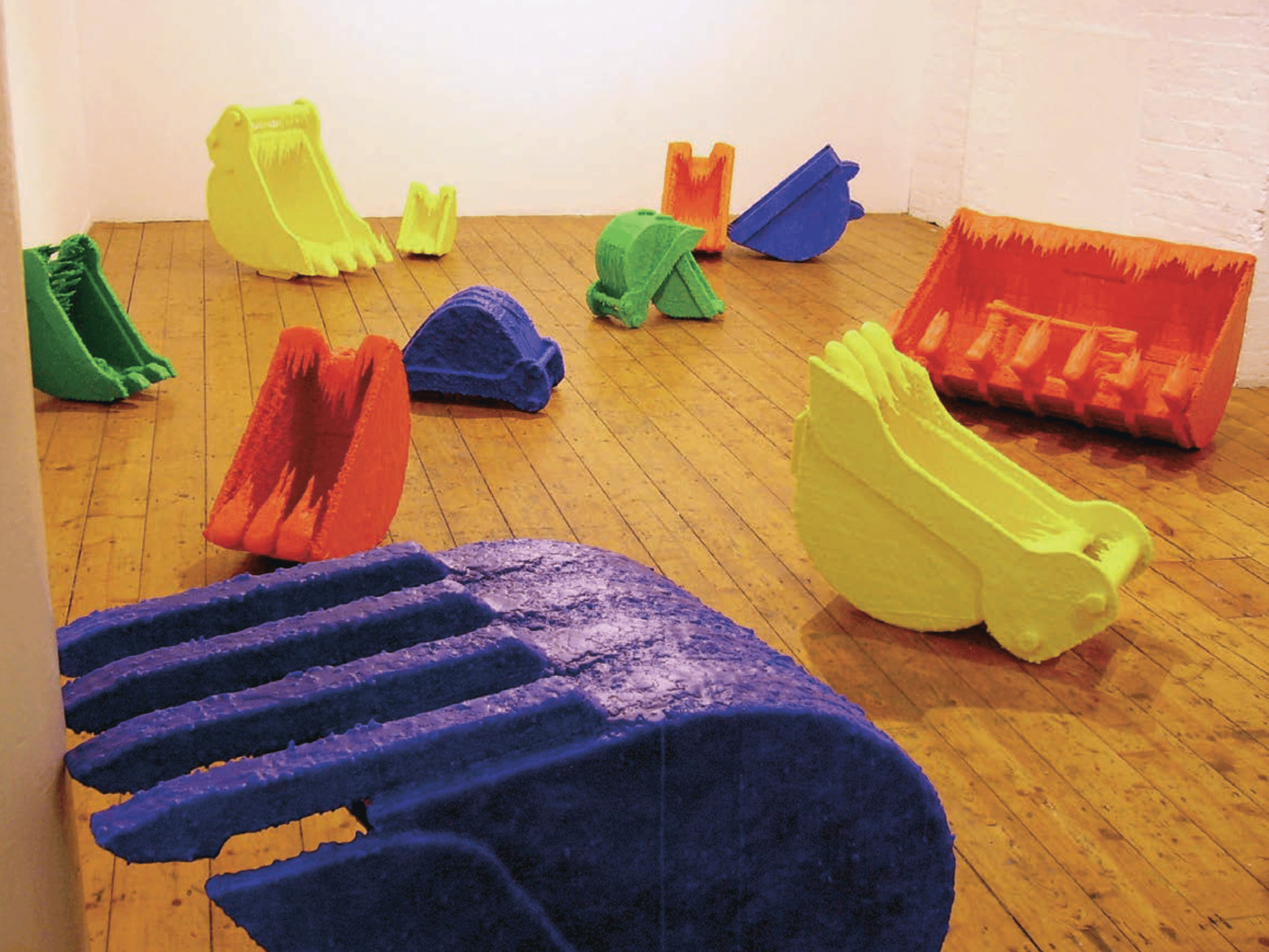
Compared to metal and marble sugar and wax may seem like frivolous materials but sculptor Brenda Jamison is made of sterner stuff, as Brian McAvera discovers
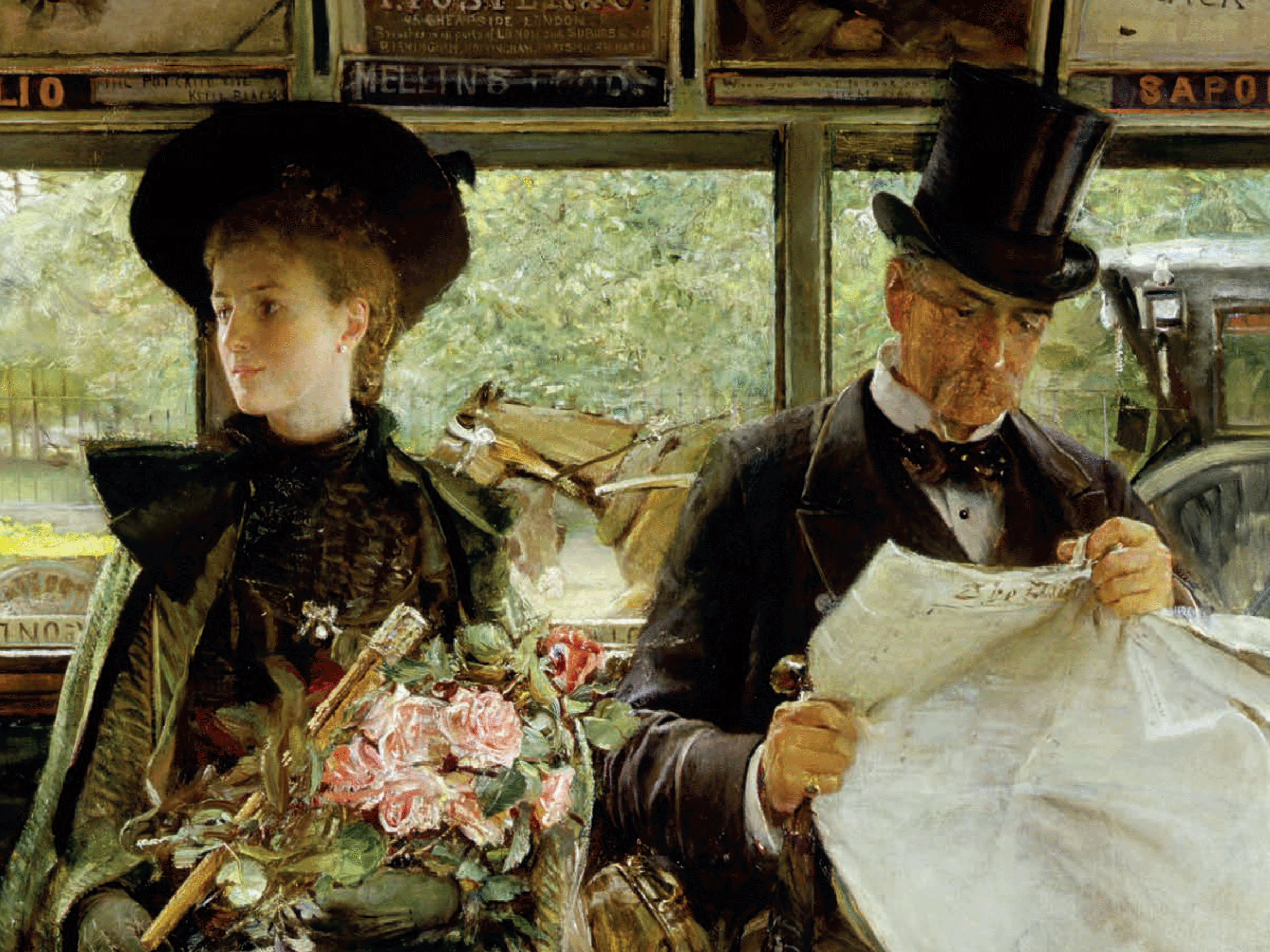
Irish-born artist George William Joy was an accomplished and cosmopolitan figure, who created one of the Victorian era’s most popular paintings, writes Julian Campbell
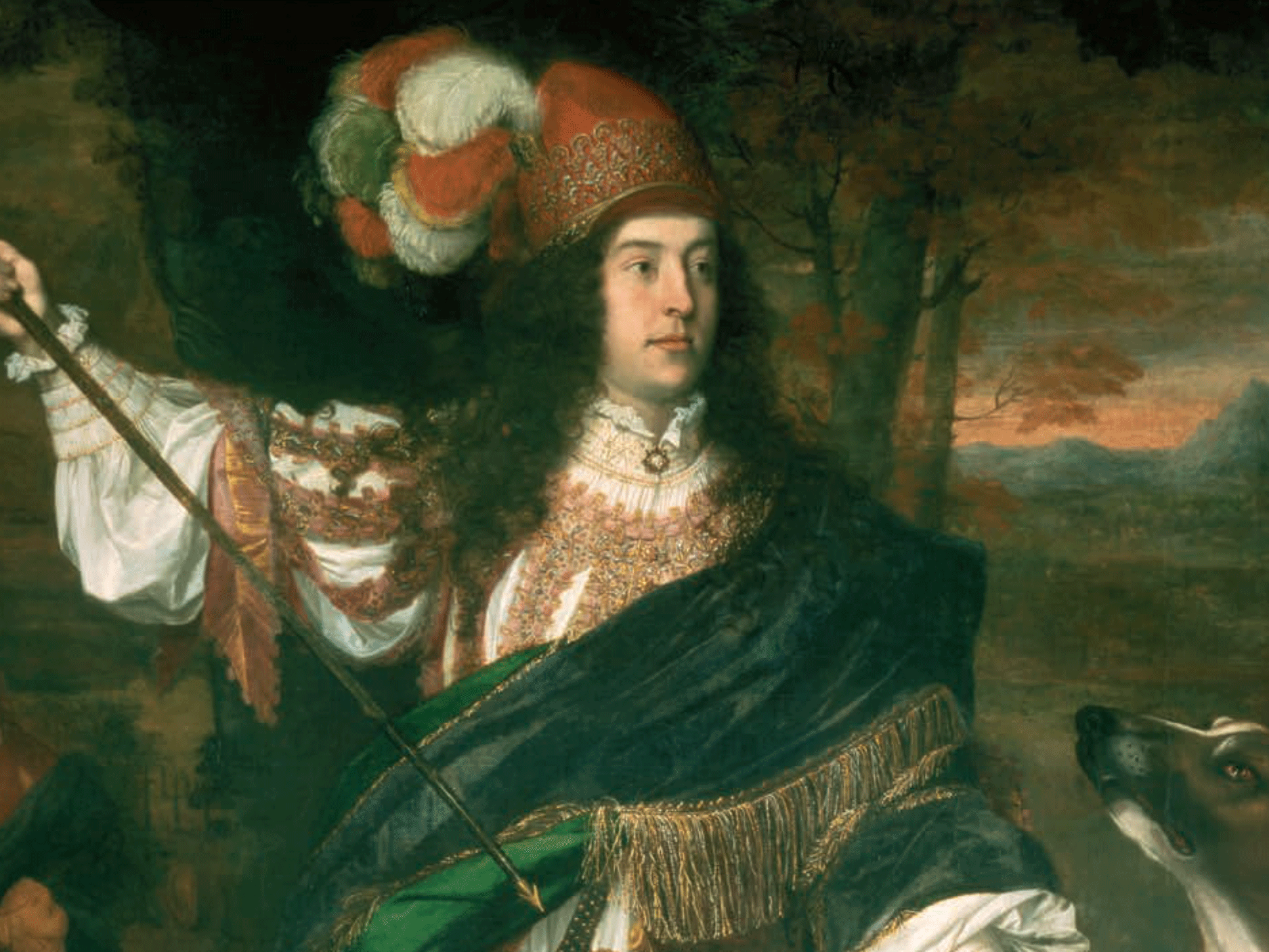
Jane Fenlon considers the political iconography at work in John Michael Wright’s remarkable portrait of Sir Neil O’Neill
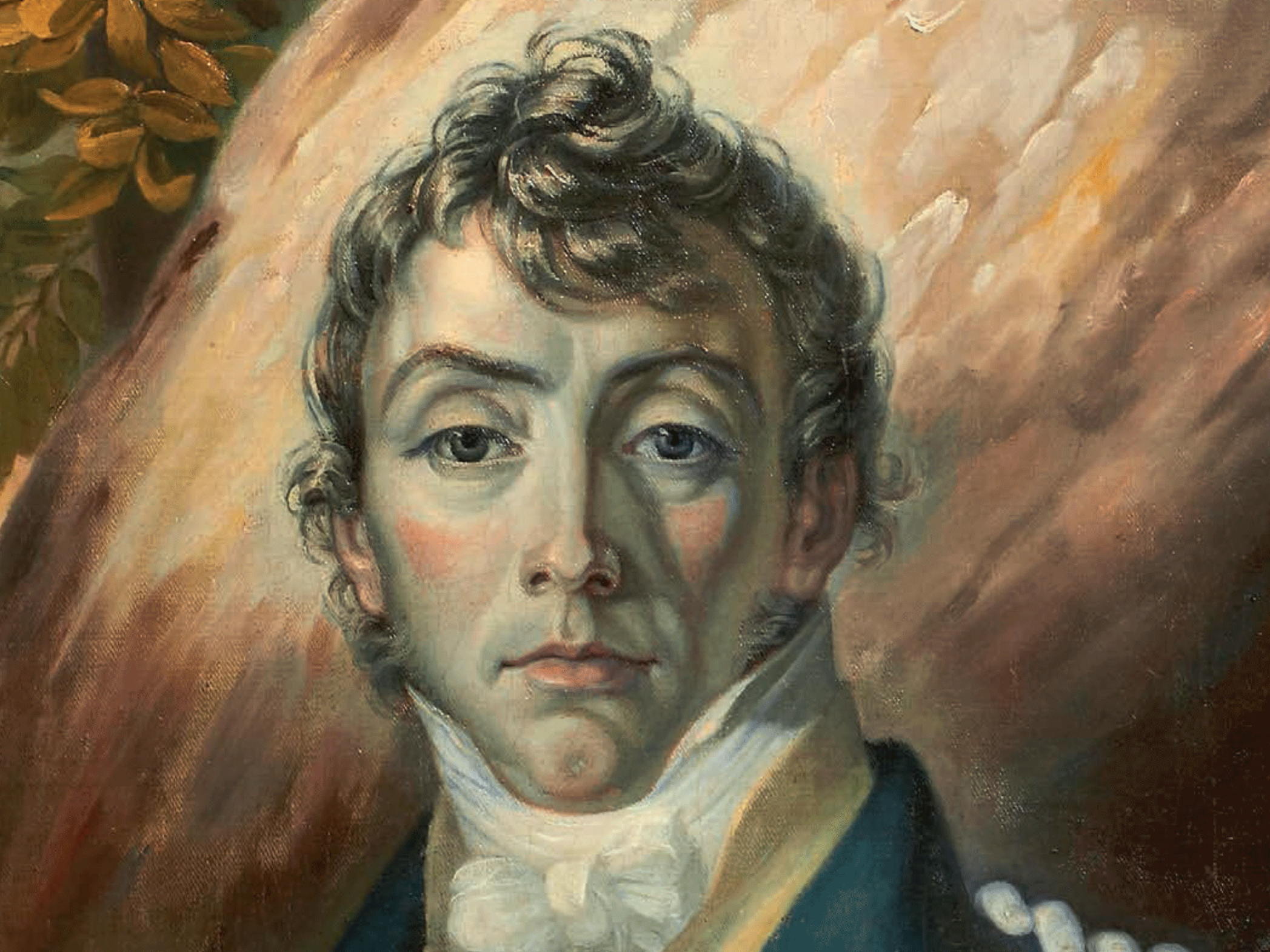
Peter Murray traces the colourful career of Robert Fagan whose art was inspired by antique examples discovered in Rome
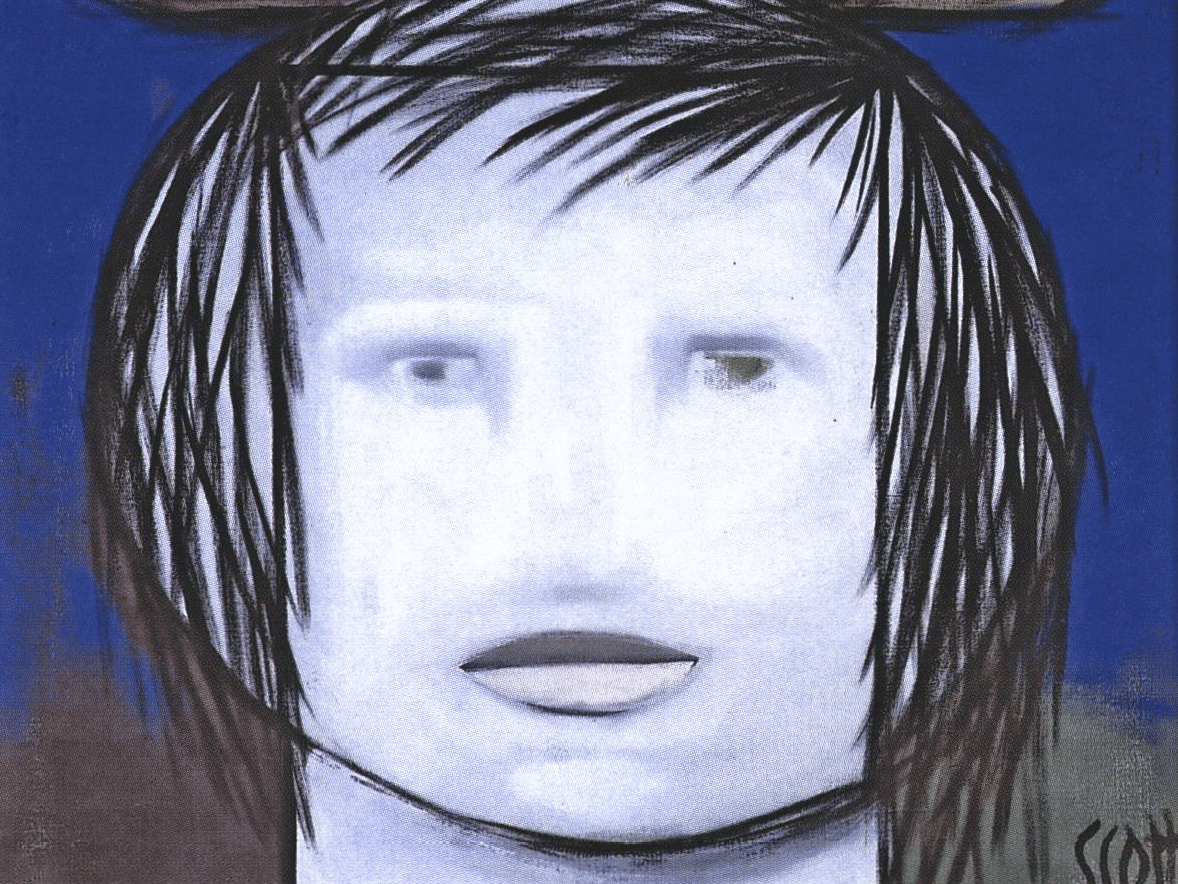
Patrick Scott has certainly established his own particular niche, writes Brian Fallon in his assessment of a uniquely elegant figure in Irish art
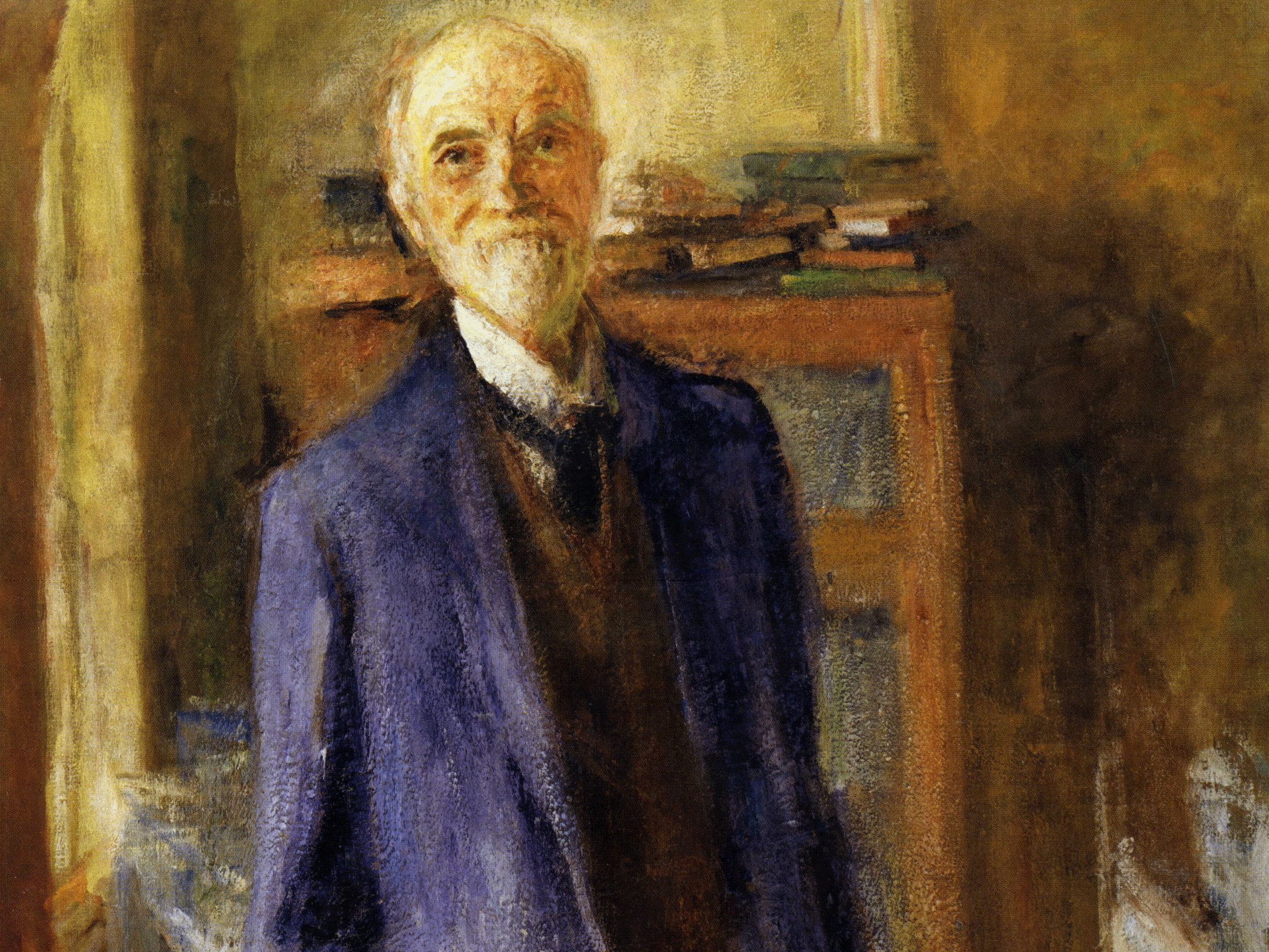
Hilary Pyle takes a fresh look at John Butler Yeats, the patriarch of Ireland’s leading artistic family.
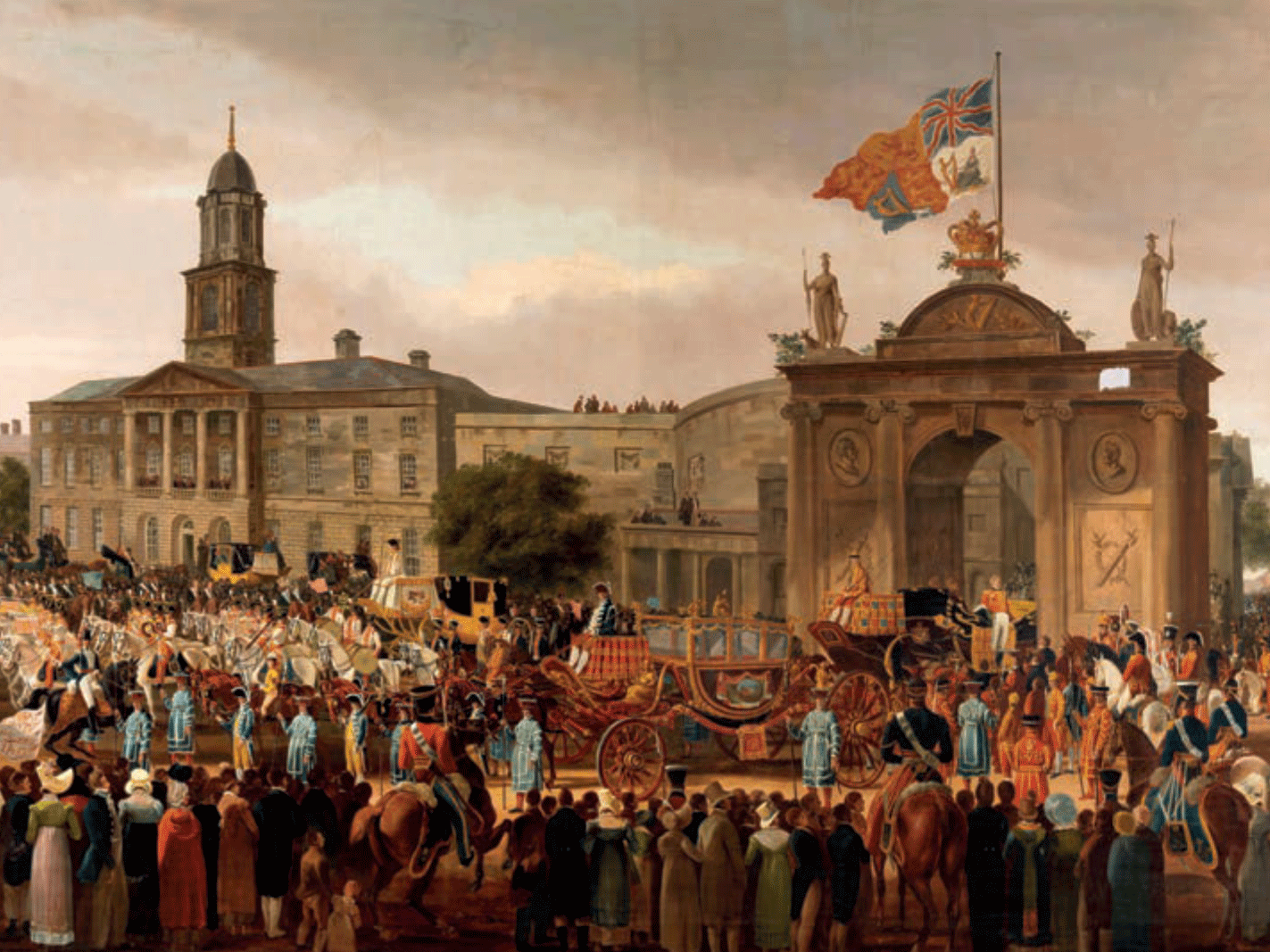
William Turner de Lond captured two significant political events during his sojourn in Ireland, examined here by Mary Jane Boland.
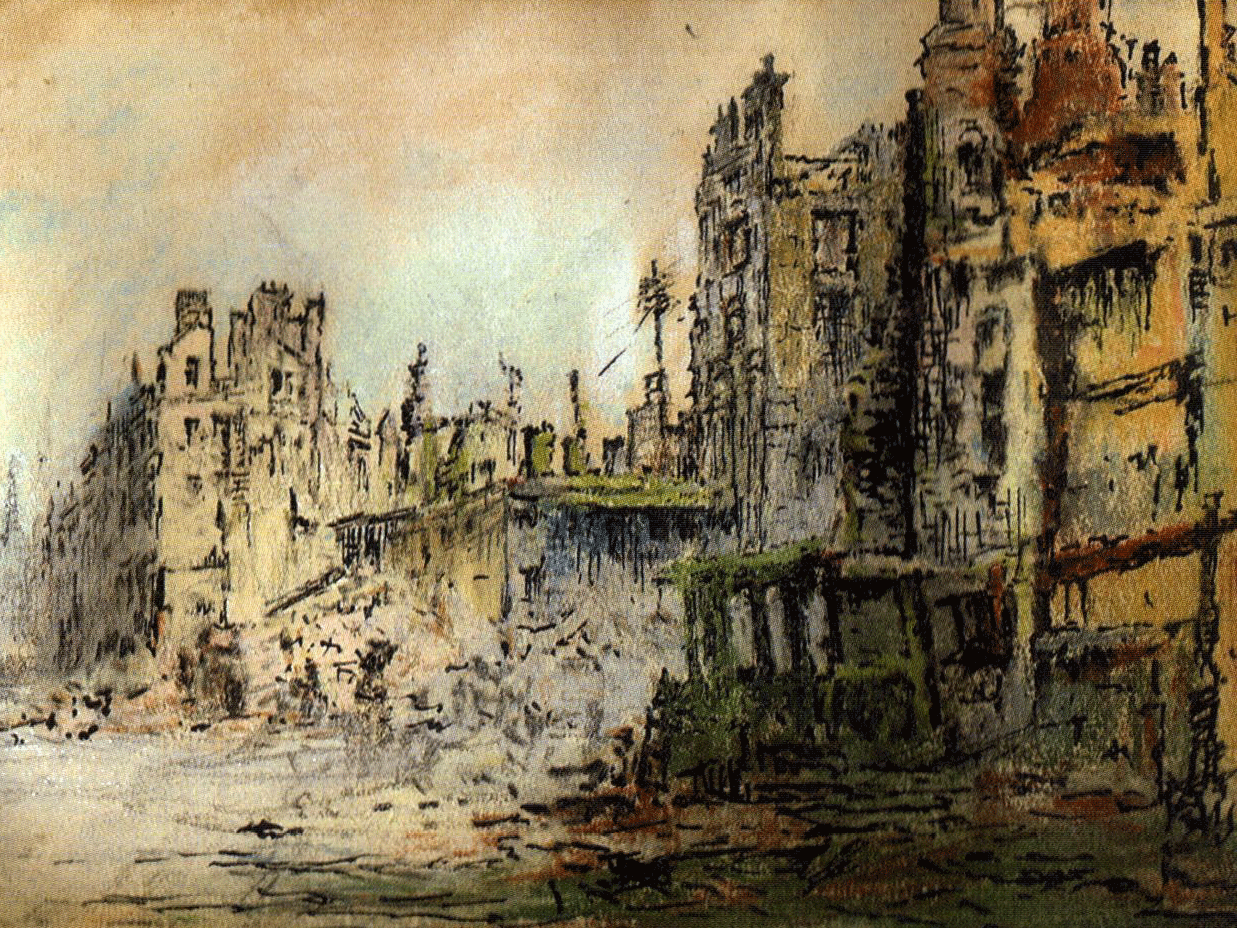
As Europe confronts its current refugee crisis, Kathryn Milligan looks back to 1916 when a Belgian artist was one of the 2,300 Belgian refugees who sought shelter in Ireland.
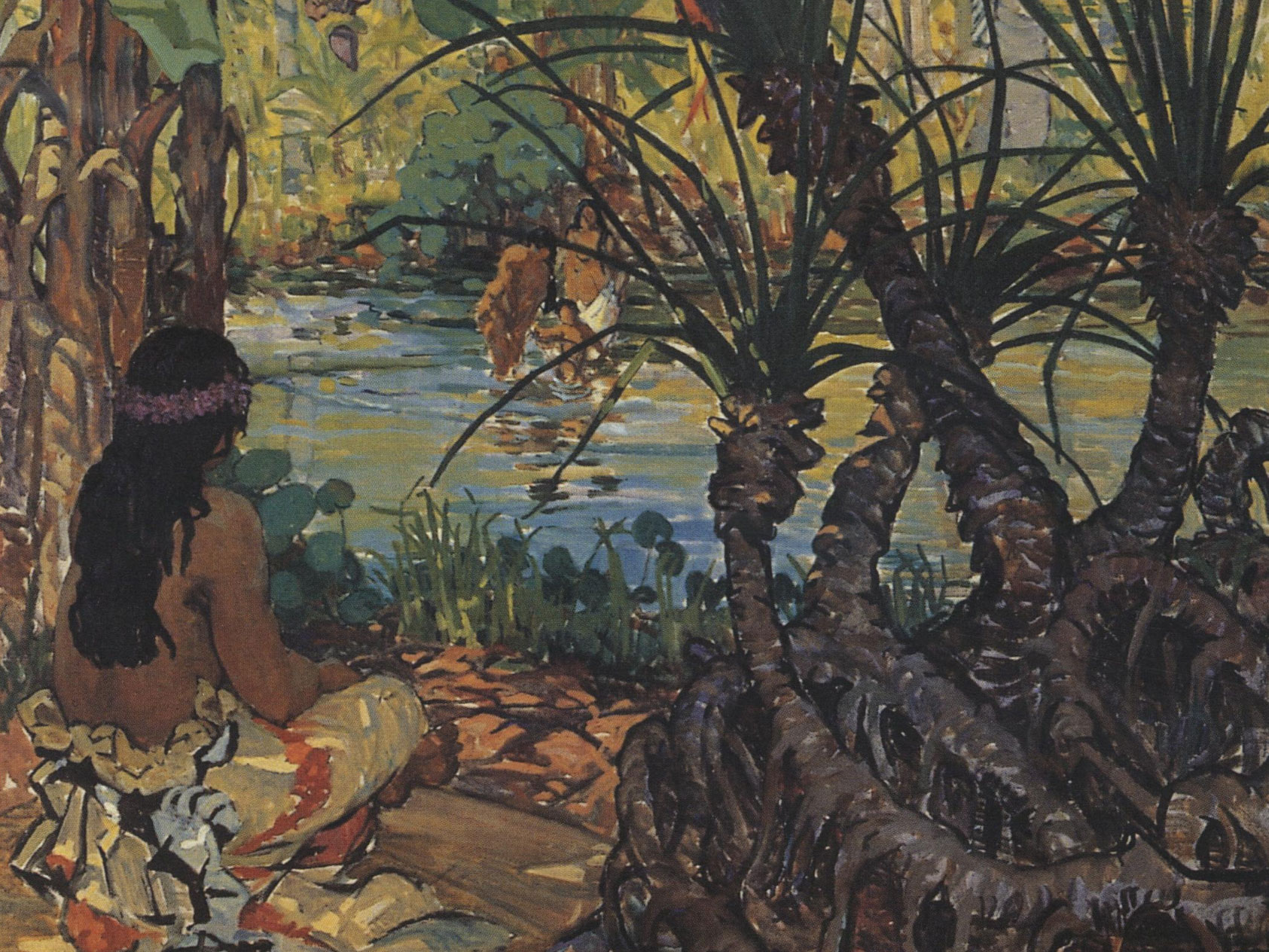
Brian Fallon recalls his first impression on meeting Mary Swanzy and her Gauguin moment conceived during a visit to Samoa
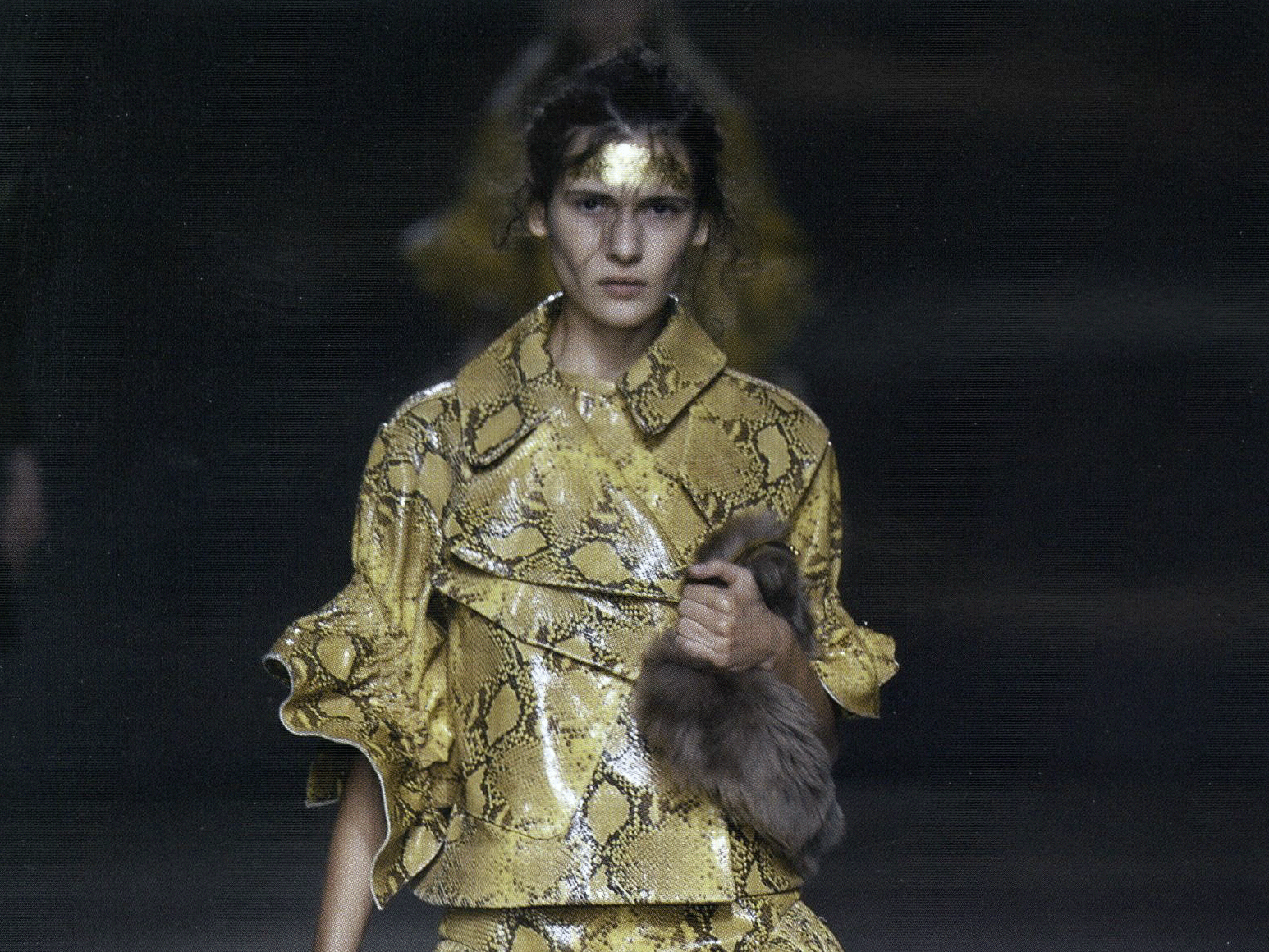
Fashion designer Simone Rocha’s rise to fame by Deirdre McQuillan
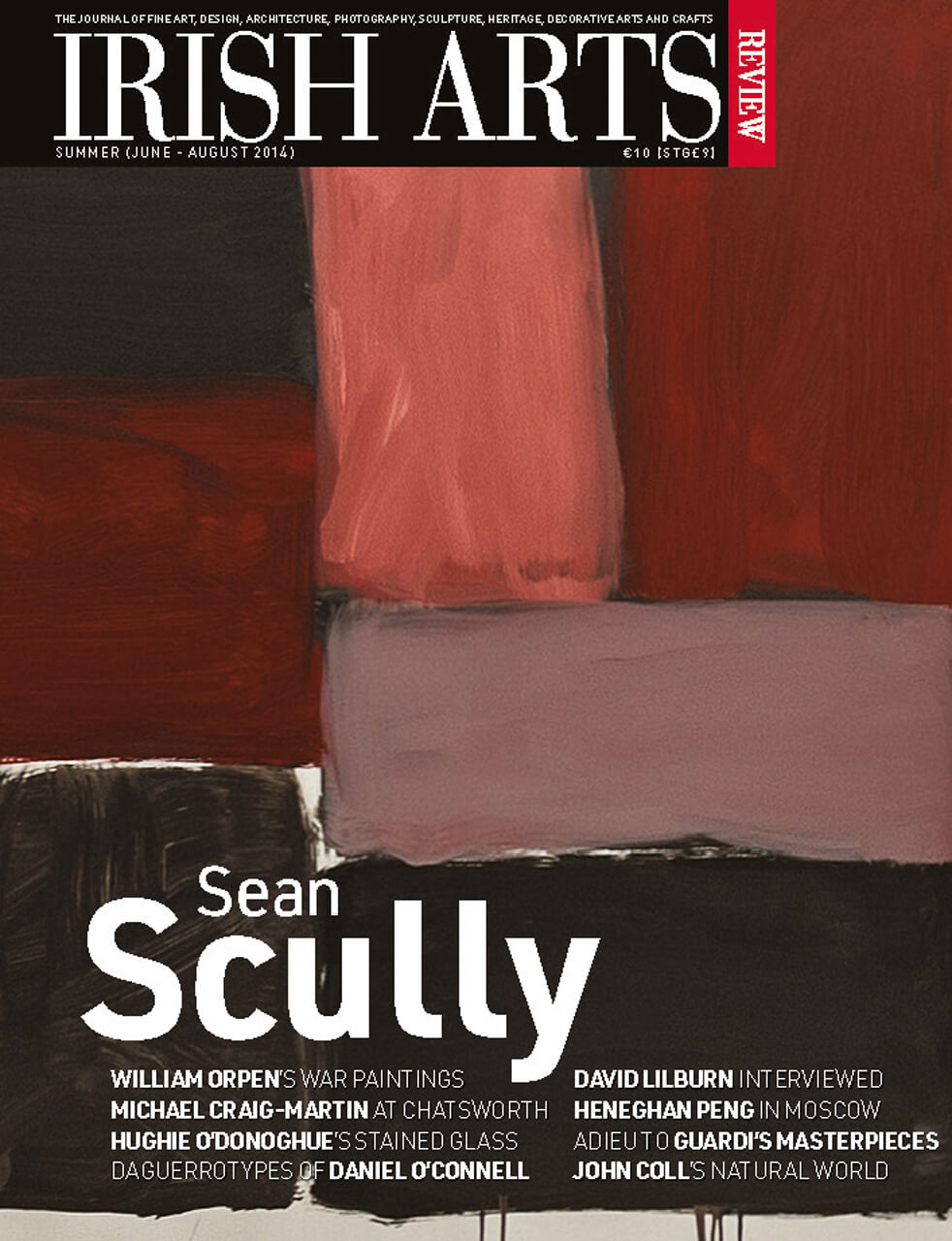
The avant-garde furniture of Joseph Walsh by Susan Rogers and Alannah Hopkin
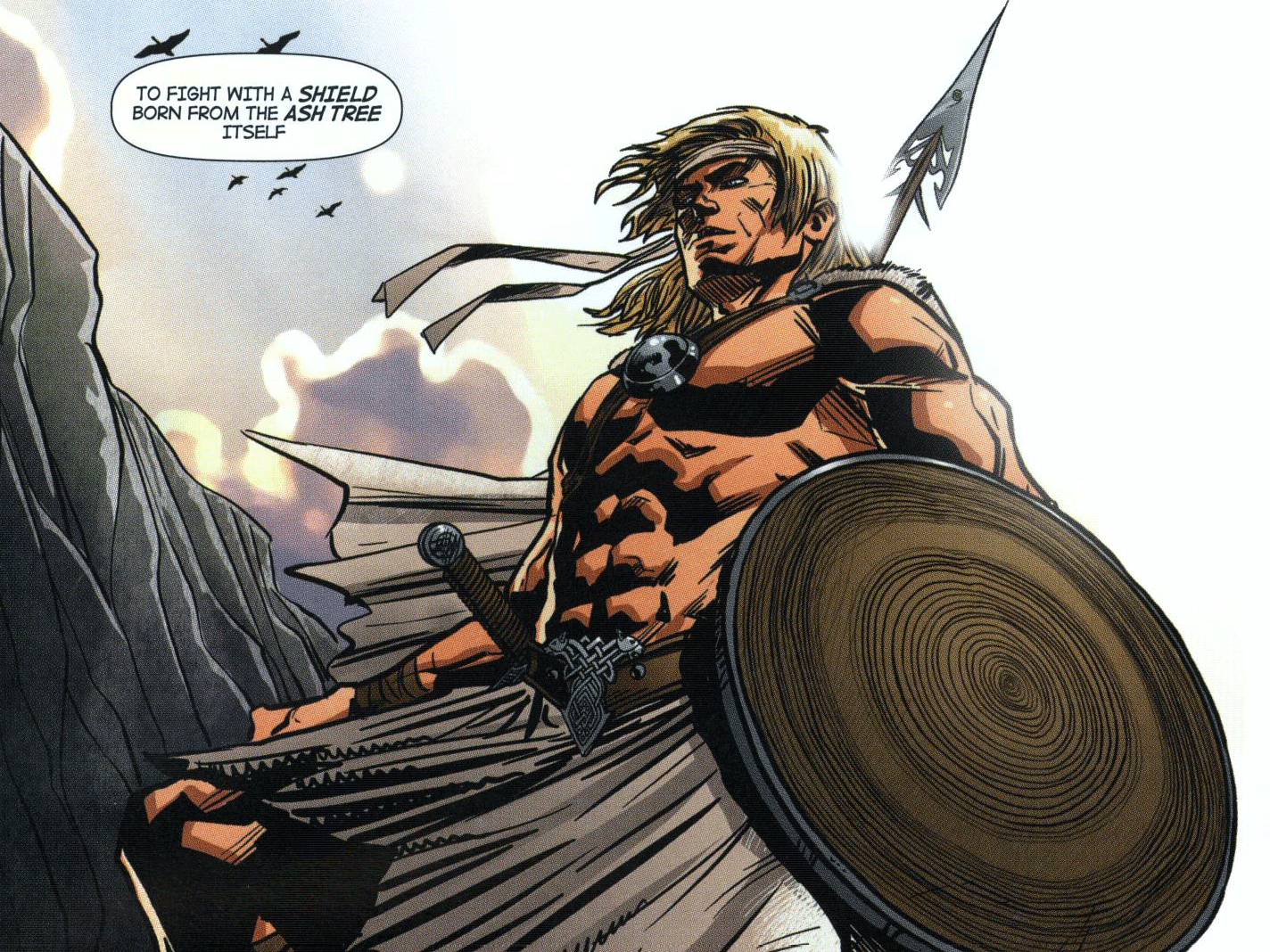
Clár Ní Dhuibheannaigh charts how a boyhood dream became a reality for Will Sliney whose Cú Chulainn illustrations are based on the Táin Bó Cúailgne
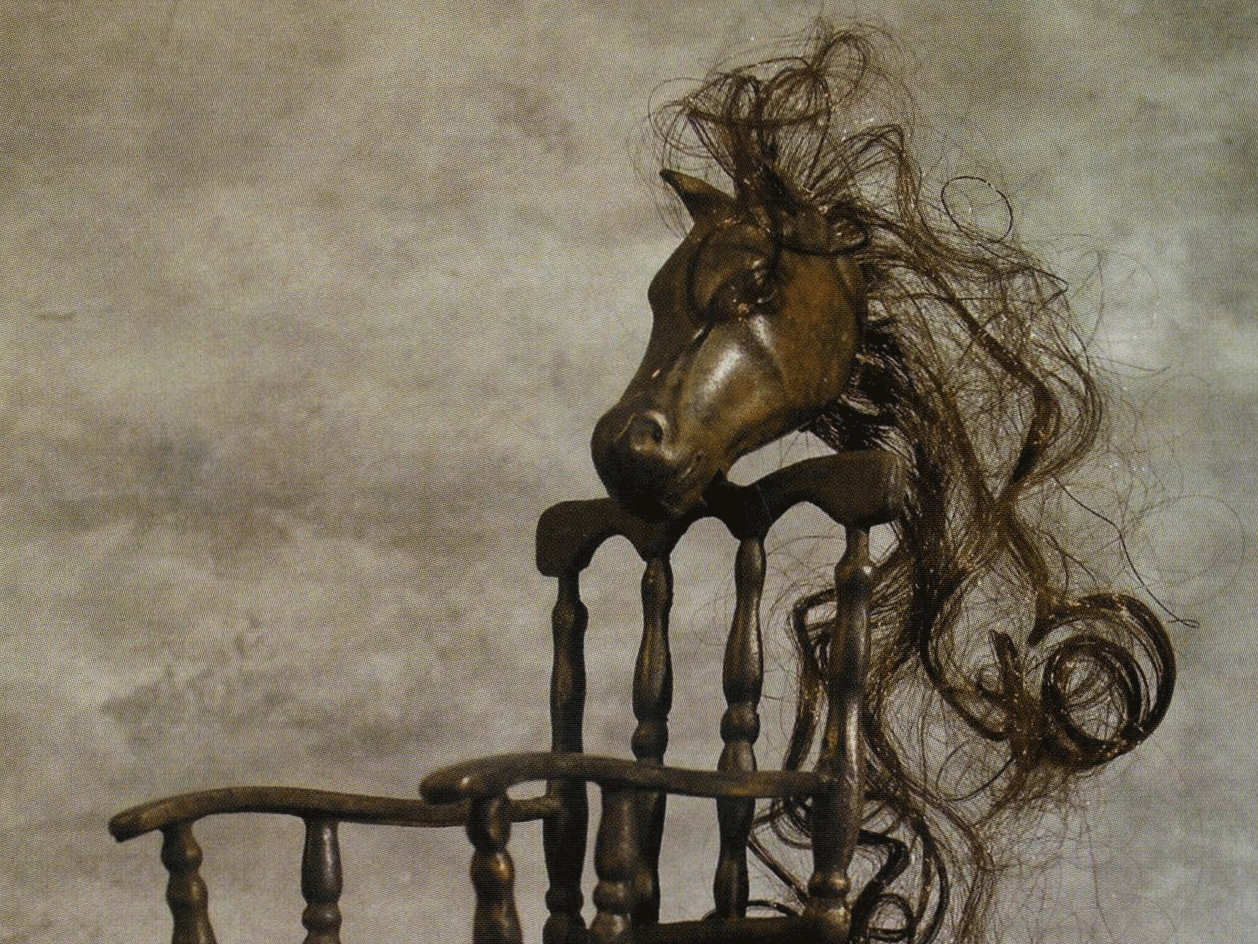
Reflecting on a career marked by invention and experiment, distinguished sculptor Bob Sloan tells Brian McAvera, ‘I find working in the studio as difficult as ever. Nothing comes easy’
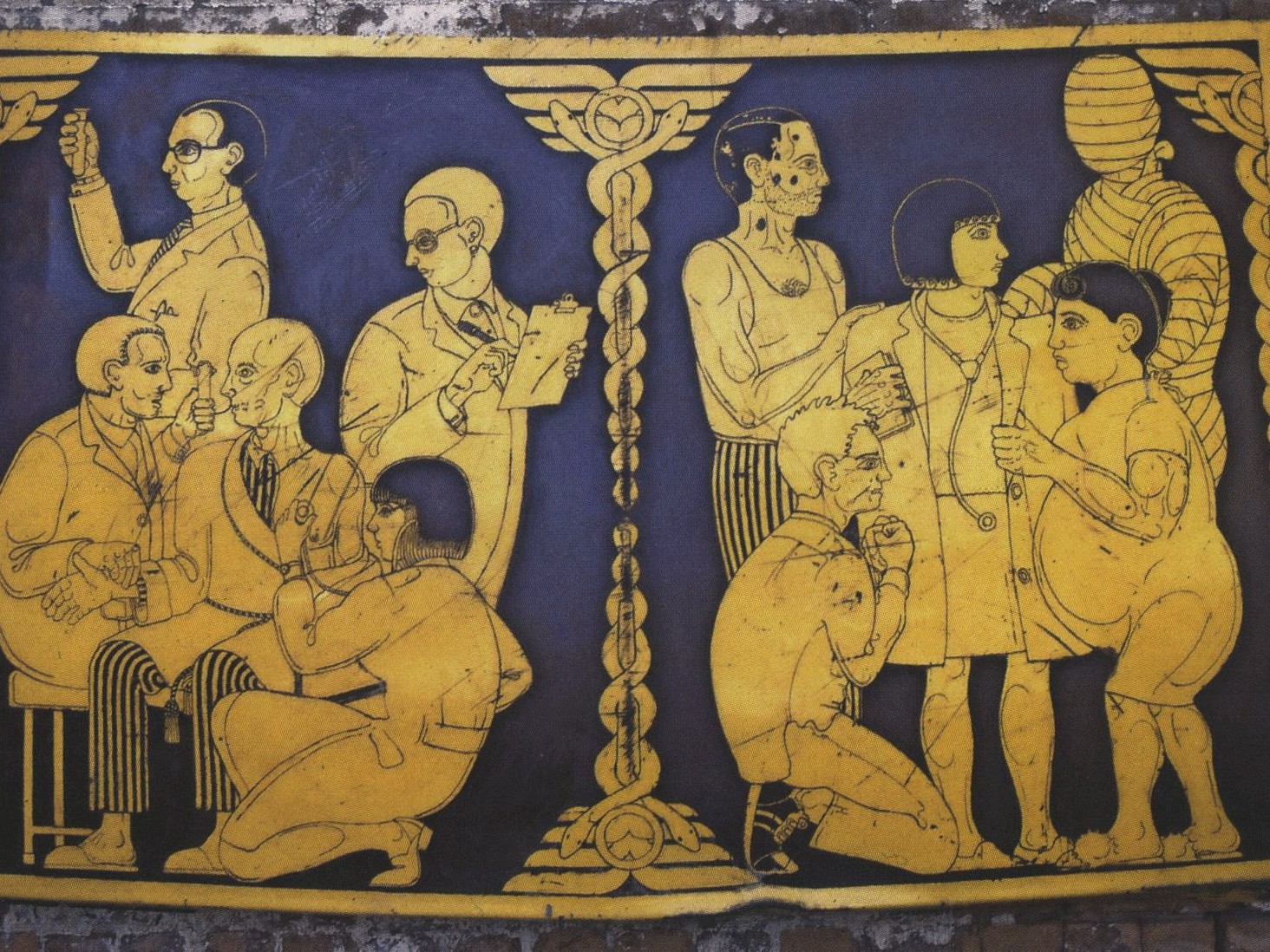
‘Most of the art that inspires me is pre-industrial’, John Kindness talks to Brian McAvera about his interest in the ‘longevity of imagery as opposed to its immediate social impact’
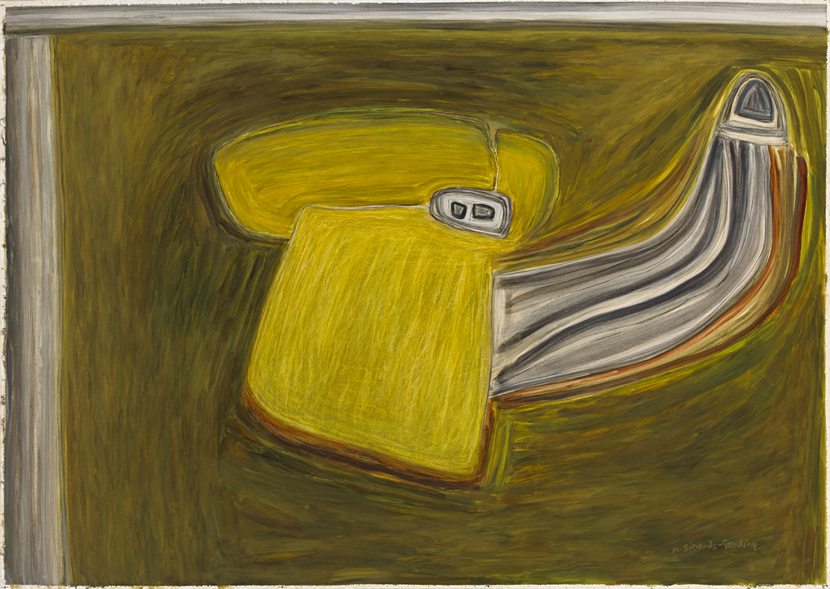
Catherine Marshall assesses the unwavering artistic journey of Maria Simonds-Gooding in advance of her retrospective in Dublin
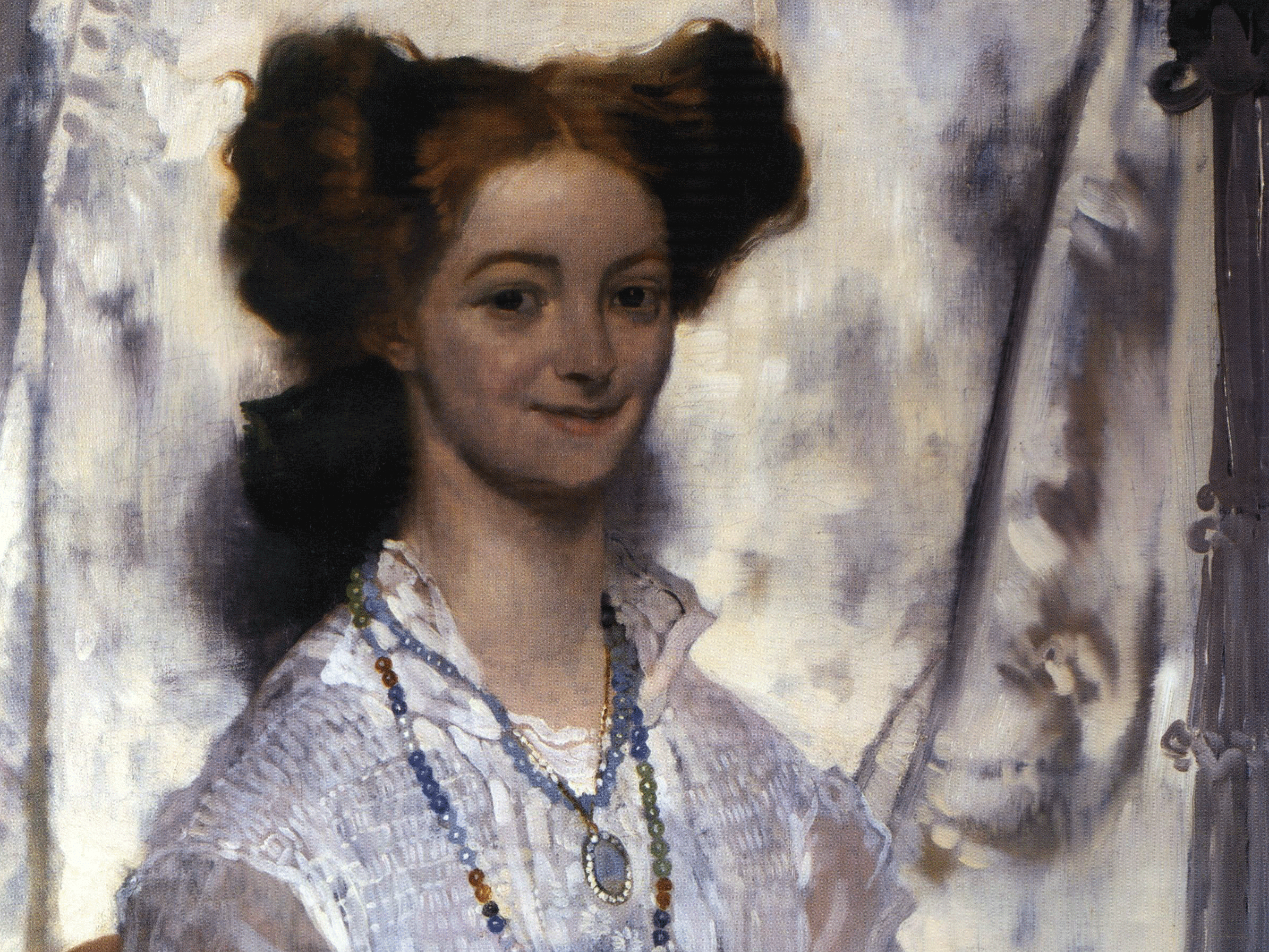
Misfortune compelled Grace Gifford to assume a political role, yet her true passion for the theatre emerges in her witty drawings, writes Hilary Pyle
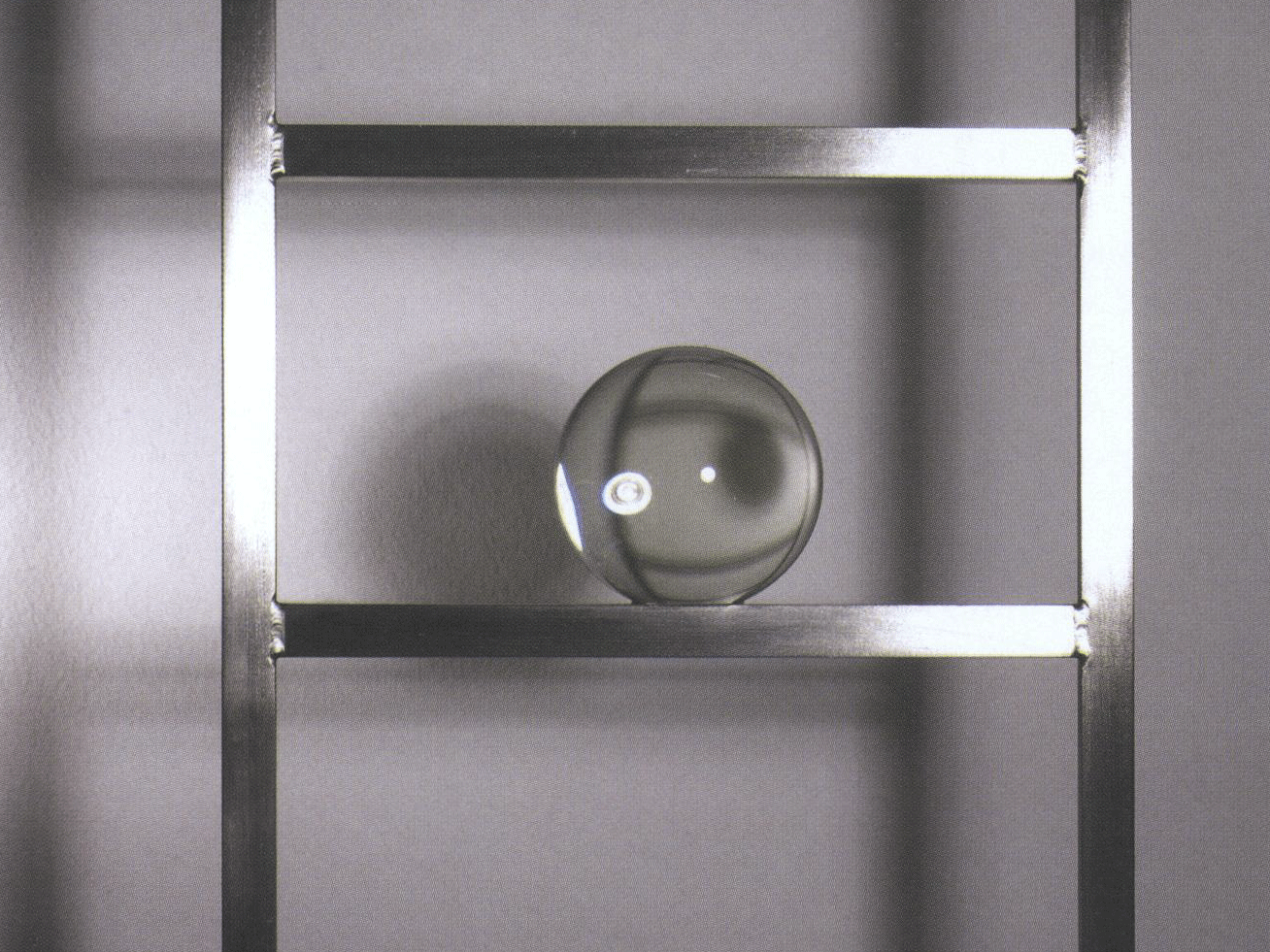
Vivienne Roche belongs to a generation who transformed what sculpture could be. ‘I don’t consider myself an object-maker. I work with place and change’, she tells Brian McAvera while her exhibition continues at the Royal Hibernian Academy
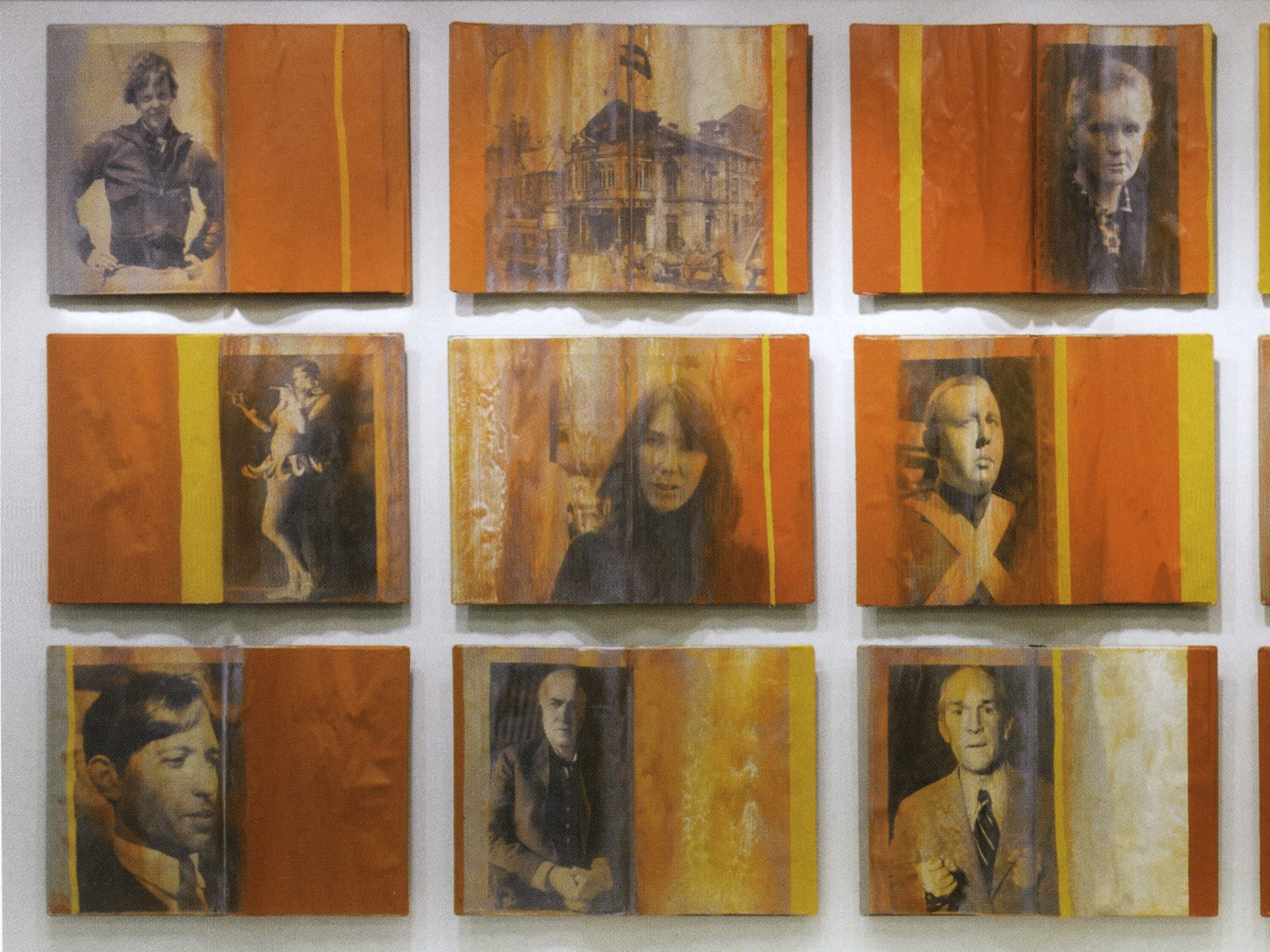
‘Culture is about sharing; Nationalism is about ownership.’ Hughie O’Donoghue encapsulates the chasm between the two concepts, in conversation with Brian McAvera
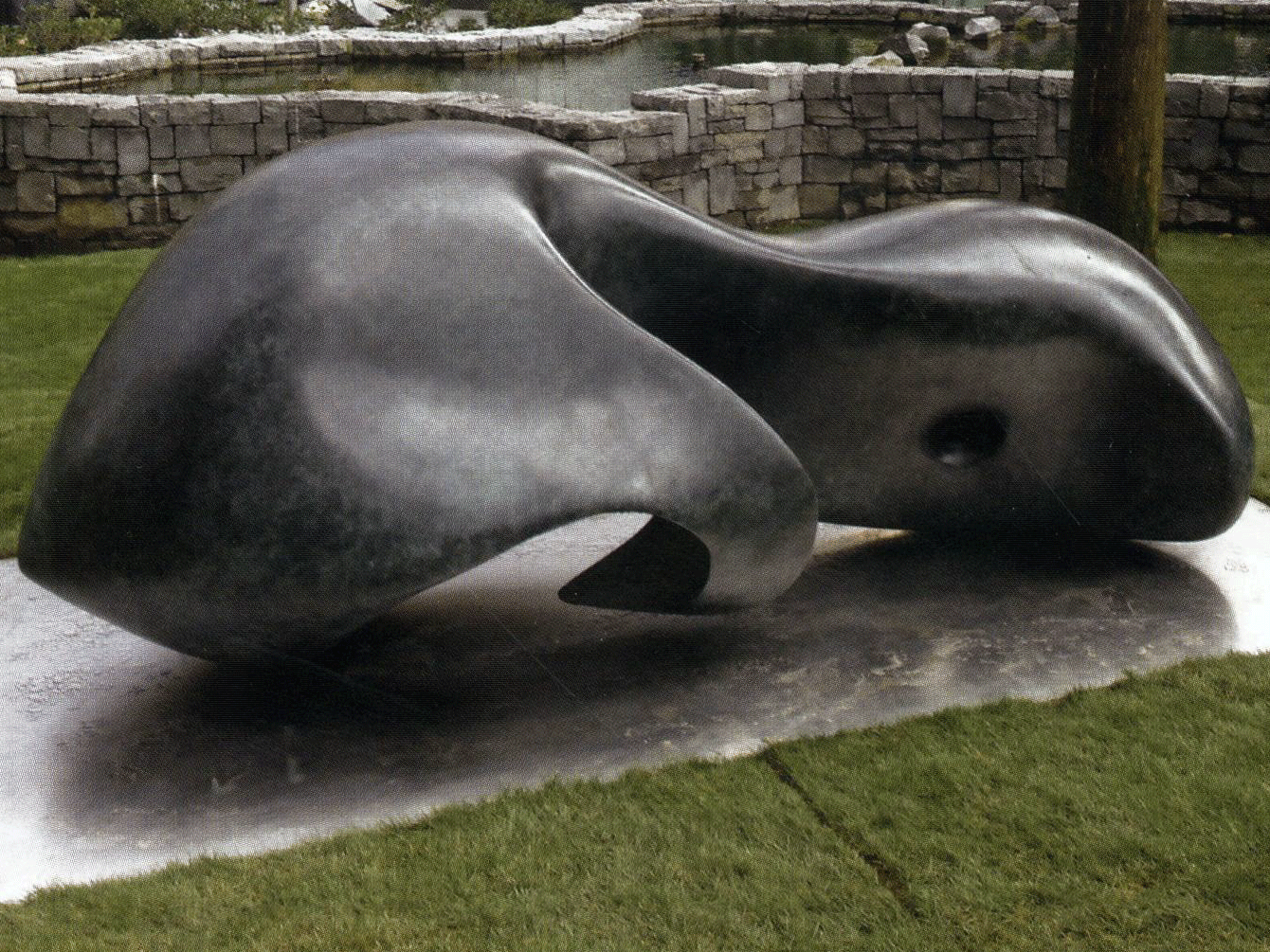
What is it about the work of the Irish sculptor Eilís O’Connell that has led to her having created, in this most difficult and masculine medium, over thirty permanent site-specific installations in Britain and Europe, including the sensual, orchid-like Unfurl (Fig 1), a bronze commissioned by Kensington Borough Council and the residents of Kensington Gate, to celebrate the Millennium?
O’Connell subtly combines a number of different elements that give her work both a sense of physical vitality and poetic metaphor. It is monumental yet intimate, atavistic yet contemporary. From discarded agricultural tools to birds’ nests and whale bones she appropriates the quotidian and the natural to create dynamic forms in stone, steel, resin, plaster and bronze. Like her poetic compatriot, Seamus Heaney, O’Connell looks to the archaeology and topography of her Irish homeland for inspiration but the ideas she finds there are filtered through a considered relationship to architecture and geometry. The work is never soft: emotion is always tempered by intellect and painstaking technique to combine something of the muscularity of Richard Serra with the female sensibility of Barbara Hepworth. Science and mathematics meet the natural world within her organic and biomorphic forms. Inside and outside coalesce. In the layered and slippery space of contemporary culture she has created objects that generate a unifying narrative and suggest a philosophy of interdependence rather than of confrontation, an openness and desire for contact and inclusivity, rather than a brittle postmodern autonomy, which unapologetically recalls the timeless resonances of Brancusi.