
At the height of his career, American artist Morris Graves moved to Ireland, where he found a ‘kind of magic ‘; Peter Murray recalls the sojourn
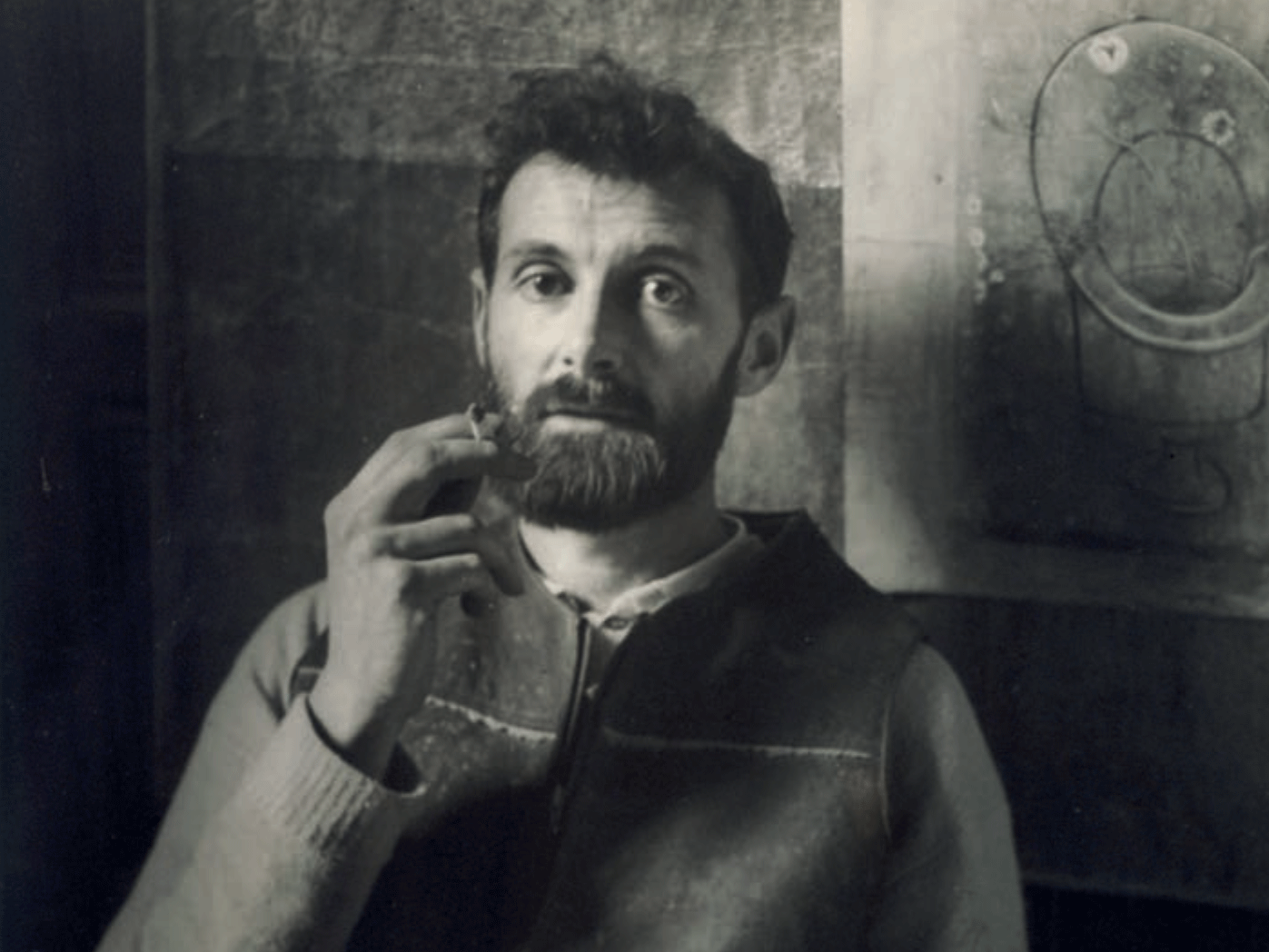

In recent years, the Jordan Schnitzer Museum at the University of Oregon has been at the forefront of research into the art of Morris Graves, a leading American painter and sculptor, who spent a decade, from 1954 to 1965, living and working in Ireland. Born in Oregon in 1910, over the course of his long career Graves also designed houses and gardens, wrote voluminous letters and travelled extensively. Revered as a member of the ‘Northwest School’, a group of Pacific coast artists whose work was inspired by Modernism, Zen Buddhism and nature, he was friends with John Cage, Mark Tobey and Merce Cunningham. As early as 1936, an exhibition at the Seattle Art Museum brought Graves’ work to public attention, while six years later a solo show at MoMA in New York made him an overnight success. In 1953 an article in Life magazine, ‘Mystic Painters of the Northwest’, consolidated his reputation as a key figure in 20th-century American art, a status confirmed by a retrospective held three years later at the Whitney Museum in New York. However, shunning the limelight and valuing his privacy highly, Graves was described in the Life article as the ‘best known and least seen of all the Seattle painters’ a reclusive attitude expressed in his aphorism ‘Vision grows on the meadows of obscurity.
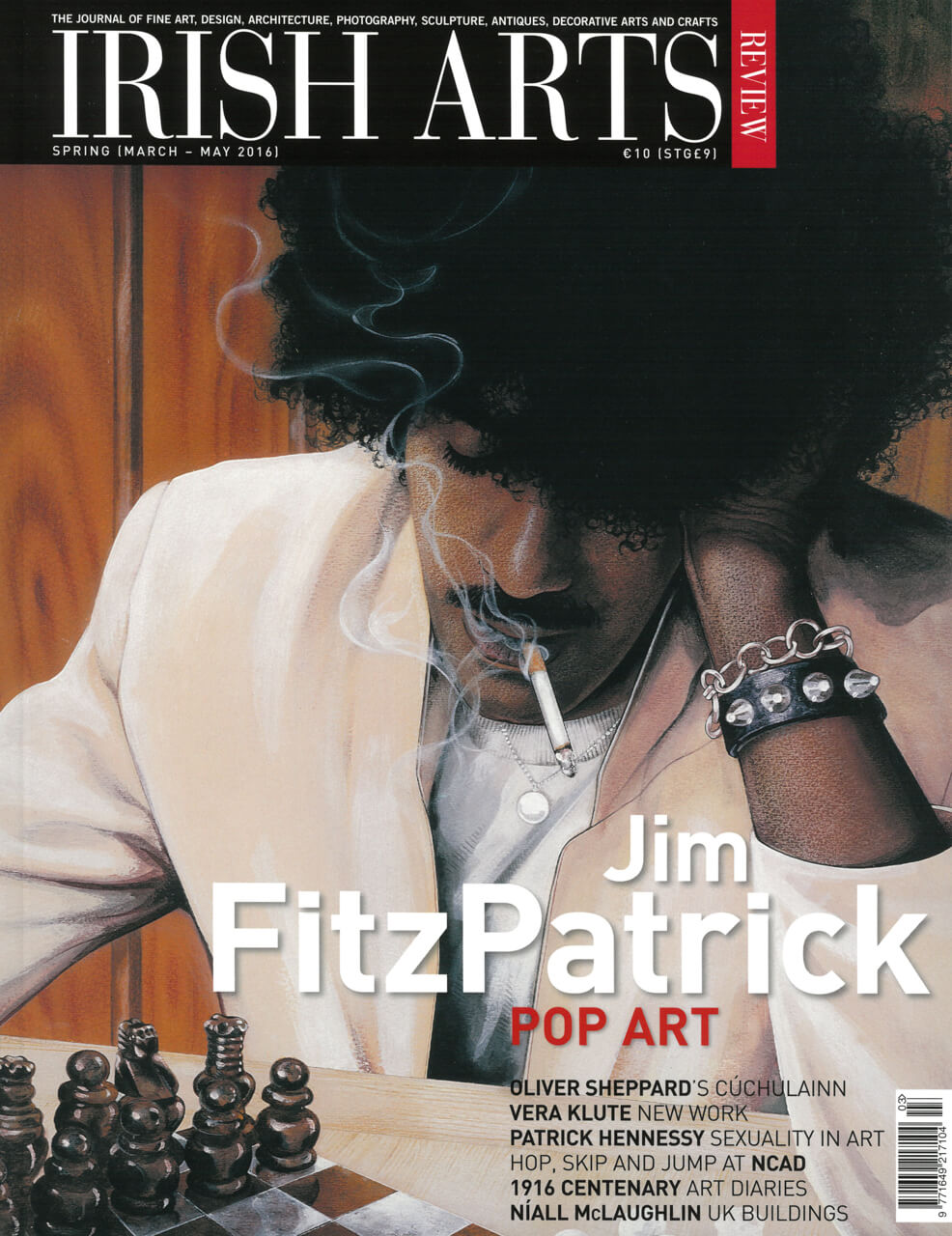

Proving that good design is timeless, Virginia Teehan presents a selection of rare artefacts travelling to Boston College, celebrating Irish design from the Arts and Crafts Movement.
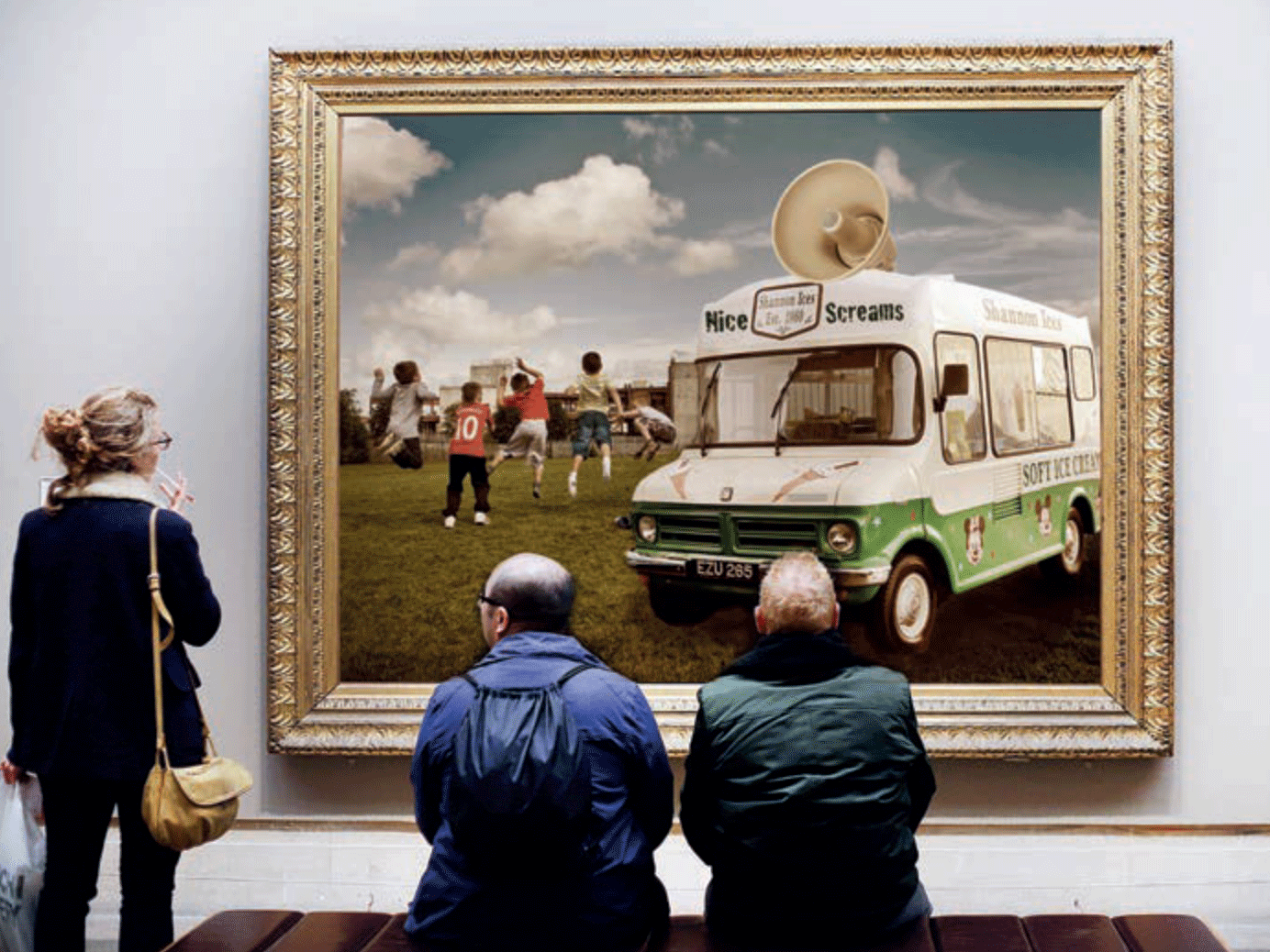
In response to the 1916 centenary, EVA International takes as its theme, the post-colonial legacy on the psyche and imagination of colonized communities, writes Michaele Cutaya.
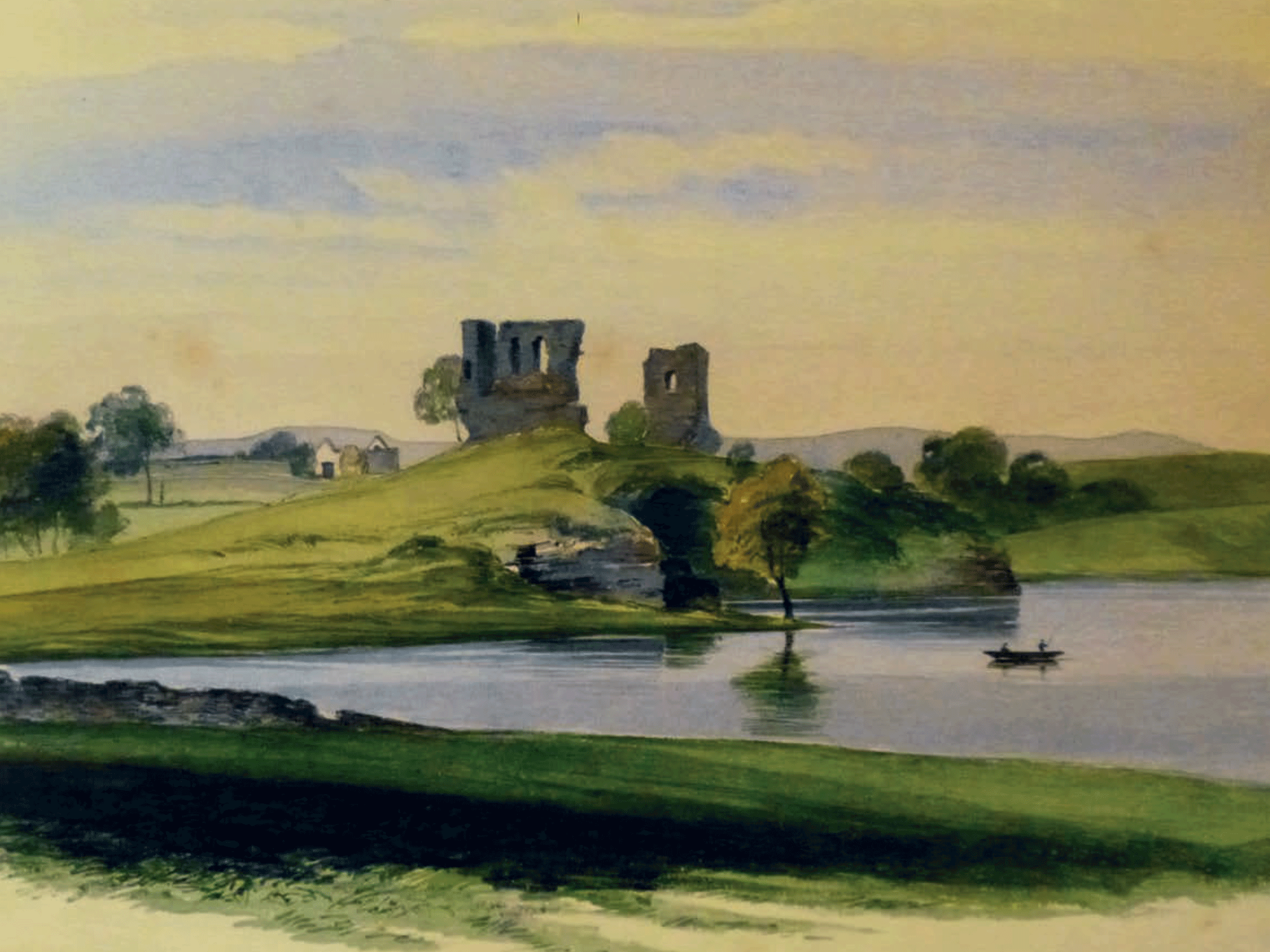
A recent visit to Sligo County Library prompts Peter Harbison to ask, could our national institutions do more to give local communities access to their treasures?