Philip McEvansoneya finds that Margarita Cappock’s book Francis Bacon’s Studio (Merrell) succeeds admirably in its scholarly interpretation of the contents of Bacon’s studio while the vagaries of the creative process remain elusive
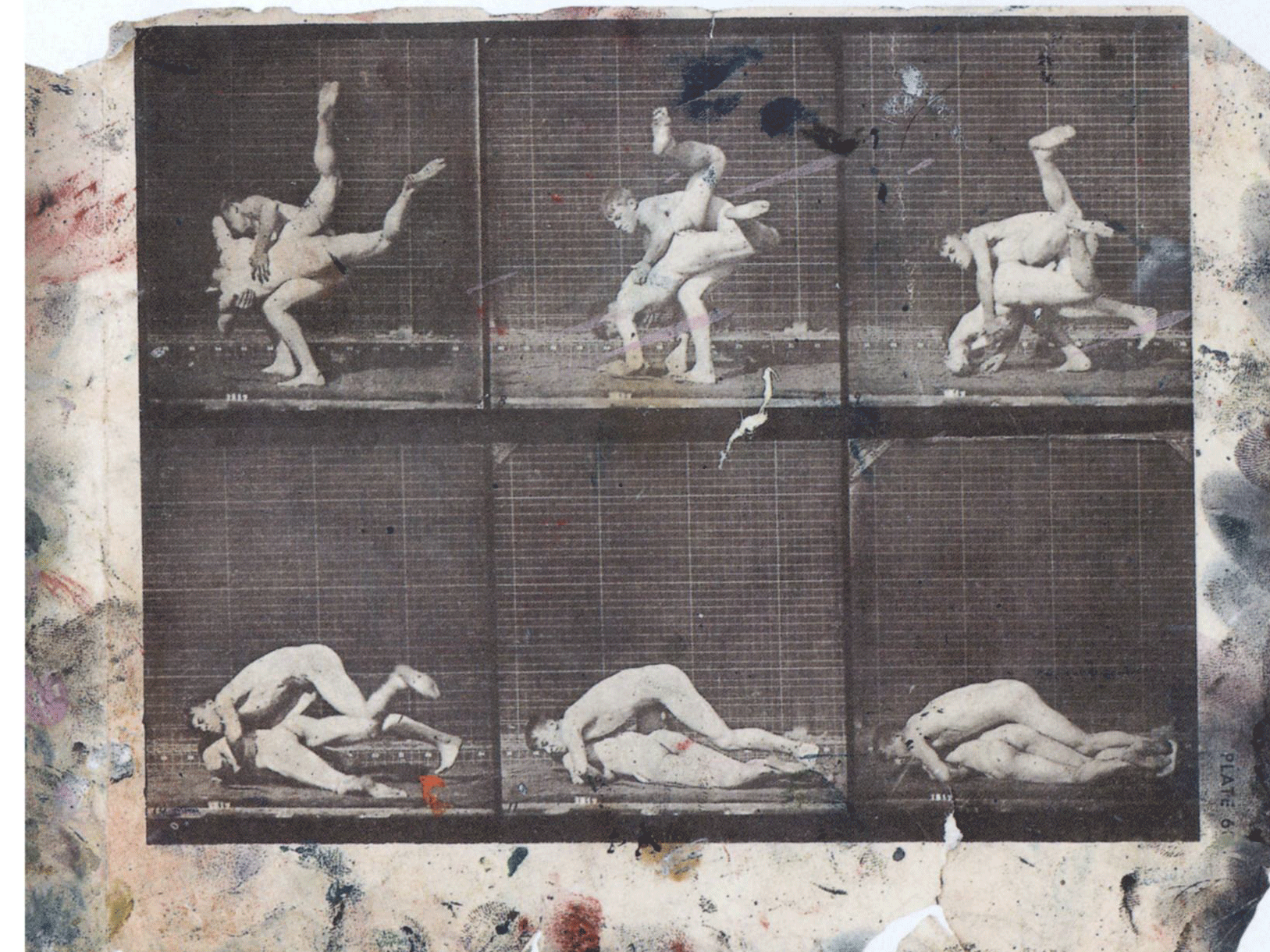
In the decade before his death in 1992 Francis Bacon had achieved a nominal position as the greatest living British painter. From 1961 he lived and worked in a small and dingy studio-cum-flat at Reece Mews near the museums of South Kensington in London. On one side was Bacon’s spartan and neat living space, on the other the dirty and disordered space in which meticulously composed, million-pound paintings were realised