
Over a career spanning five decades, Ann Griffin Bernstorff has built up a treasury of magical yet historically informed images, writes Nicola Gordan Bowe
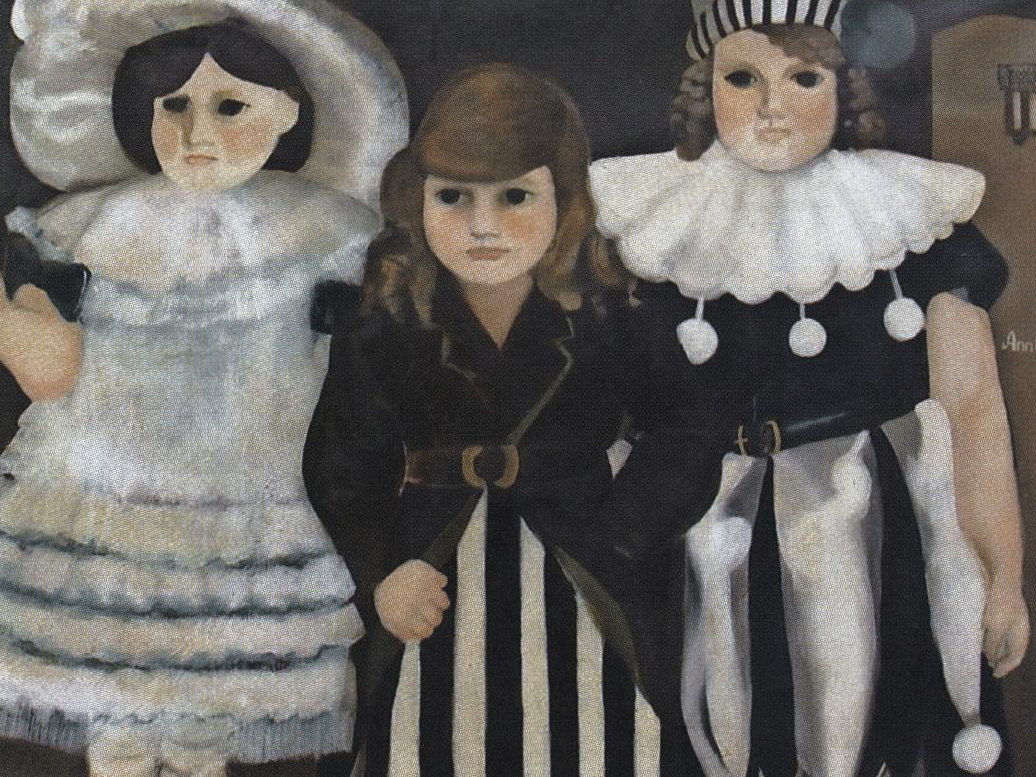
The art of Ann Griffin Bernstorff is intrinsically concerned with recovering histories, with re-evaluating unorthodox quality and skills too easily taken for granted or ignored, and with cherishing the particular (Fig 1). Whether she’s painting the sheep, horses, and other animals she admires and considers inadequately appreciated, collecting the finely crafted 18th and 19th-century clothes, textiles, dolls, toys, vernacular furniture and carriages which sometimes feature in her canvases, or reviving her own versions of people and events long forgotten, she vividly rescues them from oblivion. Incorporating long-gone houses, gardens, places and their real and imaginary inhabitants into a succession of dreamlike tableaux, she has – over the fifty or so years that she has been painting – built up a treasury of magical yet historically informed images. In her work, she relishes the slow, gradual process of carefully building up translucent, but increasingly loose, layers of glazed oil paints onto the welcome ‘springiness’ of canvas, using a palette of ever warmer, earthy, glowing colours.
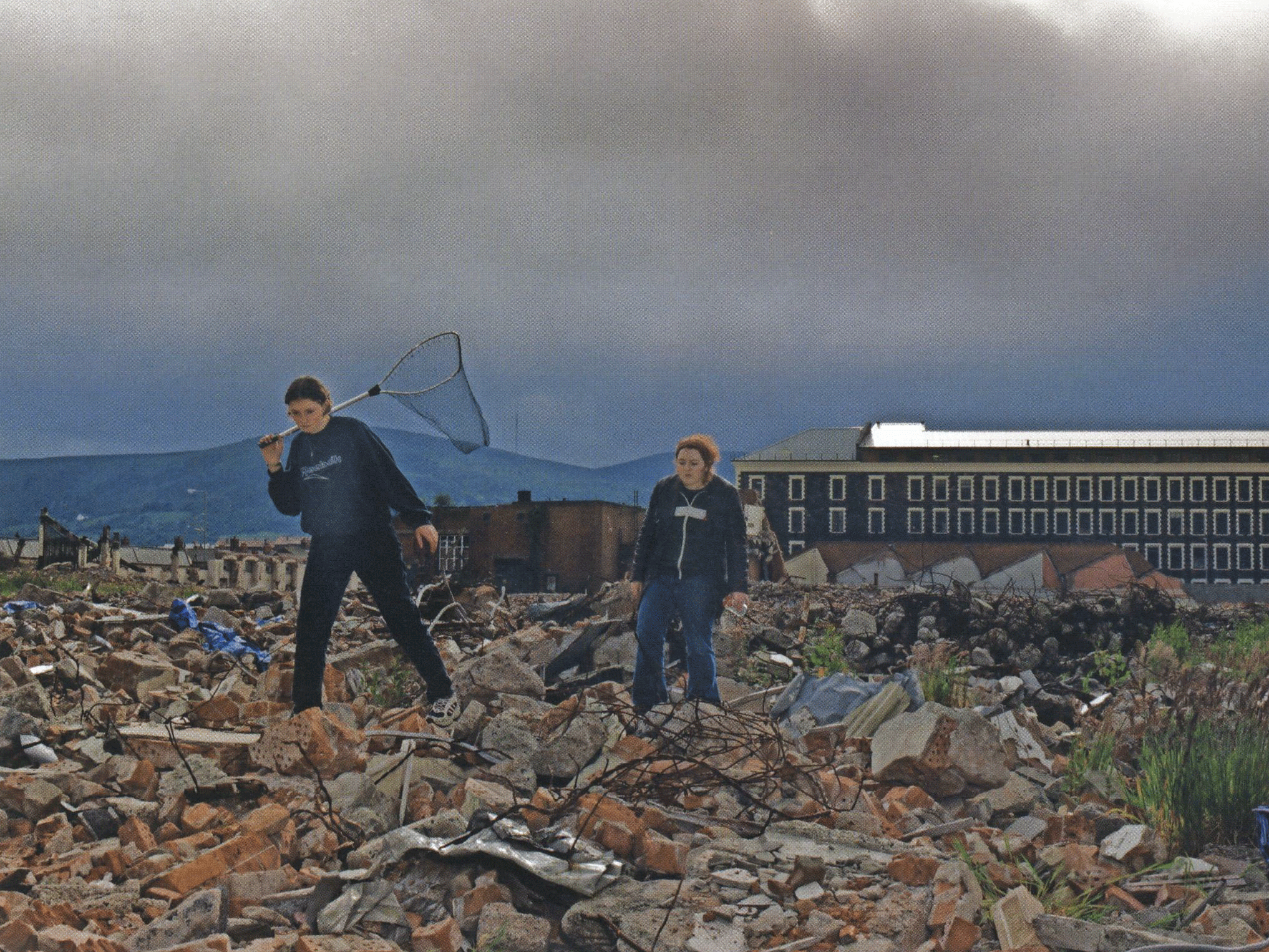
Northern Ireland: 30 Years of Photography at Belfast Exposed and the MAC this summer highlights the medium as a highly-charged, critical artform that constantly questions its own role in the construction of memories, writes Stephanie McBride
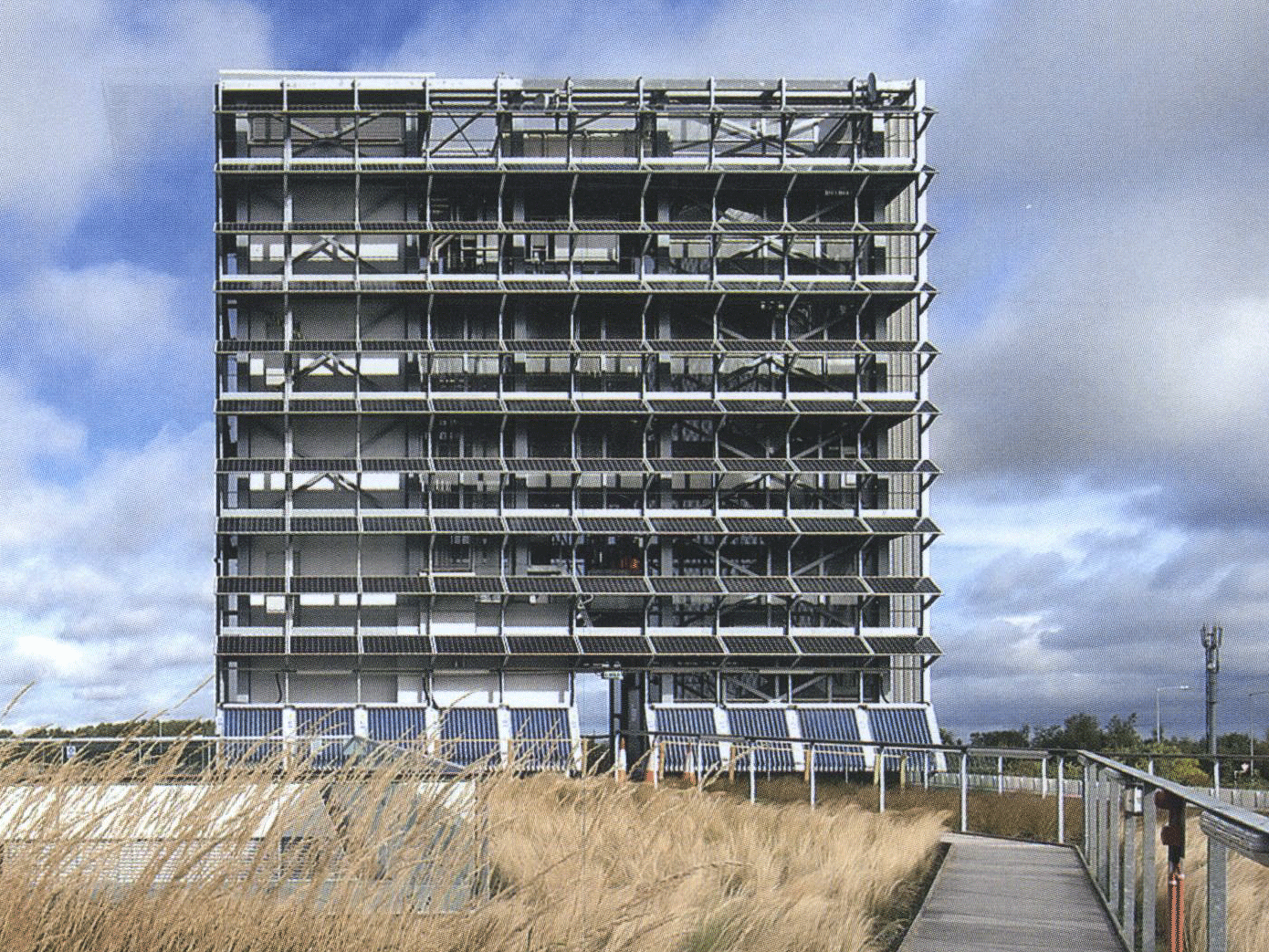
As a building commissioned by a State entity charged with the stewardship of a precarious energy resource, Bord Gáis Network Services Centre warrants some reflection on its relevance as a benchmark and path-finder, writes Seán O’Laoire