The honesty and intimacy of photographer Bill Kirk’s social perspective invites engagement and reflection on the changing post-Troubles landscape, writes Stephanie McBride
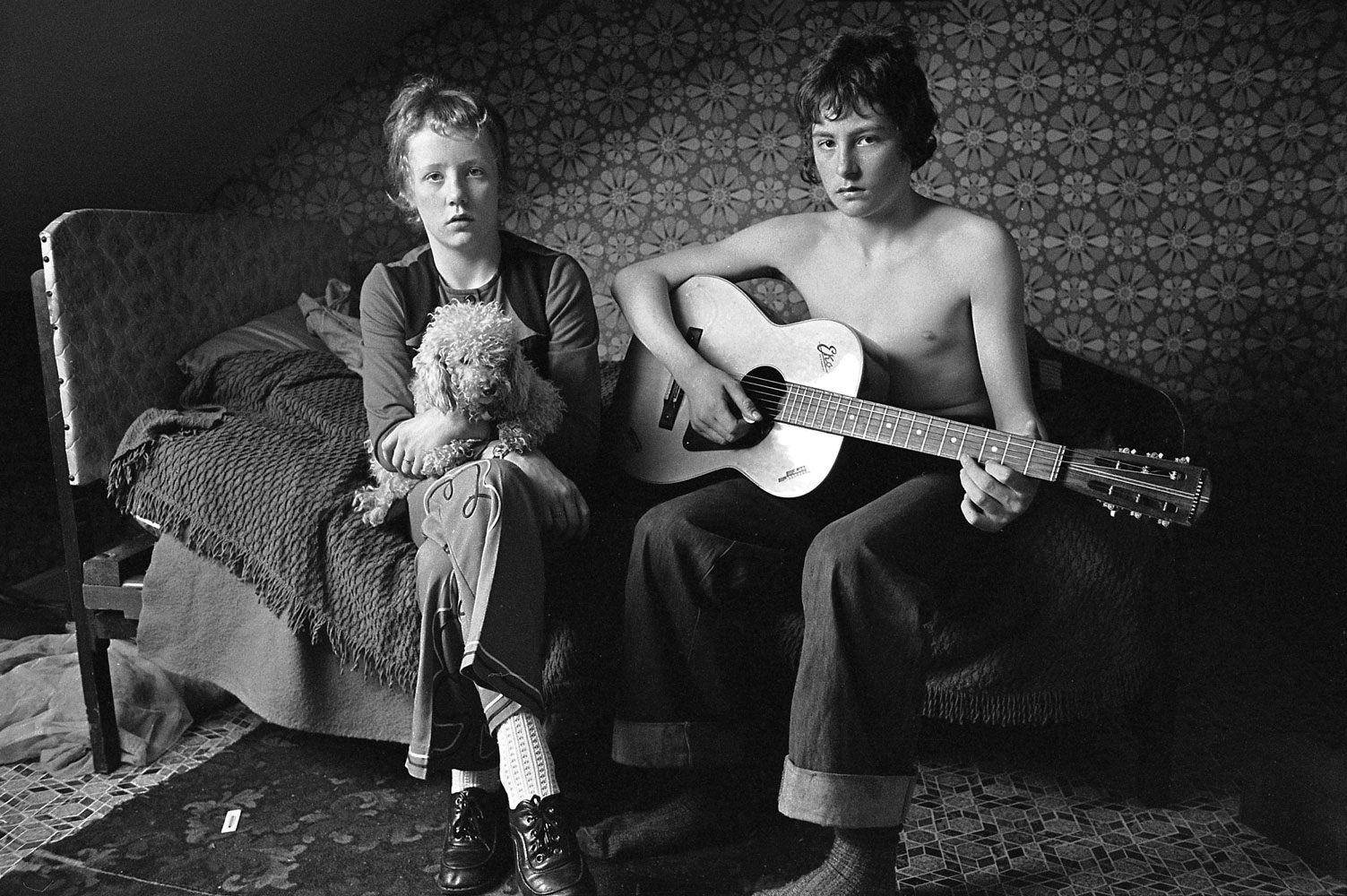
The Ulster Museum with the Belfast Archive Project is hosting a trilogy of photography exhibitions highlighting the archive’s significant work in conserving Northern Ireland’s photographic heritage. The first exhibition focused on photographer Bill Kirk’s extensive archive from the 1970s onwards. A selection of a hundred images represents everyday scenes around Belfast and the Troubles, from security checks, protests and marches to subcultures of skinheads and punks, alongside family life in living rooms, kitchens and back yards.
Kirk was born in Newtownards in 1937. A keen photographer, after a serious bout of tuberculosis and being made redundant in 1971 from his job as a draughtsman at the Shorts factory, he went on to study at the School of Art in Belfast. German artist and art theorist Joseph Beuys (1921–1986) gave a guest lecture there in 1974 and Kirk, by then a second-year photography student, documented the now-legendary proceedings. The same year, he and fellow student Arthur Watson worked on their Sandy Row project, photographing the redevelopment and decline of one of Belfast’s oldest working-class communities. He would later return to Sandy Row to document further redevelopments.
To read this article in full, subscribe or buy this edition of the Irish Arts Review
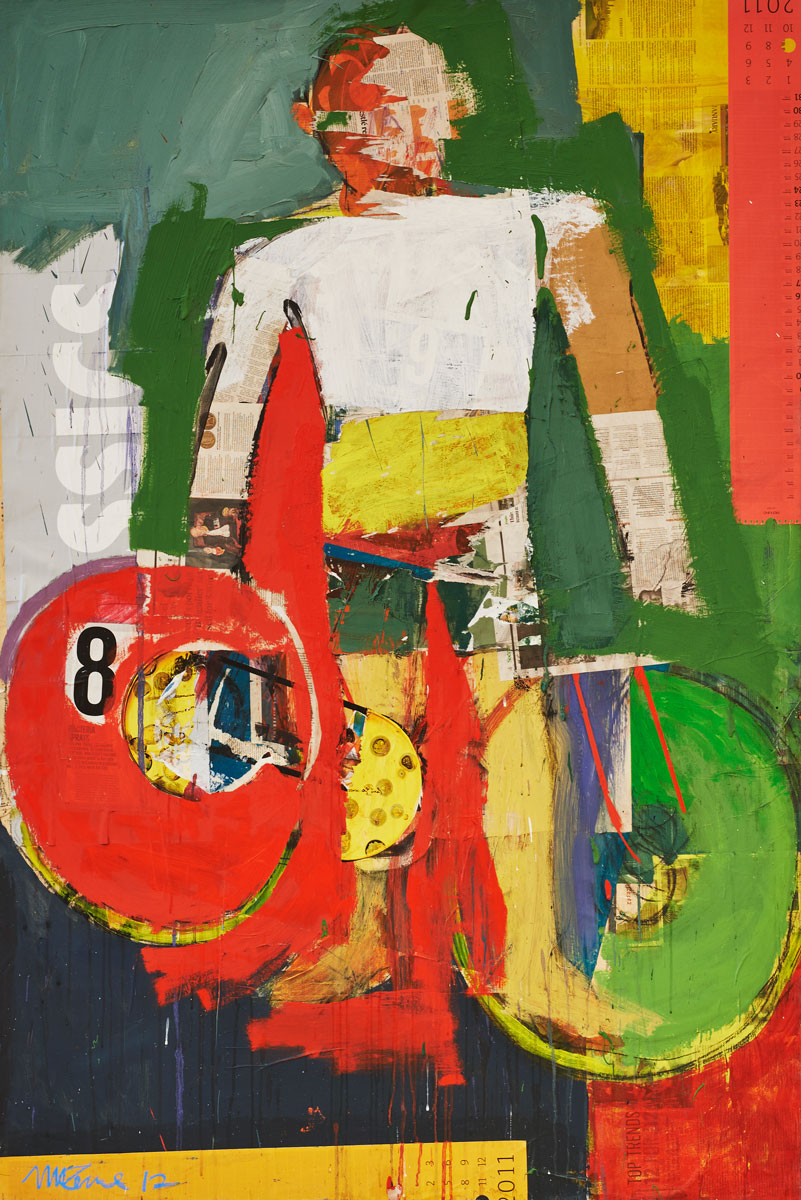
From 1960, when a chance meeting with Cecil King led to his work being included in a show at the Ritchie Hendriks Gallery, Dublin, Michael Kane was a formidable, indomitable presence in Irish cultural life.
Emer McGarry considers the work of Marianne Keating, which brings to light overlooked stories of Irish migration, labour and resistance
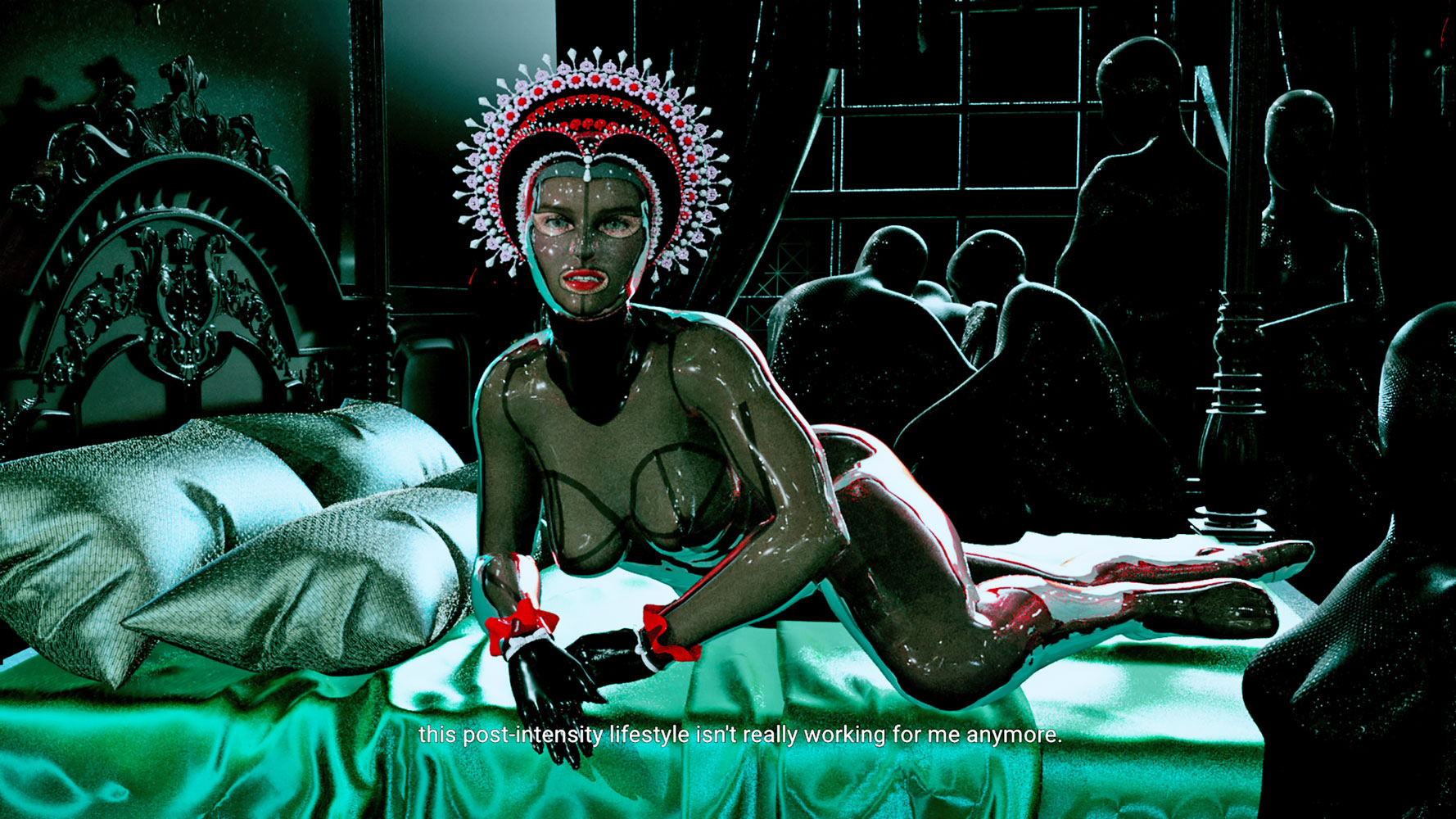
The exhibition treats the archive as a tool for building new futures, writes Seán Kissane