Kilmainham, the Liberties and Pimlico were the areas of Dublin that Seamus O’Colmain preserved in his evocative and atmospheric paintings, writes John P O’Sullivan

Seamus O’Colmain was born James Coleman in Dublin in 1925 and throughout his life he was called ‘Jim’ by his friends and family. However, in a stratagem to distinguish himself from several other artists (at least four) named James Coleman, whose artistic lives overlapped with his own, he changed his name to Seamus O’Colmain in 1957, as his career was taking off. This helped, of course, but led to a certain inconsistency in terms of the presence or absence of fadas and an apostrophe in the Irish rendering of his name. There are several variations of the name in the admittedly sparse documentation about the artist.
James Joyce famously claimed that, if Dublin was wiped from the face of the earth, it could be rebuilt through his writings. The Dublin you could recreate from Seamus O’Colmain’s paintings would be the Georgian Dublin of the rare old times – that period before the redevelopment of the city that transformed working-class neighbourhoods like Kilmainham, the Liberties and Pimlico and displaced their citizenry. These were the areas that O’Colmain preserved in his evocative and atmospheric paintings – paintings that focused on the meaner streets and the ordinary people.
To read this article in full, subscribe or buy this edition of the Irish Arts Review
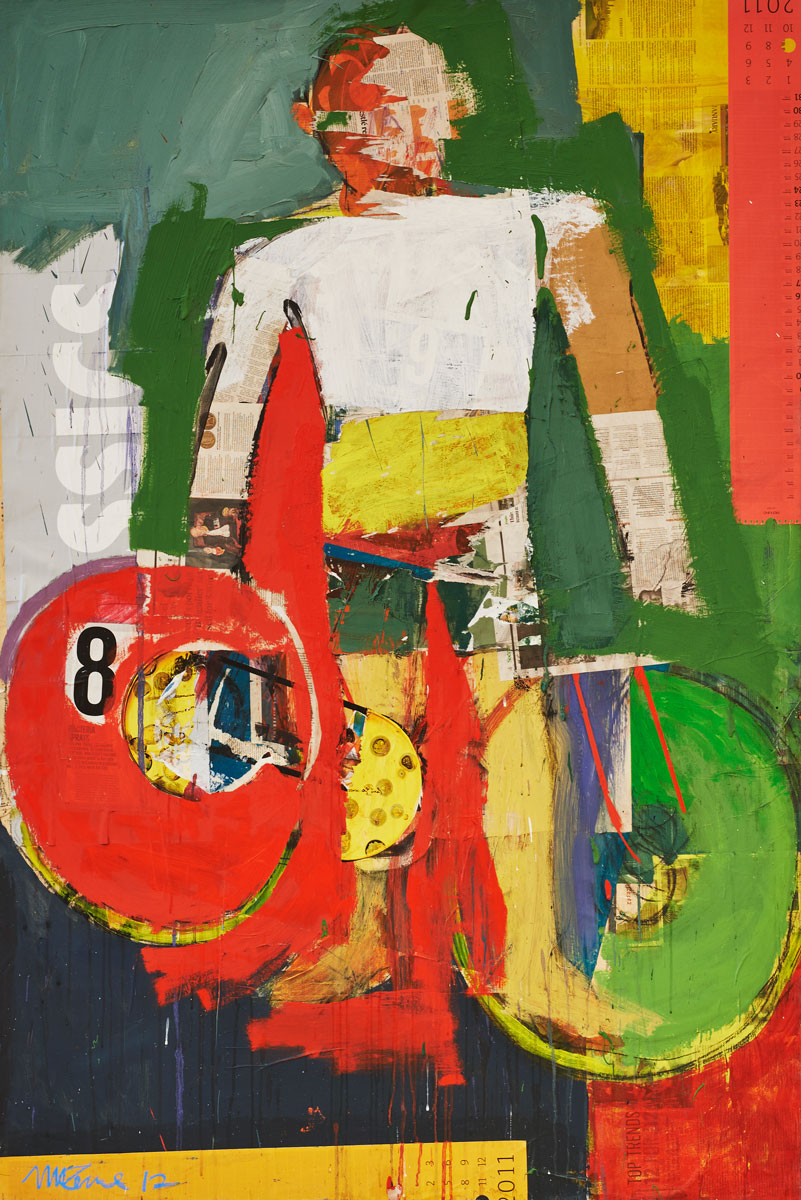
From 1960, when a chance meeting with Cecil King led to his work being included in a show at the Ritchie Hendriks Gallery, Dublin, Michael Kane was a formidable, indomitable presence in Irish cultural life.
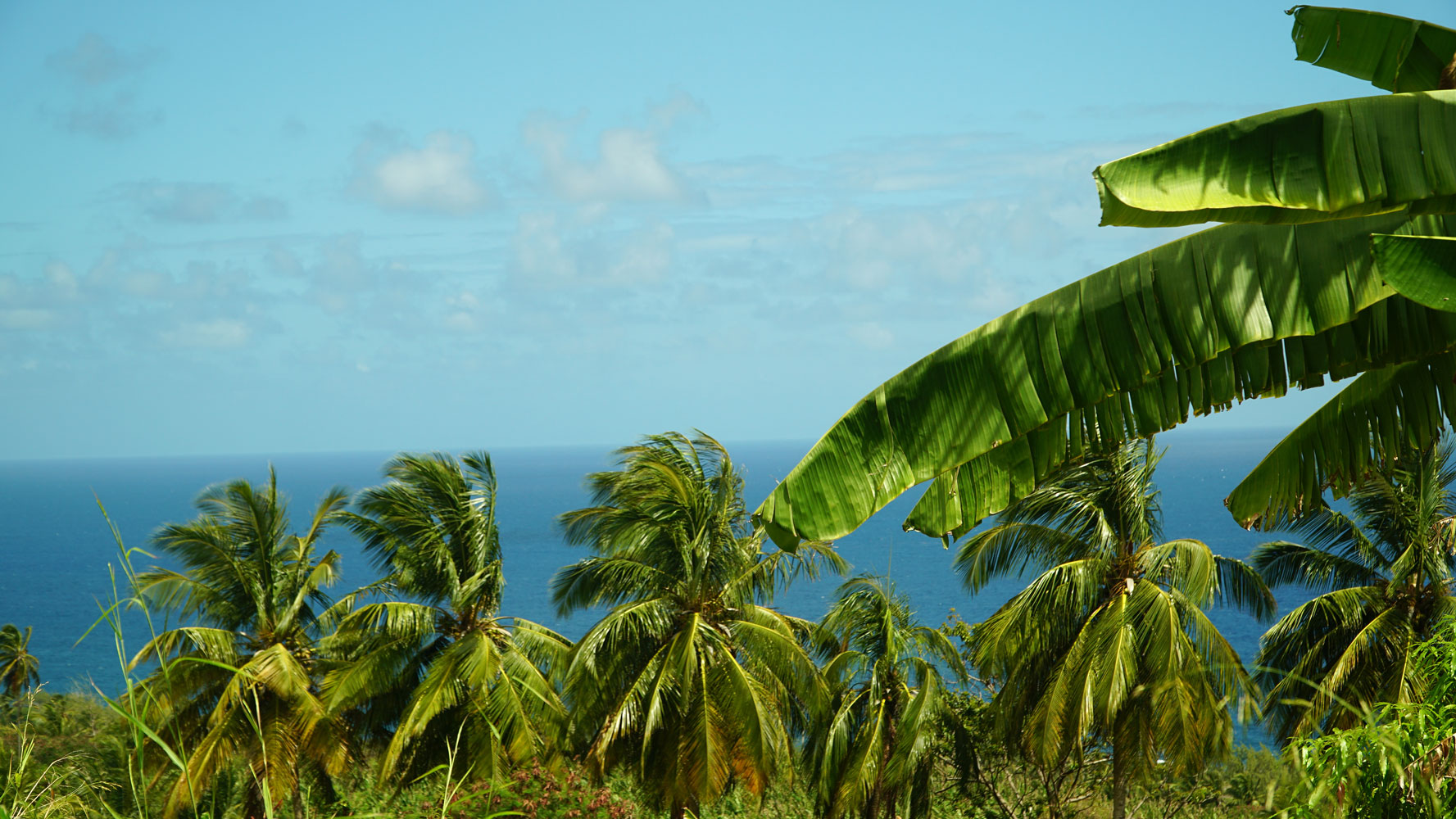
Emer McGarry considers the work of Marianne Keating, which brings to light overlooked stories of Irish migration, labour and resistance
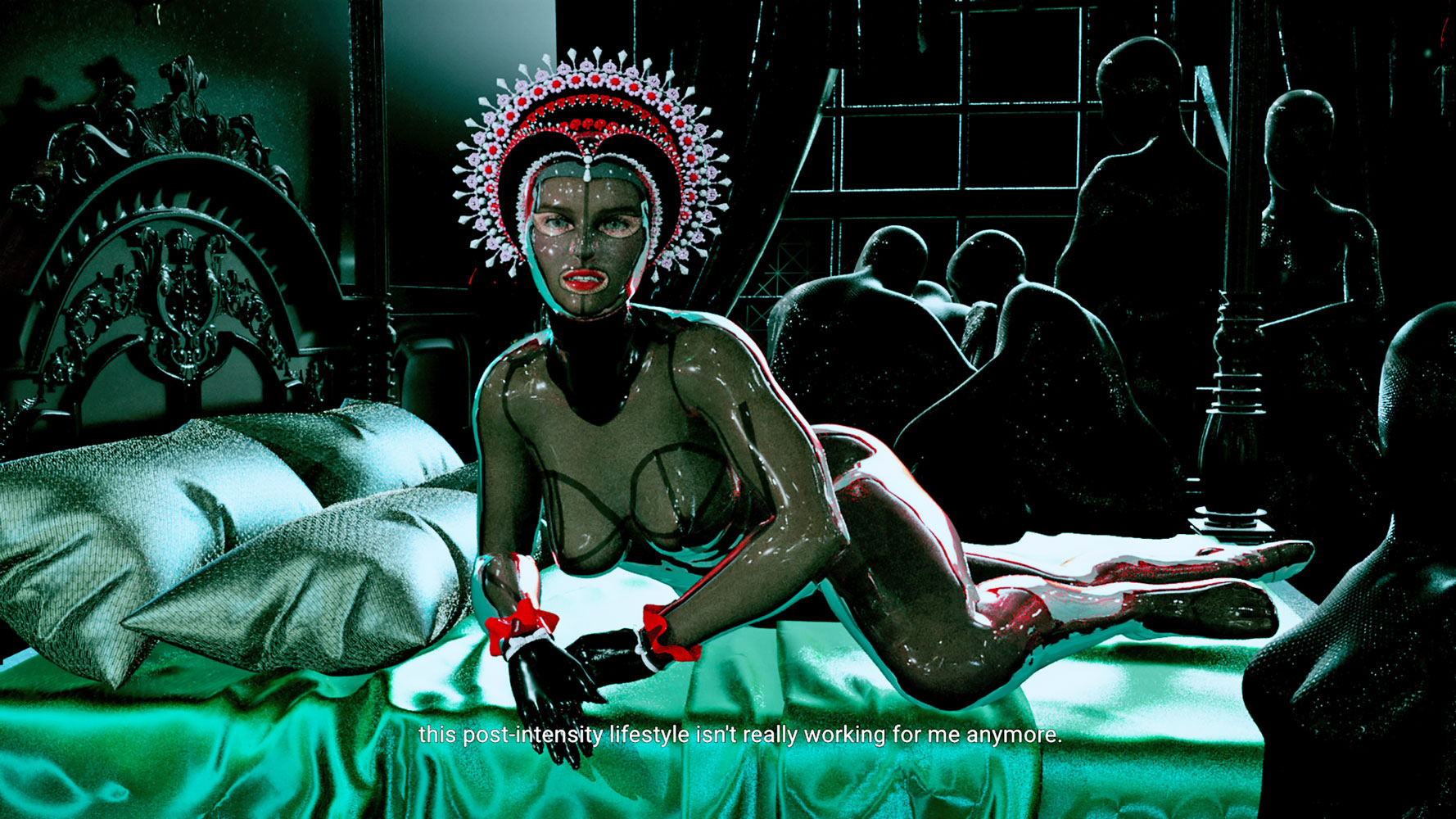
The exhibition treats the archive as a tool for building new futures, writes Seán Kissane