Artist Joe Dunne tells Aidan Dunne that when painting goes well, he gets into a meditative state and is out of time, in infinity, or perhaps in no time at all
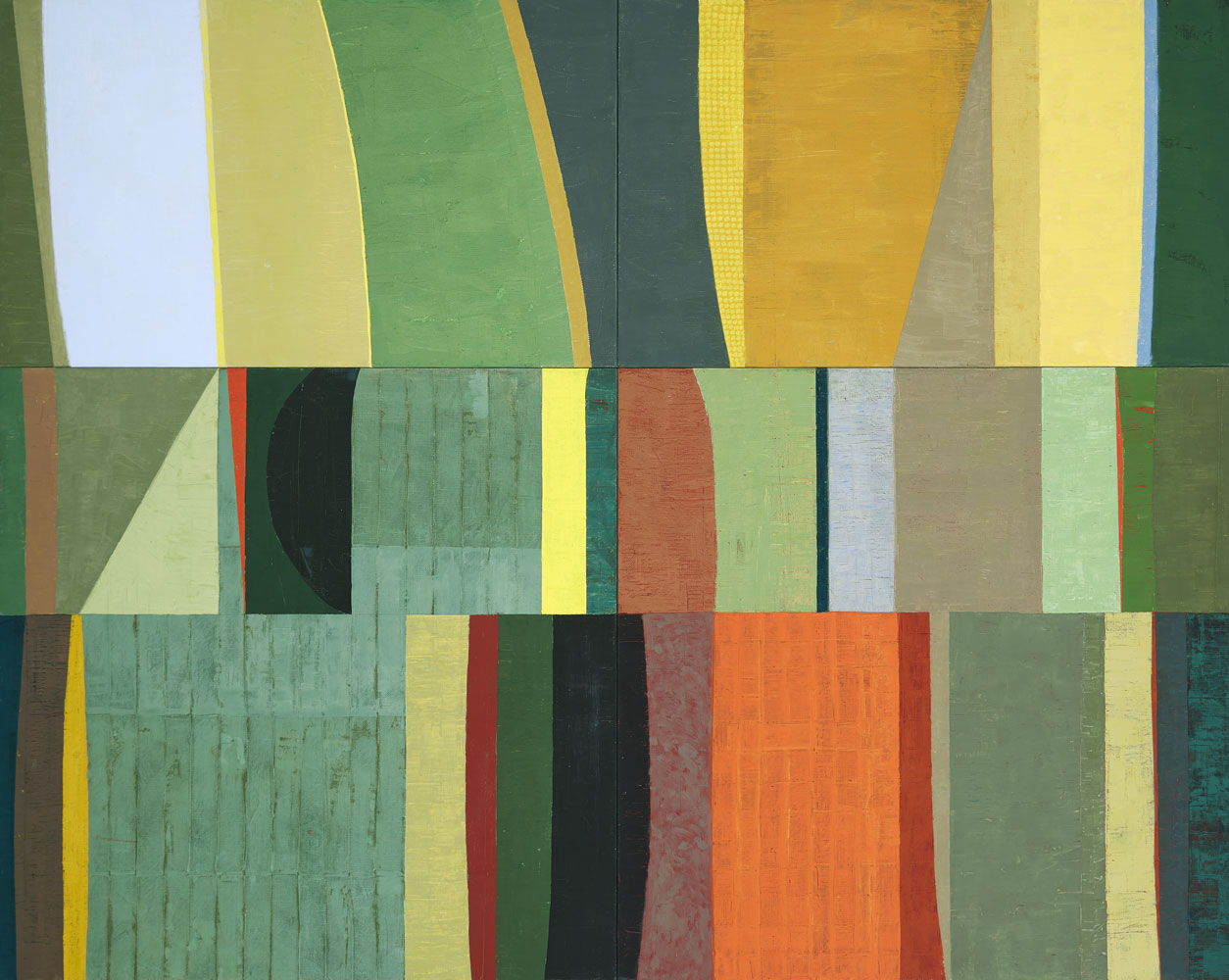
Aidan Dunne: Your studio here in Ballinteer is next to your house but separate from it. The place is suburban, but elevated, towards the Dublin Mountains – and Marlay Park. Nature is close by.
Joe Dunne: Yes, closeness to the landscape is important to me.
AD: The title of one of your shows, ‘Bruach’, referred to that in-between urban/rural location. Landscape has been a dominant source of inspiration for you, though your work has changed significantly as you’ve gone on, including a shift from representation to abstraction.
JD: Yes, it has. I’m sure people looking at it have asked themselves, ‘What is this guy doing?’ But I think change is good.
AD: There are consistencies in your work too – your generally mellow colour palette with natural earth colours and even-tempered colour relationships within the paintings. A certain temperament – quiet, somewhat cool. Still life has been a constant as well.
JD: I’ve continually veered back to still life because, in a way, still life has everything: abstraction, colour, form, relationships.
To read this article in full, subscribe or buy this edition of the Irish Arts Review
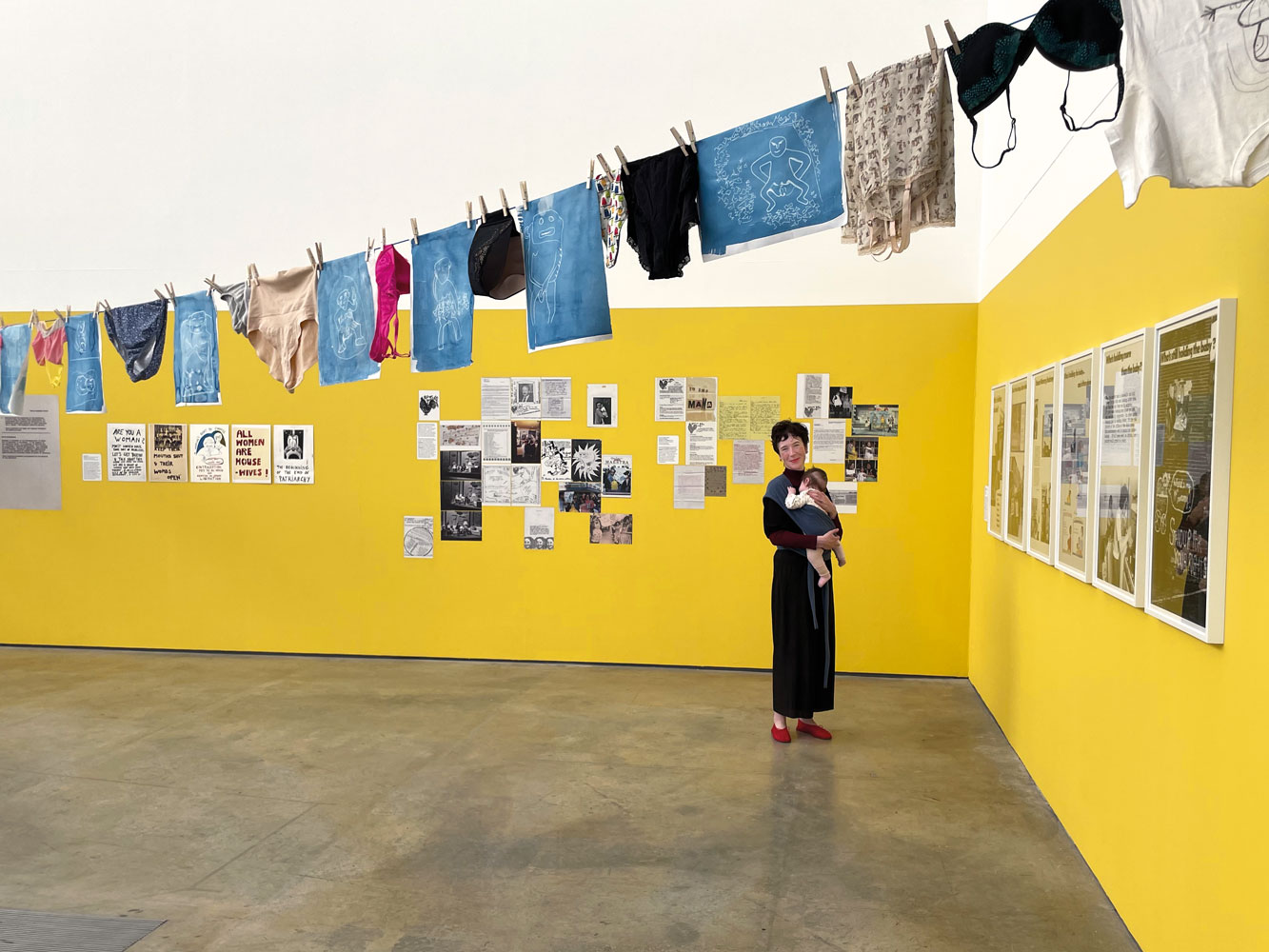
Margarita Cappock visits an exhibition that explores artists’ lived experience of becoming – or not becoming – a mother, in all its intricacy
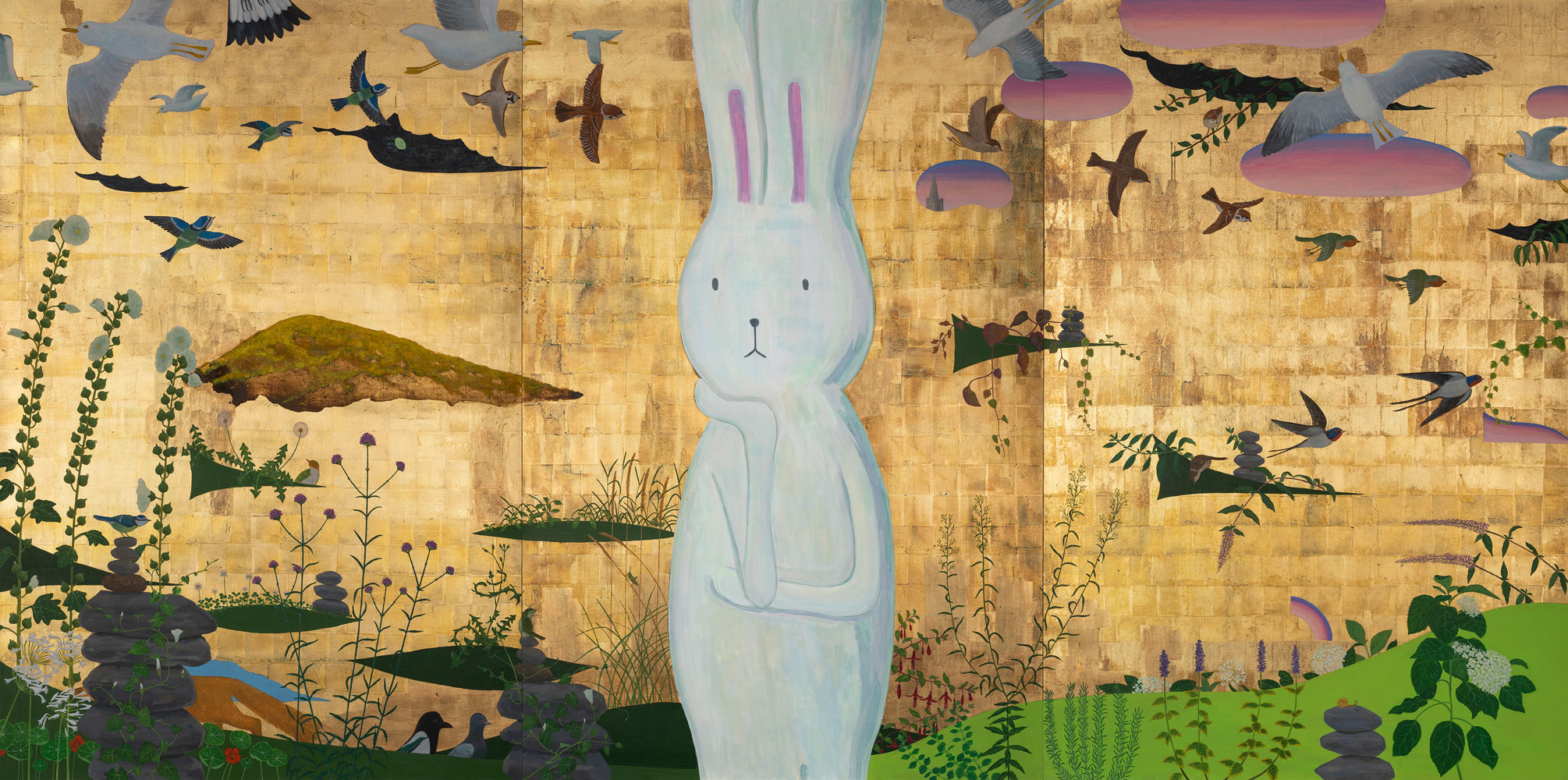
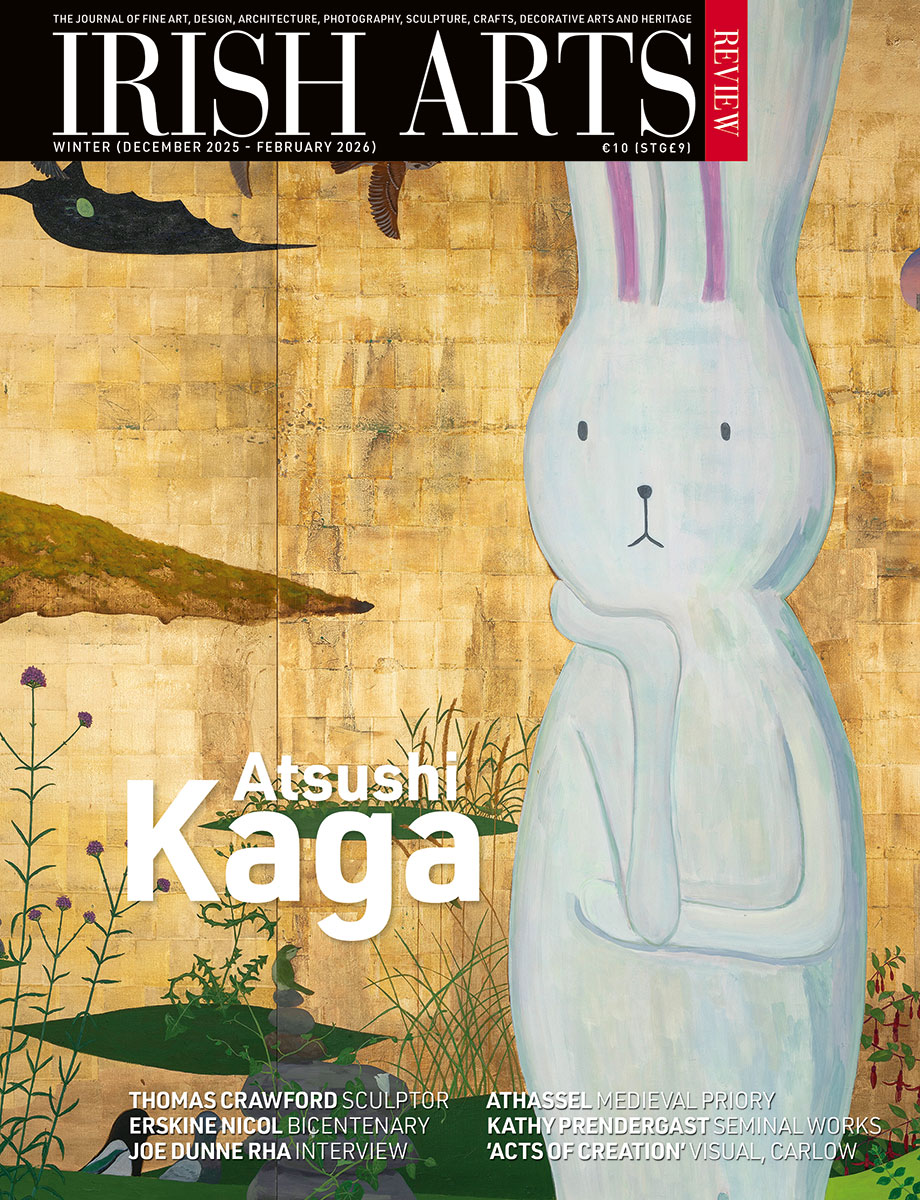
Francis Halsall finds in Atsushi Kaga’s paintings an aesthetic influenced by Japanese culture, European art and everyday life
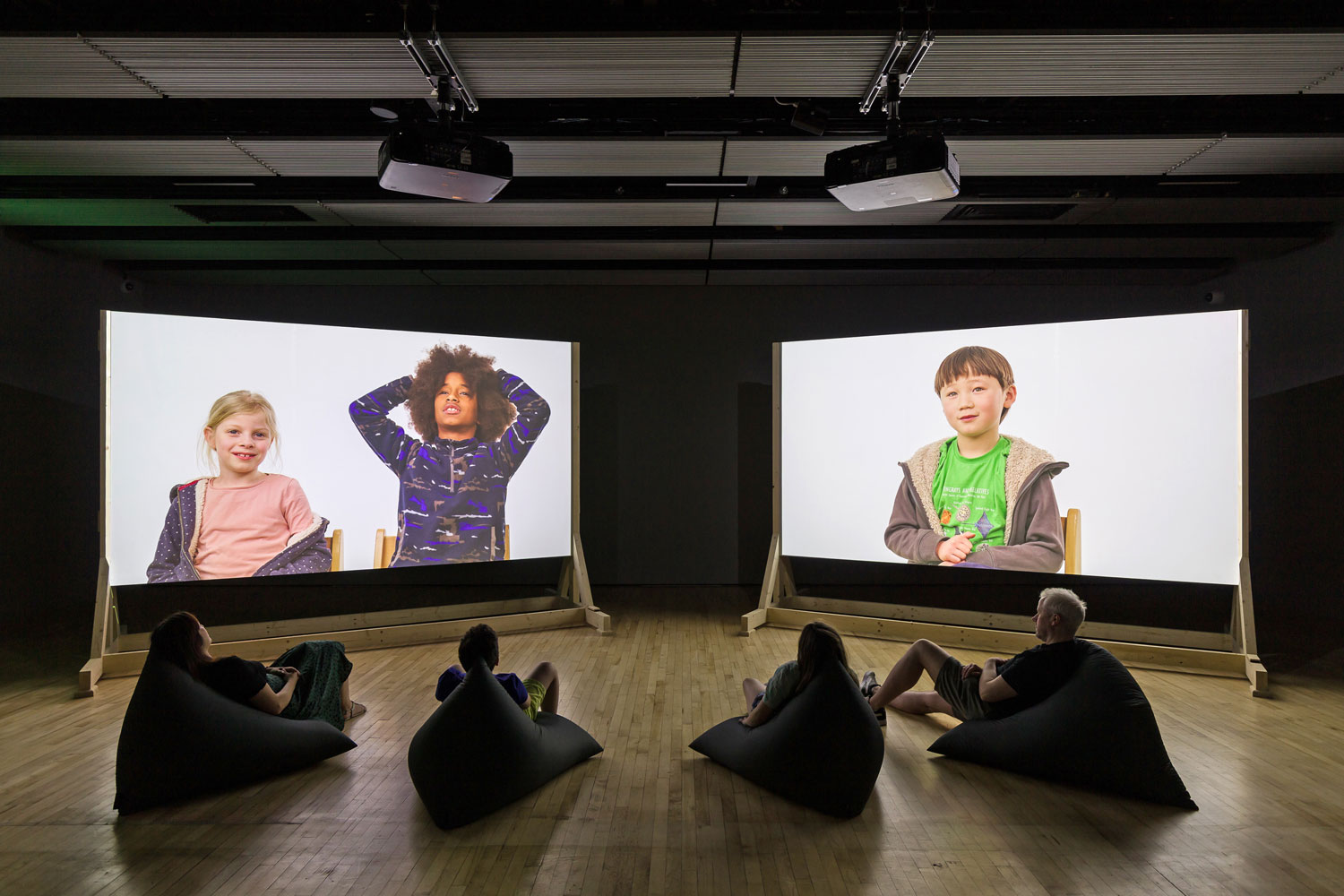
Emer McGarry offers insights into works included in the thematic exhibition ‘Inheritance’