Tom Duffy looks at the work of Rose Barton, who transformed the ordinary by incorporating ‘the picturesque’ into her Dublin and London streetscapes
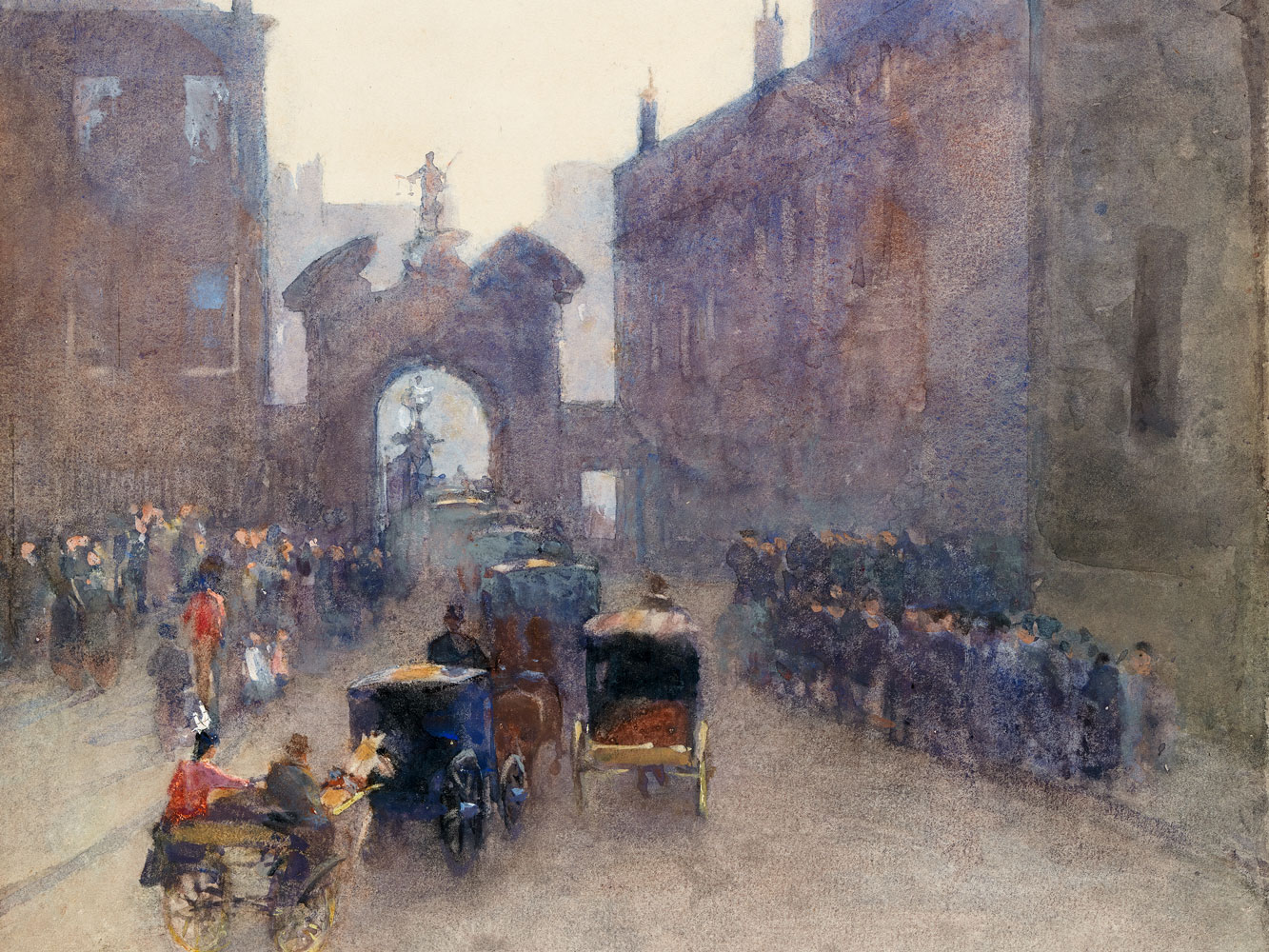
Widely recognised for her watercolours in Ireland and Britain, Rose Barton was a leading female artist of the late Victorian and Edwardian eras, holding this position along with Mildred Anne Butler (1858–1941), Fanny Currey (1848–1917) and Helen O’Hara (1846–1920). Barton was a professional artist and highly acclaimed by critics. The Ladies’ Home journal remarked that the Emerald Isle could rightfully claim Barton, thanks to her birth and education. However, England could equally consider her their own, given that she devoted her time to the depiction of London, its streets, river, squares, parks and churches. By the end of the last century Barton was all but forgotten. Thankfully, this is no longer the case, as Barton’s work is now appreciated and her position as a significant artist is recognised.
To read this article in full, subscribe or buy this edition of the Irish Arts Review
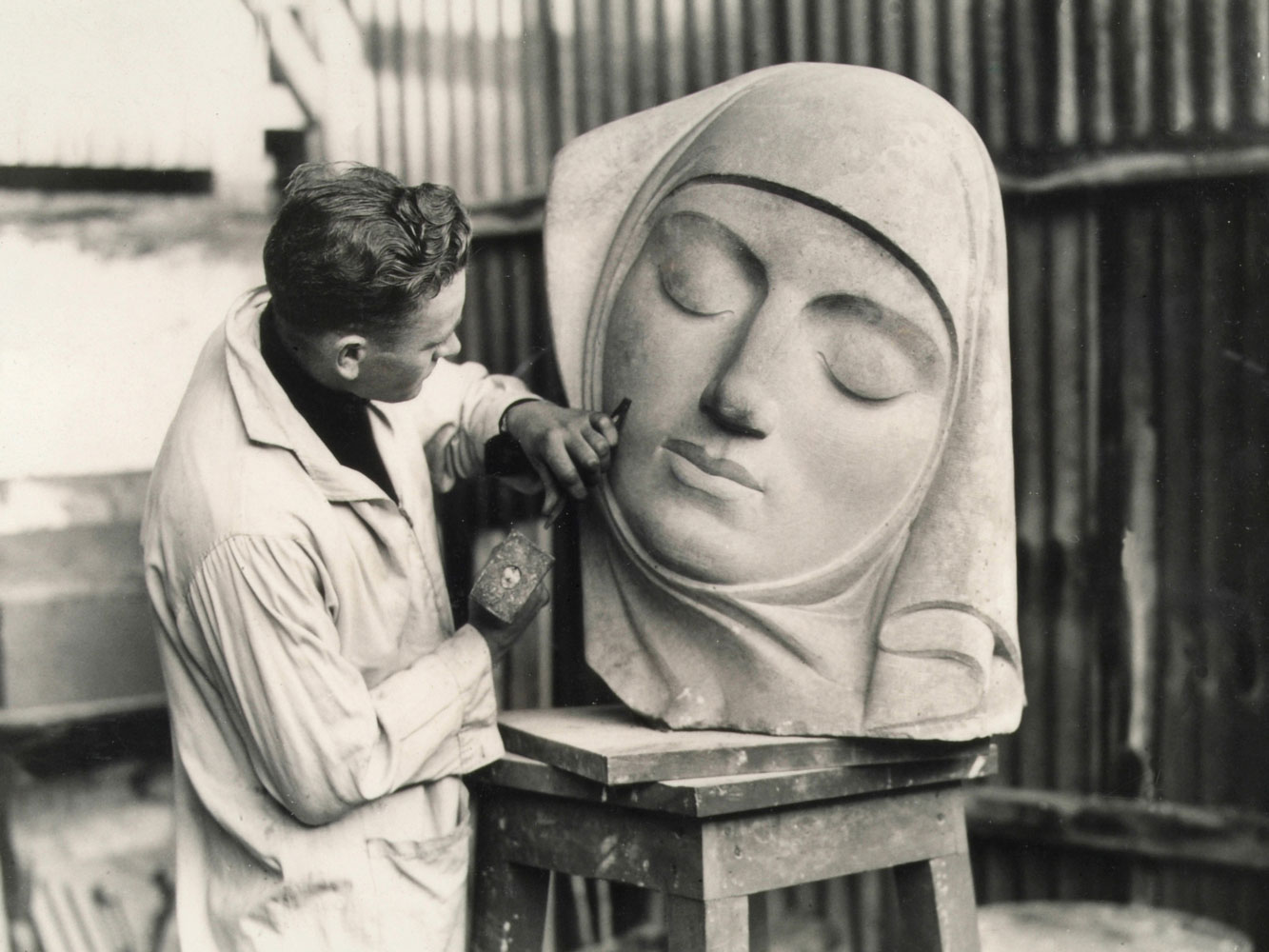
Daniel Breen selects a sculpture by Seamus Murphy in the collection of Cork Public Museum
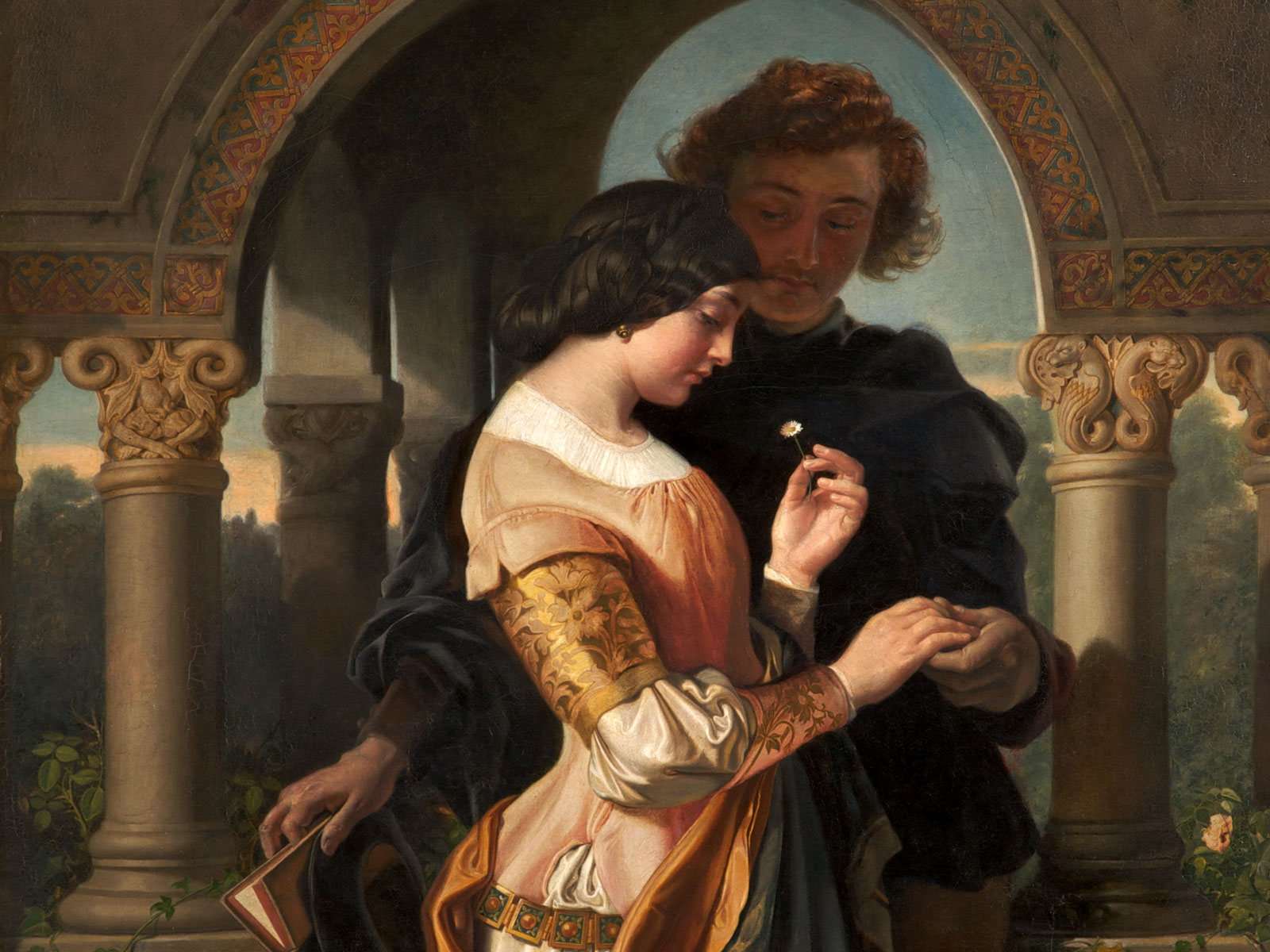
Daniel Maclise’s portraits of women, with their Romantic mood and understated symbolism, are among the best of his work, writes Julian Campbell
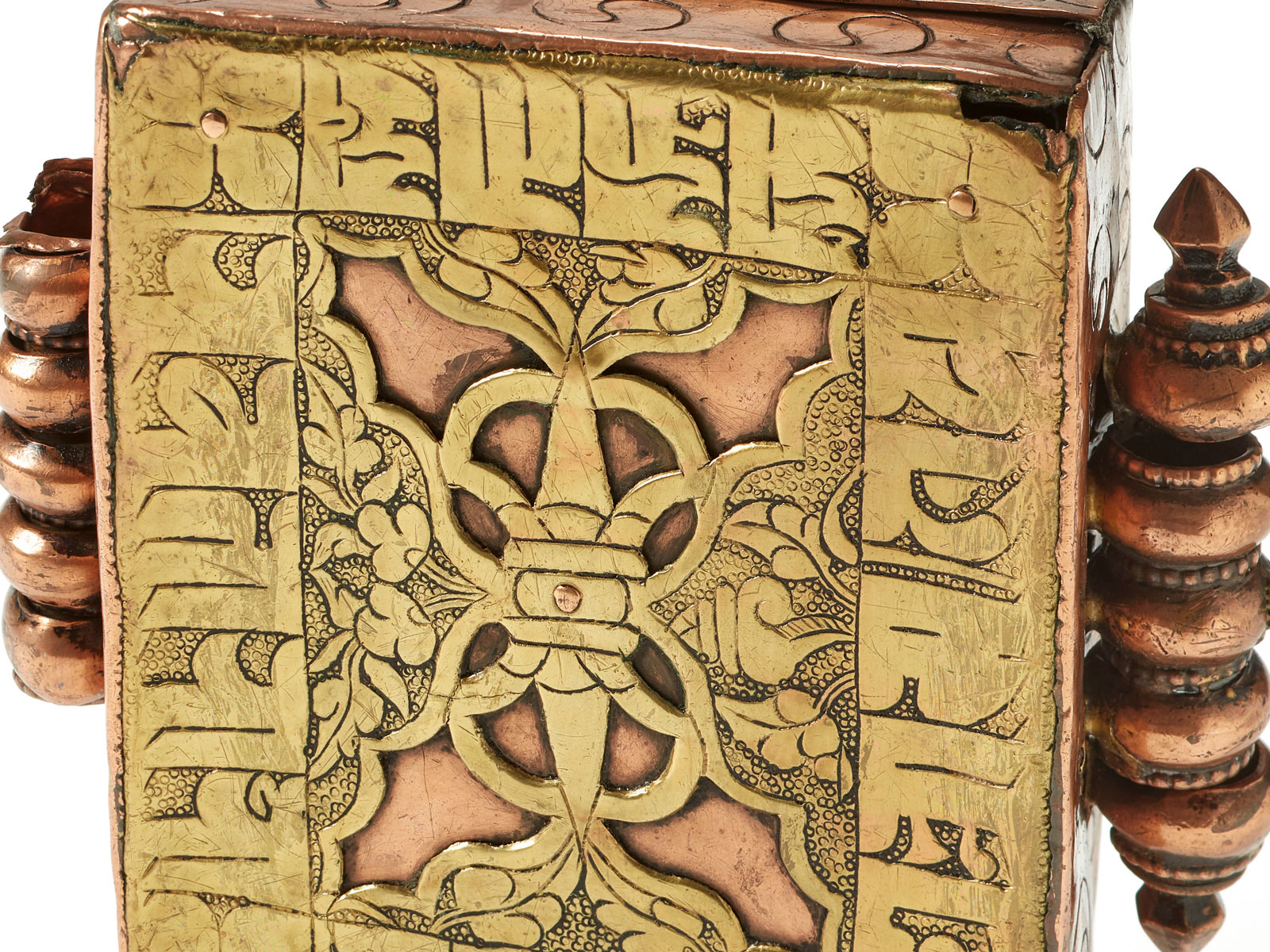
Philip McEvansoneya considers how the Trench Collection of Tibetan art in the National Museum of Ireland was acquired by the collector, and the museum, and asks if it’s time this ethnographic display was made more accessible to the public