
Peter Murray separates fact from polemic in the protracted dispute between Piranesi and his elusive patron James Caulfeild
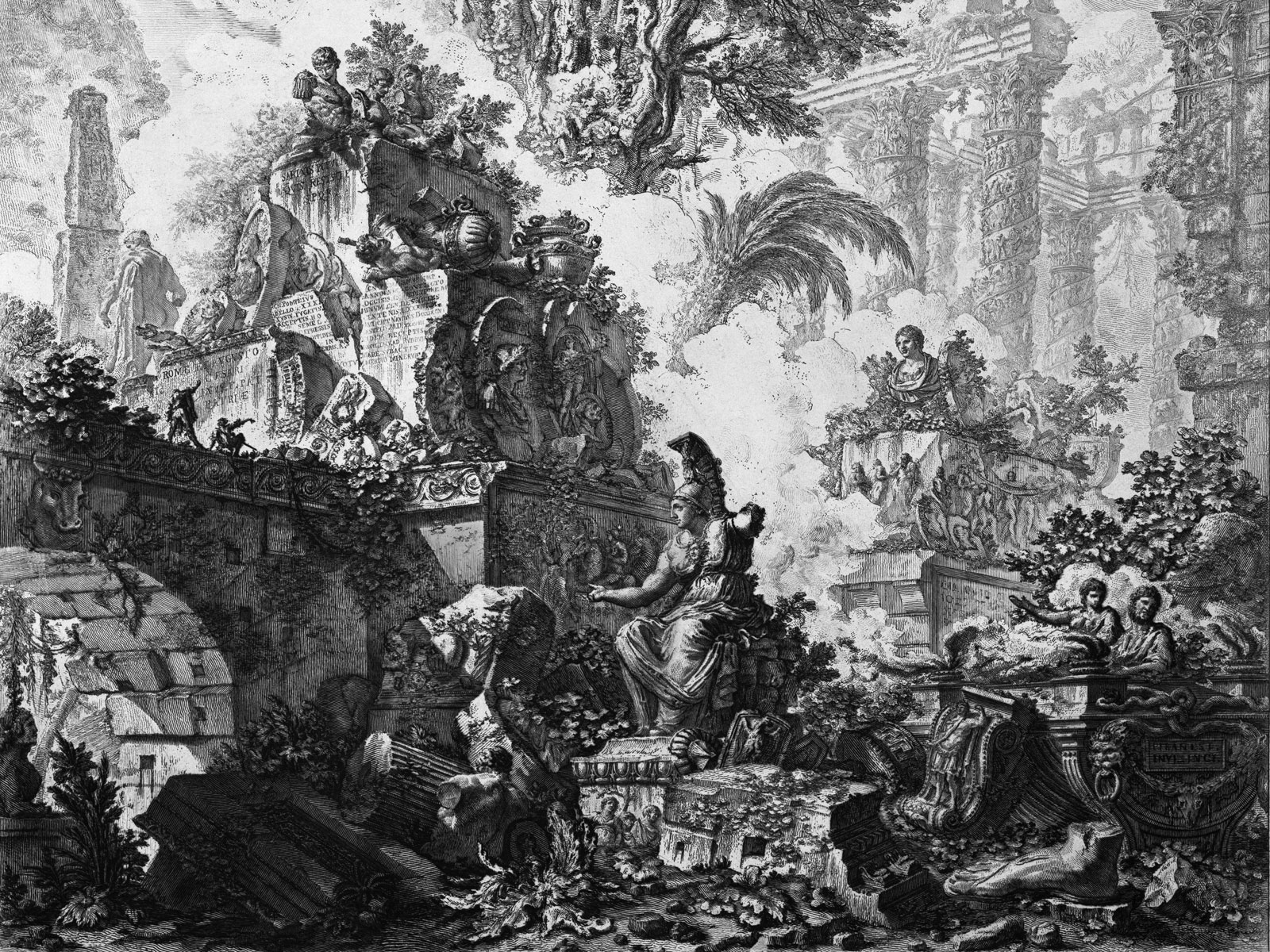
In 1756, the thirty-six year old artist and architect Giovanni Battista Piranesi published a set of etchings, Le antichità Romane, depicting the buildings of ancient Rome (Fig 1). An ambitious publication, Le antichità was printed in four volumes, using large copper plates measuring two feet across. The views included the Colosseum, Castel Sant Angelo, the Pyramid of Caius Cestius, Arch of Septimus Severus and Piazza Navona. While prints on this scale had been published in Rome before, the tempestuous and headstrong Piranesi was determined to equal, and surpass, the work of his teacher, Giuseppi Vasi. However he had encountered significant obstacles, not least obtaining financial backing for such an expensive project. The frontispiece of the first volume included an inscription, a dedication, in which the original lettering had been blanked out and replaced by new wording. Piranesi, in a spirit of damnatio memoriae, had obliterated from his plates the name of James Caulfeild, 1st Earl of Charlemont. Eleven years earlier, Charlemont, still a teenager, had embarked on a Grand Tour of the Continent. In October 1748 he made his way south from Turin, travelling via Bologna. Arriving in Rome, where he stayed the winter, Charlemont became a patron of Piranesi, whose Camera sepolcrali degli antichi romani le quali esistono dentro e fuori di Roma, published in 1750, was dedicated to the Irish peer. However, Charlemont’s promised sponsorship for a greatly expanded version which would become Le antichità Romane, never materialised. By the time it was published, Charlemont, had moved on, visiting Greece, the Levant, Constantinople and Egypt. His entourage, consisting of his tutor, the Rev Edward Murphy and fellow-traveller Francis Pierpont Burton (from Co Clare), now included an English draughtsman, Richard Dalton. Through his extensive travels and studies, Charlemont helped shift admiration for the ancient Classical world from Rome to Greece. He also provided funding for James ‘Athenian’ Stuart and Nicholas Revett’s expedition, that resulted in the three-volume The Antiquities of Athens.
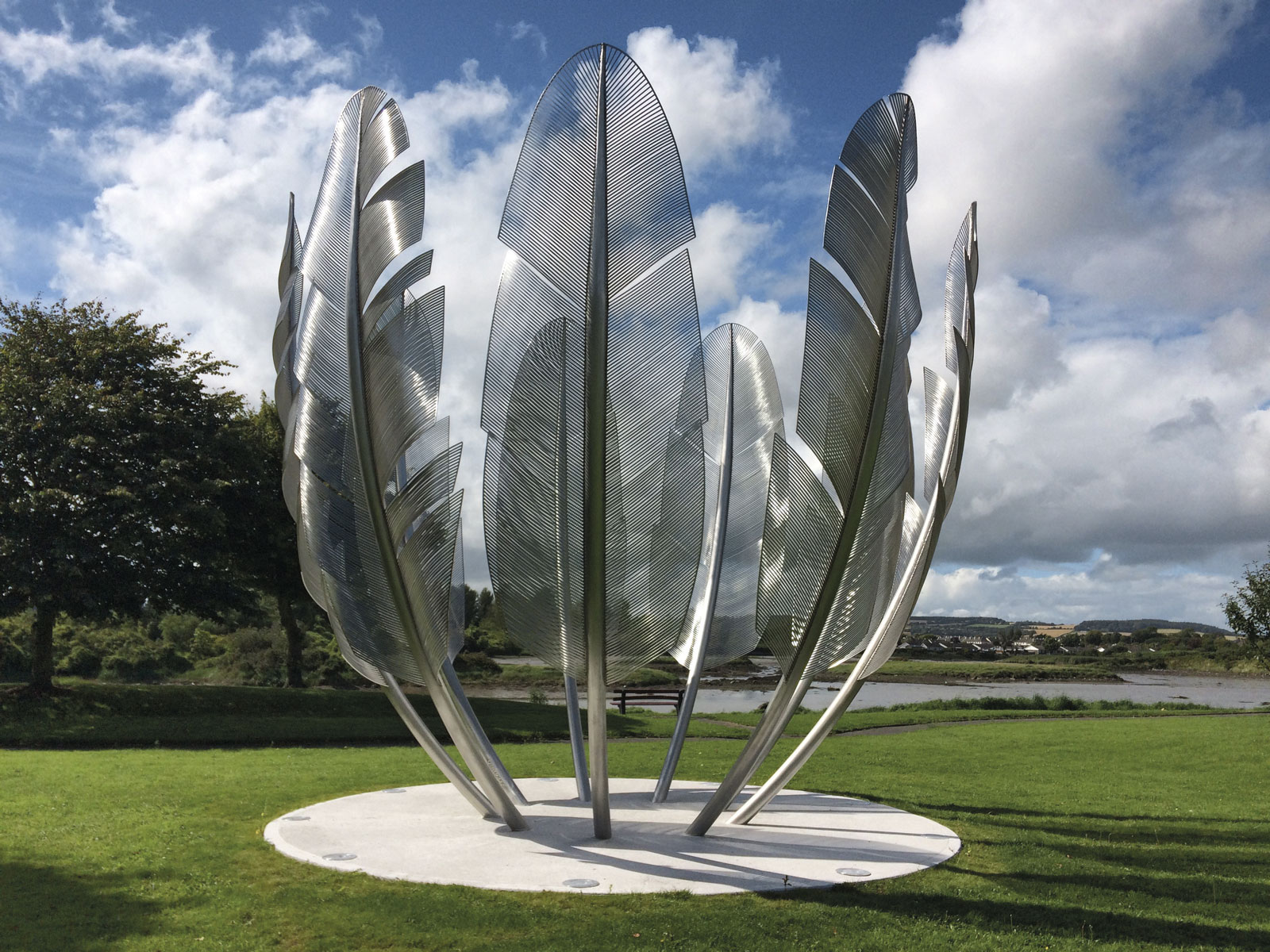
Angela Griffith reflects on the multifaceted practice of Alex Pentek, whose work ranges from the solidity of public art to the floating paper sculpture currently on view at the RhA

Christian Dupont compares two embroideries illustrating an enigmatic poem by WB Yeats from the collection of Burns Library at Boston College
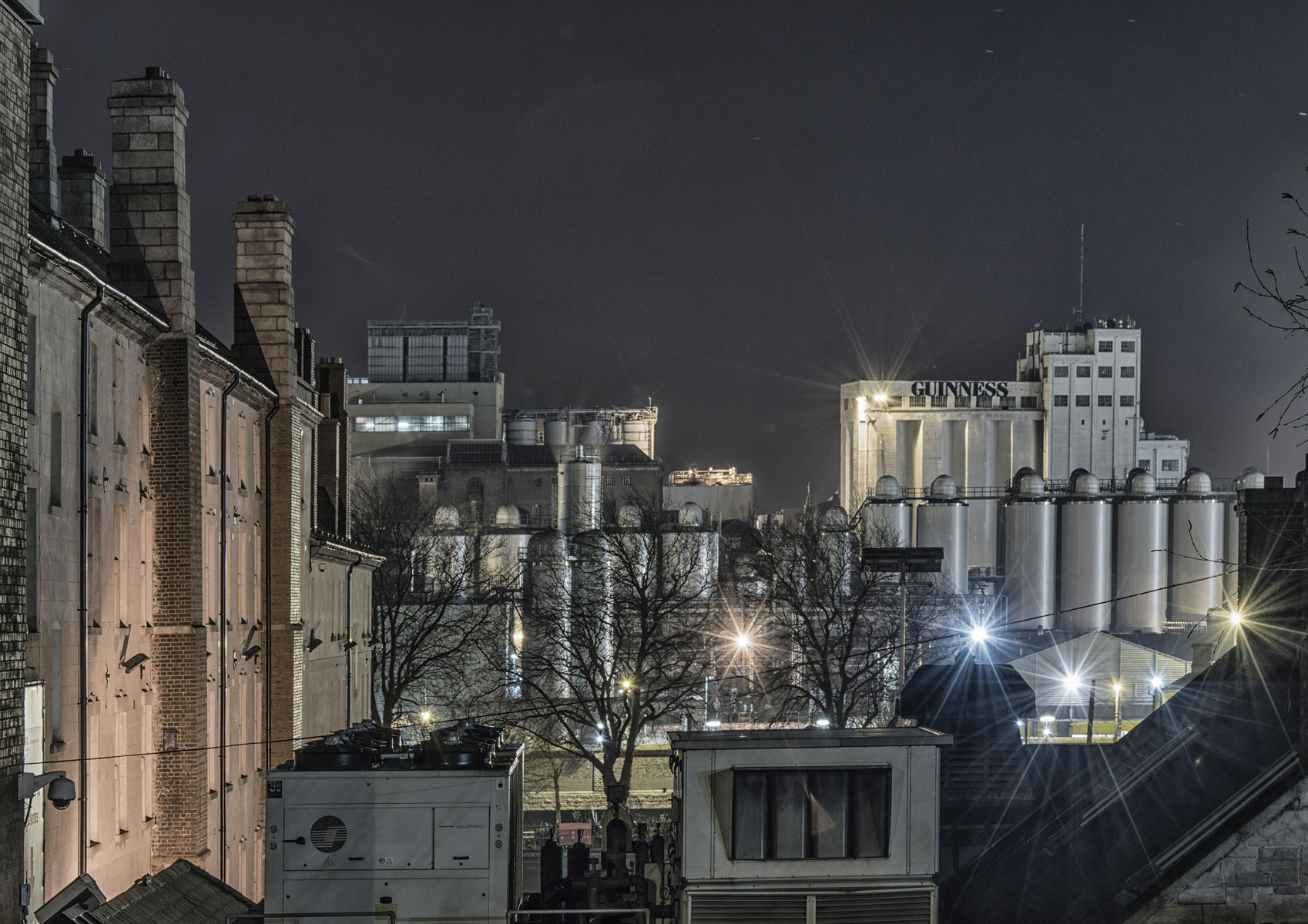
Andy Sheridan’s nocturnal compositions of a city at rest joins the great tradition of the fl√¢neur, writes Ros Kavanagh