
Unlike passage tombs which tend to be prominent landmarks, rock art is practically invisible, and requores intensive prospecting in order to be found write Christiaan Corlett in his evaluation of Ireland’s earliest known artform
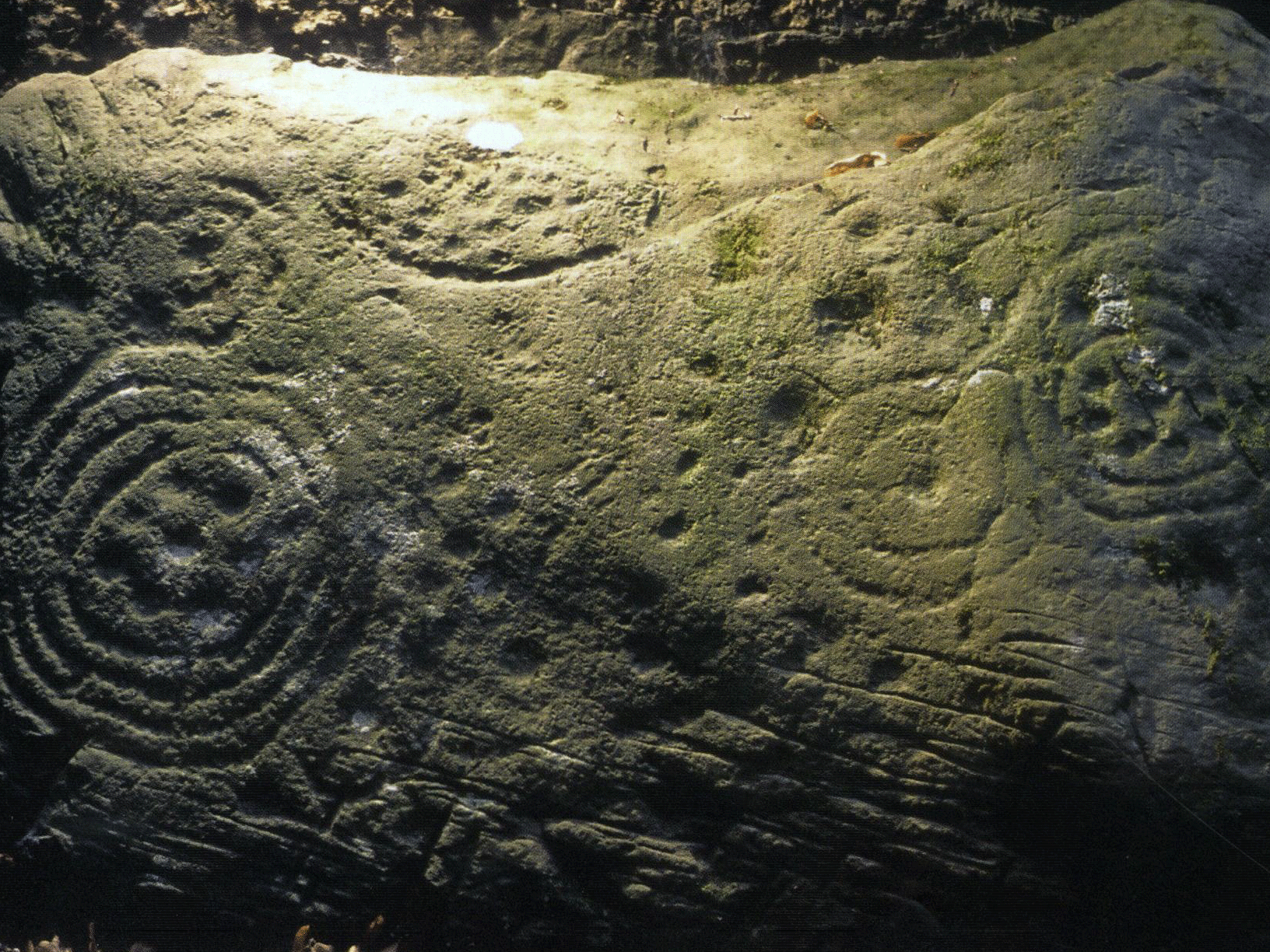
Despite its suggestions of modern forms of music and related art forms, rock art is the name applied by archaeologists to a particular form of prehistoric art found in Northern and Atlantic Europe. Indeed, rock art is found in many parts of the world; suffice to say here that they are not contemporary or even directly comparable in terms of function. In Ireland rock art is usually found on a boulder or stone outcrop in the open landscape, while some smaller examples may have been intended as portable objects. In this way rock art is very different to the art found on the architectural stones of some Neolithic passage tombs in Ireland, such as those in the Boyne Valley or on the hilltops of Loughcrew, Co Meath, where the decoration is integral to the monuments. In Ireland what makes rock art significant is that it is likely to represent the earliest known art form in the country. It most likely dates to the early Neolithic, and is probably earlier than the art found at the middle Neolithic passage tombs of the Boyne Valley. However, rock art is likely to be broadly contemporary with the art found on the earlier Loughcrew tombs and it is here that we find the best comparisons between the two art forms. Yet, rock art in Ireland has always been overshadowed by its more famous cousin. Perhaps this is a result of the enigma that surrounds rock art. As a result, its significance has been underestimated and it is generally not recognized that rock art frequently features some complex patterns and a high degree of skill.
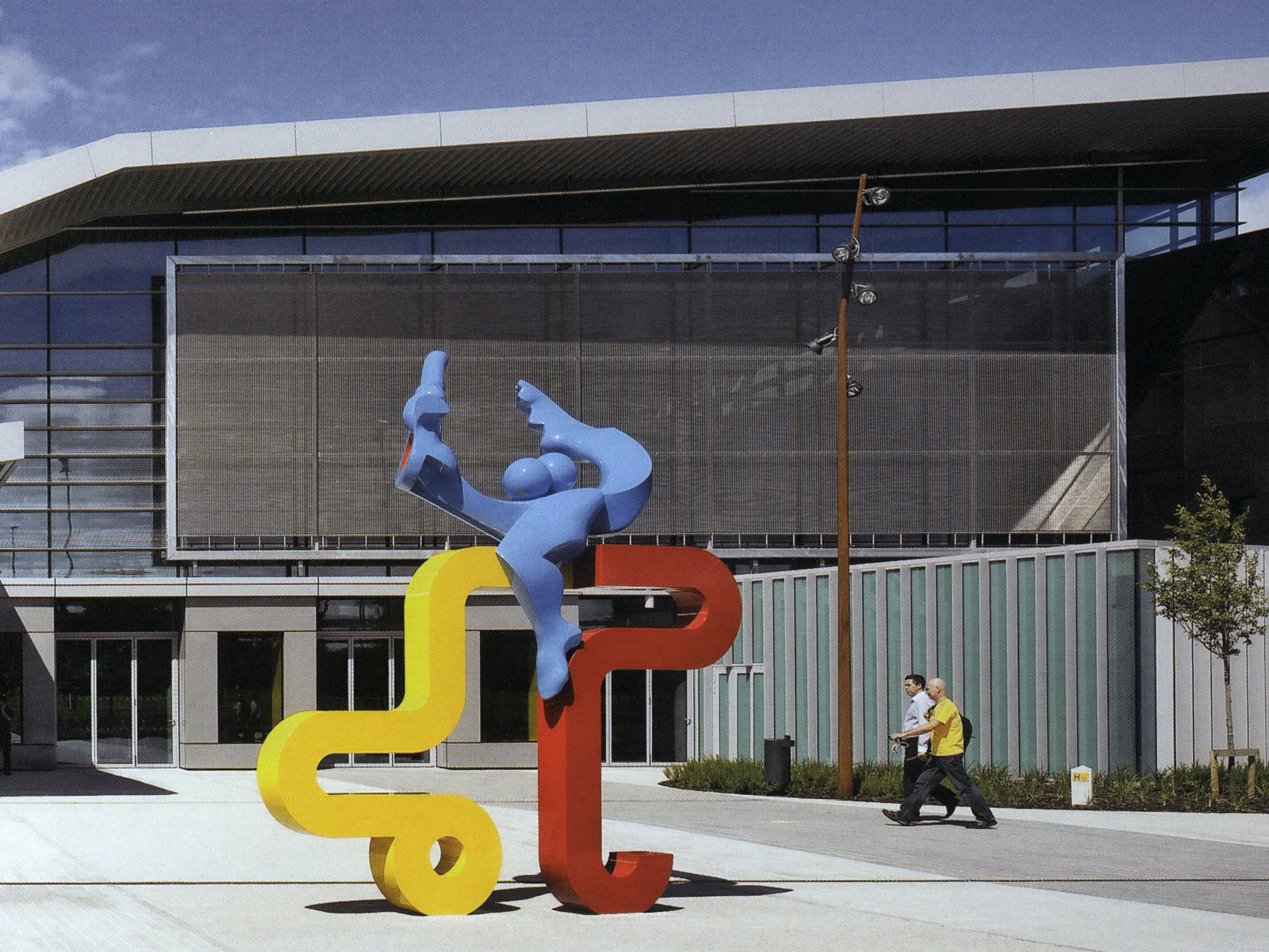
In his assessment of Fitzgerald Kavanagh and Partners’ award-winning Student Centre at UCD Seán ó Laoire charts the evolution of Ireland’s largest campus since its foundation
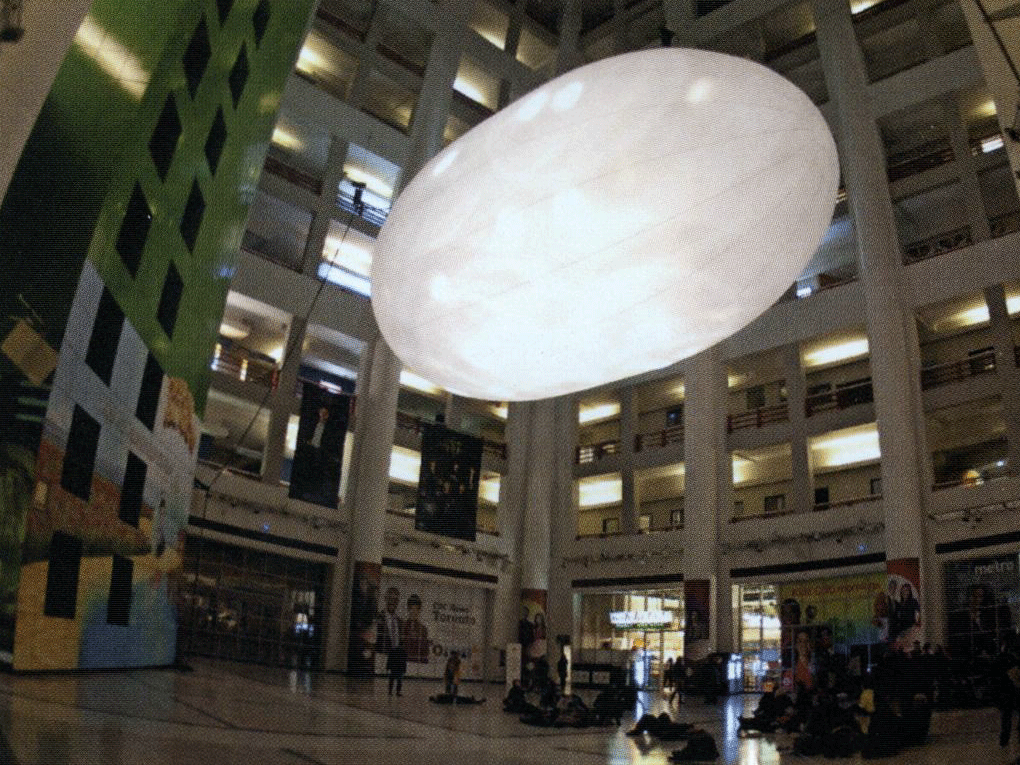
Carissa Farrell reports on sculptor and multi-media artist Andrew Kearney’s new installation ‘Tell Me Something’ for Limerick City of Culture, which continues Kearney’s focus on the policing of the private individual
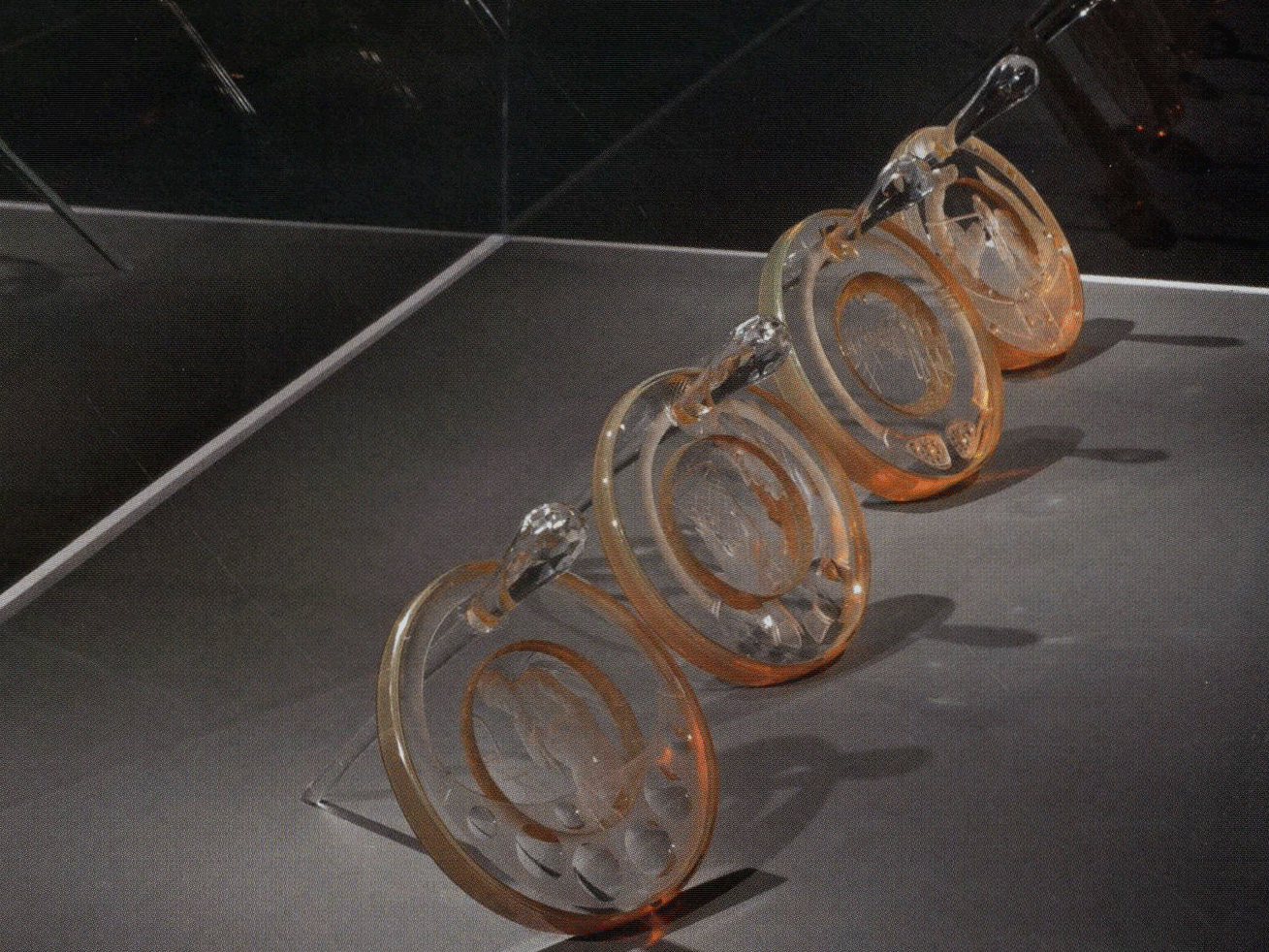
Without decisive action, our glass heritage will once again be lost, argues Eleanor Flegg, as Róisín de Buitléar’s exhibition’Caution! Fragile’ receives an enthusiastic reception Stateside