
Relocating to France brought a change in focus for Eithne Jordan, who tells Brian McAvera, ‘I had begun to feel that I was painting myself into an alley’ ahead of her exhibition at Dublin City Gallery, The Hugh Lane
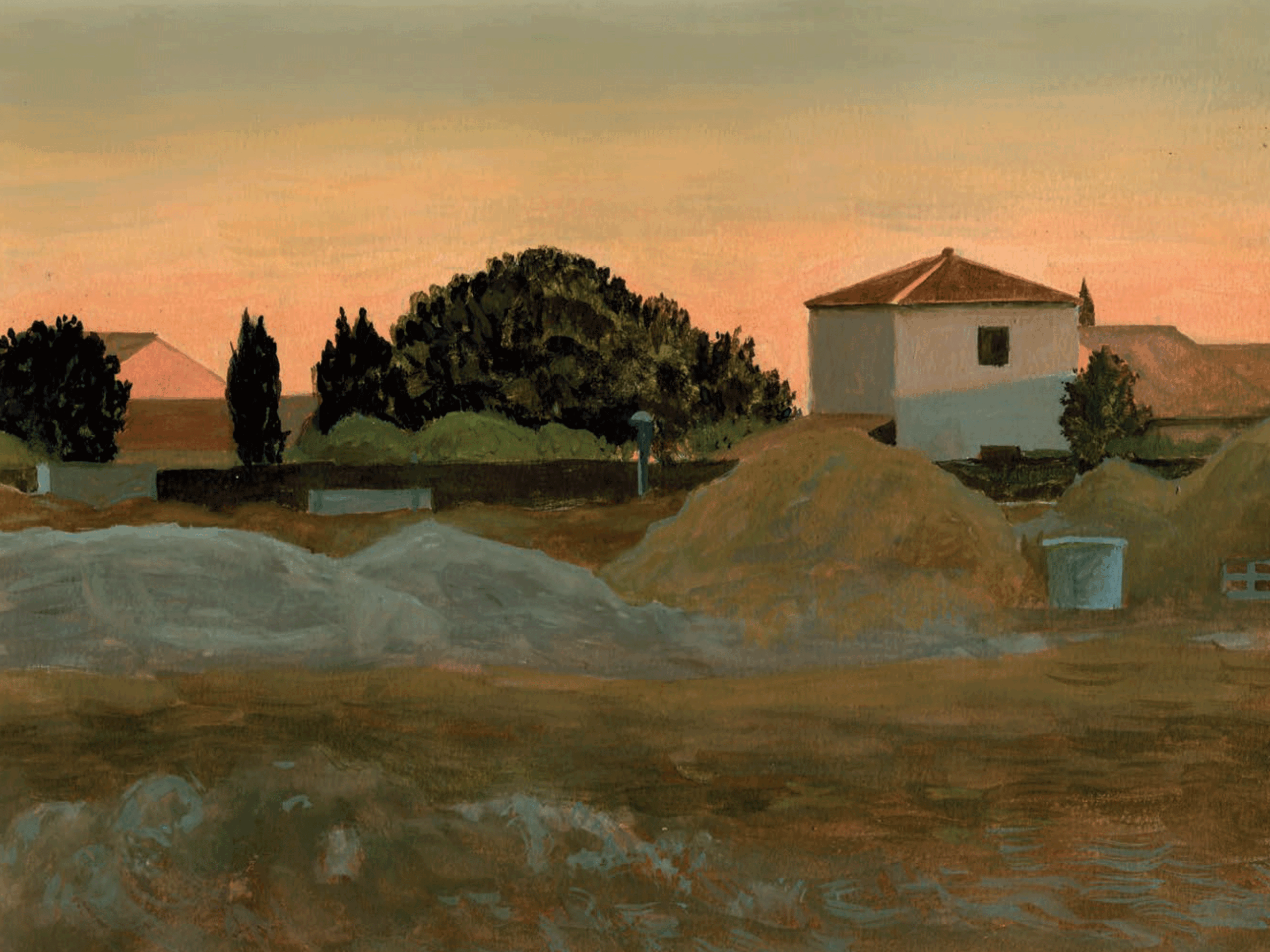
Brian McAvera: At some point, Eithne, you started alternating between Ireland and the Languedoc region of France. Why did you choose that region? Was it for the landscape which you started to paint, or were there other factors involved?
Eithne Jordan: It was partly the landscape. When I had gone there on holiday in 1989 I responded to the landscape. It was an instant affinity. It reminds me of the West of Ireland: harsh, stony and rocky, even though there are vineyards. A couple of years later we bought a big rambling house, having no idea as to what we were letting ourselves in for.
As for painting the landscape: It was partly being there but also something else. My work had been very much about my inner life, being self-expressive and I had begun to feel that I was painting myself into an alley and that I needed to paint outside of myself. This coincided with the move to the Languedoc so I started painting what I saw. I did a whole series of landscapes, and interiors of the house while work was being done on it. You are making reference to other painters all the time. It’s a landscape that has been painted a lot, so the challenge was how to see it with fresh eyes. I became interested in Poussin. He was an influence – particularly his landscapes – and he has also been an influence in my cityscapes. There was also Watteau. I was doing figures in the interior of the house and looking a lot at Watteau.

To the Irish in America, the irony of using funds from a Fenian club to buy a set of Malton views depicting Georgian Dublin was not apparent, writes Christian Dupont
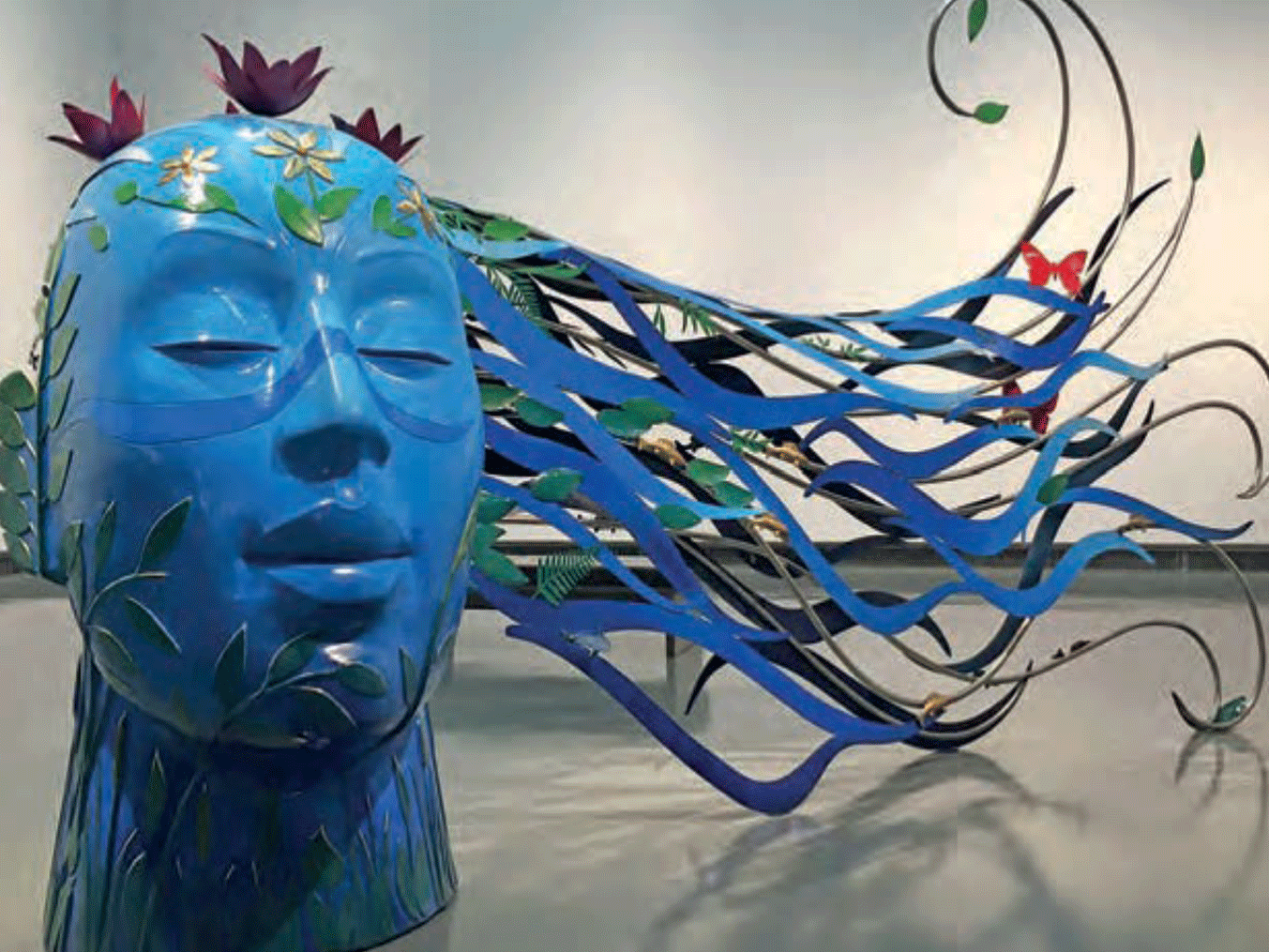
Linda Brunker’s female avatars affirm nature and spirit. Mark Ewart talks to the Irish sculptor as she departs California for France
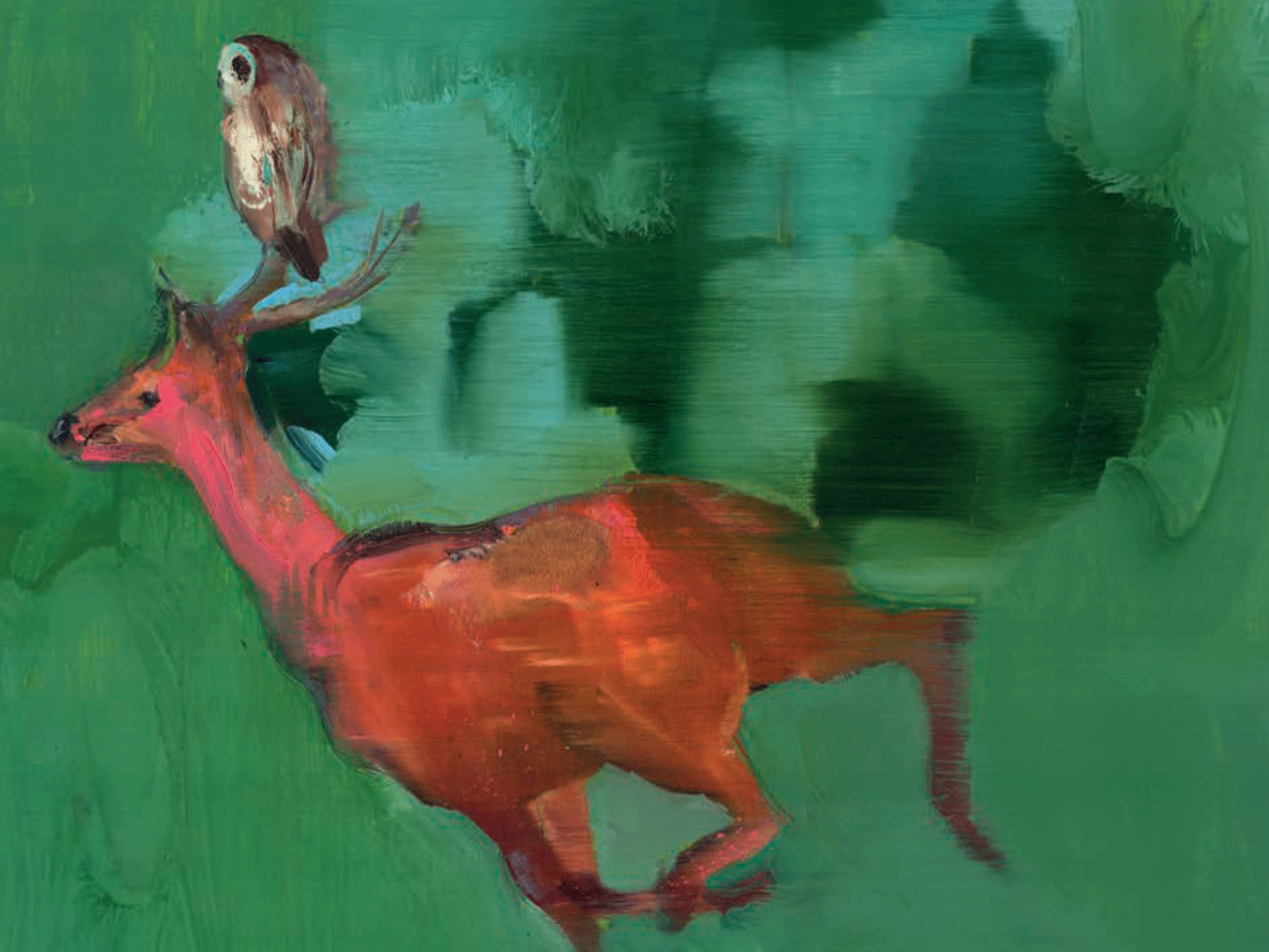
The magic realism of Sweeney’s transformation from man to bird continues Gabhann Dunne’s association with the natural world, writes Susan Campbell