
Robert Armstrong remembers the painter Michael Cullen, whose work is celebrated in an exhibition in the Waterford Gallery of Art
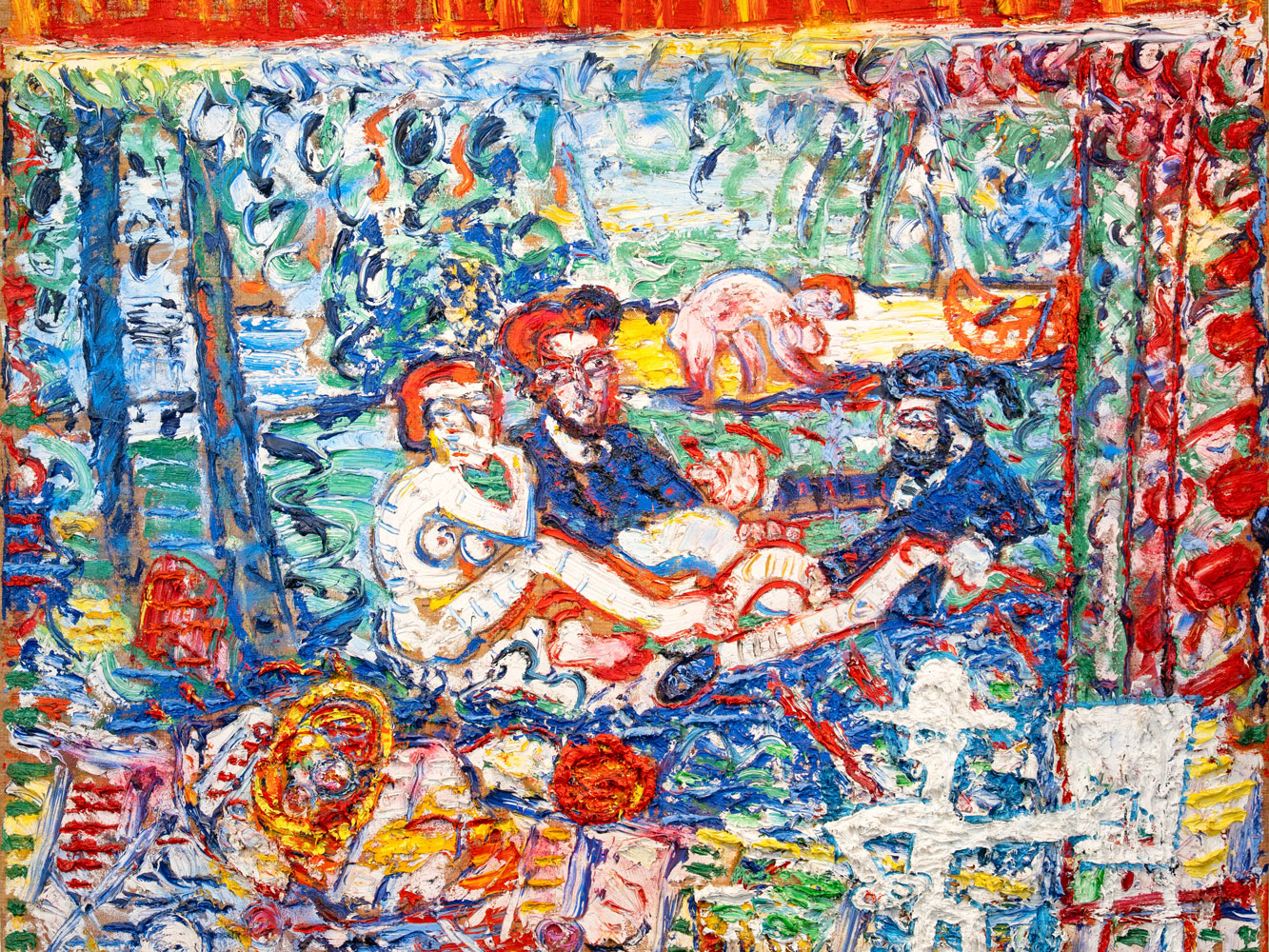
I first met Mick Cullen in 1970, when both of us were students on the foundation course at the National College of Art and Design. I was the youngest of the group and Mick, although only seven years older, already appeared to have a lifetime of experience. He was a skilled draughtsman, and he had painted accomplished portraits of villagers in Spain. He lived up the Dublin Mountains in Kilakee and smoked a pipe. He was quiet and thoughtful and as novice students we wanted to hear what he had to say. Even then, it was clear that he knew a lot about painting and philosophy. His gnomic statements would inevitably be followed by laughter — his shoulders shaking and a glint in his eye.
The 1980s saw a renewed interest in painting in Ireland and internationally and Mick Cullen was thoroughly engaged with it. We travelled together to London in 1981 to see ‘A New Spirit in Painting’, an epoch-defining exhibition which now reads like the canon of late-20th-century painters (Auerbach, Bacon, Baselitz, Chia, Freud, Guston, Hockney, Hodgkin, Kiefer, Kitaj, de Kooning, Penck, Picasso, Richter, Schnabel, etc.). In Ireland, another all-male roster of ten painters, including Cullen, was selected by Henry Sharpe for ‘Making Sense’ in 1983. Also that year, Cullen featured in ‘Eight Irish Artists’ at the Kelleher Gallery, New York. In 1984, Cullen curated ‘The October Exhibition’ at Temple Bar Gallery, with sixteen mostly figurative painters and sculptors, three of whom were female. And in 1985, Lucy Lippard, the prominent American writer, art critic and curator, selected him as one of the artists to feature in the important ‘Divisions, Crossroads, Turns of Mind: Some New Irish Art’, which toured the United States and Canada.
To read this article in full, subscribe or buy this edition of the Irish Arts Review
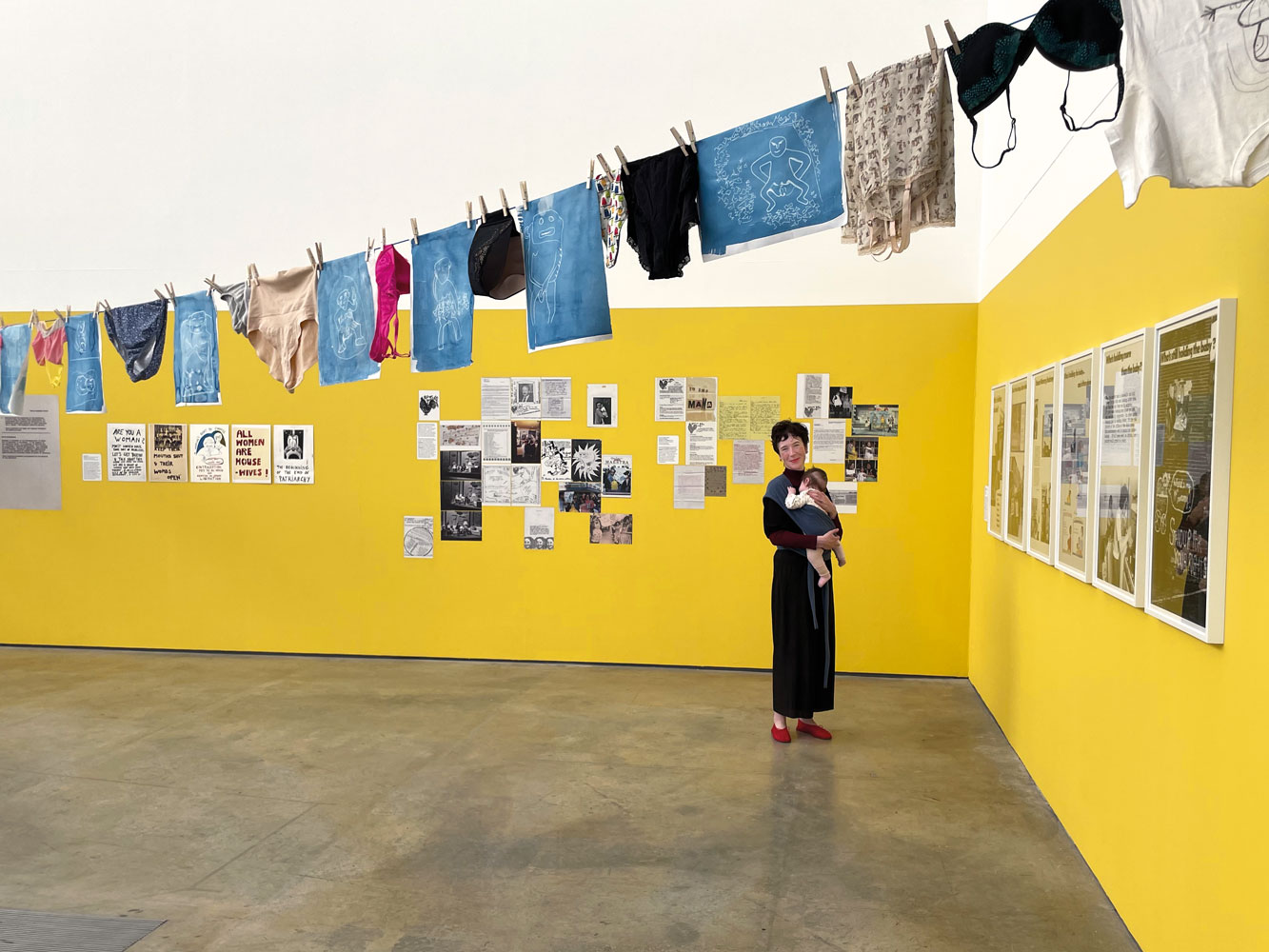
Margarita Cappock visits an exhibition that explores artists’ lived experience of becoming – or not becoming – a mother, in all its intricacy
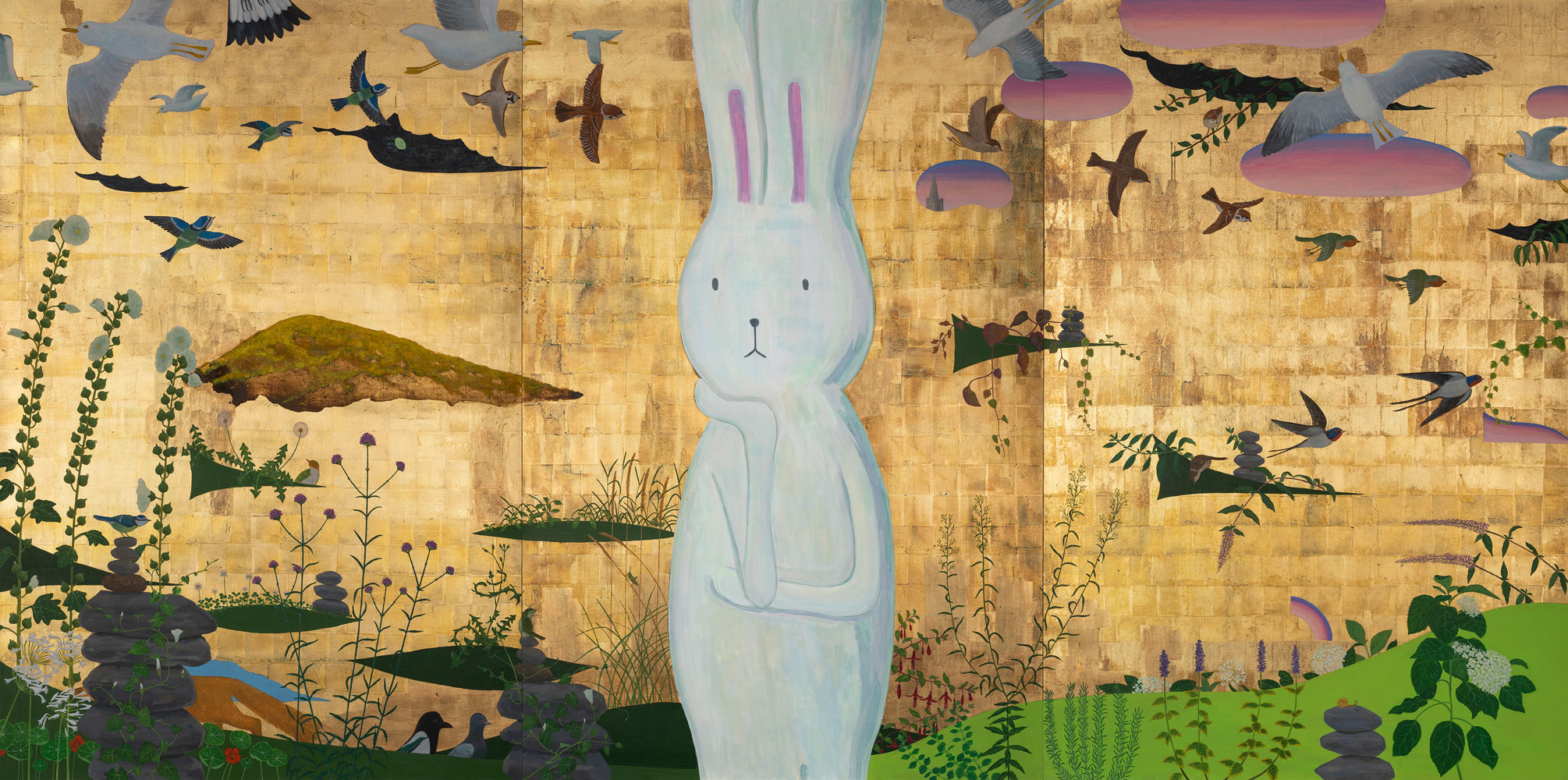
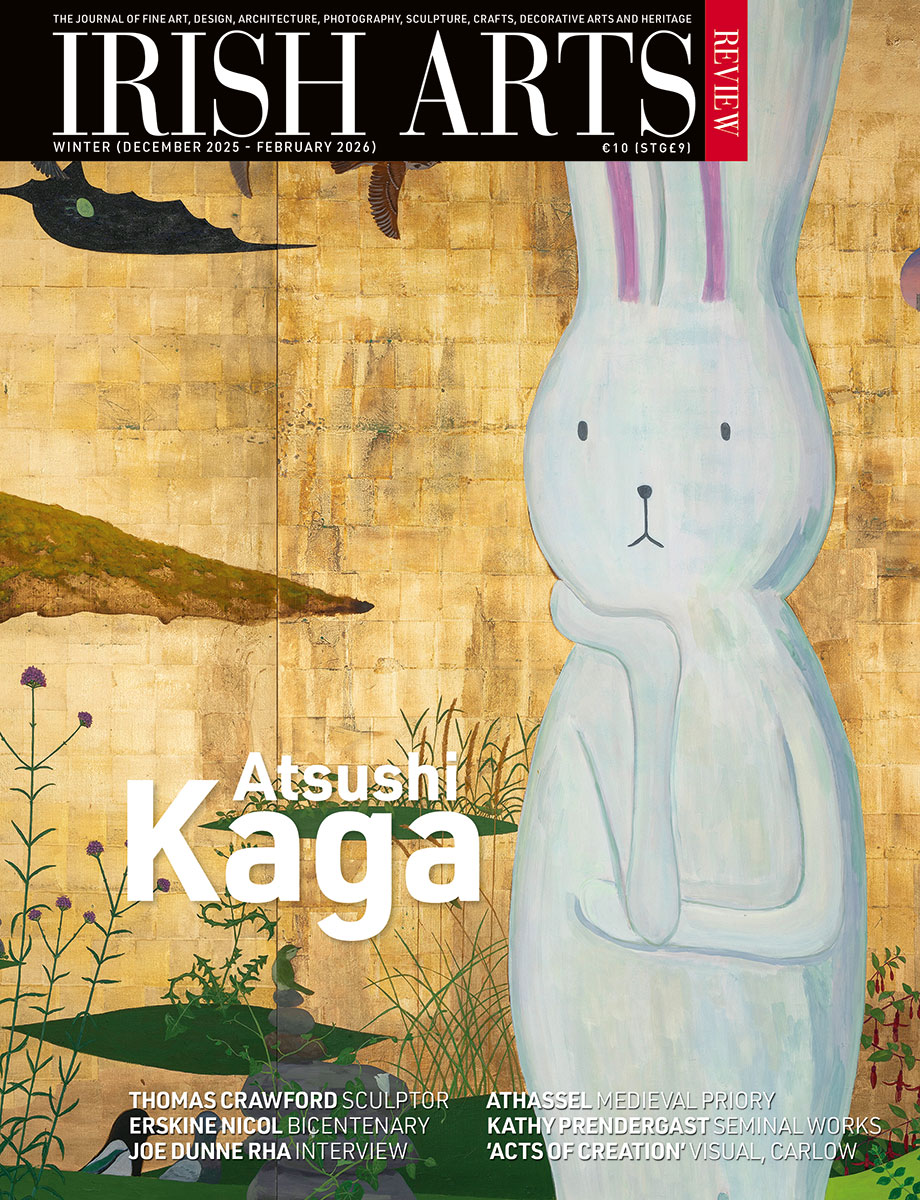
Francis Halsall finds in Atsushi Kaga’s paintings an aesthetic influenced by Japanese culture, European art and everyday life
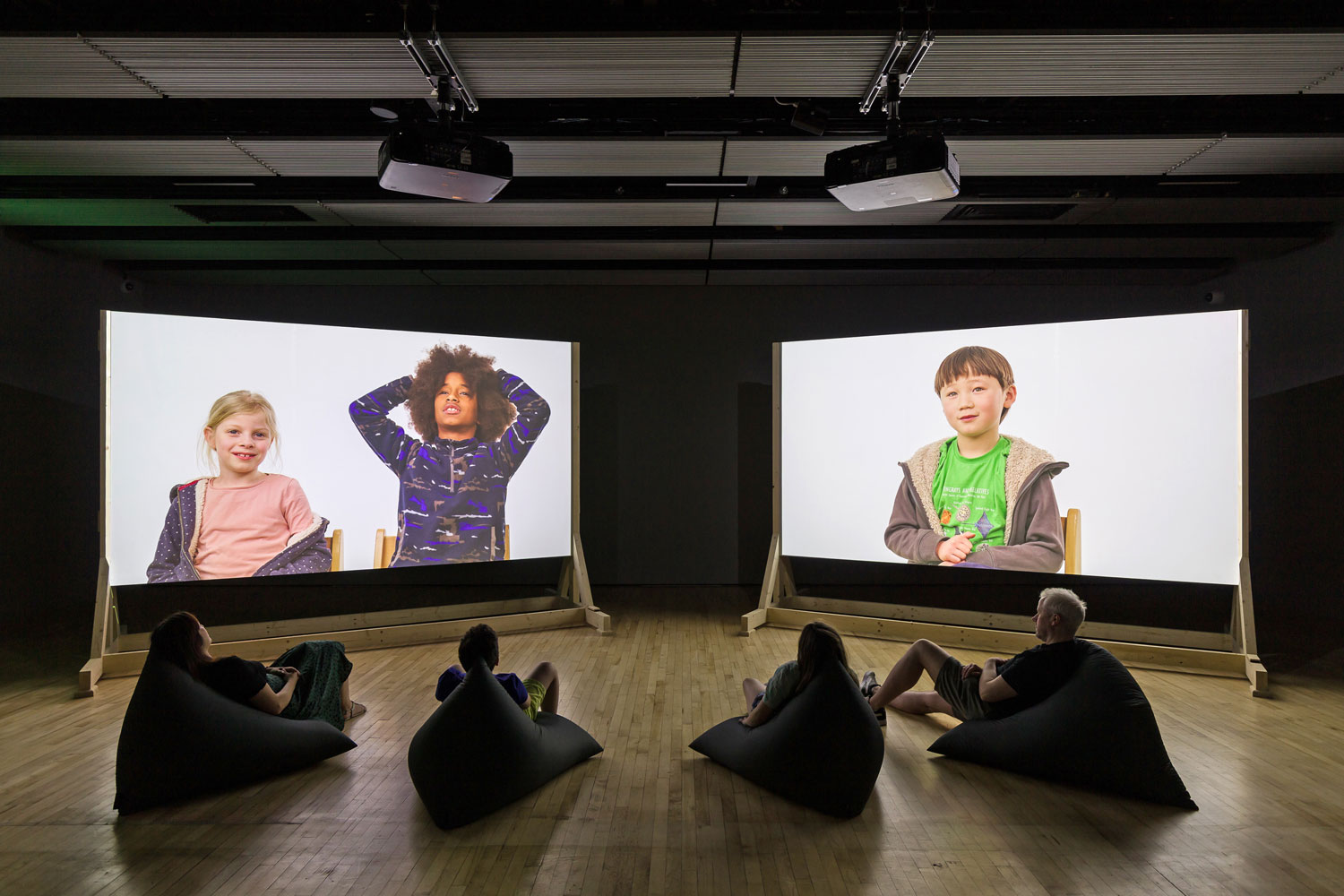
Emer McGarry offers insights into works included in the thematic exhibition ‘Inheritance’