
Nicola Gordon Bowe recalls how Harry Clarke’s homage to Ireland’s most celebrated writers fell foul of censorship in the early days of the Irish Free State
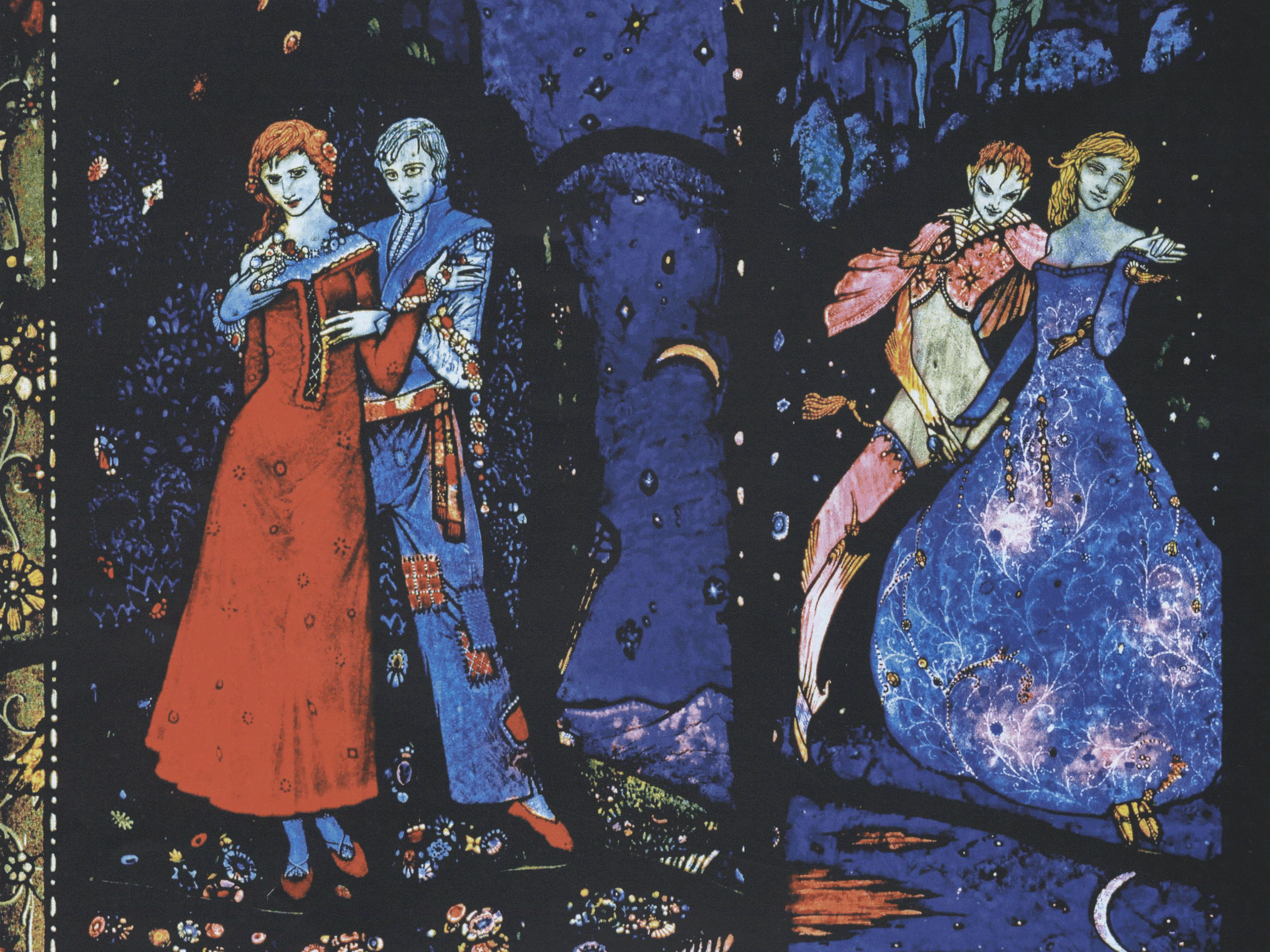
In November 1926, when Harry Clarke received an invitation from the Department of Industry and Commerce to prepare a draft scheme for a stained glass window to be the new Irish Free State’s proposed gift to the League of Nations in Geneva, he was at the peak of his career. The first he had heard of this proposal was an informal letter sent from Geneva in early June 1925 by Miss Brighid Stafford, a delegate representing the Department at the League’s Annual Conference. She ‘suggested that Clarke should advise as to the feasibility of installing stained glass in five openings of the new buildings which looked onto an interior fountain court, and to supply an estimate of the cost’.1 Her letter followed a memo sent on 4 April 1925 by the Department to Cabinet ‘seeking approval to spend not more than £300 on an official Irish gift to the new International Labour Organization in Geneva.’2 Various possible gifts were suggested, including ‘a stained glass window by one of the best known Irish stained glass artists, a carpet either Dun Emer or Donegal, a work of art in Irish marble or a picture representative of Irish life’. As Germany’s offer of stained glass had already been accepted by the ILO, it advised that stained glass should be omitted from the list but eventually, after protracted discussions about possible sites and their quality of light and prominence, Geneva revoked this and ‘requested a stained glass window’ from Ireland.3 This decision may have been influenced by the impressive (and well-reported) exhibition by Harry Clarke and his painter wife, Margaret, enthusiastically launched by President William T Cosgrave in August 1925.

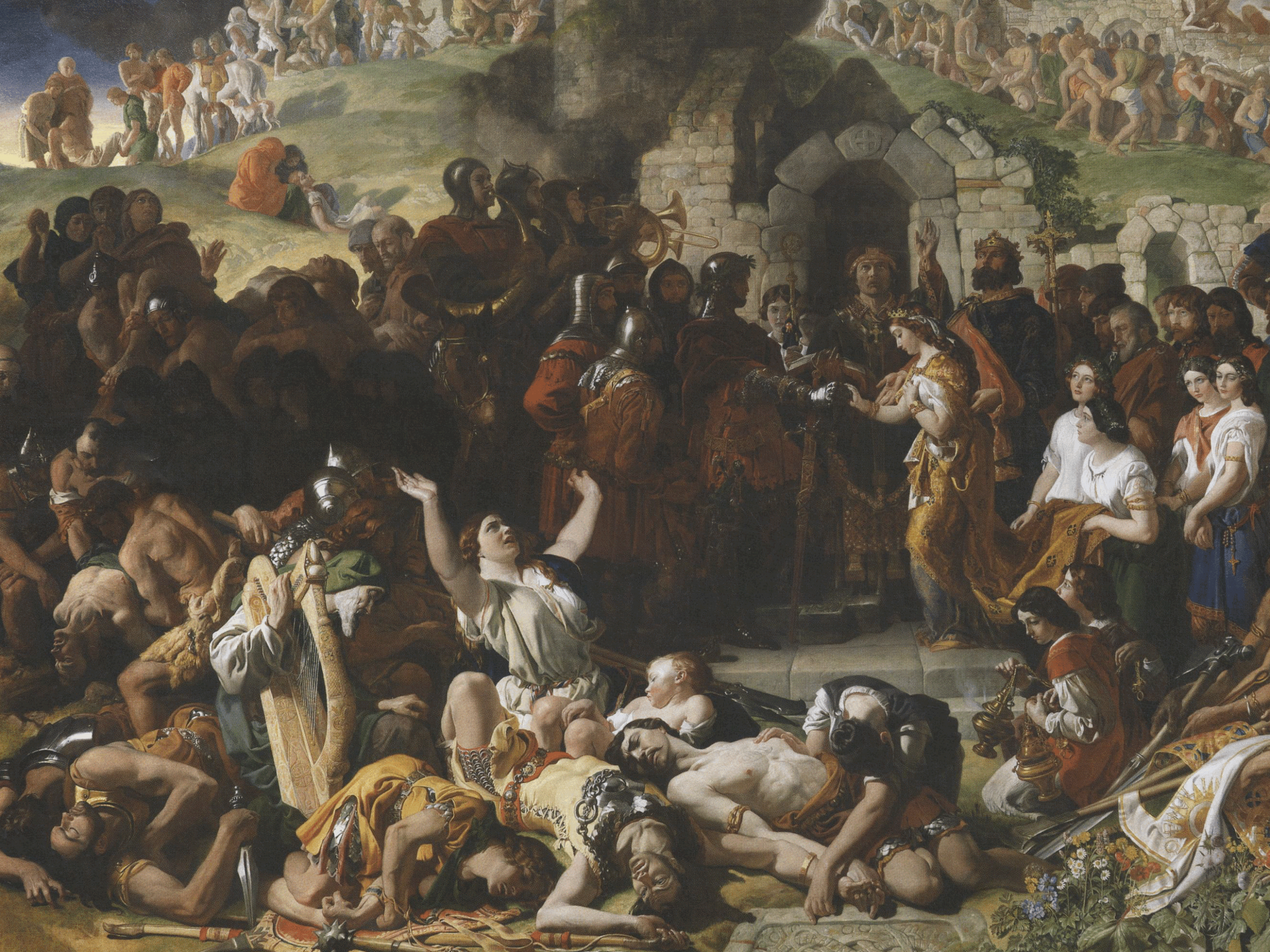
Was Daniel Maclise a proto-Nationalist painter? Peter Murray thinks not, in his assessment of the National Gallery’s recently restored masterpiece.
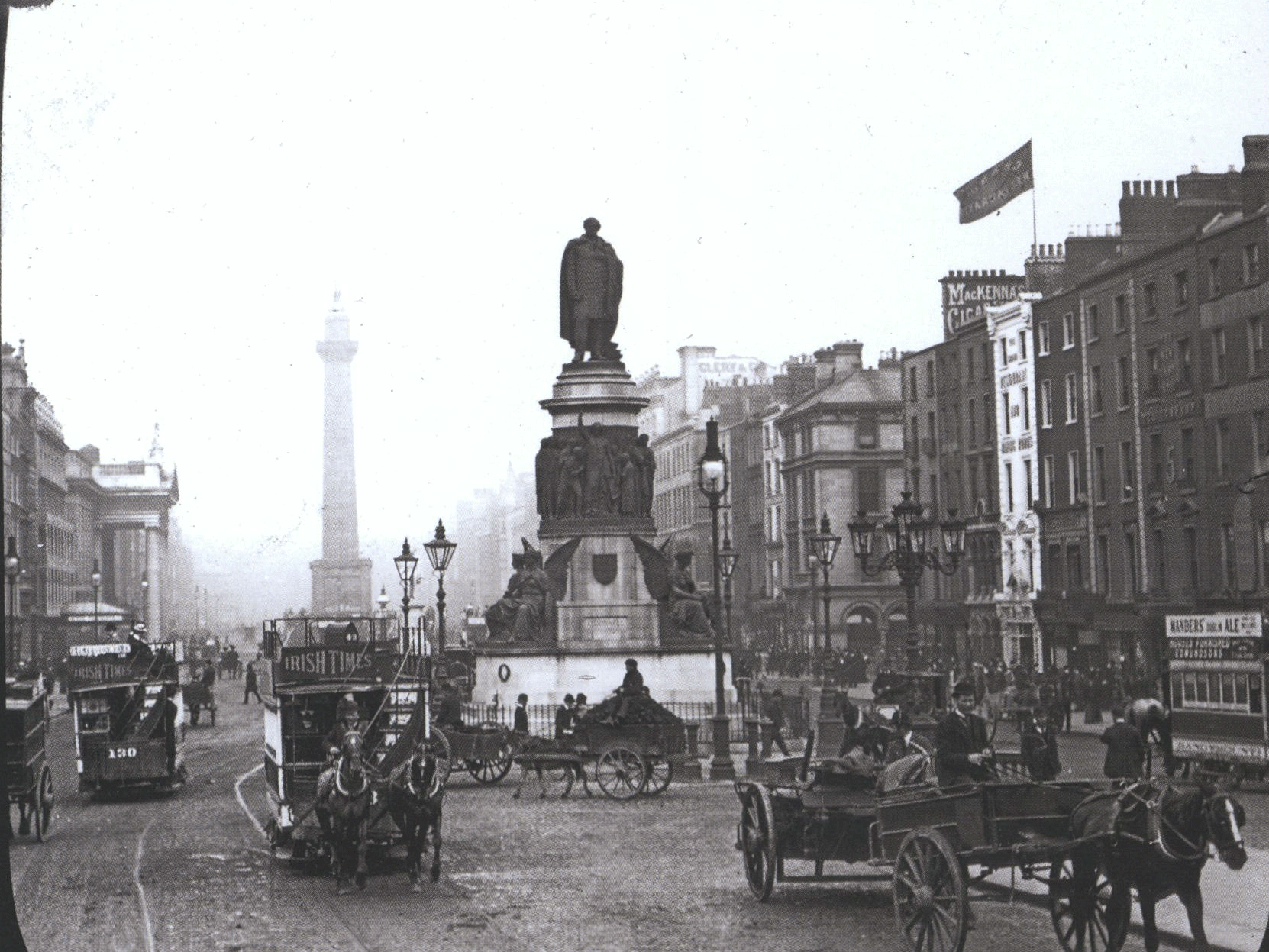
Christiaan Corlett looks at a valuable, but little-known portfolio of photographs taken by Victorian doctor Ephraim MacDowel Cosgrave, now in the collection of the Royal Society of Antiquaries of Ireland
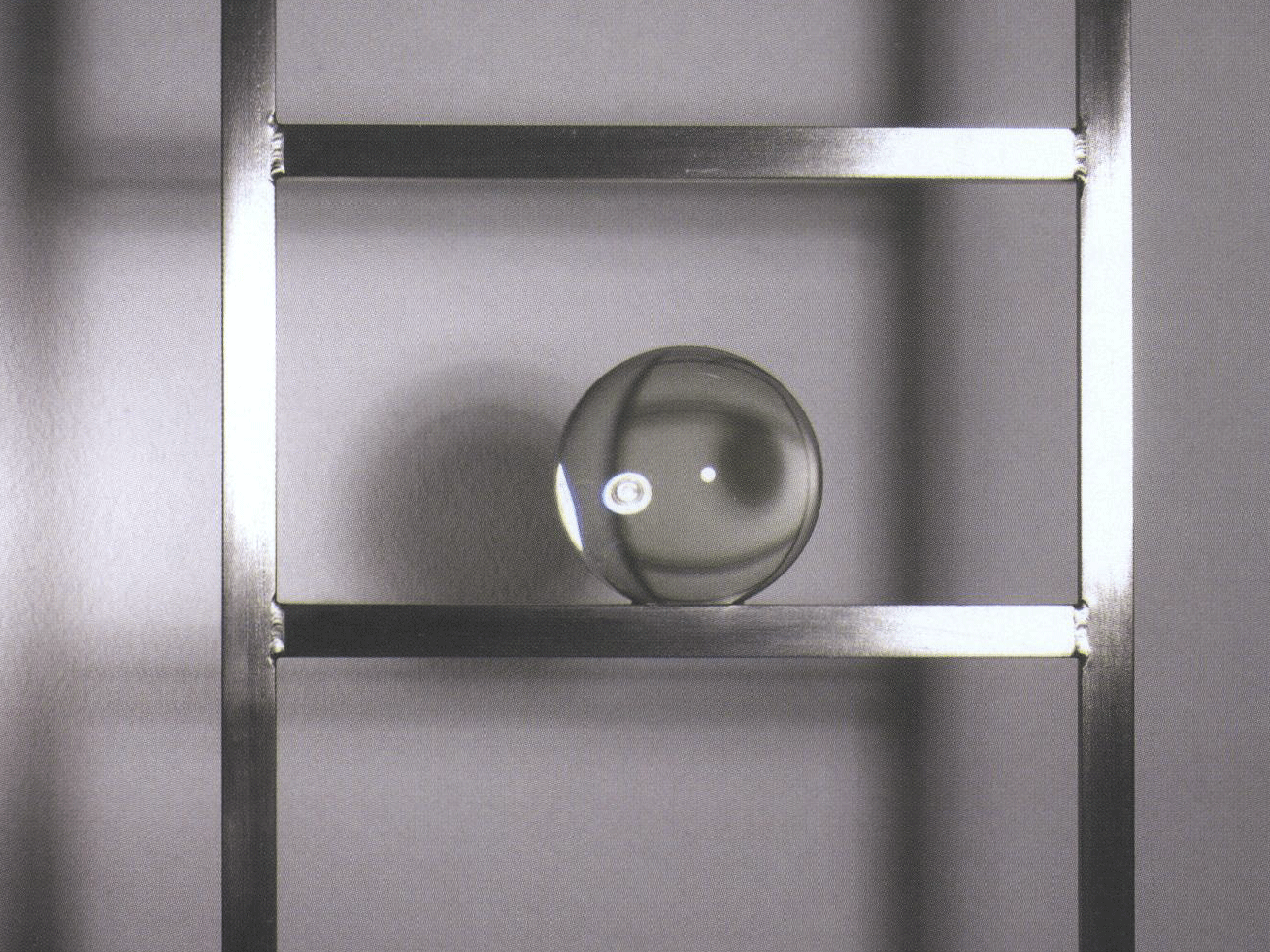
Vivienne Roche belongs to a generation who transformed what sculpture could be. ‘I don’t consider myself an object-maker. I work with place and change’, she tells Brian McAvera while her exhibition continues at the Royal Hibernian Academy