
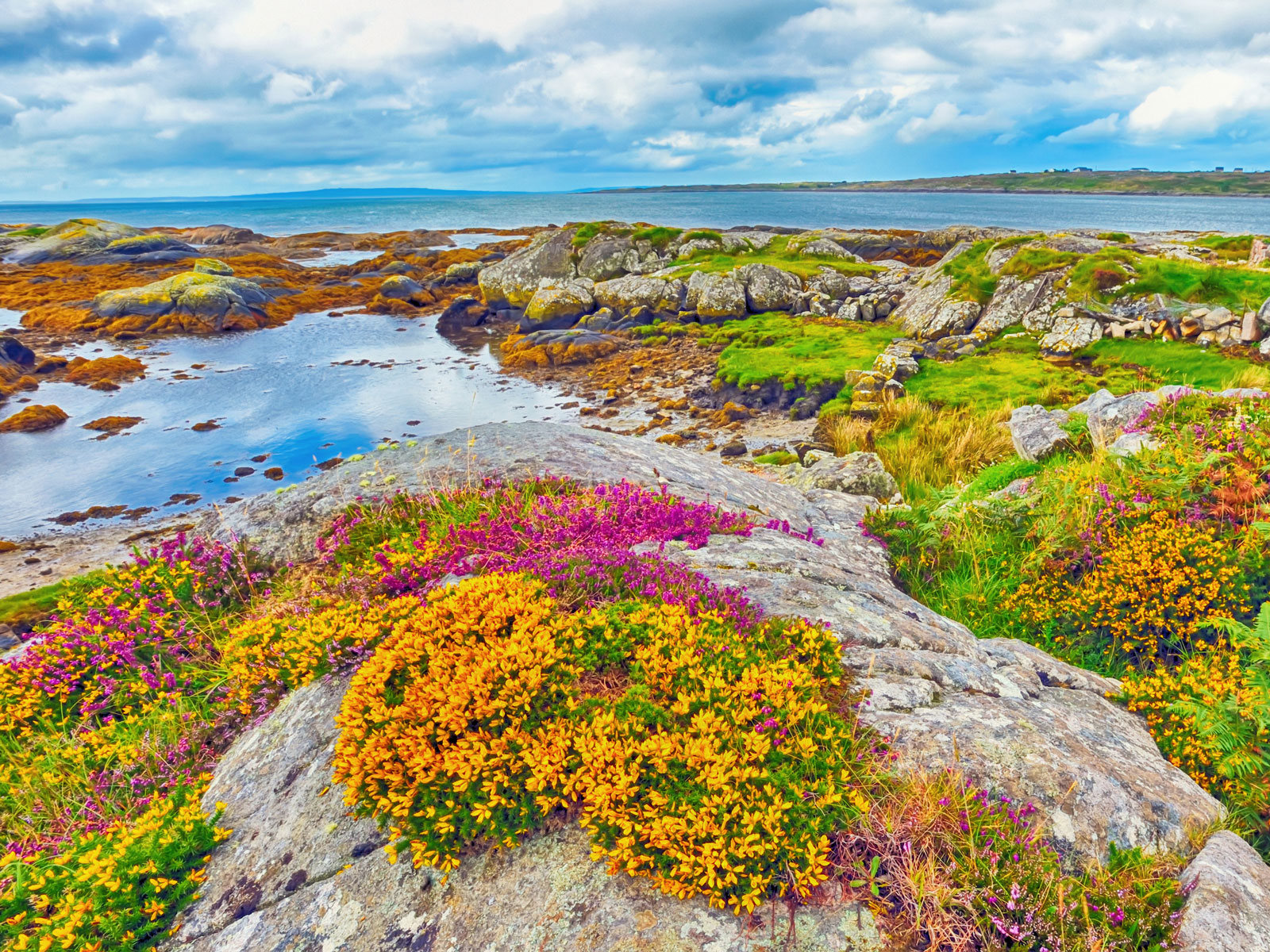
Patrick Bowe looks at the history of Irish rock gardens, whose popularity helped democratise gardening as a domestic hobby
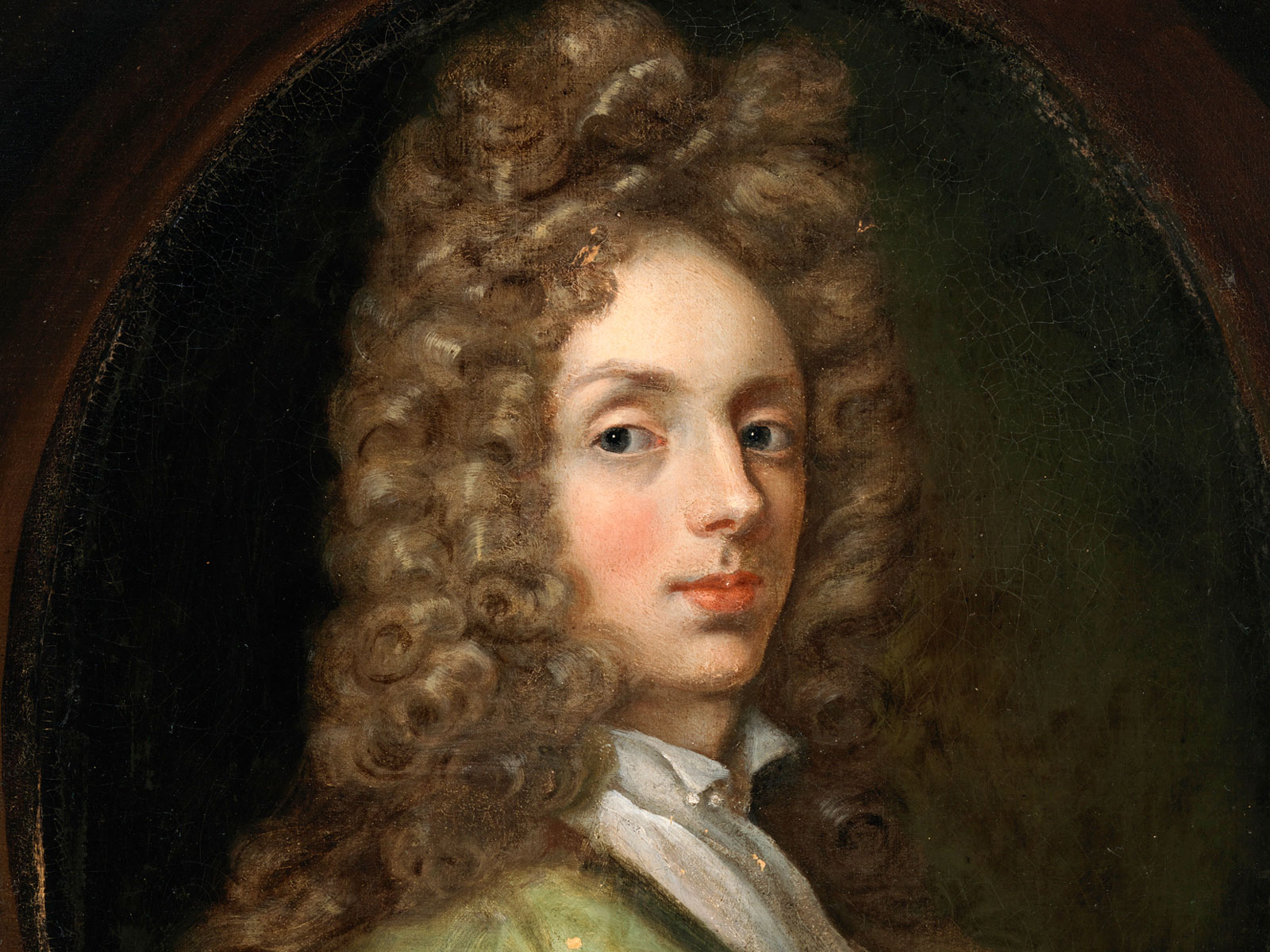
Marie Bourke assesses the work of Francis Bindon, a portrait painter and designer of Irish country houses
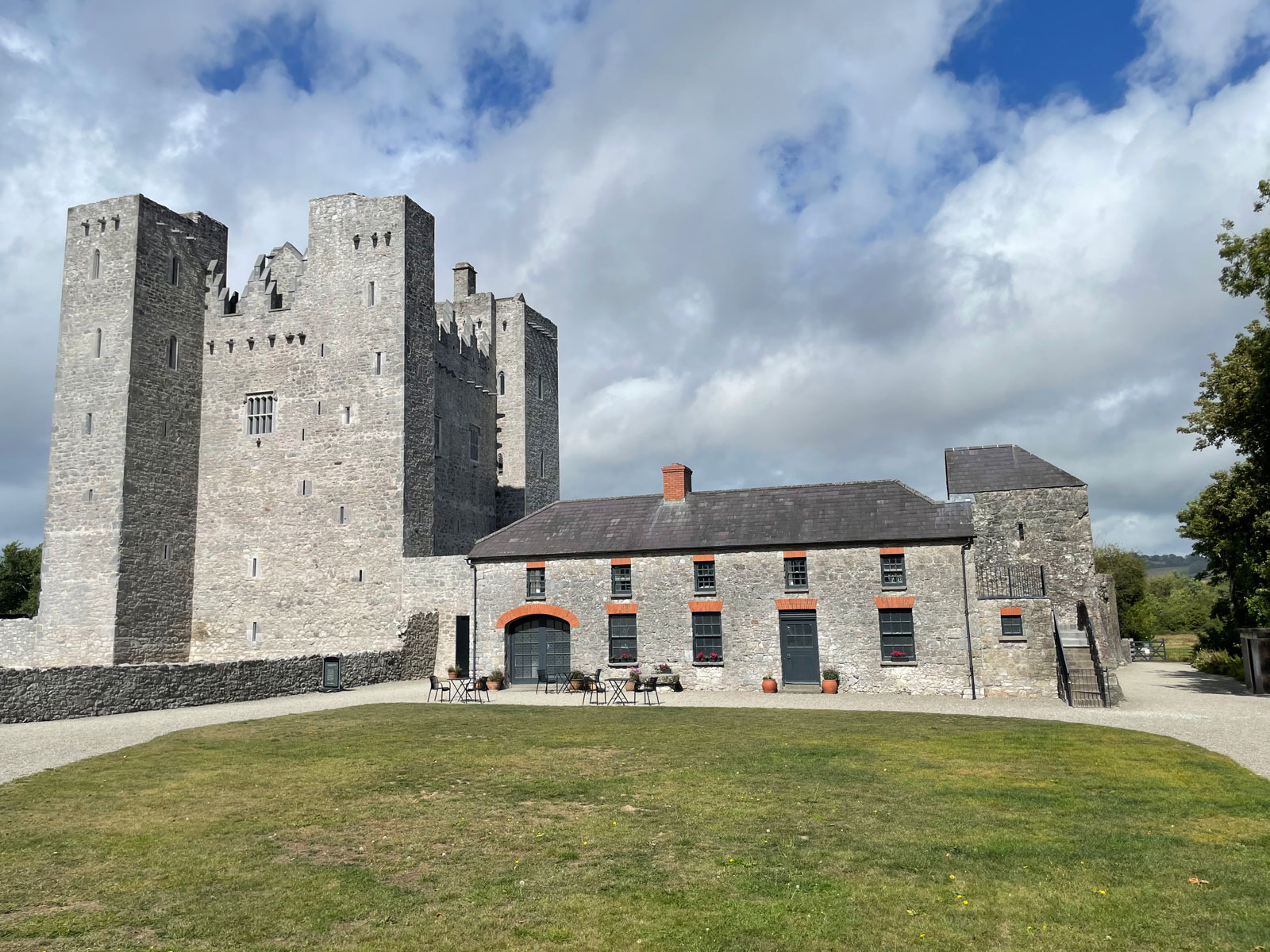
Peter Pearson visits Barryscourt Castle in Cork, seat of the Barry family until the 17th century
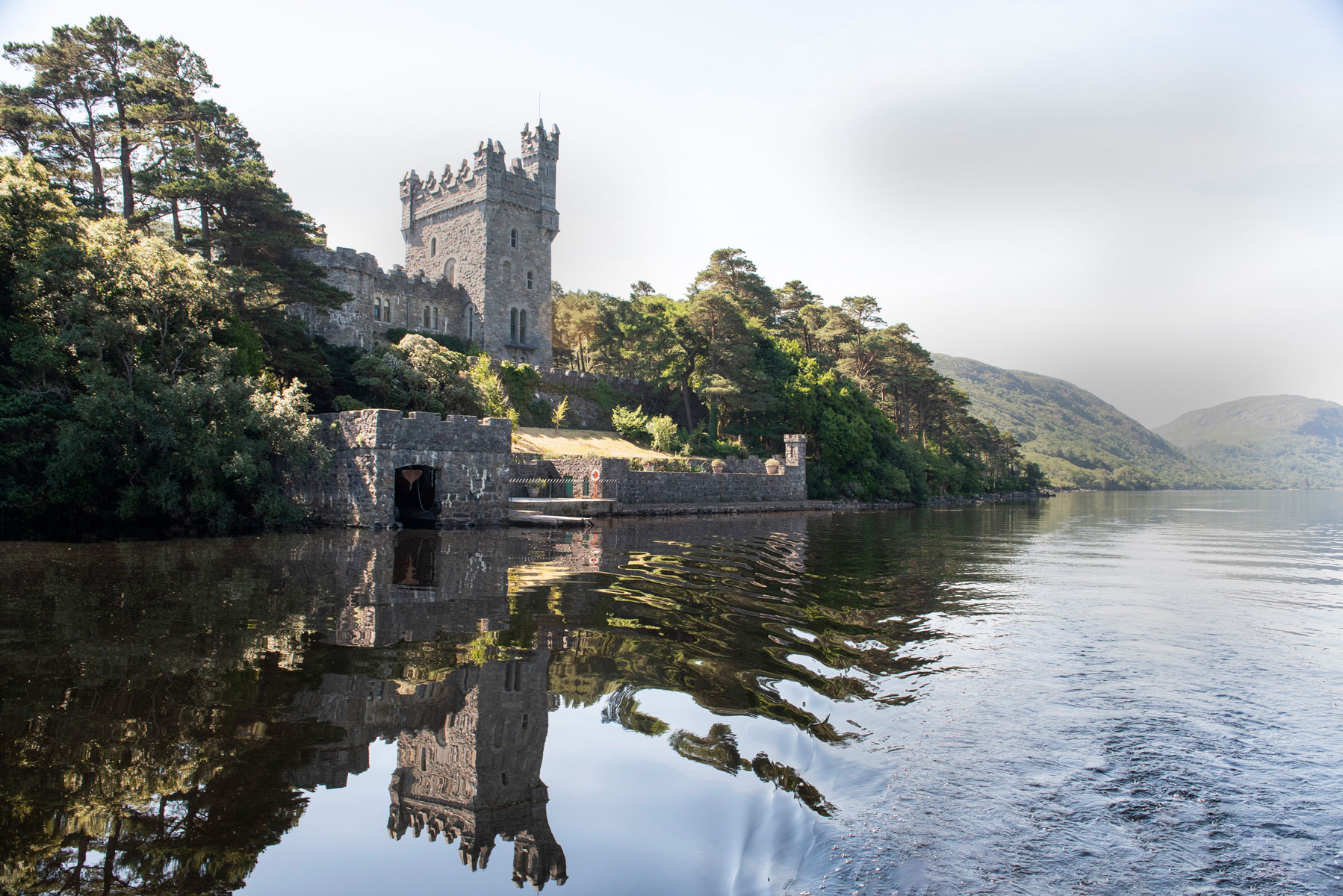
Terence Reeves-Smyth visits the castle and gardens of Glenveagh in County Donegal and charts the history of this romantic hideaway
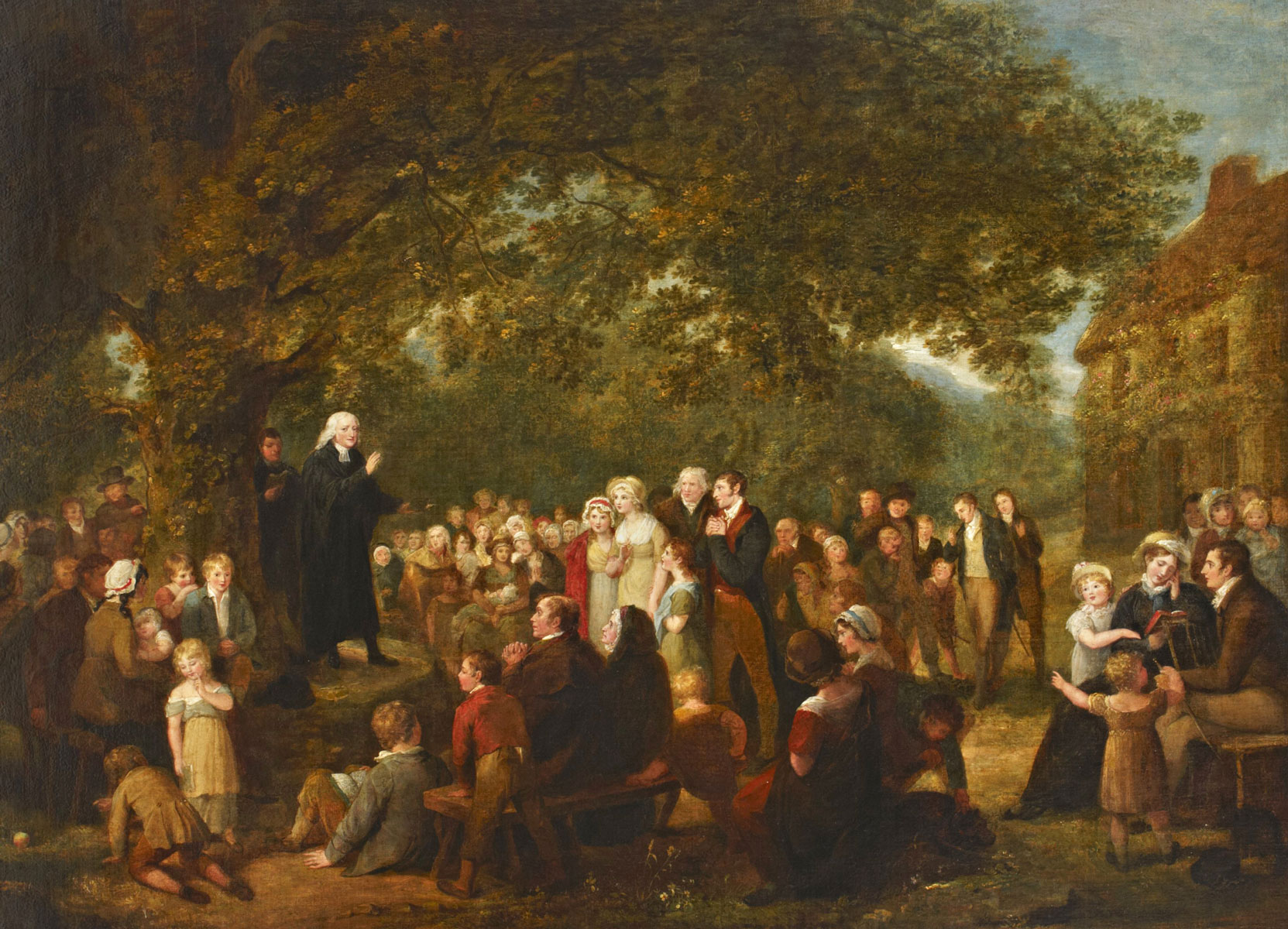
Hilary Pyle remembers Maria Taylor, a painter interested in people, in their occupations and ways of life
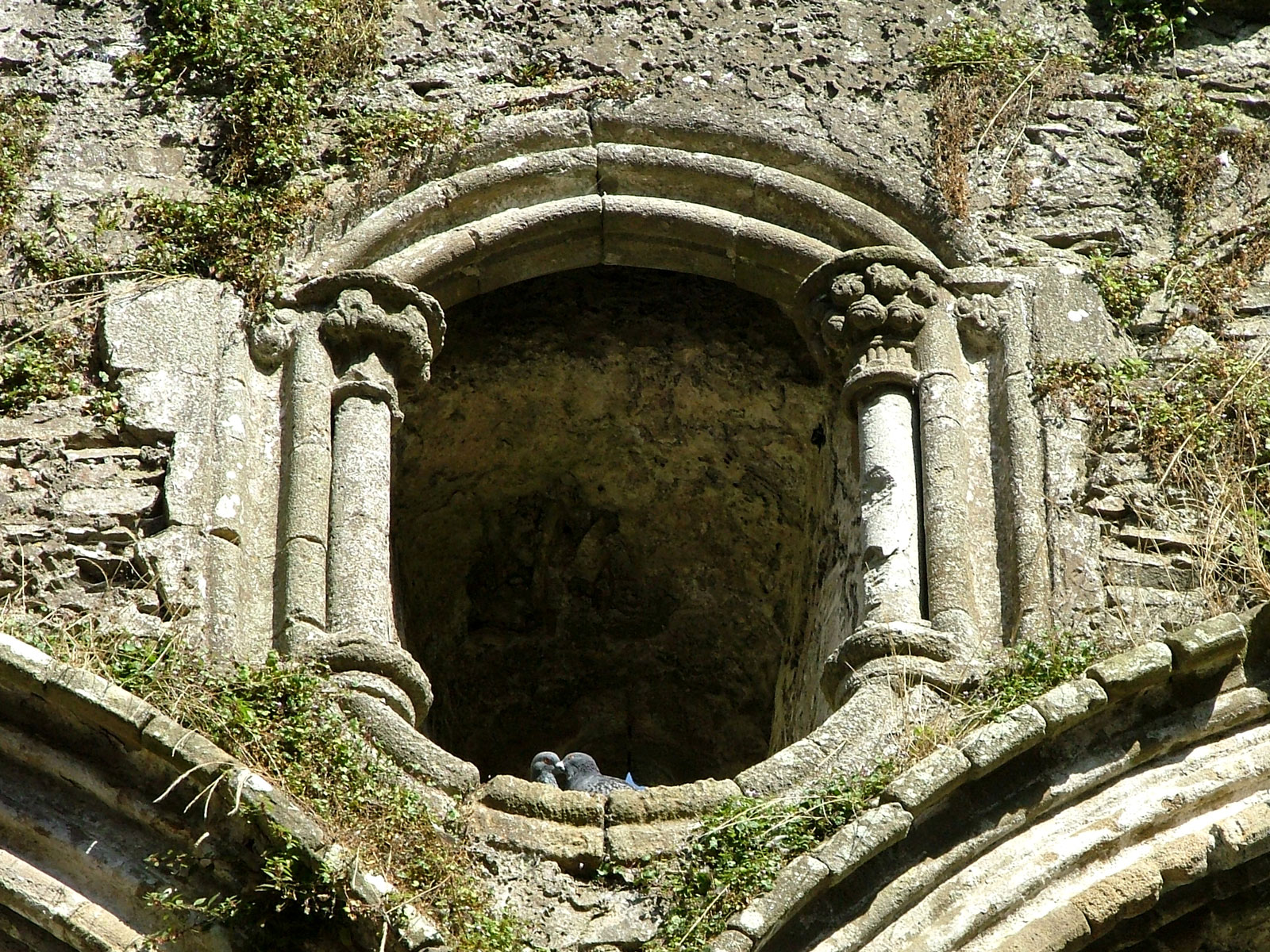
Roger Stalley looks at the arguments for and against restoring Ireland’s ancient buildings
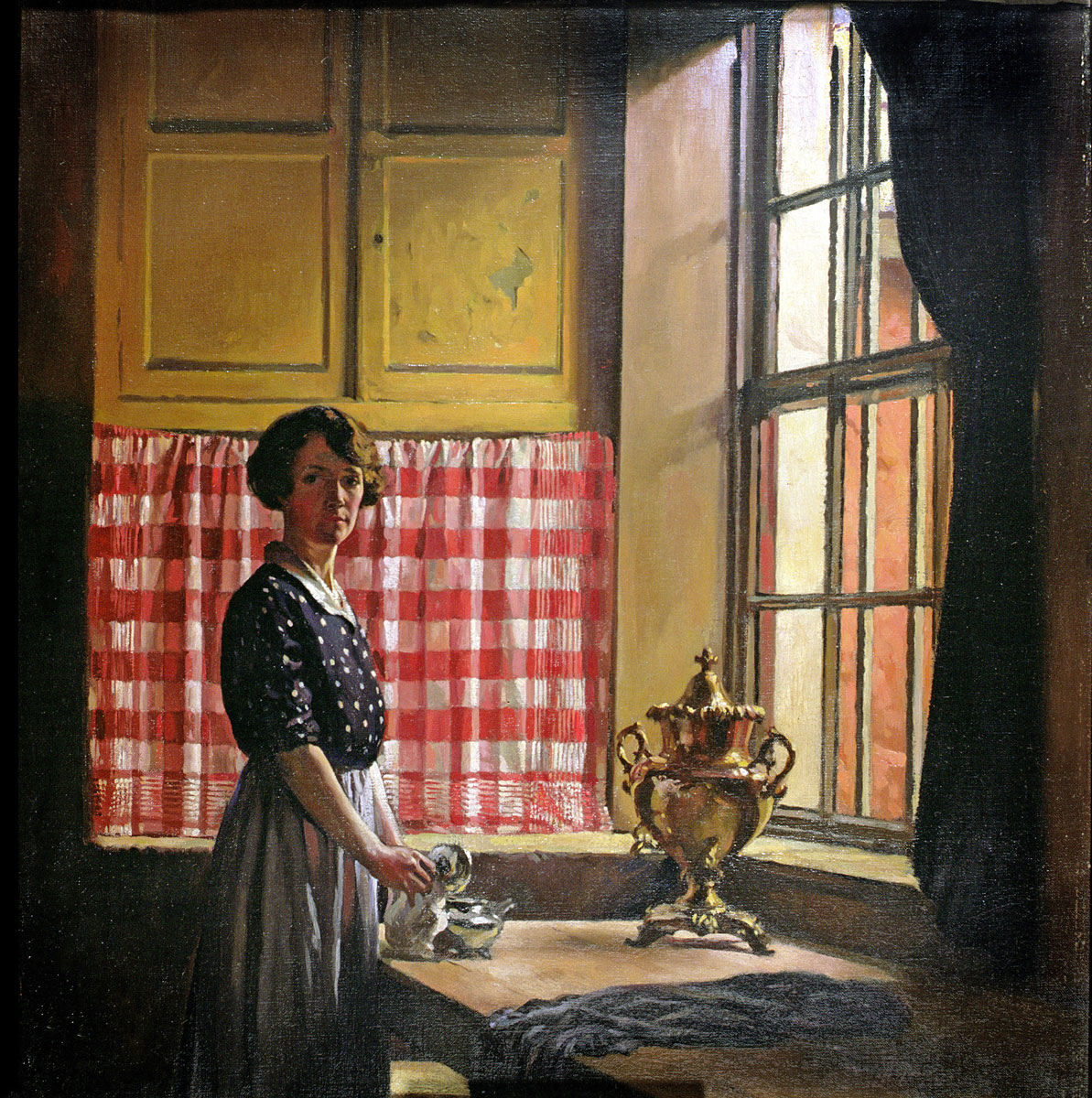
Kathryn Milligan traces the history of a 1920s Dublin salon that featured the work of Irish, British and European artists
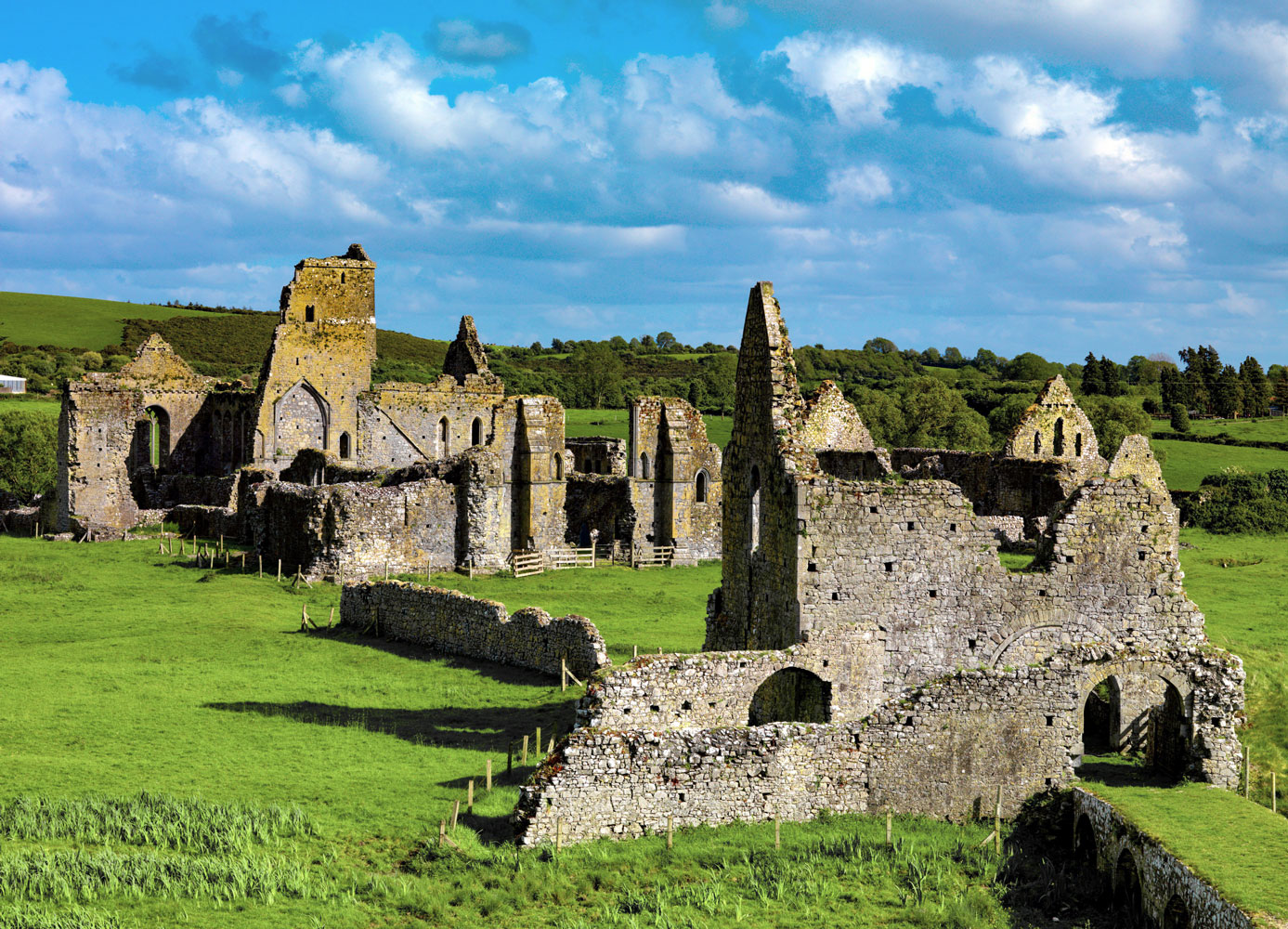
Roger Stalley considers the history and architecture of Ireland’s largest medieval priory, Athassel, County Tipperary

Rathfarnham Castle is one of the most extraordinary buildings in the story of architecture in Ireland, writes Tadhg O’Keeffe
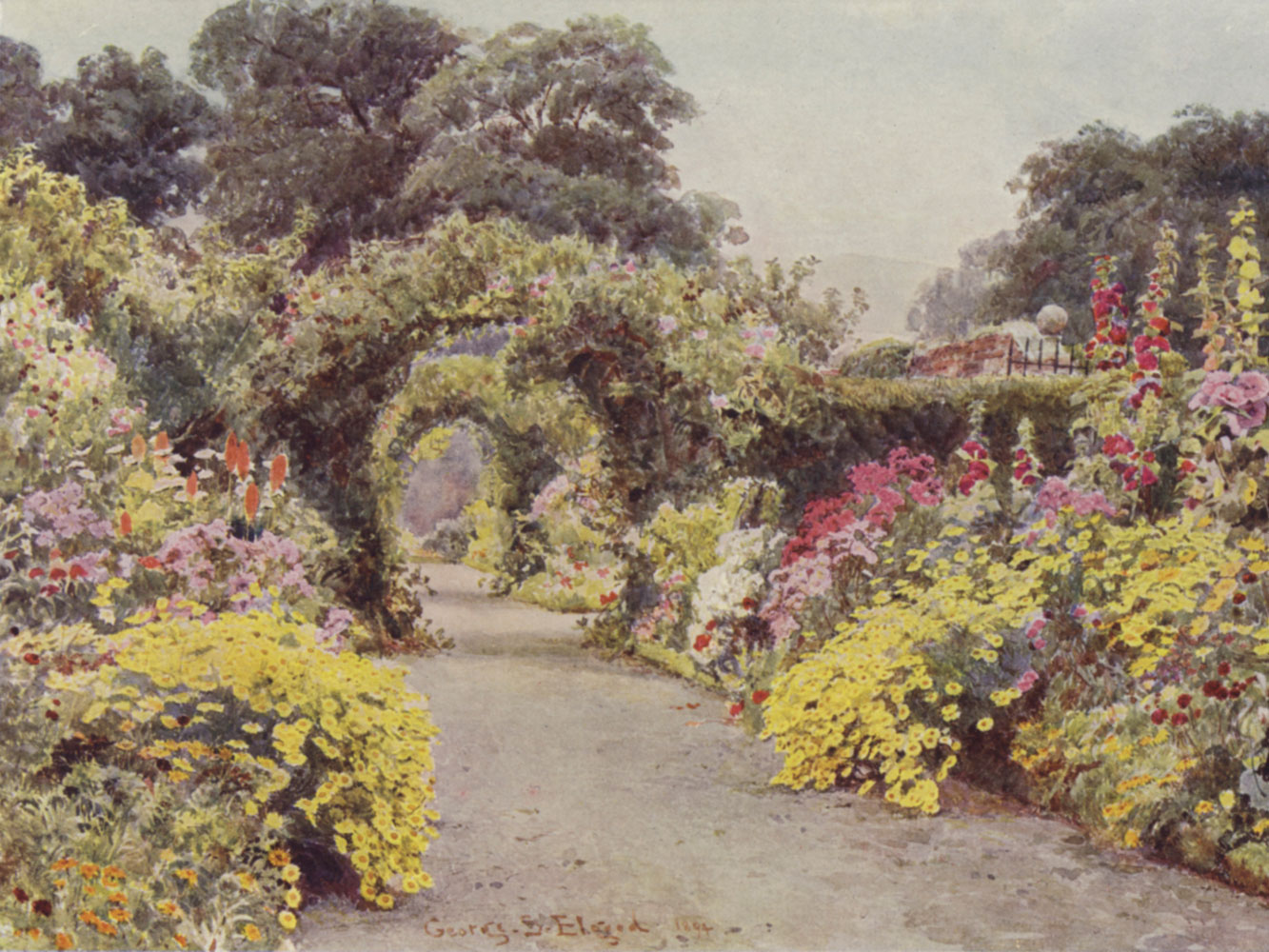
Patrick Bowe looks at paintings of three Irish gardens, which favour effects of light and colour over botanical detail
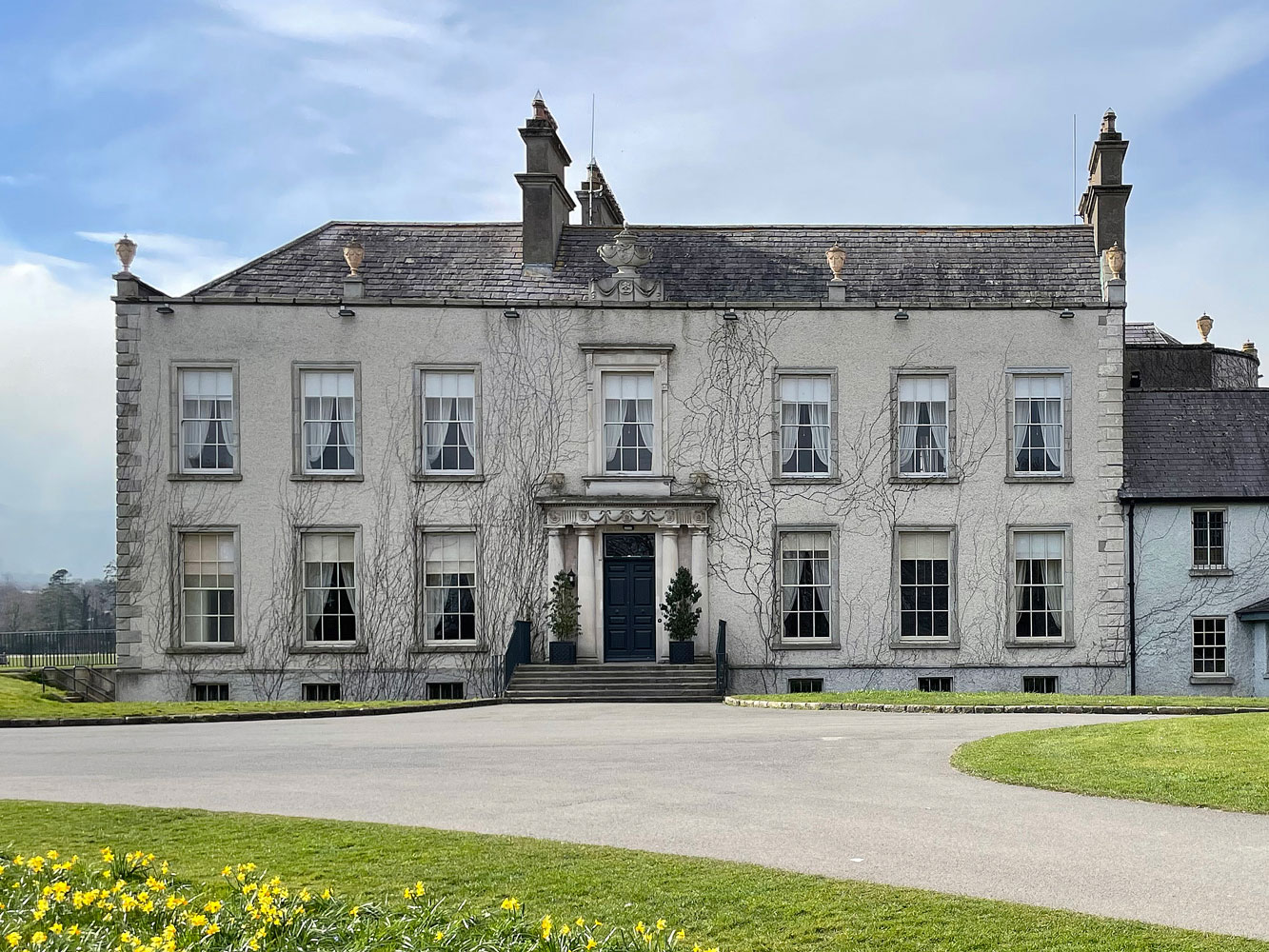
Peter Pearson visits Marlay House, at the foot of the Dublin Mountains, which was opened to the public fifty years ago
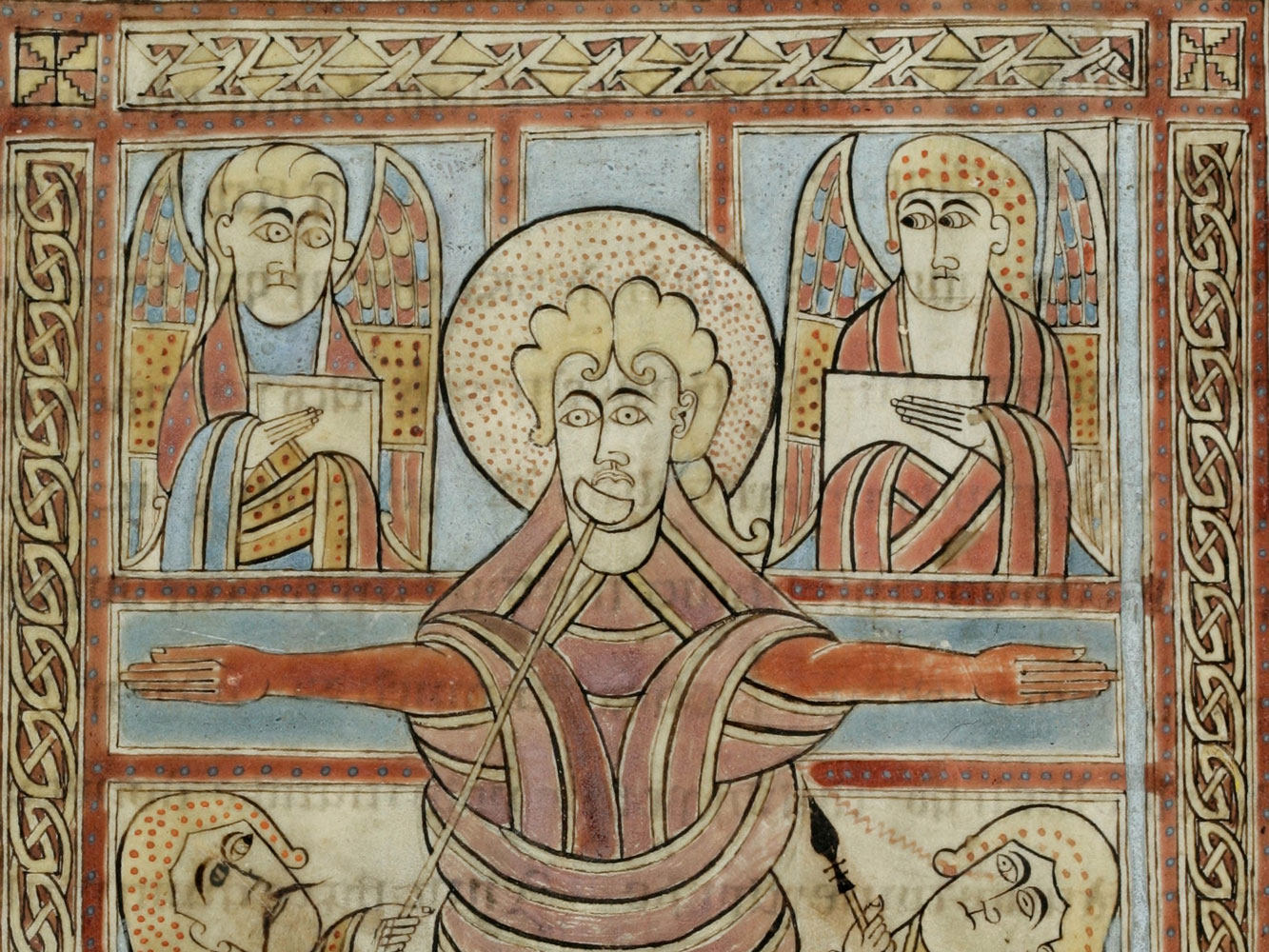
One of Ireland’s most significant medieval manuscripts survives in the Abbey Library of St Gallen in Switzerland, as Bernard Meehan elucidates
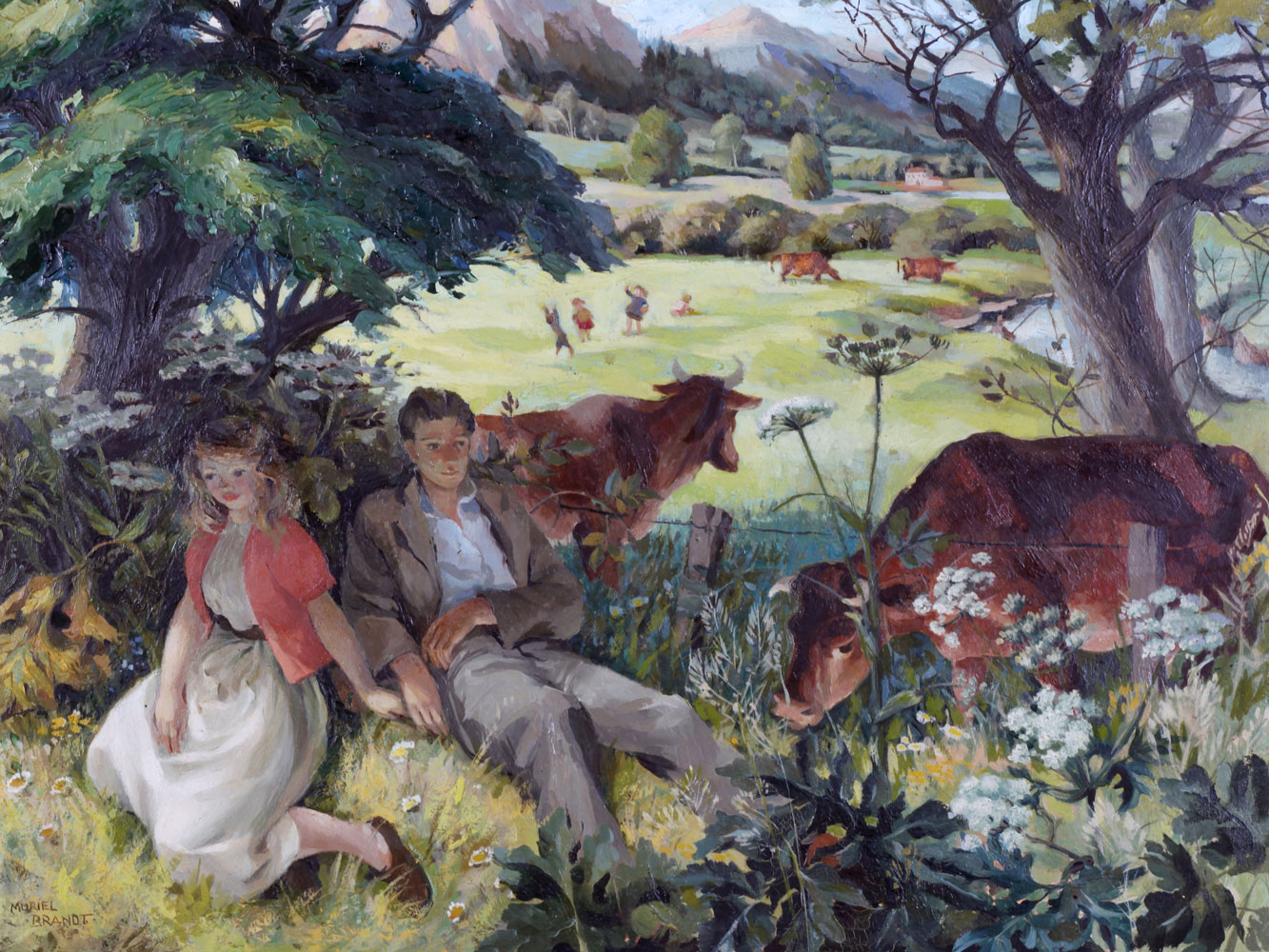
Michael Waldron remembers Cork’s Munster Fine Art Club (1920–1988), which exhibited the work of local artists and Irish artists with national and international reputations
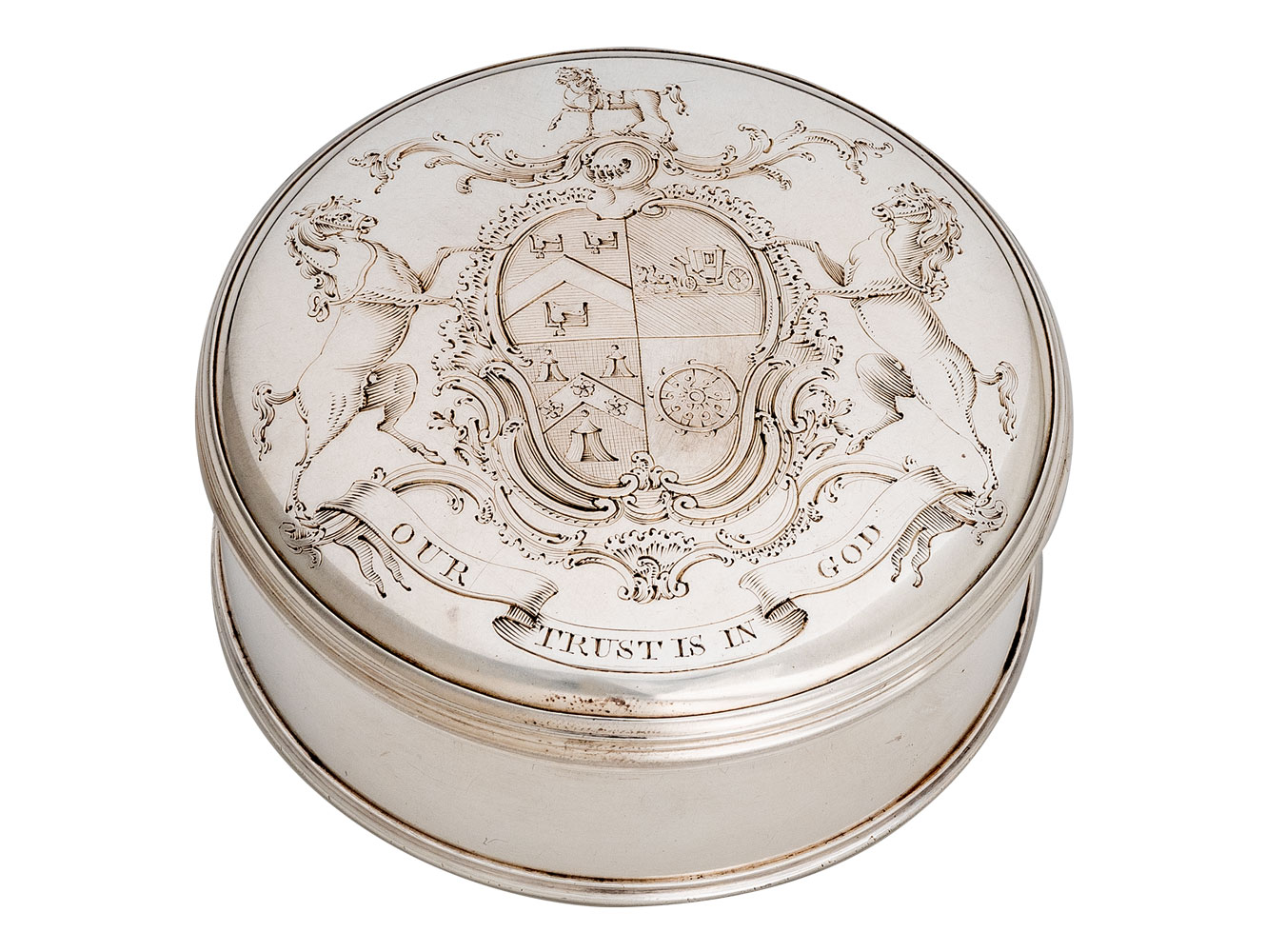
Alison FitzGerald views an exhibition of ornamental gold and silver boxes, whose presentation and trade revealed the loyalties of those involved
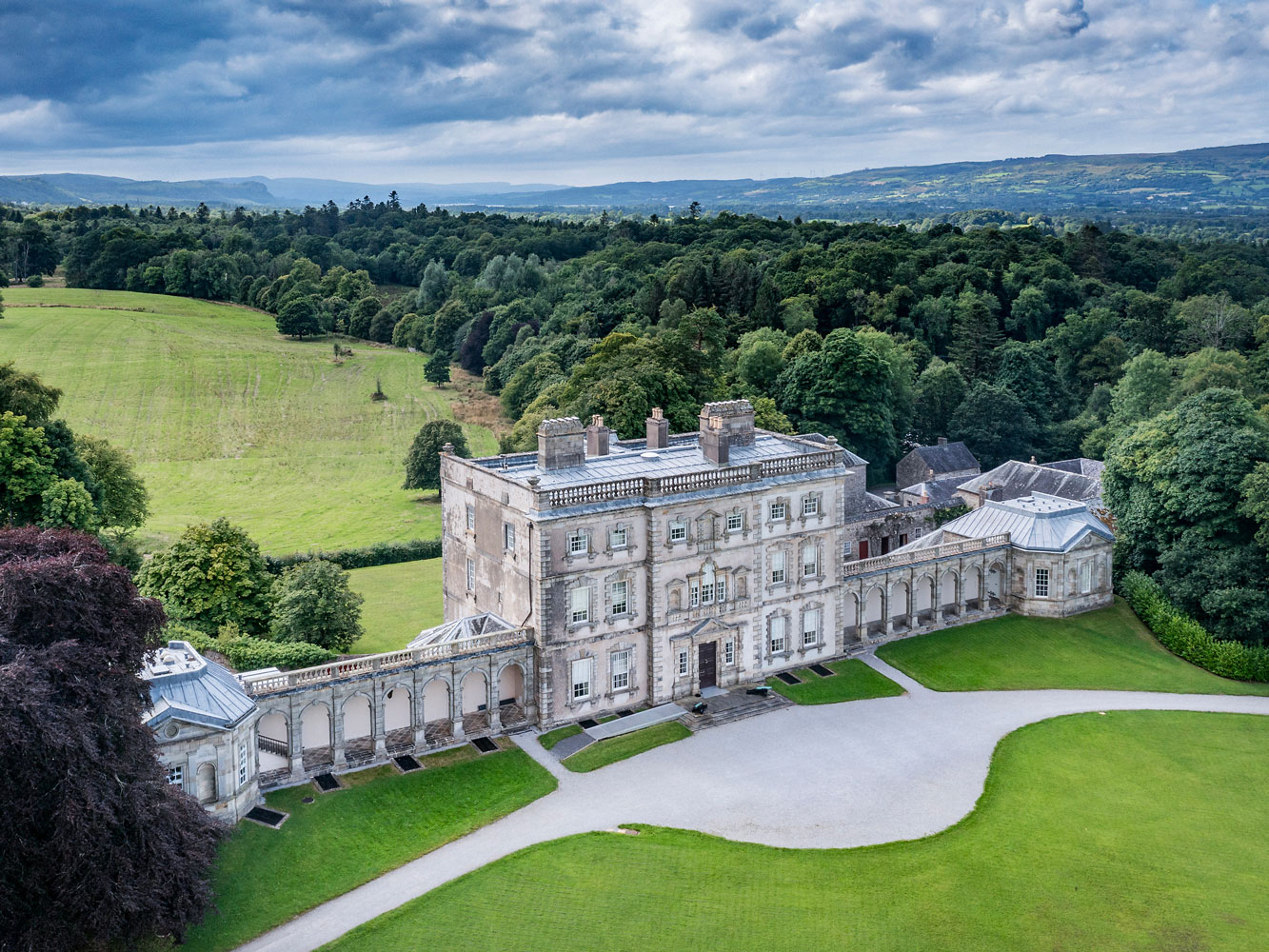
Terence Reeves-Smyth visits the restored Florence Court in Co Fermanagh, an alluring country house that reflects and sympathises with its surroundings
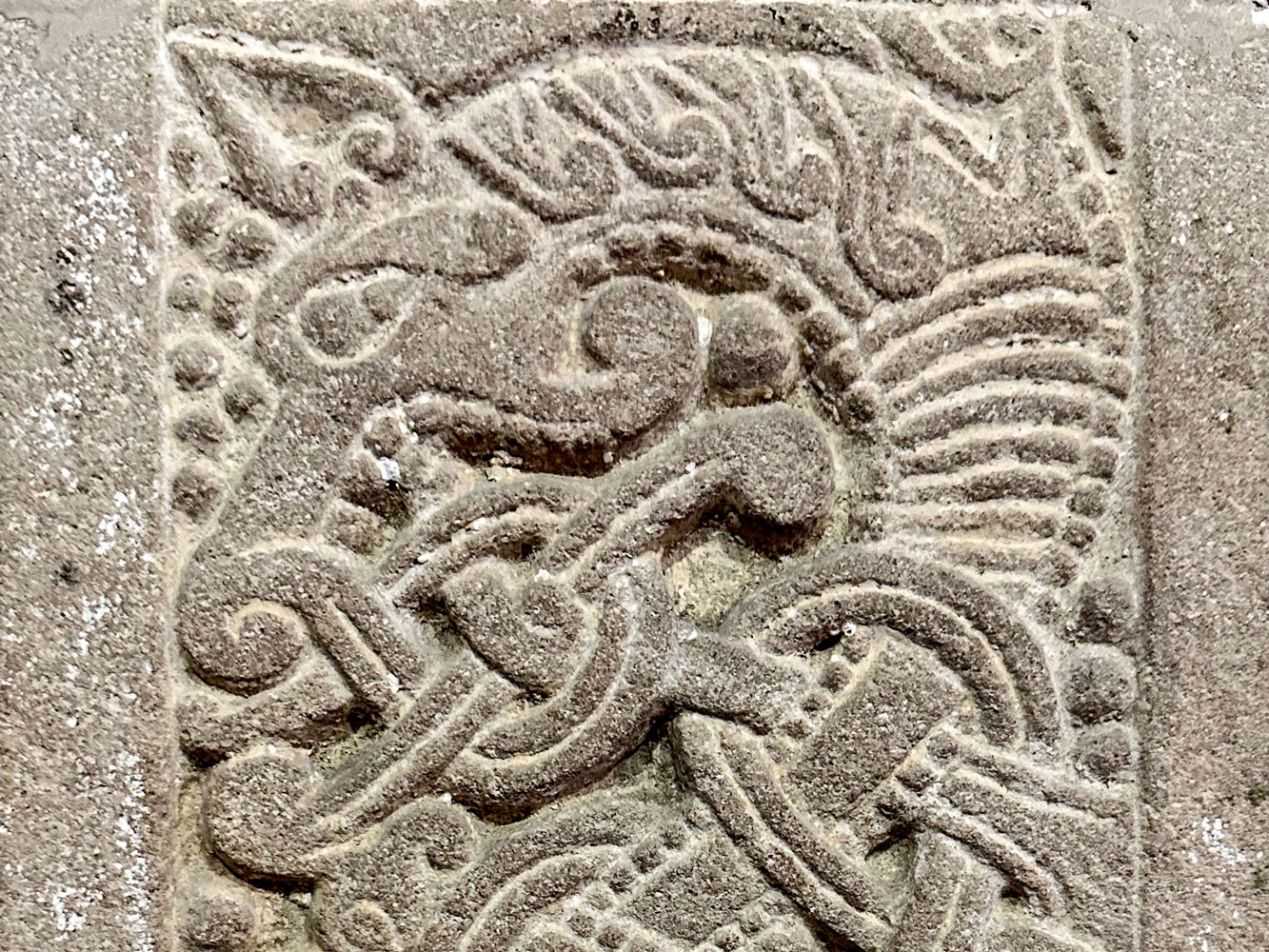
St Mary’s Cathedral in Tuam, Co Galway is a veritable shrine of Romanesque art, writes Roger Stalley
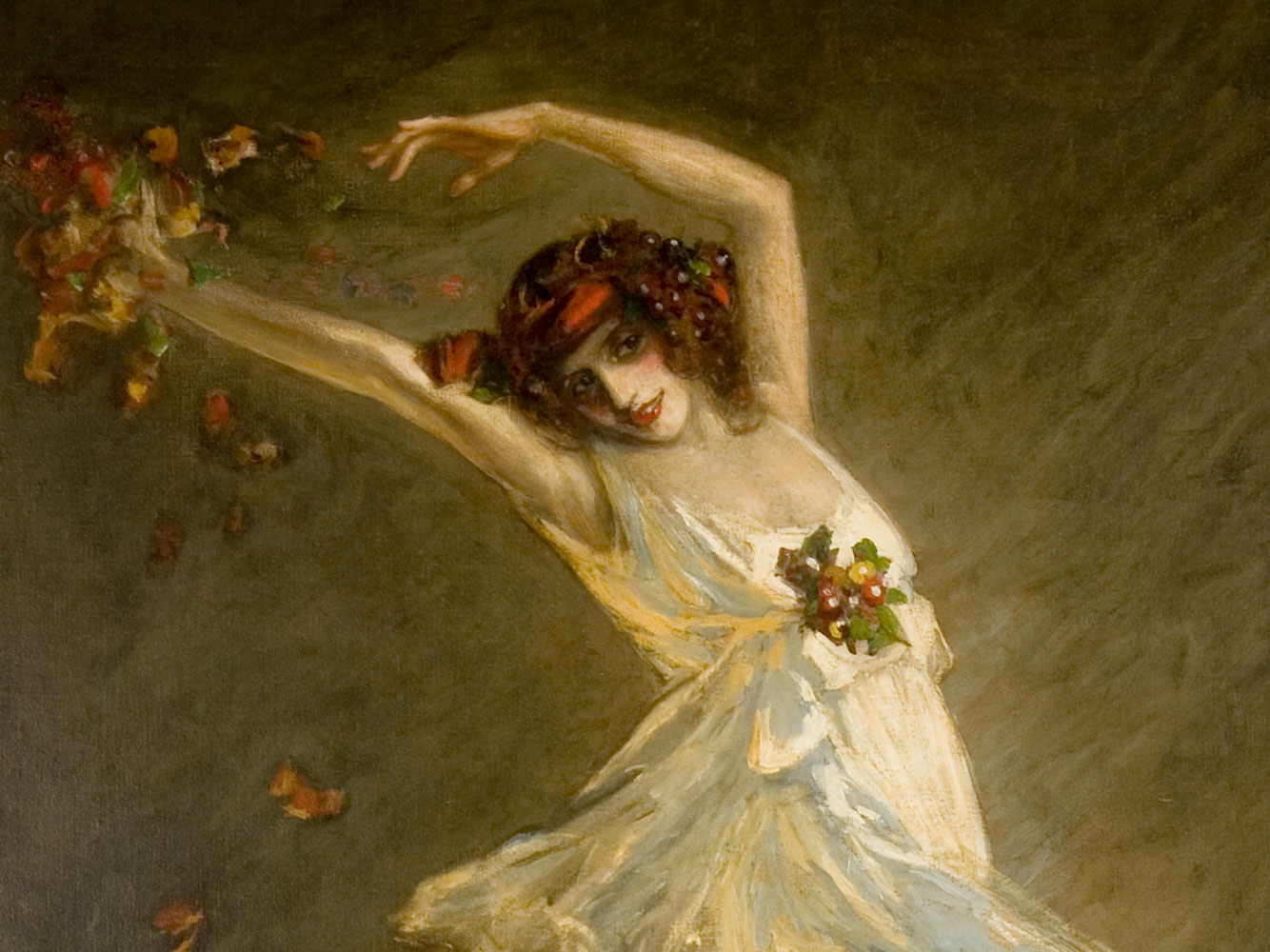
Kenneth McConkey recounts the story of how two great Irish painters, John Lavery and William Orpen, recorded the greatest ballerina of her generation, Anna Pavlova
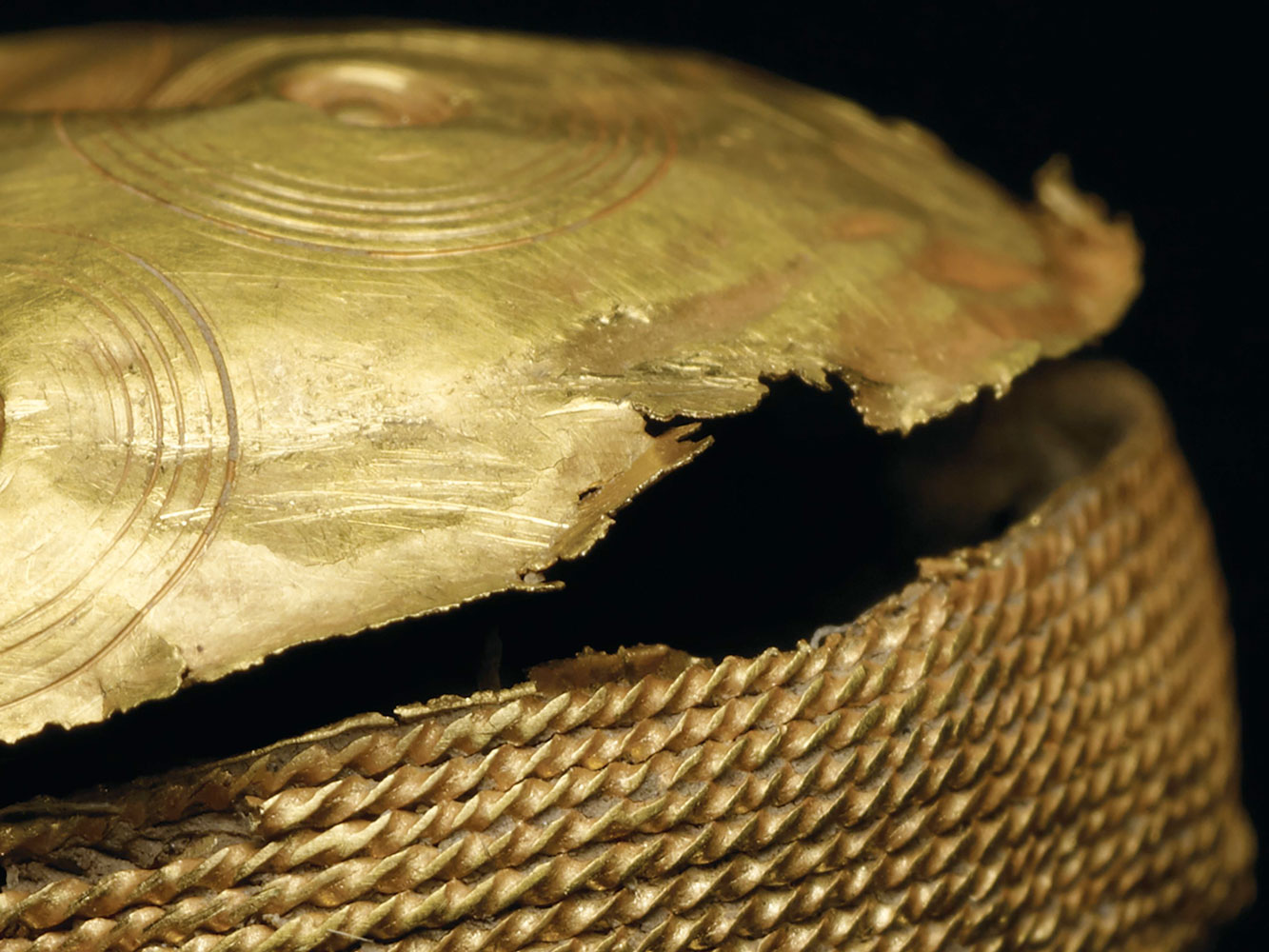
Mary Cahill and Greer Ramsey present the case for gold workshop practice in the Late Bronze age in Ireland
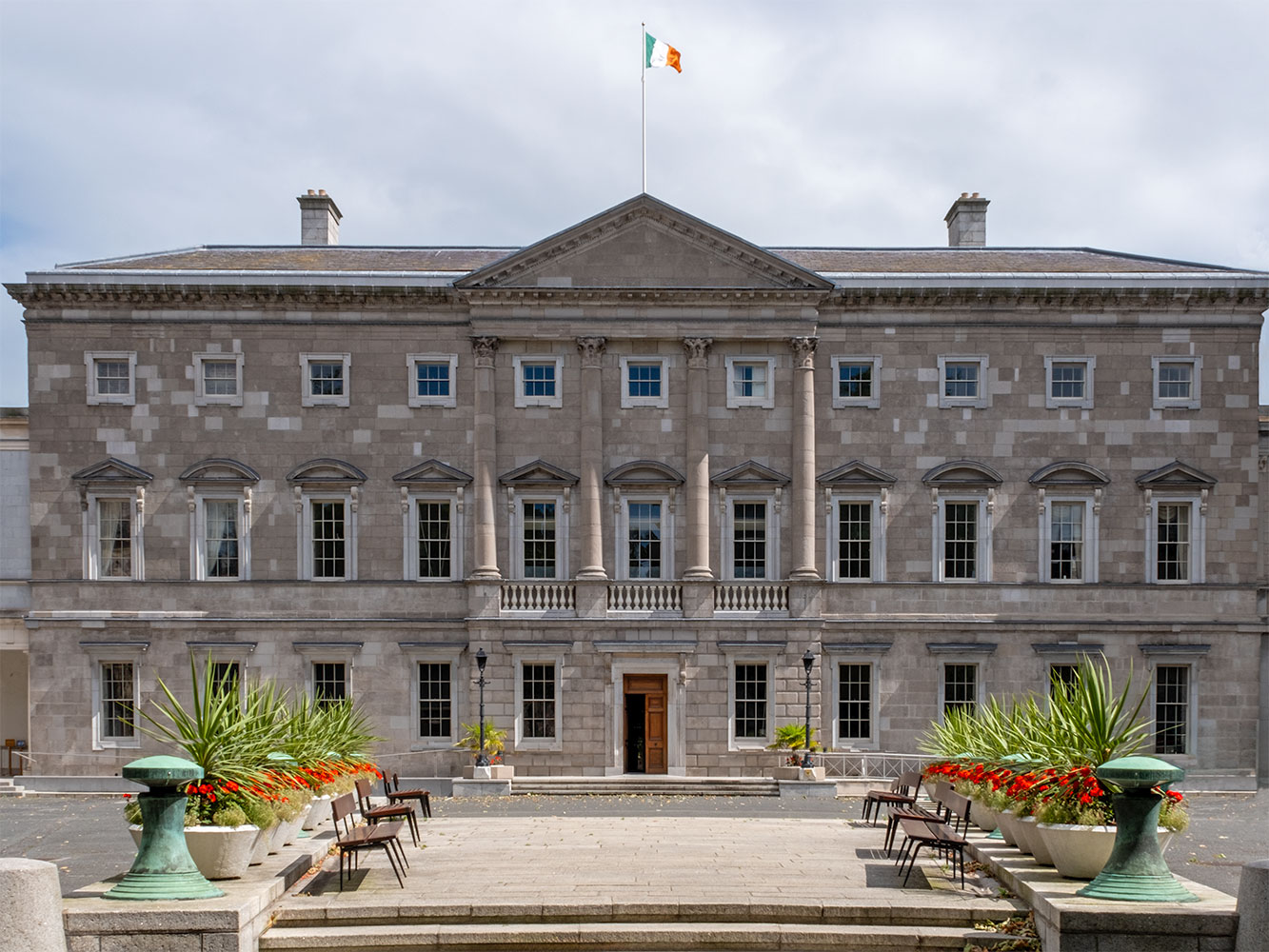
Peter Pearson recalls the history and highlights the interiors of Leinster House, home to the Irish parliament for the past hundred years
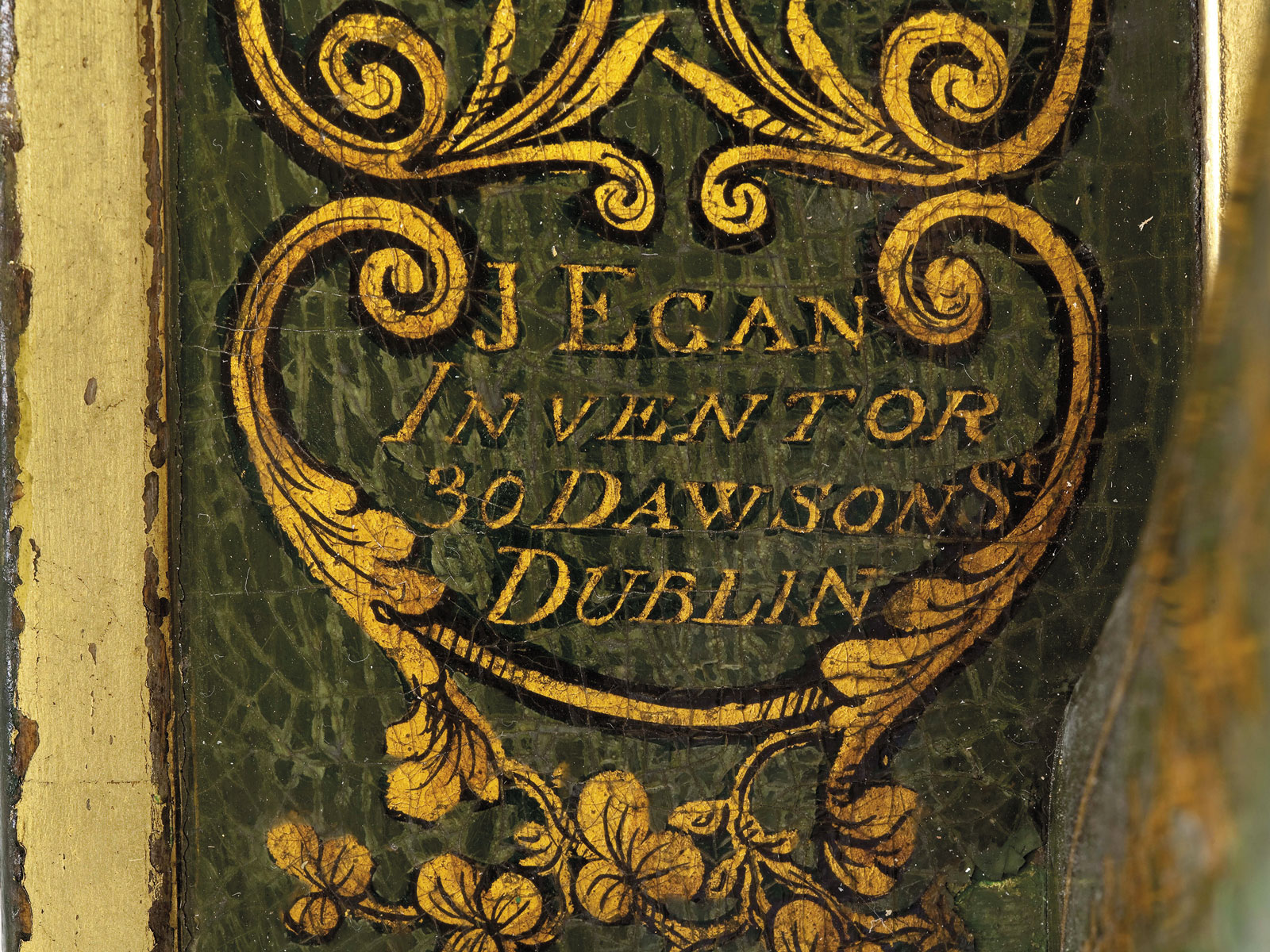
John Egan’s Portable Irish harp became the archetypal Irish harp, writes Nancy Hurrell
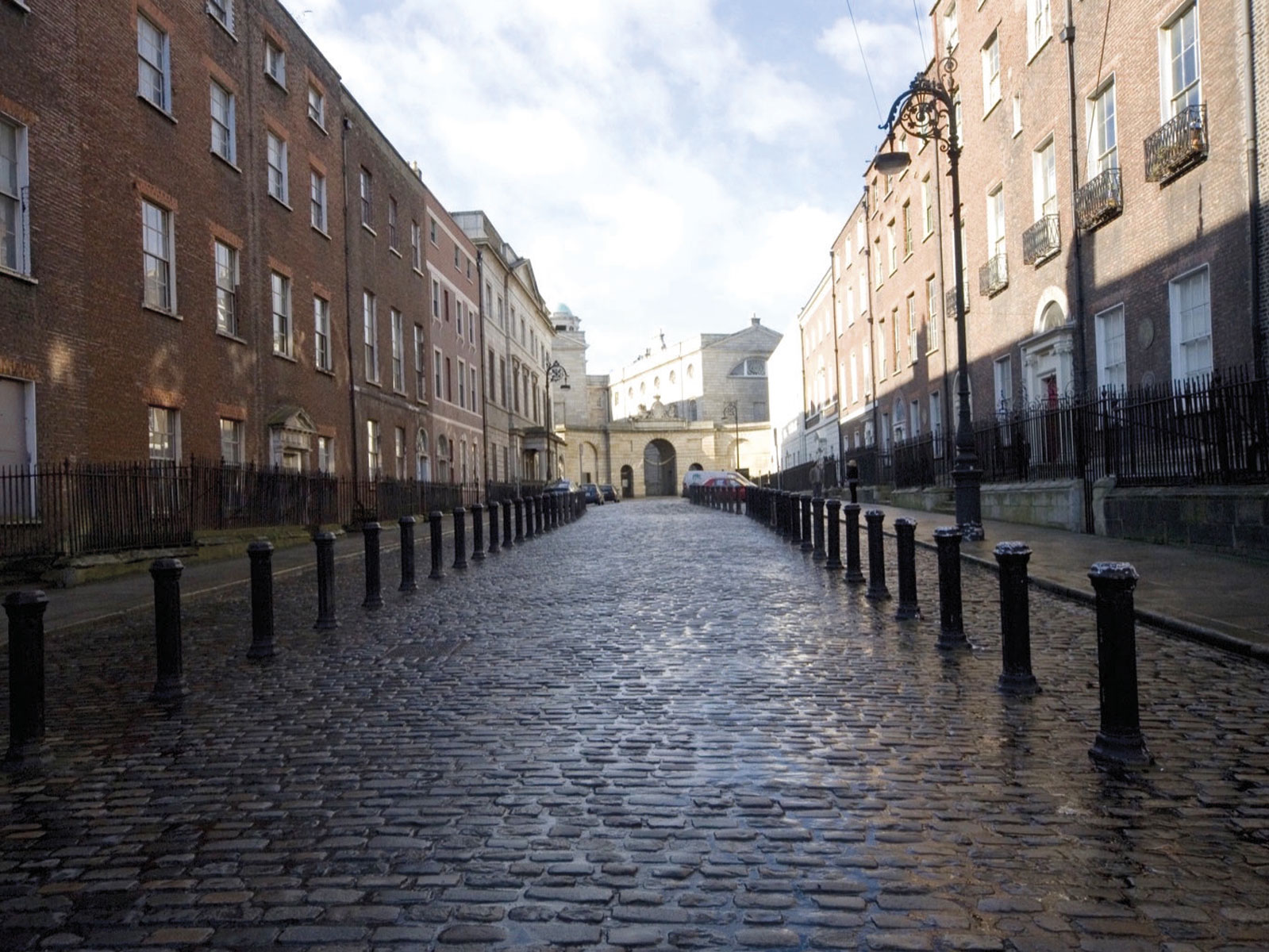
In a society where two pennies would look down on a ha’penny, the Henrietta St tenements were considered quite ‘posh’, writes Danielle O’Donovan
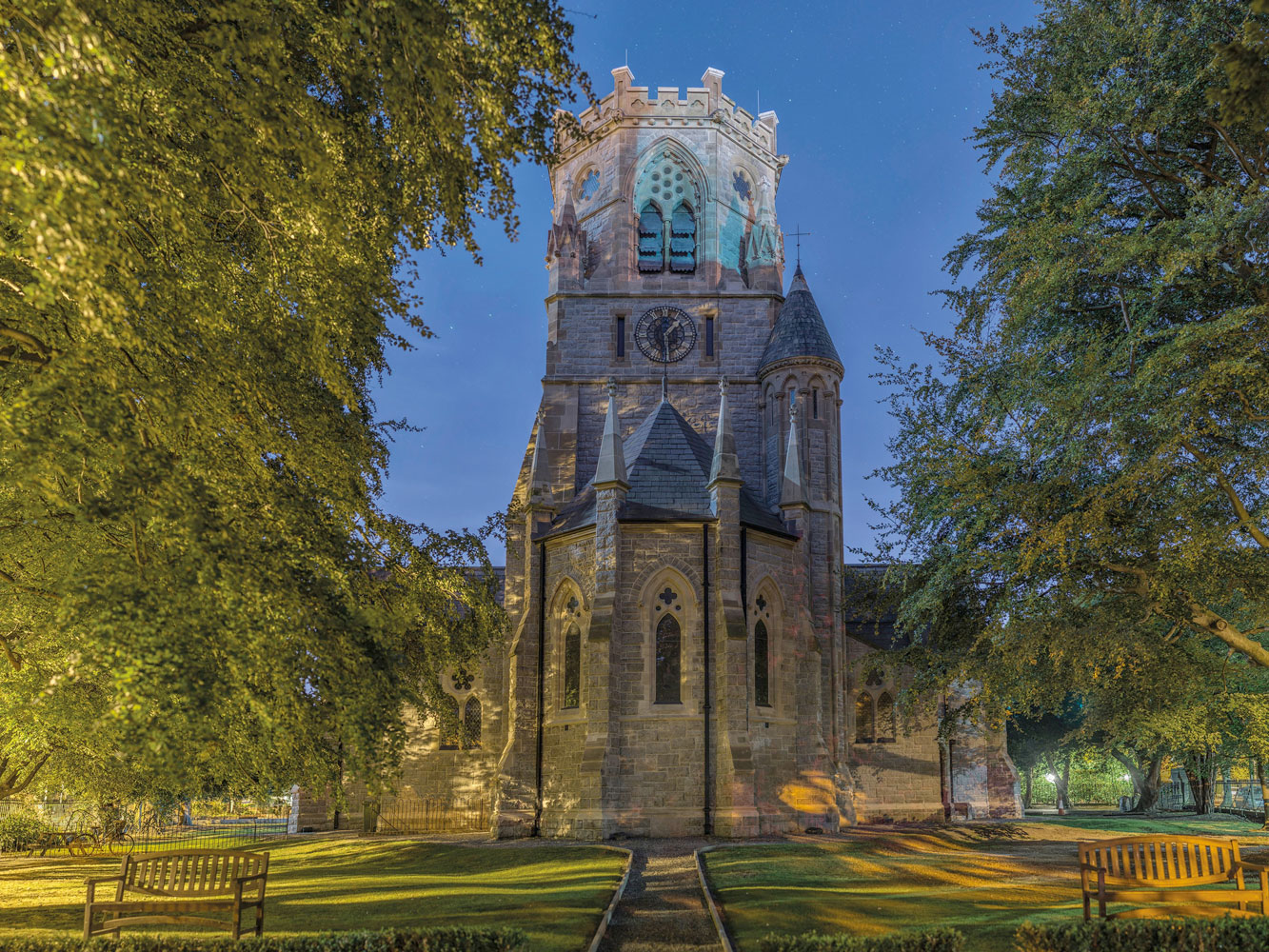
No other church in Dublin retains such an elaborate or such a complete High Victorian decorative scheme, writes Alistair Rowan
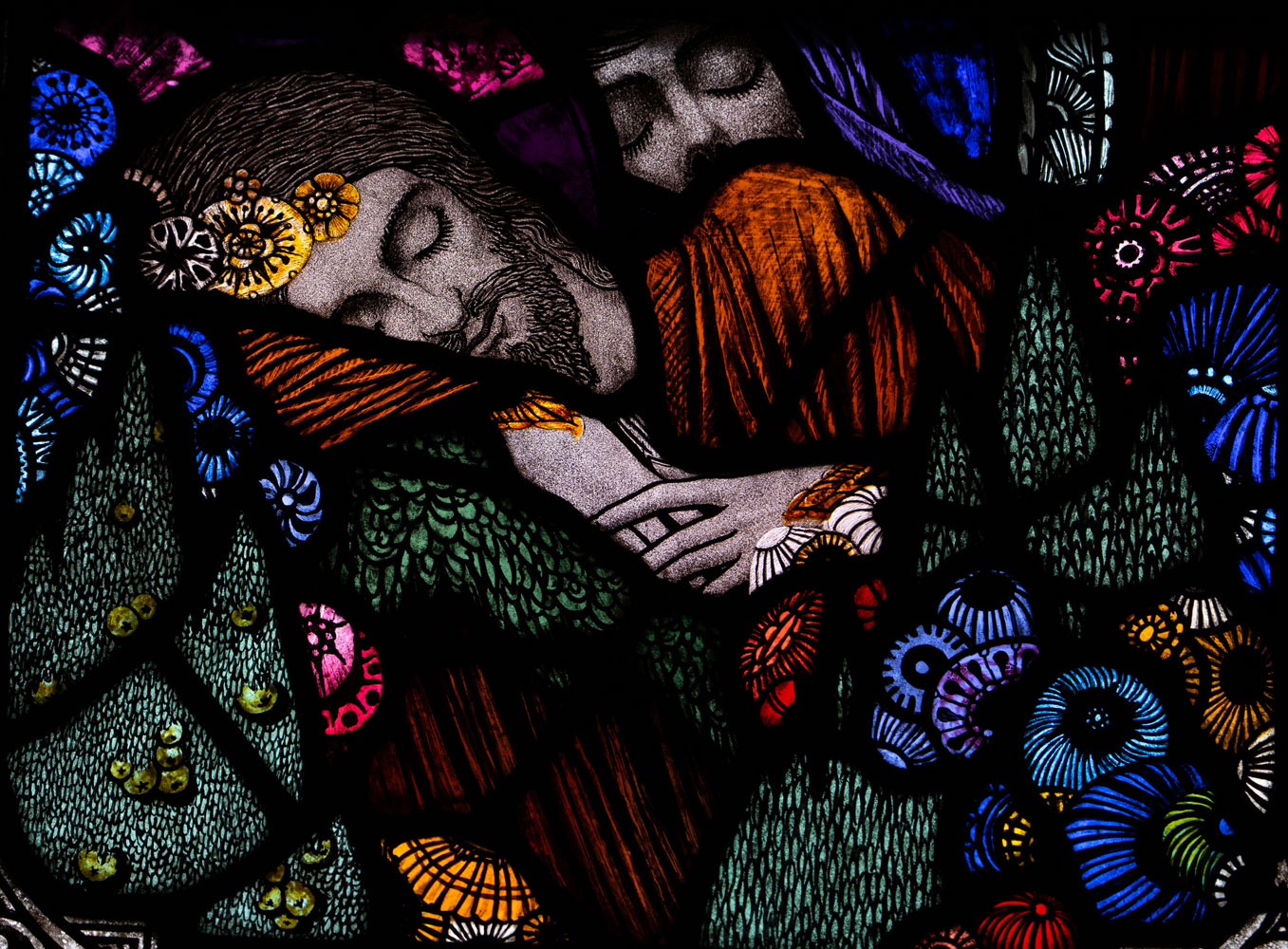
Ann Wilson explores Harry Clarke’s only stained-glass windows in Kerry, which feature fairytale elements unusual in a religious setting
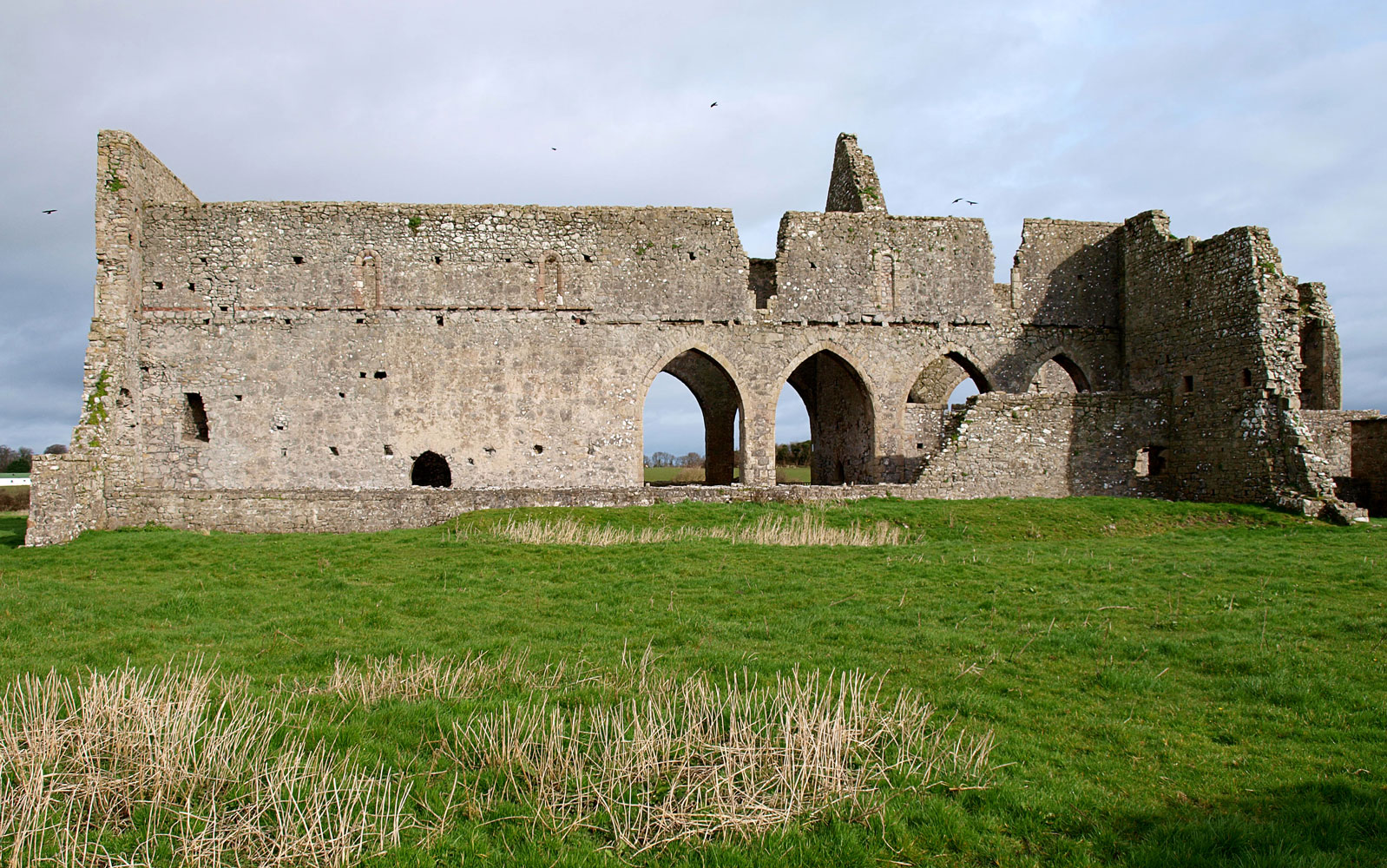
The visitor who makes the effort to see Monasteranenagh will have a rewarding experience, writes Tadhg O’Keeffe about the early Cistercian abbey in County Limerick

Recalling the extraordinary history of Howth Castle, Peter Pearson makes a case for the state to purchase the castle and its domain, and provide an unparalleled amenity for the Irish public
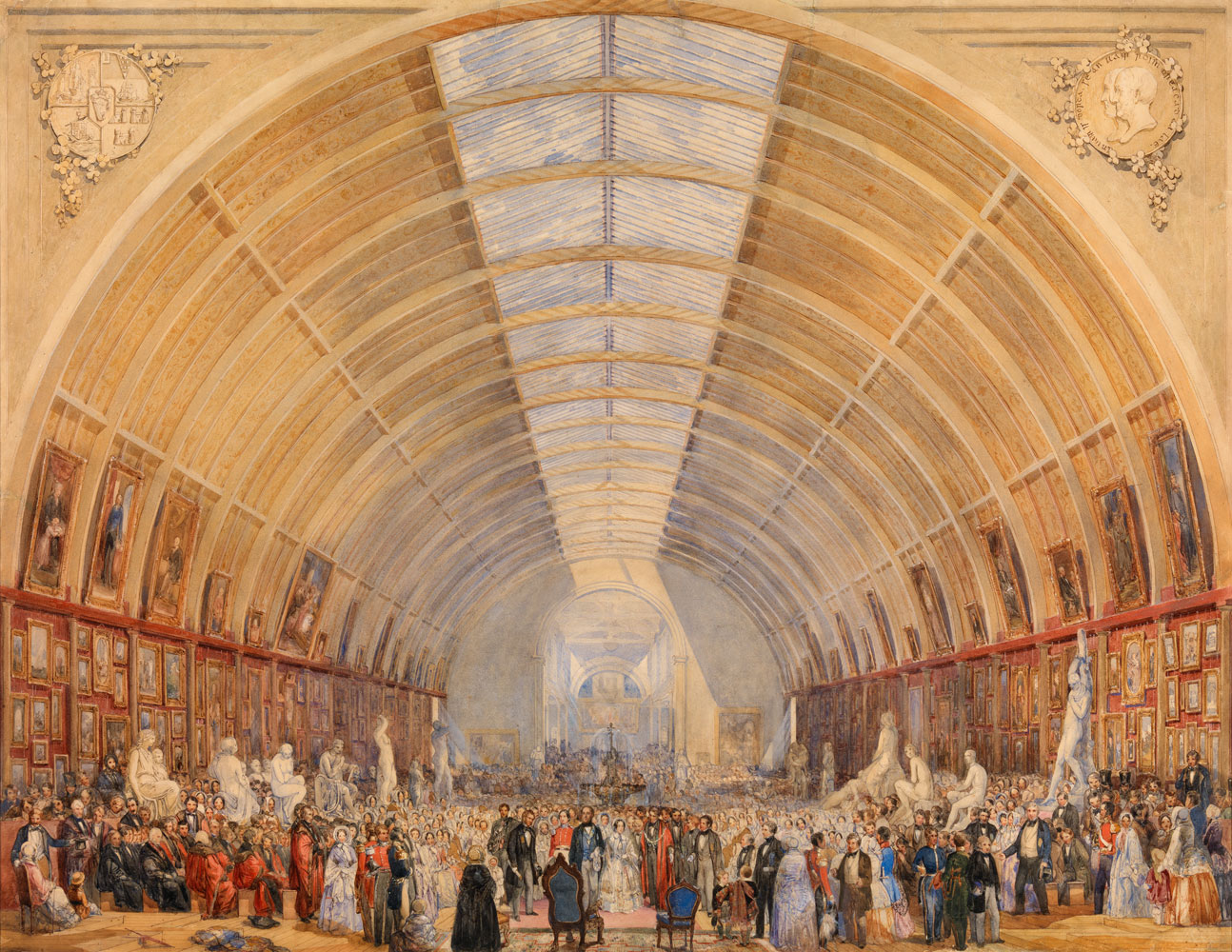
Marie Bourke recalls Dublin’s art and industry exhibition of 1853, which provided the impetus for the formation of Ireland’s national museums, library and art gallery
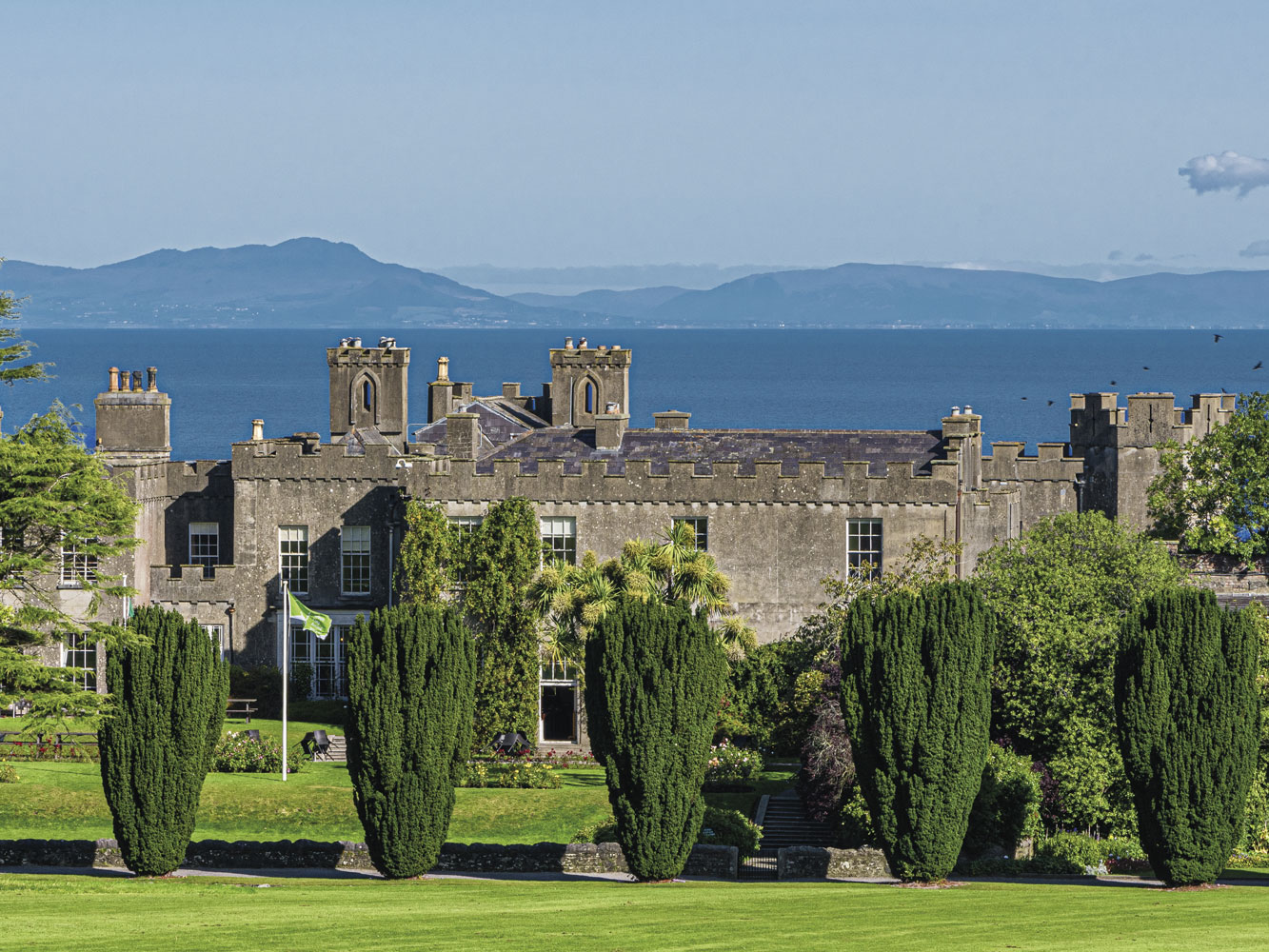
Terence Reeves-Smyth visits Ardgillan Castle in County Dublin, noted for its magnificent coastal views and fine gardens
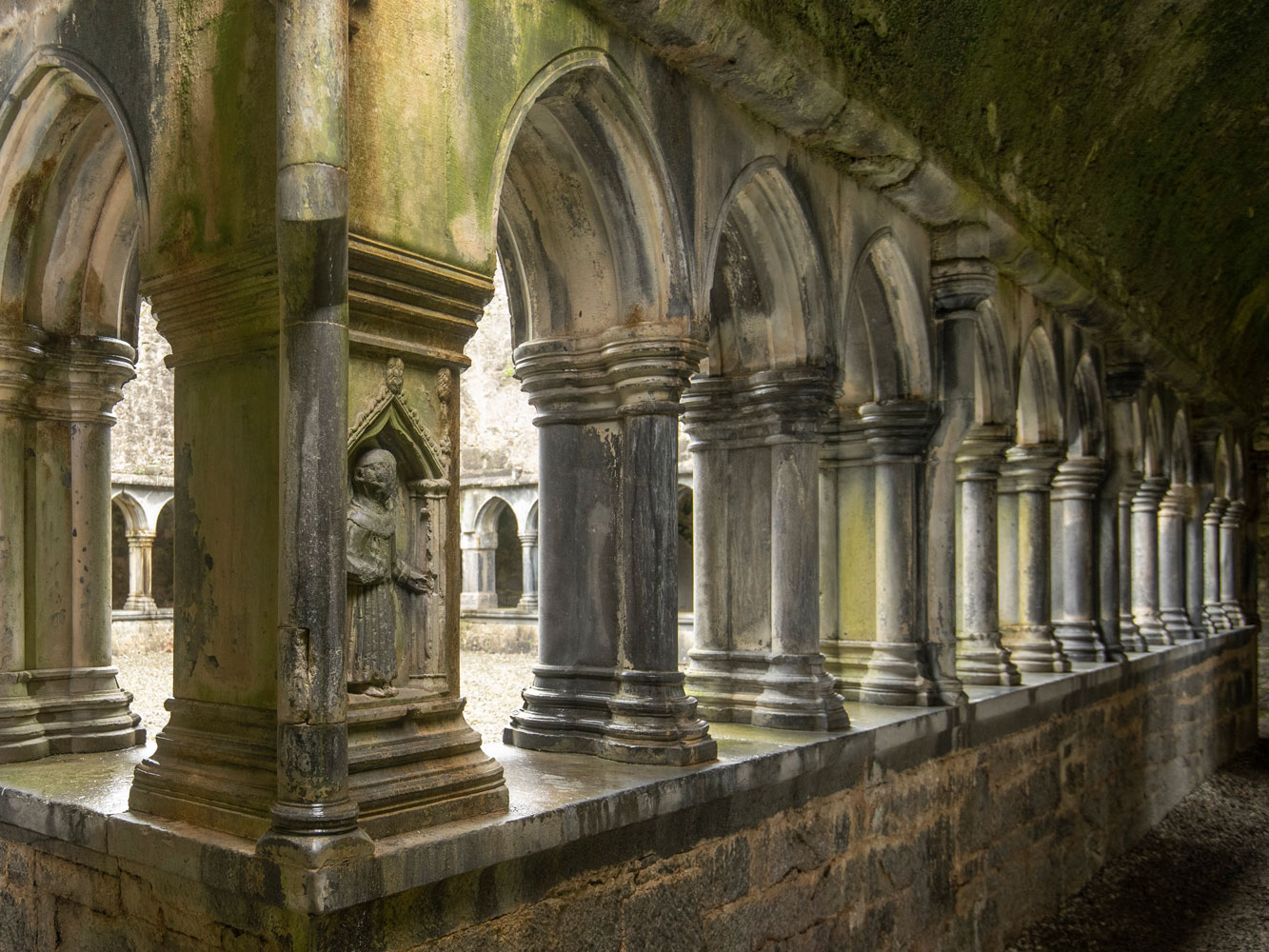
Roger Stalley elucidates architectural gems from the Middle Ages, the friaries of the West of Ireland, where many cloisters and carvings remain intact
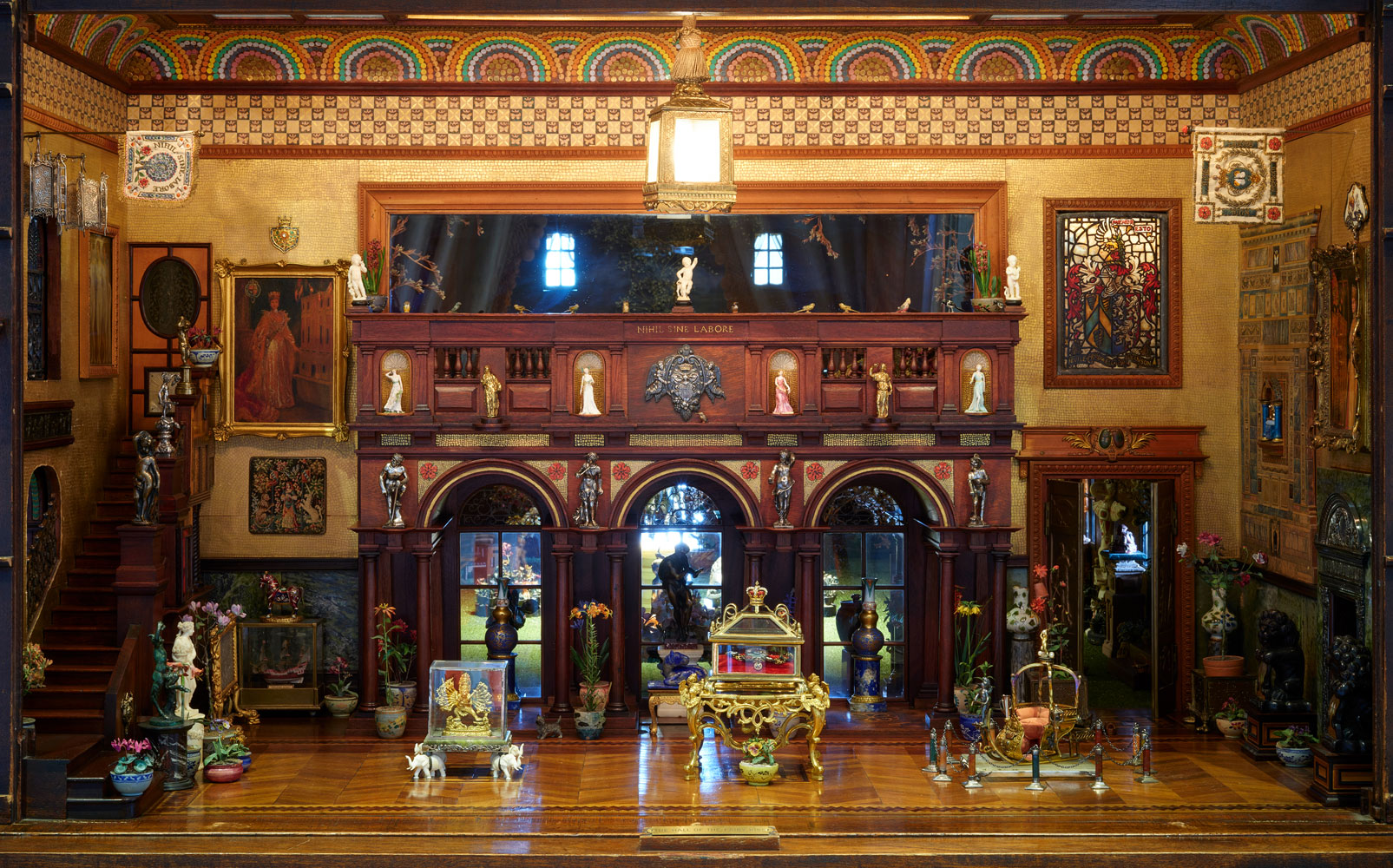
Síghle Bhreathnach-Lynch looks at the extraordinary creation of a doll’s house by a retired British Army officer
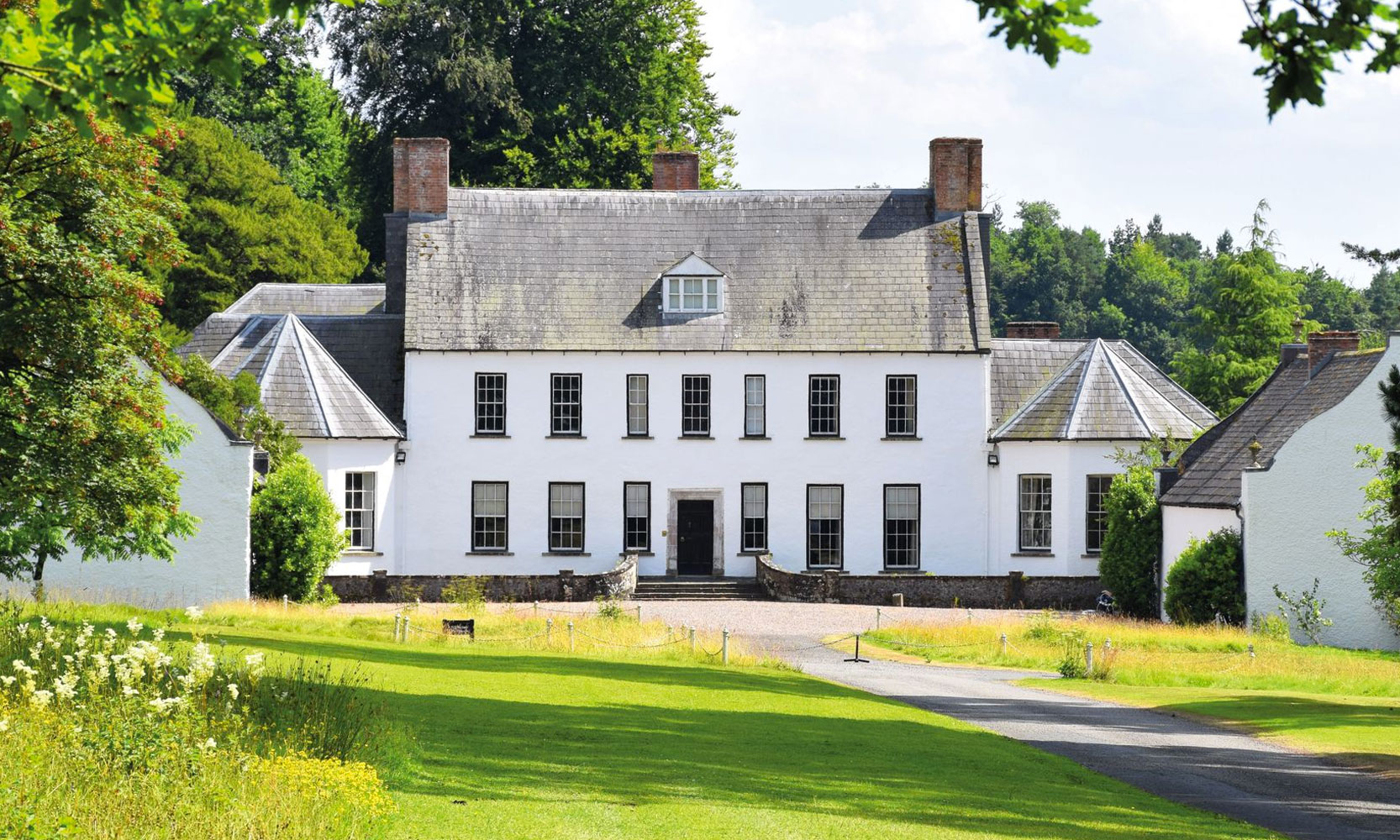
Terence Reeves-Smyth looks at the history of Springhill House in Co Derry, three hundred years after its construction
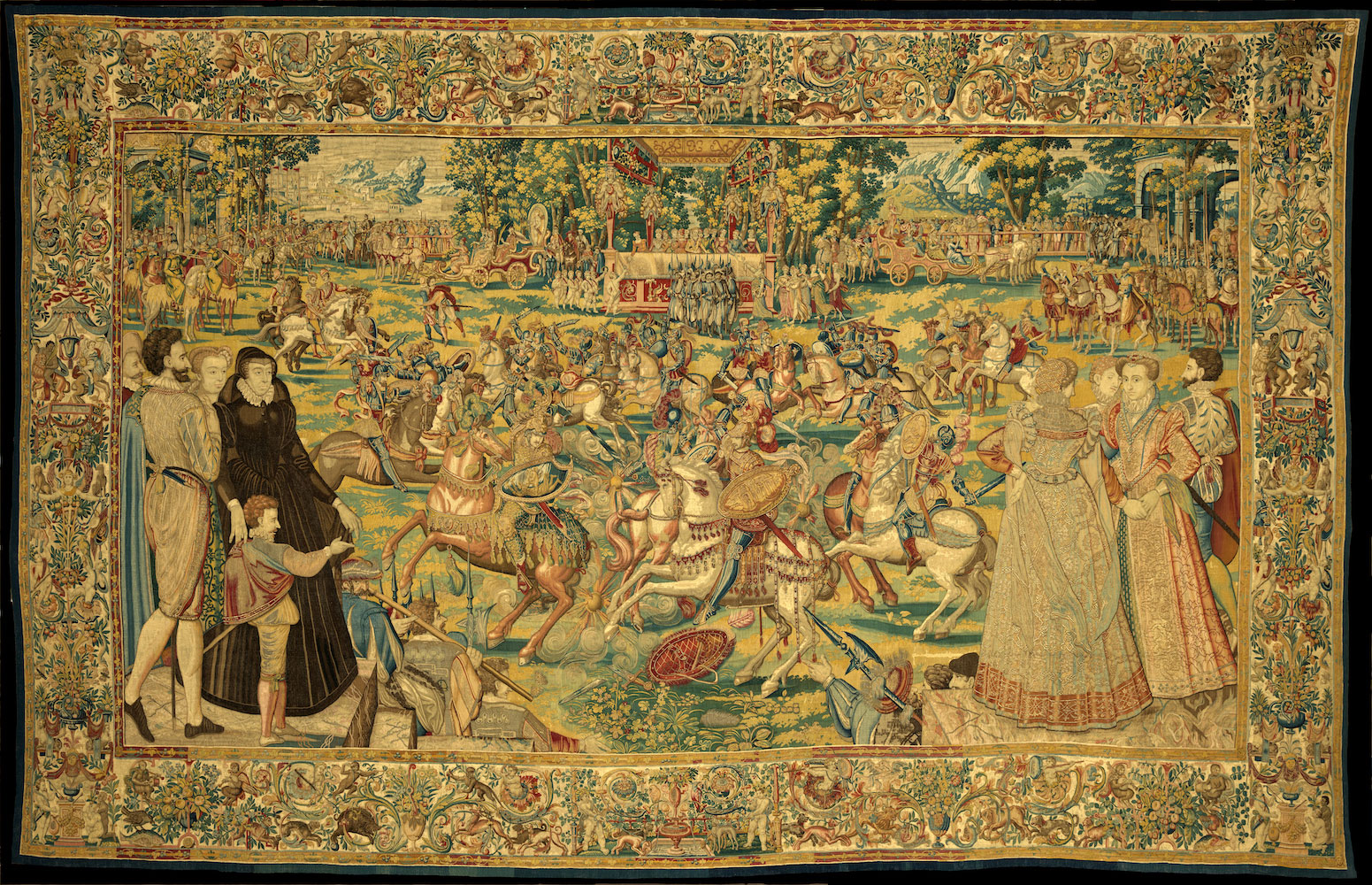
Hiram Morgan relates the history of a 16th-century tapestry that features a tournament between British and Irish knights
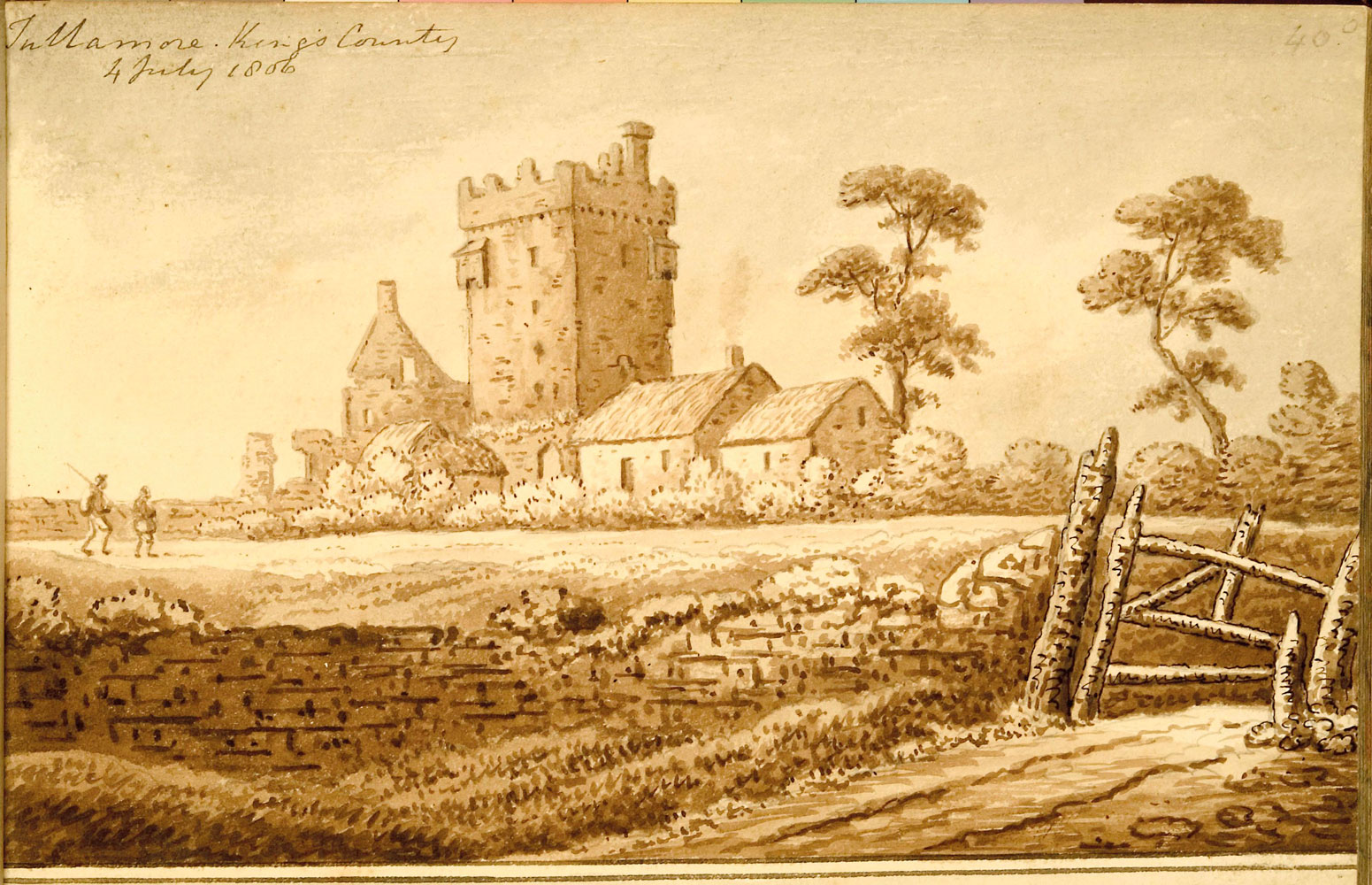
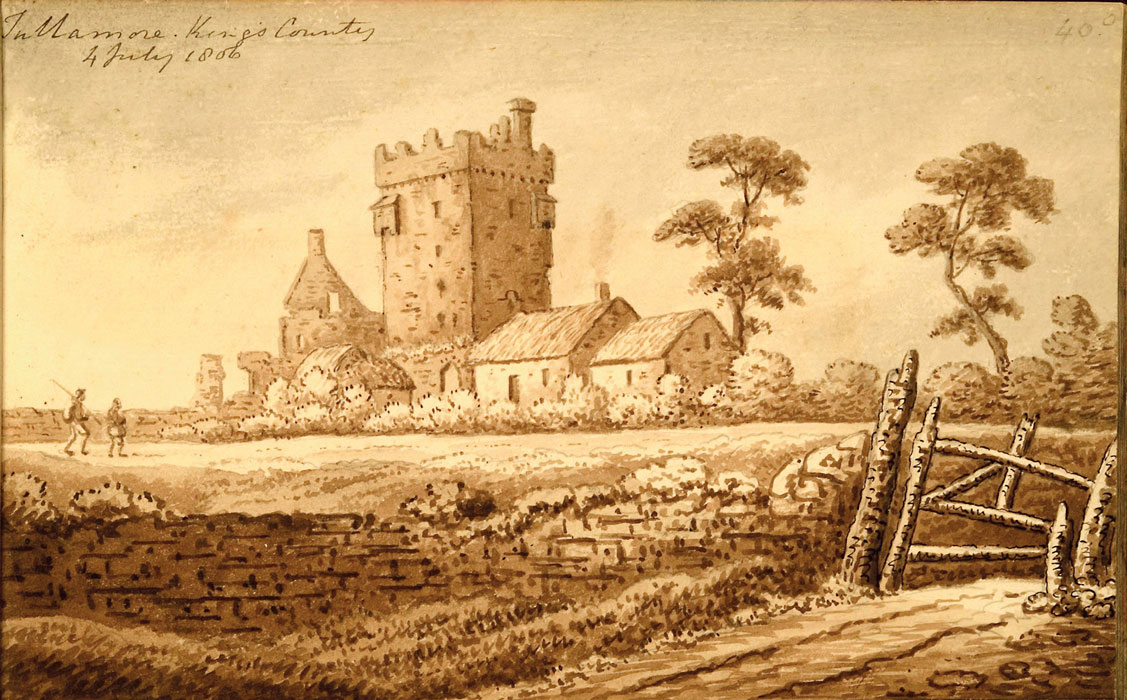
Peter Harbison unearths the works of amateur artist and archaeologist Richard Colt Hoare during his summer in Ireland in 1806
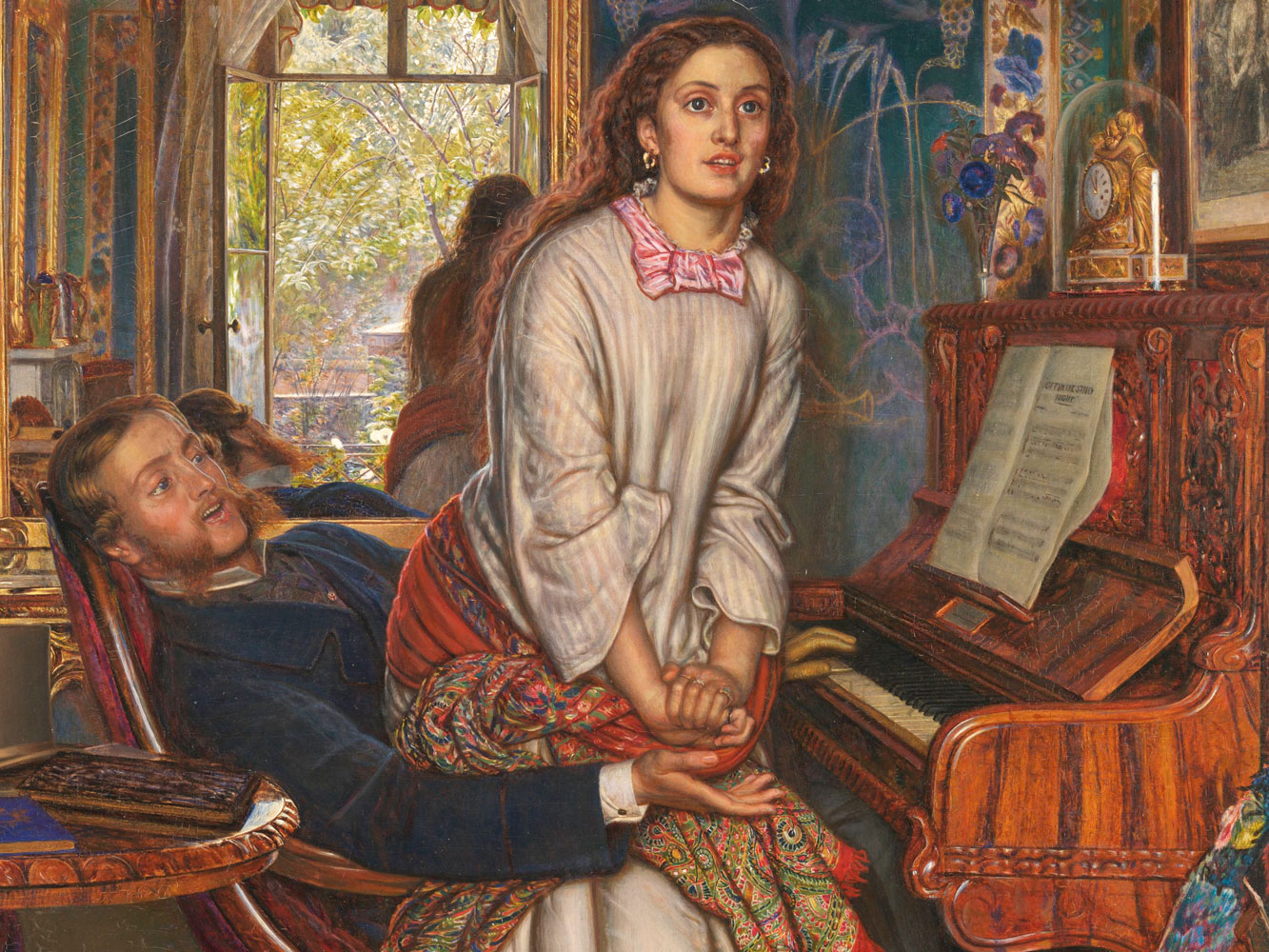
Thomas Moore’s works influenced visual artists throughout Europe and beyond, writes Julian Campbell
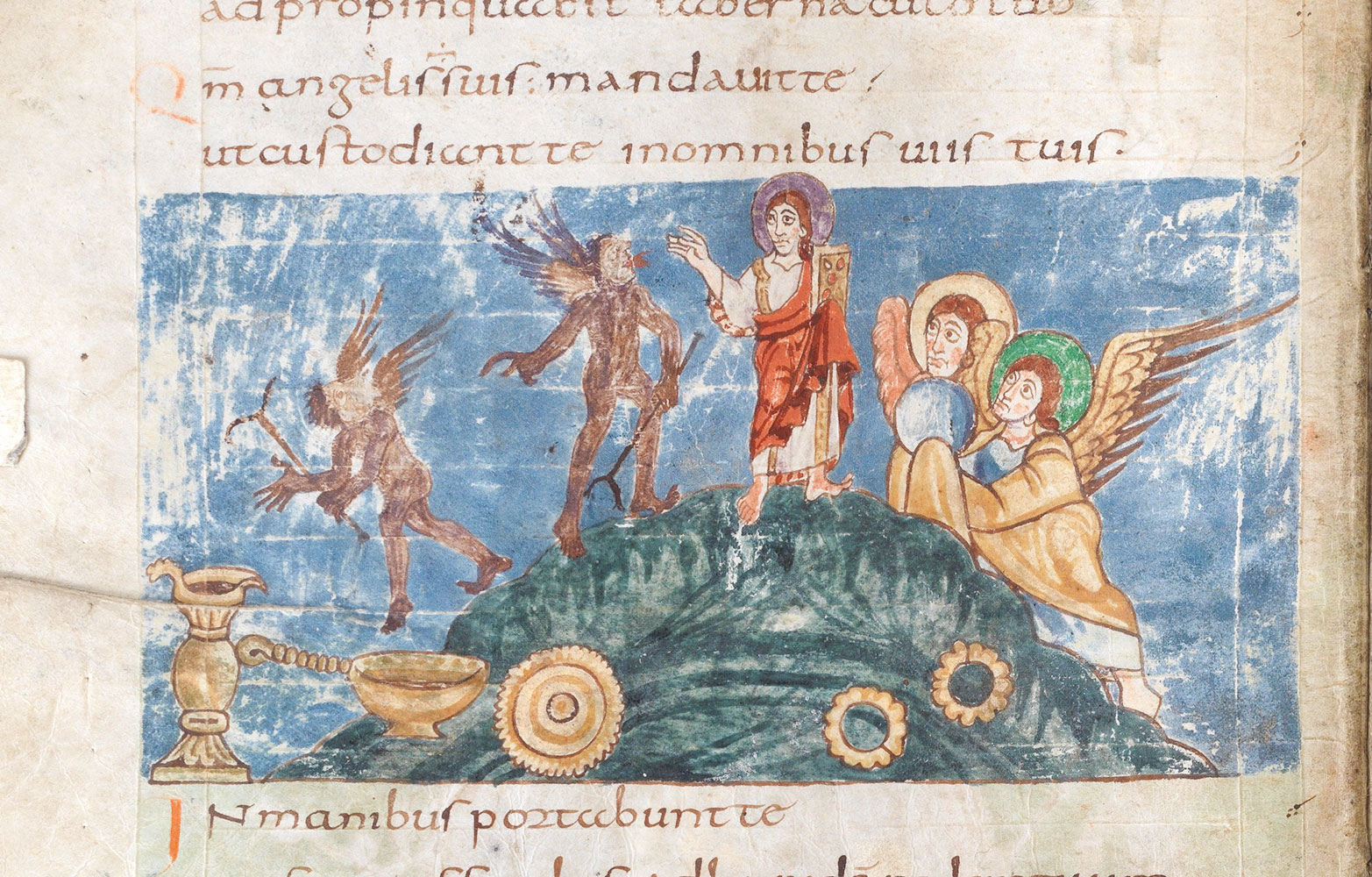
Peter Harbison argues that the influences of continental frescoes could lead to a later dating of the Book of Kells
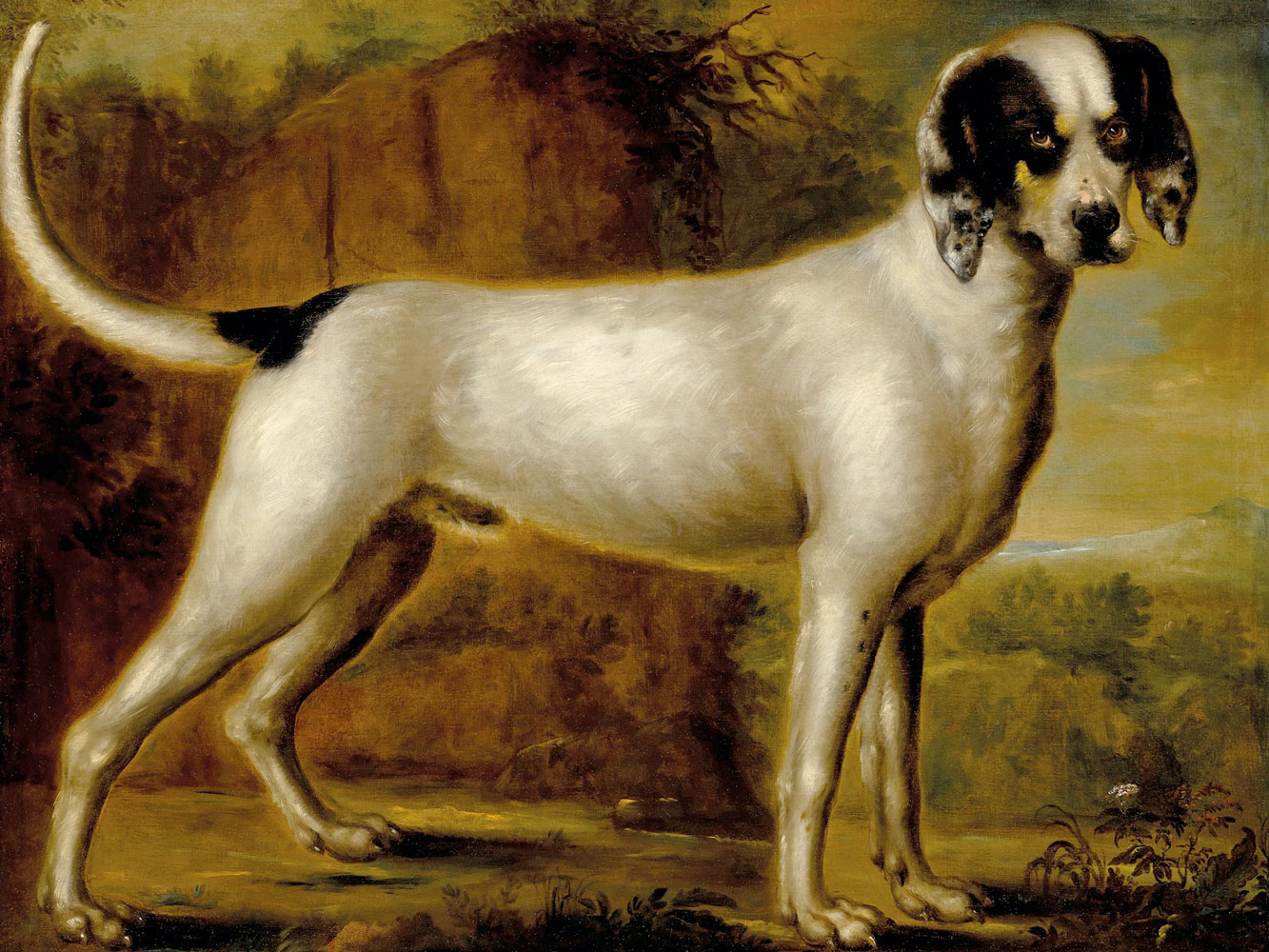
Following a hunting fall, the hound saved the earl’s life by running back to the castle to raise the alarm, recounts Terence Reeves-Smyth
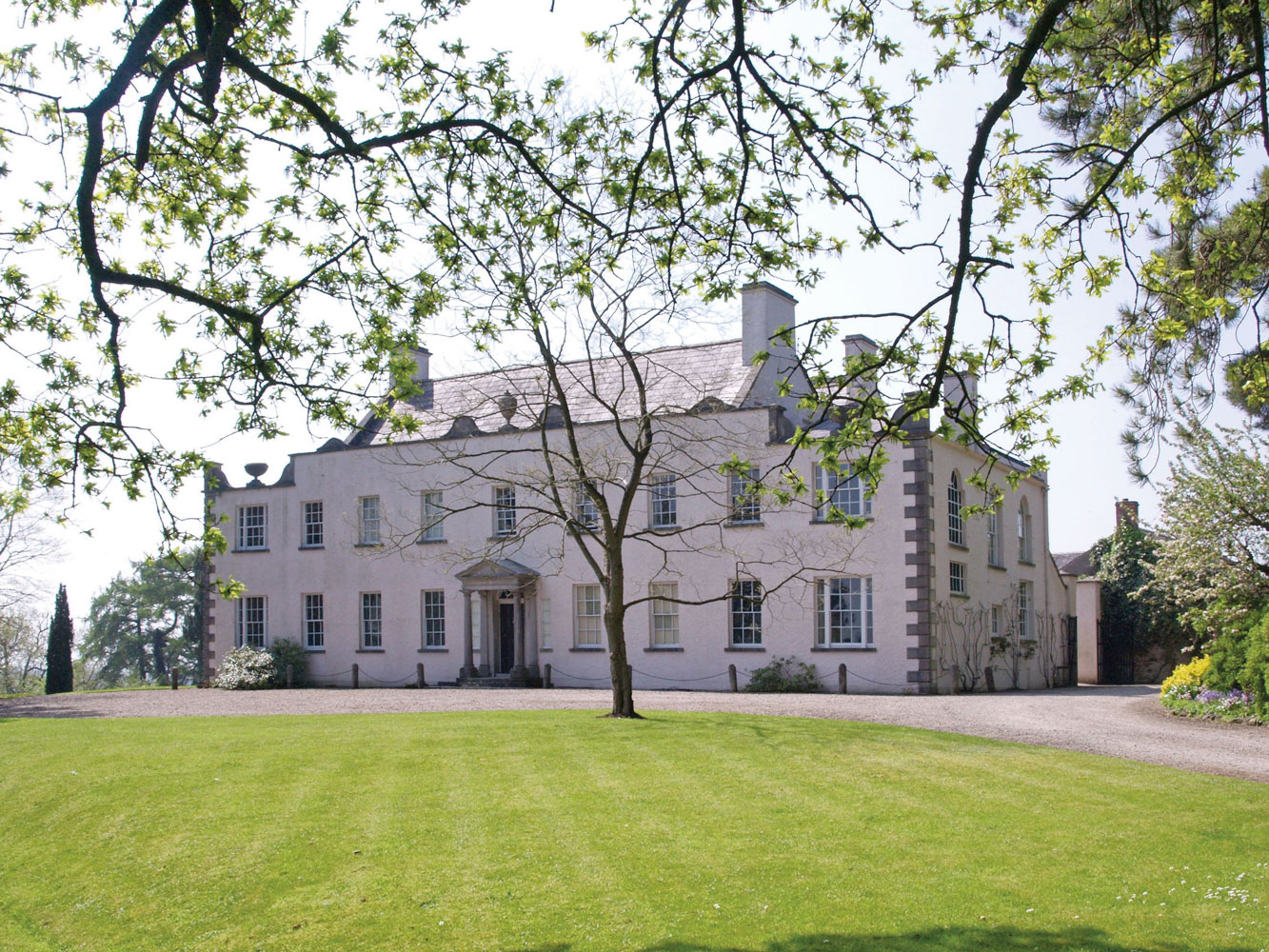
Terence Reeves-Smyth explores the eccentric history of this charming country house as it celebrates sixty years of public access
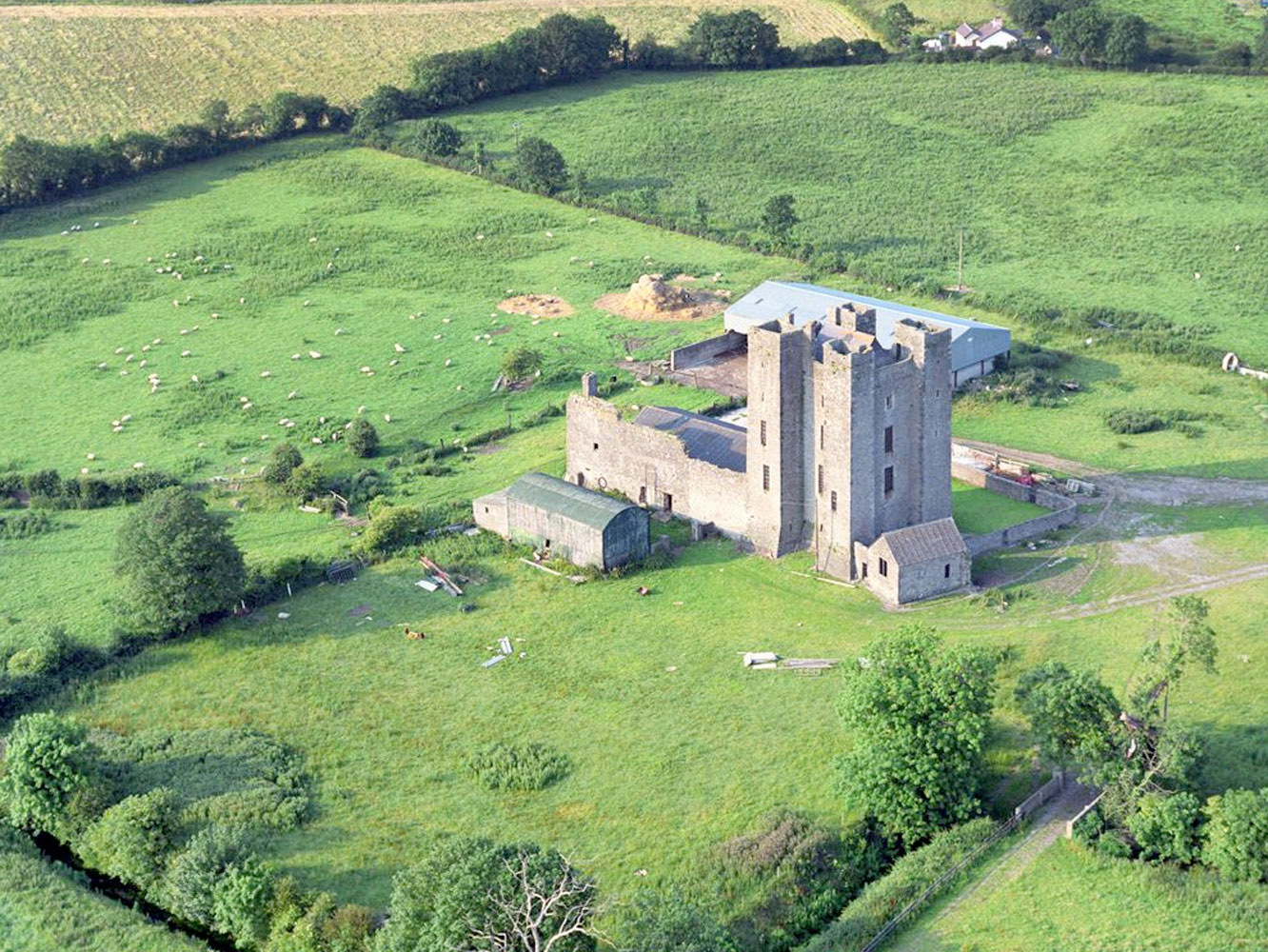
John Montague explores Dunsoghly Castle in North County Dublin, one of Ireland’s most interesting buildings
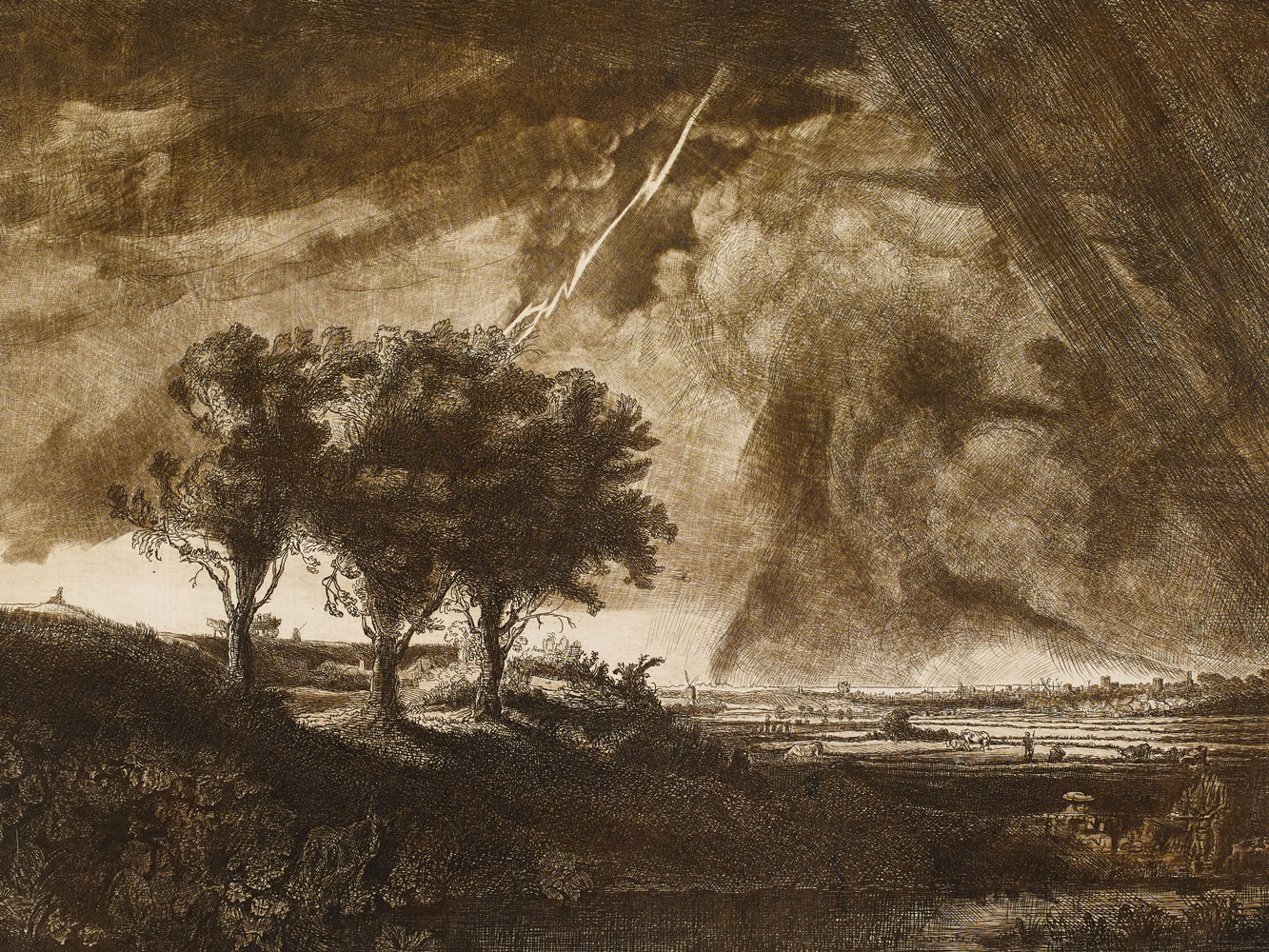
Nesta Butler traces the career of William Baillie, printmaker, art connoisseur and dealer
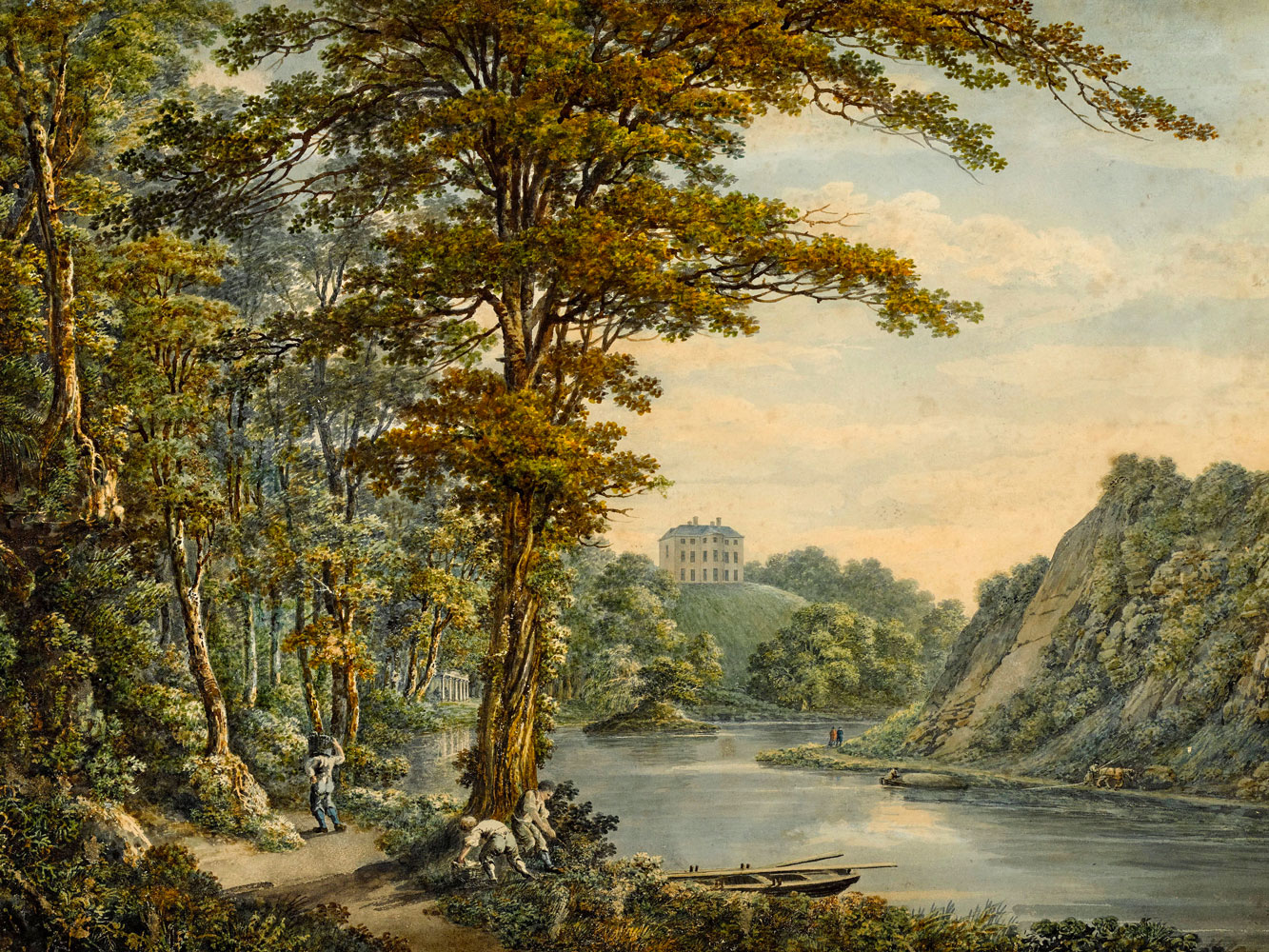
Peter Harbison delights in rediscovered watercolours by a master of the genre, Jg O’Brien aka Oben
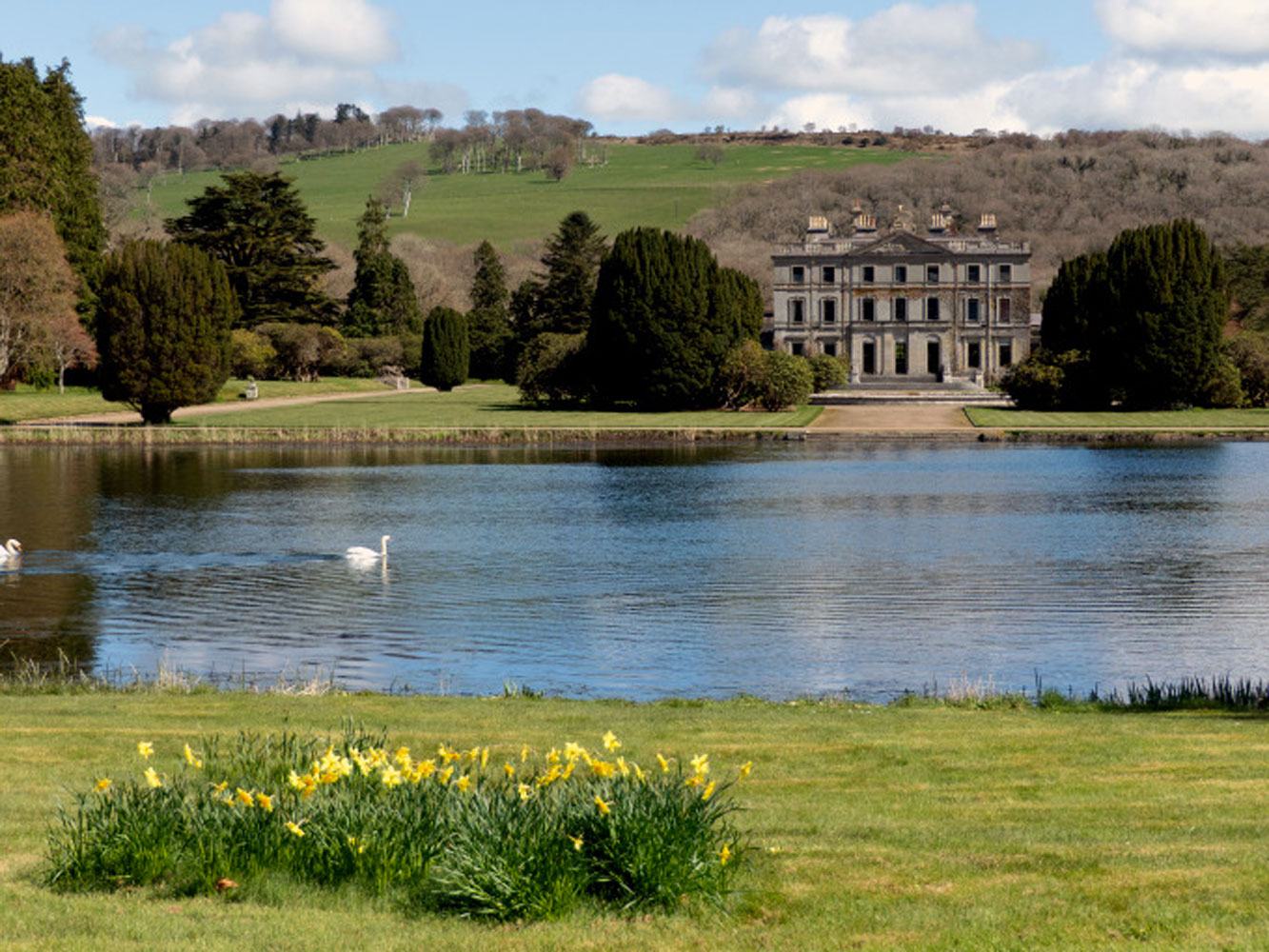
Julian Walton and William Fraher explore the magnificent Curraghmore House in County Waterford, where, three hundred years ago, the union of two families produced the most powerful dynasty in late Georgian Ireland
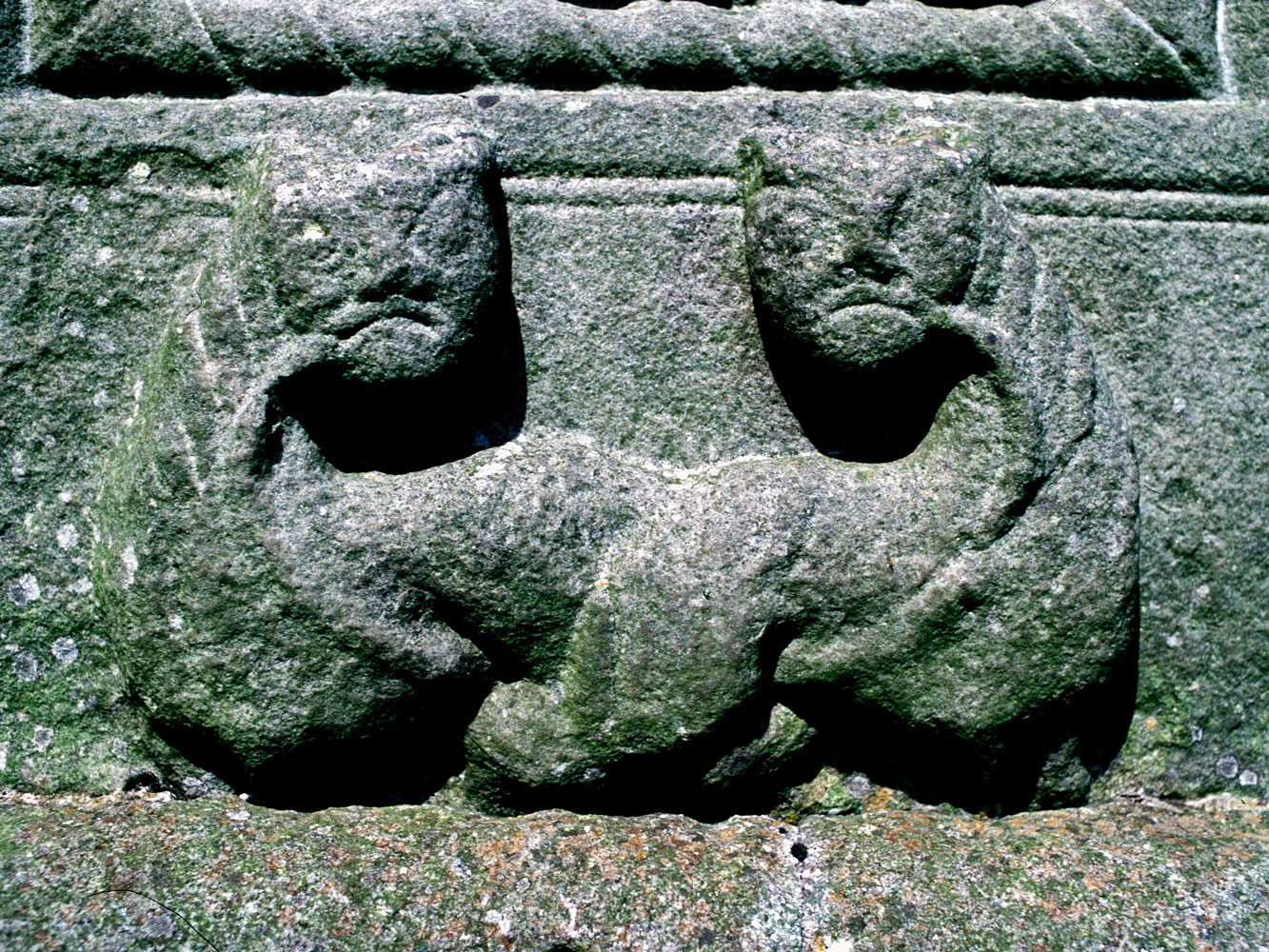
Peter Harbison proposes that images on high crosses represent ‘good’ on their south-facing side and ‘bad’ on their north – the direction from which evil was thought to have come in medieval times
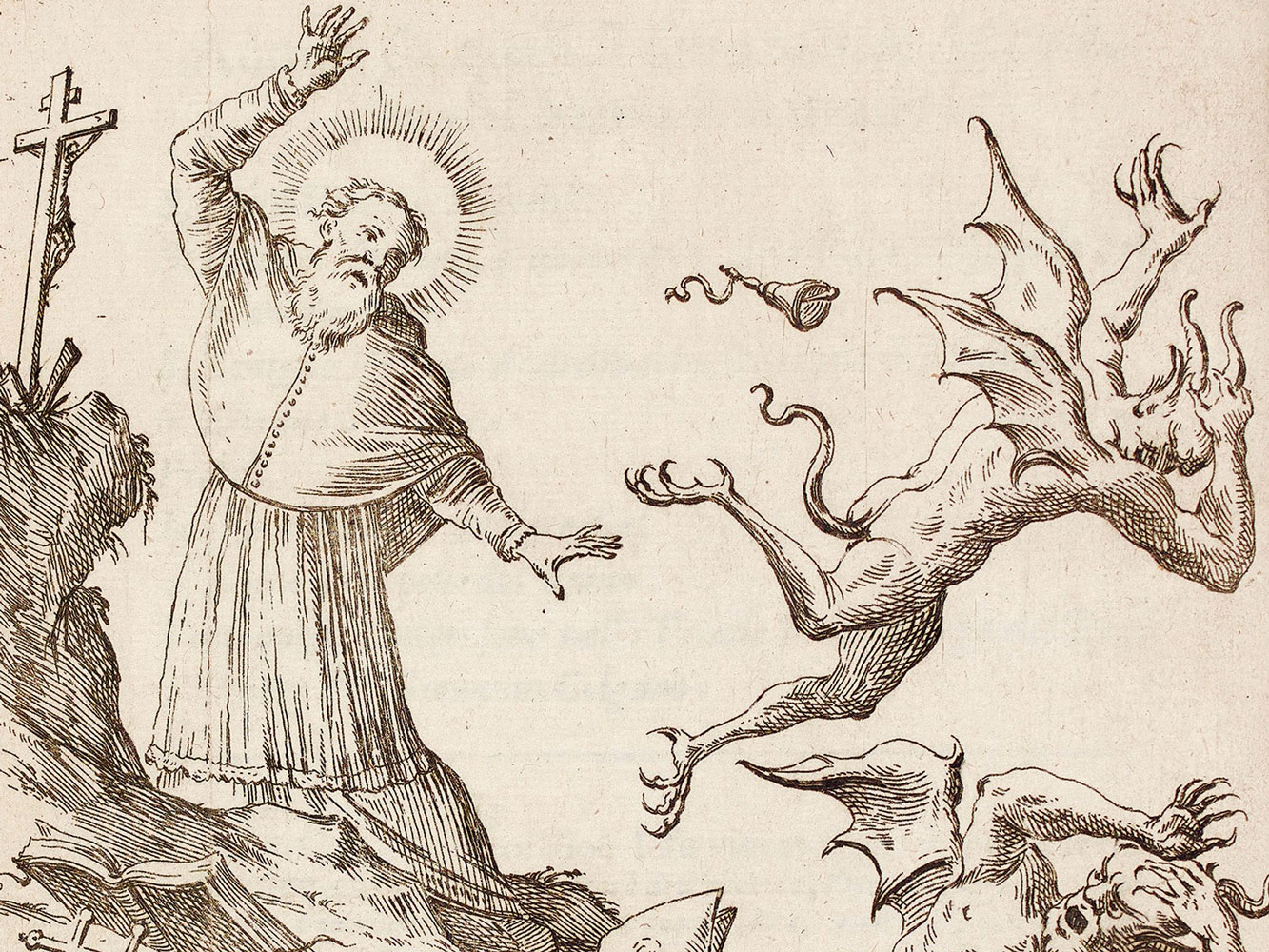
Cormac Bourke examines the use, fabric and design of hand-bells in Ireland from the 5th century, when they regulated monastic life
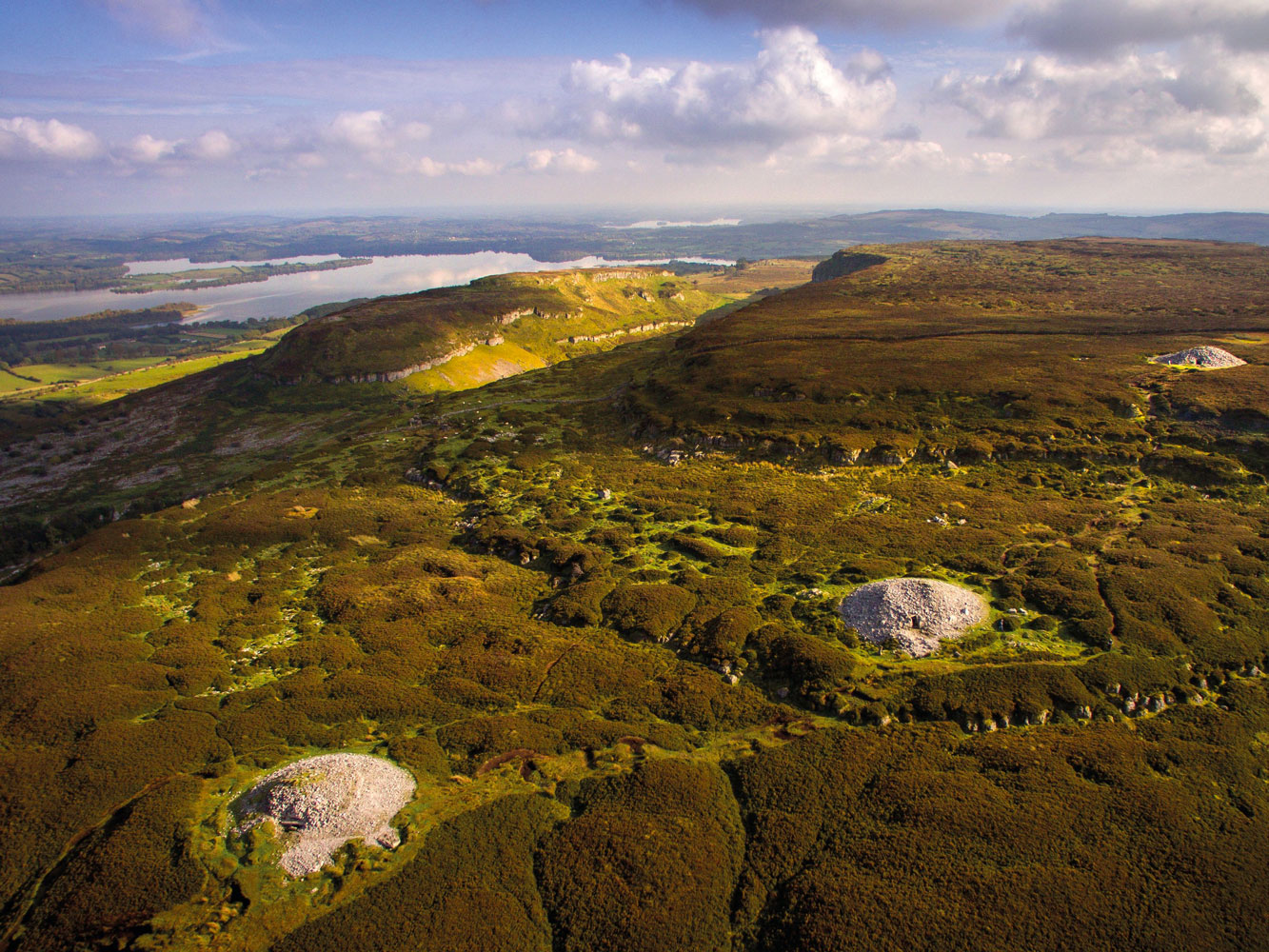
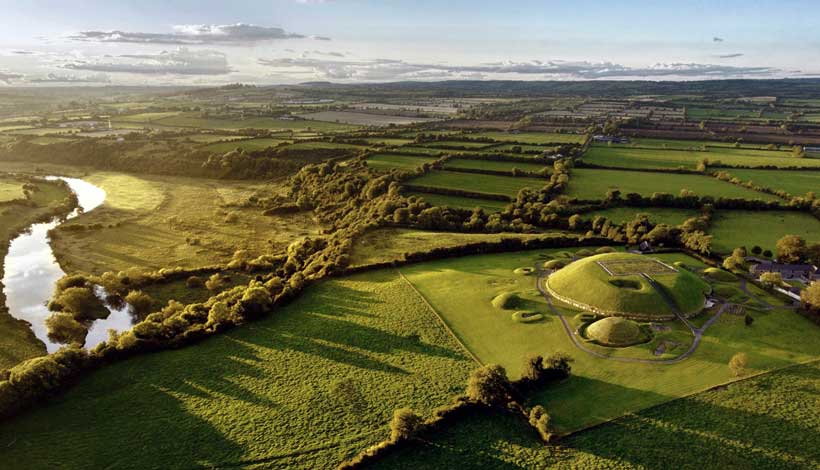
Robert Hensey presents the case for classifying Sligo’s passage tomb landscape as a World Heritage Site
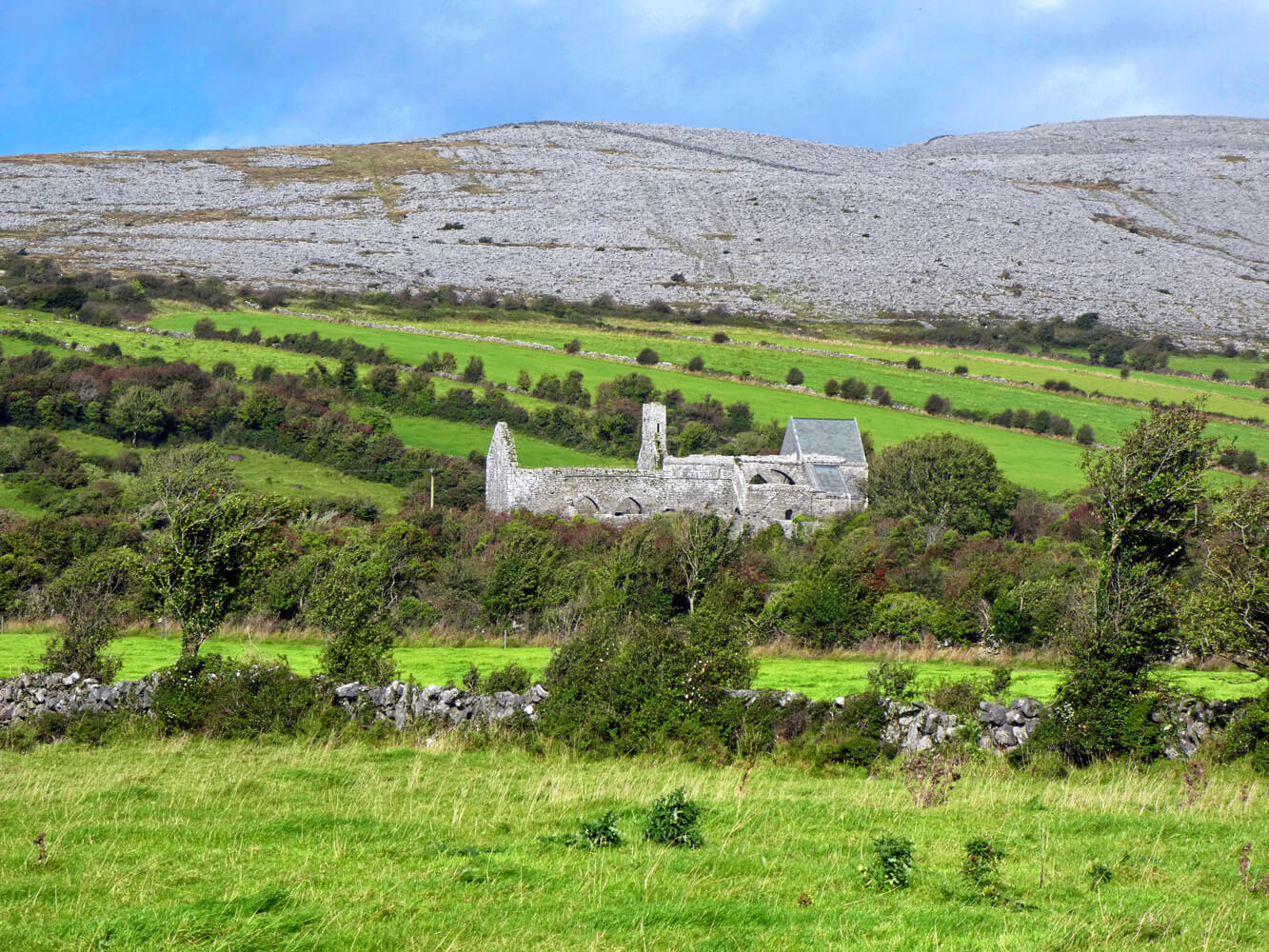
Roger Stalley explores the plant and flower carvings on the capitals at Corcomroe abbey, designs that were unique at that time in Europe

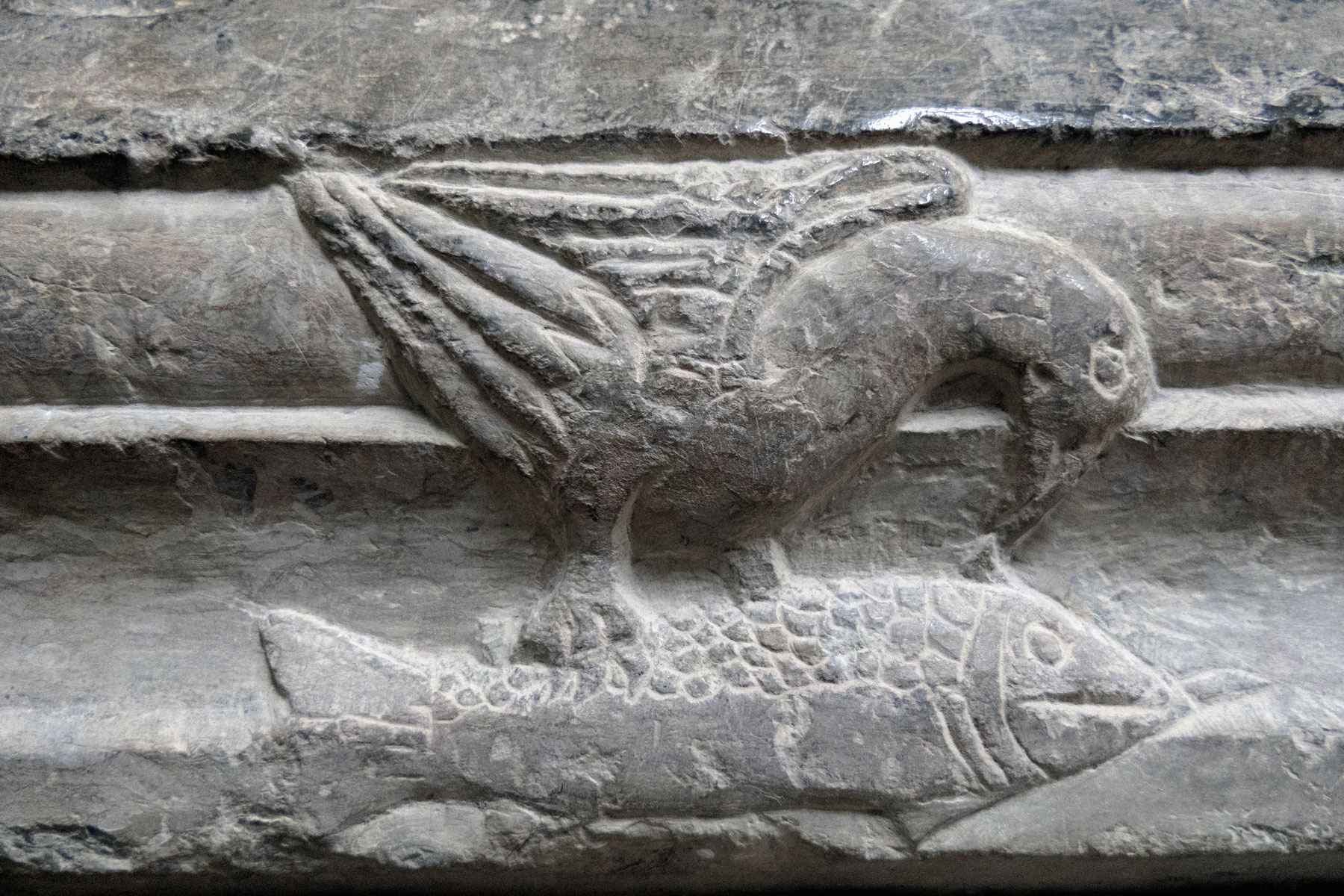
Unravelling the sequence of carving on the stones has been challenging but has been helped by the fact that there are so many examples to study, writes Elizabeth Shee Twohig
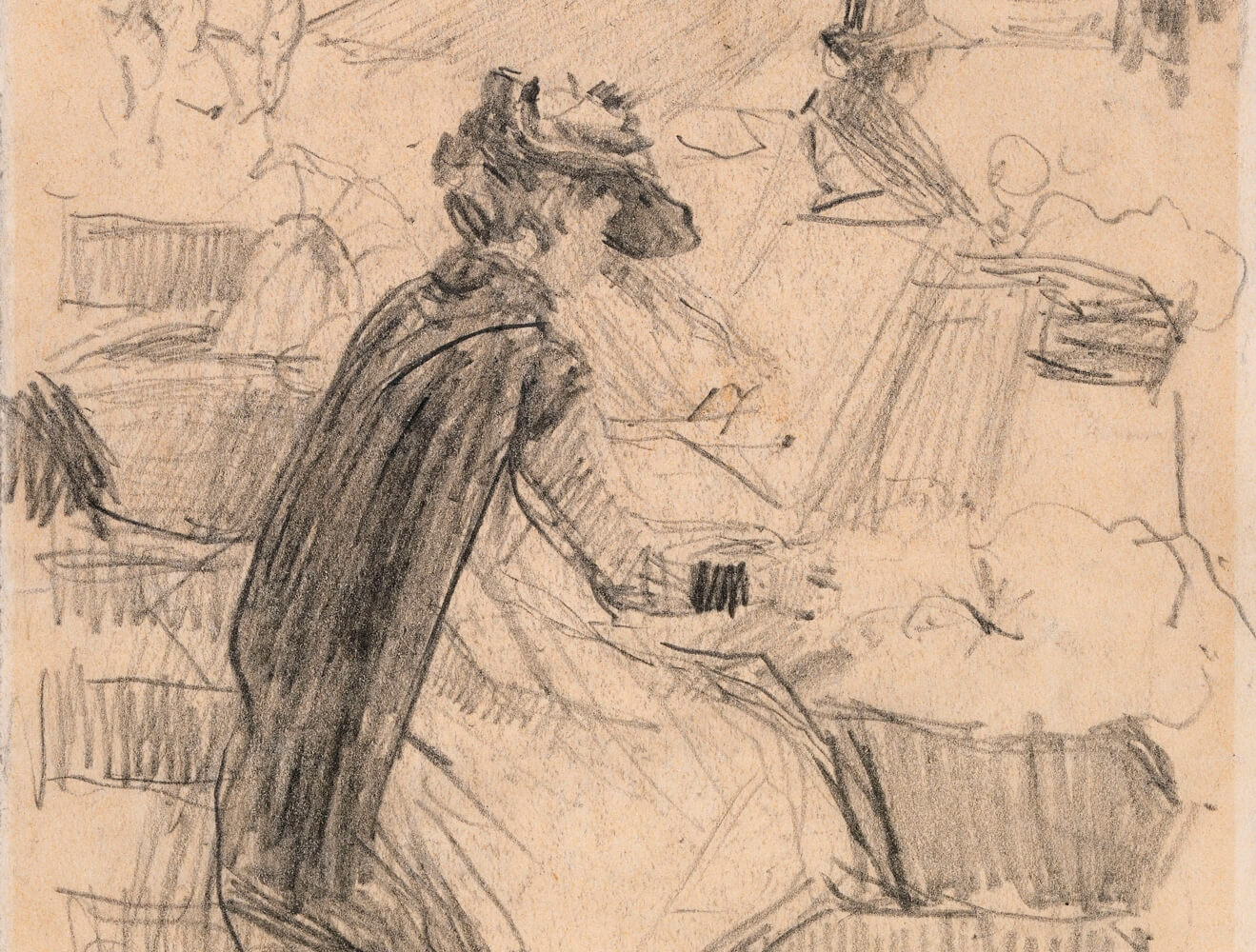
Susan Curley Meyer explores a favourite Dublin ‘type’, the flower seller, and her representations in many forms of visual culture
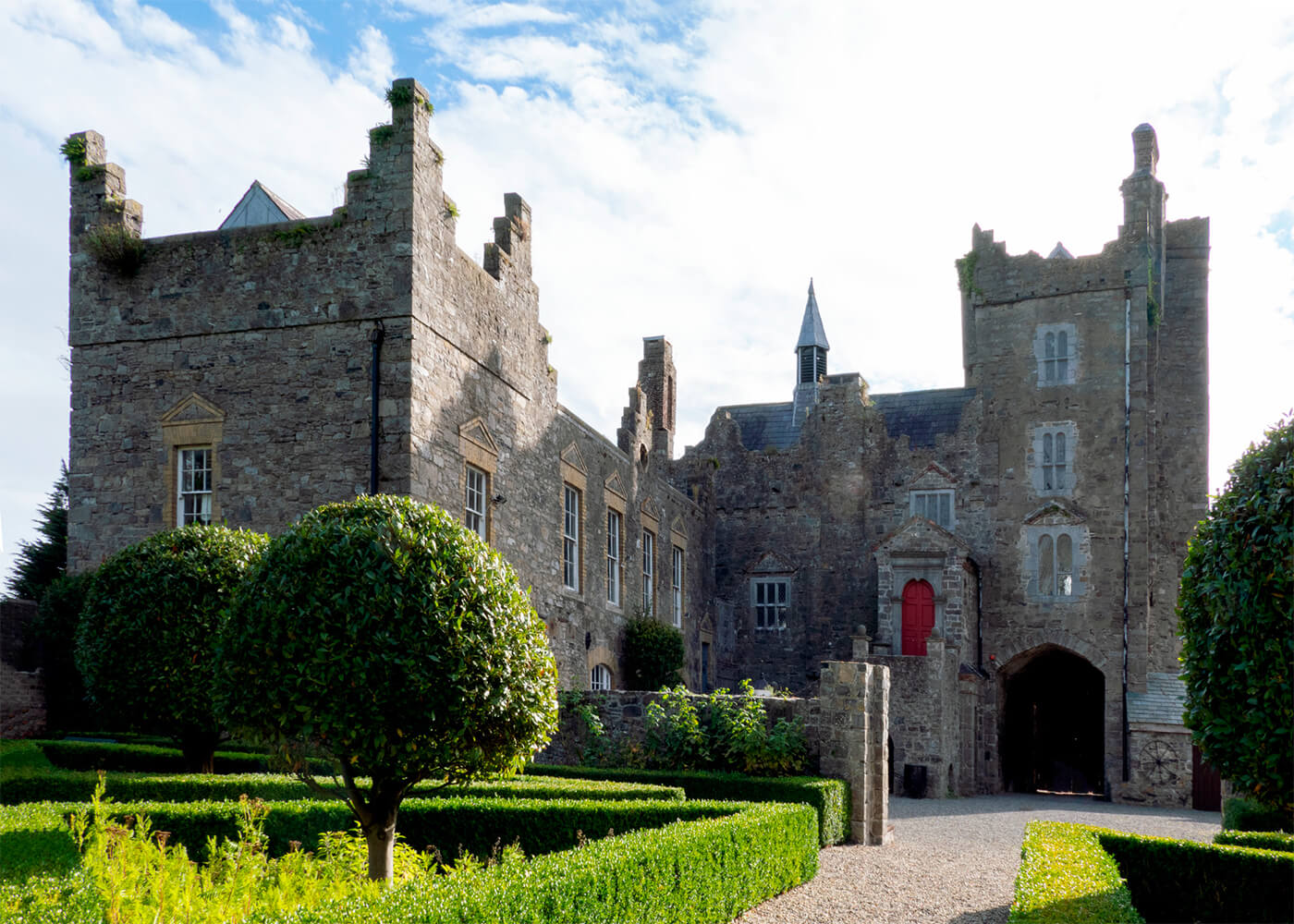
Peter Pearson outlines the history of Dublin’s Drimnagh Castle, where he has spear-headed the restoration for nearly four decades
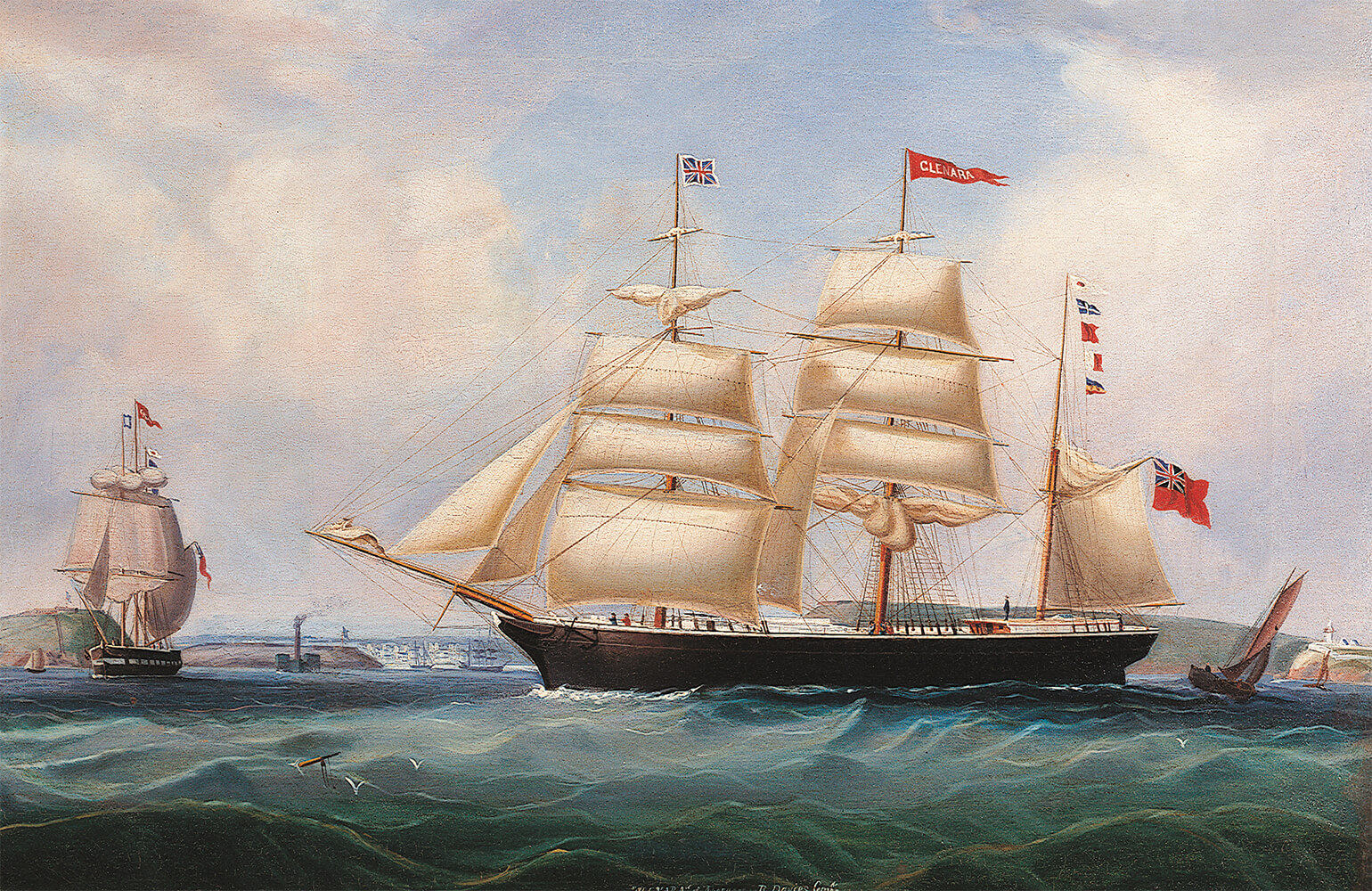
Peter Murray highlights paintings from the recent collection donated to the Crawford Art Gallery by the Port of Cork Company
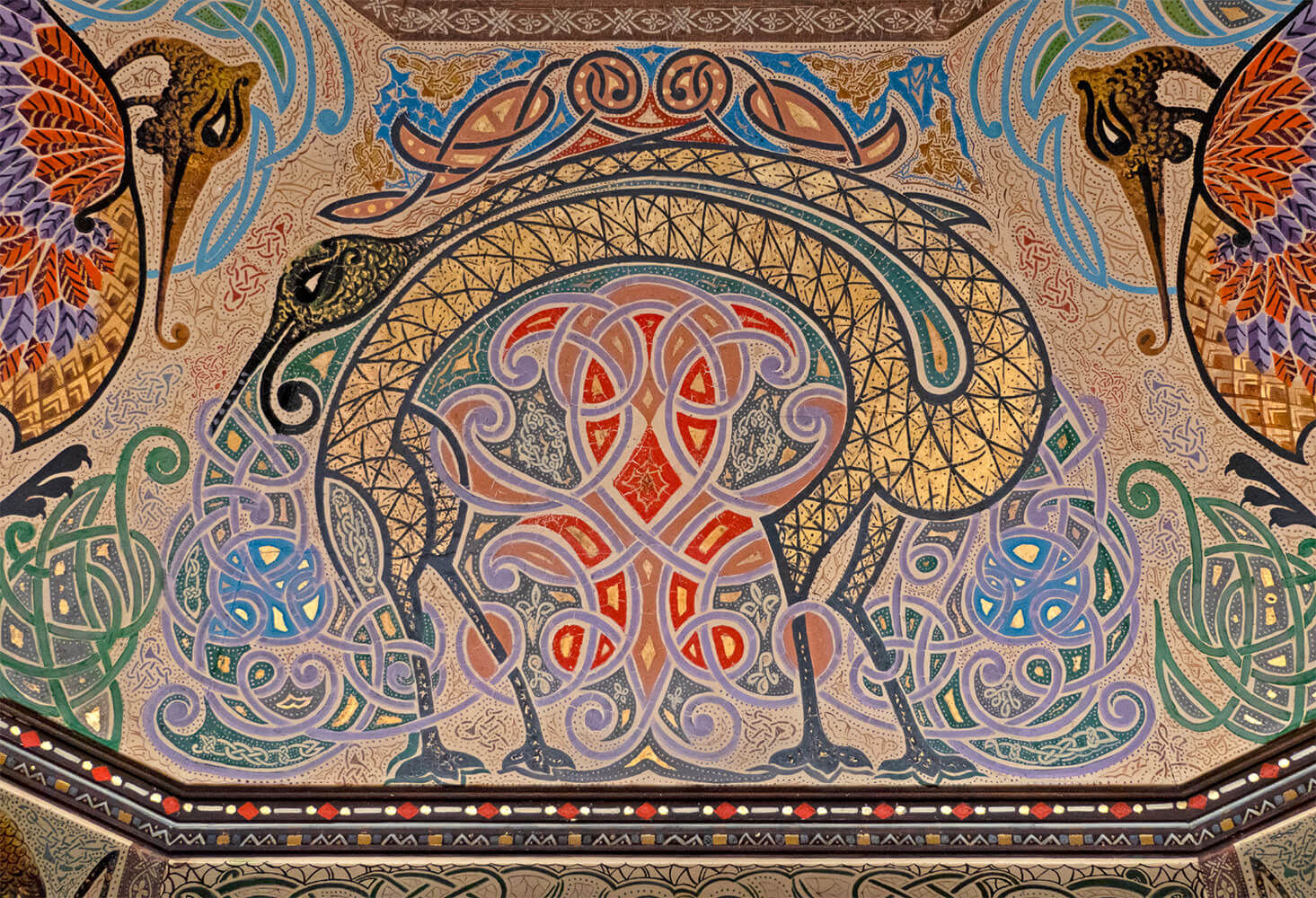
Síghle Bhreathnach-Lynch reveals Sr Mary Concepta’s design and decoration of the Oratory of the Sacred Heart in Dún Laoghaire
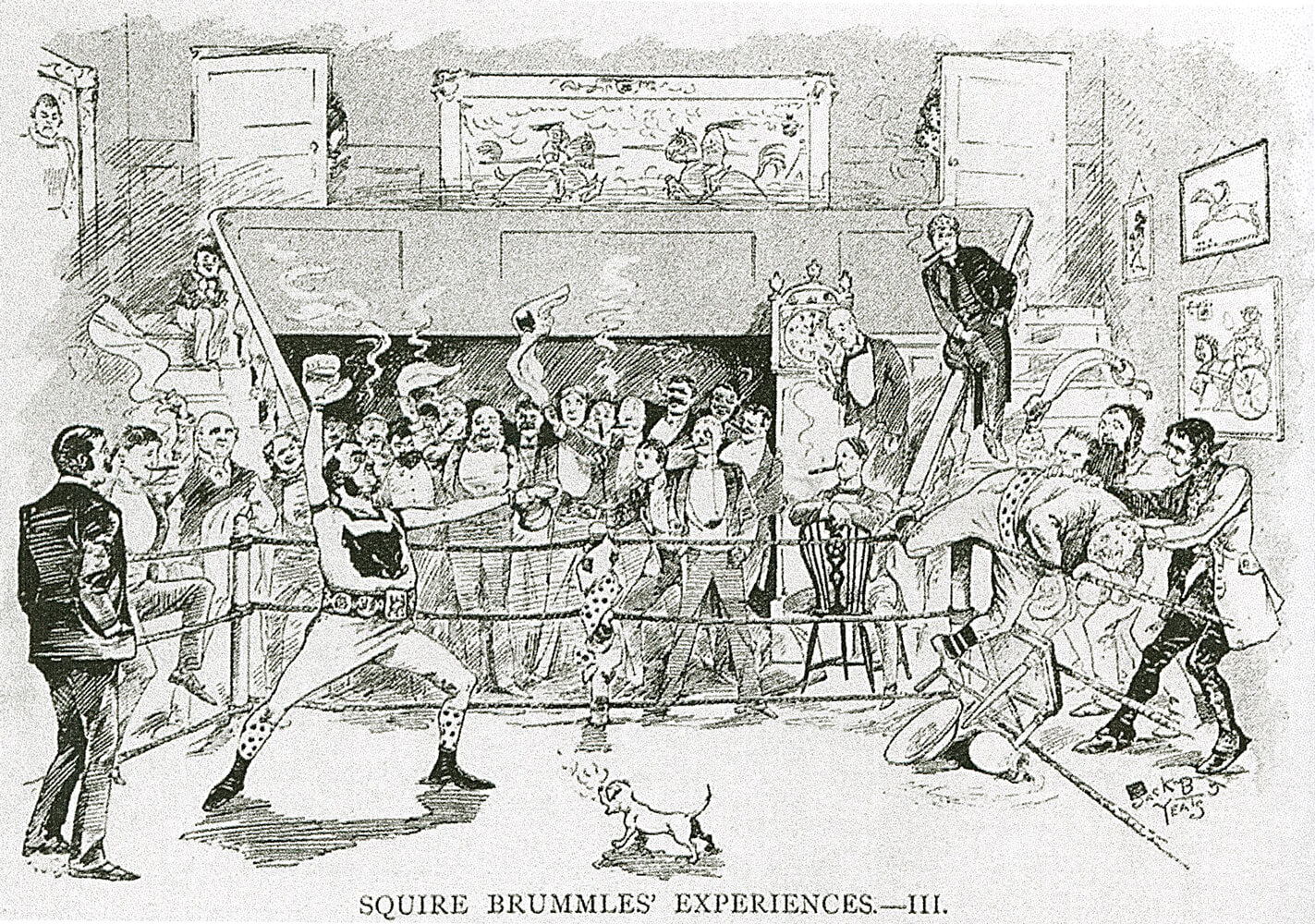
Michael Connerty traces Jack B Yeats’ output of comics and comic-strip art
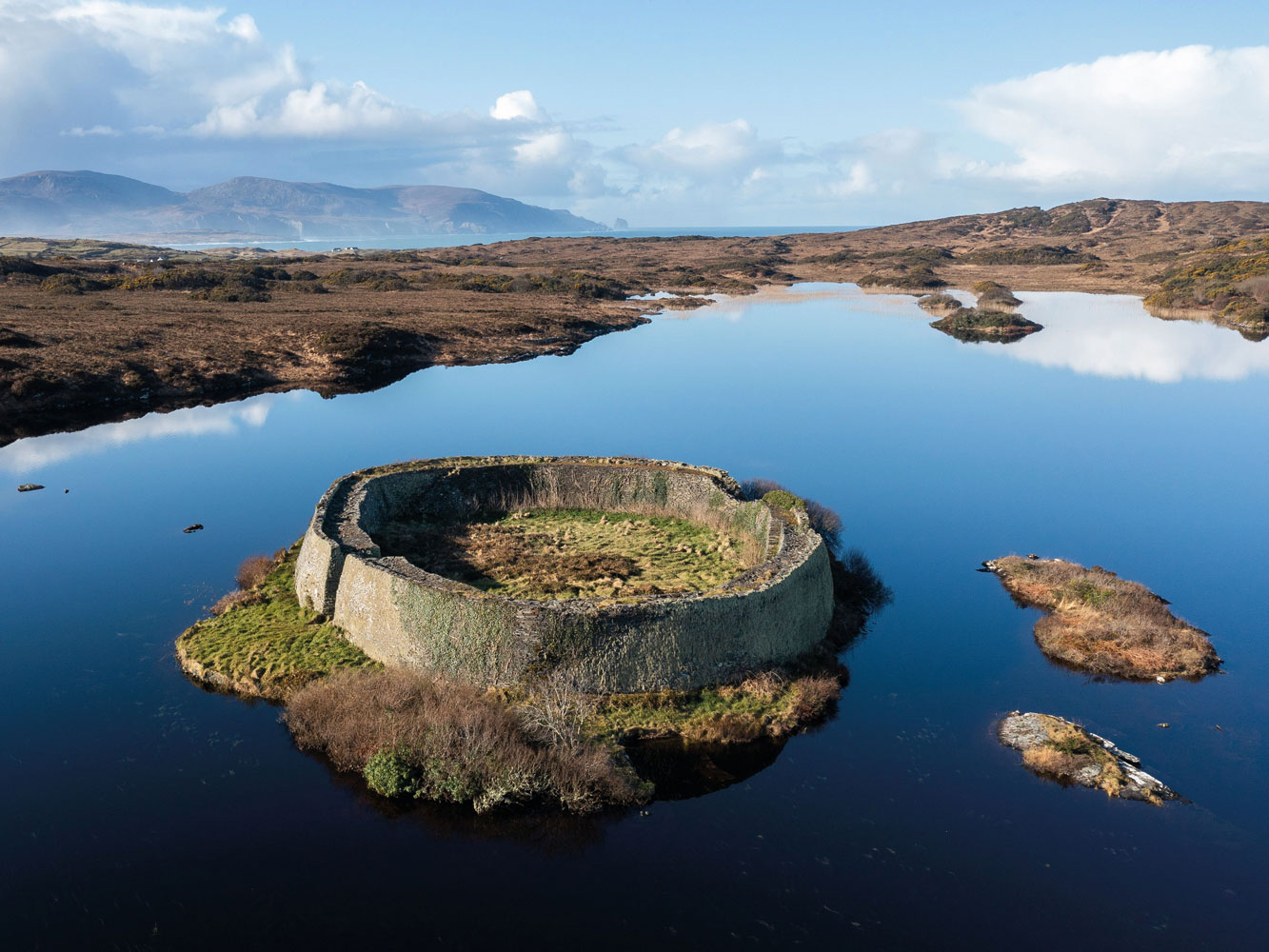
The great stone forts are the ultimate expressions of the political power of early medieval ruling families, writes Christiaan Corlett
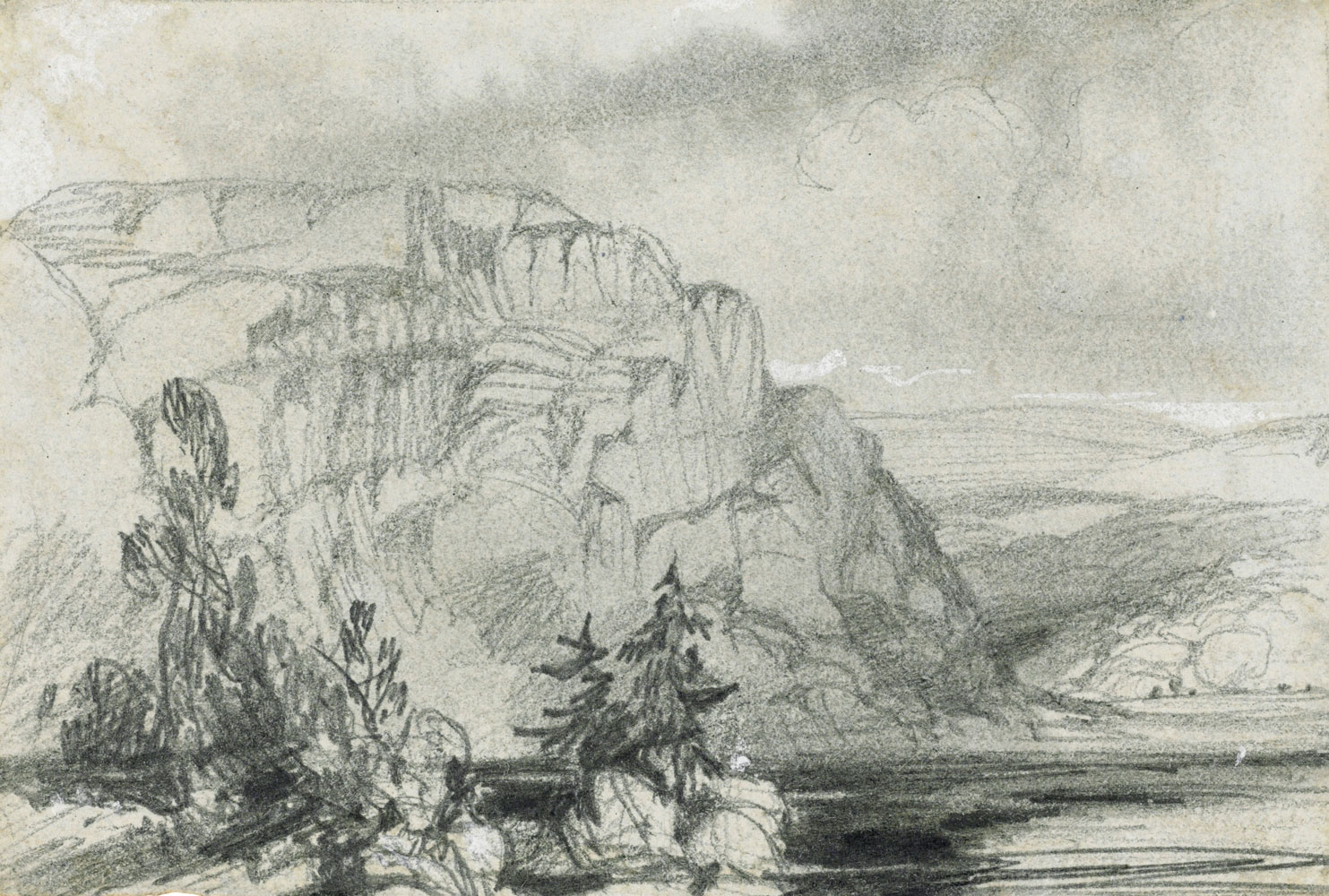
Anne Hodge examines a series of drawings of scenes in Dublin and Wicklow, made by the writer and artist Edward Lear in 1835
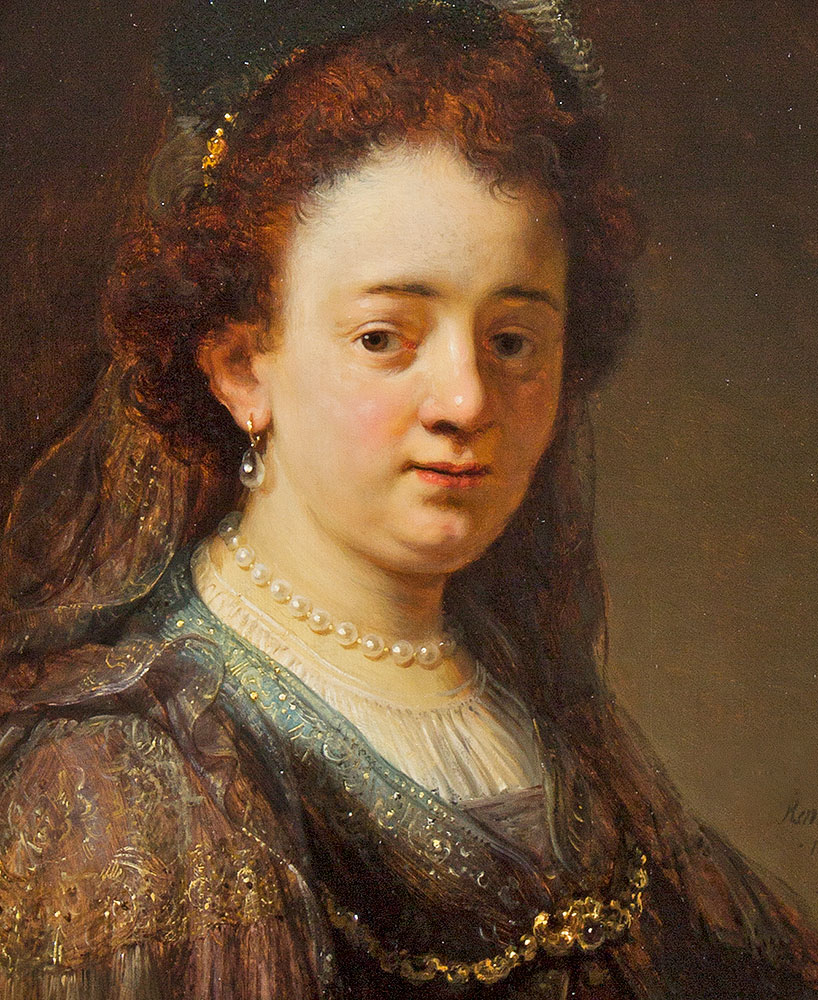
Philip McEvansoneya follows the trail of a painting of Rembrandt’s wife, Saskia, from the shadow of the Galtee Mountains through Hermann Göring’s art collection, to Saskia’s hometown in the Netherlands
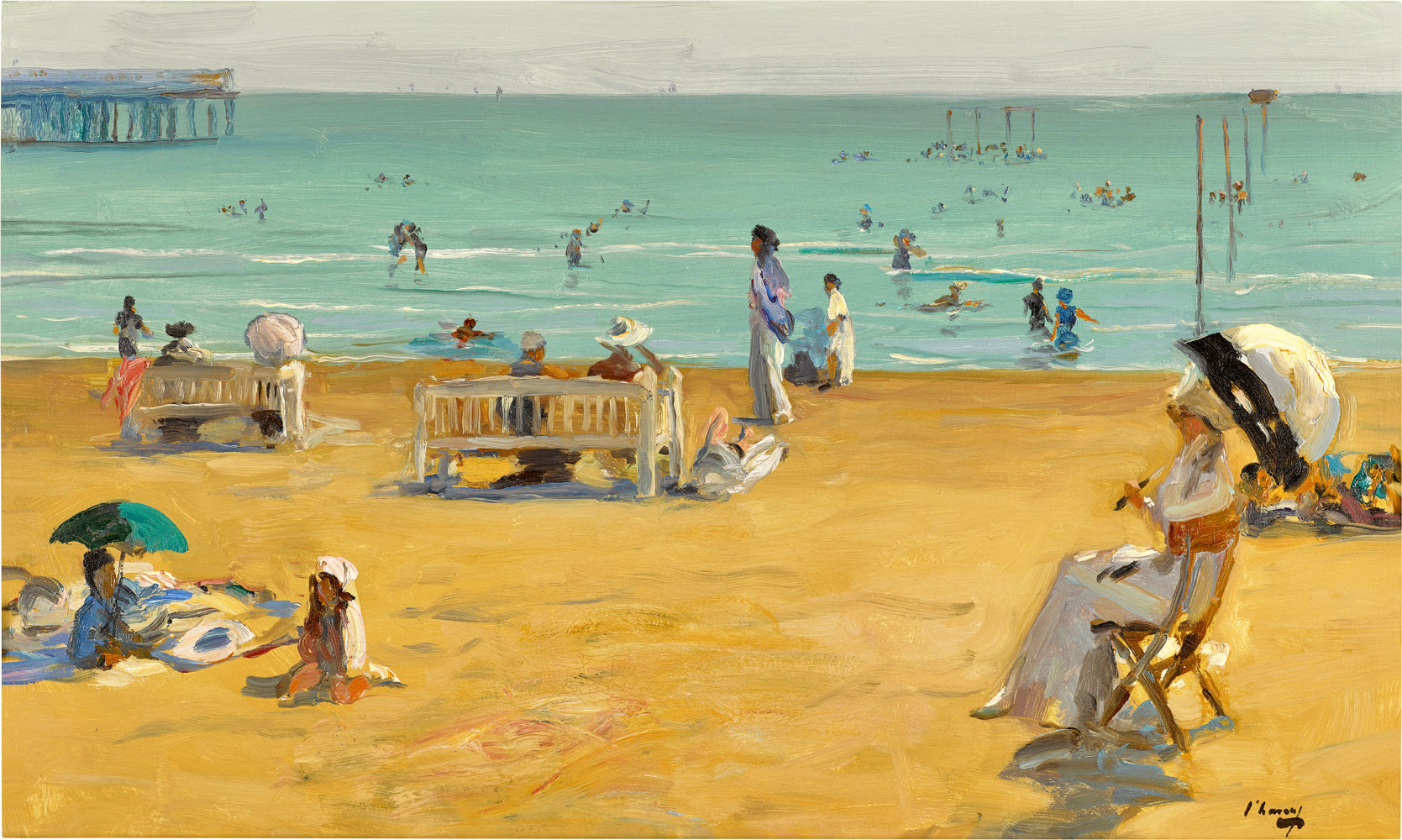
Kenneth McConkey considers works by John Lavery, painted during the artist’s frequent sojourns at home and abroad
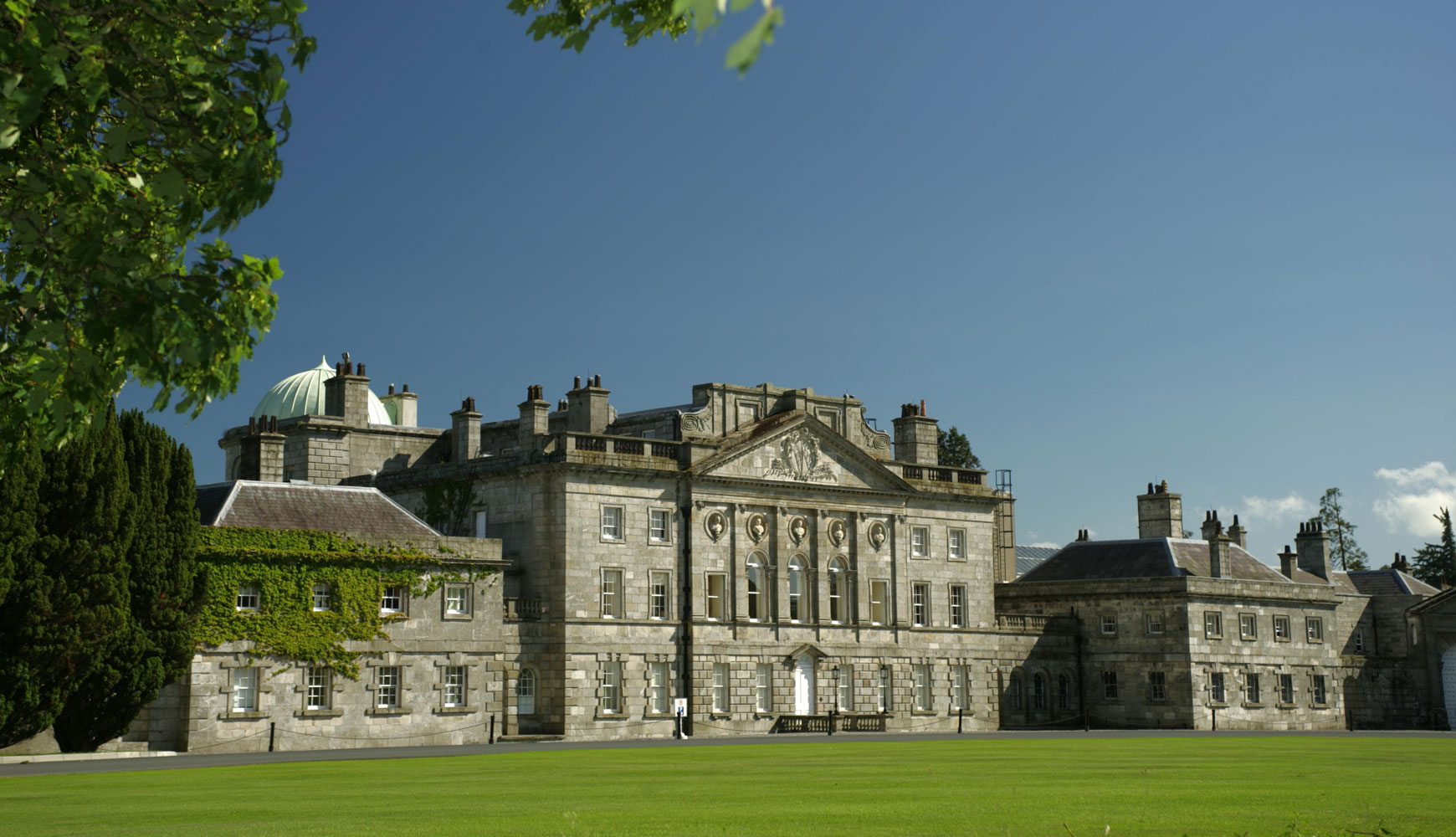
Peter Pearson recounts the history and restoration of Powerscourt House, which occupies a distinguished place in Irish architectural history
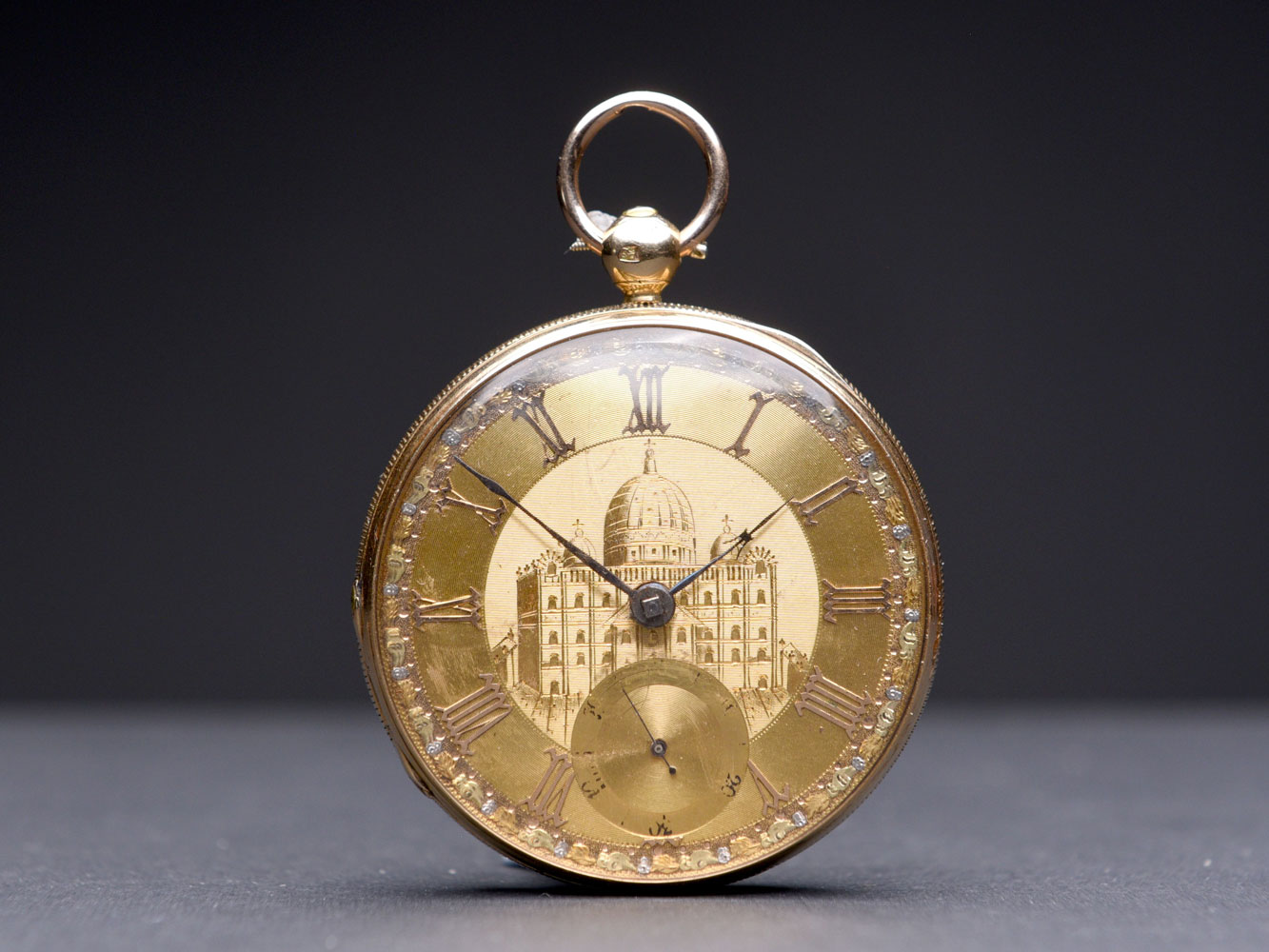
Peter Pearson finds a wealth of horological riches in Waterford’s new museum
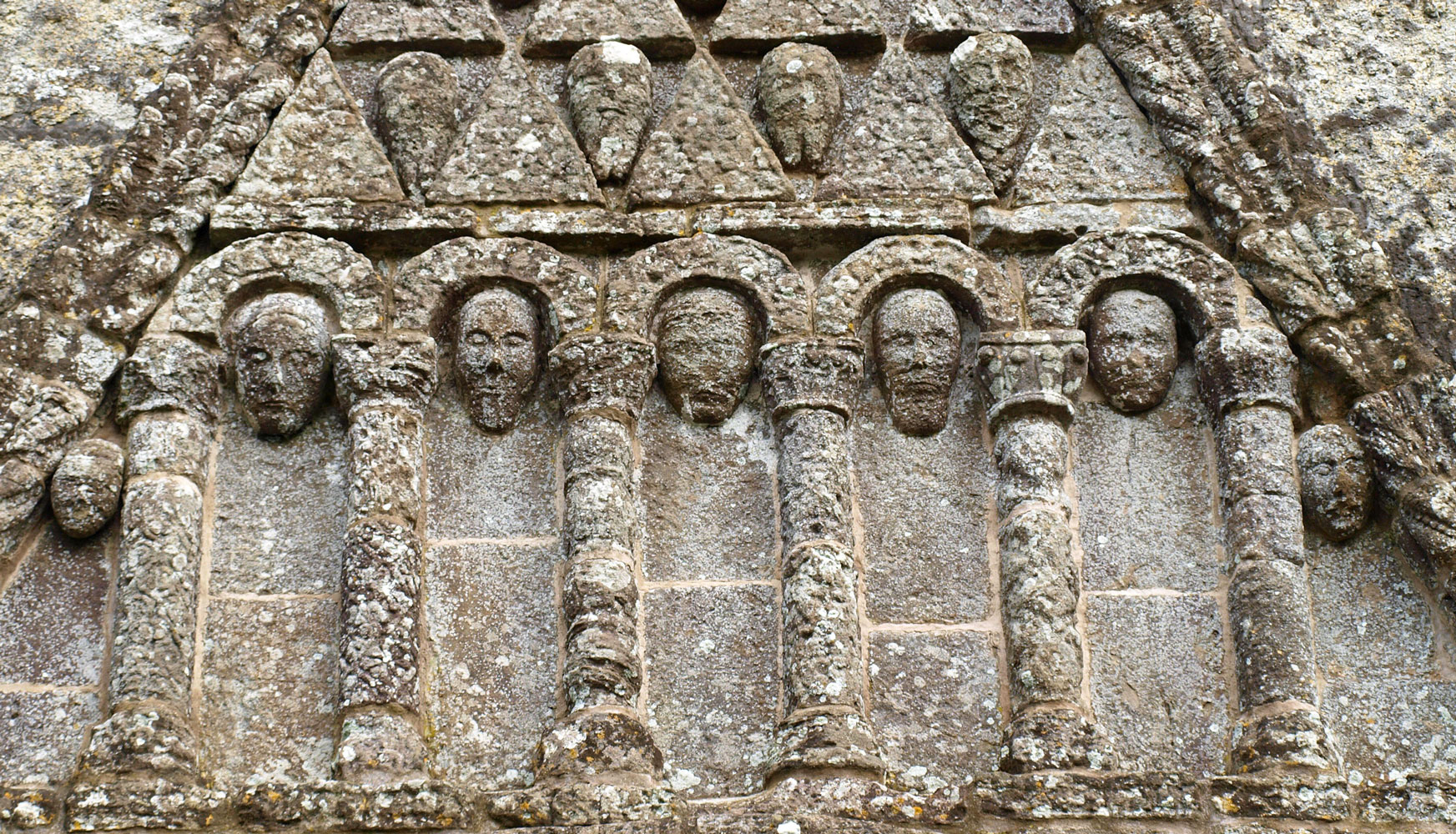
Roger Stalley examines the relationship between the carvings of the mason and the metalworker in building and shrine decoration in 12th-century Ireland
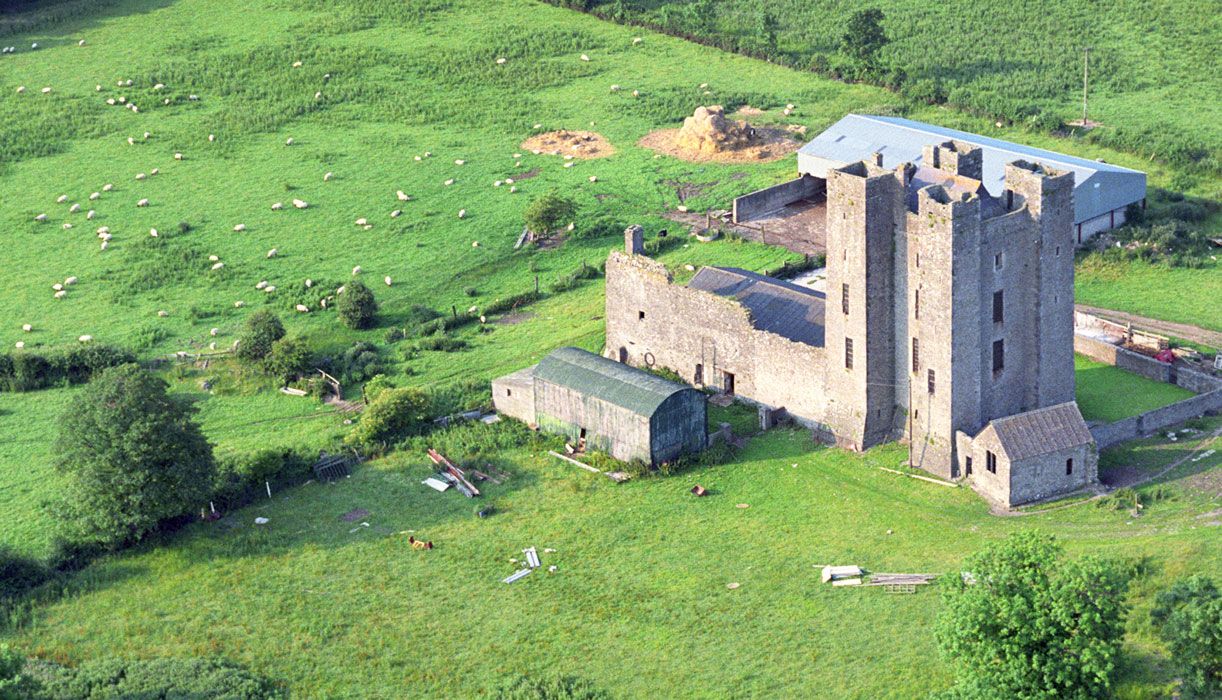
John Montague explores Dunsoghly Castle in North County Dublin, one of Ireland’s most interesting buildings
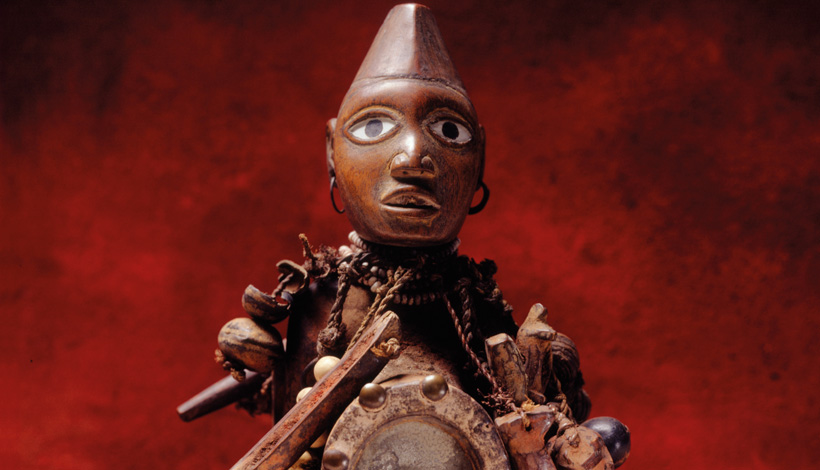
Peter Somerville-Large recounts the history of the National Museum of Ireland’s significant ethnographic collection, last displayed over thirty years ago
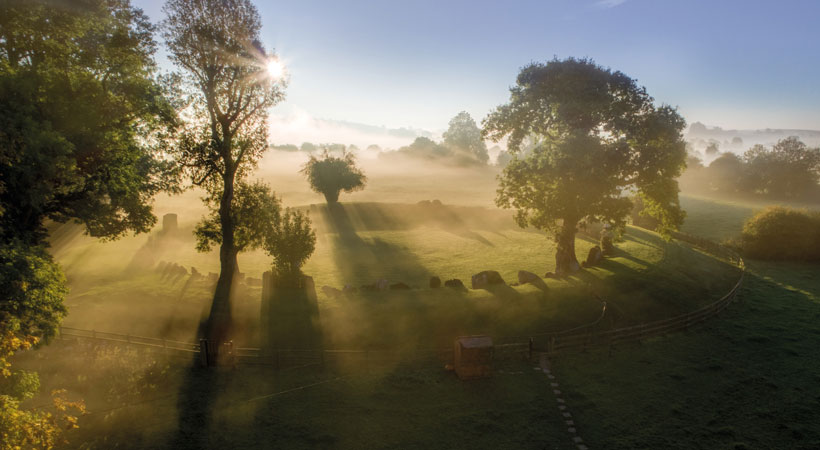
A small number of Irish stone circles exhibit convincing evidence of intentional astronomical alignment at winter or summer solstice, writes Frank Prendergast. Photographs by Ken Williams
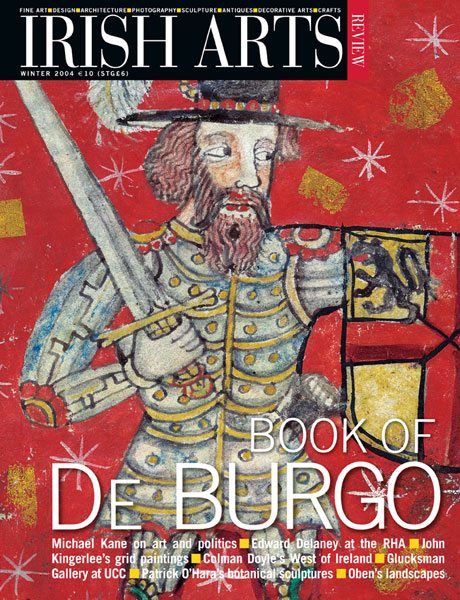
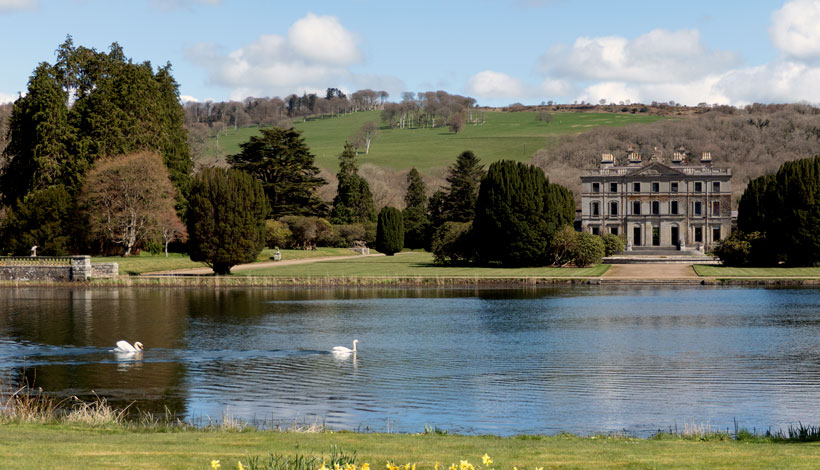
Julian Walton and William Fraher explore the magnificent Curraghmore House in County Waterford, where, three hundred years ago, the union of two families produced the most powerful dynasty in late Georgian Ireland
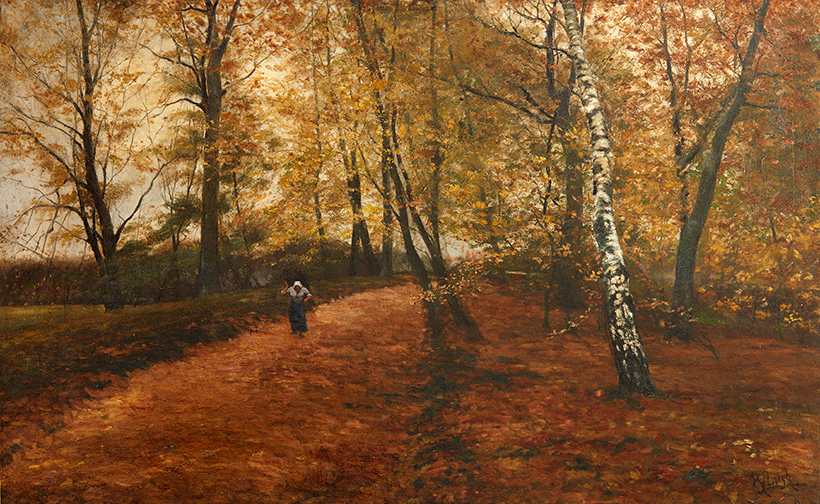
Rose Jane Leigh’s importance as an early pioneering Wexford landscape painter and her choice of studying in Antwerp placed her at the centre of the major art movements of the 19th and early 20th century, writes Mary Stratton Ryan
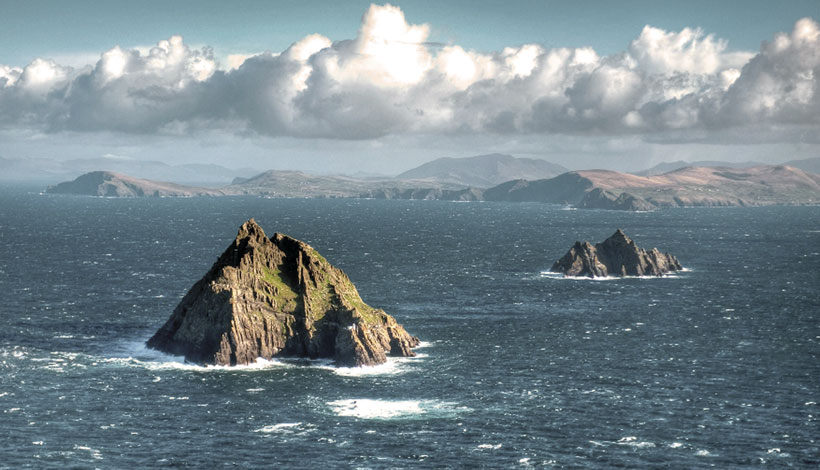
Patrick Bowe unearths how medieval monks fished, foraged and cultivated one of Ireland’s earliest known kitchen gardens on the cliffs of the windswept island of Skellig Michael

A set of embroideries commissioned by Nobel laureate William Butler Yeats and executed by his sister, Lily, for the 1932 Eucharistic Congress has recently come to light in America. This rare needlework tells a story of Irishness, religiosity and a transatlantic arts and crafts journey.
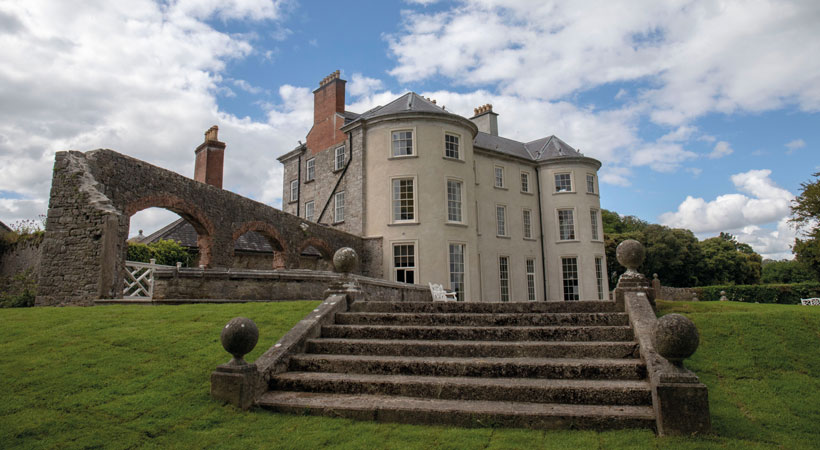
The historically important Doneraile Court in north Cork has opened its doors to the public following an extensive conservation and renovation project, writes Peter Pearson
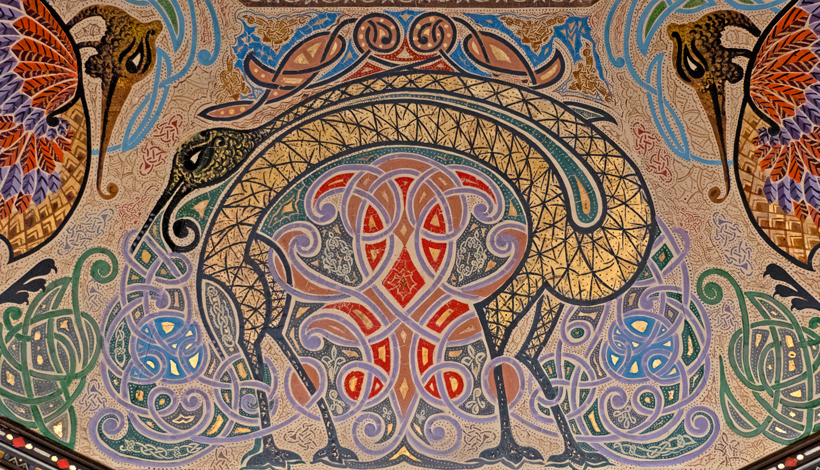
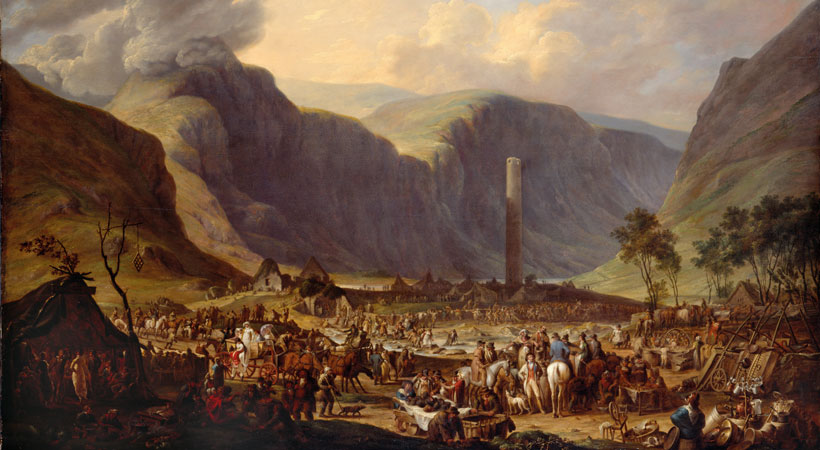
The National Museum of Ireland’s up-coming Glendalough exhibition includes items that have come to light in the valley and its environs over the last two or three centuries and which have never been seen in public before, writes Matthew Seaver
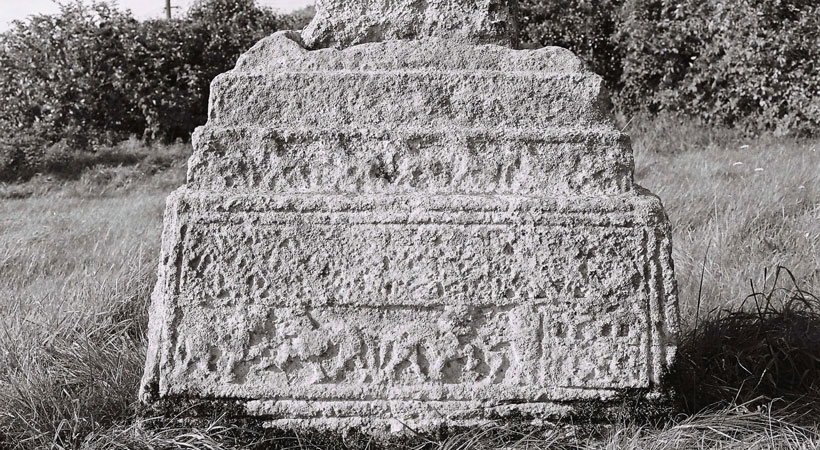
There are echoes of the old Roman circus on the bases of Irish high crosses at Clonmacnoise, Monasterboice and Lorrha, writes Peter Harbison
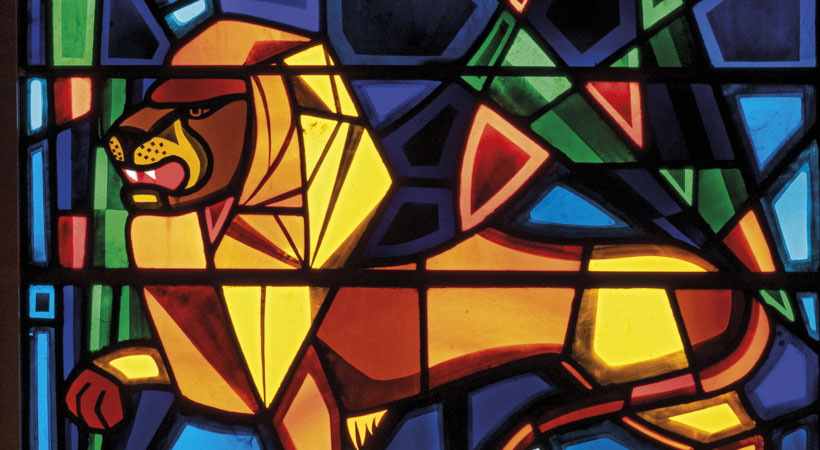
The legacy of stained-glass artist Helen Moloney is in the vibrancy of her colours and her use of coloured glass and lead lines in an abstract manner, writes Bart Felle

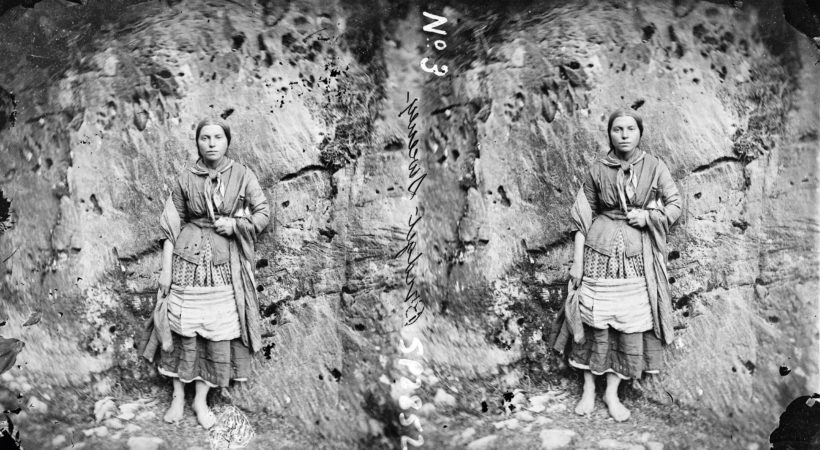
The collection of 19th century stereo negatives of the Gap Girls of Dunloe in Kerry comprise a rare and unique body of work, writes Julian Campbell

Following its recent transfer to the care of the OPW, Peter Murray traces the history of Annes Grove in North Cork which will open to the public later this summer

John Mulcahy examines the commissioning and provenance of this striking 18th-century sporting screen painted by Richard Roper
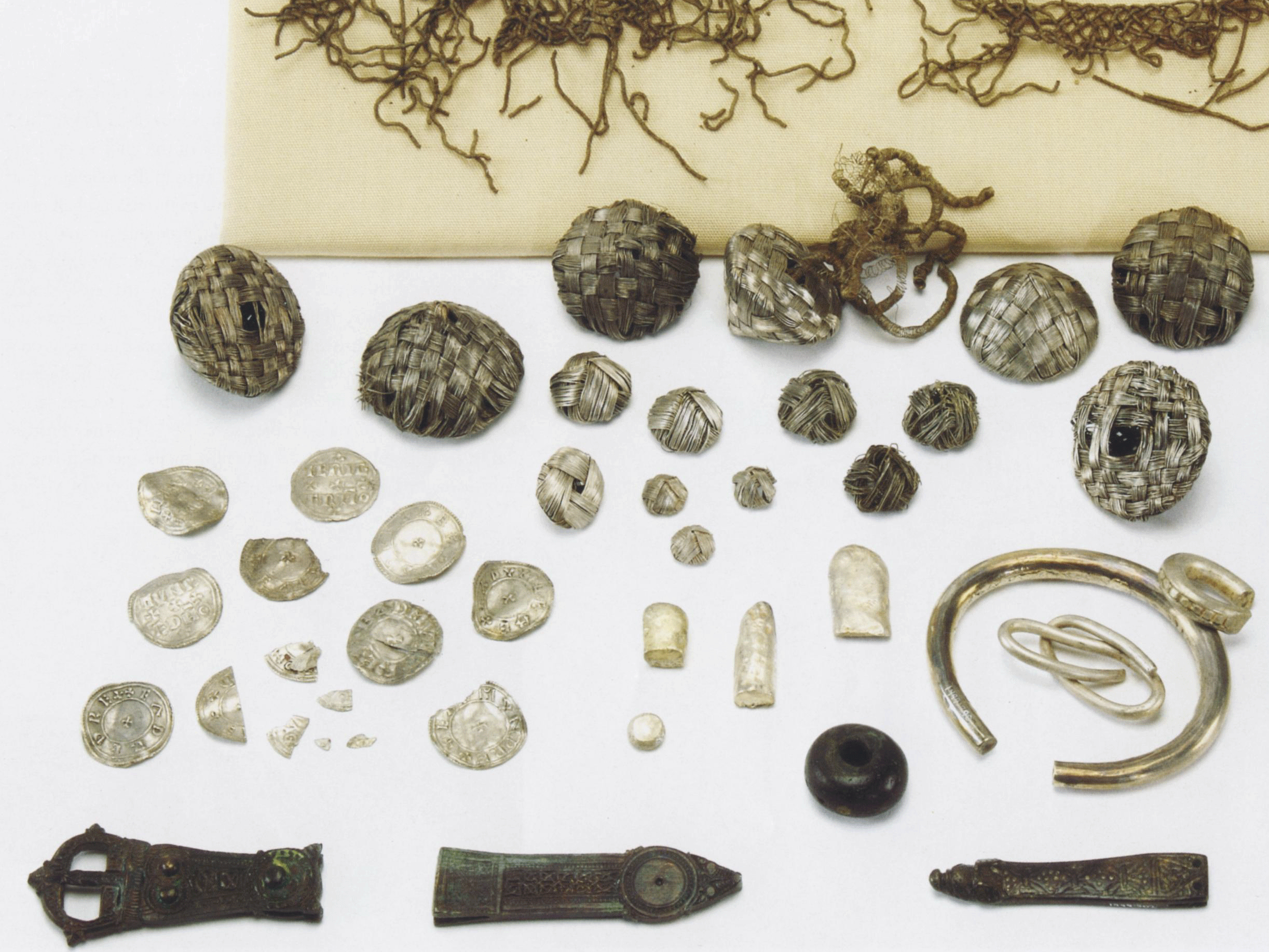
Andy Halpin examines the Dunmore Cave hoard from 10th-century Kilkenny, now on display at the National Museum, and suggests an explanation for its collection of silver embellishments

Isn’t it about time that historic Kilkenny reclaimed its archaeological treasures from the National Museum of Ireland and re-established a local museum in the city? Here, Christiann Corlett recounts how the Kilkenny Archaeological Society established its own museum as far back as 1849 but having painstakenly collected so many items mainly of local origin, gave them all into the safe keeping of the National Museum in 1910
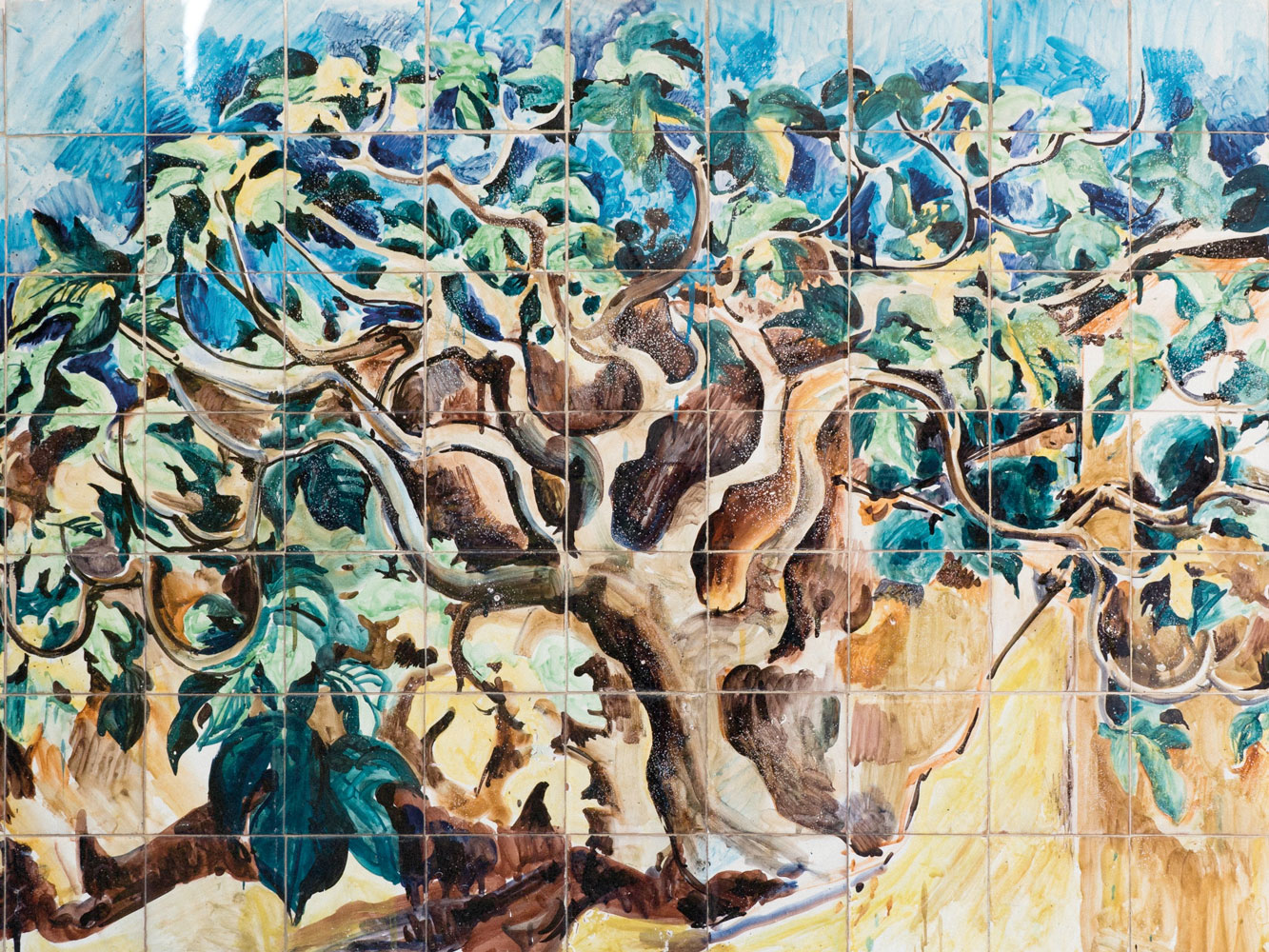
The artist Patrick Swift and his wife founded a pottery in Portugal in the 1960s that is still thriving today, writes Peter Murray
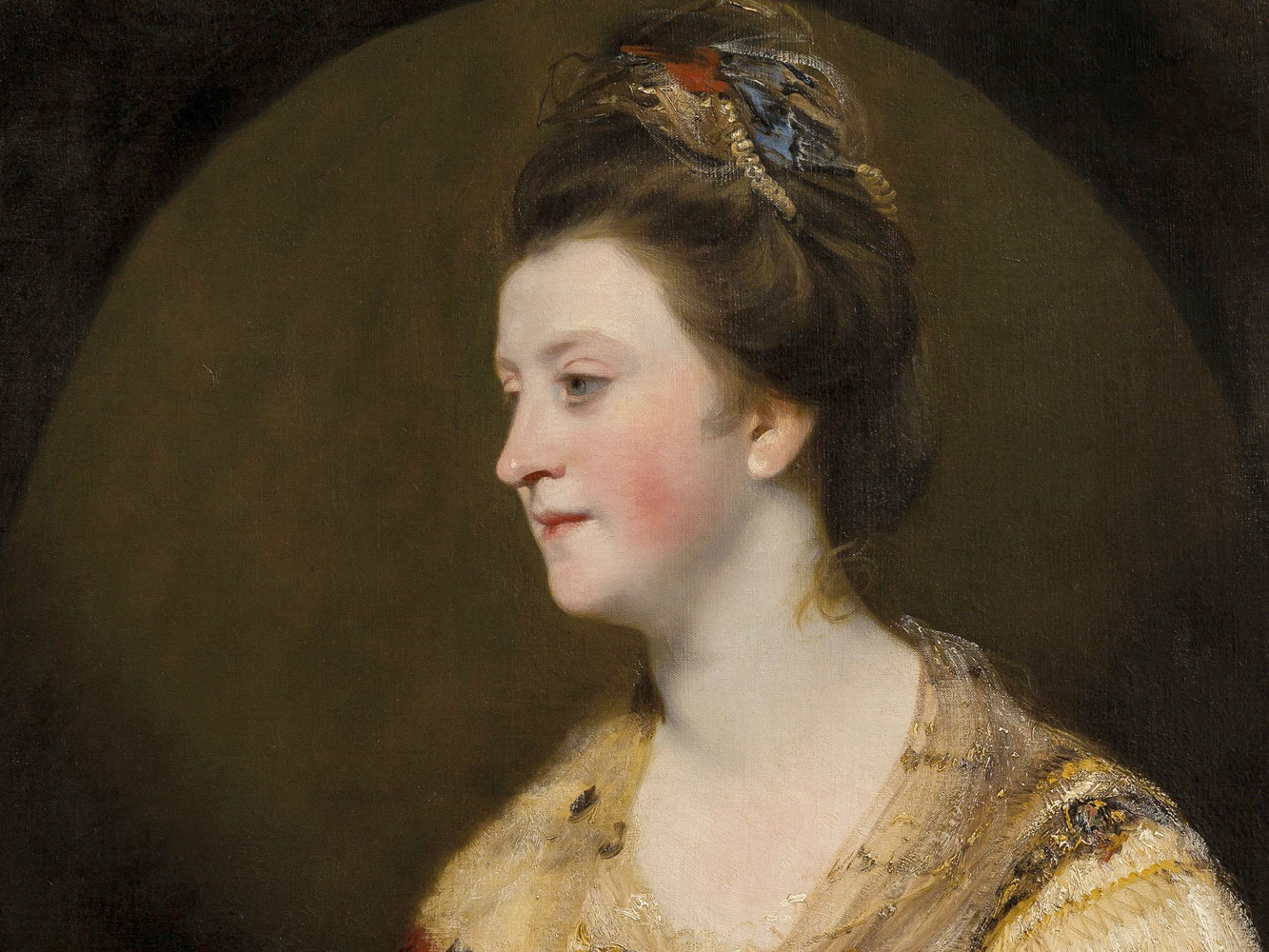
Joshua Reynolds’ painting of Emily, Duchess of Leinster, has been unveiled in Castletown House, writes John Coleman
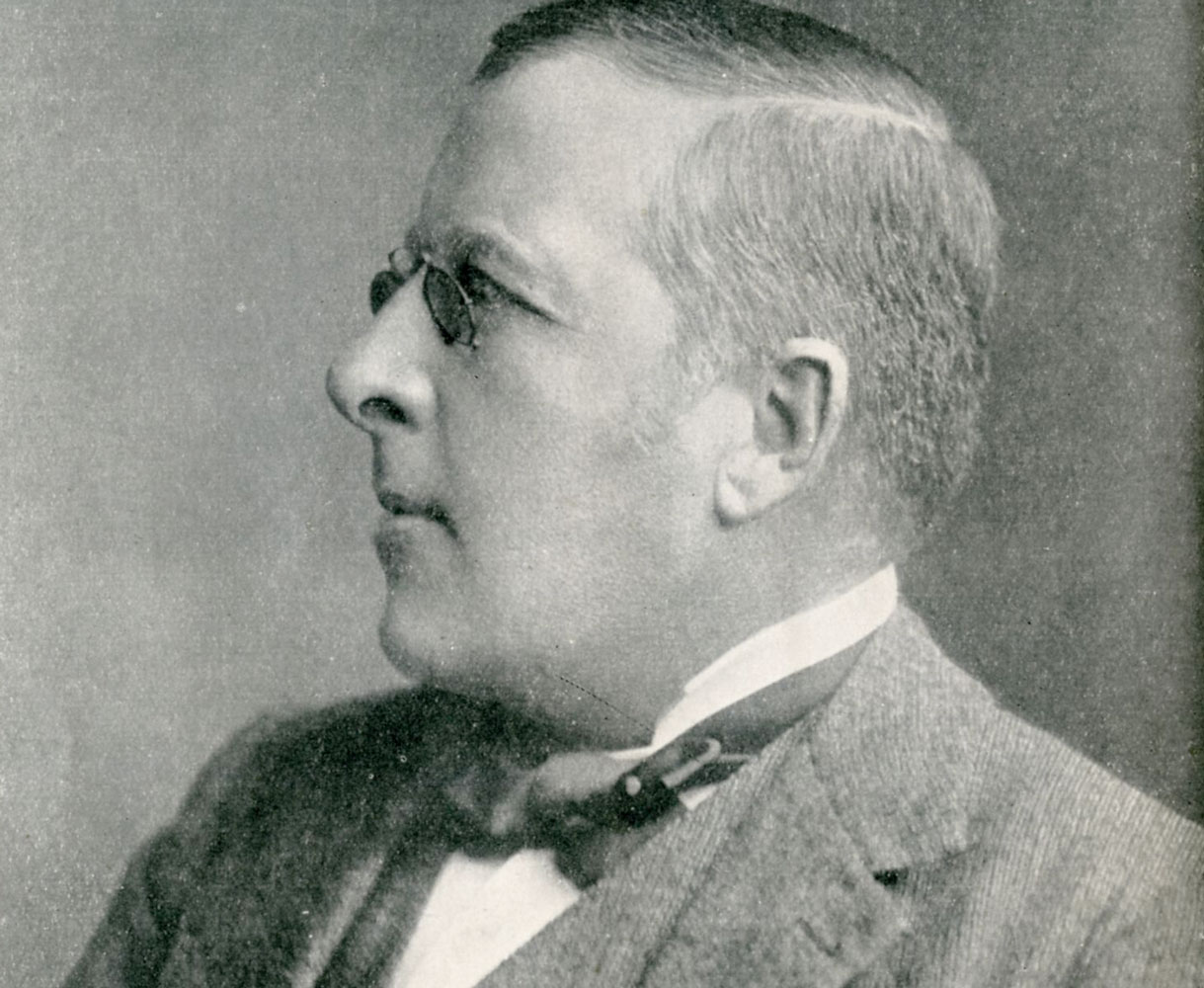
Peter harbison remembers the antiquarian Lord Walter Fitzgerald
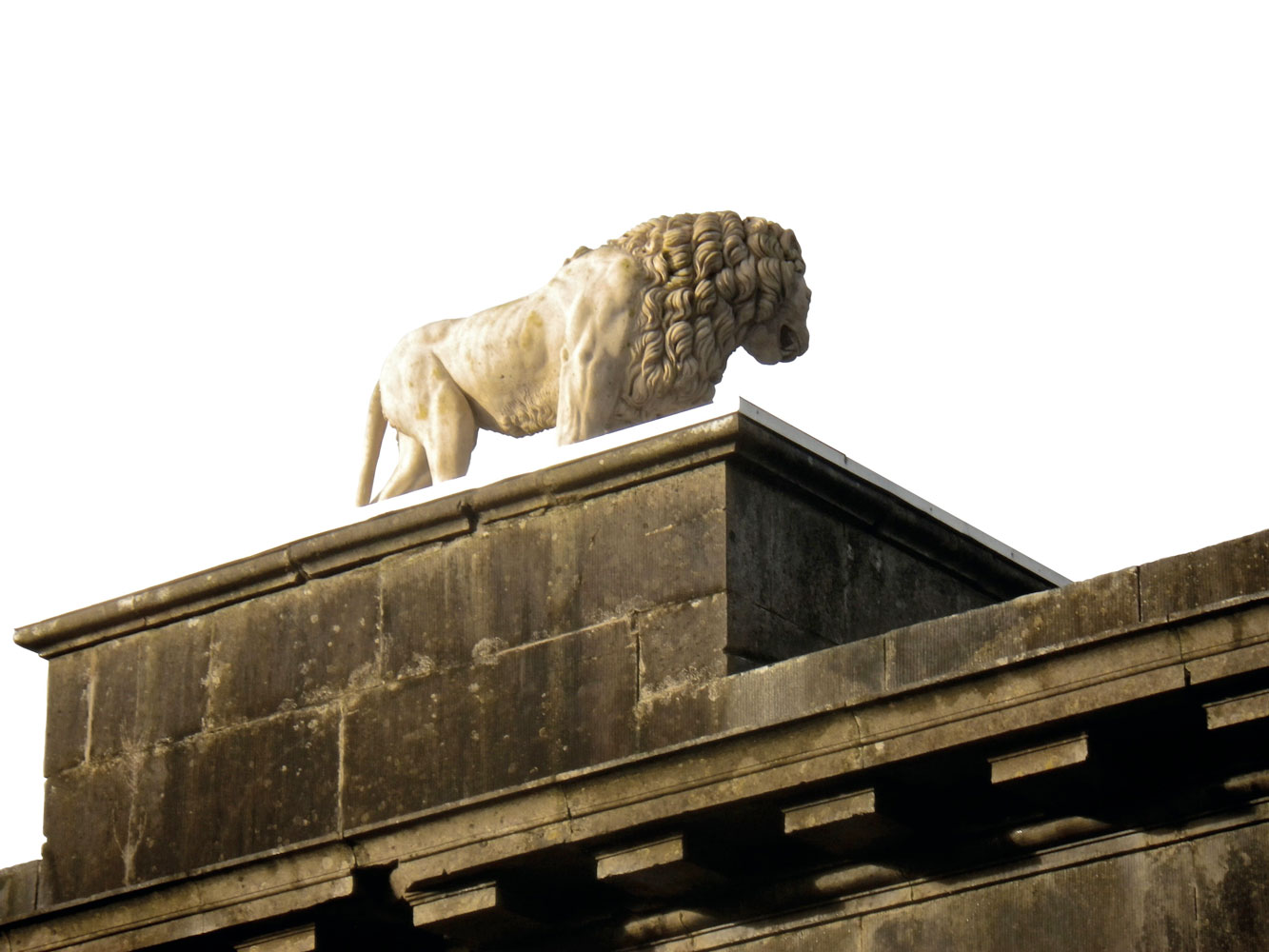
Deirdre Conroy presents three examples from a number of conservation projects initiated by the grant scheme of the Irish georgian Society

Charles Noble draws on recently discovered correspondence documenting changes to the fabric of Lismore Castle, Co Waterford, aided by the use of early photography
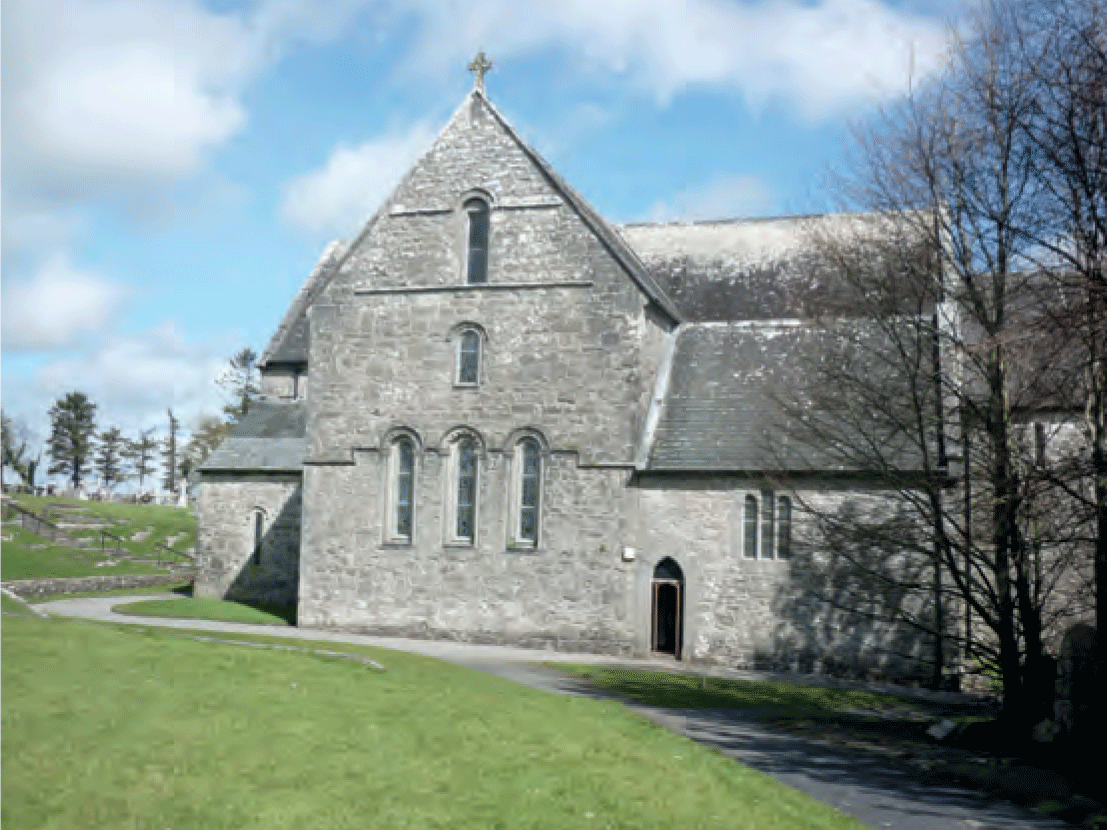
James Howley highlights future plans for Ballintubber Abbey, Co Mayo, one of ireland’s oldest places of worship
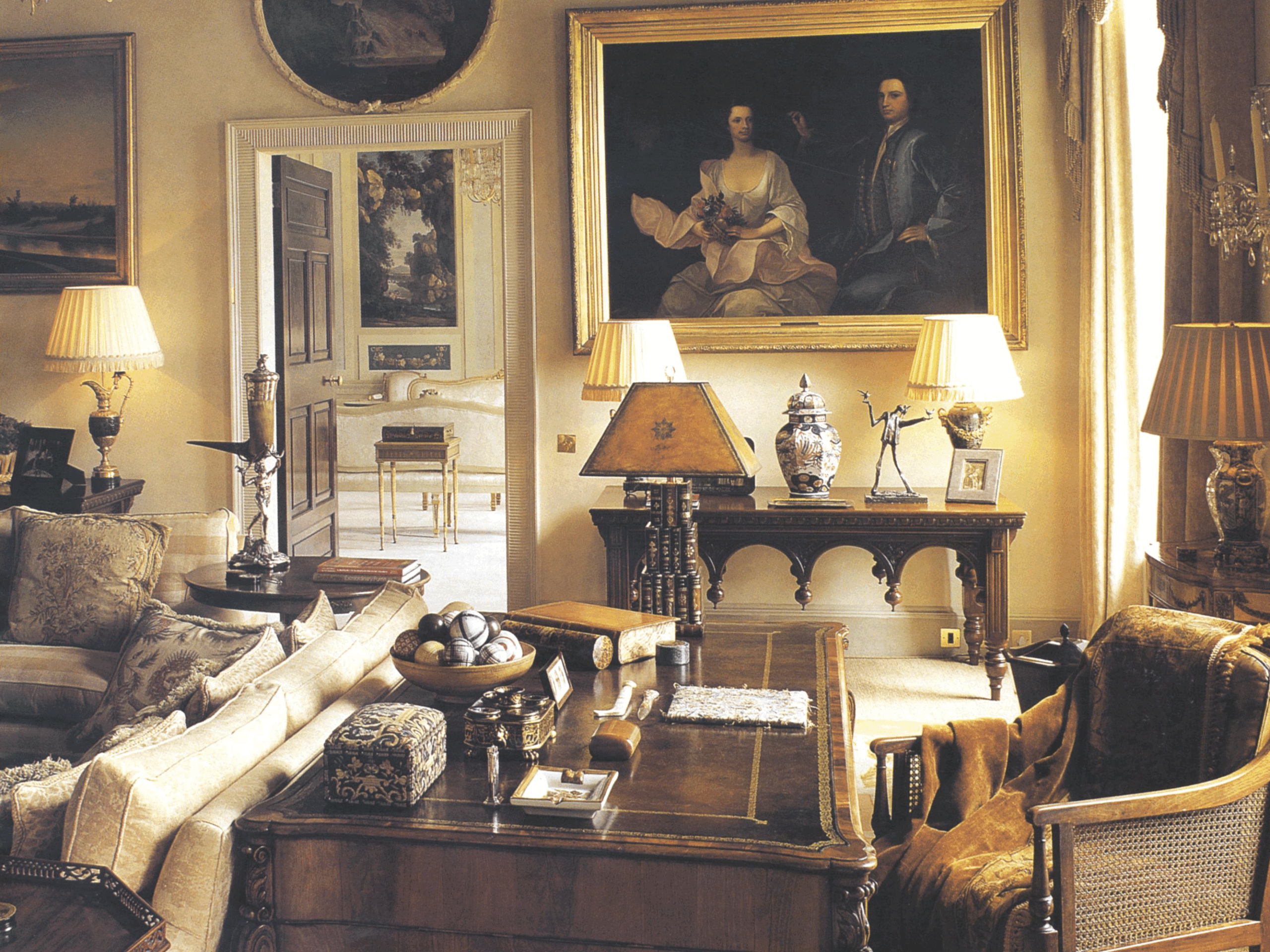
In 1801, Valentine Lawless, the 2nd Lord Cloncurry, was released from the Tower of London and started furnishing his new mansion in Kildare. Two hundred and one years later, as Peter Pearson recounts, Lyons House has been awarded the Europa Nostra Heritage Award in recognition of its glorious recreation by Dr Tony Ryan

Terence-Reeves Smith looks back to the beginnings of these extraordinary gardens, now that phase three of the Woodstock Gardens Restoration Project is under way

Olive Sharkey returns to Belvedere, home of the ‘Wicked Earl’ to appraise its recent restoration
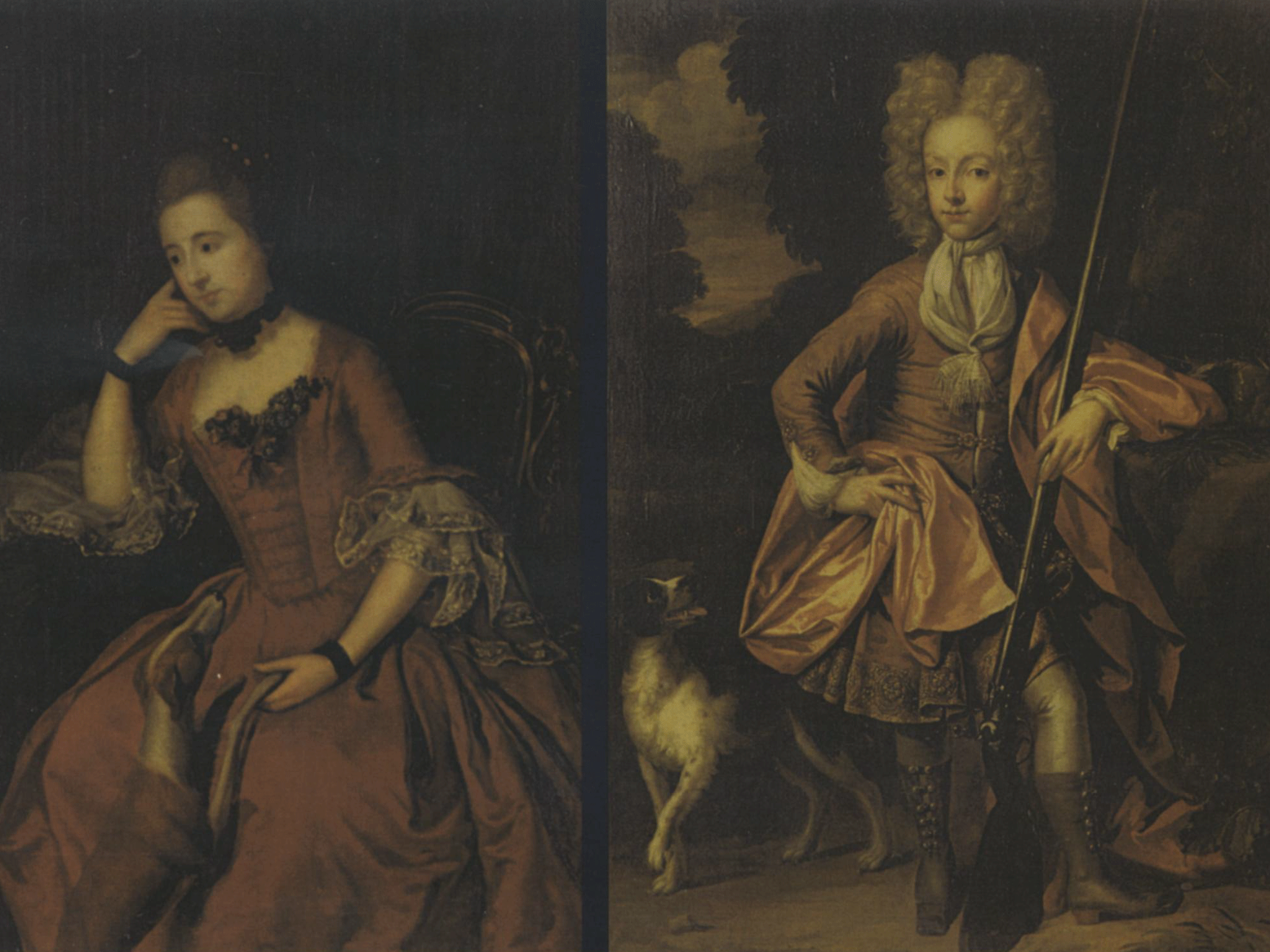
John Kirwan recounts the fascinating history of the creators of a recently reclaimed Arcadia

Continuing the family tradition of artistic patronage, Lord Hartington shows Peter Murray around his cultivated garden

The restoration of Ballywalter Park, perhaps the most notable Victorian country mansion in the North of Ireland, is remarkable for several reasons. It was built in 1845 while the famine ravaged the country yet Belfast was booming. It has survived in the same family since then and remains a private residence. The magnificent restoration for the present owner Brian Mulholland, Lord Dunleath, has just been awarded one of the thirty EHS (Environment and Heritage Service) Conservation Awards given this year to mark the thirtieth anniversary of Listed Buildings in Northern Ireland. Dick Oram tells its story
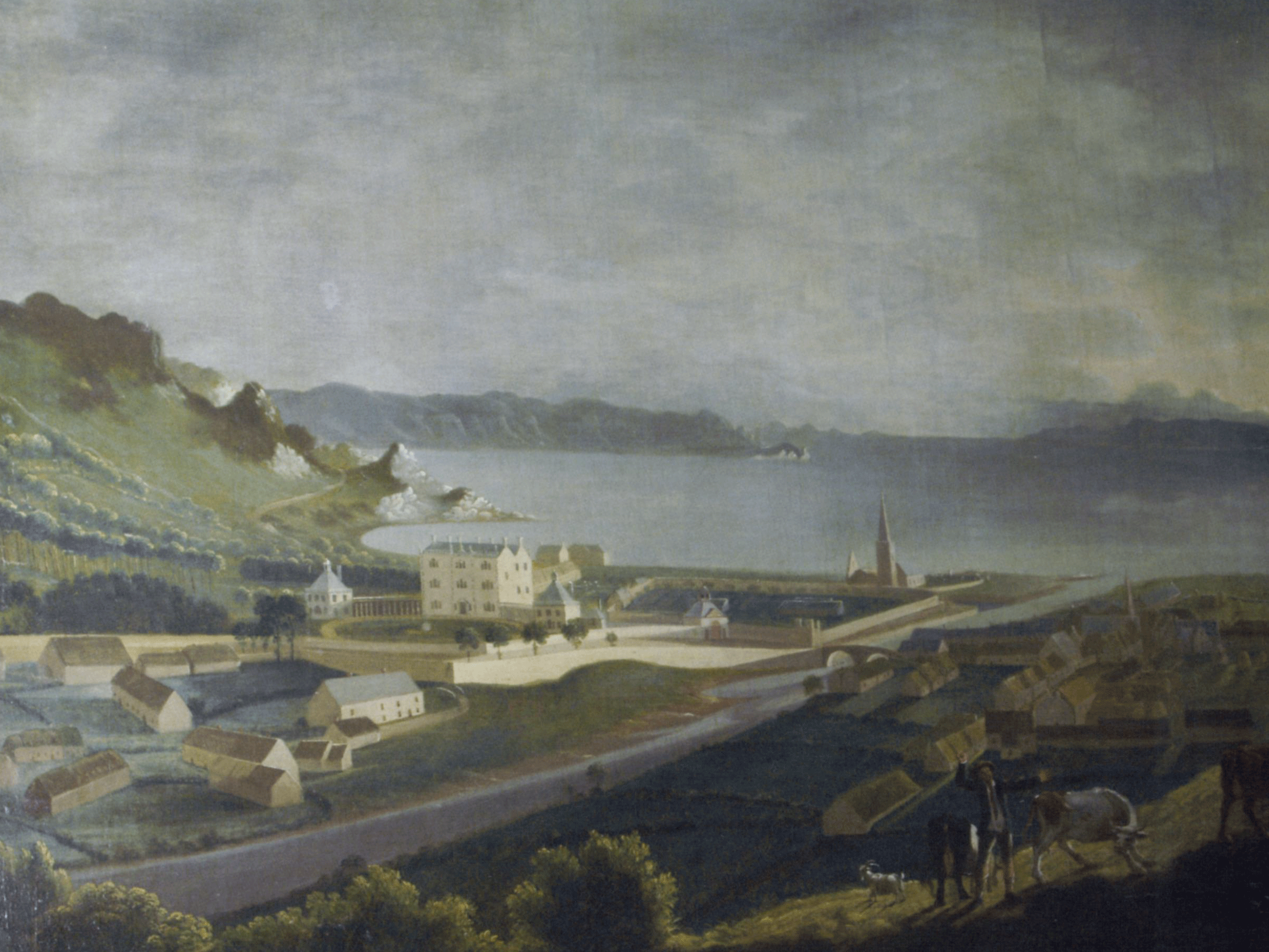
Terence Reeves-Smith explores the complex history of Glenarm Castle, County Antrim, one of Ireland’s most romantic great houses
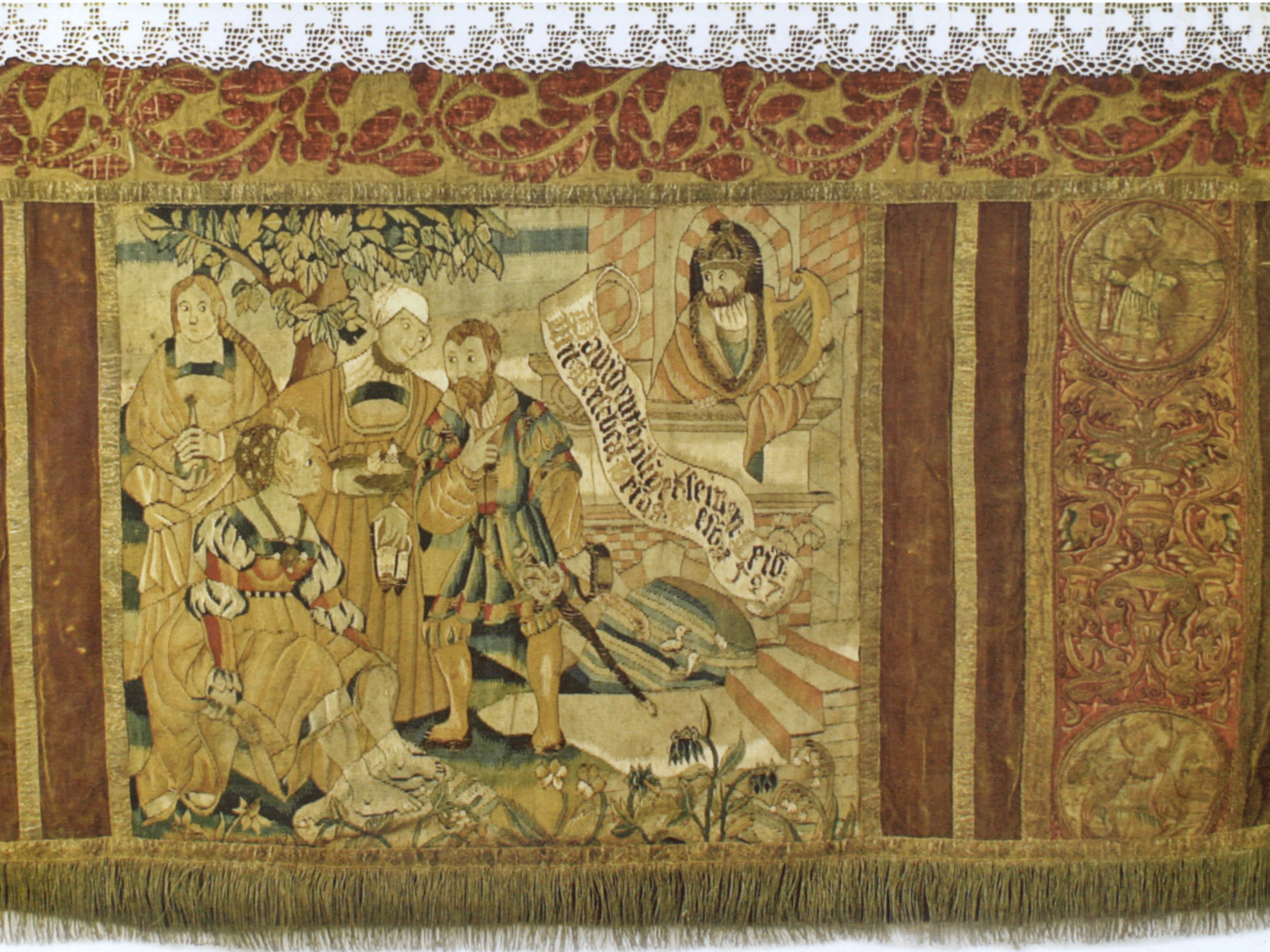
Peter Harbison outlines the history of Lord Gort’s family connections in Ireland and his extraordinary generosity in gifting Bunratty Castle in County Clare to the Irish people

Nigel Everett traces the influence of successive owners on the evolution and beauty of Derreen Gardens, County Kerry

Desmond Fitzgerald revisits a fine 18th-century mansion known to him in his youth and elaborates on its remarkable preservation of original detail and content
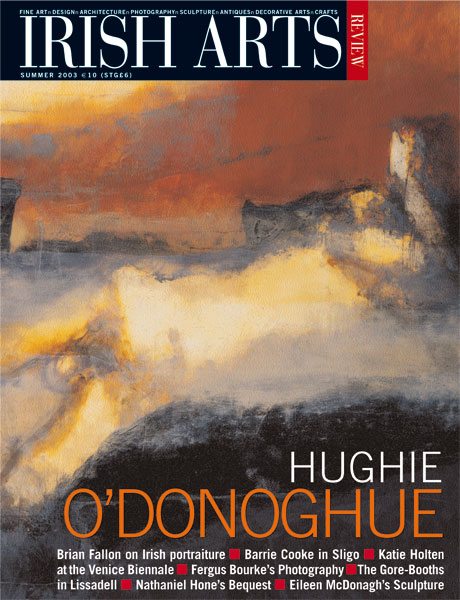
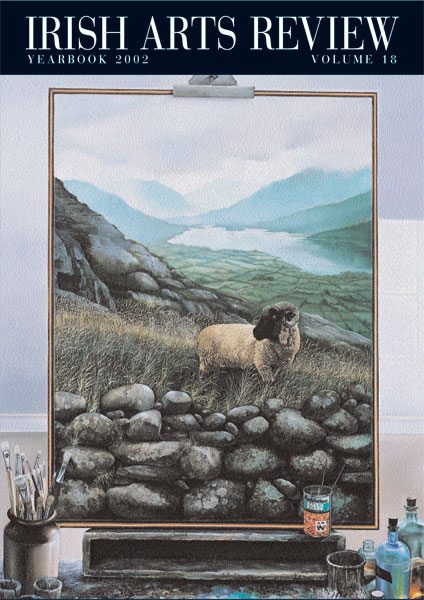
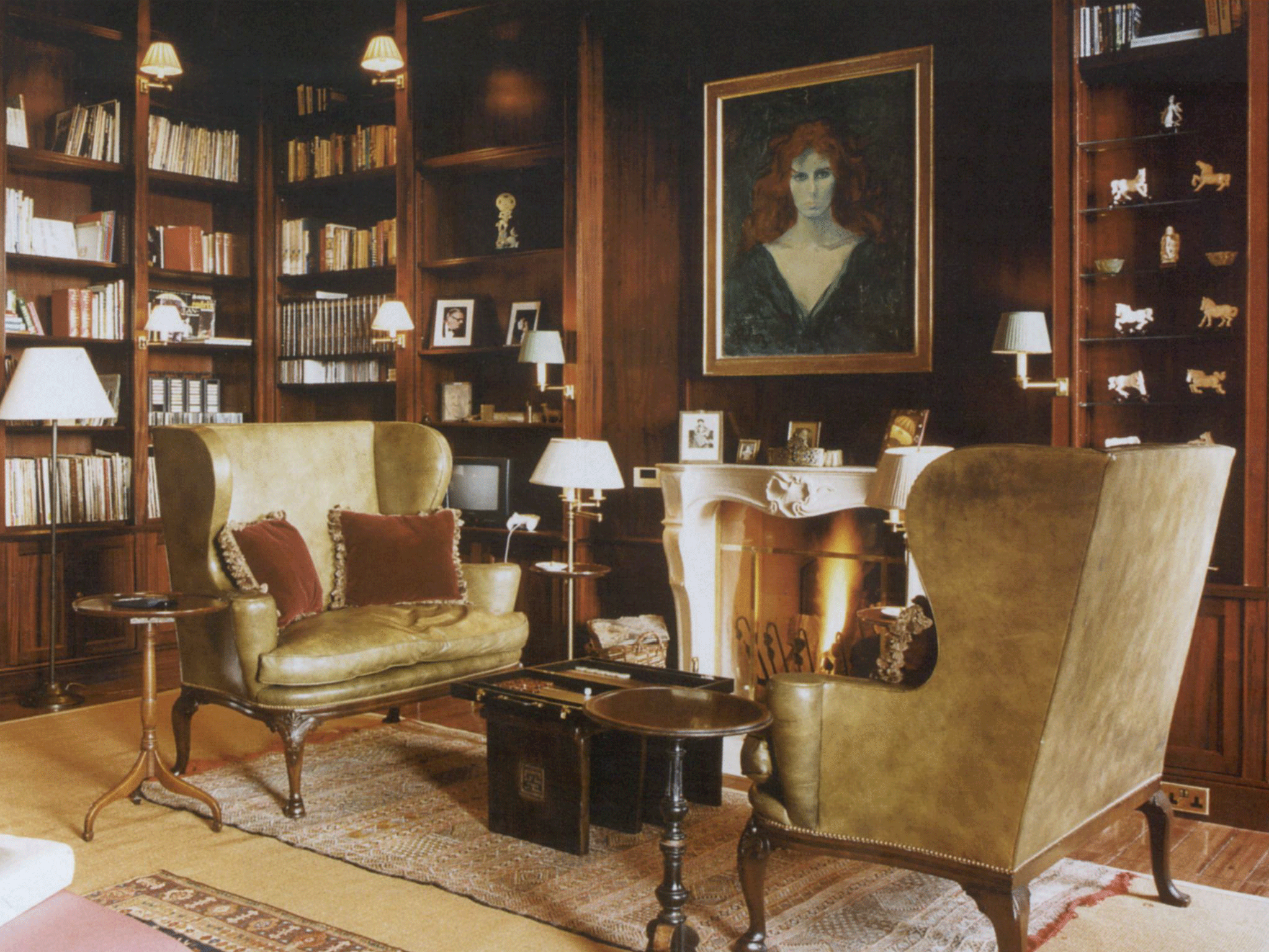
Ballynatray Demesne overlooking the Blackwater estuary above Youghal is a unique combination of natural and designed landscape. Its new owners, Serge and Henriette Boissevain, have renovated the landscape, planted new woods and completely restored the house which dates from 1795. Here Patrick Bowe outlines the history of the estate and of the Smyth family which created it while Deirdre Conroy gives the architectural detail of the big house
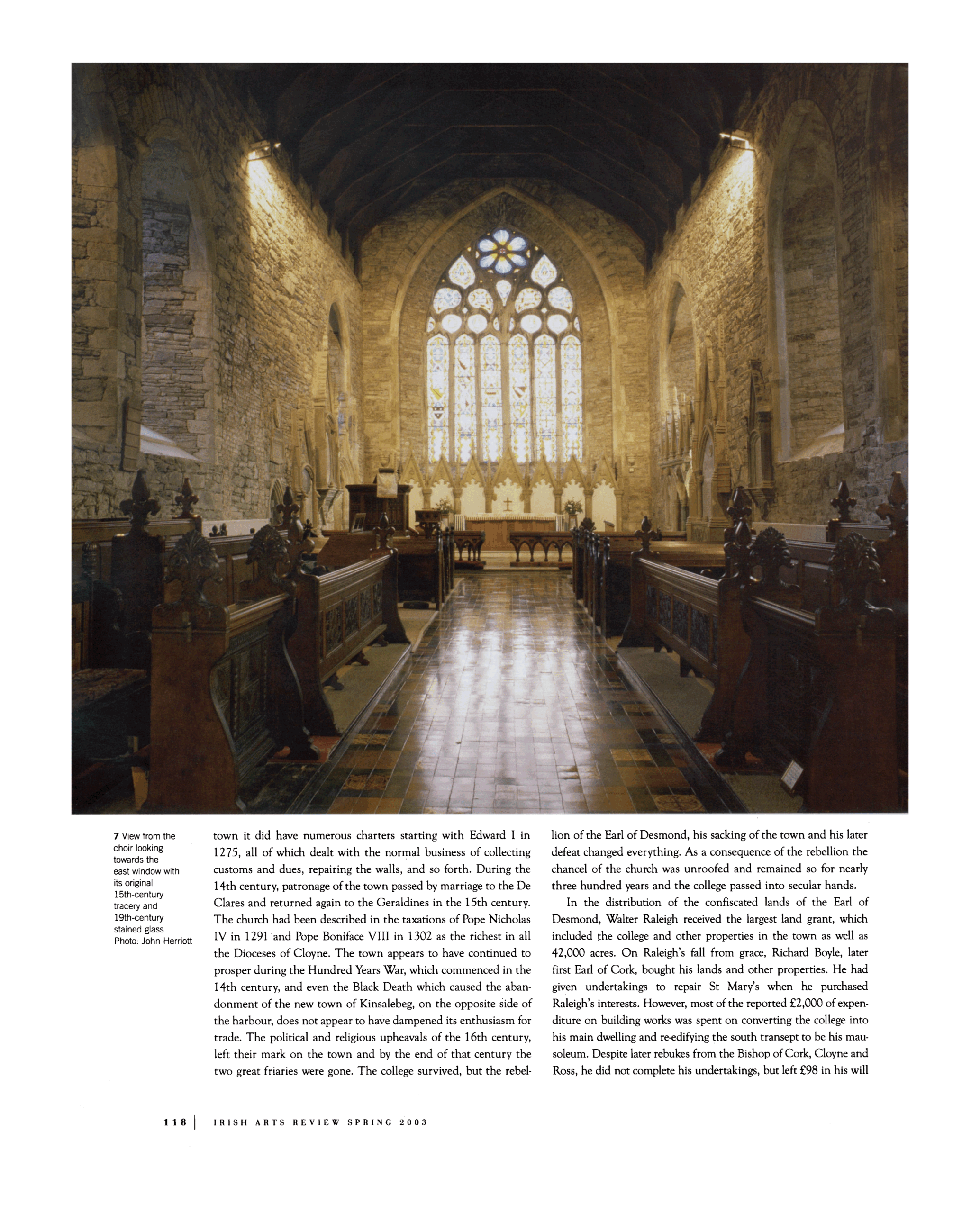
One of the most beautiful and historic places of worship in this country, St Mary’s Collegiate Church in Youghal, is about to be taken into public ownership by the local Town Council. Although it was founded in the early 13th century by the FitzGeralds, later earls of Desmond, Sir Walter Raleigh worshipped there after the Reformation, as did Oliver Cromwell who wintered in Youghal in 1649/50. But the man whose name is indelibly associated with St Mary’s is Richard Boyle, first Earl of Cork, for the simple reason that his huge funerary monument still dominates the south transept of the church. David Kelly outlines the history of this remarkable building, the preservation of which has now been secured
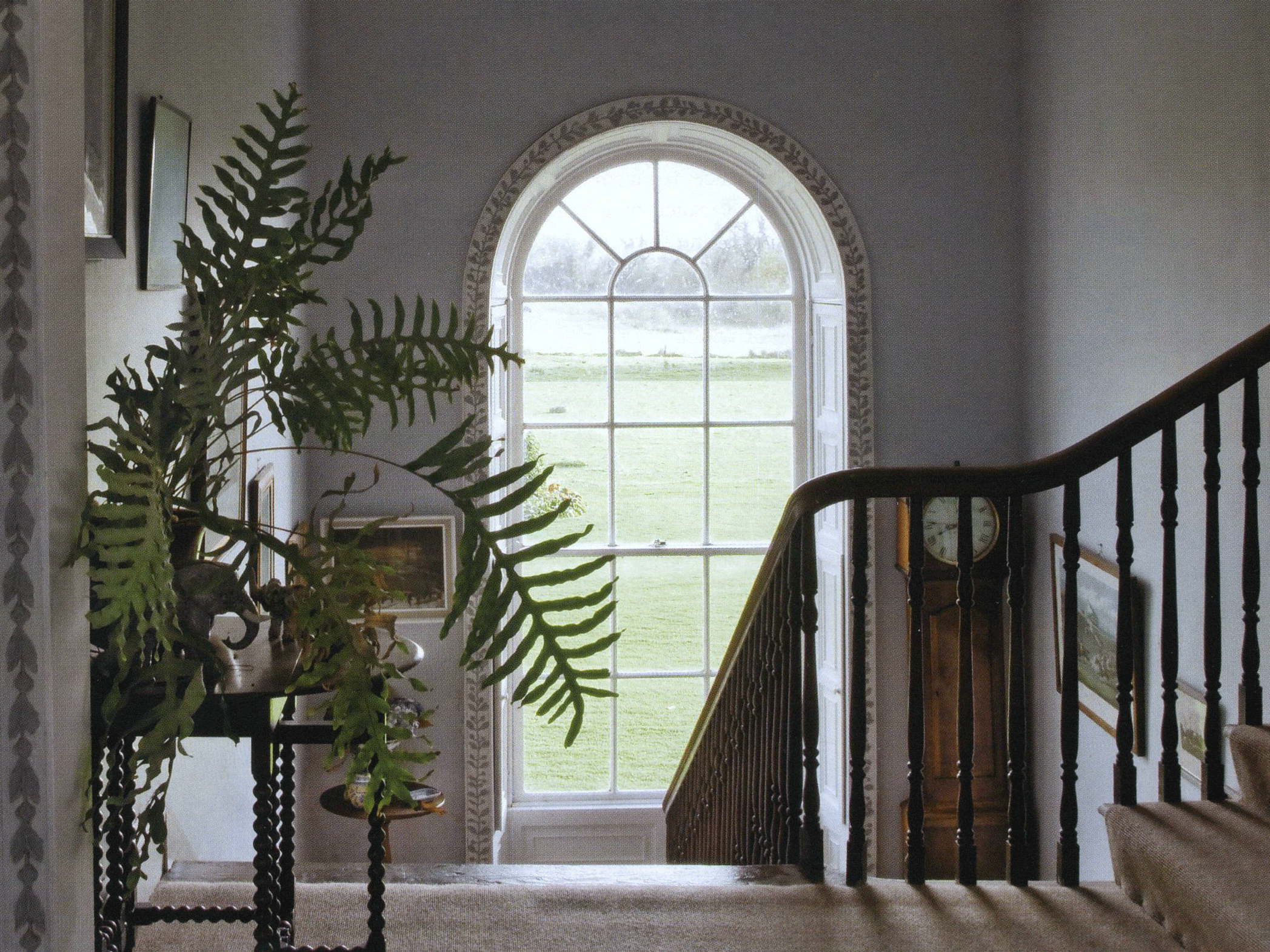
John Mulcahy recalls the history of Burtown House, Kildare and its Quaker associations most notably those of the writer Mary Leadbetter
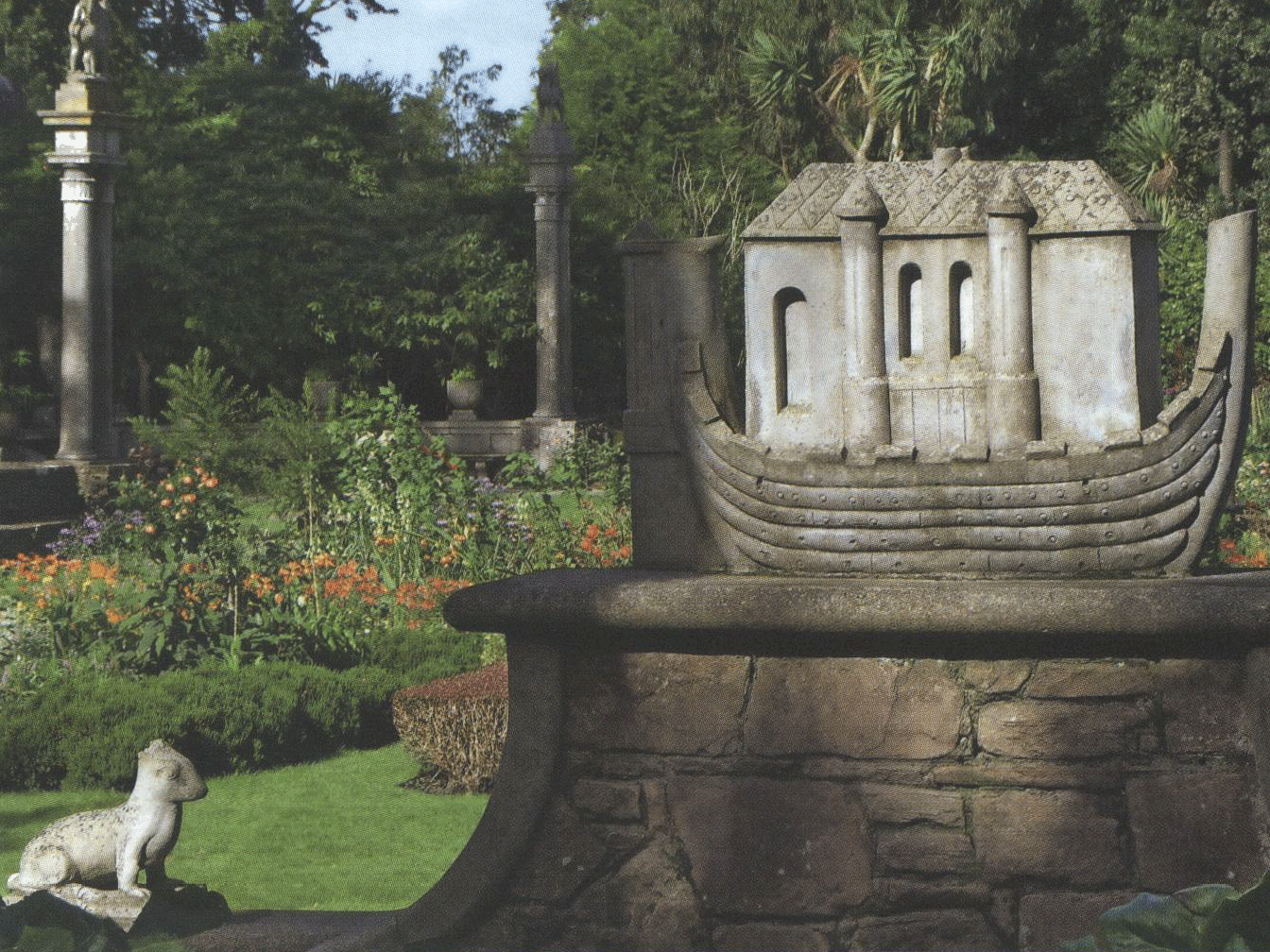
Terence Reeves-Smyth savours the vistas and scents of Mount Stewart gardens in County Down
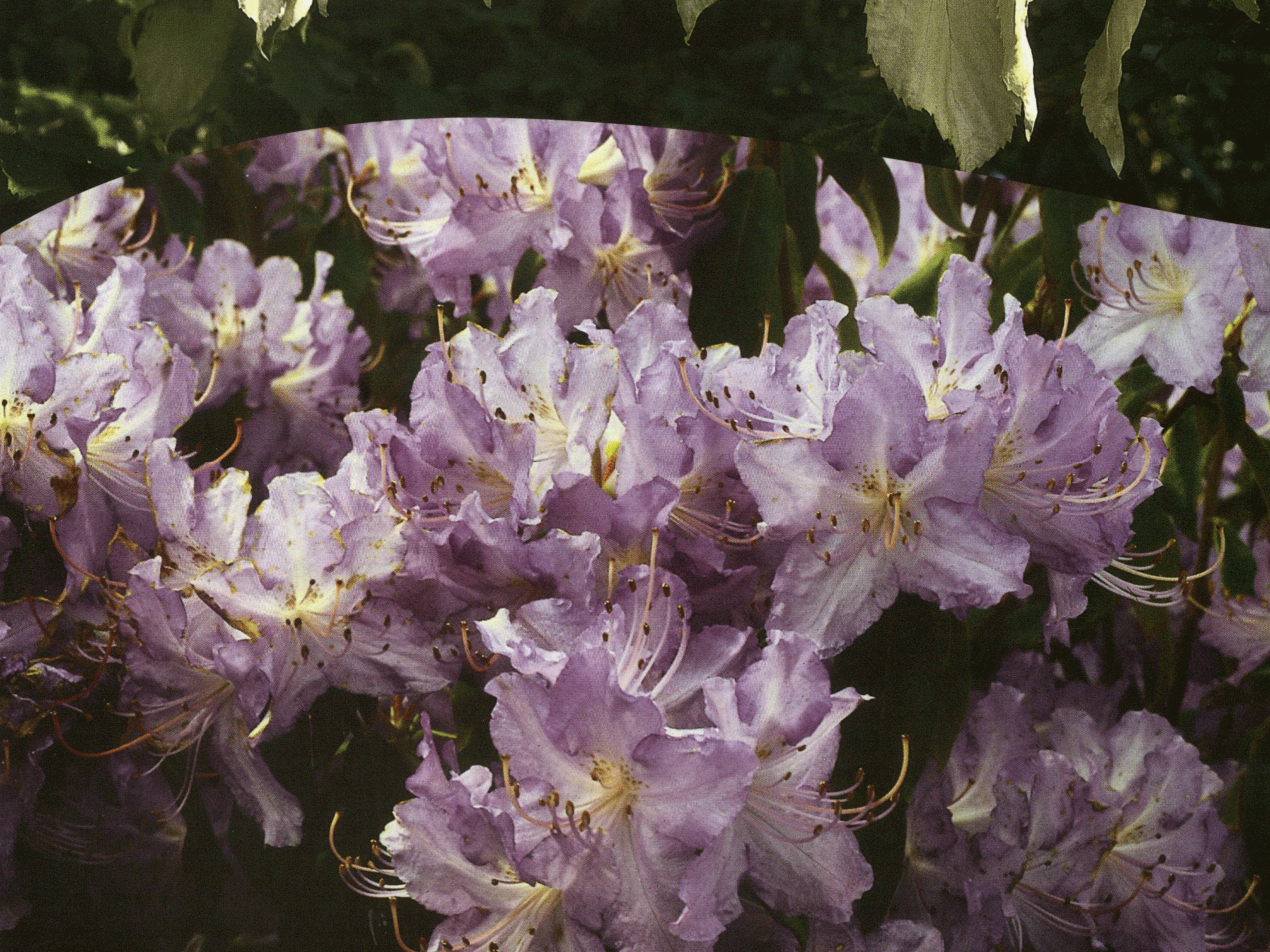
In an extraordinary period for plant collecting an exceptional Irishman, Augustine Henry, changed the face of gardening, writes Helen Dillon.
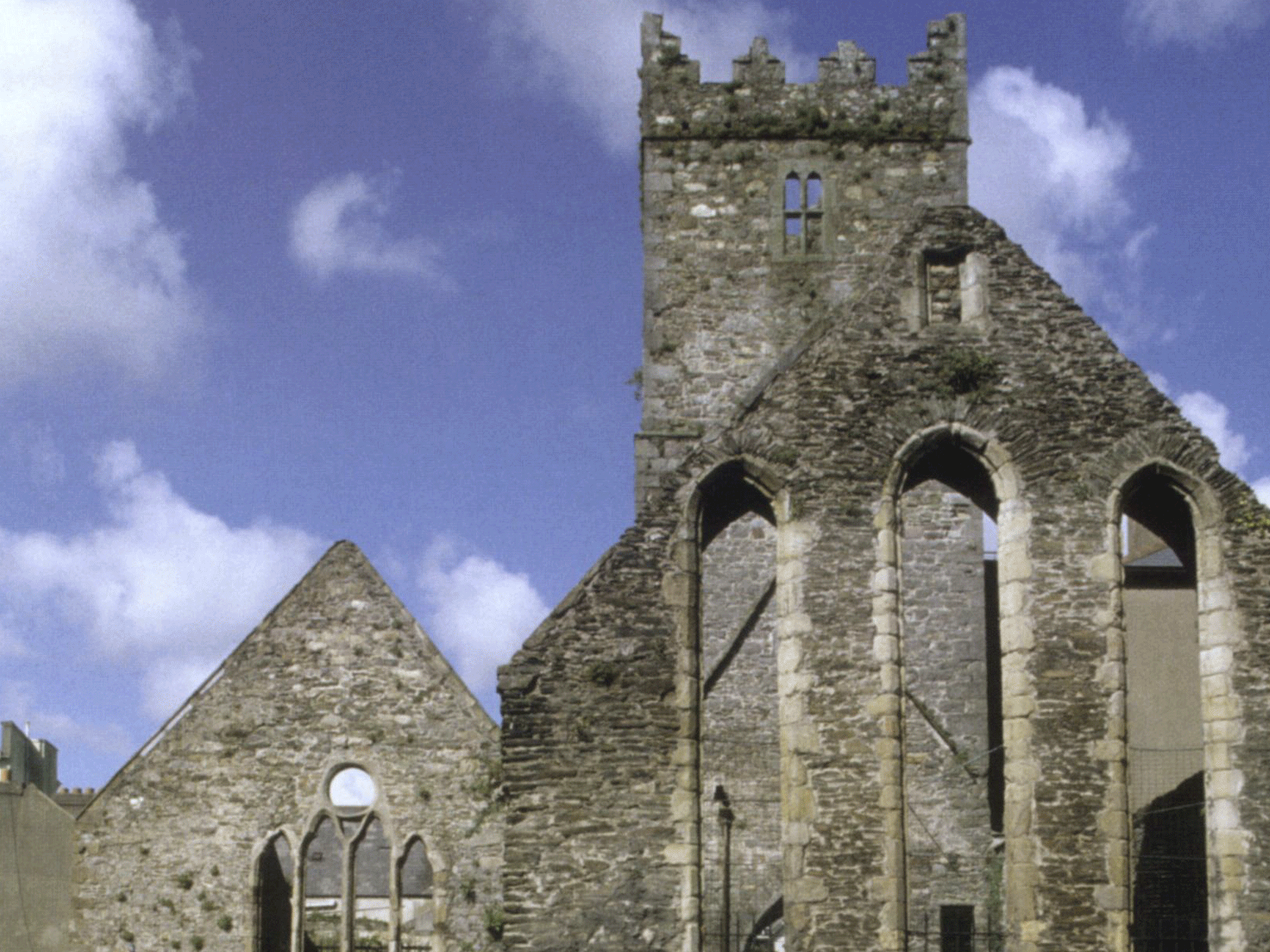
John Bradley charts Waterford city’s development into one of the most prosperous towns of medieval Ireland.
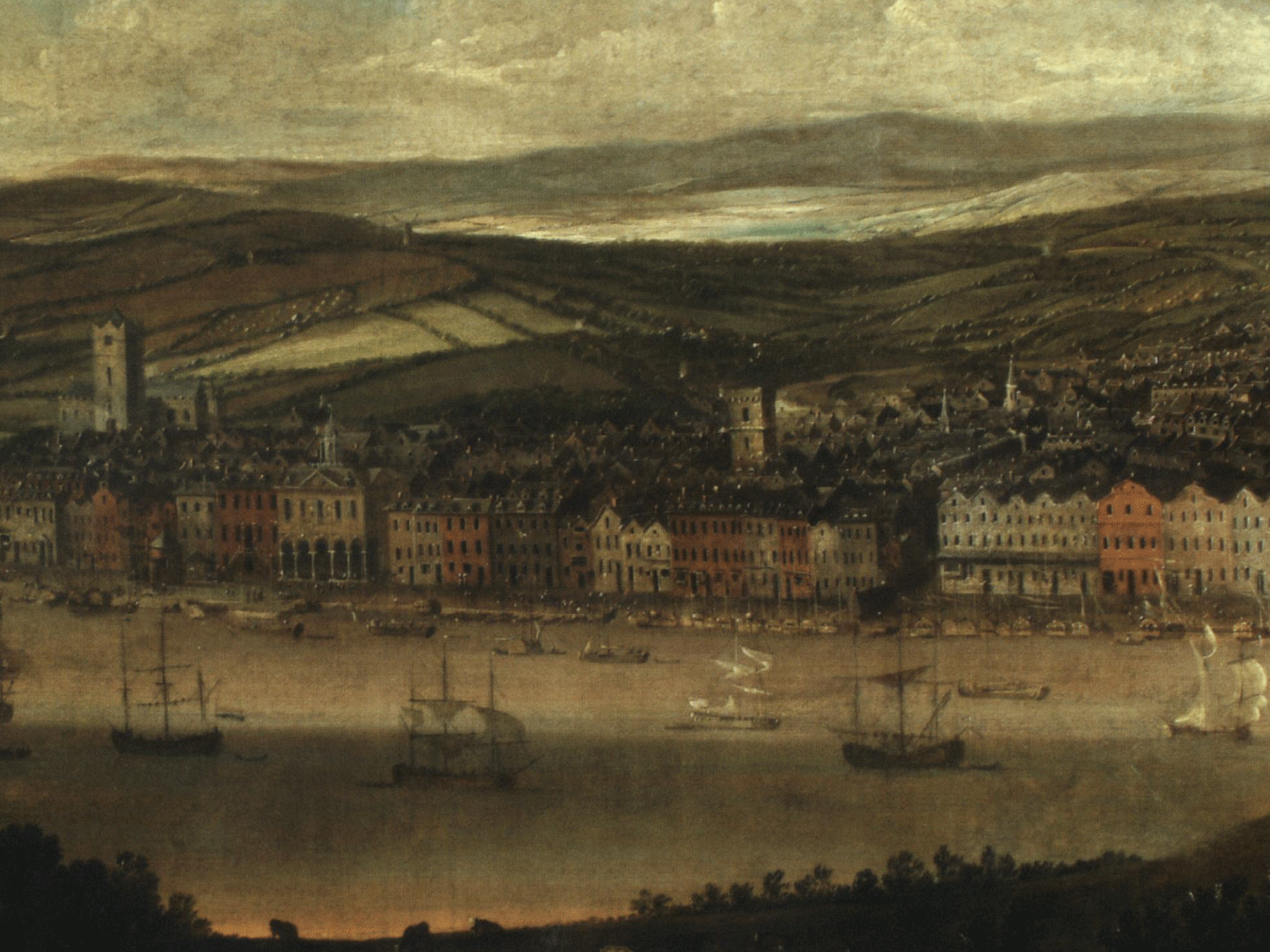
Despite the tyranny of the Penal Laws, Waterford was unique among Irish cities in the toleration that existed between the two main religious groups, writes Julian Walton.
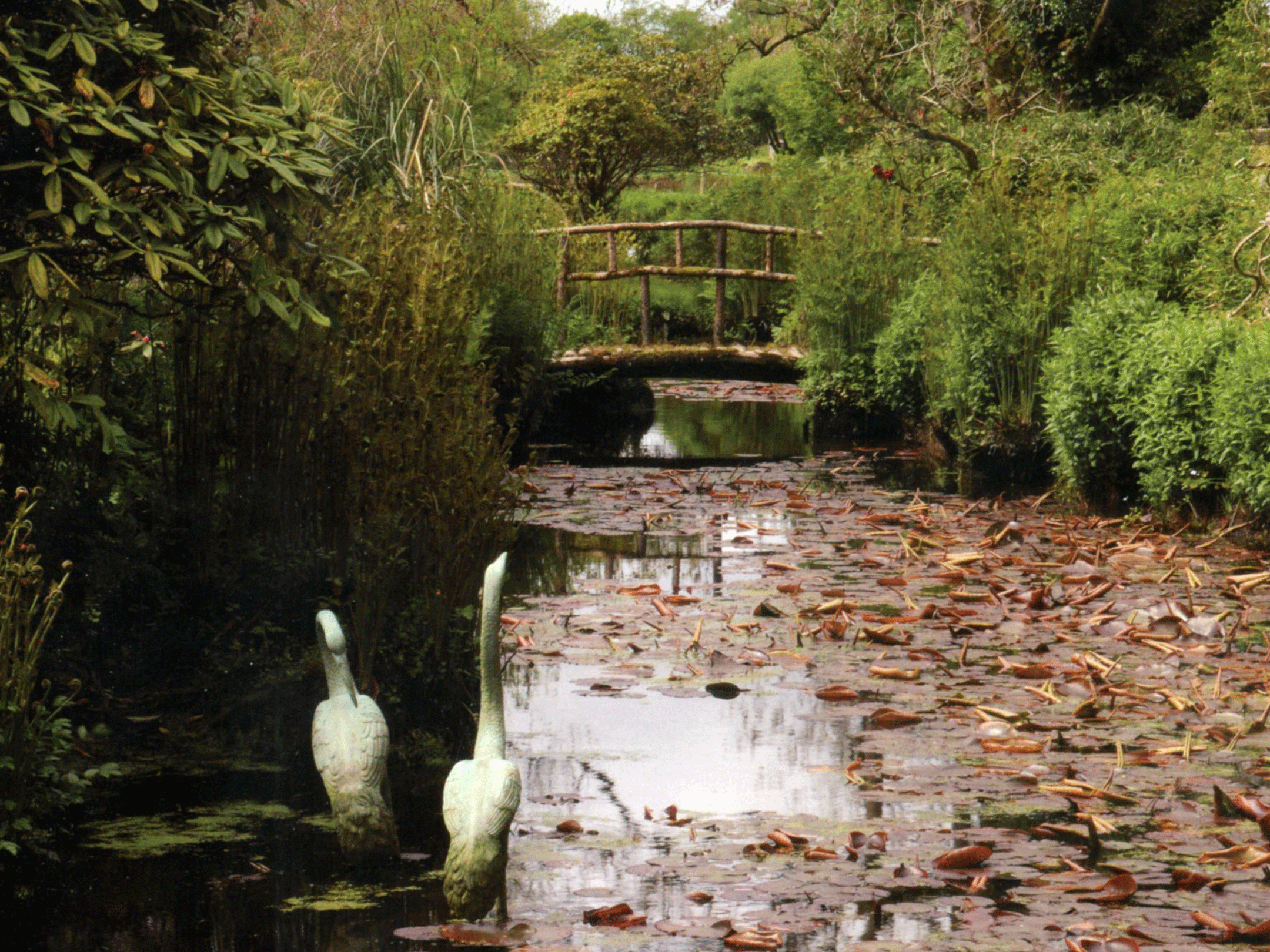
Nigel Everett explores the gardens of Lisselan and investigates the evidence for its appellation as a ‘Robinsonian’ creation
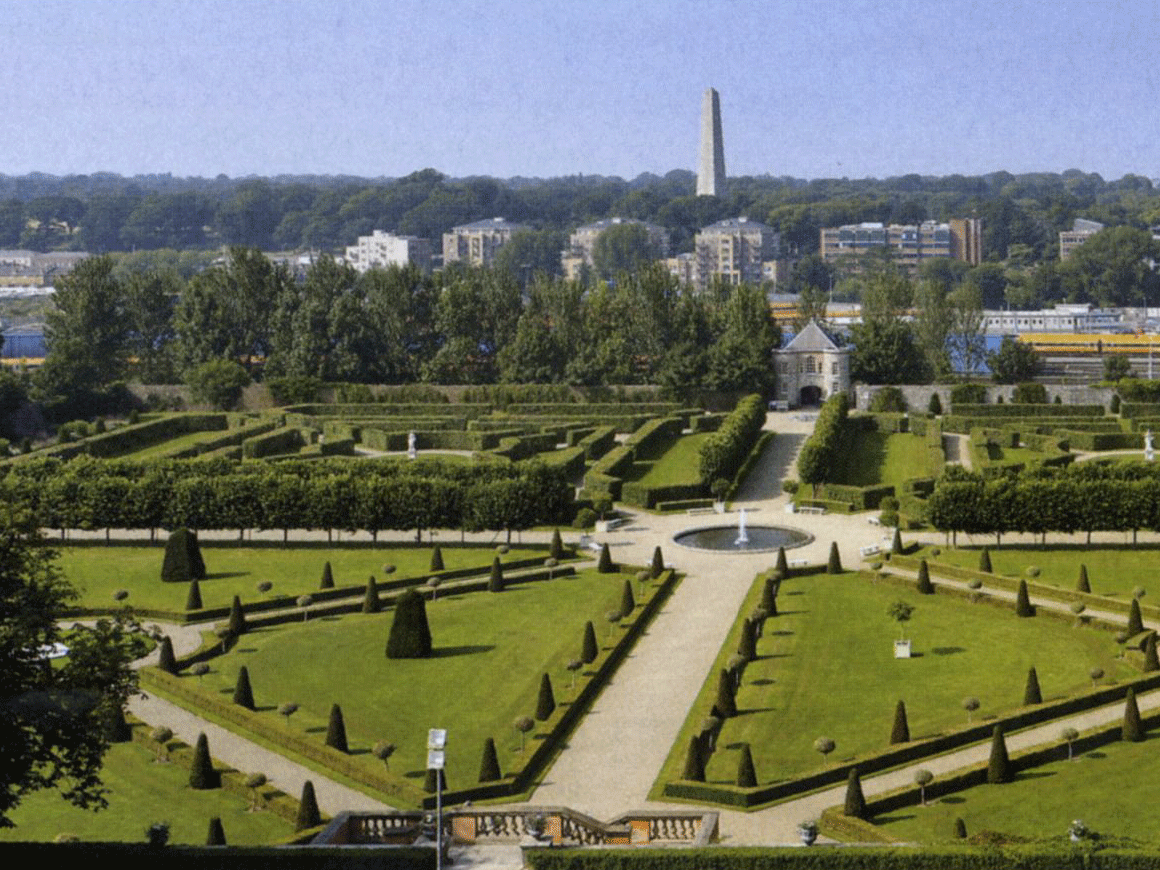
Elizabeth Morgan explains the principles followed in restoring the set-piece of the 17th-century gardens of the Royal Hospital, Kilmainham within their architectural setting.
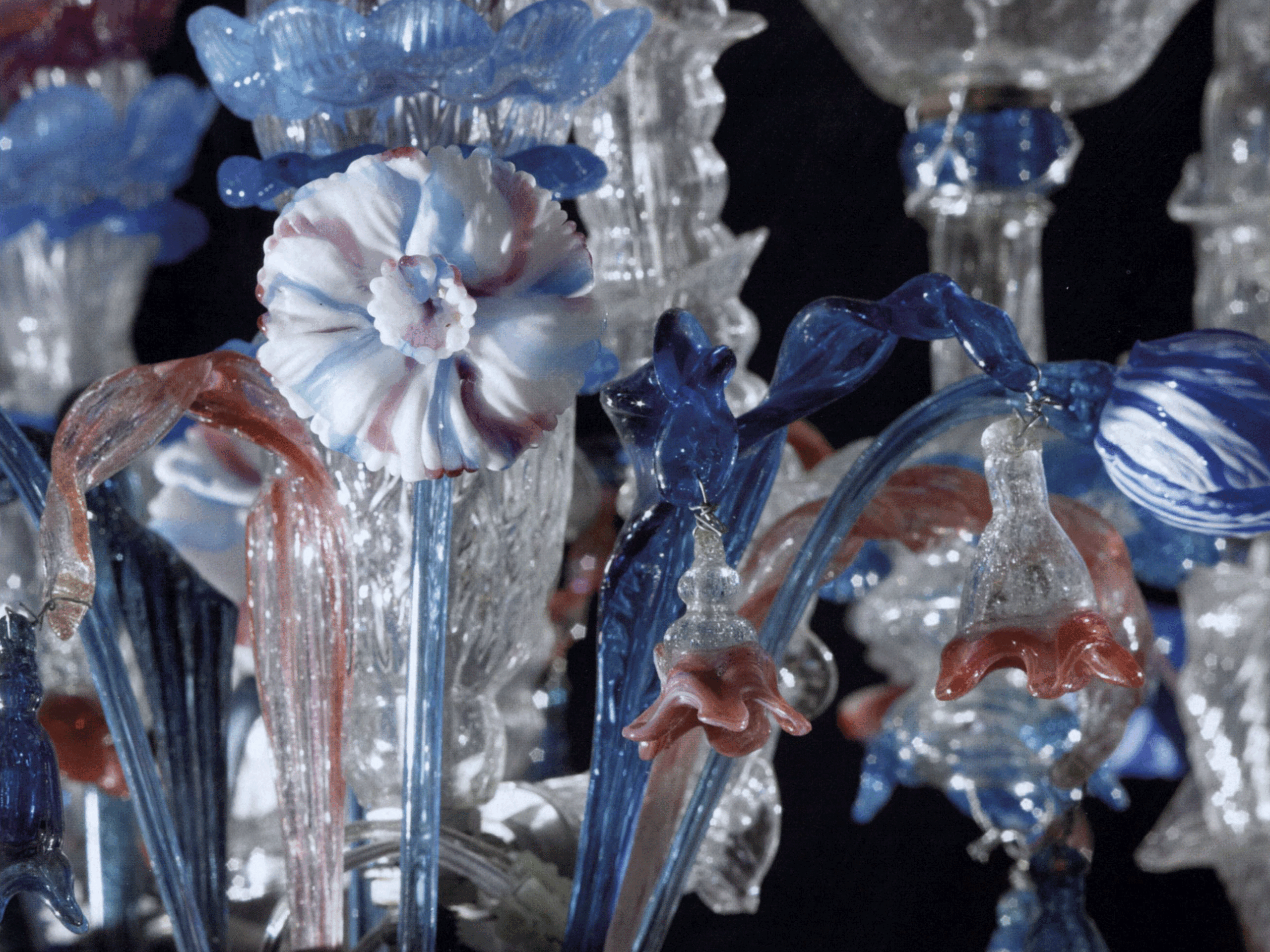
Ruth Thorpe looks at the influences that shaped Lady Louisa Conolly’s redesign of the Long Gallery at Castletown and her acquisition of its famous 18th-century Venetian chandeliers.
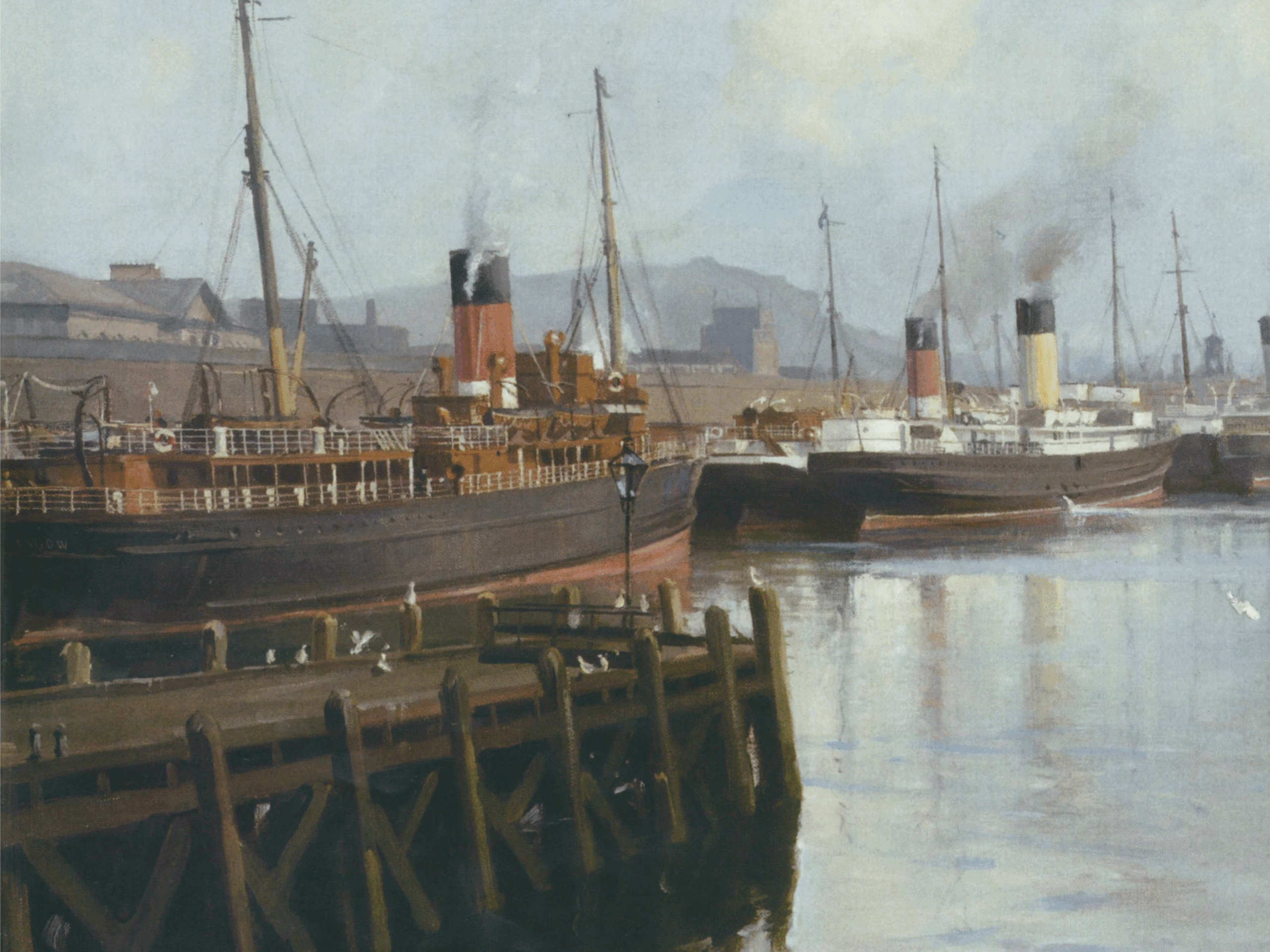
Contemporary maritime art can be read as a metaphor for the human condition; though some artists share a connection with the 19th-century’s celebration of the adventures of the sea, writes Peter Murray.
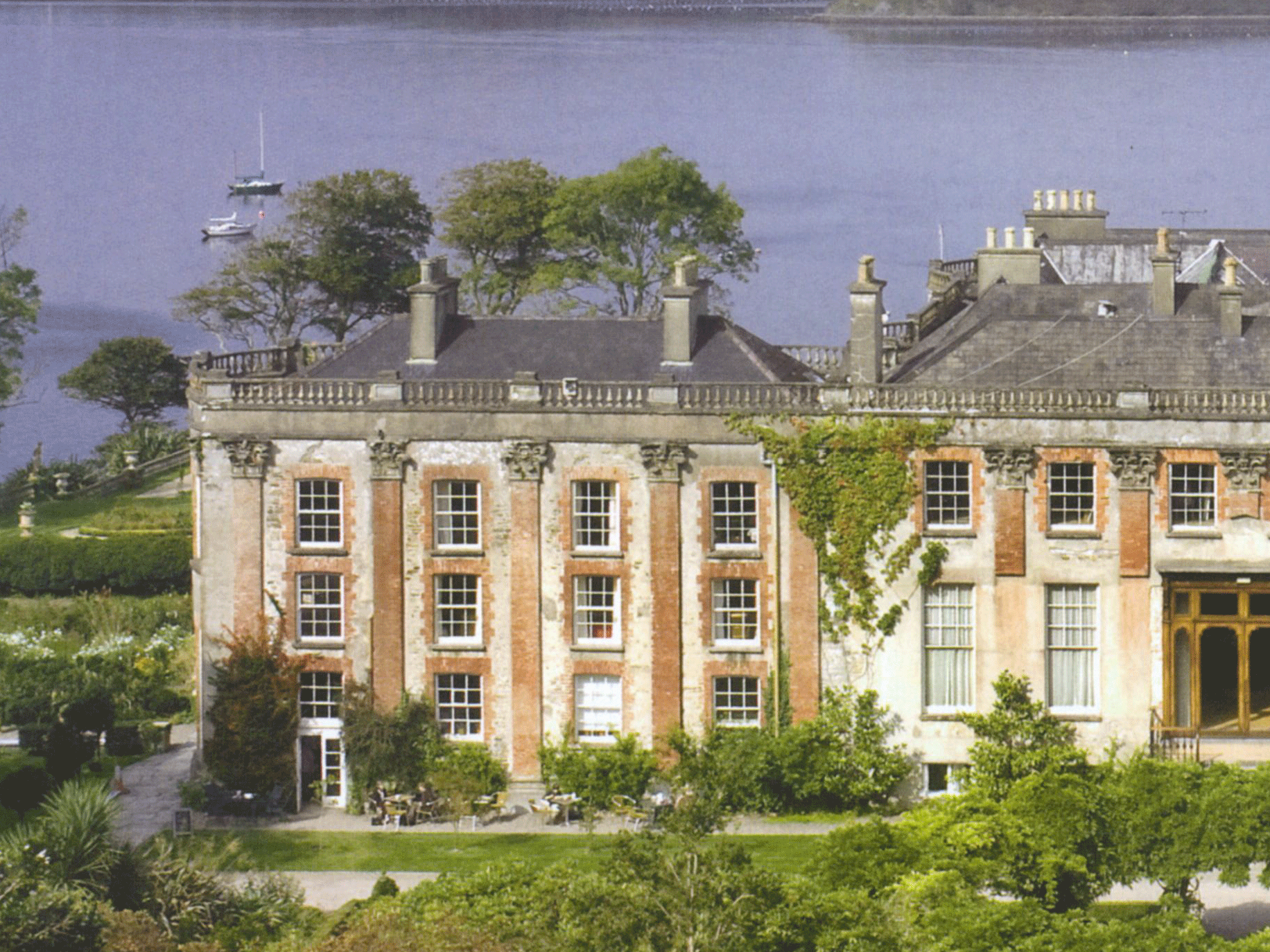
At Bantry House Gardens, the constant interplay of formal elements with the sweep of the bay is unforgettable, writes Nigel Everett.
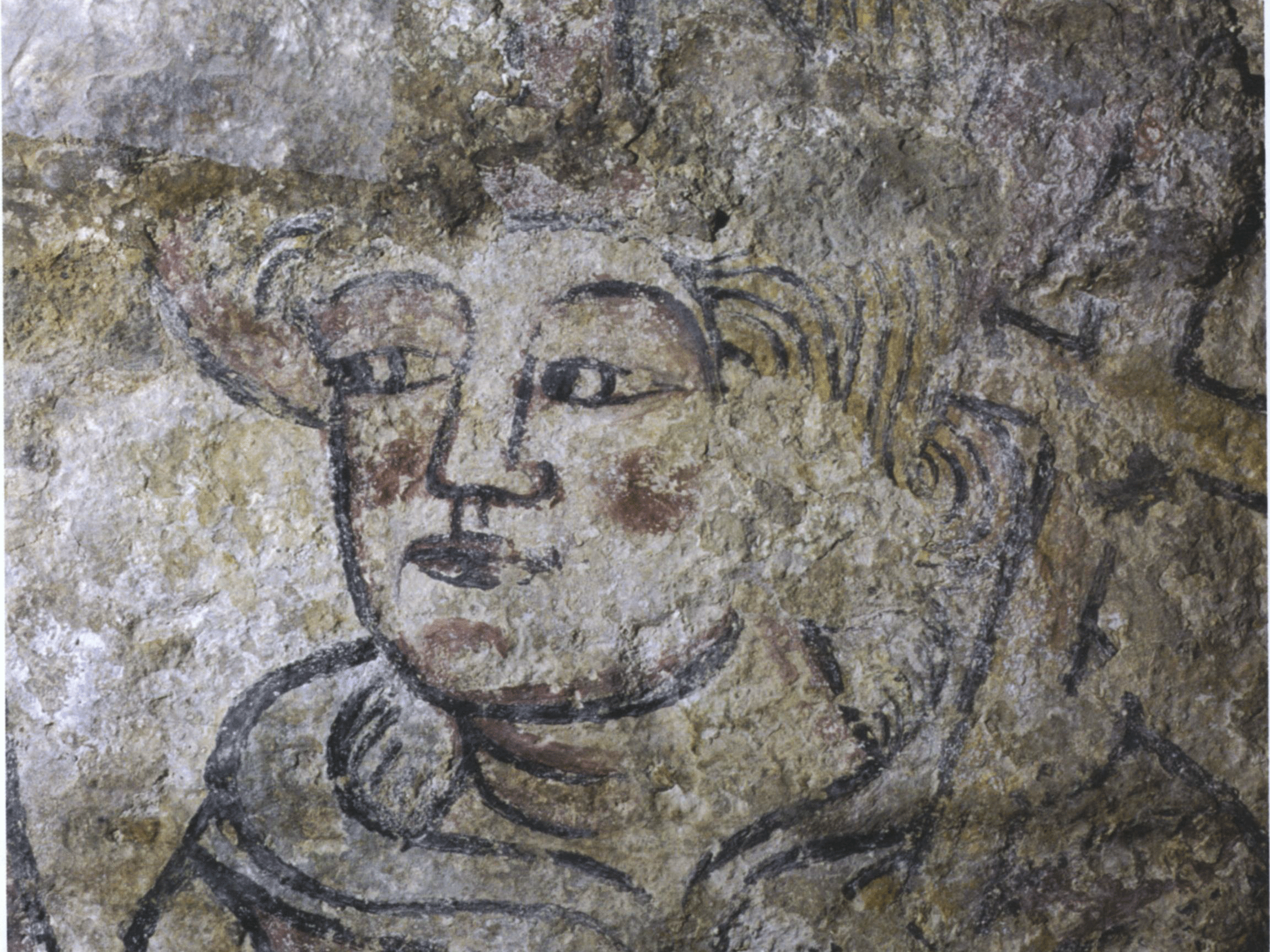
Karena Morton uncovers the evidence of a more colourful medieval past, through existing fragments discovered within Ireland’s tower houses and religious sites
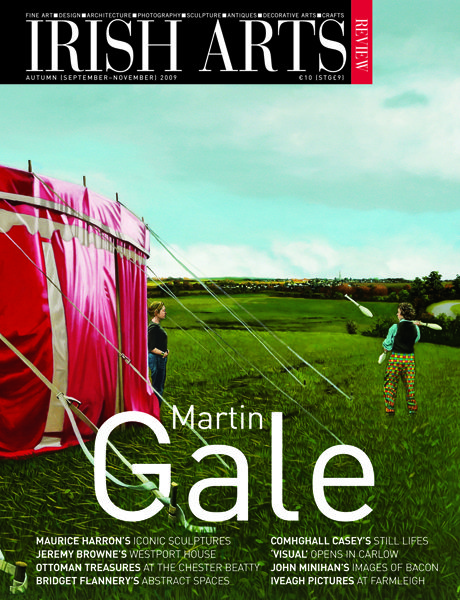
John Mulcahy reviews the vicissitudes of fate and fortune through the generations of the Browne family at Westport House, County Mayo
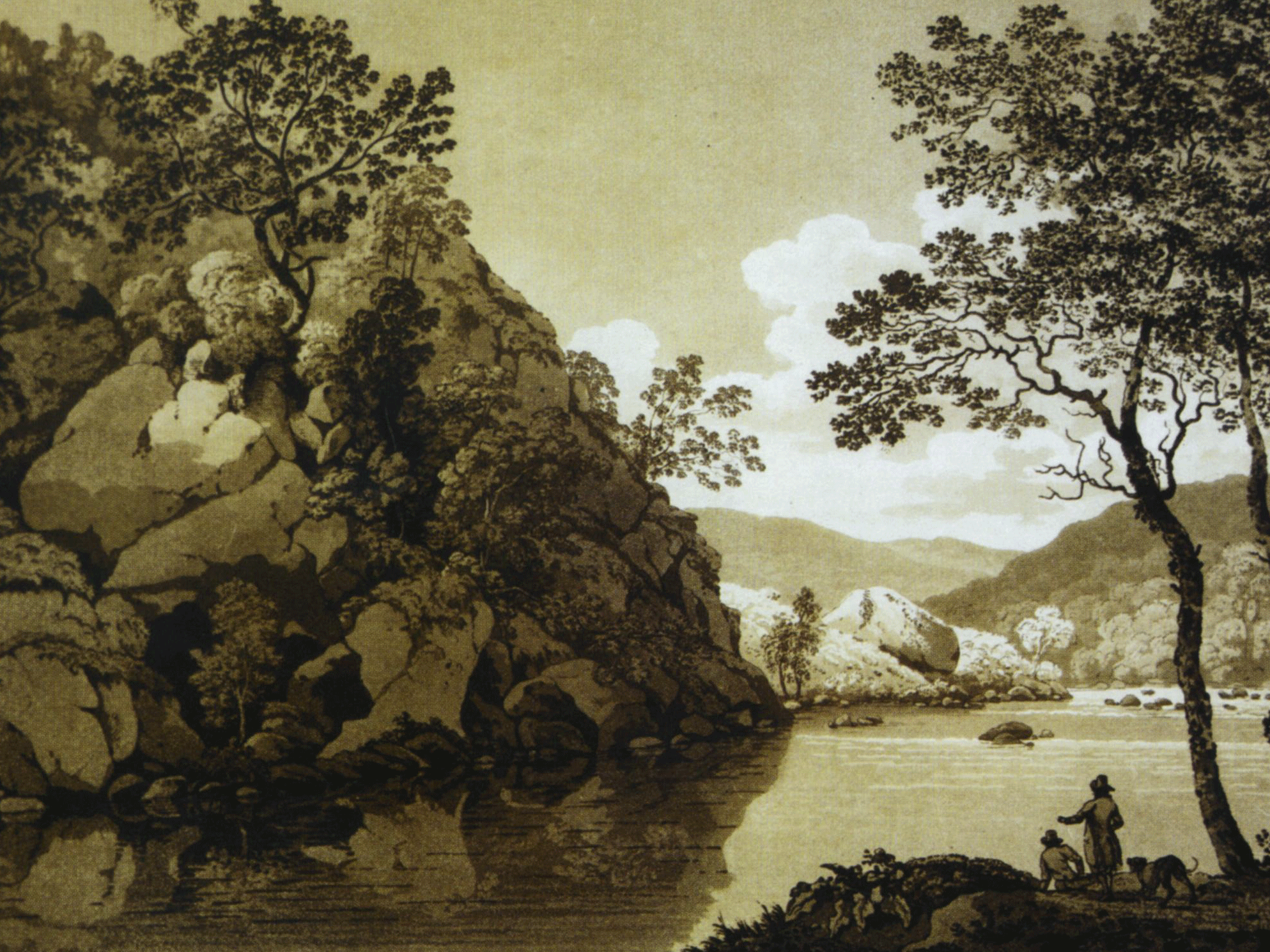
Member of Parliament, architect and kinsman of Charles Stewart Parnell, Samuel Hayes is best known for his design in 1777 of the house and estate at Avondale, Co Wicklow, writes Patrick Bowe
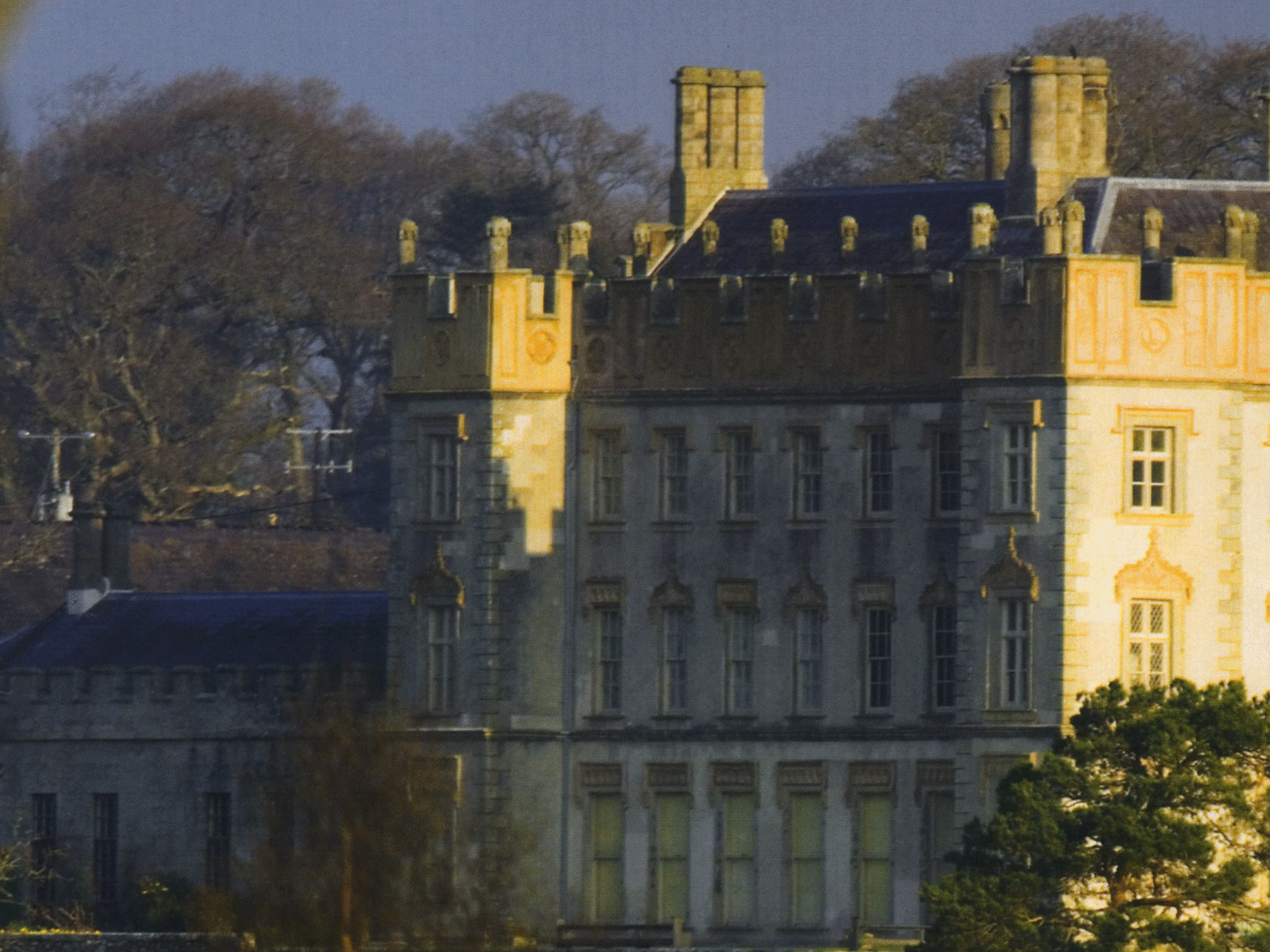
In the 1800s The MacMurrough Kavanaghs of Borris embarked on a lavish building programme that transformed their 18th century mansion into a Tudor revival showpiece. Peter Pearson views the more recent restoration of Borris House, Co Carlow
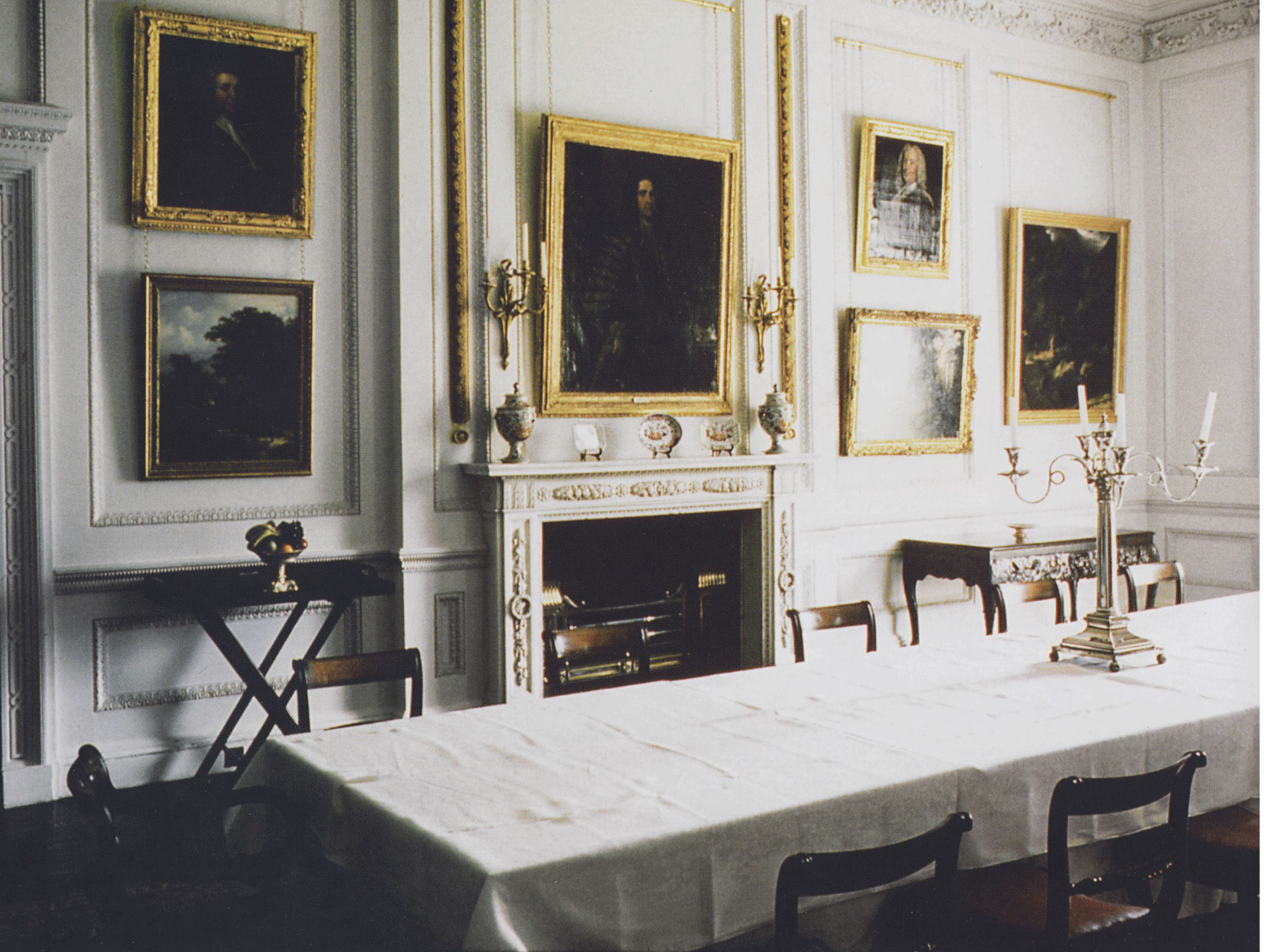
William Laffan applauds the return of seven notable paintings from the Wood Collection to Fota House, Carrigtwohill, Cork
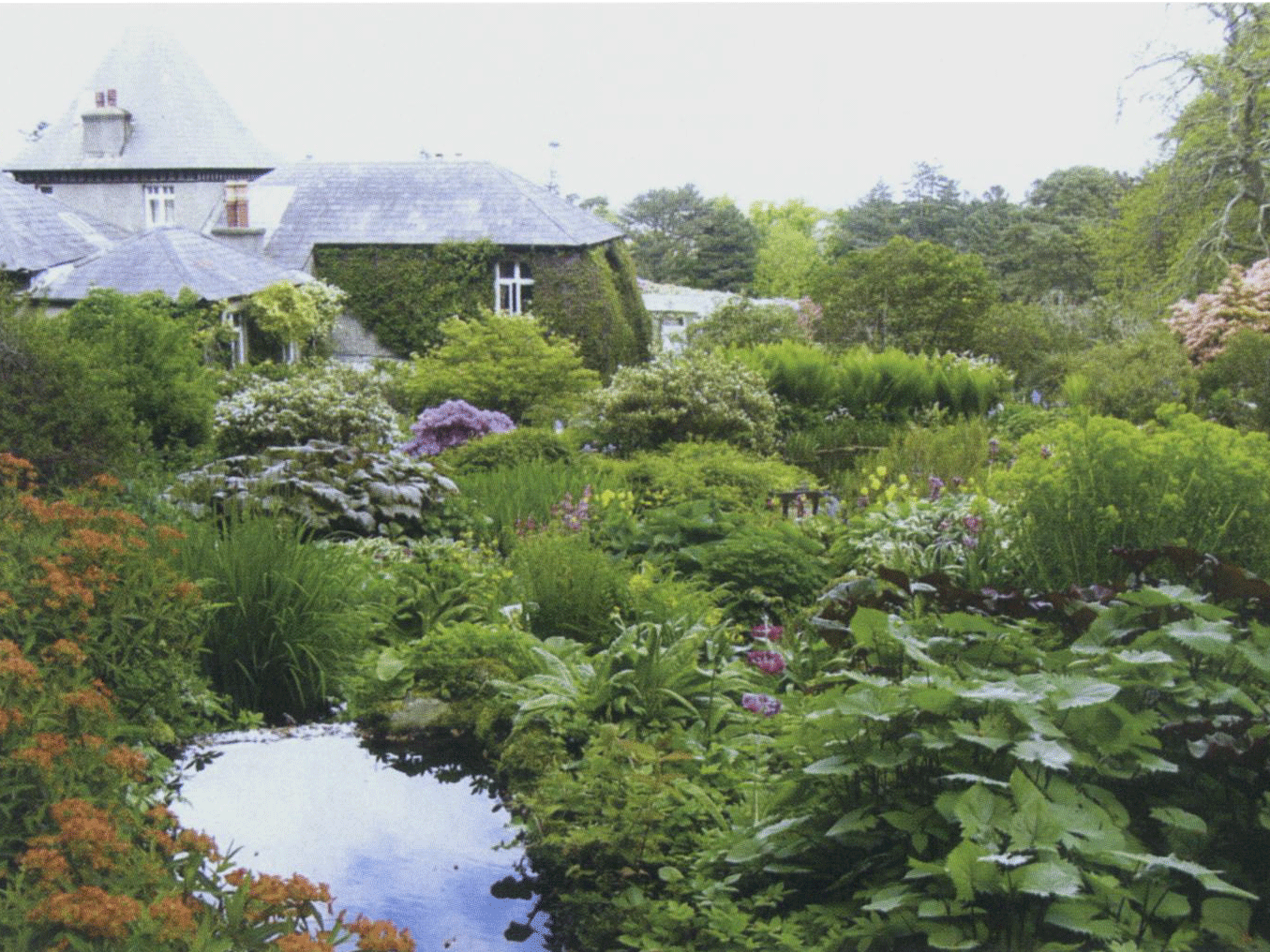
Fernhill Gardens situated at the base of Three Rock Mountain in County Dublin is a model of that rare species, the natural garden, writes Patrick Bowe
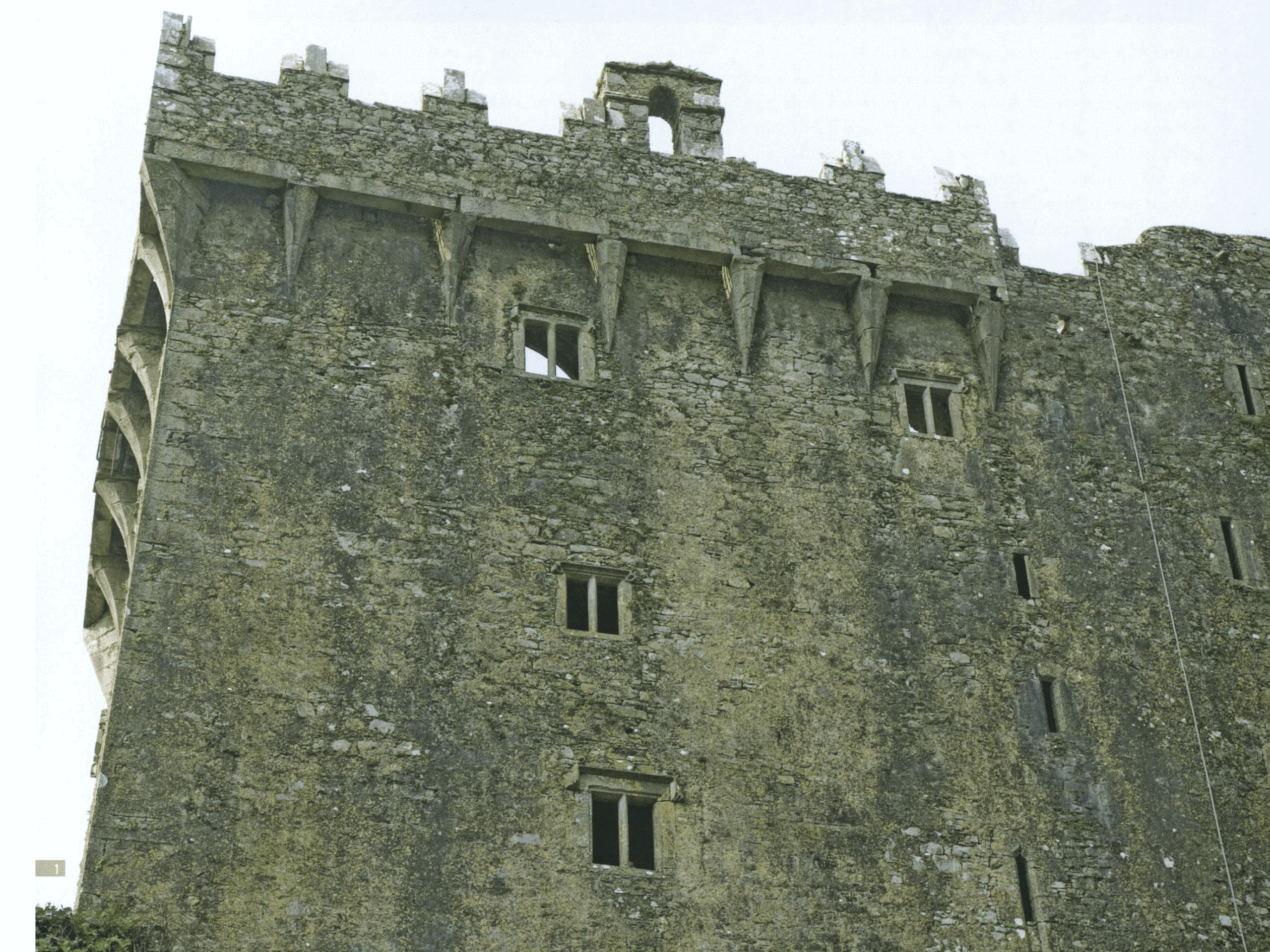
Kate Hamlyn discusses some key members of the MacCarthy Muskerry Clan, the Gaelic owners of Blarney Castle, whose fortunes rose and fell in line with their allegiance to the English throne
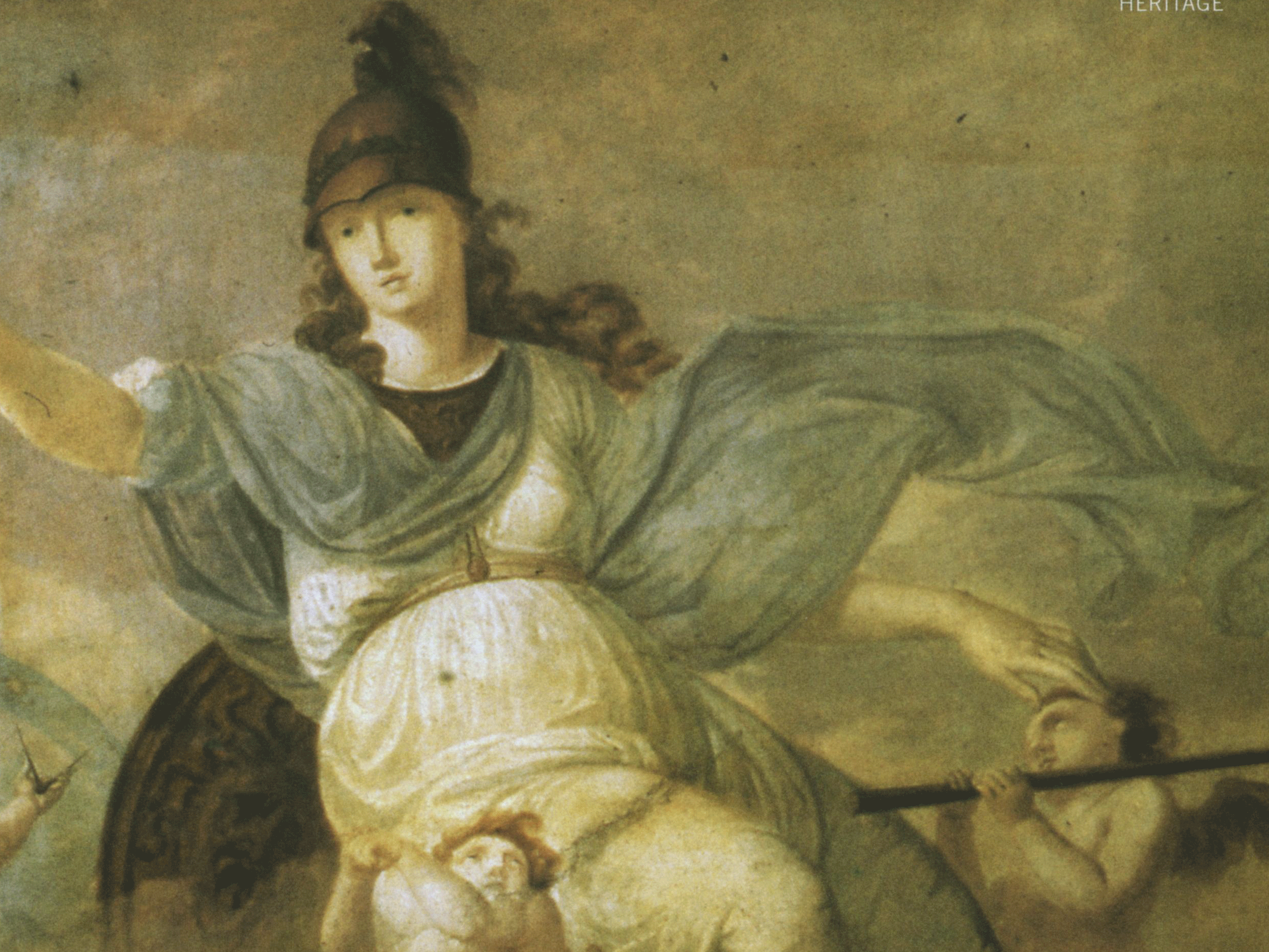
Vernon Mount in County Cork is a neoclassical gem, remarkable for its distinguished design, yet today its future is in jeopardy, writes Desmond Fitzgerald and Donough Cahill
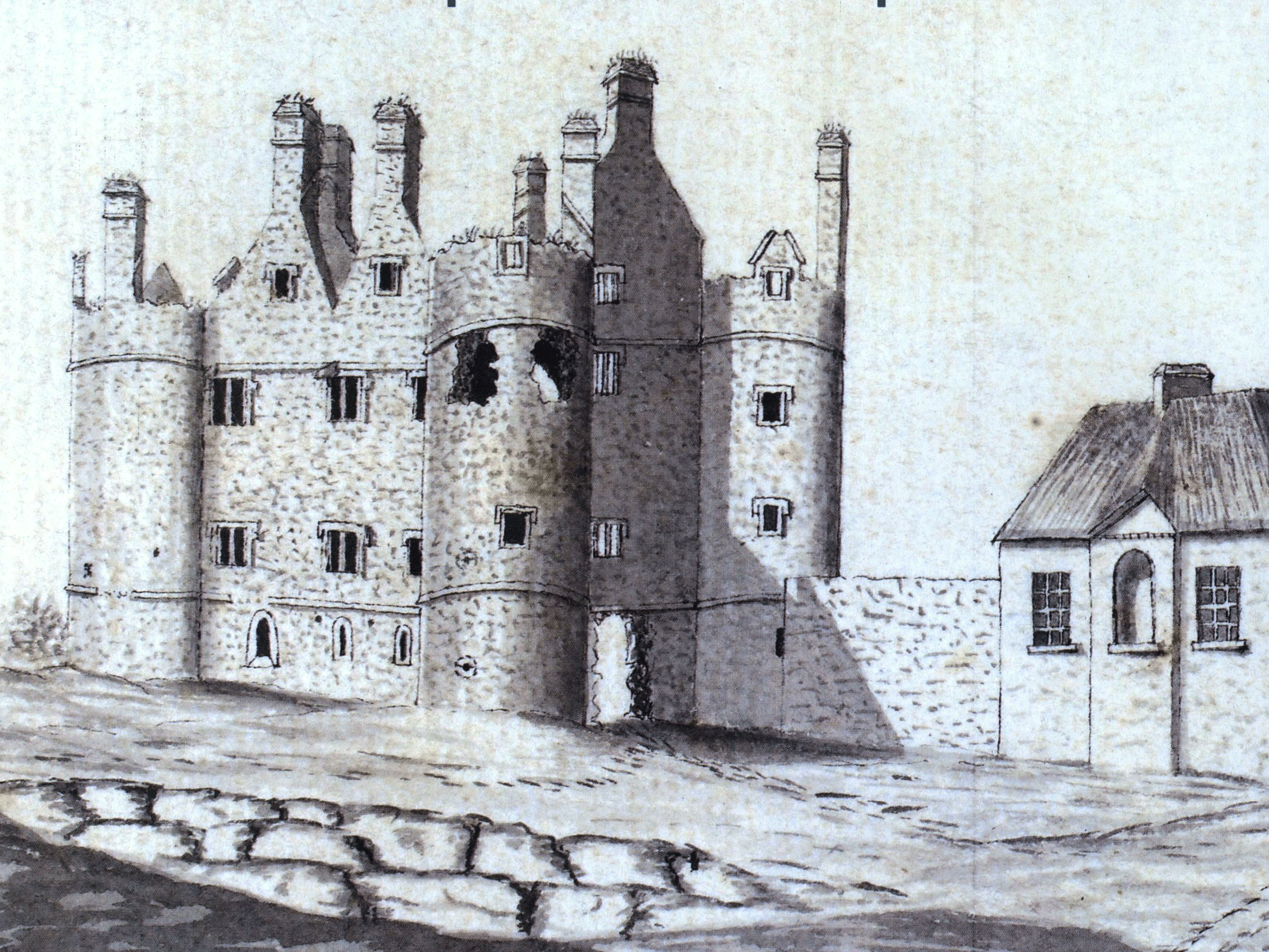
Cornelia McCarthy traces the cultural milieu of the inhabitants of Killenure Castle, County Tipperary, home to the Cooper family for almost three centuries
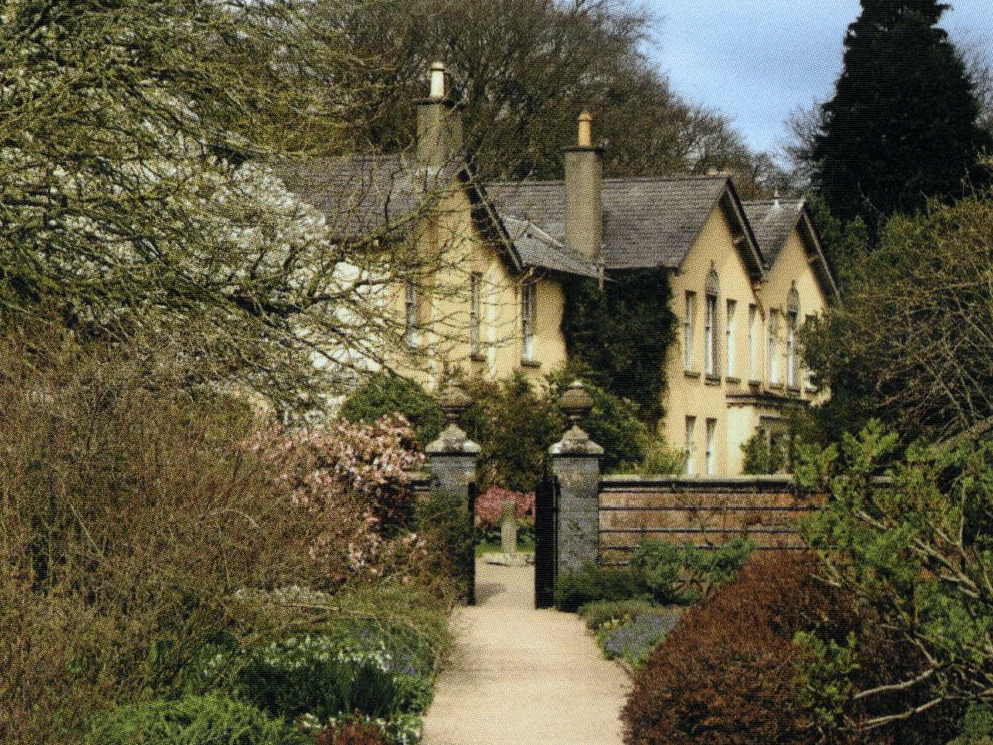
Terence Reeves-Smyth explores the development of the famous Robinsonian garden outside Saintfield, County Down
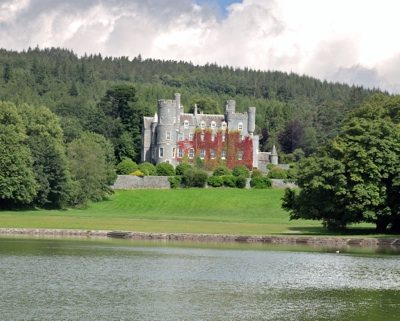
Terence Reeves-Smyth traces the development of the world-famous arboretum at Castlewellan, Co Down, framed by sea and mountains
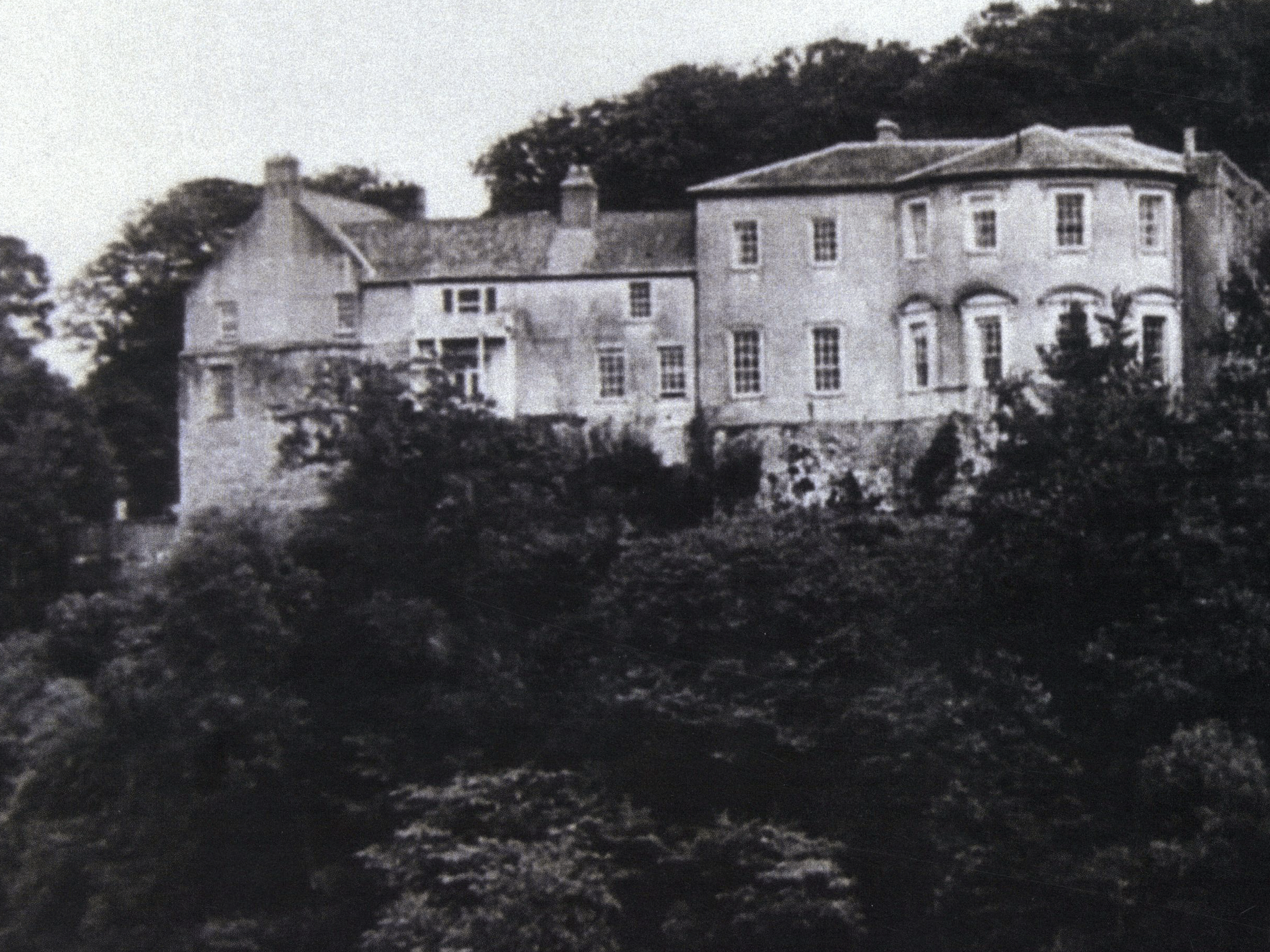
Described by Thomas Carlyle as 4a huge grey pile,’ Dromana today resembles its modest 17th-century form; Robert O’Byrne recounts the history of this house and the prominence of its formidable female line
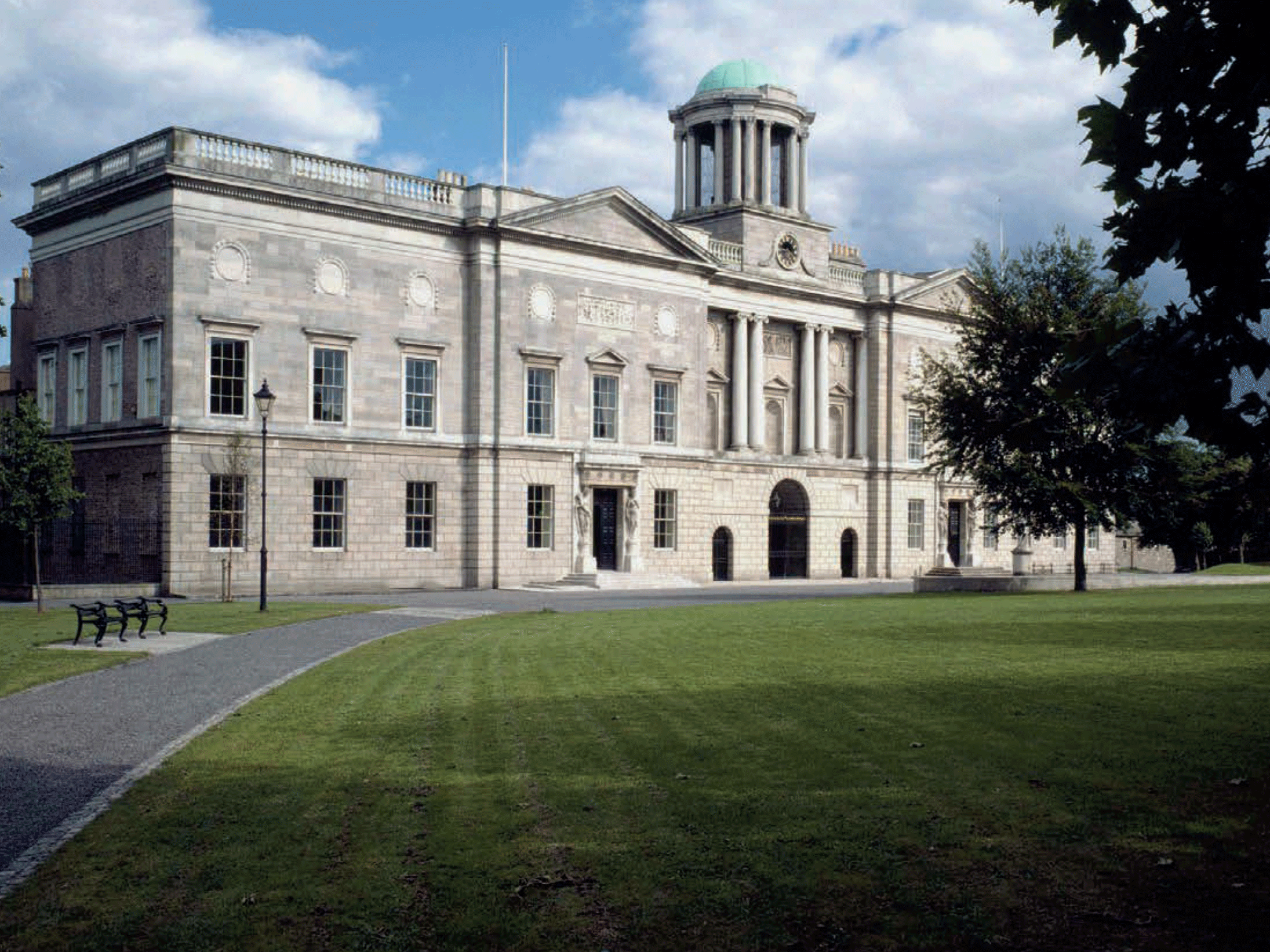
Patricia McCarthy charts the history of the Honorable Society of King’s Inn: its members were granted the Dominican Friary of St Savipur’s by Henry VIII in 1539, and later James II held his last parliament there, before the barrister moved to their Gandon-designed headquarters on Constitution Hill, Dublin
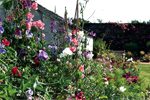
As the Royal Hotocultural Society of Ireland celebrates its 200th anniversary this year, President of the RHSI Robert S Myerscough, recalls its foundation and reports on its plan to renovate Russborough’s walled garden
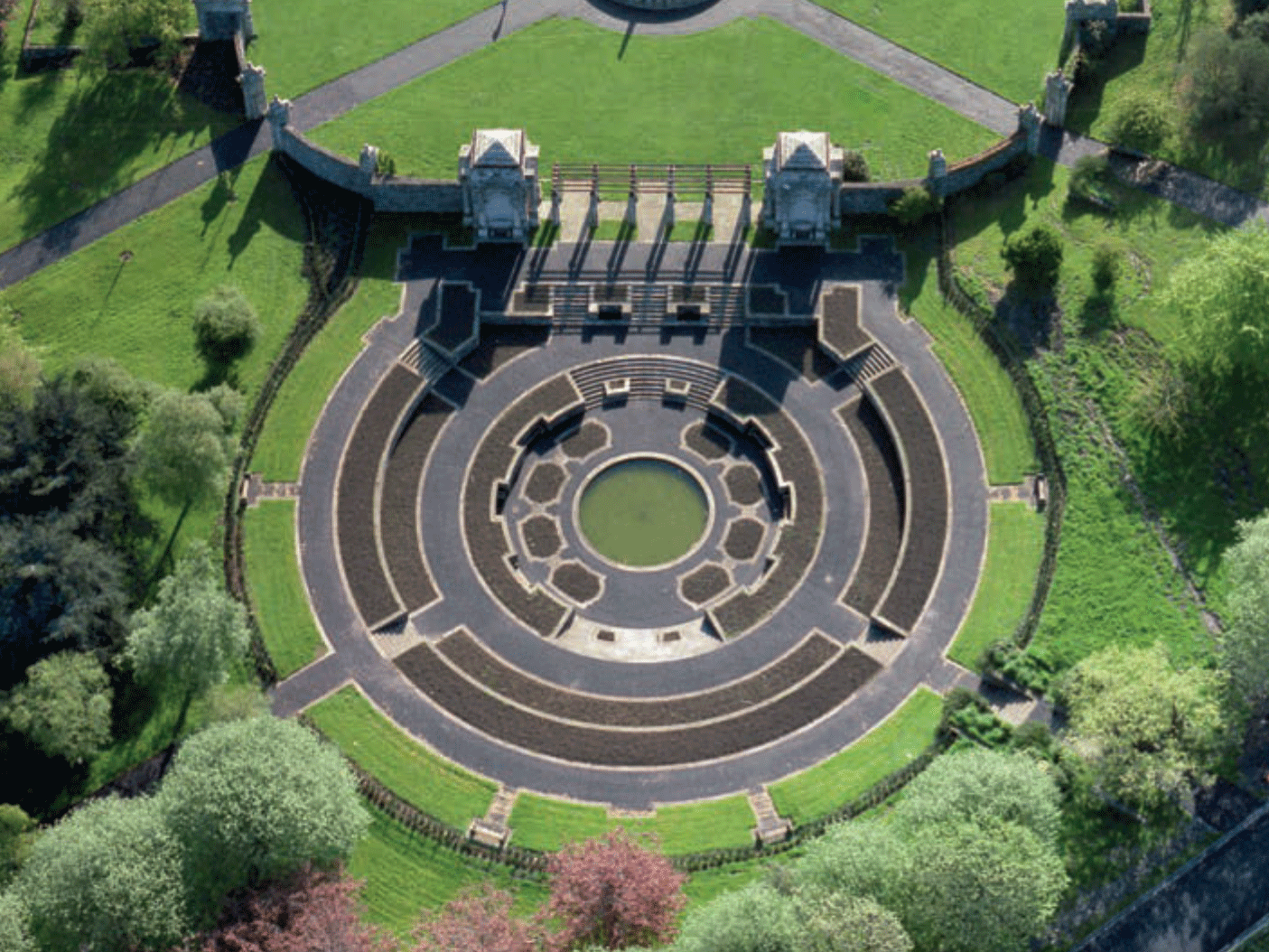
The Irish National Memorial Gardens at Islandbridge in Dublin represents one of the most admirable and noble projects undertaken in the newly founded Irish Free State, writes Kevin V Mulligan
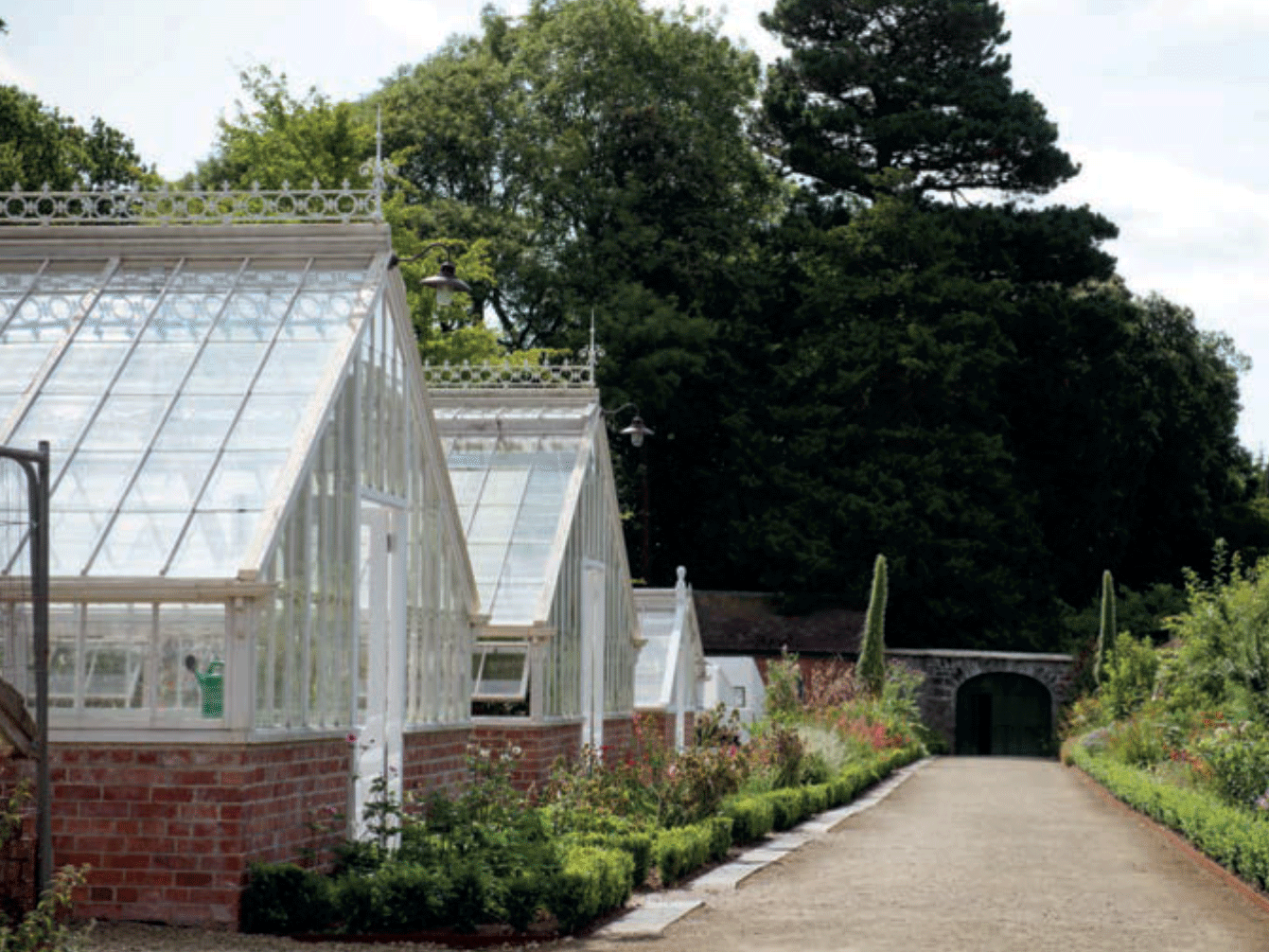
Engaging with communities and unlocking the unique story of the properties within its care lies at the heart of the Irish Heritage Trust’s ten-year history, writes Sandra Andrea O’Connell
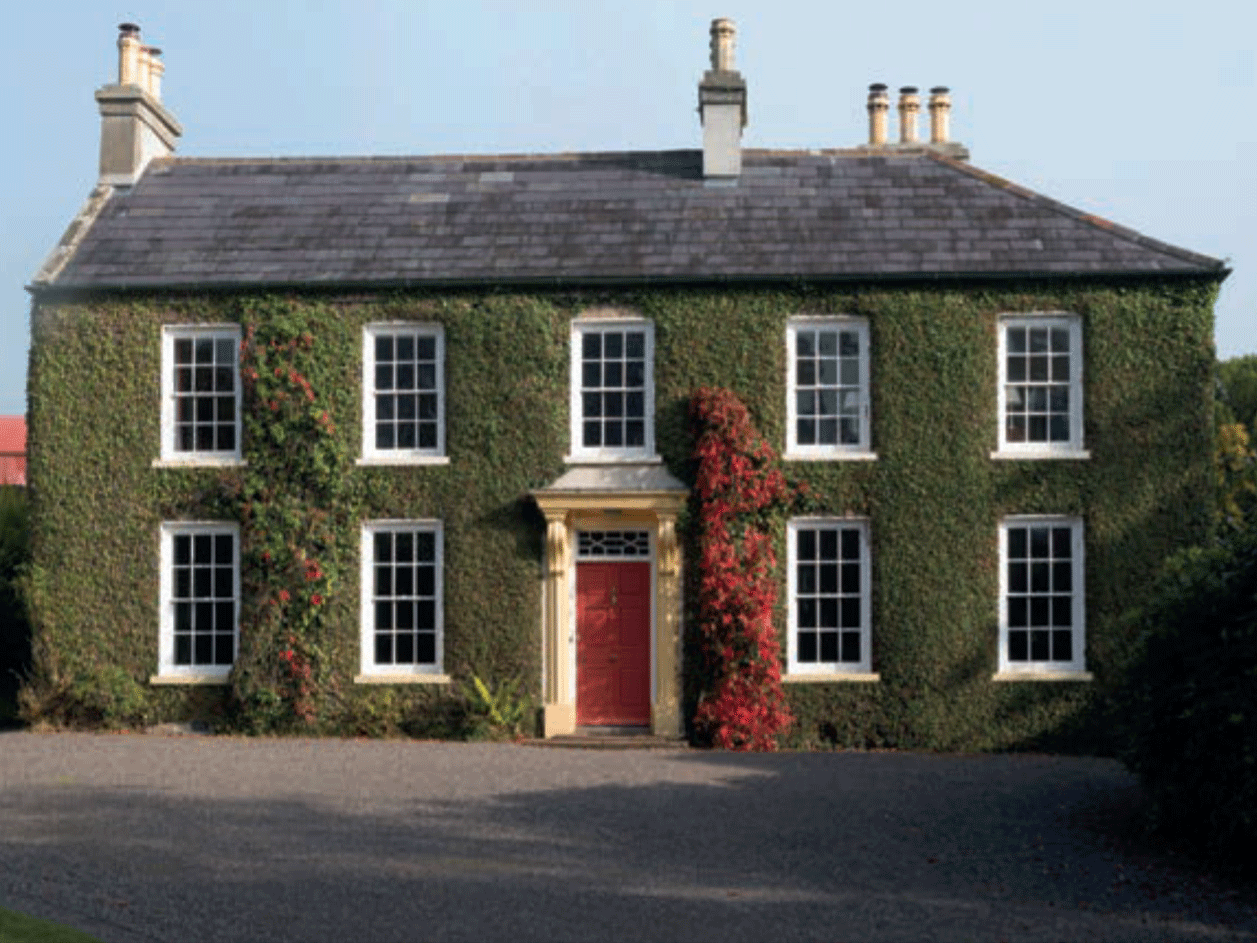
Managing a portfolio of historic properties presents numerous challenges; Sandra Andrea O’Connell discovers how Irish Landmark Trust has fared as it marks its quarter century!
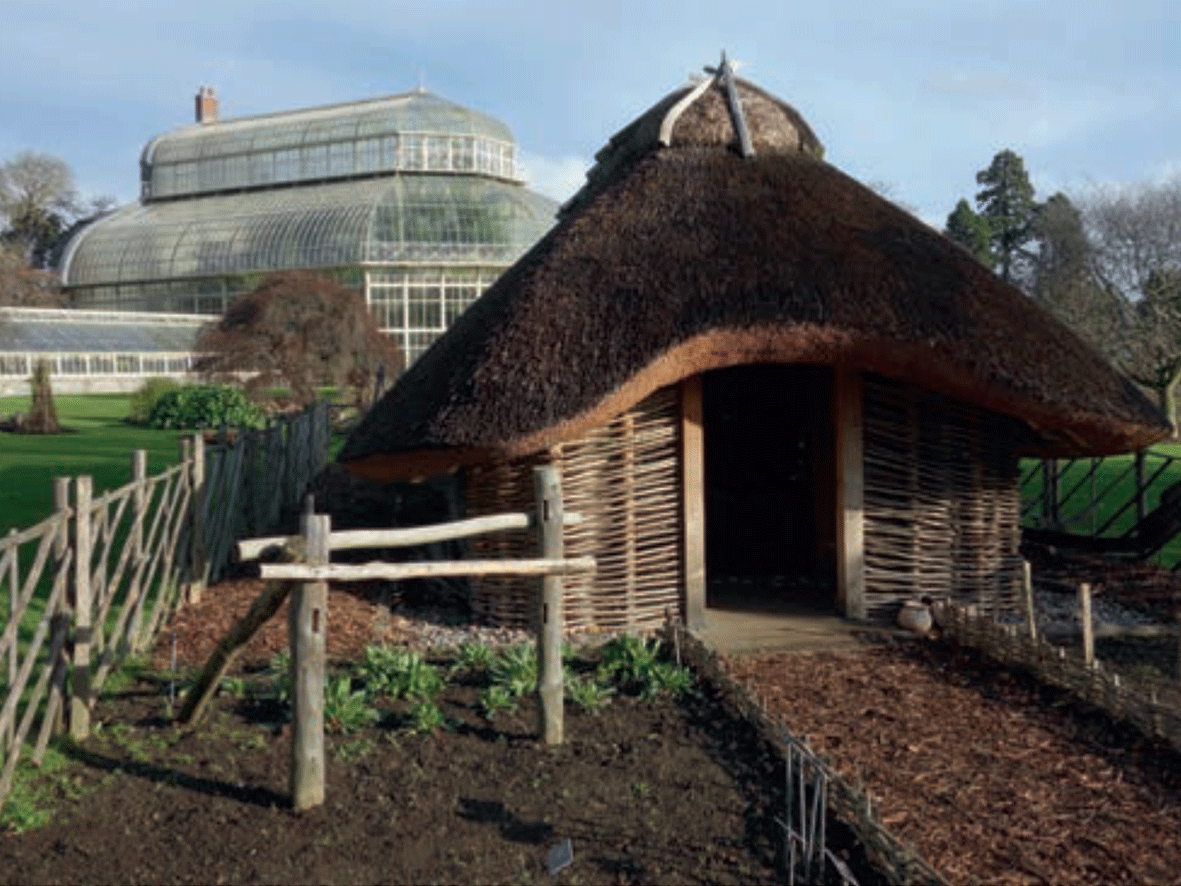
What’s in a name? Is botany an art or a science or a hybrid, muses Matthew Jebb, as he walks through The National Botanic Gardens.
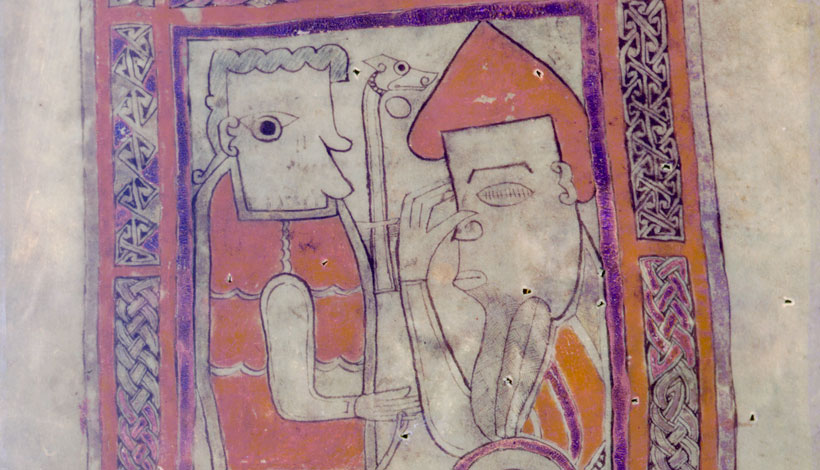
Bernard Meehan explores a thousand-year-old Irish psalter on which new multispectral imaging has revealed details lost for centuries
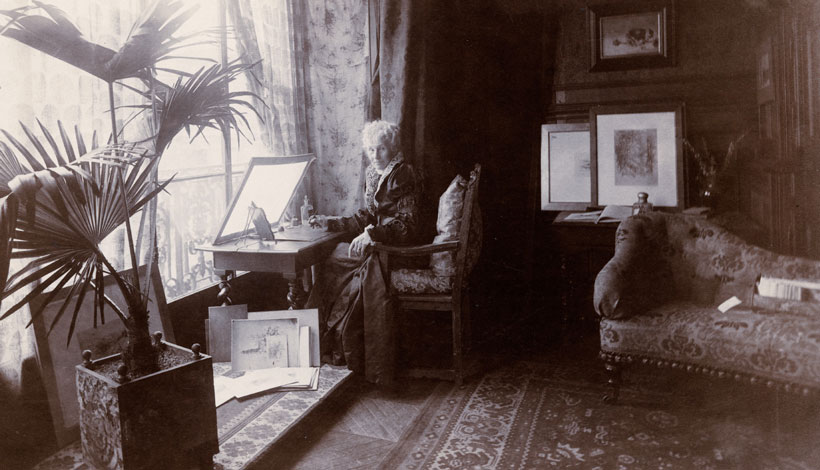
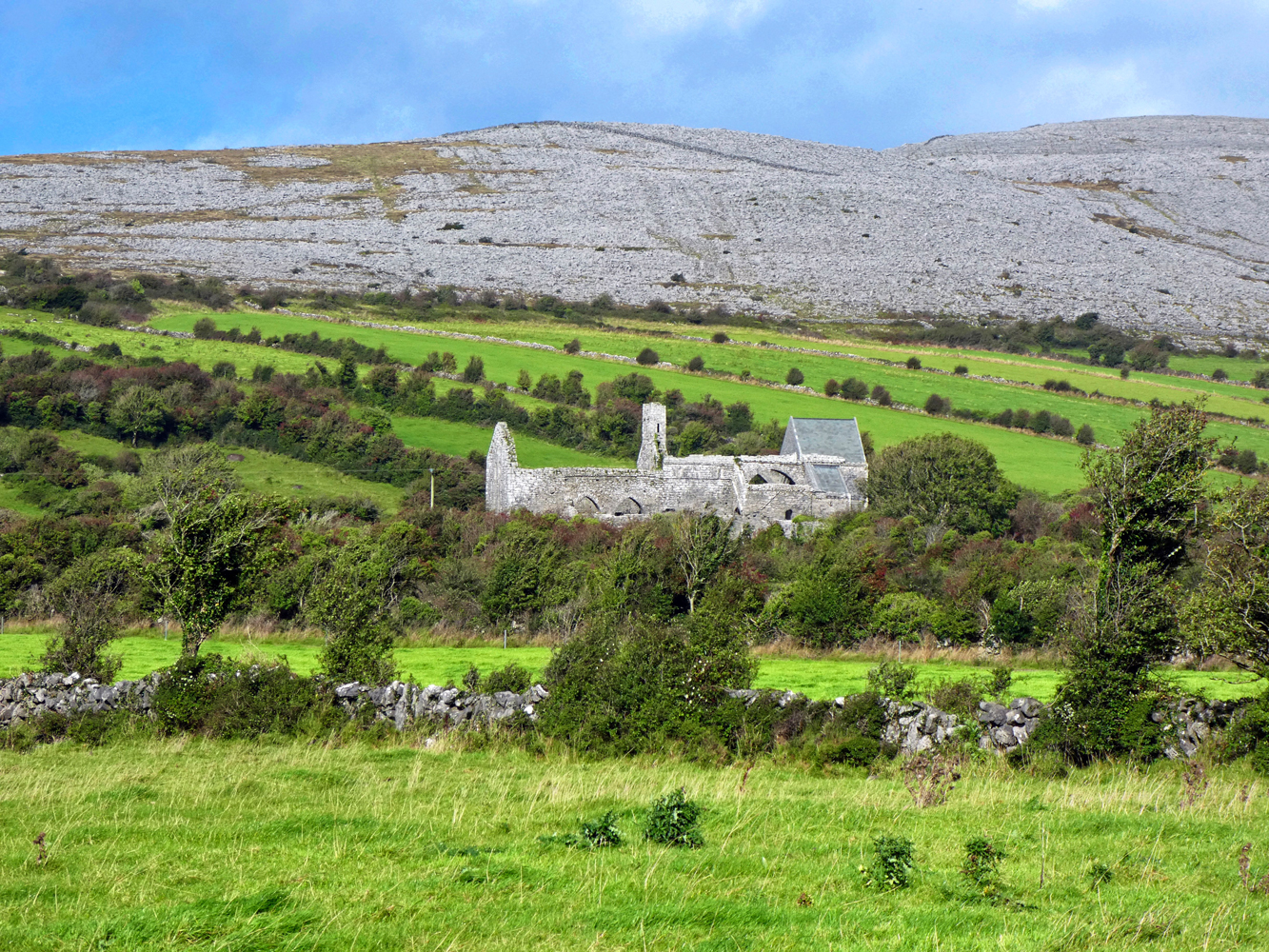
Terence Reeves-Smyth recounts the history of Killymoon Castle, Co Tyrone, the first Irish commission of architect John Nash
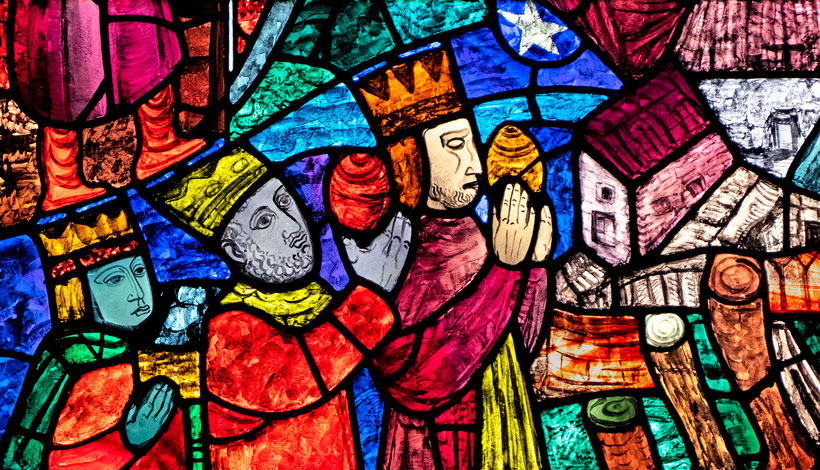
Joseph McBrinn charts the history of Evie Hone’s Tullabeg windows, which illustrate scenes from the life of Christ
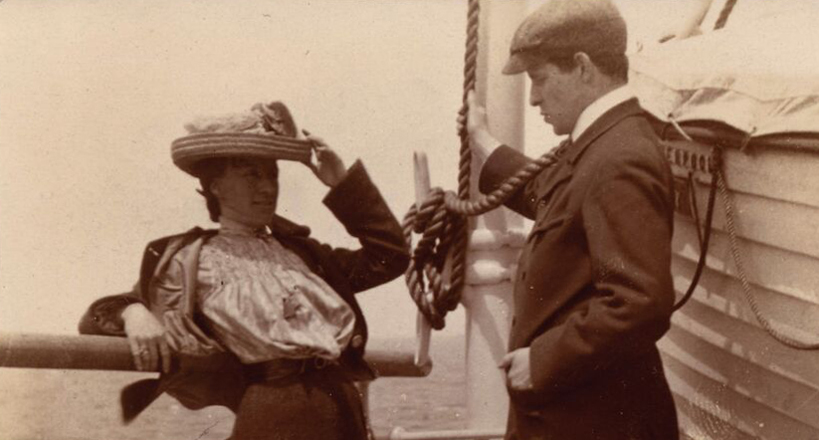
Rosemary Devereaux paints a picture of Mary Cottenham Yeats as a talented, resourceful artist in a variety of media
Unravelling the sequence of carving on the stones has been challenging but has been helped by the fact that there are so many examples to study, writes Elizabeth Shee Twohig
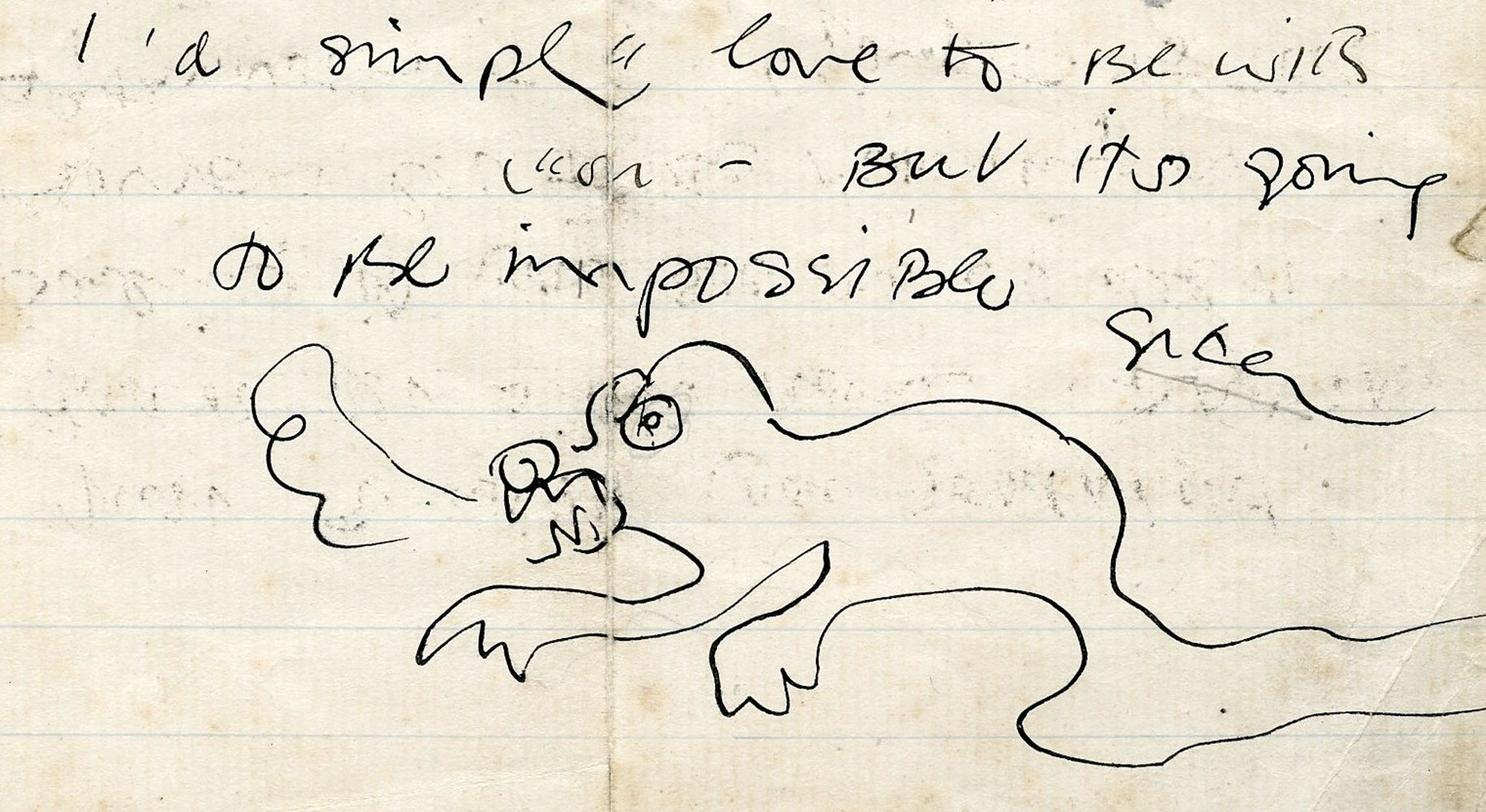
Christian Dupont reflects on the personal and political desires conveyed in two cartoons by Grace Gifford Plunkett
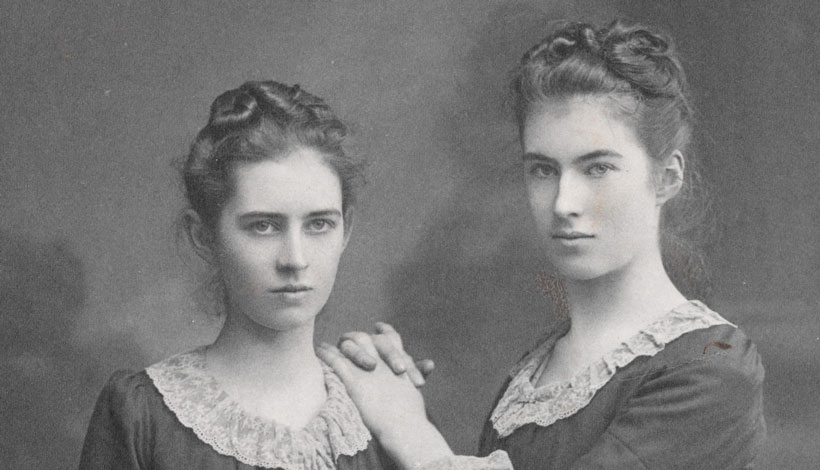
Sarah Gillespie recalls how the Wynne sisters of County Wicklow transformed the produce of a small woollen mill and brought it to the centre of fashion in Paris and beyond


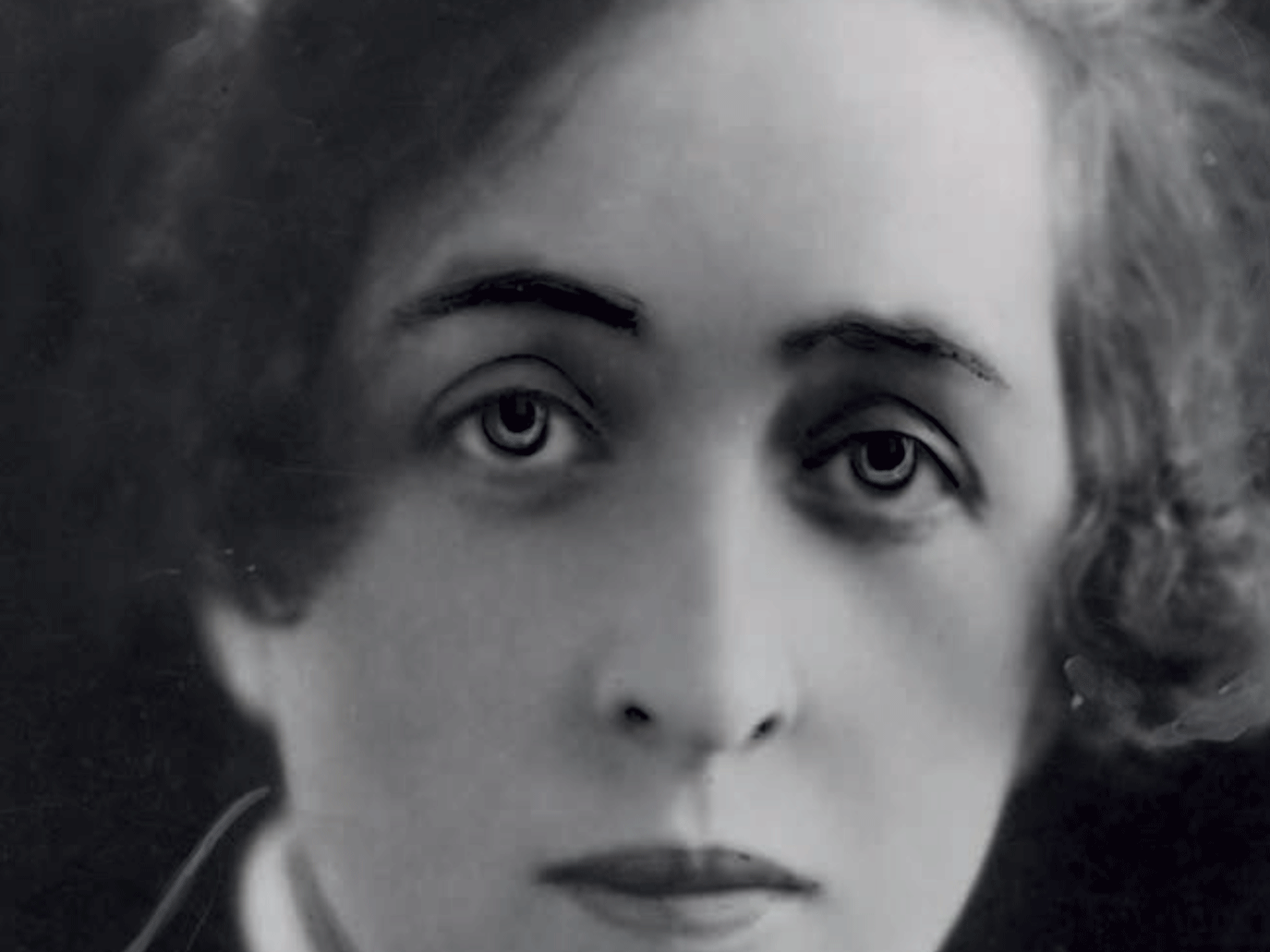
Peter Murray traces the extraordinary life and career of Clare Sheridan, artist, journalist and confidante of Charlie Chaplin
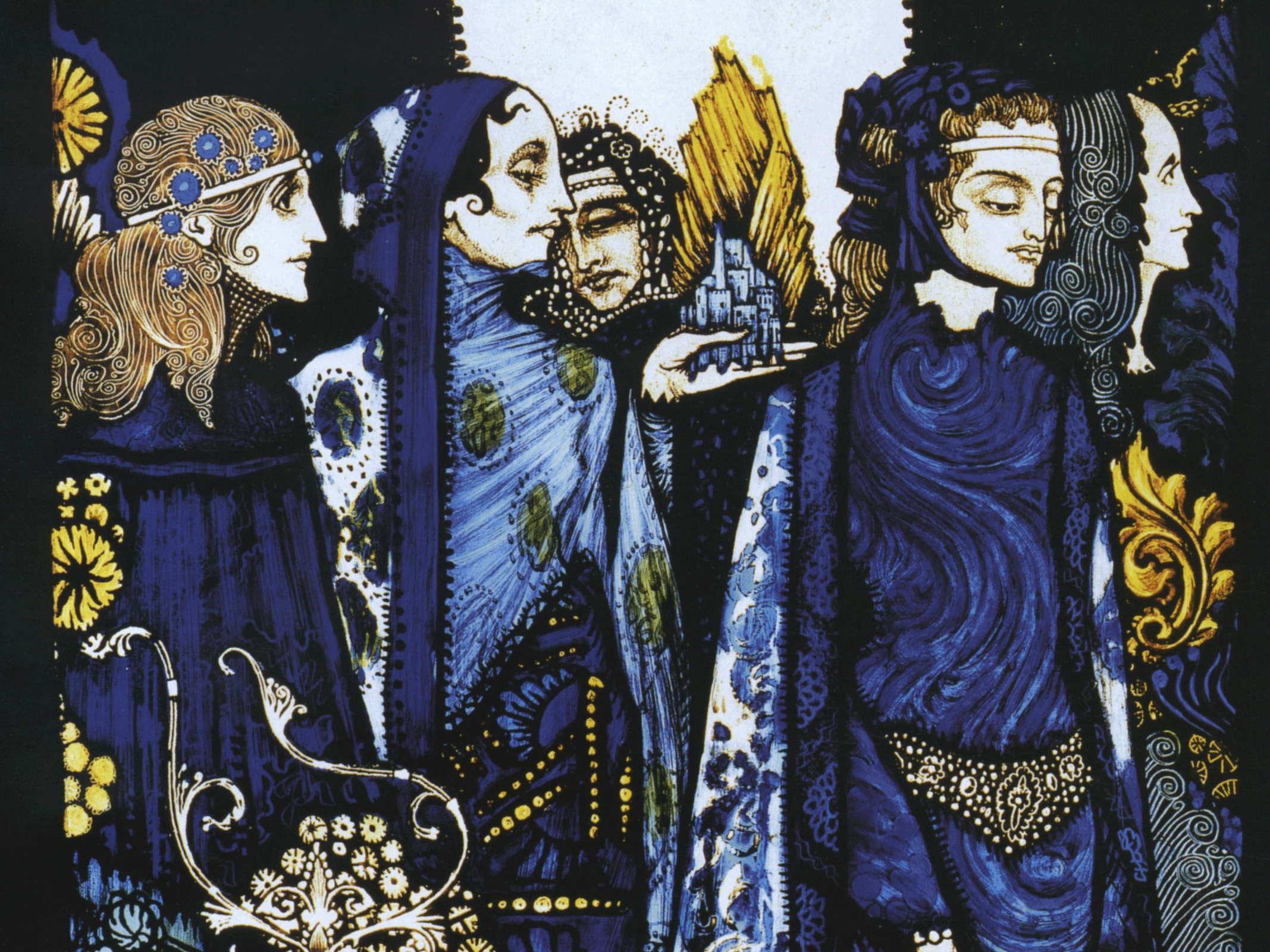
Nicola Gordon Bowe discusses Harry Clarke’s exquisitely detailed interpretation of Synge’s Queens, an ode to history’s most memorable female characters
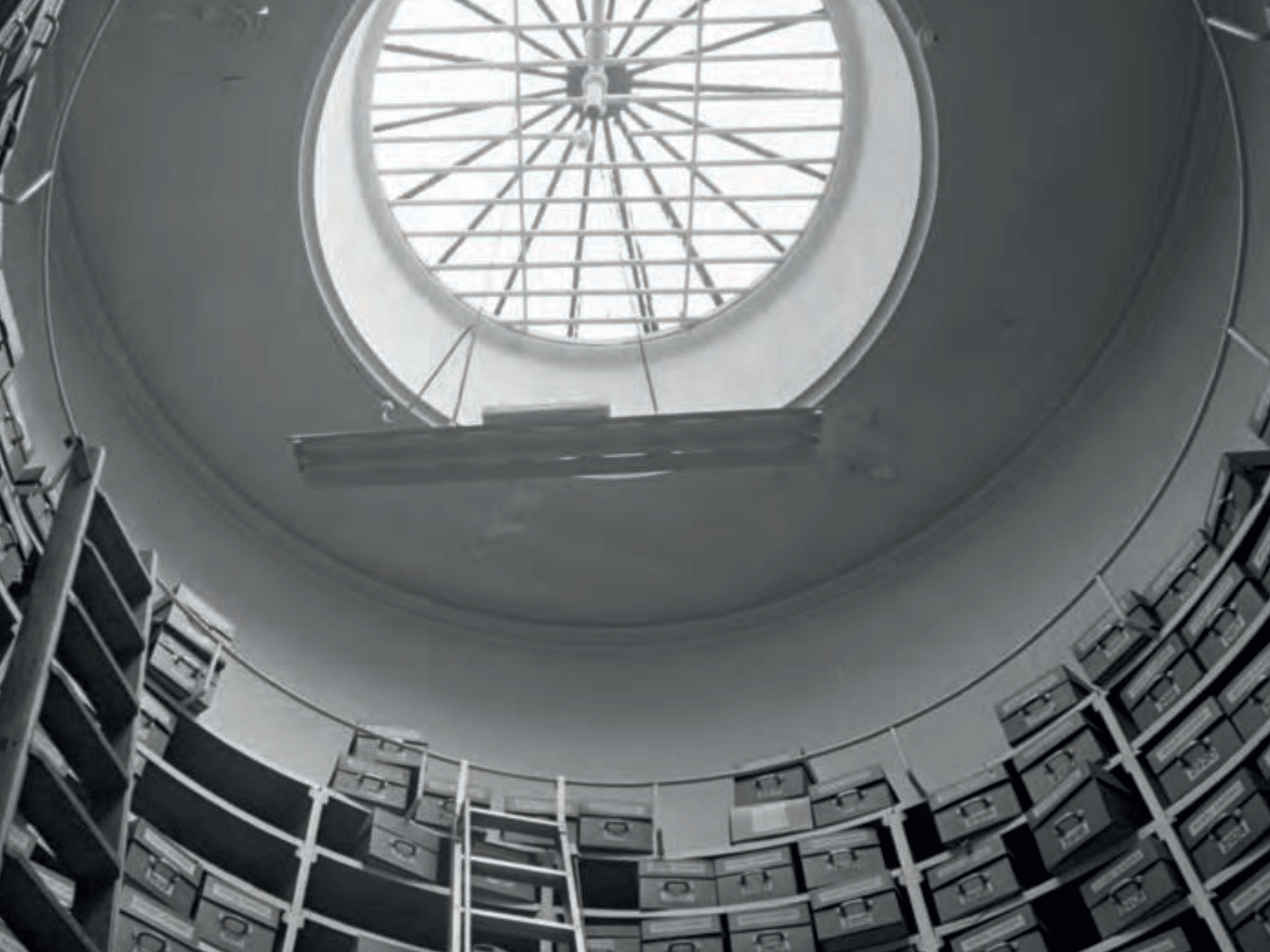
Prompted by the splendid facsimiles of the Irish Parliamentary bindings, Judith Hill recalls the journey taken by the originals from Dublin Castle to a purpose-built repository

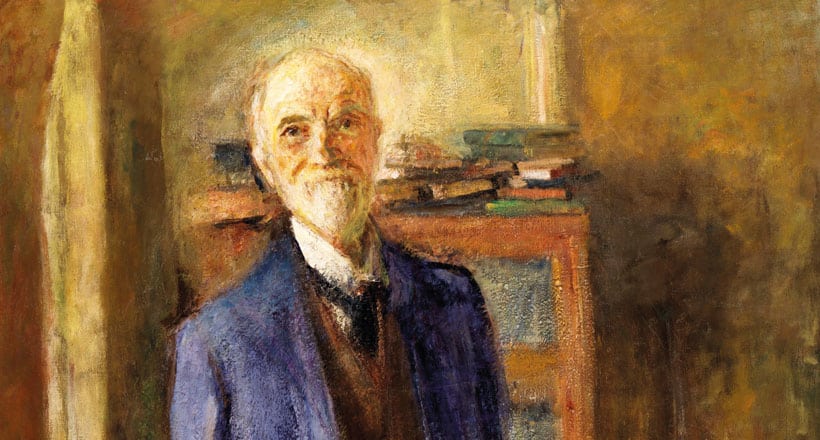
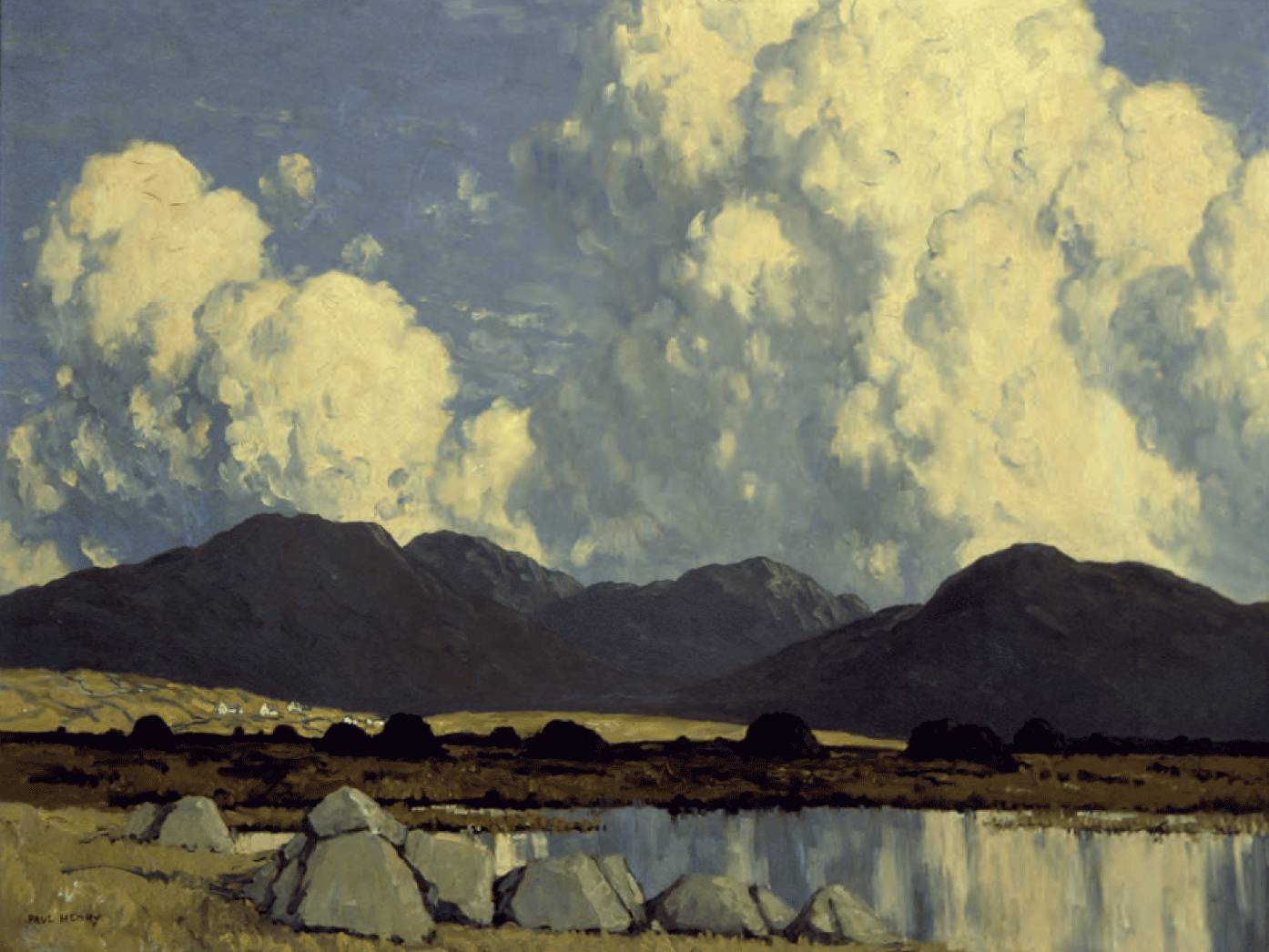
Christian Dupont follows the relationship between art and cultural identity as seen in two works from the collection of Burns Library at Boston College
Christian Dupont compares two embroideries illustrating an enigmatic poem by WB Yeats from the collection of Burns Library at Boston College
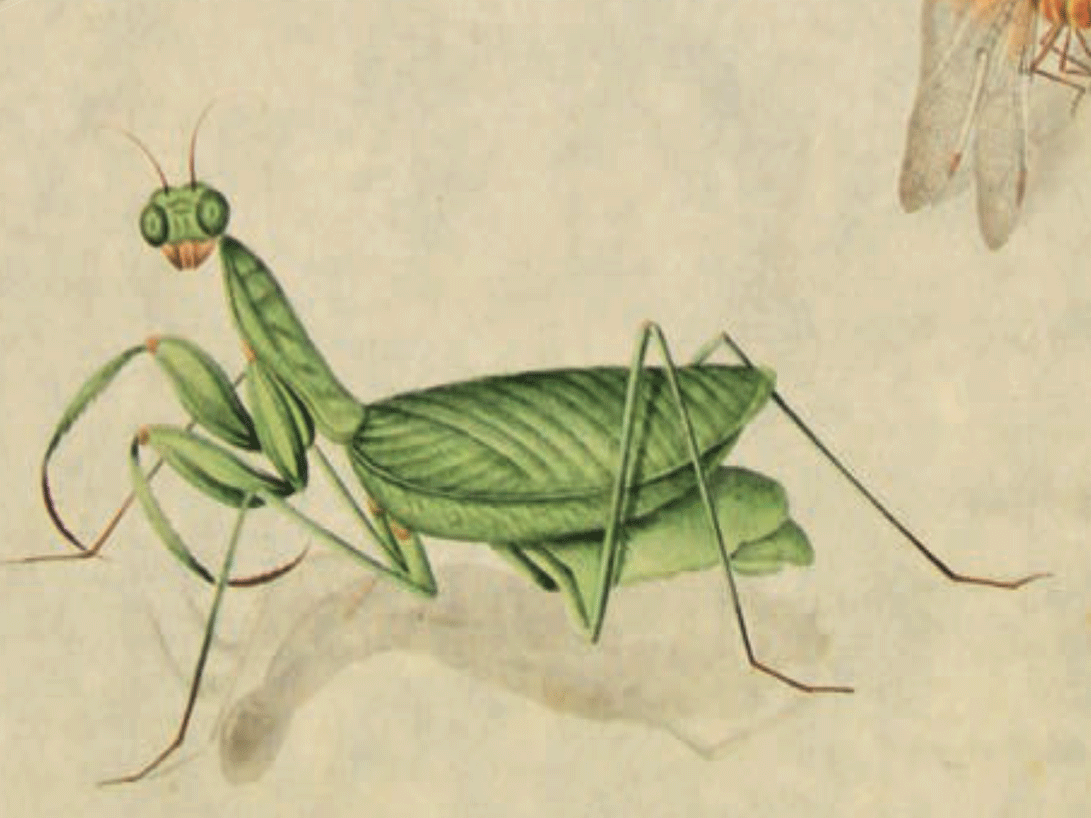
Peter Murray recalls the independent spirit Edith Blake, diarist and artist and one-time occupant of Myrtle Grove, Youghal, County Cork
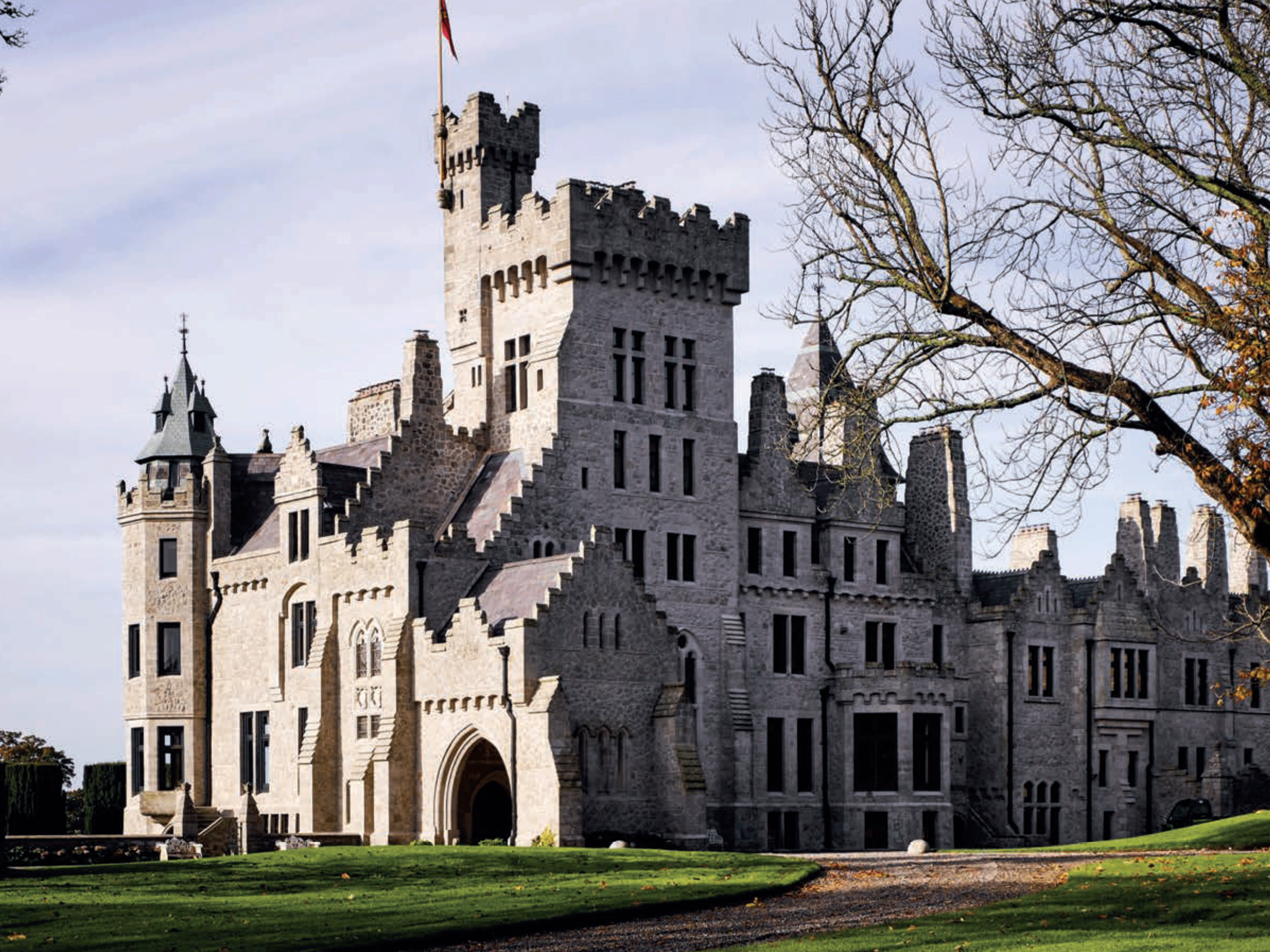
James Horan recounts how a chance encounter led to the unravelling of some architectural mysteries in the restoration of Humewood Castle, County Wicklow
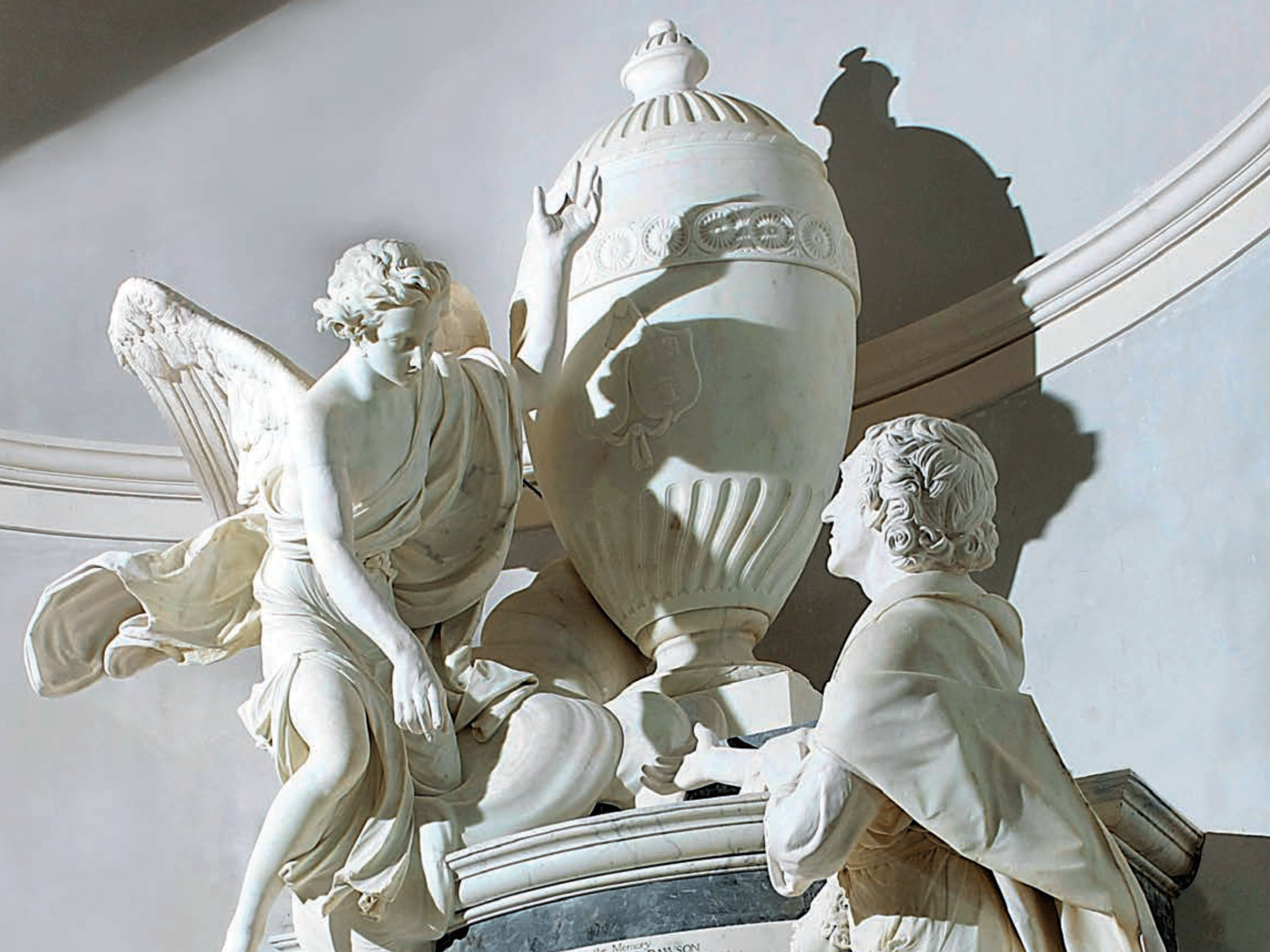
In terms of conception and achievement, historic demesnes as designed landscapes constitute the most inventive, monumental, and certainly the most complex of all artistic creations. The break up of estates through the concerted campaigns of the Land Commission, the commercially driven monocultural policies of the state forestry and latterly the incompatible demands of industrialized agriculture and stealthy spread of sterile golfing resorts means that these fragile and beautiful landscapes have come to represent the rarest and most endangered art forms. The 20th-century decline of the Dartrey demesne on the Monaghan – Cavan border might stand as one of the most egregious examples of the impacts of dispassionate and poorly conceived polices that conspired, wittingly or otherwise, to erase these creations, either in a heartbeat or with a slow and painful demise. It seems unlikely therefore that the same landscape should in recent years have become the focus of two major building restoration projects by a voluntary local community group working with state bodies, which has not only achieved the physical redemption of two exceptional works of classical architecture, but has also brought about greater awareness of the historical and cultural significance of Dartrey as a designed landscape of exceptional quality, and one worth preserving in spite of its degradation.
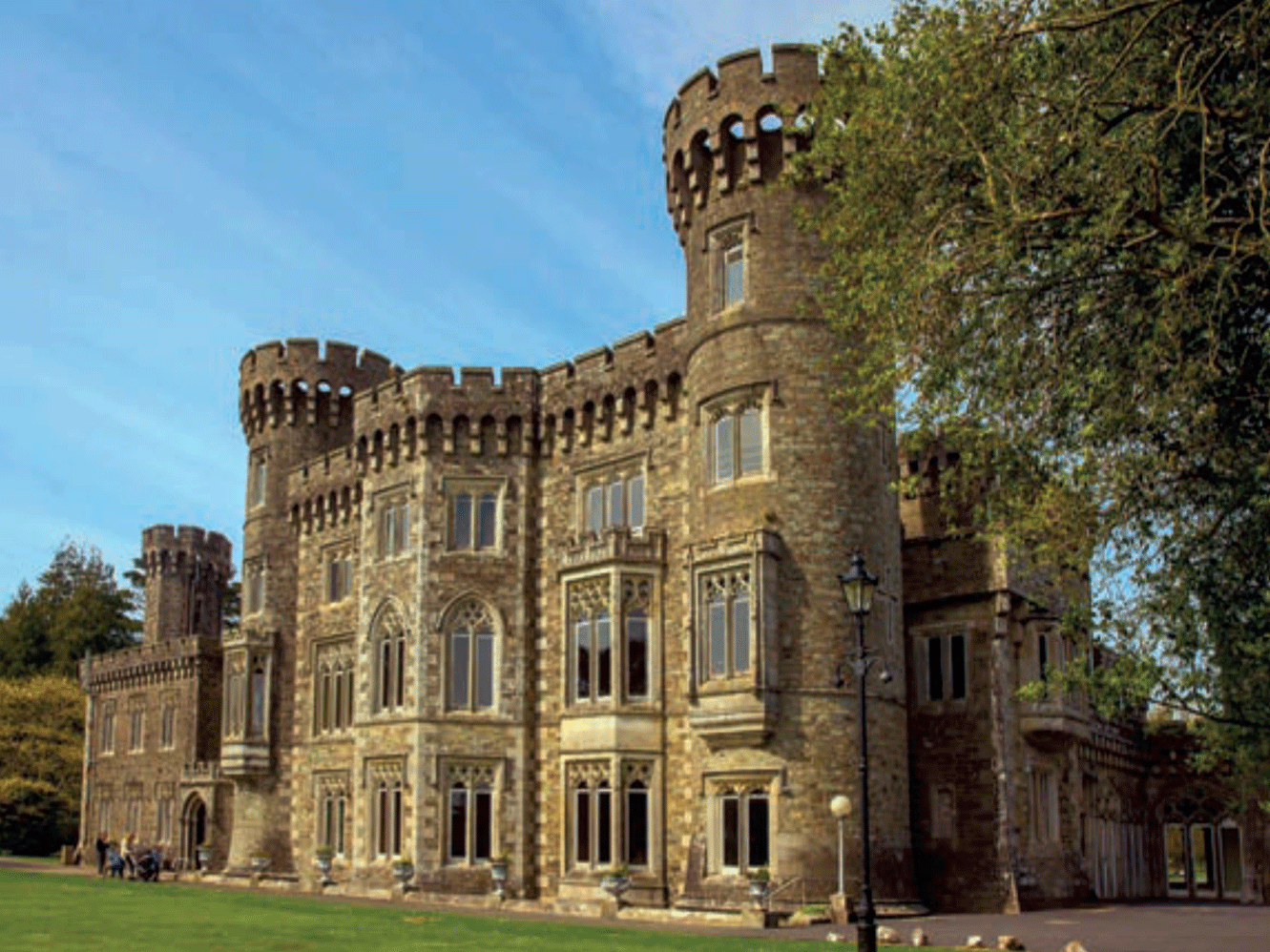
Peter Pearson welcomes a new chapter in the management of Johnstown Castle, County Wexford
To the Irish in America, the irony of using funds from a Fenian club to buy a set of Malton views depicting Georgian Dublin was not apparent, writes Christian Dupont
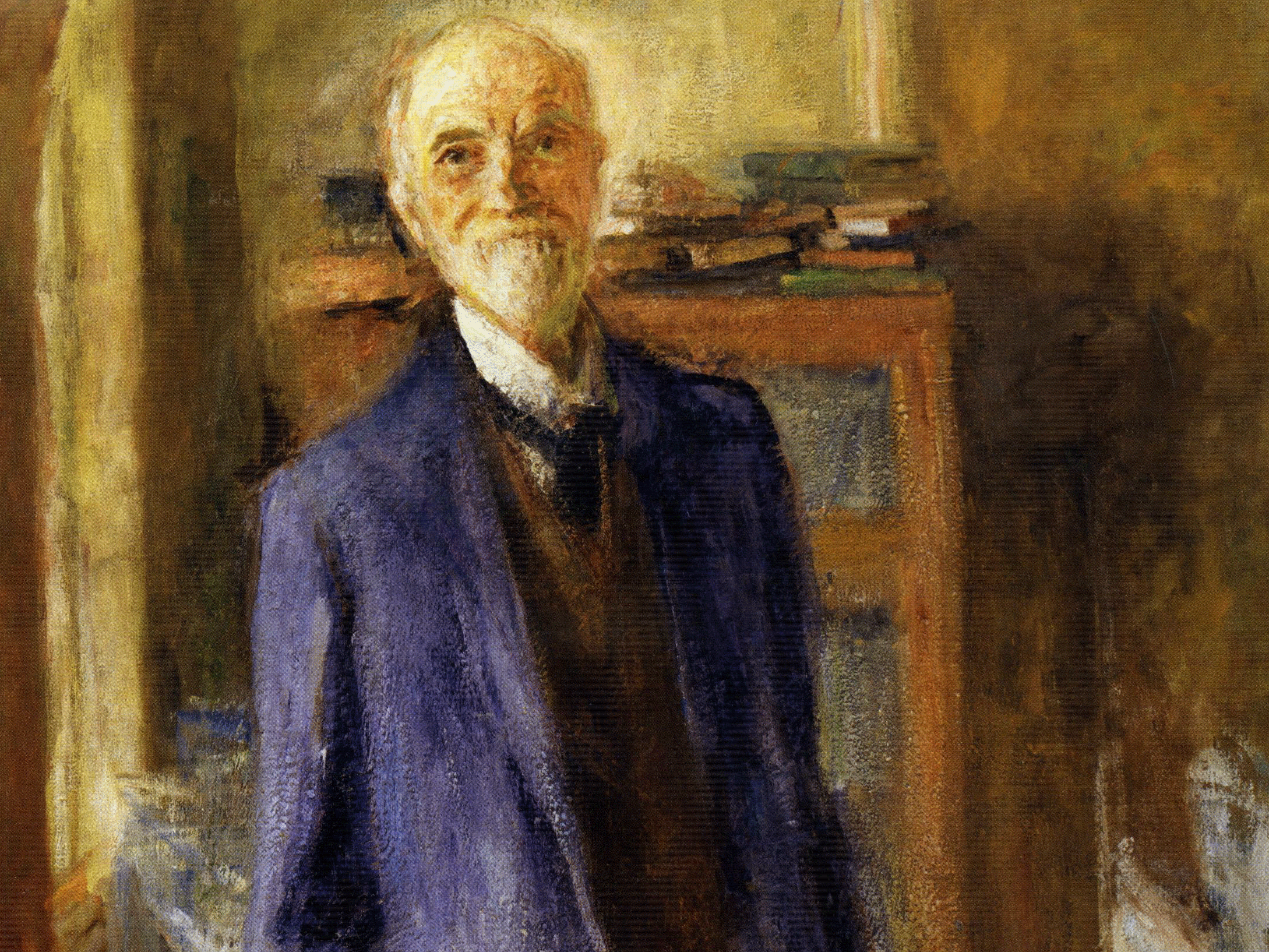
Hilary Pyle takes a fresh look at John Butler Yeats, the patriarch of Ireland’s leading artistic family.
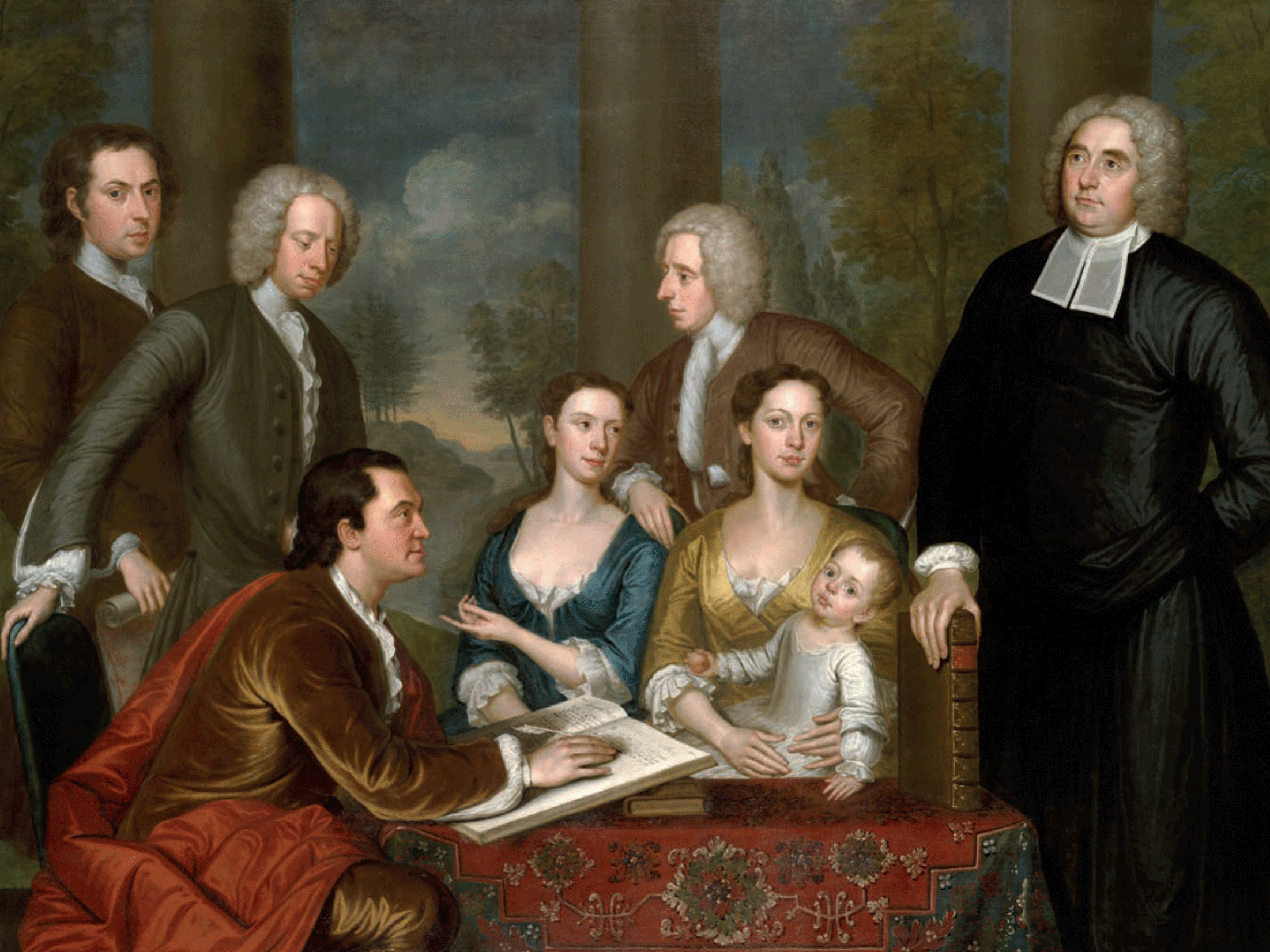
George Berkeley is famous for his contribution to philosophical thought, but less well known for his observations on art, some of which Peter Murray examines here.
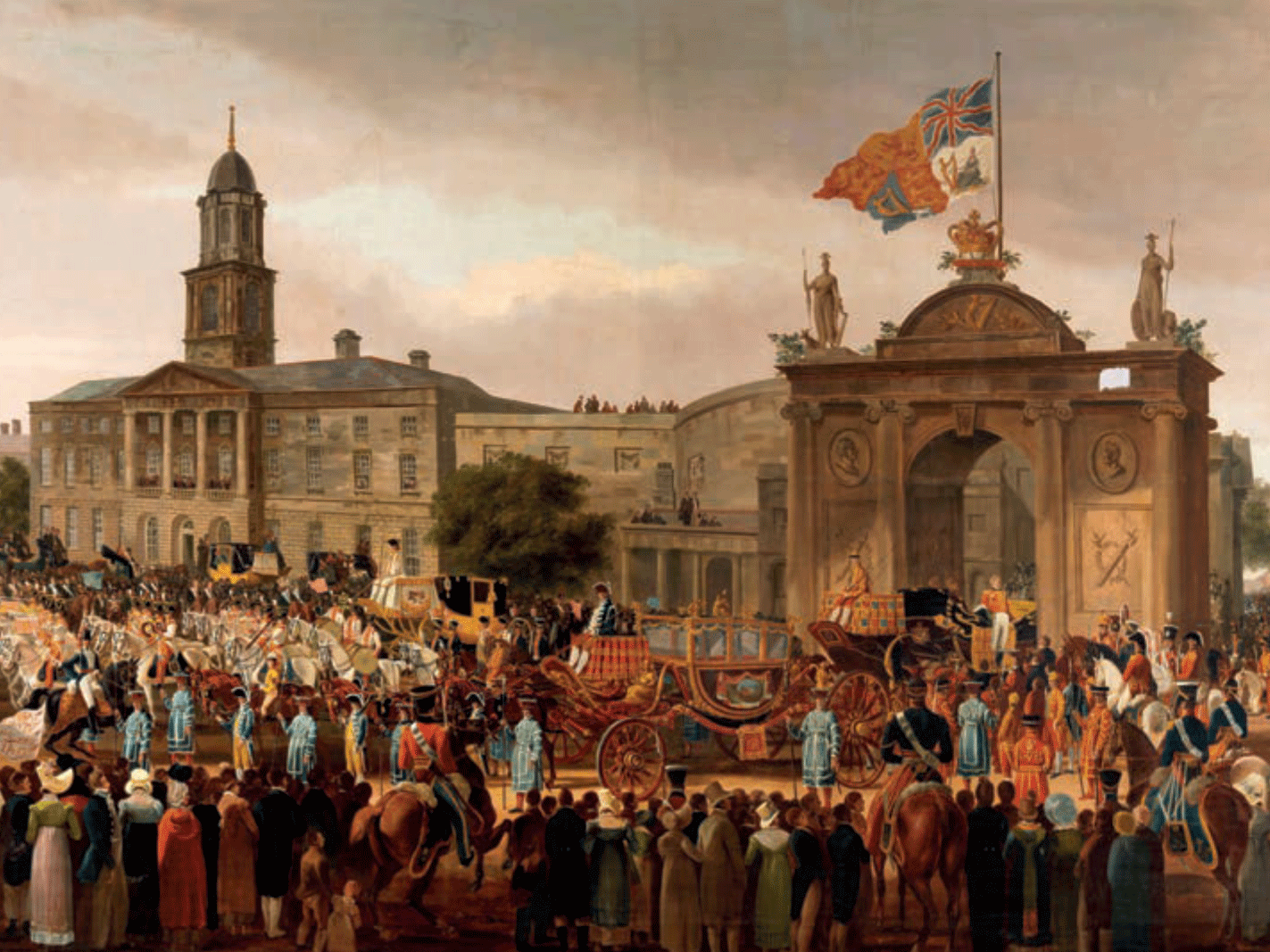
William Turner de Lond captured two significant political events during his sojourn in Ireland, examined here by Mary Jane Boland.
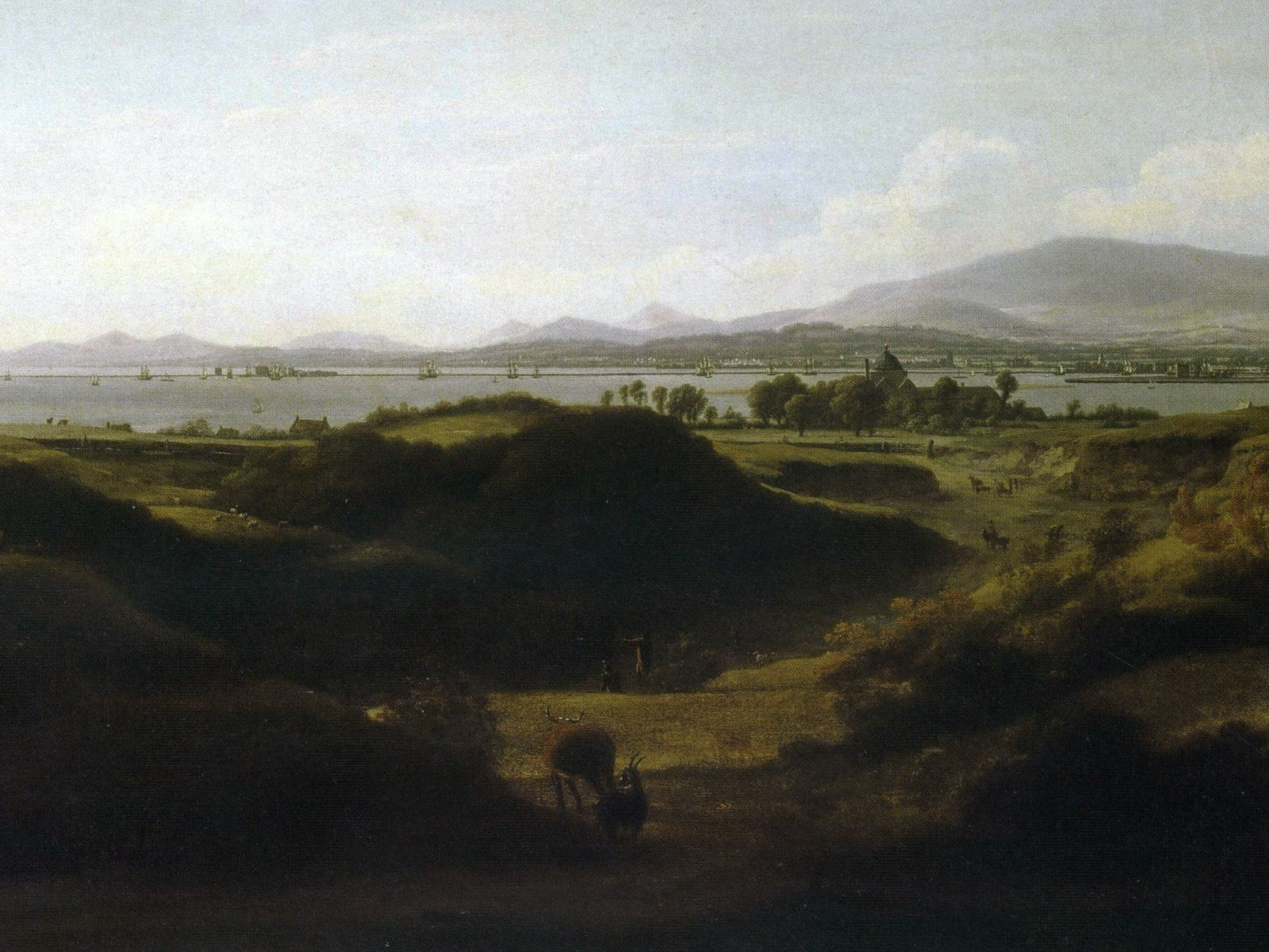
Lord Charlemont’s Casino provides an ideal setting for a landscape exhibition prompting Ruth Musielak to examine some favoured historical views of the vicinity
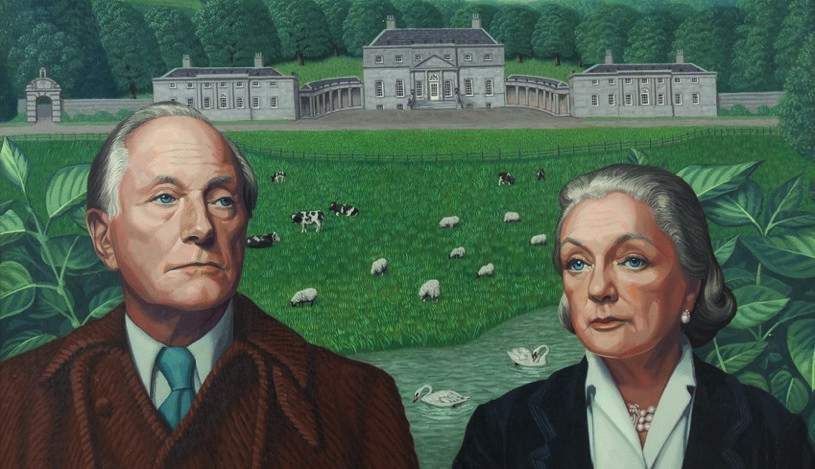
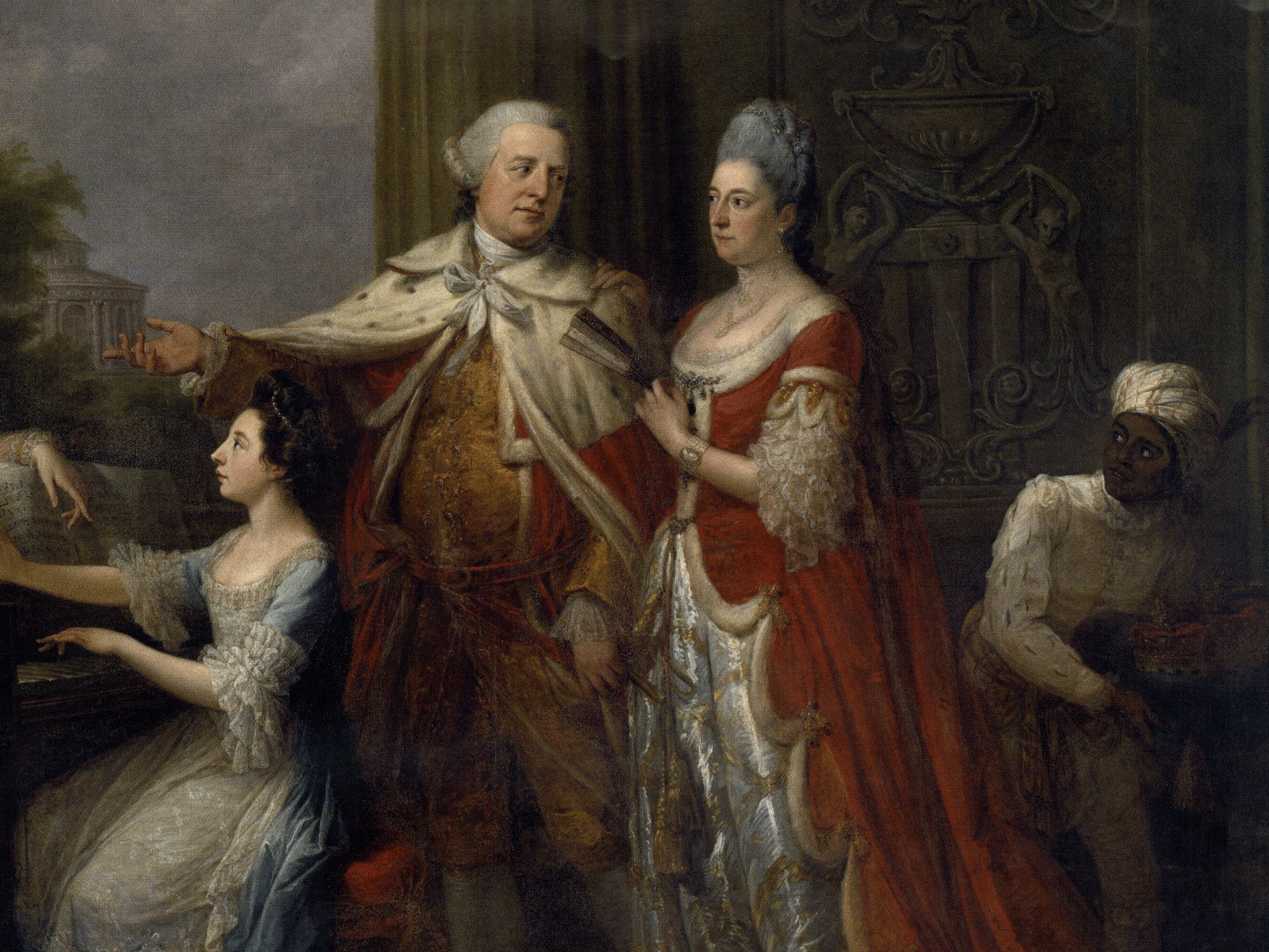
Recent excavations at Rathfarnham Castle have brought the former inhabitants into focus, prompting Simon Loftus to recall some vivid episodes from the family’s history.
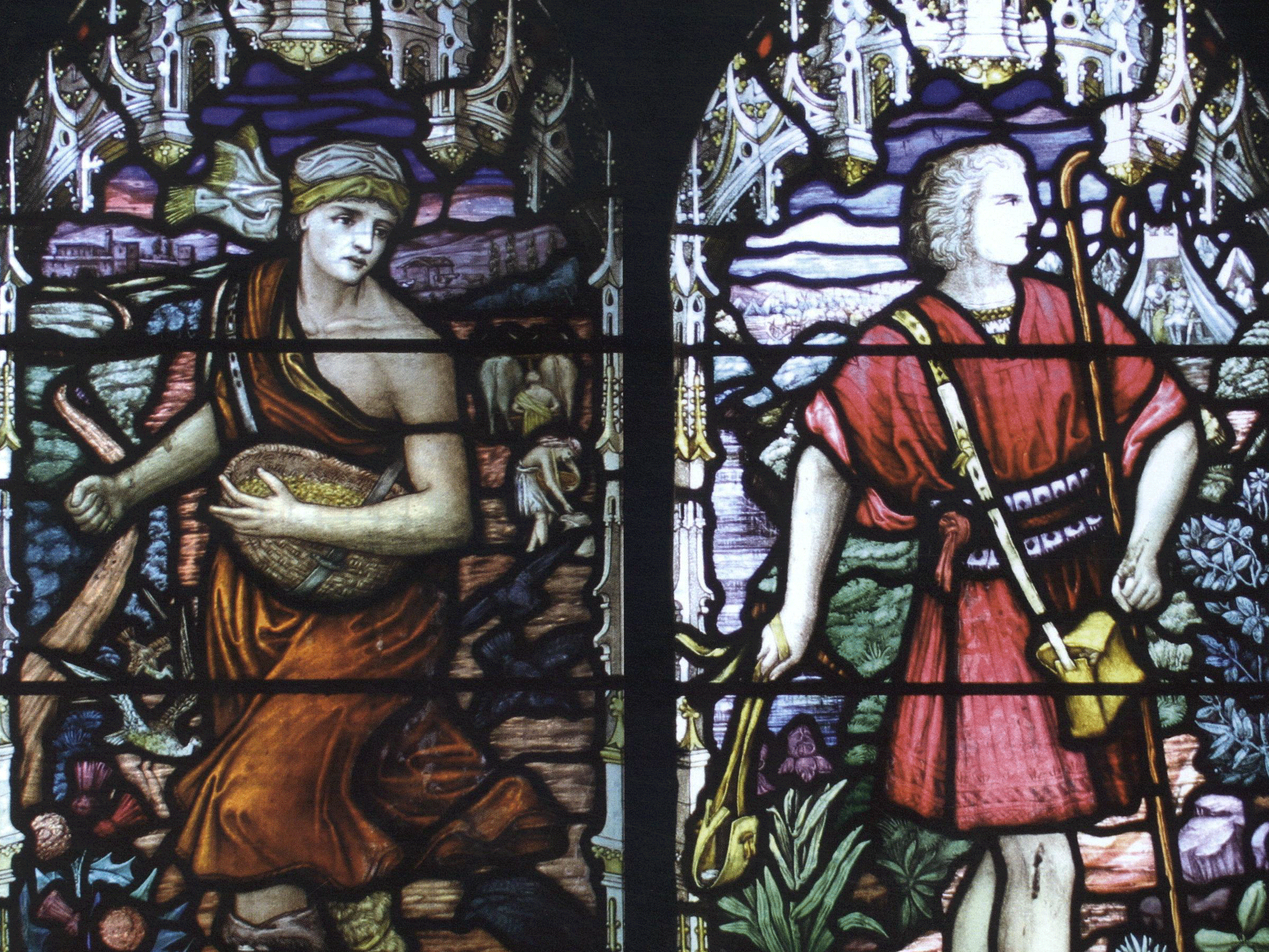
James Watson could trace his family’s artistic lineage to York Minster and following his move to Cork he launched a new tradition to last a hundred years, writes Vera Ryan.
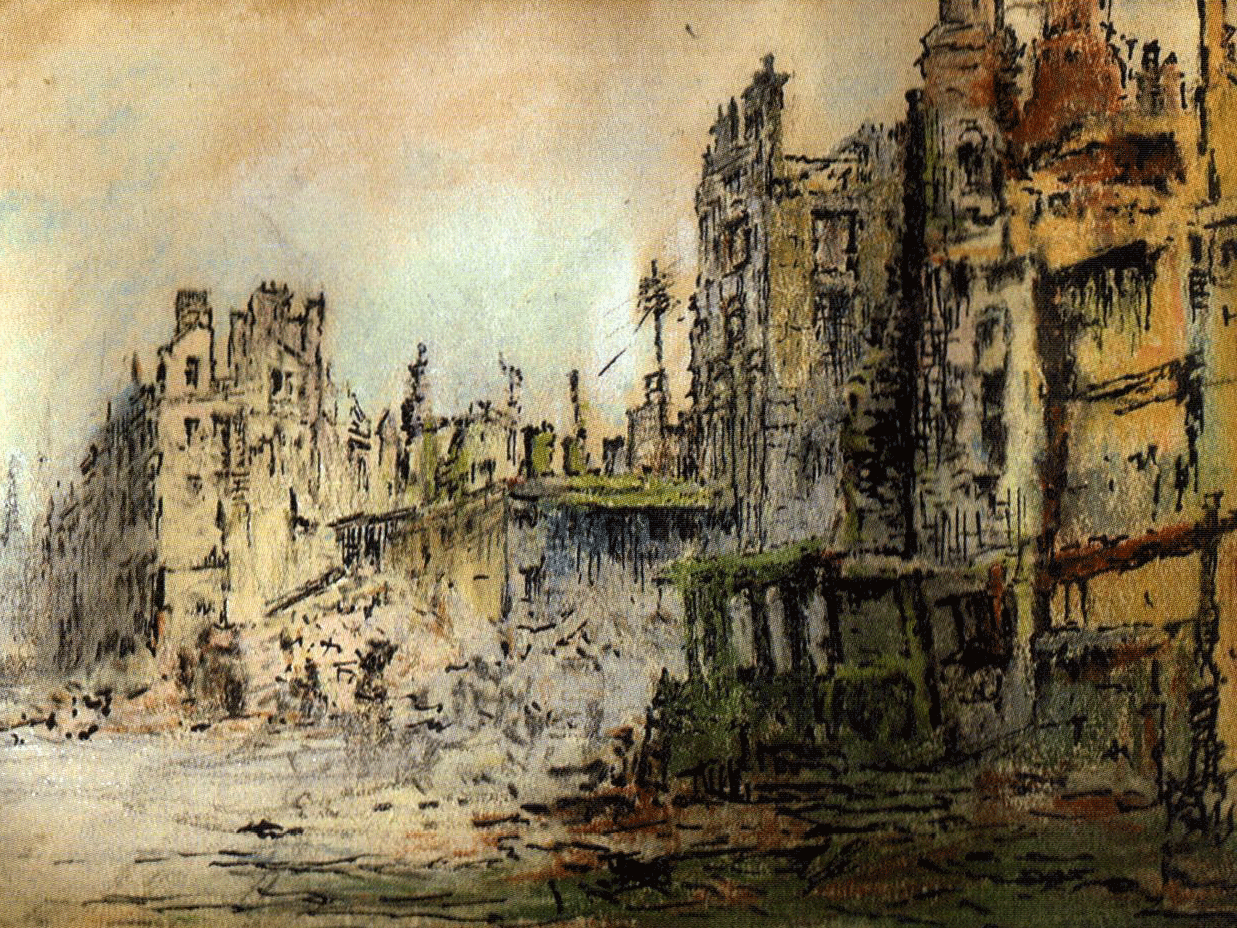
As Europe confronts its current refugee crisis, Kathryn Milligan looks back to 1916 when a Belgian artist was one of the 2,300 Belgian refugees who sought shelter in Ireland.
Proving that good design is timeless, Virginia Teehan presents a selection of rare artefacts travelling to Boston College, celebrating Irish design from the Arts and Crafts Movement.
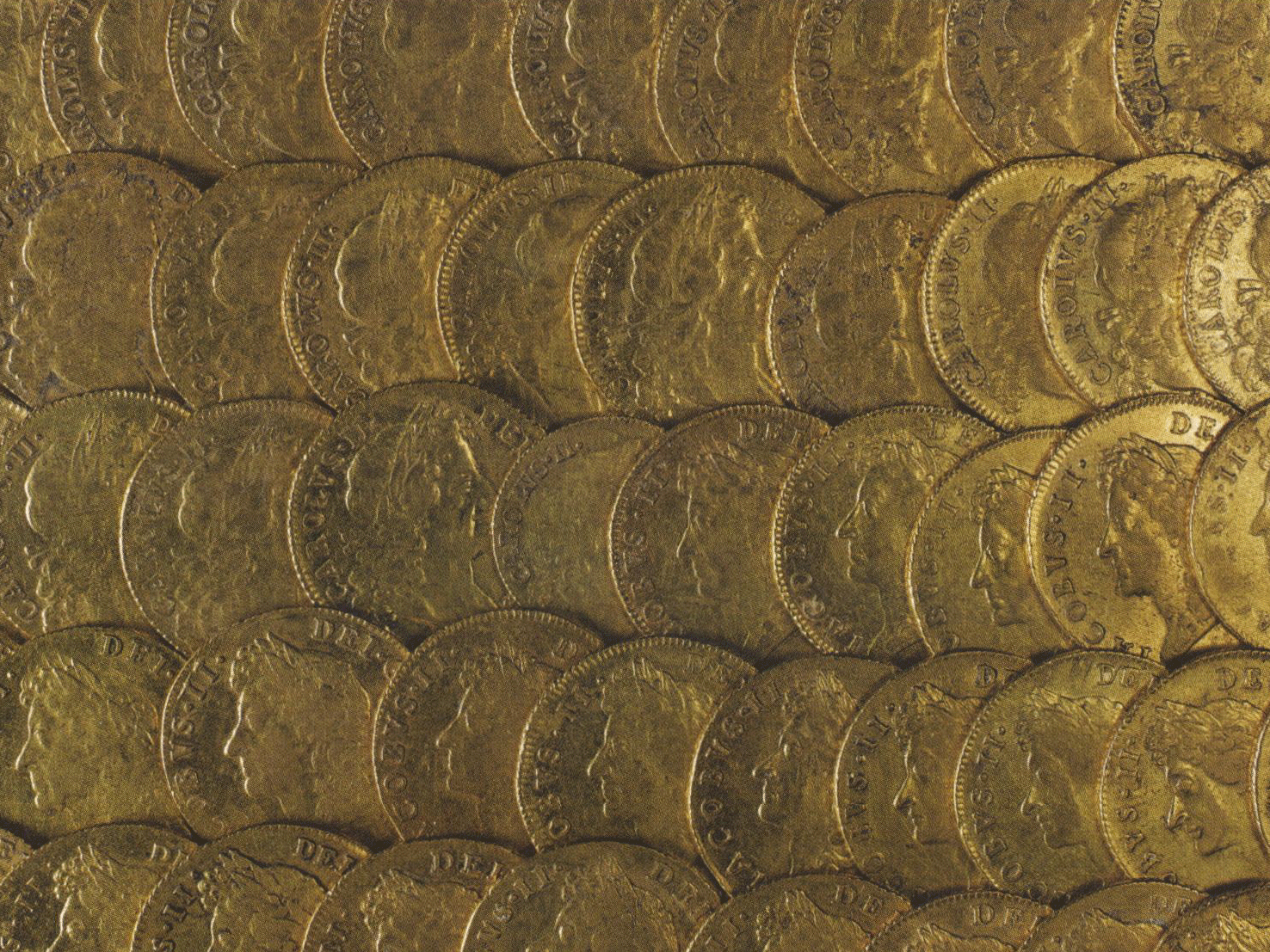
Eamonn P Kelly evaluates the recent find of gold coins in County Tipperary now on display at the National Museum of Ireland Collins Barracks
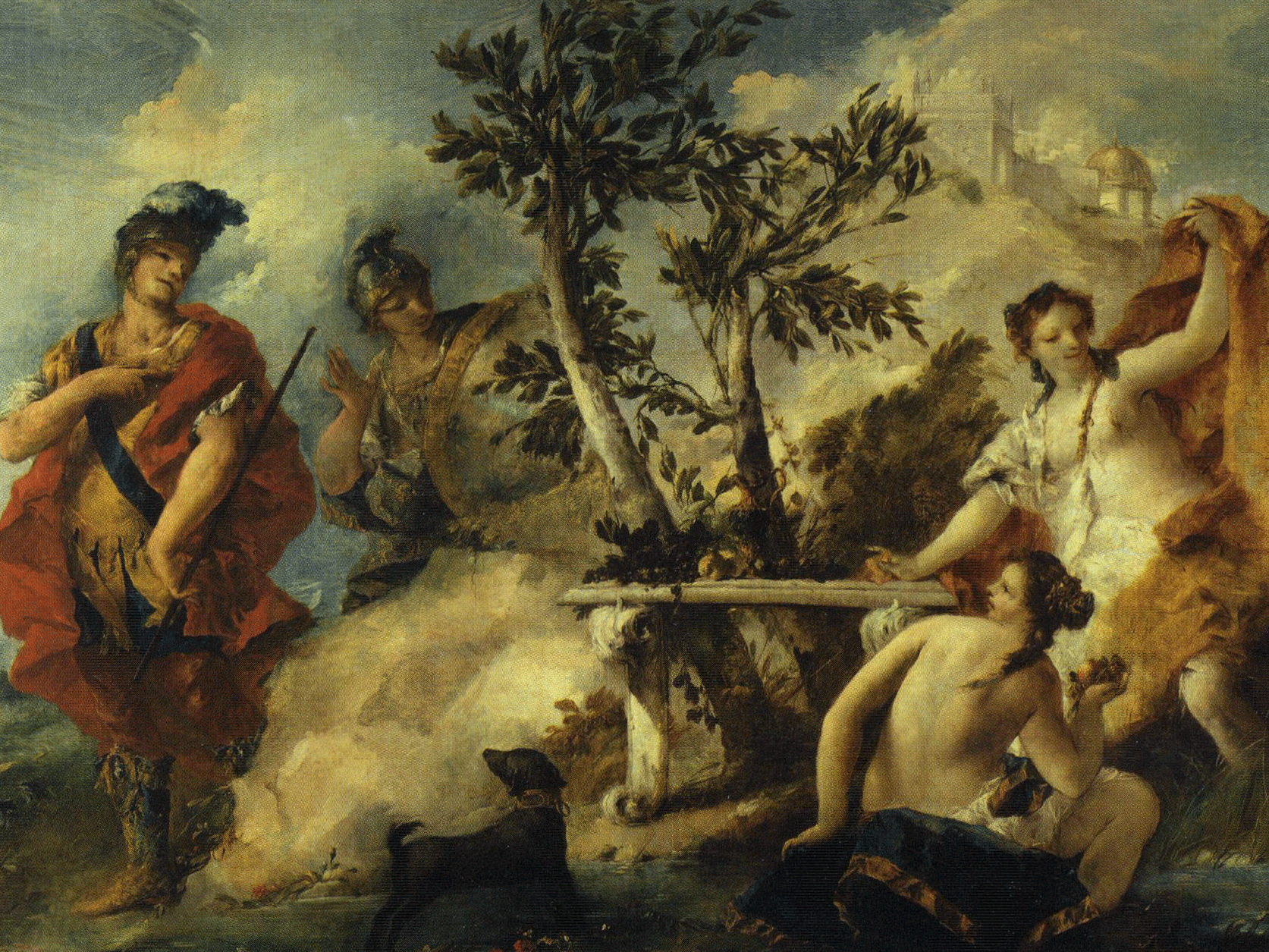
Peter Murray examines the shifts in fortune surrounding the magnificent suite of paintings by the Guardi brothers brought to Ireland by the Earl of Bantry
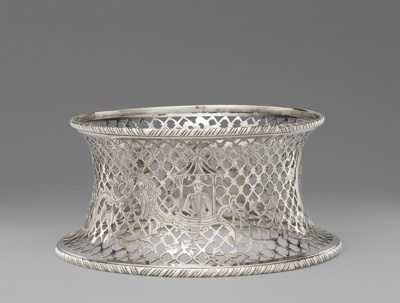
William Laffan previews the exhibition ‘Ireland: Crossroads of Art and Design 1690-1840′ which opens at the Art Institute of Chicago in March
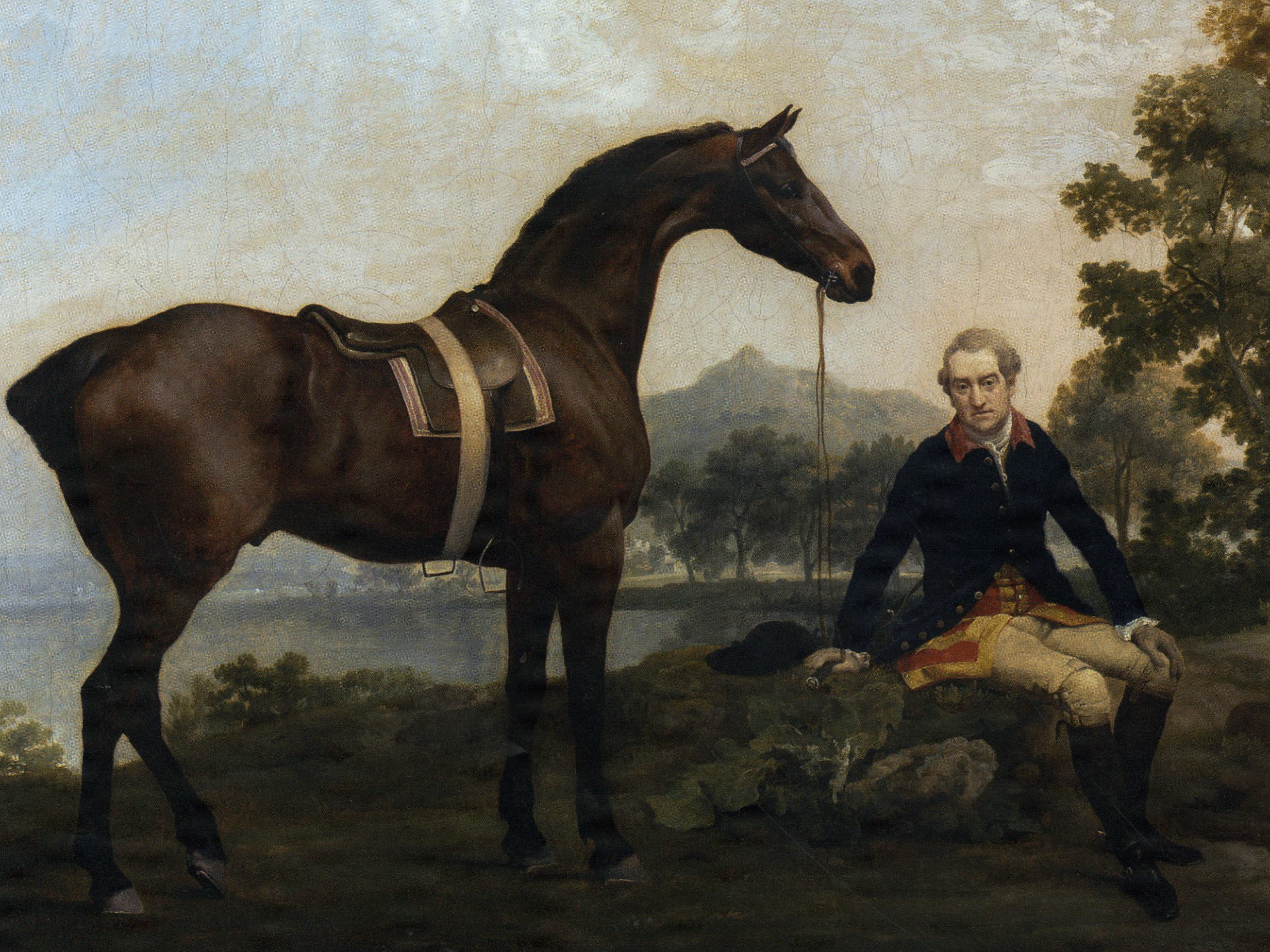
While his father made the Grand Tour, James Hamilton 2nd Earl of Clanbrassill preferred to stay at home and make improvements on his estates, the greatest of which is Tollymore, Co Down, writes Peter Murray
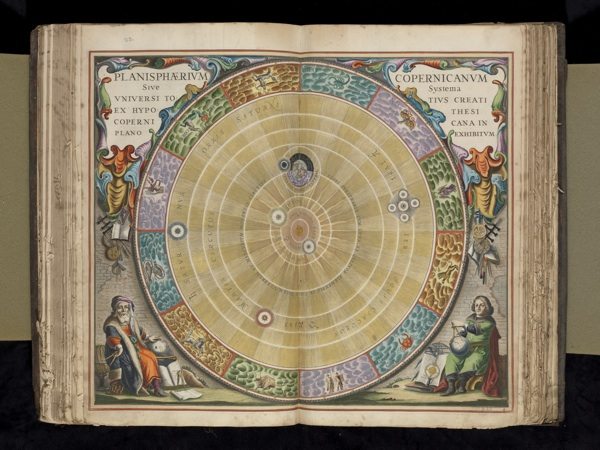
Fionnuala Croke presents a selection from the panoply of objects d’arts on view at the Chester Beatty Library’s ‘A to Z’ exhibition
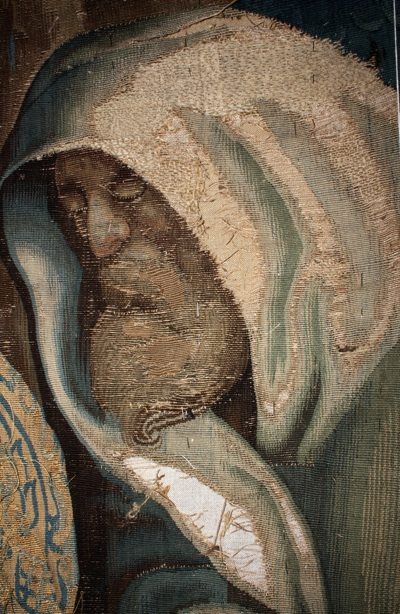
Woven from original designs by Peter Paul Rubens, the Decius Mus tapestries have been reinstalled in Kilkenny Castle following major conservation in Madrid, writes Jane Fenlon
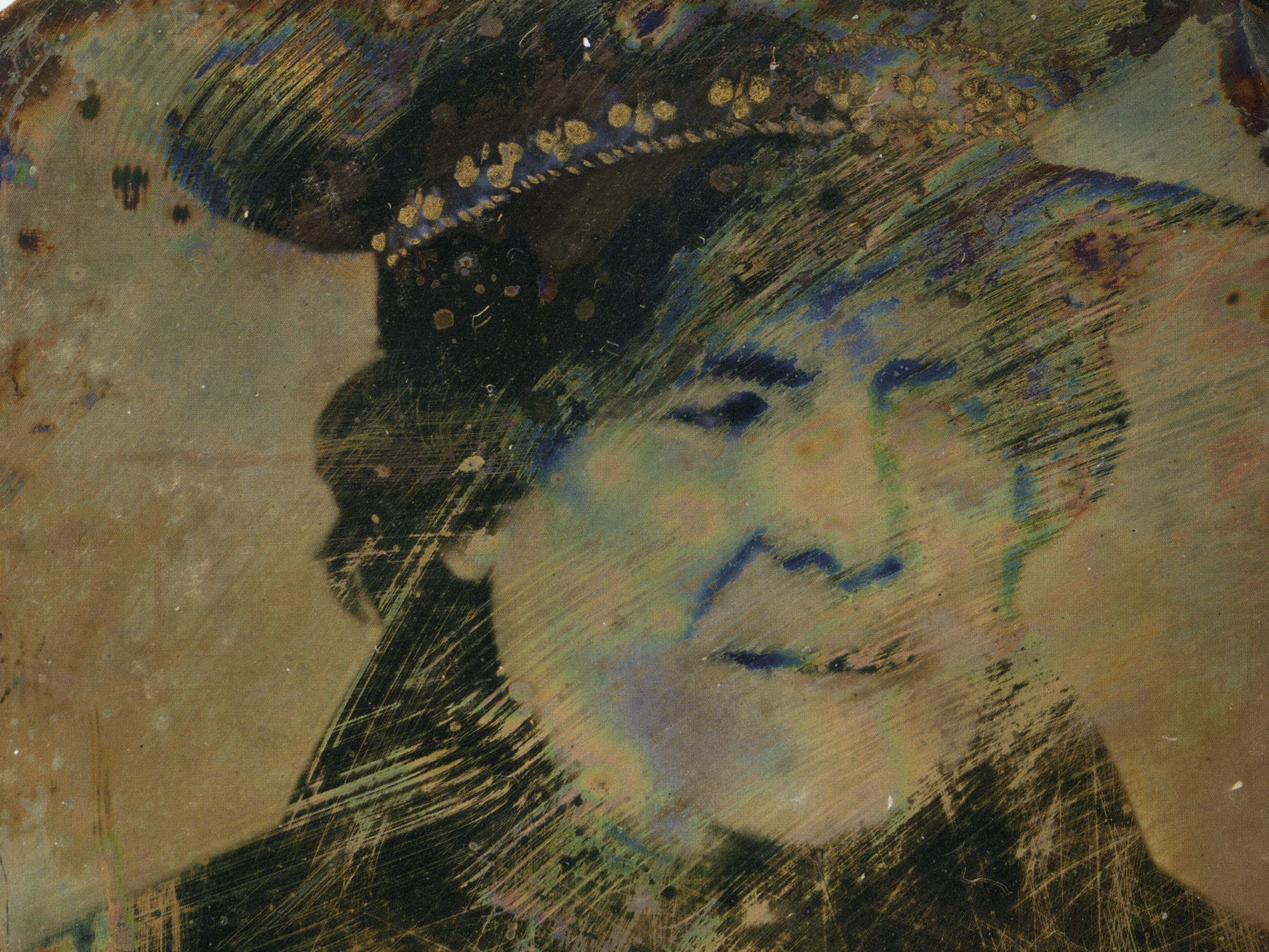
Anne Hodge and Peter Harbison examine the visual evidence of Daniel O’Connell’s unusual conditions of imprisonment in the Richmond Bridewell, Dublin
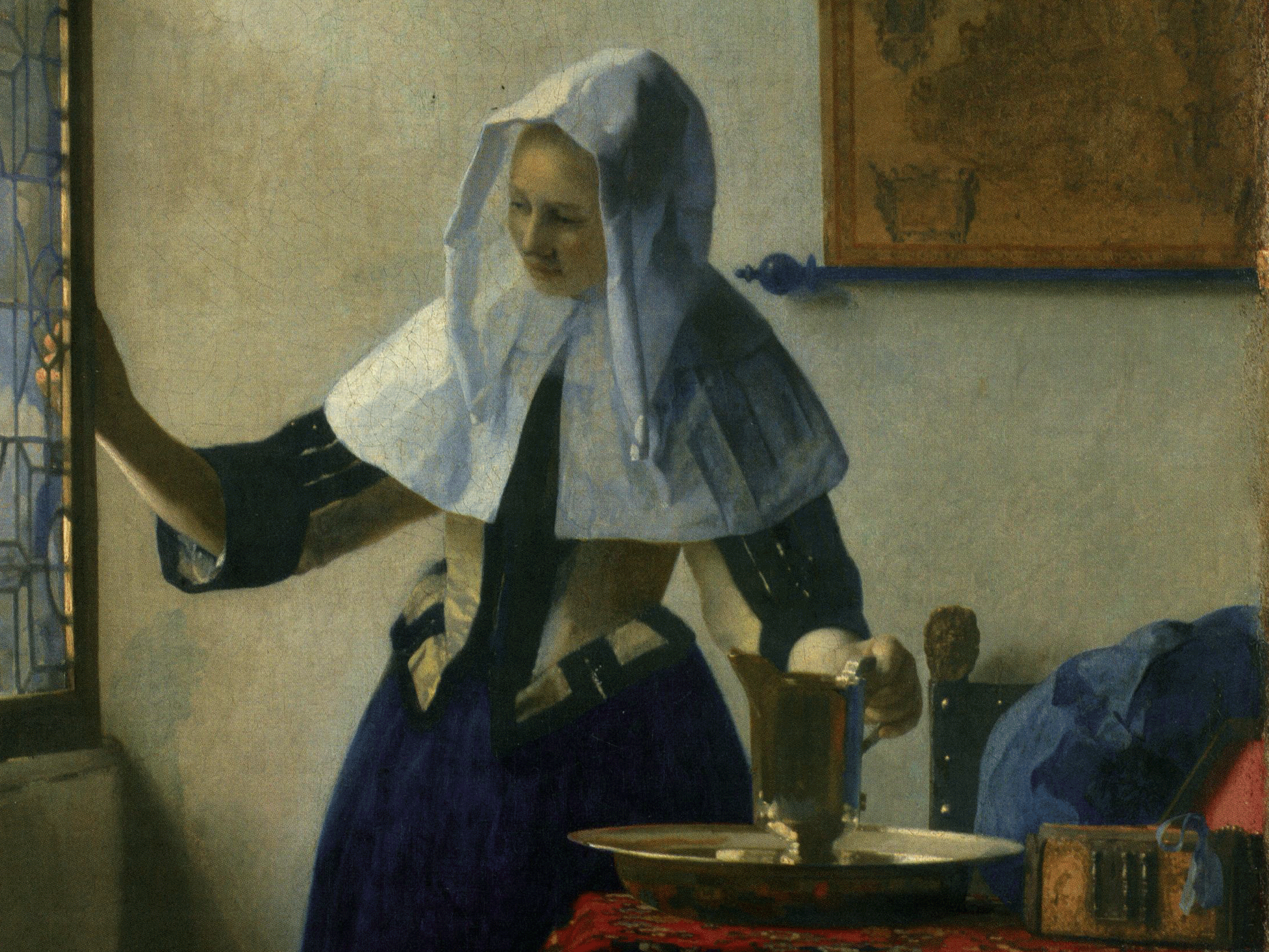
Cosmopolitan yet connected to local issues, Mervyn Wingfield, 7th Viscount Powerscourt played a prominent role in promoting Ireland’s cultural institutions at a pivotal time in their early history, writes Philip McEvansoneya
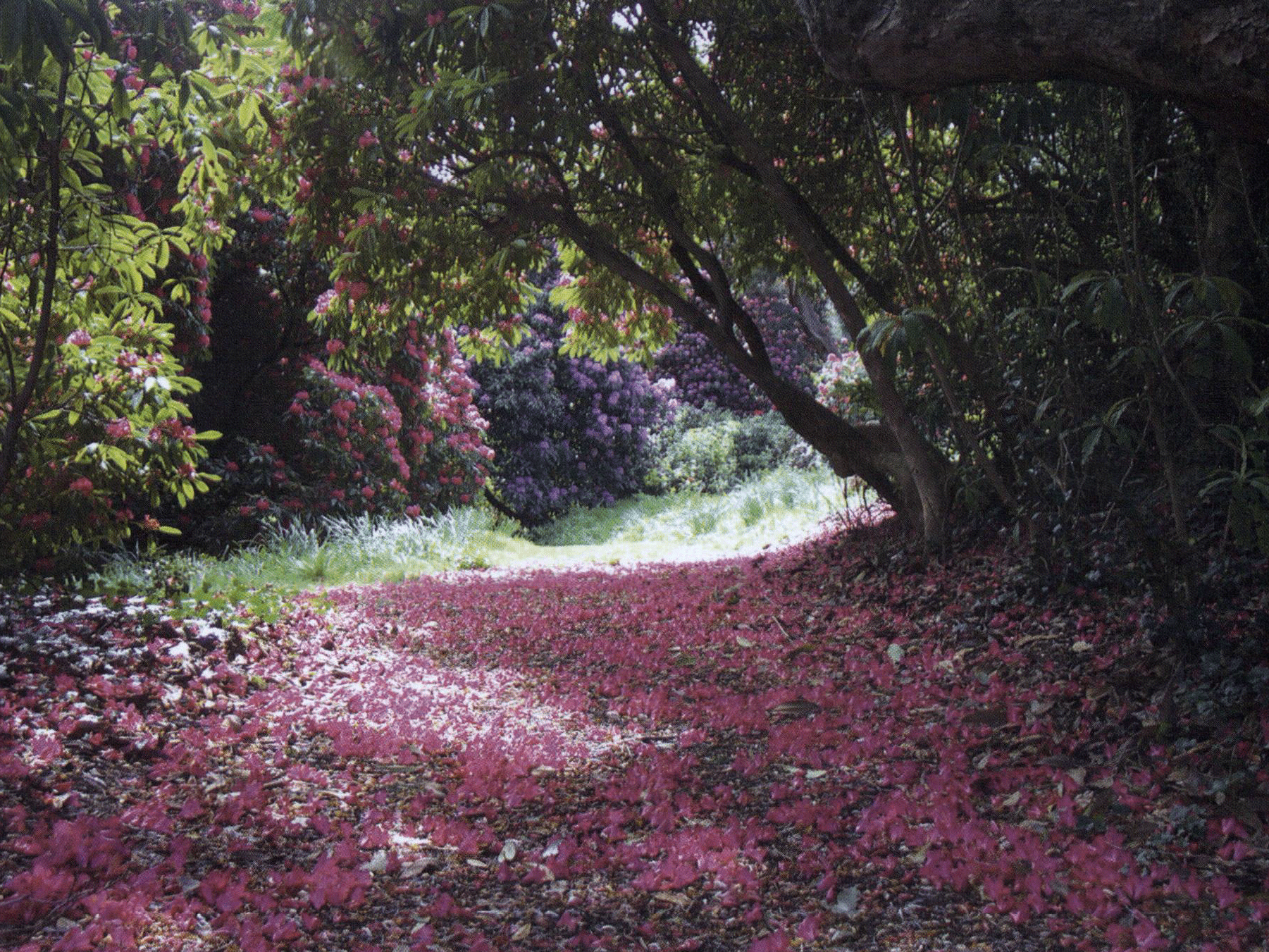
Peter Pearson makes a plea for re-roofing Kilmacurragh, the Queen Anne house set in an arcadian parkland in County Wicklow
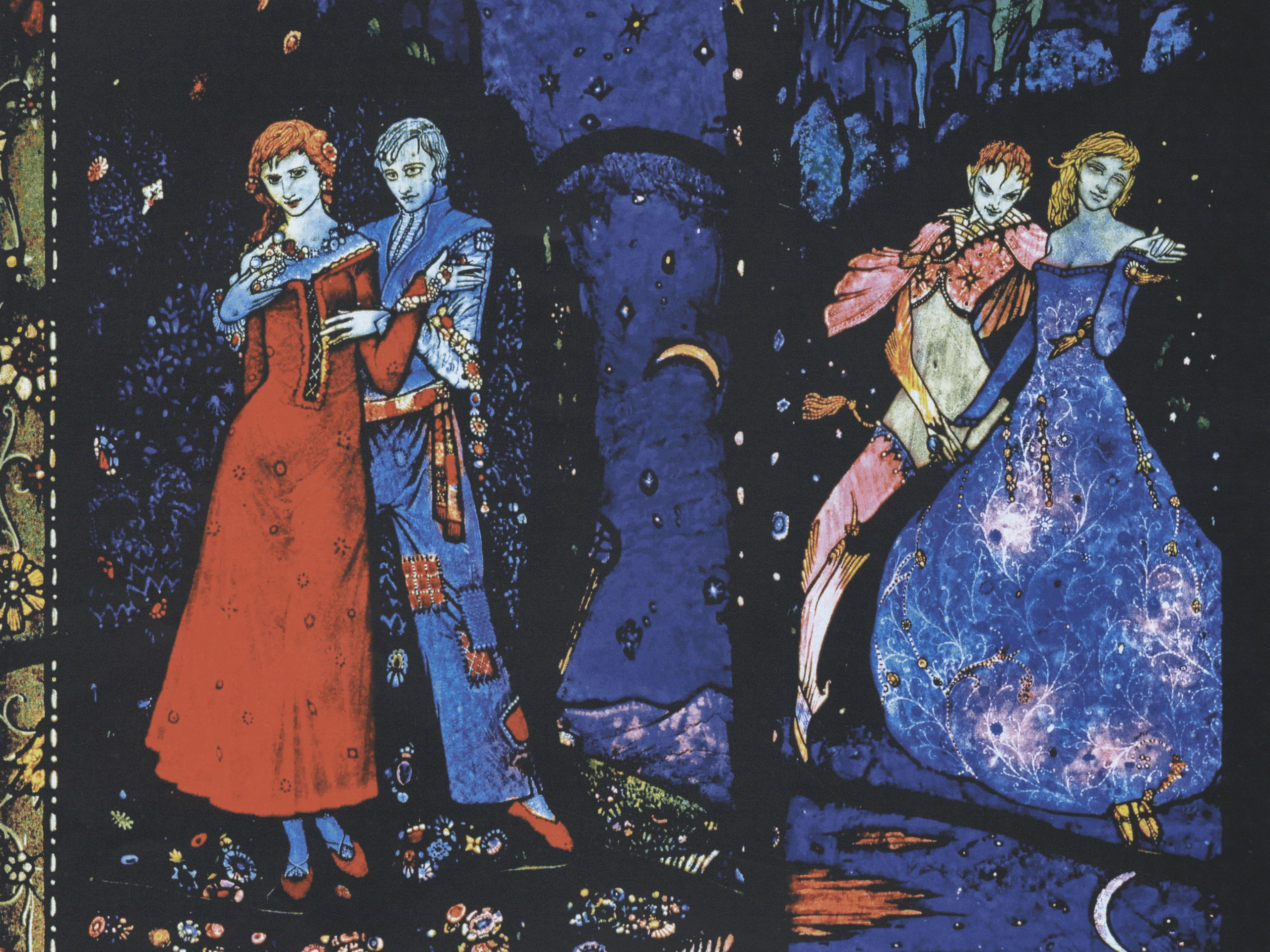
Nicola Gordon Bowe recalls how Harry Clarke’s homage to Ireland’s most celebrated writers fell foul of censorship in the early days of the Irish Free State
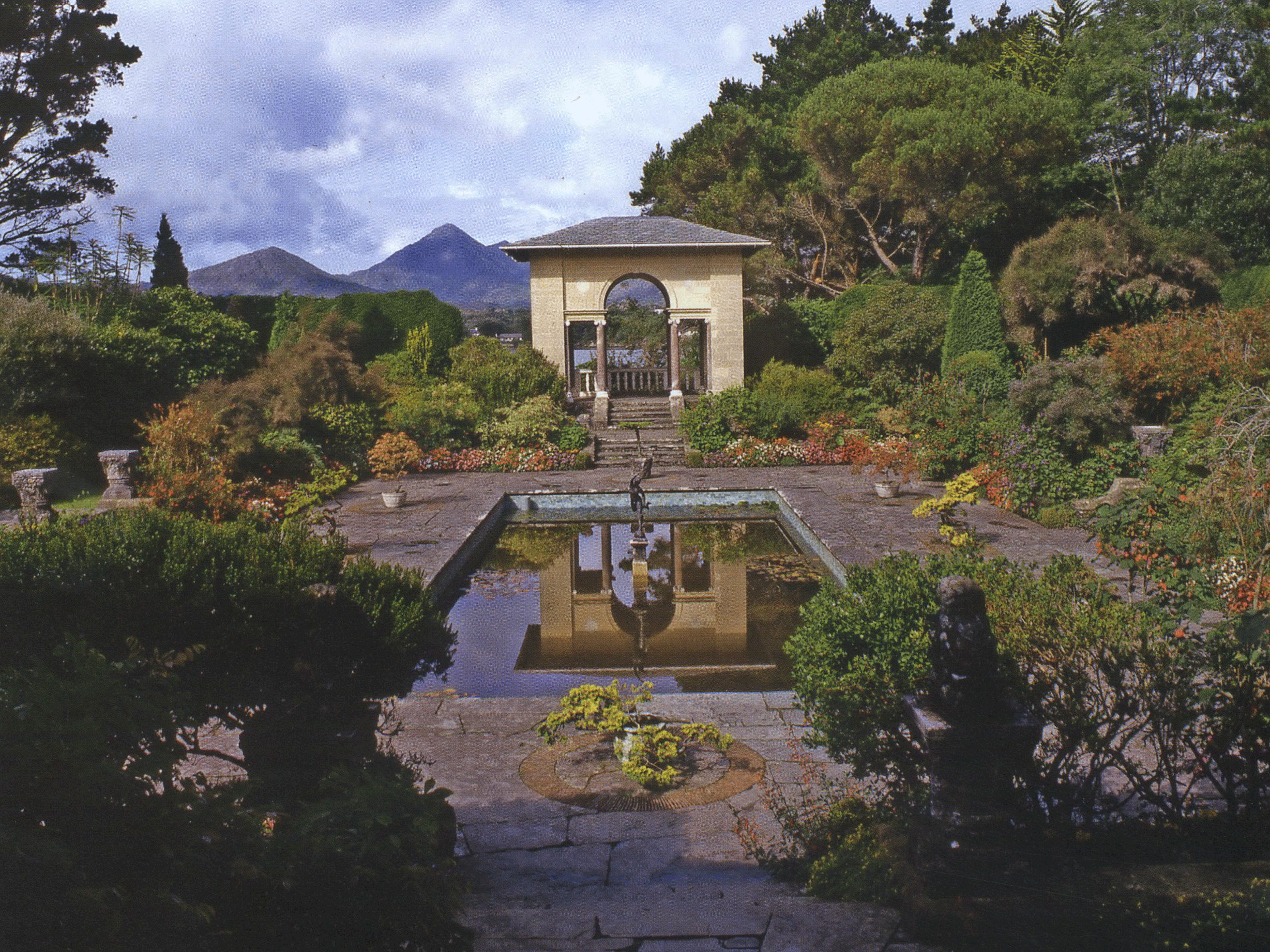
Nigel Everett recounts how John Annan Bryce and his architect Harold Peto transformed Garinish Island into one of the most important gardens in Europe
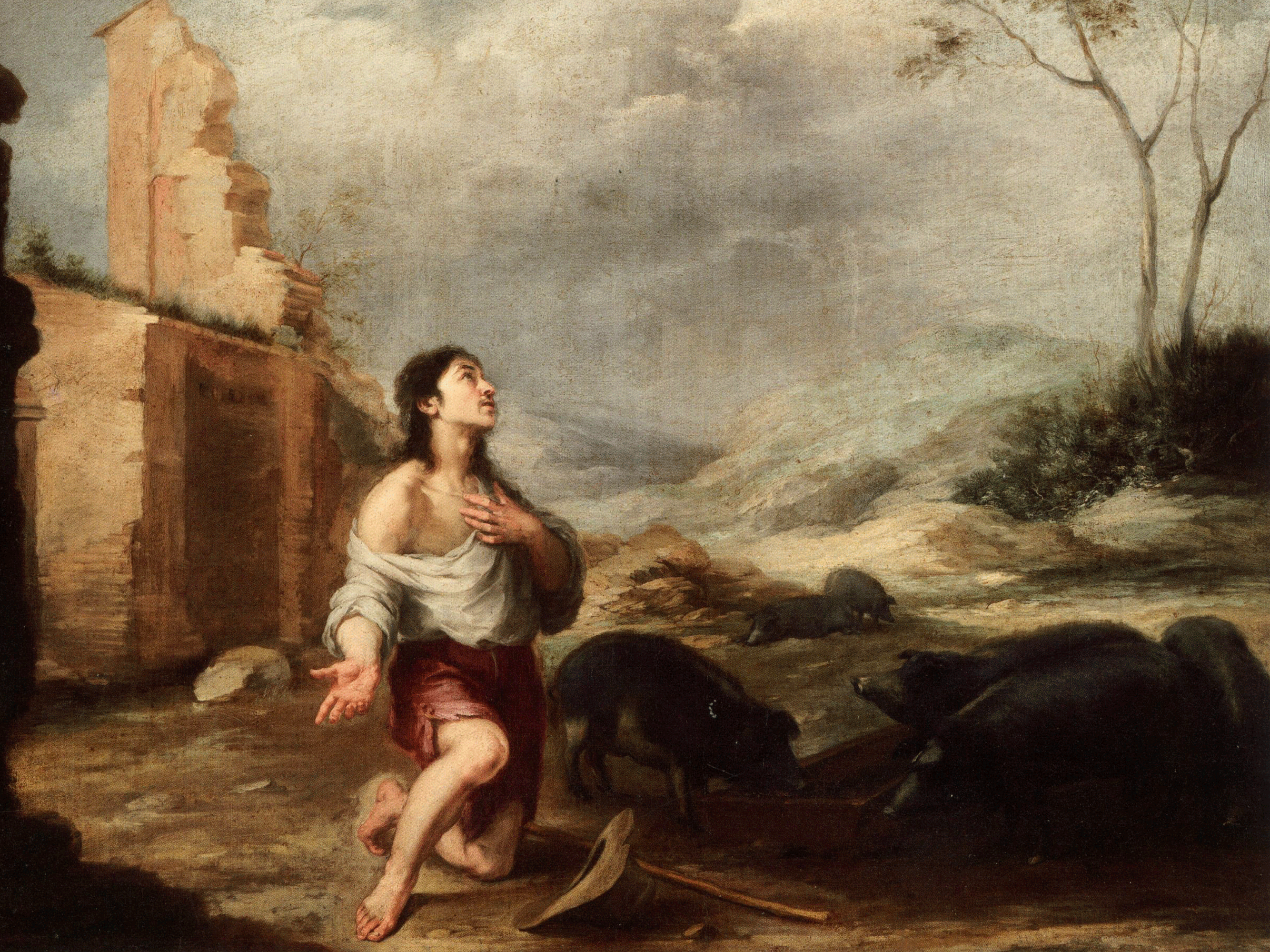
Muirne Lydon reveals the original brilliance of Murillo’s Prodigal Son as degraded varnish and old restorations are painstakingly removed from the 17th-century series at the National Gallery of Ireland
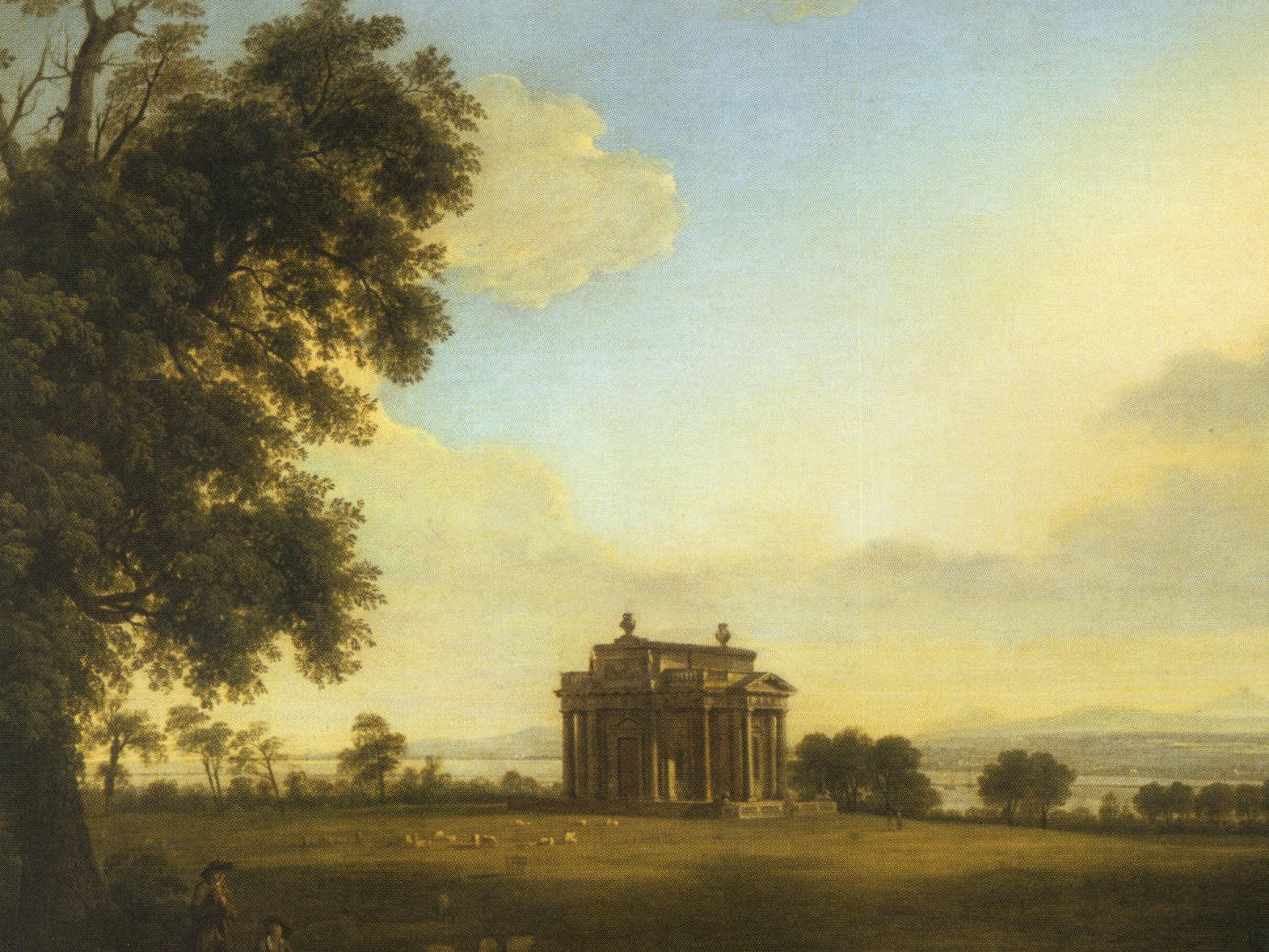
This summer the Casino in Marino hosts an exhibition that captures the original splendour of the lost demesne, writes Rose Anne White