
This month Dorothy Cross delves into our national collections to create a show for IMMA,here she tells Brian McAvera ‘Sometimes I need extreme new experiences to find new directions,’ while the show continues into March 2015
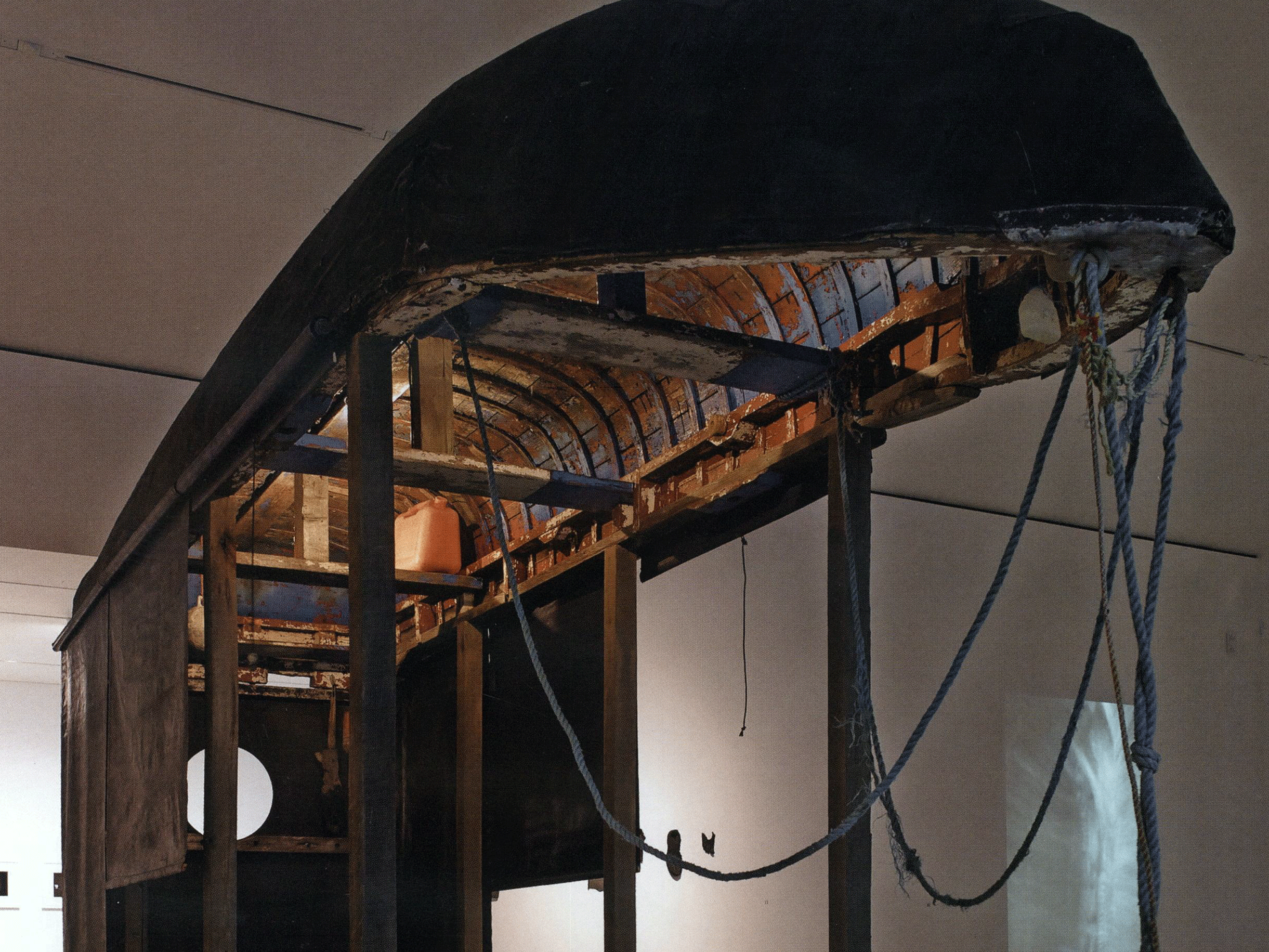
Brian McAvera: You’ve been showing recently at Turner Contemporary in Margate, exhibiting video, photography, photographs and sculptural pieces, many of them connected to the sea. Can you take several works from the current show ‘Connemara’ and show us how they were developed?
Dorothy Cross: Everest Shark (Fig 3) came out of an invitation to make a show about time for Croft Castle in Shropshire England. So you have time as a premise. I have great respect for sharks. Little is known about them. I was searching a long time for a shark. I eventually found one frozen in a fishmongers in Carlingford, a beautiful, two-metre-long blue shark. I then delivered it to the foundry where a mould was made of it. Then we made a wax of Mount Everest. The shark evolved to its present form 100 million years ago. Mount Everest, the highest peak on our planet, rose to its height merely 60 million years ago. I wanted to place the ridge of Everest along the back of the shark like an alternative dorsal fin. The work is simple really: it is about time and evolution. Trying to meld the mountain to the shark was tricky but in the end was beautiful. The muscle of the shark was beginning to subside so we met the Himalayan mountain ridges with the skin of the animal so that it appears the structure of the highest peak of our planet is emerging from the shark’s back. You look at it but may not recognize what it is at first. It’s almost a comforting piece because, while nobody thinks of a shark as comforting, it has survived longer than almost anything else on this planet. I’ve dived quite a lot with sharks: most will swim away when they see you or just hang round and watch.
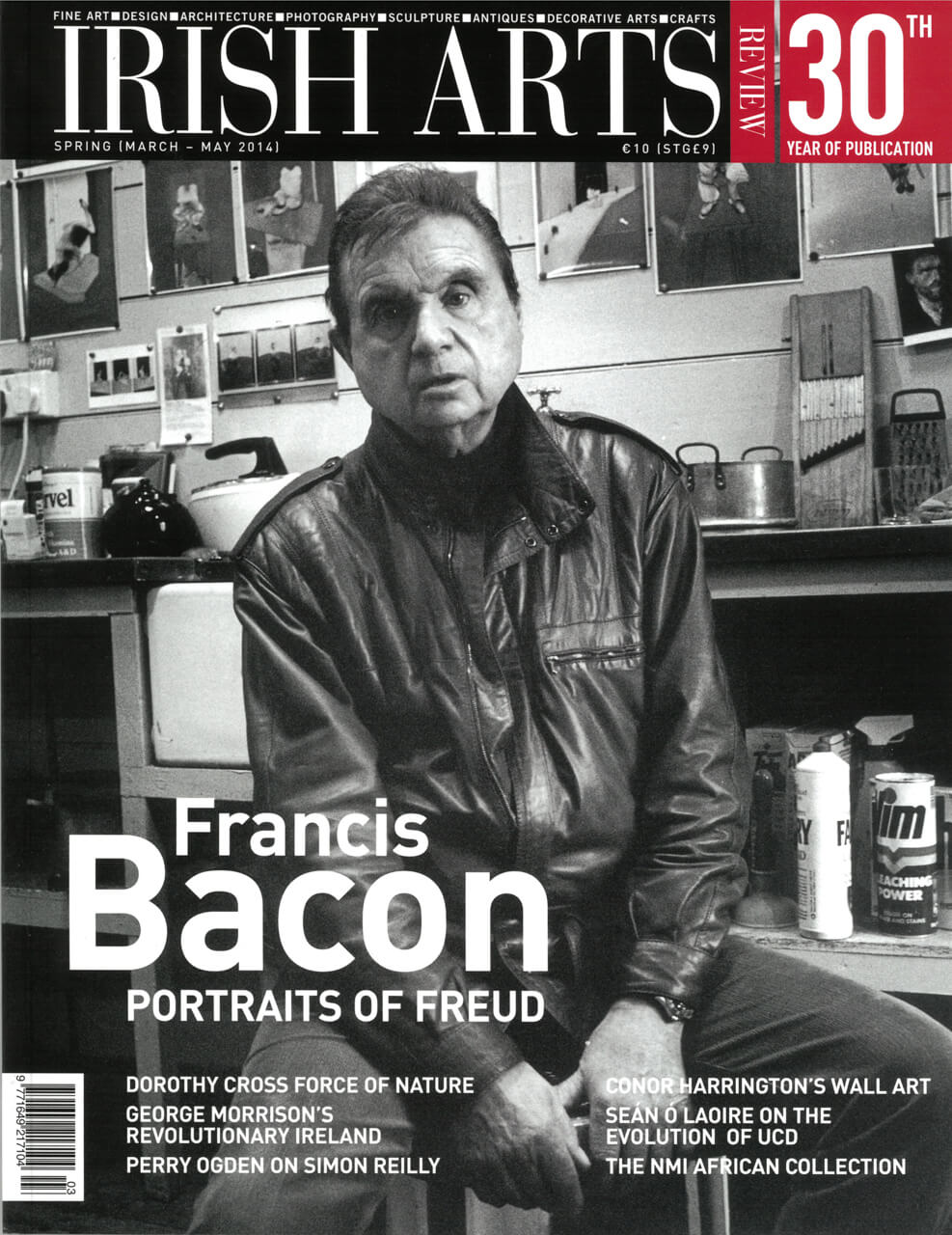
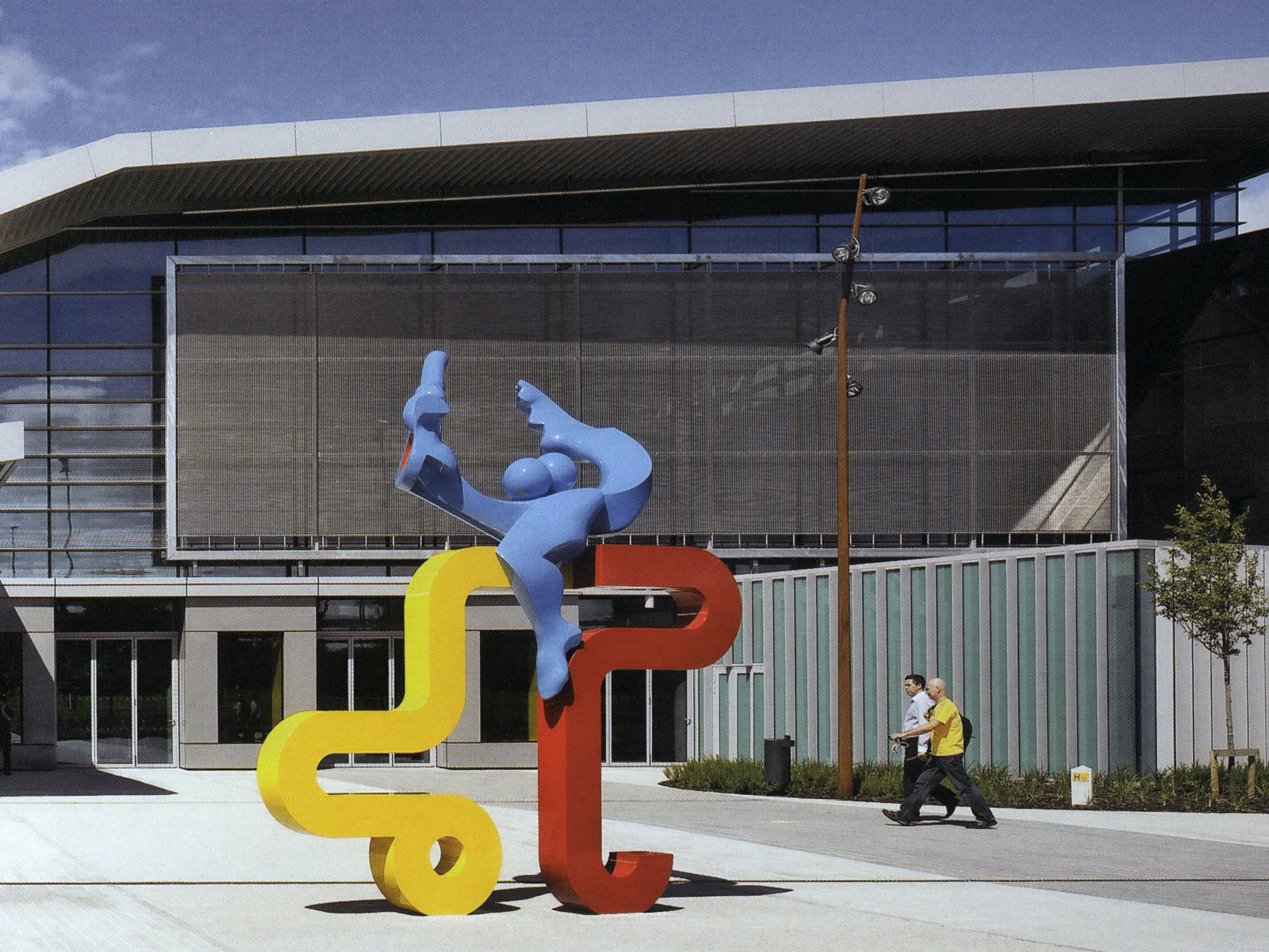
In his assessment of Fitzgerald Kavanagh and Partners’ award-winning Student Centre at UCD Seán ó Laoire charts the evolution of Ireland’s largest campus since its foundation
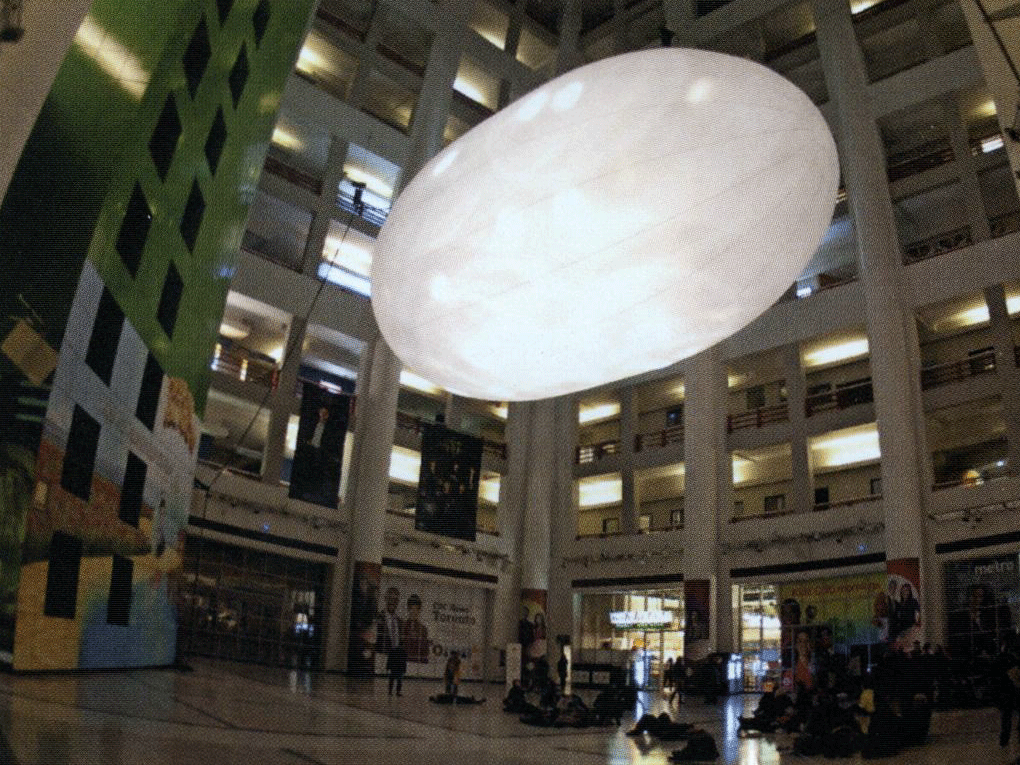
Carissa Farrell reports on sculptor and multi-media artist Andrew Kearney’s new installation ‘Tell Me Something’ for Limerick City of Culture, which continues Kearney’s focus on the policing of the private individual
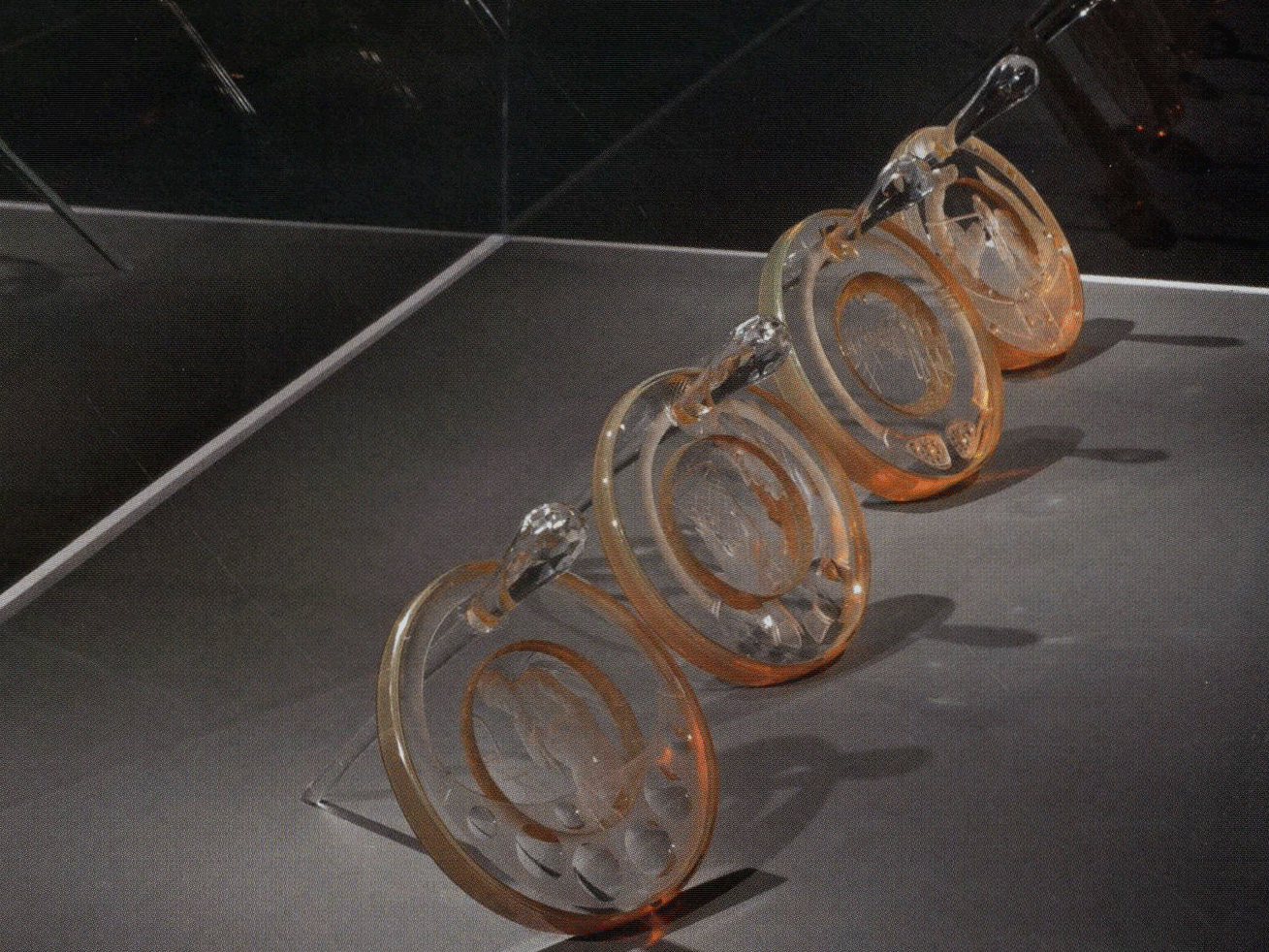
Without decisive action, our glass heritage will once again be lost, argues Eleanor Flegg, as Róisín de Buitléar’s exhibition’Caution! Fragile’ receives an enthusiastic reception Stateside