
Colm Brennan tells Brian McAvera “The mythology, topography, history and folklore attached to a particular place name would be among my earliest thoughts in addressing the possibility of a new piece of public sculpture”
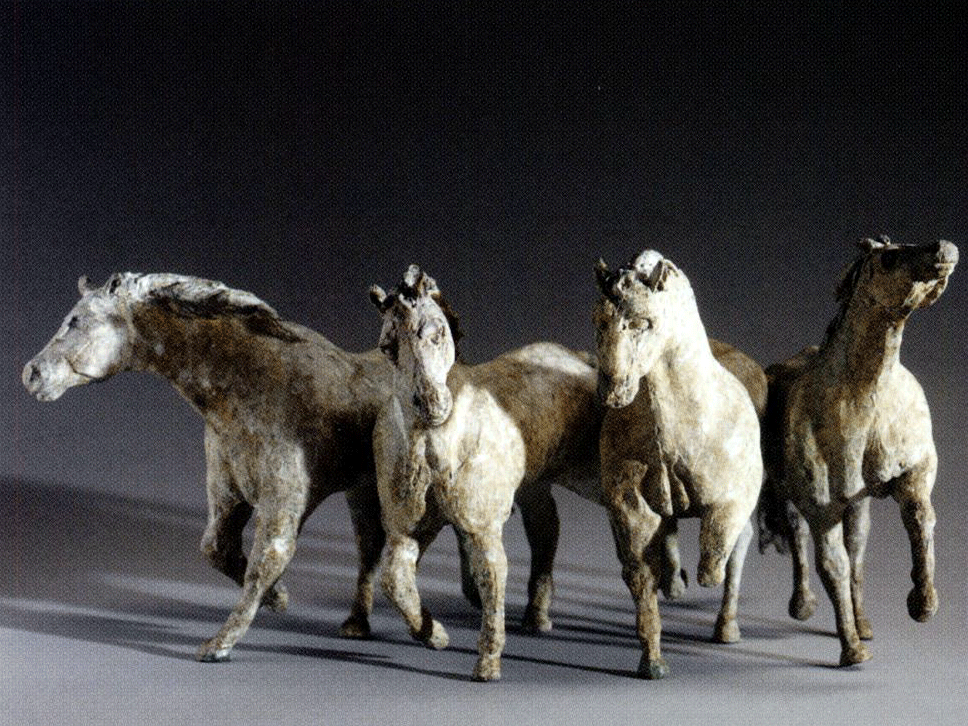
Brian McAvera: You came from a generation (born 1943) and an area, the West of Ireland, in your case growing up in Ballina in Co Mayo, which history tends to look upon as the Dark Ages: subsistence farming; desperate poverty; little or no intellectual stimulation, yet you seem to have had a happy childhood. What contributed to the artist-in-the-making?
Colm Brennan: Perhaps the Spartan surroundings contributed. Ballina in the 1940s and 1950s, on one level, was grey and forbidding like most other Irish towns but through the eyes of a child it couldn’t have been more exciting. Our home was on the bank of the Moy, literally within thirty yards of the river, where my mother still lives, at the age of 104. There were boats almost at our back door which we ‘sequestered’ when the fishermen had departed and we explored the river upstream as far as the eel weirs which even at that time were exporting directly to Billingsgate market in London; and downriver as far as the frightening waterfalls – adventure parks don’t come any better!
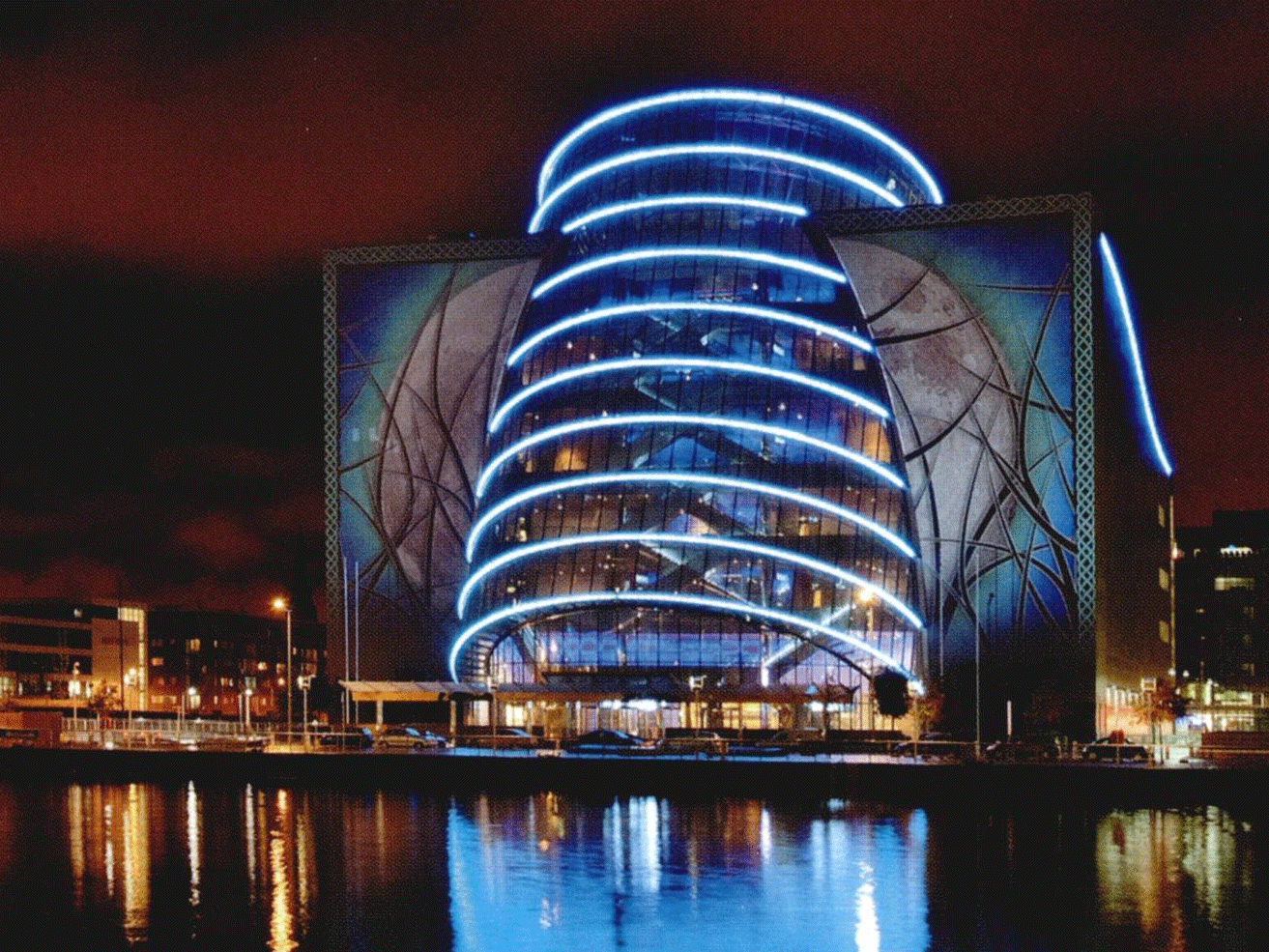
Ireland’s most highly regarded architectural émigré is the subject of a new publication and a USA-based exhibition; Ellen Rowley looks at his legacy