
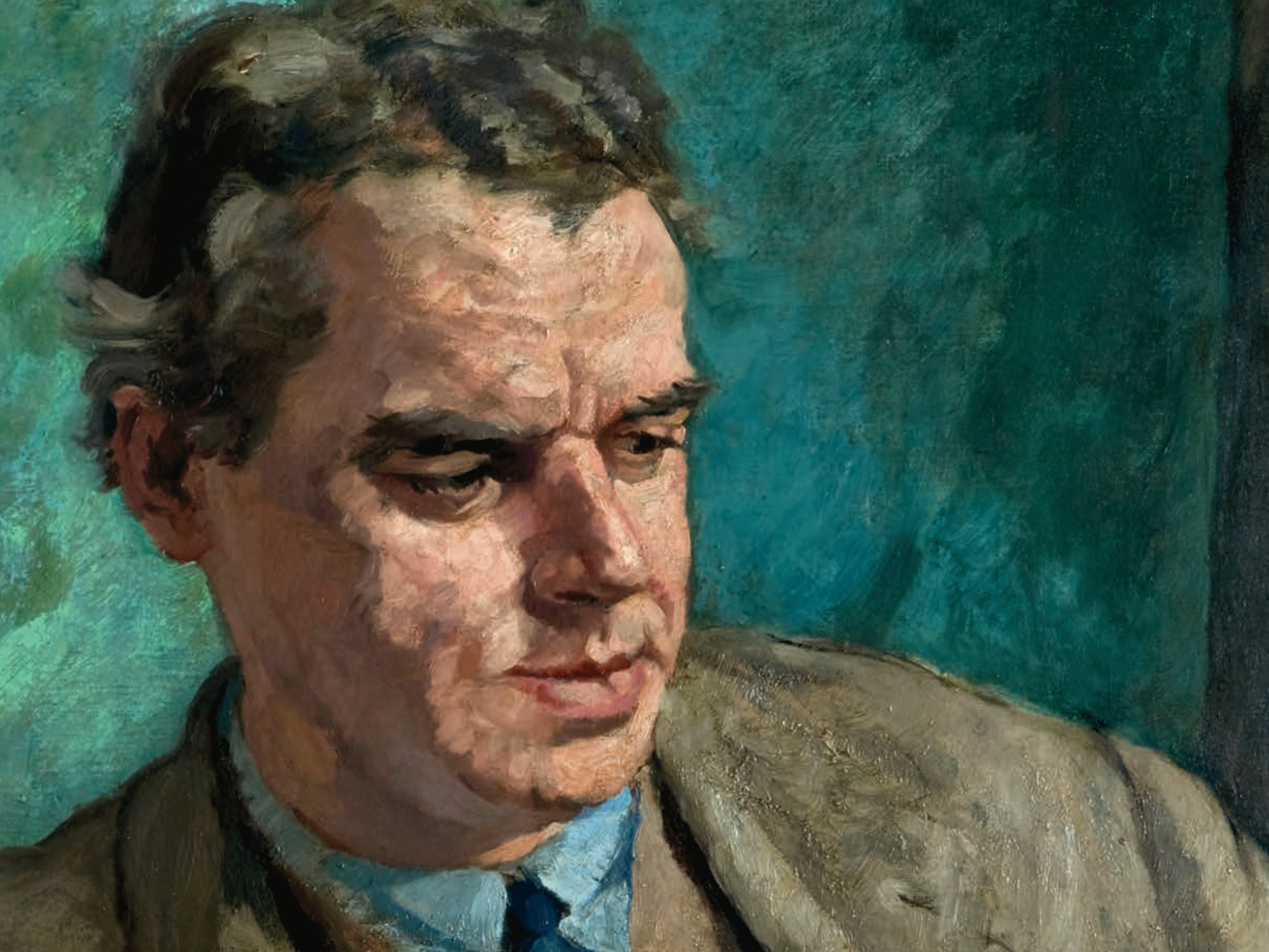
Nicola Gordon Bowe pens a sketch of Joseph Campbell the influential poet of the Irish Revival

Robert Ballagh has long been recognised for his political engagement; Brian McAvera asks him to enlarge on the artist’s position in
society ahead of his retrospective at the RHA in September
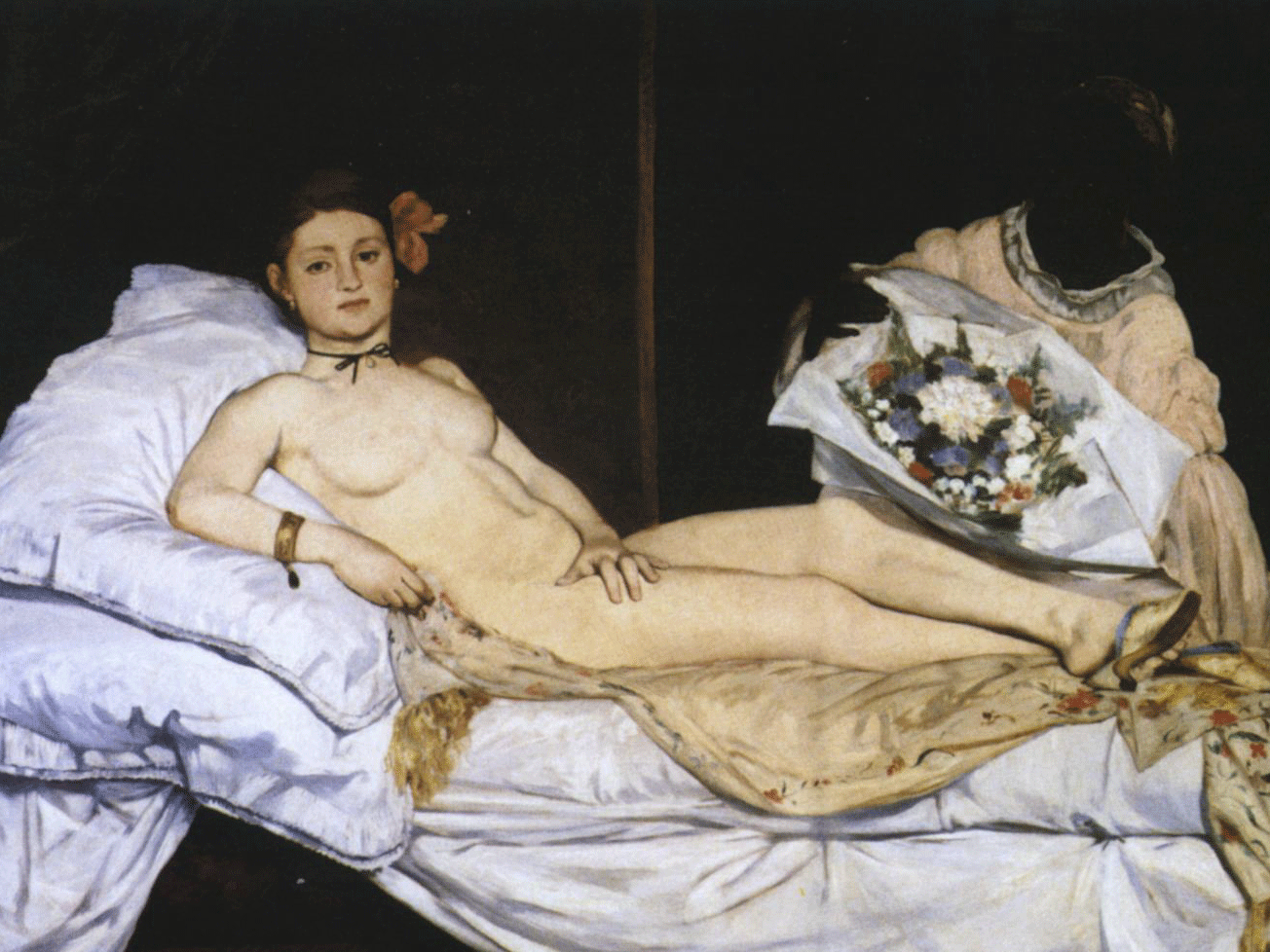
Brian McAvera visits Louis le Brocquy’s studio and finds him returning to first principles with his homage to Manet; a celebration of life and sensuality and a world away from his more recent existential ‘human images’

Clement McAleer’s latest work at the Hallward Gallery in Dublin this March, shows a fluency of expression that distinguishes it from the past, yet his preoccupation with an underlying structure connects the early work with the present, writes Brian McAvera
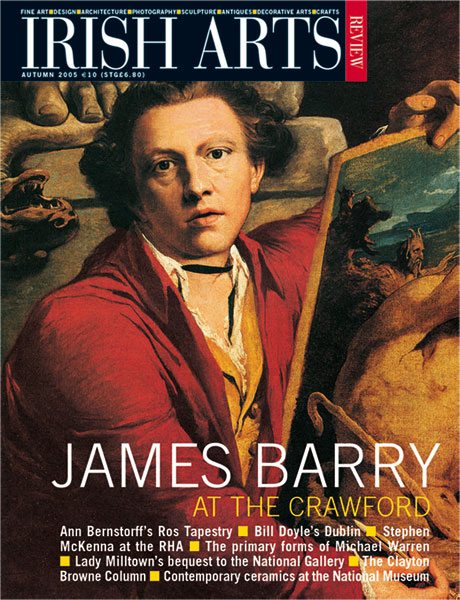
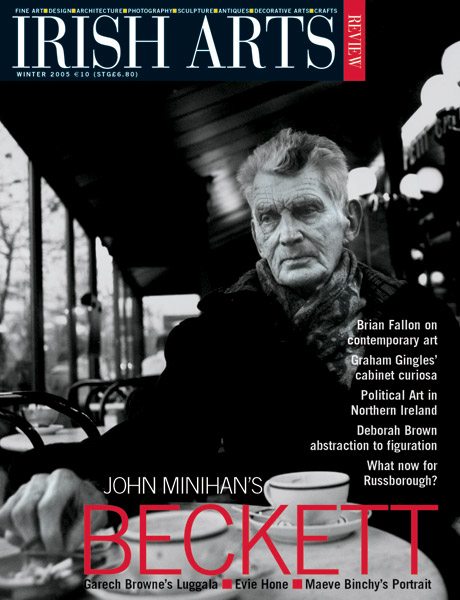
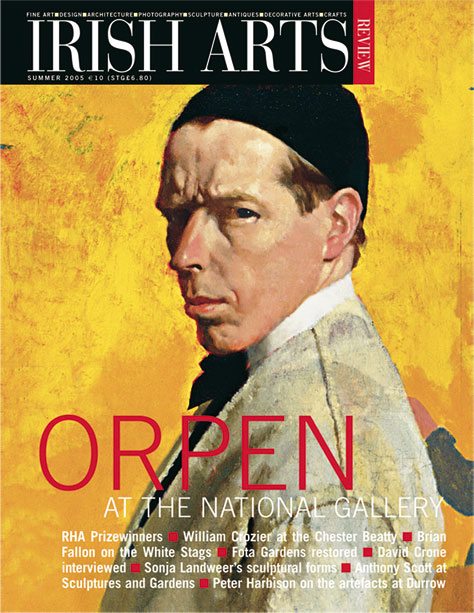
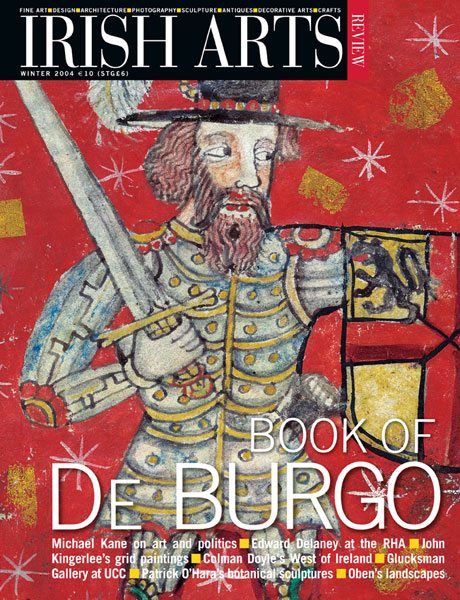
An attraction to the clear compositions of the early Renaissance and the tensions inherent in German Expressionism may seem incompatible, but, as Michael Kane explains to BRIAN McAVERA, both styles have had a direct influence on his work
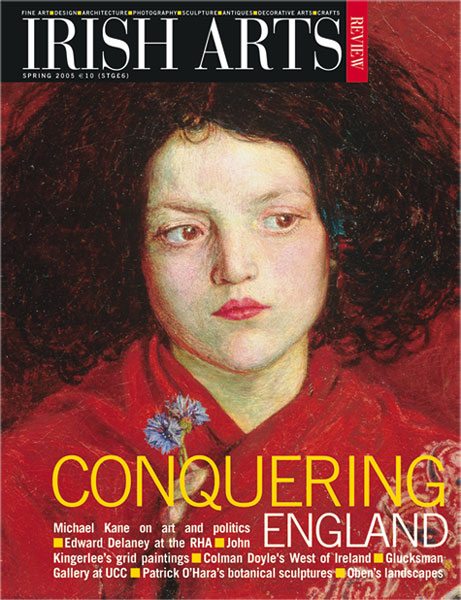
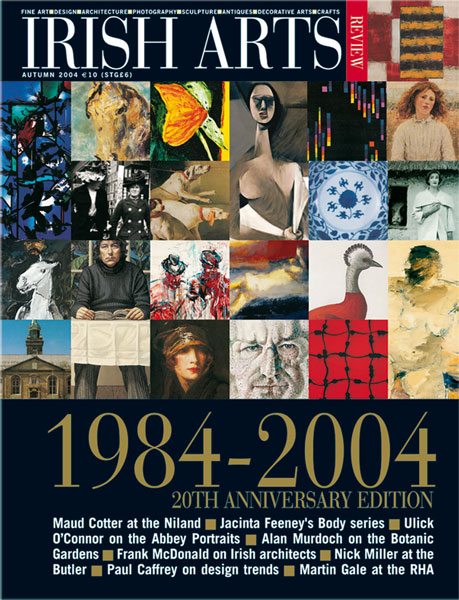
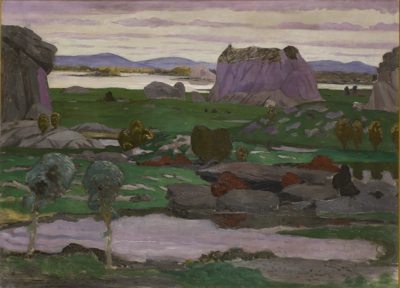
Peter Murray remembers the talented artist, Robert Gregory, son of Lady Gregory of Coole Park, whose surviving works are testament to unfulfilled promise

Françoise Henry’s studies in early Irish art illuminated its role in the medieval art of Europe, writes Peter Harbison.
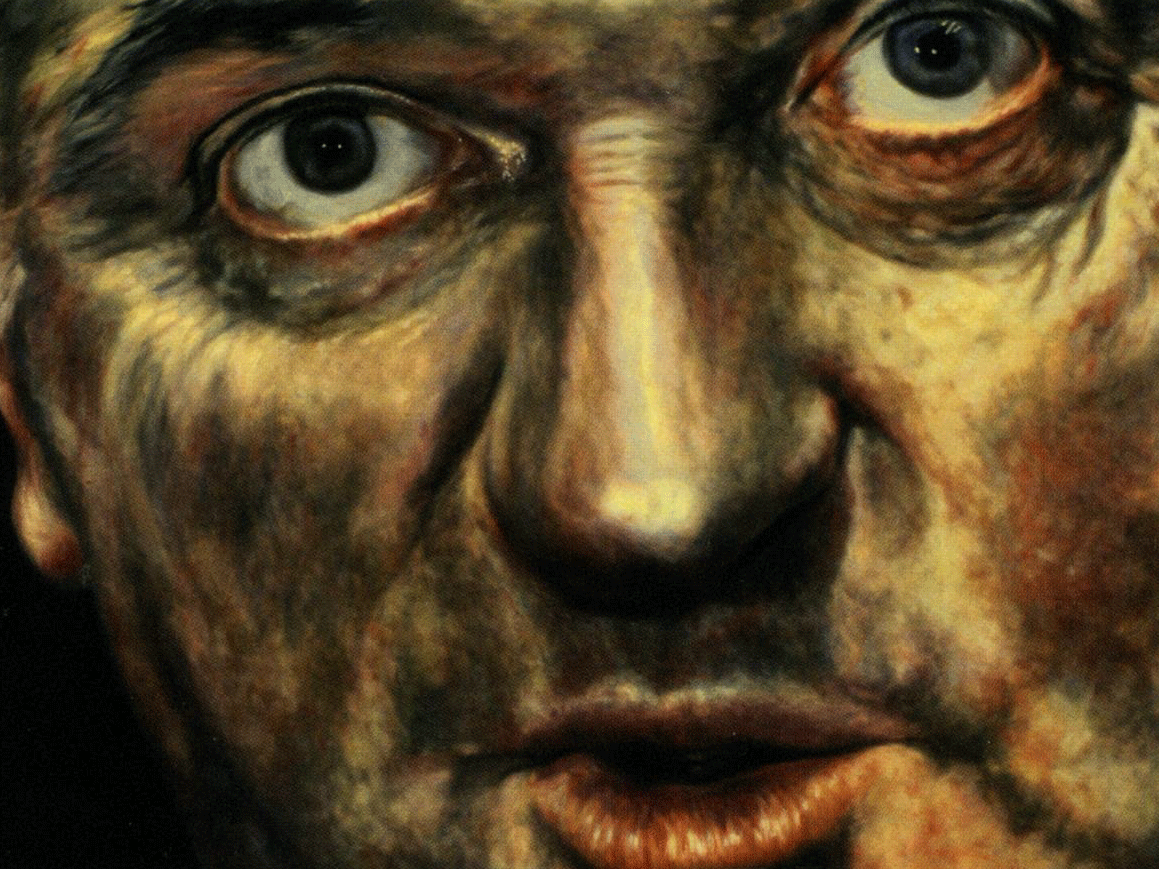
‘Putting a helicopter in the sky isn’t a political statement, it’s just that I saw more helicopters than seagulls’, Dermot Seymour tells Brian McAvera as his retrospective continues at the Irish College in Paris.
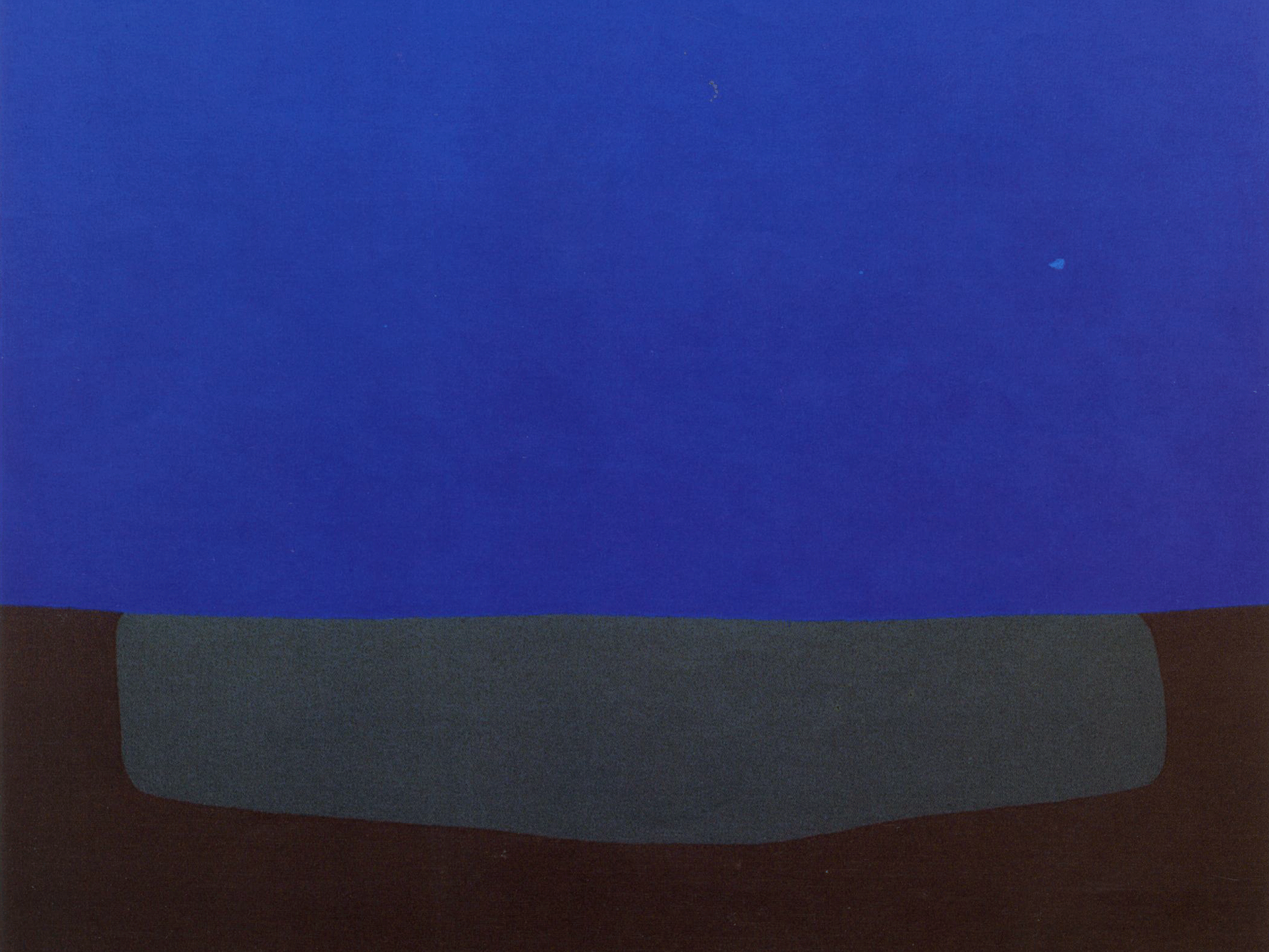
Seán Ó Mordha asks James O’Connor to reflect on the development of his practice since his move to Munich in 1977
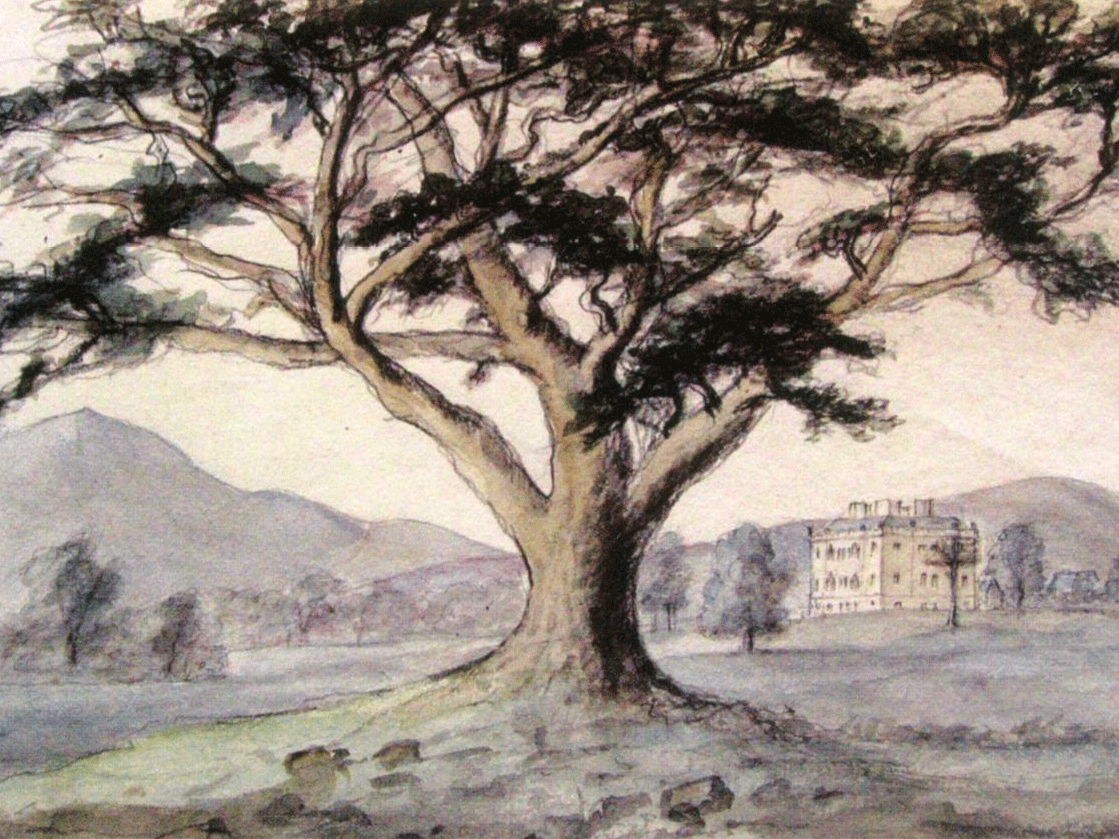
A visit by Lady Caroline Lamb to Kilkenny and Lismore in 1812
Brought to Ireland to gain distance from Byron, Lady Caroline Lamb instead found inspiration for her novel’s central character based on the poet. Two hundred years later, Peter Murray recalls the historic visit
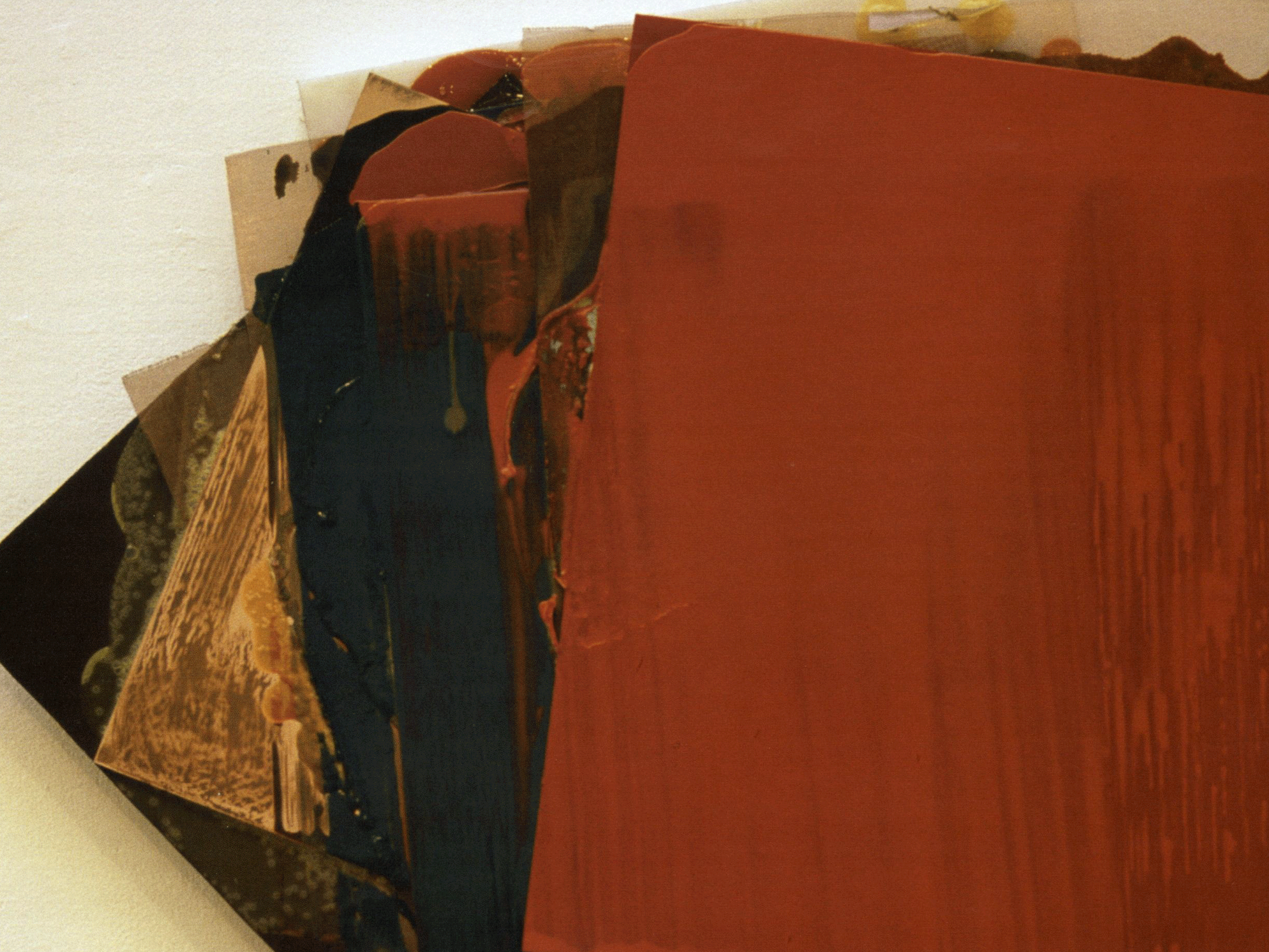
Can minimalist-abstract art have content? Ciarán Lennon addresses the question posed by Brian McAvera
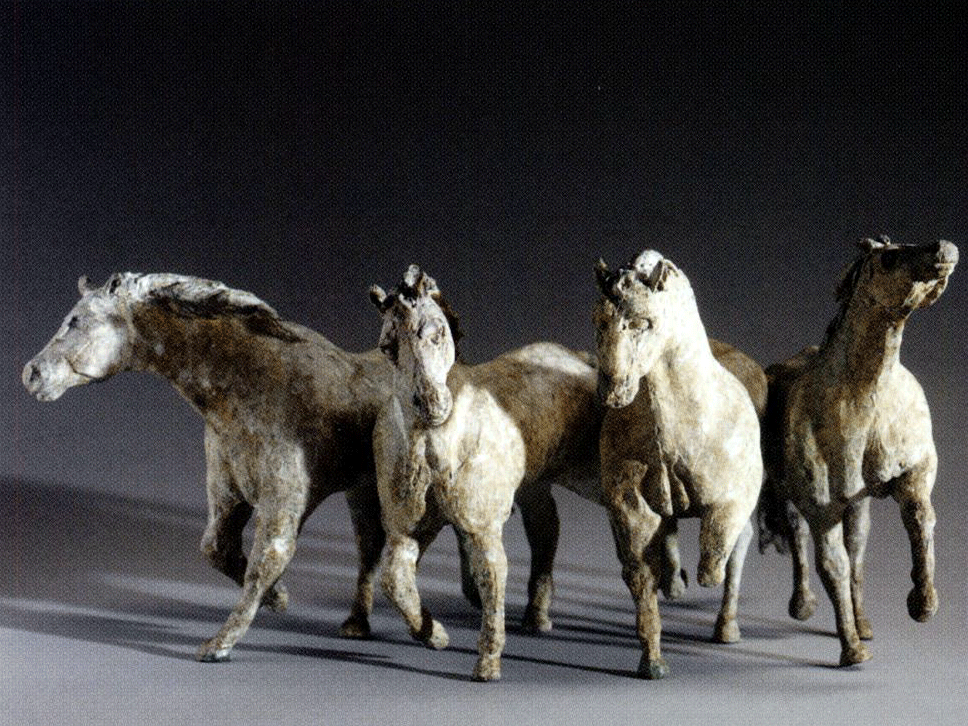
Colm Brennan tells Brian McAvera “The mythology, topography, history and folklore attached to a particular place name would be among my earliest thoughts in addressing the possibility of a new piece of public sculpture”
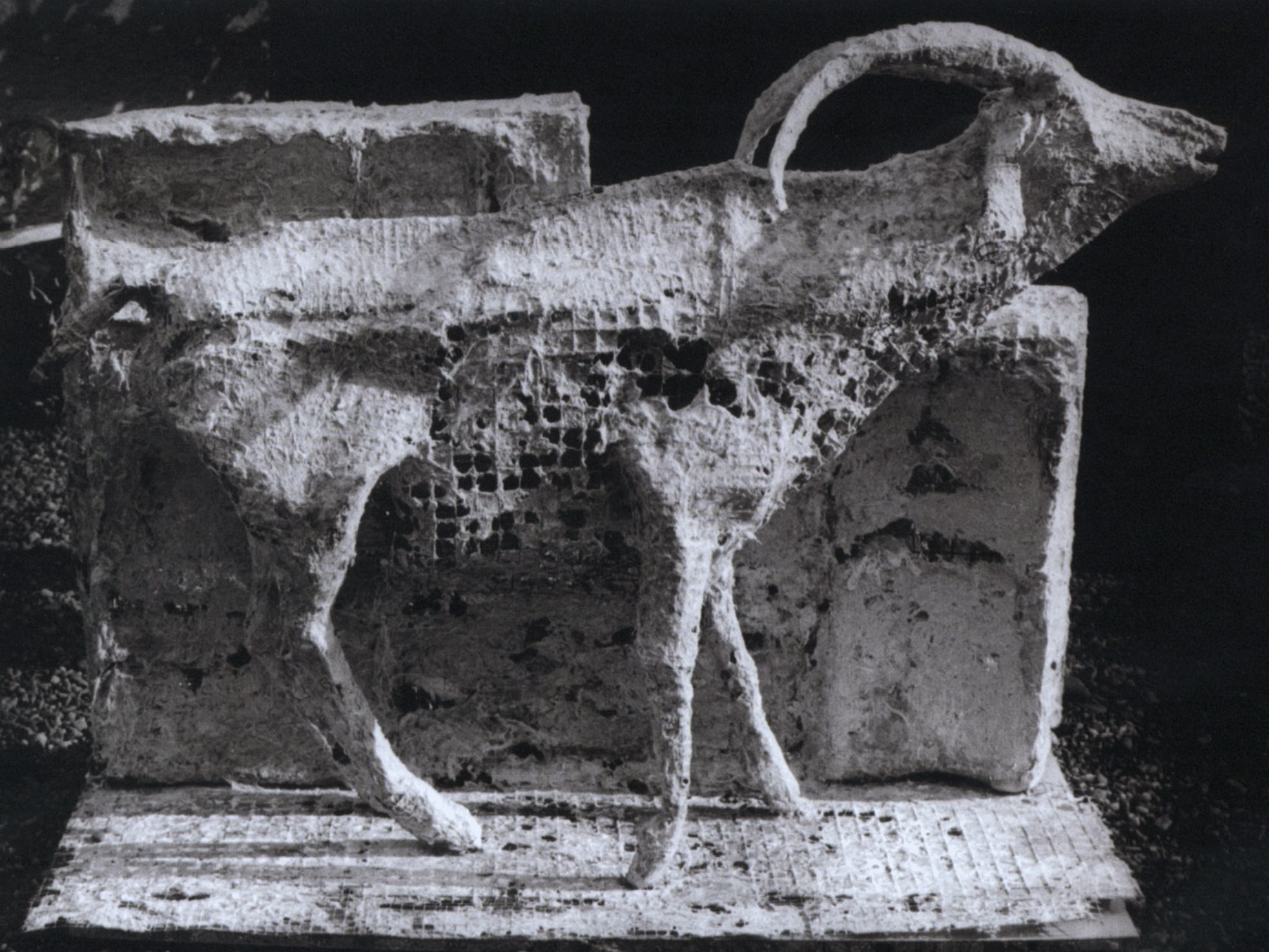
“Paris gave me a sense of form in space and space inside a form,” sculptor-painter Deborah Brown tells Brian McAvera ahead of her exhibition at the Gordon Gallery, Derry, in November.
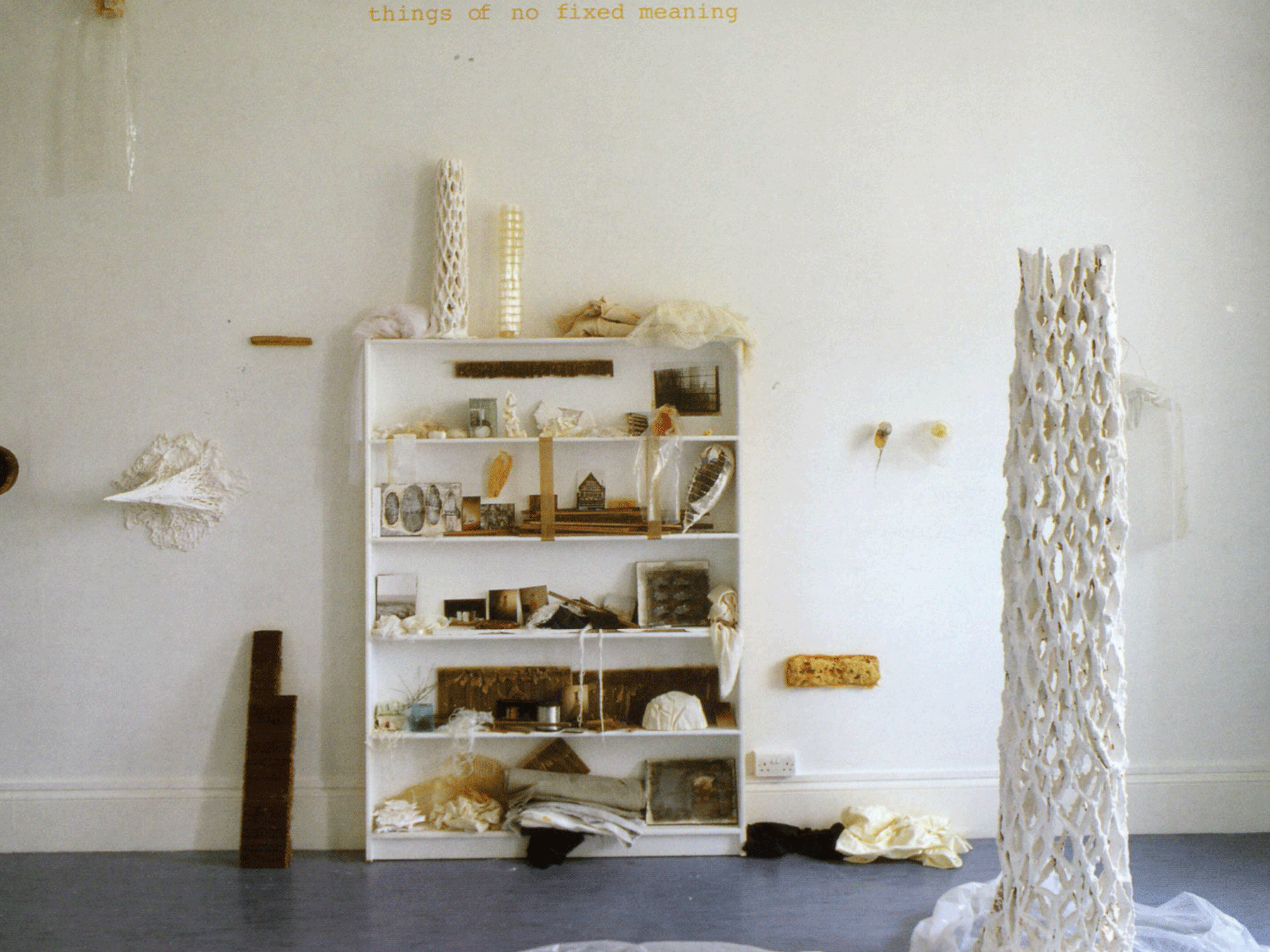
“My desire to change the way we see the world in order to remake it is central,” Maud Cotter tells Brian McAvera.
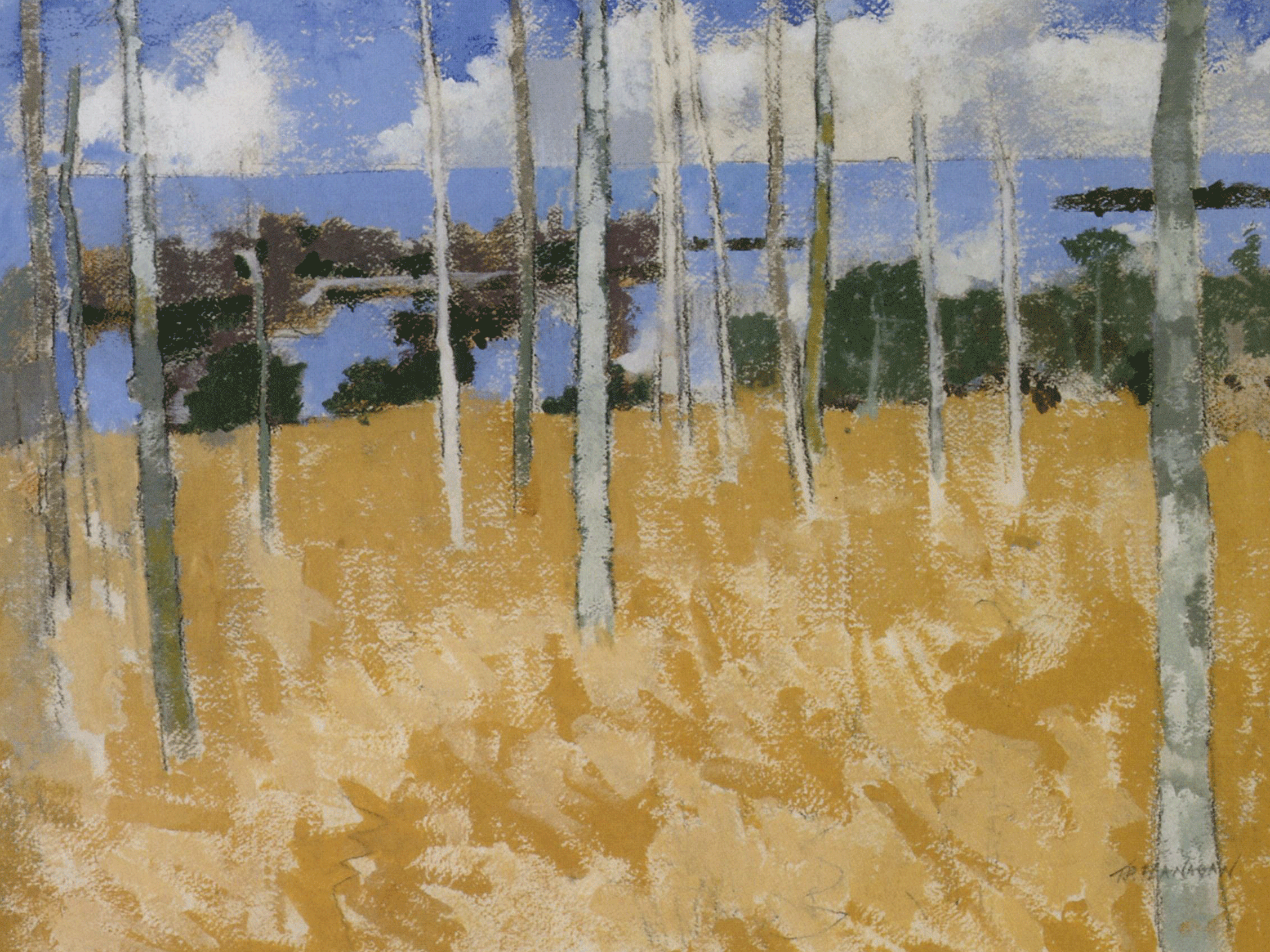
Despite a long and distinguished career at home and abroad, T P Flanagan can still proclaim, in conversation with Brian McAvera, “It may sound phoney but I’m never aware of myself as a totally formed artist”
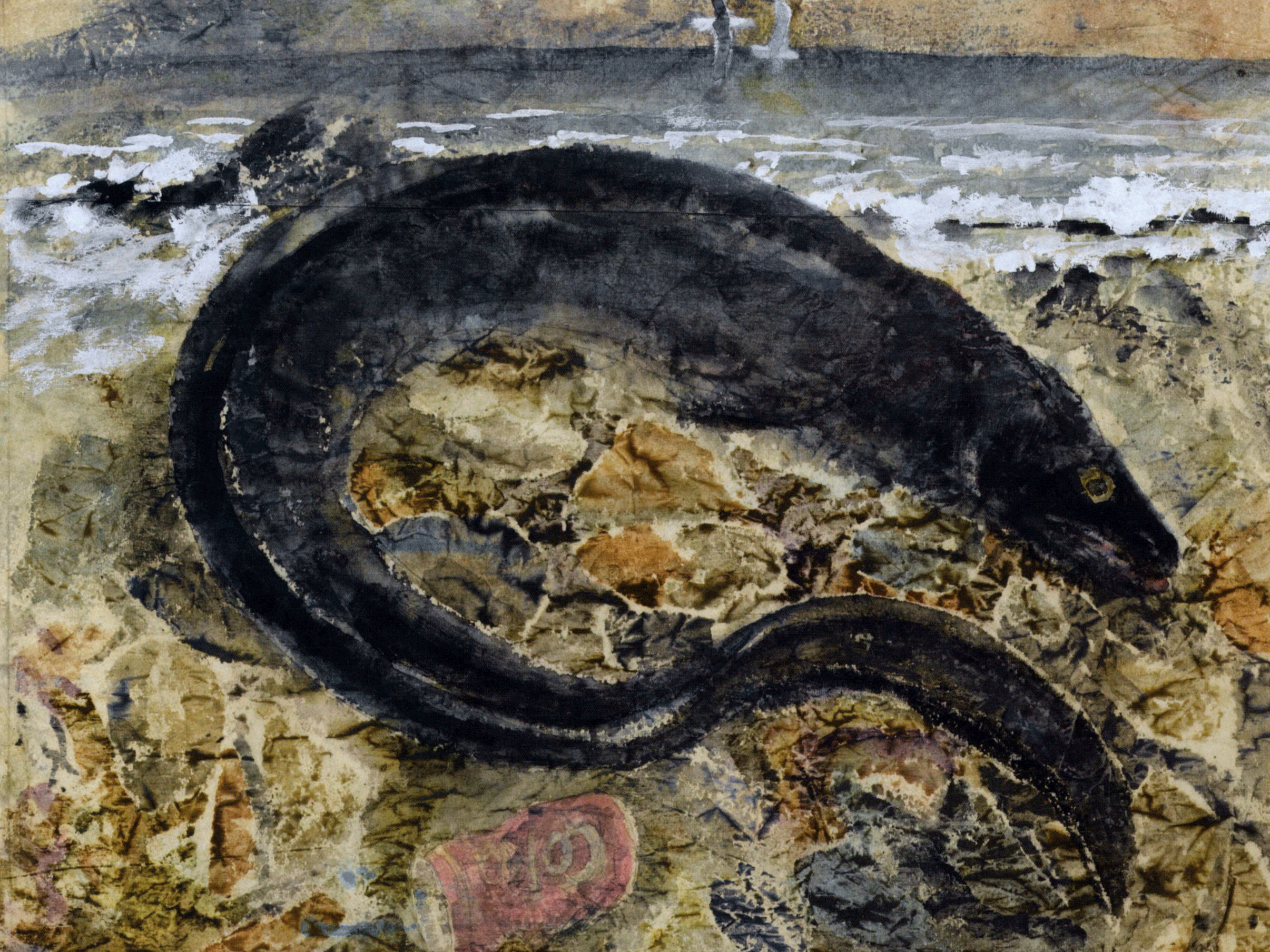
“I look at landscape and wonder what lives in it,” landscapist and committed environmentalist Jim Manley tells Brian McAvera ahead of his exhibition at the Tom Caldwell Gallery, Belfast
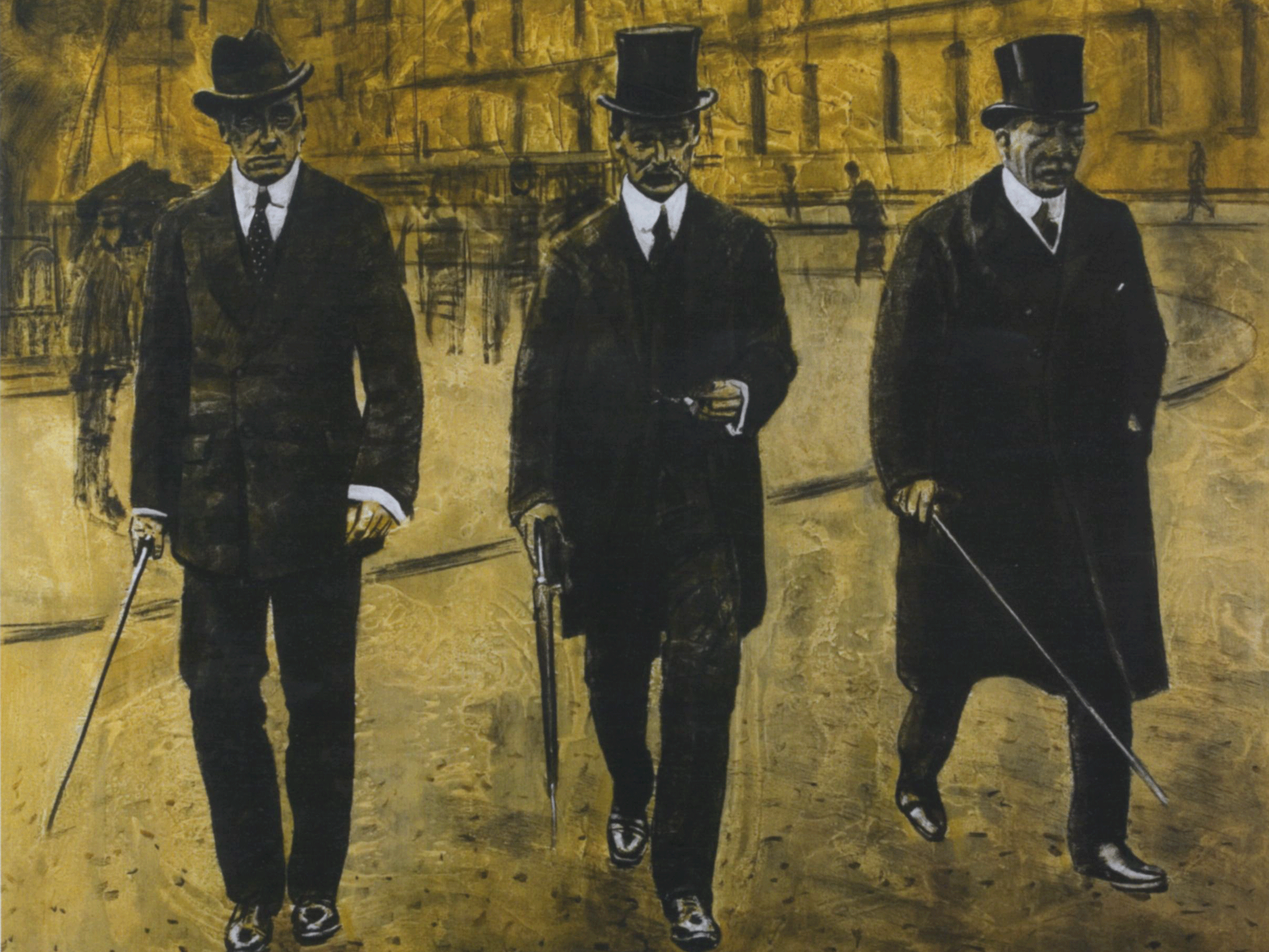
On the topic of his new work Mick O’Dea tells Brian McAvera “The Black and Tans were the Bogeyman and I am looking at what the Bogeyman looked like.”
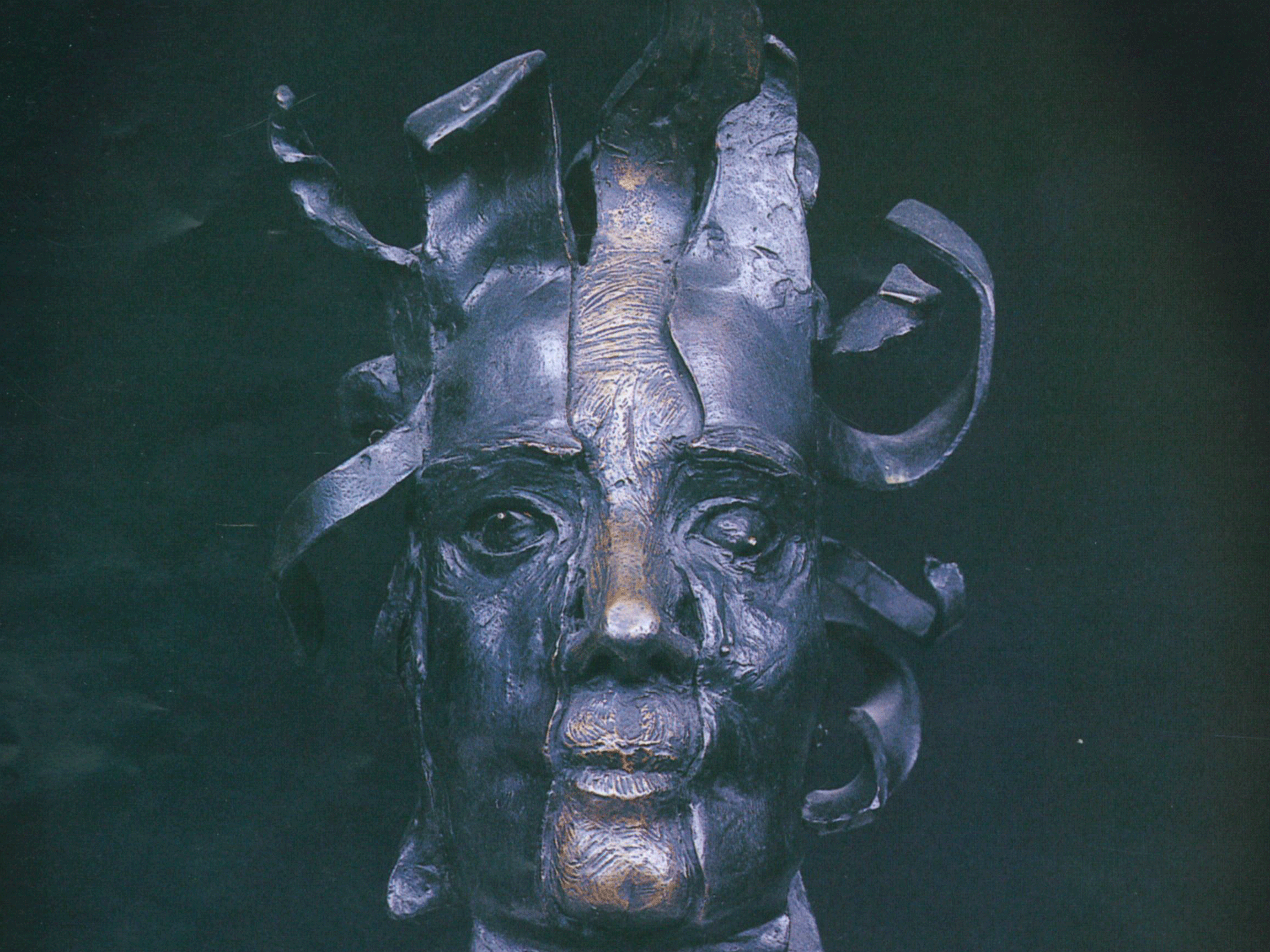
“The dream world with me is so strong. It’s like my personal theatre and guide”, Cathy Carman tells Brian McAvera ahead of her exhibition in September at the Dock Arts Centre, Co Leitrim.
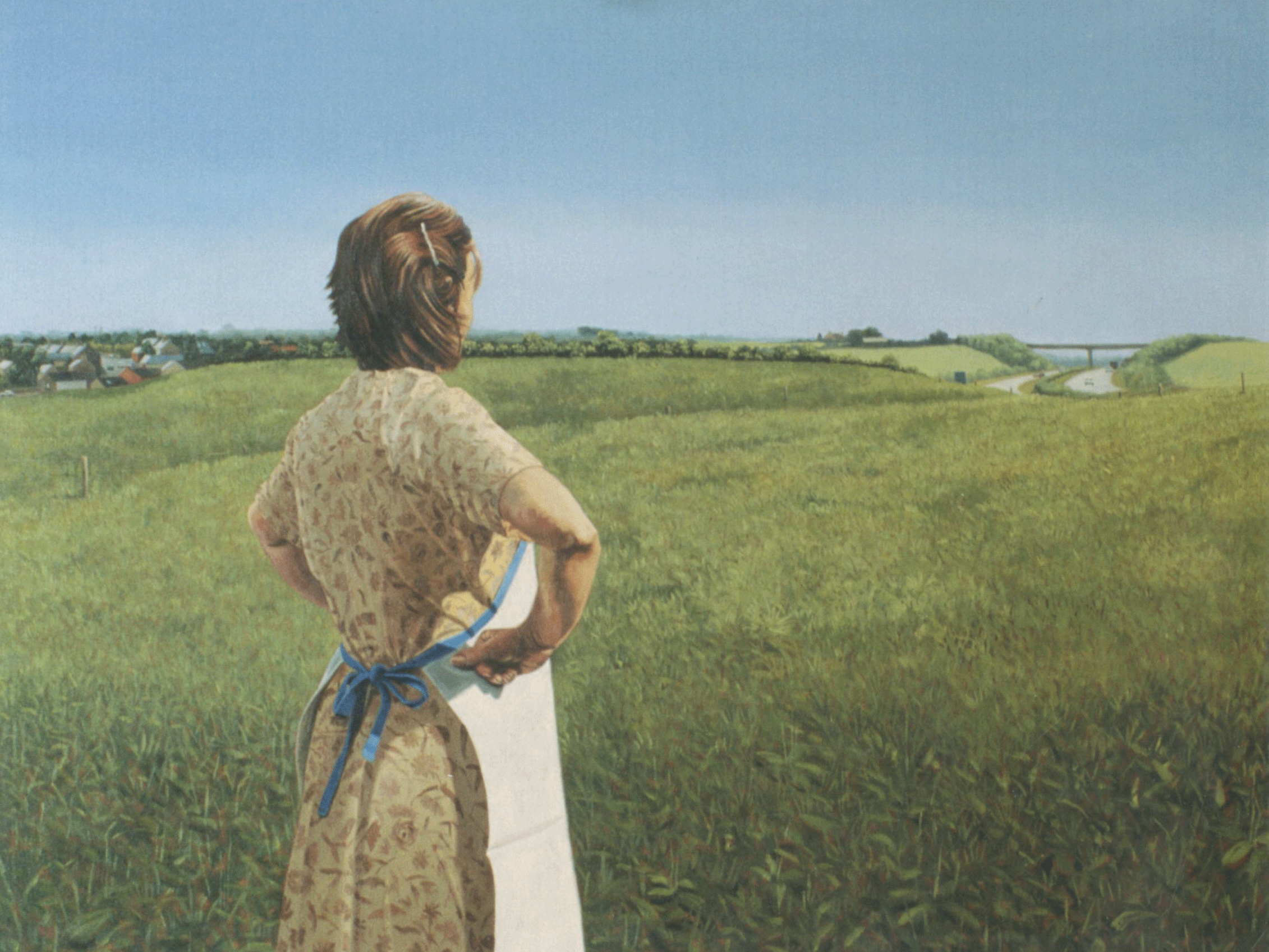
Brian McAvera talks to Martin Gale about his approach to painting, his influences and his relationship with the Irish landscape
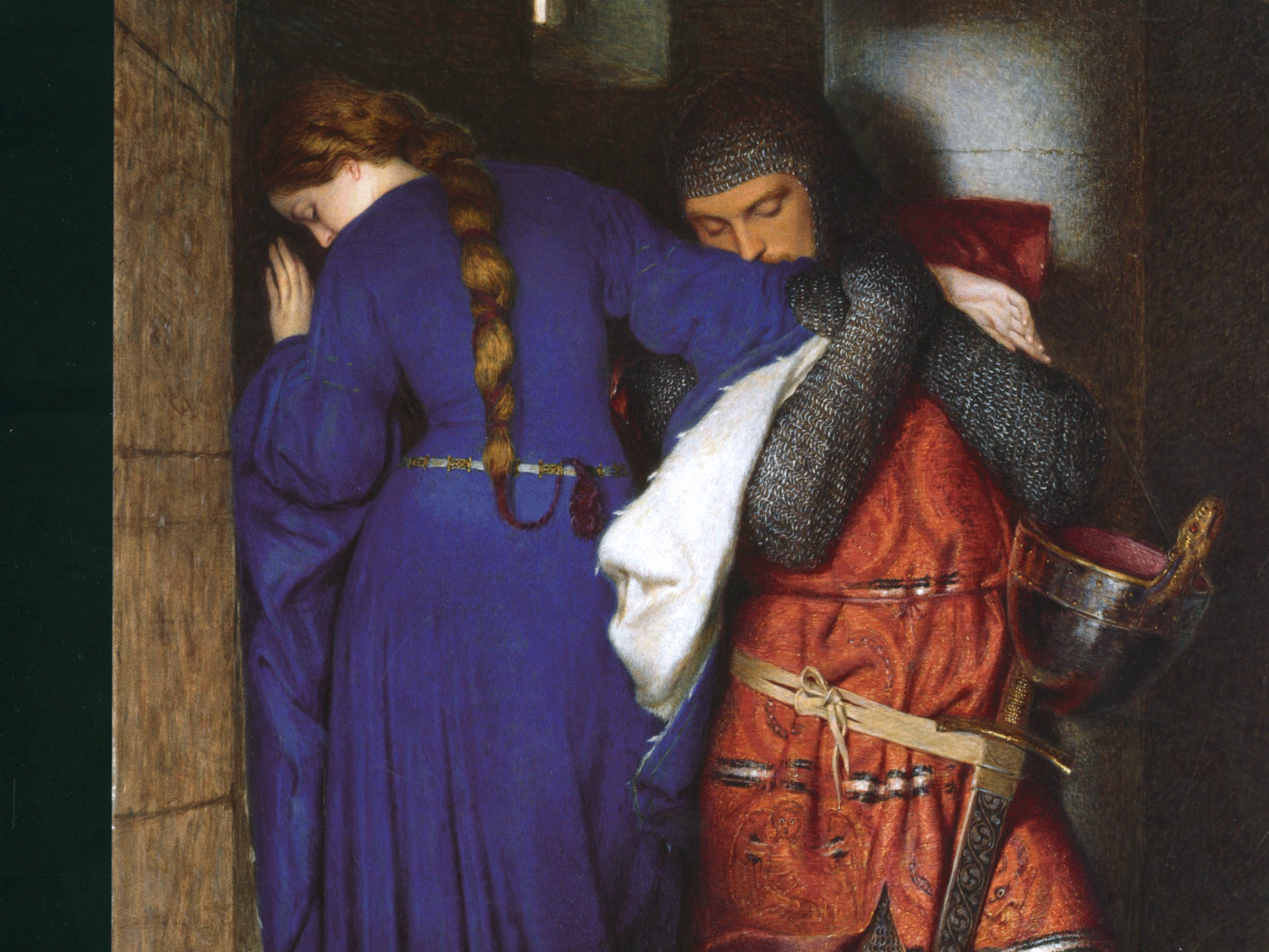
Janette Stokes explores the Stokes family connection with FW Burton’s The Meeting on the Turret Stairs from its inspiration to bequest
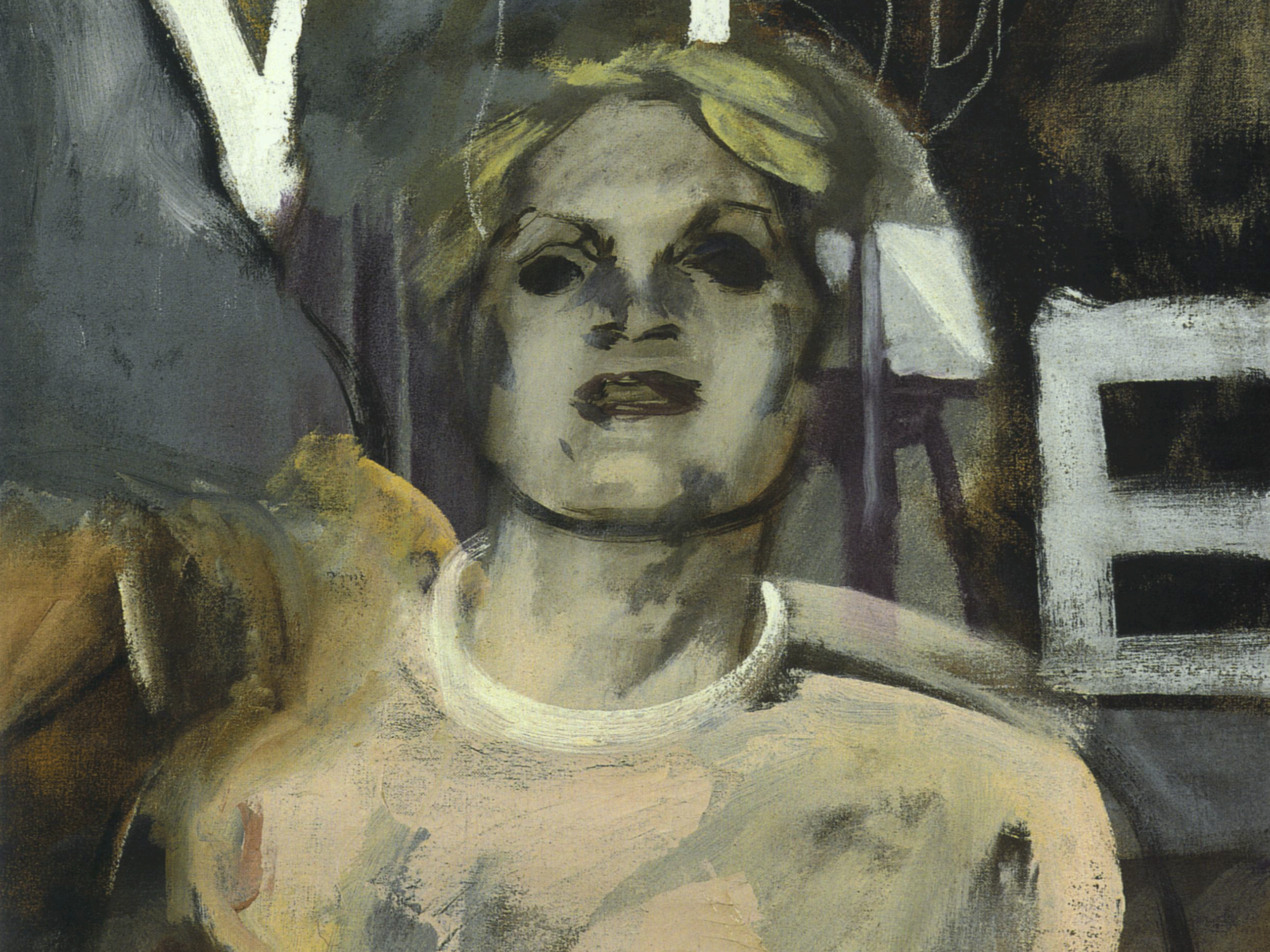
“I like the idea of being a bit perverse, of not being predictable”; Charles Cullen tells Brian McAvera, as they discuss the dominant themes in his work over the past 40 years
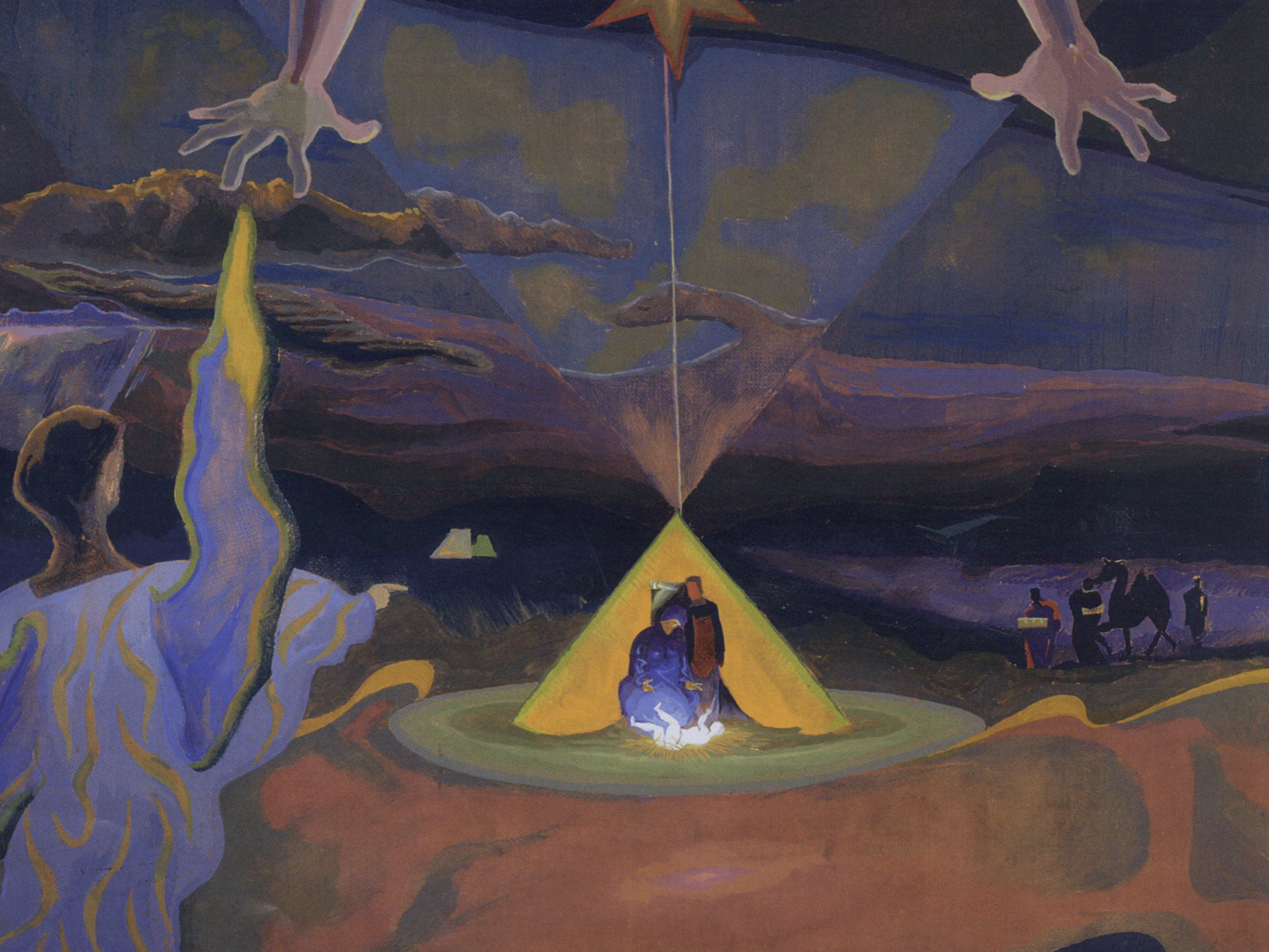
In his early thirties Patrick Pye converted to Catholicism: here he tells BRIAN McAVERA of the impact this has had on his life’s work and his artistic alignment with Italian art before 1500
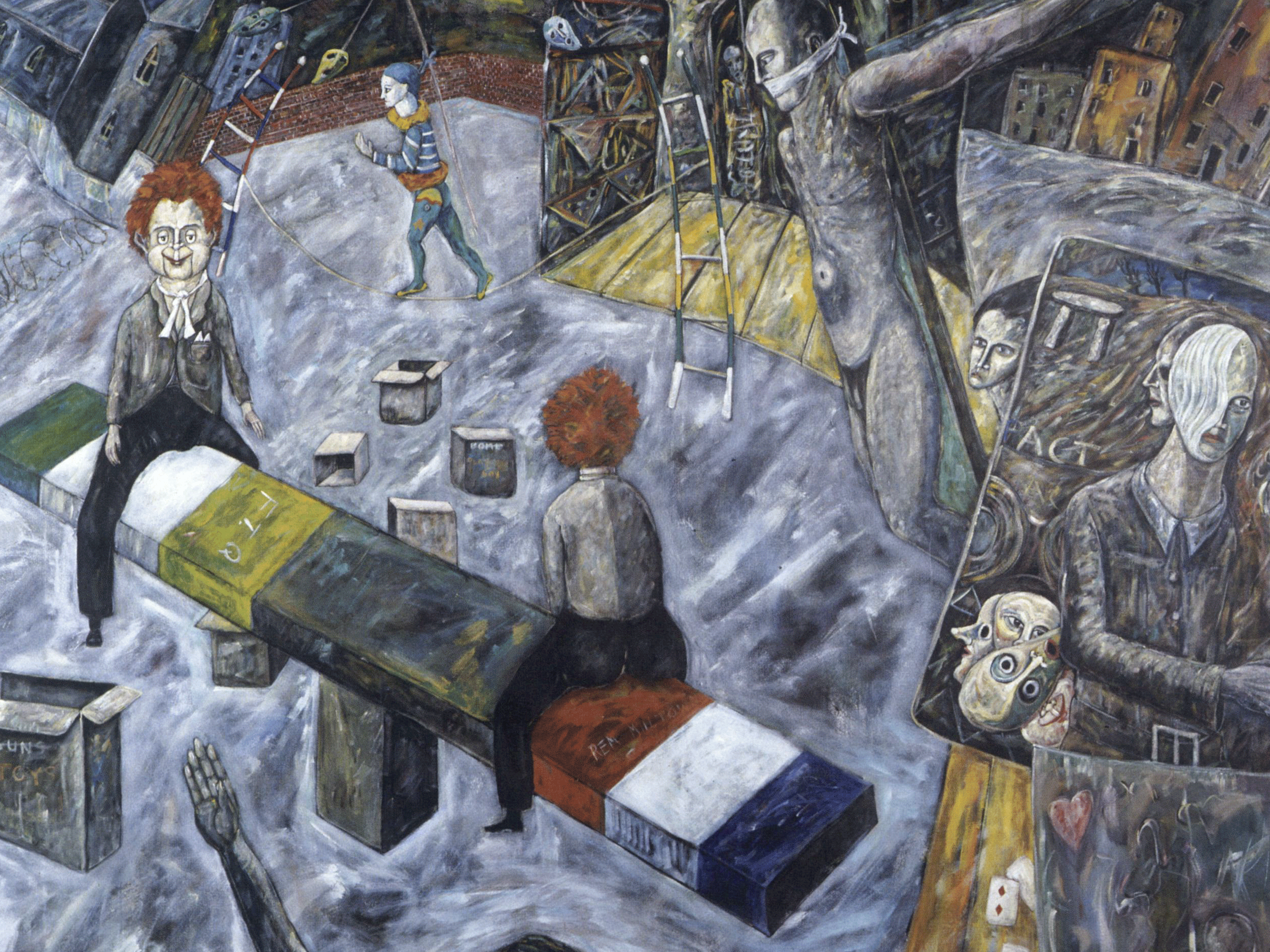
‘We’d been brought up with the notion that society progressed, from the Mayans and the Incas up to us, but we are still as superstitious, we still create false gods and we are still suspicious of people who are different from us,’ Jack Pakenham tells Brian McAvera ahead of his exhibition in Dublin
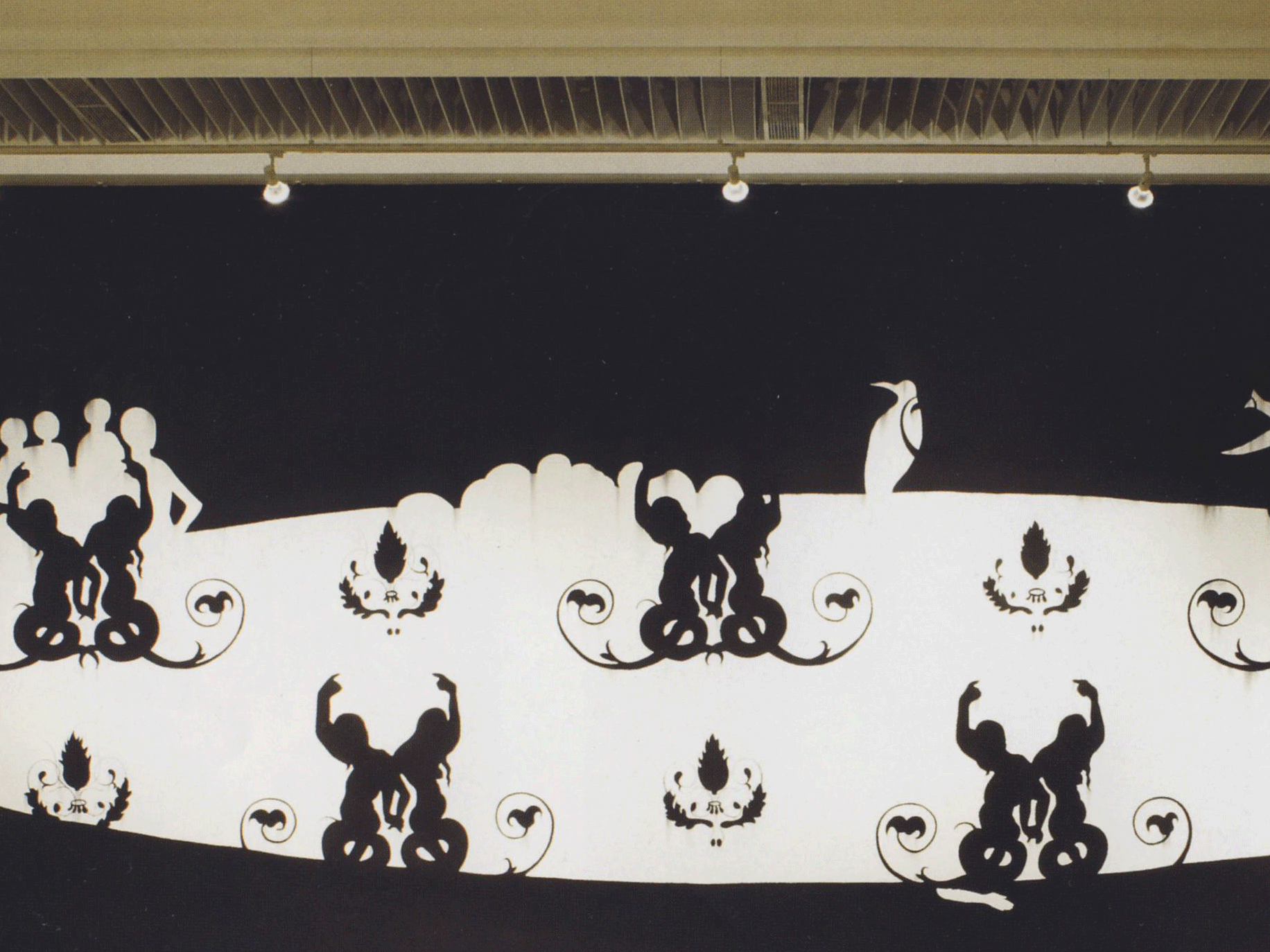
‘In reality the spotlight on any “ism” depends on the zeitgeist’, Alice Maher tells Brian McAvera, in response to questions of feminist or political overtones in her work
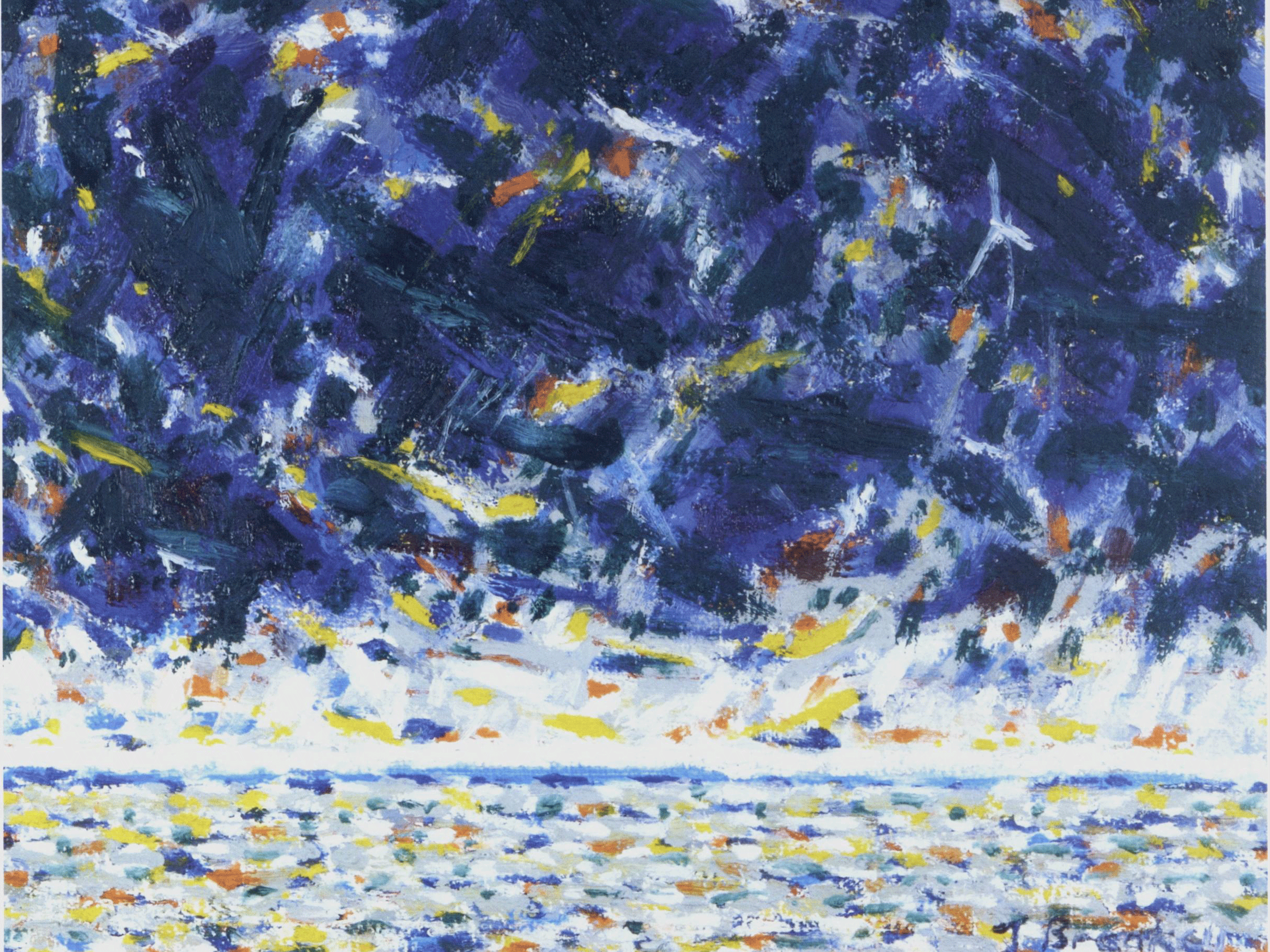
“Lithography is an extension of my painting,’ — John Breakey explains to Brian McAvera”
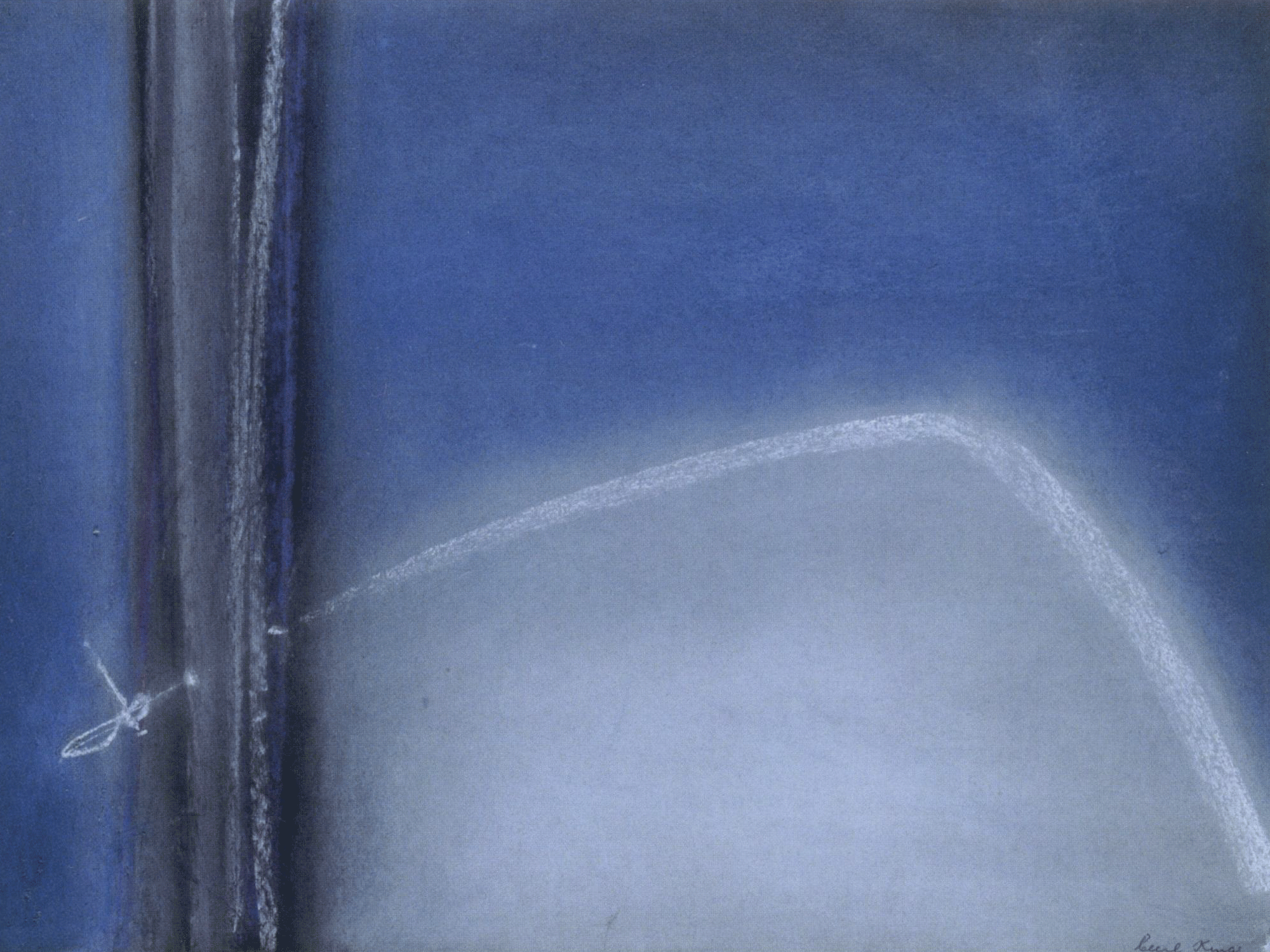
Oliver Dowling traces the artistic development of Cecil King, currently the subject of a retrospective at IMMA, and a highly regarded artist who used his business acumen to champion contemporary art in Ireland
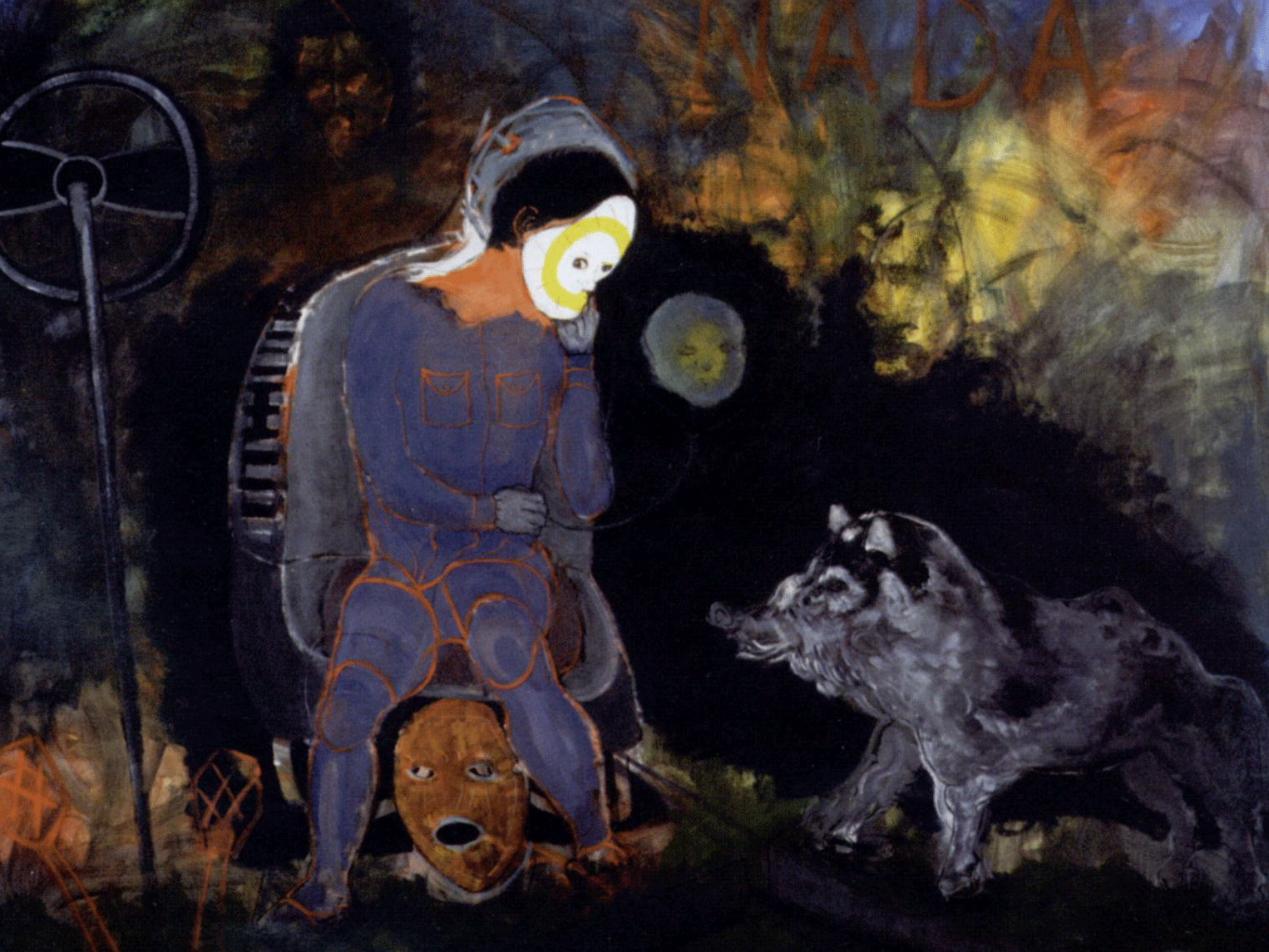
Gerry Gleason tells Brian McAvera how his use of symbol and metaphor is a visual tactic designed to draw the viewer into an engagement with his painting that transcends the parochial
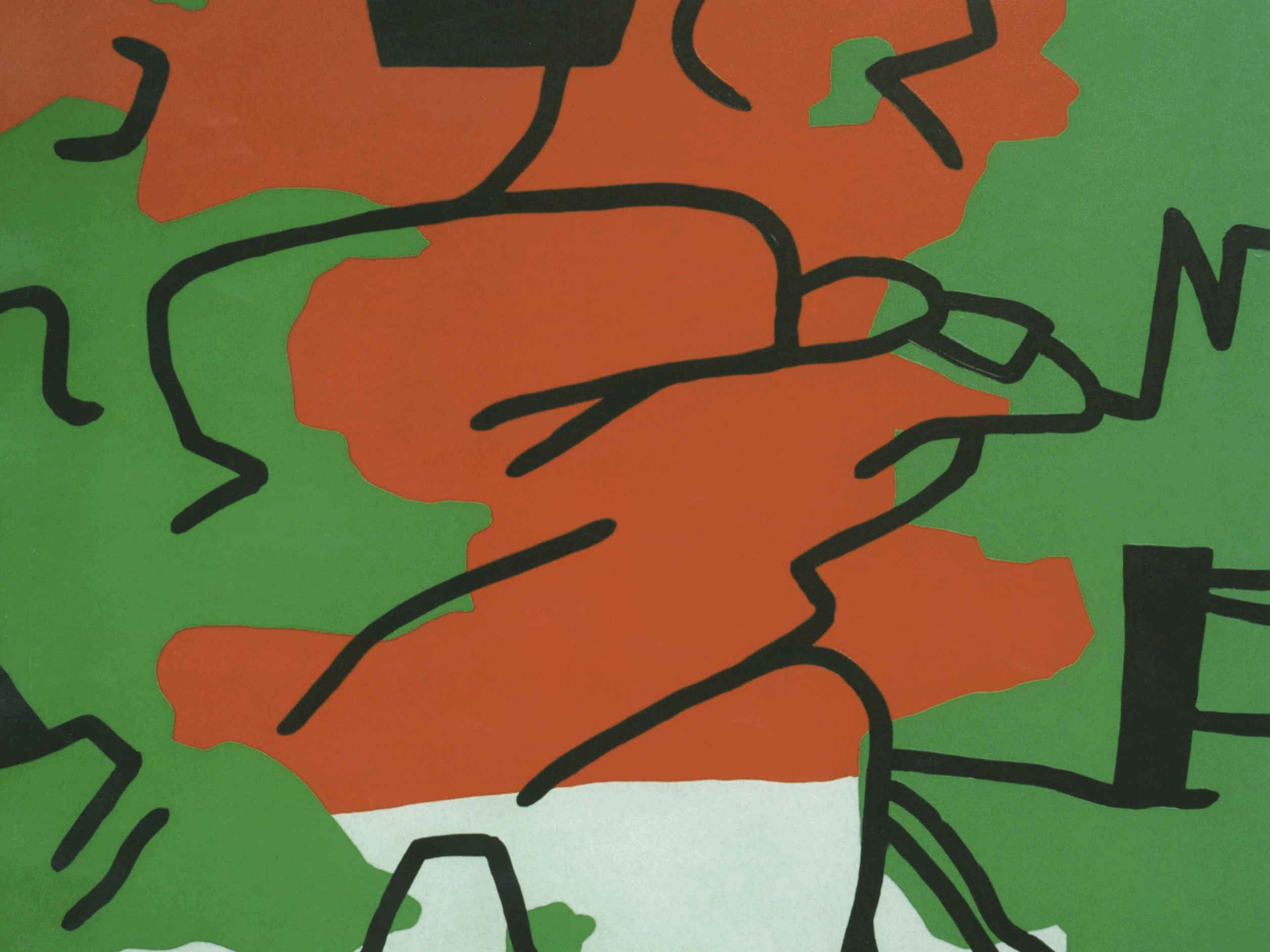
“It’s absolutely necessary to be an outsider as an artist”, Sam Walsh tells Brian McAvera as his current exhibition of figurative work at Limerick City Gallery defies expectations
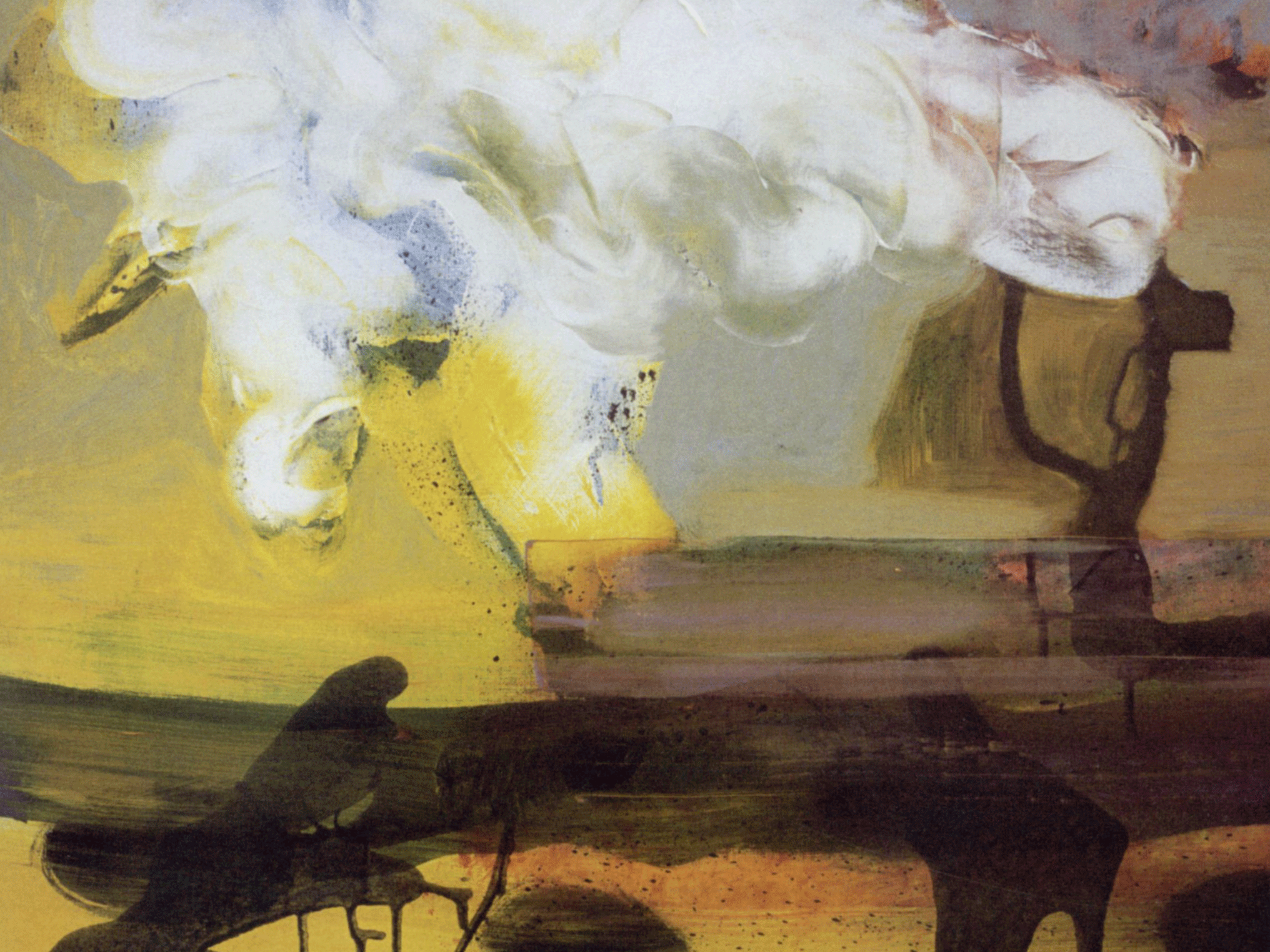
All true art comes from what you know, rather than what you see and think you know, Eamon Colman tells Brian McAvera
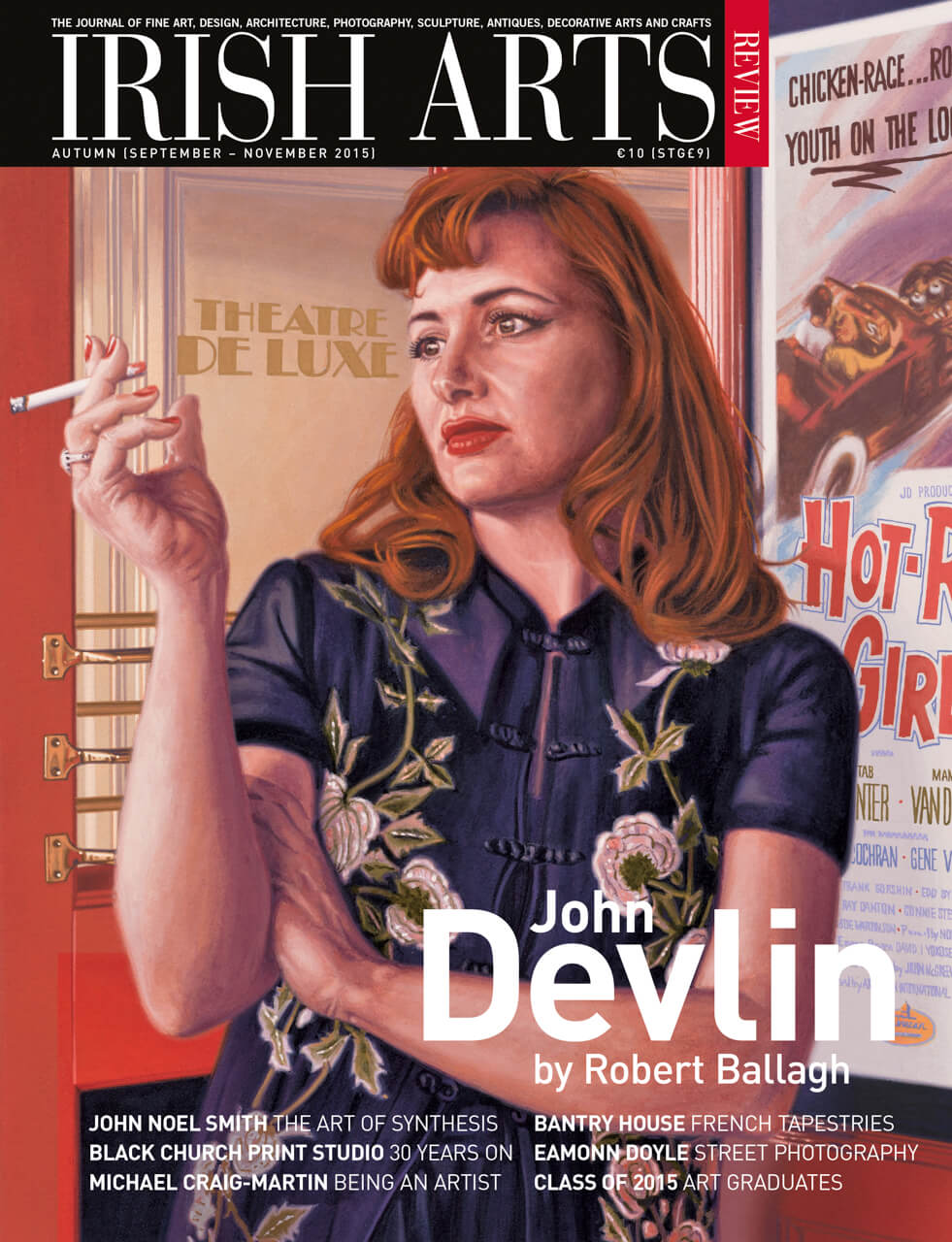
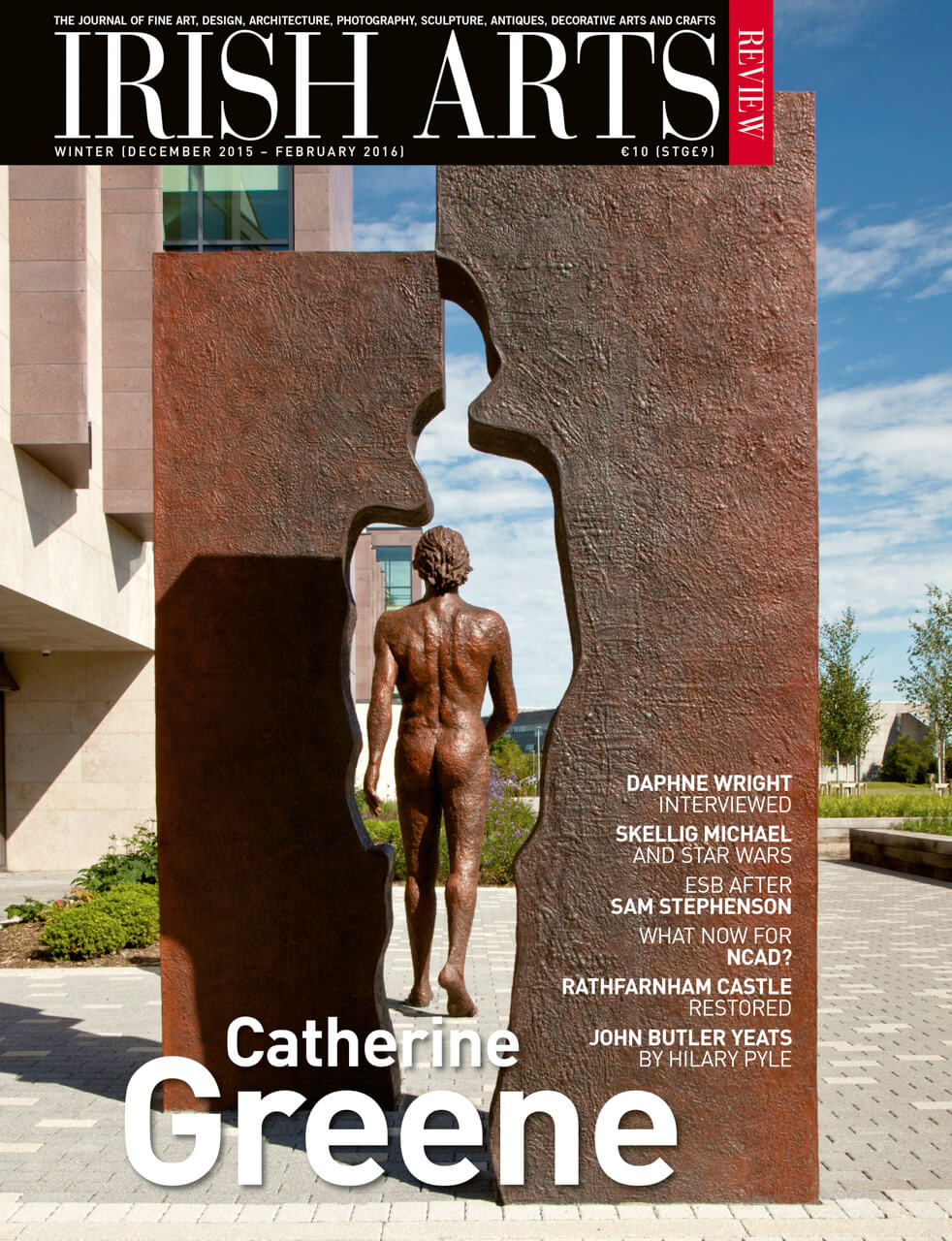
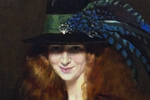
Nicola Gordon Bowe recalls the close friendship that was kindled in art school and forged in adulthood between William Orpen and Beatrice Elvery
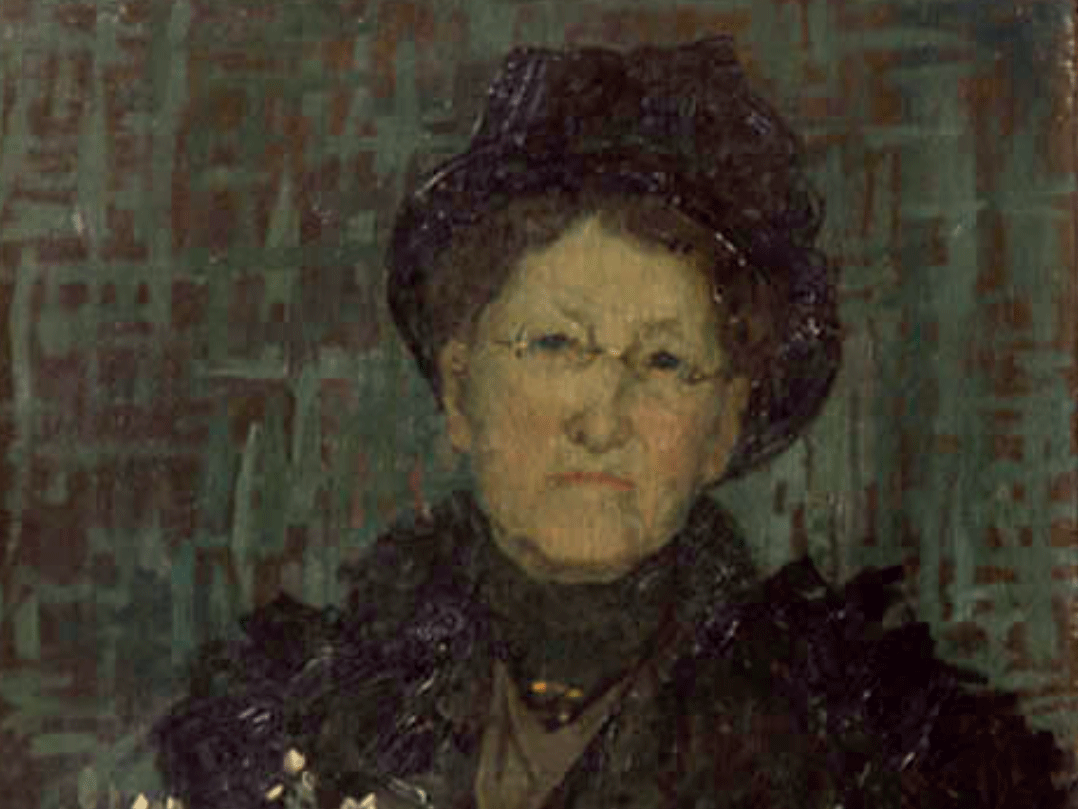
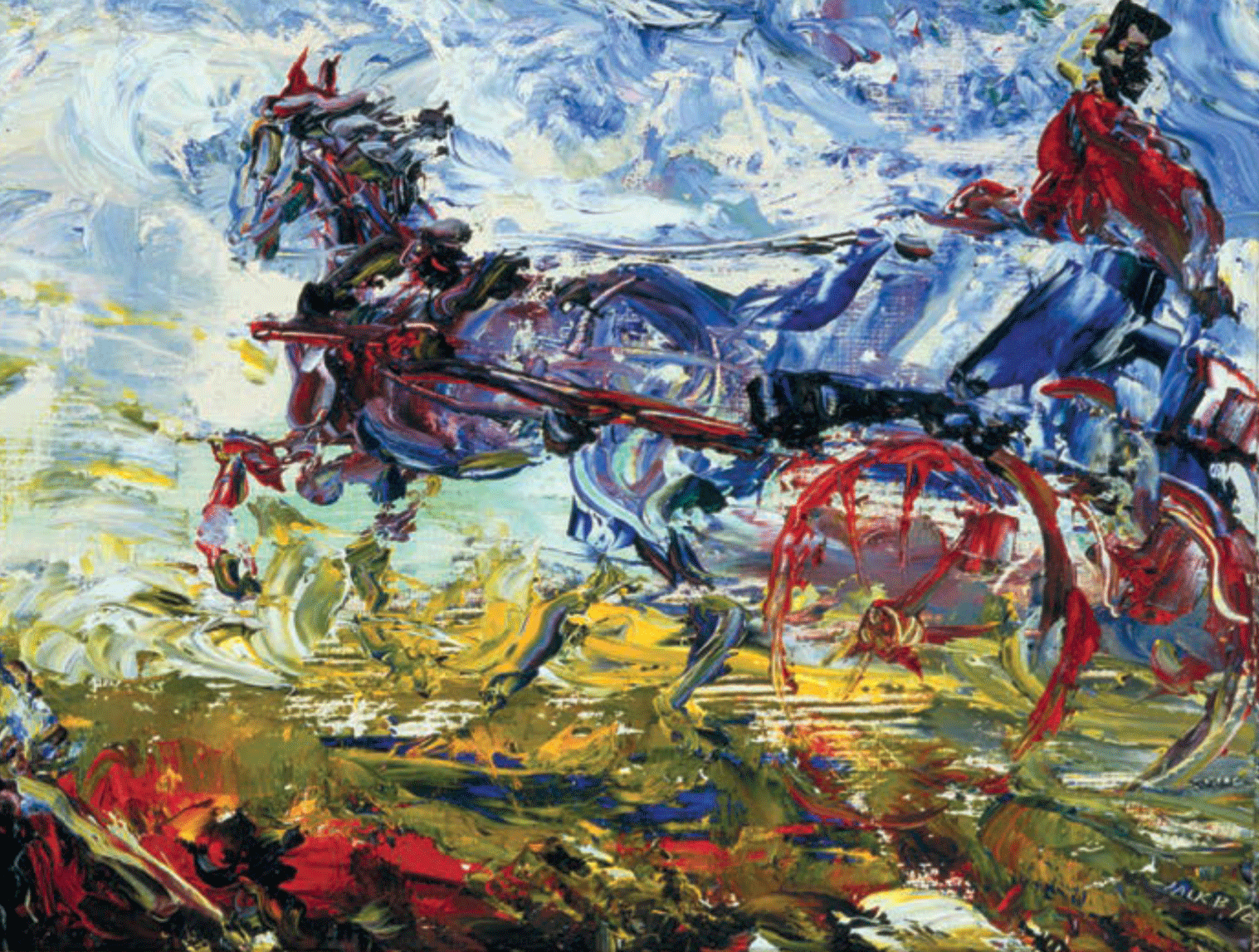
More than a hundred years after his ancestors departed these shores, collector and philanthropist Brian P Burns is circling back, perhaps with an eye to adding to his outstanding collection of Irish art, writes John Mulcahy
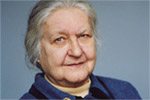
A love of art and its history formed the basis of Anne Crookshank’s integrity, writes Edward McParland in this tribute to the indomitable art historian
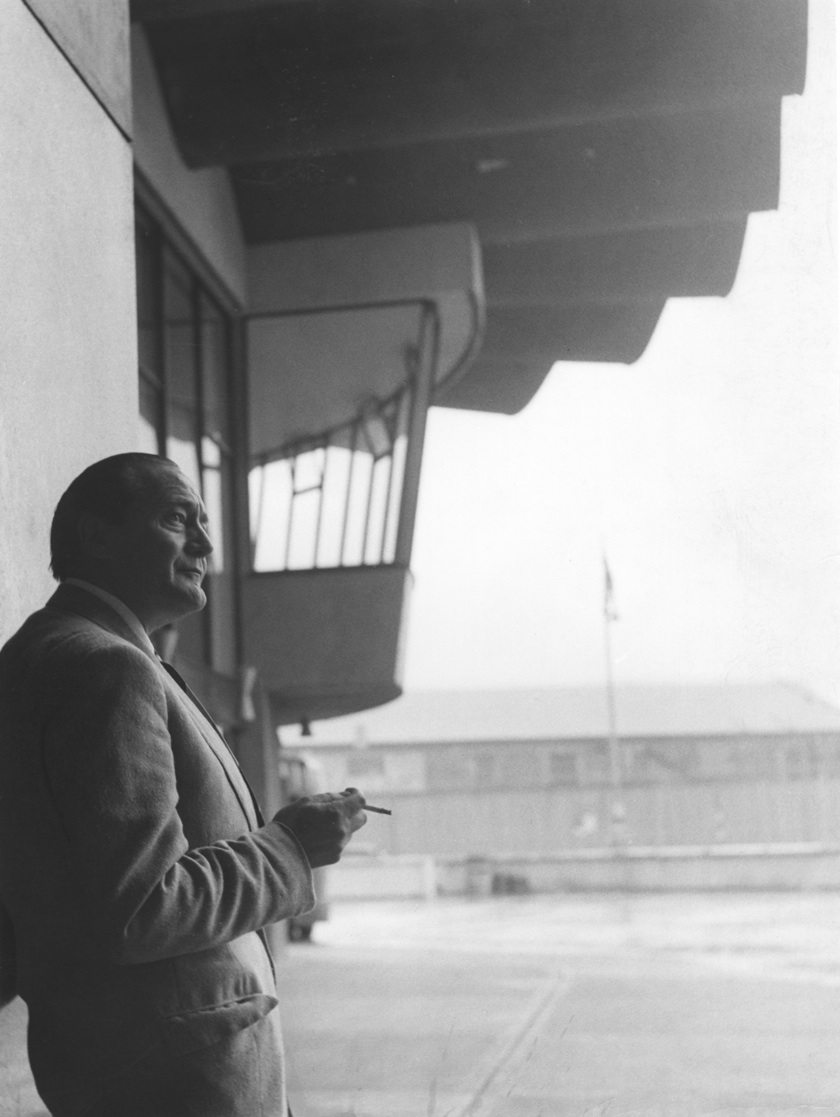
With the recent passing of Ronald Tallon, Seán Ó Laoire reflects on the end of an era and remembers Michael Scott, founder and charismatic figurehead of Scott Tallon Walker