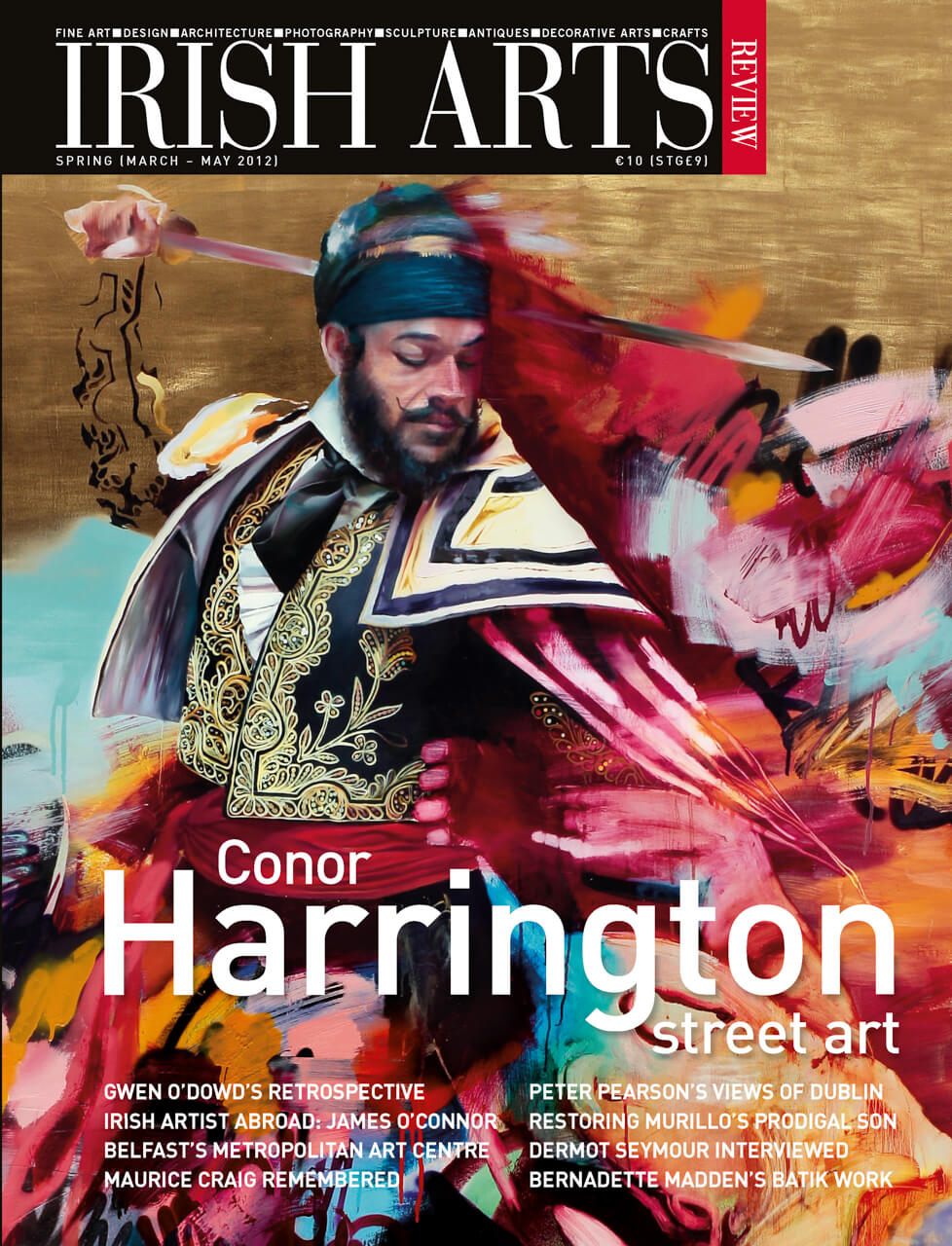
‘Putting a helicopter in the sky isn’t a political statement, it’s just that I saw more helicopters than seagulls’, Dermot Seymour tells Brian McAvera as his retrospective continues at the Irish College in Paris.
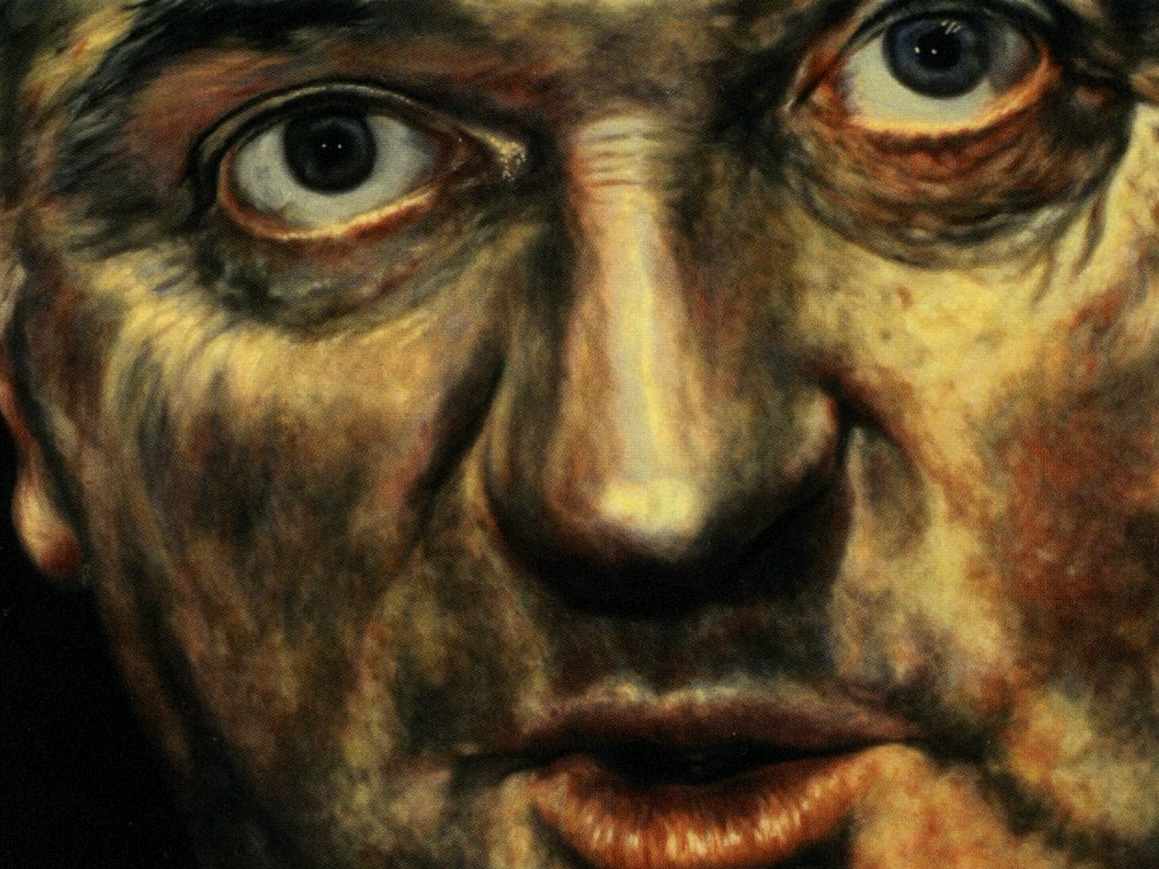
Brian McAvera: You were born in Belfast in 1956. Your mother suicided nine months later, and your father had been a loyalist gunman in the 1920s who joined the British Army, was captured at Dunkirk, and was then incarcerated in Poland! An aunt and uncle took you to the Shankill Road where you grew up. Looking back at your childhood, what are your major memories, and how far do you think they shaped you as an artist?
Dermot Seymour: Obviously they shaped you in every way. Early memories? Sunny streets, games and songs and then of course the Troubles, and you begin to notice that there’s nothing quite right in the kingdom here. Need I say anything? It’s all history!
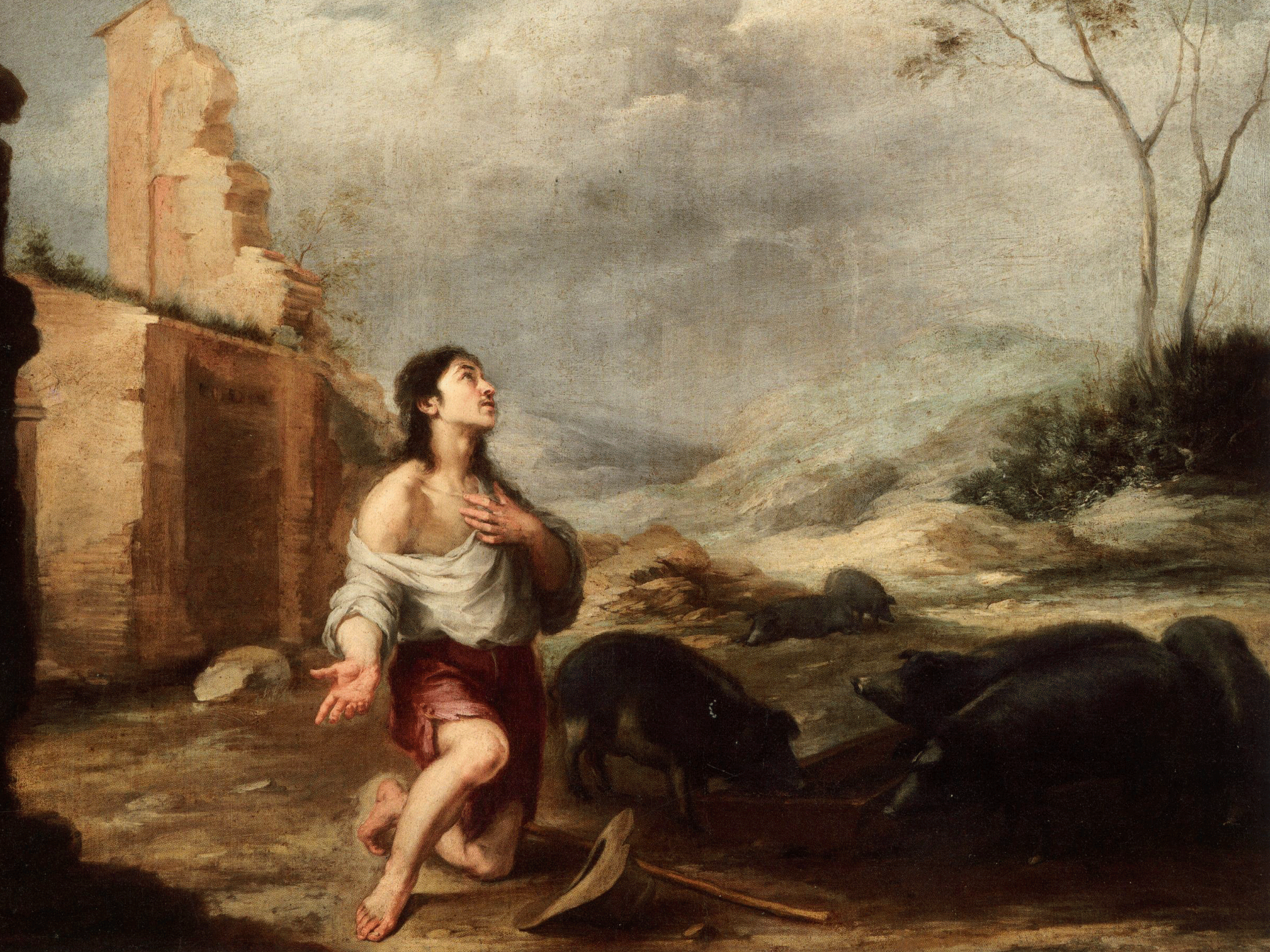
Muirne Lydon reveals the original brilliance of Murillo’s Prodigal Son as degraded varnish and old restorations are painstakingly removed from the 17th-century series at the National Gallery of Ireland
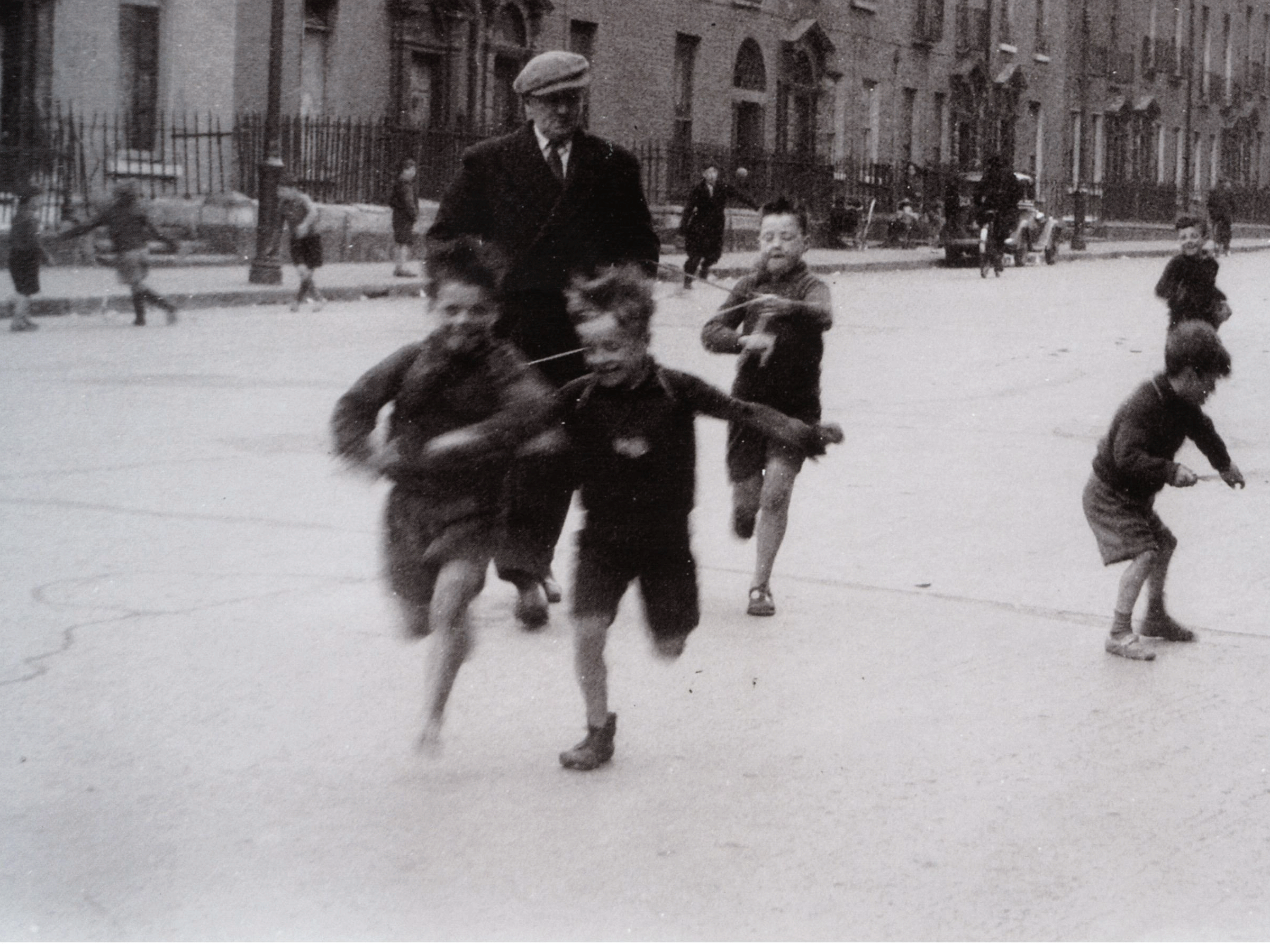
Using a selection of germane quotations Rolf Loeber recalls his mentor, the late Maurice Craig; their literary exchange taking the form of a tete-a-tete.
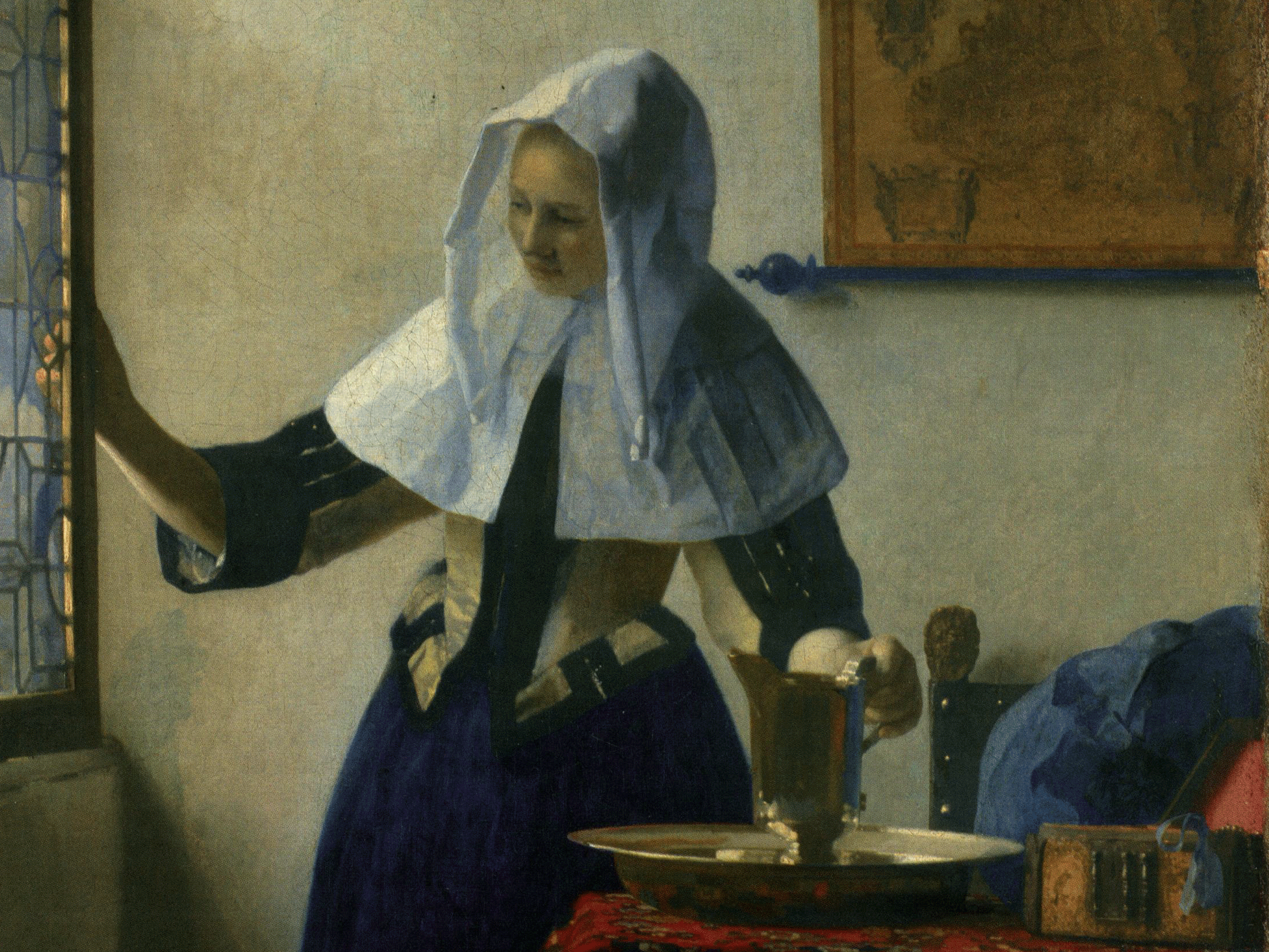
Cosmopolitan yet connected to local issues, Mervyn Wingfield, 7th Viscount Powerscourt played a prominent role in promoting Ireland’s cultural institutions at a pivotal time in their early history, writes Philip McEvansoneya