
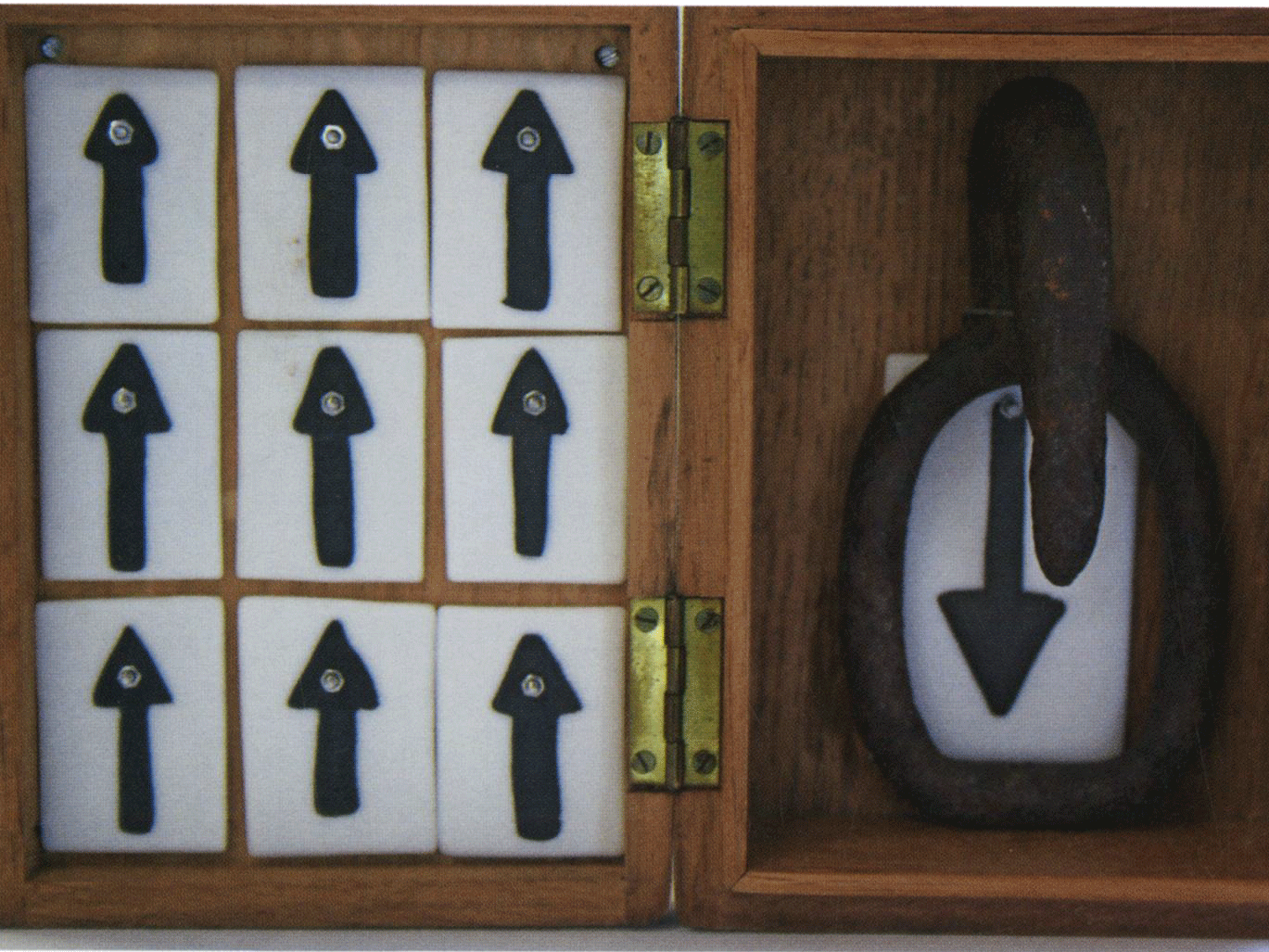
“I have always been interested in how very ordinary things can lead us to an understanding of the extraordinary”, Marie Foley tells Brian McAvera as assemblages for her small sculptural works go on exhibit as part of the Arts Council’s “Into the Light” exhibition at the Model, Sligo this winter.
Brian McAvera: Marie, you were born in Kanturk, a market town in north Cork which is at the confluence of two rivers. The name means ‘Boar’s Head’ and I imagine that the lore and language as well as the history, of the castle for example, might well have stimulated an imaginative child. What are your early memories of growing up there?
Marie Foley: Warm summers, swimming in the river, walking the fields, the town park, collecting tadpoles, creating cavity houses, my father welding in Foley’s Garage and the sound of machinery across the yard from our house, my mother’s garden, her baking, Halloween, staying over with friends cycling to the Island Wood. I explored various towns and on my bicycle. I loved Kanturk Castle. It was a dark place, a source of intrigue, inhabited by crows. I remember our own gatherings of crows on Newmarket Road. They nested in the lovely beech trees. They were very much part of my years in boarding school in Drishane as well. I found them fascinating. I still do, and they turned up in my work in 1989–1993.
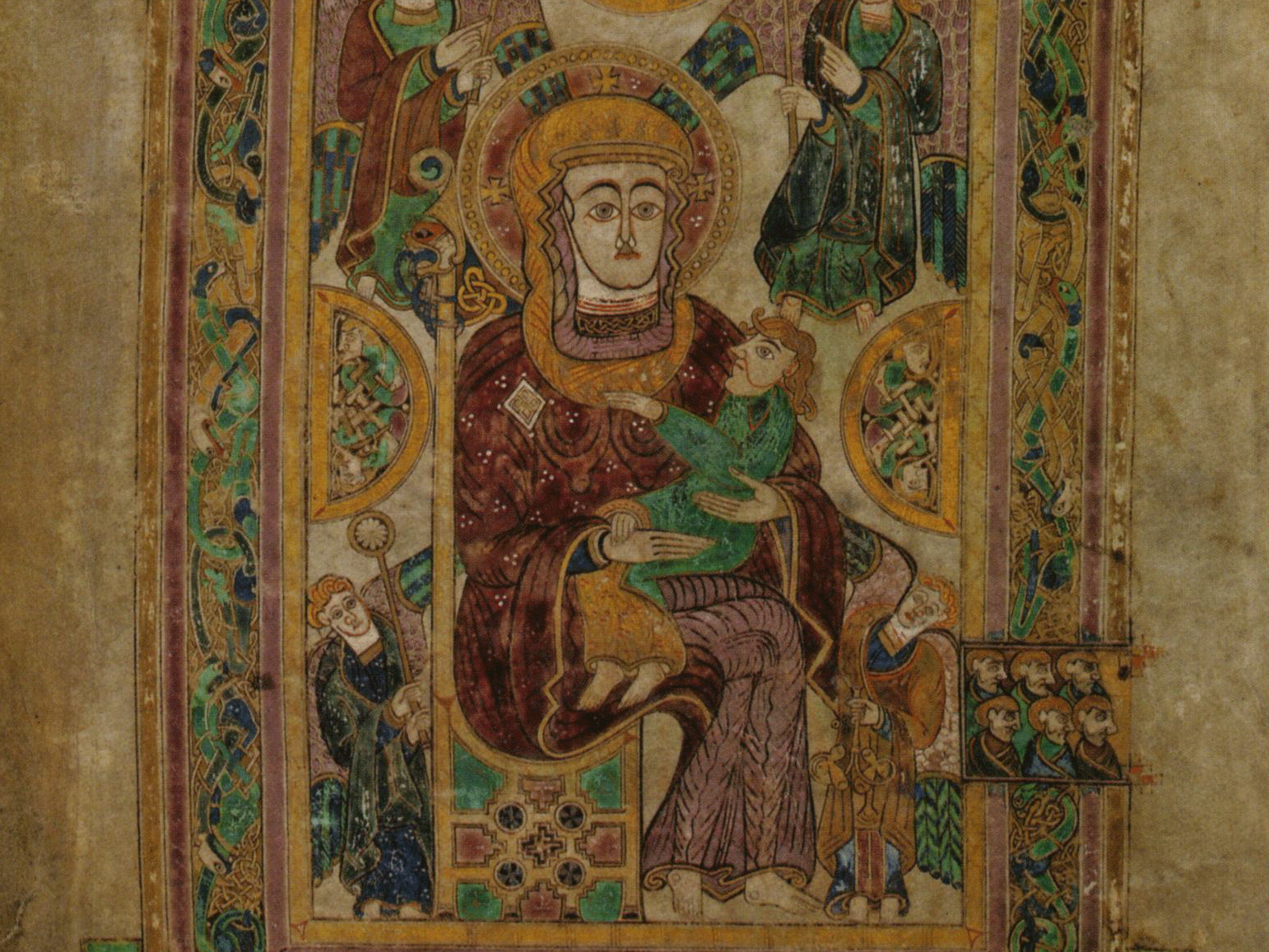
The realm of faith illustrated in the Book of Kells can be elusive to modern audiences; however, a new study by Bernard Meehan provides valuable insights into this peerless manuscript