
Seán Kissane traces the emergence of a modern language of art in Ireland as exemplified by Albert Gleizes and his Irish students and his contemporary André Lhote, currently on view at IMMA
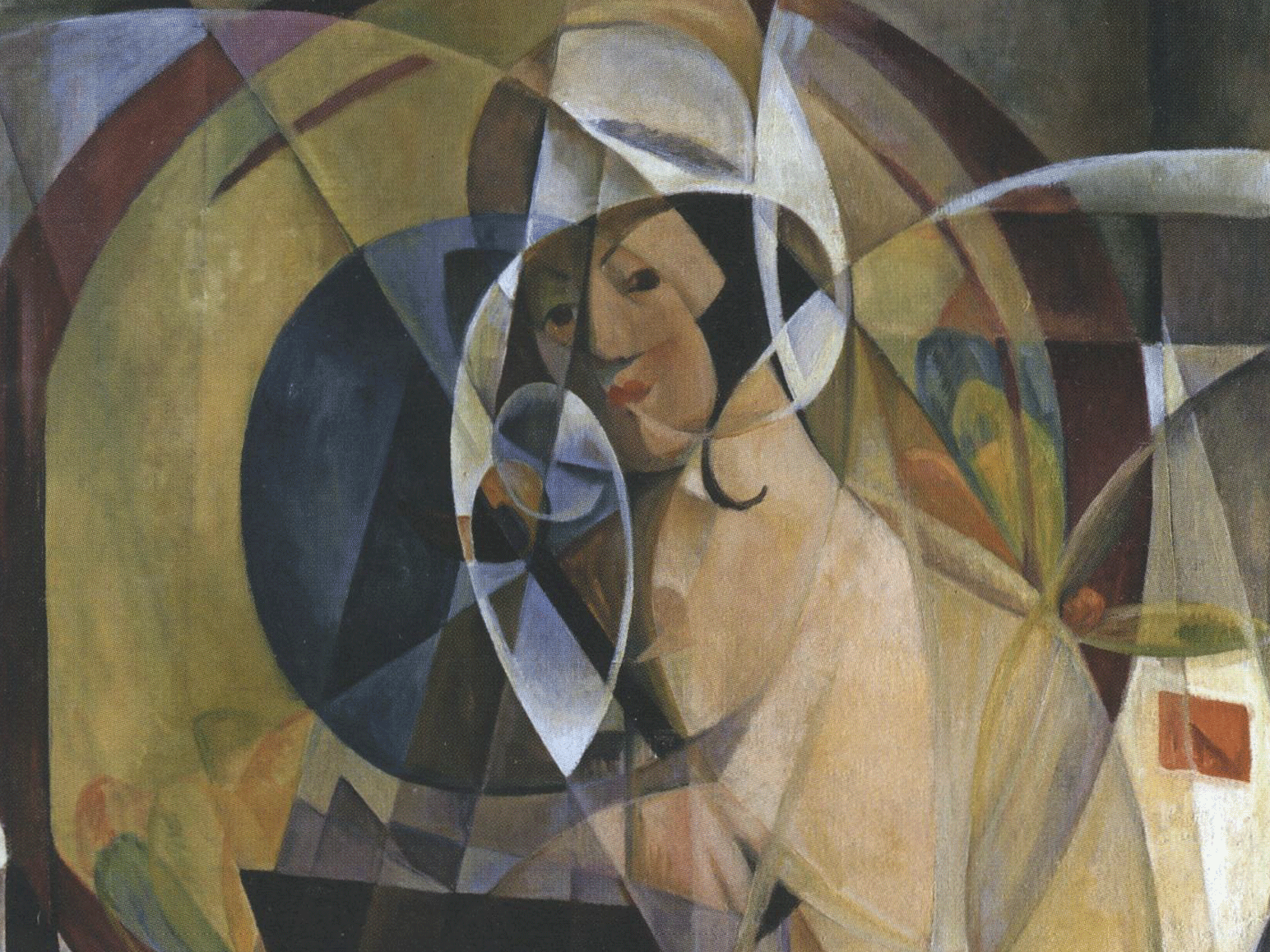
In any account of the early origins of Cubism, 1907 stands out as a significant year. It was the year of Paul Cezanne’s landmark retrospective at the Salon d’Automne. Cezanne’s approach – simplifying objects through the use of geometric forms and making repeated studies of the same views – was revolutionary. 1907 was also the year in which Pablo Picasso visited the ethnographic museum at the Trocadero in Paris, where he saw the African art – specifically masks – that strongly influenced his subsequent work. These events led to his painting of Les Demoiselles d’Avignon (1907), considered to be a proto-cubist work. As for the origin of the term ‘Cubism’, Louis Vauxelles first used the word ‘cubes’ in the context of Georges Braque’s landscapes painted in 1908 at L’Estaque in homage to Cezanne. Gertrude Stein, on the other hand, maintained that Picasso’s landscapes from Horta de Ebro from 1909 were the first true Cubist works.

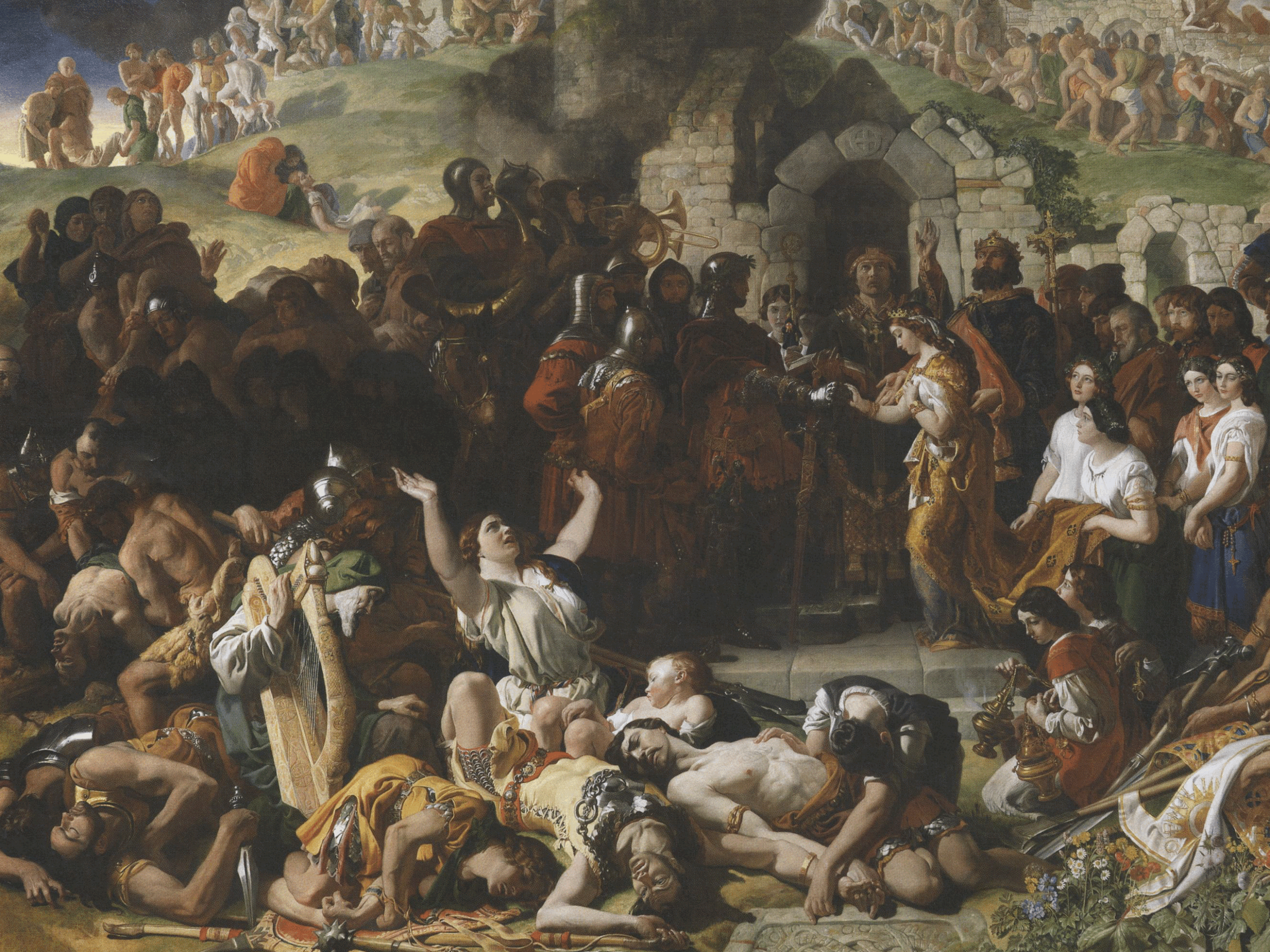
Was Daniel Maclise a proto-Nationalist painter? Peter Murray thinks not, in his assessment of the National Gallery’s recently restored masterpiece.
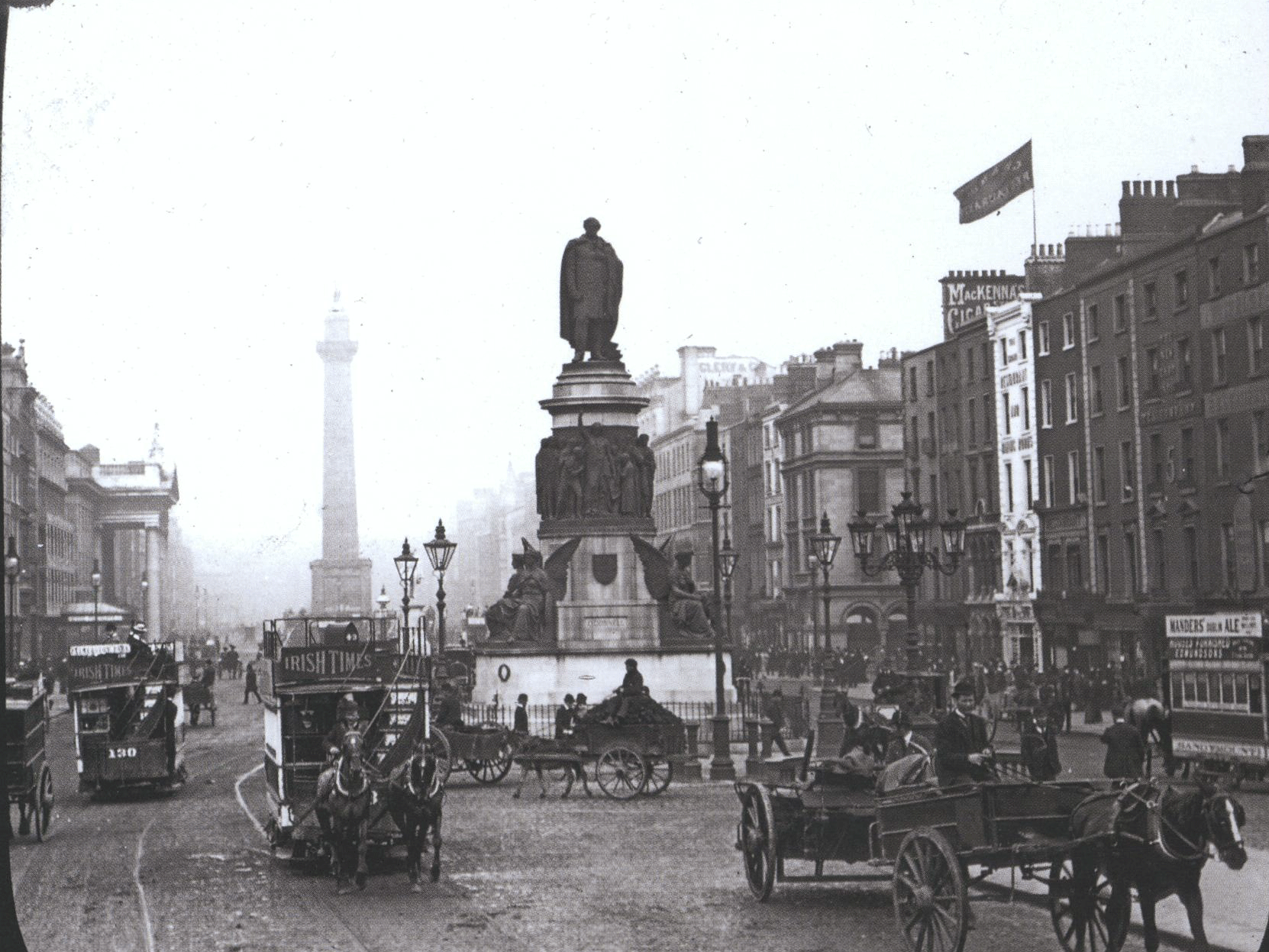
Christiaan Corlett looks at a valuable, but little-known portfolio of photographs taken by Victorian doctor Ephraim MacDowel Cosgrave, now in the collection of the Royal Society of Antiquaries of Ireland
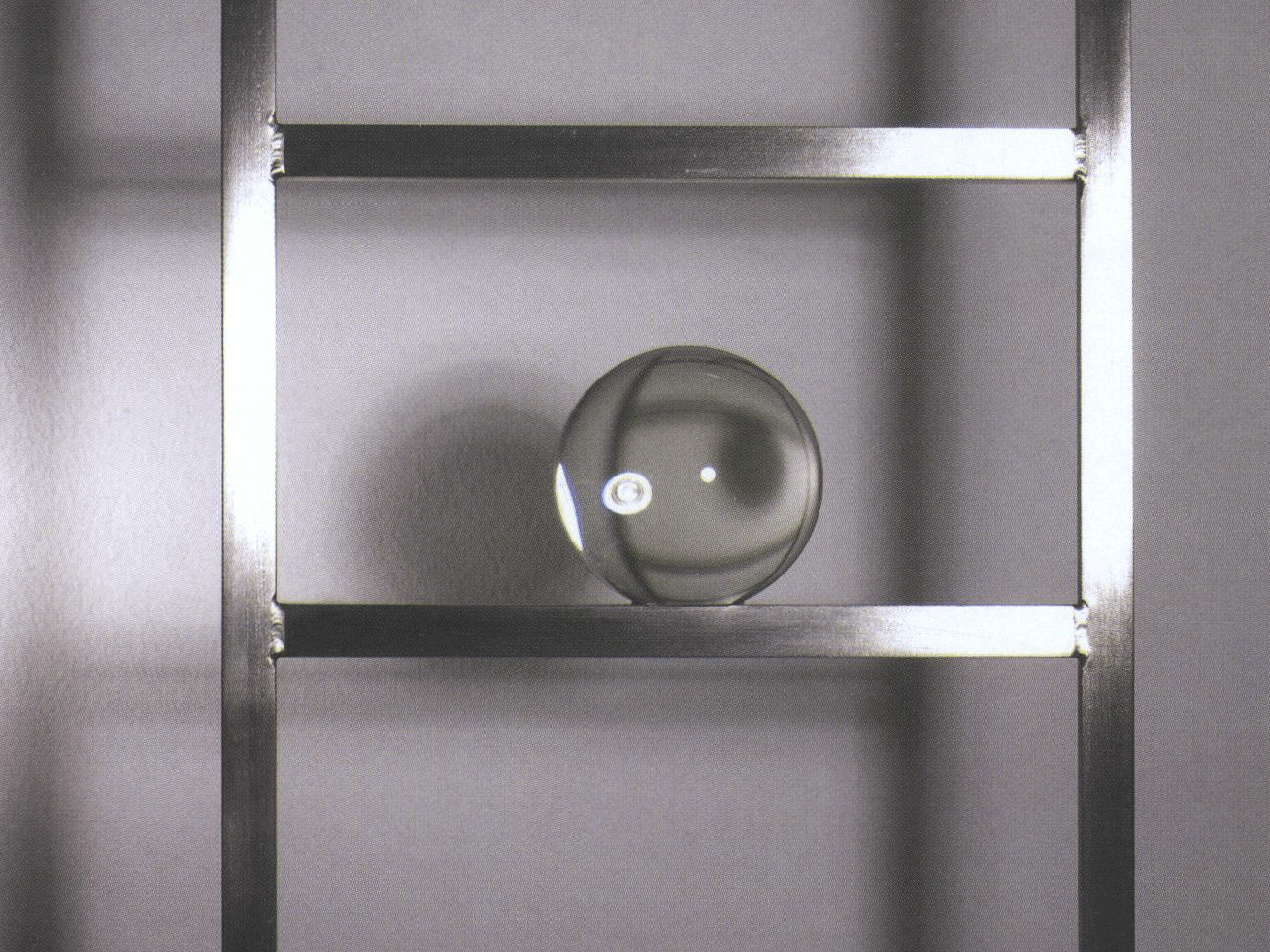
Vivienne Roche belongs to a generation who transformed what sculpture could be. ‘I don’t consider myself an object-maker. I work with place and change’, she tells Brian McAvera while her exhibition continues at the Royal Hibernian Academy